Historic Keys and Spurs

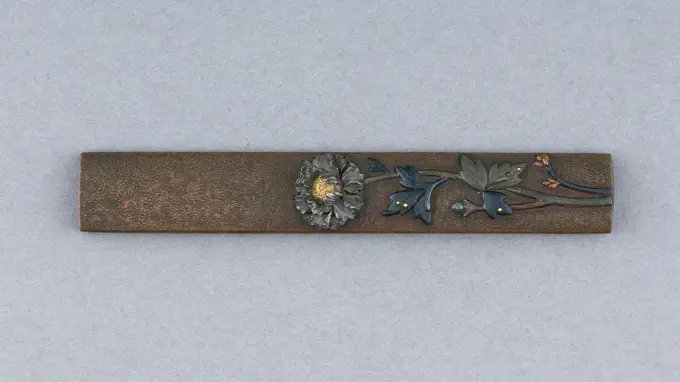
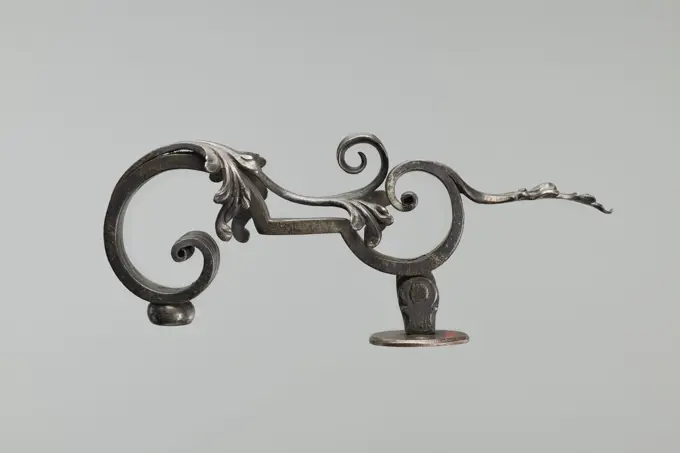
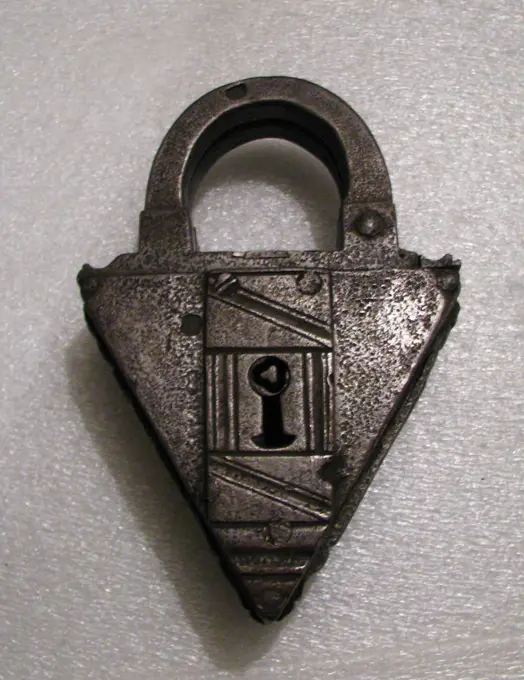
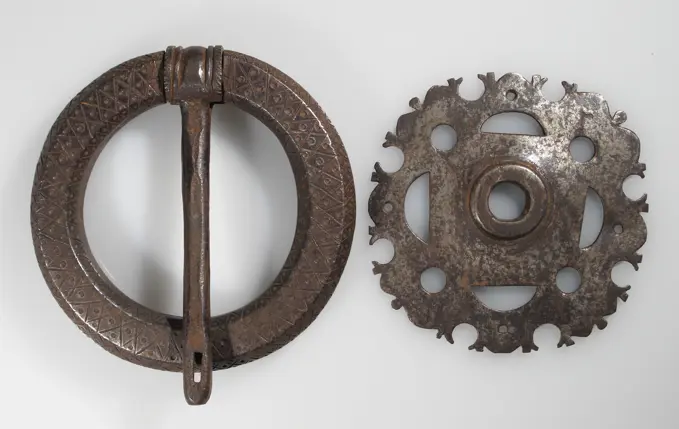
Various keys from different centuries, including ornate metal designs and a unique spur, showcasing antique craftsmanship and historical significance.

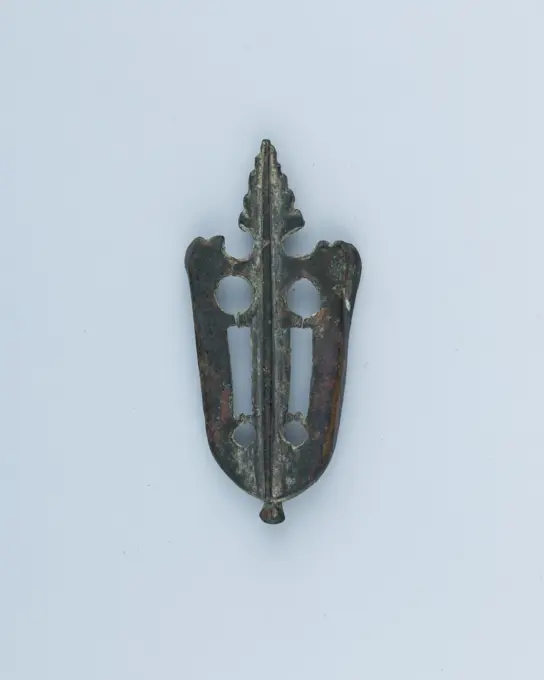
Coat hook or coat closure, open worked flat metal object ending in bent point, closure clothing accessory clothing soil find copper metal, cast Open worked flat metal object ending in bent point (broken down). Open rectangle to confirm archeology Rotterdam to connect rail tunnel close closes Soil discovery: trajectory rail tunnel Rotterdam.
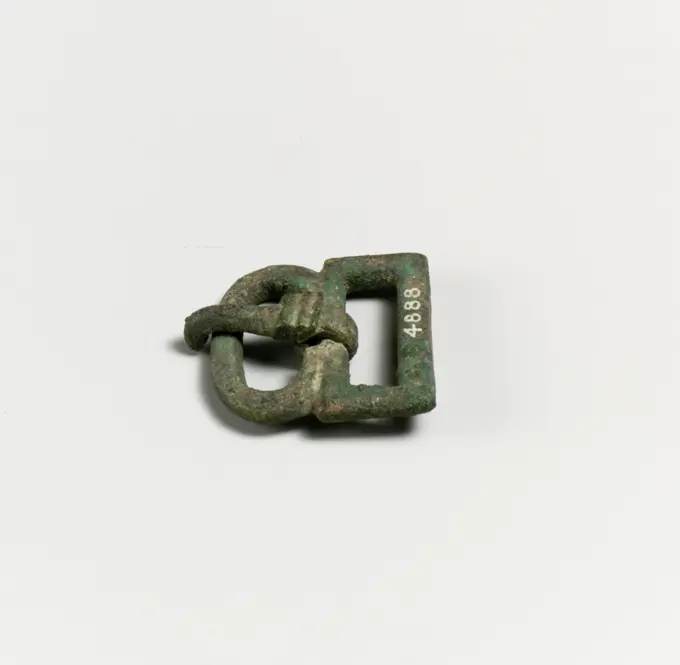
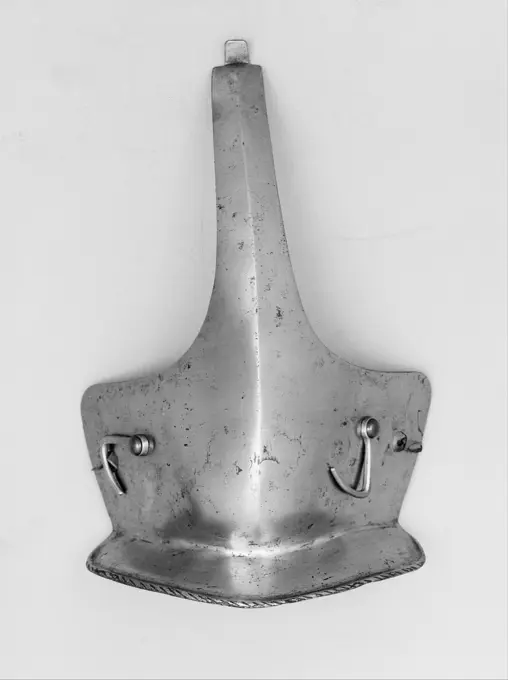
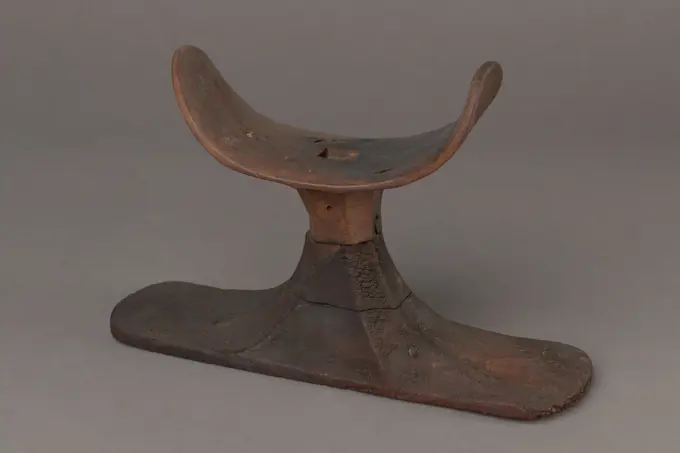
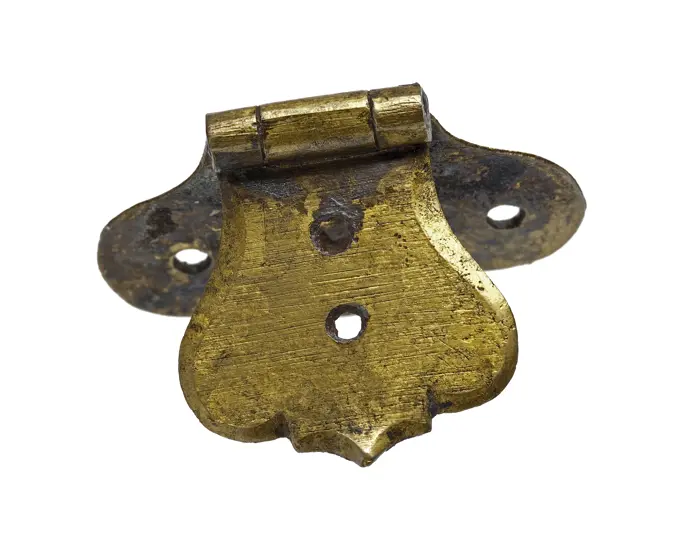
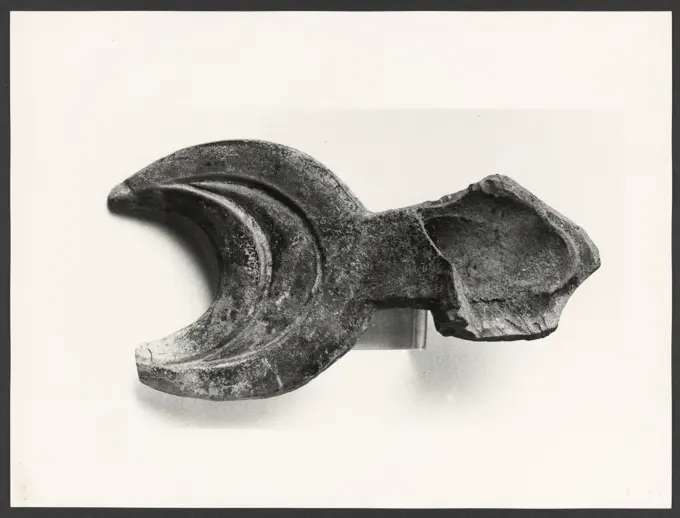
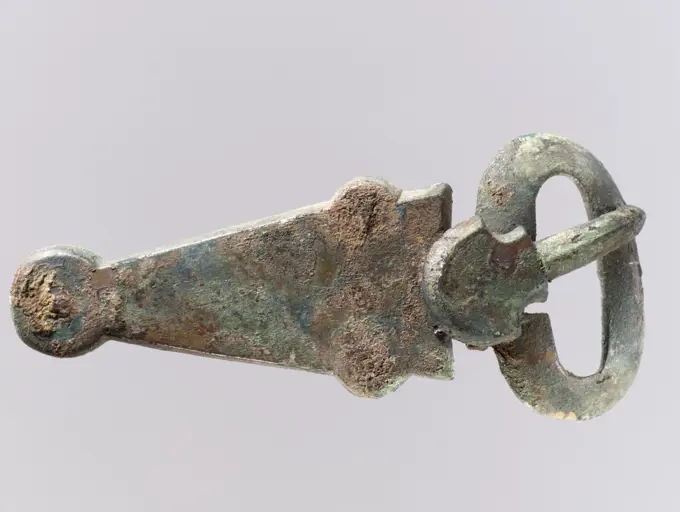
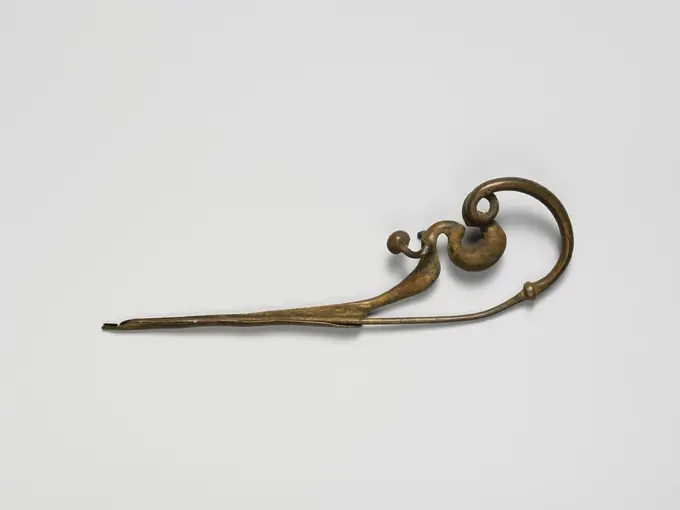
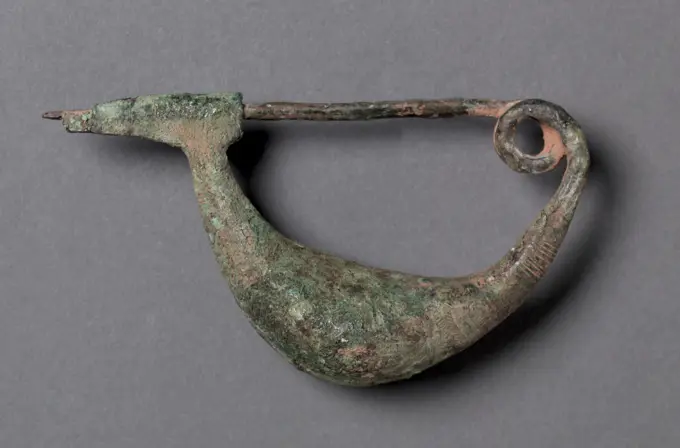
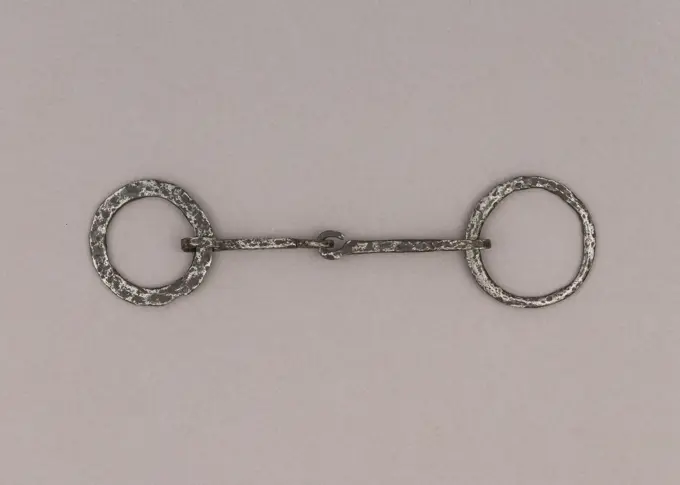
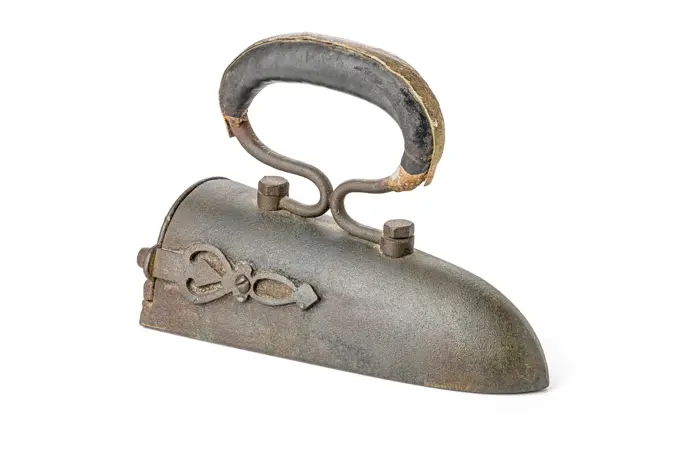
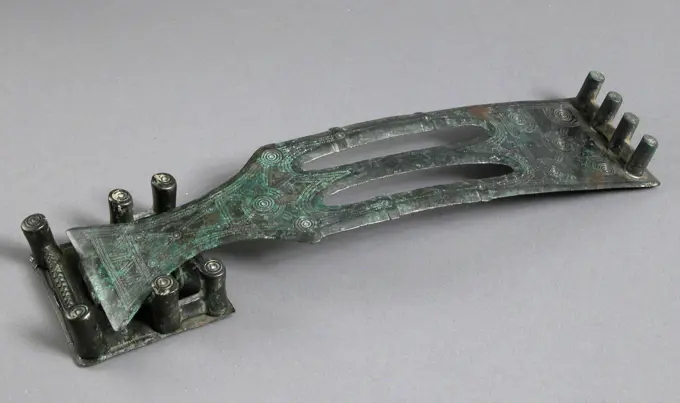
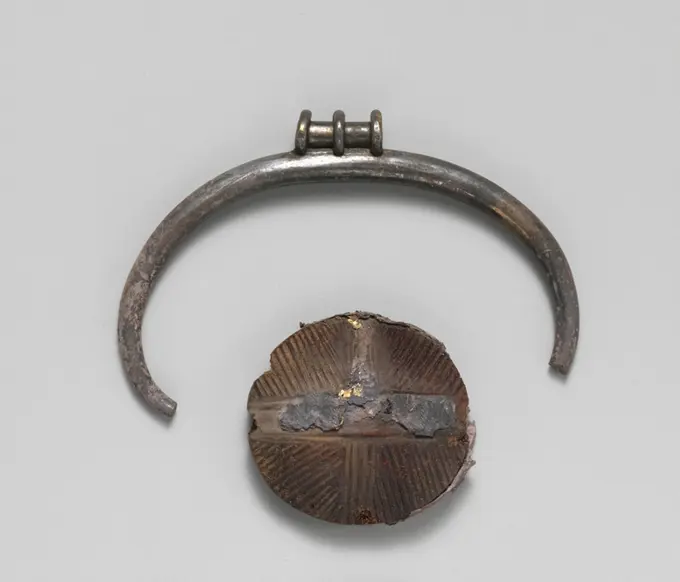
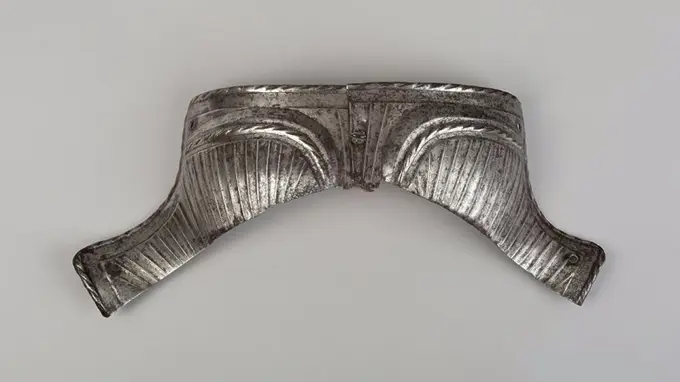
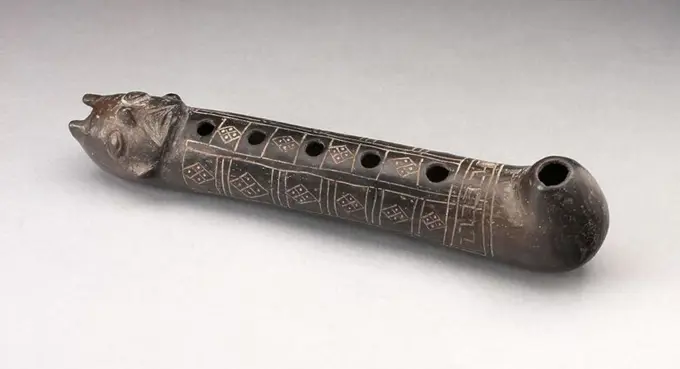
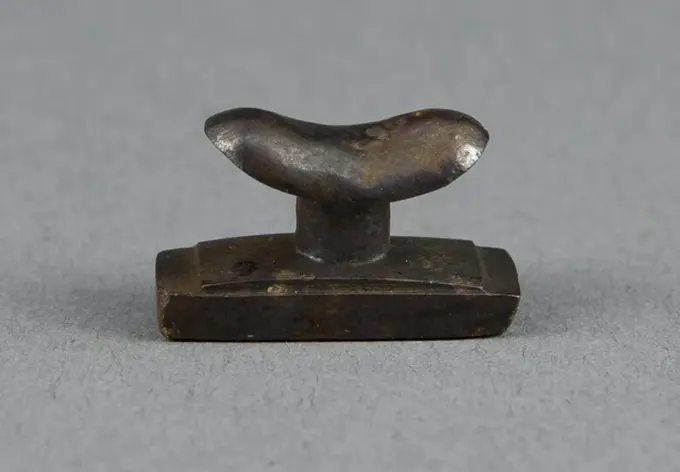
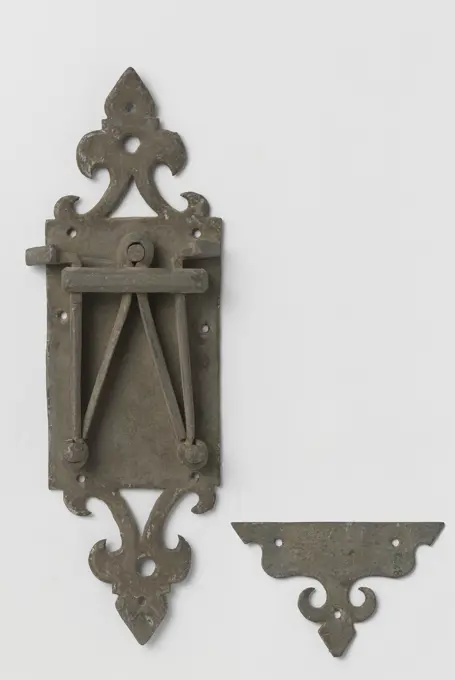
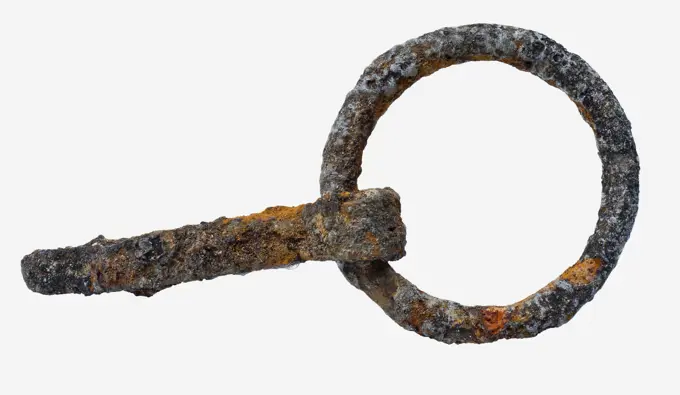
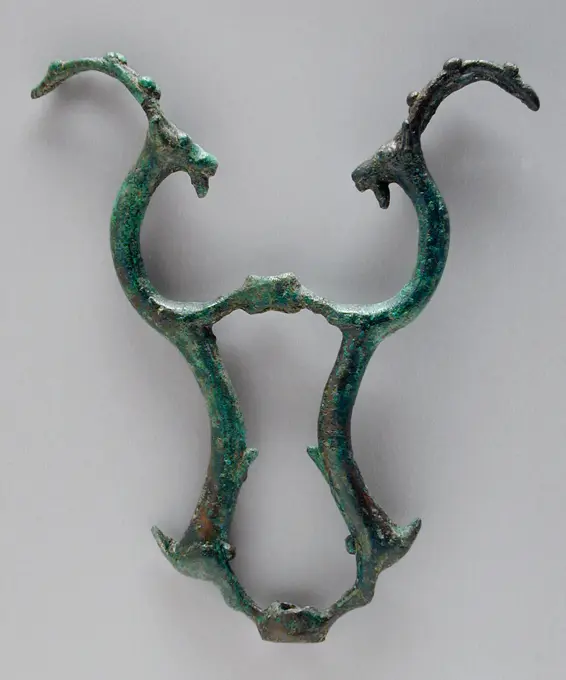
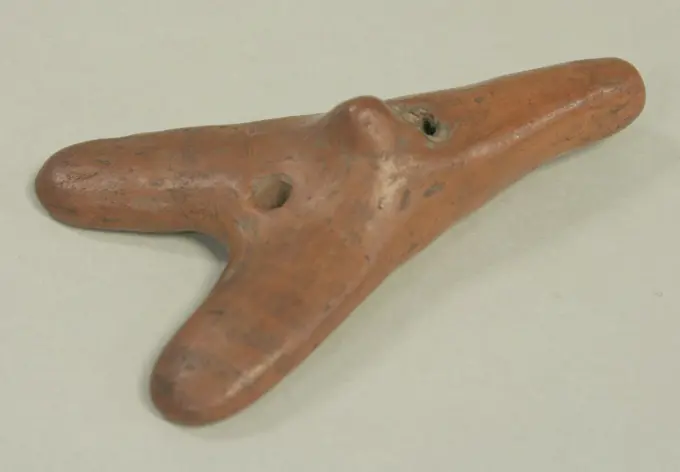
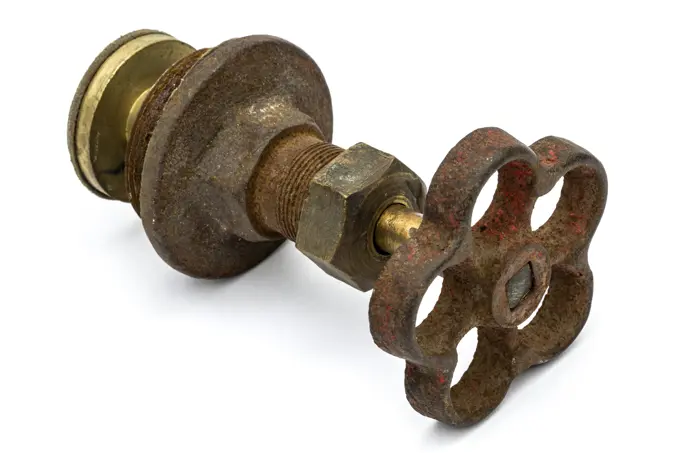
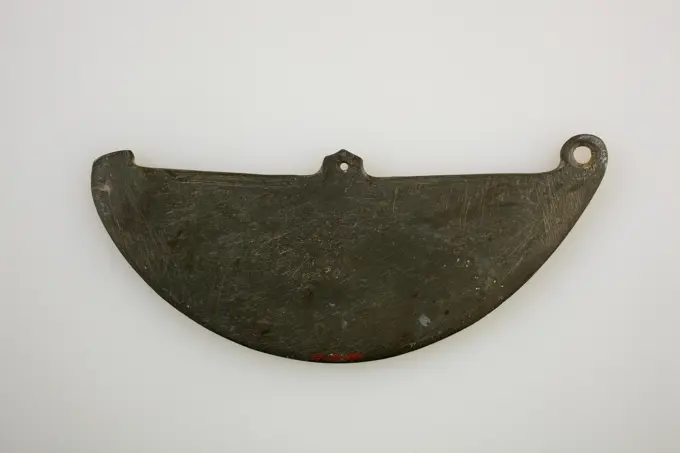
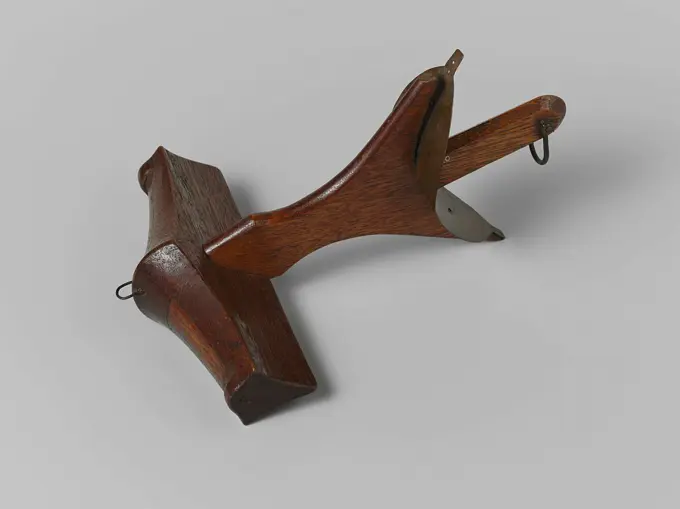
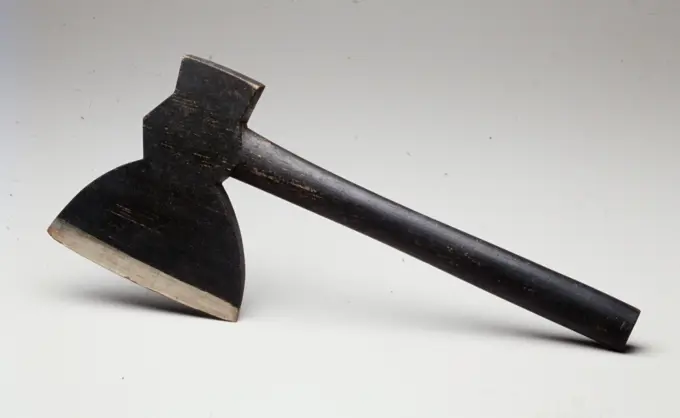
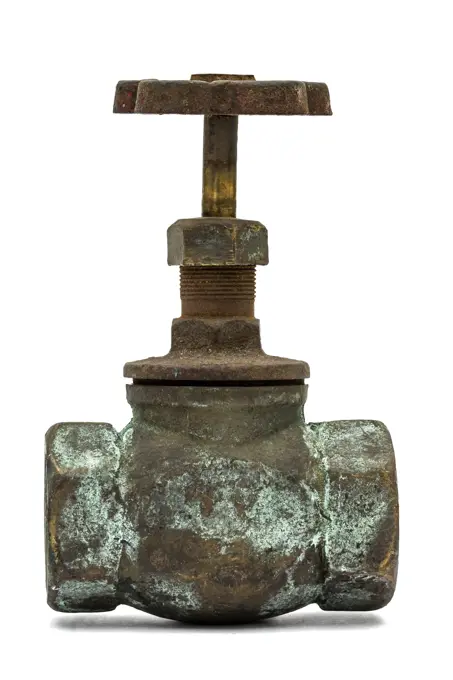
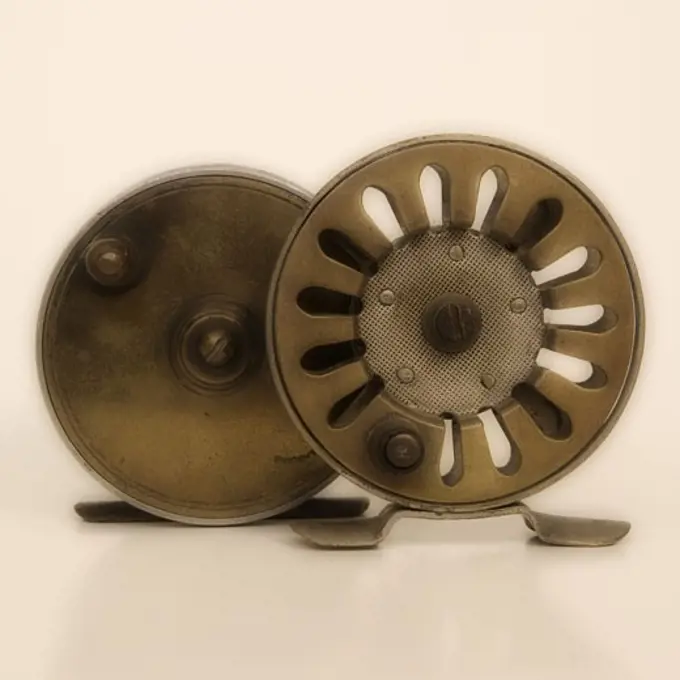
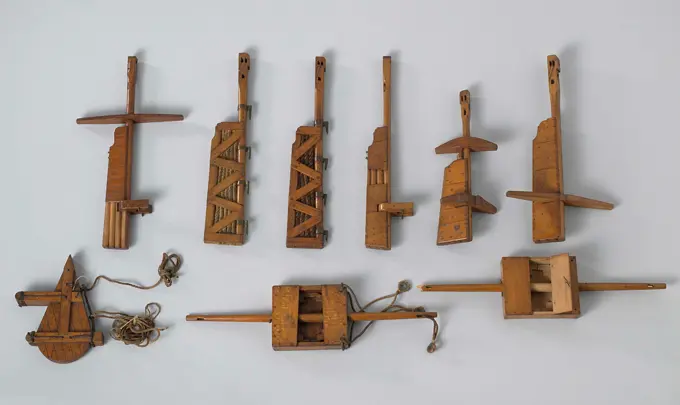
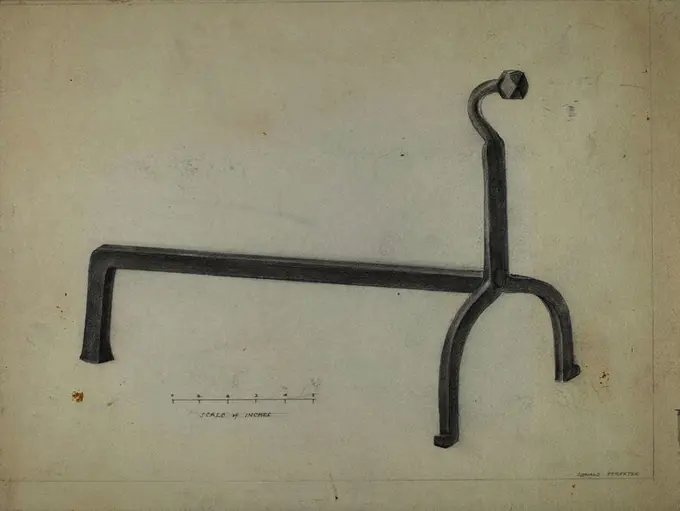
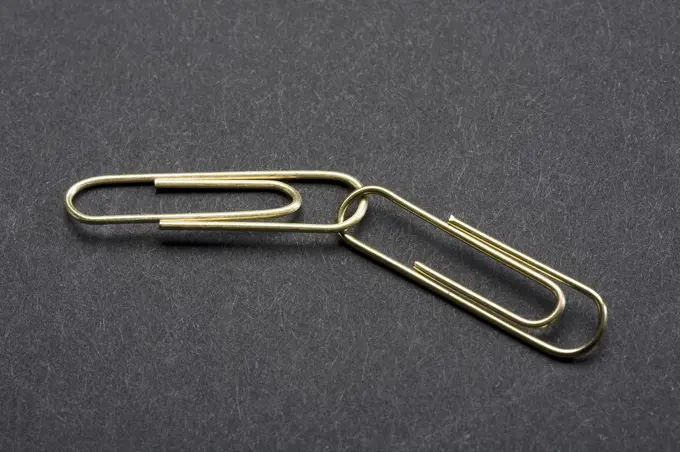
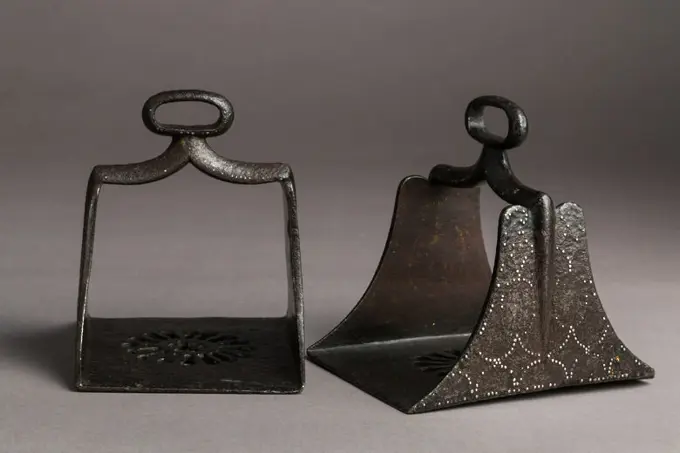
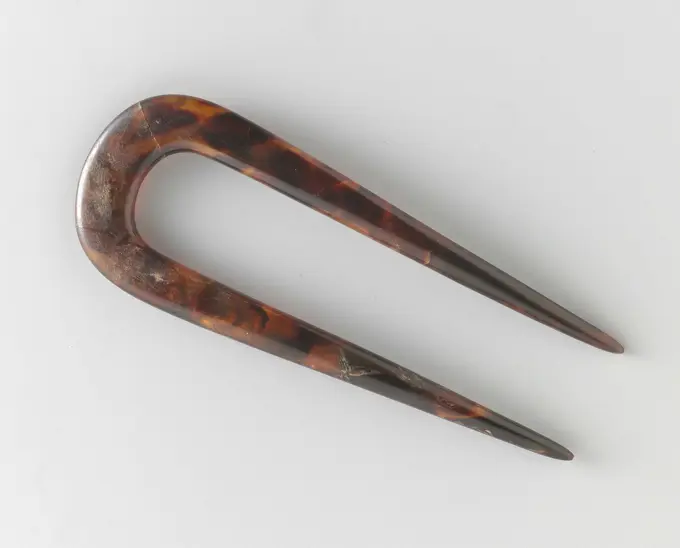
. Hair comb of turtle, U-shaped with smooth, rounded back.Prehistory, Italy, Iron Age. Boat-shaped fibulas. Possibly from the Valle dell'Orfanto, province of Pescara.Fragment (console of the altar cabinet); (possibly) belonging to the Retable of Soest. .Spear Point. Western Iran, circa 1000-825 B.C.. Arms and Armor; spears. BronzeHandle of a mirror Roman, Cypriot. Handle of a mirror 244366Powder Flask. Italian. Date: 1550-1575. Dimensions: H. 17.8 cm (7 in.). Wood, leather, embossed, molded and tooled, and iron. Origin: Italy. Museum: The Chicago Art Institute, Chicago, USA.Buckle Cypriot. Buckle 244411Pijpsleutel.Pipe key whose handle consists of two backs placed and styled by two characters.Buffe late 16th century Italian. Buffe. Italian. late 16th century. Steel. Armor Parts-Buffeskorkenzieher ** corkscrew,corkscrews 647-fgcAt the top: discharge hallmark Small works, 1768-1774 Paris. In the unparalleled punch center. Below: H: Paris "Commune Maison" for 1771. Openwork strip of flowers and leaves.Slip Hook for Lifeboats, naval officer, 1855 slip hook Iron slip hook, consisting of three parts: a hook with a disk in the right end and turns around an axle placed in the bend; a frame consisting of two metal strips, connected on one side by the axle of the hook and on the other through a disc and a harp; Two round metal plates around hook and frame, which turn around an axle in the hook. There are two extra lines at the eyes of the ends of the axis of the disc in the frame. Plymouth iron (metal). brass (alloy). ropeHeadrest. unknown, authorHinge, consisting of two scalloped, leaf-shaped parts, marked, hinge fittings soil find copper brass metal, cast Large and small scalloped blade connected by hinge each with two fastening holes and mark in frame S including star in which four-leaved flower (stamped along outer edge) archeology Rotterdam City Triangle Oostplein New entrances confirm turning hinges and closures closet case Soil discovery: Oostplein end Nieuwe Haven 1985.Lazio Latina Sezze Antiquarium Comunale07. Hutzel, Max 1960-1990 German-born photographer and scholar Max Hutzel (1911-1988) photographed in Italy from the early 1960s until his death. The result of this project, referred to by Hutzel as Foto Arte Minore, is thorough documentation of art historical development in Italy up to the 18th century, including objects of the Etruscans and the Romans, as well as early Medieval, Romanesque, Gothic, Renaissance and Baroque monuments. Images are organized by geographic region in Italy, then by province, city, site complex and monument.Belt Buckle in Two Parts ca. 500-700 Frankish Bashford Dean (1867-1928), founding curator of the Department of Arms and Armor, frequently acquired works of art, which he called documents, if they included interesting depictions of armor and weapons, particularly rare or early types. Stephen V. Grancsay (1897-1980), Deans successor, followed the same practice, adding paintings, sculpture, works on paper, and stained glass to the collection. Both Dean and Granscay also believed that for armor to be fully understood, in addition to contextual works of art, armor itself must be studied piece by piece in exacting detail, including any surviving textile linings, rivets, leather or textile straps, and buckles. In an article published in 1921 Dean wrote, "…buckles are not merely art objects in little…[they are importantly diagnostic for the student or armor, for their design and details change with each decade." Many of the buckles in the museum were not necessarily made for use with armor, Antique golden door keys with shadow isolated on grey background. Blank copy space may be used for any emotions, ideas, feelings.. Key represented on backgroundBronze dragon-type fibula (safety pin). Culture: Late Villanovan or Early Etruscan. Dimensions: length 6 7/16in. (16.3cm). Date: ca. 700-650 B.C..The pronounced elongation of pin and clasp indicates a relatively late date for this type of fibula, which was popular with men. Similar but less elongated versions have been found in Tarquinia, in the so-called Tomb of the Warrior of about 700 B.C. This tomb, discovered in 1869, contained the skeleton of a man of about seventy years. He was equipped with elaborate armor, weapons, jewelry, and a great deal of pottery. Museum: Metropolitan Museum of Art, New York, USA.Ceremonial Axe before 16th century Tairona. Ceremonial Axe 317312Boat-Shaped Fibula, 900-700 BC. Italy, Etruscan, 10th-8th century BC. Bronze; overall: 10.4 cm (4 1/8 in.).Hunting plug bayonetSnaffle Bit 9th-11th century German If the Vikings are mostly known for being talented sailors, one may forget they were also horse riders, and as in all the Germanic cultures, horses had great importance in their society, in both its social and religious aspects. Equestrian equipment, like stirrups, spurs and bits, are regularly found in Viking burials, among the goods warriors wanted to bring with them to the afterlife. The elite would sometimes even be accompanied by sacrificed horses, a meaningful practice at that time, considering the high economic value of horses.The snaffle bit is the simplest type of horse bit, and has an effect on the bars (part of the horses jaw without teeth) and the corners of the lips. The rings on the sides would serve to hang the bit on the headstall, attach the reins, as well as hold the mouthpiece in place. This bit is said to have been found on the site of Dolkheim, today in Northern Poland.. Snaffle Bit. German. 9th-11th century. Iron. Dolkheim, EasAttachmentantique flat iron antique flat ironPasser of brass and iron, anonymous, 1550 - 1600 The object consists of two legs, which are provided at the ends of a wrought iron point and sounded to each other on the other. On the one hand they have a wiser and on the other hand a slider, with which they are attached to the bar. The letters FK are engraved in the slider. The bar has an elongated rectangular opening, along which six scale divisions are engraved and in which a second slider is mounted to read the measurements. A more or less oval handle is brased on the top of the bar, which has probably had a measuring function due to the details. A small hook is riveted under the handle. On the bottom of the bar, the straight connecting parts with the legs of the compass are sounded. Eight scale divisions are engraved on these parts. On one of the legs of the passer, two elongated in diameter in diameter and the square visors are roared, which have round holes lengthwise to look through it. The legs of the passer have engraved decoCombat ax, stuffer; Unknown, unknown Middle East workshop, unknown Lurista workshop; 2. PO. 3. thous. BC (-2500-00-00--2001-00-00), 1. PO. 2 thousand BC ; the period of the family (-2000-00-00-00-1501-00-00), 2. PO. 2. thous. BC (-1500-00-00--1001-00-00);Dziewanowski, Władysław (1822-1961), Dziewanowski, Władysław (1882-1961), Donor, Jarnuszkiewicz, Czesław (1888-1988), Jarnuszkiewicz, Czesław (1888-1988)-collection, Polish Army Museum, weapon, weapon, Kolfatta weapons, Brązy Luristanie, PYDziaki, central bronze period (approx. 2000-OK. 1500 BC), geometric ornament, axes, purchase (provenance)Batter, c. 1400 - c. 1950   iron (metal)   iron (metal)Fibula protogeometryczna. unknown, authorBuckle and Plate 5th century B.C. Celto-Iberian. Buckle and Plate 476391Silver and amber pendant 7th century B.C. Etruscan Elliptical hoop topped by a suspension tube. The base of the ring accommodates an ovoid amber bead mounted so it may swivel. The amber is incised with simple geometric motifs.. Silver and amber pendant. Etruscan. 7th century B.C.. Amber, silver. Archaic. Miscellaneous-AmberBuckle With flattened oval rim.. Buckle 246789Tangent sight. Design or direction that is mounted against the rear of the lock removal; The aid is provided with a cam that grabs into the lock removal and is tightened from behind with a screw. The set-up rod is a short square iron rod, on top of it is pyramid-shaped with grooves through the top; He can move vertically back and forth. Demonstration and or test model.Candle Snuffer. Dated: 1935/1942. Dimensions: overall: 22 x 34 cm (8 11/16 x 13 3/8 in.). Medium: watercolor, gouache, and graphite on paperboard. Museum: National Gallery of Art, Washington DC. Author: Florence Stevenson.Sign in the form of a key. .Copper lock from v.O.c.-ship the 'white lion'. Copper lock from v.O.c.-ship the 'white lion'.Drill without drill, anonymous, c. 1590 - c. 1596 drill Drill without drill, with the grape.  wood (plant material) cutting  Nova Zembla. Saving HuysHide Stretcher. Dated: c. 1938. Dimensions: overall: 22.9 x 27.9 cm (9 x 11 in.). Medium: watercolor, graphite, and colored pencil on paperboard. Museum: National Gallery of Art, Washington DC. Author: George Bobholz.Cantle Plate. German. Date: 1500-1550. Dimensions: . Steel. Origin: Germany. Museum: The Chicago Art Institute, Chicago, USA.Mirror ca. 1550-1295 B.C. New Kingdom This mirror has a handle in the form of a papyrus stalk ornamented with braided and zigzag patterns. A falcon perches on either side of the umbel. Along with a kohl pot, a shell bracelet, and some faience bead bangles, it was found inside a round basket that had been placed inside a rectangular coffin.. Mirror. ca. 1550-1295 B.C.. Bronze or copper alloy. New Kingdom. From Egypt, Upper Egypt, Thebes, Asasif, Courtyard of CC 41, Pit Tomb 43, Burial 12, Carnarvon/Carter excavations, 1912. late Dynasty 17 - early Dynasty 18Ax blade ca. 1295-1070 B.C. New Kingdom, Ramesside. Ax blade. ca. 1295-1070 B.C.. Bronze or copper alloy. New Kingdom, Ramesside. From Egypt. Dynasty 19-20Fragment, capital, Oak, carved, Left portion of the base of a pilaster, with two decorated mouldings., France, ca. 1720, architecture, Decorative Arts, Fragment, capitalClose-up of nail in woodOld rusty safe key isolated on whiteGarnet. Two wooden supports, inlaid with leather, and on the round inside with a thin layer of leather. The carrier has an H shape and has two wooden handles on both outside.Flute with Incised Geometric Motif and Mouth in the Form of a Human Head. Chimú; North coast, Peru. Date: 1200-1450. Dimensions: 25.7 x 6.4 cm (10 1/8 x 2 1/2 in.). Ceramic. Origin: North Coast. Museum: The Chicago Art Institute, Chicago, USA.John Petrucci, Conestoga Hasp and Hinge, c 1938 Conestoga Hasp and HingeAmulet of a Headrest. Egyptian. Date: 664 BC-332 BC. Dimensions: 1.25 x 2 x .75 cm ( 1/2 x 3/4 x 1/4 in.). Hematite. Origin: Egypt. Museum: The Chicago Art Institute, Chicago, USA. Author: Ancient Egyptian.Double cut with lock plate, anonymous A Vertind double cut, with lock plate. A Vertind double cut, with lock plate.Three Models of Yard Hoops.Three models of rhubands. The loose rabbit has a bras bracket. The other two are connected by a metal cross piece at which a slice of a gyp is attached in the middle.Copper trumpet. .Pen with ring (eye), lock sealant soil find iron metal, archeology Rotterdam City Triangle New Haven archaeological find in the soil Rotterdam Nieuwe Haven 21-08-1980Feline-Shaped Belt Hook 4th-3rd century B.C. North China. Feline-Shaped Belt Hook 59554Battleaxe and pistol, 16th century. The Arts of the Middle Ages and at the Period of the Renaissance by Paul Lacroix, 1874Standard Finial. Iran, Luristan, Luristan bronzes, circa 1350-800 B.C.. Architecture; Architectural Elements. Bronze, castKnife rest ca. 1790-1810 British. Knife rest. British. ca. 1790-1810. Sheffield plate. Metalwork-SilverplateSnaffle Bit 9th-10th century Germanic If the Vikings are mostly known for being talented sailors, one may forget they were also horse riders, and as in all the Germanic cultures, horses had great importance in their society, in both its social and religious aspects. Equestrian equipment, like stirrups, spurs and bits, are regularly found in Viking burials, among the goods warriors wanted to bring with them to the afterlife. The elite would sometimes even be accompanied by sacrificed horses, a meaningful practice at that time, considering the high economic value of horses.The snaffle bit is the simplest type of horse bit, and has an effect on the bars (part of the horses jaw without teeth) and the corners of the lips. The mouthpiece of this bit consists in two articulated links, square in section, with thin ridges. The mouthpiece is flanked by vertical cheekpieces with pierced square plaques, used to hang the bit from the bridle. Reins were attached to the large rings hanging from eachY-Shaped Whistle A.D. 300-1000 Peruvian. Y-Shaped Whistle 308944Copper closure of belt with three eyes, buckle harness part clothing accessory clothing soil find brass copper bronze metal, cast Copper or bronze belt buckle Consisting of large elongated eye above it two small eyes. In between the small eyes lobed leaf figure archeology Rotterdam rail tunnel attach fastening take along belt Ground discovery: rail tunnel Rotterdam.Knife Handle (Kozuka). Culture: Japanese. Dimensions: L. 3 3/4 in. (9.5 cm); W. 9/16 in. (1.4 cm); thickness 3/16 in. (0.5 cm); Wt. 0.9 oz. (25.5 g). Date: 19th century. Museum: Metropolitan Museum of Art, New York, USA.PickCAJA DE CERILLAS DE ARTESANIA S XIX. Location: MUSEO DEL PUEBLO ESPAÑOL. MADRID. SPAIN.Bronze Lilla on Movable Spil, Anonymous, c. 1400 - Before 1950 lilla. cannon Bronze Lilla on movable pivot, above which two dolphins. Simple vision device. The loop, the lower half of which is octagonal, is decorated with a triangular jet -shaped ornament. Indonesian Archipelago bronze (metal)Goldweight Antelope, 19th-20th century, 1 x 9/16 x 2 5/8 in. (2.54 x 1.43 x 6.67 cm), Brass, Ghana, 19th-20th centuryHolder for hourglass on rotating arm of brass, anonymous, 1650 - 1700 The twice -curved arm ends on one side in a spiral decorated with curls and a stylized bird head, on the other in a round thickening with a threaded hole, in which the hourglass holder is placed. The arm has a round eye that can be applied to the pin of the (missing) mounting piece of the pulpit. The holder has six balusters. Netherlands brass (alloy) casting The twice -curved arm ends on one side in a spiral decorated with curls and a stylized bird head, on the other in a round thickening with a threaded hole, in which the hourglass holder is placed. The arm has a round eye that can be applied to the pin of the (missing) mounting piece of the pulpit. The holder has six balusters. Netherlands brass (alloy) castingRoman keys. Bronze. National Archaeological Museum. Tarragona. Catalonia, Spain.Old water valve, isolated on white background Old water valve, isolated on white background Copyright: xZoonar.com/OleksandrxKostiuchenkox 8897835Goldweight Double Gong, 19th-20th century, 2 x 3/4 in. (5.08 x 1.91 cm), Brass, Ghana, 19th-20th centuryPalette ca. 3850-2960 B.C. Predynastic Period. Palette. ca. 3850-2960 B.C.. Slate. Predynastic Period. From EgyptModel of an Anchor. Wooden model of a peculiarly formed anchor. The anchor stick and arms are swapped from place. The shaft is flat and widths halfway to form the top-back arms, on which a curved oval copper plate is attached with punctured ends. The straight anchor stick is very thick, approximately triangular in diameter, the sharp portion backwards, and runs on the shaft. The weight of the anchor stick and the oval form of the arms ensure a correct location of the anchor. A harp at the tip of the anchor stick and one at the top of the shaft.Pendant 15th-17th century European. Pendant. European. 15th-17th century. Bronze. Miscellaneous-Buckles & OrnamentHand Axe, Oddfellows Ceremonial Object, 1856, 16 1/2 x 6 3/4 x 15/16 in. (41.91 x 17.15 x 2.38 cm), Wood, pigment, United States, 19th centuryOld water valve, isolated on white background Old water valve, isolated on white background Copyright: xZoonar.com/OleksandrxKostiuchenkox 8897851Two antique fishing reelsKey of iron, 1200 - 1400 Forged iron key with cross -shaped ring, closed angular pipe and wide flat beard.  iron (metal) Forged iron key with cross -shaped ring, closed angular pipe and wide flat beard.  iron (metal)Native American Art - a collection of Crooked KnifesNine Models of Jury Rudders.Nine emergency models. Three emergency salts (NRS. 1-3) are almost identical to the NG-MC-MC-228, 229 and 230 models. They have a stem as a stirring king and the stirring blade is composed of round wood covered. Two of them (Nos. 1-2) have a donkey head as stirring hook around the king, a anchor stick has been used for this. One emergency rudder (no. 2) has an anchor stick to the stirring head, similar to model NG-MC-229 (pokelhams emergency noise). The fourth model is a smaller version of this type of emergency noise and has two short anchor sticks to the king, one as stirring hook and one around the stirring head. Two almost identical models (NRS 5-6) are emergency stirrers with a stem as a roofing and the stir sheet is composed of bunches that are kept together by boards; These models have special brass stir hooks. The seventh model, made of shelves, has a drop shape and is probably based on the design of Bassiere. The last few models (nrs 8-9) consists oCutlery fork, knife and spoon on a dark textured concrete background Cutlery fork, knife and spoon on a dark textured concrete background. Kitchen items and accessories Copyright: xZoonar.com/TetianaxChernykovax 21852625Hatchet China. Hatchet. China. Black jade. Han dynasty (206 B.C.-A.D. 220). JadeHanden van Vertind iron with rank motifs, anonymous, 1600 - 1800 Handen of Vertind iron. At the bottom a large, round opening of a hinge. From there, two symmetrical, stylized rank motifs, which are curling towards the end in volutes.  iron (metal). tin (metal) Handen of Vertind iron. At the bottom a large, round opening of a hinge. From there, two symmetrical, stylized rank motifs, which are curling towards the end in volutes.  iron (metal). tin (metal)Andiron. Dated: 1935/1942. Dimensions: overall: 22.9 x 30.5 cm (9 x 12 in.) Original IAD Object: 14 1/2" high; 6 1/4" wide; 16 1/2" deep. Medium: graphite on paperboard. Museum: National Gallery of Art, Washington DC. Author: Donald Streeter.Pair of Spurs. Western European. Date: 1620-1640. Dimensions: L. 12.7 cm (5 in.); W. 8.9 cm (3 1/2 in). Iron. Origin: Europe. Museum: The Chicago Art Institute, Chicago, USA.Navigation, anonymous, c. 1590 - c. 1596  Copper plate on which eight concentric circles are engraved (along the edge), as well as five curved lines (meridians) that come together in a point. The degree distribution along the edge, with numbers and text between the circles, are instructions on the magnetic variation. A wing is attached to the instrument in the middle of the plate. The bottom of the length guide fits exactly in the circumference of the corresponding, also recovered card network (NG-NM-7744).  brass (alloy) casting / engraving  Nova Zembla. Saving HuysModel of a 30-pounder carronade on deck, Rijkswerf Vlissingen, 1838 gunmodel. demonstration model. tools Tools hiring with a model of a 30-ponder. Flushing brass (alloy). copper (metal)Brass buckle without middle post, D-shaped, buckle fastener part soil find brass copper metal, cast Copper buckle D-shape without middle post. Ornate flat frame with two lobes at the point of the angel archeology Rotterdam railway tunnel fastening fastening Soil discovery: trajectory rail tunnel Rotterdam.Plaque. Western Inner Mongolia, 5th-3rd century B.C.. Sculpture; plaques. Bronze, castold scissors close up old vintage retro used scissors on wooden table Copyright: xZoonar.com/FuroxLxFelixx 7106624Vintage golden skeleton key isolated on white backgroundClose-up of two interlocked paper clipsPair of Stirrups. Culture: Italian, Milan. Dimensions: 32.75.216; H. 6 in. (15.2 cm); W. 4 7/8 in. (12.4 cm); D. 6 1/4 in. (15.9 cm); Wt. 2 lb. 7.1 oz. (1108.5 g); 32.75.217; H. 6 1/8 in. (15.6 cm); W. 4 7/8 in. (12.4 cm); D. 6 1/4 in. (15.9 cm); Wt. 2 lb. 5 oz. (1048.9 g). Date: late 16th century.Before being damaged by corrosion, this pair of stirrups was richly decorated with engraved and gilded medallions displaying ancient figures, surrounded by inlaid silver dots and gold damascened arabesques. This decoration is similar to contemporary arms and armor produced in Milan, and could have been part of a similarly adorned set.This sort of wide stirrup, called genette style, was typical of the Islamic world, and widely used in the Ottoman empire at the same time. They were introduced to Europe during the Arab presence in Spain, and then kept by the Spaniards for their light cavalry.In the rest of Europe, they were mostly used during leisure riding or equestrian games, when princes aWooden Steel from the wreck of the East Indies Hollandia, Anonymous, 1700 - in Or Before 1743  Varied parts or fragments, shafts; fragm, broken; flat upper end, circular in section, ribbed bands, circular hollow core. Netherlands wood (plant material)   SecondLosange punch: masterpiece of master. Small warranty punch 1809-1819Key. UnknownKnife Handle (Kozuka) ca. 1615-1868 Japanese A kozuka is a handle of a by-knife that is part of a sword mounting. It is kept in a slot on the reverse of a katana scabbard, often with a matching kōgai (hairdressing tool).. Knife Handle (Kozuka) 34649BOKEK;  2 after. XVII century (1650-00-00-1700-00-00);Knife from Board ofRevenue.  Mint: Board of Revenue Artist: UnknownBobbin And Carriage (USA); Manufactured by A .G. Jennings & Sons; steel and brass; Diam. (a): 4.8 cm (1 7/8 in.) H x W (b): 8 x 10 cm (3 1/8 x 3 15/16 in.); 1930-22-48-a,bPadlock 17th century Spanish, Toledo. Padlock 186848 Spanish, Toledo, Padlock, 17th century, Iron, 8 1/4  2 3/4 in. (21  7 cm). The Metropolitan Museum of Art, New York. Gift of Henry G. Marquand, 1887 (87.11.47)Close-up of a keyDoor Knocker with Plate and Nail 15th-16th century European. Door Knocker with Plate and Nail. European. 15th-16th century. Iron. Metalwork-IronFolding key. Fold key whose wide handle over the beard and shaft can be folded.