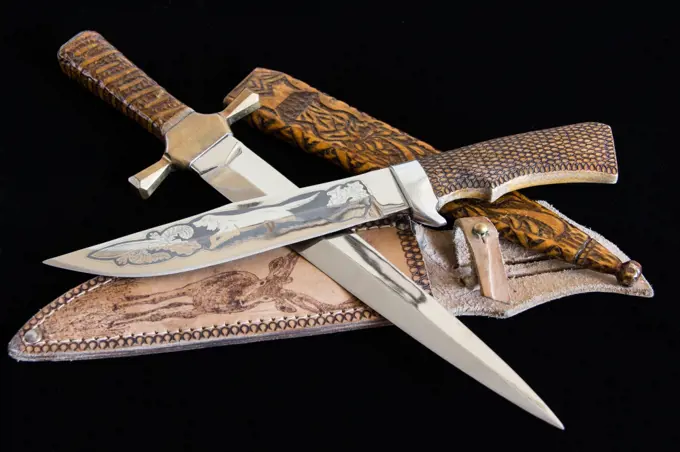
Historic Knives and Tools

A selection of historical knives and daggers, showcasing ornate designs and cultural significance. Each piece reflects craftsmanship and unique styling from various eras.
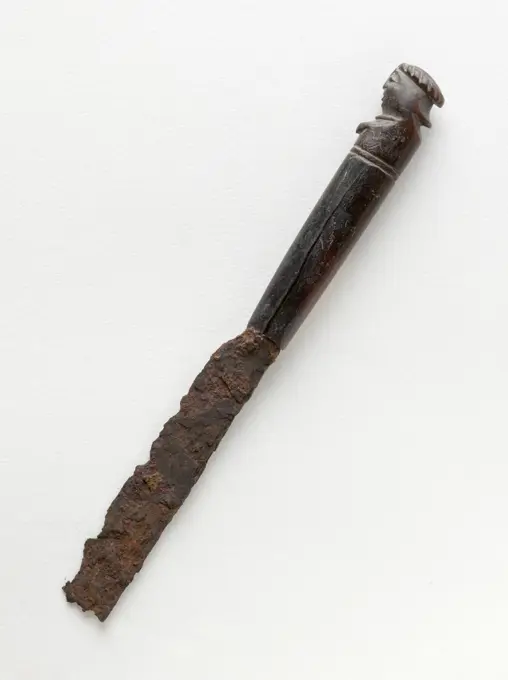
Surgery knife. Sculpted and metal bone, 1200-1400. Paris, Carnavalet museum. 77958-4 Archeology Medievale, surgical knife, thousand-year-old, medium-aged, metal, bone, medieval period, sculpt, 14th century
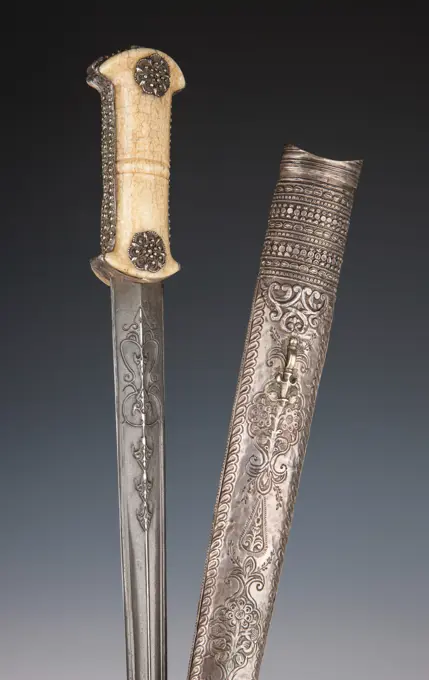
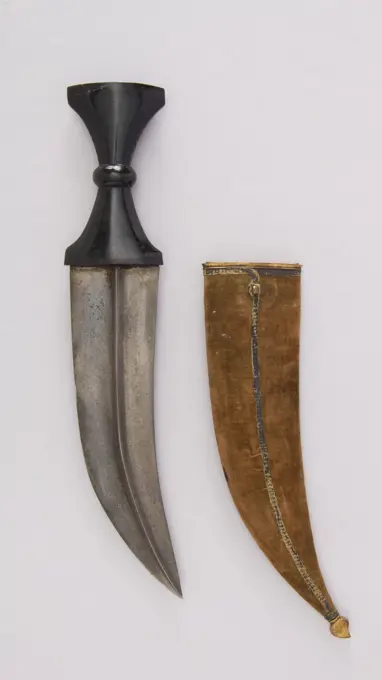
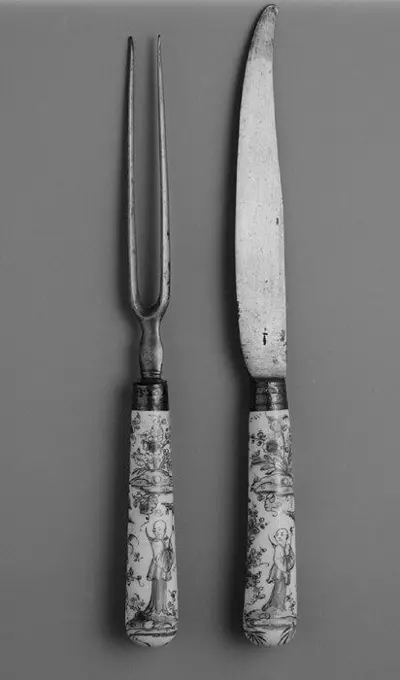
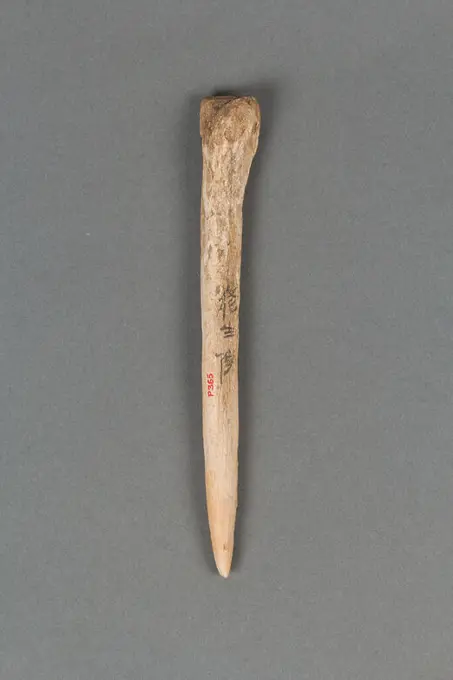
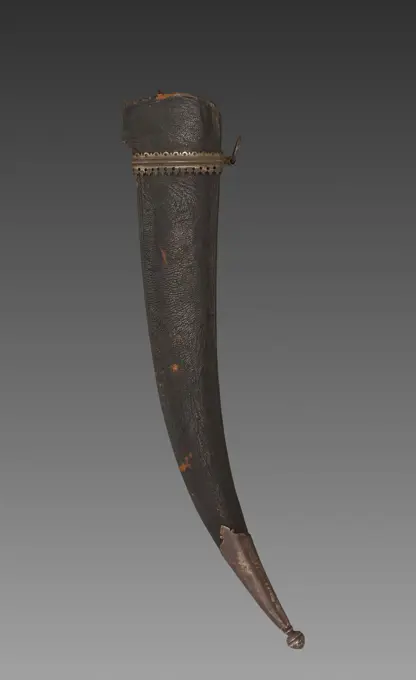
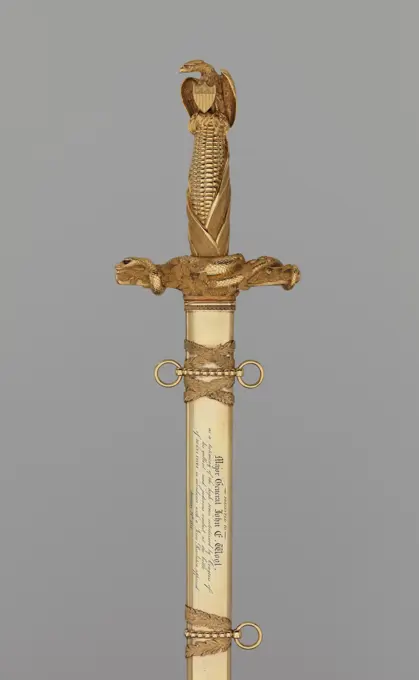
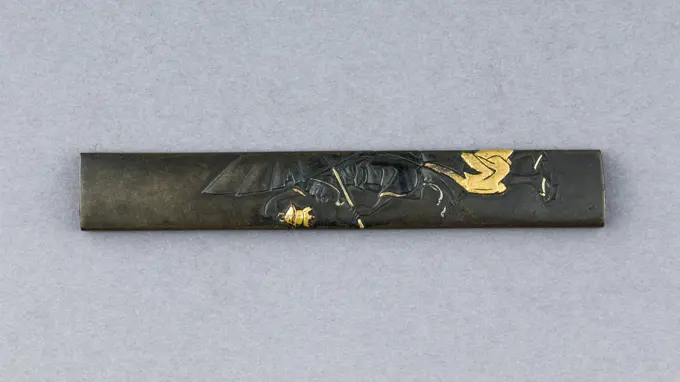
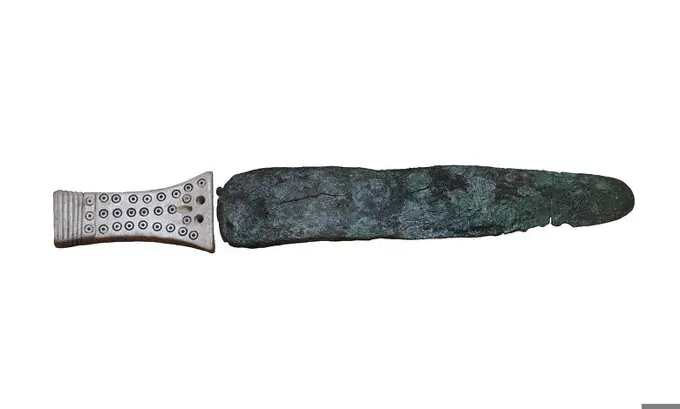
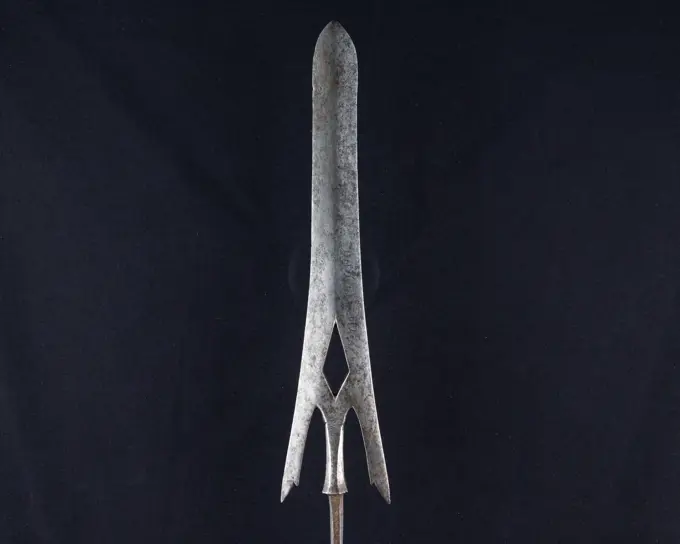
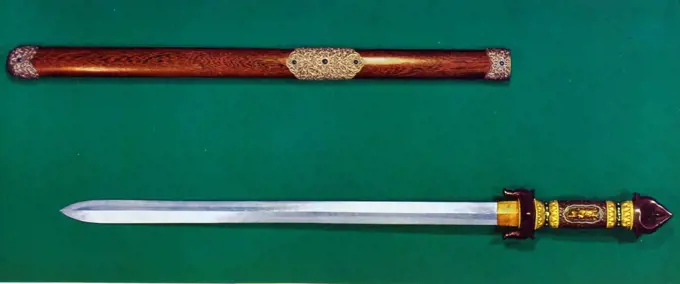
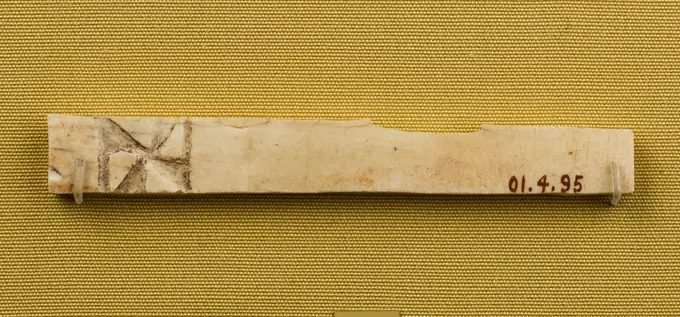
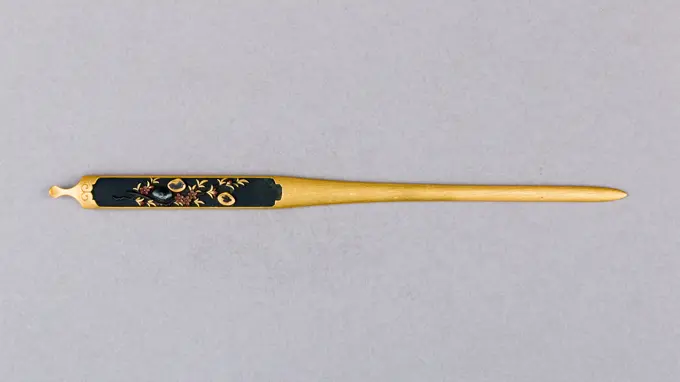
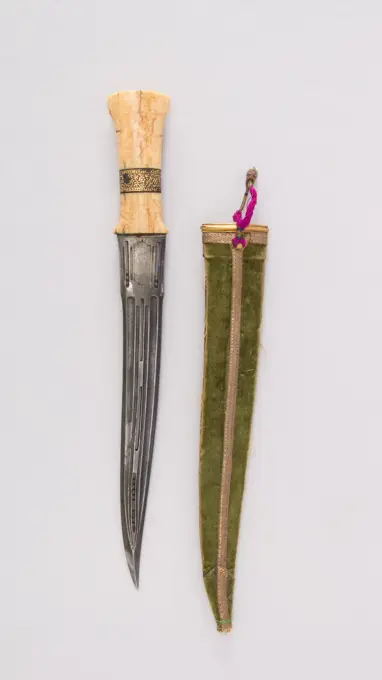
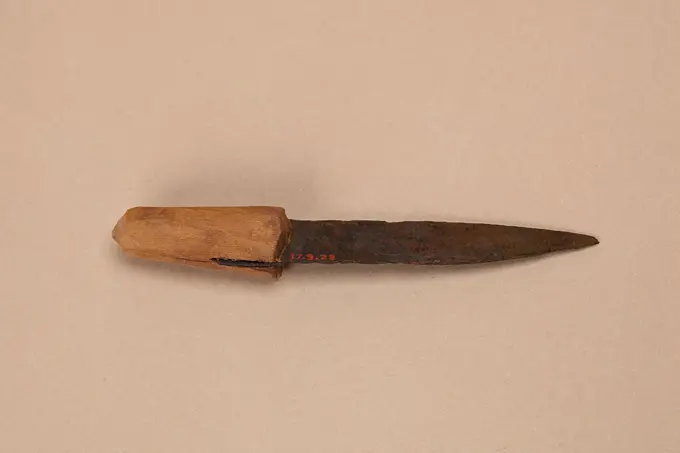
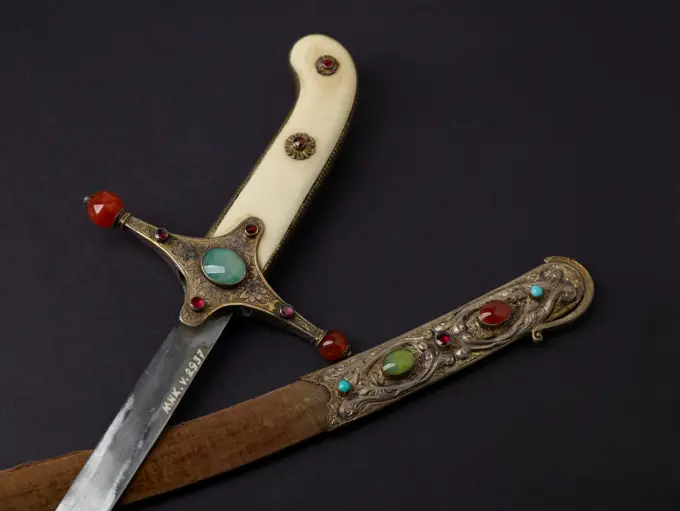
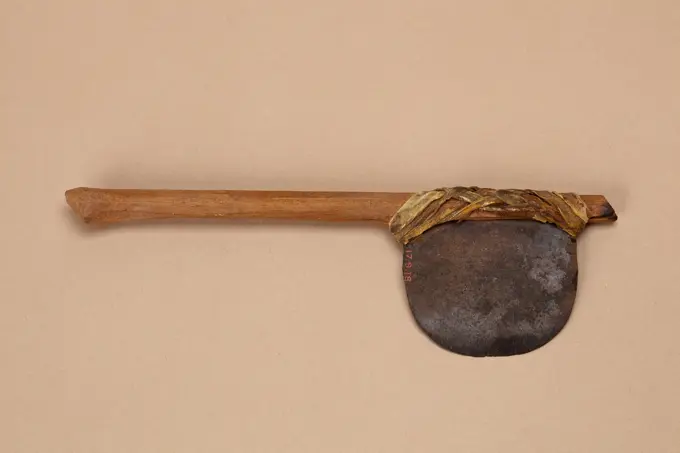
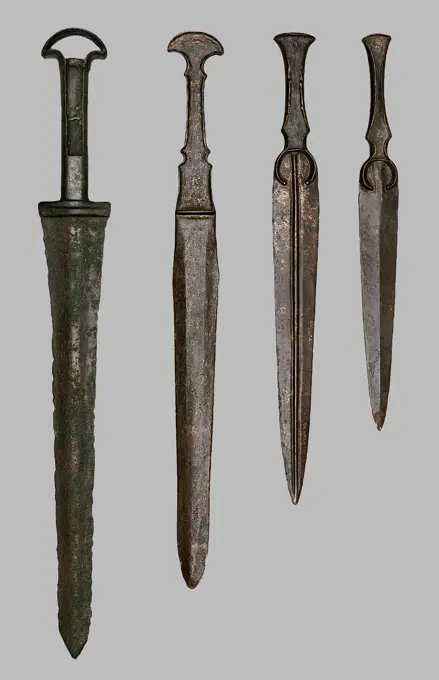
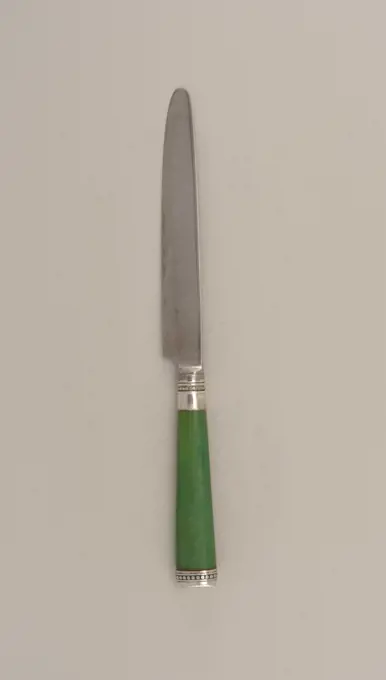
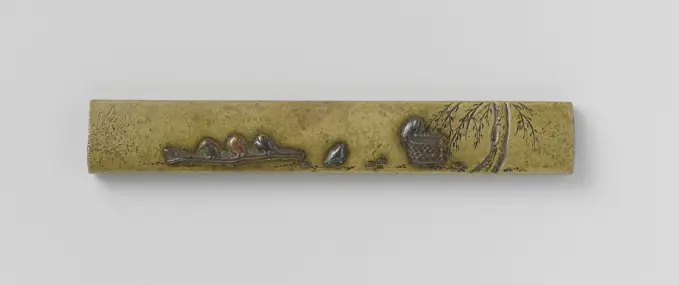
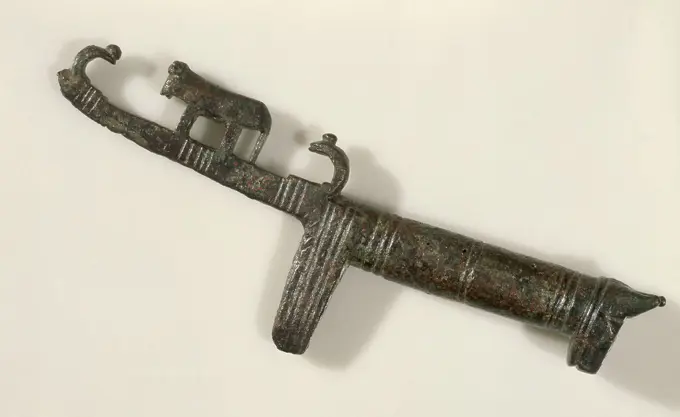
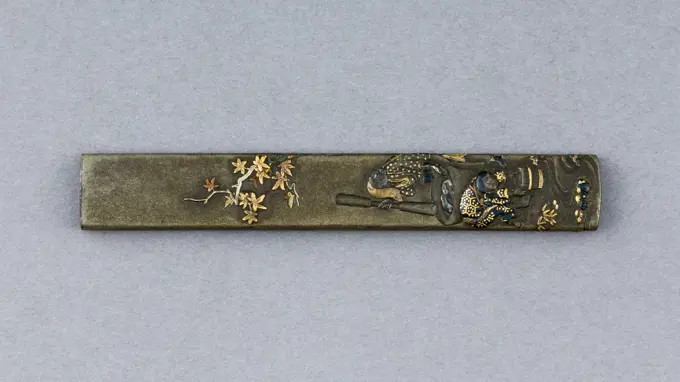
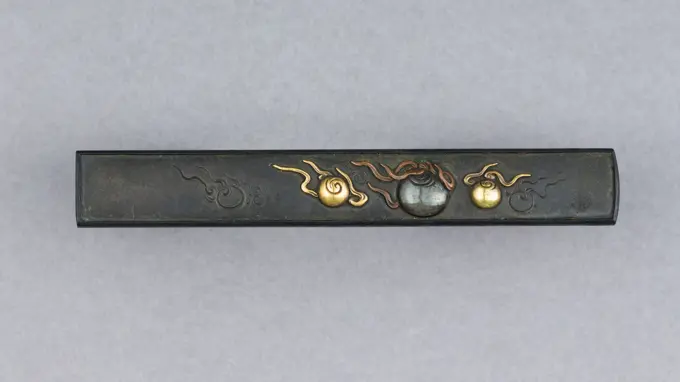
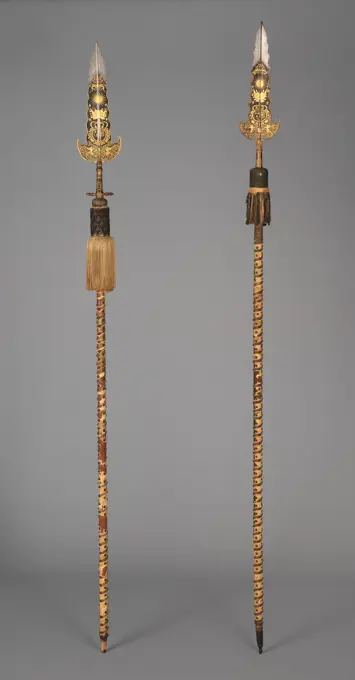
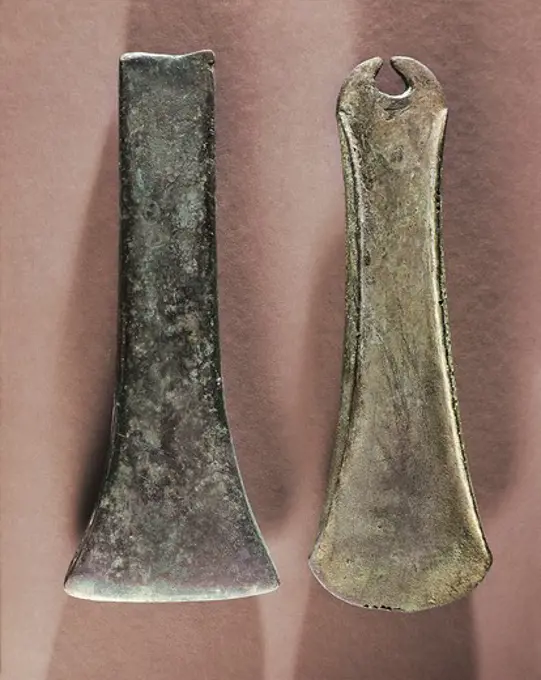
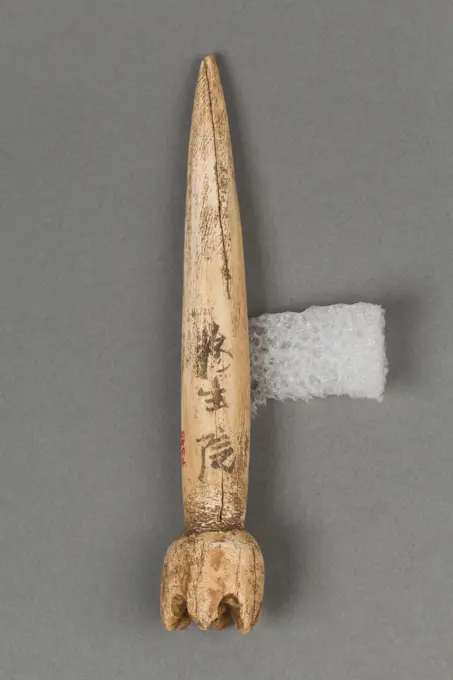
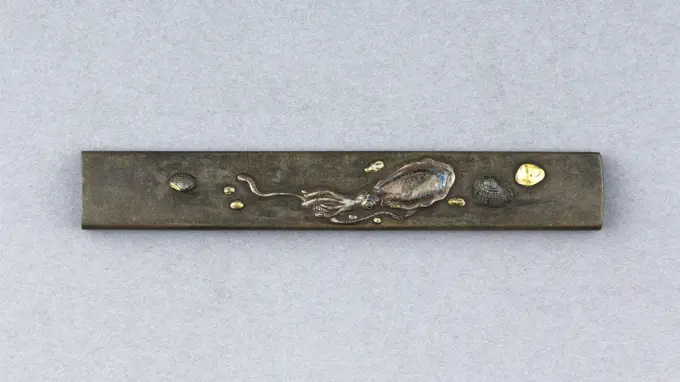
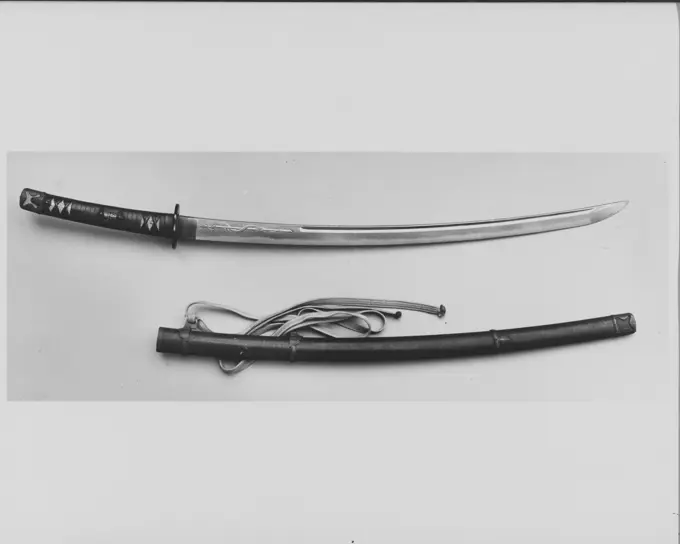
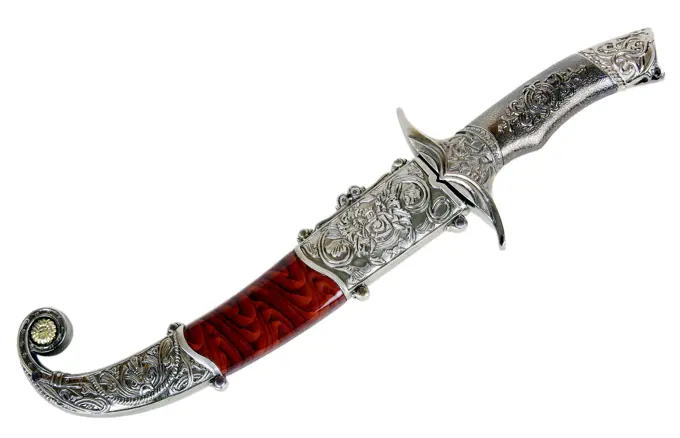
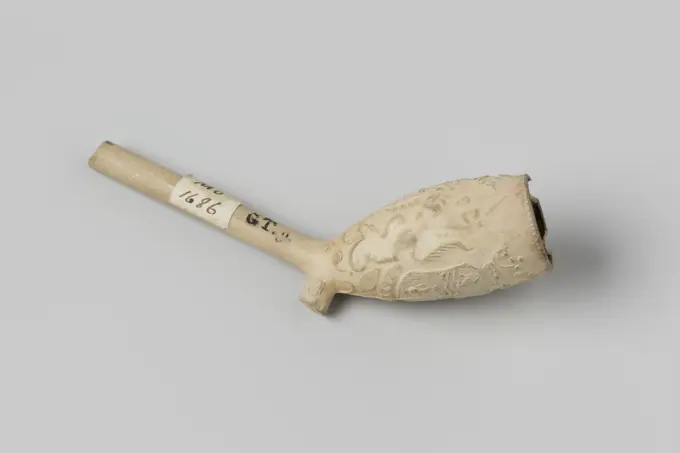
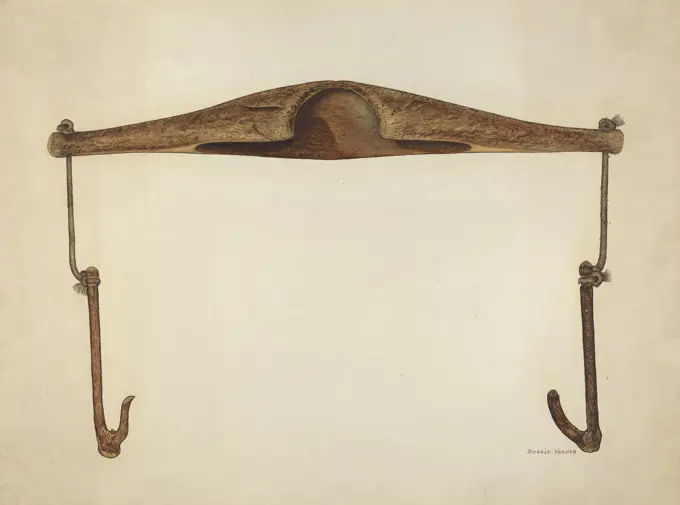
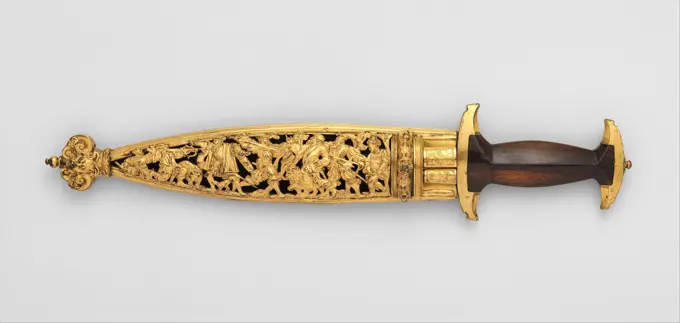
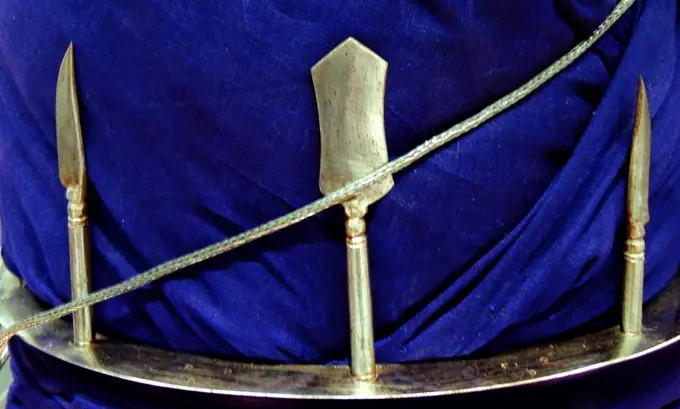
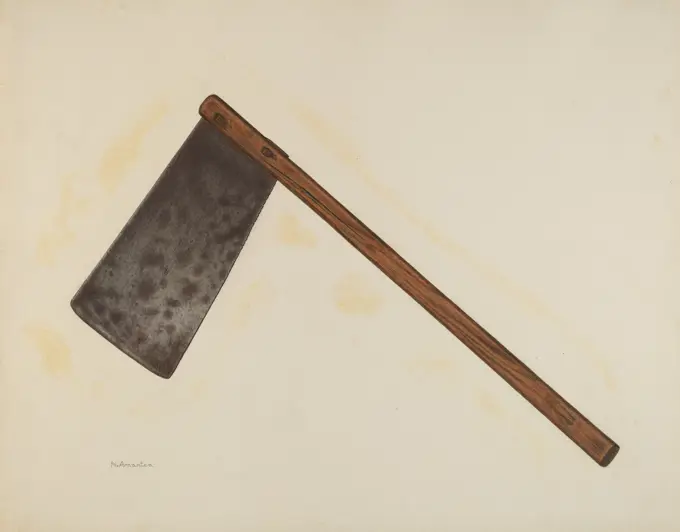
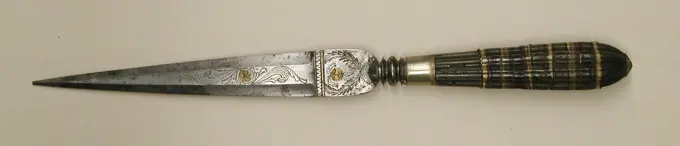
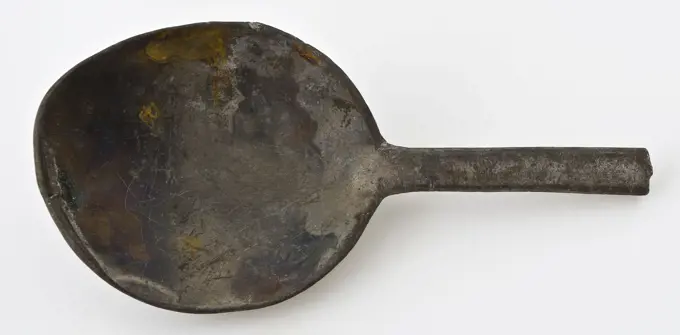
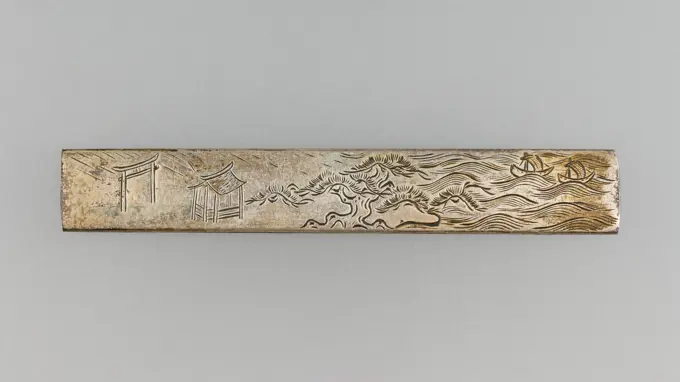
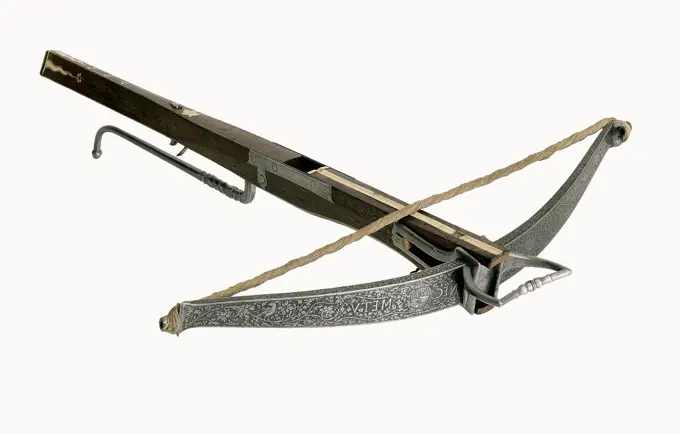
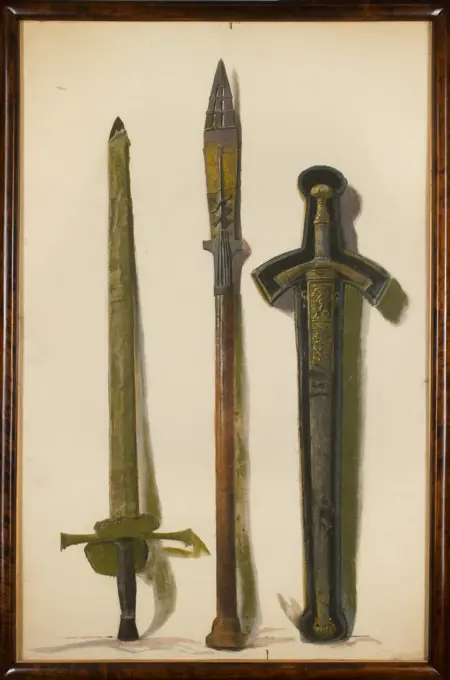
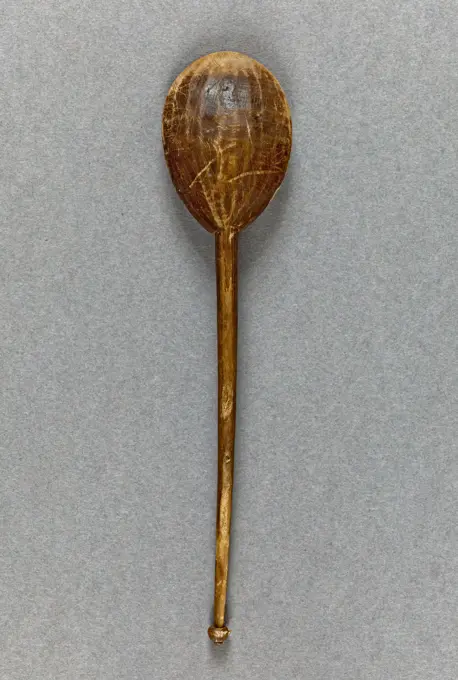
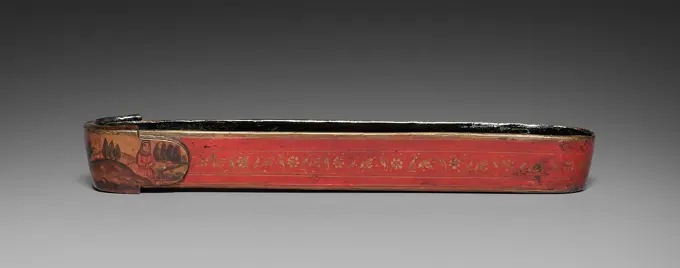
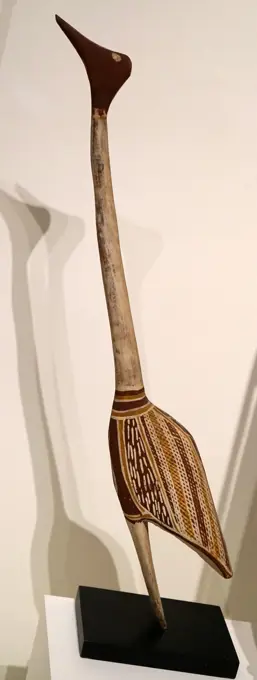
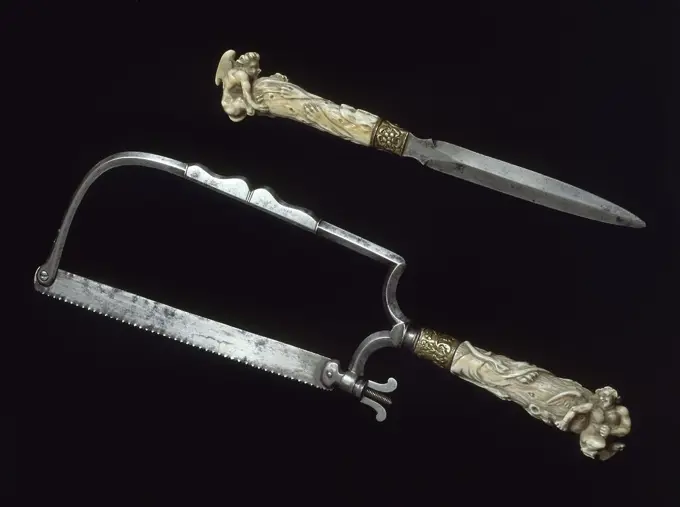
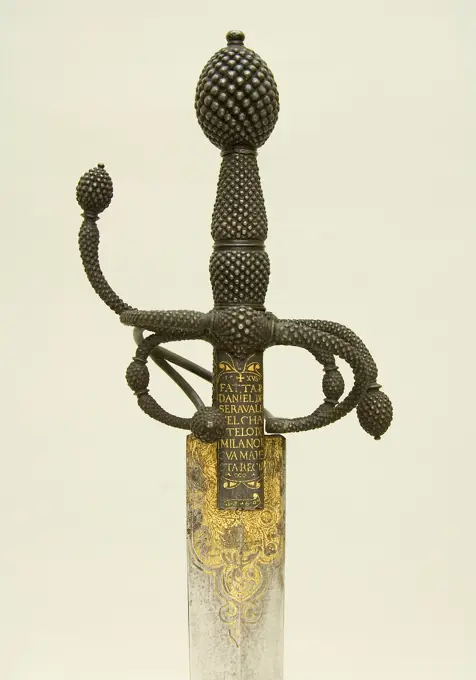
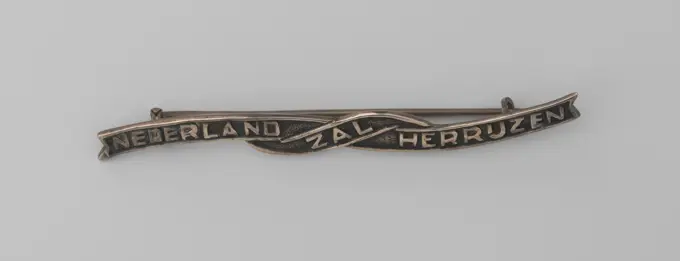
Decorated Tube. Iran, Luristan, Luristan bronzes, circa 1000-650 B.C.. Tools and Equipment; sockets. Bronze, castKnife 1761 Sèvres. Soft-paste porcelain, polychrome enamels, gilding, silver fittings and blade . Manufacture nationale de Sèvres (Manufacturer)Manuscript Manuscript, 12th-13th century. Wood, pigment, ink, palm leaves, 2 x 12 x 7/8 in. (5.1 x 30.5 x 2.2 cm).   Asian Art 12th-13th centuryStaff God. Cook Islands, Mangaia, circa 1800. Sculpture. Wood, fiber, human hair, and feathersKingdom of Urartu (9th-8th century BC). Sword. Bronze. Detail. The State Hermitage Museum. Saint Petersburg. Russia.Sword French first half 16th century View more. Sword. French. first half 16th century. Steel. SwordsKnife with a sheathRitual Spoon (Bi) China. Ritual Spoon (Bi) 61159Dagger (Jambiya) with Sheath 19th century South Indian. Dagger (Jambiya) with Sheath 31440Knife and fork ca. 1740-50 possibly Saint-Cloud factory The gift of the Hans Syz Collection in 1995 endowed the Museum with nearly three hundred examples of European and Asian ceramics meticulously acquired by Swiss-born collector Dr. Syz (1894-1991) to chart the migration of models and patterns from East to West. Documenting a continuous process of influence and adaptation, these pieces provide a discriminating review of the nuances of stylistic change resulting from three centuries of trade.. Knife and fork 208418PersianArrowheads, needles, hooks and harpoons. Culture: Japan. Dimensions: W. 5/8 in. (1.6 cm); L. 4 5/8 in. (11.7 cm). Museum: Metropolitan Museum of Art, New York, USA.Scabbard for Knife with Jade Handle, c. 1750. East India. Leather with silver; overall: 43.7 cm (17 3/16 in.).Congressional Presentation Sword and Scabbard of Major General John E. Wool (1784-1869) 1854-55 Samuel Jackson American This sword was awarded by the United States Congress to General Wool in 1854 in belated recognition of his pivotal role in the American victory at Buena Vista (February 1847) during the Mexican War. The massive gold hilt incorporates the American eagle as the pommel, an ear of corn for the grip, and a cactus branch entwined with snakes (for Mexico) as the cross-guard. The sword's elegant proportions, novel design, sculptural conception, and superb finish make it an outstanding example of mid-nineteenth-century silversmithing. As the blade is by a Baltimore cutler, Samuel Jackson, the hilt and scabbard may be the work of a Baltimore silversmith not yet identified. Listen to experts illuminate this artwork's story Listen Play or pause #4427. Congressional Presentation Sword and Scabbard of Major General John E. Wool Supported by Bloomberg Philanthropies We're sorry, theKnife Handle (Kozuka) ca. 1615-1868 Japanese A kozuka is a handle of a by-knife that is part of a sword mounting. It is kept in a slot on the reverse of a katana scabbard, often with a matching kōgai (hairdressing tool).. Knife Handle (Kozuka) 34614Sickle 1st millennium B.C. Edomite. Sickle 326254Vaginal knowledgeBronze dagger with carved bone handle. From Ghar Mirdum Cave, Dingli, Malta. Bronze Age. National Museum of Archaeology. Valletta. Malta.HalberdHeadArrowhead (Yanone) 18th century Japanese Although today Japanese warriors are renowned most for their swordsmanship, archery, especially from horseback, has been an essential part of samurai warfare and culture for centuries. Arrows were fitted with heads of varying shape according to their intended use in war, the hunt, or target practice. Arrowheads made for use on the battlefield incorporated different designs intended for specialized purposes such as the piercing of armor or to cause maximum damage to horses and unarmored personnel.Large arrowheads, pierced and elaborately chiseled with landscapes, birds, flowers, dragons, and Buddhist divinities, were created to be admired for the beauty of their metalwork and design rather than for use in archery. Such highly elaborate examples may have been made for presentation or as a votive offerings to a shrine.. Arrowhead (Yanone). Japanese. 18th century. Steel. Archery Equipment-ArrowheadsGuisarme. Culture: Italian. Dimensions: L. 64 5/8 in. (164.1 cm); L. of head 15 7/16 in. (39.2 cm); W. 5 3/4 in. (14.6 cm); Wt. 1 lb. 8.4 oz. (691.7 g). Date: 16th century. Museum: Metropolitan Museum of Art, New York, USA.Dagger (Jambiya) with Sheath. Culture: Arabian, Wahabi. Dimensions: H. with sheath 21 7/8 in. (55.6 cm); H. without sheath 20 5/8 in. (52.4 cm); W. 7 in. (17.8 cm); Wt. 15.3 oz. (433.7 g); Wt. of sheath 9 oz. (255.1 g). Date: 18th-19th century. Museum: Metropolitan Museum of Art, New York, USA.Dagger of the king containing semi-precious stones, decorated with hunting scene, from Treasure of Tutankhamen14th Century Japanese Sword and wooden sheath from the Muromachi Period.Box inlay with a geometric pattern ca. 3100-2900 B.C. Early Dynastic Period. Box inlay with a geometric pattern. ca. 3100-2900 B.C.. Ivory. Early Dynastic Period. From Egypt, Northern Upper Egypt, Abydos, Umm el-Qaab, Tomb of Djer, Egypt Exploration Fund excavations. Dynasty 1Hair Dressing Tool (Kogai) ca. 1615-1868 Japanese A kōgai is a hairdressing tool that is part of a sword mounting. The long slender implement is carried in a slot on the obverse of a katana scabbard, often with a matching kozuka (handle of a by-knife) in a slot on the reverse.. Hair Dressing Tool (Kogai) 34542Fragment, Brass, Segment of an ornament in the form of a floral swag., France, ca. 1830, metalwork, Decorative Arts, FragmentDagger with Sheath 18th-19th century Indian. Dagger with Sheath 31434Model chisel. Dimensions: l. 10.6 cm (4 3/16 in). Dynasty: Dynasty 12. Date: ca. 1981-1802 B.C.. Museum: Metropolitan Museum of Art, New York, USA.Children's saber with vaginaPUNALES OTOMANOS CON FUNDA Y EMPUÑADURA DE ORO. Location: PALACIO TOPKAPI-MUSEO. ISTANBUL. TURQUIA. Blade and Mounting for a Sword (Katana) Fittings inscribed by  Takamoto Hidemune Japanese blade, 16th century; mounting, 19th century The style of this mounting, known as toppei-koshirae, emerged at the end of the Edo period (1615-1868). It reflects the influence of Western infantry swords at a time when Japan was modernizing its armed forces. The fittings, including a hilt collar dated 1871, are masterworks by Takamoto Hidemune (, 1819-1887), who had trained with one of the last great masters of the Edo period, Tanaka Kiyotoshi (, 1804-1876). The scabbard is decorated with a delicate makie lacquer décor in the form of Chinese silver grass. The blade is unsigned, but exhibits the style of the Late Seki (Sue-Seki) smiths of the 16th century. View more.  Blade and Mounting for a Sword (Katana). Japanese. blade, 16th century; mounting, 19th century. Steel, wood, lacquer, leather, gold, iron. SwordsArrow fragment ca. 1981-1640 B.C. Middle Kingdom. Arrow fragment 557375Model ax ca. 1981-1802 B.C. Middle Kingdom. Model ax. ca. 1981-1802 B.C.. Copper, wood, animal hide. Middle Kingdom. From Egypt, Middle Egypt, Asyut (Lykopolis), Tomb of Ankhef (Tomb 9), Khashaba excavations. Dynasty 12Parrying Dagger with Scabbard 1590-1600 Dresden. Steel, silver, and wood; silvered hilt and silver-mounted scabbard .Dagger with Sheath 19th century Philippine, Mandaya. Dagger with Sheath 27833Lurist's dagger, dagger; Unknown median workshop, unknown Lurista workshop; IX-VIII century BC (-900-00-00--701-00-00), IX-VI century BC ; period of Iron II (-900-00-00-501-00-00), IX-VI century BC ; period II (-900-00-00--501-00-00);White weapons, Luristan browns, daggers, purchase (provenance)Knife Handle (Kozuka). Culture: Japanese. Dimensions: L. 3 13/16 in. (9.7 cm); W. 9/16 in. (1.4 cm); thickness 3/16 in. (0.5 cm); Wt. 1.1 oz. (31.2 g). Date: ca. 1615-1868. Museum: Metropolitan Museum of Art, New York, USA.Hammered Copper Tweezers 1st-mid-16th century Peru; north coast (). Hammered Copper Tweezers 308873Dagger-Ax. Culture: China. Dimensions: H. 4 9/16 in. (11.6 cm); W. 10 1/4 in. (26 cm). Museum: Metropolitan Museum of Art, New York, USA.Knife, green-stained ivory, steel, silver, Part of a set of knives and forks ((1959-56-1-a/f), where a/d are knives, and e-f are forks)., knife (c,d): tapering, stained green ivory handle with beaded silver cap terminal and ferrule and steel blade. (TBD--> (e,f) fork), England, late 18th century, cutlery, Decorative Arts, KnifeSword knife hilt with plant motifs, anonymous, c. 1800 - c. 1900 Presentation with three birds on a branch on the Grong; A fourth bird is next to it and a fifth is on the edge of a basket, which is under a bean. (WRS green bean). Japan brass (alloy) Presentation with three birds on a branch on the Grong; A fourth bird is next to it and a fifth is on the edge of a basket, which is under a bean. (WRS green bean). Japan brass (alloy)MANGO DE PUÑAL VOTIVO - PROCEDE DE PALENCIA - ARTE IBERICO. Location: MUSEO ARQUEOLOGICO NACIONAL-COLECCION. MADRID. SPAIN.Knife Handle (Kozuka) ca. 1615-1868 Japanese A kozuka is a handle of a by-knife that is part of a sword mounting. It is kept in a slot on the reverse of a katana scabbard, often with a matching kōgai (hairdressing tool).. Knife Handle (Kozuka) 34617Pocket knife 1766-67 Probably by Jean Gavet. Pocket knife. French, Paris. 1766-67. Gold, steel. Metalwork-Gold and PlatinumKnife Handle (Kozuka) 18th century Japanese A kozuka is a handle of a by-knife that is part of a sword mounting. It is kept in a slot on the reverse of a katana scabbard, often with a matching kōgai (hairdressing tool).. Knife Handle (Kozuka) 35046Three Partisans Carried by the Bodyguard of Louis XIV (1638-1715, reigned from 1643) ca. 1658-1715 14.25.454 designed by Jean Berain French These partisans are thought to have been carried by the Gardes de la Manche (literally, guards of the sleeve,” indicating their close proximity to the king), an elite unit of the bodyguard of Louis XIV. The center example is from a small group designed by Jean Bérain the Elder (1637-1711) for the marriage of Louis’s niece Marie-Louise d’Orléans to Carlos II of Spain in 1679. The decoration features a sunburst surmounted by the king’s motto, NEC PLURIBUS IMPAR (not equaled by many). Beneath, the sun god Apollo is being crowned with laurel by the winged figure of Fame. The sunburst and Apollo were favorite symbols of Louis XIV, the self-styled Sun King.The two flanking partisans bear the king’s motto and sunburst above the crowned arms of France and Navarre, which are encircled by the collars of the royal orders of the Holy Spirit and Saint Michael.Sword with Scabbard. Culture: probably Chinese or Vietnamese. Dimensions: L. with scabbard 36 3/4 in. (93.3 cm); L. without scabbard 34 3/8 in. (87.3 cm); W. 4 1/4 in. (10.8 cm); Wt. 1 lb. 5.3 oz. (603.8 g); Wt. of scabbard 5.9 oz. (167.3 g). Date: 18th-19th century. Museum: Metropolitan Museum of Art, New York, USA.France, Bronze flat axes from AbbevilleBody ornament Japan By the Middle Jmon period, the food supply in Japan had stabilized enough that the Jmon people could focus their activities more on crafts and spiritual life. This led to the development of a wide variety of body ornaments, including necklaces and hairpins, some of which feature very elaborate designs. It is speculated that body ornamentation may have served a religious or spiritual purpose, but it may also have represented social rank and status.. Body ornament. Japan. Bone. Final Jomon period (ca. 1000-300 B.C.). BoneBall-knopped spoon 17th century Dutch or Flemish. Ball-knopped spoon 188099 Dutch or Flemish, Ball-knopped spoon, 17th century, Silver gilt, Length: 6 1/4 in. (15.9 cm). The Metropolitan Museum of Art, New York. Gift of Mrs. Samuel P. Avery, 1897 (97.2.64)Clarinet.C clarinet of palm wood.Knife Handle (Kozuka) ca. 1615-1868 Japanese A kozuka is a handle of a by-knife that is part of a sword mounting. It is kept in a slot on the reverse of a katana scabbard, often with a matching kōgai (hairdressing tool).. Knife Handle (Kozuka) 34621Blade and Mounting for a Slung Sword (Tachi) blade, 16th century; mounting mid 19th century Japanese A tachi is a slung sword, worn suspended on a cord with the cutting edge facing down.. Blade and Mounting for a Slung Sword (Tachi) 22123KnifeFolding knife, steel, silver, gold, brass, Leaf-shaped blade, flat pistol-shaped handle decorated with stylized floral silver damascening with gold flowers and cupid with bow and arrow. Blade folds into handle, brass rivets on handle., possibly Carlsbad, Germany, ca. 1700, cutlery, Decorative Arts, Folding knifedagger Souvenir medieval dagger. An exact copy made of modern materials Copyright: xZoonar.com/ValeryxxSibrikovx 2421191Bronze double axe ca. 1600-1450 B.C. Minoan With double blade and central shaft hole. The blades are long and slender.. Bronze double axe 247629Pijpenkop., Anonymous, c. 1400 - c. 1950 Part of a smoking pipe with the weapon of Zeeland.  pipe clay Part of a smoking pipe with the weapon of Zeeland.  pipe clayPISTOLA S XVII-CULATA. Location: MUSEO LAZARO GALDIANO-COLECCION. MADRID. SPANIEN.Bessie Vandre, Bucket Yoke, c 1941 Bucket YokeStaff Weapon 16th century Italian. Staff Weapon 25064Switzerland, Zermatt, Matterhorn museum (Zermatlantis), broken pick (ice axe) from climbing accident on Dent Blanche 1899Piece of spearhead (common name). Bronze. Carnavalet museum, history of Paris. Spearhead fragment. With a central rib, the socket is missing. On the flame, concretions.Sheath (Germany), ca. 1650; silver, enamel; L x W: 12.5 x 2.5 cm (4 15/16 x 1 in.); The Robert L. Metzenberg Collection, gift of Eleanor L. Metzenberg; 1985-103-62-aSwiss Dagger with Sheath, Bodkin, and By-Knife ca. 1570 Swiss Daggers with I-shaped grips were known as baselards, after the city of Basel, and were considered a national arm of the Swiss. Splendidly decorated specimens such as this one, with elaborate gilt bronze mounts and scabbards, were worn by officers and wealthy burghers, who usually also held high-ranking positions in the militia. The figural decoration on the scabbard represents the story of William Tell, the Swiss national hero.. Swiss Dagger with Sheath, Bodkin, and By-Knife 25139Spoon, cochlear Roman. Spoon, cochlear 251923 Roman, Spoon, cochlear, Silver, Copper, Other: 3/4 x 3 3/4 in. (1.9 x 9.5 cm). The Metropolitan Museum of Art, New York. Fletcher Fund, 1925 (25.78.143)Agujas para hacer punto de madera. Museu Català de les Arts i Tradicions Populars.Fragment, frame, wood, painted and gilded, Portion of a carved Venetian moulding, painted cream, green and red; flowers and fruit with running foliage. Scrolled edge., ca. 1750, Decorative Arts, Fragment, frameSouvenir medieval dagger. An exact copy made of modern materialsFork (probably Germany), ca. 1730-40; bone, silver, steel; L x W: 14.2 x 1.7 cm (5 9/16 x 11/16 in.); The Robert L. Metzenberg Collection, gift of Eleanor L. Metzenberg; 1985-103-134-cPrehistory, Italy, Bronze Age. Tools.Dagger-Axe (ge). China. Date: 480 BC-221 BC. Dimensions: 20 × 13 cm (7.9 × 5.1 in.). Bronze inlaid with silver. Origin: China. Museum: The Chicago Art Institute, Chicago, USA.The key from the 17th century on a cylindrical stem, from the collection of Roman Szewczykowski, in the collections of the National Museum in Warsaw from 1918;  Not after 16.05.1922 (1914-00-00-1922-00-00);The khanda is an Indian double-edge straight sword. It was used by the Marathas, Rajputs, Jats, Nairs and Sikhs. The blade is usually broad and quite heavy and broadens from the hilt to the tip. The blade transforms into tip rather abruptly. The hilt has a small metal spike coming out in the opposite direction typical of the khanda. Many other straight swords around the world were primarily used for thrusting and stabbing with the tip, whereas the khanda was mainly used to hack or cleave with the edge of the blade.Black leather sheath, decorated with smooth, gold -plated copper earband (point) and mouth tin (edge at opening), Peter Knecht, c. 1825 - c. 1850 Black leather sheath, decorated with smooth, gold -plated copper earband (point) and mouth can (edge at opening). Solingen leather. copper (metal). gilding (material) gilding Black leather sheath, decorated with smooth, gold -plated copper earband (point) and mouth can (edge at opening). Solingen leather. copper (metal). gilding (material) gildingNicholas Amantea, Chopping Knife, c 1941 Chopping KnifePoniard or Dirk early 19th century Spanish, Balearic Islands. Poniard or Dirk. Spanish, Balearic Islands. early 19th century. Steel, brass, horn, bone, possibly tin. Balearic Islands. KnivesSpoon with oval bowl and flattened, hexagonal handle, spoon cutlery soil find tin metal, cast Oval tray short rat tail hexagonal handle Reverse side of box indistinct smashed: crowned rose archeology Rotterdam railway tunnel food Soil discovery: railway tunnel Rotterdam.Knife Handle (Kozuka) mid-17-mid-18th century Japanese A kozuka is a handle of a by-knife that is part of a sword mounting. It is kept in a slot on the reverse of a katana scabbard, often with a matching kgai (hairdressing tool).. Knife Handle (Kozuka). Japanese. mid-17-mid-18th century. Silver. Sword Furniture-KozukaBALLESTA DE FELIPE II-ESPAÑA-ALEMANIA-H 1550-MADERA,HIERRO,ORO,HUESO. Location: PALACIO REAL-REAL ARMERIA DE MADRID. MADRID. SPAIN.Knife, silver, Knife has pistol shaped handle., England, 18th-19th century, cutlery, Decorative Arts, KnifeAbruzzo, Chieti, Chieti, Museo Nazionale di Antichita, Italy, 20th century, photo, photography, EuropeDagger (Katar) with Sheath 19th century Indian. Dagger (Katar) with Sheath. Indian. 19th century. Steel, silver, gold, velvet. DaggersAugust III coronation sword, in Maurycy and the sword of Zygmunt August; Wyczóżó Kowski, Leon (1852-1936); 1907 (1907-00-00-1907-00-00);August III (Polish King - 1696-1763), Maurycy (Saint - -A 290), Young Poland (Styl), State Art Collections (Warsaw - 1922-1939), State Art Collections (Warsaw - 1922-1939) - Collection , Wyczółkowski, Leon (1852-1936). Skarbiec Wawelski (1907), Zygmunt II August (King of Poland - 1520-1572), Baroque (crafts), Polish painting, swords (weapons), Polish pastels, Poland (culture), message (provenance), regalia, renaissance (crafts) , artistic crafts, armament, spearsAnonymous. Wooden dishes on the rue de Lutèce found during excavations in the rue de Mutèce (island of the city): medieval spoon n ° 2, with handle finished in button, beech wood. Paris, carnavalet museum. 71124-29 Bois stretch, spoon, spoon, medieval time, ark archeological, cite island, rue Lutece, dishesKnife with Sheath, Chopsticks and Belt Loop ca. 1750-1900 Chinese, Manchuria or Mongolian. Knife with Sheath, Chopsticks and Belt Loop. Chinese, Manchuria or Mongolian. ca. 1750-1900. Steel, wood, ebony, ivory, silver, brass, leather, coral. KnivesAncient sabre Ancient sabre. A smart variant of the fighting weapon Copyright: xZoonar.com/ValeryxxSibrikovx 5831889Pen and Ink Box (base), 1800s. Iran, Qajar period (1779-1925). Lacquer over papier maché; overall: 3.9 x 22.3 x 2.7 cm (1 9/16 x 8 3/4 x 1 1/16 in.).A Jabiru, bird-like figure from Northern Australia. Dated 20th CenturyAnonymous, Feuerschutzpolizei Faschinenmeser ("Fascine knife") Mit Seitengewehrtasche (Username), 1936, Metal, Bakelite, Leather, Painting, Mechanical Seams, Paris Liberation Museum - General Leclerc Museum - Jean Moulin MuseumINSTRUMENTOS DE MEDICINA EN MARFIL. Location: PRIVATE COLLECTION. MADRID. SPAIN.Razor. Egypt, New Kingdom (1569 - 1081 BCE) or later. Tools and Equipment; blades. BronzeBetel grinder at the Museum of Cluny, vintage engraving. Betel grinder at the Museum of Cluny, vintage engraved illustration. Magasin Pittoresque 1870. Copyright: xZoonar.com/PatrickxGuenettex 10678953Rapier dated 1560 Daniele da Serravalle The rapier was the principal civilian sidearm throughout the sixteenth and seventeenth centuries. Designed for cut-and-thrust fencing of progressively complex techniques, the rapier is characterized by a double-edged blade with an acute point and an elaborate guard for the hand. The guards, usually of iron or steel, were subject to a variety of embellishment. They were engraved, chiseled, gilded, damascened, and encrusted in gold and silver in keeping with fashionable styles. Unless otherwise noted, the materials, attributions, and dating given here refer to the hilts. Rapier blades, invariably of steel, bear a variety of makers marks denoting their origin in the two principal centers of blademaking, Toledo in Spain and Solingen in Germany.. Rapier. Italian, Milan. dated 1560. Steel, iron, gold. Milan. Swords-HuntingFork German 19th century View more. Fork. German. 19th century. Gilt brass, steel. Metalwork-SteelBrooch 'the Netherlands will rise', c. 1940 - c. 1945 Brooch in the form of a banderole with the text 'the Netherlands will rise' of silver with a low content, with a hook closure. Netherlands silver (metal) Brooch in the form of a banderole with the text 'the Netherlands will rise' of silver with a low content, with a hook closure. Netherlands silver (metal)Pinch cutter with decorated legs and curved blades, pinch cutter scissor cutting tool soil find iron metal, forged Pinch cutter with strong to circular curved handle recessed clover leaf-shaped decoration at transition from profiled handle to blade bumpers. Decorated legs. Probably marked on the sheets marks under the oxidation archeology underground pit Rotterdam City Triangle Oostplein clipping Soil discovery of the metropolis Oostplein 11-06-1976.First World War (1914-1918). 105 mm artillery shell grenade with a fuse. Germany. Latvian War Museum. Riga. Latvia.Photo of cold weapon on black background