Historic Medals Collection

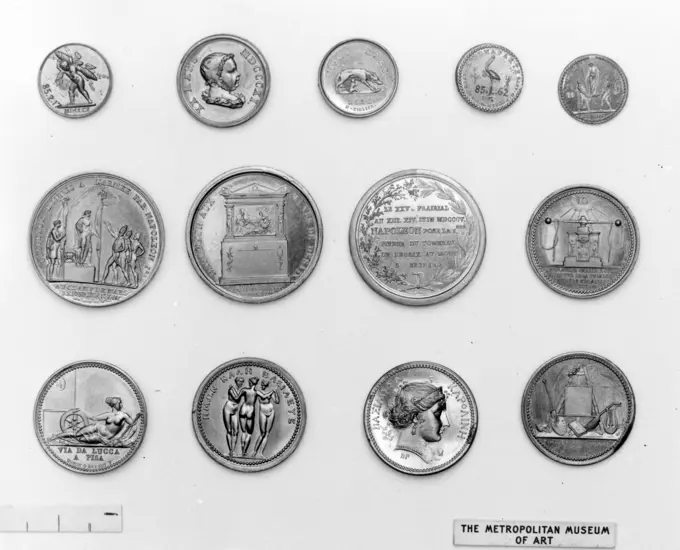
A variety of historic medals showcasing intricate designs and portraits, featuring gold and silver materials, with themes related to royalty and historical figures.

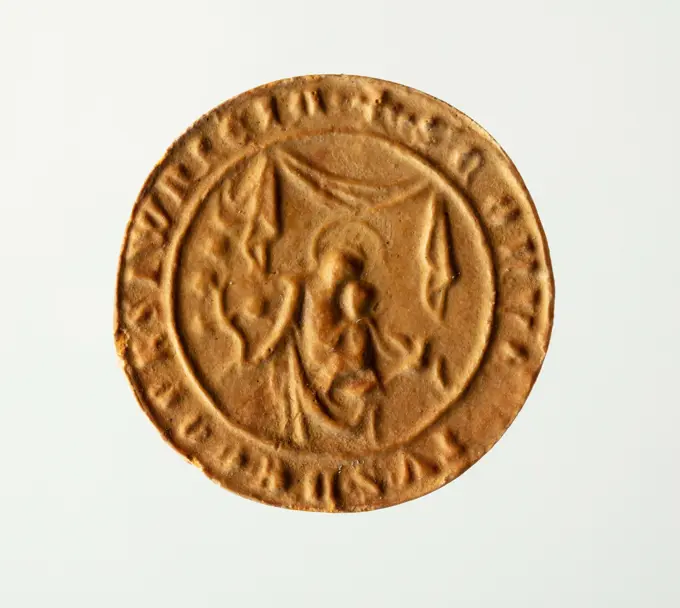
Carnavalet Museum, Medals Collection
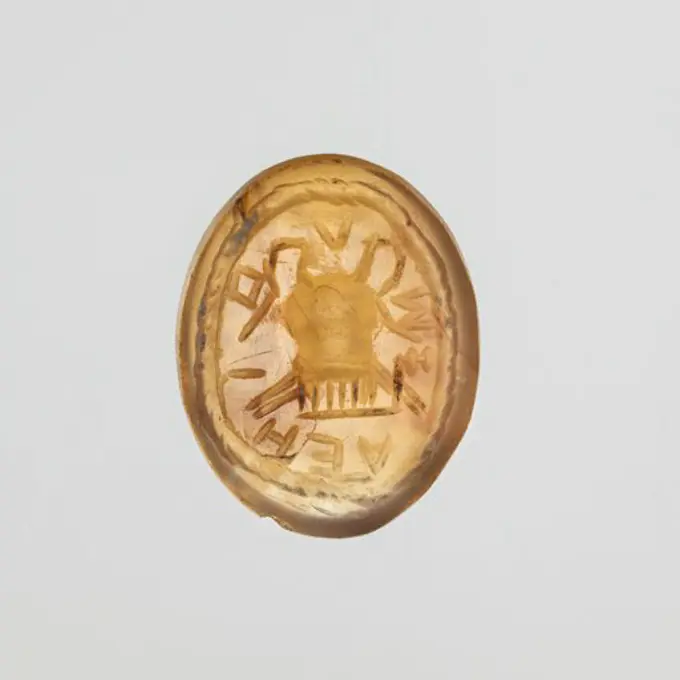
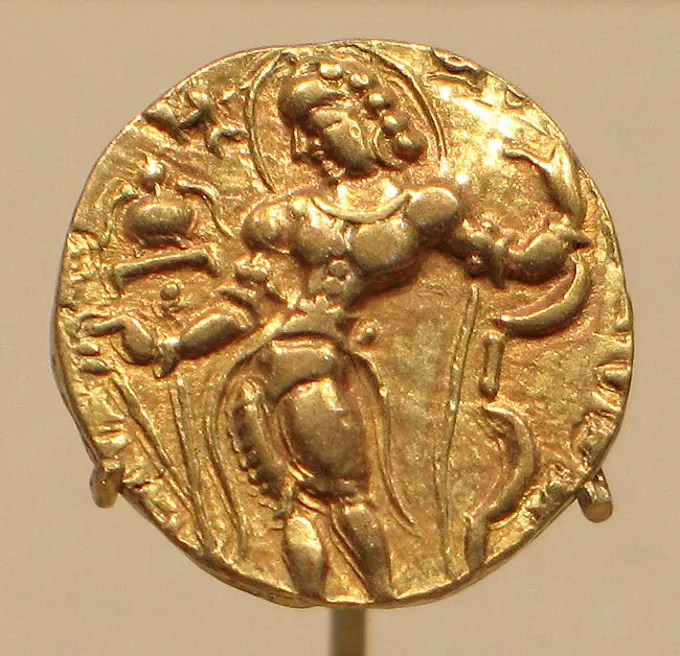
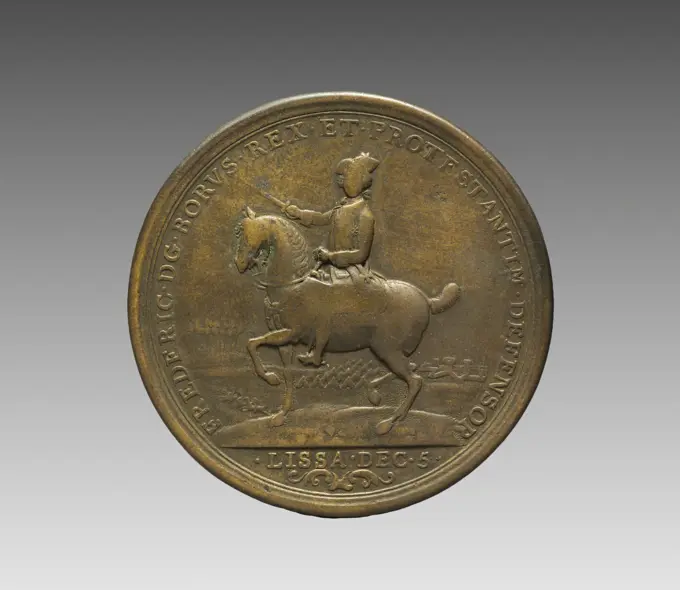
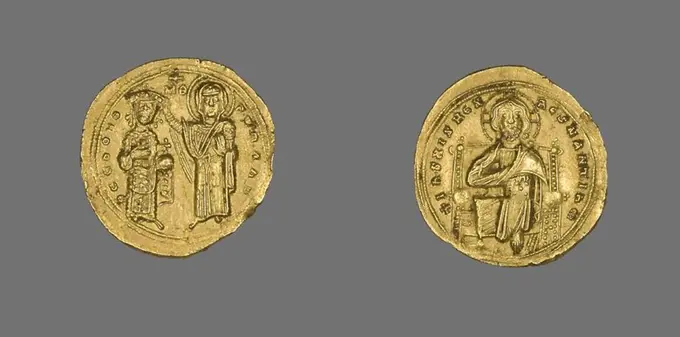
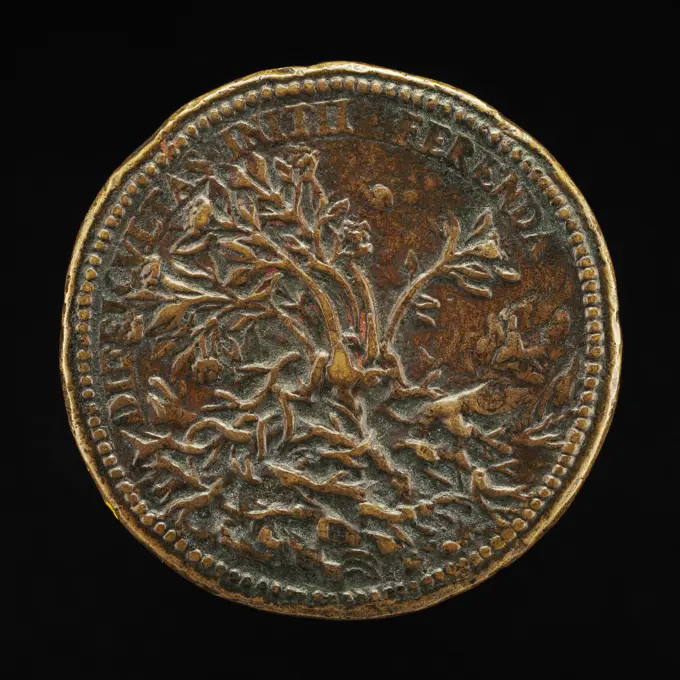
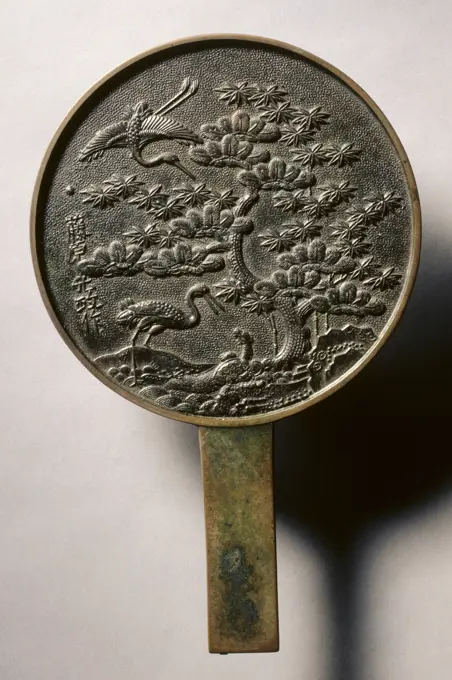
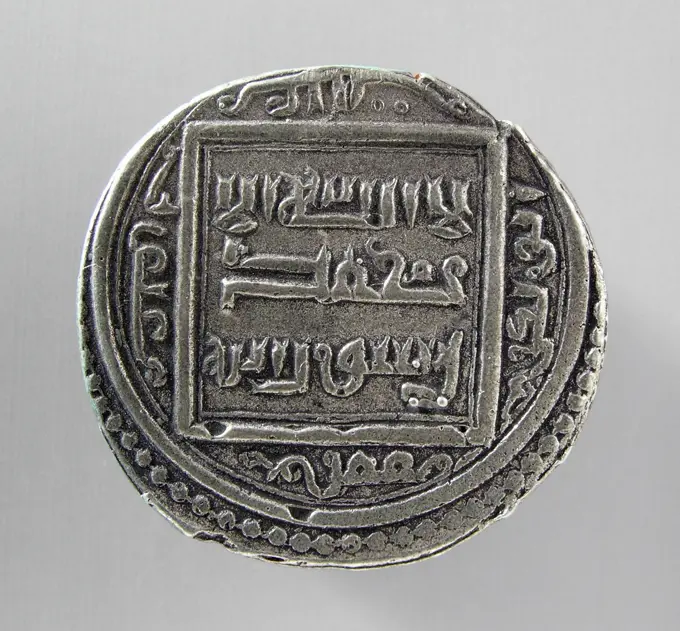
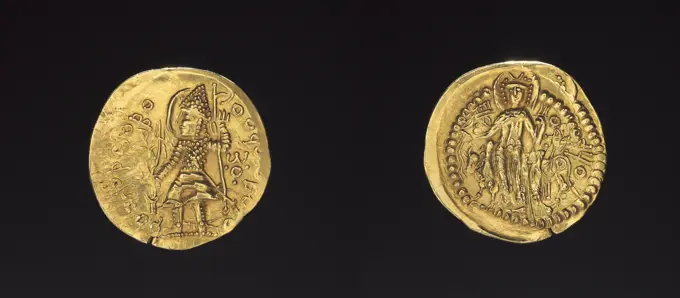
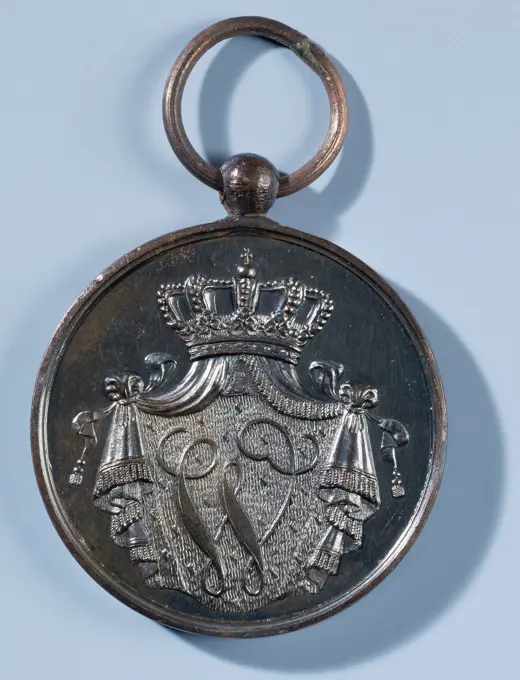
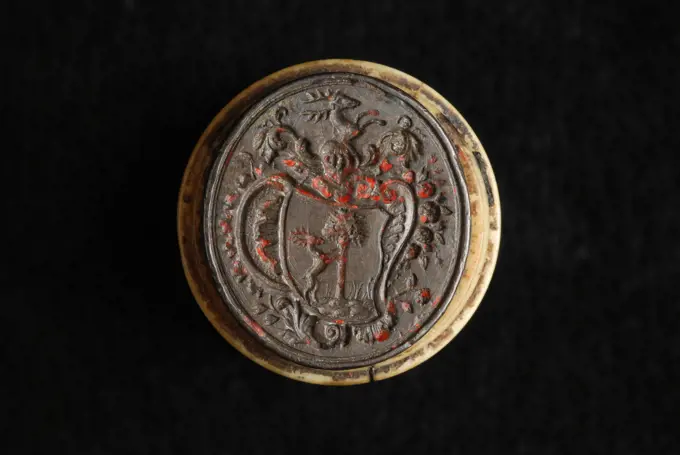
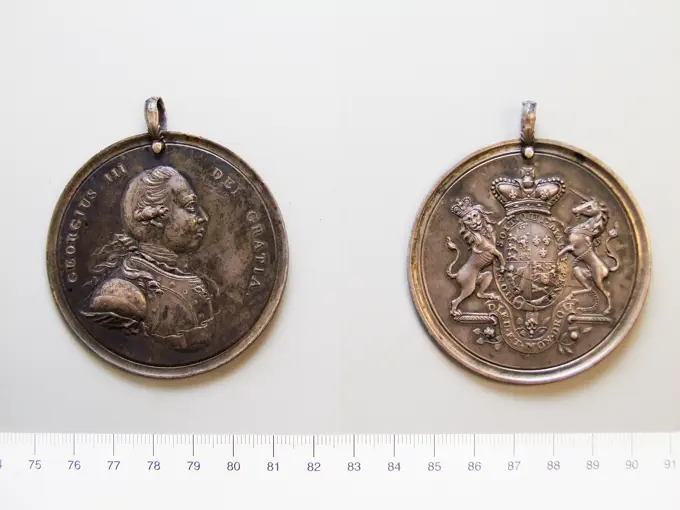
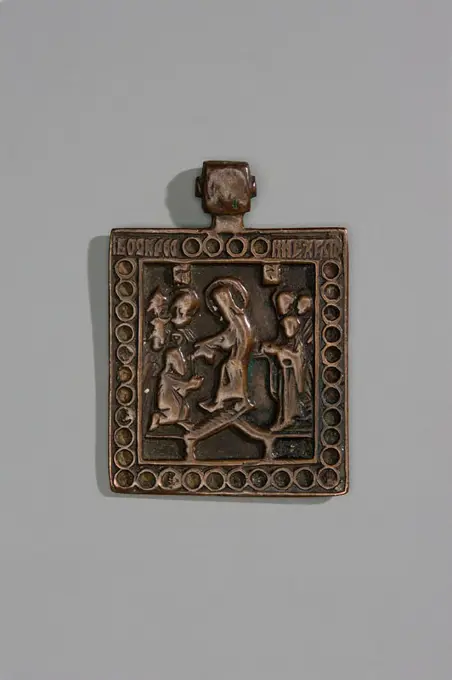
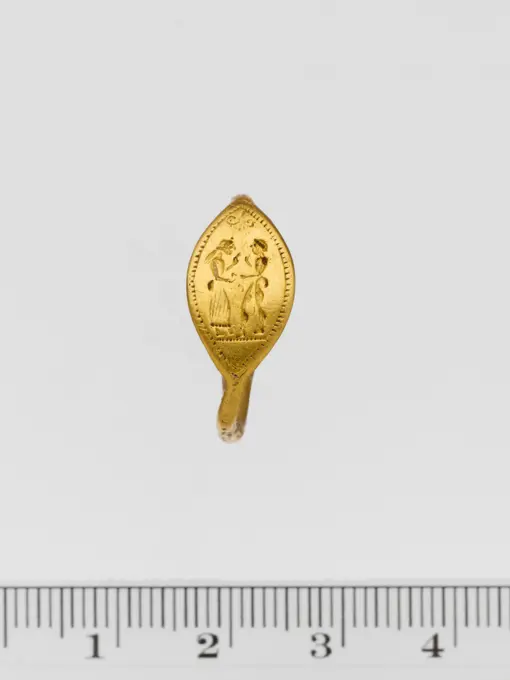
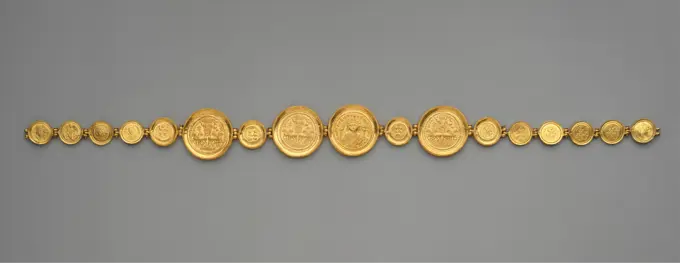
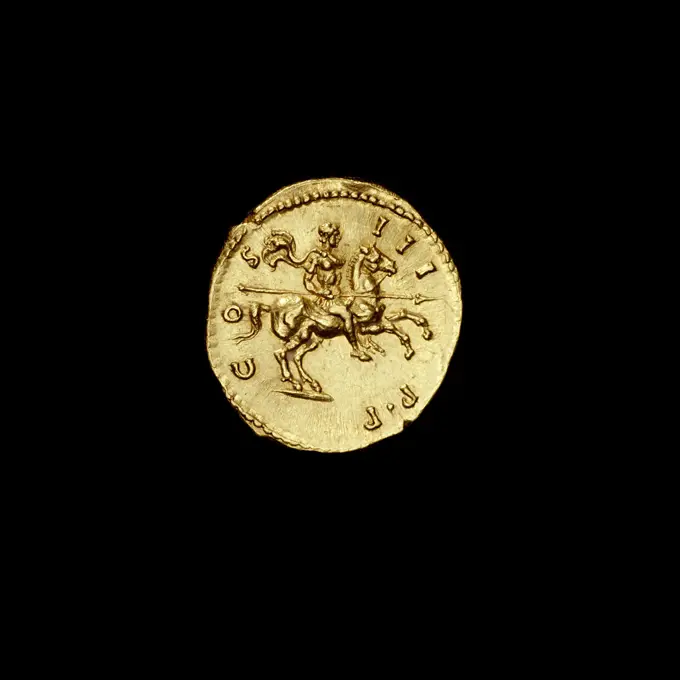
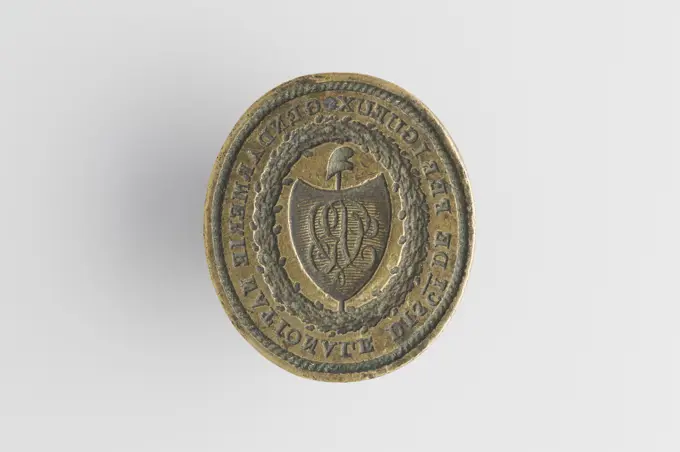
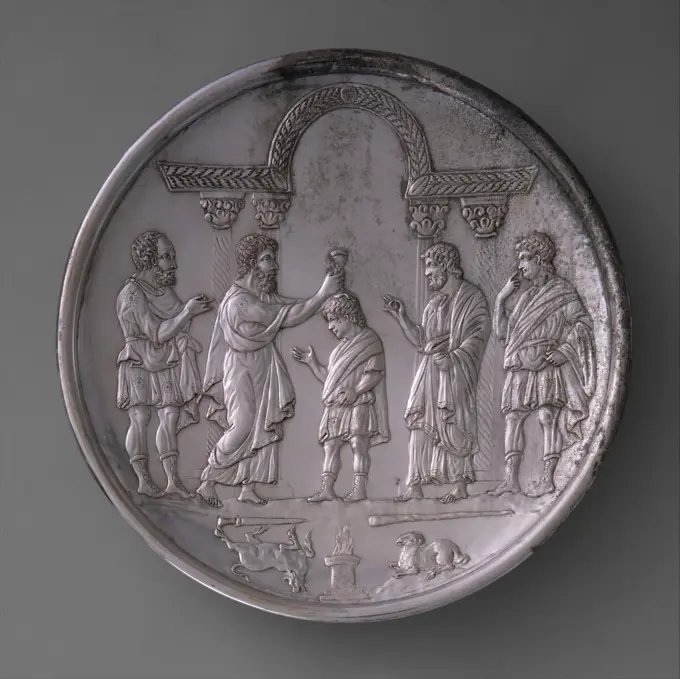
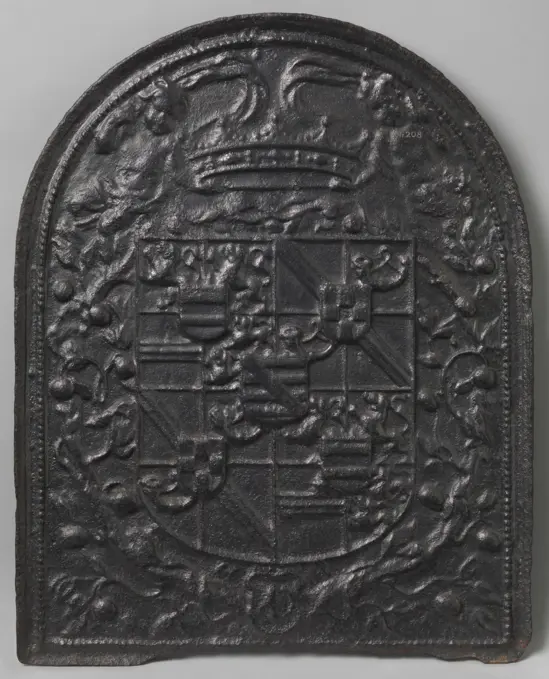
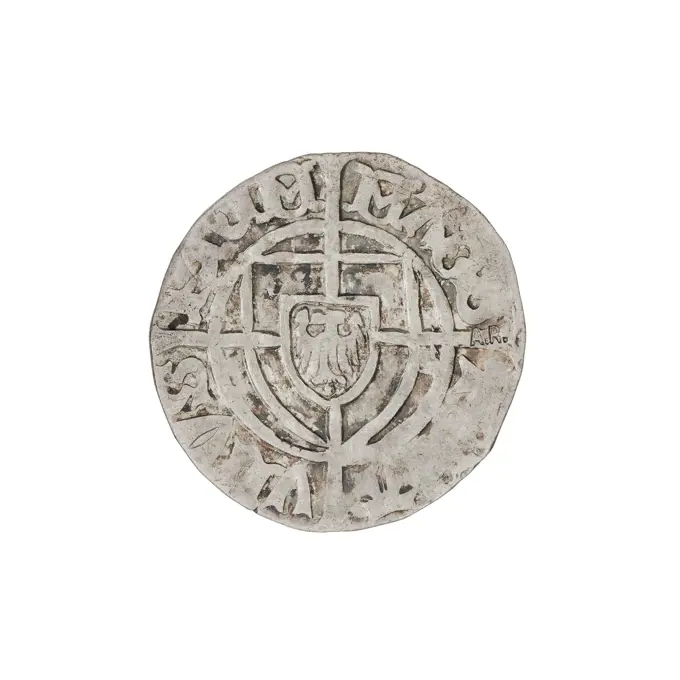
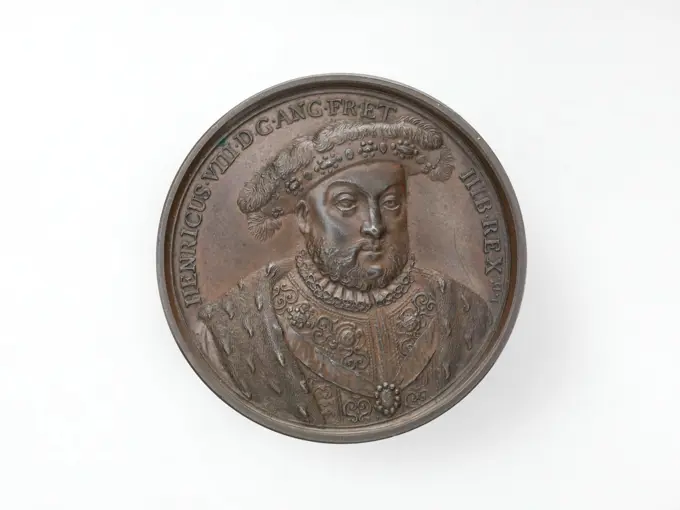
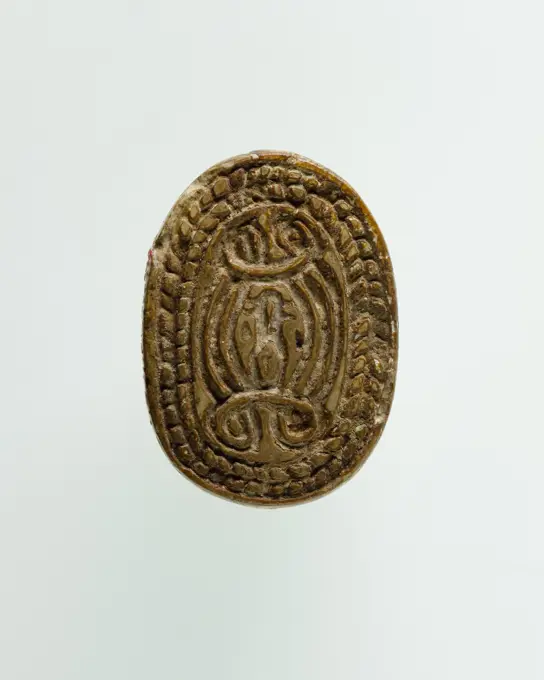
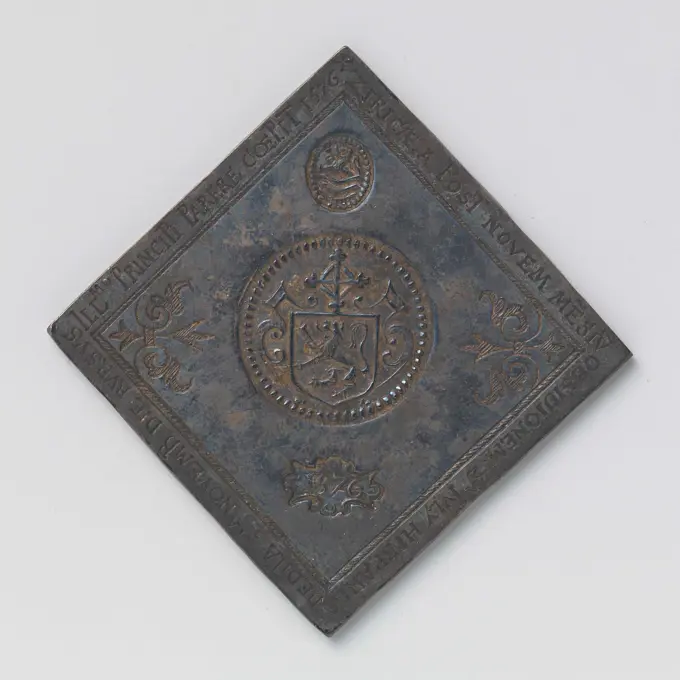
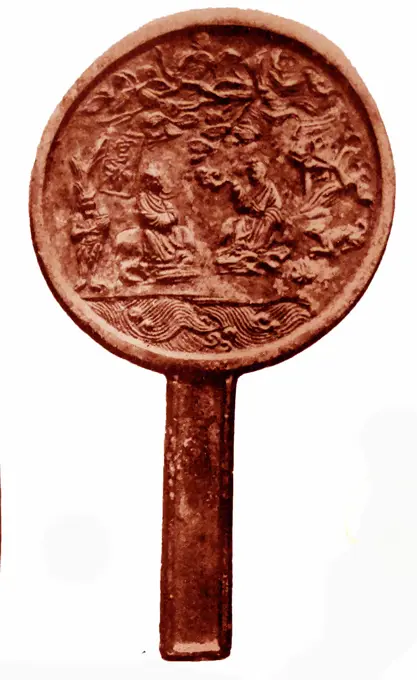
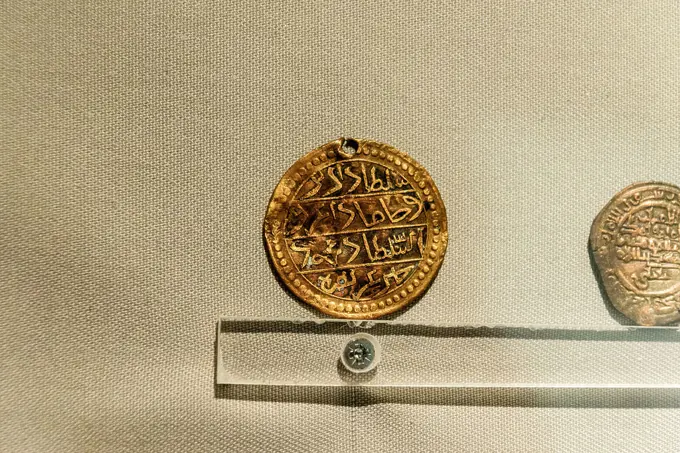
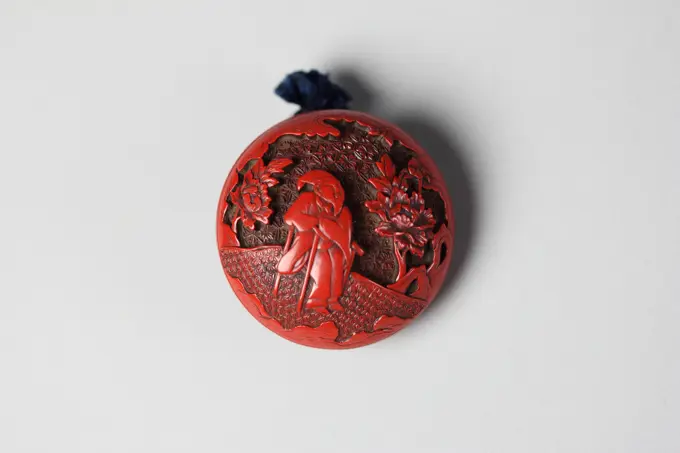
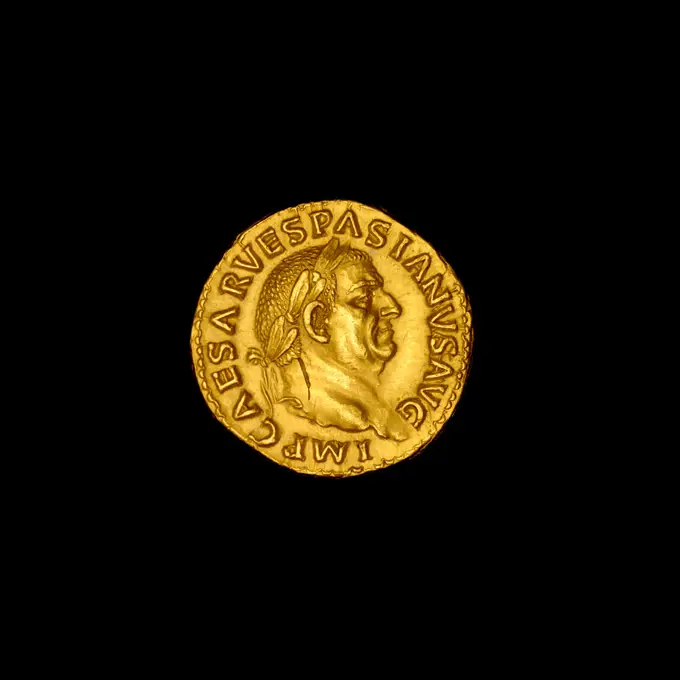
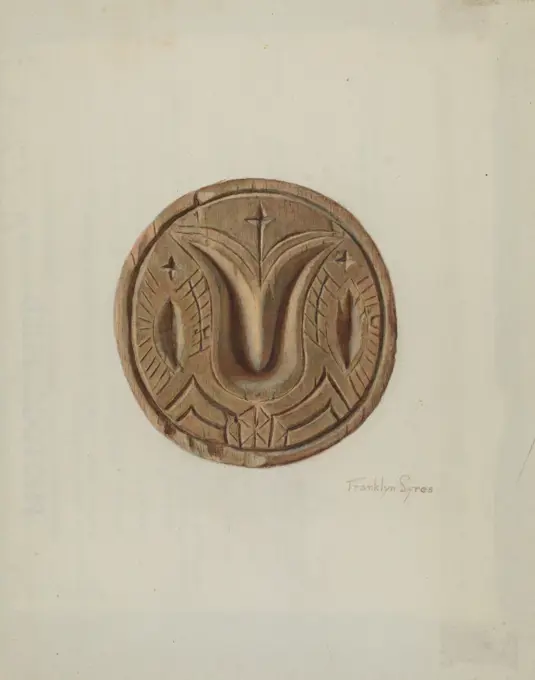
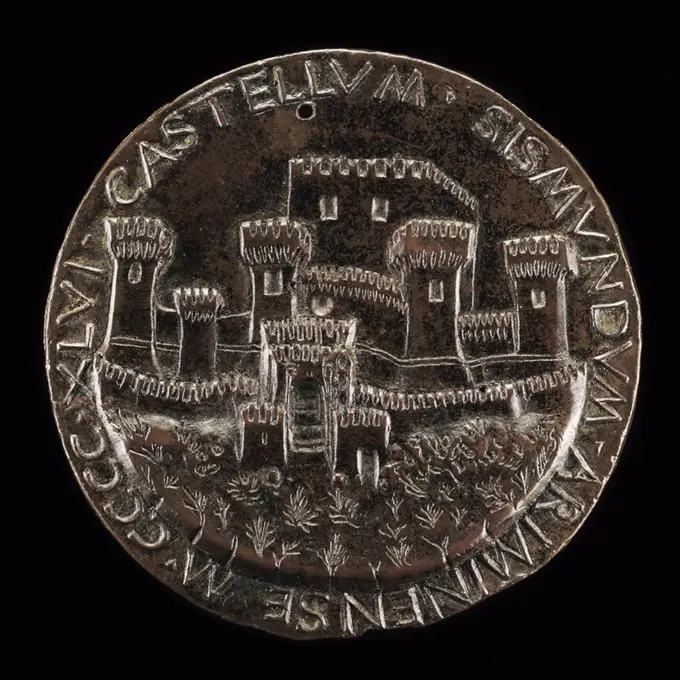
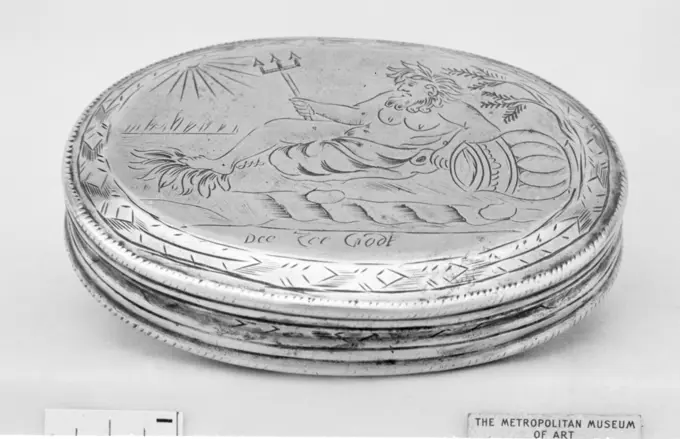
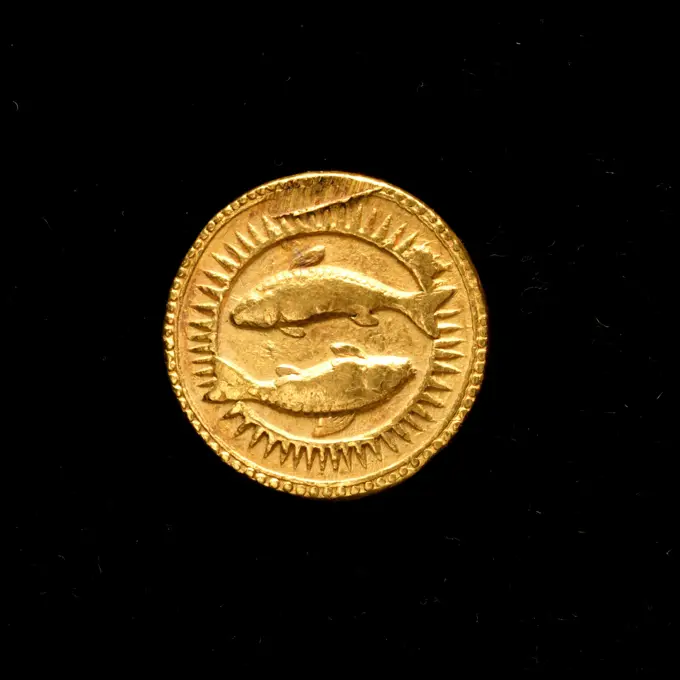
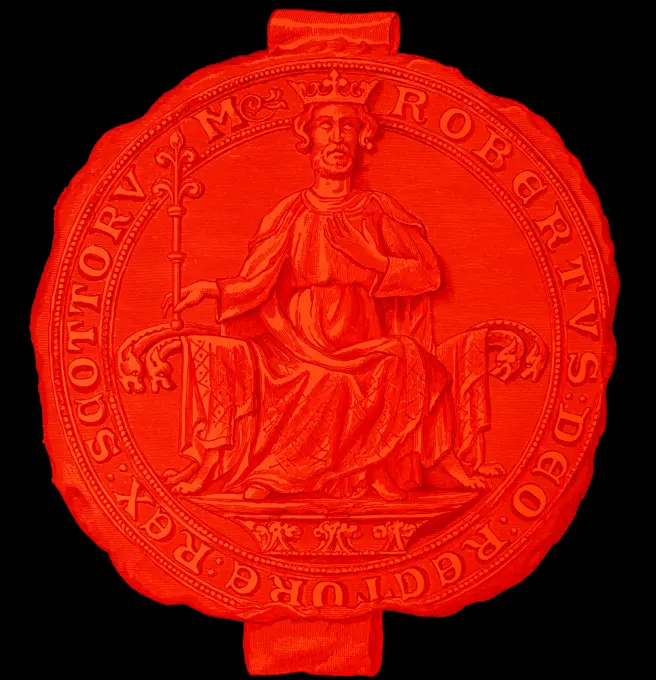
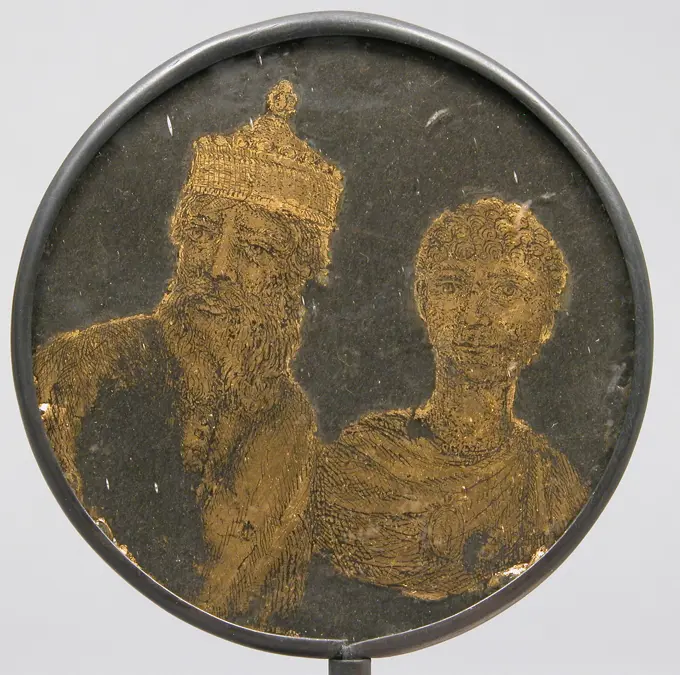
Planets-manager. Cornalet Collection Sites 2013-2016. Numismatic.Agate intaglio: Uterine symbol 2nd century A.D. Roman Mystic invocation.. Agate intaglio: Uterine symbol. Roman. 2nd century A.D.. Agate. Imperial. GemsGrahal-Manzara. Carnavalet 2013-2016 collection sites. Numismatics.ducat. Ferdynand I (cesarz rzymsko-niemiecki ; 1556-1564), ruler, Wrocław, issuerLiberte, Equality, 1790 Freedom, Equality, 1790 . Etain. 1790.Votive Plaque with White Taras ca. 1368-1643 Tibet. Votive Plaque with White Taras. Tibet. ca. 1368-1643. Gray clay. SculptureGold Coin Showing King Kumaragupta as an Archer 415-455 India. Gold Coin Showing King Kumaragupta as an Archer. India. 415-455. Gold. Gupta period. MetalworkPortrait of Frederick the Great, King of Prussia (obverse), 1757. Germany, 18th century. Bronze; diameter: 4.8 cm (1 7/8 in.).Xoanon of Diana of the Ephesians. Xoanon of Diana of the EphesiansGreece, Kimerian Bospor, PantiKapajon, beginning of the 3rd century, Bronze, bronze (AE) PanticapaeumHistamenon (Coin) of Romanus III Argyrus with Christ Enthroned. Byzantine, minted in Constantinople. Date: 1028-1034. Dimensions: Diam. 2.5 cm; 4.40 g. Gold. Origin: Constantinople. Museum: The Chicago Art Institute, Chicago, USA.Retro look Roman coin Vintage looking Ancient Roman coin isolated over white background Copyright: xZoonar.com/ClaudioxDiviziax 5788058Pier Paolo Galeotti, Flowering Shrub Growing through Thorns (reverse), c 1570 Flowering Shrub Growing through Thorns reverseFALSE 7 DUCAT GDAYVE Donativa, Stephen Bathory (1571 1586)Mirror with Handle, Decorated with Pine Tree and Crane, early 1600s to mid-1800s. Japan, Edo period (1615-1868). Bronze; diameter: 16.1 cm (6 5/16 in.); overall: 0.4 cm (3/16 in.); rim: 0.4 cm (3/16 in.).False coin, IIthuanian shilIIng, John II Casimir (1649 1668)Square-in-circle type silver dirham. Iran, Ilkhanid, first half of 14th century. Tools and Equipment; coins. CoinCoin of Kushan King Vasudeva II, AD 200s. India, Kushan, Vasudeva II, 3rd century. Gold; diameter: 2.4 x 0.1 cm (15/16 x 1/16 in.).Faithful service at the Army. Bronze carrying sign to wearing eye and carrying ring. Front: crowned ermic mantle; On that letter W. reverse side: crowned coat of arms, surrounded by banners, a cannon, anchor, drum, rifle, halberd, pile of bullets, harness, degen e.d.; Cross-section: EmptySilver seal stamp with family coat of arms Boonen, seal stamp stamp equipment silver ivory cork, Oval silver seal stamp with twisted ivory handle. Asymmetrical shield within cartouche: deer leaping against planted tree; half-faced helmet with short tarpaulins; helmet sign: the deer of the shield coming out Adriaen van der Werff Boonen heraldryBronze mirror 3rd century B.C. Etruscan Inscribed (retrograde): Achle (Achilles), Thethis (Thetis), Uthste (Odysseus), Elinei (Helen), Menle (Menelaus). Bronze mirror 251054 Etruscan, Bronze mirror, 3rd century B.C., Bronze, Other: 5 1/4 x 10 9/16 in. (13.3 x 26.8 cm). The Metropolitan Museum of Art, New York. Rogers Fund, 1921 (21.88.28)Medal of George III. Artist: Unknown Honorand: George III, King of Great Britain, British, 1738-1820, ruled 1760-1820Zutphense Daalder, 1688, city of Zutphen, 1688 coin Silver coin. Front: standing harnessed knight with raised sword in the right hand and crowned coat of arms of Zutphen for itself. Reverse: crowned coat of arms of Zutphen, held by two lions. Under coat of arms value designation 30 pcs. Zutphen silver (metal) striking (metalworking)Carnavalet Museum, Medals CollectionIkona: Zmartwychwstanie Chrystusa (Zstąpienie do Otchłani). nieznany warsztat staroobrzędowców, workshopSecurity Service BadgeGold ring 5th century B.C. Greek Man and woman conversing.. Gold ring. Greek. 5th century B.C.. Gold. ArchaicNUMISMATICA. MONEDA MONEDAS BIZANTINAS DE ORO Y BRONCE. REAL ACADEMIA DE LA HISTORIA.Carnavalet Museum, Medals CollectionSultani. Egypt, A.H. 974/1566 A.D.. Tools and Equipment; coins. GoldGirdle with Coins and Medallions ca. 583, reassembled after discovery Byzantine This incomplete, massive gold girdle composed of a series of solidi (gold coins) and medallions may have been worn as an insignia of office. The four medallions depicting the emperor Maurice Tiberius (r. 582-602) probably were minted for him to present as gifts to high officials and nobles when he assumed the office of consul in 583. All the coins are stamped CONOB (Constantinopolis obryzum, i.e., pure gold of Constantinople), indicating that they were minted in the capital city. Joined with nine coins of Maurice Tiberius on the girdle is one of Theodosius II (r. 402-50) and four of the brief joint rule of Justin I and Justinian in 527.. Girdle with Coins and Medallions. Byzantine. ca. 583, reassembled after discovery. Settings: gold - sheet: wire - beaded. Coins: gold - stamped.. Metalwork-GoldAncient Roman Coin depicting Hadrian on horseback, 117-138ADScarab of Ramesses II ca. 1295-1070 B.C. New Kingdom, Ramesside. Scarab of Ramesses II 549975Commemorative badge of the 100th anniversary of the death of Tadeusz KościuszkoPendant (one of a pair). Culture: probably Northern Italian. Dimensions: Diameter: 1 1/8 in. (2.9 cm). Date: second half 15th century.There is no firm evidence about the original purpose of this type of niello pendant, but theories range from betrothal gifts (those with double portraits) to portable reliquaries (those with religious motifs). Museum: Metropolitan Museum of Art, New York, USA.Planets-manager. Cornalet Collection Sites 2013-2016. Numismatic.Histamenon of Romanus III, 1028-1034. Byzantium, 11th century. Gold; diameter: 2.4 cm (15/16 in.).th Century Birmingham Halfpenny Token,1666Plate with David Anointed by Samuel 629-630 Byzantine In 628-29 the Byzantine emperor Herakleios (r. 610-41) successfully ended a long, costly war with Persia and regained Jerusalem, Egypt, and other Byzantine territory. Silver stamps dating to 613-29/30 on the reverse of these masterpieces place their manufacture in Herakleioss reign. The biblical figures on the plates wear the costume of the early Byzantine court, suggesting to the viewer that, like Saul and David, the Byzantine emperor was a ruler chosen by God. Elaborate dishes used for display at banquets were common in the late Roman and early Byzantine world; generally decorated with classical themes, these objects conveyed wealth, social status, and learning. This set of silver plates may be the earliest surviving example of the use of biblical scenes for such displays. Their intended arrangement may have closely followed the biblical order of the events, and their display may have conformed to the shape of a Christogram, or mMedal of the Society of the Arts of Lyon Founded in 1836, 1849 Joseph Dantzell (1805-1877). Medal of the Company of the Arts of Lyon Founded in 1836. Bronze, 1849.Fireplace with the weapon of Maurits van Oranje, Anonymous, After c. 1618 - Before c. 1625 Cast iron fireplace, with a semicircular top. Central is the coat of arms of Maurits van Oranje. Next to the crown, a putto with a band with leaf vines and fruits flies on either side. Germany iron (metal) casting Cast iron fireplace, with a semicircular top. Central is the coat of arms of Maurits van Oranje. Next to the crown, a putto with a band with leaf vines and fruits flies on either side. Germany iron (metal) castingP.F.PALLOY says the patriot (medal has two sides) Pierre Fran�ois Pallay (1755-1835). "MP Palloy says The Idealistic (DW Two Faces)". Iron and copper. 1793.Cap-Shaped Plaque with Lion. Culture: China (Xinjiang Autonomous Region, Central Asia). Dimensions: H. 3/4 in. (1.9 cm); Diam. 1 1/8 in. (2.9 cm). Date: 7th-9th century.The nomadic communities of Central Asia used such plaques to embellish clothing and horse trappings. As these nomadic cultures herded animals and were constantly moving, their artistic production was expressed in portable objects that marked the wearer's status and wealth. The outstanding preservation of these fragile ornaments suggests they were used in conjunction with burials, where the body was aggrandized with valuable textiles and augmented with gold. Although it is difficult to date and place these objects geographically, their presence in Central Asia and has a long, established history. Museum: Metropolitan Museum of Art, New York, USA.Shah of the Cross; Pawe von Russdorf (Grand Master; 1422-1441); 1425-1441 (1425-00-00-1441-00-00);Grahal-Manzara. Carnavalet 2013-2016 collection sites. Numismatics.Bronze box mirror mid-4th century B.C. Greek In relief, head of woman. Bronze box mirror. Greek. mid-4th century B.C.. Bronze. Late Classical. BronzesOpening of the Collegium Novum of the Jagiellonian University Kurnatowski, Mieczys AW (1833 1904)Willem Frederik, Prince of Oranje-Nassau, Souverein Vorst, Anonymous, 1813  One -sided silver open -up carrying sign under Kroon. Front: breastpiece man inside pearl, smooth and pearl edge. Reverse: Blanco Netherlands silver (metal)Henry VIII 1731-32 Medalist: Jean Dassier Swiss This medal of Henry VIII belongs to the English Monarchs series by the Swiss medalist Jean Dassier (1676-1763). Dassier was the chief engraver of the Geneva mint, and the group to which this medal belongs (2014.457.1-10) are among his most important medallic works, part of a series of 33 medals of the English sovereigns begun during his second stay in London and approved by Queen Caroline. These medals represent an important European medalist in one of his most significant series. The English Monarchs are also important precedents for medal making in 18th- and 19th-century Britain, examples of which are also found in Museum's collection.. Henry VIII. Medalist: Jean Dassier (Geneva 1676-1763 Geneva). British. 1731-32. Bronze. Medals and PlaquettesPalloy, Pierre-François (1755-1835). "Freedom has destroyed despotism". Etain pushed, 1789. Paris, Carnavalet museum. 56521-16 Republican attribute, Bastille, Phrygian Bonnet, Pushed Pushing, Licker Beam, Force, Numismatic, Fatherland, Revolutionary Periode, peak, Currency, Republic, Union, LockGrahal-Manzara. Carnavalet 2013-2016 collection sites. Numismatics. Punch bust of Louis XVI young, bare head, in a coat of flowered coat, with the cord of the Holy Spirit and the Golden Fleece, on the right.Scarab Incised with Nefer Sign and Coil Design ca. 1850-1802 B.C. Middle Kingdom The majority of design scarabs of the late Middle Kingdom (late Dynasty 12-Dynasty 13, ca. 1850 -1640 B.C.) are decorated with symmetric compositions of protective hieroglyphs and/or scrolls. This scarab shows the sign for good and beautiful (nefer) set within a design of convoluted coils. A decorative double rope border surrounds the design.. Scarab Incised with Nefer Sign and Coil Design. ca. 1850-1802 B.C.. Steatite, traces of pale green glaze. Middle Kingdom. From Egypt, Memphite Region, Lisht North, cemetery north of the tomb of Senwosret (758), Pit 806, MMA excavations, 1908-09. late Dynasty 12Siege from Zierikzee. Unilateral, diamond-shaped emergency. Front: three stamps above each other; From bottom to top: State weapon: coat of arms within oval pearl edge; Stadswather: Coat of arms in cartouche in pearl edge; year in cartouche; in left and right corner: decorative motifs; On border inscription. Downside: blankPlanets-manager. Cornalet Collection Sites 2013-2016. Numismatic.Fragment of embroidered fabric () From the collection of minutes Institut, Liegnitz; Belitski, Ludwig (1830-1902); 1854- (1854-00-00-1854-00-00);Legnica (Dolnośląskie Voivodeship), minutes of Institut (Legnica), tapestries, embroidery, artistic crafts, fabricsSaying in Rotterdam, Penning intended as evidence for peat carriers, fillers or tunners to be allowed to enter peat from the newlyered veins, Anonymous, 1769 identification medal One-sided lead medal with round top and rectangular underside, and hole in it. Front: Standing lion with coat of arms on chest between the year within Kerschrift. Reverse: Blanco. Rotterdam lead (metal) casting  RotterdamHand Mirror from Koryo (Goreyo) (Goreyo) dynasty. Bronze. Koryo (Goreyo) (Goreyo) dynasty (918-1392).Arms of Filiberto Impaling Those of Margaret reverse. Dated: 1502. Dimensions: overall (diameter): 10.32 cm (4 1/16 in.) gross weight: 220.02 gr (0.485 lb.) axis: 12:00. Medium: bronze. Museum: National Gallery of Art, Washington DC. Author: Jean Marende.Islamic coins, 8th-13th centuries, silver, bronze and copper, Evora Museum, Evora, Alentejo, Portugal, Europe.Shields and Helm reverse. Dated: 1529. Dimensions: overall (diameter): 3.81 cm (1 1/2 in.) gross weight: 20.52 gr (0.045 lb.) axis: 6:00. Medium: lead. Museum: National Gallery of Art, Washington DC. Author: Matthes Gebel.Netsuke 19th century Japan. Netsuke. Japan. 19th century. Red lacquer. Edo (1615-1868) or Meiji period (1868-1912). NetsukeBliżej Kultury unknownAncient Rome Vespasian Gold Aureus (Judea capta series) 69-79 ADBust of a man 1530-40 German. Bust of a man. German. 1530-40. Boxwood. Sculpture-MiniatureRoman 16th Century, Inscription in a Wreath (reverse), c 1500 Inscription in a Wreath reverseRelief of Coevorden and Intake of Groningen 1594 ,, 1594 history medal Silver medal on Sea Eche and Ring, on the front view and map of Groningen with soldiers, on the reverse twelve lines of text  silver (metal) castingModel for a Klamp of a Book Lock with the Evangelist Mattheus, Anonymous, c. 1750 - c. 1775 Model of Red buyer for a mold from a bold of a book lock. The show shows the evangelist Mattheus with the angel and is won in a rococo ornament, formed by three in inside-in C-Voluten and in between two small, outdated C-Voluten. The top is straight. Amsterdam copper (metal) cutting Model of Red buyer for a mold from a bold of a book lock. The show shows the evangelist Mattheus with the angel and is won in a rococo ornament, formed by three in inside-in C-Voluten and in between two small, outdated C-Voluten. The top is straight. Amsterdam copper (metal) cuttingFranklyn Syres, Pa German Butter Mold, c 1938 Pa. German Butter MoldSilver medal, 2nd prize, Dog exhibition in Lyon, 1924Carnavalet Museum, Medals CollectionProject Grange Manzary MANZA 2014-2016 Carnavalet Museum, Medals CollectionThe Castle of Rimini reverse. Dated: 1446. Dimensions: overall (diameter): 8.04 cm (3 3/16 in.) gross weight: 196.95 gr (0.434 lb.) axis: 1:00. Medium: bronze. Museum: National Gallery of Art, Washington DC. Author: MATTEO DE' PASTI.Planets-manager. Cornalet Collection Sites 2013-2016. Numismatic.Tobacco box 18th century Dutch The lid of this oval box depicts a hefty Neptune with a trident, reclining against an urn. Inscribed below: Dee Zee Godt (The Sea God).The underside shows a scene with a sailing vessel, a walking man, and a tortoise. Inscribed below: All tini ? Although the inscription's meaning is unclear, the scene perhaps relates to an emblem in Jacob Cats's Silenus Alcibiadis Sive Proteus of 1622, in which a turtle is depicted against a similar background with sailing vessel (see Figure 13). The motto published with the emblem, "Fugiendo non effugit," means that wherever one goes his burden accompanies him. (This, of course, is particularly true of the turtle.) With lined and corded rims, molded edges. The borders and sides are decorated with chevron ornament.. Tobacco box 187170Kronberg, Walter of.Commemorative badge Procaj Owowicz, Antoni Stanis AW (1876 1949)Tarczyn town seal. Tarczyn, signatoryCoin dated A.H. 1028/ A.D. 1619 Bearing signs of the zodiac, the coins conceived of and issued by Emperor Jahangir were a development of earlier Mughal coinage, which included religious calligraphic inscriptions and minting dates. The sign of Pisces corresponds to the month in which this coin was issued, while a couplet on the reverse provides additional information about the reign and year.. Coin. dated A.H. 1028/ A.D. 1619. Gold. Made in India, Agra. CoinsSeal of Robert the Bruce (1274-1329) King of the Scots. Dated 14th centuryMedallion with Double Portrait 18th century (4th century style) Italian. Medallion with Double Portrait. Italian. 18th century (4th century style). Verre églomisé. Glass-Verre églomiséHermowy reliquary W Adys  Not after 1919 (1890-00-00-1910-00-00);Henry II 1552 French. Henry II. French. 1552. Bronze (overlaid with silver). Medals and PlaquettesPectorals from a tomb in Egypt, of the 20th Dynasty. Dated 13th Century BCThe Tomb of Desaix. 1805. 19th century Medalist (obverse): Jean-Pierre Droz This medal was struck for the Metropolitan Museum of Art at the Paris Mint at the request of the donor, Hon. Levi P. Morton, formerly U.S. Minister to France.. The Tomb of Desaix. 1805.. Medalist (obverse): Jean-Pierre Droz (French, La Chaux-de-Fonds, Neuchtel 1746-1823 Paris). Swiss. 19th century. Gilt bronze, struck. Medals and PlaquettesCameo Gem Set into a Ring. Unknown