Historic Metal Casting Tools

Images of antique bronze molds used for crafting pots, jugs, and ejection systems, reflecting historical metalworking techniques.
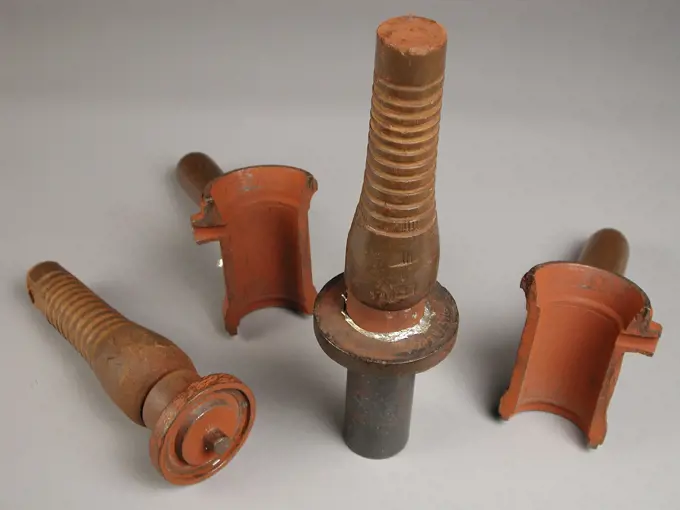
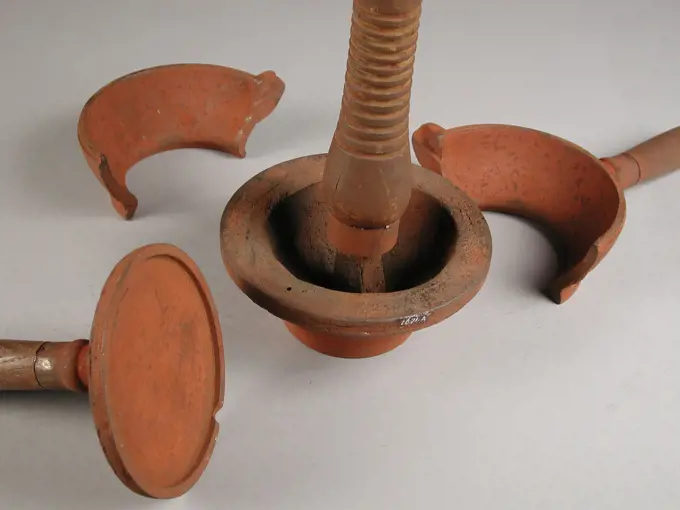
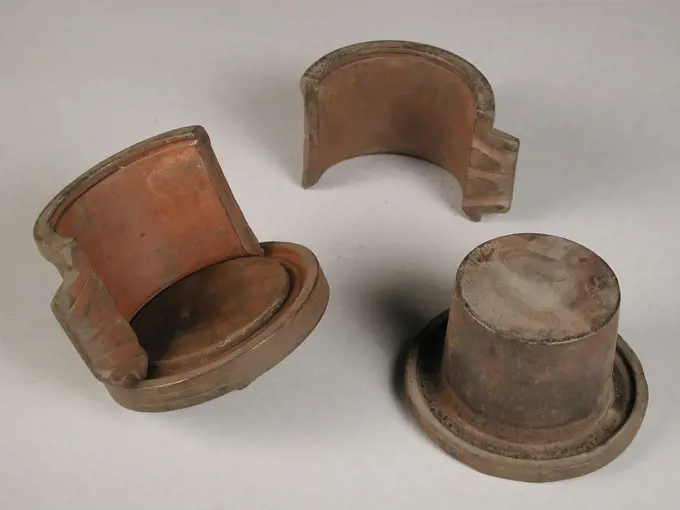
Four-piece bronze mold for mortar with decoration, toys, mold casting tool tools kit metal_metal cast iron wood iron, cast turned Four-piece bronze mold for casting mortar with decorations of fish dog bird and plants as dolls Rotterdam tingieterij tinnegieter tin dolls Meeuws Druy craft Shapes are from the originally 18th century Rotterdam tinnegieter J Druy. The large molds that were not signed or dated were the property of the tinker guild and were rented to the small tin caster.
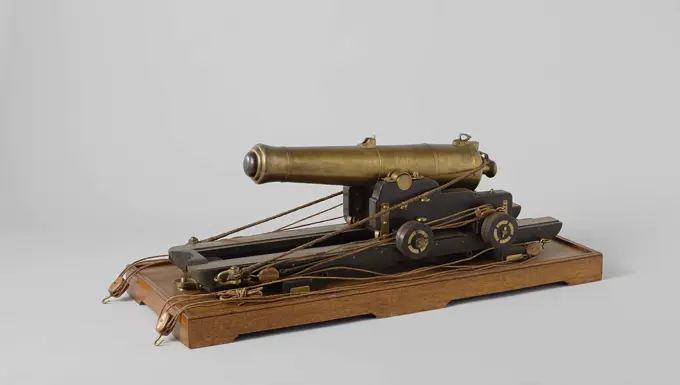
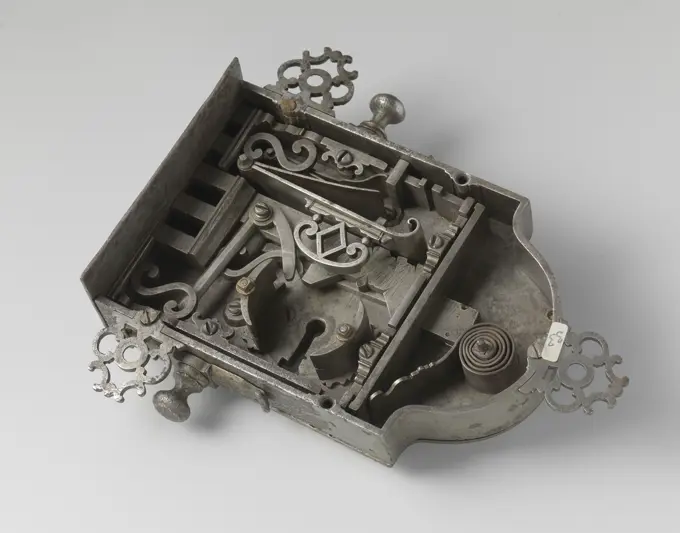
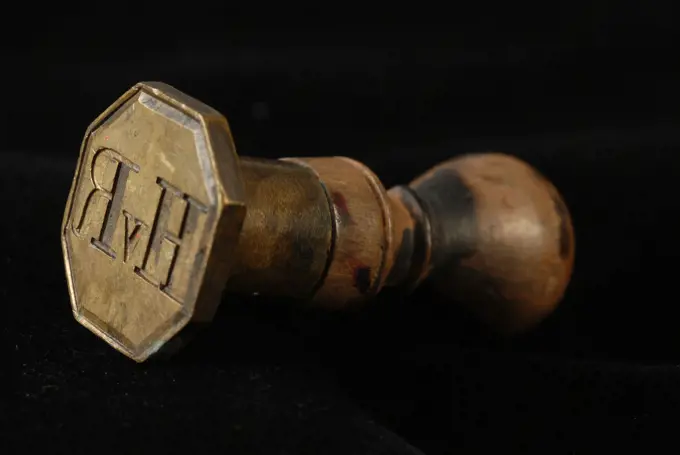
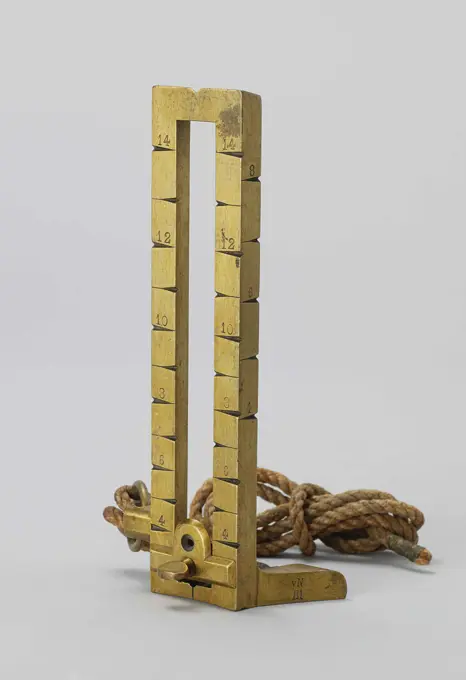
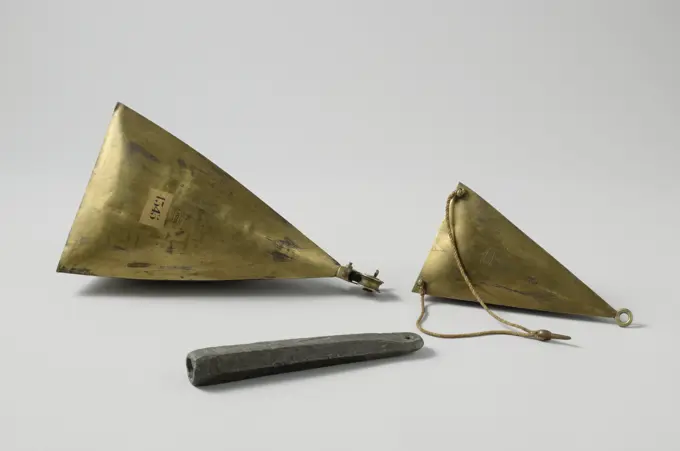
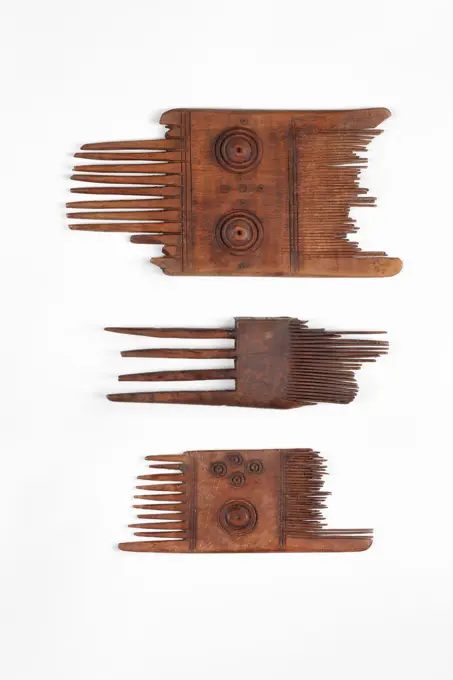
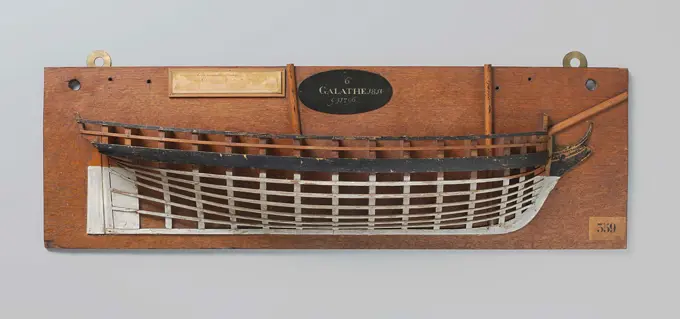
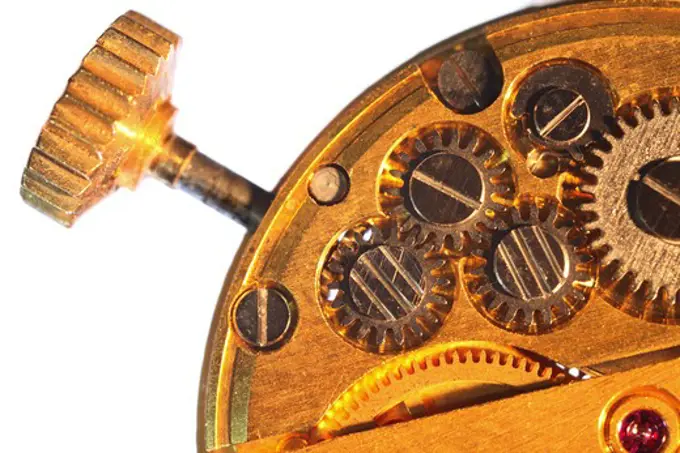
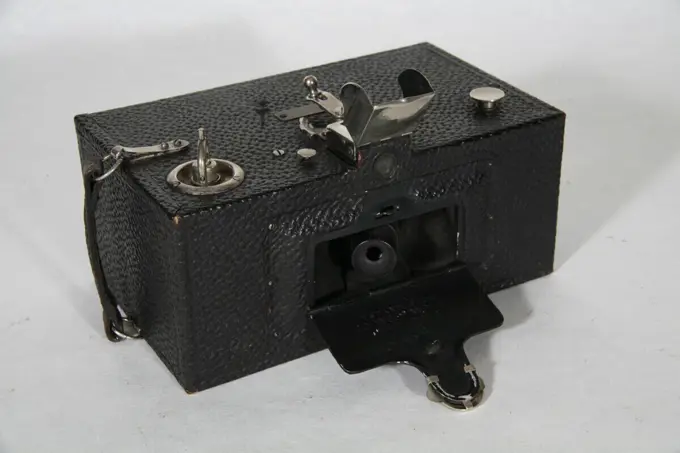
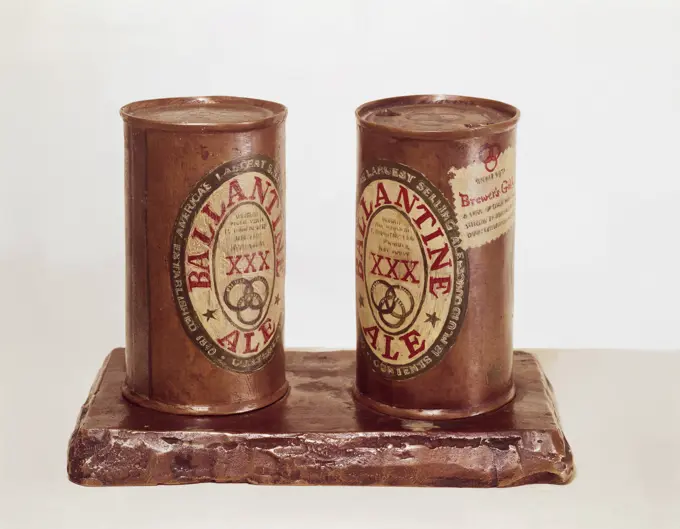
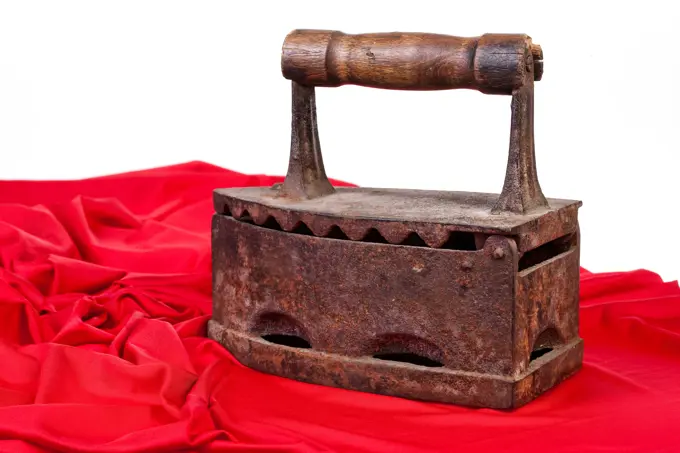
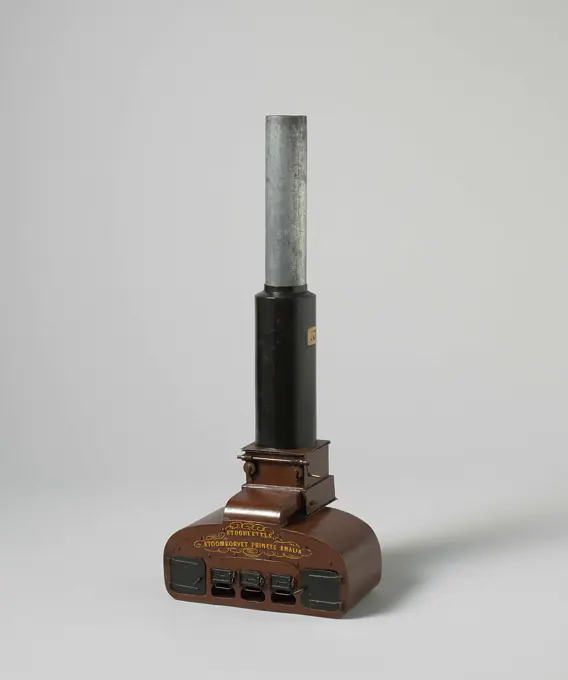
Coupling piece of a fire hose from the wreck of the East Indians Hollandia, Anonymous, 1700 - in Or Before 1743  Fire engine, firehose coupling; fragment, id. NG 1978-29H649, one loop broken off, with fragm of (le) hose. Netherlands copper (metal)   SecondSilver pocket ink Silver bag ink tube, in a green case of rye wall; Used by the poet Lucretia Wilhelmina van Brands (Amsterdam 1721-1789). Paris, brand: Fermier Général Brichard, 1761/2, annual letter crowned X. Sculpted oval of cross -section. Paris silver (metal). Silver bag ink tube, in a green case of rye wall; Used by the poet Lucretia Wilhelmina van Brands (Amsterdam 1721-1789). Paris, brand: Fermier Général Brichard, 1761/2, annual letter crowned X. Sculpted oval of cross -section. Paris silver (metal).Model of an Optical Telegraph, anonymous, c. 1798 - c. 1800 demonstration model Model of an optical telegraph on ground board. It consists of a mast with a ra. With hoists over blocks on the RA, two VLERKEN are moved halfway through the mast and two buoys are hoisted up and down at each end of the RA. Netherlands wood (plant material). brass (alloy). ropeModel of a 24-Pounder Breech-Loading Gun, Petrus van der Loo, 1863 demonstration model Model of a rear loading cannon on a standard, with a loading stick, incomplete. The loop, 47.5 cm, has a caliber of approx. 25 mm. The soul has a lead cloak, which is heavily corroded. The Kulas can be opened by a conical lock piece with thread, which turns in the soul and is operated with a lever on the back. The chest of drawers points to the use of point grenades, but any grooves in the soul can no longer be observed by the corrosion. Some parts of the closing mechanism are missing. Scale 1: 6 (according to Obreen). The Hague (possibly) wood (plant material). brass (alloy). lead (metal)SIN TITULO - 1989 - HIERRO Y OBJETO DE CRISTAL - 67x33,5x23 cm. Author: BADOS ANGEL 1945. Location: GALERIA FUCARES. MADRID. SPAIN.vintage coffee mill isolated on white backgroundModel of a 20-cm Shell Gun on Slide and Pivot.Model of a 20 inch cereal cannon with rig on a turning piece on a base plank. The loop, long 57.1 cm and with a 40 mm caliber, has a pairing ring with a separate closure, a sight with a mounting rod, a visor at the height of the taps and a percussion lock that strikes at an angle; The grape is flat. The upper suit, from the front narrower than rear, consists of two cheeks with two stages, connected by an oblique calf and the axis; The elevation screw is in the rear response. Due to the axles, metal shafts, where the double wheels are arranged in the ends. The wheels only serve to transport the comb next to the slide, but can also be mounted under the carriage. In a position, the upper suit rests with the axle attire on the slide's shelves. At the back two small wheels have been applied, which can lift the back of the oxfuit like a jack, making it to rest for two small wheels and easy to get board. The top separator is coupled to the slide wModel of a Batavian Coastal Telegraph, anonymous, c. 1798 - c. 1800 demonstration model Model of an optical telegraph. It consists of a studited mast with a ra and a flag sting. One of the four braces is provided with sports to climb the mast. With hoists on the RA, two cavities or wings are moved halfway through the mast with textile, and two balls at the ends of the RA are hoisted up and down. Netherlands wood (plant material). brass (alloy). textile materials. ropeHalf Model of a Ship.Molds model (port) of a three-master. No guns and no decks indicated, semi-deck and baking deck can be distinguished by the gillings. Wrecked mirror, hollow wulf, no details of fence, side galleries or stir. The seam runs to both ends, two bark wood and one reehout. Peaked round trip.Iron lock, anonymous, 1700 - 1800 A forged iron lock for a front door. At the bottom of an indoor lock with two shots, a key lock with three shots in the middle, at the top one night lock with two shots. The interior with sawn -out ornamental pieces. The outside with a copper profile list is deposited. Key renewed. Netherlands iron (metal). copper (metal) forging A forged iron lock for a front door. At the bottom of an indoor lock with two shots, a key lock with three shots in the middle, at the top one night lock with two shots. The interior with sawn -out ornamental pieces. The outside with a copper profile list is deposited. Key renewed. Netherlands iron (metal). copper (metal) forgingCopper stamp with monogram, bass relief Copper stamp with wooden handle with relief-incisions with initials by Huibert van Rijckevorsel on an octagonal stamp. H v R Erasmus Foundation Rotterdam seal family family Van Rijckevorsel Long-term loan Erasmus Foundation.vintage coffee mill vintage coffee mill isolated on white background Copyright: xZoonar.com/ValeryxVoennyyx 5456677Gun Sight. Small brass set up (rod) or visor, consisting of two vertical rods between which a visor slides up and down. On one side, the rod has a bowl ranging from 4 to 14. It has a trape-shaped base, with which it was put on the neck ring at the collar. With a rope to a ring it was bound to the bundle. The visor belonged to a 9 cm cannon.Half Model of A Screw Steamer, Rijkswerf Vlissingen, 1857 ship model. half model. builder's model Polychromed, fully plank mold model (starboard) of a three -mast screw steam ship. Eighteen gun gates on the main deck. The Schegbeeld is a gilded torso of and harnessed man, barefoot. Elliptical fence of one floor, side gallery of one floor; Stir with round stirring king (American rudder) and straight stirrer with rounded corners; The model has a screw window and screw cooker for a screw light appliance. Zeeg almost flat, one reehout. Stretch around; The keel rises behind the screw stitch. Scale 1:50 (scale on model). Flushing wood (plant material). brass (alloy)Two Models of A Lifesaving Cart for Shipwrecks, Rijkswerf Rotterdam (Possible), After Jochem Pietersz. Asmus, 1832 demonstration model Two identical models of a rescue device for rescue operations at shipwreck on a beach. It is a two -wheeled car with the wheels in the middle; The wheels have seven double spokes, around which blades are mounted, which can move up and down: this device is likely to promote the rotation of the wheels with the help of the weight of the wheels that falls. The wheels are powered by a needle in a wooden framework in the middle, which has a transfer of 8/45 in the opposite direction. Rotterdam wood (plant material). brass (alloy). ropeFour-piece bronze mold of 1 dl measuring jug, cast molding tool tools base metal bronze wood iron, cast turned Four-piece bronze mold for casting 1 dl measuring jug core: 2834 391 Rotterdam tin foundry tin stain tin Meeuws Druy craft Molds come from the originally 18th century Rotterdam tinnegieter J Druy. The large molds that were not signed or dated were the property of the tinker guild and were rented to the small tin caster.Spindle Whorl 3rd-5th century Coptic. Spindle Whorl. Coptic. 3rd-5th century. Wood. Made in Byzantine Egypt. Woodwork-Miscellanycash register copper old cash register isolated over white Copyright: xZoonar.com/IvonnexWierinkx 6818464ancient wooden catapult isolated on white ancient wooden catapult isolated on white background Copyright: xZoonar.com/ValeryxVoennyyx 10009941Mausefalle mit Speck, McPKST McP_WAL_2024_002576 *** Mousetrap with Bacon, McPKST McP Wal 2024 002576 McPKSTHalf Model of a 32-Gun Frigate, Pieter Glavimans jr., c. 1809 ship model. half model. builder's model Polychromed mold model (starboard) of a three -mast. No guns or decks indicated, only the half cover and baking deck through Gillingen. Get mirror, the hollow wulf very slanted; No details of fence, side gallery or rudder. See at both ends slightly ascending, one barkhout and one reehout. Peaked around. Netherlands wood (plant material)Candlestick. Dated: 1935/1942. Dimensions: overall: 36.3 x 26.5 cm (14 5/16 x 10 7/16 in.). Medium: watercolor and graphite on paper. Museum: National Gallery of Art, Washington DC. Author: Christabel Scrymser.Model of two Congrevese rockets on launcher, William Congreve, Rijkswerf Rotterdam, 1818Old vintage retro compass isolatedIron hook, Balaus, 1865 hook Galvanized iron rig hook with stocking in the eye and iron Rail with spring spring as a mouse in the opening of the hook. Paris iron (metal)Two-piece bronze mold for spoon with round bowl and flat handle, mold casting tool tools base metal bronze, cast Two-piece mold for spoon with round bowl and flat handle and rat tail as transition from tray to handle Rotterdam tin foundry tin stainer tin Meeuws Druy craft Forms come from the originally 18th century Rotterdam tinnegieter J Druy. The large molds that were not signed or dated were the property of the tinker guild and were rented to the small tin caster.Weave shuttle Weave shuttle with pink thread Copyright: xZoonar.com/IvonnexWierinkx 7547079Wall candlestick of wrought iron, with new candle holder, candlestick candlestick illumination ground find iron metal, archeologyLog, Sounding Lead and Brochure, Adolphe Pécoul, 1855 buoy. sounding lead. lead. brochure An elongated quadruing, after the invention of A. Pécoul. The large buoy, furnished as a low -pure, has a wheel and recovery spring on the long point, which prevents the rope from walking back. The rope must be provided with a lead, and as soon as the weight of the rope is because the lead touches the bottom, the recovery spring clamps the rope. The brochure explains the operation of the device and contains beneficial reports from users. Marseille brass (alloy). lead (metal). wood (plant material). rope. paper   ParisComb;  VI-VII century (501-00-00-700-00-00), VI-VII century (401-00-00-700-00-00);Deposit of the University of Warsaw from 1937-1939, geometric decorations, carved decorations, combs, toiletries, craftsmanship, woodcarvingModel of A Light Beacon. Model of a light upstand on a base board. It consists of a metal framework on four legs; The stairs have an intermediate floor halfway and above a fall door. On the upper floor there is a small house with trapez-shaped floor plan; In both sloping sides, a door is applied, a small window with a hexagonal table on the outside for a lamp on the short side. Scale 1:20 (derived).Wheel barometer ca. 1841-45 Louis A. Smith. Wheel barometer 629573Half Model of a 16-Gun Brig.Polychromed mold model (starboard) of a tweemaster. Wrinkled mirror, hollow wulf, no details of fence or side gallery; Stir straight with square roofing. Side in front and behind something ascending, one bark wood. Something peaked around. Scale approx. 1:55 (Scale by model).Curved Staircase Model in the French Style, Carved, planed, turned, and veneered walnut, France, ca. 1850, models and prototypes, Decorative Arts, Curved Staircase Model in the French Styletime concept with hourglass isolatedextreme macro of the inside of an old wristwatch, showing the precision gearing.Antique wooden farmers cart Antique wooden farmers cart for agriculture purpose isolated over white background Copyright: xZoonar.com/IvonnexWierinkx 12291215Half Model of A 14-Gun Brig, Rijkswerf Vlissingen, 1843 ship model. half model. builder's model Polychromed mold model (starboard) of a three -mast. The skin above the barkwood is closed, nine gun gates on one deck. Elliptical gate of peculiar form in the list of rounded shapes, with one gun gate, no side gallery; Stir with round stirring king (Soetermeers version) and rounded Roerblad. Almost flat, one barkwood and one reehout; The Barkhout does not run around the aft nave, but is interrupted by the skin corridors that rise to the bottom of the fence. Peaked around. Scale 1:40 (scale on model). Flushing wood (plant material)Engraving device pantograph with CNC engraver with letterpress alphabet on a white background. Engraving device pantograph with CNC engraver with letterpress alphabetOptometric Device To Match Lenses Old optometric device to choose the correct lense on isolated background Copyright: xZoonar.com/AndreyxSkatx 12418762Wheel on ashes of the tower clock, anonymous, c. 1585 - c. 1615 Rad on axle from the tower clock from the broken water gate in Gorinchem. Northern Netherlands iron (metal) forging  Water gate Rad on axle from the tower clock from the broken water gate in Gorinchem. Northern Netherlands iron (metal) forging  Water gateFour-piece bronze mold for bottom of pot or jug, mold casting tool tools equipment base metal cast iron wood iron, cast turned Four-piece bronze mold for bottom of pot or jug Rotterdam tin foundry tin pourer tin Meeuws Druy craft Shapes are from origin 18th century Rotterdam tinnegieter J Druy. The large molds that were not signed or dated were the property of the tinker guild and were rented to the small tin caster.Ancient Iron And Red Fabric Old rusty iron and a piece or red textile on isolated background Copyright: xZoonar.com/AndreyxSkatx 7790115Snuff Bottle (stopper), 1644-1911. China, Qing dynasty (1644-1911). Glass; overall: 5.8 cm (2 5/16 in.).Coffret 15th-16th century European Throughout the Middle Ages, household goods of all types were stored in boxes and coffrets which both protected the goods in the home and provided traveling cases on journeys. The great number of these of all sizes, shapes, and materials that have survived from the medieval period testify to this method of storage.This small container may have been intended to hold rings, ring brooches, and other jewels or trinkets. The leather coffret, with a domed lid, has the inscription EINSE MOY, which might be translated as follow me” or do as i do,” probably a personal motto. Unfortunately, this inscription does not provide a clue to the specific use for which the container was intended.. Coffret 467985Box with Scale and Set of Weights 1661 Cologne. Wood, brass, iron, and copper . The Pluckhoff CologneBox with Equestrian Falconers 13th century Italian Hunting scenes decorate a number of surviving cylindrical boxes made in Sicily. This box, depicting a falcon hunt, shows richly attired men on horseback. The sport was favored by Holy Roman emperor Frederick II Hohenstaufen (r. 1215-50), who wrote a definitive guide on the care and use of falcons in the hunt.. Box with Equestrian Falconers 471563green metal and wooden bell on isolated whiteField phone of the German Wehrmacht, World War 2,1943Armband 1200-900 B.C. European Bronze Age. Armband 472844Model of a Ship Camel, anonymous, c. 1784 demonstration model Construction model of a ship's cabinet, the starboard half of a few. The skin is omitted so that the construction and layout are visible. The hull is rectangular, on one side adapted to the shape of a fitting ship's hull. The model has three levels: soil, intermediate deck and upper deck; Inside it is divided into six compartments by waterproof Scots. On the intermediate deck behind is a cabin, with a decorated window and a chimney in front of the galley; The back can be opened with two gates. The model is completely detailed with three and twenty pumps in two rows, twenty roasting pills with ropes that are led to the underside, twelve spouts to let the camel fill up, two tap beams, a betting, a capean behind and twelve shutters. A rudder on the back. Harlingen (possibly) wood (plant material). brass (alloy). rope. paint (coating)   FrieslandHalf Model of a 20-Gun Sloop of War.Polychromed mold model (starboard) of a three-master. The skin above the bark wood is closed. Ten gunposes on one deck, semi-deck indicated by one guy. Wrinkled mirror, hollow wulf, closed fence with two lights, no side gallery; Stir straight with square roofing. Side backwards, one Barkhout and one Reehout. Peaked round trip. Scale approx. 1:55 (derived).Iron Hook. Galvanized iron rig hook with stocking in the eye and iron right with spring spring as a mouziving in the opening of the hook.Vintage Gas Wasserheizung mit Dusche isoliert auf weißem Hintergrund. Rückstrahler mit Wasserhahn. Vintage gas water heater with shower isolated on white background. Retro Instantaneous water heater with tap. LicenseRF Copyright: xZoonar.com/MilanxVasicekx 12959982Old hand plane tool on gray backgroundSpoon 16th century British. Spoon. British. 16th century. Gilt brass. Metalwork-Brassold suitcase isolated on white backgroundHalf Model of a Lugger.Molds model (starboard) of a three-master. The skin above the bark wood is closed. Flat mirror, hollow wulf, closed fence, no side gallery; Straight stir with square steward, keel with heeling. Side towards the back and forward, one Barkhout and one Reehout. Peaked round trip, large steering burden. Three masts and an entrance; The bowsprit returns to behind the breeding machine, where it is fixed in a cover. Scale approx. 1:33 (derived).Vintage mortar with pestle Vintage iron mortar with pestle isolated on white background Copyright: xZoonar.com/AndreyxEreminx 3331639Church clock from Idbury, Oxfordshire. The remains of this clock were found in the tower of Idbury Church, close to the Gloucestershire border. It is a three-compartment frame clock and the going train (in the left-hand compartment) has a unique escapement, which was probably an 18th-century replacement for a more traditional crown wheel and foliot escapement.Half Model of a 44-Gun Frigate.Polychromed mold model (starboard) of a three-master. No gunpaints or decks are indicated on this model. Wrinkled mirror, hollow wulf, no details of fence or side gallery; Stir straight with square roofing. The seam runs something at both ends, two bark wood and one Reehout. Peaked round trip. Scale approx. 1:44 (derived).Spinning wheel. unknown, authorIrving L Biehn, Bung Starter Mallet, c 1942 1942 Bung Starter Malletbird cage Miniature; possibly England; silver19th century set with instruments for Gastric lavage, stomach pumping, gastric irrigation in antique wooden boxHandmade jewelry on a glass background Handmade jewelry on a black glass studio background Copyright: xZoonar.com/AndreyxSkatx 9875489Pocket set of drawing instruments ca. 1755-60 probably Peter Dollond This étui contains tools for a draftsman, including a protractor, dividers, and an ivory rule. The maker of the instruments, John Dollond, was trained as a silk weaver, a trade he abandoned in 1752, when he began to collaborate with his son making optical instruments. From the 1760s on, such English luxury goods were available in Paris in magasins anglais.. Pocket set of drawing instruments 198857Coffee grinder isolated on white backgroundBuckle with Griffioen, Anonymous, c. 1100 - c. 1200 The object made from copper plate consists of three parts: the belt piece, the buckle and the pin. The square belt piece has a round middle part, in which a griffin is cut out. The surrounding field has deepened strips, which were probably filled with email. The edges located edges are fine punched. The back of the belt piece consists of a thin plate, which forms one whole with the front piece and that has been turned in such a way that the buckle is attached to it, and that two nails can be sounded between the belt. The buckle has two sawn -out vertical openings. The edges have a grooved decoration, which was probably filled with email. The pin is not originally. One of the rivets is missing. Meuse Area copper (metal) casting / cutting The object made from copper plate consists of three parts: the belt piece, the buckle and the pin. The square belt piece has a round middle part, in which a griffin is cut out. The surrounding field haLiquid Compass, A. van Emden, c. 1860 compass Liquid compass with accessories in the cardanus ring in wooden box; The liquid is lost, the glass is affected on the inside, the rose is completely covered with an opaque layer, the lid of the box is missing. At the bottom of the box is a clamping device for blocking the boiler. A small boiler is installed in the boiler for the liquid and the rose; The bottom of this inner boiler is flexible, so that the liquid (alcohol) can expand when increasing temperature. The outer kettle has a round hole with slider at the bottom. A level device can be placed on the glass. The compass is also equipped with a shatterer, a small bottle that has been in spare alcohol, and a small funnel for filling. instrument maker: Amsterdamafter design by: Leiden wood (plant material). brass (alloy). iron (metal). lead (metal). silver (metal). glass. paper. gum (material)Anchor isolated Anchor isolated over white background Copyright: xZoonar.com/adminx 66802275 cm grenade canister, Constructie Werkplaats, 1863jewelry instruments set. 3D rendering Four-piece bronze mold for tobacco stew, cast molding tool tools base metal bronze, cast turned Four-piece bronze mold for casting possible tobacco pot half: 2834 398 Rotterdam tin foundry tin stain tin Meeuws Druy craft Shapes are from the originally 18th-century Rotterdam tinnegieter J Druy. The large molds that were not signed or dated were the property of the tinker guild and were rented to the small tin caster.Two-Headed Bull Pendant. Unknown3d rendering of a spinning wheel isolated in studio background 3d rendering of a spinning wheel isolated in a studio background Copyright: xZoonar.com/HugoxKurkx 14714927Inro with Stylized Waves. Artist: Shibata Zeshin (Japanese, 1807-1891); After a design by Ogata Korin (Japanese, 1658-1716). Culture: Japan. Dimensions: Overall (inro): H. 1 15/16 in. (5 cm); W. 1 3/4 in. (4.4 cm); D. 11/16 in. (1.7 cm)Overall (netsuke): H. 11/16 in. (1.7 cm); W. 1 3/16 in. (3 cm); L. 1 9/16 in. (4 cm)Overall (ojime): H. 3/8 in. (1 cm); W. 3/16 in. (0.5 cm); D. 3/16 in. (0.5 cm). Date: 19th century.This inrô, designed and signed by Shibata Zeshin (1807-1891), was crafted in tribute to another great artist, Ogata Kôrin (1658-1716). Museum: Metropolitan Museum of Art, New York, USA.Modern black podium on white background. 3D renderingWilliam Hollingshead, Sauceboat, c. 1780, silver.Model of a Lathe and Drilling Machine, anonymous, c. 1797 demonstration model Model of a workshop with lathe and drilling machine. On the upper floor there is a needle for the drive. It is driven from below with a rope without end that runs through the ceiling up over the large gear and down again on the other side; The large gear is equipped with a flywheel on either side in the form of three arms with weights at the ends. There are a lathe and a drill on the ground floor. The drill is in the corner and is set in motion with a rope in the corner. On a sled in a framework, a three -claw is mounted opposite the drill; The sledge can be drawn to the drill head in its entirety. A drive belt runs from the drill to the lathe; The axis of an affit is hung in this, over which the drive wheel was pushed. Along the lathe is a sofa that offers the turner protection and support points. Not all details of the model are understood. model maker: Netherlandsafter design by: Amsterdam wood (plant mateperfumery together with costume jewelry4 rusted letter with gears on white 4 rusted letter with gears on white Copyright: xZoonar.com/OxanaxRishnyakx 8950602Panorama camera produced by Eastman Kodak Co., Rochester after 1900, with 2 1/2 x 7 inch (6.4 x 17.8 cm) image format and wooden construction.Ballantine ale cans by Jasper Johns, born 1930Ancient Iron And Red Fabric Old rusty iron and a piece of red textile on isolated background Copyright: xZoonar.com/AndreyxSkatx 14291489Model or a tubular boiler. Model of a tubular or pipe boiler with extendable chimney, brown and black painted. For the model two doors on the sides to the smoking cabinet and three in the middle for the ovens, with openings for the aspen at the bottom; The back is open. The model has a hundred six and seventy flames pipes. On top of the boiler a chimney with an extendable part: the fixed portion consists of an outside and inner wall, in which the inner pipe can be operated with a tack with two screws without end. The supply to the chimney can be closed with a valve. The connections for the steam line and other pipelines are omitted to the model.Instruction instrument. Large copper circle on three legs, white painted. On this a black circle, on which a rotary arm with complex system of adjustable arrows and a needle. A boat form in the center.Model of a 18-pounder cannon on a gun carriage, anonymous, 1800 demonstration model The 47.3 cm long run has a caliber of 22.5 mm, a brush ring, the grape is flat from behind. The inscriptions are engraved on the barrel, along with two crossed anchors and palm branches. The cheeks of the role horse, with four stairs and an arc -shaped crop at the bottom, are further apart behind and are connected by the calf, the sole plate and a supporting bar for the sole plate. The elevation plateau, which is worn with two hooks in the front by a bolt that goes straight through the two cheeks, is missing, as well as the breast valve and the Stelwig. The ash bodies are attached to the cheeks with brackets, which can be removed. The wooden wheels are double, the front wheels are larger than the rear wheels. Scale 1: 6 (scale on model). Rotterdam (possibly) wood (plant material). brass (alloy). bronze (metal)Target Crossbow with Windlass. Culture: probably Belgian or Dutch. Dimensions: crossbow, L. 44 1/2 in. (113 cm); W. 31 3/4 in. (80.7 cm); Wt. 19 lb. 3 oz. (8,712 g); windlass, L. upper part only, overall 22 1/16 in. (56 cm); W. 16 5/8 in. (42.2 cm); Wt. 9 lb. 12 oz. (4,430 g). Date: crossbow, probably mid-18th century; windlass, dated 1741. Museum: Metropolitan Museum of Art, New York, USA.Model of a 3-ponder on affuit with front truck. Model of a 3-ponder on affuit with front truck. On the right side of the affit brand a 3 lb. K.M. The right drawer of the front truck is missing.Model of an 84-Gun Ship of the Line (starboard side), M. van Sprinkhuizen, 1837 - 1842 ship model. hull model. instruction model Tension model of the hull (starboard side), cut in length. The model is equipped with full shooting and extremely detailed. Seventy -six cannons and carronades have been preserved; The model has ninety -six gun gates spread over three decks. Five levels: Cow bridge with local lower levels, lower deck, intermediate deck, closed bin and half -deck with covered pit, upper campaign with two oval roefjes, all shot with doors, stairs, cupboards, cages, etc. The shod is a crowned running man (Neptunus), The Galjoen is decorated with sea attributes and has eight conveniences, the tap beams are decorated and have lion masks. The ship has a round stern with a wulf with two gates and two -storey fence with cutting work of ranks, corner figures and the national weapon; Two floors side galleries. Straight stir with square stirring king and a brass stir -pin with a rustle,Candlestick.  Maker: Jeremiah Dummer, American, 1645-1718A roll-film folding camera called 'Clack' produced by Alexander Heinrich Rietzschel around 1910, wooden body, 9 x 12 cm plate format for roll-film photography.Old sewing machine isolated on a white backgroundRetro vintage used suitcase of black patent leather on asphalt surfaceGolden Howitzer, artillery piece. 3D rendering Golden Howitzer, artillery piece. 3D rendering isolated on white background Copyright: xZoonar.com/alexlmxx 21625362Hair Ornament China. Hair Ornament 60846Passive defense protection mask. Metal, rubber, canvas, ink, paper, 1939-1945. General Leclerc Museum of Hauteclocque and the Liberation of Paris, Jean Moulin Museum.Close-up of sealTea Jar 1700 Japan. Tea Jar. Japan. 1700. Clay covered with glaze (Satsuma ware). Edo period (1615-1868). Ceramics