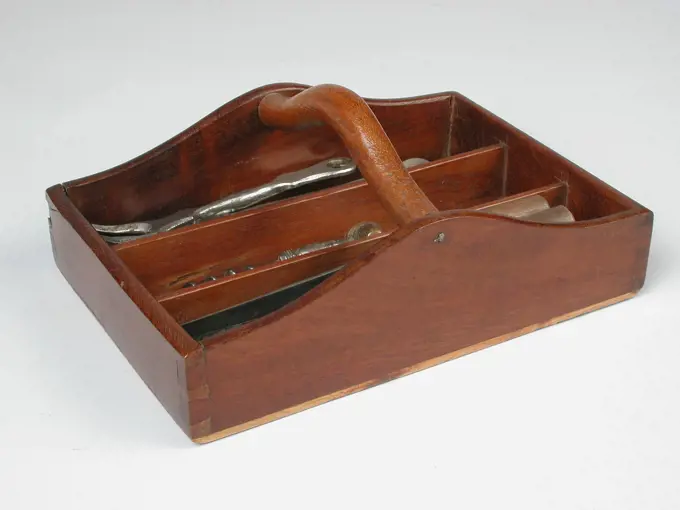
Historic Metal Casting Tools

Images of antique bronze molds used for crafting pots, jugs, and ejection systems, reflecting historical metalworking techniques.
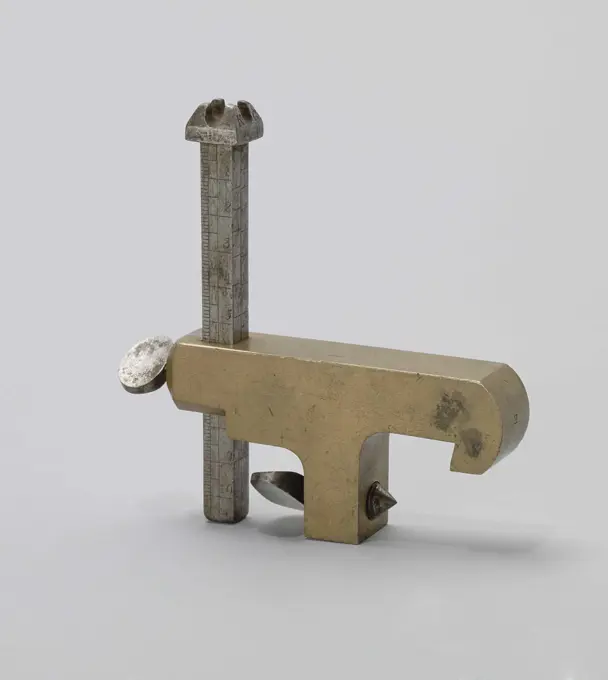
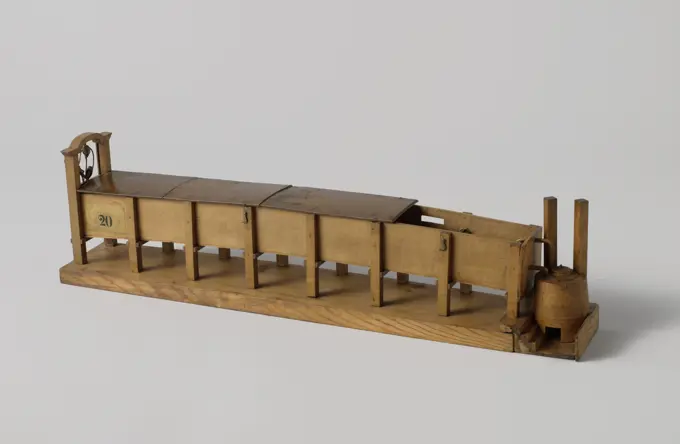
Four-piece bronze mold for mortar with decoration, toys, mold casting tool tools kit metal_metal cast iron wood iron, cast turned Four-piece bronze mold for casting mortar with decorations of fish dog bird and plants as dolls Rotterdam tingieterij tinnegieter tin dolls Meeuws Druy craft Shapes are from the originally 18th century Rotterdam tinnegieter J Druy. The large molds that were not signed or dated were the property of the tinker guild and were rented to the small tin caster.
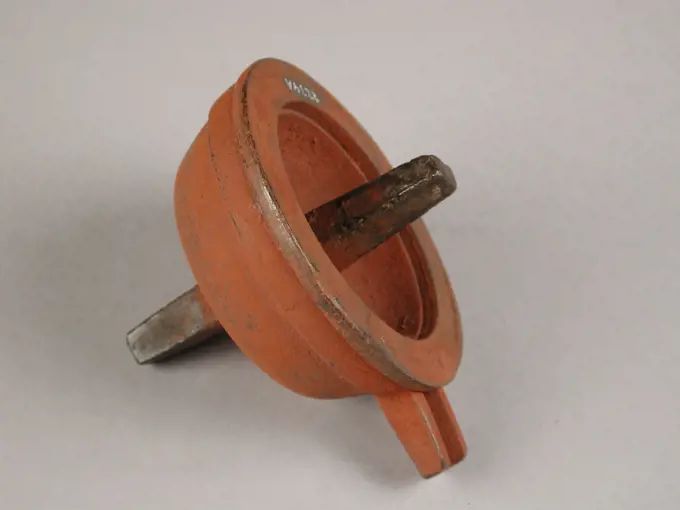
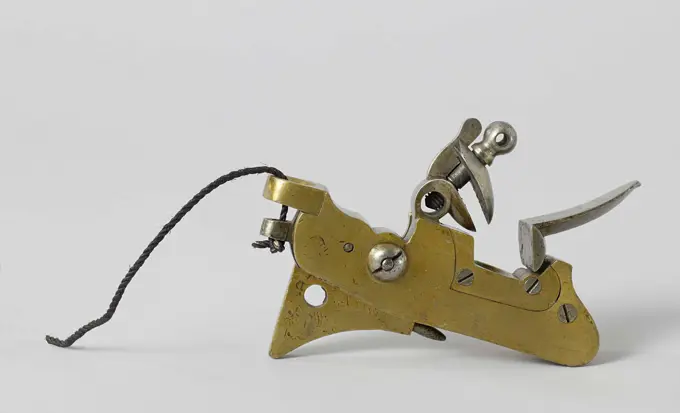
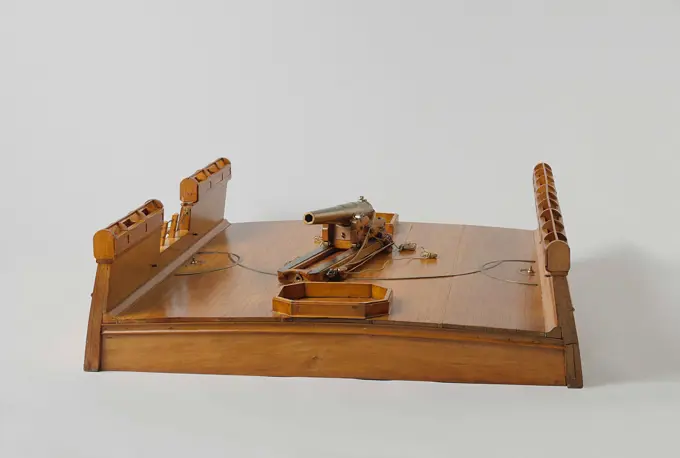
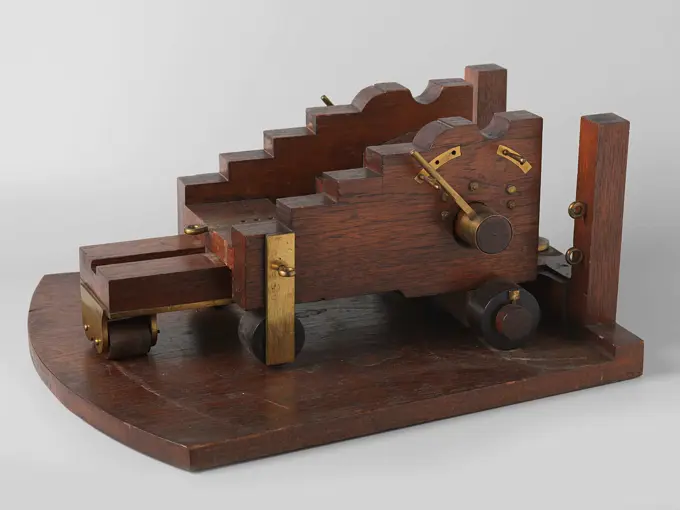
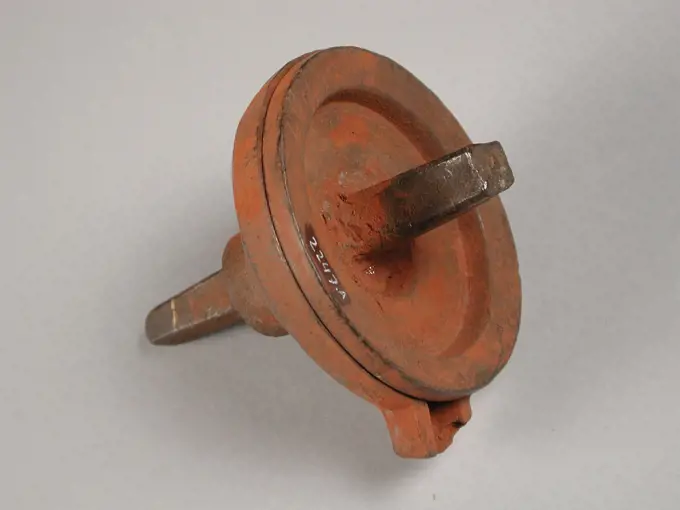
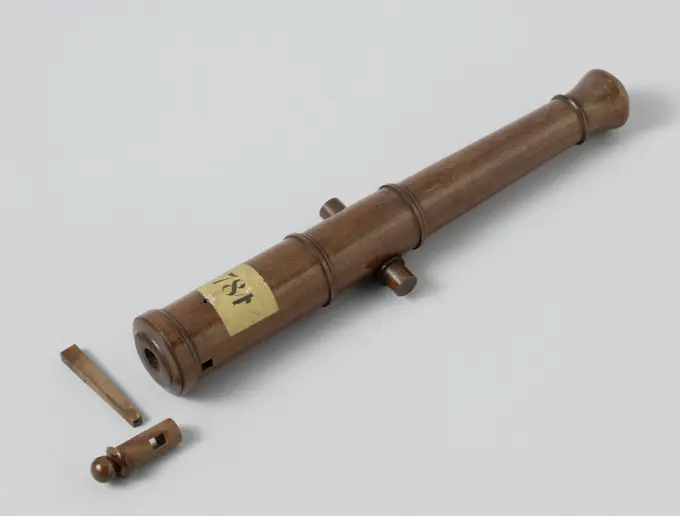
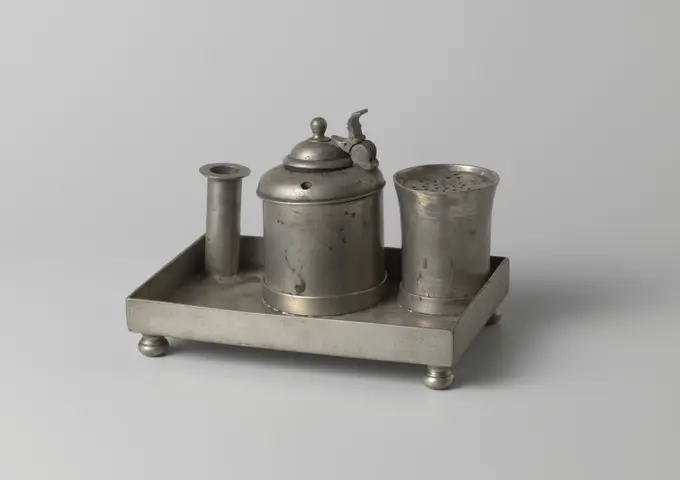
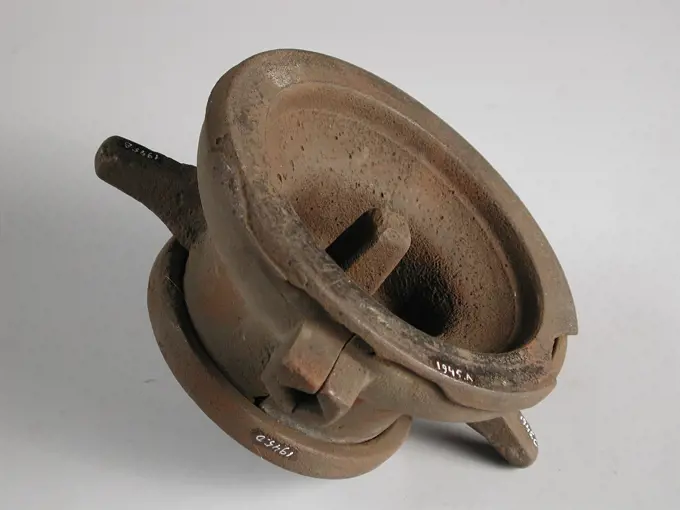
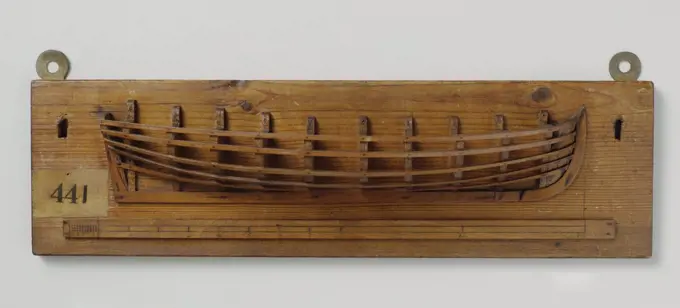
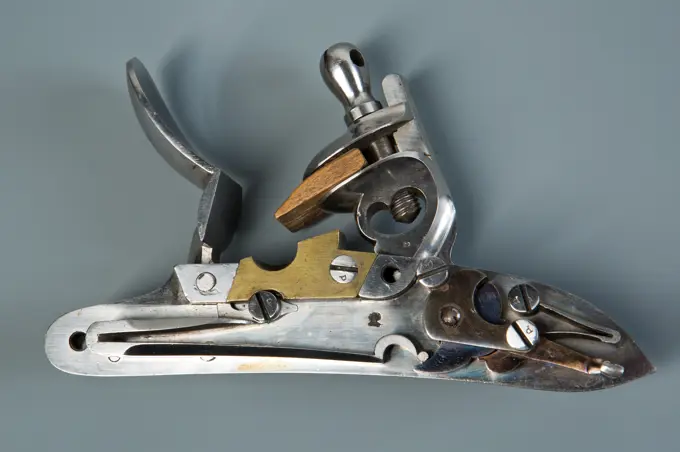
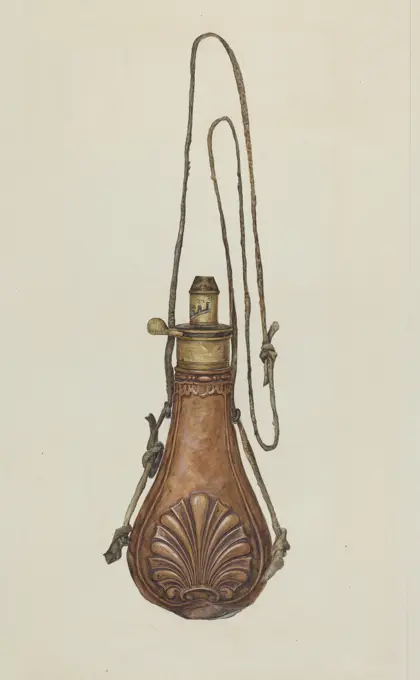
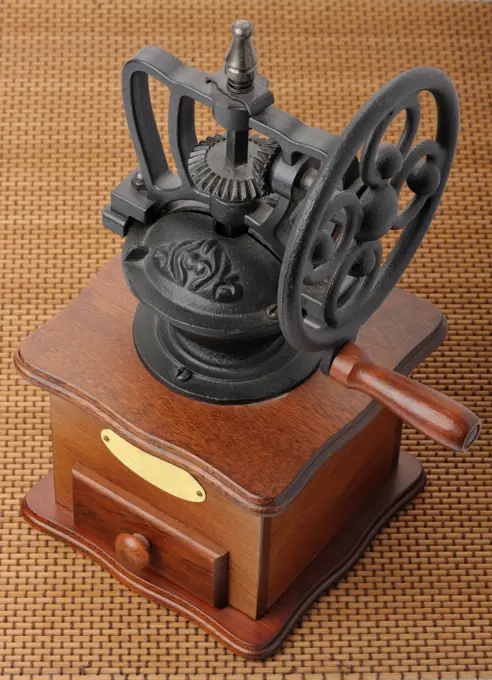
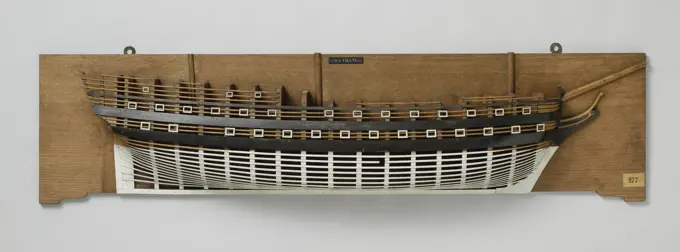
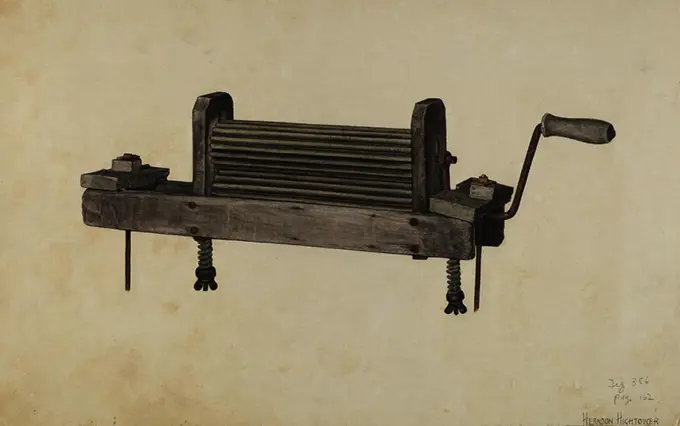
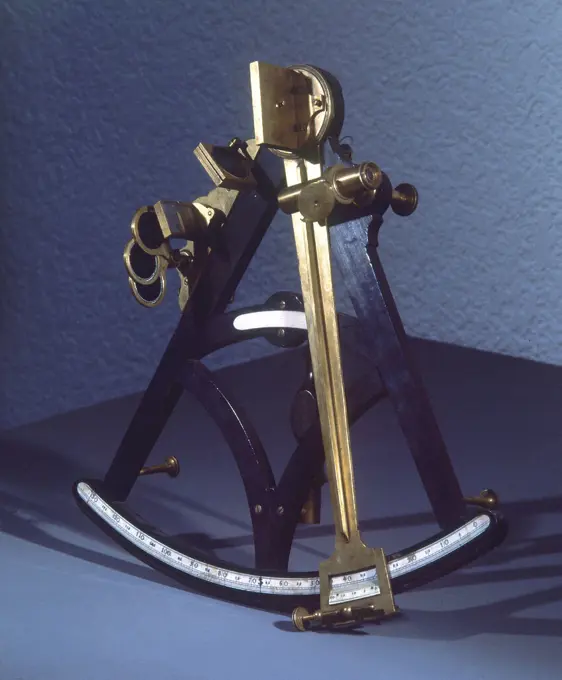
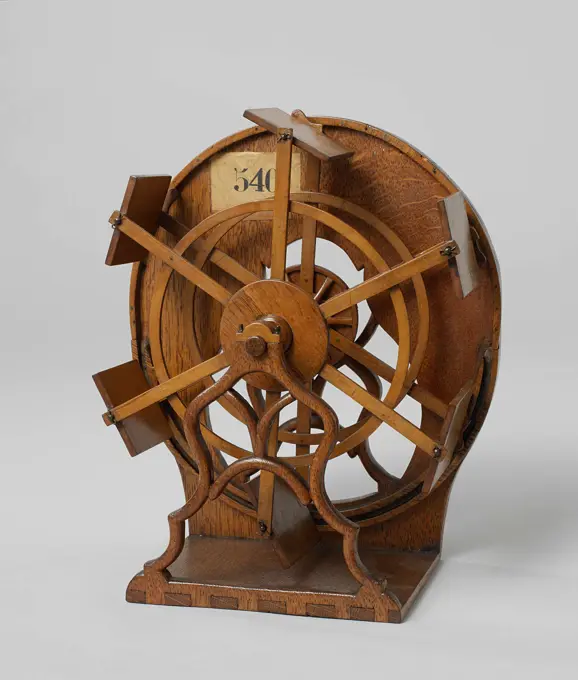
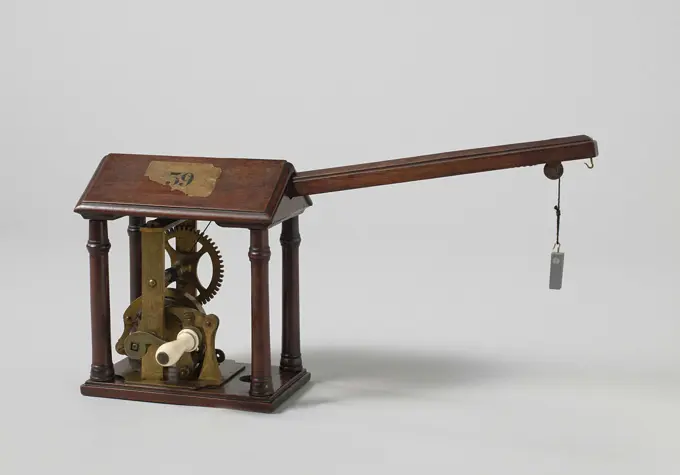
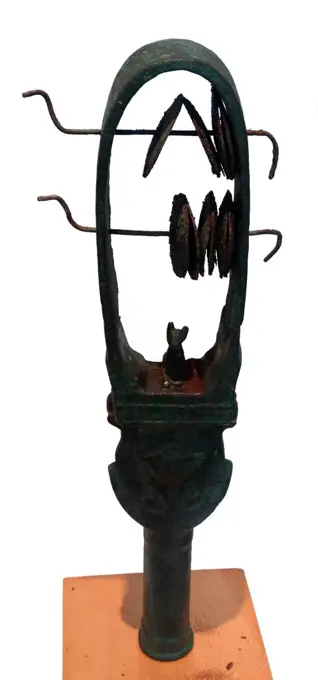
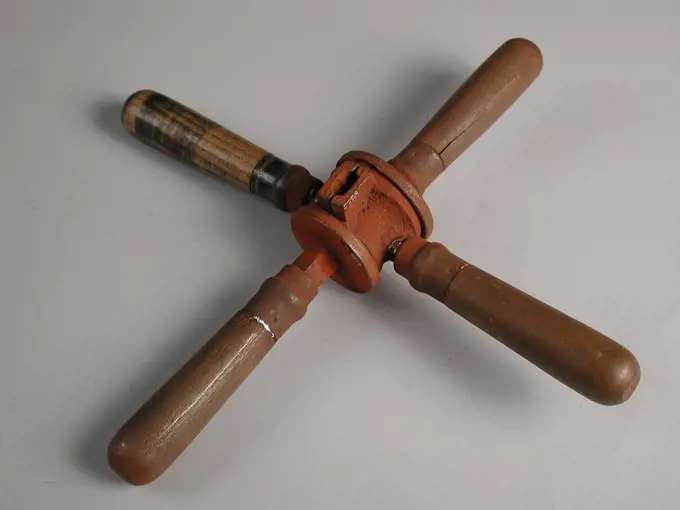
Four-piece bronze mold for bottom of pot or jug, mold casting tool tools equipment base metal bronze , cast Four-piece bronze mold for bottom of pot or jug Rotterdam tin tinker tin tin Meeuws Druy artisan Shapes are from the originally 18th century Rotterdam tinnegieter J Druy. The large molds that were not signed or dated were the property of the tinker guild and were rented to the small tin caster.Model of a pètard. Model of a Petarde, also referred to in the Netherlands with the term jumping bus. The petarde was used to inflate wooden doors from city gates and fortress walls. De Petarde was secretly applied to the city gate after which the gunpowder was brought into inflammation in the bronze or iron mortar. The petarde is a French invention that was also used in the State Army at the end of the sixteenth century. In the course of the 18th century, the petari became disused by changes in the fortress war.Two-piece bronze mold for dish, mold casting tool tools base metal bronze, cast turned Two-piece bronze mold for pouring bowl with stand ring top: 2834 1 Rotterdam tin foundry tin stain tin Meeuws Druy craft Shapes originate from the origin 18th century Rotterdam tinnegieter J Druy. The large molds that were not signed or dated were the property of the tinker guild and were rented to the small tin caster.Four-piece bronze mold for salt shaker, mold casting tool tools base metal bronze, cast turned Four-piece bronze mold for casting salt vessel with round base Rotterdam tin foundry tin stainer tin Meeuws Druy craft Shapes are from the van origins 18th century Rotterdam tinnegieter J Druy. The large molds that were not signed or dated were the property of the tinker guild and were rented to the small tin caster.Old manual meat grinder on a wooden tableGunlock (Flintlock) for a Carronade.Right cannon lock (flint lock) with brass house and iron lock mechanism, rooster and pandeschel. The slot is mounted with a pin in the lock support and a bolt through it. The pan has a hole that led the spark to the zundhole. The tractor has a retraction rope that is led upwards by a heavy ring.Borstel.Rectangular brush with a long turned stem. The handle has a profiled end with a ring. The brush has not been marked.Joseph Ficcadenti, Cannon shaped Ballot Box, c 1941 Cannon-shaped Ballot BoxFour-piece bronze mold for mortar with decoration, toys, mold casting tool tools kit metal_metal cast iron wood iron, cast turned Four-piece bronze mold for casting mortar with decorations of fish dog bird and plants as dolls Rotterdam tingieterij tinnegieter tin dolls Meeuws Druy craft Shapes are from the originally 18th century Rotterdam tinnegieter J Druy. The large molds that were not signed or dated were the property of the tinker guild and were rented to the small tin caster.Komfoor, belonging to Koffiekan, on four bird claw legs, Anonymous, 1839 Silvery Komfoor. The rest on four high bent legs on bird claws. The grinding has a wall open with flower and leaf motifs and a smooth straight upper edge in which the right-wing base of the pot fits. Netherlands silver (metal). wood (plant material) Silvery Komfoor. The rest on four high bent legs on bird claws. The grinding has a wall open with flower and leaf motifs and a smooth straight upper edge in which the right-wing base of the pot fits. Netherlands silver (metal). wood (plant material)Oplegslot, anonymous, c. 1600  An iron door lock, supposedly support lock with two shots that can be shifted through a key and the front by a lever -like handle. The lock plate starts rectangular at the final ring, broadens by two hollow sides and runs in a scaly convex side. Germany iron (metal)Model of a Water Gauge, anonymous, 1845 - 1855 instrument. instruction model Model of a water level glass for steam boilers. The glass tube is caught in a copper tube. A crane with a flange is applied to both ends; The bottom was connected to the water and the top on the steam. At the bottom is a third crane, for cleaning and other purposes; The top end is closed with a nut. All gaskets are made of lead. The boiler water level was checked with this gauge glass. Netherlands (possibly) brass (alloy). copper (metal). lead (metal). glassModel or a 16-cm Gun on a Pivot and Slide on part of a gun deck. Model of a drawn front loader on rotary and sliding meat on part of a ship deck. The brass loop, long 34 cm and with a 16 mm caliber, thickened at the tapping piece and thereafter again; No jewelry tires except the kulas band. The soul has been drawn with six grooves. The peling is in the neck of the grape and is locked up with a bracket. The piece has a percussion lock no. 1 (see NG-MC-1050), wherein the lock support protrudes behind the kulas band, where a setup can be attached. The upper suit consists of two cheeks, two shaft blocks without wheels, a sloping calft and a braking device. The elevation happened by means of an elevation screw on the rear axle block. The braking device, attached to the front shaft block, consists of a clamp to the carriage of the carriage, which is tightened with a screw. The affuit has four rollers against the short sides of the cheeks, which only go over the slide's shifts when the rear pModel of a Carriage for a 68-pounder Gun. Model of an affit on a base board that represents a part of a deck with a gun port. The body is narrower forward. The cross band between the cheeks consists of a calf, a crossbar in the middle, the sole plate behind and the front asal; The rear wheels have no axle but hanging in brackets. The cheeks have three stairs. A slide has been applied between the axes and the calf and the sole plate behind, on which a brake works against the recuul; This friction brake consists of an eccentric shaft straight through the affit. The shaft has hand spokes at the ends, which can be placed in different positions with spokes in the cheeks, and presses a block against the calf, so that the weight of the coupling comes to the shaft, which is pressed on the carriage. The sled is a wooden frame with a spindle bolt in the gate threshold; The carriage has two small rollers with their axes radially compared to the spindle bolt. The model has brass eye bolts and otheTwo-piece bronze mold for lid of jug, mold casting tool tools base metal bronze, cast turned Two-piece bronze mold for casting lid with two bead edges for jug top: Rotterdam tinsite tin tins tin tableware Meeuws Druy craft Molds are from the originally 18th century Rotterdam tinnegieter J Druy. The large molds that were not signed or dated were the property of the tinker guild and were rented to the small tin caster.Model Demonstrating the Movement of a Steam Valve.Moving demonstration model from an expansion device. The five-room steam slide is powered and arranged by a scissor movement on the crankshaft; One eccentric of the scissor movement can be placed in three different positions, the other can be controlled with a wheel. The crankshaft is operated with a crank.Bronze horse muzzle 1st-2nd century A.D. Roman The cavalry was a minor part of the Roman army, whose main strength lay in the heavy infantrythe legions and their auxiliary cohorts. Some horsemen were attached to each legion, however, and there were special units, called alae, recruited from among barbarian nations that excelled in riding. The emperor and senior officers, too, had mounted escorts.. Bronze horse muzzle 248756Tangent sight. Structure or direction that is mounted against the rear of the lock hardener, identical to NG-MC-1889-24-A. The aid is equipped with a hook that grabs into a slot hardener in a square notch, and is tightened with a screw from behind. It is a short square iron rod, on top of pyramid-shaped with grooves through the top; Can move vertically back and forth. The mounting rod has three sides with scales, five scales in total.Model or a 30-pounder gun on a Pivot. Model of a canon of £ 30 on sliding and swiveled piece, on the aft deck of a paddle steam vessel. The wooden loop is 27.4 cm long, has a flat grape with pants ring and a visor on the tap band. The upper suit, to the front narrower, consists of two cheeks with four stairs, connected by a calf, a breastpiece and two cross beams that replace the aslas. The affit has no wheels. The cross beams are connected to the sole plate lengthwise. The Stelwig is missing. The carriage is a wooden frame, whereby the cage scanning is applied to the leggers on either side to protect the guns against gunfire. The turning peaks are applied to an elevated wooden circle, which is provided on the inside for two-thirds of a rack: a gear wheel that is arranged behind the carriage and with which the carriage rotates, cover the entire stern of port to starboard. The leggers have small rollers at the bottom for the movement of the carriage over the turning races. The guns are Model of a 24-Pounder Breech-Loading Gun, anonymous, 1829 demonstration model Model of a long loading cannon of 24 pounds, incomplete. The loop is 34.25 cm long and has a caliber of 14 mm. A wedge straight through the Kulas holds the final piece in place; The final piece consists of the grape and the bottom of the room, which is pulled backwards from the Kulas. The Affuit is missing. Scale 1:10 (Obreen). Netherlands wood (plant material)Schaaf from 1725, Anonymous, 1725 Schaaf from 1725, with hollow profile. Decorated with cutting. Marked on the block with the letters P.S.W. Northern Netherlands (possibly)Netherlands (possibly) wood (plant material). beech (wood). iron (metal) Schaaf from 1725, with hollow profile. Decorated with cutting. Marked on the block with the letters P.S.W. Northern Netherlands (possibly)Netherlands (possibly) wood (plant material). beech (wood). iron (metal)Model of a Wood Kiln, anonymous, c. 1798 - c. 1807 demonstration model Model of a wood stew or steam box with double bottom for bending shelves, on a ground board. It is a long, curved box in which two levels are applied. One of the long sides, in which small doors are applied, is bent bent. Iron shelves have been applied to the floors of both the lower and upper compartment. The box has a sliding door on a short side with a hoist for the upper compartment, the door for the lower compartment is missing. On the other hand, there is a boiler with pipes to the two compartments; Under the kettle, under the ground level, is an oven door. Amsterdam wood (plant material). brass (alloy). iron (metal). ropeAncient Iron Old rusty iron on isolated background Copyright: xZoonar.com/AndreyxSkatx 7790187Arukamanai traditional cutting implement of Nattukottai chettiar or nagarathar  Chettinad  Tamil Nadu  India Copyright: xMxAmirtham/DinodiaxPhotoxField bottle belonging to J.B. Kerkhoff voluntarily hunters in 1830/32 at the Hunters of Van Dam, Anonymous, c. 1800 - c. 1830  Oval, somewhat curved Iron bottle with a straight neck and cap. On both sides each two holders for belts. All parts are soldered together. Netherlands tin plate. tin (metal) cutting / bending / soldering  Netherlands. BelgiumModel of a 30-Pounder Gun on a Pivot, anonymous, 1834 demonstration model Model of a cannon of 30 pounds on sliding and turning, on the aft deck of a radent steam ship. The wooden run is 27.4 cm long, has a flat grape with a brush ring and a visor on the tap band. The upper offspring, narrowing forward, consists of two cheeks with four staircases, connected by a calf, a breastpiece and two cross beams that replace the axle fives. The Affuit has no wheels. The cross beams are connected by the sole plate lengthwise. The Stelwig is missing. The sledge is a wooden frame, in which cage scanning on either side with scepters with scepters is applied to protect the gunners against gunfire. The turning bircels are applied to a raised wooden circle, which is provided with a hinging on the inside for two -thirds: a gear wheel that is applied to the back of the sledge and with which the sledge is rotated, making the entire stern from port to starboard. The shelves have small rollers at the bottom Tin ink with ink pot and sandy pot, 1850 - 1900 Tin ink set. There is a rectangular plate with a raised edge on four caps. A high pen case in the container in the left Achterhoek. In addition, almost against the rear wall on two circular layer, raised edges for the ink pot and the sand spreader. The ink pot in the middle has a cylindrical body. The inner box is narrower and the vaulted top falls over the outer jar. In the middle of the curve, a clock -shaped lid that can be opened with a bipping hinge. In addition, the sand spreader with a cylindrical body. The top is open with small circles that form a star. Netherlands tin (metal) casting Tin ink set. There is a rectangular plate with a raised edge on four caps. A high pen case in the container in the left Achterhoek. In addition, almost against the rear wall on two circular layer, raised edges for the ink pot and the sand spreader. The ink pot in the middle has a cylindrical body. The inner box is narrower and the vaulted top falls Model of a Ship's Galley, anonymous, c. 1780 - c. 1820 demonstration model Wooden model of a shipy butter with copper doors, top and shapes, black -oriented and on six legs. The right half is higher than the left half and has a chimney. Three round holes have been installed for pots and pans in the top of the lower left half. At the front there are five doors, one on the right. Scale 1:36 (derived). Netherlands wood (plant material). copper (metal). paint (coating)Four-piece cast iron mold for top of pot or jug, mold casting tool tools equipment metal_metal cast iron, cast turned Four-piece cast-iron mold for casting the upper part of pot Rotterdam tin foundry tin stain tin Meeuws Druy craft Shapes are from the originally 18th-century Rotterdam tinnegieter J Druy. The large molds that were not signed or dated were the property of the tinker guild and were rented to the small tin caster.Half Model of a boat, Anonymous, c. 1780 - c. 1820Model of A Hoist or gin. Model of a composite three-legged buck: the mechanism consists of a crank with a screw without end, driving the wind axle. The hoist goes from the axis through a disc in the top to the heavy block to which a lead weight depends, and back to the top. One of the hind legs is equipped with staggered knees, probably footrests for climbing the goat.Copper of copper from V.O.C. ship De 'Witte Leeuw', Before 1613 lock Slot of copper from V.O.C. ship De 'Witte Leeuw'. China copper (metal)   Sint-HelenaTe Poel, Mahogany miniature cutlery tray, cutlery tray kitchen utensils miniature toy relaxant model wood, sawn glued nailed Elongated rectangular long sides connected by swivel handle. Three boxes 1868 Sibilla van Embden play store kitchenModel or a 12-pounder Carronade on deck. Model of a 12 pound carronade in battery, with all accessories. The wooden loop, long 16.6 cm and with a 23 mm caliber, is painted black and has a visor on the tap tape, a trouser ring and an elevation screw through the grape with raindop. The top piece has a slightly trapez-shaped body with brass attachment and rings, the front and back are rounded. Against the back the baking koker in brass batter with baking iron and on top of the rail for the elevation screw, on the front the ears with tapas and the swirl bolt running into the slot of the underled. The underled is a wooden window, rounded at the front, partly with brass caps and equipped with two bolts. On the back the underled widens and a little has been completed. In the middle and rear, the window is supported by bobbins with wheels: the wheels in the middle run in the longitudinal direction; The wheels are behind with their axes radially compared to the spindle bolt. The ship's part hasModel of A Double Capstan, Rijkswerf Vlissingen (Possible), c. 1821 demonstration model Model of a double capter in a wooden frame that represents two decks. The upper capstan is for eight wind trees, the lower one for ten. Both have four places in the foot against the decline. The upper capstan has a hollow wooden king, in which the extended metal king runs of the lower capstan; With two iron skewers through the upper drum, the two kings are connected to each other, so that the two Cape Standers become one. When the Spias are removed, one has two independent Cape Standers. Scale 1:10 (estimate). Identic to NG-MC-204-A. Flushing (possibly) wood (plant material). brass (alloy). iron (metal)Half Model of a Gunboat.Mold model (starboard) of a single master. Round stern, sloping stern; Broad stir. Flat bottom. The seam is almost flat.Close up of electric cord against grey backgroundCastle to the chest;  XVIIw. (1601-00-00-1700-00-00);A box with a candle holder and matchesKey, c. 1400 - c. 1950 Key with accompanying form bus. The handle consists of a palmet, the stem is split lengthwise and the beard has a mosque-like cut. Spain iron (metal) Key with accompanying form bus. The handle consists of a palmet, the stem is split lengthwise and the beard has a mosque-like cut. Spain iron (metal)Old Spinning Wheel Old spinning wheel on an isolated studio background Copyright: xZoonar.com/AndreyxSkatx 12308974Old camera - model collector on isolated white.Model old fashioned SLR double objective system made of plaster and leather.Horizontal view from left side.Object on isolated white background in studio.Anonymous, fragment of American or British civil lighter (common name), 1943, metal (copper), Museum of the Liberation of Paris - Museum of General Leclerc - Jean Moulin Museum.Magic lantern house. .Old Radio 50s - 60s isolated on a whiteFurniture, Anonymous, c. 1650 - c. 1700 Spinning wheel in miniature of rosewood and black walnut. Northern Netherlands (possibly)Netherlands (possibly) wood (plant material). walnut (hardwood). rosewood (wood) Spinning wheel in miniature of rosewood and black walnut. Northern Netherlands (possibly)Netherlands (possibly) wood (plant material). walnut (hardwood). rosewood (wood)Candle holder. Arm with candle holders of brass. Originally, the parts of a candle crown have been.James II Octagonal Engraved Brass Chamber Candlestick. Dated 17th CenturyHalf Model of an Oared Gunboat.Polychromed mold model (starboard). The skin above the bark wood is closed by the bow and in the stern. Flat mirror, wide stir. The seam goes forward something, one bark wood. It is a rowing plane with peaked round trip. Scale approx. 1:22 (derived).Pattern of the Russian Raust Rifle Castle Dżons i SynModel of a car (Mallejan) with board, H. Essen, 1845 Model of a car (Mallejan) with board. Northern Netherlands (possibly)Netherlands (possibly) wood (plant material) Model of a car (Mallejan) with board. Northern Netherlands (possibly)Netherlands (possibly) wood (plant material). Oval stove with test. In the top of the stew, a round hole is looked off in the middle and around four open-turned hearts around it. There is a test on a foot in the stew and with an ear. The stove is marked: Mt. = Foot 430. The stew is equal to five stew with the Inputrs. BK-NM-11177-175, BK-NM-11177-176, BK-NM-11177-177, BK-NM-11177-178, BK-NM-11177-180.Pestle. Stamper with thickened ends and in the middle a thickening. Lines are engraved in the pestle. The pestle is in a mortar (BK-NM-11177-109-A). The pestle is noticed: twice an unreadable brand and a boar head.Lectern 15th-16th century Italian or Catalan. Lectern 468242solar valve for acetylene installations, La Mola lighthouse museum, Formentera, Pitiusas Islands, Balearic Community, Spain.Sistrum. Musical instrument. Percussion family. From Italy. National Archaeological Museum, Naples. Italy.pulling corkscrew cork from the bottle isolated on a white  backgroundHorloge, Hirsco, 1930 Remontoir watch made of steel in the form of a cuff knot. The small dial has Arabic figures. Switzerland steel (alloy). Remontoir watch made of steel in the form of a cuff knot. The small dial has Arabic figures. Switzerland steel (alloy).Tappit Hen. Scotland. Date: 1695-1705. Dimensions: 24.1 x 8.9 cm (9 1/2 x 3 1/2 in.). Pewter. Origin: Germany. Museum: The Chicago Art Institute, Chicago, USA.Old rusty lantern against a white backgroundAntique hand-mill for coffee on a wicker mat.. Scaring trolley on a small wheel, with two handles and a large wheel on the cart. The image is marked: sword and an unknown essayeur sign.Aged mechanic drill tool for worker isolated on white background. Woodworking hand tools for jointerUsed oil drilling head on gray background Used oil drilling head on gray background Copyright: xZoonar.com/DmitryxShabanovx 7882690Inro, anonymous, 1775 - 1800 Five -part Inro with a floral decor in gold lacquer with inlaying of lead, ivory () And coral. Japan wood (plant material). lacquer (coating). lead (metal). ivory. coral (material) Five -part Inro with a floral decor in gold lacquer with inlaying of lead, ivory () And coral. Japan wood (plant material). lacquer (coating). lead (metal). ivory. coral (material)Base of tin ink with a spring. There is a rectangular plate with a raised edge at four caps. In the bin in the left rear corner a high pen cooker. In addition, almost against the rear wall to two circular layer, raised edges for the inkwell and the sand spreader.Model rocker ca. 1550-1295 B.C. New Kingdom. Model rocker. ca. 1550-1295 B.C.. Wood. New Kingdom. From Egypt, Upper Egypt, Thebes, Deir el-Bahri, Temple of Hatshepsut, Foundation Deposit 3 (C), MMA excavations, 1923-24Anonymous, grain scourge. Cernuschi Museum, Asia Museum of Asia in the city of Paris.An antique scale on white background, useful for conceptualHowell Rosenbaum, Powder Pouch, c 1938 Powder Pouchbronze, seventh century, necropolis of Carpio de Tajo, Museum of the Councils and Visigoth Culture, Church of San Román, Toledo, Castilla-La Mancha, Spain.Concertina ca. 1862 Charles Wheatstone A student model with colored buttons to facilitate the orientation of the fingers: the white buttons are for diatonic tones, red is C, the black buttons are the accidentals.. Concertina 501700Model Driebenig Vestingbok with a single pivot; with cannon, anonymous, c. 1750 - c. 1800 scale model. gunmodel Model of a three -ferrous fortress bock (Krikkemik) with a few pivot and heavy block. The two boxing spokes, chain and pin are missing. With cannon. Netherlands wood (plant material). iron (metal). ropeOval hat box of cardboard; On the lid a label from Froger & Zoon, c. 1895 Oval hat box of cardboard; On the lid a label from Froger & Zoon. The soil is missing. Amsterdam cardboard. lint: linen (material) Oval hat box of cardboard; On the lid a label from Froger & Zoon. The soil is missing. Amsterdam cardboard. lint: linen (material)Antique hand-mill for coffee stands on a wicker mat.Half Model of A Screw Steamer, Rijkswerf Amsterdam, 1857 ship model. half model. builder's model Polychromed, fully plank mold model (starboard) of a three -mast screw steam ship. Seventeen guns on the head deck. The Schegbeeld is a gilded curl. Elliptical fence of one floor with windows and gilded national weapons; Stir with round stirring king (American rudder) and rounded Roerblad; The model has a two -blade screw in screw light device and screw cooker. Zeeg almost flat, one reehout. Stretch around. The model is equipped with all rest and puts. Scale 1:50 (scale on model). Amsterdam wood (plant material). brass (alloy)Door lockHalf Model of a 90-Gun Ship of the Line, anonymous, c. 1799 ship model. half model. builder's model Polychromed mold model (starboard) of a three -mast. Thirty -five gun gates spread over three decks; Baking deck indicated by Gillingen and without gates. Willed mirror, Hol Wulf, no fence or side gallery; The helm is missing. Fairly flat siege, two mountain wood and one reehout. Quite flat underwater ship. Scale 1:55 (derived). Netherlands wood (plant material)Ink stone and brush penModel of an optical telegraph. Optical telegraphs were used to transmit messages. Different positions of the arms communicated words or letters. Chappes design for this type of telegraph was used in France from 1792 until the introduction of the electric telegraph (1844). Between 1810 and 1813 there was an optical telegraph connection between Amsterdam and Paris, which replaced the earlier Batavian coastal telegraphs.Te Poel, Twisted wooden miniature carrying handle, ton bucket crockery holder kitchenware miniature toy relaxant model wood metal paint, rotated Above wide under narrow one-piece Grooves around outside Metal handle Inside orange red 1868 Sibilla van Embden play transport kitchenGunlock (Percussion) on a Dummy Breech of a 12-Pounder Cannon, Rijkswerf Amsterdam, 1836 percussion lock. scale model Percussieslot on wooden kulas of a cannon of 12 pounds. The final plate is mounted with four screws against the back of the Kulas. The hammer turns straight forward. The head of the hammer has a slot for the flame from the Zundgat when fired. The deduction is attached to and wounded around a disk on the axis of the hammer. The wooden Kulas is that of a short iron cannon of 12 pounds, Swedish model. Amsterdam wood (plant material). iron (metal). brass (alloy)Sled. Joseph Beuys; German, 1921-1986. Date: 1969. Dimensions: 35 x 90 x 35 cm (13 13/16 x 35 3/8 x 13 13/16 in.). Wooden sled, felt, belts, flashlight, fat, and rope. Origin: Germany. Museum: The Chicago Art Institute, Chicago, USA.Stopped pipe Native American (Northwest Coast: Alaska) 19th centuryPajcha ceremonial vessel representing the kidney bean or bean. It was used to provide fertility to this plant. Together with the corn and the pumpkin they constituted the basic triad of the indigenous diet. Ceramic. Chimu Culture (1100-1400). Peru. Museum of the Americas. Madrid, Spain.Left Vambrace (lower cannon), c.1550-1570. Germany, 16th century. Iron, steel, leather and brass rivets; overall: 34.5 x 20 x 31.2 cm (13 9/16 x 7 7/8 x 12 5/16 in.).Preserving jar -Gong stand Japan. Gong stand 56378Clothes Wringer. Dated: c. 1939. Dimensions: overall: 28 x 44.2 cm (11 x 17 3/8 in.) Original IAD Object: 25" long; 9" deep; 12" high; 6" wide. Medium: watercolor, graphite, and pen and ink on paperboard. Museum: National Gallery of Art, Washington DC. Author: Herndon Hightower.SEXTANTE - SIGLO XVIII. Location: MUSEO NAVAL / MINISTERIO DE MARINA. MADRID. SPAIN.vedano olona abstract  rusty brass brown knocker in a  door  closed wood lombardy italy  vareseIron fender lock with rectangular lock plate, one bolt and curl, door lock padlock lock closing device iron, handforged riveted hingesVintage iron isolated on white backgroundPlanets-manager. Cornalet Collection Sites 2013-2016. Numismatic.Key piece with gothic frame, anonymous, c. 1400 - c. 1950 Key piece of oak with gothic frame. Northern Netherlands (possibly) oak (wood). paint (coating). iron (metal) Key piece of oak with gothic frame. Northern Netherlands (possibly) oak (wood). paint (coating). iron (metal). A triangular padlock with key.Model of A Paddle Wheel. Model of a scoop wheel with six moving plates. The axes of the plates are equipped with a double stool that follows a job. The upper half of the lane is concentric to the axis of the scoop wheel. The lower half consists of a groove that follows a slightly more pronounced curve; Only an end of the crutches go through this groove, so that the plates are kept in a vertical position. The crank that the model can be moved is missing.Model of A Crane. Table model that is served with an ivory stalk. The mechanism is under a small roof, the arm with the hoist sticks out. The mechanism is unstable. The hoist, whose blocks are missing, can walk in two ways: from the wind axle over a disc through the hole in the base board and back to a hook, or over the same disk to a disc at the end of the arm and back to a hook .Ancient Egyptian, handle of a sistrum. Bronze. Late Period (715-332 BC). a Sistrum was a musical instrument of the percussion family, chiefly associated with ancient Iraq and Egypt.Half Model of a Launch.Molds model (starboard) of a sloop. Flat mirror. The seam runs to both ends. Peaked round trip. Scale approx. 1:22 (Scale by model). According to the scale, this Jol is 24 Amsterdam feet long.