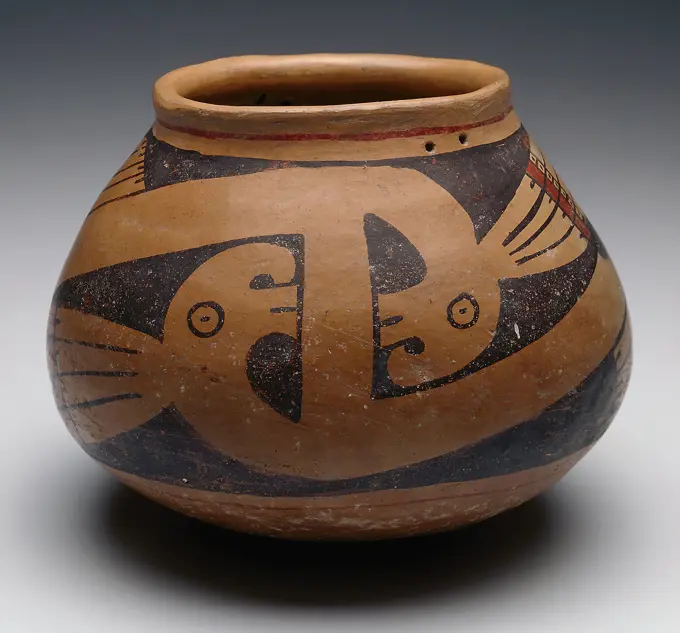
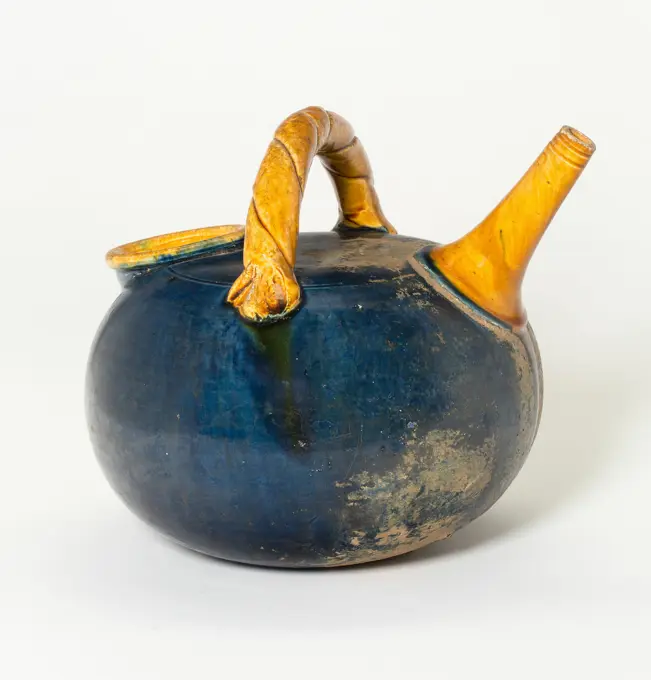
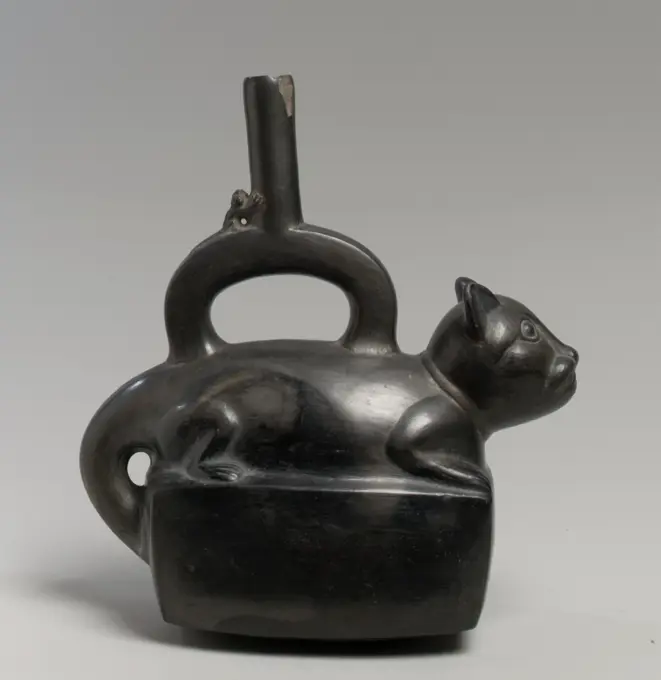
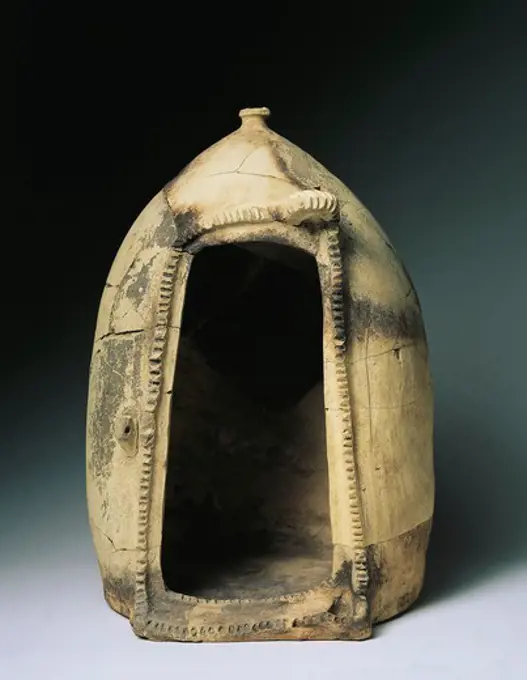
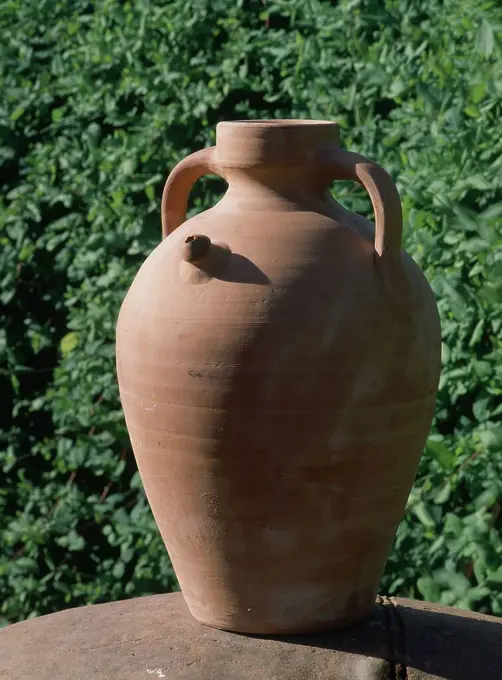
Historic Pottery Collection

Assorted ancient earthenware pots and jars from various cultures, highlighting unique shapes, textures, and historical significance in ceramics.

Long-necked jar, 5th century, Unknown Korean, 7 7/16 × 7 1/2 × 7 3/8 in. (18.89 × 19.05 × 18.73 cm), Stoneware with incidental ash glaze, Korea, 5th century
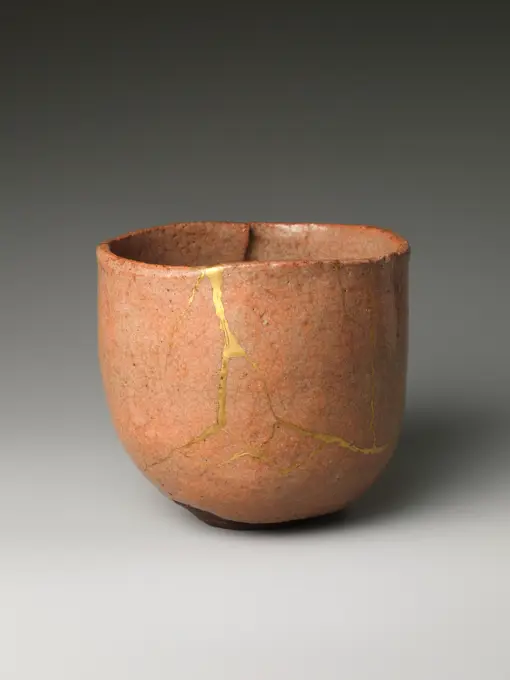
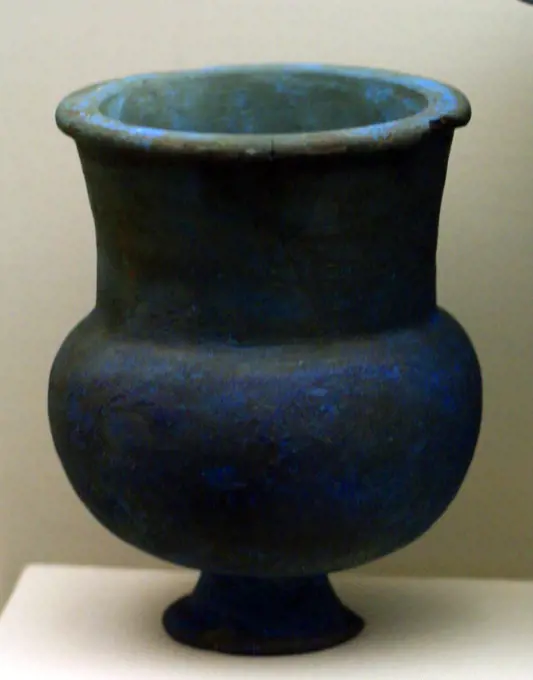
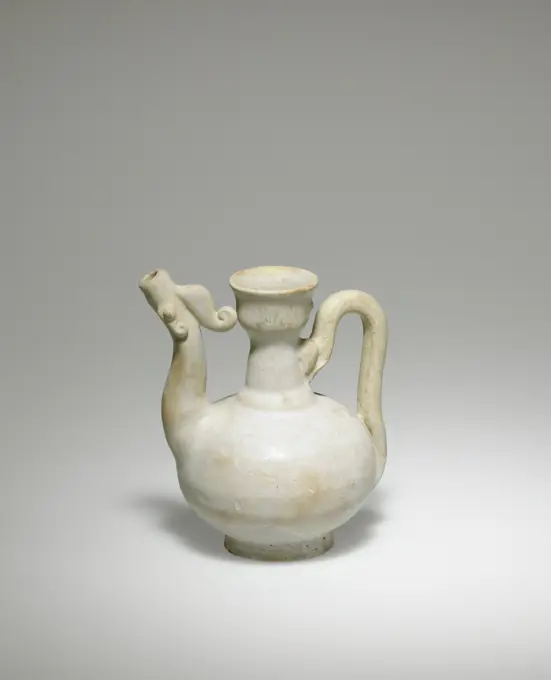
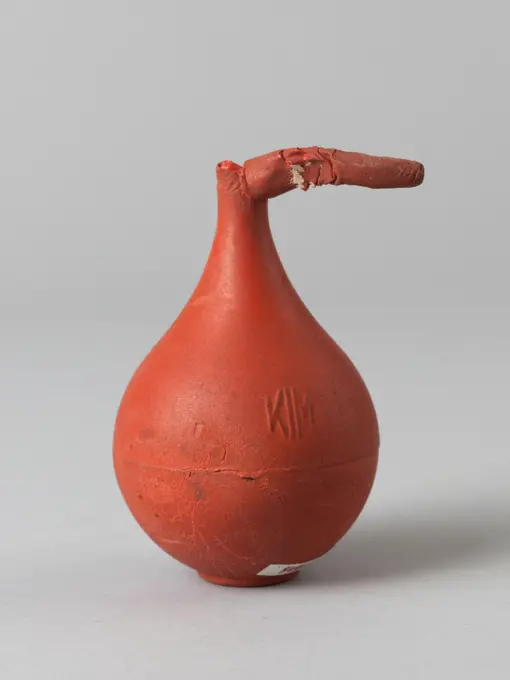
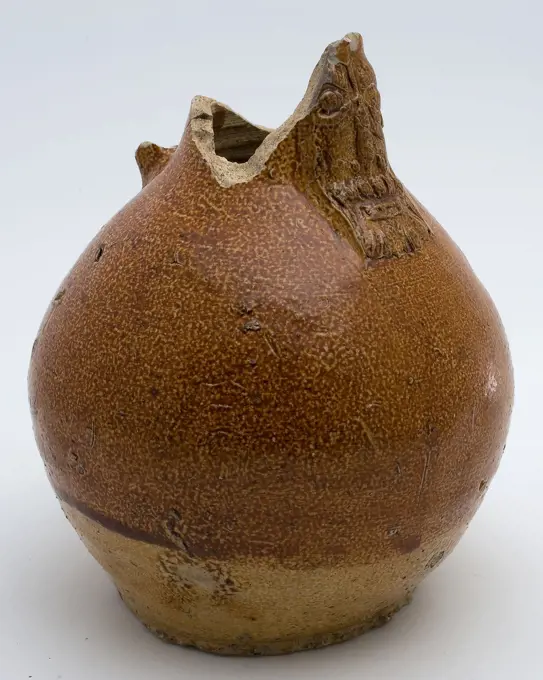
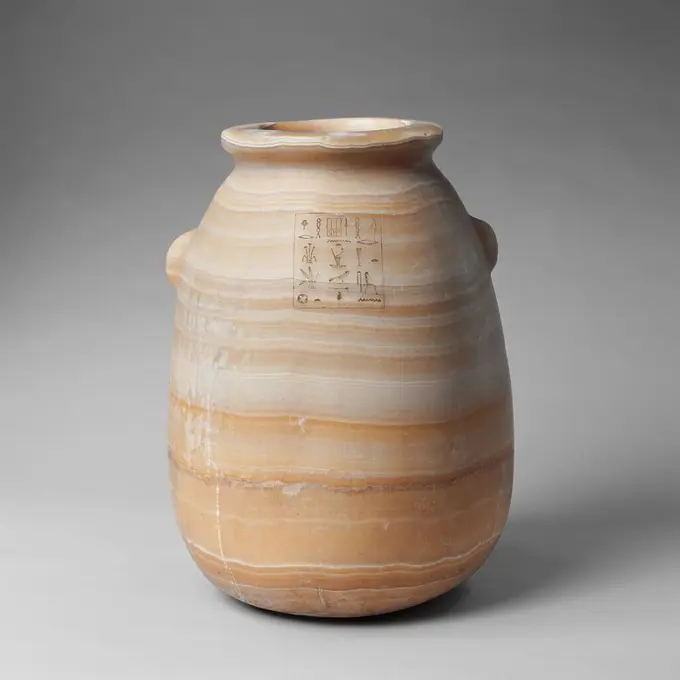
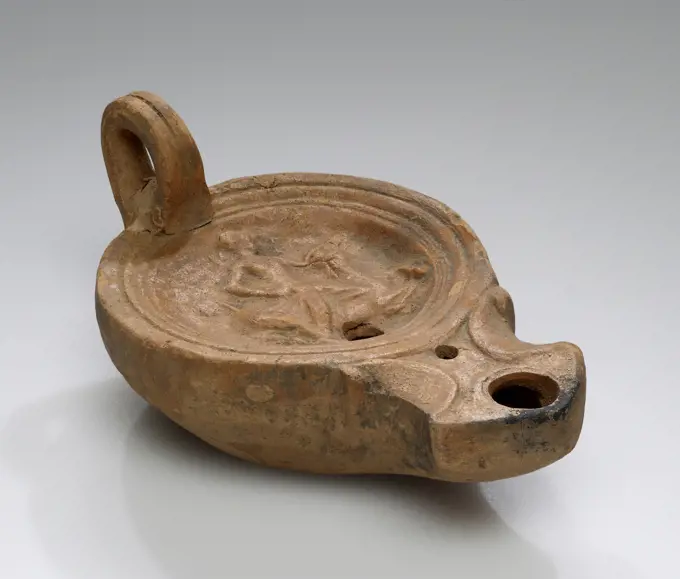
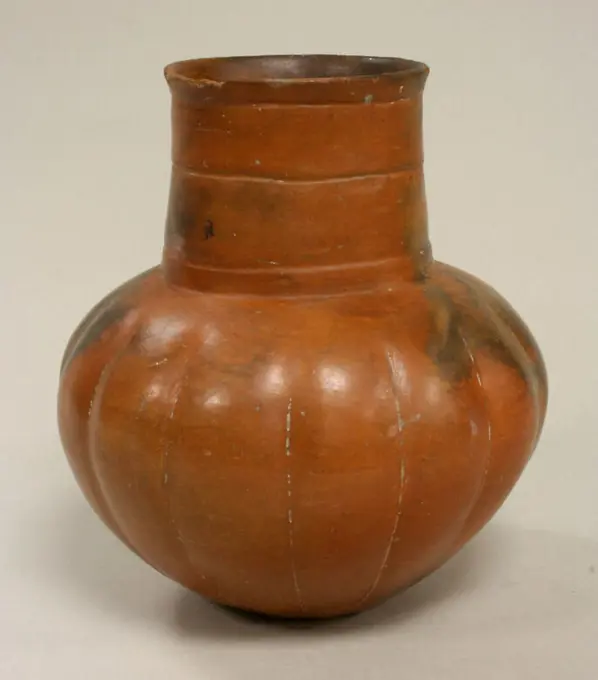
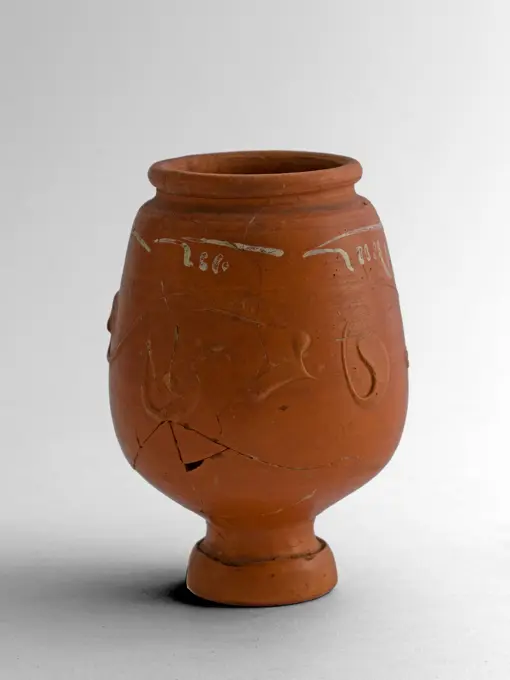
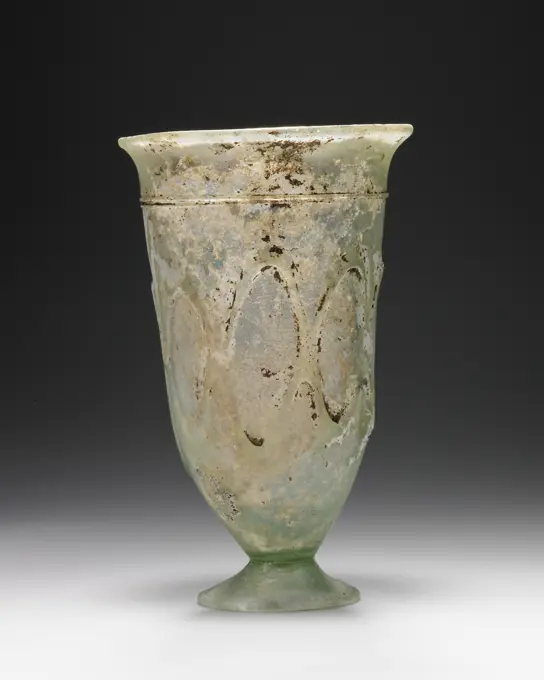
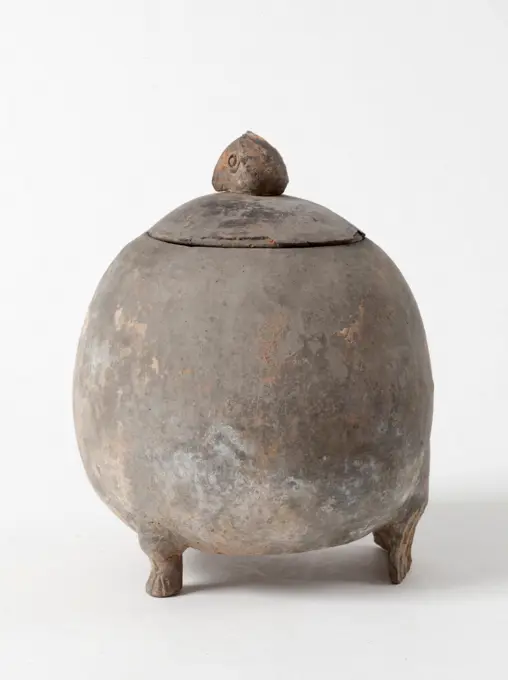
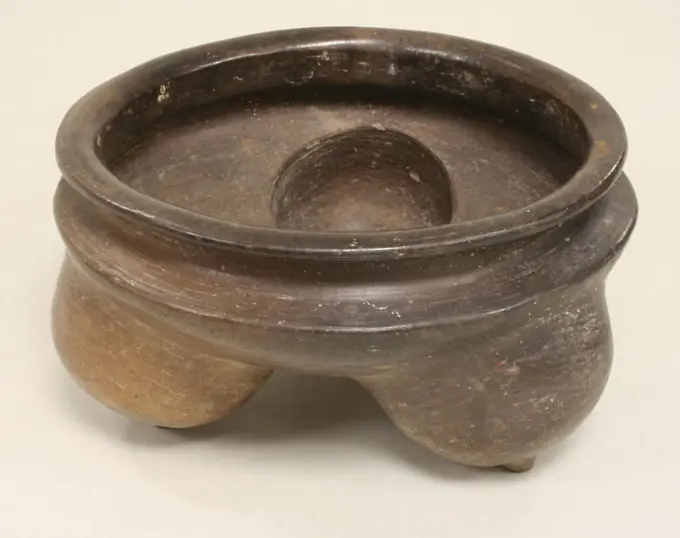
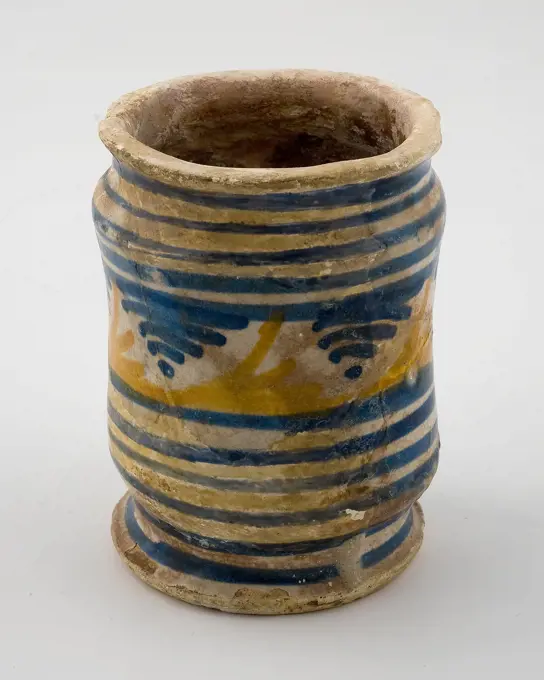
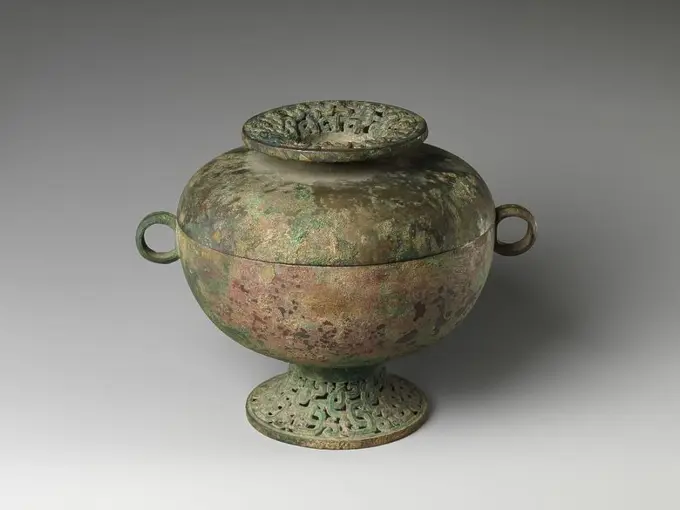
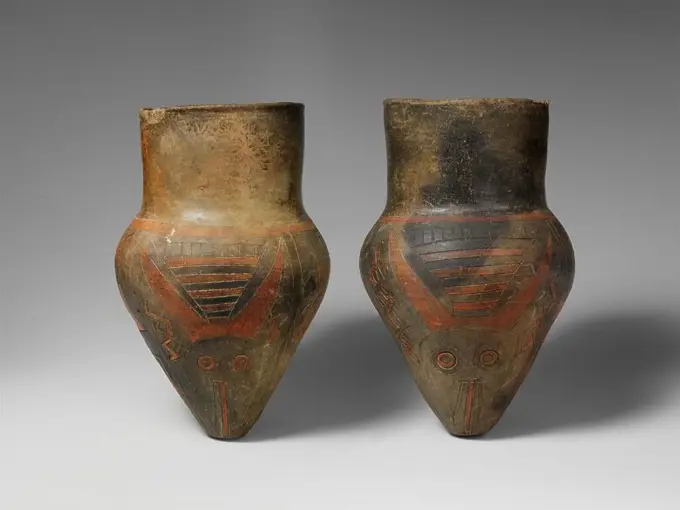
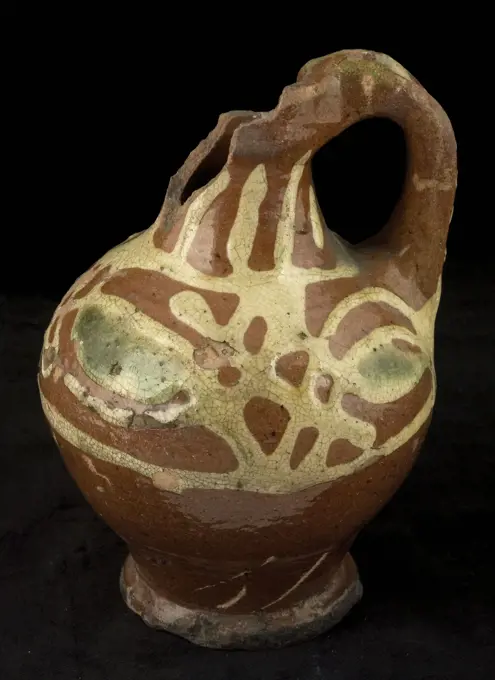
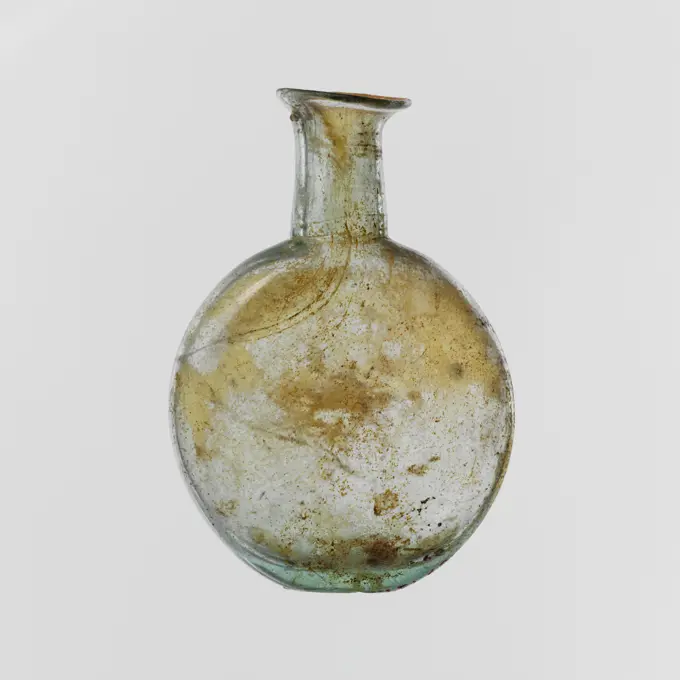
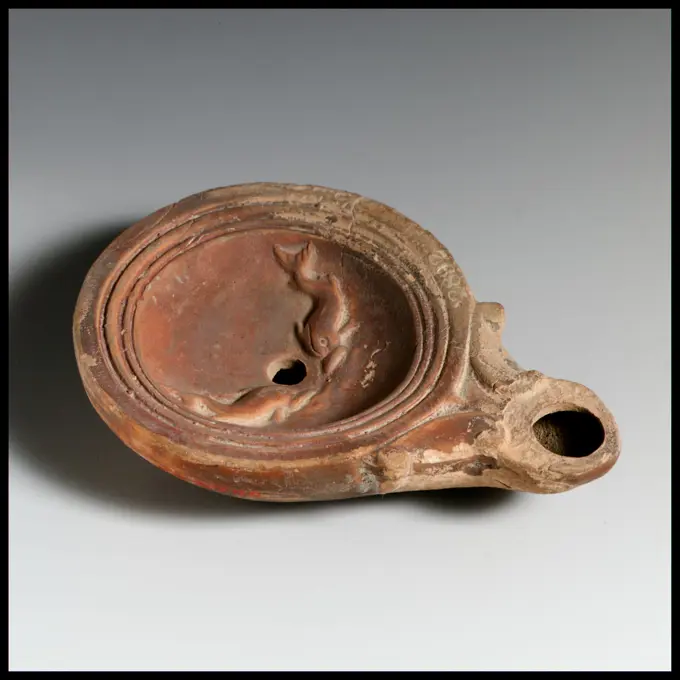
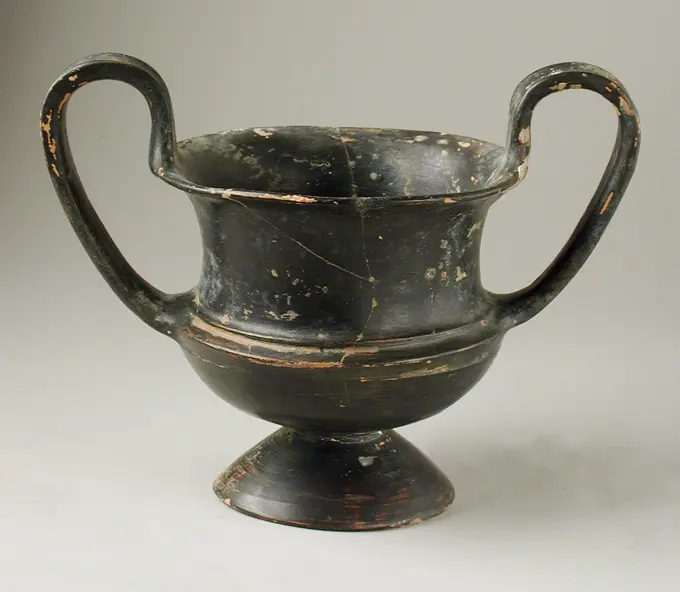
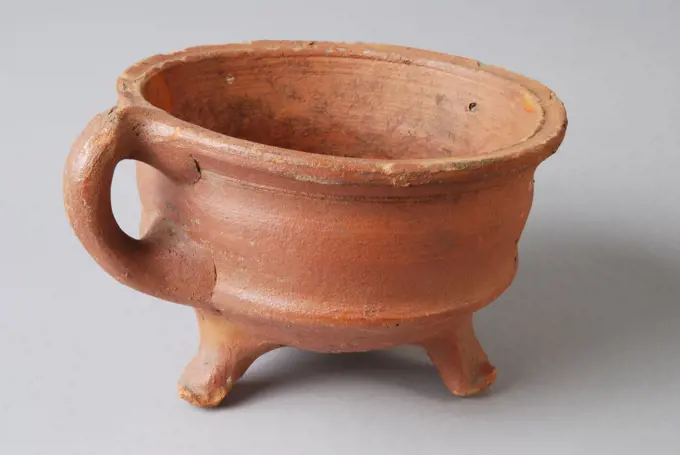
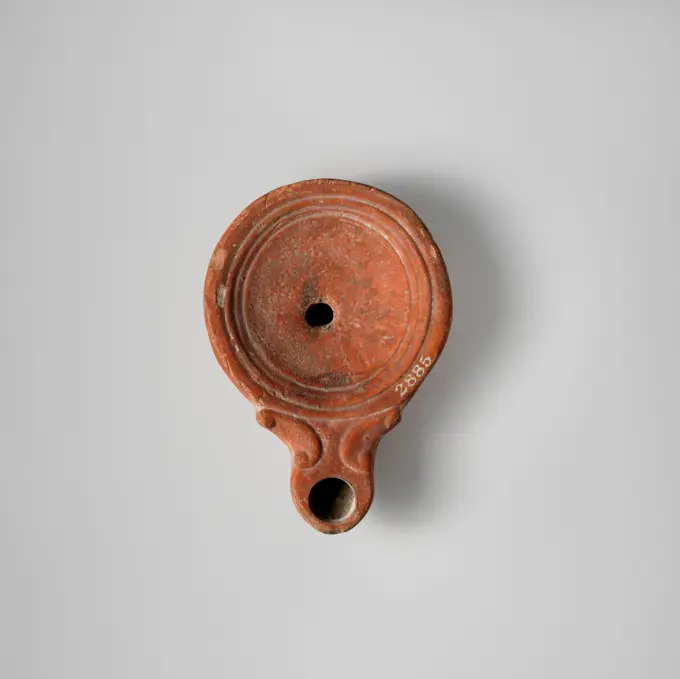
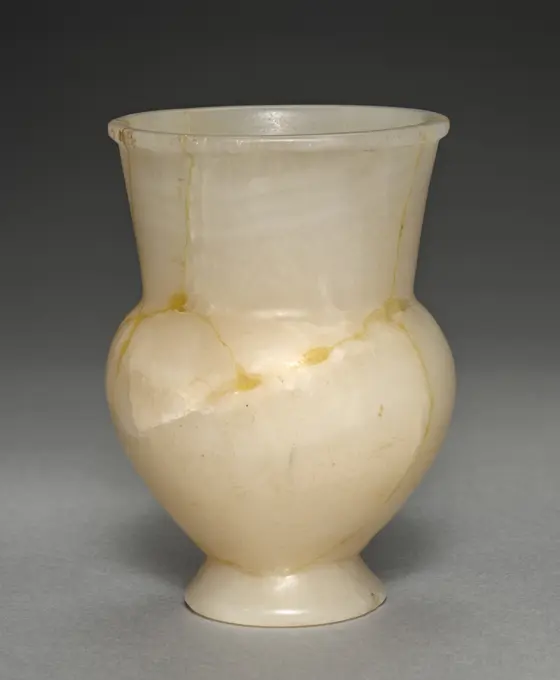
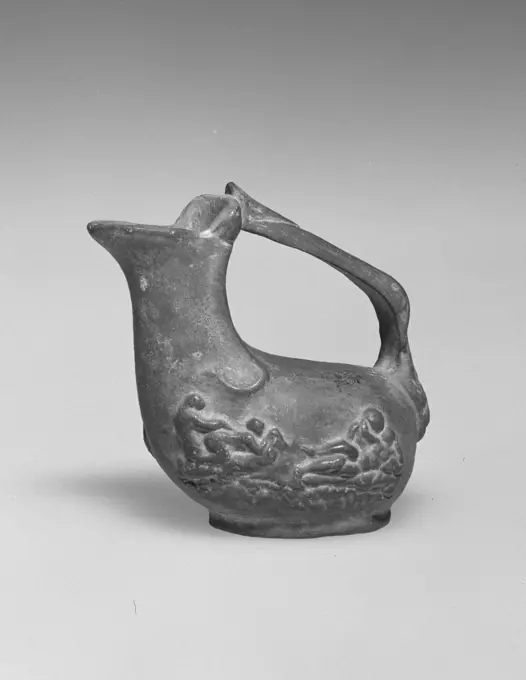
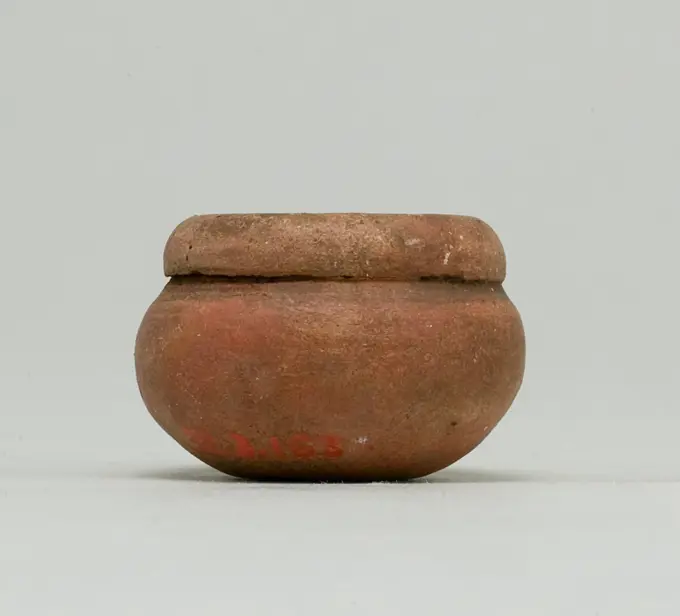
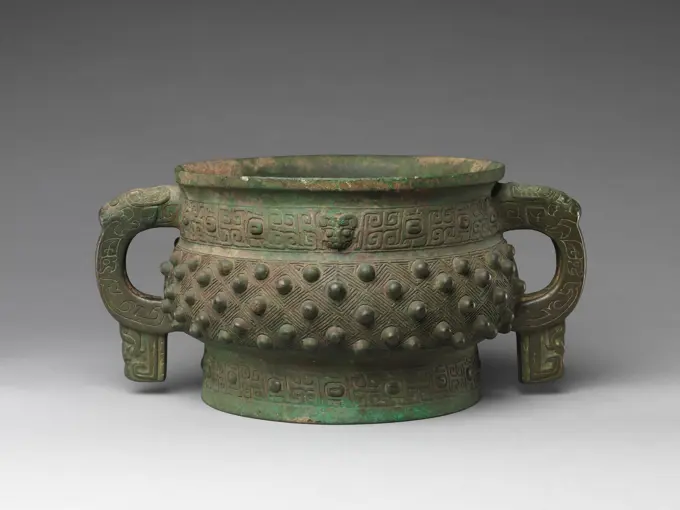
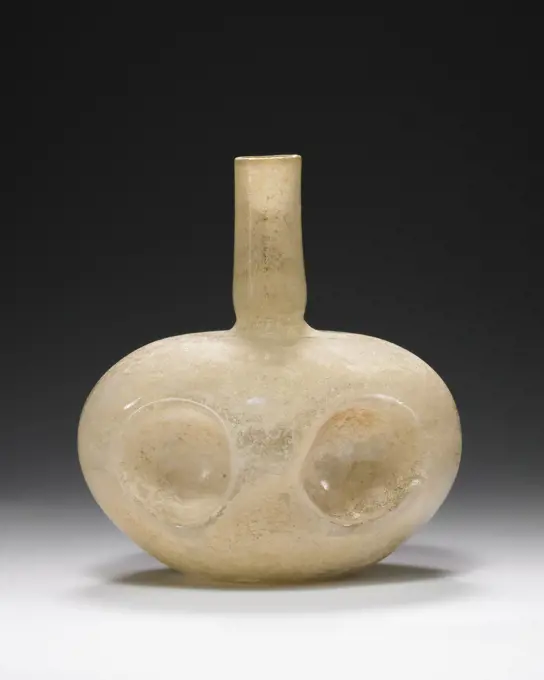
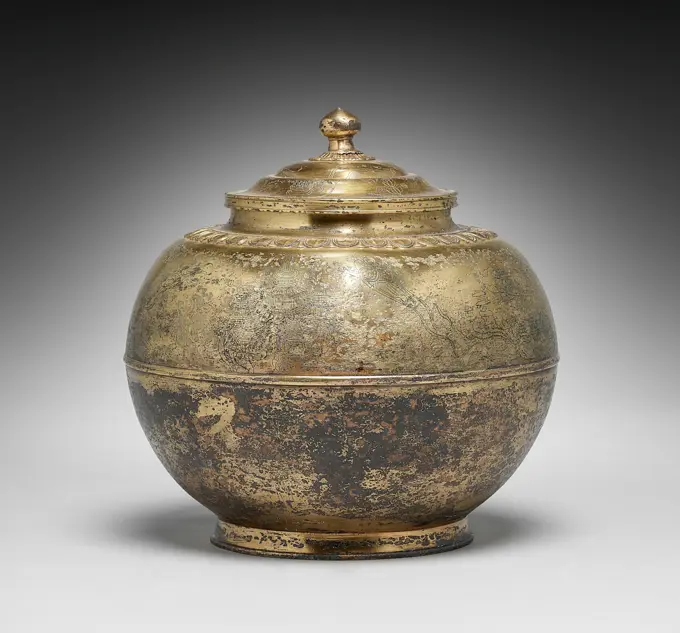
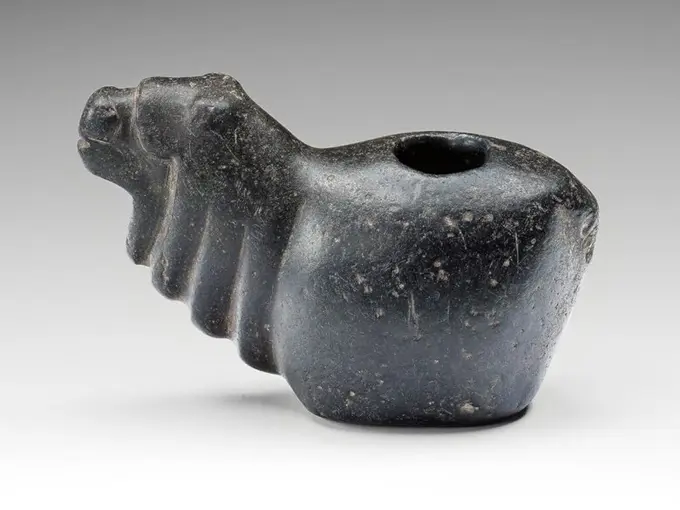
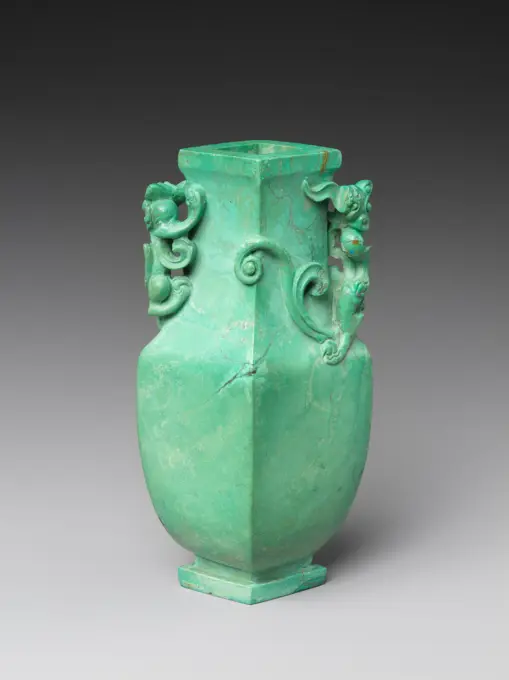
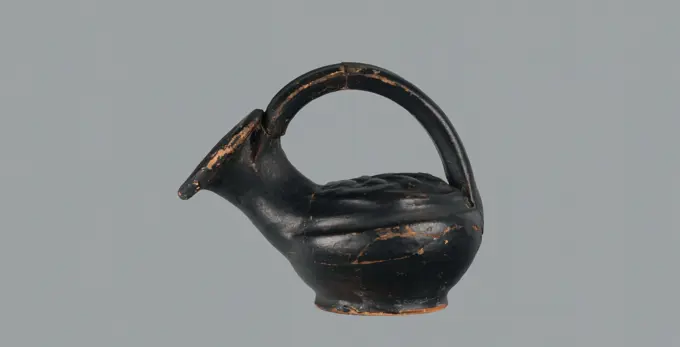
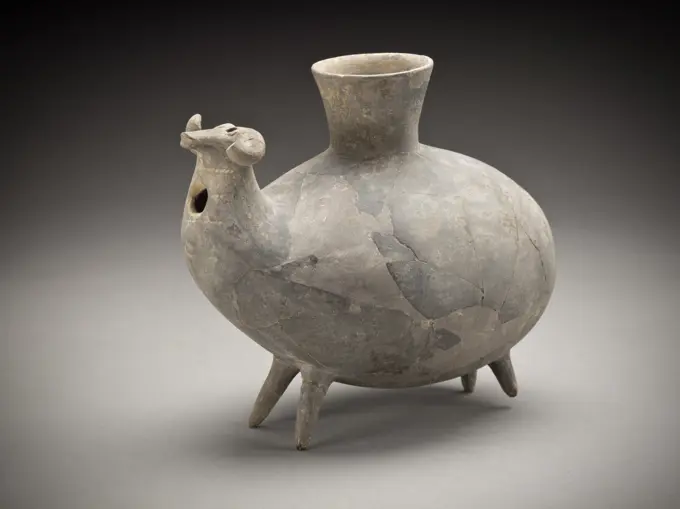
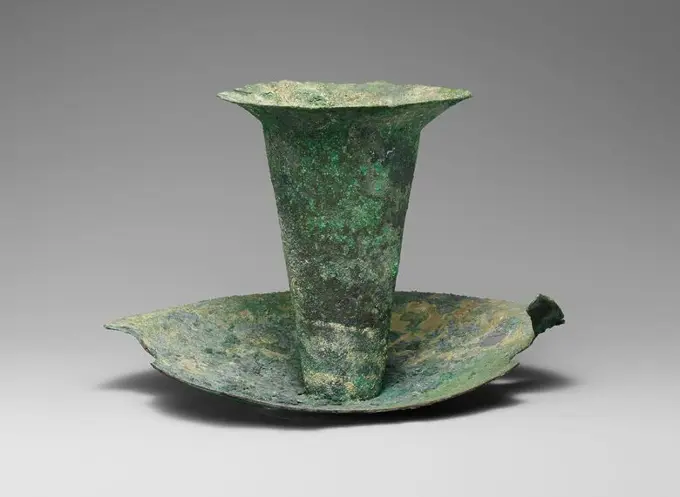
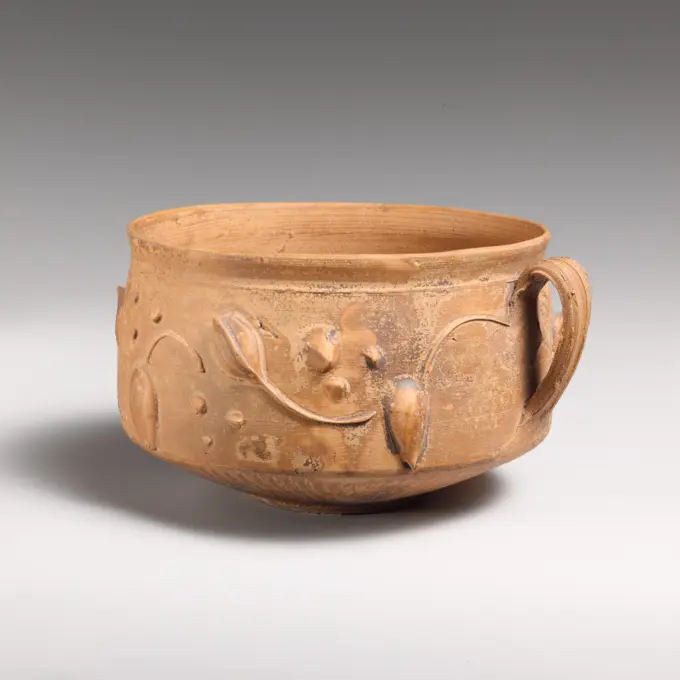
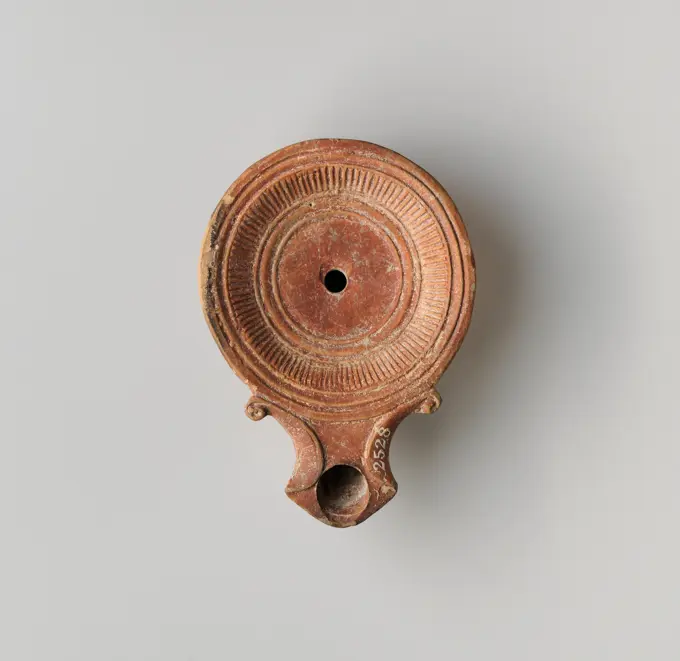
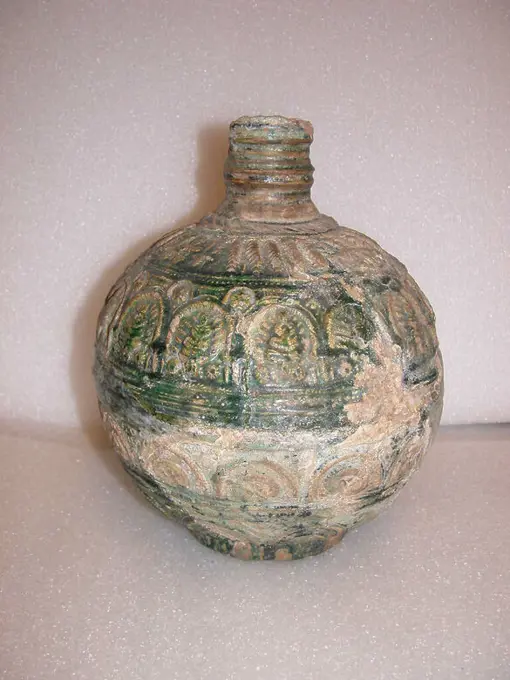
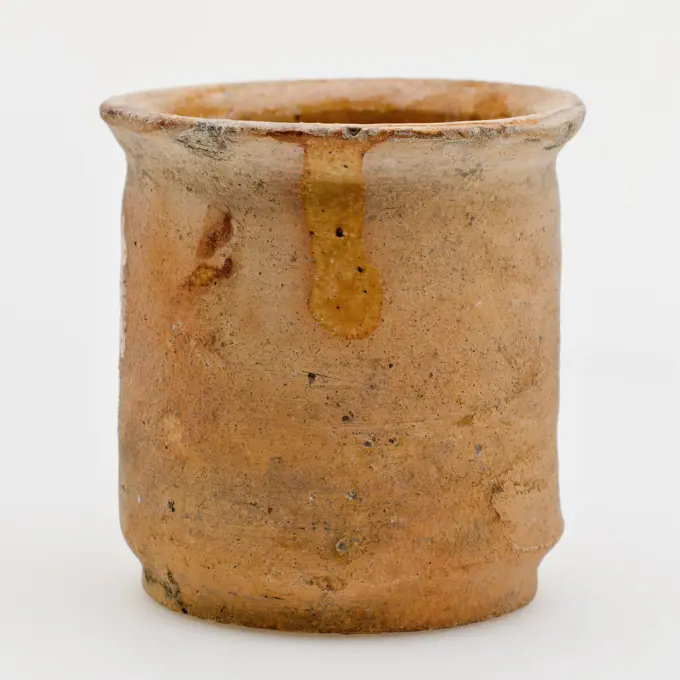
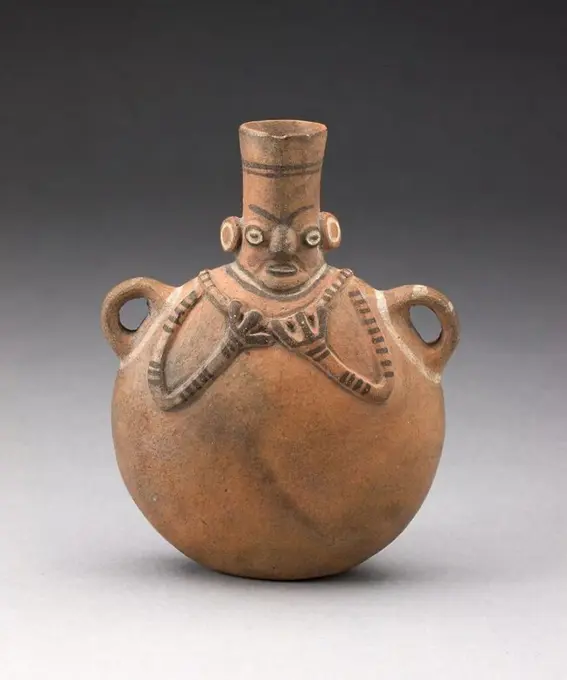
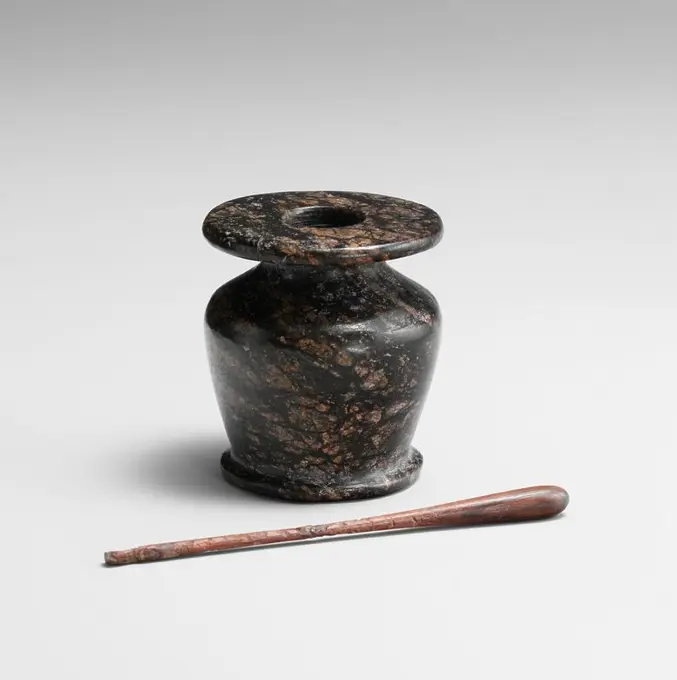
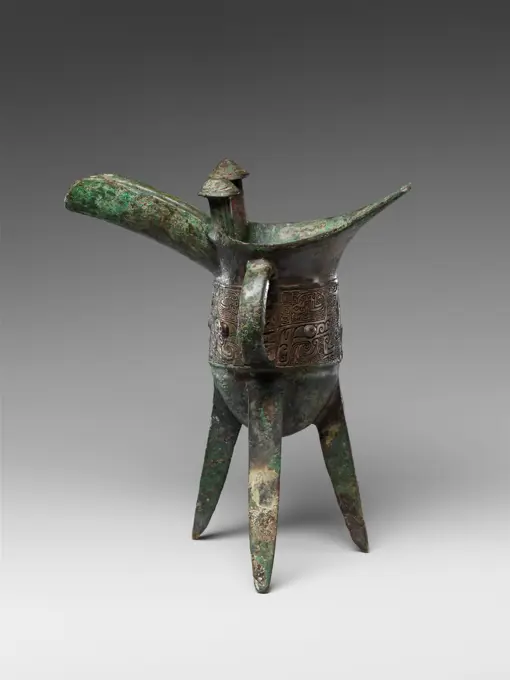
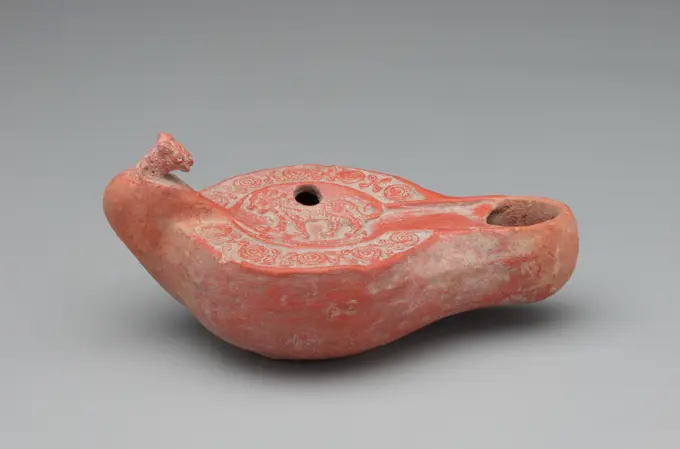
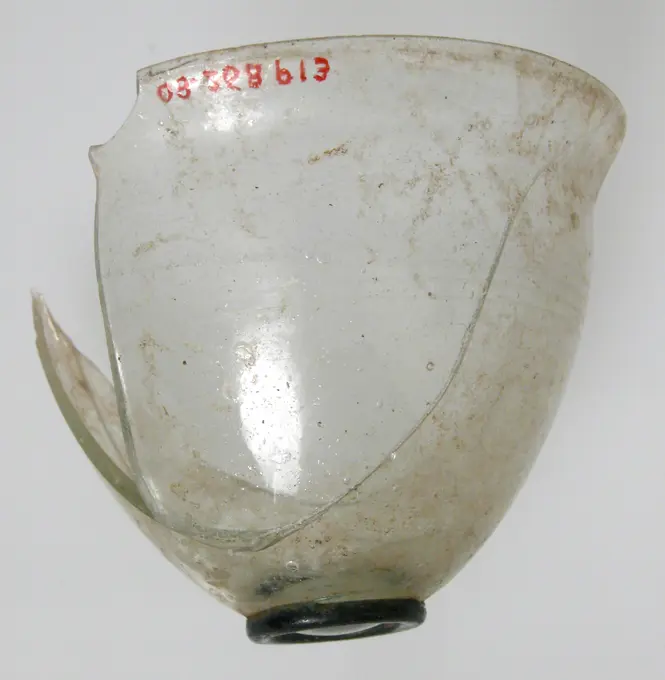
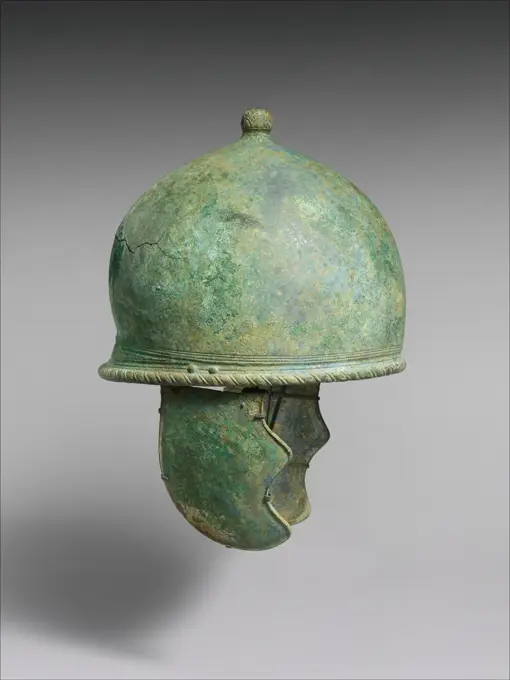
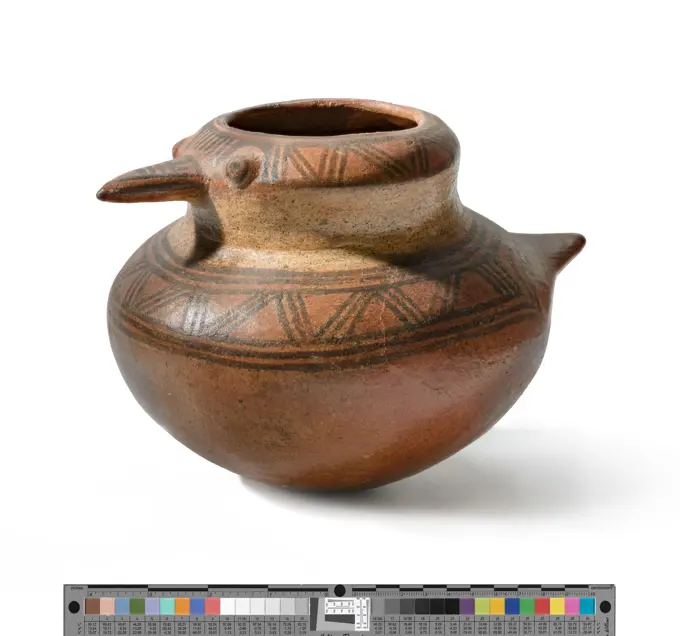
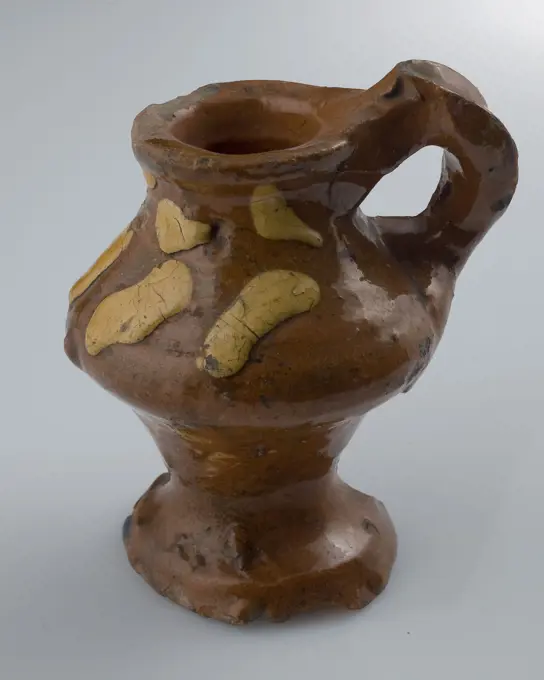
Pottery jug be used on stand foot, double conical with high band ear, sludge decoration, jug crockery holder toy relaxant soil find ceramic earthenware glaze lead glaze clay, hand-turned glazed fired ring small pottery jug cover red shard covered with lead glaze inside unglazed top pinched bandage stand surface. Yellow silt trim around the neck and shoulder. Decoration consists of wreath of sloppily placed yellow lines. Double conical shape on high standing foot flat upper edge archeology Spijkenisse indigenous pottery serving serving oil toy child child's play toy Soil discovery: SpijkenisseTeabowl ca. 1600 Hon'ami Kōetsu Japanese. Teabowl 62879Lazio Viterbo Viterbo Museo Civico59. Hutzel, Max 1960-1990 Views of paintings (Middle Ages through 18th c.), frescoes, a tabernacle, coffin, sculpture reliefs, portal fragments, busts, sculpture, tapestry found in the Pinacoteca, Second floor gallery and Second floor cloister sequences. Antiquities: Many views of Etruscan and Roman fragments, sculpture, sarcophagi, pottery, masks, jewelry and other objects found in the Storeroom sequence (inventory numbers on back of prints), and the Cloister, Second floor Cloister, Valle Giulia, Sala Romana and Sala Etrusca sequences. General Notes: There are eight separate numerical sequences for this location. The cloister as an architectural structure, rather than museum site, is documented in the record and file for S. Maria della Verita, Cloister, all views of which are stored in Medieval core collection. Five views from the Museo Civico Second floor cloister sequence are stored in Medieval. German-born photographer and scholar Max Hutzel (1911-vase of Egyptian blue (a substance with similar properties to faience. 18th Dynasty, circa 1550-1300 BCJar. Eastern Mediterranean. Date: 301 AD-500 AD. Dimensions: 10.8 × 10.2 × 10.2 cm (4 1/4 × 4 × 4 in.). Glass. Origin: Mediterranean Region. Museum: The Chicago Art Institute, Chicago, USA. Author: Ancient Eastern Mediterranean.Ewer, 1st century BCE - 1st century CE, 4 3/4 x 1 1/4 x 3 3/16 in. (12.07 x 3.18 x 8.1 cm), Glazed ceramic, Thailand, 1st century BCE - 1st century CETerracotta bil-bil. Culture: Cypriot. Dimensions: H. 3 15/16 in. (10 cm). Date: ca. 1600-1050 B.C..Two vases side by side joined by one handle. Museum: Metropolitan Museum of Art, New York, USA.General Leclerc Museum of Hauteclocque and the Liberation of Paris, Jean Moulin Museum. 76891-21 Rubber, war 1939-1945 39-45, hygiene, object, enema pear, health, second world war, daily lifeHou with globular paunch (common name). Terracotta. Cernuschi Museum, Asia Museum of Asia in the city of Paris.Keramikflasche Keramikflasche Copyright: xZoonar.com/Tolox 22568805Terracotta oinochoe (jug). Culture: Greek, Attic. Dimensions: H. 5 1/16 in. (12.9 cm)diameter of body 3 5/16 in. (8.4 cm)diameter of base 2 5/16 in. (5.9 cm). Date: 5th century B.C..Black glazed jug with no decoration. Museum: Metropolitan Museum of Art, New York, USA.Bartmann jug, also called Bellarmine jug, in light and dark brown glaze, beard masonry vessel holder soil find ceramic stoneware glaze salt glaze, hand-turned glazed fried Under the neck opening an indistinctly poorly detailed bearded head embossed. brown orange underside belly beige with droplets archeology Rotterdam railway tunnel storage room kitchen drinks packing transport Soil discovery: railway tunnel Rotterdam.Pot in the Form of a Bird 10th-12th century Thailand (Nakorn Pathom province). Pot in the Form of a Bird. Thailand (Nakorn Pathom province). 10th-12th century. Stoneware. CeramicsPharmaceutical jar. Dimensions: H. 47 x D. 34 cm (18 1/2 x 13 3/8 in.). Dynasty: Dynasty 26. Reign: reign of Amasis. Date: 570-526 BC.The incised inscription on this large jar identifies the contents of the vessel as "Special ointment of the Manager of the Red-Crown Enclaves and Chief Physician, Harkhebi." The man to whom the jar belonged probably lived in the Delta town of Buto; the "Red-Crown Enclaves" was an ancient area of that town, and his name, which means "Horus of Khemmis," refers to the site near Buto where the infant Horus was hidden by his mother, Isis, as described on the Metternich Stela (No. 51).Ointments are frequently cited in medical papyri as a component in prescriptions, and the contents of this jar may have been employed by Harkhebi for that purpose. It is also possible that the jar was made for the physician's tomb, but this is less likely, since Harkhebi's name lacks the epithet "justified," which was usually appended to the name of the deceased. Museum: MetropLamp, Anatolia; 1st - 4th century; Terracotta; 2.7 x 6.2 x 10 cm (1 1,16 x 2 7,16 x 3 15,16 in.)Tea caddy with a green brown glaze, anonymous, anonymous, c. 1400 - c. 1950 Dust bar or Chare van Steengoed with an ivory lid, partially covered with a green brown glaze. The lower part of the bus is unglazed. Old label on the bottom with 'W621'. Satsuma. Japan stoneware. glaze. deksel: ivory vitrification Dust bar or Chare van Steengoed with an ivory lid, partially covered with a green brown glaze. The lower part of the bus is unglazed. Old label on the bottom with 'W621'. Satsuma. Japan stoneware. glaze. deksel: ivory vitrificationJug. Dated: c. 1939. Dimensions: overall: 27.4 x 17.6 cm (10 13/16 x 6 15/16 in.). Medium: watercolor, colored pencil, graphite, and pen and ink on paper. Museum: National Gallery of Art, Washington DC. Author: Alfred Parys.Jar. Culture: Mexican. Dimensions: Height: 6 3/4in. (17.1cm)Diameter: 6in. (15.2cm). Date: 10th-15th century. Museum: Metropolitan Museum of Art, New York, USA.Tripode Ding ". Bronze. Dordastie Zhanguo, IV s.. JC. Paris, Muse Cernuschi museum. Decor covering dense interlacing Asian art, bronze, zhanguo dynasty, 4th fourth 4th 4th century, tripod ding, three feet, archeological vestigeCup. Low-Empire. Sigillée ceramics. Paris, Carnavalet museum. White slip decor. Roman antiquity, low-Empire, ceramic sigillee, Roman Empire, cup, ancientGlass cinerary urn (olla) Roman mid-1st-2nd century CE Translucent blue-green.Broad, horizontal rim, with rounded tubular edge made by folding out, down, and in; ovoid body; deep concave bottom.Complete except for one weathered chip on inner edge of rim, with many cracks in rim, several extending down side; many bubbles; dulling, slight encrustation, and faint iridescence on exterior, deep pitting, limy encrustation, and brilliant iridescent weathering on interior. View more. Glass cinerary urn (olla). Roman. mid-1st-2nd century CE. Glass; blown. Mid Imperial. GlassShino handledjarTerracotta oil lamp. Culture: Roman. Dimensions: Other: 1 5/8 x 5 1/4 in. (4.1 x 13.3 cm). Date: ca. A.D. 40-100.Broneer Type 21. Mold-made, with ring handle and triangular ornament above. Discus: a wreath; a single central filling hole, with a band of lines and grooves at edge. A narrow, plain, sloping shoulder. Large volutes flanking long nozzle, with large wick hole. Raised base ring, and slightly concave base.The handle ornament is hollow.Most of handle ornament broken off and missing. Museum: Metropolitan Museum of Art, New York, USA.Beaker. UnknownHibou-shaped container. Terracotta. Han dynasty (206 BC-220 AD). Paris, Cernuschi museum. Chinese art, Chinese Ceramic, cover, Han dynasty, Han time, owl, container, terracottaCeramic Tripod Vessel. Culture: Chupicuaro. Dimensions: Height: 5 1/2 in.Diameter 9-7/32 in.. Date: 3rd century B.C.-A.D. 4th century. Museum: Metropolitan Museum of Art, New York, USA.Campania Napoli Naples S. Lorenzo Maggiore12. Hutzel, Max 1960-1990 Medieval: Sculpture, architecture, architectural sculpture (including Roman spolia) 13-14th century Chapter house; sarcophagi, gravestones; wall painting. Fragment of mosaic; sculptural fragments in the Sala Capitolare. Post-medieval: Architecture, architectural sculpture, ceiling painting fresco cycle; prints depicting Venice c. 1845 (4), sculpture; life-size creche figures dressed in original Neapolitan costume Church restored in 1882, 1926, 1944; excavations under the transept undertaken between 1958-1962, and in the cloister in 1976, have revealed remains of a Roman macellum (market), street, and the paleochristian basilica of the 6th c. AD. Antiquities: Pottery: black-glazed, archaic banded, domestic wares, bucchero; architectural terracottas, statuettes, lamps, sculpture fragments Object Notes: 3 color negatives with no prints at the end. General Notes: Most objects/paintings/frescoes unidentified. Three batches Majolica albarello on stand with polychrome decor in blue and orange yellow, albarello holder soil find ceramic earthenware glaze tin glaze lead glaze, hand-turned baked glazed painted baked Slim majolica albarello on stand surface Cylindrical side wall with shallow constriction in the middle and two deeper constrictions above the foot and under the edge Polychrome decor of blue bands and orange-yellow geometrical decor in frieze archeology Valckensteyn Poortugaal Albrandswaard health care indigenous pottery ointment care medication medicine pharmacy packaging Soil discovery: castle Valckensteyn in Poortugaal now Albrandswaard 1961-1962.Grain Serving Vessel (Dou). Culture: China. Dimensions: H. 7 in. (17.8 cm); W. (incl. lugs) 9 in. (22.9 cm); Diam. of lid: 7 1/4 in. (18.4 cm); Diam. of rim (interior): 6 3/4 in. (17.1 cm); Diam. of foot: 4 1/4 in. (10.8 cm). Date: 5th century B.C.. Museum: Metropolitan Museum of Art, New York, USA.ANAFRE U HORNILLO PORTATIL-BARRO COCIDO CON DECORACION INCISA-ARTE POPULAR. Location: ALFARERIA. ARROYO DE LA LUZ. CACERES. SPAIN.Skyfos dekorowany reliefowym motywem roślinnym. warsztat rzymski, workshopVase lei. Bronze. Chine. Par musée musée malée. Chinese art, bronze, lei vaseBottle, Geometric Designs. Culture: Moche. Dimensions: H. 9 1/4 x Diam. 5 1/2 in. (23.5 x 14 cm). Date: 5th-7th century. Museum: Metropolitan Museum of Art, New York, USA.Drum. Culture: Paracas. Dimensions: Height: 8 3/4 in. (22.2 cm)Diameter (At widest point): 5 3/16 in. (13.2 cm). Date: 300-200 B.C..From about 700 B.C. to A.D. 700 the Paracas and later the Nasca resided along the southern coast of Peru. One feature the two cultures had in common was the use of a uniquely shaped ceramic drum with a cylindrical collar covered by a skin membrane that opened into a bulbous, hollow body terminating in a closed point. The significance of these rare and early examples of a past musical culture is yet to be fully explored. The largest of the amphora-like drums, 15 to 18 inches tall, were frequently decorated with incised and polychrome anthropomorphic and mythical beings. It has been suggested that these larger drums were for ritual use. The Museum's pair of drums are small by comparison and were perhaps played differently and in a different context. Iconographical evidence implies that they may have been bound together and strapped to the player's waist. TEarthenware oil jug with shank and standing ear, silky decoration around neck, shoulder, belly, oiljug crockery holder soil find ceramic earthenware glaze lead glaze clay, ring 6.4 hand-turned decorated glazed fried lemonade Pottery oil jug on stand. Ball-shaped shape with slender neckline Neck edge with cuff collar. Red shard entirely glazed Decorated in sludge technique Decoration consists of yellow crossed arches with in the middle green eye-shaped fields on the shoulder yellow stripes on the neck and on the ear. Turning lips over the belly. Roetsporen. Standing ear crooked attached archeology indigenous pottery oil tear lamp illumination serving serveGlass lentoid bottle 2nd-3rd century A.D. Roman Translucent pale blue green.Uneven, rounded rim; small, flaring mouth; cylindrical neck, tooled in around base; globular, flattened body; small, flattened pad with pontil marks on bottom.Intact, except for cracked and chipped rim; some bubbles; dulling and faint iridescence on one side; patches of pitting and iridescent weathering on the other.. Glass lentoid bottle 239653Lamp. UnknownTerracotta oil lamp ca. A.D. 40-100 Roman, Cypriot Loeschcke Type 4. Mold-made. Discus: two, confronted dolphins in relief to either side of central filling hole, with a band of concentric lines and grooves towards edge. Volutes flanking nozzle. Within raised base ring, flat base, with an incised line (the letter I ).Intact.. Terracotta oil lamp. Roman, Cypriot. ca. A.D. 40-100. Terracotta. Early Imperial. TerracottasLamp, Cnidos (); 3rd century B.C; Terracotta; 3.2 × 7.2 × 10 cm (1 1,4 × 2 13,16 × 3 15,16 in.)Bronze situla (bucket vessel) (Greece). Greek Civilization, 4th Century BC.Kantharos. South Italy, 400-300 B.C.. Furnishings; Serviceware. Black-glazed ceramicPottery fire test, round model, red shard, unglazed, vertical bandoor, on three legs, fire test test earth discovery ceramics pottery, hand-turned fired Pottery fire test around model red shard with some lead glaze tears at the top pinched band of three legs carbon footprint on the inside archeology indigenous pottery food preparation heating cooking food kitchenGrape Flask; Eastern Mediterranean; about 2nd - 3rd century; Glass; 13.7 cm (5 3,8 in.)Terracotta oil lamp 1st century B.C.-1st century A.D. Roman Loeschcke Type 4. Mold-made. Plain, shallow discus, with a single filling hole, slightly off-center; broad band of lines and grooves around edge. Volutes flanking nozzle, with large wick hole. Incised base ring, and raised flat bottom; at center, a small, indistinct pedis plantis maker's stamp.Intact. except for slight chips on left side of edge.Red slip covering all of surfaces.. Terracotta oil lamp. Roman. 1st century B.C.-1st century A.D.. Terracotta. Early Imperial. TerracottasLong-Necked Flask (Krateriskos), 1540-1296 BC. Egypt, New Kingdom, Dynasty 18, reign of Tuthmosis III to Amenhotep III. Travertine; diameter: 7.5 cm (2 15/16 in.); overall: 10.9 cm (4 5/16 in.).Imitation of an Askos with Relief Decoration. UnknownKohl jar ca. 2030-1640 B.C. Middle Kingdom. Kohl jar. ca. 2030-1640 B.C.. Pottery: reddish-brown ware. Middle Kingdom. From Egypt, Upper Egypt, Thebes, Asasif, MMA excavations, 1915-16. Dynasty 13Food Serving Vessel (Gui) 12th-11th century B.C. China. Food Serving Vessel (Gui) 53558Flask with Indentations; Roman Empire; 3rd century; Glass; 10.5 x 10 cm (4 1,8 x 3 15,16 in.)Juglet. Culture: Cypriot. Dimensions: 4 13/16in. (12.2cm). Date: 480-310 B.C..Miniature vase with pointed bottom and loop-handle, of unpainted clay. Museum: Metropolitan Museum of Art, New York, USA.Cinerary Urn with Amida's Pure Land, 800s-900s. Japan, Heian period (794-1185). Gilt bronze; diameter of mouth: 12.4 cm (4 7/8 in.); overall: 26.1 cm (10 1/4 in.). This urn once held someones ashes. It is decorated with images of the Pure Land of Amida, the Buddha of Infinite Life and Light. Heian-period devotees of Amida believed that if they called upon his name with sincerity at the moment of death, they would be born into his Pure Land, also known as the Western Paradise, and thereby escape the pattern of reincarnation. As shown on the lid of the urn, in the Pure Land, musical instruments float about playing by themselves. Its palatial structures and magnificent lotus pond are described on the body of the urn.Vessel, 12 9/16 x 14 5/8 x 14 5/8 in. (31.91 x 37.15 x 37.15 cm), Terra cotta, NigeriaOffering Vessel in the Form of an Alpaca. Inca; Probably vicinity of Cuzco, Peru. Date: 1450-1532. Dimensions: 9.8 × 14.9 cm (3 7/8 × 5 7/8 in.). Stone. Origin: Cuzco. Museum: The Chicago Art Institute, Chicago, USA.Small vase with dragon 18th-19th century China The elegant shape, exquisite design, and impeccable carving exemplify the sophisticated taste and exacting requirements of the Qing imperial court. The large size and quality of the turquoise suggests that it may have come from the area of modern-day Irana testament to the increased trade between China and Central Asia at this time.. Small vase with dragon. China. 18th-19th century. Turquoise. Qing dynasty (1644-1911). HardstoneMadrid, M.A.N. Arte romano. Botellín cuadrado de vidrio. Realizado con la técnica del vidrio soplado, adquirida en Oriente Medio, en el s.I a.c.Miniaturowy askos czarnofirnisowany. unknown, authorAmphoraLazio Latina Sezze Antiquarium Comunale61. Hutzel, Max 1960-1990 German-born photographer and scholar Max Hutzel (1911-1988) photographed in Italy from the early 1960s until his death. The result of this project, referred to by Hutzel as Foto Arte Minore, is thorough documentation of art historical development in Italy up to the 18th century, including objects of the Etruscans and the Romans, as well as early Medieval, Romanesque, Gothic, Renaissance and Baroque monuments. Images are organized by geographic region in Italy, then by province, city, site complex and monument.Ram-shaped Vessel. Northern Iran, early 1st millenium B.C.. Furnishings; Serviceware. Gray-black burnished wareHumanfigurine.  Artist: UnknownBronze thymiaterion (incense burner). Culture: Cypriot. Dimensions: 6in. (15.2cm)Other (diameter of mouth): 4 3/4in. (12.1cm)Other (diameter of saucer): 8 5/8in. (21.9cm). Date: 6th century B.C..This example represents the typical Cypriot form of incense burner, attested in terracotta as well as bronze. The shape was known in Cyprus during the Late Bronze Age and was evidently reintroduced during the Archaic period by the Phoenicians. Museum: Metropolitan Museum of Art, New York, USA.TESORO TUTAN KAMON-VASIJA BARRO VIDRIADO 19 CMS. Location: EGYPTIAN MUSEUM. KAIRO. EGYPT.Kettle for alcohol (choshi). unknown, craftsmanTerracotta oil lamp. Culture: Roman. Dimensions: Overall: 1 1/2 x 3 3/4 in. (3.8 x 9.5 cm). Date: late 3rd century A.D..Loeschcke Type 8. Unpierced handle. Mold-made. Discus; rosette with hollow, radiating petals around central filling hole; a second filling hole towards edge in front of handle. On shoulder: a row of impressed circles and dots. Across uneven, concave base within base ring inscribed in Greek letters: OMO, with lines above and below. Severe accretion and pitting of surfaces. Museum: Metropolitan Museum of Art, New York, USA.Anonymous long -collar vase, Kundika type (usual name), 1700. Lustrée brunette cover sandstone, black decor. Methole circulated with metal. Cernuschi Museum, Asia Museum of Asia in the city of Paris.Lazio Viterbo Viterbo Museo Civico29. Hutzel, Max 1960-1990 Views of paintings (Middle Ages through 18th c.), frescoes, a tabernacle, coffin, sculpture reliefs, portal fragments, busts, sculpture, tapestry found in the Pinacoteca, Second floor gallery and Second floor cloister sequences. Antiquities: Many views of Etruscan and Roman fragments, sculpture, sarcophagi, pottery, masks, jewelry and other objects found in the Storeroom sequence (inventory numbers on back of prints), and the Cloister, Second floor Cloister, Valle Giulia, Sala Romana and Sala Etrusca sequences. General Notes: There are eight separate numerical sequences for this location. The cloister as an architectural structure, rather than museum site, is documented in the record and file for S. Maria della Verita, Cloister, all views of which are stored in Medieval core collection. Five views from the Museo Civico Second floor cloister sequence are stored in Medieval. German-born photographer and scholar Max Hutzel (1911-Terracotta cup ca. A.D. 100 Roman Cup of light red clay with floral decoration in relief.Barbotine drinking cups originated in Italy but were soon copied by a number of provincial workshops, especially in western Asia Minor.. Terracotta cup. Roman. ca. A.D. 100. Terracotta. Imperial. VasesTerracotta oil lamp 1st century B.C.-1st century A.D. Roman, Cypriot Loeschcke Type 1A. Mold-made. Discus: flat and undecorated at center, surrounded by a broad, raised circle, flanked above and below by a narrow raised line, and band of close-set radiating lines around upper section; a single, small filling hole at center; two grooves around edge; volutes flanking angular nozzle with large wick hole. Broad, raised base ring, and flat but slightly uneven base.Broken and repaired around lower body, with one large hole at right near nozzle.. Terracotta oil lamp. Roman, Cypriot. 1st century B.C.-1st century A.D.. Terracotta. Early Imperial. TerracottasJar. Dimensions: H. 9 1/4 in. (23.5 cm)Diam. 11 11/16 in. (29.7 cm). Date: 8th century. Museum: Metropolitan Museum of Art, New York, USA.Bowl with Incised and Painted Textile-Like Motifs. Possibly Inca or Ica; South coast or southern highlands, Peru. Date: 1400-1600. Dimensions: 7.6 x 18.3 cm (3 x 7 3/16 in.). Gourd and pigment. Origin: Peru. Museum: The Chicago Art Institute, Chicago, USA.Pottery ointment jar, conical model, white shard, internal light brown glazed, ointment jar pot holder soil find ceramic earthenware glaze lead glaze, hand-turned glazed baked Pottery ointment jar conical model white shard internal light glazed Flat obliquely inward directed top edge. Narrowing of the boiler above the stand Surface coarsely finished Rotating beads on the bottom and the boiler on the inside archeology health care indigenous pottery store pharmacy sell craft medicine drug packagingJar (Olla), 1100-1299, 5 1/2 x 7 x 7 in. (14.0 x 17.8 x 17.8 cm), Ceramic, pigment, Mexico, Tardio phaseSpouted Ewer with Twisted Rope Handle 907 CE-1125 China. Earthenware with brown and blue lead glazes .Ring bottle 1800-1830 American. Ring bottle. American. 1800-1830. Earthenware with slip decorationOil LampLazio Latina Sezze Antiquarium Comunale38. Hutzel, Max 1960-1990 German-born photographer and scholar Max Hutzel (1911-1988) photographed in Italy from the early 1960s until his death. The result of this project, referred to by Hutzel as Foto Arte Minore, is thorough documentation of art historical development in Italy up to the 18th century, including objects of the Etruscans and the Romans, as well as early Medieval, Romanesque, Gothic, Renaissance and Baroque monuments. Images are organized by geographic region in Italy, then by province, city, site complex and monument.Open-Necked Vessel in the Form of a Human Head, Possibly Deceased 100 CE-300 CE Jalisco state. Ceramic and pigment . JaliscoLazio Latina Sezze Antiquarium Comunale62. Hutzel, Max 1960-1990 German-born photographer and scholar Max Hutzel (1911-1988) photographed in Italy from the early 1960s until his death. The result of this project, referred to by Hutzel as Foto Arte Minore, is thorough documentation of art historical development in Italy up to the 18th century, including objects of the Etruscans and the Romans, as well as early Medieval, Romanesque, Gothic, Renaissance and Baroque monuments. Images are organized by geographic region in Italy, then by province, city, site complex and monument.Feline Bottle 12th-15th century Chimú As early as the beginning of the second millennium B.C., artists in northern Peru produced ceramics of remarkable technical refinement, aesthetic appeal, and iconographic complexity. By the time this vessel was madealmost 3,000 years later by the potters of the Chimú cultureceramic production emphasized efficiency and repetition rather than artistic and technological excellence. Although Chimú potters used the forms, imagery, and techniques employed by their predecessors, their wares can at times appear mass-produced in comparison. However, some vessels, even though made in molds, as is the present example, are well modeled with carefully finished surfaces, implying a considerable investment of time and skill. The black color was achieved by firing the ceramic under conditions of limiting oxygen, thereby generating soot that bound to the vessel surface. The pottery was burnished after firing to produce the shiny black surface. This bottle depictsModel of a typical late Bronze Age home, artefact from Tell Munbaqa, Syria. Assyrian civilisation, 14th-13th Century BC.Vase 18th century China. Vase. China. 18th century. Bronze. Qing dynasty (1644-1911). MetalworkHandled Flask Depicting Abstract Figure. Nievería or Pachacamac; Central coast, Peru. Date: 500 AD-800 AD. Dimensions: 13 x 10 cm (5 1/8 x 3 15/16 in.). Ceramic and pigment. Origin: Nievería. Museum: The Chicago Art Institute, Chicago, USA.Bottle 7th-8th century. Bottle 448716Spouted Wine Vessel (He). Culture: China. Dimensions: H. to knob 7 in. (17.8 cm); W. at spout and handle 5 1/2 in. (14 cm). Date: 11th century B.C..Seven characters are cast on the body of the vessel beneath the handle: "Ya-X clan sign I have had a vessel made for Zhong Zi Xin personal name.". Museum: Metropolitan Museum of Art, New York, USA.Greece, Athens, Aryballos (spherical vase)Kettle ca. 1885 Design attributed to Christopher Dresser British, Scottish Listen to experts illuminate this artwork's story Listen Play or pause #418. Christopher Dresser and the Birth of Industrial Design Supported by Bloomberg Philanthropies We're sorry, the transcript for this audio track is not available at this time. We are working to make it available as soon as possible.. Kettle. British. ca. 1885. Copper, brass. Metalwork-CopperKohl Jar. Dimensions: H. 5.5 cm (2 3/16 in.); Greatest diam. 4.9 cm (1 15/16 in.); D. 3 cm (1 3/16 in.). Dynasty: Dynasty 18, early. Reign: reign of Thutmose II-Early Joint reign. Date: ca. 1492-1473 B.C..Hatnofer (36.3.1), the mother of Senenmut (36.3.252), received a rich burial in a small rock-cut tomb near that of her son. Her grave goods were deposited alongside her fine wooden coffin and included many objects from daily life. Inside one of the decorated baskets (36.3.59) were a smaller basket (36.3.60), an alabaster jar (36.3.61) , and this graceful kohl jar (36.3.63) with its wooden applicator (36.3.62). The jar had a crusty residue inside that was identified as galena, one of the minerals used as an eye cosmetic by the Egyptians. Hatnofer undoubtedly used the little eye-paint container and applicator during her lifetime. Museum: Metropolitan Museum of Art, New York, USA.Vessel (Jue) 16th-11th century B.C. China. Vessel (Jue) 53561 China, Vessel, 16th11th century B.C., Bronze, H. 7 3/4 in. (19.7 cm). The Metropolitan Museum of Art, New York. Bequest of Theodore Rousseau, 1974 (1974.289.5)Lamp, Type IIATerracotta oil lamp. Culture: Roman, Cypriot. Dimensions: Overall: 15/16 x 3 9/16 in. (2.4 x 9.1 cm). Date: ca. A.D. 40-100.Loeschcke Type 4. Mold-made. Discus: Eros. Museum: Metropolitan Museum of Art, New York, USA.Lamp. UnknownTerracotta oil lamp. Culture: Roman, Cypriot. Dimensions: Overall: 3/4 x 3 1/4 in. (1.9 x 8.3 cm). Date: ca. A.D. 40-100.Loeschcke Type 4. Mold-made. Discus: shell pattern of nine relief fans radiating from a filling hole towards nozzle, with a band of lines and grooves towards edge. Volutes flanking nozzle. Within incised base ring, slightly concave base, with large letters in relief across center: M A, with dot between.Intact. Museum: Metropolitan Museum of Art, New York, USA.Lentoid Bottle ("New Year's Bottle") Late Period ca. 630 BC Details of the relief and coloring of the flask suggest it belongs to a more highly colored series than the usual Saite New Year's flasks of pale blue. View more. Lentoid Bottle ("New Year's Bottle"). ca. 630 BC. Faience. Late Period. From Egypt. Dynasty 26-30Glass bottles from Tylos period, New National Museum, Manama, Bahrain, Middle EastSpheroconical Vessel 10th-11th century. Spheroconical Vessel 449482Fragment of Bowl 4th-early 5th century Coptic. Fragment of Bowl 479103Bronze jockey-type helmet with cheek-guards late 4th century B.C. Etruscan Jockey-type helmet with an elaborately decorated finial and a diagonal braided pattern along the rim.. Bronze jockey-type helmet with cheek-guards. Etruscan. late 4th century B.C.. Bronze. Late Classical. BronzesBird Effigy Vessel. Panama, Cubita group, 500-700 CE. Ceramics. Slip-painted ceramicPitcher ca. 1880 Christopher Dresser This pitcher is an example of the Peruvian-inspired ceramics designed by Christopher Dresser for Linthorpe. A related pitcher (2016.178.6) is also in the Museum's collection.. Pitcher. British. ca. 1880. Glazed earthenware. Ceramics-PotteryBARRAL O BOTIJA EN BARRO ROJO SIN VIDRIAR- ARTE POPULAR - SIGLO XX. Location: ALFARERIA. FUENTES DE EBRO. Saragossa Zaragoza. SPAIN.