Historic Pottery Collection

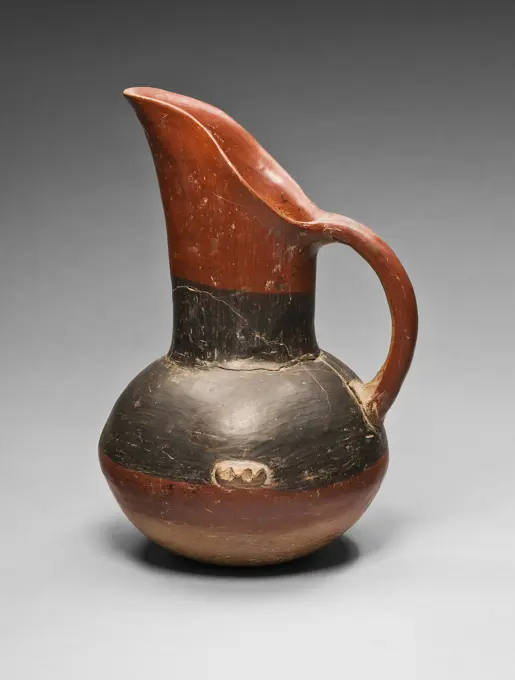
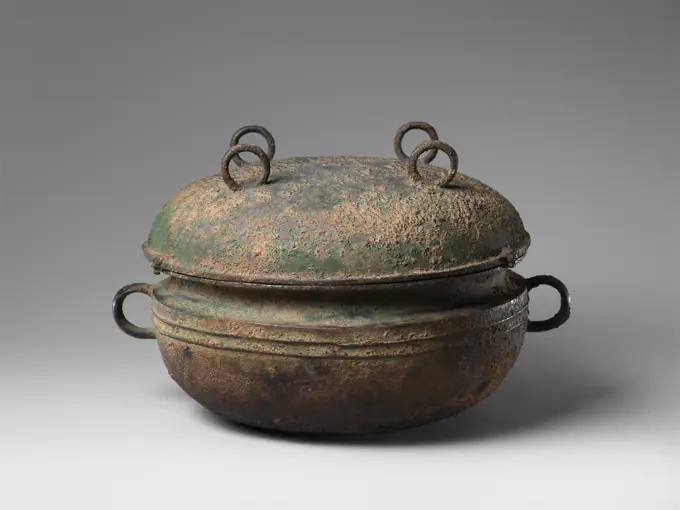
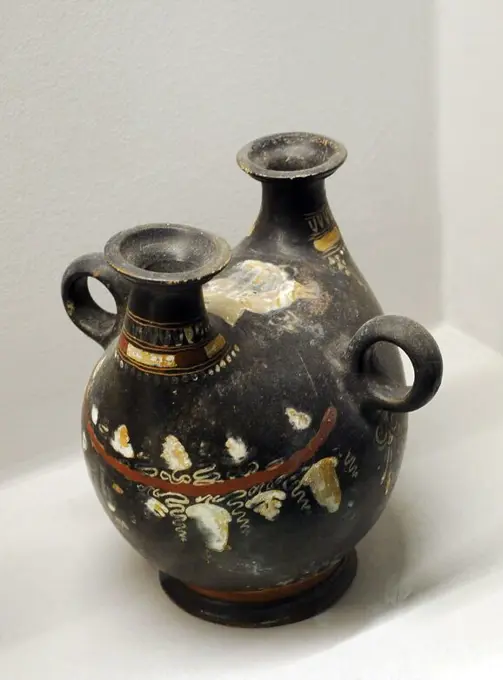
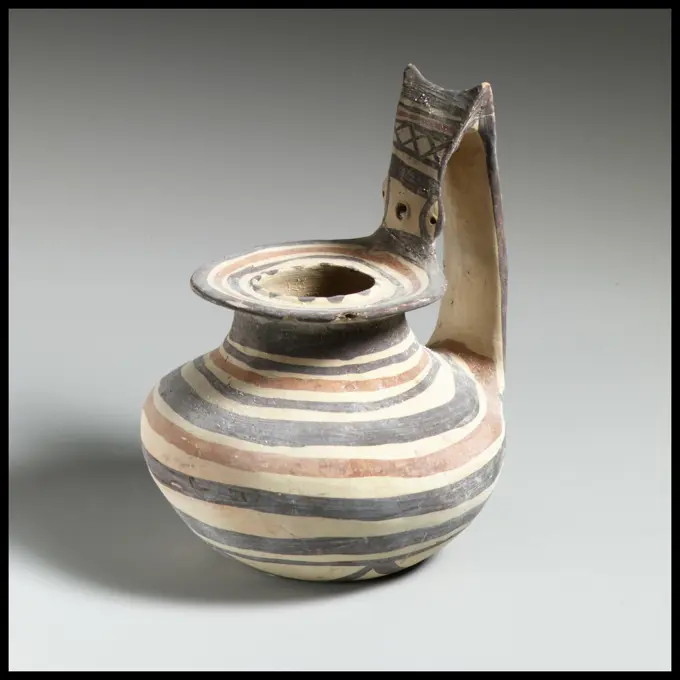
Assorted ancient earthenware pots and jars from various cultures, highlighting unique shapes, textures, and historical significance in ceramics.

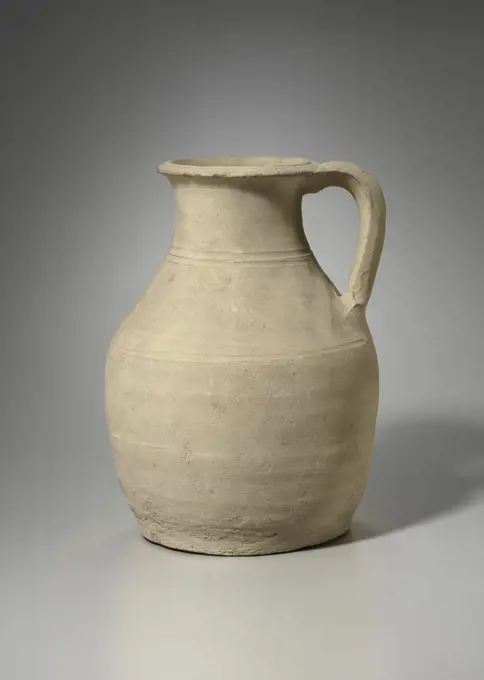
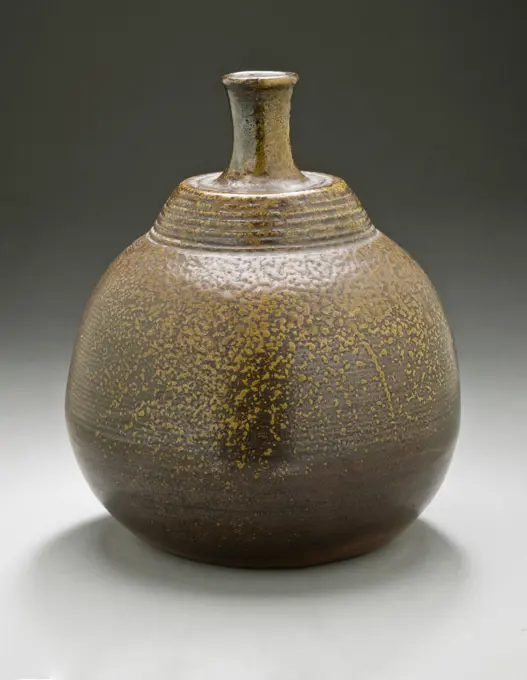
Long-necked jar, 5th century, Unknown Korean, 7 7/16 × 7 1/2 × 7 3/8 in. (18.89 × 19.05 × 18.73 cm), Stoneware with incidental ash glaze, Korea, 5th century
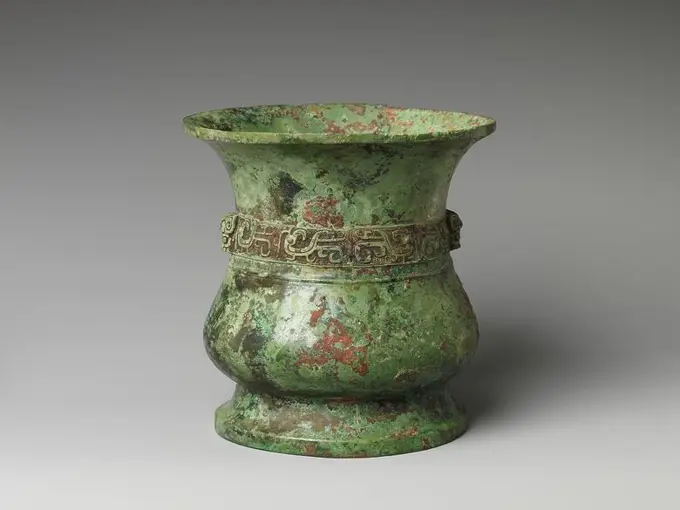
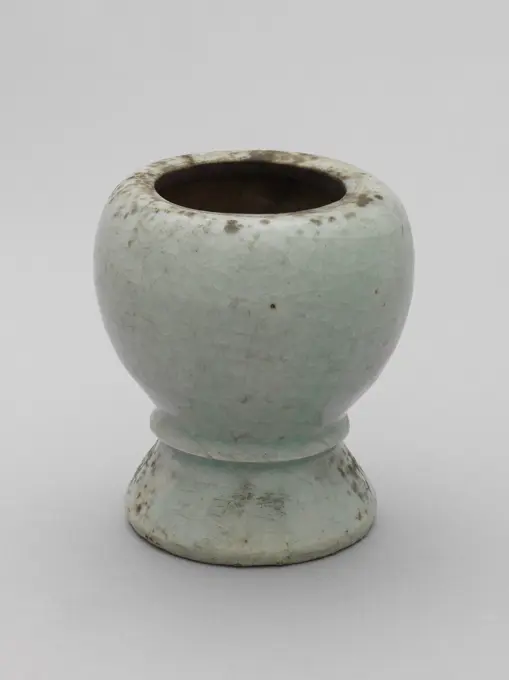
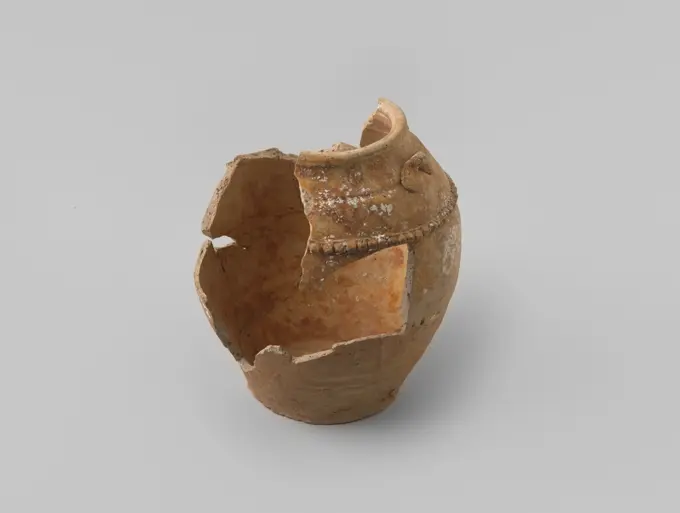
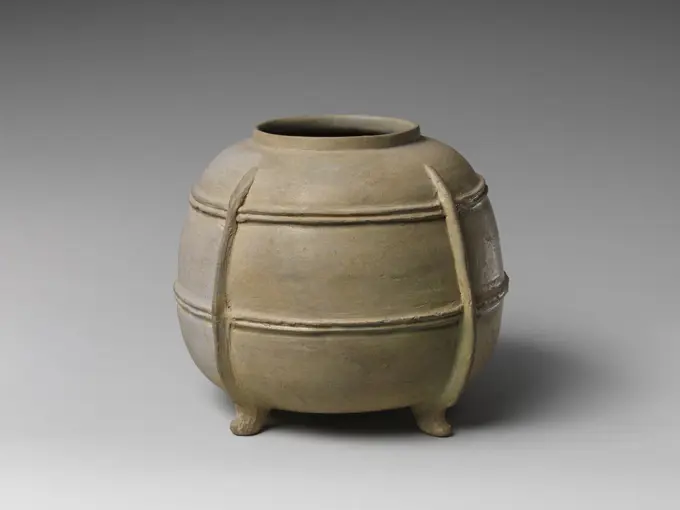
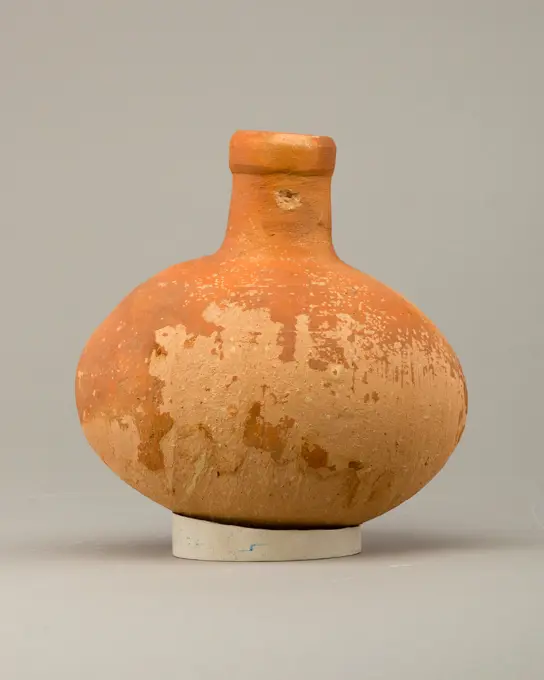
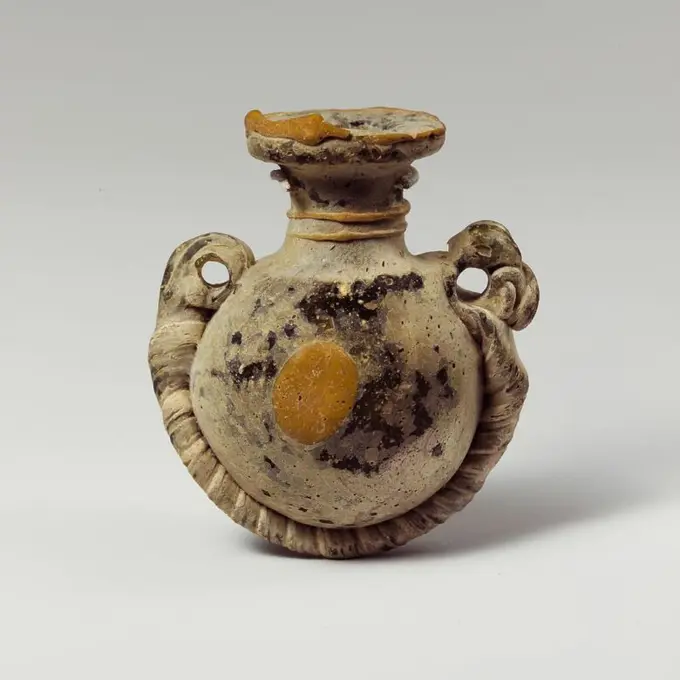
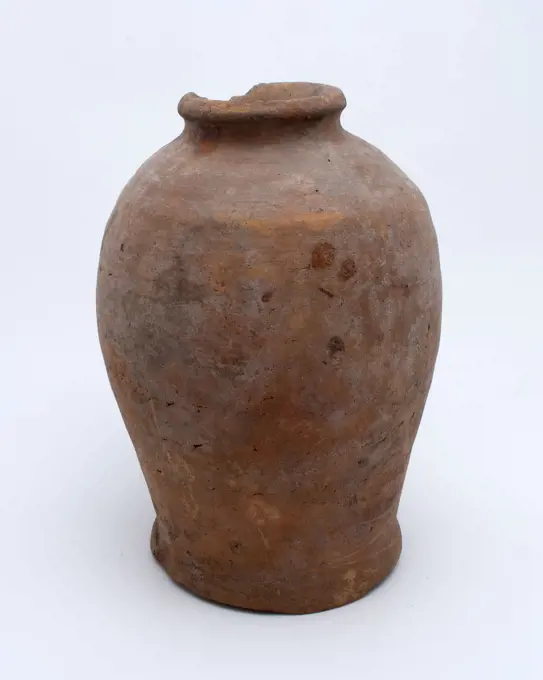
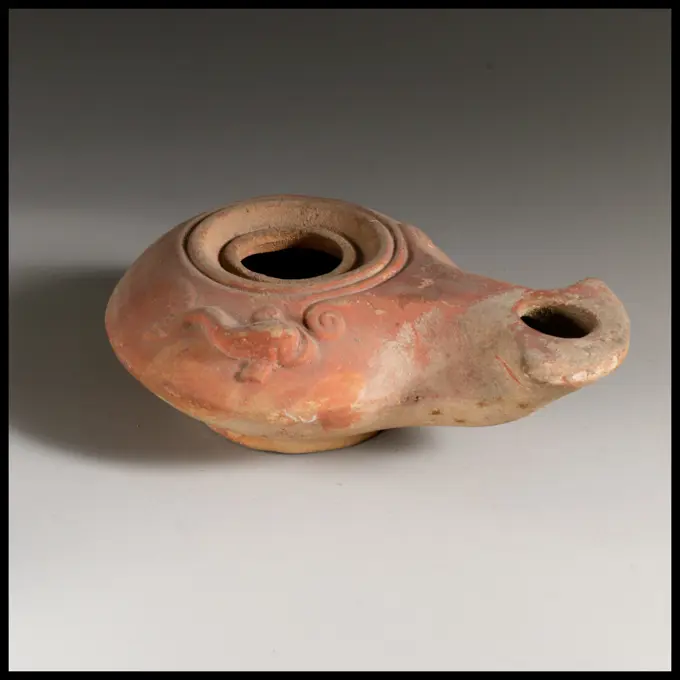
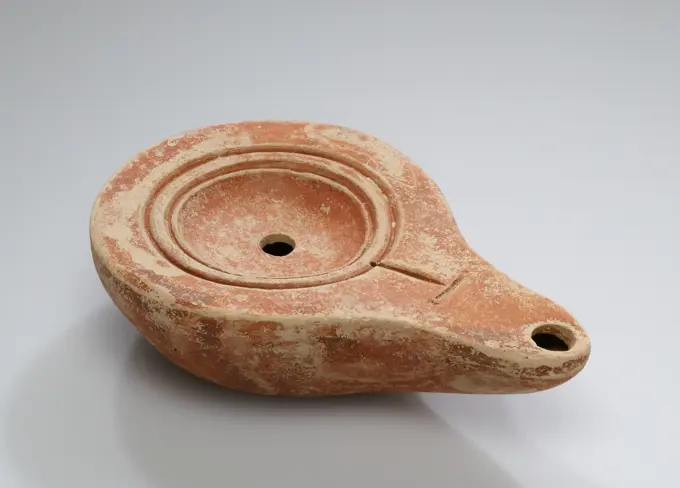
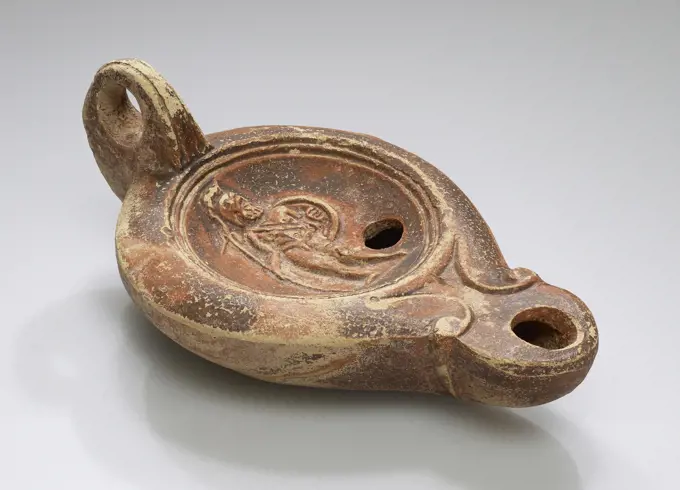
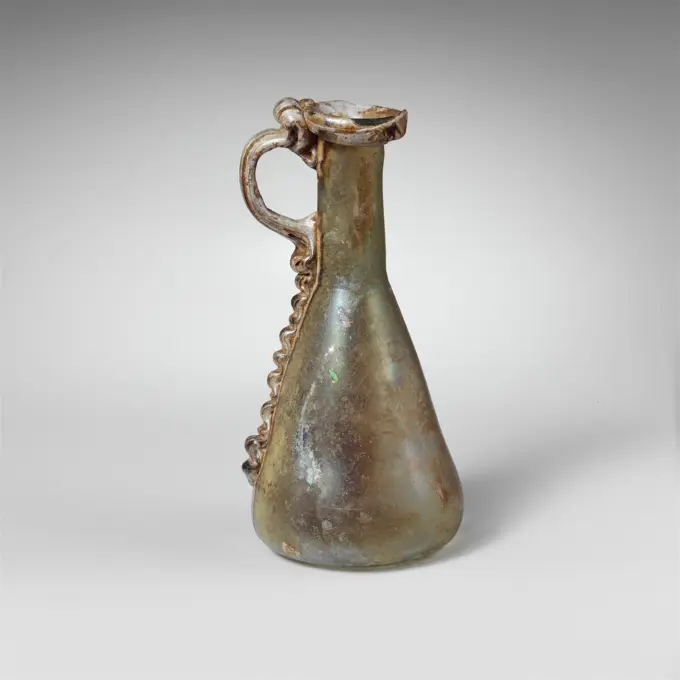
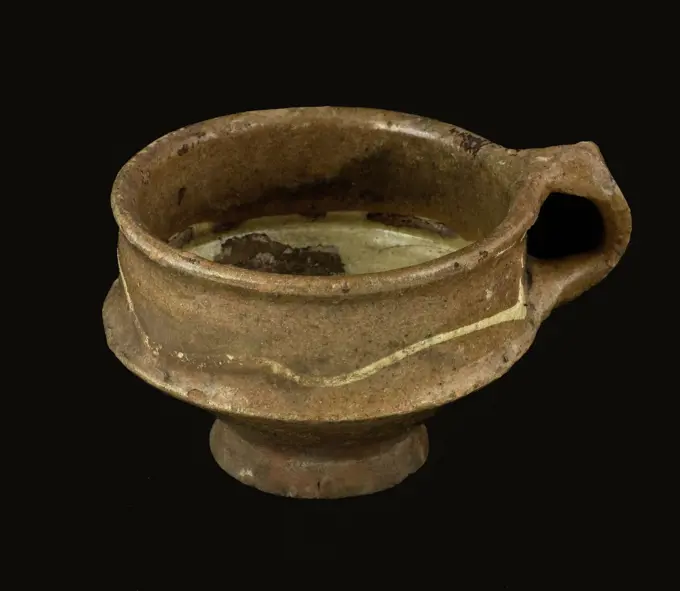
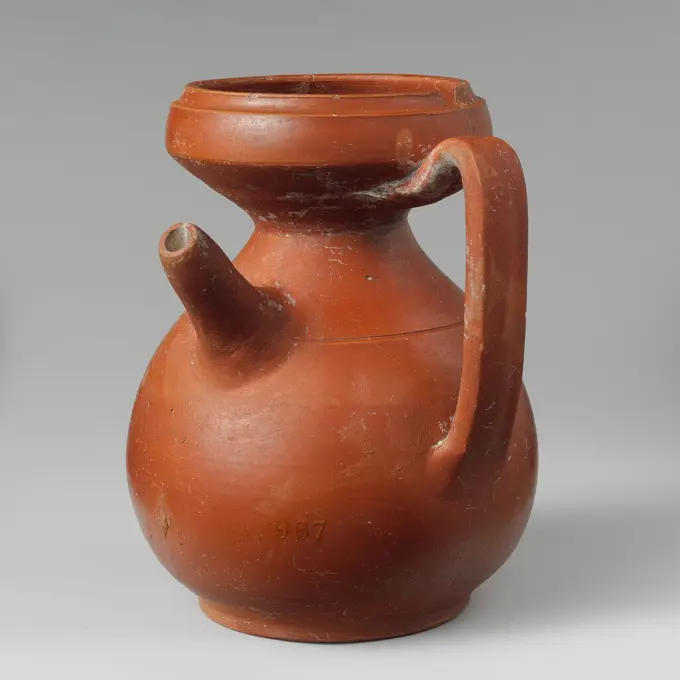
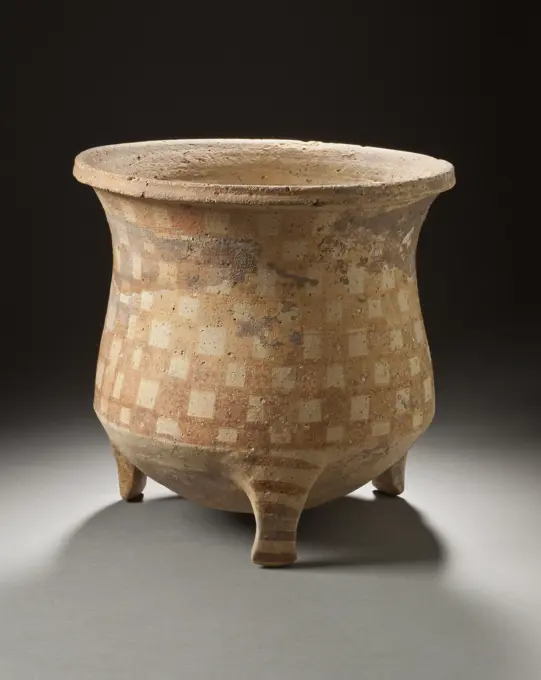
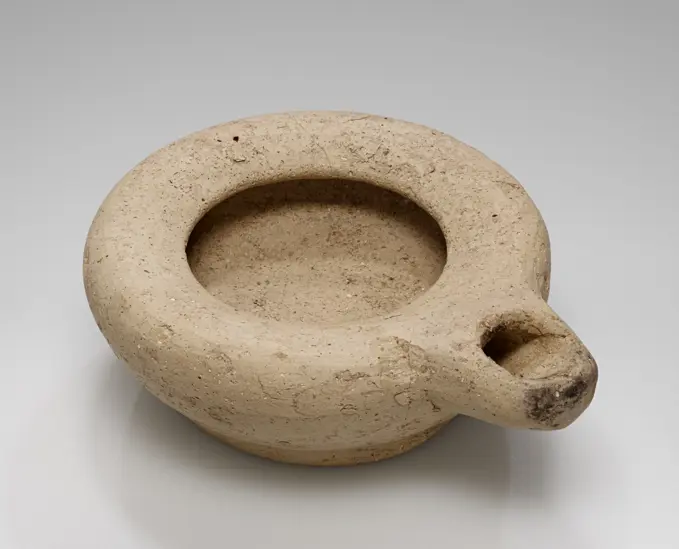
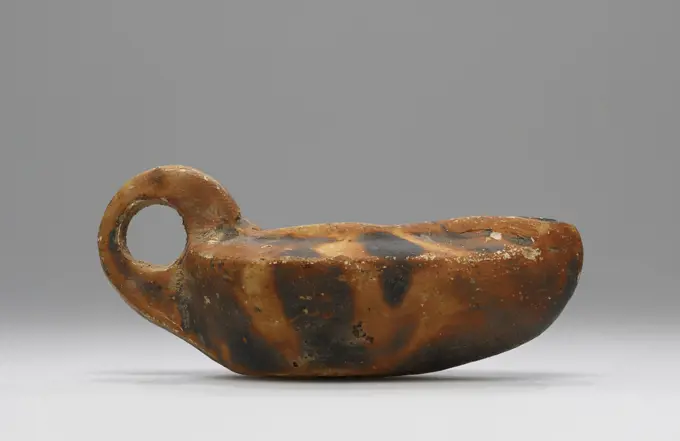
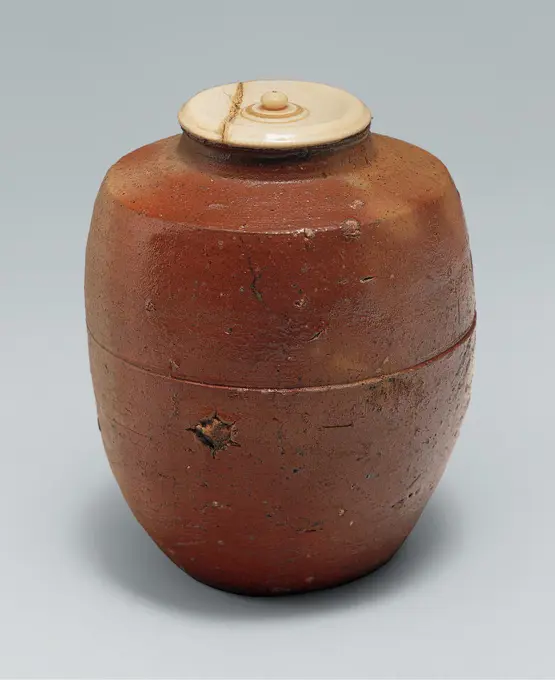
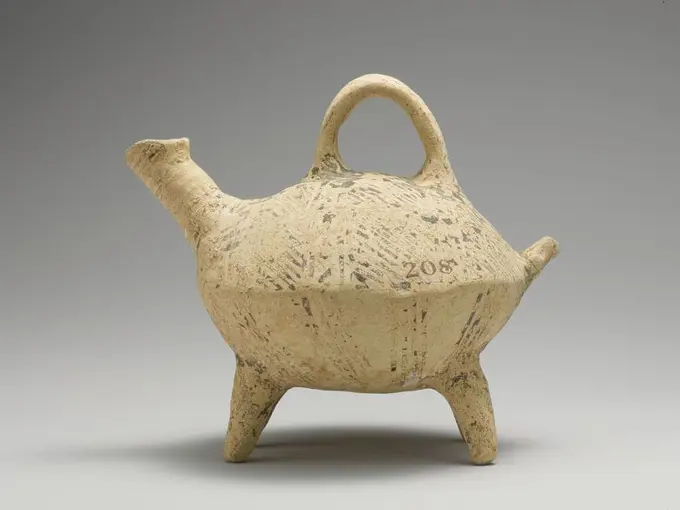
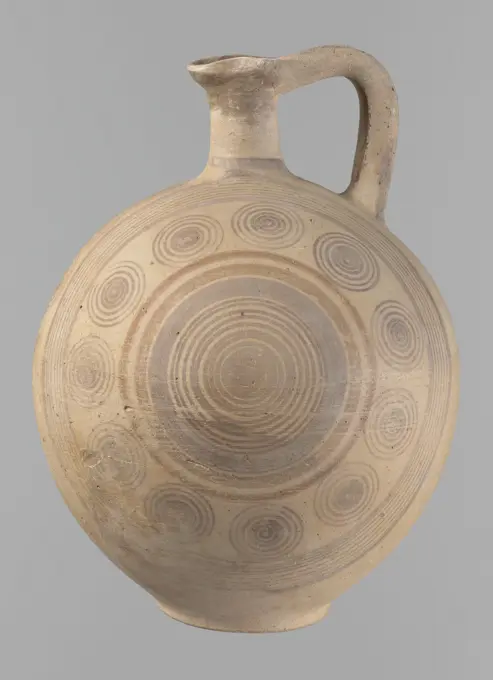
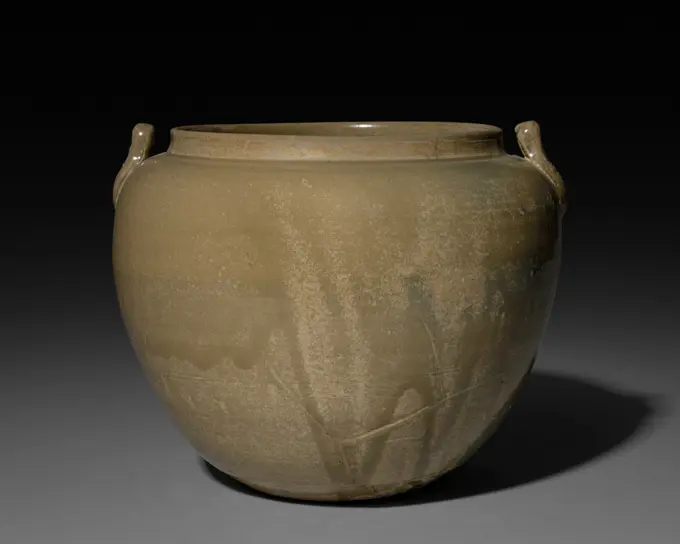
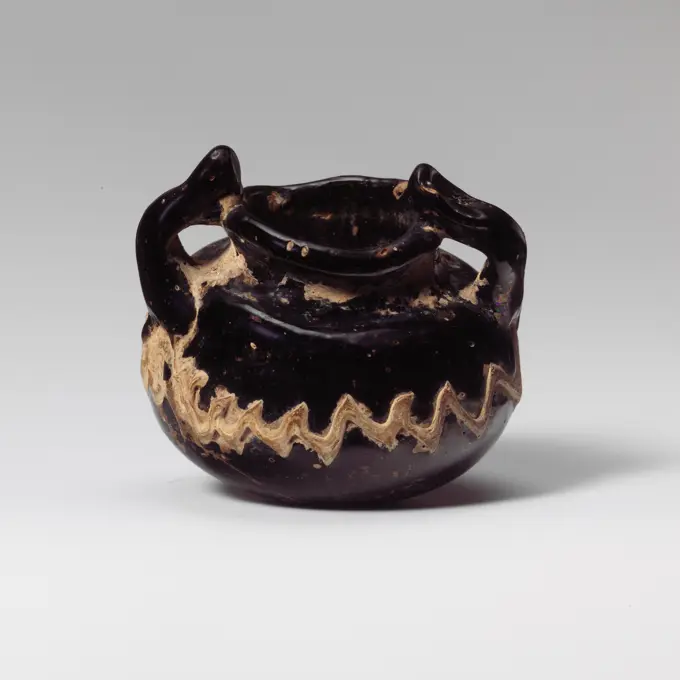
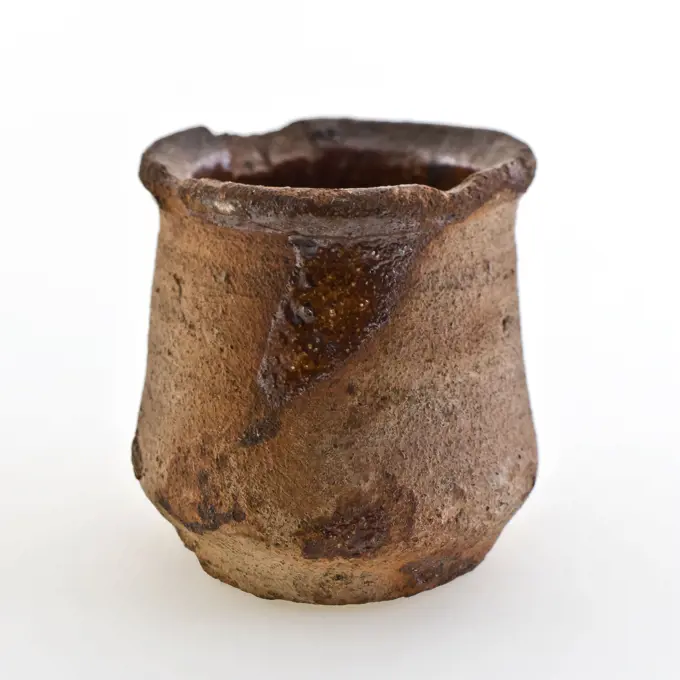
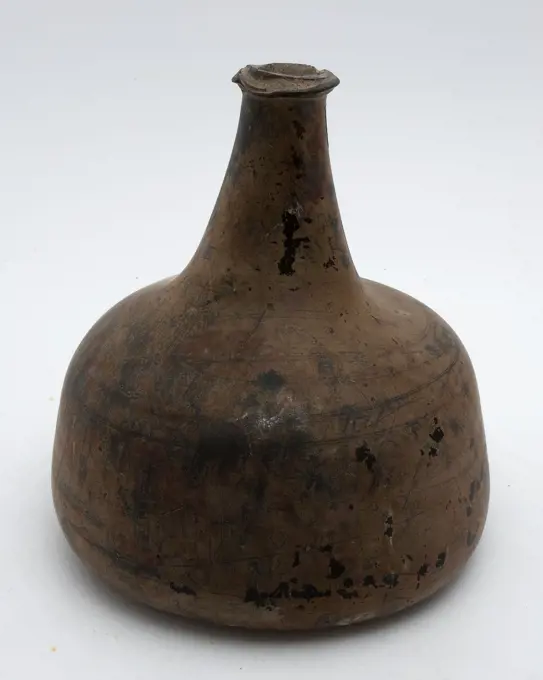
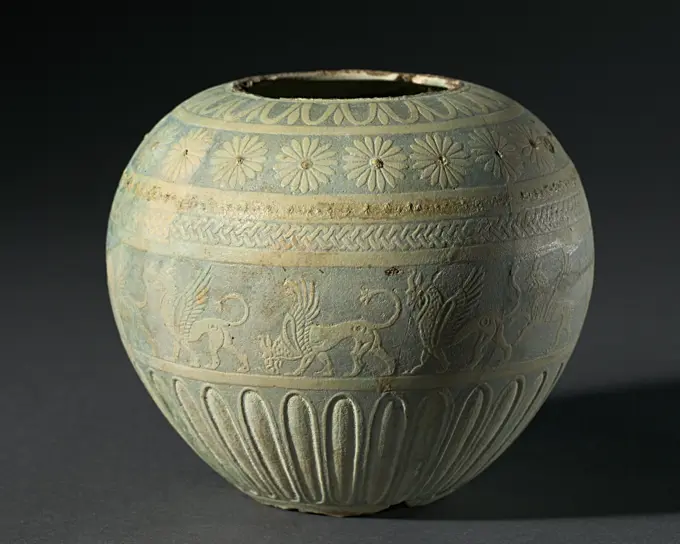
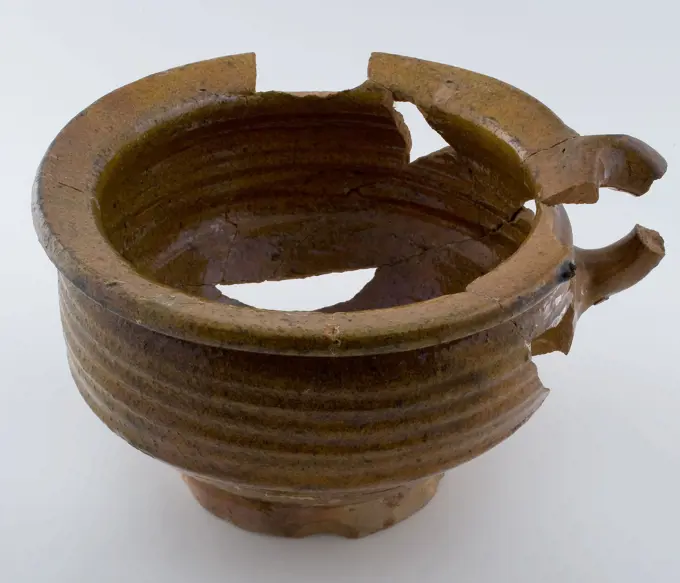
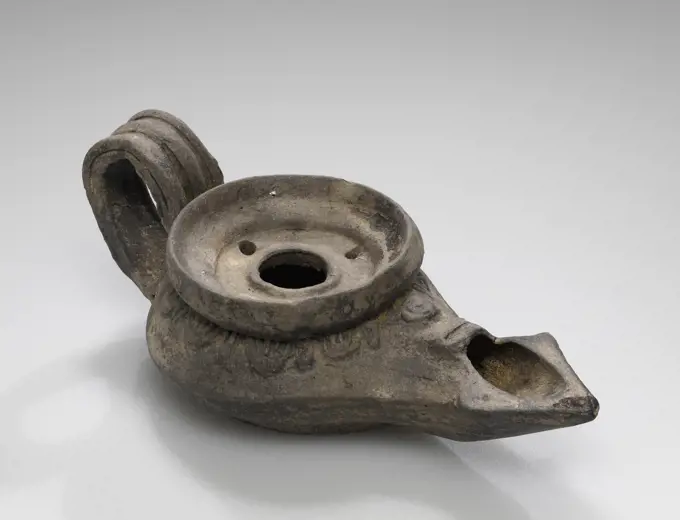
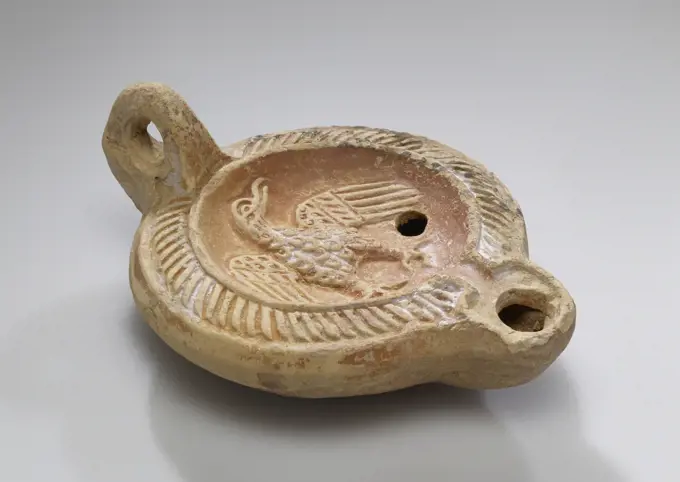
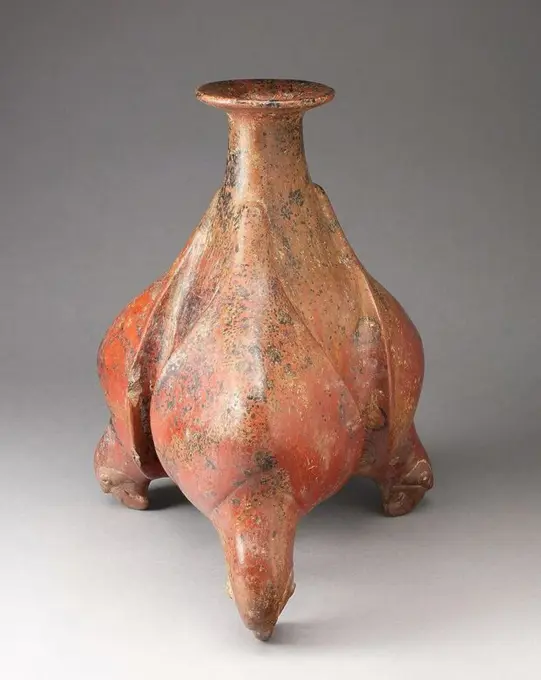
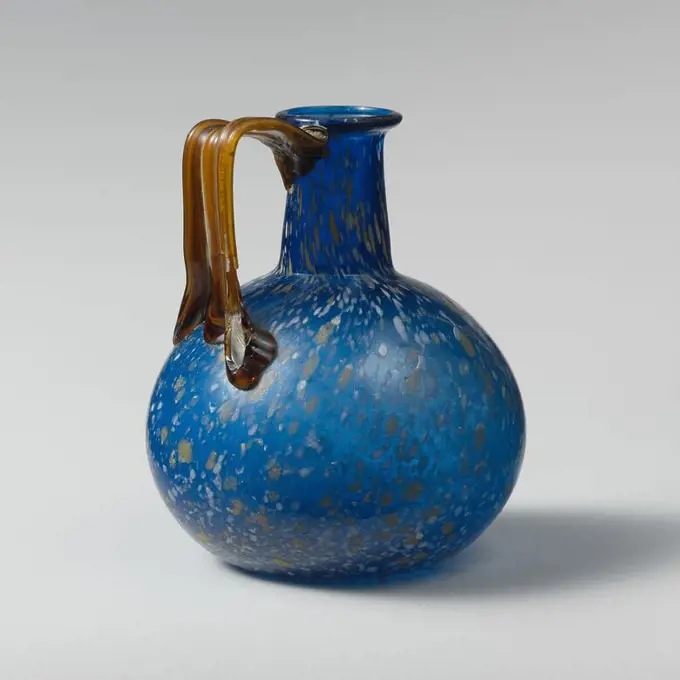
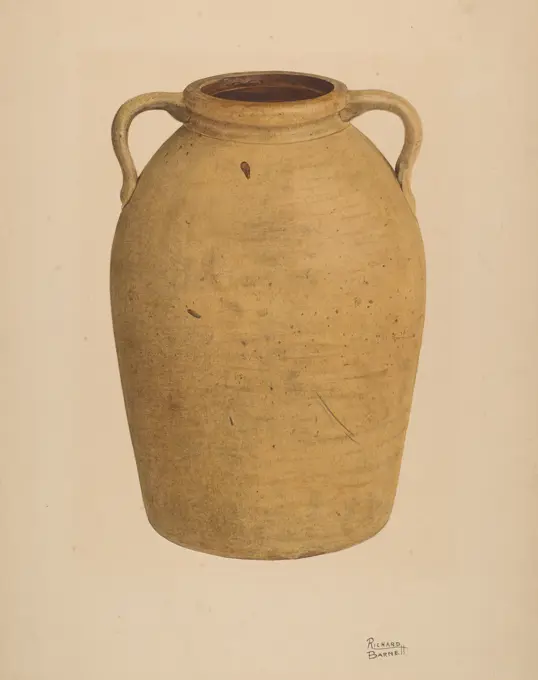
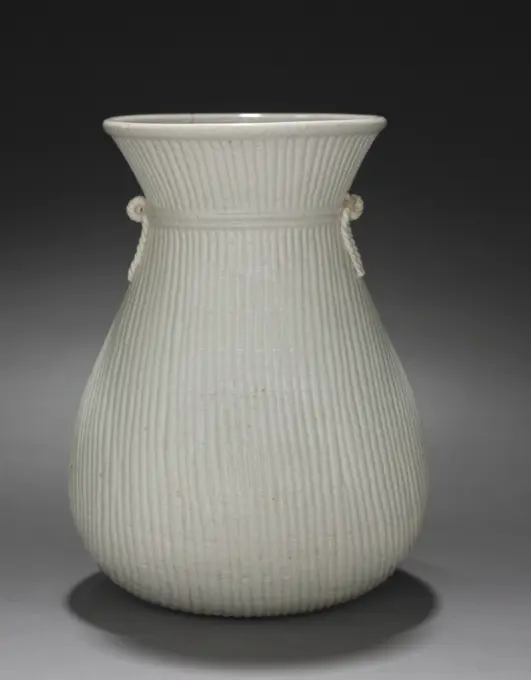
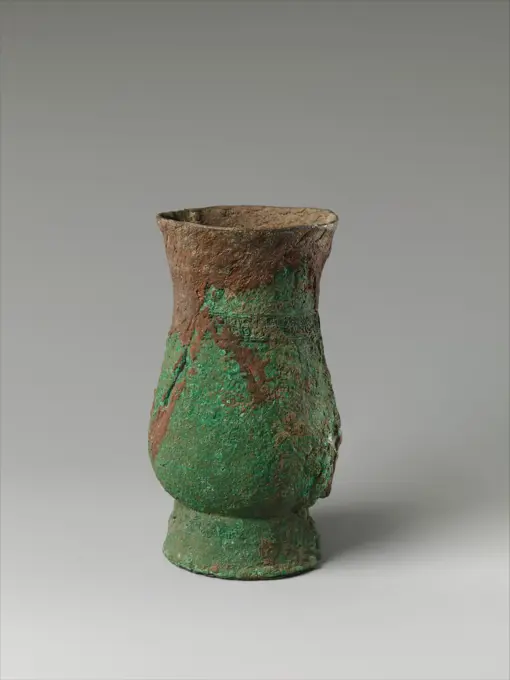
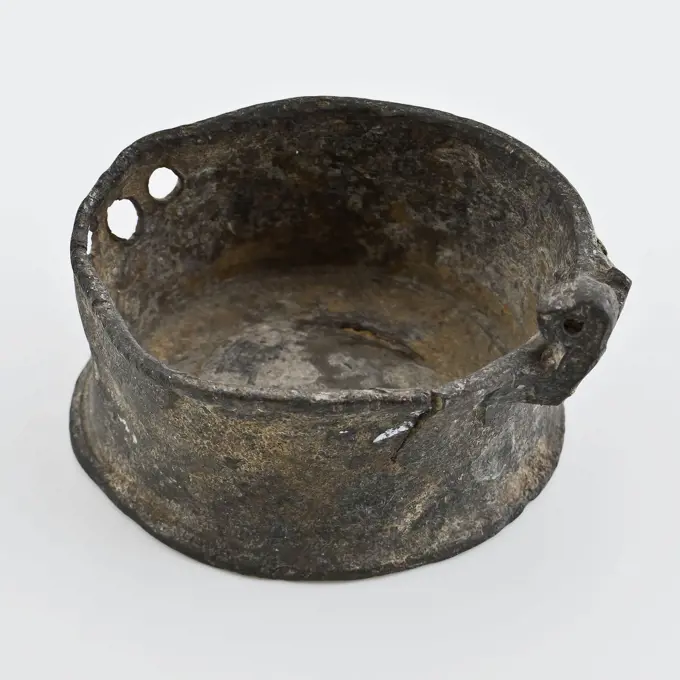
Glass perfume bottle. Culture: Roman. Dimensions: H.: 6 3/16 in. (15.7 cm). Date: early to mid-1st century A.D..Translucent pale yellowish green; trail in opaque white.Outsplayed rim, folded down, round, and in, with flattened top surface and inner lip around mouth; wide cylindrical neck, with horizontal tooled indent around base; piriform body; slightly concave bottom with pontil scar.Trail applied to center of bottom and wound up in a spiral, extending to rim, marvered and then tooled into a festoon pattern with six vertical strokes.Intact; large surface bubbles, elongated on neck; pitting, thick creamy weathering, and iridescence.With pear shaped body, combed threads. Museum: Metropolitan Museum of Art, New York, USA.Wine Cup (Zhi). Culture: China. Dimensions: H. 5 3/4 in. (14.6 cm); Diam. 5 in. (12.7 cm); Diam. of rim 5 5/8 in. (14.3 cm); Diam. of foot 4 5/8 in. (11.7 cm). Date: 11th-10th century BC. Museum: Metropolitan Museum of Art, New York, USA.Whistling Bottle 5th-2nd century B.C. Paracas. Whistling Bottle 316885. Egg-shaped lid vase or can of stoneware, covered with a cream-colored, cracked glaze. On the shoulder a band with modeled flower leaves. On the belly on one side an ear and on the other side on the shoulder a spout.Greek painted oinochoe. Scythian Civilization, 7th Century BC.Vase (usual name). Sandstone, Céladon. Cernuschi Museum, Asia Museum of Asia in the city of Paris.Vessel, 17 1/8 x 14 x 14 in. (43.5 x 35.56 x 35.56 cm), Terracotta, pigment, NigeriaMartavaan from V.O.C. ship De 'Witte Leeuw', Anonymous, Before 1613  Martavaan from V.O.C. ship De 'Witte Leeuw', 75 present. southeast Asia stoneware. porcelain   Sint-HelenaFour-Legged jar 9th century Japan. Four-Legged jar. Japan. 9th century. Stoneware with green glaze and relief decoration (Sanage ware). Heian period (794-1185). CeramicsBottle 30 B.C.-A.D. 364 Roman Period. Bottle. 30 B.C.-A.D. 364. Pottery. Roman Period. From Egypt, Middle Egypt, Oxyrhynchus (Bahnasa), EEF excavations 1904-05Glass lentoid aryballos (perfume bottle). Culture: Greek. Dimensions: H. 2 in. (5.04 cm); D. 1 5/8 in. (4.17 cm). Date: 4th-3rd century B.C..Semi-opaque yellowish green, with same color handles and cord; trails and blobs in opaque yellow, and trail on cord in opaque white.Broad flat rim-disk with radiating tooling marks on upper surface; cylindrical neck; almost horizontal shoulder; globular lentoid body; convex bottom; two large vertical ring handles attached to shoulder over cord.A trail attached unevenly at edge of rim-disk and partially projecting above rim; another unmarvered fine trail wound in a spiral twice around neck; an oval marvered blob applied to both faces of body; a large cord, twisted together with a white trail, attached under handles runs down sides and across bottom.Intact; some pitting, most of surfaces covered with thick creamy weathering and iridescence.Together with the other two similar aryballoi displayed here (91.1.1367 and 17.194.309), this bottle belonPottery pot on stand, baluster shape, used in the sugar industry, sugar bowl pot holder soil find ceramic earthenware glaze lead glaze, hand-turned glazed earthenware pot on stand. Baluster shape with round shoulder and narrow neck opening. Thick and round neckline with waistline. Faint coarse turnings. Red shard internal glazed Here sugar cones were made archeology indigenous earthenware sugar confectionery sugar industryAmphora. UnknownLamp. UnknownLamp 13th-14th century. Lamp 450377Terracotta oil lamp 1st century B.C.-1st century A.D. Greek or Roman Wheel-made (). Carinated body. Large, central filling hole with raised lip, within a narrow sunken discus surrounded by a circular groove. Convex-curving, sharply sloping shoulder, decorated at left with a dolphin in relief. Two spirals flanking back of long nozzle, angular at sides of wick hole and rounded at front. Raised base ring, and concave base.Intact, except for one chip in underside of body at left.. Terracotta oil lamp. Greek or Roman. 1st century B.C.-1st century A.D.. Terracotta. Late Hellenistic or Early Imperial. TerracottasPottery belly model ointment jar, red shard, internally glazed, ointment jar pot holder soil find ceramic earthenware glaze lead glaze, hand turned glazed baked Pottery ointment red shard internally glazed. Abdomen model Narrowing over the foot. Flat oblique inwardly directed top edge. Edge partially glazed. Stand archaeology health care indigenous pottery import pharmacy store sell craftLamp. UnknownLamp, North Africa; 1st - 4th century; Terracotta; 2.6 x 7 x 11 cm (1 x 2 3,4 x 4 5,16 in.)Ewer 14th-15th century. Ewer 444967Glass jug 1st-2nd century A.D. Roman Translucent pale blue green, with same color handle.Collared rim, folded out, down, and up, with lip on outer edge of flaring mouth; cylindrical neck with tooled indent around base; straight sides to conical body; flat bottom; handle applied as a long trail down side and lower part of neck, then drawn out in a loop and trailed on to rim and top of neck.Trail on body below handle decorated with ten horizontal crimped notches.Complete except for part of rim with weathered breaks; many pinprick and larger bubbles; deep pitting, brilliant iridescence, and patches of silvery weathering.. Glass jug 244657Pottery test on stand ring, tapered with straight upper edge and sludge decoration, test fire test heating soil find ceramic earthenware clay engobe glaze lead glaze, ring 6.1 hand turned lattice glazed baked Pottery test red shard with sludge decoration covered entirely with lead glaze vertically set bandoor at the top pinched stand ring Inside partially provided with yellow sludge layer outside wall with yellow wave line. Tapered shape with wide straight upper edge and narrow foot archeology native pottery cooking kitchen food prepare heating stew roomVessel 30 BCE-495 CE Egypt. Ceramic . Ancient EgyptianTerracotta strainer jug. Culture: Roman, Cypriot. Dimensions: 6 5/16in. (16cm). Date: 1st century A.D..Jug with handle and spout.A similar vessel, dated to the early Flavianic period (A.D. 69-79), was found during excavations in the House of Dionysus at Paphos. The production center of Cypriot Sigillata has not yet been identified, but it is likely to have been on the island itself rather than in southern Asia Minor or elsewhere. The industry flourished from the early 1st through the mid-2nd century A.D. Museum: Metropolitan Museum of Art, New York, USA.Verseuse (common name), 618. White porcelain dressed in a white covered. Cernuschi Museum, Asia Museum of Asia in the city of Paris.Stoneware jug with sausage ear, figure 2 on the shoulder, jug holder kitchen utensils earthenware ceramic stoneware icing salt glaze, hand-turned baked glazed stoneware jug gray shard with red-brown salt-glaze slightly brindled profiled rings underneath the edge of the mouth profiled sausage ear with short pointy tail pull-off marks on the underside. On the shoulder marked with incised figure On the shoulder: 2 (size of the jug) archeology import pottery transport store transport store basement warehouseJar ca. 3rd-7th century A.D. Sasanian. Jar 323008Tripod Vessel. Western Iran, early 2nd millennium B.C.. Furnishings; Serviceware. Buff wareLamp. UnknownTerracotta oil lamp. Culture: Roman. Dimensions: L. 3 5/8 in. (9.2 cm.).H. 1 5/16 in. (3.4 cm.).. Date: 1st century A.D..Man and Centaur on top; concave top and scrolled nozzle. Museum: Metropolitan Museum of Art, New York, USA.Lamp, Cologne, Germany; 2nd - 3rd century; Terracotta; 1.9 x 4.1 x 7.4 cm (3,4 x 1 5,8 x 2 15,16 in.)Tea Caddy (Chaire) late 16th century Japan. Tea Caddy (Chaire) 53004Terracotta zoomorphic askos (vessel). Culture: Cypriot. Dimensions: H. 4 11/16 in. (11.9 cm). Date: 1900-1600 B.C..Fantastic vase with handle, spout, and four feet and tail. Museum: Metropolitan Museum of Art, New York, USA.Bichrome Ware IV pitcher;  750-475 BC ; Cypriot-Archaic period (-750-00-00--475-00-00);Tea caddy with a brown glaze, anonymous, anonymous, c. 1650 - c. 1699 Dust bar or Chare of stoneware with an ivory lid, partially covered with a brown glaze. The lower half of the bus is unglazed. Old label on the inside with 'Tamba/ second half 17th'. Tamba. Japan stoneware. glaze. deksel: ivory vitrification Dust bar or Chare of stoneware with an ivory lid, partially covered with a brown glaze. The lower half of the bus is unglazed. Old label on the inside with 'Tamba/ second half 17th'. Tamba. Japan stoneware. glaze. deksel: ivory vitrificationJar with Handles: Yue ware, c. 800s. China, Tang dynasty (618-907). Gray stoneware with iron glaze; diameter: 22 cm (8 11/16 in.); overall: 17.8 x 22.5 cm (7 x 8 7/8 in.).One-handledjar, ca. 323 B.C.-A.D.256, Terracotta, 22.54 × 17.15 × 15.56 cm (8 7/8 × 6 3/4 × 6 1/8in.), Yale-French Excavations atDura-Europos, Excavated in Dura-Europos, Syria, Syrian,Dura-Europos, Greco-Roman orParthian, Containers -CeramicsVase early 13th century. Vase 450404Handled Brownware Jug with Bird Impressed on Side. Chimú; North coast, Peru. Date: 1000-1400. Dimensions: 1.7 × 8.9 cm (5 × 3 1/2 in.). Ceramic and pigment. Origin: North Coast. Museum: The Chicago Art Institute, Chicago, USA.Glass miniature jar 4th-5th century A.D. Roman, Syrian Semi-translucent green, appearing opaque black; handles in same color; trail in opaque white.Irregular everted rim; short, concave neck; narrow, almost horizontal shoulder; bulbous, oval body with thick side; round, thick bottom, with off-center semicircular pontil scar; two handles applied to edge of shoulder and top of side over top of trail decoration, drawn up and in, attached to lip of rim, with excess glass looped over and trailed back along left side of handle, with tooled indents at top facing outwards and flattened on inside above rim.On body, continuous trail applied as a horizontal zigzag band.Complete, but internal crack running down side and across bottom, and one upward spike of trail missing; dulling, pitting of surface bubbles, patches of thick creamy brown weathering, especially on the inside and trail, and faint iridescence on trail.Probably used for storing a small quantity of perfume or cosmetic, and possibly woPottery belly model ointment jar, red shard, internally glazed, ointment jar pot holder soil find ceramic earthenware glaze lead glaze, hand turned glazed baked Pottery ointment red shard internally glazed. Abdominal model Narrowing over the foot Outstanding sloping top edge Standing surface with light soul archeology health care indigenous pottery store pharmacy sell craft Rotterdam City triangle Delftsevaart Soil discovery: Soil discovery of partial reclamation of the Delftse Vaart for the construction of lift bridge summer 1928.Jug 10th-11th century. Jug 449056Belly bottle, belly bottle bottle holder soil find glass, free blown and shaped glass application Circular bottle in clear green glass (Dutch straight sided onion). Pontil mark under raised bottom Straight, slightly rejuvenated wall to convex, sloping shoulders and short (6.5 cm) rejuvenated (5-2.5 cm) neck with round irregular irregular glass thread and flattened lip with small chip archeology packagingTerracotta lamp, from Island of Syros, GreeceEwer 9th century. Ewer 449048Dzbanuszek. warsztat egipski, workshopTerracotta amphora 3rd century B.C. Greek Amphora with long neck and pointed bottom, of unpainted clay.. Terracotta amphora 239977CERAMICA IRANI-CANTARO DE BARRO ROJIZO. Location: MUSEO ARQUEOLOGICO NACIONAL-COLECCION. MADRID. SPAIN.Polychrome Pitcher. Cholula; Cholula, Mexico. Date: 1400-1520. Dimensions: H. 28.6 cm (11 1/4 in.). Earthenware. Origin: Cholula. Museum: The Chicago Art Institute, Chicago, USA.Yellow pottery money box, convex cone on stand foot, money box holder soil find ceramic earthenware glaze lead glaze, hand turned cut glazed baked Pottery piggy bank. Spherical with flat top vertical savings slot. Stand with short thick trunk and round base White shard. Yellow archeology Rotterdam City Triangle Groenendaal underground pit indigenous pottery save save money figure child archaeological find in the soil Rotterdam loose find Groenendaal 1976.Vessel with a hieratic inscription;  around 2686- 2181 BC ; Old state (-2686-00-00--2181-00-00);Lamp. UnknownDouble Spout Bottle, Bird 7th-4th century B.C. Topará. Double Spout Bottle, Bird 308459Oinochoe. unknown, authorPottery belly model ointment jar, red shard, internally glazed, ointment jar pot holder soil find ceramic earthenware glaze lead glaze, hand turned glazed baked Pottery belly model ointment jar red shard internal glazed Flat wide top edge. Narrowing of the boiler above the standing surface. Belly has pronounced edge as an accent. Stand surface coarse finished archeology health care indigenous pottery pharmacy store sell craftPolychrome Pitcher 1400-1520 Cholula. Earthenware . CholulaCovered Food Vessel (Qi hou dun) China. Covered Food Vessel (Qi hou dun). China. Bronze. late Eastern Zhou dynasty (770-256 B.C.). MetalworkTripod VesselTea caddy with a blackbrown glaze, anonymous, anonymous, c. 1600 - c. 1800 Dust bar or Chare of stoneware with an ivory lid, partially covered with a black brown glaze. The lower part of the bus is unglazed. SETO. Japan stoneware. glaze. deksel: ivory vitrification Dust bar or Chare of stoneware with an ivory lid, partially covered with a black brown glaze. The lower part of the bus is unglazed. SETO. Japan stoneware. glaze. deksel: ivory vitrificationLiddedBasketGlass jug. Culture: Roman. Dimensions: 7 7/16 in. (18.9 cm)Other: 3 5/8 in. (9.2 cm)Diam. of rim: 2 3/16 in. (5.6 cm)Diam. of foot: 2 3/8 in. (6 cm). Date: mid-1st-2nd century A.D..One-handled jug of olpe shape, made to resemble metal (bronze) jugsTranslucent blue green; handle and trail in same color.Rim folded out, down, up, and out, with rounded lip; broad cylindrical neck expanding downward to join imperceptibly with elongated bulbous body; low integral base and concave bottom with uneven surface; handle with central rib applied to top of body with long downward claw, drawn up and out, turned in horizontally to rim, with vertical fold forming thumb rest above.Single trail applied to part of top outer edge of rim in front of handle with tooled vertical rib to either side of handle.Intact, except for chip in rim and trail with one rib missing; few bubbles and glassy inclusions; dulling and iridescent weathering, with some soil encrustation on interior. Museum: Metropolitan MuPucharek. unknown, authorConiform Vase. UnknownEarthen jug with some fat, anonymous, c. 1590 - c. 1596  Earning jug with some fat in it. A similar jug is depicted in the traveling of the Veer, on the print between Folio 46 and 47.  earthenware. stoneware   Nova Zembla. Saving HuysAntique glass 1898, Middle EastLimestone alabastron (perfume vase) 6th-5th century B.C. Cypriot There are traces of bronze on the surface. The asymmetrical alabastron has a wide lip.. Limestone alabastron (perfume vase) 244038Small askos decorated with female head and vine shoot with leaves and tendrils. Made in Puglia. Second half of 4th century BC. National Archaeological Museum. Naples. Italy.Jug Italic-Native, South Italian (Daunian). Jug 255150 Italic-Native, South Italian (Daunian), Jug, Terracotta, H. with handle 14.3 cm.; diameter 11.20 cm.. The Metropolitan Museum of Art, New York. Purchase, Mrs. Helen H. Mertens Gift, 1963 (63.11.2)Excavations. Ain Shems (Beth Shemesh) on the Sharon Plain. Egyptian diorite bowl from the Beth Shemesh excavations. 1931, Israel, Bet-Shemesh (Extinct city)Urn. Thailand, Ban Chiang culture, 4th-3rd century B.C.. Furnishings; Accessories. Earthenware with painted decorationPottery pot on wide stand ring, round and stocky model, pot holder soil find ceramic earthenware glaze lead glaze, hand turned glazed baked Pottery pot red shard internal glazed on stand ring Was probably used in the sugar industry archeology indigenous pottery sugar industry refiningMit Rahina Ware Vessel, 200-100 BC. Egypt, Ptolemaic Period. Polychrome faience; diameter: 10.7 cm (4 3/16 in.); overall: 9.4 cm (3 11/16 in.).Jar 201 CE-500 CE Syria. Glass, blown technique . Ancient RomanCup. Culture: Coptic. Dimensions: Overall: 2 13/16 x 3 3/16 in. (7.2 x 8.1 cm). Date: 4th-7th century. Museum: Metropolitan Museum of Art, New York, USA.Earthenware chamber pot, ease of use on stand ring, with standing pinched ear, rotating rim under rim, pot holder sanitary soil found ceramic earthenware glaze lead glaze, hand-turned glazed baked Pottery chamber pot on stand ring. Smooth stand ring Fully glazed scratches in the glaze layer on the inside Flat top edge inclined inwards. Straight side wall receding from below the edge from the bend. Small foot. Standing and pinched bandoor archeology Rotterdam Stadscentrum Stadsdriehoek Nieuwehaven indigenous pottery draining night sleeping room hygiene Soil discovery Rotterdam Nieuwe Haven 1st cesspool (around) 21-08-1980Jar with a drooping spout. Dimensions: 3 x 5 in. (7.6 x 12.7 cm). Date: ca. 3500-3100 B.C.. Museum: Metropolitan Museum of Art, New York, USA.LI type flooder;  19th century () (1801-00-00-1900-00-00);Sake Bottle in Tea Whisk Form. Japan, Edo period (1615-1868), early 18th century. Ceramics. Bizen ware; stoneware with naturally occurring ash glazeSpherical vessel; Unknown Night -Tamanian workshop; approx. 2600 2350 BC ; Early period D Azira III (-2600-00-00--2350-00-00);Jar, before 1550. Colombia, 15th-16th century. Red ware with incised patterns; overall: 7.5 x 14 cm (2 15/16 x 5 1/2 in.).Bridge and Double Spout Bottle with Guilloches 7th-4th century B.C. Paracas. Bridge and Double Spout Bottle with Guilloches 308440Lamp, Anatolia; 1st century B.C; Terracotta; 3.6 × 6.2 × 11.5 cm (1 7,16 × 2 7,16 × 4 1,2 in.)Glass jug with spout Roman 2nd-3rd century CE Translucent blue green; handle and spout in same color.Rim folded out, down, over, and in, and flattened on top surface around mouth; cylindrical neck, expanding slightly downwards; short, horizontal shoulder; globular body; low, solid splayed base ring, with tooling marks around sides; slightly convex bottom; thin strap handle, applied to upper body, drawn up and outwards, then turned in horizontally, with flattened fold projecting up and back above rim, and pressed onto edge of rim, with a smaller trail dropping onto top of neck; tubular spout dropped onto body as a blob, piercing side, then drawn out and knocked off.Intact; pinprick bubbles and blowing striations, with many black impurities in handle; faint dulling, weathering, and iridescence on exterior, patches of yellow limy weathering and iridescence on interior.Terracotta lamp. Culture: Roman, Cypriot. Dimensions: Overall: 1 1/8 x 3 1/2 in. (2.9 x 8.9 cm). Date: 1st century B.C.-1st century A.D.. Museum: Metropolitan Museum of Art, New York, USA.Bowl, c. 1100-1500, 5 x 7 7/8 x 10 in. (12.7 x 20 x 25.4 cm), Clay, United States, 12th-15th centuryWine Container (Bianhu) 4th-3rd century B.C. China. Wine Container (Bianhu) 36444VASO DE PORFIRIO PREDINASTICO. PROCEDE DE GEBELEIN. 15,3 CM ALTO X 12 ANCHO. Location: EGYPTIAN MUSEUM. KAIRO. EGYPT.CANTARO DE CUELLO ALTO Y GRAN ASA CON VIDRIADO A MODO DE MANCHA EN LA UNION. Location: ALFARERIA. SPAIN.Lamp; North Africa, Tunisia; 2nd - 3rd century; Terracotta; 12.2 x 4.4 x 8.7 cm (4 13,16 x 1 3,4 x 3 7,16 in.)Parrot Vase. Colima; Colima, Mexico. Date: 100 AD-300 AD. Dimensions: Approx. h. 40.6 cm (16 in.). Ceramic. Origin: Mexico. Museum: The Chicago Art Institute, Chicago, USA.Glass jug. Culture: Roman. Dimensions: H. 4 3/16 in. (10.7 cm). Date: 1st century A.D..Translucent cobalt blue; handle in translucent honey brown; blobs in opaque white and yellow.Rim folded out, round, and in; cylindrical neck, expanding slightly downwards; squat globular body; low concave bottom; three-ribbed strap handle applied to upper body, drawn up almost vertically, then turned in horizontally, and trailed onto neck and underside of rim.Surface covered with round and elongated blobs.Body intact, but crack and one weathered break in lower part of handle; some pinprick and elongated bubbles; slight pitting and weathering, with some soil encrustation around top of handle.Blown vessels with applied blobs of differently colored, marvered glass were very fashionable in the Julio-Claudian and Early Flavian periods. Some examples have been found in Pompeii. The vivid patterns can be seen as an attempt by glass blowers to imitate the polychrome effects of marbled cast glass. MuseumPottery ointment jar, red shard, internally glazed, tapered model, ointment jar holder soil find ceramic earthenware glaze lead glaze, hand-turned glazed baked Pottery ointment jar. Red shard internal glazed Flat outstanding upper edge Tapered in shape with strong narrowing just above the standing surface. Stand surface cut off sloppily. Upper edge is distorted archeology underground pit Rotterdam City triangle Groenendaal health care indigenous pottery ointment care package pharmacy medicine drug packaging Soil discovery underground pit Groenendaal (canal dredger) 1976-09-20.. Fabric tea bus or chair of stoneware with an ivory lid, partly covered with a brown glaze. The lower half of the bus is unglazed. Old label on the inside with 'Tamba / second half of 17th'. Tamba.Richard Barnett, Yellow Jar, c 1938 Yellow JarBasket Shaped Vase: Ding Ware, 17th Century. China, Ming dynasty (1368-1644). Glazed porcelain; diameter: 13.5 cm (5 5/16 in.); overall: 17.8 cm (7 in.).Oinochoe Cypriot Horizontal bands and concentric circles.. Oinochoe. Cypriot. Terracotta. Hellenic. VasesRitual Wine Cup (Zhi) late 11th century B.C. China This elaborate set of wine vessels provides an idea of the splendor of Shang and early Zhou ritual ceremonies. The set is said to have come from a tomb uncovered in 1901; shortly thereafter, it entered the collection of Duan Fang, a senior Manchu official and one of the preeminent antiquarians of the late Qing period. The pieces vary in style and execution. Although eleven of the vessels are inscribed, only one grouping shares identical inscriptions: the two wine containers, or you (nos. 2, 3) and the tall wine container, or zun (no. 4). A second grouping has largely comparable inscriptions: the spouted water vessel, or he (no. 5) and one cup, or zhi (no. 11).A partial reconstruction of the sets arrangement in the tomb may be established from corrosion outlines on the three principal vessels—the two wine containers, or you, and the central tall wine container, or zun—that were etched onto the surface of the altar table. The diagram shTin salt vessel, low container with frame of lid, salt vessel crockery holder soil find tin metal, cast Tin salt vessel in the form of low round bowl Foot edge slightly bulging slightly constricted side wall. Remains of frame of lid archeology Rotterdam Spangen castle salt condiment serving table Soil discovery Castle Spangen 1941 - 1942.Vessel ca. 500 B.C. Japan. Vessel 49261Part of a Steamer (Zeng) late 9th-early 8th century B.C. China. Part of a Steamer (Zeng). China. late 9th-early 8th century B.C.. Bronze. Western Zhou dynasty (1046-771 B.C.). Metalwork