Historic Pottery Shards

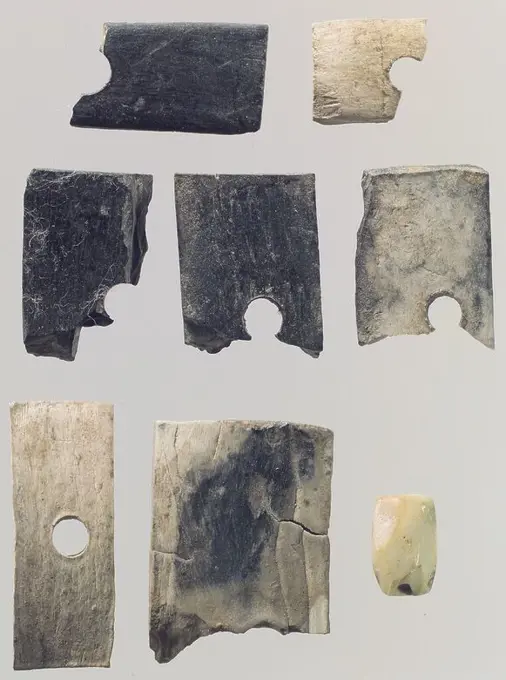
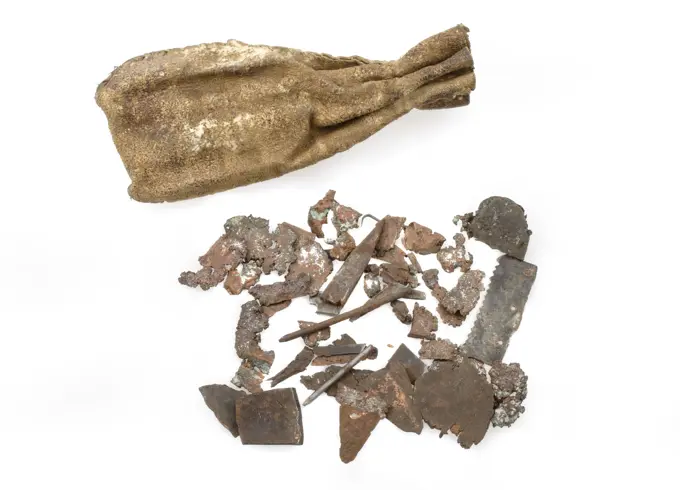
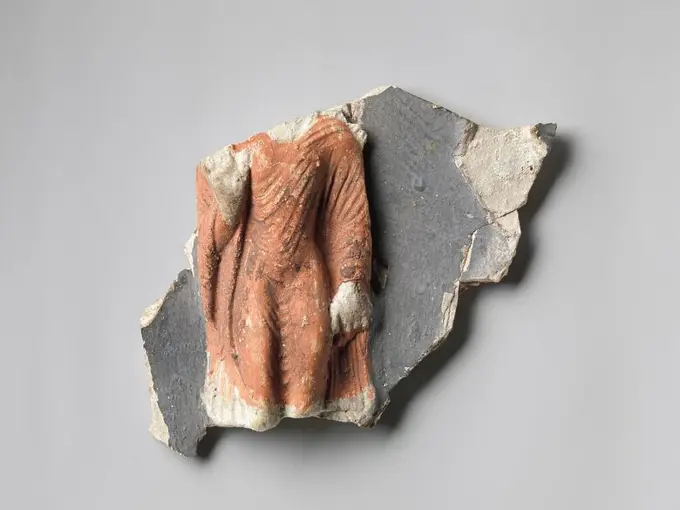
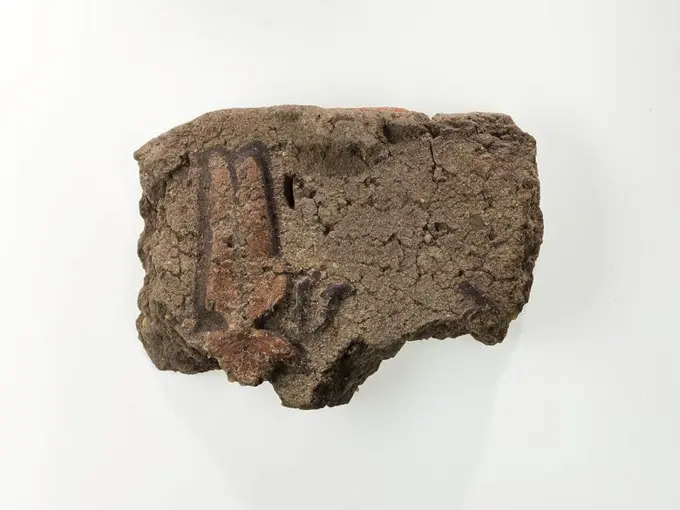
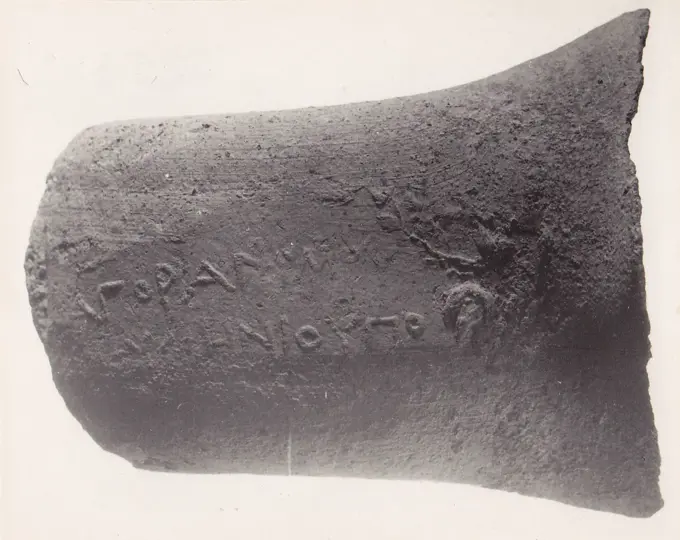
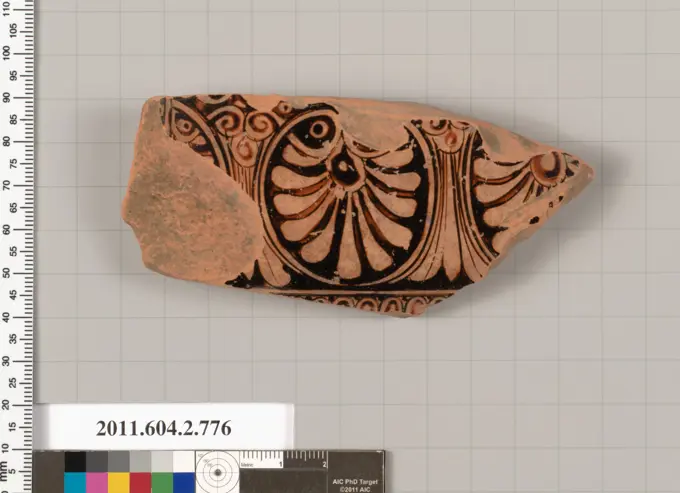
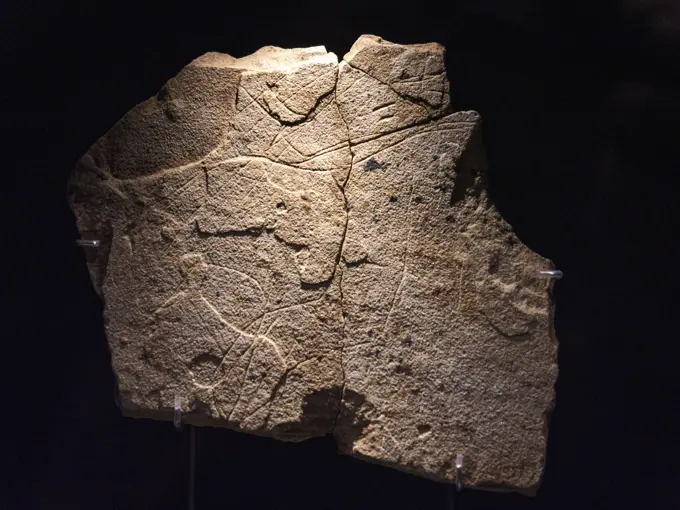
Fragments of ancient pottery and ostraca, showcasing historical artifacts from different cultures and periods, including the Early New Kingdom of Egypt.
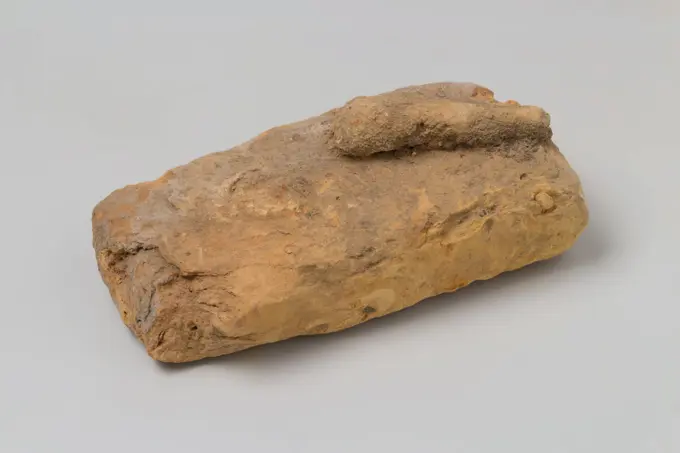
Brick with a piece of concretion from the wreck of the East Indians' t Vliegend Hart, Anonymous, 1700 - 1735 brick (clay product) Rectangular, yellow -brown brick with a piece of concretion. Brick.  brick (clay product). concretionary stone
Brick with a piece of concretion from the wreck of the East Indians' t Vliegend Hart, Anonymous, 1700 - 1735 brick (clay product) Rectangular, yellow -brown brick with a piece of concretion. Brick. brick (clay product). concretionary stone
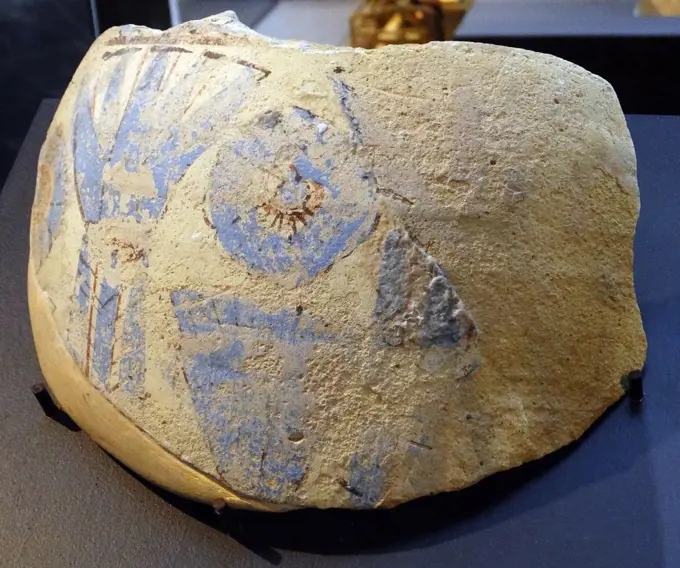
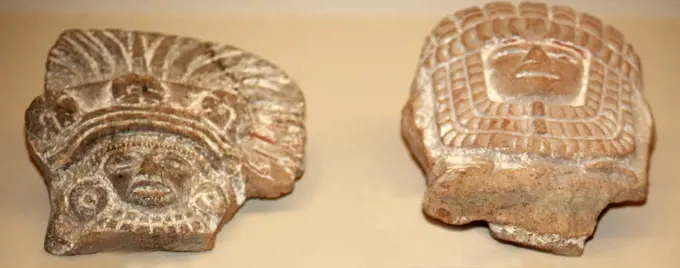
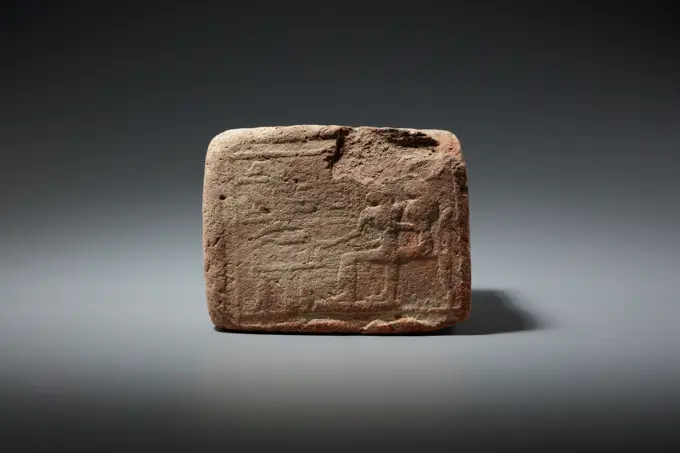
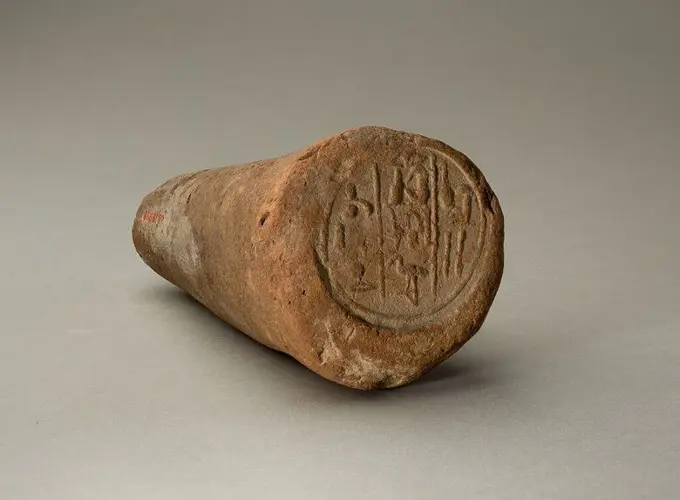
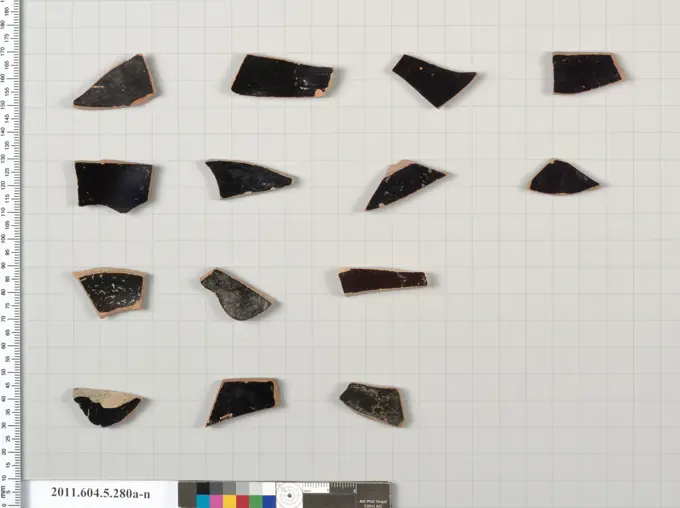
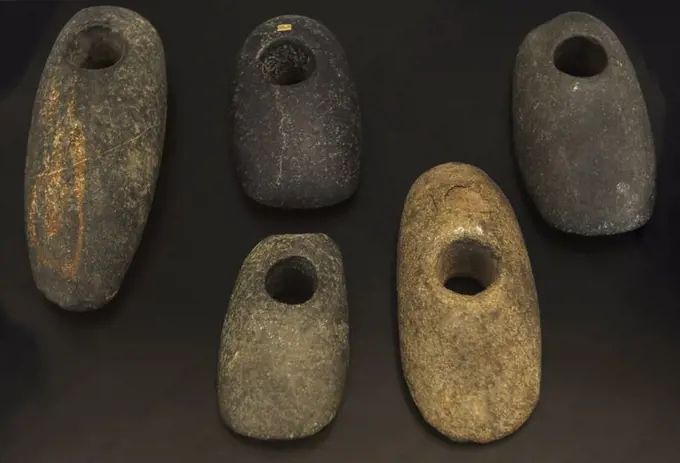
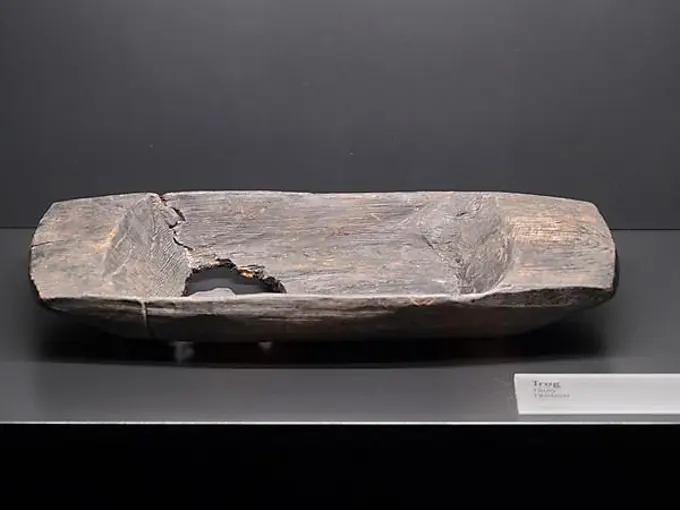
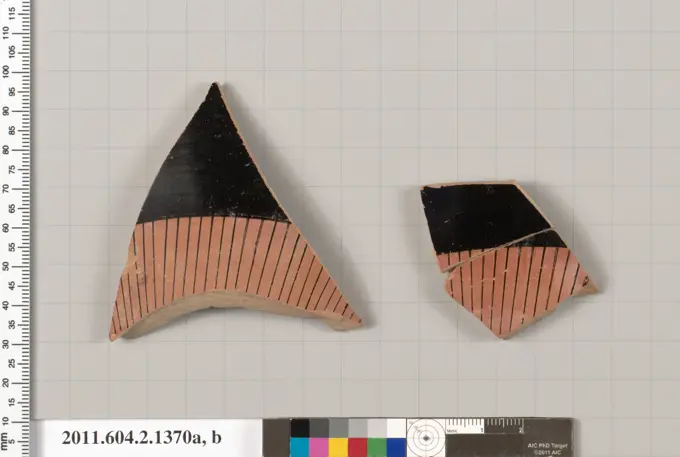
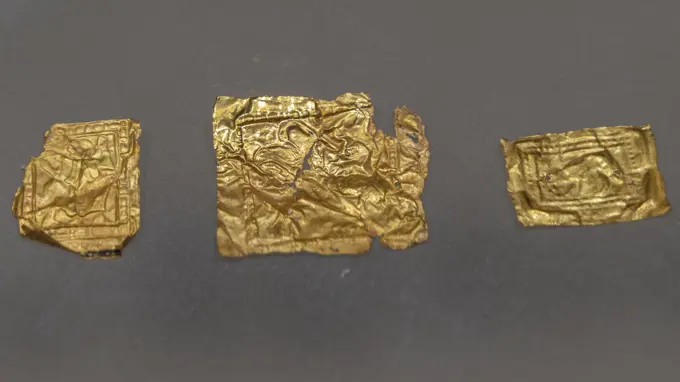
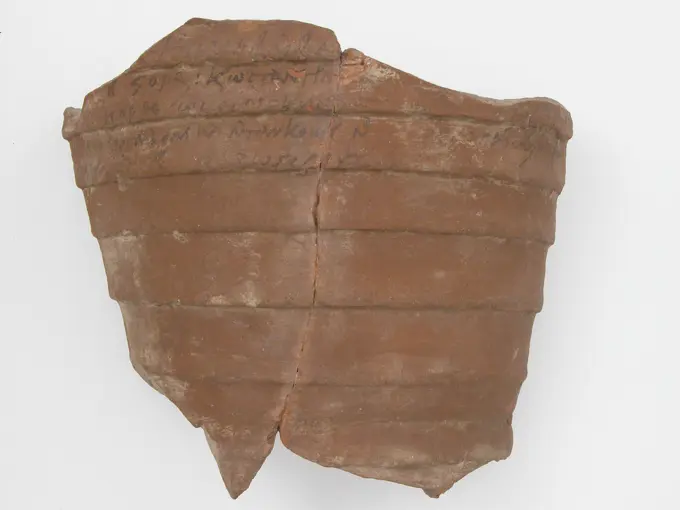
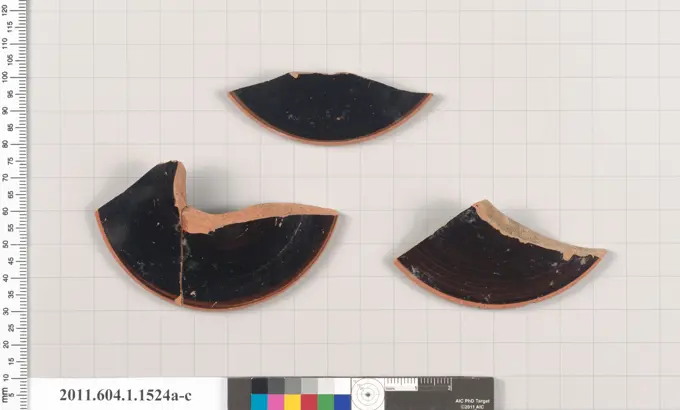
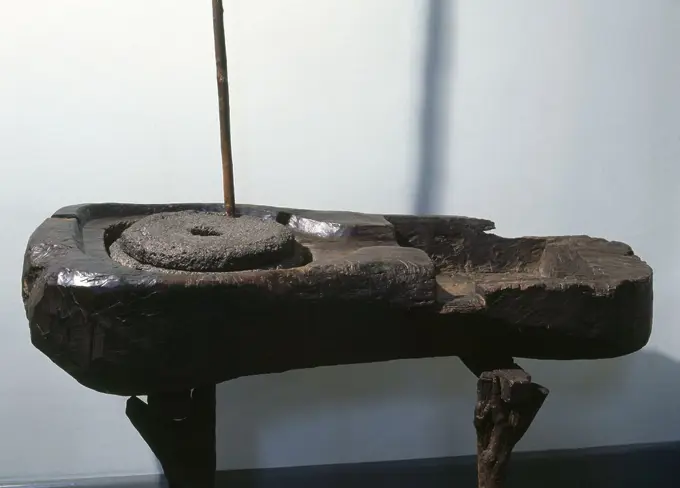
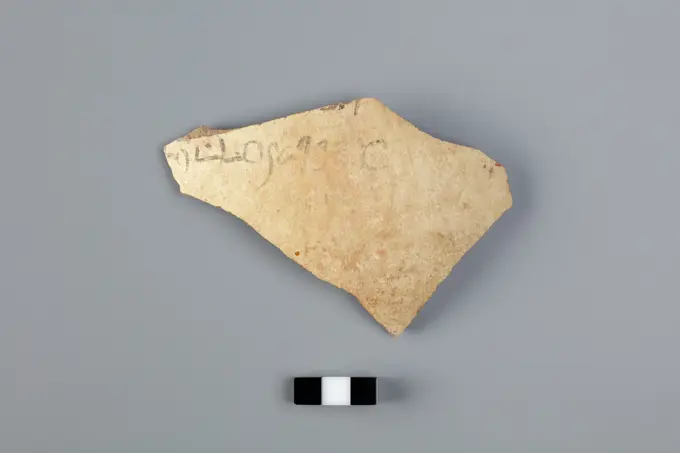
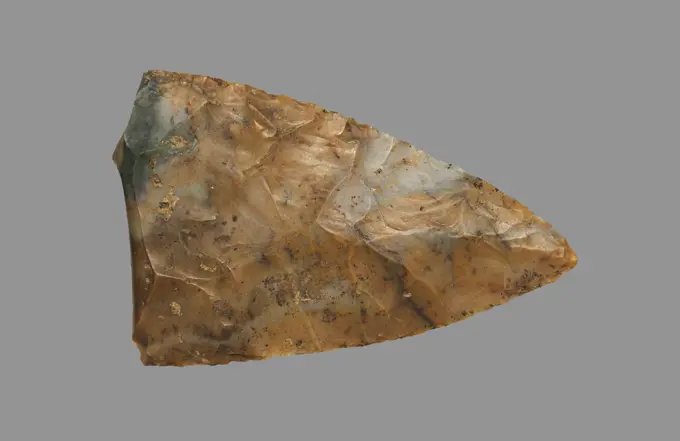
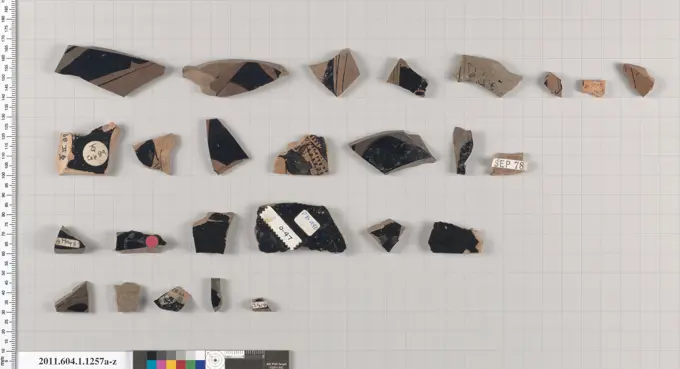
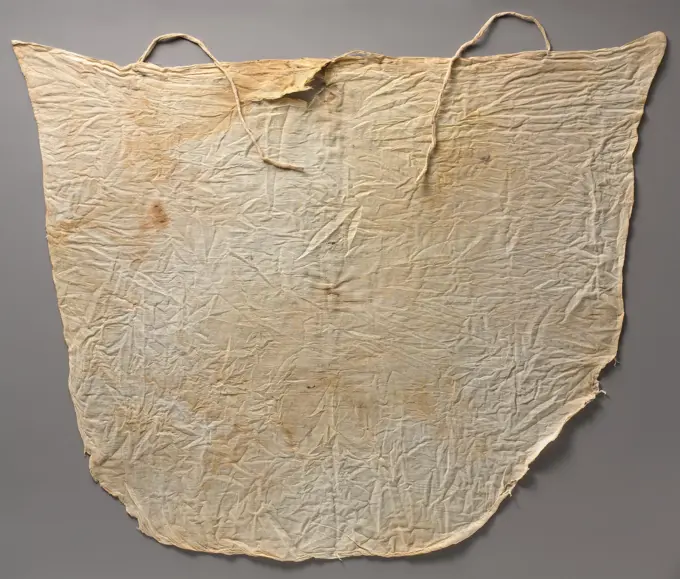
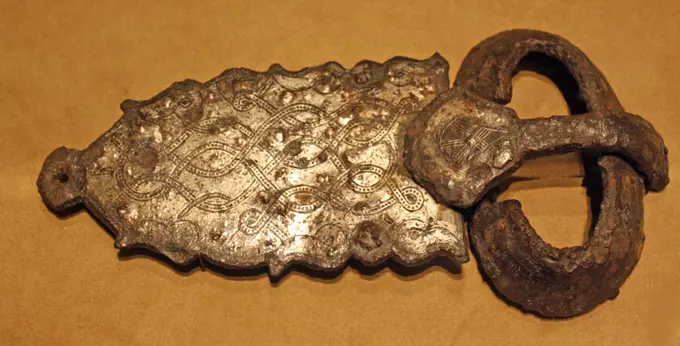
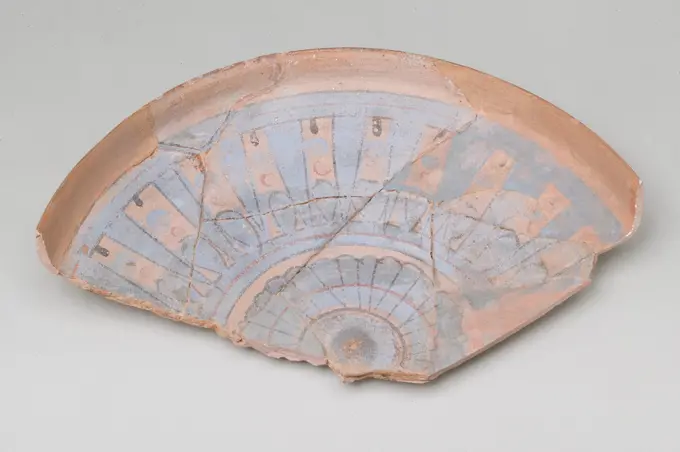
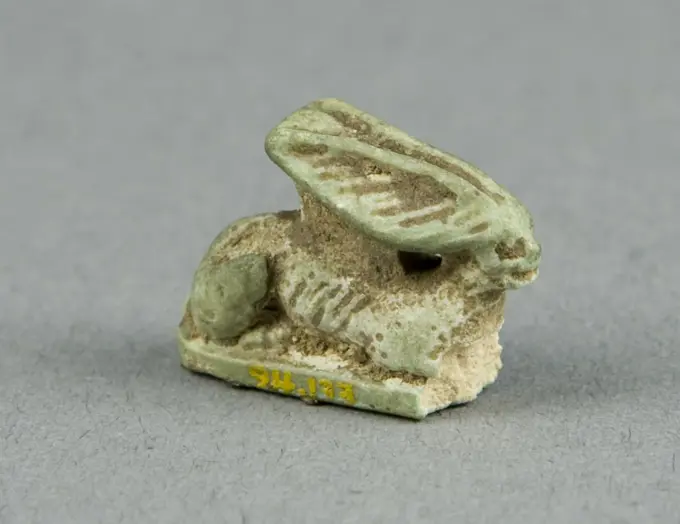
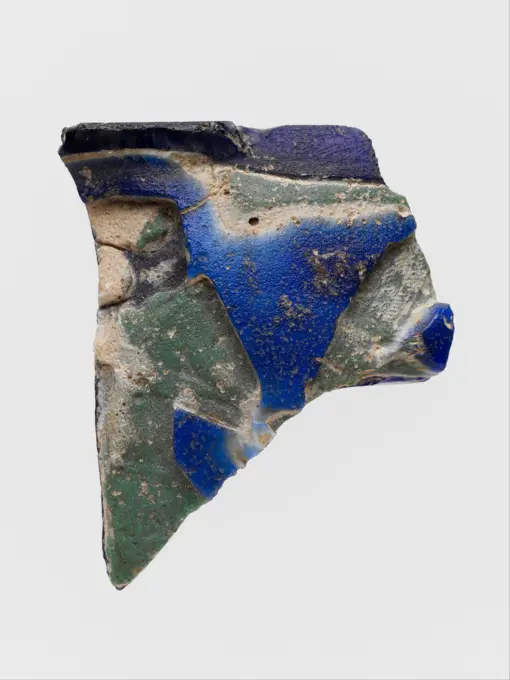
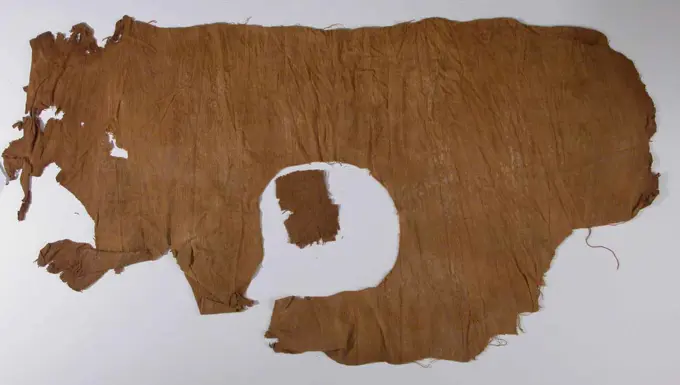
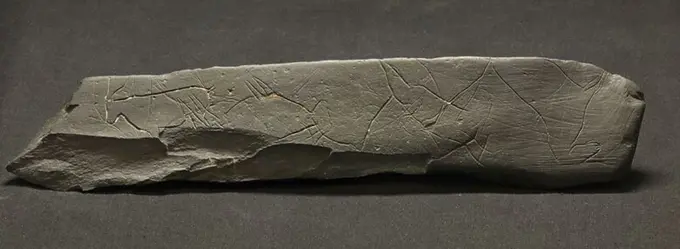
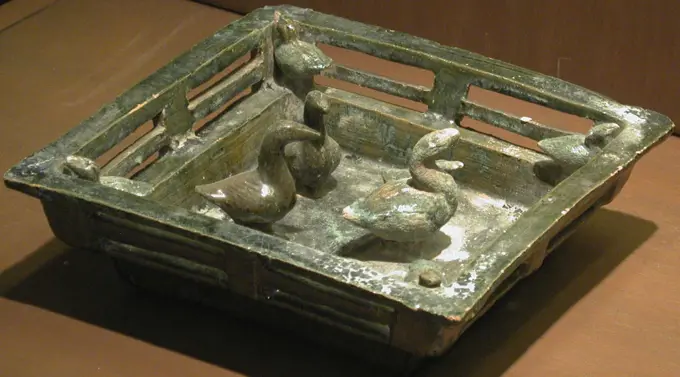
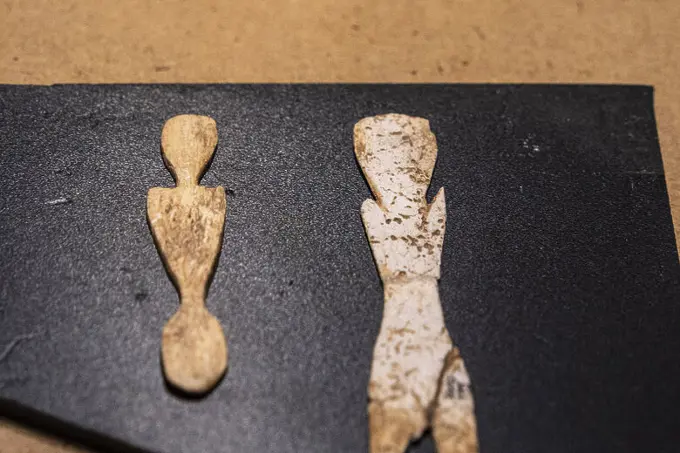
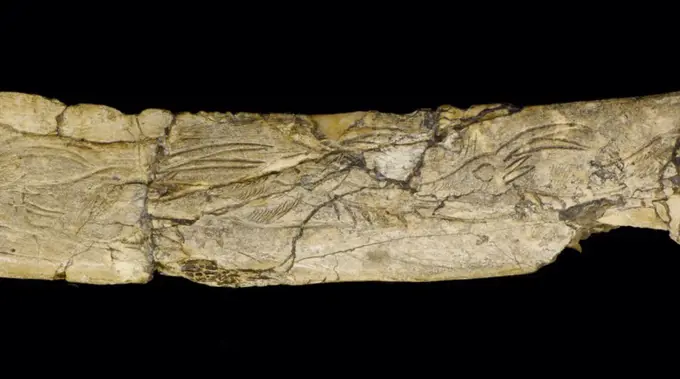
Silver spiral ca. 1600-1050 B.C. Cypriot With two turns.Of silver wire with two turns.. Silver spiral. Cypriot. ca. 1600-1050 B.C.. Silver. Late Bronze Age. Gold and Silver18th Dynasty (Tutenkhamun) ceramic fragments decorated with patterns circa 1350 BCStone crucifix. Biskupija near Knin. Croatia. Museum of Croatian Archaeological Monuments, Split, Croatia.Pottery heads. Teotihuacan, 150 BC-AD 750 The great variety of headdress and facial ornament on small figurines reflects the different roles and offices represented in the social hierarchy at this great metropolis.Funerary Cone of Aanu and His Wife Sennu ca. 1550-1295 B.C. New Kingdom This square cone has the impression of a man named Aanu who was deputy of the king's son (prince). His wife, the house mistress Senu is also named. For a drawing of this impression see http://www.funerarycones.com/, number 599.. Funerary Cone of Aanu and His Wife Sennu Funerary Cone of Aanu and His Wife Sennu ca. 1550-1295 B.C. New Kingdom This square cone has the impression of a man named Aanu who was deputy of the king's son (prince). His wife, the house mistress Senu is also named. For a drawing of this impression see http://www.funerarycones.com/, number 599.. Funerary Cone of Aanu and His Wife Sennu. ca. 1550-1295 B.C.. Pottery. New Kingdom. From Egypt, Upper Egypt, Thebes. Dynasty 18Seal, before 1500, 13/16 x 15/16 x 15/16 in. (2.06 x 2.38 x 2.38 cm), Ivory, United States, 15th centuryPipe heads from the wreck of the East India Hollandia.Pipe, Bowl, Healmar: Crowned 57; No HSM, 2HSM1.3.Funerary Cone of Djehutynefer. Dimensions: L. 16 cm (6 5/16 in.); diam. 7.7 cm (3 1/16 in.). Dynasty: Dynasty 18. Date: ca. 1550-1352 B.C..Used as architectural decoration, funerary cones were probably arranged in rows along the upper edge of private tomb facades. The cones were made of clay and the flat end was stamped with the name and titles of the tomb owner before the cone was fired. This cone was made for a royal scribe named Djehutynefer. Museum: Metropolitan Museum of Art, New York, USA.Palette ca. 3850-2960 B.C. Predynastic Period. Palette. ca. 3850-2960 B.C.. Mud. Predynastic Period. From Egypt, Southern Upper Egypt, Hierakonpolis (Nekhen), MMA excavations, 1934-35Terracotta fragments of kylikes (drinking cups) 6th/5th centuries B.C. Greek, Attic Fourteen black glazed fragments from kylikes. Terracotta fragments of kylikes (drinking cups). Greek, Attic. 6th/5th centuries B.C.. Terracotta; black glaze. Archaic/Classical. VasesAxe head ca. late 3rd-early 2nd millennium B.C. Bactria-Margiana Archaeological Complex. Axe head 327428Mozarabic Treffranz Mozarabian TreffranzMINERAL-ESPECULARITA.Fragment of Gara;  V-VI century (postmeroic period) (401-00-00-600-00-00);Faras (Sudan), braid, Nubian crafts, Polish excavations in Faras (Sudan), HungaryBrown glazed floor tile, anonymous, c. 1400 - c. 1600 Brown glazed floor tile made of red -baking earthenware. The tile is part of three floor tiles (BK-NM-1388-1 to BK-NM-1388-4). Netherlands (possibly) earthenware. glaze Brown glazed floor tile made of red -baking earthenware. The tile is part of three floor tiles (BK-NM-1388-1 to BK-NM-1388-4). Netherlands (possibly) earthenware. glazeTerracotta fragments of kylikes (drinking cups) 5th century B.C. Greek, Attic Five parts of feet type C. Terracotta fragments of kylikes (drinking cups) 678533clay altar with outlined eyes, Chalcolithic, fifth millennium BC, Bulgarian National Archaeological Museum, Sofia, Republic of Bulgaria, Europe.Flat hoe axes of greenstone. 7500-5500 BC. From Danish islands and Jutland. National Museum of Denmark. Copenhagen. Denmark.Wooden trough from 882 AD on display in the Viking Museum at the Haithabu excavation site, UNESCO World Heritage Site, Haithabu, Busdorf near Schleswig, Schleswig-Holstein, Germany, EuropeLamp;  nichellenistic (0-00-00-0-00-00);The collection of ancient EgyptSpeelhuisensning from Thailand worth a Salung, 1760-1871 ,, 1760 - 1871 coin Round, serrated porcelain playing house fencing, which is also used as a mint. Front: image with a Chinese character on the left. Ridays: Chinese characters.  porcelainTerracotta fragments of a kylix (drinking cup) 530-510 B.C. Greek, Attic Interior, part of the reserved tondo; Exterior, the rim fragment has a helmeted, bearded warrior to right wearing a corselet, with his bent left arm raised, and his hand holding a spear; the second fragment has legs; below, three sections of ornament; the top, has a band of ribbon; the middle, has dots; the third has rays. Terracotta fragments of a kylix (drinking cup). Greek, Attic. 530-510 B.C.. Terracotta; black-figure. Archaic. VasesTerracotta fragments of a skyphos (deep drinking cup) second quarter of the 5th century B.C. Greek, Attic Band of very narrow rays. Terracotta fragments of a skyphos (deep drinking cup). Greek, Attic. second quarter of the 5th century B.C.. Terracotta; red-figure. Classical. VasesCAJA DE VASOS CANOPOS. EGIPCIO. (DEPOSITO: MUSEO ARQUEOLOGICO NACIONAL).Divine images in clay and stone. Goddess figurines from Sha'ar Hagolan made from clay and pigments and pebble figurines from Sha'ar Hagolan and Munhata made from limestone and basalt. From the Yarmukian culture over 8,000 years ago.gold sheets with embossed decoration gold sheets with embossed decoration, Giribaile, Vilches, Iberian culture, Iberian Museum of Jaén, Andalusia, Spain Copyright: xZoonar.com/BartomeuxBalaguerxRotgerx 21704917Fragment of a frieze decorated with secant circles forming octopetal flowers. In the upper moulding, ornamentation with cross-shaped motifs. Limestone. 7th century. From Toledo's Vega Baja archaeological site. Museum of Visigoth Councils and Culture. Toledo, Castile-La Mancha, Spain.Attic Red-Figure Vase Fragment. UnknownPLACA GRABADA DE VILLALBA, DEL YACIMIENTO DE BARRANDO HONDO. DECORACION CON MOTIVOS ZOOMORFOS (CABALLOS, MACHOS CABRIOS...) SOBRE PIZARRA NEGRA. ARTE MUEBLE PALEOLITICO (DEPOSITO: MUSEO NUMANTINO DE SORIA).Fragment 14th-15th century. Fragment 446315Fragment wylewu i imadła amfory ze stemplem. unknown, potter's workshopFragment of square lock on a box, anonymous, c. 1590 - c. 1596 lock. fragment Fragment of square lock on a box, ship food box.  iron (metal) forging  Nova Zembla. Saving HuysOstrakon with an Account 600 Coptic. Ostrakon with an Account 474793WadjetPieces of inlay and bead. Culture: Iran. Dimensions: 0.39 x 1.14 in. (0.99 x 2.9 cm). Date: ca. 9th century B.C.. Museum: Metropolitan Museum of Art, New York, USA.Terracotta fragment of a column-krater (bowl for mixing wine and water) 6th/5th centuries B.C. Greek, Attic Large black glaze fragment from a column-krater. Terracotta fragment of a column-krater (bowl for mixing wine and water). Greek, Attic. 6th/5th centuries B.C.. Terracotta; black-figure. Archaic. VasesMaterial sample -Fragment of a Halo with Buddha Figure. Culture: China (Xinjiang Autonomous Region). Dimensions: H. 4 3/4 in. (12.1 cm); W. 5 3/4 in. (14.6 cm); D. 1 1/8 in. (2.9 cm). Date: 6th-7th century.These fragments are from an elaborate halo that once adorned a larger-than-life-size Buddha or bodhisattva. The larger Buddha fragment holds his right hand in abhaya mudra, a gesture of approachability. The style of the robes attests to an interest in the classical forms of Gandhara. Museum: Metropolitan Museum of Art, New York, USA.Part of ceremonial object. Dimensions: h. 4.3 cm (1 11/16 in); w. 6 cm (2 3/8 in). Dynasty: Dynasty 13. Date: ca. 1802-1640 B.C.. Museum: Metropolitan Museum of Art, New York, USA.Terracotta fragments of kylikes (drinking cups) 6th-4th centuries B.C. Unknown fabric Four black glazed fragments from kylikes. Terracotta fragments of kylikes (drinking cups) 772462An Iguanodon claw-bone. An Iguanodon was a plant-eating dinosaur.Pottery Model of a Group of Cattle 3500 B.C. These type of models may have been connected with the provision of a food-supply to the deceased. Egypt Terracotta fragments of kylikes (drinking cups) Greek, Attic 5th century BCE Three parts of feet type CStucco Fragment probably 8th-12th century. Stucco Fragment 740930Attic Black-Figure Cup Fragment. UnknownPIEDRA DE MOLINO CASERO DE CHIPUDE (GOMERA). Location: ARCHAEOLOGICAL MUSEUM. SANTA CRUZ DE TENERIFE. TENERIFFA. SPAIN.Jar Label ca. 1390-1352 B.C. New Kingdom. Jar Label. ca. 1390-1352 B.C.. Pottery and ink, paint. New Kingdom. From Egypt, Upper Egypt, Thebes, Malqata, Palace of Amenhotep III, MMA excavations. Dynasty 18Fragment of an Etruscan or Italic Pot. UnknownAttic Red-Figure Stamnos Fragment. Kleophrades Painter (Greek (Attic), active 505 - 475 B.C.)Belt (usual name), 0907. CERUNUSCHI Museum, Museum of Asia in the city of Paris.ancient Native American Indian (Anasazi) artifacts, six pottery shards  isolated on whiteSickle Blade, 1980-1801 BC. Egypt, Middle Kingdom, Dynasty 12. Flint; overall: 5 cm (1 15/16 in.).Placa de bronce repujado. Museo de Arqueología Salvador Vilaseca.Red-Figure Volute Krater Fragment (part of 77.AE.11). Kleophrades Painter (Greek (Attic), active 505 - 475 B.C.)Reels and whorls, from Benacci necropolis at Bologna, ItalyTerracotta fragments of kylikes (drinking cups) 5th century B.C. Greek, Attic Two parts of feet type C. Terracotta fragments of kylikes (drinking cups) 678492Terracotta fragments of kylikes (drinking cups) 5th century B.C. Greek, Attic Twenty-six miscellaneous kylix fragments from DvB 9.2. Terracotta fragments of kylikes (drinking cups) 671329Terracotta fragments of stamnoi (jars) 460-440 B.C. Greek, Attic Two fragments from stamnoi with meanders. Terracotta fragments of stamnoi (jars). Greek, Attic. 460-440 B.C.. Terracotta; red-figure. Classical. VasesBolivar tombstone, funerary tombstone with inscription, Vitoria-Gasteiz Museum of Sacred Art, María Inmaculada Cathedral, Álava, SpainShard ca. 4th-5th century Pakistan. Shard 50853Fragment 14th-15th century. Fragment 445553PendantAmulet - WadjetDisk pendants, found in Tel Mevorakh and Near East, from the late 16th-13th century.Kerchief from Tutankhamun's Embalming Cache ca. 1336-1327 B.C. New Kingdom In December 1907 Theodore M. Davis, a wealthy American who was funding excavations in the Valley of the Kings, discovered a small pit near the tomb of Seti I. Inside the pit were approximately a dozen large sealed whitewashed storage jars (09.184.1). Among other things, the jars contained bags of natron (a kind of salt), pieces of linen with hieratic inscriptions dated to Years 6 and 8 of a king named Tutankhamun (throne name Nebkheperure). At the time, almost nothing was know about Tutankhamun, and Davis declared that he had discovered the king's tomb.Davis received a number of the jars and their contents in the division of finds and, in 1909, he gave most of his share to the Metropolitan Museum. It was only later that Herbert Winlock, the field director of the Museum's excavations at Thebes, realized that the natron and linen were embalming refuse from the mummification of Tutankhamun.Worn linen sheets and cloBelt Buckle and Back Plate. Iron inlaid with silver. Made about 600. Found in Western Germany. Made about 600.Stuiver (Double Groot), emergency coin from Oudenaarde beaten during the siege, Anonymous, 1582 coin. siege coin Unilateral, diamond -shaped emergency coin. Front: a round stamp: decorated cross between Fleurons; In Hart: Coat of arms Inside Cover, interrupted by the arms of the cross. Reverse: Blanco Oudenaarde tin (metal) striking (metalworking)  OudenaardePrehistory. Quern-stone used to grind cereal grains. From Egiertowo, Kartuzy County, Pomeranian Voivodeship, Poland. Archaeological Museum. Gdansk, Poland.recipiente de ceramica, El Bortal, Karrantza, Arkeologi Museoa, museo aqueologico, Bilbao, Bizkaia, Pais Vasco, Spain.Terracotta fragments of kylikes (drinking cups) 5th century B.C. Greek, Attic Three parts of feet type C. Terracotta fragments of kylikes (drinking cups) 678442Gold Sheet Ornament A.D. 200-900 Peruvian. Gold Sheet Ornament 308896Rowlock. Kaupang, Larvik k., Vestfold. 9th -10th century. Norway. Historical Museum. Oslo. Norway.Egypt. Cosmetic makeup palettes. Pallet for grinding different pigments. Slate. The State Hermitage Museum. St. Petersburg. Russia.fragments of an altar or small decorated cipo, hero emerging from the vegetation surrounded by rays, 5th century BC, Oppidum de Puente Tablas, Iberian culture, Iberian Museum of Jaén, Andalusia, Spain.ceramic container, El Bortal, Karrantza, Arkeologi Museoa, archaeological museum, Bilbao, Bizkaia, Basque Country, Spain.Geometric Element. Egypt or Sicily (Palermo), 1000-1250. Wood. Wood, carvedBox with Small AncestorFiguresBlue-Painted Dish from Malqata ca. 1390-1353 B.C. New Kingdom. Blue-Painted Dish from Malqata. ca. 1390-1353 B.C.. pottery, slip, paint. New Kingdom. From Egypt, Upper Egypt, Thebes, Malqata, Palace of Amenhotep III, rubbish mounds, MMA excavations, 1910-11. Dynasty 18Click sprayer from the wreck of the East Indians Hollandia, Anonymous, 1700 - in Or Before 1743  Tools and instruments, medical, enema syringe; fragm; cylinders and pump system, extremely corroded, consisting of straight tube, lower end broken, split, straight circular end with externally threaded rim, straight shaft inside tube, at rim broken off, piston attached to lower end of shaft, wrapped with thread and with a washer underneath: fragm of enema needle, heavily corroded, straight tapering hollow tube, broken off, pointed lower end with 3 perforations. Netherlands tin (metal)   SecondAmulet of a Cape Hare 664 BCE-332 BCE Egypt. Faience . Ancient EgyptianEtowah Indians, of the Mississippian period, were skilled in many crafts using copper, stone, flint and shell. 1000-1500 A.D. Etowah Indian Mounds State Historic Site, Cartersville GeorgiaGlass cameo cup fragment with incuse decoration end of 1st century B.C-beginning of 1st century A.D. Roman Translucent deep cobalt blue with overlays in opaque white, opaque blue green, and translucent cobalt blue.Vertical, tapering rim with everted horizontal projection, probably part of a handle attachment; thick-walled convex curving side.On interior, horizontal groove below rim; on exterior, incuse decoration depicting a male standing figure at left, facing right with his proper left arm bent up across his chest; he wears an Egyptian-style kilt (shendyt) and possibly a cap; to right, a indeterminate object, perhaps a decorated shield, is shown at an oblique angle.Rim fragment with worn and weathered edges, broken at sides and bottom; dulling, pitting, and faint iridescence.This small fragment with indistinct figural design is of considerable interest and importance because it belongs to a very small group of ancient cameo glass objects that were made with multiple layers of differefragment with Arabic epigraphy fragment with Arabic epigraphy, Archeological Museum. Úbeda, Jaén province, Andalusia, Spain Copyright: xZoonar.com/BartomeuxBalaguerxRotgerx 21702799PAR DE CALZAS HECHAS DE PIEL DE POTRO - SIGLO XIX - ARGENTINA. Location: MUSEO DE AMERICA-COLECCION. MADRID. SPAIN.Textile Fragment 4th-7th century. Textile Fragment 447340Etruscan Kyathos or Skyphos Fragment. UnknownPre-Columbian jade jewelry on display at the National Museum Factory in San Jose, the capital city of Costa Rica.PLACA GRABADA DE VILLALBA, DEL YACIMIENTO DE BARRANDO HONDO. DECORACION CON MOTIVOS ZOOMORFOS (CABALLOS, MACHOS CABRIOS...) SOBRE PIZARRA NEGRA. ARTE MUEBLE PALEOLITICO (DEPOSITO: MUSEO NUMANTINO DE SORIA).Washing Paddle. Wood; carving. Russia, 1720. The State Hermitage Museum. Saint Petersburg. Russia.Terracotta fragments of kylikes (drinking cups) Greek, Attic 6th/5th centuries BCE Sixteen black glazed fragments from kylikes View more. Terracotta fragments of kylikes (drinking cups). Greek, Attic. 6th/5th centuries BCE. Terracotta; black glaze. Archaic/Classical. VasesFragment imadła amfory ze stemplem. Numenios III (ok. 320-300 p.n.e.), potter's workshopTerracotta fragment of a calyx-krater (bowl for mixing wine and water) second quarter of the 5th century B.C. Greek, Attic On the cul, chain of double lotuses and circumscribed palmettes; below, an egg pattern. Terracotta fragment of a calyx-krater (bowl for mixing wine and water). Greek, Attic. second quarter of the 5th century B.C.. Terracotta; red-figure. Classical. Vasescervico-dorsal lines representing a name cervico-dorsal lines representing a name, paleolithic furniture art, Pielagos, Museum of prehistory and archeology MUPAC, Santander, Cantabria, Spain Copyright: xZoonar.com/BartomeuxBalaguerxRotgerx 21880675Quartz. minerals. North America; USA; Illinois; Hancock County; WarsawSquare Duck Pond 1st-early 3rd century China Pottery models of houses and farm structures were commonly included in Eastern Han burials to provide for the afterlife.. Square Duck Pond 44326Anthropomorphic bone idols, 3000-2500 BC, come from the Carenque necropolis and Samarra beach, Portugal, Huelva Museum, Huelva, Andalusia, Spain.Fragment 14th-15th century. Fragment 445524Foundation deposit of Pharaoh Rameses II, sandstone, 19th dynasty reigning Rameses II, Memphis, Egypt, collection of the British Museum.PIEZAS DE LA EXPOSICION "ARTE SIN ARTISTAS": FRAGMENTO DE COSTILLA CON GRABADOS DE CAPRIDOS, DE LA CUEVA DE LES EYZIES O CUEVA DE RICHARD (FRANCIA). GRABADO SOBRE HUESO. MAGDALENIENSE.Madrid, 03/24/2023. Report on fake works in the Archaeological Museum of Madrid. Photo: Ernesto Agudo. ARCHDC.