Historic Pottery Shards

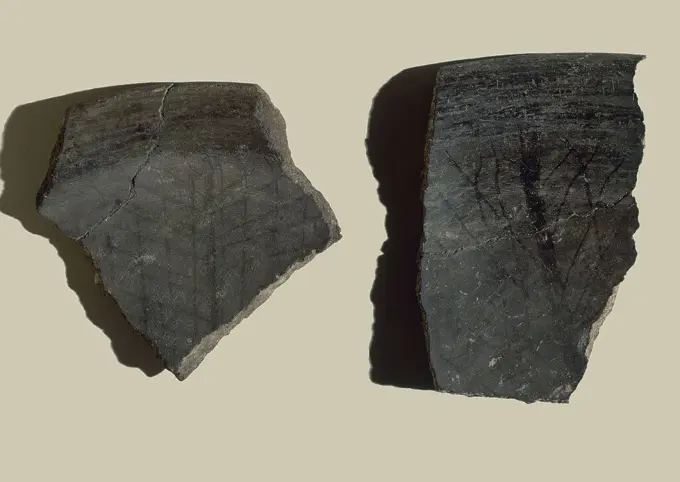
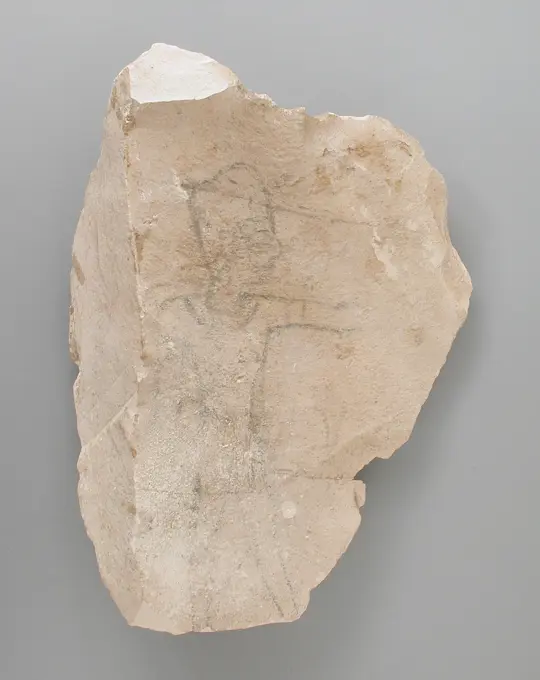
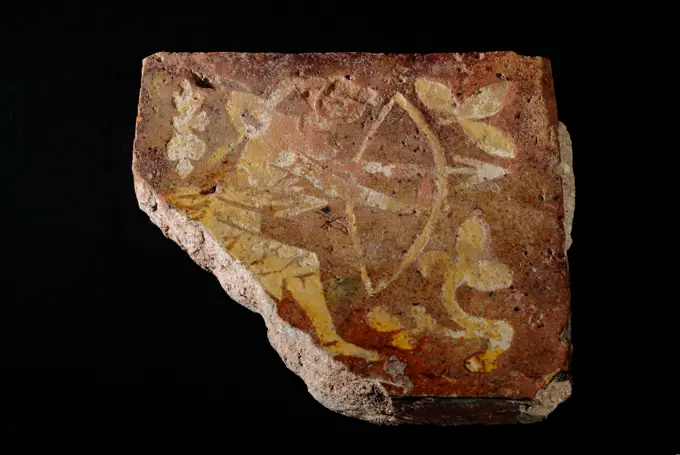
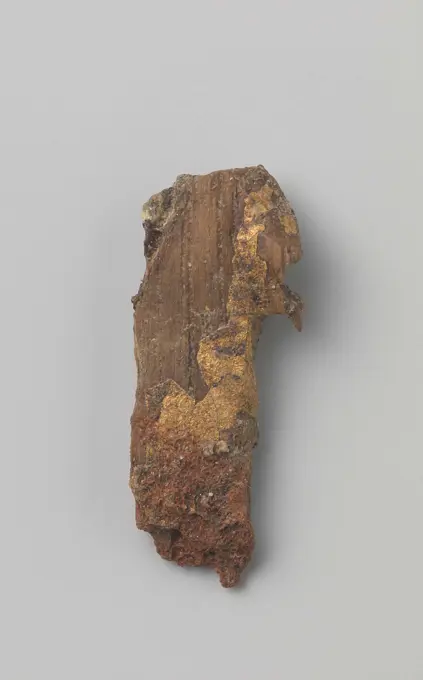
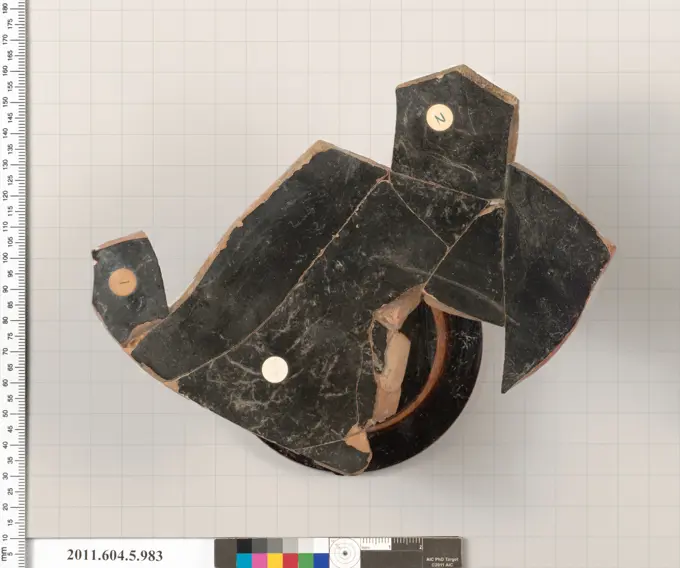
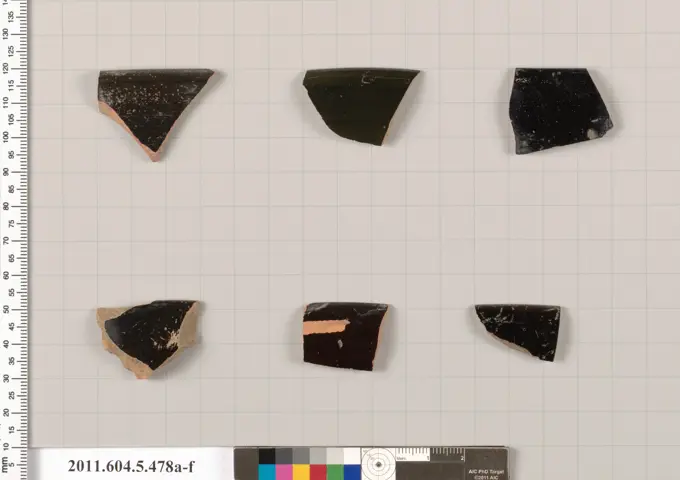
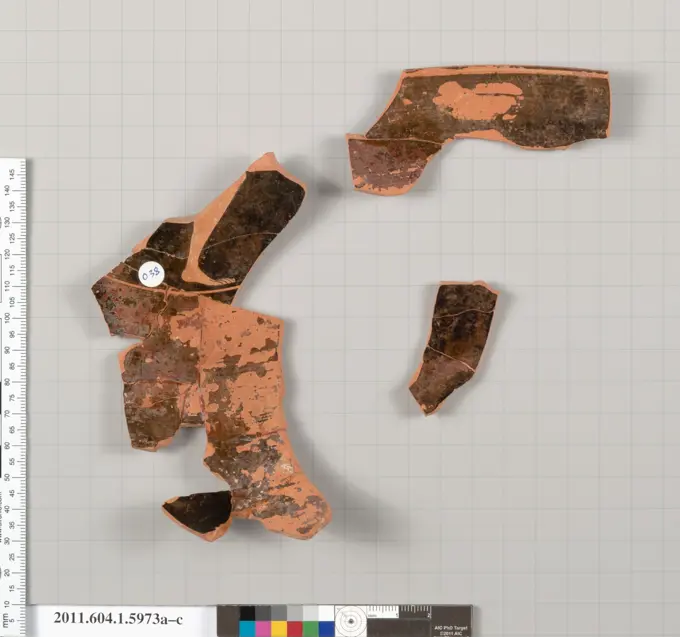
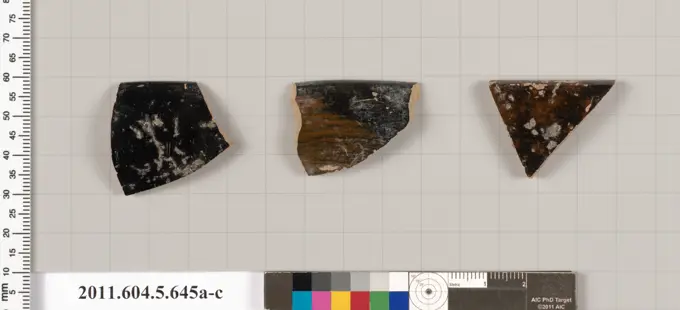
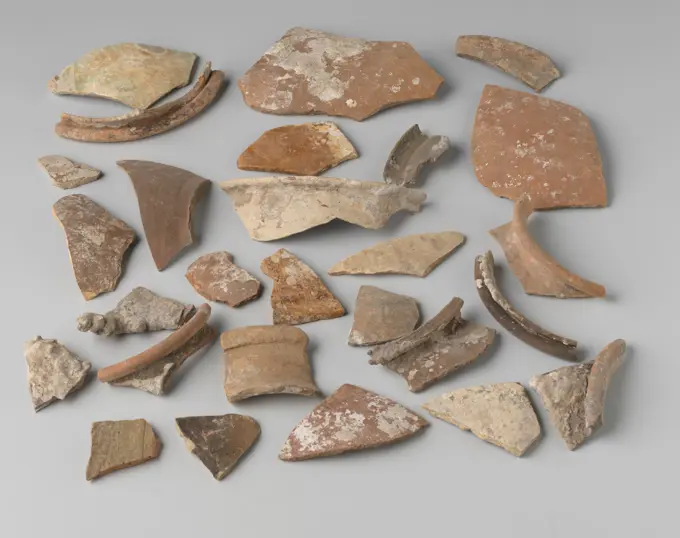
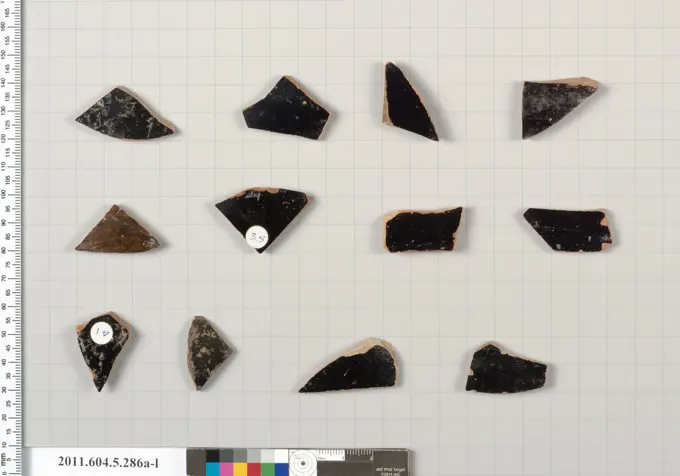
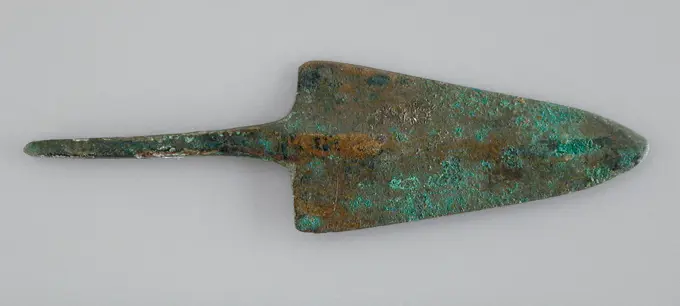
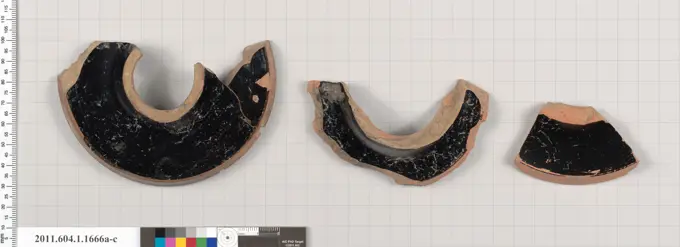
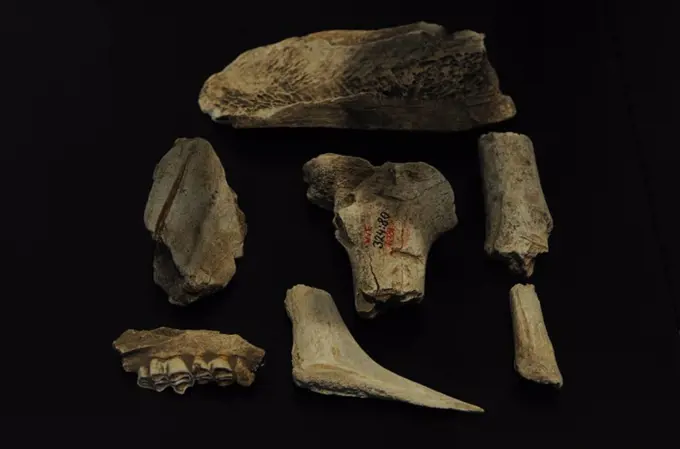
Fragments of ancient pottery and ostraca, showcasing historical artifacts from different cultures and periods, including the Early New Kingdom of Egypt.
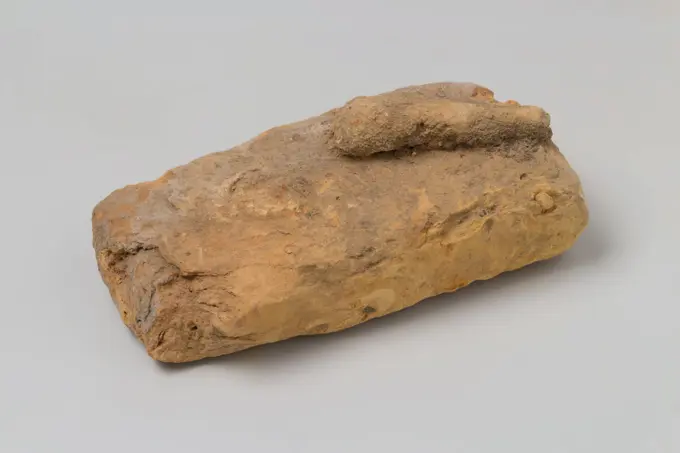
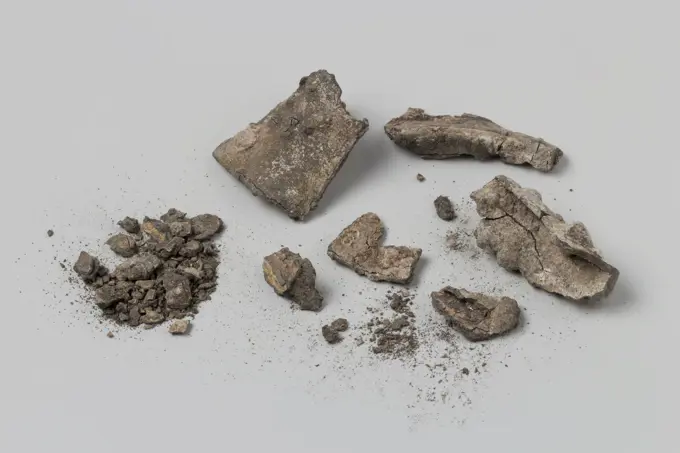
Brick with a piece of concretion from the wreck of the East Indians' t Vliegend Hart, Anonymous, 1700 - 1735 brick (clay product) Rectangular, yellow -brown brick with a piece of concretion. Brick.  brick (clay product). concretionary stone
Brick with a piece of concretion from the wreck of the East Indians' t Vliegend Hart, Anonymous, 1700 - 1735 brick (clay product) Rectangular, yellow -brown brick with a piece of concretion. Brick. brick (clay product). concretionary stone
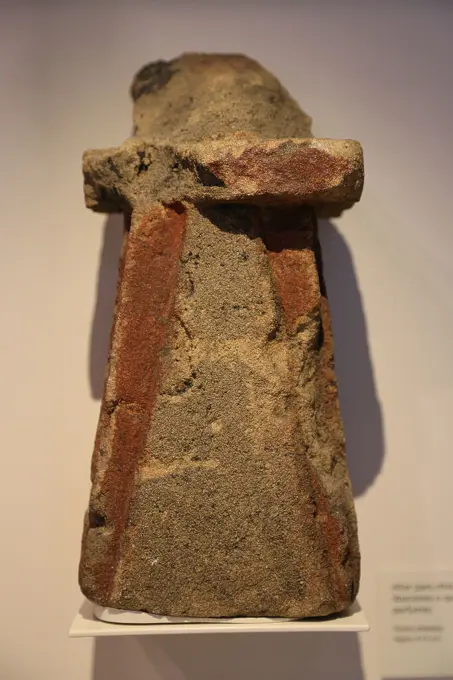
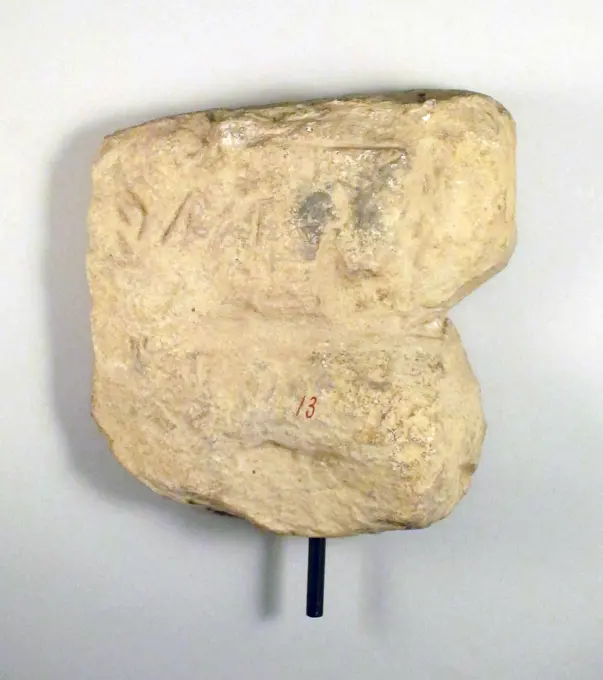
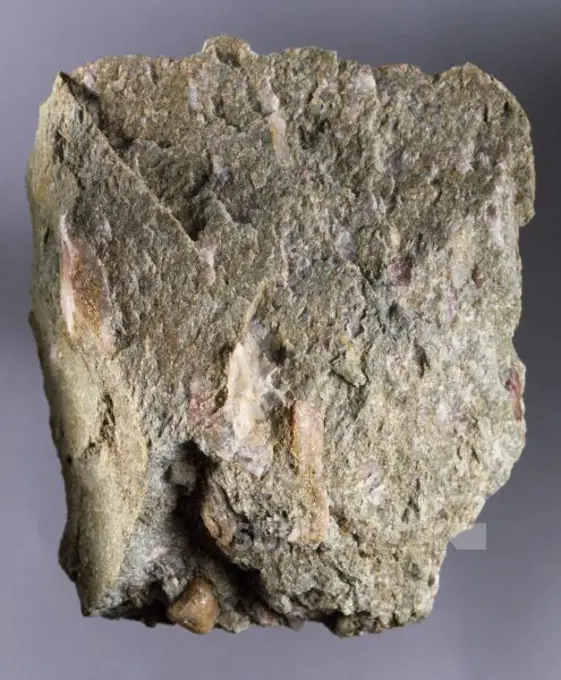
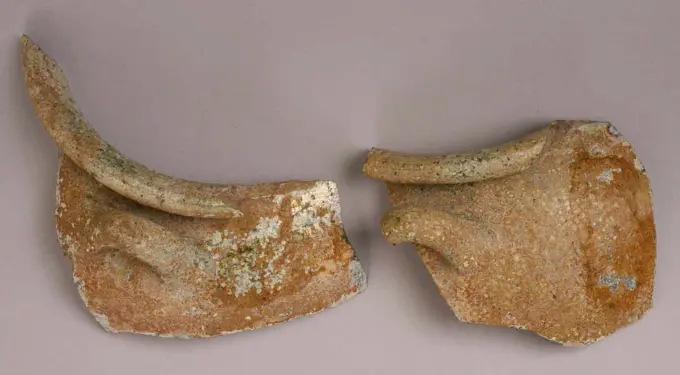
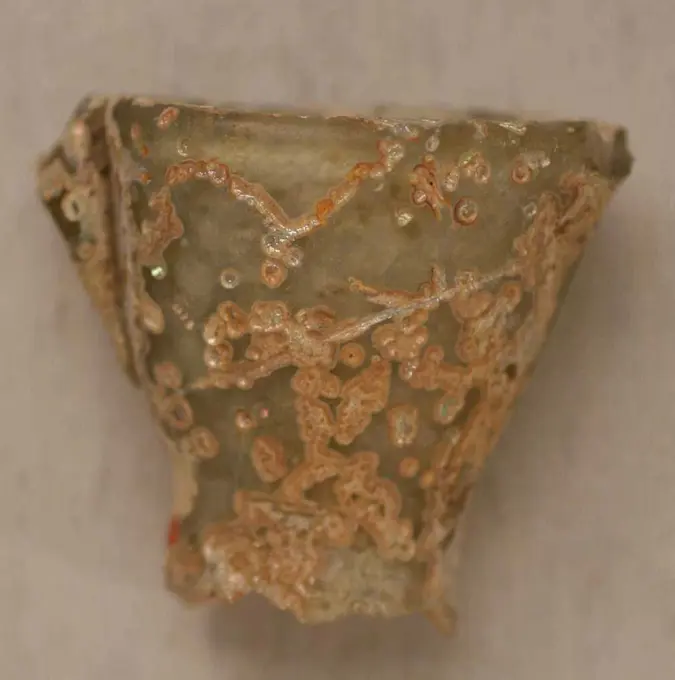
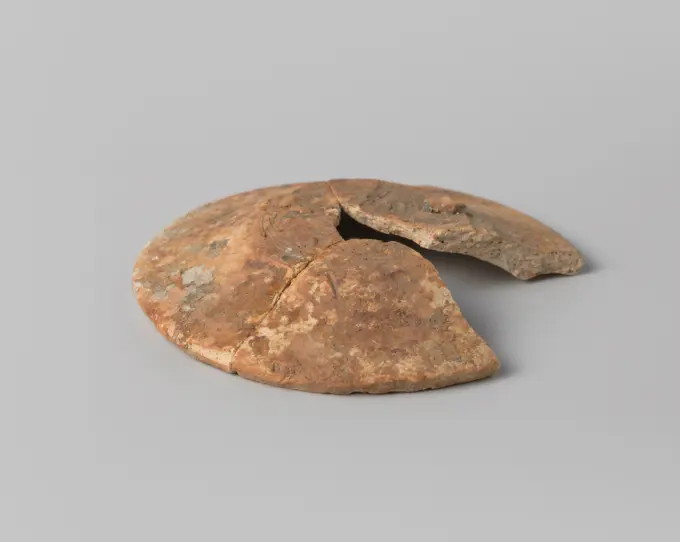
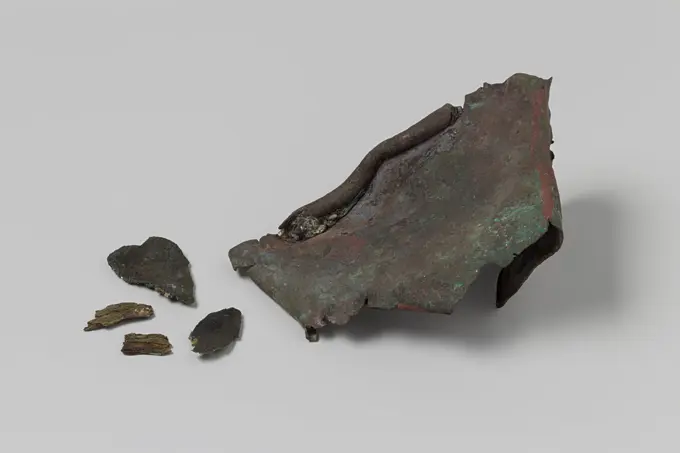
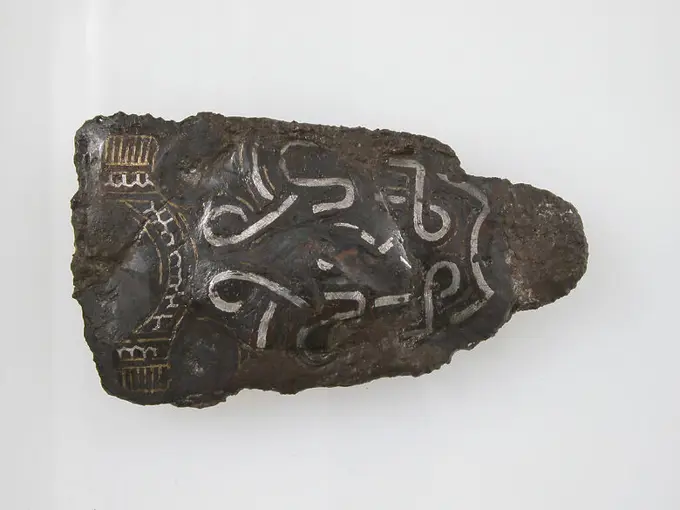
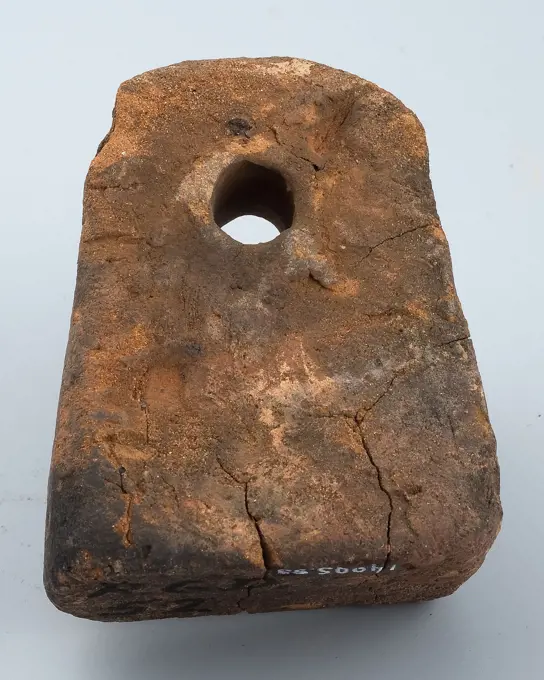
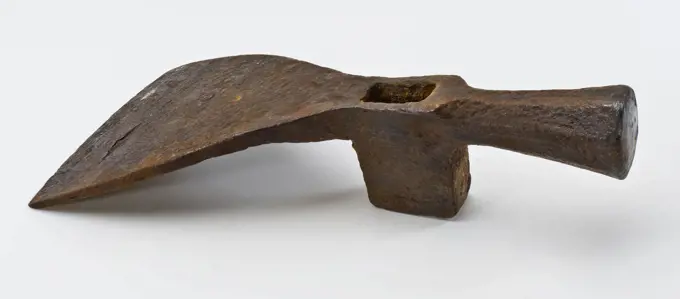
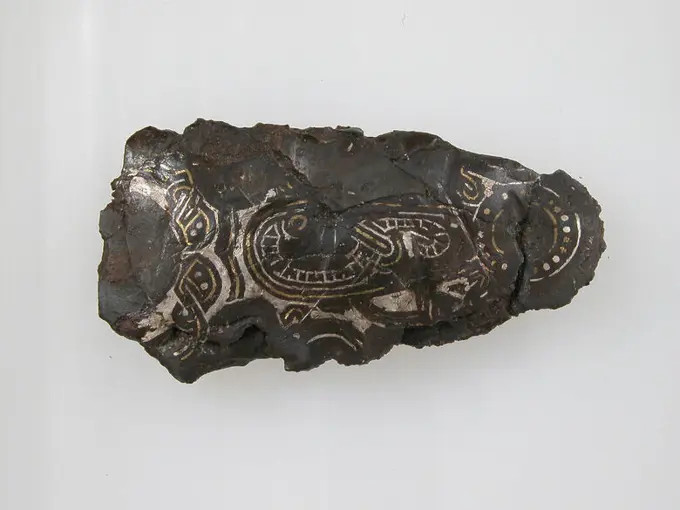
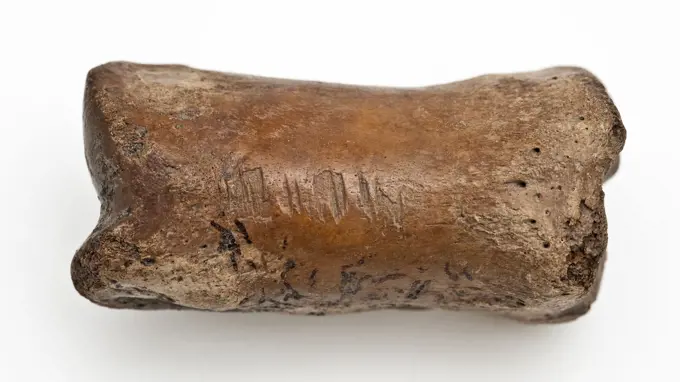
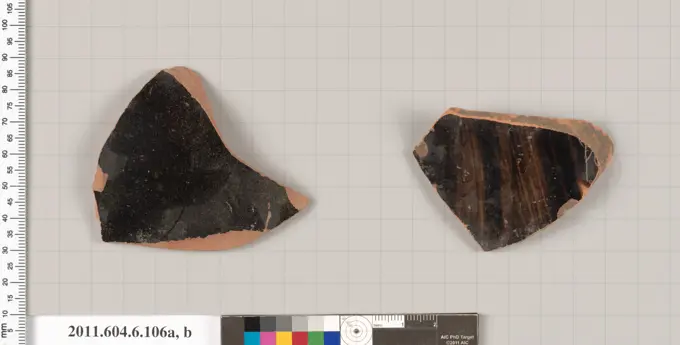
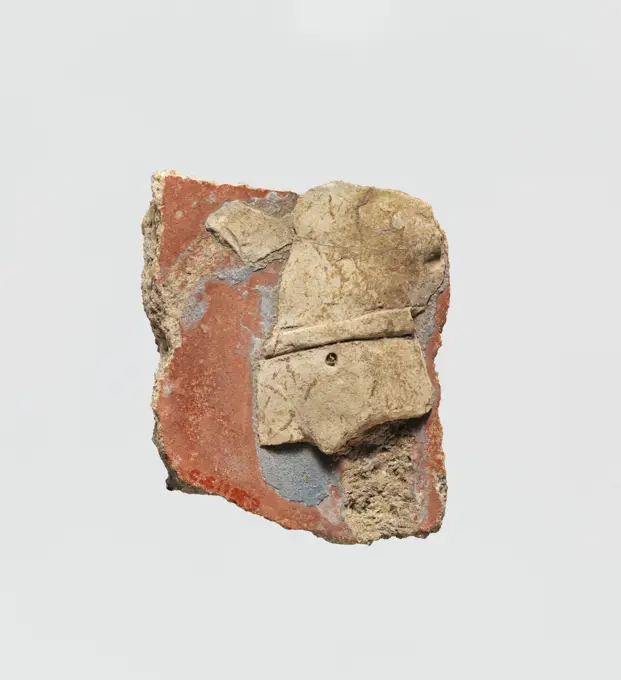
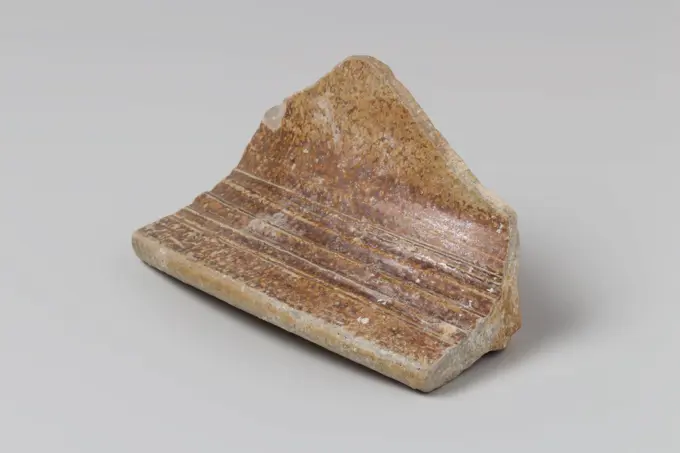
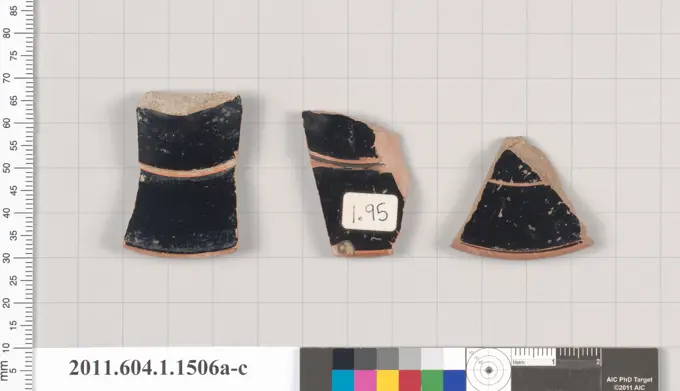
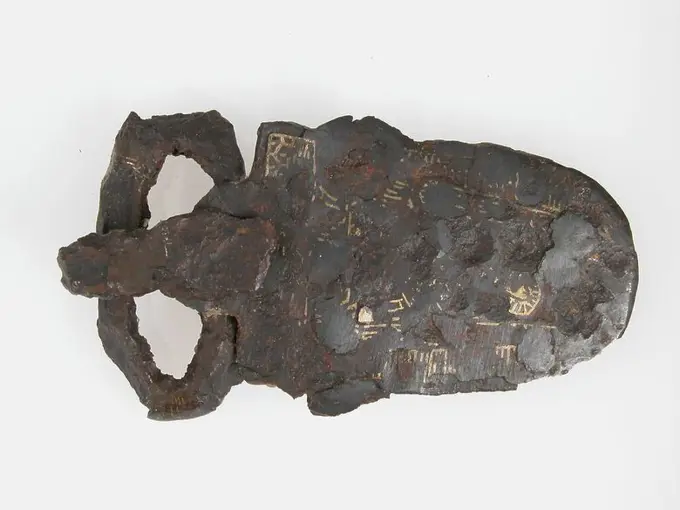
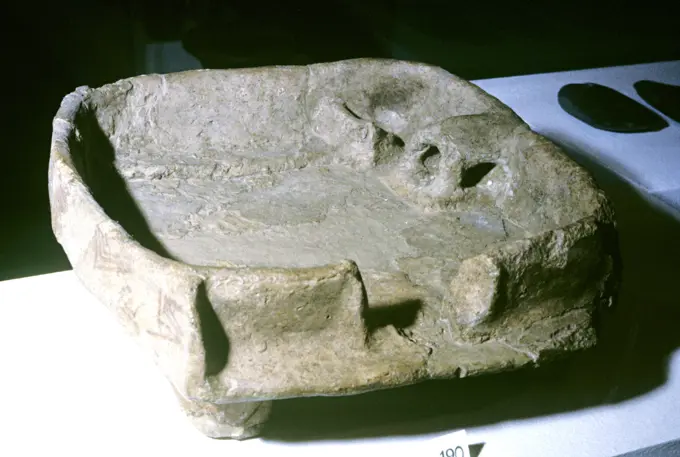
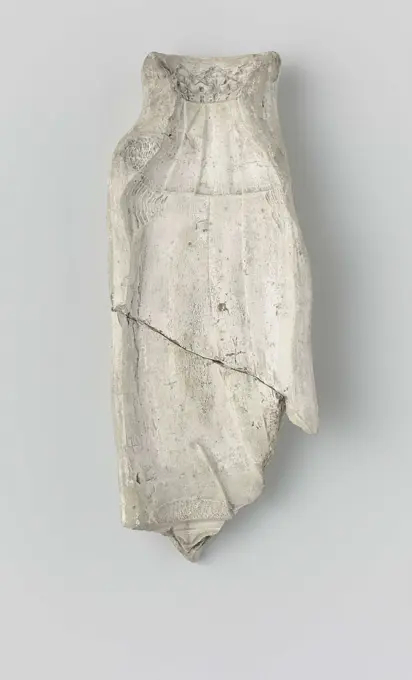
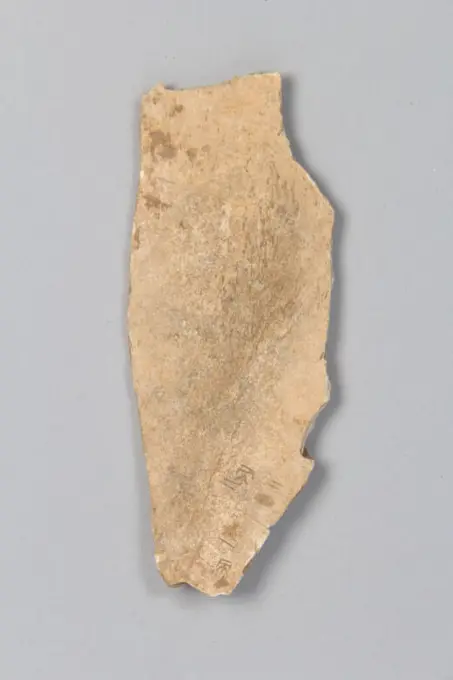
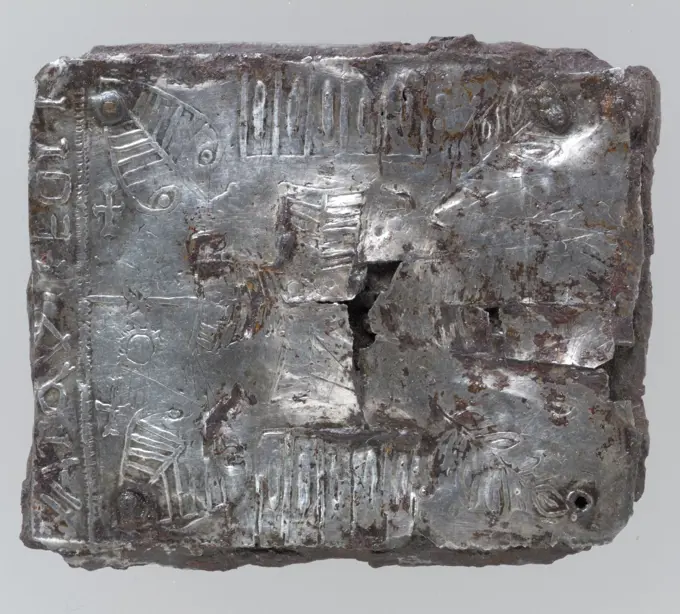
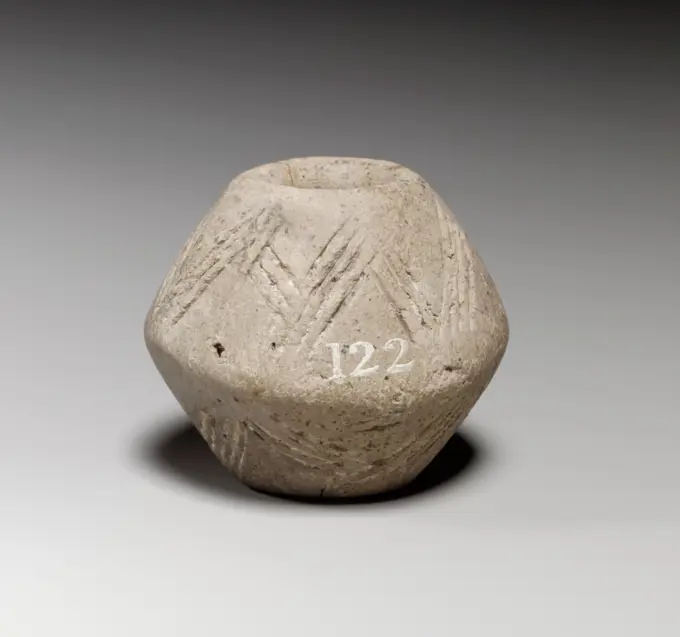
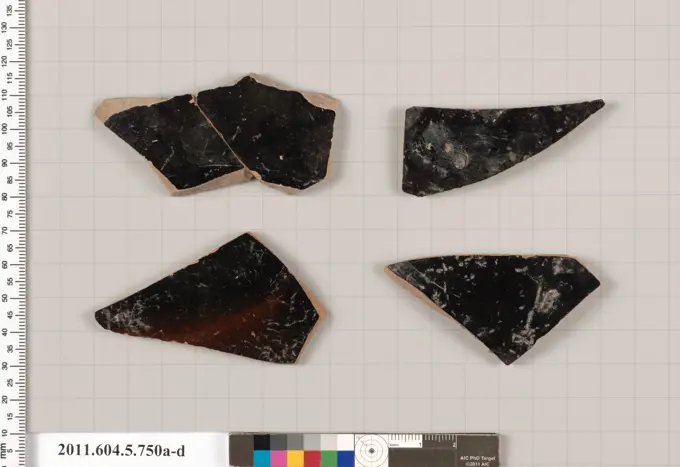
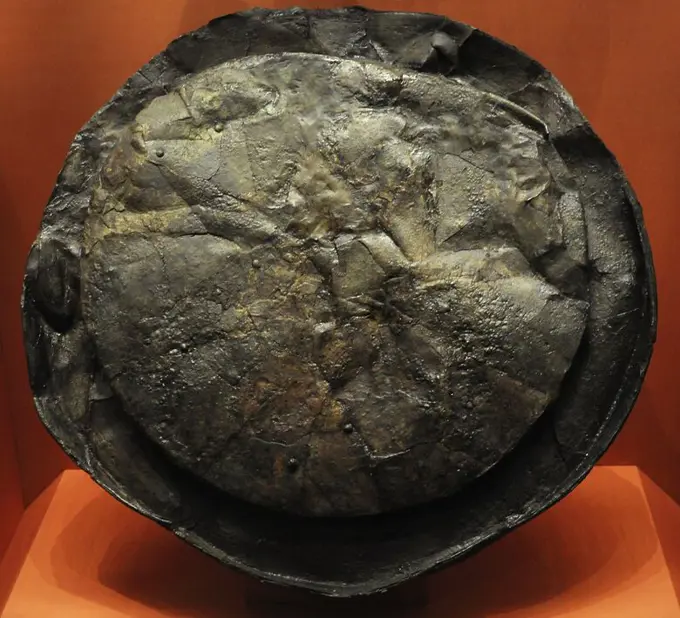
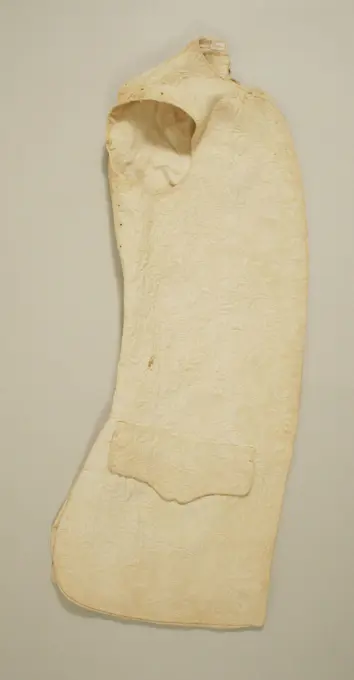
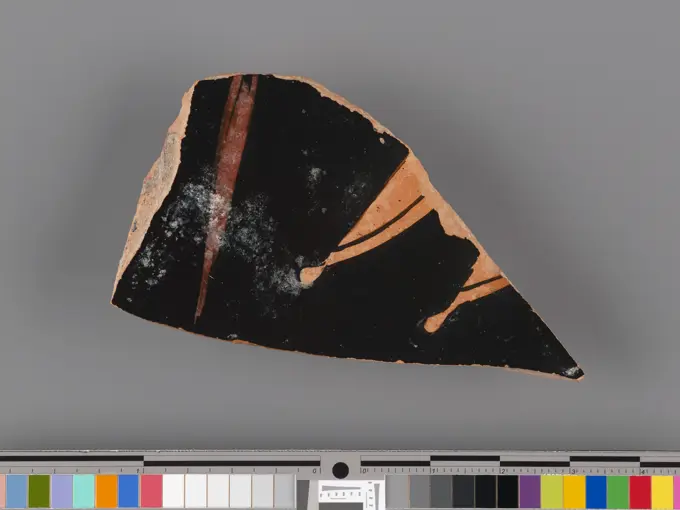
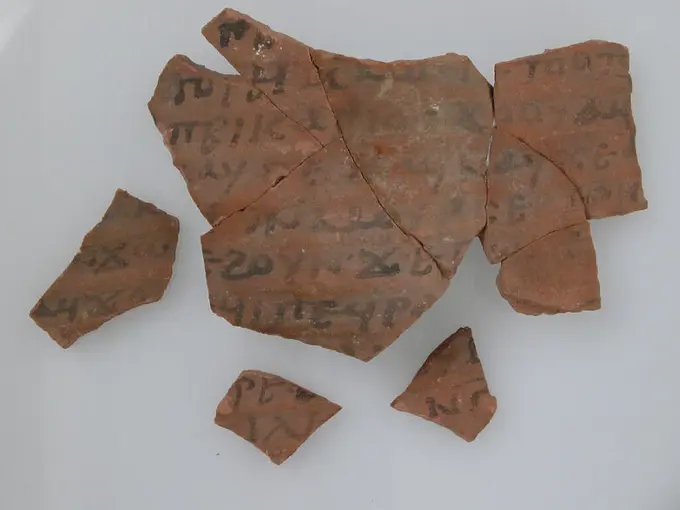
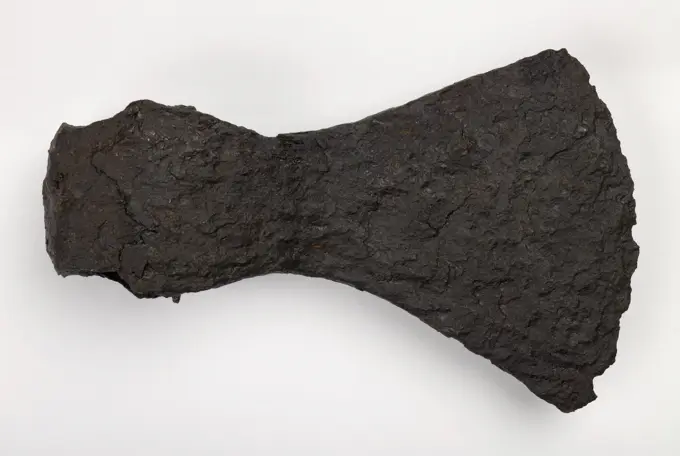
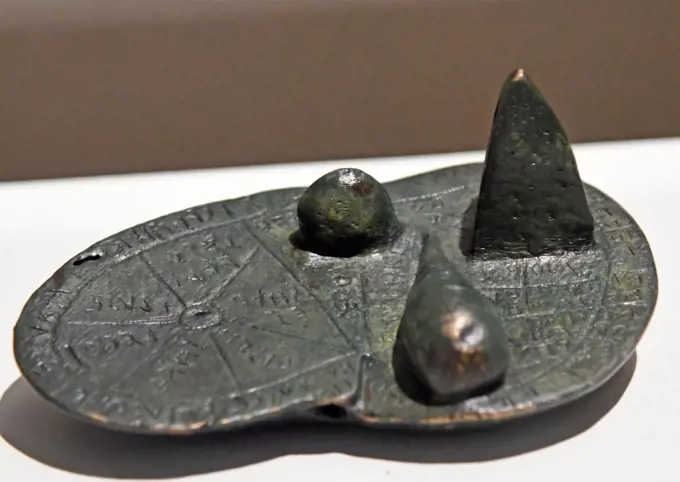
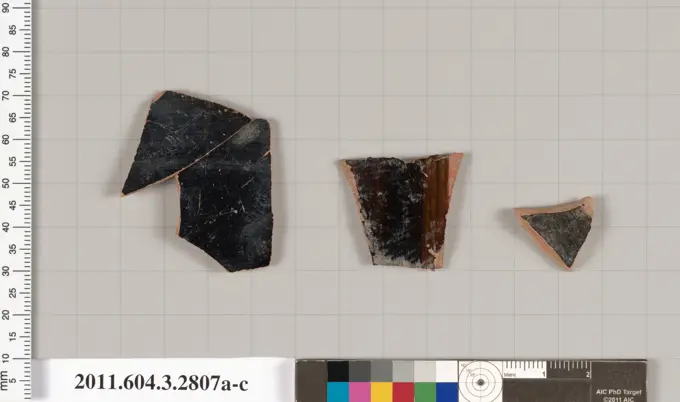
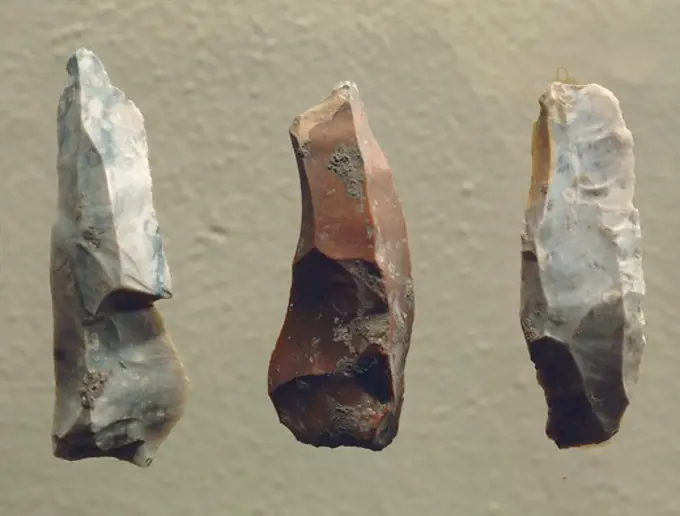
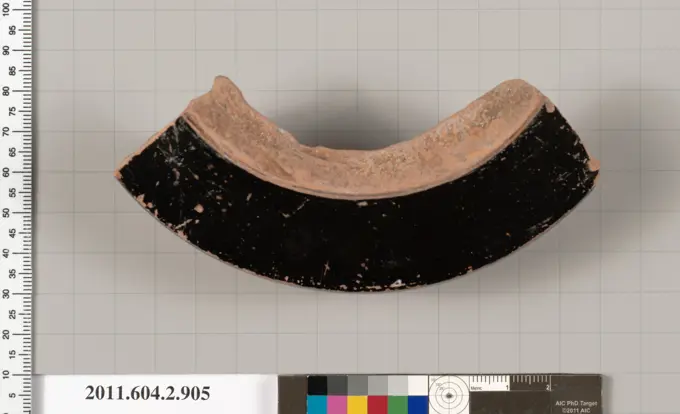
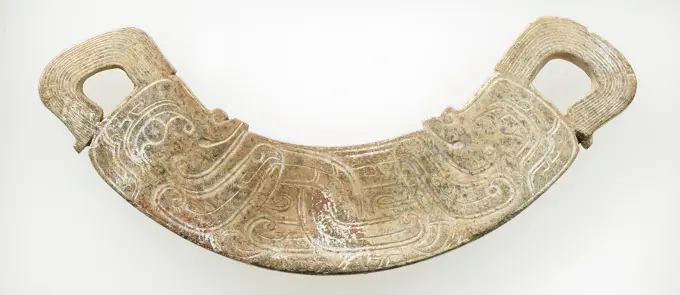
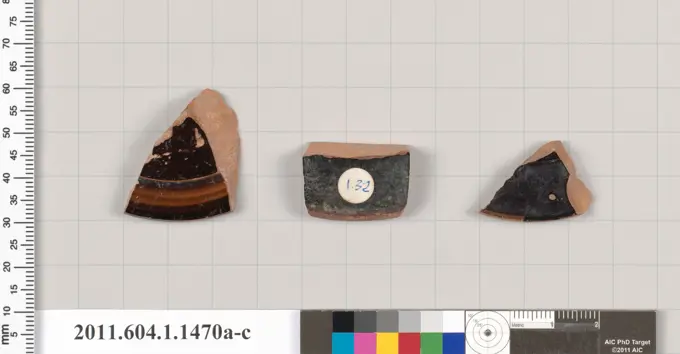
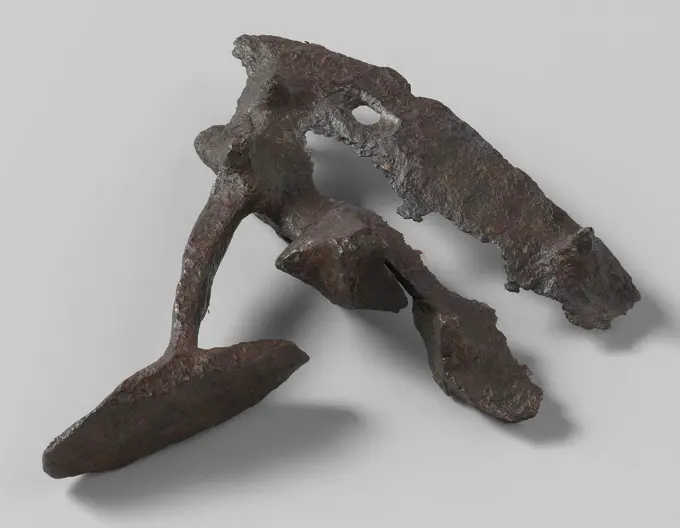
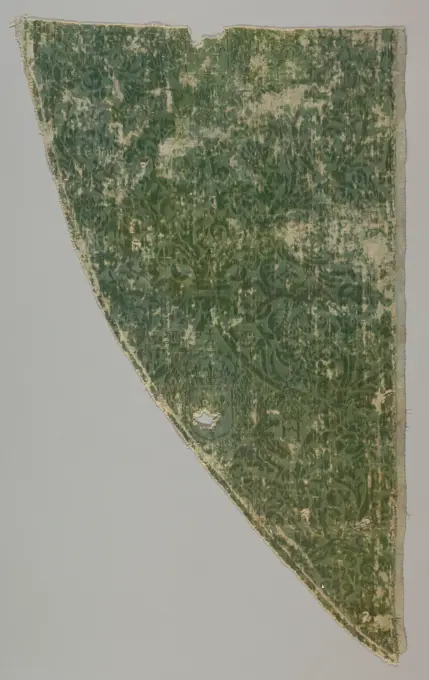
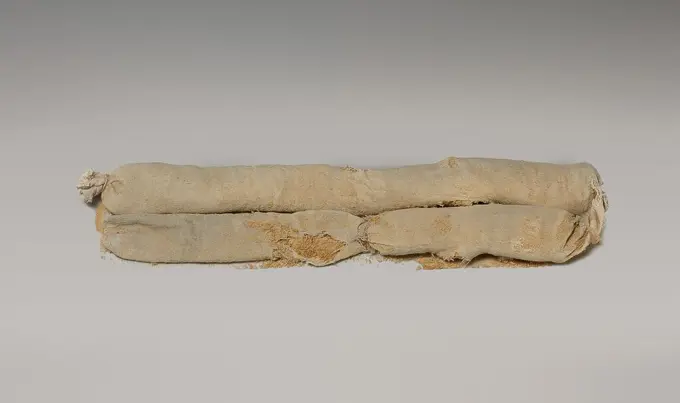
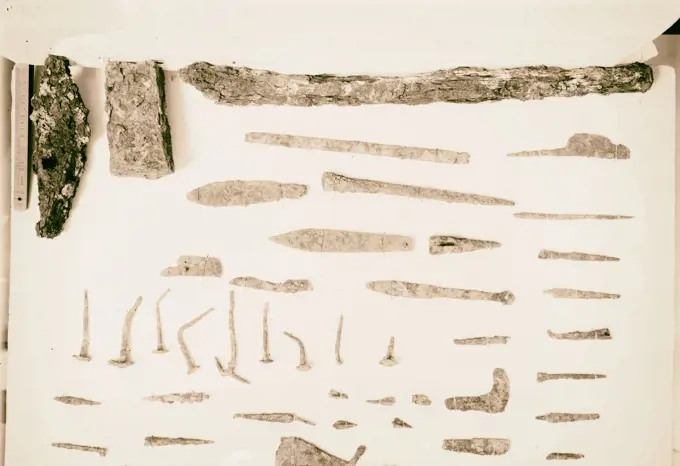
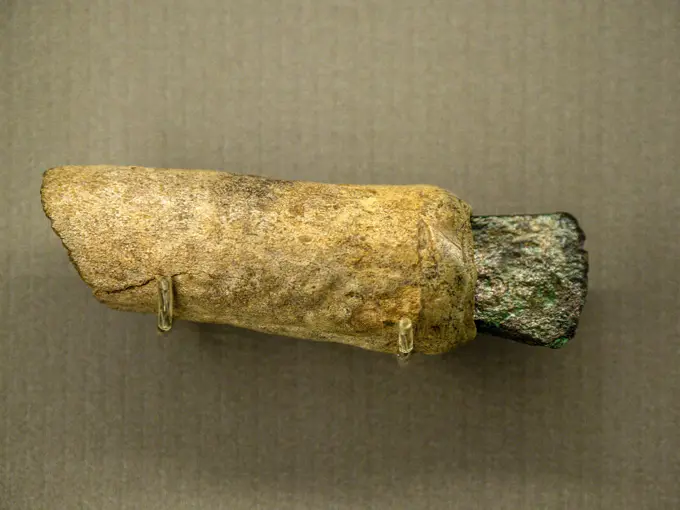
Sharf of a jug from the East Indies' t Vliegend Hart, 1700 - 1735  Stoneware, slightly curved shard with gray -brown glaze.  stoneware. glazeOstracon Early New Kingdom-Ramesside Period ca. 1295-1070 B.C. View more. Ostracon. ca. 1295-1070 B.C.. Limestone, paint. Early New Kingdom-Ramesside Period. From Egypt, Upper Egypt, Thebes; Probably from Deir el-Medina. Dynasty 19-20Fragment of a Bowl 9th century. Fragment of a Bowl 451121CERAMICA BRUÑIDA DEL CARAMBOLO. Location: MUSEO ARQUEOLOGICO-COLECCION. Sevilla. Seville. SPAIN.Figural Ostracon with Depiction of a Standing King. Egypt, New Kingdom, 19th - 20th Dynasty (1315 - 1081 BCE). Tools and Equipment; ostraka. Limestoneview 3. Mediaeval Floor Tile fragmentFragment; (possibly) belonging to the retable of Soest ..Altar for offering libations or burning perfumes. Sandstone. 5th-4th century BC. National Archaeological Museum, Madrid. Spain.Brick with a piece of concretion from the wreck of the East Indians' t Vliegend Hart, Anonymous, 1700 - 1735 brick (clay product) Rectangular, yellow -brown brick with a piece of concretion. Brick.  brick (clay product). concretionary stoneLimestone inscribed block Cypriot. Limestone inscribed block. Cypriot. Limestone. Cesnola InscriptionsCement siliceous conglomerate, sedimentary rock.Fragment 9th-10th century. Fragment. 9th-10th century. Earthenware. Found Saudi Arabia, Dhahran. CeramicsFragment of an Ewer 8th-9th century. Fragment of an Ewer 448732FRAGMENTO DE CERAMICA CON DECORACION CARDIAL. BRONCE S.V a.C (DEPOSITO: MUSEO ARQUEOLOGICO NACIONAL).Button or Bead 9th-10th century The dot-in-circle motif recalls designs presumed to be of magical significance, most likely an abstract eye to ward off the evil-eye, which serves an apotropaic function. Easily reproduced with a tool and visible in many cultures and times, this symbol may have lost its meaning, and become simply a decorative pattern, or may have one that we have not yet discovered. Button or Bead 450864Cover of a Martavan from V.O.C. ship De 'Witte Leeuw', Anonymous, Before 1613 lid Cover of a Martavan from V.O.C. ship De 'Witte Leeuw', 80 present. southeast Asia earthenware   Sint-HelenaFragments from buyer from the wreck of the East India Hollandia.parts or artifacts; eroded fragments: Materials; Copper.Chess Piece, King 9th-12th century. Chess Piece, King 449746Fragment 9th century. Fragment. 9th century. Glass; stained and luster-painted. Attributed to Egypt or Iraq. GlassBelt Plate. Culture: Frankish. Dimensions: Overall: 3 7/16 x 1 15/16 x 5/16 in. (8.8 x 5 x 0.8 cm). Date: 7th century. Museum: Metropolitan Museum of Art, New York, USA.Fragment 14th-15th century. Fragment 445396Iron Concretion that in negatively the form of a (fragment of a) musket or iron bolt/rod in concretion from the wreck of the East Indians' t Vliegend Hart, c. 1700 - c. 1735 concretionary stone The three -associated chunks of concretion show traces of a print of a musket or iron bolt/rod. Originally, the object was probably made of iron or other metal. Concretion.  concretionary stoneRed earthenware reinforcement, triangular with round head and hole, net reinforcement weighting soil finding ceramic earthenware, hole, hand-formed baked Hand-formed tapered earthenware with round hole. Glaze specks Two pieces with shrinkage cracks occur during the drying of the earthenware archeology underground pit Rotterdam City Triangle Groenendaal indigenous pottery catch fish fisherman seine stone Soil discovery around large cesspool underground pit Groenendaal at approximately 60 meters approximately 2,5 meters - N..P September 15, 1975.Carpenter's drawbar with drawbar on one side and hammer on the other side, carpenter drawbar drawbar tool equipment soil find iron metal, forged drawbar. Wide flared triangular blade Conical hammer piece octagonal cross-section. Tube with rectangular hole for seat steel archeology Rotterdam rail tunnel wood work carpenter shipbuilding craft Soil discovery: rail tunnel Rotterdam.Belt Plate. Culture: Frankish. Dimensions: Overall: 2 15/16 x 1 9/16 x 3/8 in. (7.5 x 3.9 x 1 cm). Date: late 7th century. Museum: Metropolitan Museum of Art, New York, USA.Digit from cow's leg, part of throwing game: flocks, koot game piece relaxant soil find leg, Bone on long side underneath each other short dashes incised possible mark archeology Rotterdam rail tunnel play kootkoot fikkelen Soil discovery: trajectory rail tunnel Rotterdam.Fragment 14th-15th century. Fragment 446374Prehistory. Metal Age. 1st Iron Age. Bronze axes and bronze spear head. From Ripoll, Catalonia. Episcopal Museum of Vic. Spain.Terracotta fragment of a column-krater (bowl for mixing wine and water) second quarter of the 5th century B.C. Greek, Attic Part of the top and inside of the mouth of a column-krater; on the top of the mouth, a graffito. Terracotta fragment of a column-krater (bowl for mixing wine and water). Greek, Attic. second quarter of the 5th century B.C.. Terracotta; red-figure. Classical. VasesTerracotta fragments of closed shapes 6th/5th centuries B.C. Greek, Attic Two black glaze fragments from closed shapes. Terracotta fragments of closed shapes. Greek, Attic. 6th/5th centuries B.C.. Terracotta; Black glaze. Archaic/Classical. VasesStucco fragment with male torsoPrehistory, Austria, Paleolithic. Engraved flintstone. From layer 4 of Willendorf.Scherf of a storage jar from the wreck of the East Indians Hollandia, Anonymous, 1700 - in Or Before 1743  Stoneware, Rhenish, Langerwehe-ware, storage-jar; fragm of rim, sim. NG 1980-27H909, everted, oblique, with relieved bands on the exterior. Cologne stoneware   SecondHinge.hinge, Dovetail slope.Terracotta fragment of a kylix (drinking cup) 6th/5th centuries B.C. Greek, Attic Black glazed fragment from the center of a kylix; complete stem and foot; on the top of the foot, a reserved chamfer; the outer edge and resting surface of the foot have miltos; the outer edge of the underside of the foot has a circular band of black glaze; the center has miltos. Terracotta fragment of a kylix (drinking cup). Greek, Attic. 6th/5th centuries B.C.. Terracotta; black glaze. Archaic/Classical. VasesTerracotta rim fragments of kylikes (drinking cups) 6th/5th centuries B.C. Greek, Attic Six black glazed rim fragments from kylikes. Terracotta rim fragments of kylikes (drinking cups). Greek, Attic. 6th/5th centuries B.C.. Terracotta; black glaze. Archaic/Classical. VasesVase fragment ca. 560-500 B.C. Etruscan Human head in relief; three pieces joined.. Vase fragment. Etruscan. ca. 560-500 B.C.. Terracotta; bucchero pesante. Archaic. VasesBowl;  -332 - 395; Ptolemean period-Roman period (-332-00-00-395-00-00);Terracotta fragments of a kylix (drinking cup) late 6th century/early 5th century Greek, Attic Interior, right calf and foot of male to right; Exterior, part of circumscribed handle palmette; warrior wearing a chitoniskos and greaves, with a shield, on his left arm, seen from the inside; rim fragment with tendril loop; outer rim of round shield; part of arm and hand, and lower body of a draped male. Terracotta fragments of a kylix (drinking cup) 704054Terracotta rim fragments of kylikes (drinking cups) 6th/5th centuries B.C. Greek, Attic Three black glazed rim fragments from kylikes. Terracotta rim fragments of kylikes (drinking cups). Greek, Attic. 6th/5th centuries B.C.. Terracotta; black glaze. Archaic/Classical. VasesTerracotta fragments of kylikes (drinking cups) 5th century B.C. Greek, Attic Three parts of feet type B with reserve line at chamfer. Terracotta fragments of kylikes (drinking cups) 678418Belt Buckle Loop. Culture: Frankish. Dimensions: Overall (attached together with x.209.2, .36, .51): 4 5/8 x 2 3/8 x 3/4 in. (11.8 x 6 x 1.9 cm)Overall (loop only): 2 1/2 x 1 3/8 x 7/16 in. (6.3 x 3.5 x 1.1 cm). Date: 4th-7th century. Museum: Metropolitan Museum of Art, New York, USA.Europe, Bulgaria. Model of house with entrance, bake oven. Late Neolithic. Karanowo VI Culture. BulgariaReligious statuettes were produced on a large scale in the Netherlands using pipe clay (white-fired clay). The sculptors formed the statues using moulds such as these and then fired them. This two-piece mould was used for a statuette of the Virgin and Child of the type shown alongside.Oracle bone fragment. Culture: China. Dimensions: 1 3/4 × 4 1/2 in. (4.4 × 11.4 cm). Museum: Metropolitan Museum of Art, New York, USA.Fragment of a faience plaque with inscription ca. 1764-1759 B.C. Middle Kingdom This lower part of a plaque is inscribed on both sides with kheperu, which is enclosed in a rectangle. The top of the rectangle is missing and could have contained two djed signs, forming the Horus name of King Khendjer.. Fragment of a faience plaque with inscription. ca. 1764-1759 B.C.. Faience. Middle Kingdom. From Egypt, Memphite Region, Lisht North, Cemetery, MMA excavations, 1920-22. Dynasty 13, reign of KhendjerBelt Buckle Attachment Plate late 5th century Frankish. Belt Buckle Attachment Plate 465226 Frankish, Belt Buckle Attachment Plate, late 5th century, Iron, repouss silver sheet overlay; copper alloy posts, Overall: 2 7/16 x 2 1/16 x 5/16 in. (6.2 x 5.3 x 0.8 cm). The Metropolitan Museum of Art, New York. Gift of J. Pierpont Morgan, 1917 (17.192.166)Lamp. UnknownPoincon.Lid 4th-7th century Coptic. Lid 478896Excerpt of copper and earthenware from the wreck of the East Indies Hollandia, 1700 - in or before 1743  Parts of artefacts; eroded fragments: materials; copper. Netherlands copper (metal). earthenware   SecondShard: Head of Offerer ca. 4th-5th century Pakistan. Shard: Head of Offerer 51269A model of a sphinx from ancient EgyptStucco Fragment probably 8th-12th century. Stucco Fragment 741519Jar rim sherd ca. late 3rd millennium B.C.. Jar rim sherd 325265Terracotta biconical spindle-whorl ca. 1600-1200 B.C. Cypriot Spindle whorls aided in the making of cloth for garments and bedding. They were placed in tombs, perhaps so that the deceased could continue to spin wool in the afterlife.. Terracotta biconical spindle-whorl 240531Shards of earthenware and stoneware from V.O.C. ship De 'Witte Leeuw', Anonymous, Before 1613  Shards of red-baking earthenware and stoneware from V.O.C.-ship the 'Witte Leeuw'  earthenware. stoneware   Sint-HelenaTerracotta fragments of kylikes (drinking cups) 6th/5th centuries B.C. Greek, Attic Four black glazed fragments from kylikes. Terracotta fragments of kylikes (drinking cups). Greek, Attic. 6th/5th centuries B.C.. Terracotta; black glaze. Archaic/Classical. VasesAntéfixe (common name). Cernuschi Museum, Asia Museum of Asia in the city of Paris.Coiffure Support 3rd-7th century. Coiffure Support 443625Terracotta fragment of a column-krater (bowl for mixing wine and water) 460-430 B.C. Greek, Attic Head, right shoulder, bent right arm, and part of upper torso of a male to left; panel ornament is comprised of a vertical line between dots. Terracotta fragment of a column-krater (bowl for mixing wine and water). Greek, Attic. 460-430 B.C.. Terracotta; red-figure. Classical. VasesTerracotta fragments of a kylix (drinking cup) second quarter of the 5th century B.C. Greek, Attic Exterior, part of head and upper body of youth to right, tablets in field, seated male with hand on staff; head and part of upper body of youth to right; back of head, neck, and part of upper body, with right hand on hip, of draped youth bending right; youth with hand to head; handle; wall fragment. Terracotta fragments of a kylix (drinking cup) 667564Excerpts batter from the wreck of the East Indians Hollandia, Anonymous, 1700 - in Or Before 1743  Fittings, bands and bracing, flat; fragm, squashed, id. NG 1980-27H1868. Netherlands copper (metal)   SecondVase fragment Neolithic. Vase fragment. Neolithic. Terracotta. VasesKingdom of Urartu. Asia Minor. Shield. Bronze, 8th century BC. Two-line cuneiform inscription of King Argishti I on the rim, repeated twice: "To god Haldi, the Lord, into the city of Erebuni, did Argishti, son of Menua dedicate this shield. Argishti, the mighty King, the great king, the king of Biainili, ruler of Tushpa city". The State Hermitage Museum. Saint Petersburg. Russia.Waistcoat 18th century French. Waistcoat 101840Terracotta fragment of a kylix (drinking cup) 565-560 B.C. Naukratis Painter Interior, bit of the left eyebrow, eye, left ear, face, neck, and left shoulder of a sphinx or siren; a second fragment has part of a floral ornament; Exterior of the larger fragment, part of a red glazed band; below, rays; exterior of the smaller fragment, bit of a black glazed line; part of a red glazed band; rays. Terracotta fragment of a kylix (drinking cup). Greek, Laconian. 565-560 B.C.. Terracotta; black-figure. Archaic. VasesHand from sarcophagus;  around 1069 945 BC ; 21 Dynasty (-1069-00-00--945-00-00);Attic Red-Figure Neck Amphora Fragment. Attributed to Berlin Painter (Greek (Attic), active about 500 - about 460 B.C.)Ostrakon. Culture: Coptic. Dimensions: a: 1 11/16 x 2 1/16 x 1/4 in. (4.3 x 5.3 x 0.6 cm)b: 4 3/16 x 5 11/16 x 1/4 in. (10.7 x 14.5 x 0.6 cm)c: 1 1/8 x 1 1/2 x 1/4 in. (2.8 x 3.8 x 0.6 cm)d: 1 3/8 x 1 3/16 x 1/4 in. (3.5 x 3 x 0.6 cm). Date: 580-640. Museum: Metropolitan Museum of Art, New York, USA.Relief Fragment 6th-7th century Coptic. Relief Fragment 464703Terracotta votive offerings. From an Etruscan or Etrusco-Campanian selection once featured in Henry Welcome's museum. 4th-2nd Century BC.Relief fragment from the tomb of Meketre ca. 1981-1975 B.C. Middle Kingdom. Relief fragment from the tomb of Meketre 668909Iron Axehead, Mediaeval. Found at Weoley Castle site Rome. The exhibition 'Tota Italia, at the origins of a nation', curated by Massimo Osanna and Stéphane Verger, at the Scuderie del Quirinale, until 25 July. Liver, by divination, with inscriptions in Etruscan.Terracotta fragments of oinochoai (jugs) or olpai (jugs) 6th/5th centuries B.C. Greek, Attic Three black glazed fragments from oinochoai or olpai. Terracotta fragments of oinochoai (jugs) or olpai (jugs). Greek, Attic. 6th/5th centuries B.C.. Terracotta; black-figure. Archaic. VasesShards of earthenware and stoneware from V.O.C. ship De 'Witte Leeuw', Anonymous, Before 1613  Shards red-baking and white-baking earthenware and stoneware, a few glazed, from V.O.C. ship the 'Witte Leeuw'.  stoneware. earthenware. glaze   Sint-HelenaFragments of Metal from V.O.C. ship De 'Witte Leeuw', Anonymous, 1613 fragment Six metal fragments and a bag of grit. Fragile.  metal. tin (metal)Prehistory, Italy, Paleolithic. Polished flint blades. From Marche Region.Fragment 14th-15th century. Fragment 446413Terracotta fragment of a bell-krater (bowl for mixing wine and water) 450-440 B.C. Greek, Attic Part of the foot of a bell-krater; top of the foot is glazed; outer edge and underside is unglazed. Terracotta fragment of a bell-krater (bowl for mixing wine and water). Greek, Attic. 450-440 B.C.. Terracotta; red-figure. Classical. VasesHuang Crescent Shaped Pendant, 480-221 BCE, 3/4 x 3 7/16 x 1/4 in. (1.91 x 8.65 x 0.64 cm), Ivory-grey jade with traces of red pigment, China, 5th-3rd century BCEAppliqué for a funeral couch. UnknownBust of a goddess. Culture: Greek, Sicilian. Dimensions: H. 9 in. (22.91 cm). Date: 4th-3rd century B.C.. Museum: Metropolitan Museum of Art, New York, USA.Terracotta fragments of kylikes (drinking cups) 6th/5th centuries B.C. Greek, Attic Twelve black glazed fragments from kylikes. Terracotta fragments of kylikes (drinking cups). Greek, Attic. 6th/5th centuries B.C.. Terracotta; black glaze. Archaic/Classical. VasesFragment 14th-15th century. Fragment 446456Spearhead. Iran, Luristan, circa 1000-550 B.C.. Arms and Armor; spears. BronzeVase fragments ca. 1600-1450 B.C. Minoan. Vase fragments. Minoan. ca. 1600-1450 B.C.. Terracotta. Late Minoan I. VasesTerracotta fragment of a kylix (drinking cup) late 6th century B.C./early 5th century B.C. Greek, Attic Parts of three kylix feet, the outer face is profiled at the bottom; underside unglazed. Terracotta fragment of a kylix (drinking cup) 678573Tools of flint and animal bones. Performed by Homo sapiens (Cro-Magnon). Upper Paleolithic. National Museum of Denmark. Copenhagen. Denmark.Terracotta fragments of kylikes (drinking cups) 5th century B.C. Greek, Attic Three miscellaneous fragments of feet type B with chamfer. Terracotta fragments of kylikes (drinking cups) 678382Fragment of lock plate with pan and steel of a snaphane slot of a musket. Part of the lock plate with pan and steel of a snaphane lock. The highly corroded fragment exhibits the remains of a pan with a swivel case, the rotating steel and the remains of the battle feather fixing plate and the steel spring. This fragment belongs to another fragment to which the rooster of this slot is (RM NM-7762). Compared to the other firearms found on Nova Zembla, this is a very modern weapon. As of the radlot, this snap lock, the springs apparently have succumbed into the extreme cold, so that the lock became worthless.Fragment; wool, linenGreek Inscription. UnknownFragments from buyer from the wreck of the East India Hollandia.parts or artifacts; eroded fragments: Materials; Copper.Osełka. nieznany warsztat północno mezopotamski (ca 2600-ca 2350 a.C.), workshopKnife in the Shape of a Snake Dian. Knife in the Shape of a Snake, 206 B.C.E.-8 C.E. Bronze, 10 3/4 x 3 1/4 in. (27.3 x 8.3 cm).   Asian Art 206 B.C.E.-8 C.E.Cylindrical bag of sawdust from Tutankhamun's Embalming Cache. Dimensions: folded into two parallel rolls: L. 39.7 cm (3 7/16 in.); W. 8.7 cm (3 7/16 in.); H. 3.7 cm (1 7/16 in.)as one long tube: ca. L. 75 cm (29 1/2 in.); W. 4.5 cm (1 3/4 in.); H. 3.7 cm (1 7/16 in.). Dynasty: Dynasty 18. Reign: reign of Tutankhamun. Date: ca. 1336-1327 B.C..In December 1907 Theodore M. Davis, a wealthy American who was funding excavations in the Valley of the Kings, discovered a small pit near the tomb of Seti I. Inside the pit were approximately a dozen large sealed whitewashed storage jars (09.184.1). Among other things, the jars contained bags of natron (a kind of salt), pieces of linen with hieratic inscriptions dated to Years 6 and 8 of a king named Tutankhamun (throne name Nebkheperure). At the time, almost nothing was know about Tutankhamun, and Davis declared that he had discovered the king's tomb.Davis received a number of the jars and their contents in the division of finds and, in 1909, heNails, knives & misc. relics. 1898, Middle East, Israel and/or PalestineBronze und Griff der Stange bronze and handle of rod, cave of Santimamine, Kortezubi, Arkeologi Museoa, museum aqueologico, Bilbao, Bizkaia, Pais Vasco, Spain Copyright: xZoonar.com/Tolox 22845404