Historic Pottery Vessels

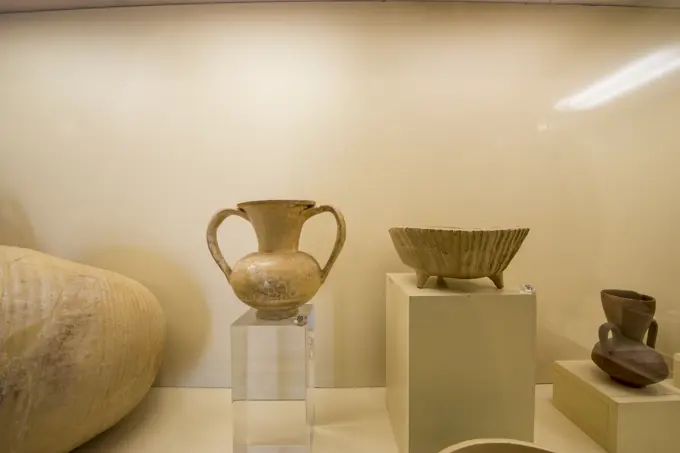
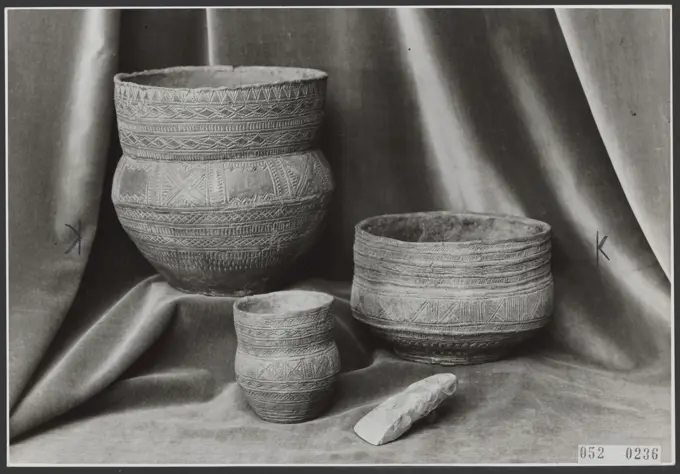
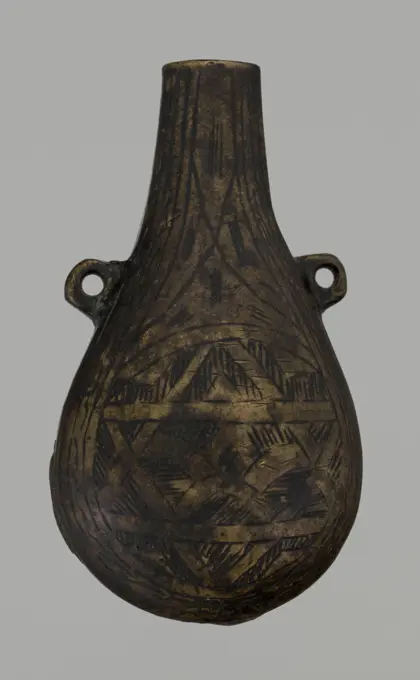
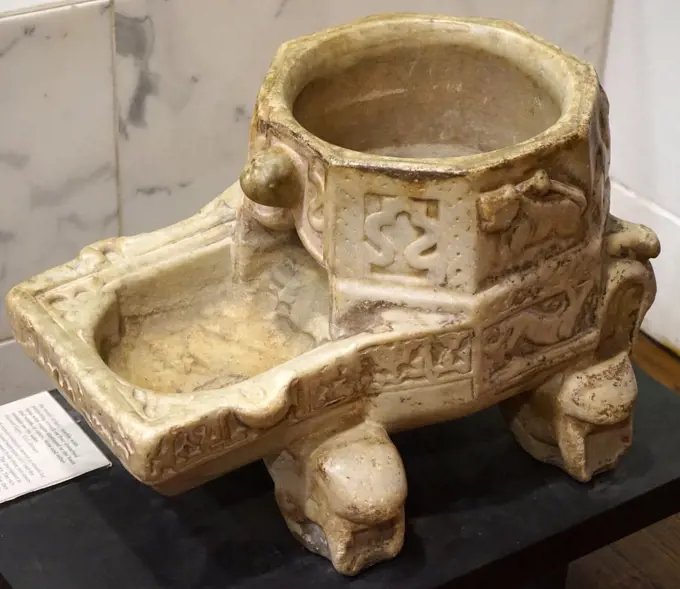
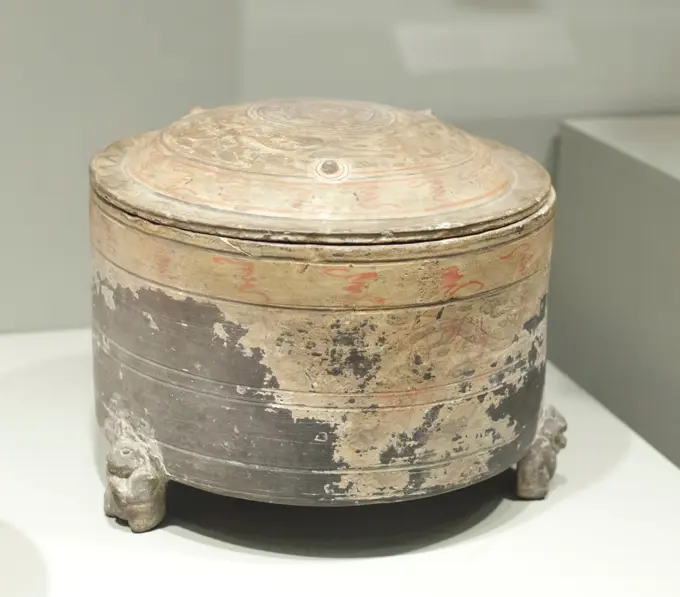
Ancient and decorative pottery pieces from different eras, showcasing unique shapes and textures, reflecting cultural heritage.

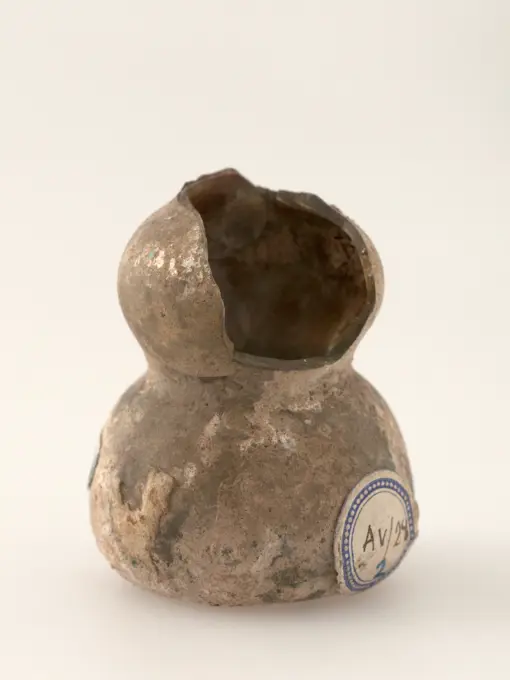
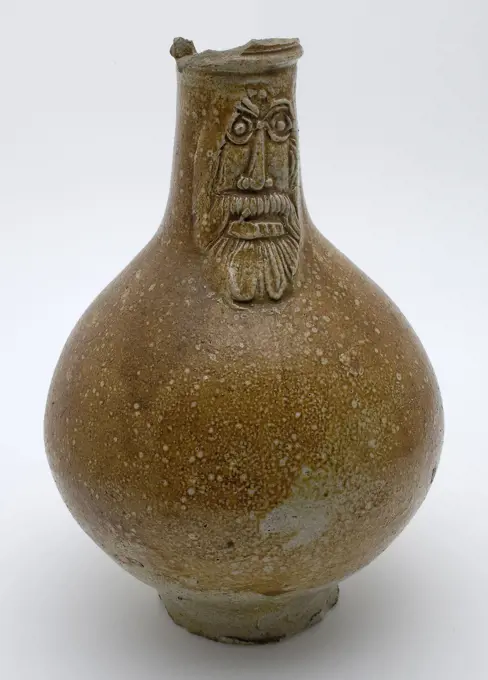
Earthenware grape, cooking pot on three legs, with two ears, grape cooking pot tableware holder utensils earthenware ceramics earthenware glaze lead glaze, hand-turned glazed baked Pottery cooking pot grape-model red shard sparingly glazed Two sausages rotated three legs. Extremely poor condition of the surface. Damage to (soil) salts archeology Rotterdam City center Stadsdriehoek Hoogstraat indigenous pottery food preparation cooking kitchen Soil discovery: during the renovation of house on the Hoogstraat (very deep in the ground).
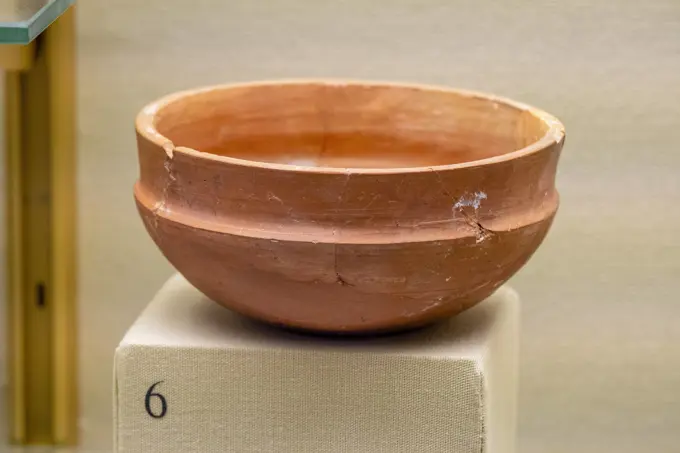
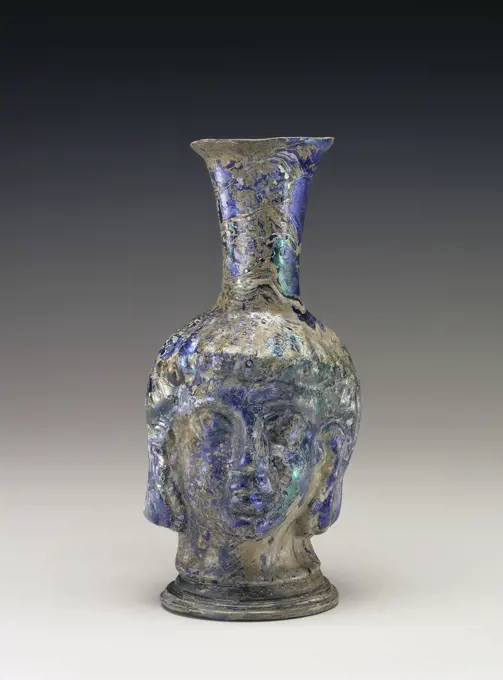
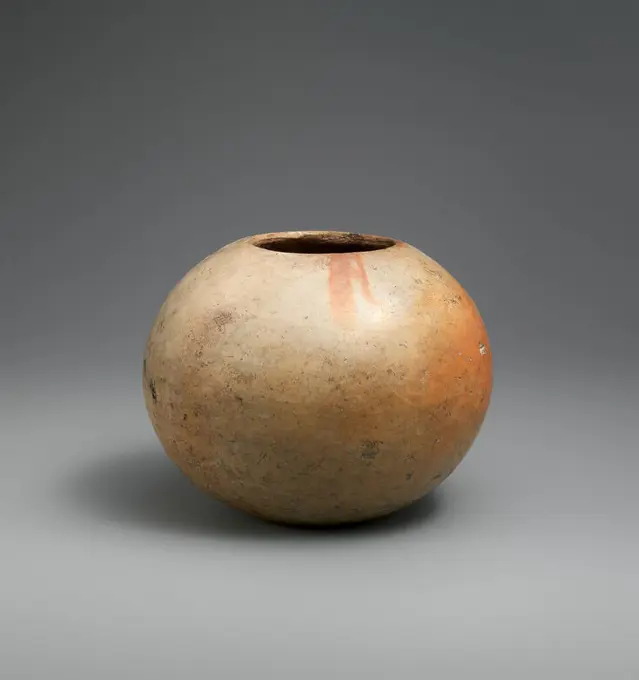
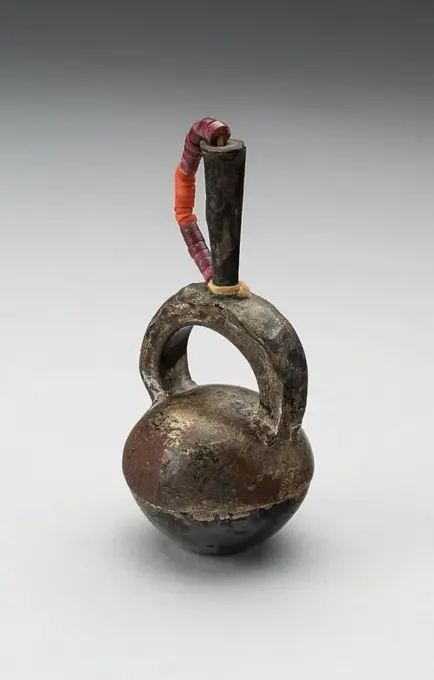
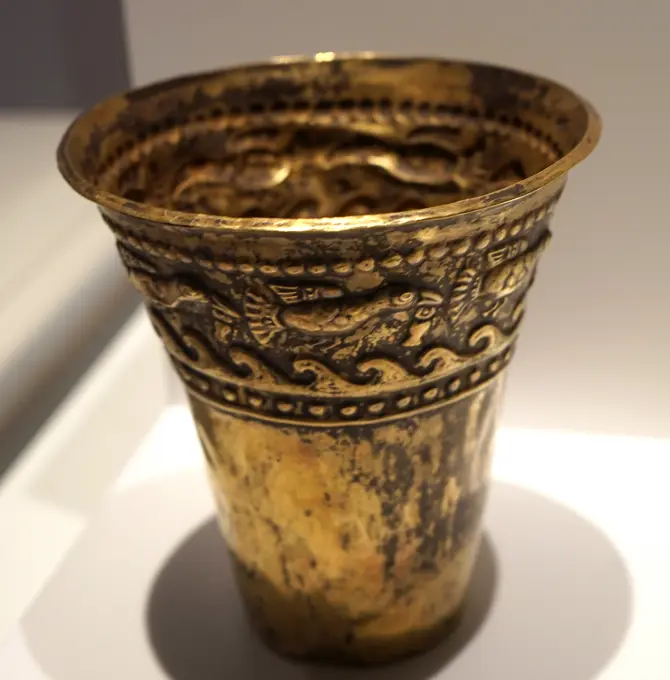
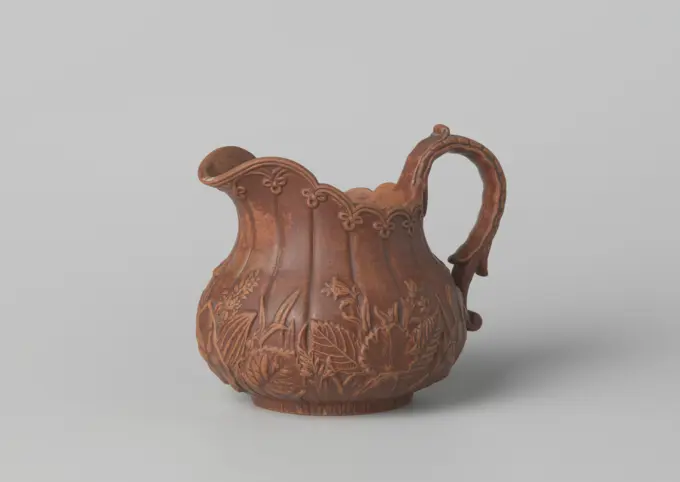
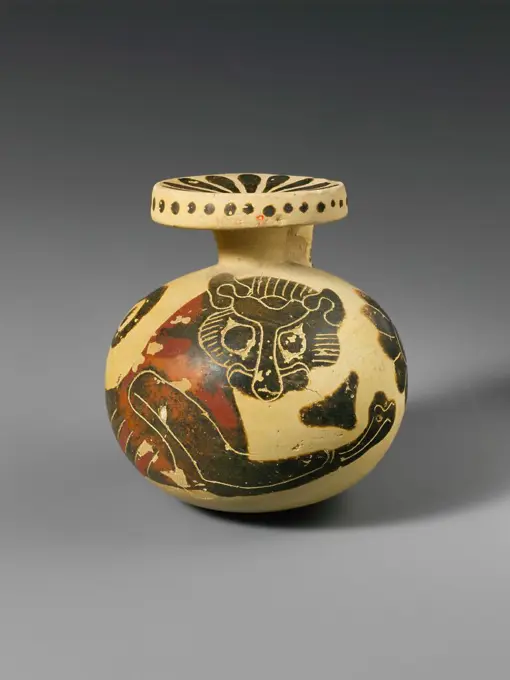
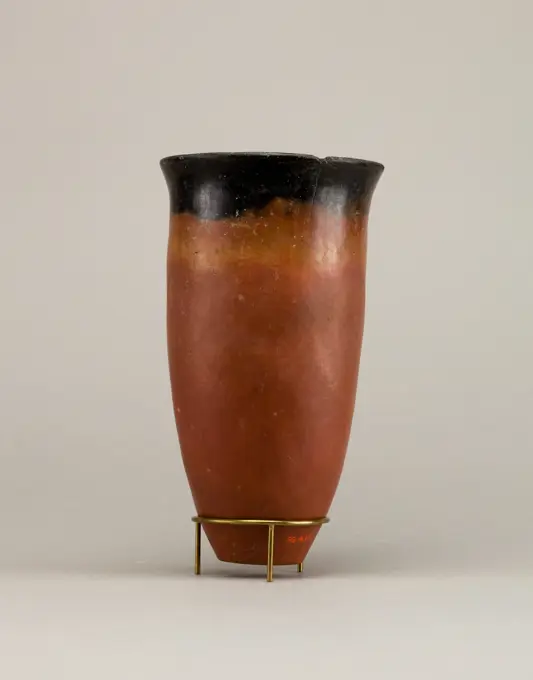
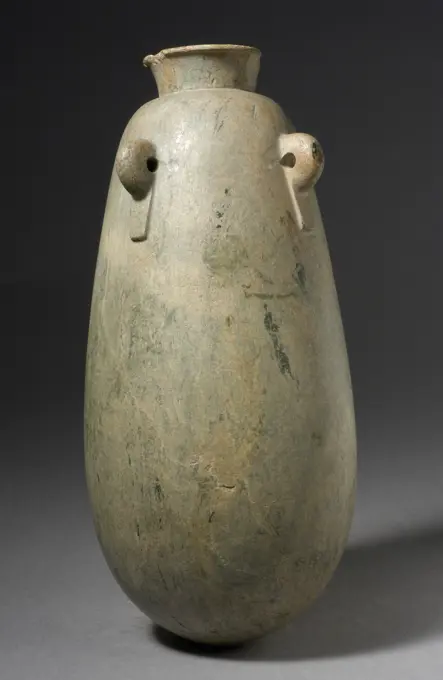
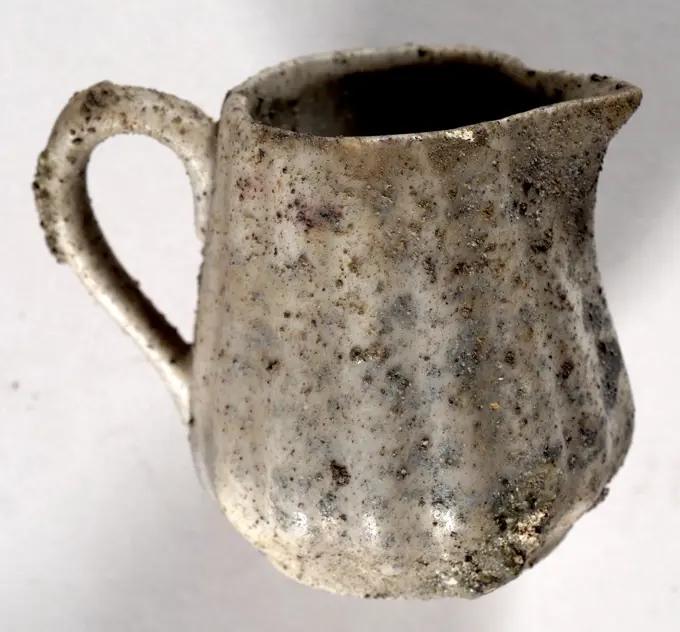
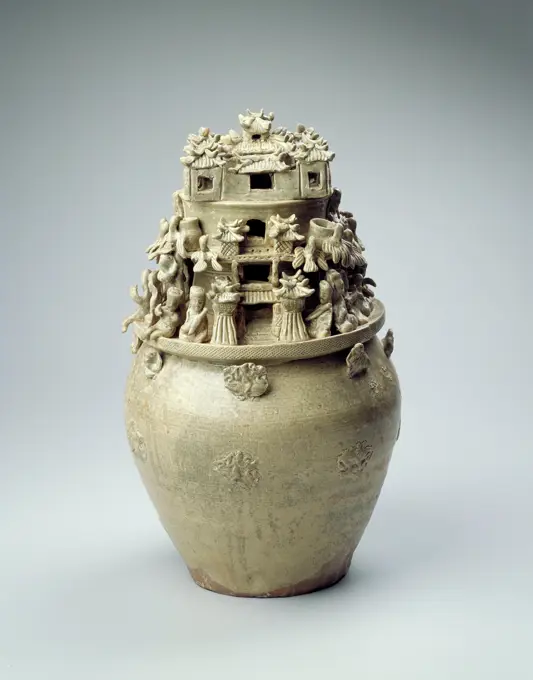
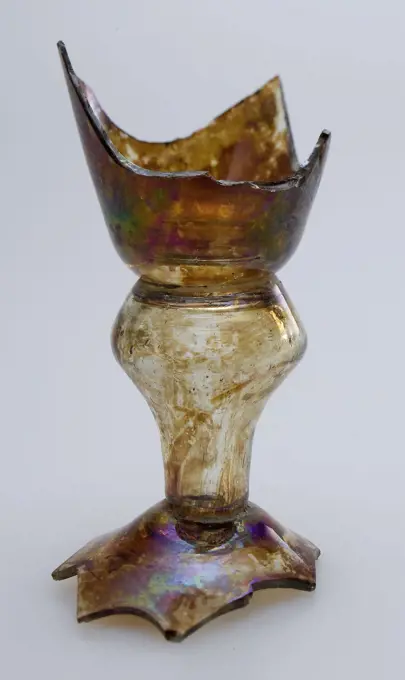
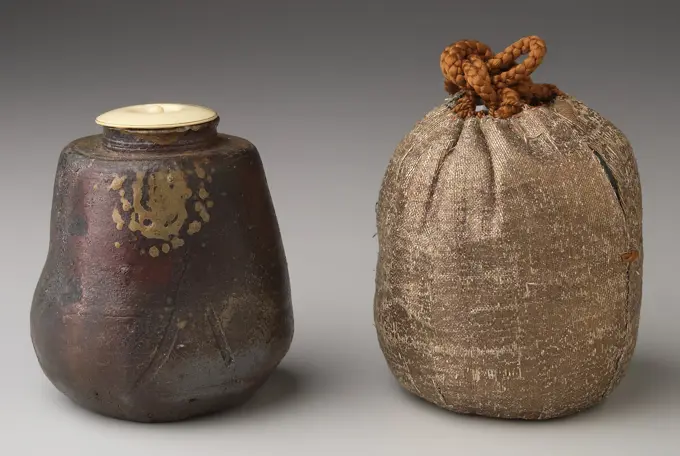
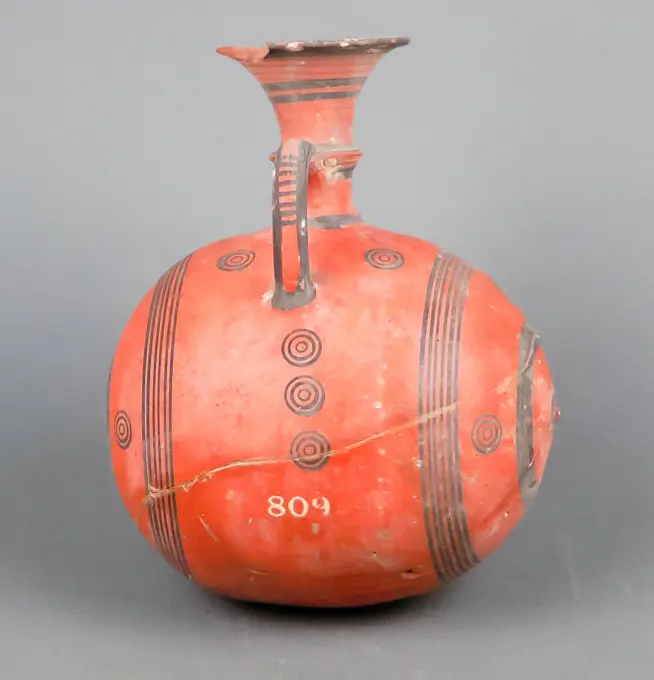
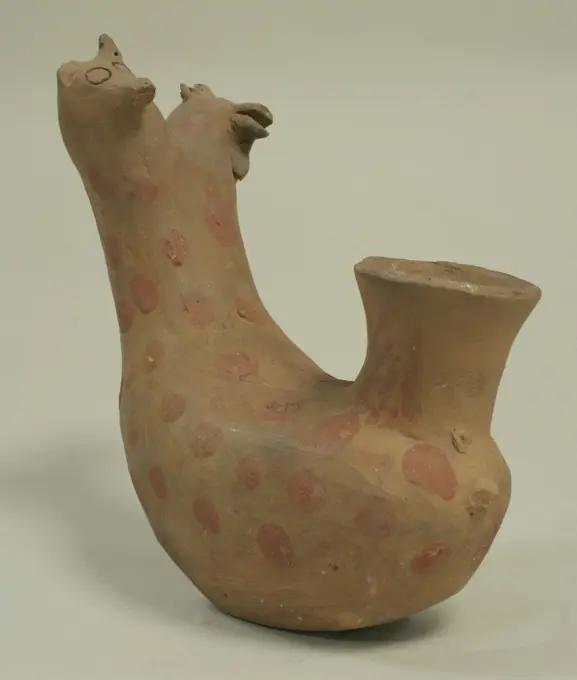
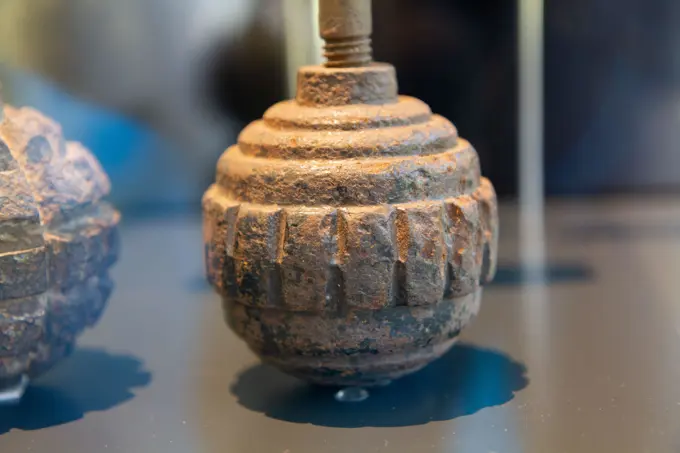
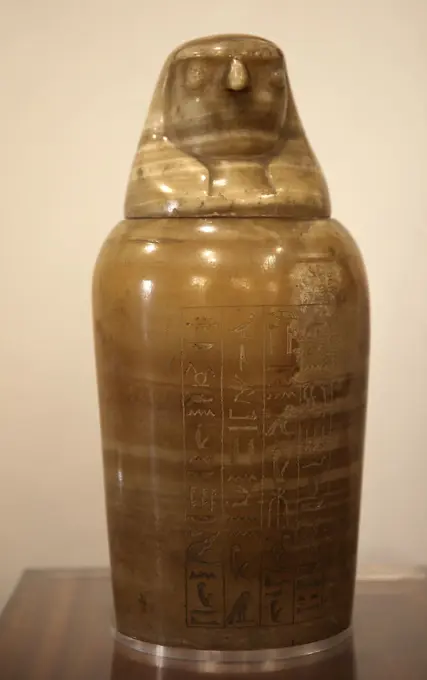
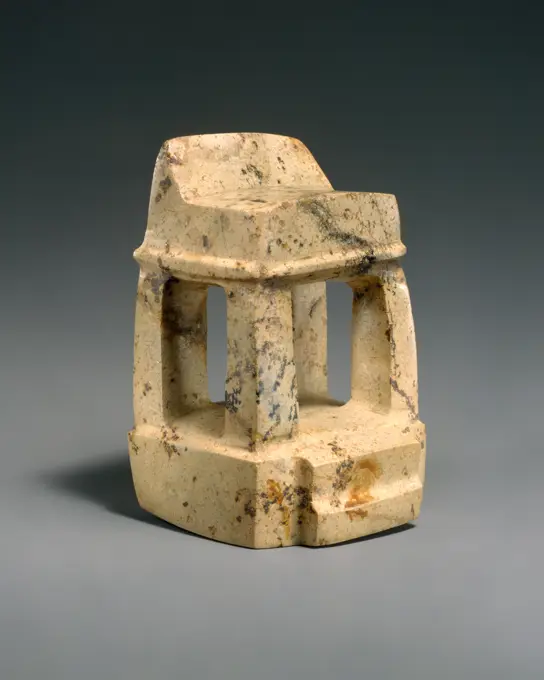
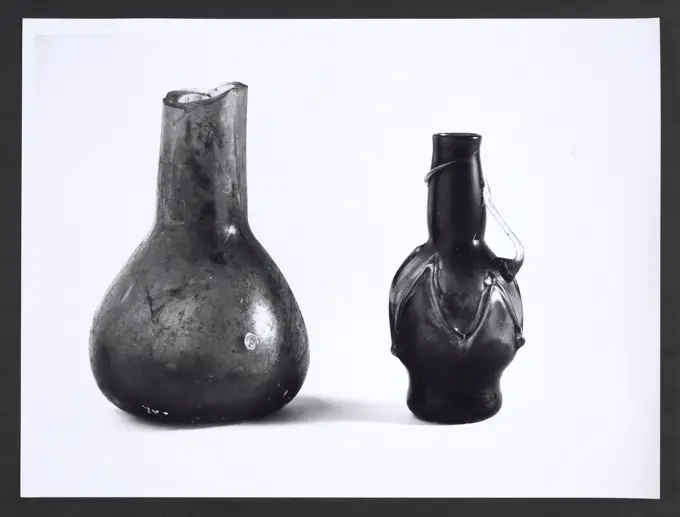
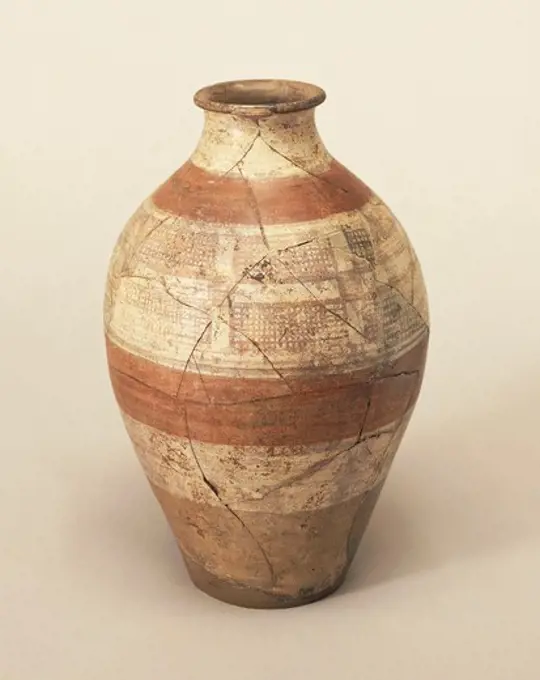
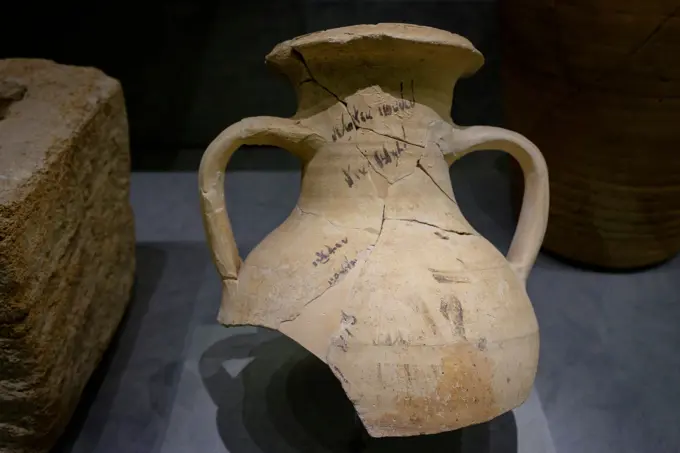
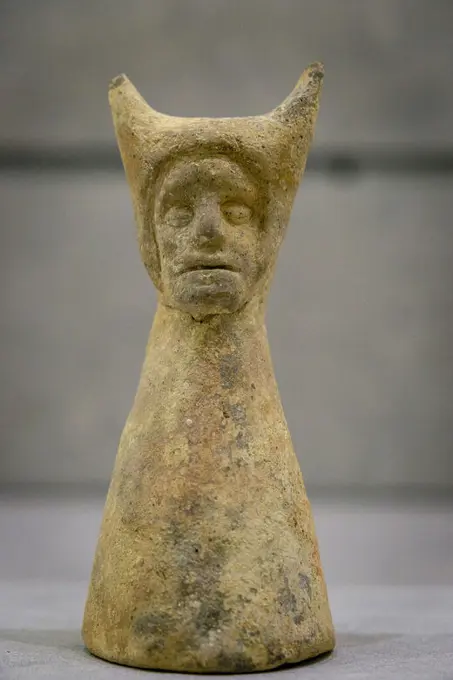
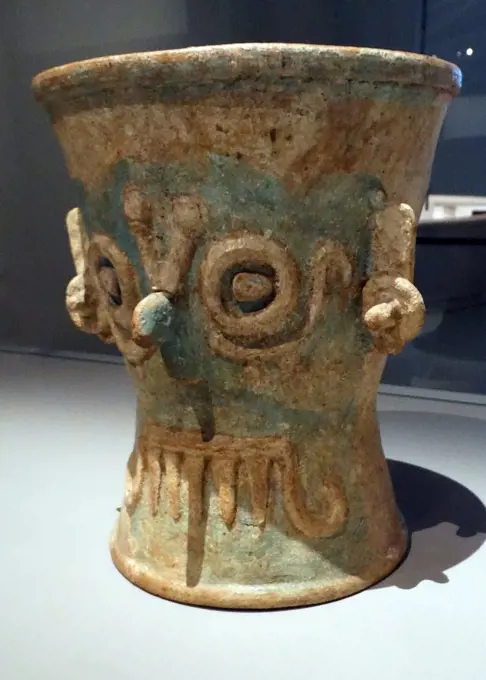
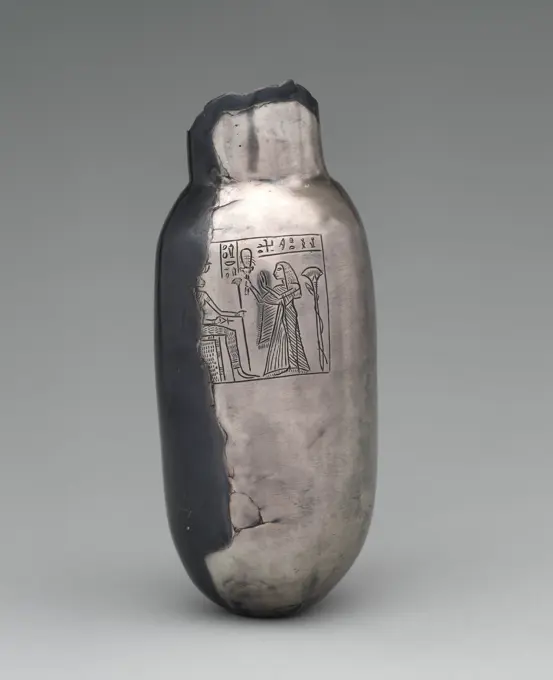
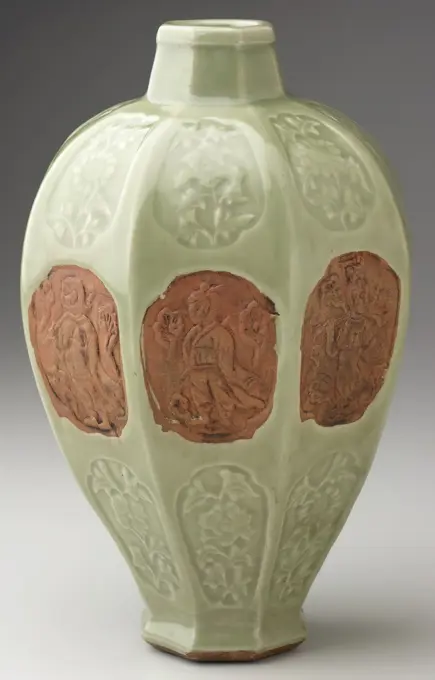
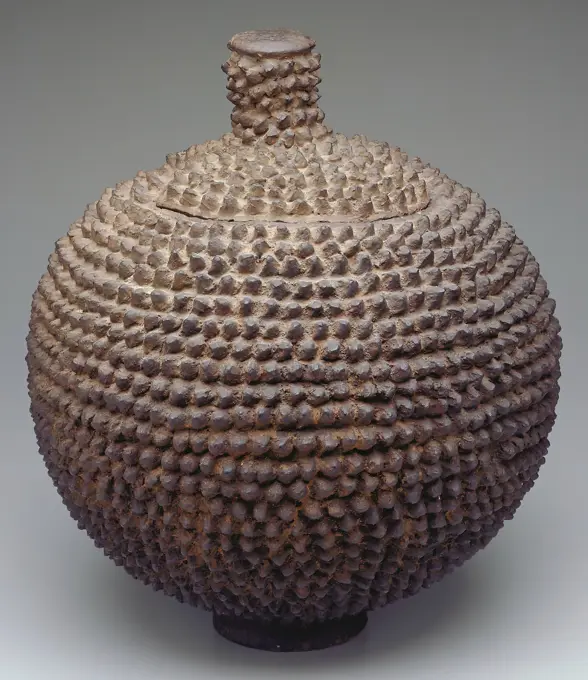
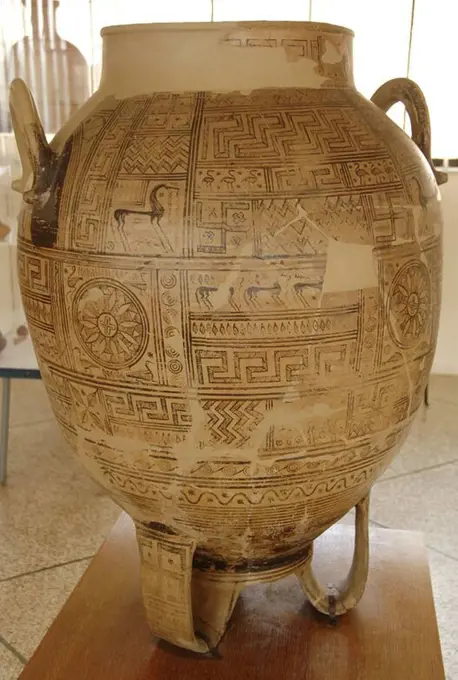
Dish;  around 2686- 2181 BC ; Old PAKeltiberisches Schiff Celtiberian vessel, 4th-1st century BC, Cerro de San Miguel, Arnedo, Museum of Romanization, Calahorra, La Rioja, Spain, Europe Copyright: xZoonar.com/BartomeuxBalaguerxRotgerx 22946124Flask in the Shape of a Head; Roman Empire; 4th - 5th century; Glass; 17.2 × 8 cm (6 3,4 × 3 1,8 in.)glazed earthenware jar at Shakespeare's birth place, Stratford-Upon Avon, England. 16th centuryTobacco Basket, c 1875- 1900. California, Yurok, late 19th century. Twined grasses; overall: 19 x 17 x 17 cm (7 1/2 x 6 11/16 x 6 11/16 in.).CANTARO DE CUELLO ALTO Y ESTRECHO CON 2 ASAS Y PITON - CERAMICA NEGRA. Location: ALFARERIA. VERDU. Lerida. SPAIN.Mayan ceramic vase, with an engraved figure of a god with a large nose. Uxmal, Yucatan, Mexico 600-900ADBottle. Glass. Gallo-Roman. Paris, Carnavalet museum. 51538-10 Gallo-Roman time, bottle, Gallo-Roman, glassSmall JugCERAMICA CAMPANIFORME DE ALCIRA-VALENCIA-PREHISTORIA. Location: MUSEO DE PREHISTORIA Y ARQUEOLOGIA. Valencia. SPAIN.BottleNicholas Amantea, Crock, c 1938 CrockGlass perfume bottle 2nd-3rd century A.D. Roman Candlestick unguentarium.Colorless with bluish tinge.Tubular rim folded out, over, and in; cylindrical neck flaring downward; convex body, curving out and sharply downward; pushed-in bottom with central kick.Broken and repaired on body with small hole in edge at base; many bubbles and blowing striations; pitting, iridescence, and patches of creamy brown weathering.Colorless blown glass "candle-stick" vase with very long neck and wide base.. Glass perfume bottle. Roman. 2nd-3rd century A.D.. Glass; blown. Mid Imperial. GlassJar -PEBETERO. Nº INV. 30146. (ALTURA MAXIMA 7,5 CM. LONGITUD MANGO 23 CM) MUSULMAN. (EXPOSICION :ARTE ISLAMICO ESPAÑOL)(DEPOSITO: MUSEO ARQUEOLOGICO DE CORDOBA ).Corn Plant Bottle. Culture: Moche. Dimensions: H. 11 3/8 x W. 4 9/16 in. (28.9 x 11.5 cm). Date: 4th-7th century. Museum: Metropolitan Museum of Art, New York, USA.Bowl (Tecomate). Culture: Olmec. Dimensions: Diam. 4 3/4 in. (12 cm). Date: 12th-9th century B.C..This bowl, reportedly from the site of Las Bocas, Puebla, Mexico, is in a full, round shape with a small opening at the top. Made of a kaolin-like clay, its walls are thin and burnished to a high gloss. It is undecorated, but the variegated color on its outer surface ranges from beige, to grey, to light brown and orange-red. Museum: Metropolitan Museum of Art, New York, USA.Footed Bowl 9th-10th century. Footed Bowl 448382Artifacts in Castelo de Silves Museum. SIlves, Algarve, Portugal. (Editorial Use Only)Miniature Stirrup-Spout Vessel. Chimú; North coast, Peru. Date: 1100-1470. Dimensions: H. 10.2 (4 in.). Ceramic and pigment. Origin: North Coast. Museum: The Chicago Art Institute, Chicago, USA.Large shouldered jar. Date: ca. 3850-2960 B.C.. Museum: Metropolitan Museum of Art, New York, USA.Kero culture, ritual cup in gold; Mesoamerican. Equador1450-1535 ADPrehistory, Italy, Bronze Age. Thapsos type terracotta skyphoi found at Thapsos, Magnisi peninsula (Siracusa province) and at Modica (Ragusa province).Milk jug, scalloped, with flowers and leaves in relief, anonymous, c. 1400 - c. 1950 Terracotta milk jug. The scalloped body with flowers and leaves in relief. Germany terracotta (clay material) Terracotta milk jug. The scalloped body with flowers and leaves in relief. Germany terracotta (clay material)Bowl Resting on Jaguar 5th-16th century Costa Rica. Bowl Resting on Jaguar 312601Terracotta aryballos (oil flask). Culture: Greek, Corinthian. Dimensions: H. 2 1/4 in. (5.7 cm). Date: ca. 640-625 B.C..On the body, winged lion surrounded by rosettes in the field. Museum: Metropolitan Museum of Art, New York, USA.Black-topped red ware beaker ca. 3850-2960 B.C. Predynastic Period. Black-topped red ware beaker. ca. 3850-2960 B.C.. Pottery. Predynastic Period. From Egypt, Northern Upper Egypt, Abadiya, Cemetery R, Tomb R215, EEF excavations 1898-99Chalcolithic, fifth millennium BC,Bulgarian National Archaeological Museum, Sofia, Republic of Bulgaria, Europe.Jar China. Jar. China. Red stoneware with turquoise blue glaze. Yuan dynasty (1271-1368). CeramicsJARRA VIDRIADA EN BLANCO-S XX ARTE POPULAR. Location: ALFARERIA. Badajoz. SPAIN.Lamp with Cross 301 CE-599 CE Egypt. Bronze . Ancient EgyptianSmall Alabastron. Egypt, 27th Dynasty() (525 - 404 BCE). Furnishings; Serviceware. SerpentinePitcher salvaged from the Great Chelsea Fire of 1908 , Fires. Chelsea Public Library Archive CollectionArtifacts in Castelo de Silves Museum. SIlves, Algarve, Portugal. (Editorial Use Only)JARRA CON DOS ASAS- CERAMICA PARA AGUA. Location: ALFARERIA. ALBOX. Almería. SPAIN.Spirit Jar (hunping), late 3rd century, 18 1/2 x 11 1/8 in. (46.99 x 28.26 cm), Yue ware Porcelaneous stoneware with olive green glaze, China, 3rd century, Large, extensively decorated burial jars like this have been recovered in recent decades. Limited to the area south of the River in the Northern Zhejiang and Southern Jiangsu province, they represent a vessel type and burial practices specific to this region. Made without lids, the jars display an extremely rich assortment of molded figures, animals, and architecture in a tiered arrangement comprising their upper portions.glazed earthenware jar at Shakespeare's birth place, Stratford-Upon Avon, England. 16th centuryMexico.Mexico city.National Museum of Anthropology.Ceramic vessel.Roman red terra sigillata bowl with relief decoration. 1st century. Roman Hispania, Spain. National Archaeological Museum, Madrid. Spain.Fragment of part of foot and of stem of goblet, drinking glass drinking utensils tableware holder soil find glass, hand-blown Fragments of part of foot of trunk and of part of three (very similar) chalice glasses (5-7) ) in clear colorless glass. Pontil mark under slightly ascending foot one with folded foot edge. Hollow reverse baluster stem. Bell-shaped smooth chalice archeology Soil discovery: loose finds collapses.Antique scratch ceramic vase (Still life)Tea caddy, late 16th century, Unknown Japanese, 3 3/8 x 3 x 2 7/8 in. (8.57 x 7.62 x 7.3 cm), Bizen ware; glazed stoneware with ivory lid and brocade bag, Japan, Bizen, Beginning in the 1300s, Japanese potters in and around Imbe village in the old province of Bizen produced a variety of sturdy utilitarian vessels using the local, iron-rich clay. The unglazed, rich reddish brown clay later appealed to tea masters like Sen no Rikyū (1522-1591), who is credited with profoundly shaping the Japanese tea ceremony in the late 1500s and is known to have prized accidental kiln effects. This small, finely crafted tea caddy exhibits the gomayū (sesame seed glaze) effect in which small yellowish beads of natural ash glaze form in the firing process. This caddy was once owned by Sotsutaku-sai (1744-1808), eighth-generation head of the Omotesenke, one of the three schools of the tea ceremony that carry on the tradition of Sen no Rikyū.Jug, barrel-shaped 850-750 B.C. Cypriot Two handles, vertical and concentric circles.. Jug, barrel-shaped. Cypriot. 850-750 B.C.. Terracotta. Cypro-Geometric III. VasesBottle 9th-6th century B.C. Paracas. Bottle. Paracas. 9th-6th century B.C.. Ceramic. Peru, Ica Valley. Ceramics-ContainersBowl from the Hawaiian Islands presented to Captain Charles Clerke. Dated 18th CenturyA grenade on display. Canadian National Vimy Memorial (First World War Memorial) on the Vimy Ridge near the town of Arras.Caponic jar with falcon-headed lid (Qebehsenuf). Saite period. 26th Dynasty. Calcite. Egypt. Barracco Museum of Antique Sculpture. Rome. Italy.Temple 1st-8th century Mezcala. Temple. Mezcala. 1st-8th century. Stone. Mexico, Mesoamerica, Guerrero. Stone-SculptureLazio Viterbo Viterbo Museo Civico54. Hutzel, Max 1960-1990 Views of paintings (Middle Ages through 18th c.), frescoes, a tabernacle, coffin, sculpture reliefs, portal fragments, busts, sculpture, tapestry found in the Pinacoteca, Second floor gallery and Second floor cloister sequences. Antiquities: Many views of Etruscan and Roman fragments, sculpture, sarcophagi, pottery, masks, jewelry and other objects found in the Storeroom sequence (inventory numbers on back of prints), and the Cloister, Second floor Cloister, Valle Giulia, Sala Romana and Sala Etrusca sequences. General Notes: There are eight separate numerical sequences for this location. The cloister as an architectural structure, rather than museum site, is documented in the record and file for S. Maria della Verita, Cloister, all views of which are stored in Medieval core collection. Five views from the Museo Civico Second floor cloister sequence are stored in Medieval. German-born photographer and scholar Max Hutzel (1911-Celtic civilization, Germany. Painted ceramic vase. From the Oppidum at Manching.Glass beaker. Culture: Roman. Dimensions: 3 1/2 in. (8.9 cm)Diameter: 2 9/16 in. (6.5 cm)Diam. of rim: 2 1/2 in. (6.4 cm). Date: 1st century A.D..Colorless with greenish tinge.Uneven ground rim; cylindrical body with straight sides tapering slightly downwards; slightly pushed-in bottom.Wheel-cut decoration comprising four broad, horizontal grooves irregularly spaced down sides, with the uppermost just below rim.Intact; pinprick bubbles; dulling, pitting, and iridescence, with many patches of thick creamy, enamel-like weathering on exterior, and interior covered with soil and limy encrustation.Cylindrical yellowish beaker with four incised lines around body. Museum: Metropolitan Museum of Art, New York, USA.Lid ca. 600-400 B.C. Iran This ceramic lid has been reconstructed from several sherds. It has a flat top, rounded sides and a centrally place knob handle. It is made of a grey clay. It was excavated at Yarim Tepe in northeastern Iran, six miles south of the modern town of Gonbad-e Kavus. Yarim Tepe was a small settlement, inhabited from the Neolithic to the Parthian period, with many interruptions. This lid probably dates to the Achaemenid period.. Lid. Iran. ca. 600-400 B.C.. Ceramic. Iron Age. Iran, Yarim Tepejarra utilizada como urna cineraria y decorada con nombres propios en escritura neopunica, 200-100 b.C., Ibiza and Formentera Archeological Museum, Pa...John Dana, Jar, c 1936 JarBoka bowl, a cock of a bowl;  IV-VI century; Postmeroic period (301-00-00-600-00-00), III-VI century; Meroicki's half-period-post-ero period (201-00-00-600-00-00);Egyptian ceramics, transmission (provenance), rescue excavations, IV Qatract (Sudan)CANTARILLO CON ASA ANCHA Y GRANDE - DECORACION INCISA - ARTE POPULAR S XX. Location: ALFARERIA. MOVEROS. Zamora. SPAIN.Prehistory, Italy, Iron Age. Este culture. Engraved bronze votive shovel. From Padua.Ancient Egyptian pottery from the 21st Dynasty.Glas mit doppeltem Ausguss und Brückengriff, der einen Trophäenkopf darstellt glass with double spout and bridge handle representing a trophy head, Nazca, southern coast of Peru, 200 BC to 800 AD, polychrome ceramic, MuEC, Barcelona, Catalonia, Spain LicenseRF Copyright: xZoonar.com/TOLOxBALAGUERx 23171404Celtibera storage jar, cooked clay, Contrebia Leucade, Aguilar del Rio Alhama, Museo de la Romanización, Calahorra, La Rioja , Spain, Europe.figura con tocado de cuernos, 300-200 a.C, Museo arqueológico de Ibiza y Formentera, Patrimonio de la Humanidad «Ibiza, biodiversidad y cultura», Ibiza, balearic islands, Spain.Ceramic incense holder with effigy of the Mayan rain deity, Chaac, Yucatan, Mexico. Dated 1250-1550 AD.Vessel, amphora; Unknown Egyptian workshop; 2 after. IV-V century (351-00-00-500-00-00);Silver bottle with offering scene naming Meritptah ca. 1279-1213 B.C. New Kingdom, Ramesside Wine was a coveted drink starting in Egypts earliest days, though wine services do not have a long history there, as strainers were not found before the New Kingdom. The importance of wine grew during that period, as intoxicating drinks played a prominent role in festivals and in communal celebrations. When associated with Bastet and other feline goddesses, these drinks helped partakers emulate the drunkenness that brought about the goddesses pacification. Such practices probably occurred in festivals for Bastet in Tell Basta, where this and other vessels were found. The vessels were buried in two caches close to the temple, along with silver and gold jewelry, ingots, and lesser objects. Rare in antiquity, most silver and gold vessels were later melted down and reused for new projects. The Tell Basta hoards are thus exceptional finds.Bottles like this one might be used for mixing wine.. SilveVase with the Eight Daoist Immortals, c. 1300, 10 7/8 x 6 5/8 in. (27.62 x 16.83 cm), Longquan ware Porcelain with celadon glaze over impressed designs, China, 12th-13th century, This ovoid vase has an octagonal cross section and each of the eight sides comprising the vessel is decorated with molded recessed panels depicting one of the Eight Daoist Immortals amidst two floral sprays. The images of the immortals are shown standing on drifting clouds and each carry their identifying attributes.Figure, Han Dynasty (206 BC  AD 9).Jar with lid, mid 20th century, 18 x 14 in. (45.72 x 35.56 cm), Clay, Burkina Faso, 20th century, The spikes on this jars surface line up in tight rows, looking like the helmets of a well-organized army. Indeed, the spikes symbolize defense against illness, misfortune, and duntundara (evil forces, which in English would translate as 'witchcraft'). Vessels like this were placed on altars dedicated to a protective spirit, and they contained water or powerful medicines destined for that spirit. The lid, which is smoothly integrated into the pots pod-like form, protected its contents from natural and supernatural contamination.Terracotta model of a circular building from the tomb at Olbia in the Crimea. Dated 350 BCElsevier photo collection. Series: Utensils prehistoric time Clock cup earthenware Veluwe. undatedAnonymous / "Ceramic Almohad Showcase", XII-XIII centuries, Ceramic.Gunpowder;  19th century (1901-00-00-1940-00-00);Left Pauldron Reinforce 1550-1600 Milan. Steel .Miniature JarIvory pinhead. Culture: Cypriot. Dimensions: H. 1 1/2 in. (3.8 cm). Date: ca. 1450-1050 B.C..The finial, in the shape of a pomegranate, formed the head of a pin, the exact purpose of which is unknown. Similar objects have been found in the Levant and Egypt. Museum: Metropolitan Museum of Art, New York, USA.JARRA CON PIEDRAS. Location: PALACIO TOPKAPI-MUSEO. ISTANBUL. TURQUIA.Marble jar stand with crouched lions with eagles from Egypt. Dated 12th CenturyLian (Cosmetic Box), 2nd century, 7 5/8 x 10 3/4 x 10 3/4 in. (19.37 x 27.31 x 27.31 cm), Gray earthenware with painted slip decor, China, 2nd century, Created exclusively for burial, this large cosmetic box is made in imitation of painted lacquer cosmetic cases of the same shape. The grey body has been covered with a white slip (largely missing) over which fine geometric patterns and dragons pursuing a flaming pearl have been painted in red, yellow, and black pigments.. Can be from stoneware. A large star is shown for on the egg-shaped belly. A lion mask (). Decorations in blue and purple.FuneraryVesselMuseum of Navarra, Pamplona, Navarra,Spain.Brown Bartmann jug, also called Bellarmine jug, underside of belly and foot gray, Bartmann jug jug crockery holder soil find ceramic stoneware clay engobe glaze salt glaze, hand turned stamped glazed glazed baked stoneware jug gray shard brown engobe and salt glaze with gray dots pointed tail beard mask on the neck archeology Rotterdam City Triangle Zandstraat City Hall City Hall import pottery drink packing store carry transport Soil discovery: excavated on the site intended for the Raadhuisbouw on the Coolvest former Zandstraat 1915.CERAMICA - RECIPIENTE CON FORMA DE PATO Y UN QUERUBIN SOBRE SU LOMO. Location: BRITISH MUSEUM. LONDON. ENGLAND.FIGURAS EN BARRO (ALFARERO "TITO"). Location: ALFARERIA. SPAIN.CERAMICAS PUNICAS. Location: MUSEE D'ARTS DECORATIFS. MADRID. SPAIN.brass, Mariane Brandt, bauhaus museum, Dessau, Federal Republic of Germany.Egypt, Deir el-Medina, Jar filled with scrolled papyrus with Greek and Demotic scripts from a domestic archive, 188-101 B.C., clayVase with archaic motifs unknownFragment of a Situla. UnknownMetal pot on display at caravansary at Sultanhani, TurkeyAncient metal jug in oriental style in antique market"BOTIJO DE PASION" O TRAMPA CON FIGURAS DE SANTOS ANEXIONADAS-SEMIVIDRIADO. Location: ALFARERIA. SPAIN.vaso del periodo talaiotico, 1500 - 700 a.C. , restos de Myotragus balearicus al fondo, Museu Municipal de Ciutadella,. Bastió de sa Font, Ciutadella, Menorca,balearic islands, Spain.Terracotta transport amphora early 3rd century A.D. Roman Red clay with pointed bottom, and moulded lines on body and neck.. Terracotta transport amphora. Roman. early 3rd century A.D.. Terracotta. Late Imperial. VasesSpindle Whorl A.D.1-500 Peruvian; north coast (). Spindle Whorl. Peruvian; north coast (). A.D.1-500. Ceramic. Peru. Ceramics-ImplementsTripod vase. Early Geometric Period (900-850 B.C.). Argos Archaeological Museum. Greece.Antique glass 1898, Middle EastBACIN U ORINAL VIDRIADO - CERAMICA ROMANA -. Location: ARCHAEOLOGICAL MUSEUM. Denia. Alicante. SPAIN.Anonymous / "Tinaja vidriada", XVI Century.Oxus Treasure. Gold bowls and jar. 5th-4th centuries BC. From Takht-i Kuwad, Tajikistan. British Museum. London. England. United Kingdom.CANTARO BOTIJA VIDRIADA-CAPACIDAD 21 LITROS-CERAMICA NEGRA. Location: ALFARERIA. VERDU. Lerida. SPAIN.