Historic Pottery Vessels

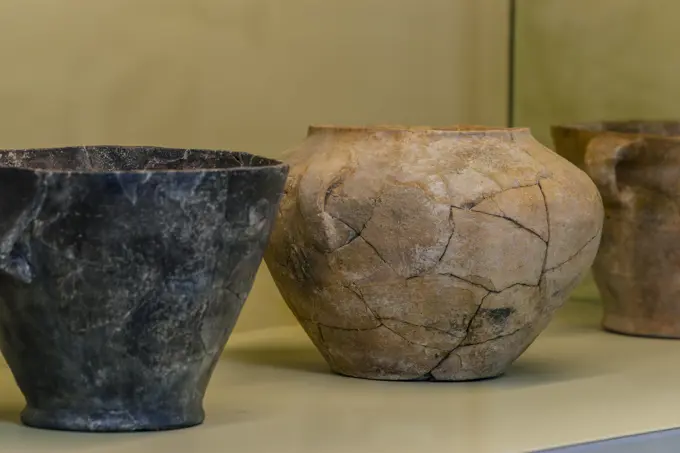
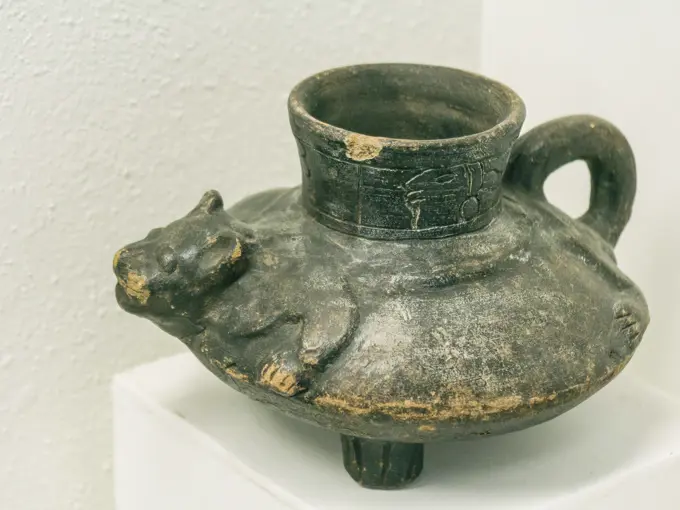
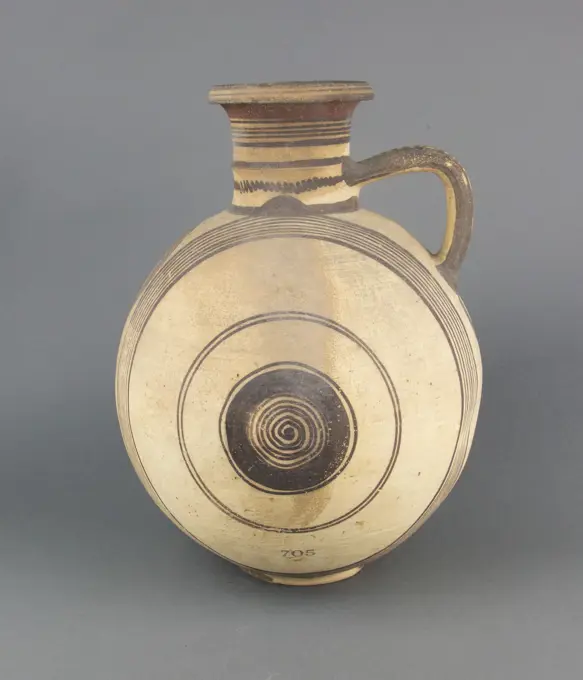
Ancient and decorative pottery pieces from different eras, showcasing unique shapes and textures, reflecting cultural heritage.

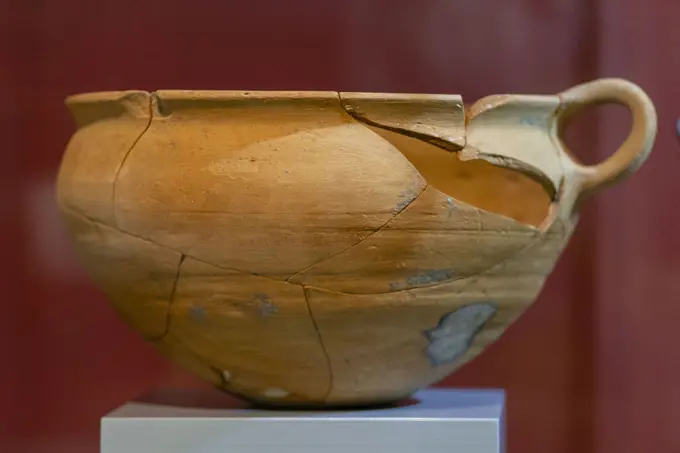
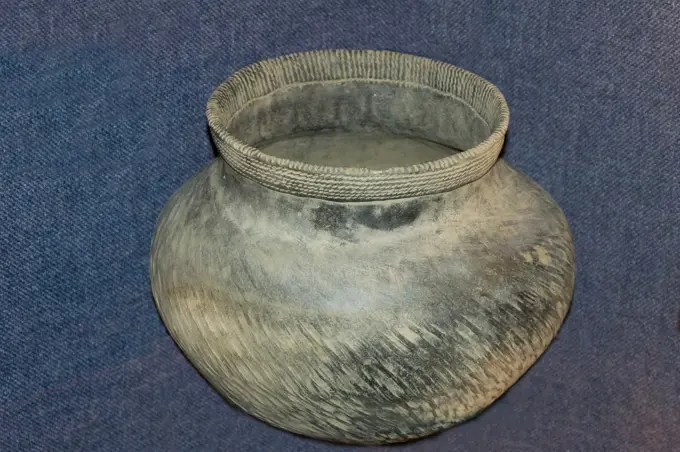
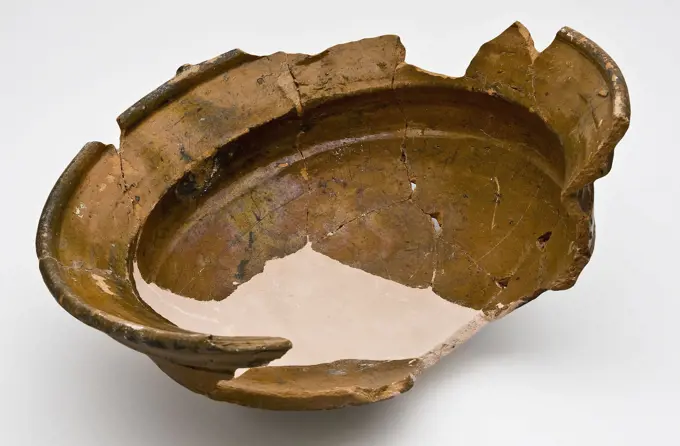
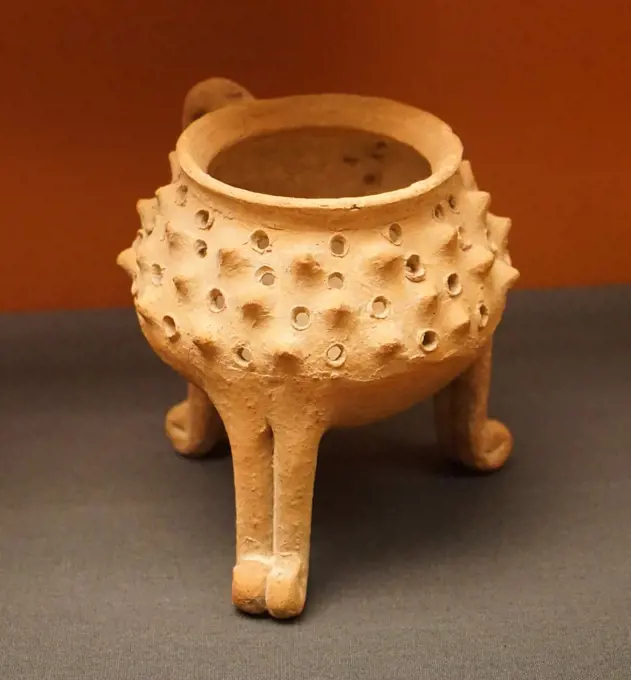
Earthenware grape, cooking pot on three legs, with two ears, grape cooking pot tableware holder utensils earthenware ceramics earthenware glaze lead glaze, hand-turned glazed baked Pottery cooking pot grape-model red shard sparingly glazed Two sausages rotated three legs. Extremely poor condition of the surface. Damage to (soil) salts archeology Rotterdam City center Stadsdriehoek Hoogstraat indigenous pottery food preparation cooking kitchen Soil discovery: during the renovation of house on the Hoogstraat (very deep in the ground).
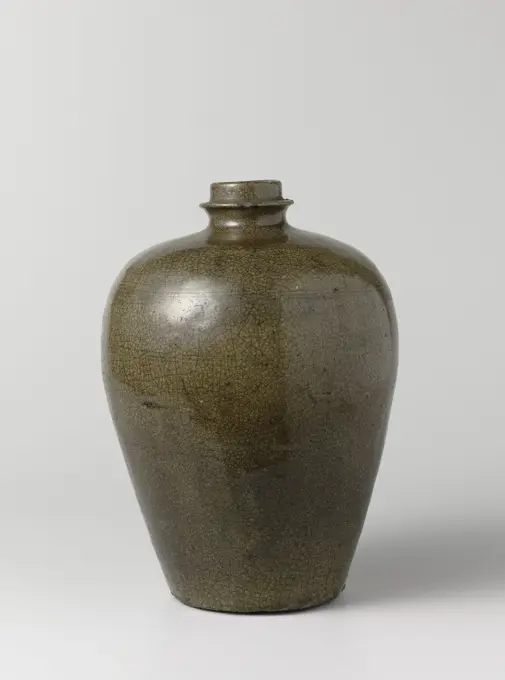
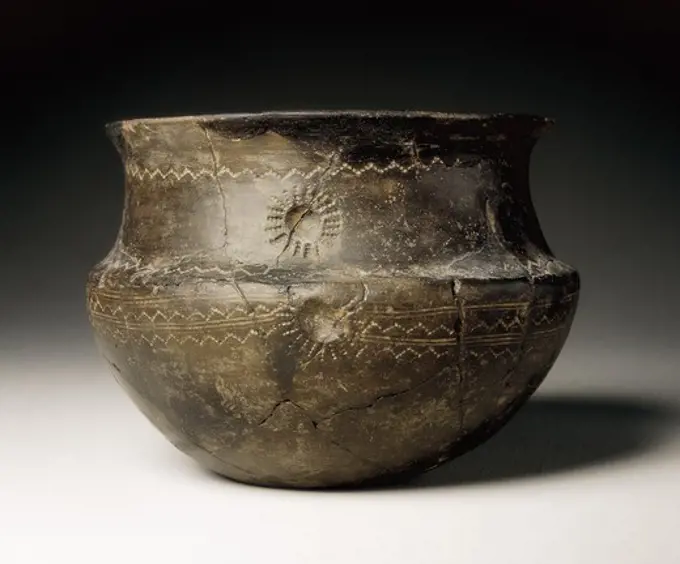
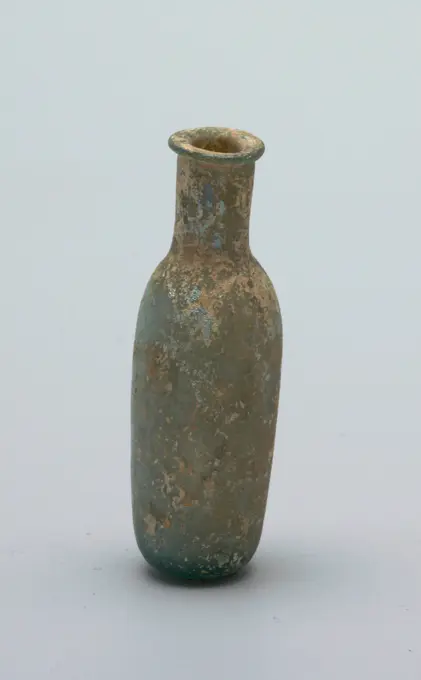
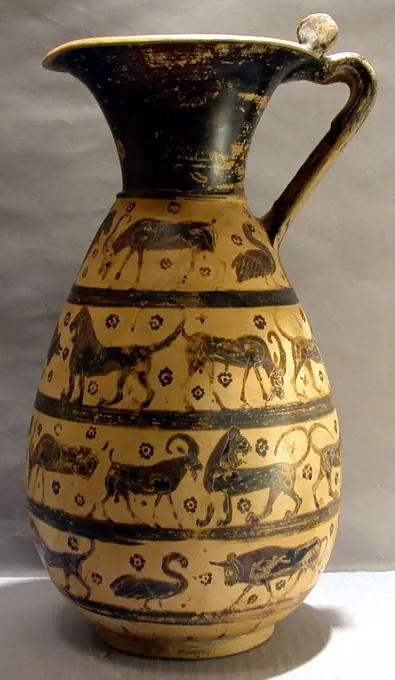
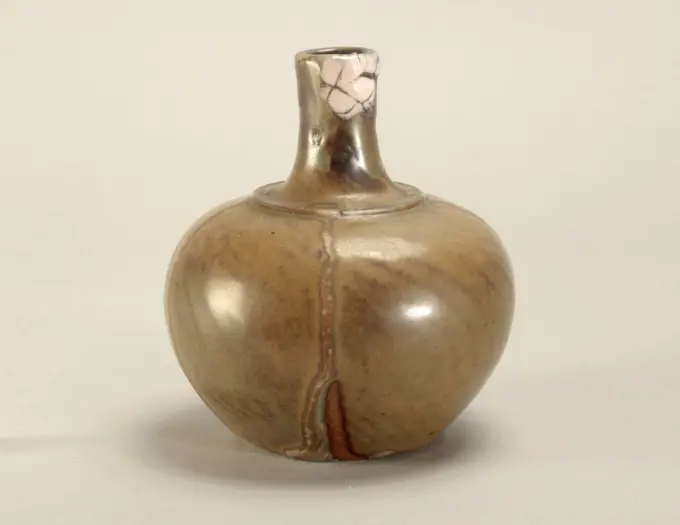
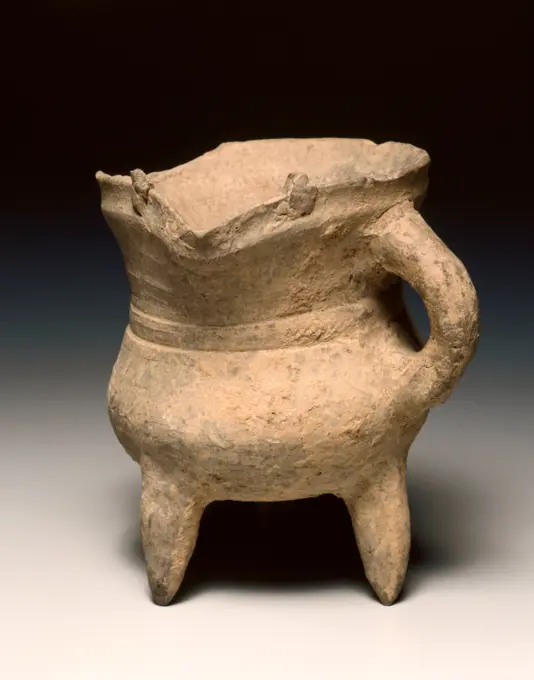
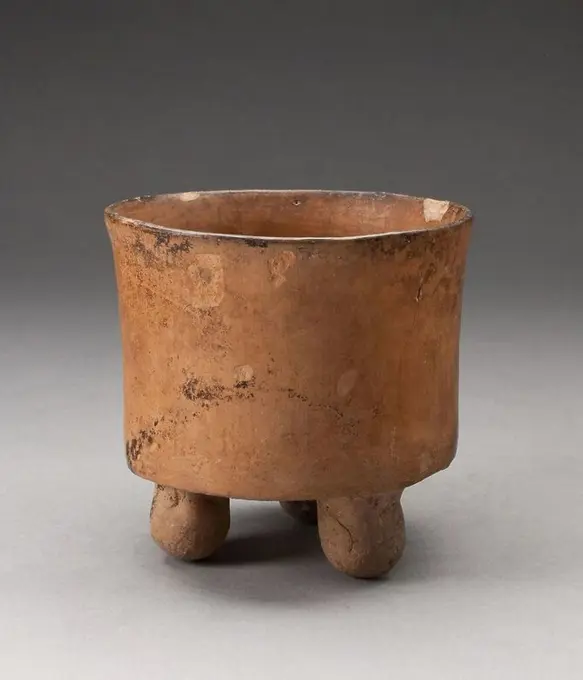
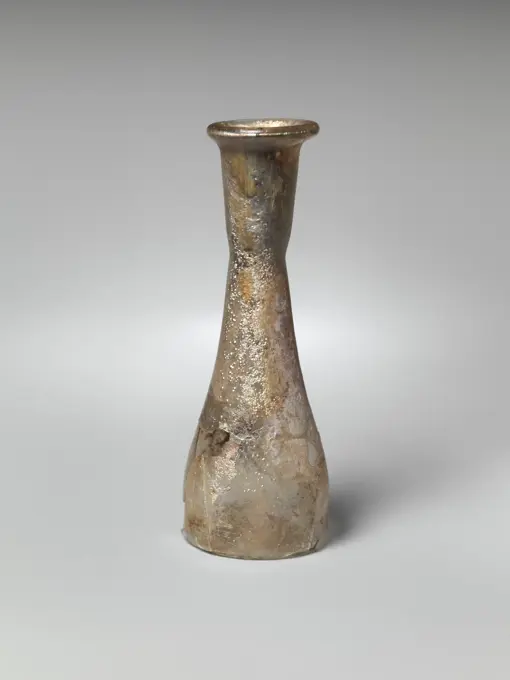
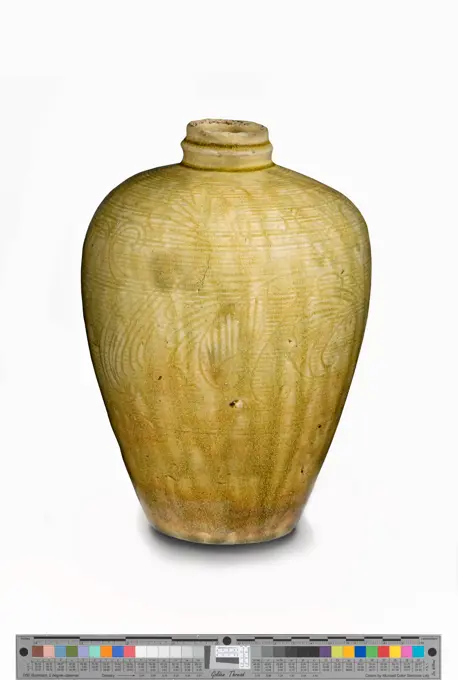
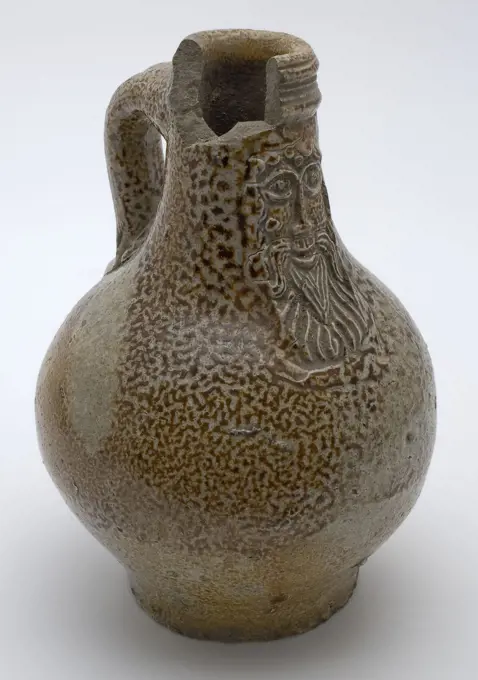
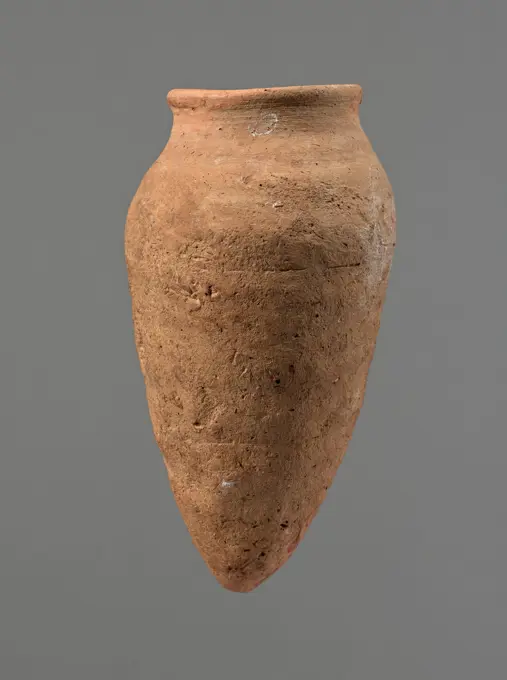
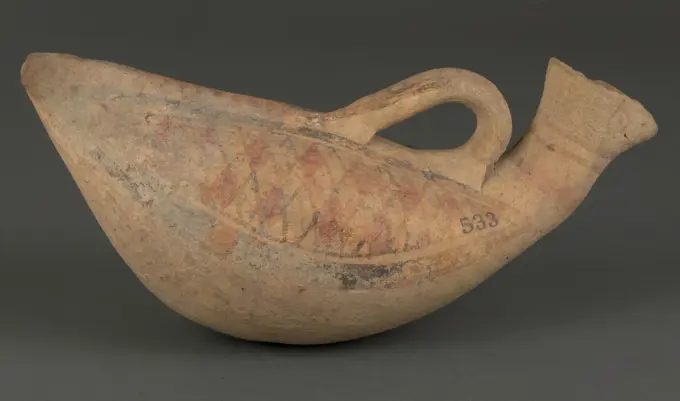
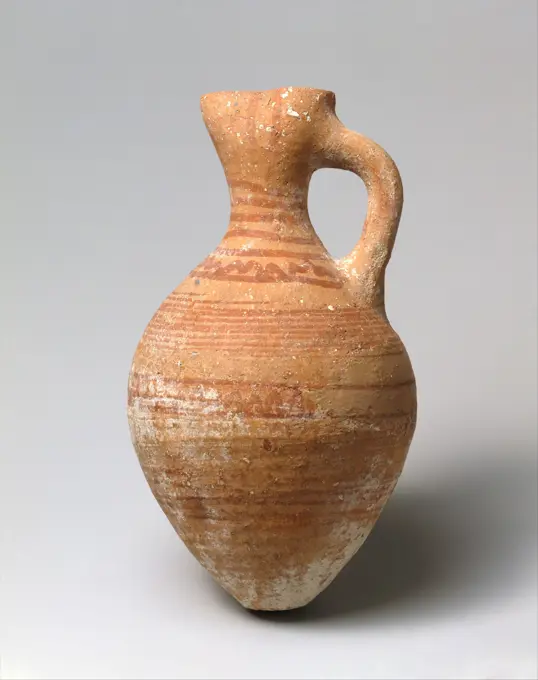
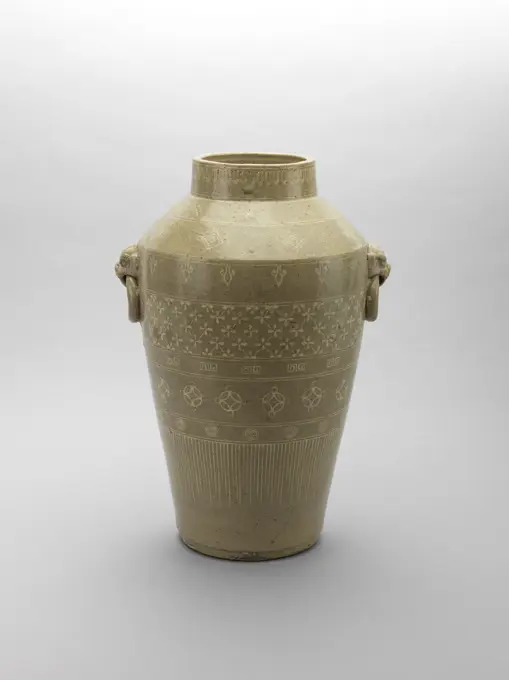
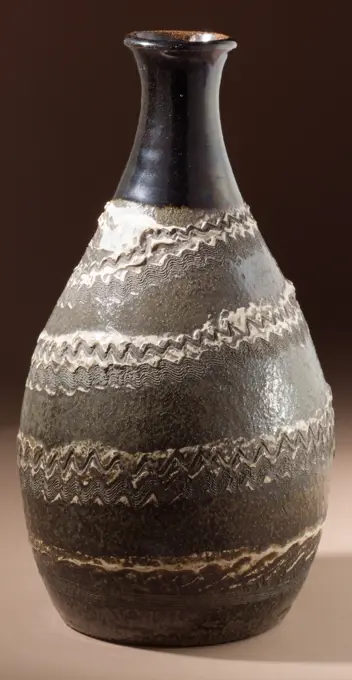
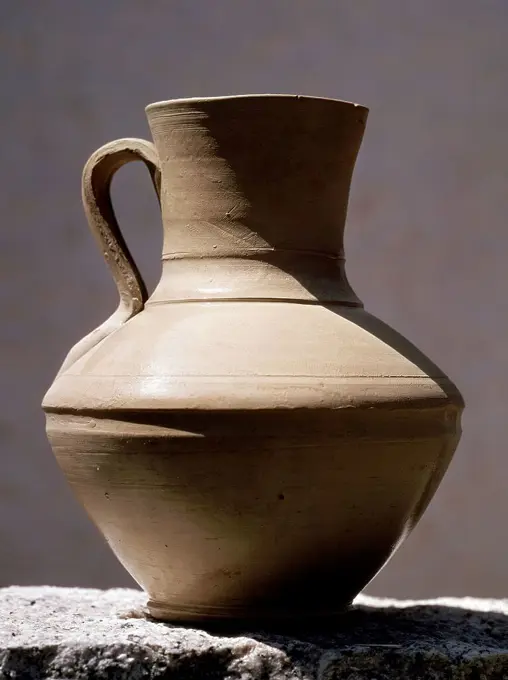
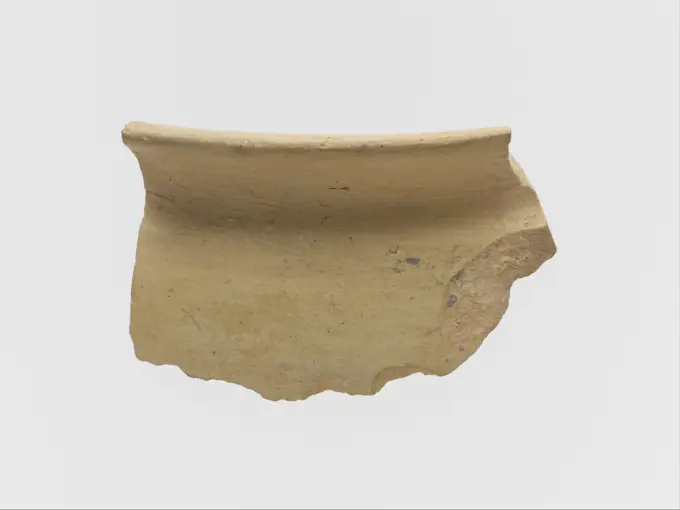
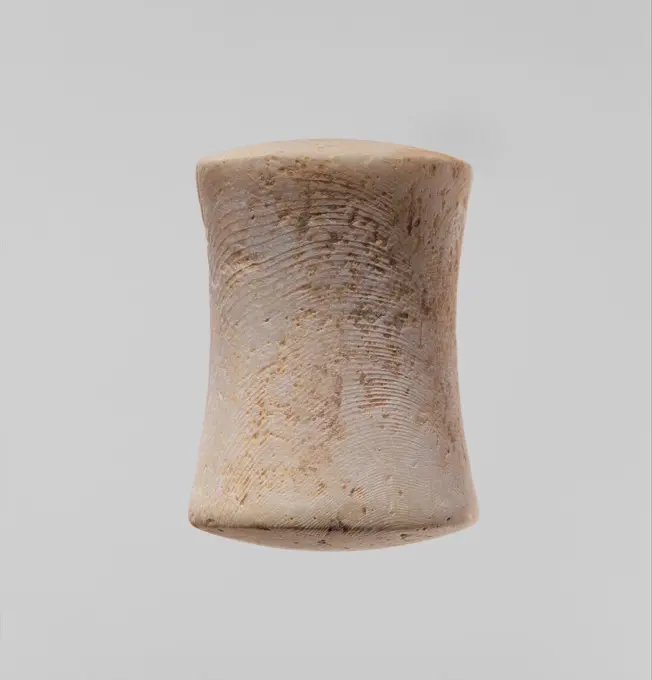
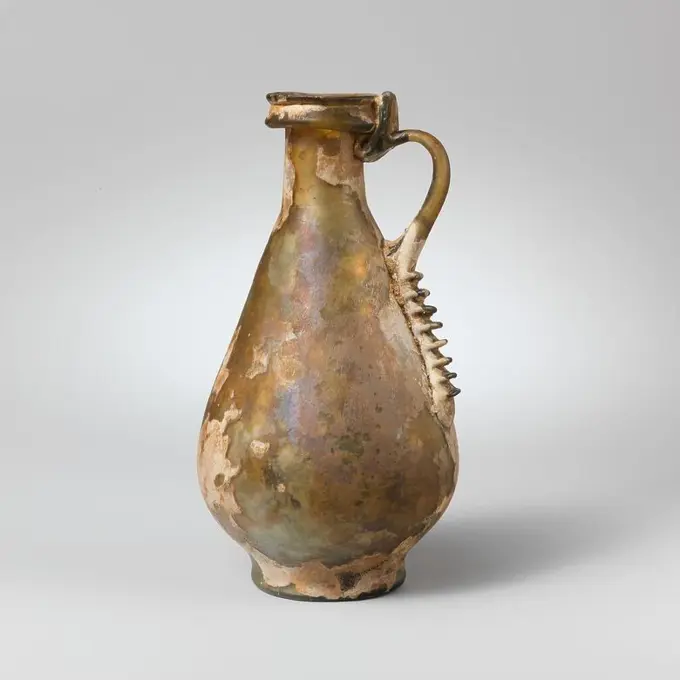
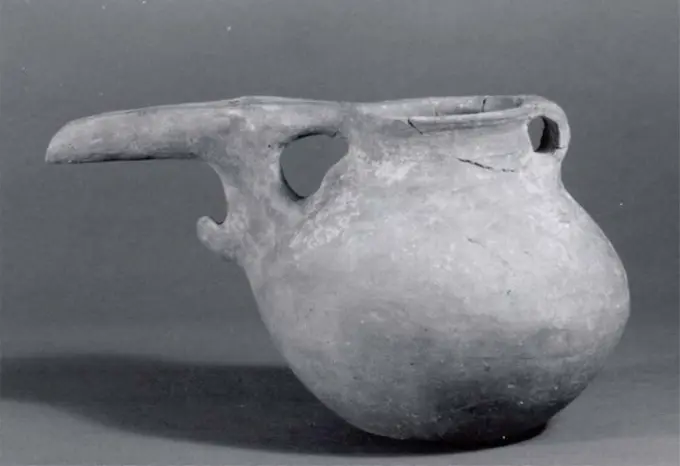
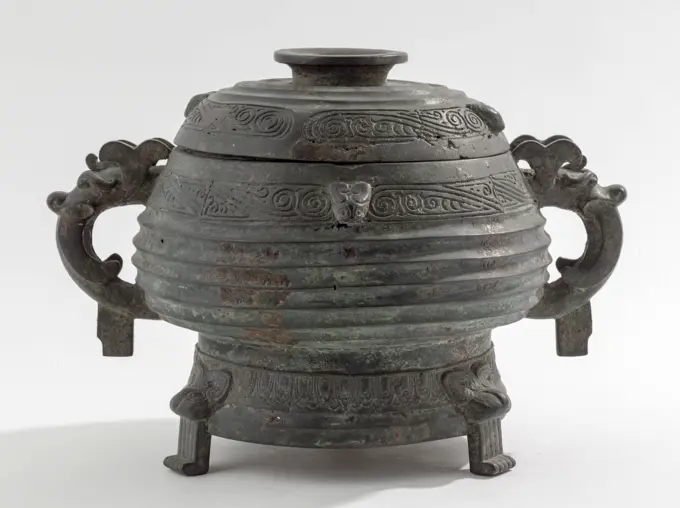
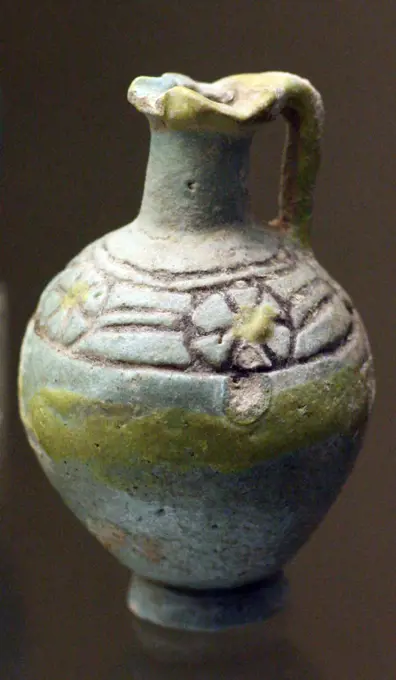
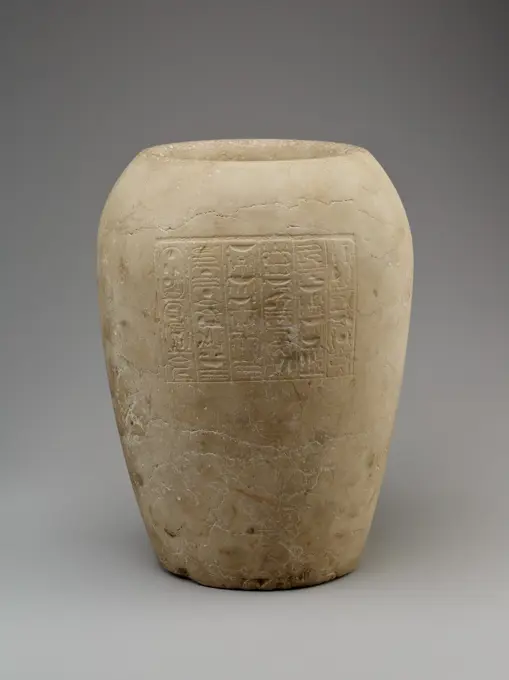
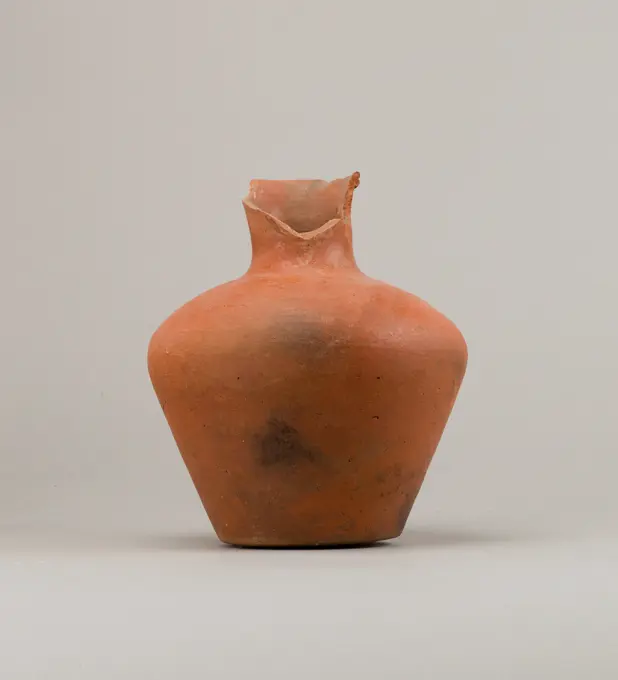
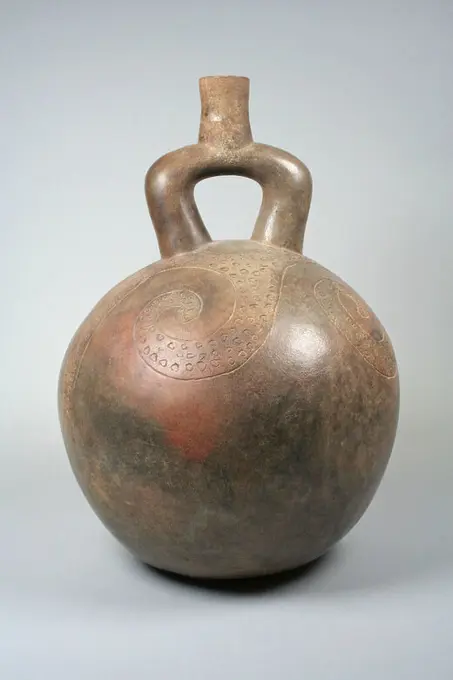
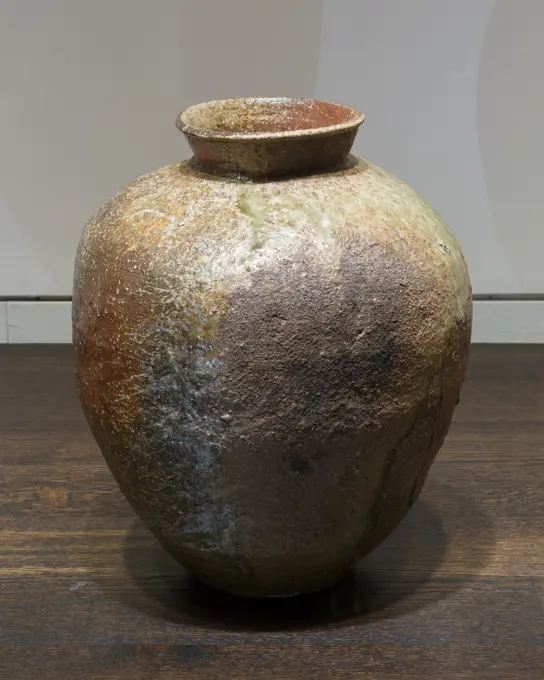
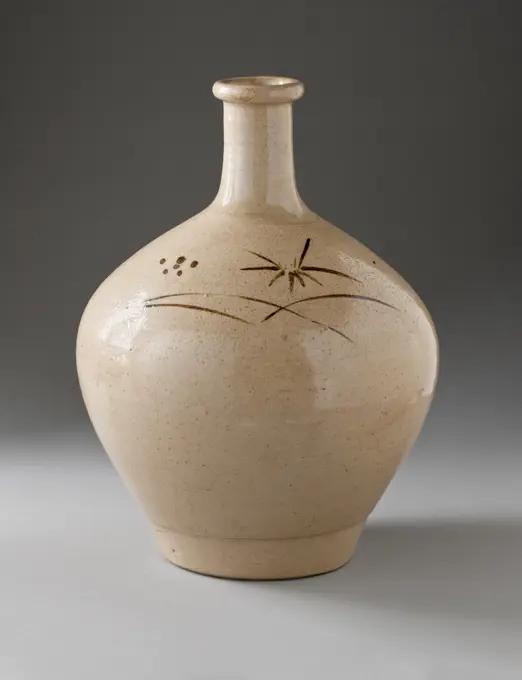
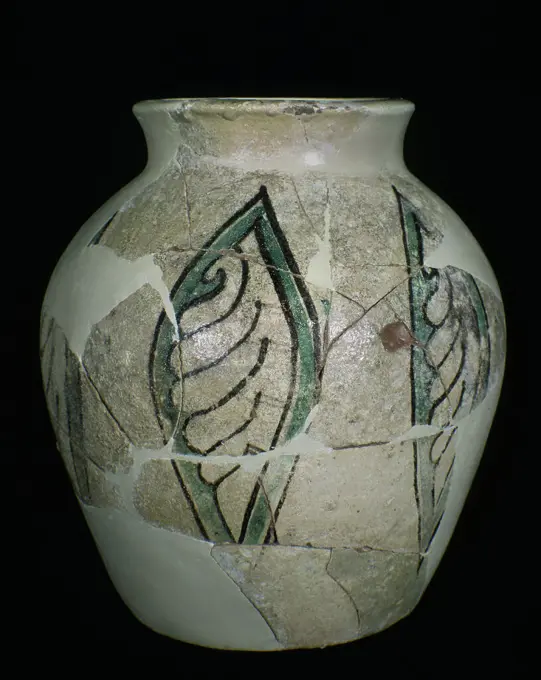
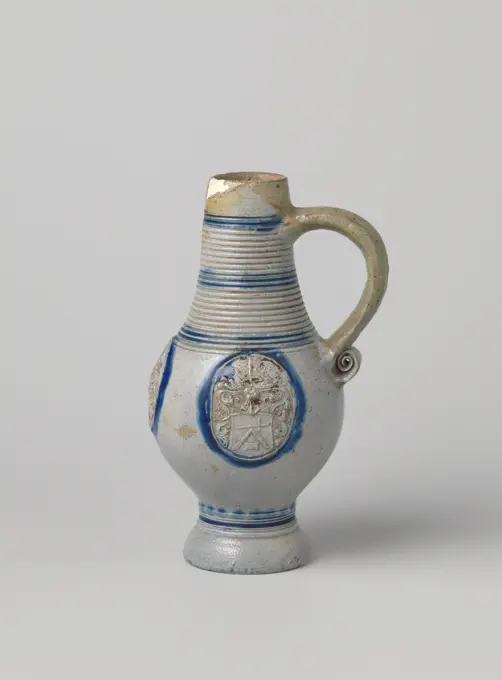
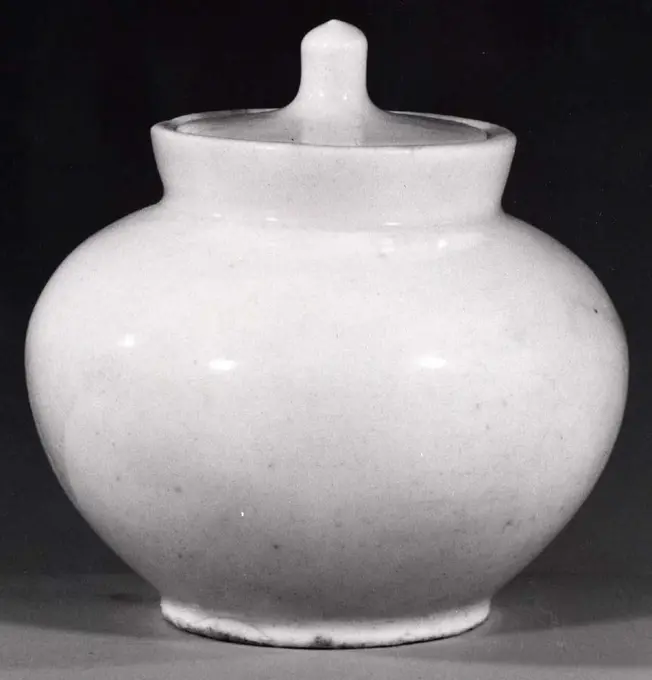
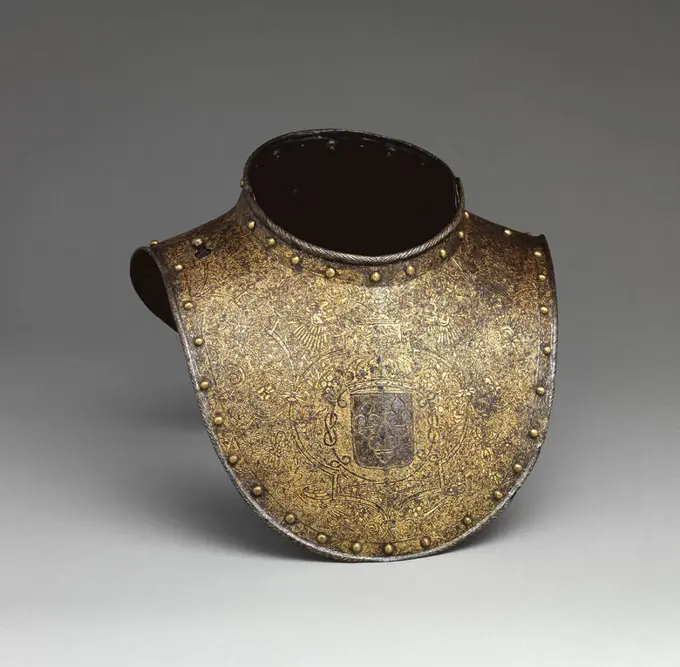
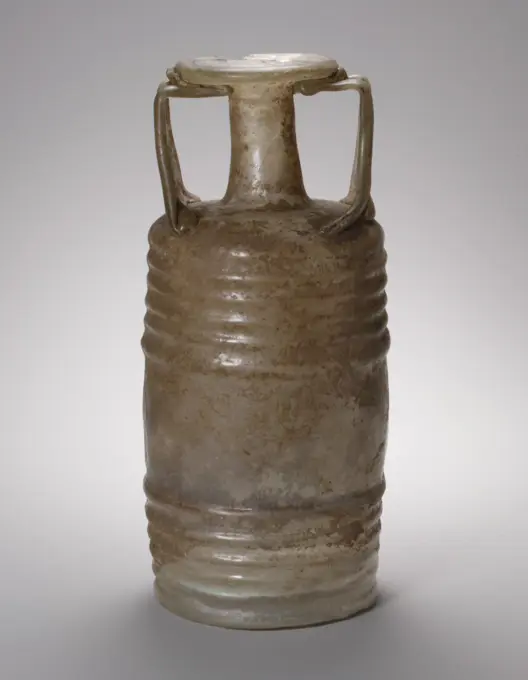
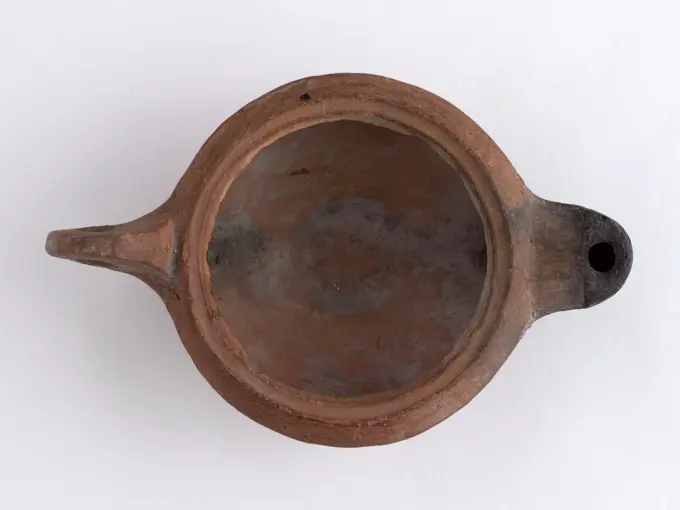
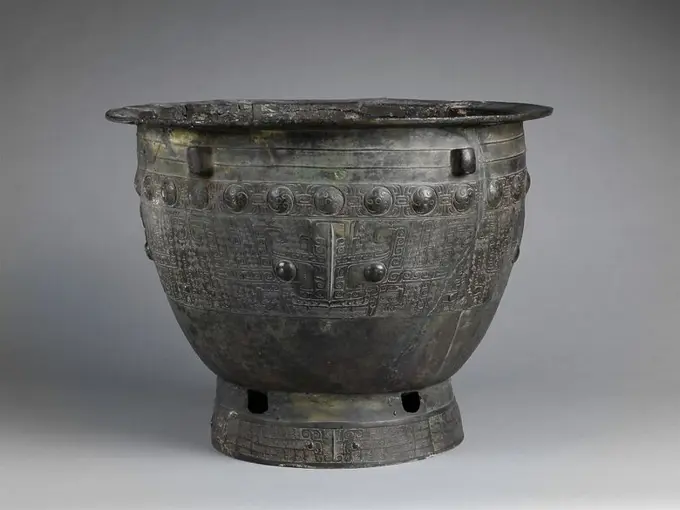
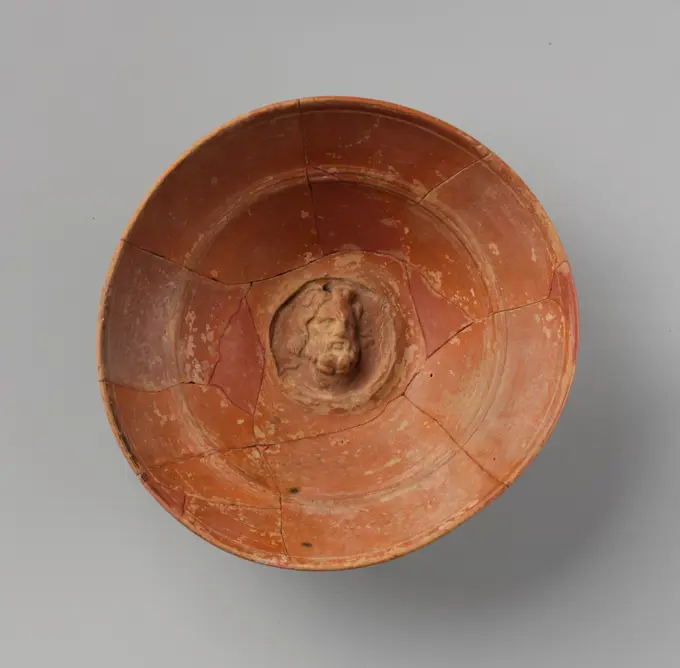
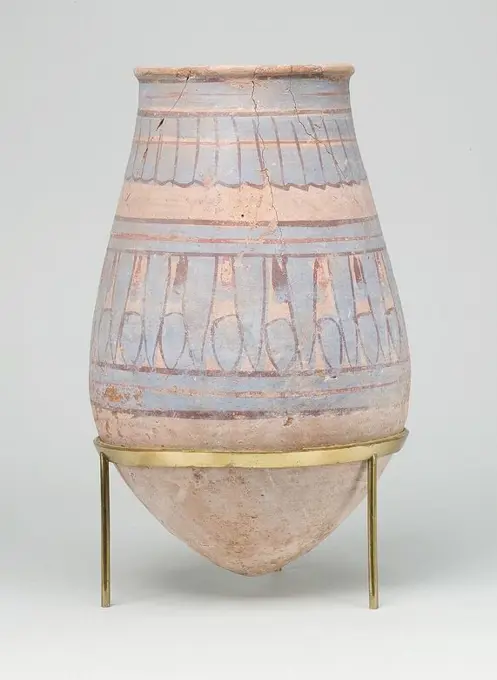
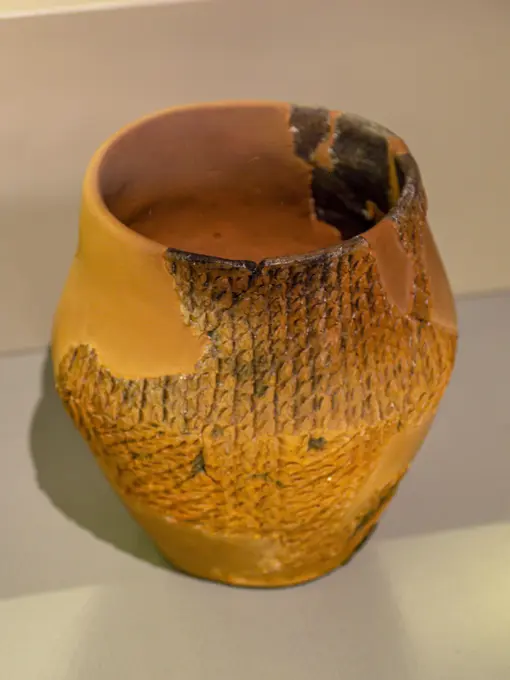
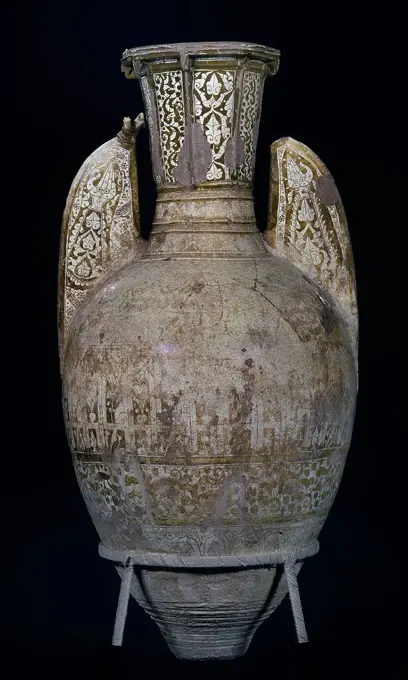
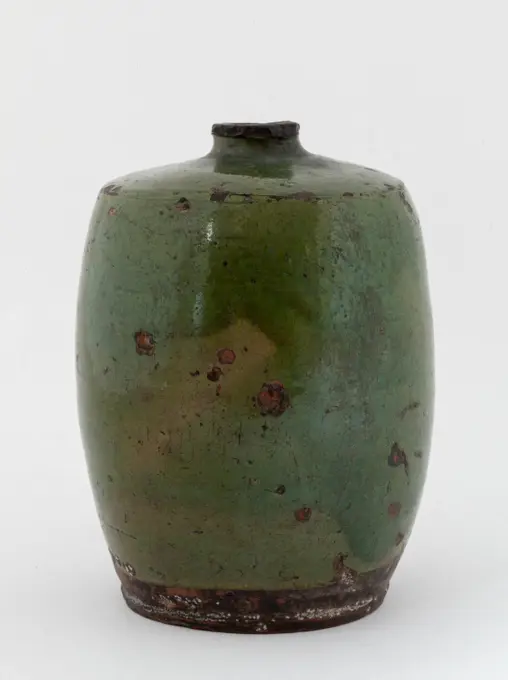
Bottle ". Terracotta with green glaze. Paris, Cernuschi museum. Chinese art, Chinese bottle, ceramic, green glacide, terracottaOvoid bottle vase with a green glaze, anonymous, c. 1300 - c. 1400 Floes -shaped vase of stoneware with an egg -shaped body and short, narrow neck with a protruding ring, covered with a cracked dark green glaze. On the shoulder and stomach tires with entered, horizontal lines. Japan stoneware. glaze engraving / vitrification Floes -shaped vase of stoneware with an egg -shaped body and short, narrow neck with a protruding ring, covered with a cracked dark green glaze. On the shoulder and stomach tires with entered, horizontal lines. Japan stoneware. glaze engraving / vitrificationCeramic vase. 6th c. - 4th c. BC. Cogotas Culture. Bronze Age. Ceramics. SPAIN. MADRID (AUTONOMOUS COMMUNITY). Madrid. National Museum of Archaeology. Proc: SPAIN. CASTILE AND LEON. AVILA. Carde-osa. Las Cogotas.Vase; glassTerracotta olpe Attributed to Master of Vatican, 73 3rd quarter 7th century BCE Friezes of real and fantastic animals, including lions, panthers, goats, deer, bulls, boars, swans, are characteristic of Corinthian art. The style was strongly influenced by the art of the ancient Near East, where repetitive bands of animal decoration were common. At the same time, Corinthian vessels like this olpe were widely distributed throughout the Mediterranean, and the distinctive design was closely copied in a number of local pottery workshops, particularly in Etruria and South Italy. View more. Terracotta olpe. Attributed to Master of Vatican, 73. Greek. 3rd quarter 7th century BCE. Terracotta, pigment. Early Corinthian. VasesBottleLamp, Asia Minor; 5th century B.C; Terracotta; 14 x 9.2 x 9.2 cm (5 1,2 x 3 5,8 x 3 5,8 in.)Two-handled vessel with a pierced base ca. 4th-5th century A.D. Sasanian. Two-handled vessel with a pierced base 325676Terracotta oinochoe (jug) with lid 6th century B.C. Greek, Corinthian Squat oinochoe with trefoil mouth, lid; white lines on neck, shoulder and body.. Terracotta oinochoe (jug) with lid 255335JarJean Carriès (1855-1894). "Small bottle pot". Enameled sandstone. Museum of Fine Arts of the City of Paris, Petit Palais. 24203-13 Ceramic, gres emaille, small bottle potWine Warmer (Jue), c. 1300-1023 BC. China, Shang dynasty (c.1600-c.1046 BC), Anyang phase (c.1250-1046 BC). Pottery, tripod vessel with loop handle and rudimentary bowstring decoration; diameter: 11.5 cm (4 1/2 in.); overall: 13.3 cm (5 1/4 in.).Bastet. unknown, authorTripod Vessel. Teotihuacan; Teotihuacan, Mexico. Date: 850 AD-1150. Dimensions: 10.8 x 10.8 cm (4 1/4 x 4 1/4 in.). Ceramic and pigment. Origin: Mexico. Museum: The Chicago Art Institute, USA.Flask 101 CE-200 CE Syria. Glass, blown technique . Ancient RomanBottle 9th-10th century. Bottle 450953Jug (Bartmann jug) with coats of arms, anonymous, c. 1600 - c. 1649 Jug (beard fancier bush) of stoneware on standing surface with a spherical body and narrow, short neck. The C-shaped ear is attached to the neck and shoulder. Profiles on the neck. Covered with a brown engobe and cobalt blue. On the abdomen three times printed and imposed medallion in relief. The middle medallion shows a weapon, the date '1610' and the brand 'T.A.'. On either side of this a weapon with the date '1642' . On the neck, continuously on the shoulder, a bearded man. Frechten. Cheek stoneware. glaze. engobe. cobalt (mineral) vitrification Jug (beard fancier bush) of stoneware on standing surface with a spherical body and narrow, short neck. The C-shaped ear is attached to the neck and shoulder. Profiles on the neck. Covered with a brown engobe and cobalt blue. On the abdomen three times printed and imposed medallion in relief. The middle medallion shows a weapon, the date '1610' and the brand 'T.A.'. On eitheGlass perfume bottle 1st-2nd century A.D. Roman Colorless.Tubular rim, folded out, over, and in; tapering cylindrical neck with tooled indent around base; slender conical body; pushed-in bottom.Broken and repaired with pieces missing around body and bottom; many pinprick bubbles; dulling and iridescence on exterior; thick soil encrustation on inside of neck and iridescent weathering on interior of body.. Glass perfume bottle. Roman. 1st-2nd century A.D.. Glass; blown. Early to Mid Imperial. GlassBottle with Design of Scrolling Peonies and Foliage. Japan, Kamakura period (1185-1333), early 14th century. Ceramics. Ko-Seto ware; stoneware with yellow glazeceramica celtiberica, museo Numantino de Soria, Soria, Comunidad Autónoma de Castilla, Spain, Europe.CANTARO DE BARRO - CERAMICA PARA AGUA - ARTE POPULAR - SIGLO XX - ASAS Y CUELLO (DETALLE). Location: ALFARERIA. Bailén. JAEN. SPAIN.Yu lidded jar, 11th-10th century BCE, 10 1/4 × 9 × 6 1/4 in. (26.04 × 22.86 × 15.88 cm)4 × 6 1/8 × 4 7/8 in. (10.16 × 15.56 × 12.38 cm) (object part, lid)7 1/2 × 9 × 6 1/4 in. (19.05 × 22.86 × 15.88 cm) (object part, body), Earthenware with applied decor, China, 11th-10th century BCE, This lidded jar is made from clay, but it closely resembles a yu bronze ceremonial wine container. A small animal mask has been carved in the center near the rim of the otherwise smooth vessel, making it similar to early Zhou ritual bronzes.Brown speckled Bartmann jug, also called Bellarmine jug, with band ear and crooked tail, Bartmann juggejug tableware holder soil find ceramic stoneware clay engobe glaze saltglaze, hand turned stamped glazed glazed baked stoneware jug gray shard brown gray salt glaze locally brindled profiled sausage ear with short pointy tail two ridges under mouth edge deducting traces at the bottom archeology import pottery drink store carry transportingVessel with a hieratic inscription;  around 2686- 2181 BC ; Old state (-2686-00-00--2181-00-00);Askos in the form of a bird 750-600 B.C. Cypriot. Askos in the form of a bird. Cypriot. 750-600 B.C.. Terracotta. Cypro-Archaic I. VasesLevantine Juglet ca. 1900-1850 B.C. Middle Kingdom This ware was produced in the coastal regions of the Levant.Link to a blog postMy Early Life with the Middle Kingdom. Levantine Juglet 545717Satsuma (ceramic production region) Pot (Tsubo) (username), 1750. Covered, white earth inscription. Cernuschi Museum, Asia Museum of Asia in the city of Paris.Pottery belly model ointment jar, red shard, internally glazed, ointment jar pot holder soil find ceramic earthenware glaze lead glaze, hand turned glazed baked Pottery ointment red shard internally glazed. Abdomen model Narrowing over the foot. Flat thick top edge. Heavy. Stand surface. Pot is deformed; misbaksel archeology health care indigenous pottery import pharmacy store sell craftSake Bottle with Spiralling White Slip Trail. Japan, late 18th-early 19th century. Ceramics. Agano ware; stoneware with white slip and iron glazesJARRA DE MESA O CANTARA-SIN VIDRIAR-ARTE POPULAR S XX. Location: ALFARERIA. LA RAMBLA. CORDOBA. SPAIN.Jarrito y patena litúrgicos.Visigoda S.VI. Iglesia el Gatillo, Cáceres.Terracotta rim of a vase ca. 2000-1600 B.C. Helladic Yellow Minyan ware.. Terracotta rim of a vase. Helladic. ca. 2000-1600 B.C.. Terracotta; Yellow Minyan ware. Middle Helladic. VasesShell pestle/polisher. Culture: Cycladic. Dimensions: 1 7/16 × 1 in. (3.7 × 2.6 cm). Date: ca. 2700-2400 B.C..Pestle or polisher carved from a piece of shell. Museum: Metropolitan Museum of Art, New York, USA.Local clays were used to make clay pots used for cooking and storage by the Mandan on display at the On-A-Slant Indian Village museum, SDGlass jug. Culture: Roman. Dimensions: H.: 5 7/16 in. (13.8 cm). Date: mid-1st century A.D..Colorless with pale blue green tinge; handle in same color.Rim folded out, down, up, and out, forming a downward flange and stepped profile; short cylindrical neck with faint horizontal tooling marks around base; conical body, then curving inwards to low, slightly outsplayed integral foot ring; concave bottom; rod handle attached to top of body with long tail extending down side and pinched to form eight semicircular projections, drawn up, out, and round in a curve, and trailed on to top of neck and outer edge of rim with vertical, flat thumb-rest.Intact; few bubbles; dulling, iridescence, and thick creamy brown weathering, with small areas of soil encrustation. Inside bottle, three large solidified lumps of earth.91.1.1321 and 91.1.1266 are very similar and may be seen as products of the same workshop. Other examples are known principally from Cyprus (see 74.51.105). Museum: Metropolitan MuGlass cup. Culture: Roman. Dimensions: H.: 3 1/16 in. (7.8 cm). Date: 2nd-3rd century A.D..Translucent pale blue green.Thickened, everted rim, with rounded lip; undulating side to body, expanding downwards, then curving in to flat bottom with small kick at center.Intact; a few bubbles; some brilliant iridescence on exterior but most of surfaces covered with limy encrustation and weathering. Museum: Metropolitan Museum of Art, New York, USA.Glass bottle with dolphin handles. Culture: Roman, Rhenish. Dimensions: H. 4 5/16in. (10.9cm). Date: late 3rd-early 4th century A.D..Colorless; handles in same glass.Plain, vertical, cracked-off rim; slender cylindrical neck with slightly concave profile and horizontal indent around base; sloping shoulder; straight side to body, tapering downwards; almost flat bottom; two small handles applied in a pad to edge of shoulder, drawn over shoulder to base of neck, then folded back, up, and in, making a loop, and trailed off up neck.Decoration comprises faint horizontal wheel-abraded lines: one band on neck below rim, and three groups on body, each containing two close-set bands.Intact; bubbles, blowing striations, and some black impurities; dulling, iridescence, and whitish weathering, with a layer of soil on bottom of interior.With tiny dolphin handles and slender neck. Museum: Metropolitan Museum of Art, New York, USA.Spouted jar ca. 9th century B.C. Iran. Spouted jar 325801Vase kouei. Bronze. Chine. Par musée musée malée. Anse, Chinese art, bronze, cover, tripod, three feet, vase koueiPottery test on stand ring, tapered with straight upper edge and sludge decoration, test fire test heating soil finding ceramics earthenware clay engobe glaze lead glaze, ring 6.8 hand turned lattice glazed baked Pottery test red shard with sludge decoration completely covered with lead glaze vertically set bandoor at the top pinched stand ring Inside partly provided with yellow sludge layer outside wall with yellow wave line. Tapered shape with wide straight upper edge and narrow foot archeology native pottery cooking kitchen food prepare heating stew roomGreek Perfume bottle. From Aryballos, 550-500 BC.JugCovered Urn Korea 8th-9th centuryCanopic Jar Inscribed for King Nesibanebdjedet (Smendes) ca. 1070-1044 B.C. Third Intermediate Period One of only a handful of objects bearing the name of the first king of Dynasty 21, Nesibanebdjedet (Smendes), this canopic jar is inscribed for Qebehsenuef, embodiment and protector of the liver. The lid, now missing, would most likely have been in the shape of a falcon, the animal associated with this deity.. Canopic Jar Inscribed for King Nesibanebdjedet (Smendes) 553732Vase ca. 3200-1050 B.C. Cypriot Fantastic vase with two spouts, string-holes, and lattice triangles.. Vase. Cypriot. ca. 3200-1050 B.C.. Terracotta. Bronze Age. VasesJARRA - S XX ARTE POPULAR. Location: ALFARERIA. MARRATXI-PORTOL. MALLORCA. SPAIN.Jar with flat base ca. 2649-2100 B.C. Old Kingdom. Jar with flat base. ca. 2649-2100 B.C.. Pottery. Old Kingdom. From Egypt, Memphite Region, Saqqara, Pyramid of Pepi II. Dynasty 3-4Stirrup Spout Bottle. Culture: Cupisnique. Dimensions: Height: 16 3/4in. (42.5cm)Diameter: 12in. (30.5cm). Date: 12th-5th century B.C.. Museum: Metropolitan Museum of Art, New York, USA.Funerary Urn (Hunping). China. Date: 265 AD-316 AD. Dimensions: H. 48.7 cm (19 3/16 in.); diam. 27.5 cm (10 13/16 in.). Stoneware with olive-green glaze and molded and applied decoration. Origin: China. Museum: The Chicago Art Institute, Chicago, USA.Covered Jug, 1878-82. Haviland Factory at Auteuil (French), Charles Midoux (French). Earthenware with pewter hinge; overall: 31.6 x 18.8 cm (12 7/16 x 7 3/8 in.).Vase 15th-16th century China. Vase 50783Jar with engravings, pottery, Japan. Japanese Civilisation, Yayoi period, 4th century BC-3rd century AD.CHOCOLATERA PARCIALMENTE VIDRIADA - CERAMICA PARA FUEGO - ARTE POPULAR - SIGLO XX. Location: ALFARERIA. Castellón. SPAIN.Chalk jug 5th-4th century B.C. Cypriot Wide, flat base, thick handle, and narrow mouth.. Chalk jug 244036Kitchen pot; Unknown Night -Tamanian workshop; approx. 2600 2350 BC ; Early period D Azira III (-2600-00-00--2350-00-00);Fictile vases with red-violet desings on a pink background, depicting ibis and boats, neolithic period, predynastic culture of Naqada, 2nd phaseUSA, Mississippi, Greenville. Winterville Mounds, one of the largest Native American mound sites in the US, circa AD 1100. National Historic Landmark. Ancient pottery display.Shigaraki-Ware Jar 1501-1600 Japan. Stoneware with ash glaze .CANTARO PARA AGUA VIDRIADO EN EL INTERIOR-S XX ARTE POPULAR. Location: ALFARERIA. MAHON. MENORCA. SPAIN.PUCHERO CON DECORACION DE CORDON Y 4 ASAS - VIDRIADO EN 2 COLORES. Location: ALFARERIA. NAVAL. HUESCA. SPAIN.Vessel with a hieratic inscription;  around 2686- 2181 BC ; Old state (-2686-00-00--2181-00-00);Sake Bottle with Plum, Bamboo, and Pine Motifs. Japan, Edo period, 1615-1868, mid-19th century. Ceramics. Kaminome ware; stoneware with white glaze and iron glaze designPOT ". GRASS. Vietnam-XE-Xive s. Paris, museum berried. 72187-37 GRES, Vietnamese object, potStorage jars from Mohenjo Daro. Indus Valley civilisation. c. 2500 BC PAKISTAN.. Fragment of a pear-shaped bottle of quartz frying goods, decorated on turquoise blue surface. On the largest perimeter a red line in the middle of two black, below a tire with vertical lines. It is narrated in a narrow part is decorated with three medallions with a rosette as the center. The spaces between the medallions are decorated with a flower drinks. The decoration in gold leaf violated very much.ORZA CON DECORACION VEGETAL DE COLOR VERDE Y NEGRO - SIGLO X. Location: MEDINA AZAHARA / MADINAT AL-ZAHRA-MUSEO-CERAMICA. PROVINCIA. CORDOBA. SPAIN.Jug with a coat of arms, anonymous, c. 1662 - c. 1699 Jug of stoneware on a high foot with an egg -shaped body and a tapered neck. The C-shaped ear is attached to the neck and shoulder. A broad bond with lines on the neck, some closely. Partly covered with cobalt blue. On the abdomen three times printed and imposed medallion with a weapon surrounded by leaf vines and the date '1662'. Westerwald. Westerwald stoneware. glaze. cobalt (mineral) vitrification Jug of stoneware on a high foot with an egg -shaped body and a tapered neck. The C-shaped ear is attached to the neck and shoulder. A broad bond with lines on the neck, some closely. Partly covered with cobalt blue. On the abdomen three times printed and imposed medallion with a weapon surrounded by leaf vines and the date '1662'. Westerwald. Westerwald stoneware. glaze. cobalt (mineral) vitrificationSmall Jar with Cover 19th century Korea Diminutive, lidded porcelain jars such as this were used to store condiments and spices for cooking.. Small Jar with Cover 42312Vase Roman Yellow vase with handle and cross-hatched incised pattern all over body; unglazed.. Vase. Roman. Terracotta. VasesSmall vase. .Riffel ceramic from the early Iron Age Riffel ceramics from the early Iron AgeCANTARO EN BARRO - S XX CERAMICA POPULAR -. Location: ALFARERIA. LEBRIJA. Seville. SPAIN.Gorget for the Bodyguard of Louis XIII. Culture: French. Dimensions: H. 8 5/8 in. (21.9 cm); W. 12 in. (30.5 cm); D. 10 5/8 in. (27 cm); Wt. 2 lb. 13.5 oz. (1289.9 g). Date: ca. 1610-17. Museum: Metropolitan Museum of Art, New York, USA.Vase (probably Syria (Roman Period)); glassKeramikgefäße ceramic vessels, Son Fornes archaeological museum, post-Alaayotic period room, Montuiri, Comarca de Es Pla, Mallorca, SpainJar ca. 3100-2649 B.C. Early Dynastic Period. Jar 547500Glass Frontinus barrel jug 4th century A.D. Roman Colorless with pale greyish green tinge, with handles in same color.Rim folded out, round, and in; flaring mouth; uneven cylindrical neck, expanding downwards; broad, sloping shoulder; cylindrical body with slightly convex vertical side; slightly concave bottom with central pontil scar; two broad strap handles with ribs on either edge attached on opposite sides of shoulder, drawn up, then turned in horizontally to top of neck, with trail extending backwards along underside of mouth and rim. Two prominent vertical mold seams run down side from top to bottom, with a separate disk-shaped base section.On body, side divided into three horizontal bands of roughly equal width; top and bottom bands have six continuous horizontal ribs; central band is plain; on bottom, outer flat ring with faint lettering, and two raised concentric circles.Complete except for large weathered chip in rim; pinprick bubbles; soil encrustation, dulling, pitting, andAsh urn tightly sealed with a single-handled cup lid. Cremation burial from the Early Geometric period. It held cremated remains of a pregnant wealthy woman. From the N.W. foot of the Areopagus of Athens. About 850 BC. Museum of the Ancient Agora. Athens, Greece.Kohl jar ca. 1635-1458 B.C. Second Intermediate Period-Early New Kingdom. Kohl jar 546890Workshop of Lezoux. Oil lamp. Rue Toullier (1887), coll. MAGNE. Terracotta. High Empire. A beak (without medallion). Paris, Carnavalet museum. 50057-16 Beak, high-Empire, oil lamp, terracottaCauldron. Culture: China. Dimensions: H. 14 1/2 in. (36.8 cm); Diam. 17 in. (43.2 cm); Diam. of rim 19 in. (48.3 cm); Diam. of foot 11 in. (27.9 cm). Museum: Metropolitan Museum of Art, New York, USA.Jug. Jug. Bronze. BronzesTerracotta emblem bowl with head of Zeus or Sarapis 3rd-1st century B.C. Greek The interior medallion in high relief and flaring profile of this terracotta bowl are derived from metallic prototypes and were meant to replicate such luxury items. Clay vessels with these features were made beginning in the Hellenistic period in a variety of regions, such as Southern Italy, Asia Minor, and mainland Greece. It is therefore difficult to identify securely the place of manufacture for this bowl. The relief emblem portraying either Zeus or perhaps, due to the distinctive pattern of the hair and beard, the hellenized-Egyptian god Sarapis, is an unusual subject for the medallions of these bowls, which tend to favor Dionysiac themes and other divinities.. Terracotta emblem bowl with head of Zeus or Sarapis 250421 Greek, Terracotta emblem bowl with head of Zeus or Sarapis, 3rd1st century B.C., Terracotta, h. 2 13/16 in. (7.2 cm); d. 7 5/8 in. (19.4 cm). The Metropolitan Museum of Art, New York. GStirrup Spout Bottle with Duck. Culture: Moche. Dimensions: Overall: 8 7/8 in. (22.54 cm)Other: 6 3/4 in. (17.15 cm). Date: 1st century B.C.-A.D. 2nd century. Museum: Metropolitan Museum of Art, New York, USA.JARRO TEMPRANO CON INCISIONES BAJO CUBIERTA (MEDINAT ILBIRA) Nº INV. 1142. PROCEDENCIA MEDINAT ILBIRA. MUSULMAN. (EXPOSICION :ARTE ISLAMICO ESPAÑOL)(DEPOSITO: MUSEO ARQUEOLOGICO DE GRANADA ).Ewer 9th centuryClassic tripod pitcher with slip Classic tripod pitcher with slip, Santa María Nebaj, anthropology museum, department of El Quiché, Guatemala, Central America Copyright: xZoonar.com/ToloxBalaguerx 22071328Blue-Painted Jar from Malqata. Dimensions: H. 30.8 cm (12 1/8 in), Diam. 11 cm (4 5/16 in). Dynasty: Dynasty 18. Reign: reign of Amenhotep III. Date: ca. 1390-1353 B.C.. Museum: Metropolitan Museum of Art, New York, USA.Fragment earthenware cooking pot with wide top edge and two bands, cooking pot crockery holder kitchen utensils earthenware ceramics earthenware glaze lead glaze, hand-turned glazed fried Fragment of earthenware cooking pot bowl-shaped with wide top edge. Bandors Fully glazed. Three legs On the outside an extra collar under the top and profile rings around the shoulder. Partially restored restoration is not repainted archeology Rotterdam Stadscentrum Stadsdriehoek Mariniersweg indigenous pottery food preparation kitchen cooking food Soil discovery: Mariniersweg Rotterdam.Miniature Bottle 11th-late 15th century Chimú or Chancay. Miniature Bottle 308932Jug 750-600 B.C. Cypriot Handle-ridge jug with vertical circles.. Jug. Cypriot. 750-600 B.C.. Terracotta. Cypro-Archaic I. VasesBlue-painted Jar from Malqata. Dimensions: h. 27 cm (10 5/8 in). Dynasty: Dynasty 18. Reign: reign of Amenhotep III. Date: ca. 1390-1353 B.C.. Museum: Metropolitan Museum of Art, New York, USA.pichel tripode con engobe, clásico, Santa María Nebaj,museo de antropologia, departamento de El Quiché, Guatemala, Central America.Mycenaean pottery brazier, from Ialysos, Rhodes. Dated 1200 BCBowl. Culture: Coptic. Dimensions: Overall: 2 1/16 x 3 5/8 in. (5.2 x 9.2 cm). Date: 4th-7th century. Museum: Metropolitan Museum of Art, New York, USA.jarra de cerámica pintada de tradicion indigena, Necrópolis de Carratiermes, siglo I d.C. museo del Yacimiento arqueológico de Tiermes, Soria, comunidad autónoma de Castilla y León, Spain, Europe.Magna Graecia. Anthropomorphic vase in the shape of female head. 5th-4th centuries BC. Terracotta. Parfum Museum. Barcelona. Catalonia. Spain.bitronkonisch geformtes Keramikglas mit Nageldrucken verziert bitronconic shaped ceramic glass decorated with prints of nails, Lumentxa cave, Lekeitio, Arkeologi Museoa, aqueologico museum, Bilbao, Bizkaia, Basque Country, Spain Copyright: xZoonar.com/Tolox 22845374JARRON GRANADINO-TIPO ALHAMBRA- PROCEDE DE CARTUJA JEREZ FRONTERA - SIGLO XIV - NAZARI. Location: MUSEO ARQUEOLOGICO NACIONAL-COLECCION. MADRID. SPAIN.Goblet with geometric designs ca. early 4th millennium B.C.. Goblet with geometric designs. ca. early 4th millennium B.C.. Ceramic, paint. Chalcolithic. Central Iran