Historic Sculptures

A collection of sculptures including a leopard with a shield, a bird jar, and various figurines, showcasing intricate craftsmanship from different cultures.

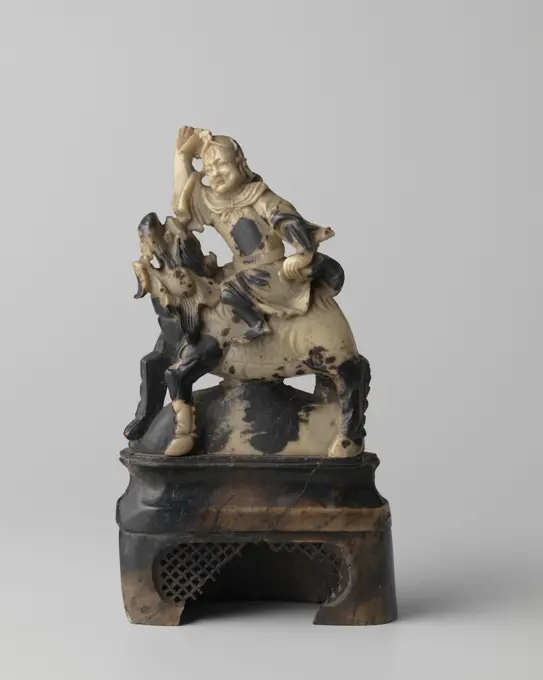
Statue of a rider on a myth animal, c. 1800 - c. 1875 Statue of a rider on a myth animal. China soapstone (metamorphic rock). voet: wood (plant material) Statue of a rider on a myth animal. China soapstone (metamorphic rock). voet: wood (plant material)
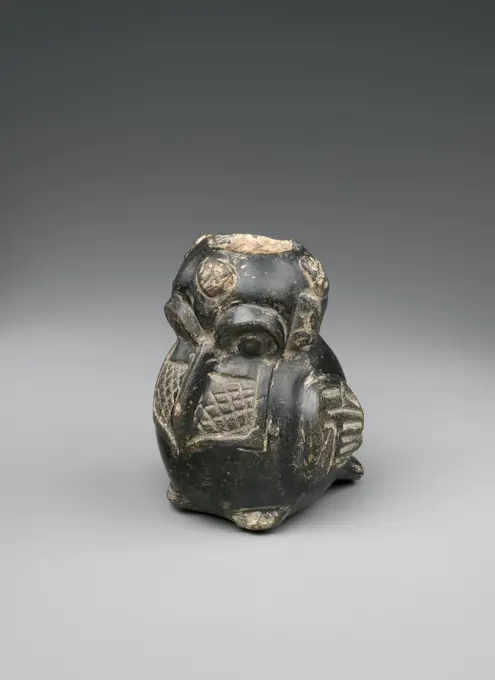
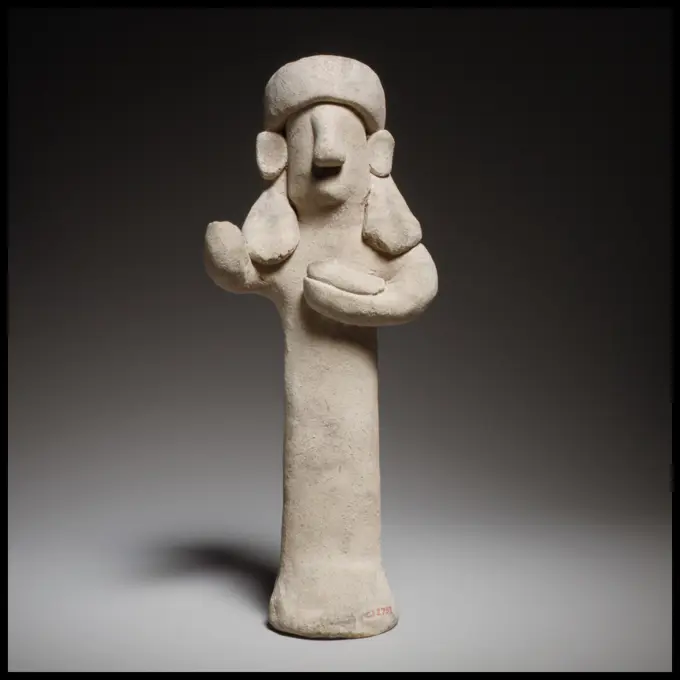
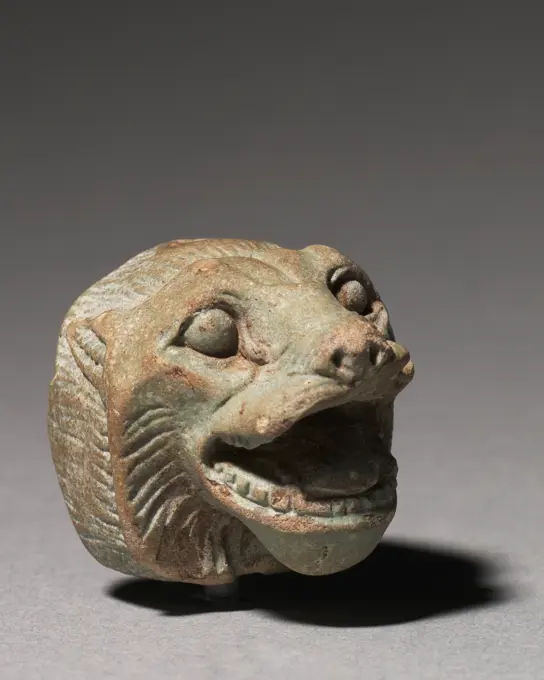
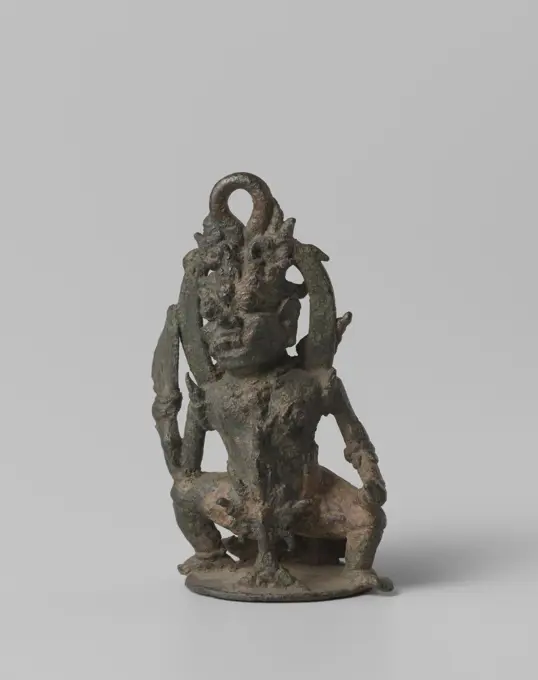
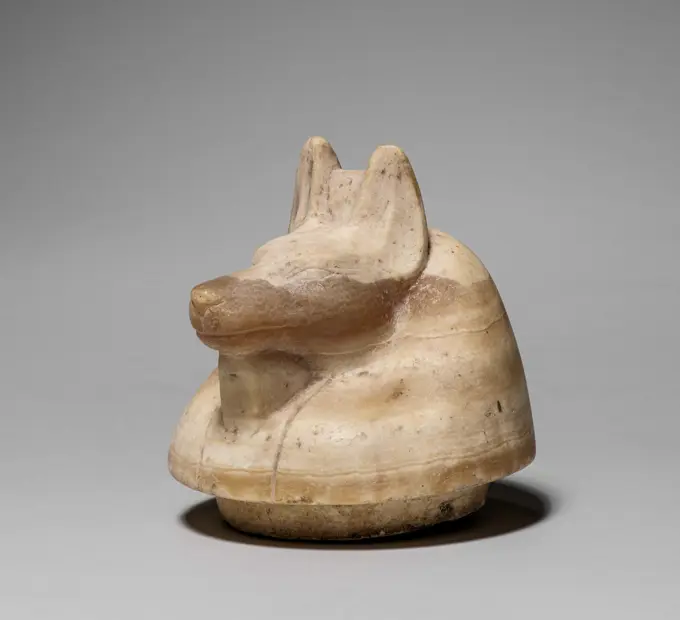
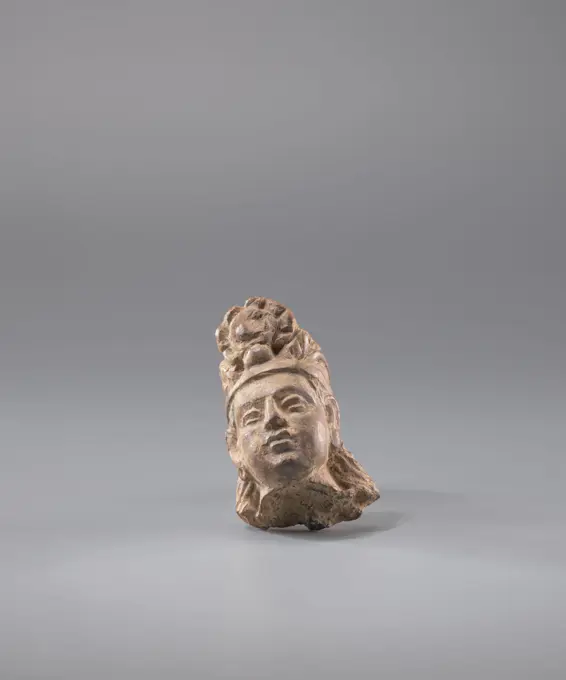
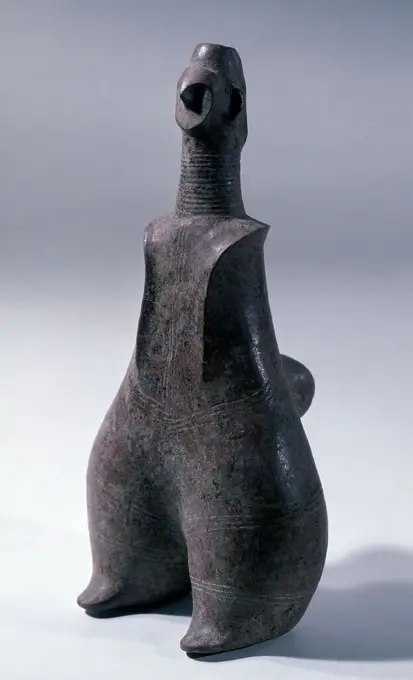
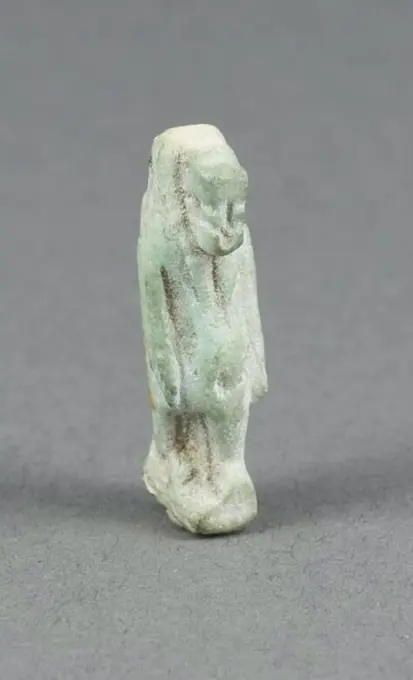
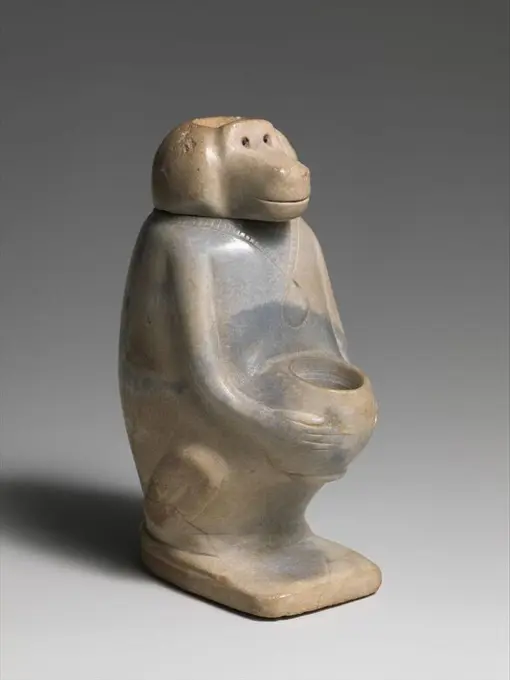
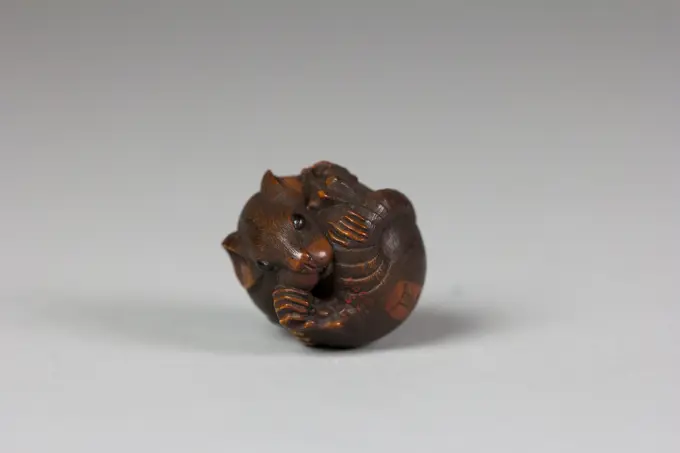
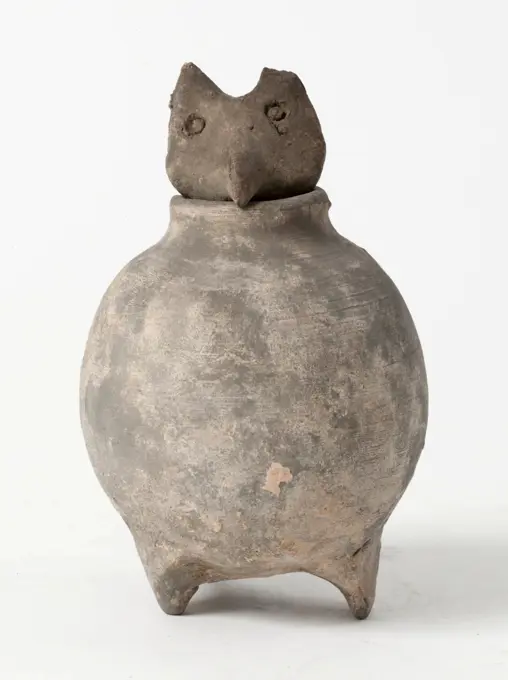
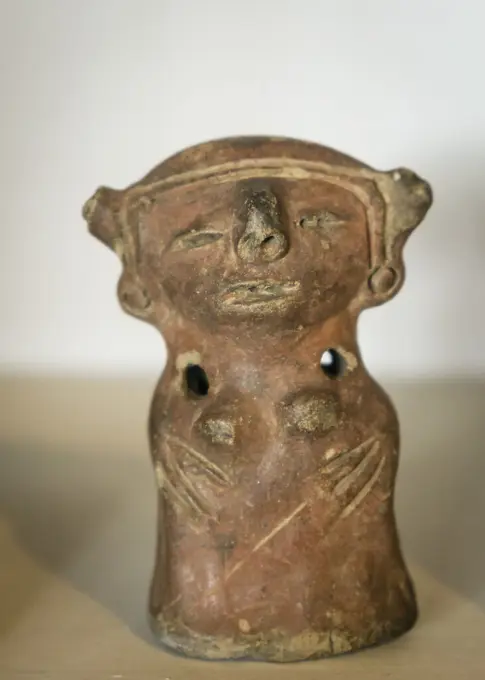
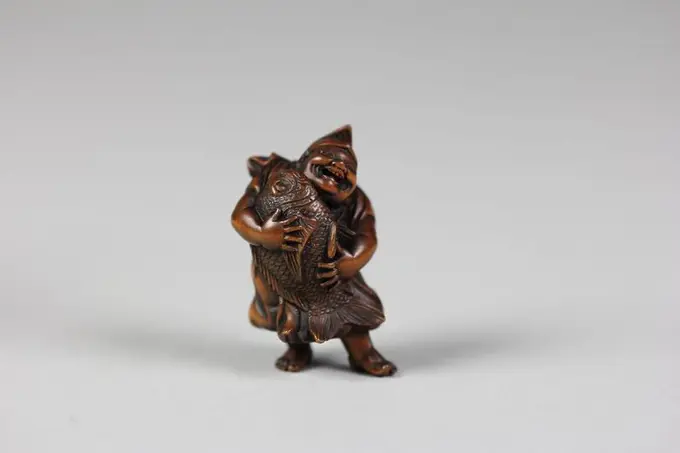
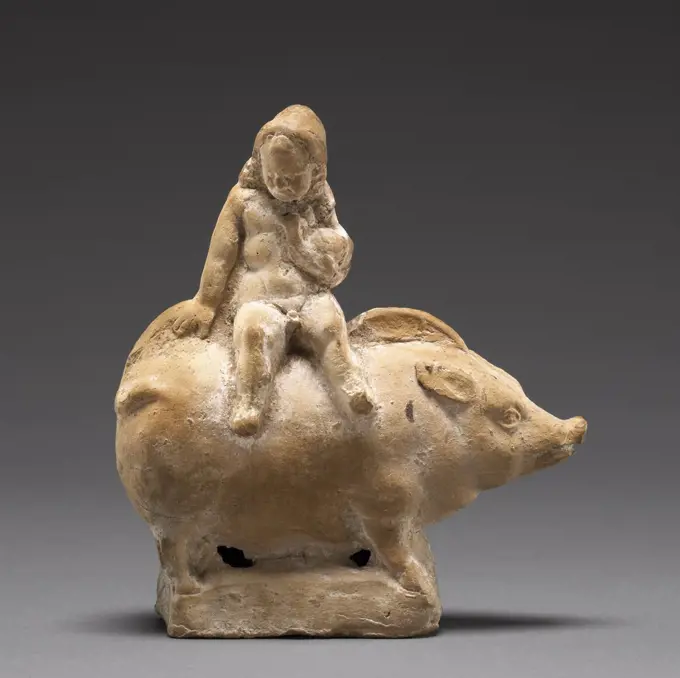
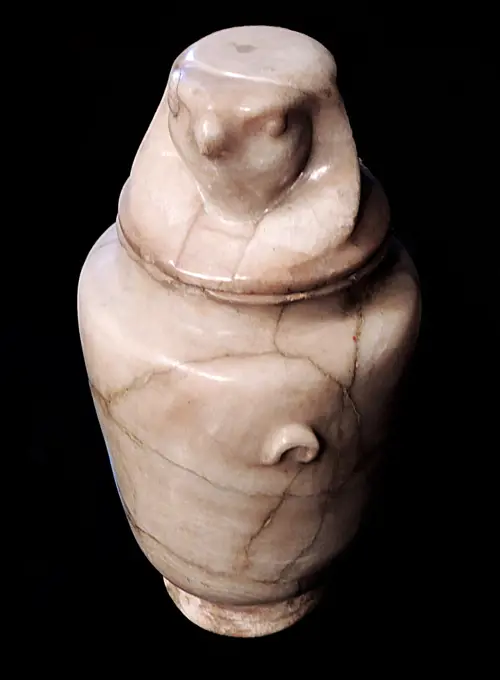
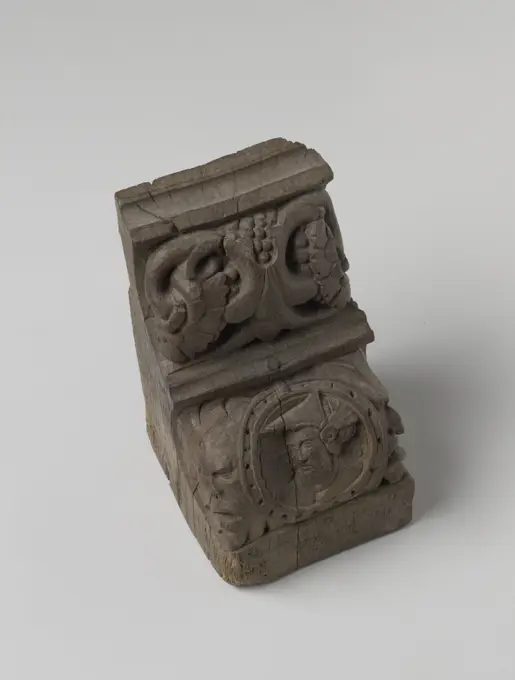
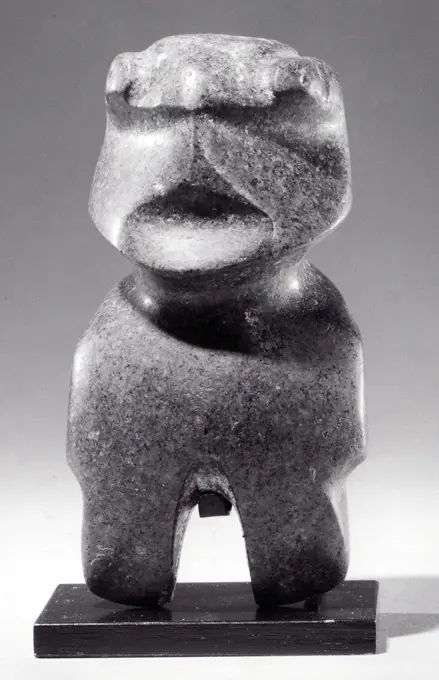
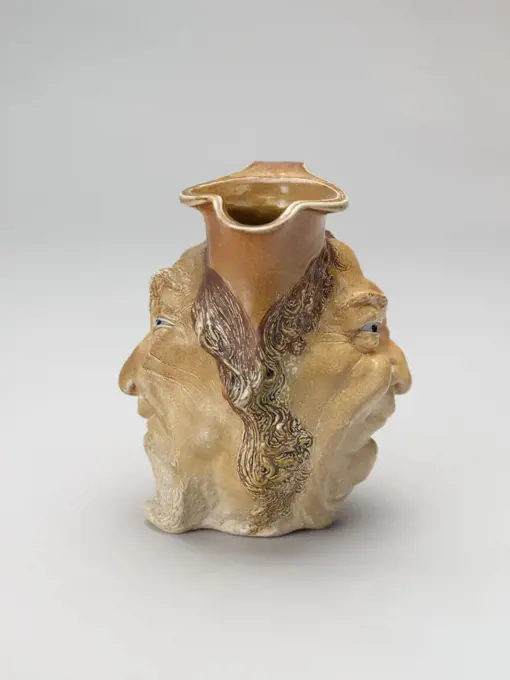
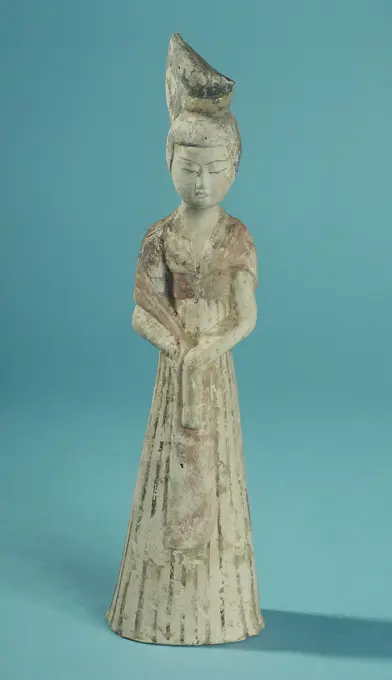
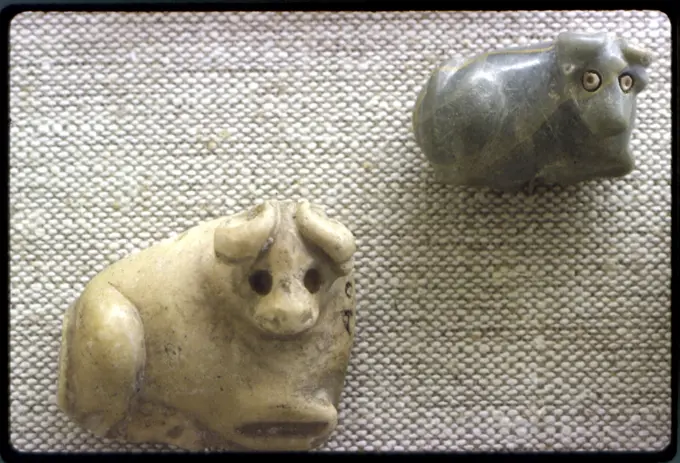
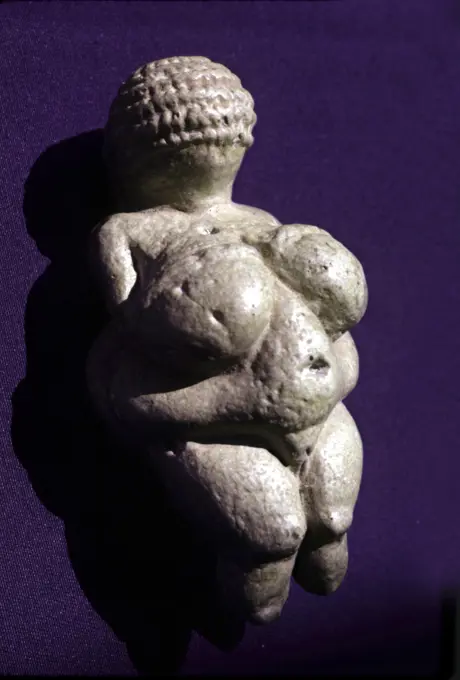
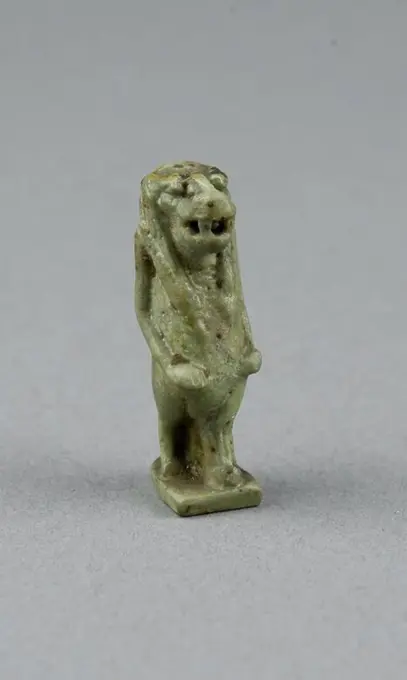
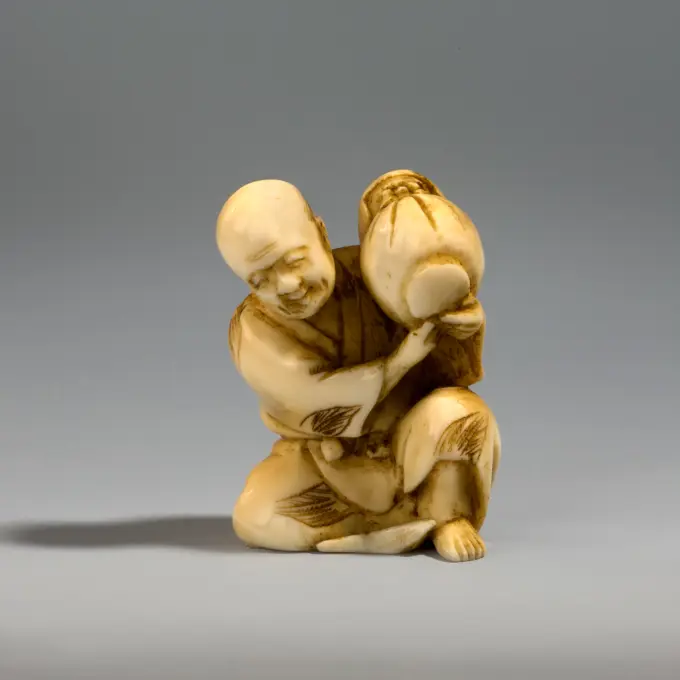
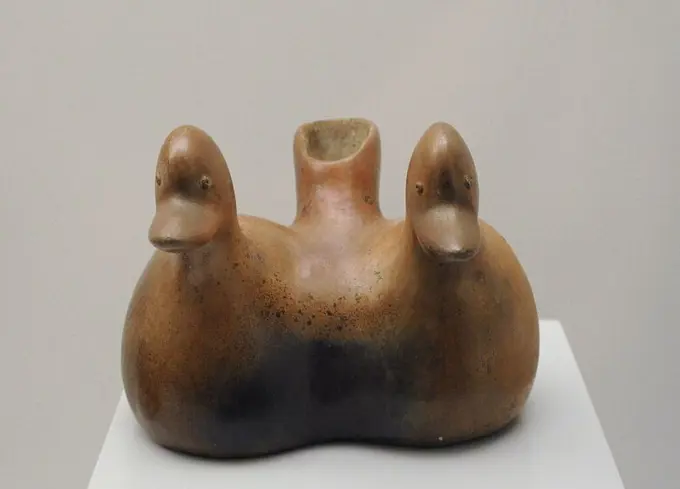
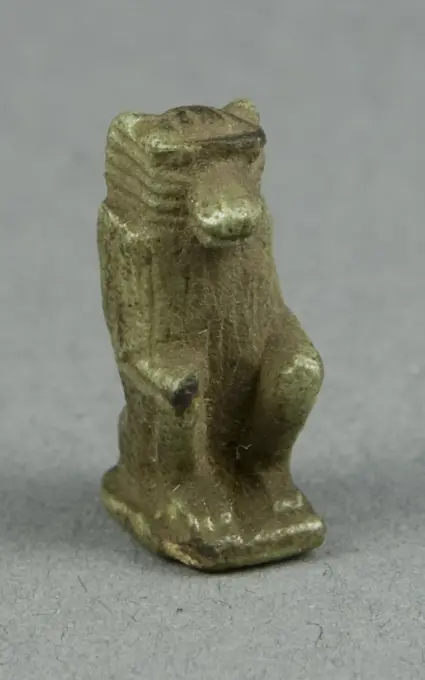
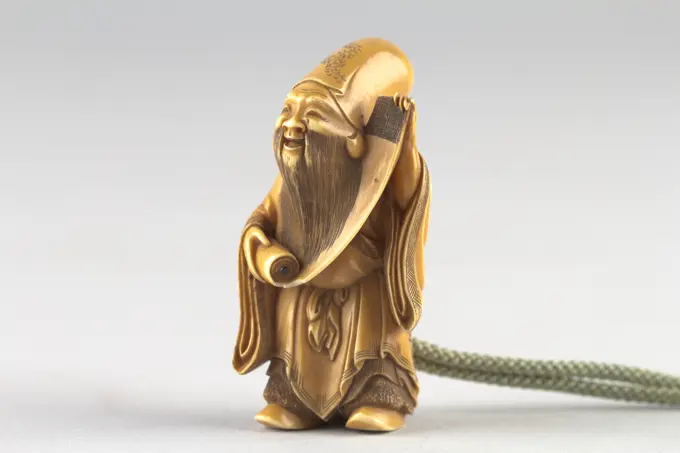
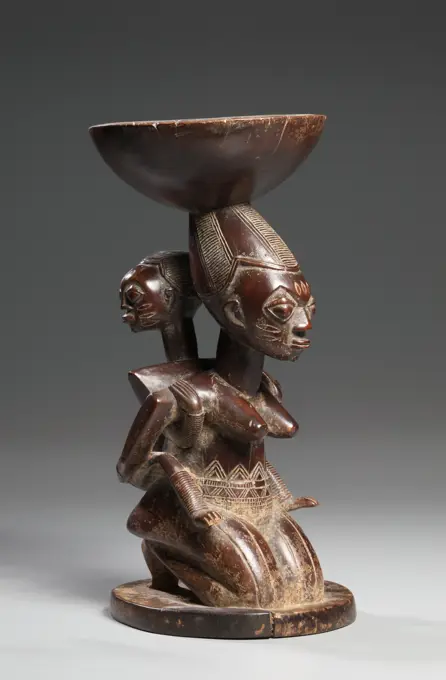
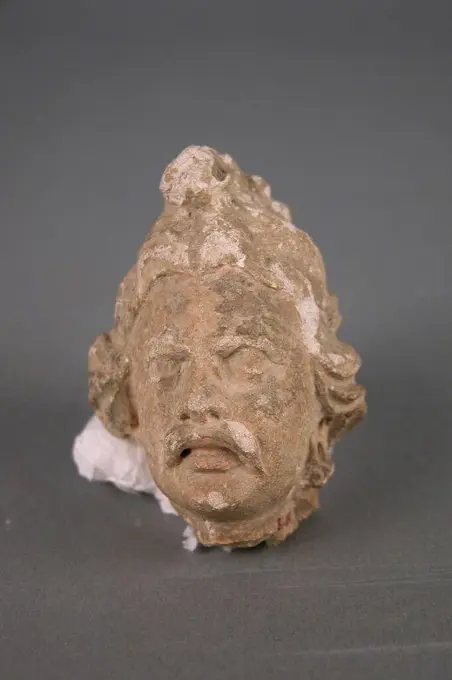
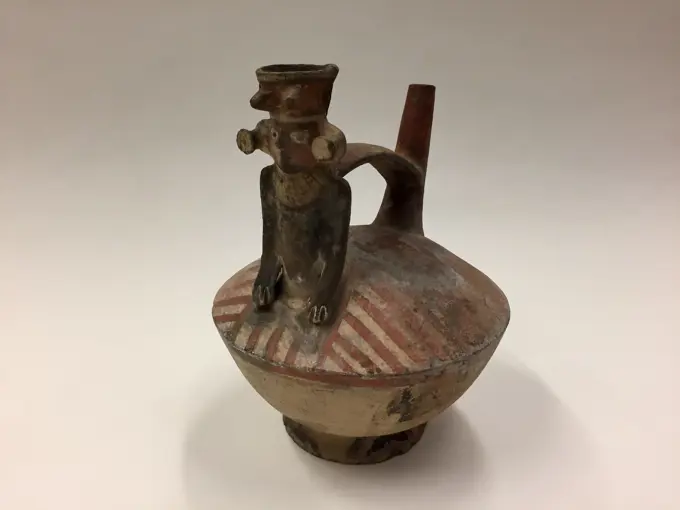
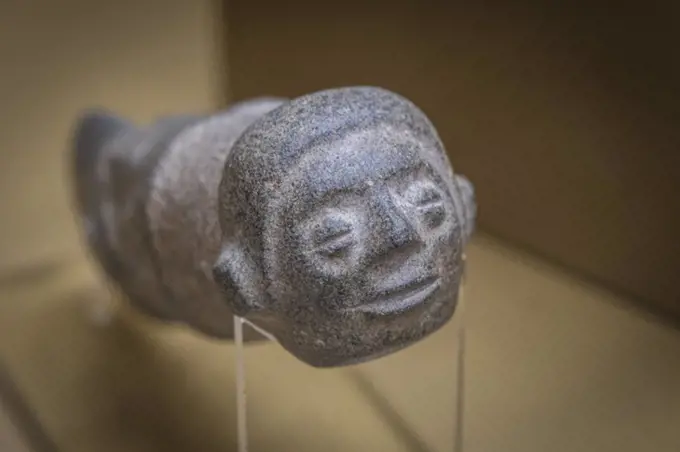
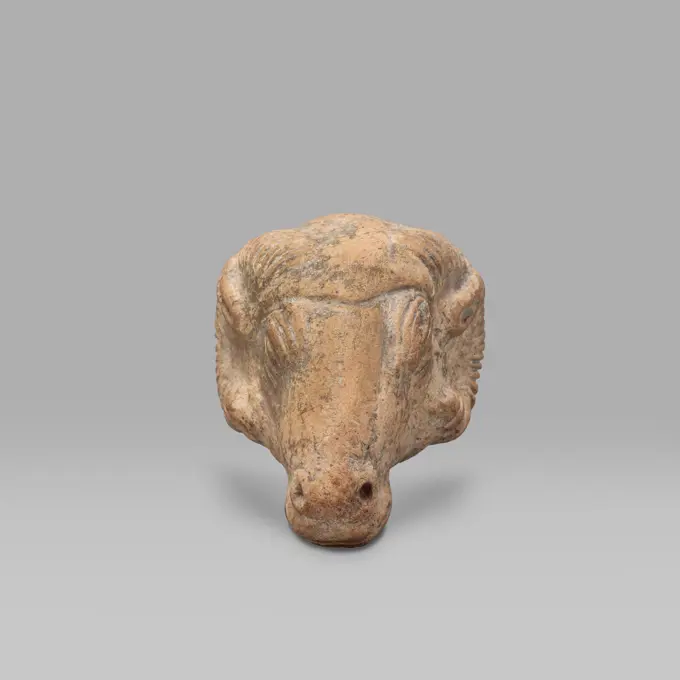
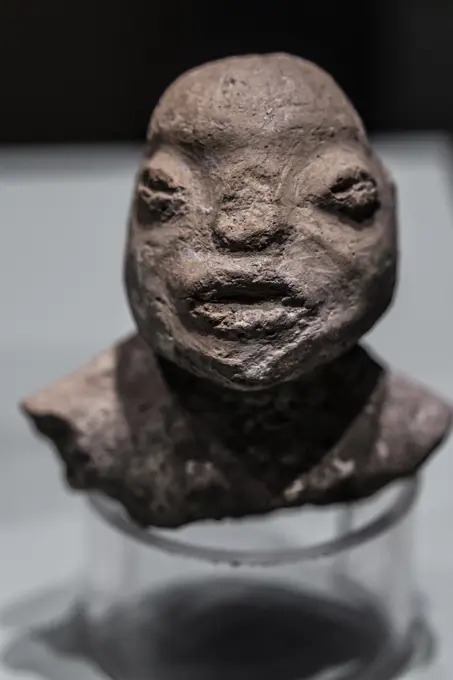
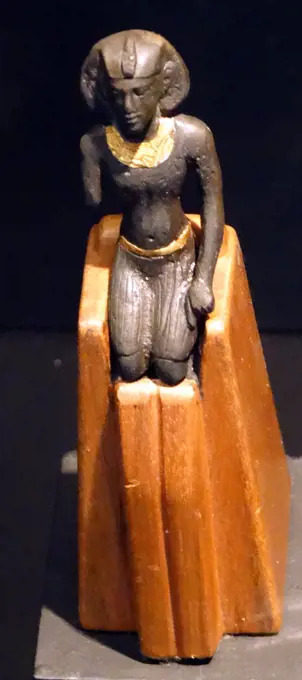
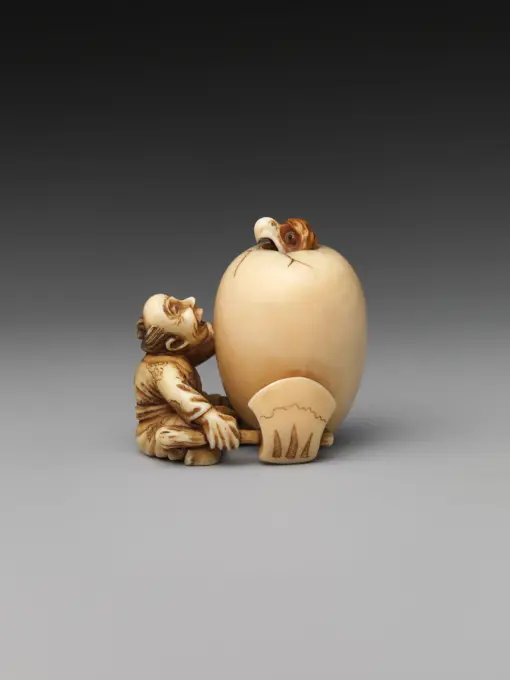
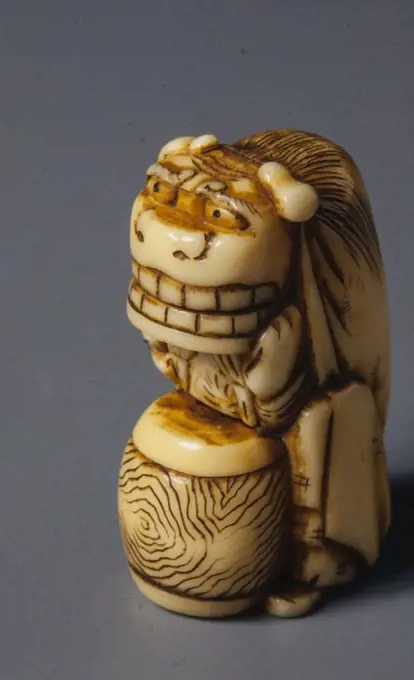
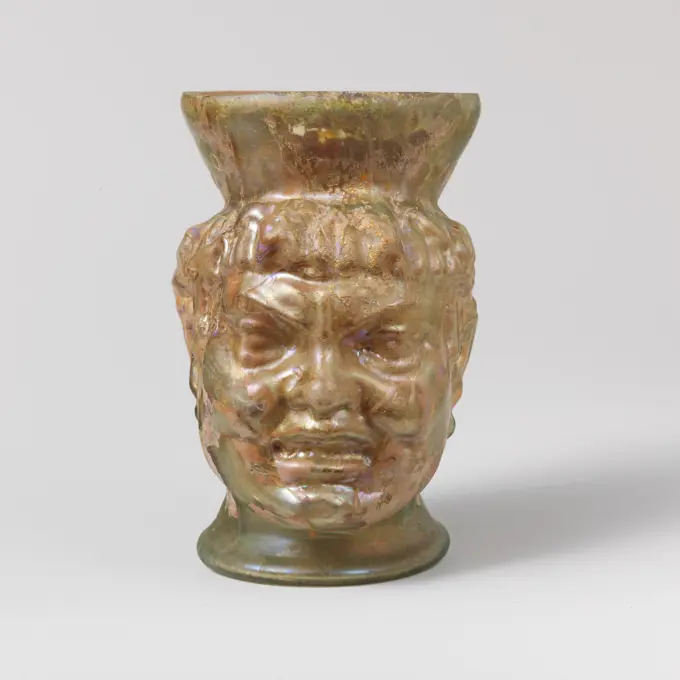
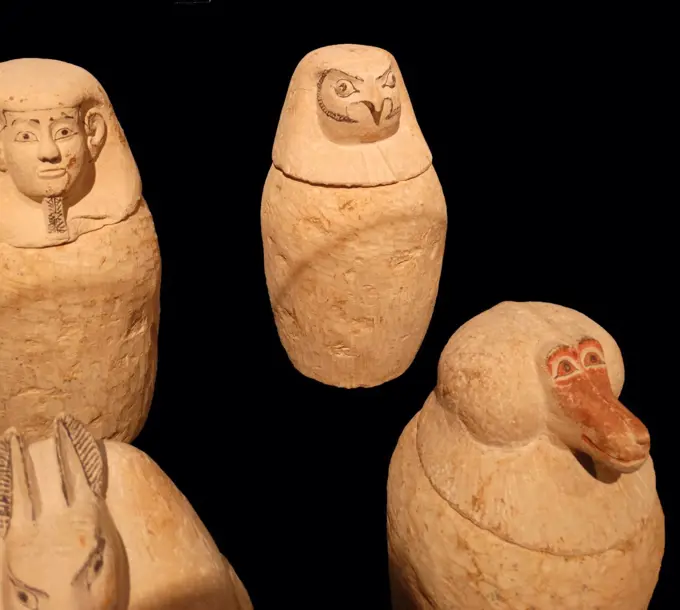
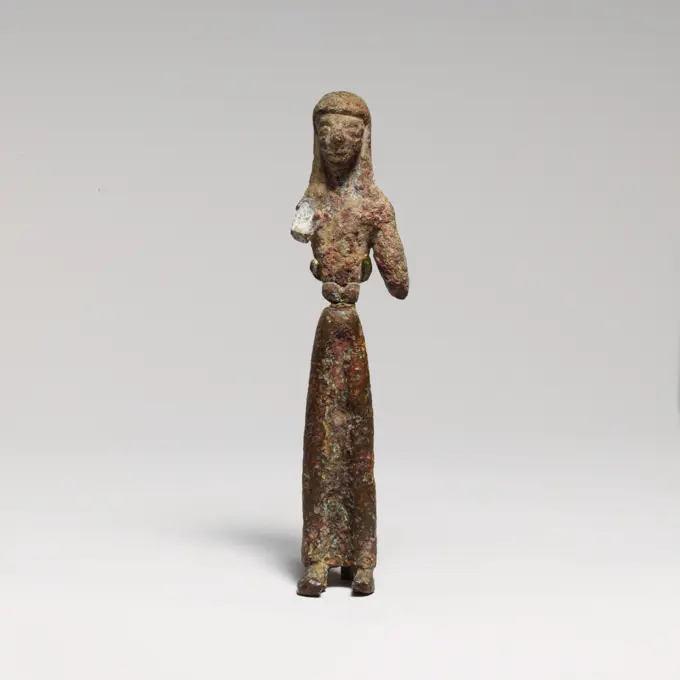
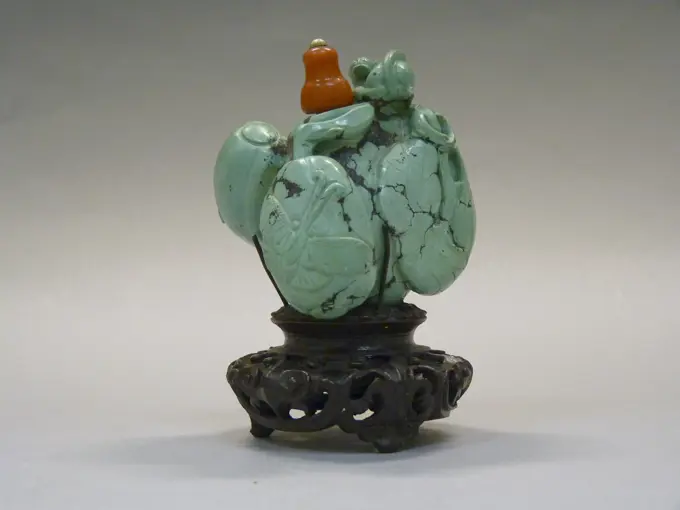
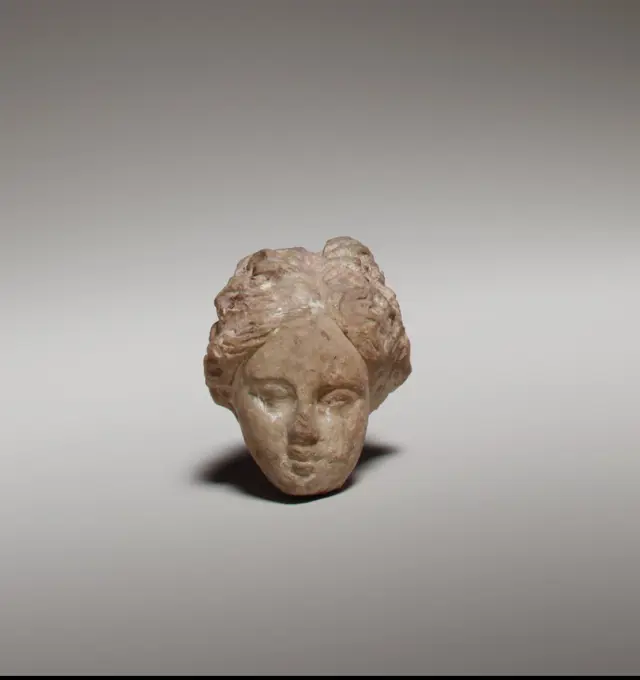
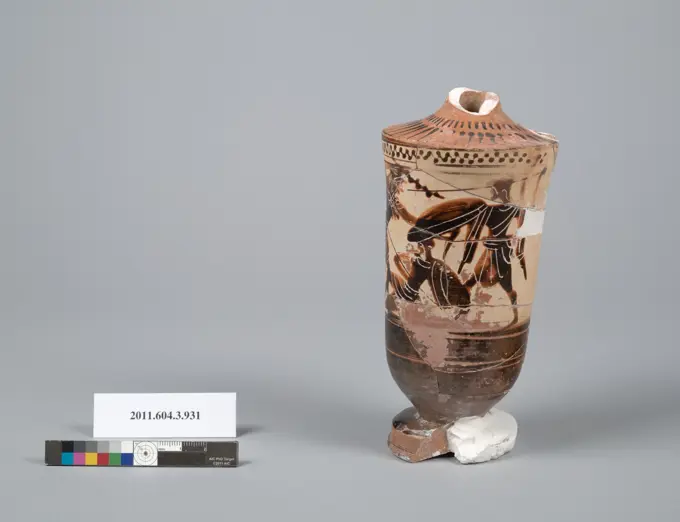
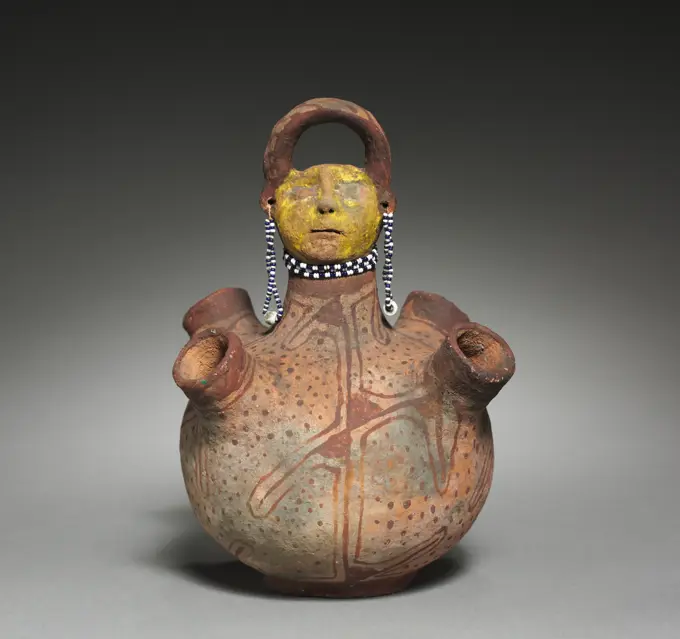
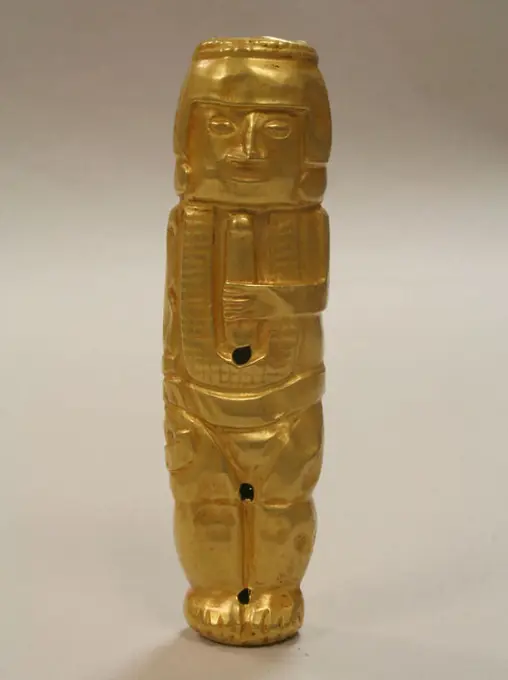
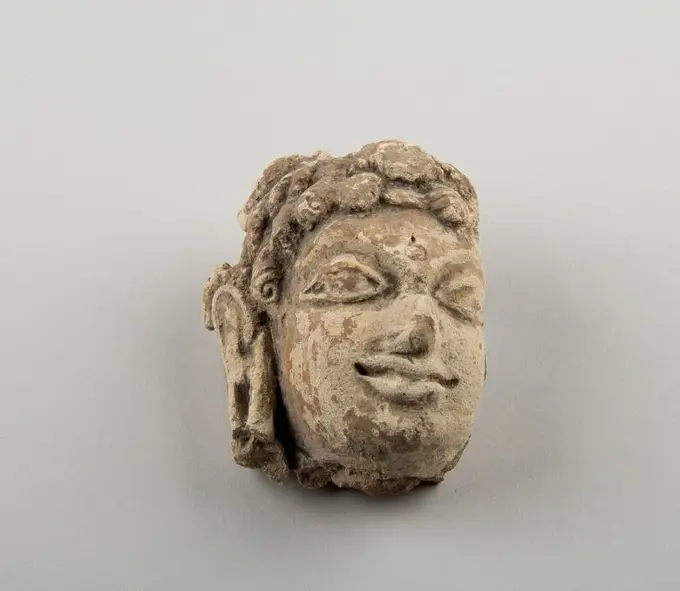
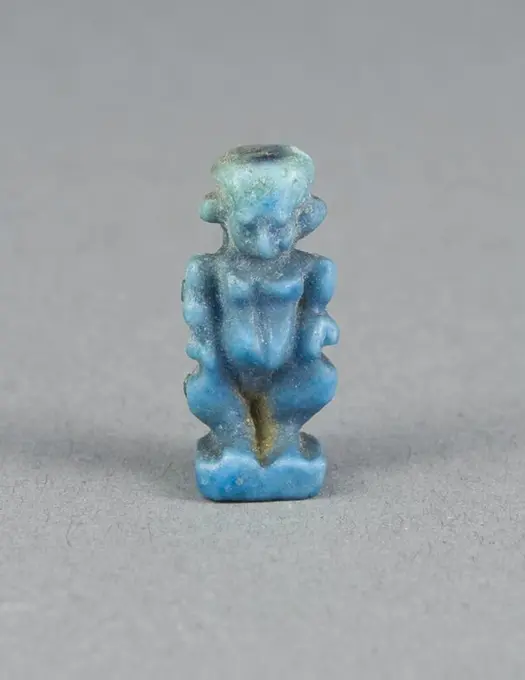
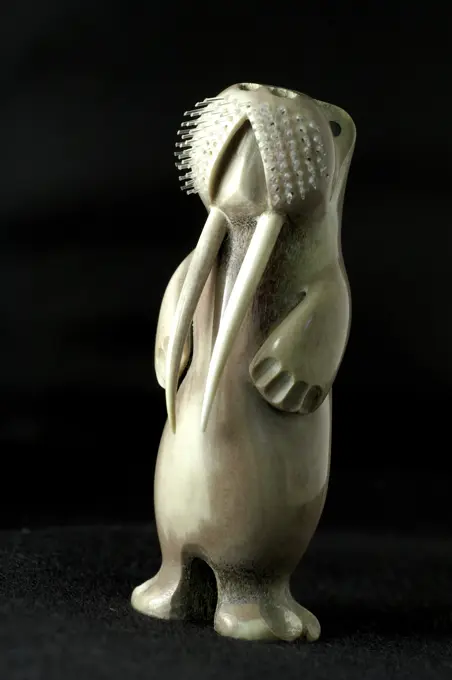
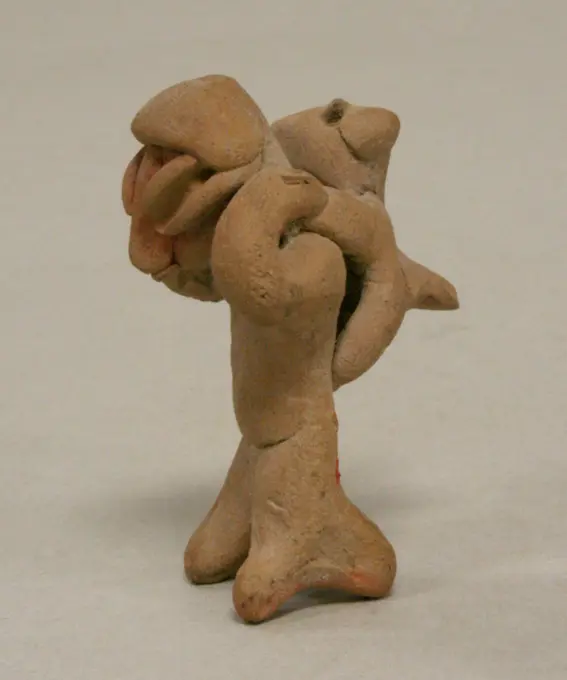
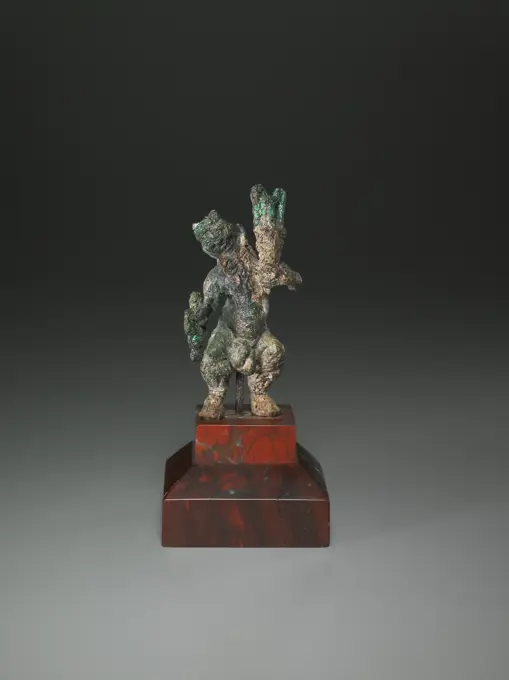
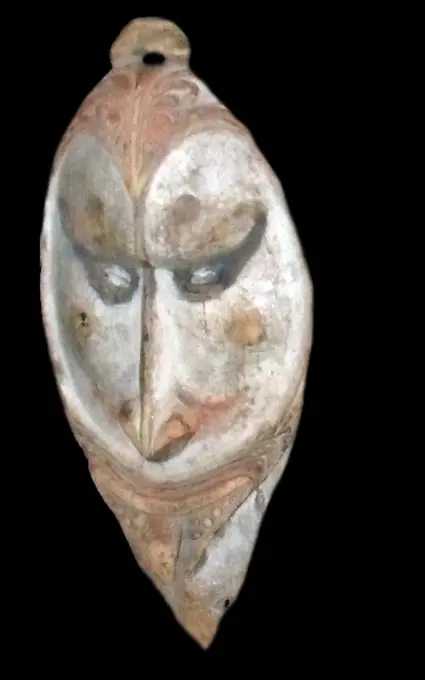
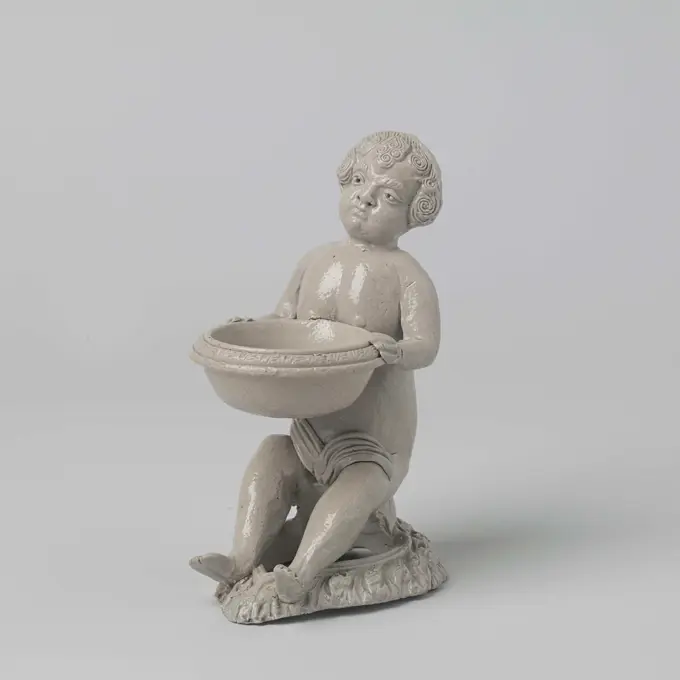
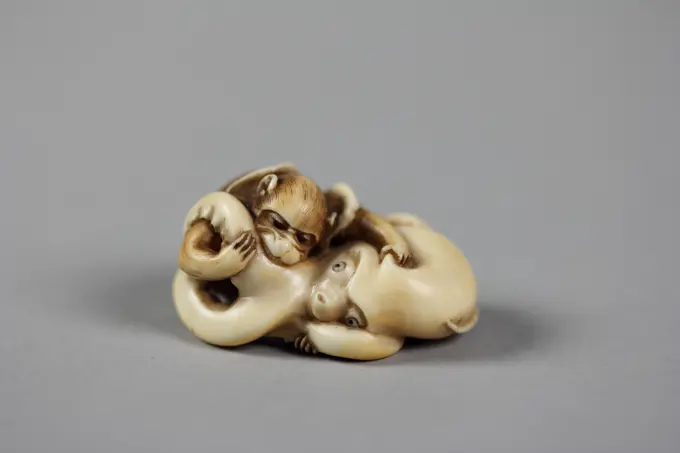
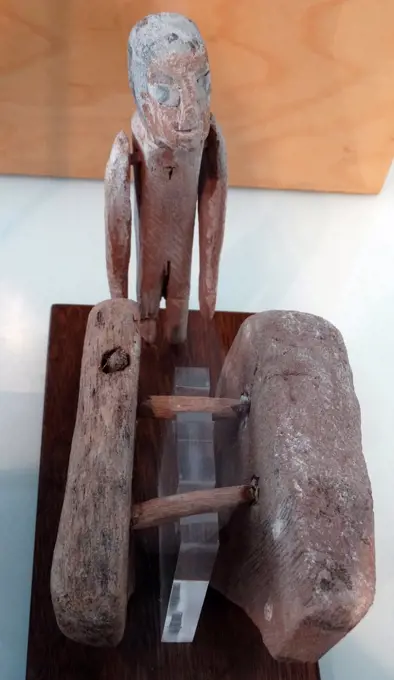
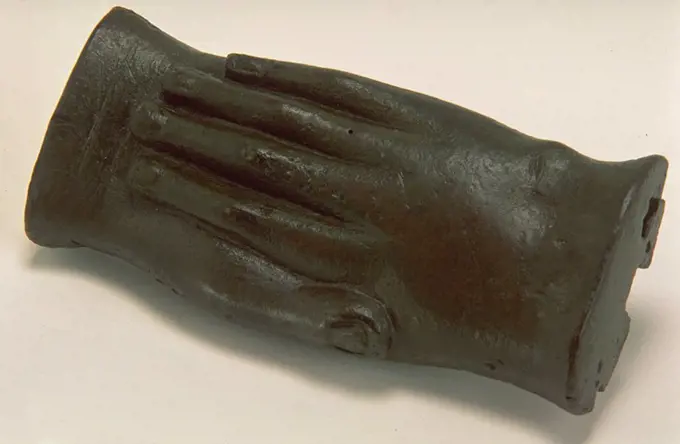
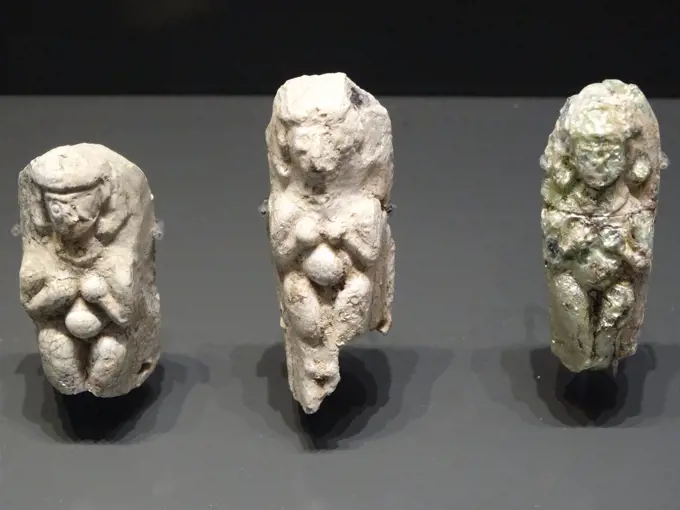
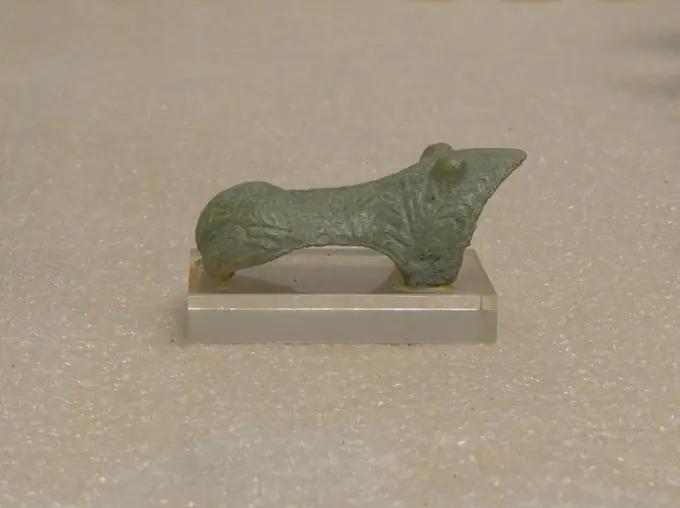
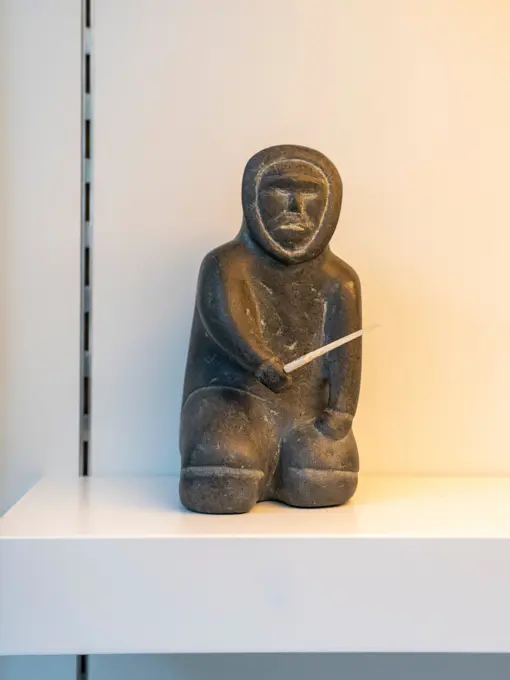
Leopard holding a shield. Culture: British, Birmingham, after British, London original. Dimensions: Overall: 36 1/4 × 12 3/8 × 13 1/8 in. (92.1 × 31.4 × 33.3 cm);Overall (head): 9 3/8 × 6 1/2 × 7 5/8 in. (23.8 × 16.5 × 19.4 cm);Overall (body): 28 1/2 × 12 3/8 × 13 1/8 in. (72.4 × 31.4 × 33.3 cm). Manufacturer: Elkington & Co. (British, Birmingham, 1829-1963). Date: 19th century, after 1600-1601 original.This electrotype is after the 1600-1601 original in the treasure of the Kremlin, Moscow. It was probably a gift to Elizabeth I, sold by the "Great guilt Cuberd of State" in 1626, purchased by Tsar Mikhail Romanov in 1629. Museum: Metropolitan Museum of Art, New York, USA.Bird Jar 12th-9th century B.C. Olmec This small vessel is in the form of a bird, probably a sea bird, its long beak resting on its chest. Its wings, bearing incised geometric designs, are folded on the sides of its body. On its chest is a trapezoidal, bib-like ornament decorated with incised cross-hatching. The bird is anthropomorphized with round, staring eyes under prominent eyebrows and ears projecting from the sides of the head. On the front and sides of the forehead are appliqued circular incised elements. The surface is burnished except for the decorated areas which are roughened.. Bird Jar. Olmec. 12th-9th century B.C.. Ceramic. Mexico, Mesoamerica. Ceramics-ContainersStanding male() figurine holding a bird ca. 600-480 B.C. Cypriot The cylindrical flattened body is handmade and solid, flaring toward a concave base.. Standing male() figurine holding a bird 241270Head of a woman, anonymous, 1300 - 1500 Fragment (head) of a woman with convex cheeks, round face, wide jaws. On a pedestal. Indonesia terracotta (clay material). sokkel: wood (plant material) Fragment (head) of a woman with convex cheeks, round face, wide jaws. On a pedestal. Indonesia terracotta (clay material). sokkel: wood (plant material)Lion Head, 664-332 BC. Egypt, Late Period, Dyansty 26 or later. Glassy faience; overall: 3 x 2.8 x 3 cm (1 3/16 x 1 1/8 x 1 3/16 in.).Statuette of a rider on a fabached animal. Statuette of a rider on a fabached animal.Statue of a rider on a myth animal, c. 1800 - c. 1875 Statue of a rider on a myth animal. China soapstone (metamorphic rock). voet: wood (plant material) Statue of a rider on a myth animal. China soapstone (metamorphic rock). voet: wood (plant material)Top piece in the shape of a demon. Bronze statue of a shaped, shown in demonic form with convex eyes, cheeks, horns on the head and shoulders. An attribute (possibly a knife in the right) in both hands). A nimbus around the head ends in a loop. The figure is squatted on a round pedestal in which its right elbow rests on its upper leg. Possible top of a bell.Canopic Jar with Jackal's Head (lid), 664-525 BC. Egypt, Late Period, Dynasty 26. Travertine; diameter: 16.3 cm (6 7/16 in.); diameter of mouth: 9 cm (3 9/16 in.); overall: 42.6 cm (16 3/4 in.). In the process of mummification, the liver, lungs, stomach, and intestines were removed, separately embalmed, and stored in specialized jars known as canopic jars (after a sailor in Greek mythology, who died at the town of Canopus in the Nile Delta and was worshipped there in the form of a human-headed jar). Each organ was identified with one of four funerary deities collectively known as the Sons of Horus: the liver with Imsety (man's head), the lungs with Hapy (baboon's head), the stomach with Duamutef (jackal's head), and the intestines with Qebehsenuef (falcon's head). It was their duty to protect the deceased and restore to him his body parts in the hereafter.Mirror Handle 6th-8th century() India (Jammu & Kashmir, ancient kingdom of Kashmir). Mirror Handle 38708Long-legged Monkey. Ozaki Kokusai (Japan, 1835-circa 1892). Japan, mid- to late 19th century. Costumes; Accessories. Stag antler; sashi typeMan's head - a fragment of the figurine;  II century BC-VI century (-200-00-00-600-00-00);FIGURILLA-BARRO ROJIZO-SIGLOS X-VIII-AC -DIOSA MADRE DE LA FERTILIDAD-ESTILO DE AMLASH. Location: MUSEO ARQUEOLOGICO NACIONAL-COLECCION. MADRID. SPANIEN.Amulet of the Goddess Taweret. Egyptian. Date: 664 BC-332 BC. Dimensions: 2.2 × 0.8 × 0.6 cm (7/8 × 5/16 × 1/4 in.). Faience. Origin: Egypt. Museum: The Chicago Art Institute, Chicago, USA. Author: Ancient Egyptian.Ointment jar in the shape of a baboon. Dimensions: H. 13.3 cm (5 1/4 in.); W. 5.9 cm (2 5/16 in.); D. 8.2 cm (3 1/4 in.). Dynasty: Dynasty 13-17. Date: ca. 1800-1550 B.C.. Museum: Metropolitan Museum of Art, New York, USA.Netsuke of Mouse 18th century Japan. Netsuke of Mouse 59165Hibou-shaped container. Terracotta. Han dynasty (206 BC-220 AD). Paris, Cernuschi museum. Chinese art, Chinese ceramic, lid, han dynasty, Han time, owl, container, terracotta, owl head, animalClassic figurine, museum of the central square, Chichicastenango, municipality of the department of El Quiché, Guatemala, Central America.Netsuke of Ebisu. Culture: Japan. Dimensions: H. 1 1/2 in. (3.8 cm); W. 1 in. (2.5 cm); D. 7/8 in. (2.2 cm). Date: 19th century. Museum: Metropolitan Museum of Art, New York, USA.Door Knocker 15th-16th century European. Door Knocker 470123Figure of a Child Seated Atop a Pig; Unknown; Rhodes (), Greece, Europe; 2nd - 1st century B.C.; Terracotta with Polychromy; Object: H: 12 x L: 10.6 cm (4 3/4 x  4 3/16 in.)Canopic shaped urn 1st century AD Calcite alabaster.bronze votive offering, 4th-3rd centuries BC, archaeological museum of Seville, Andalusia, Spain.Bouwfragment, anonymous, 1600 - 1699 Balk key made of oak. Northern Netherlands (possibly)Netherlands (possibly) wood (plant material). oak (wood) Balk key made of oak. Northern Netherlands (possibly)Netherlands (possibly) wood (plant material). oak (wood)Standing Figure 1st-8th century Mezcala. Standing Figure 313070Główka idola. nieznany warsztat syryjski, workshopA man figurine Koriak folk productsView 2 of 3 Martinware Jug, 1900-1905 Manufacturer: Martin Brothers Modelled by: Robert Wallace Martin, Applied Arts, Ceramics, JugPre-RaphaeliteBronze pendant in shape of woman, from necropolis of Contrada Leonessa (Basilicata region, Italy)Figurine, late 1800s-early 1900s. Central Africa, Republic of the Congo, Kongo people. Wood, organic materials (including resin), probably kaolin, and metalized glass; overall: 17 x 7 x 6.5 cm (6 11/16 x 2 3/4 x 2 9/16 in.).Spanish woman, 1850 - 1900  Spain terracotta (clay material)  Spain terracotta (clay material)Hand visnu figure. Left hand resting on the button of a staff; Fragment of a fishing figure. In wooden support.Chameleon, before 1921. Colombia. Red ware; overall: 7.5 x 8.5 cm (2 15/16 x 3 3/8 in.).Rhyton in the shape of a horse protoma. Red figures. Canosa, around 330 BC. AD Museum of Fine Arts of the City of Paris, Petit Palais. 59537-4 Antiquity, Greek-Roman antiquity, ancient art, ceramic, horse, red figure, large Greece, 4th 4th 4th 4th 4th 4 century AV.JC, molding, ancient period, pottery, protomed, container, rhyton, funeral rite, ritual, earth Cooked, drinking vase, ancient vase, funeral vase, wine, animal, ancientOni Demon, Patinated copper, In the form of the demon Oni, with small upright horns, curly hair, broad nose, wide, toothy grin, clawed fingers and toes, holding lantern; body rust-red in color, with facial features, lantern, garments and claws in copper. Head hinged at back, flips open as lid. Striker on bottom., late 19th century, containers, Decorative Arts, Matchsafe, MatchsafeVase 1900-1600 B.C. Cypriot. Vase. Cypriot. 1900-1600 B.C.. Terracotta. Middle Cypriot. VasesHead from a statuette, perhaps of a dwarf 664-332 B.C. Late Period. Head from a statuette, perhaps of a dwarf. 664-332 B.C.. Faience. Late Period. From EgyptYoung woman with bun in saber blade, (mingqi) ". Terracotta. China, Tang era. Paris, Cernuschi museum. 25900-8 Bun, tang dynasty, young woman, saber blade, mingqi, funeral statuette, terracotta, tombObeid seal stones, IV mill BC. Cattle. Sumerian MESOPOTAMIA.Venus of Willendorf- Prehistoric fertility figurine, 25 000 BC. Palaeolithic, AUSTRIA.Amulet of the Goddess Tawaret (Toeris). Egyptian. Date: 1070 BC-656 BC. Dimensions: 3.25 × 1.25 × 1.25 cm (1 1/4 × 1/2 × 1/2 in.). Faience. Origin: Egypt. Museum: The Chicago Art Institute, Chicago, USA. Author: Ancient Egyptian.Head and neck from a marble figure 2700-2300 B.C Cycladic Little is known about the role and meaning of these figures in Cycladic culture. Although they have been found almost exclusively in graves and placed on their backs, it is not clear whether they were made specifically for burials. Examples found in settlements and sanctuaries may have been held upright in social or religious activities, such as processions. As the majority of these figures are female, they are probably linked with the idea of fertility and reproduction.. Head and neck from a marble figure 329997Statuette. Terracotta. Hellenistic. Head. Paris, Carnavalet museum. 50054-10 Hellenistic, statuette, terracotta, headDaruma (Mitol.), Figurines, Japanese (culture), men, netsuke, Japanese art, purchase (provenance)Geminated vessel depicting ducks. Ceramic. Colima style. Early-Middle Classic Period (100-700 AD). Western Mexico. Museum of the Americas. Madrid, Spain.Amulet of the God Thoth as a Seated Baboon 664 BCE-332 BCE Egypt. Faience . Ancient EgyptianNetsuke of a Chinese sage 18th century Japan. Netsuke of a Chinese sage. Japan. 18th century. Ivory. Edo period (1615-1868). NetsukeIfá divination vessel (àgéré Ifá), mid- late 1800s. Africa, West Africa, Nigeria, possibly Èkìtì State, Yorùbá carver. Wood and colorant; overall: 31.7 x 15.7 x 15.9 cm (12 1/2 x 6 3/16 x 6 1/4 in.).Urn with cover China. Urn with cover 43980Head of an Iranian Nomad. Culture: Pakistan (ancient region of Gandhara). Dimensions: H. 2 5/8 in. (6.7 cm). Date: 3rd-5th century. Museum: Metropolitan Museum of Art, New York, USA.Statuette belonging to a monkey orchestra ca. 1745 Italian This statuette belongs to a monkey orchestra (1977.216.20-.33).. Statuette belonging to a monkey orchestra. Italian. ca. 1745. Alabaster. Sculpture-MiniatureWhistling Jar ca. 1000-1476 Peruvian Whistling jar with seated man wearing a headdress.Although numerous pottery instruments survive from pre-Conquest South and Central America, little is known of how they were used before Spanish invaders ravaged the native cultures. Whistles, trumpets and rattles in animal or human form probably had ceremonial functions or served as playthings. The "whistling jar" is a 1- or 2-chambered vessel in which a whistle, often concealed by a bird's head, is sounded by blowing into the spout, or by pouring liquid from one chamber to the other to create a bird-like twittering sound. Smaller whistles in animal shapes, perhaps worn suspended from the neck, sometimes have fingerholes that allow variation of pitch.. Whistling Jar. Peruvian. ca. 1000-1476. Pottery, paint. Pre-Columbian: Lambayeque Valley. Lambayeque Valley, Peru; Peru. Aerophone-Blow Hole-vessel fluteanthropomorphic blade of ceremonial ax, Toltec culture, Zapotlán, Musei Vaticani, State of the Vatican City, Roma, Lazio, Italia.Bronze figurine on horse. Barcelona, Spain 2013Bronze head of a youth ca. 480-470 B.C. Greek The finely articulated head is provided with a suspension hole at the top of the crown, and there is another hole in the underside of the neck. The head seems not to have been part of a piece of sculpture but to have served independently, attached to a utensil. It calls to mind the weights that came into use during Roman and medieval times for the weighing of objects.. Bronze head of a youth. Greek. ca. 480-470 B.C.. Bronze. Classical. BronzesRattle;  around 550 BC (-555-00-00--545-00-00);Vase with cover China. Vase with cover 43824Bronze tail of a horse 1st or 2nd century A.D. Roman Finely modelled, broken off from a large relief.. Bronze tail of a horse 248156Statuette of a male holding a vase, from Jalisco, Mexico.South America, Peru, Lima. National Museum of Archaeology & Anthropology. Moche pottery. (Editorial Usage Only)anthropomorphe Figur anthropomorphe Figur Copyright: xZoonar.com/TOLOxBALAGUERx 22682419Ancient Egyptian funeral statue of Tutenkhamen, 18th DynastyNetsuke of a Man and an Egg 19th century Japan. Netsuke of a Man and an Egg 59884Netsuke, japanese miniature sculpture. Museum: COLECCION PRIVADA.Glass cup in the shape of an African head 2nd half of 1st century A.D. Roman Translucent pale blue green.Uneven knocked-off, slightly inverted rim; flaring neck; plastic body; flaring base with circular, flat bottom. Mold seams visible to either side of face, slightly misaligned on proper right side, extending to the top of the body.Body in the shape of a male head with negroid features and hair arranged in vertical plaits; there are eleven short plaits over the forehead, two longer plaits in front of his ears, and four tiers of fifteen long plaits on the back of his head; he wears a wreath, tied at the back of his head and extending above his ears to his forehead, consists of leaves and berries; his brow are knit, his long eyebrows are arched, his ears are large and well defined, his eyes have small round pupils, his cheeks are plump, his nose is broad, his mouth is open (as if in a grimace), showing his teeth, and his chin is dimpled; he wears small spherical earrings that hang down Ancient Egyptian funerary urns or Canopic jars 26th Dynasty, 664-525 BCBronze statuette of a woman 7th century B.C. or later Greek Only the upper part of the figure is ancient. It is characteristic of the style known as Daedalic, which is particularly well attested in Crete, in parts of the Peloponnesos including Lakonia, as well as in southern Italy and Ionia.. Bronze statuette of a woman 251512 Greek, Bronze statuette of a woman, 7th century B.C. or later, Bronze, H.: 4 3/4 in. (12.1 cm). The Metropolitan Museum of Art, New York. Fletcher Fund, 1924 (24.97.86)Jade teardrop-shapes set in gold, from the tomb of King Muryong, Kyongju, South Korea. Goldsmith's art, Korean Civilisation, Kingdom of Baekje, Three Kingdoms period, 5th-6th century.Snuff Bottle China. Snuff Bottle. China. Turquoise with red glass stopper. Qing dynasty (1644-1911), Qianlong period (1736-95). Snuff BottlesSitula Handle. Greece, Hellenistic period, circa 2nd century B.C.. Tools and Equipment; handles. BronzeTerracotta head of a woman 3rd-2nd century B.C. Greek, Cypriot The head is mold-made and solid. The rounded back is probably handmade. The head is broken at the left side, as if originally attached to something.. Terracotta head of a woman 241072Standing female figurine square headdress, missing most of her legs ca. 1390-1186 B.C. New Kingdom. Standing female figurine square headdress, missing most of her legs. ca. 1390-1186 B.C.. Pottery. New Kingdom. From Egypt. Dynasty 18-19Terracotta fragment of a lekythos (oil flask) late 6th/early 5th century B.C. Greek, Attic On the shoulder, around the base of the neck, tongues; below, rays; at the top of the body of the lekythos, a dot net pattern; below, Scythian with a cap, wearing a chitoniskos, with a round shield over his left arm, holding a spear in his raised right hand; Herakles wearing a chitoniskos, with his lion skin tied around his neck, holding his club in his raised right hand and his left arm extended, confronting a draped warrior to left with a round shield over his left arm, and a spear in his raised right hand; in between Herakles and the warrior moving to left, a fallen warrior, with a spear and round shield, wearing a chitoniskos. Terracotta fragment of a lekythos (oil flask). Greek, Attic. late 6th/early 5th century B.C.. Terracotta; white-ground. Archaic. VasesJug - Henry Schuler, 1873-1884 Henry Schuler, 1873-1884Vessel with Four Spouts, early 1800s. Great Basin, Pueblo, Mojave, Post-Contact Period, early 19th century. Ceramic, pigment; overall: 20.2 x 16.4 cm (7 15/16 x 6 7/16 in.).Celtic bronze dog from the British Museum's collection. Artist: UnknownKhandoba on a Horse 18th century India (Maharasthra). Khandoba on a Horse 75276Fragment of a Figurine of a ManStanding Figure. Culture: Yotoco. Dimensions: H. 4 3/8 in. (11.1 cm). Date: 2nd-12th century. Museum: Metropolitan Museum of Art, New York, USA.Marble right foot wearing a sandal. Culture: Roman. Dimensions: H.: 12 1/8 in. (30.8 cm). Date: 1st or 2nd century A.D..Right foot and ankle, wearing a sandal. Museum: Metropolitan Museum of Art, New York, USA.Head of a Bodhisattva. Culture: India (Bihar, Nalanda). Dimensions: H. 4 1/8 in. (10.5 cm); W. 3 3/4 in. (9.5 cm); D. 2 1/4 in. (5.7 cm). Date: 7th-8th century. Museum: Metropolitan Museum of Art, New York, USA.Amulet of Pataikos. Egyptian. Date: 664 BC-332 BC. Dimensions: 2.2 × 1 × 0.8 cm (7/8 × 3/8 × 5/16 in.). Faience. Origin: Egypt. Museum: The Chicago Art Institute, Chicago, USA. Author: Ancient Egyptian.Canada, First Nations Canadian art. Typical carved caribou antler walrus figure. (Editorial Usage Only)Figure with Animal on Back 3rd century B.C.-A.D. 4th century Chupicuaro. Figure with Animal on Back 313176Standing Figure of Pan Holding a Cock and anAmphoraSeated Buddha, 600s. China, Tang dynasty (618-907). Gilt bronze; overall: 13.3 x 6.9 cm (5 1/4 x 2 11/16 in.); figure: 9.9 cm (3 7/8 in.).Military hat sheet unknownBronze greave (shin guard). Greek, 4th century B.C. Metropolitan Museum of Art. Ny. USA.Statuette of female figure 5th-4th century B.C. Etruscan With arms extended.. Statuette of female figure 246306Facade mask hung in front of mens houses to ward off evil and disease. Sepik region of Papua New Guinea. Early 20th centurySalt barrel. Salt barrel of stoneware. The dish is worn by a seated nude figure on a heart-shaped, horizontal ring.Netsuke of Octopus Fighting a Monkey 19th century Japan. Netsuke of Octopus Fighting a Monkey. Japan. 19th century. Ivory. Edo (1615-1868) or Meiji period (1868-1912). NetsukeModel of a farmer with oxen. Wood. 11th-12th Dynasties (2134-1783 BC).Bottle withTycheTESERA DE LAS MANOS DE P.TURULLIUS. ROMANO. (DEPOSITO: MUSEO ARQUEOLOGICO NACIONAL).Female figurines dedicated to the goddess of fertility, Astarte. From Beth Shean and Near East, late 16th-13th century, originally brown and blue glass.Frog from a Drum () 500 B.C.-A.D. 300 Thailand. Frog from a Drum () 56478Bin, held with both arms by a semi-luring female figure .. Bake of white porcelain: figure of a woman in eighteenth-century costume, in semi-down attitude, with both arms a container for herself. The pedestal is decorated with seed beads. Signature: MINTON MB 56 1.1Amulet of a Hybrid Deity (Body of Dwarf, Ram Head, Bird Wings and Tail) 664 BCE-332 BCE Egypt. Ceramic . Ancient EgyptianFigure of a man, Inuit culture, Arctic Canada, 1968, soapstone and walrus tusk ivory, Anthropology National Museum, Madrid, Spain