Historic Seals and Impressions

A collection of ancient clay seals and impressions featuring intricate designs and motifs from various historical periods, showcasing craftsmanship and artistry.
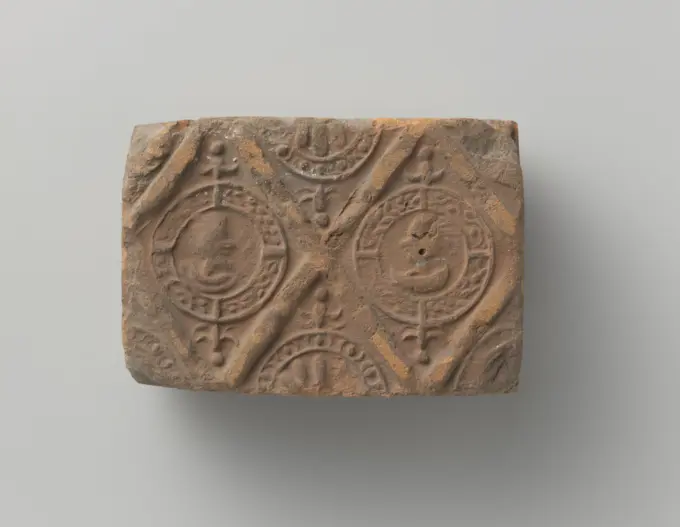
Hearing stone with a men's and women's head and profil in two profiled windows, anonymous, c. 1550 - c. 1599 Hearing stone with a men's and women's head and profil in two profiled rustling. The half and quarter windows at the top and bottom are supplemented with parts of festons with floral pattern. Southern Netherlands earthenware Hearing stone with a men's and women's head and profil in two profiled rustling. The half and quarter windows at the top and bottom are supplemented with parts of festons with floral pattern. Southern Netherlands earthenware
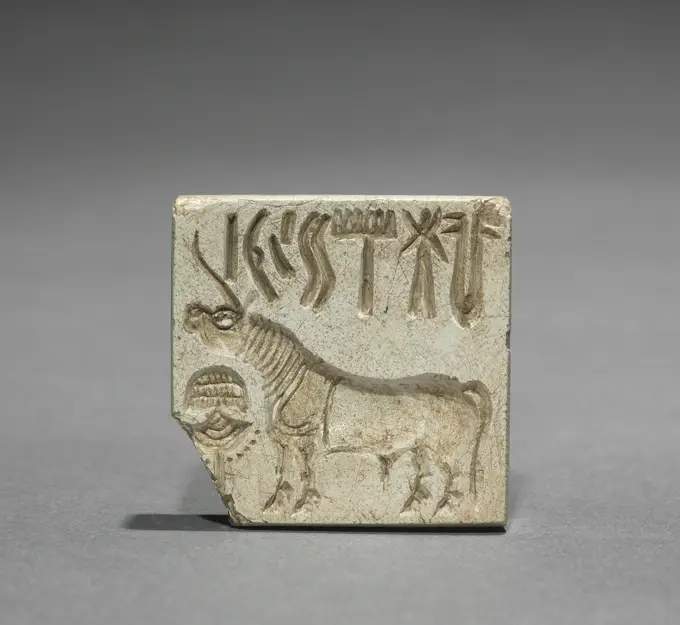
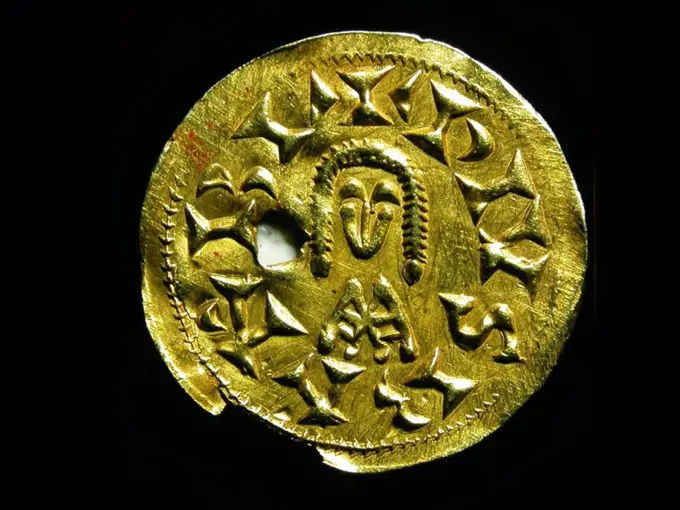
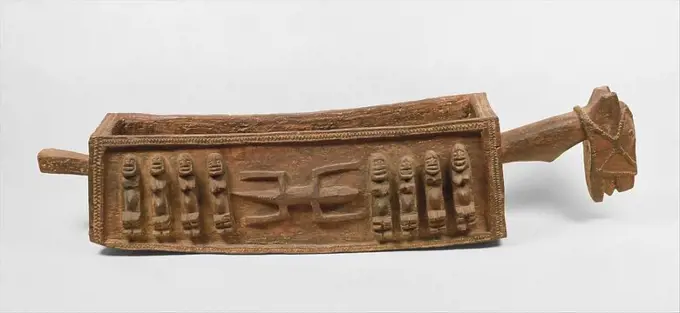
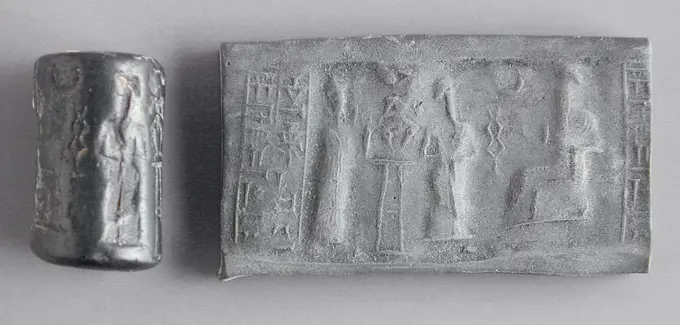
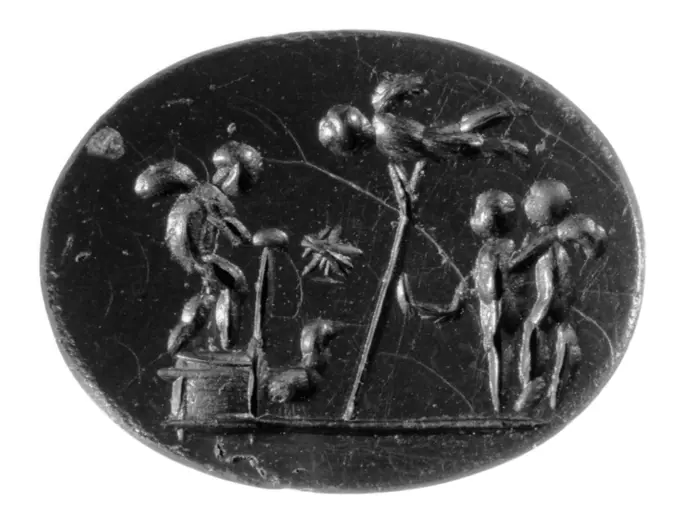
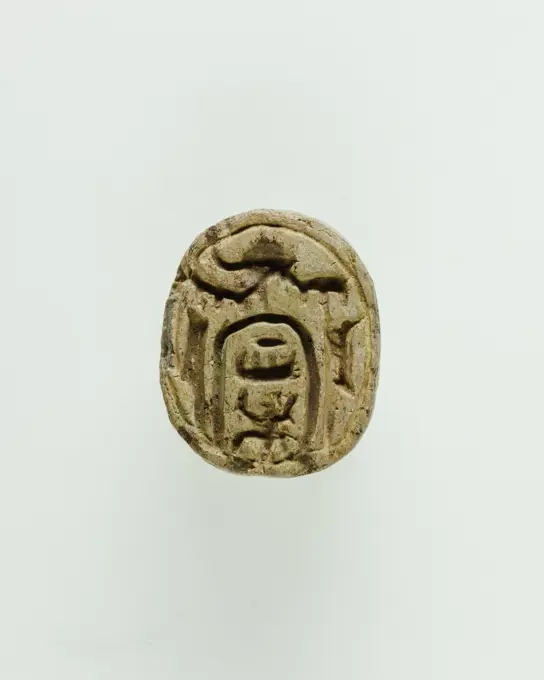
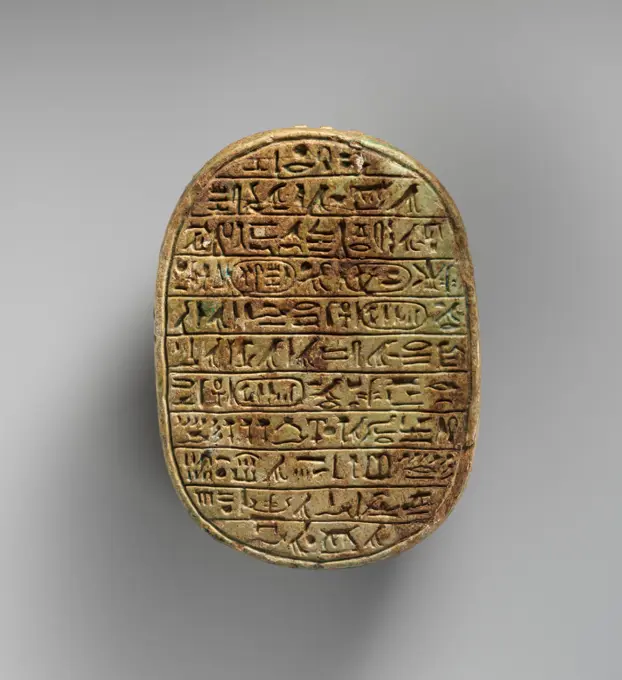
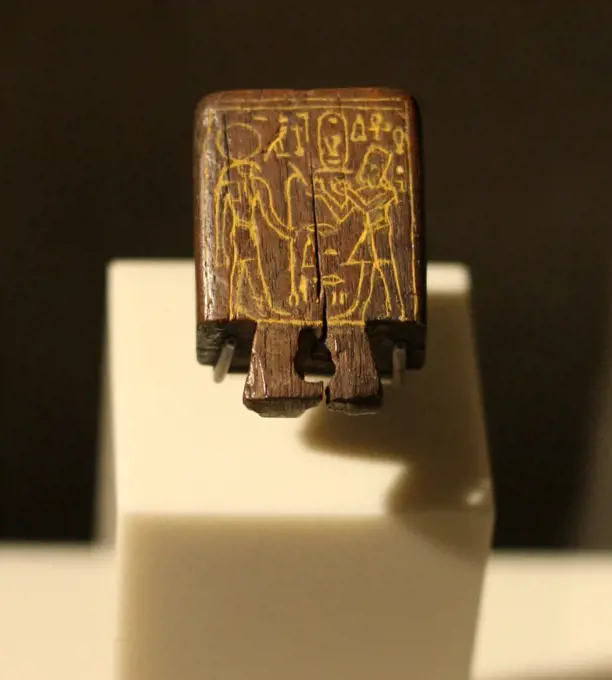
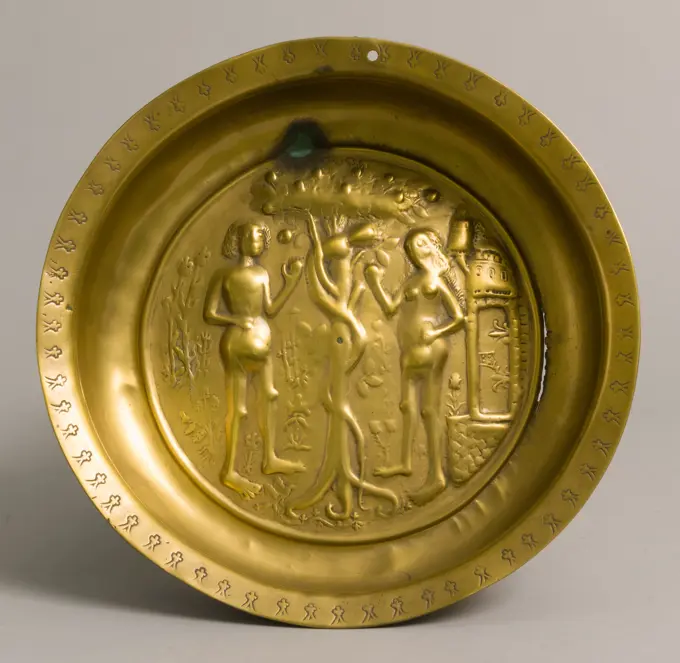
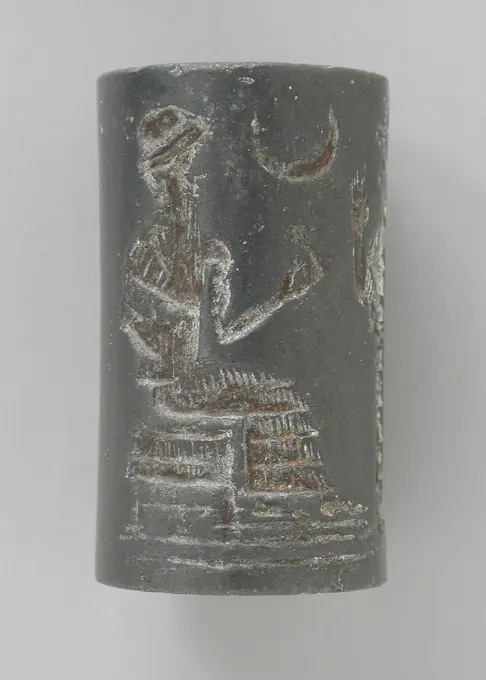
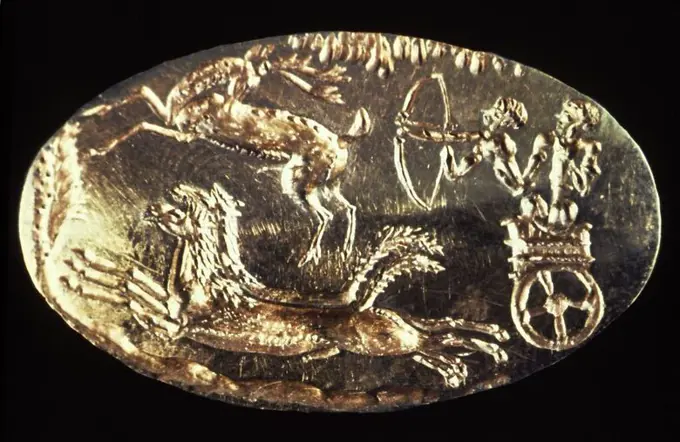
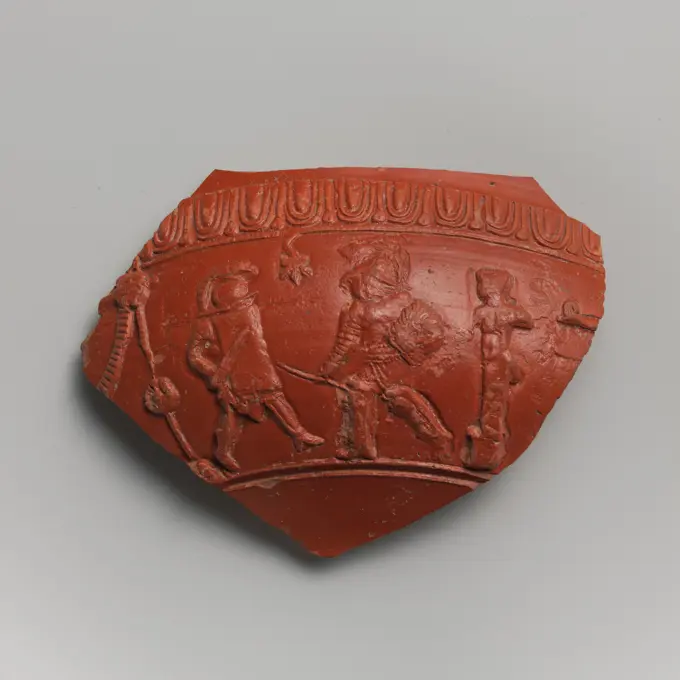
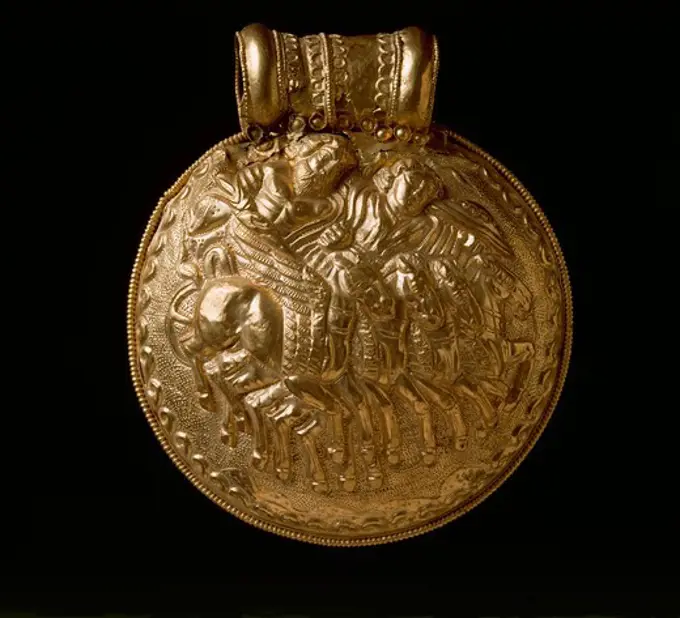
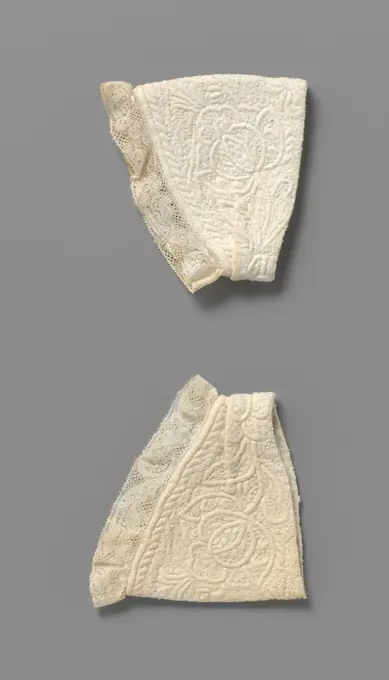
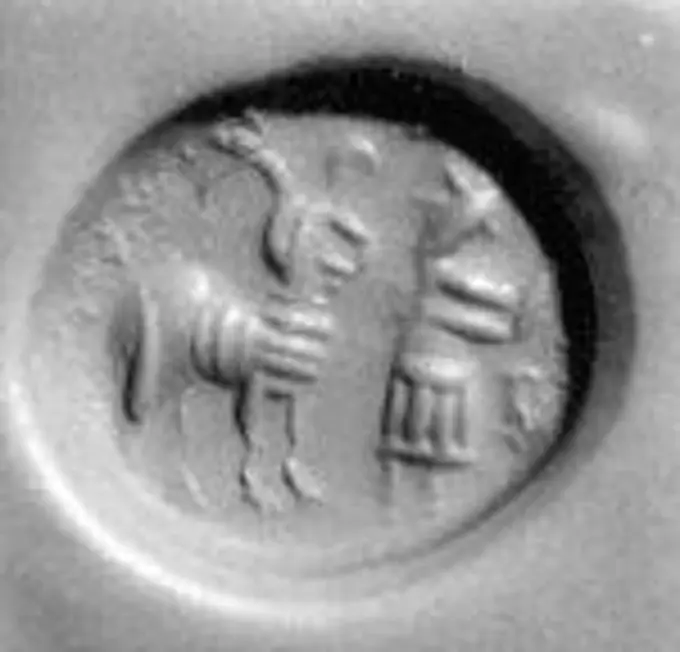
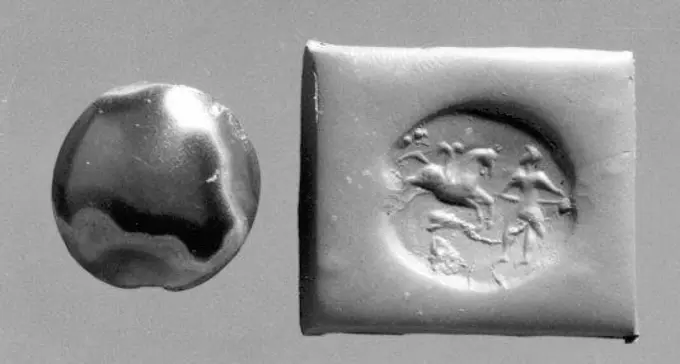
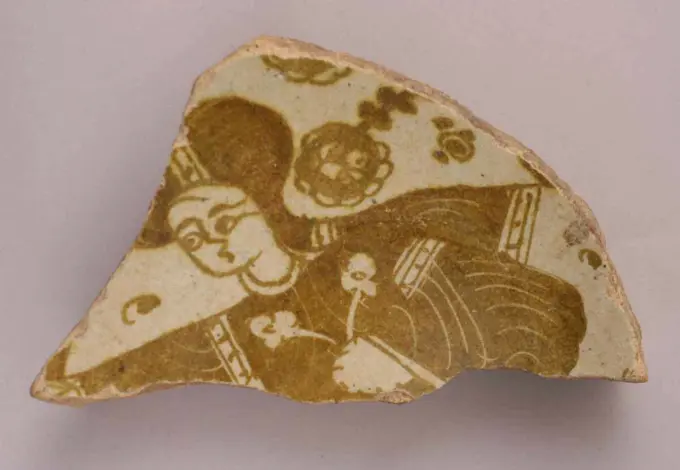
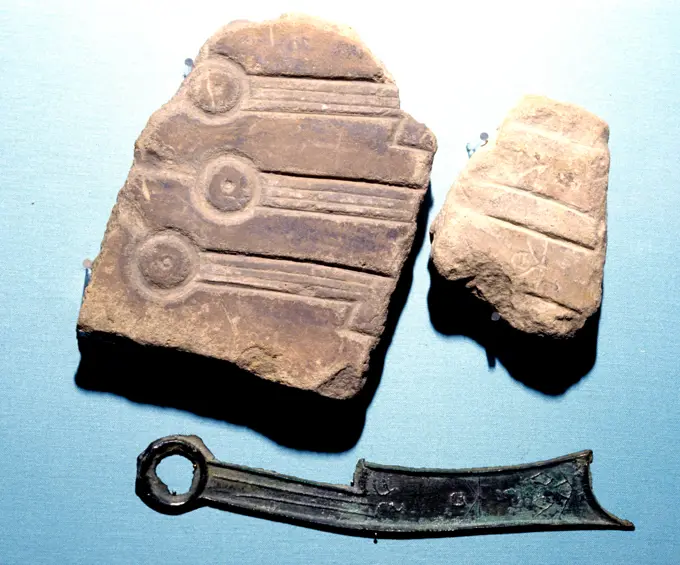
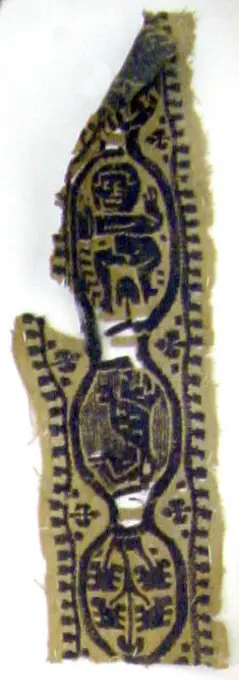
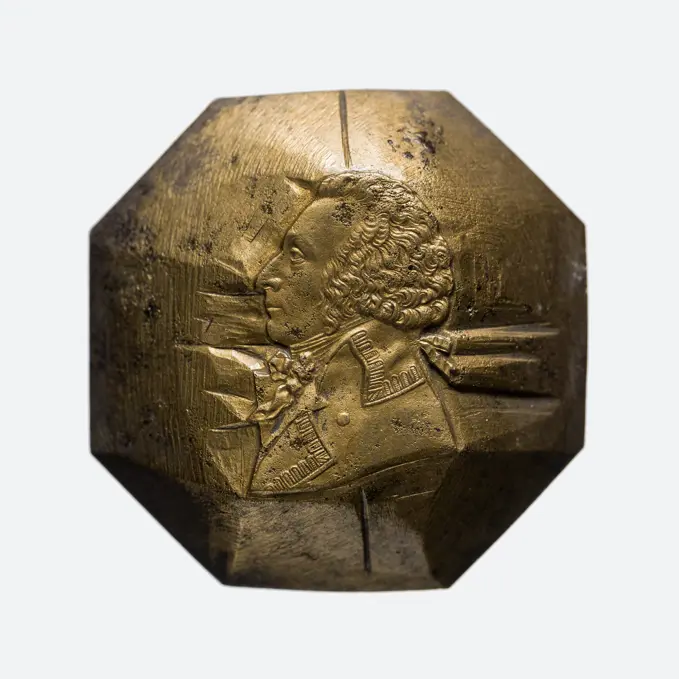
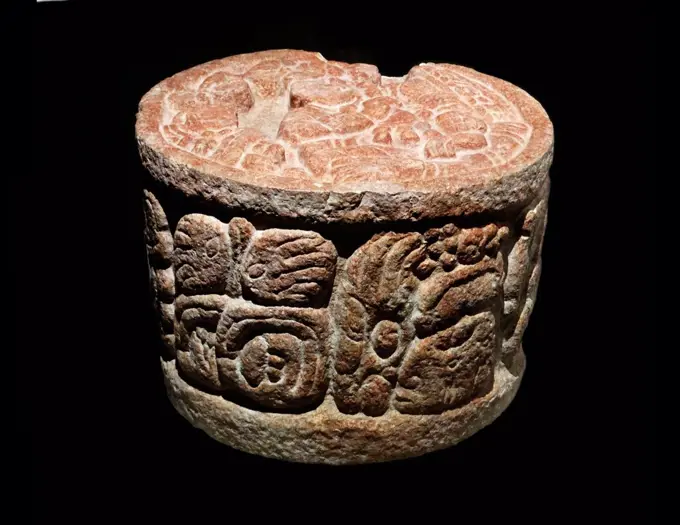
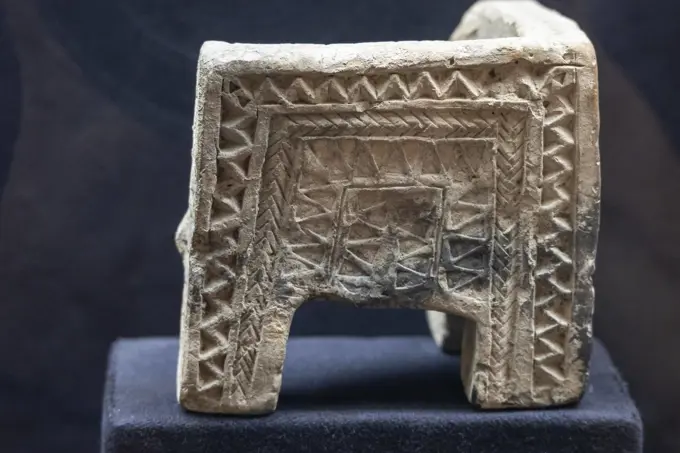
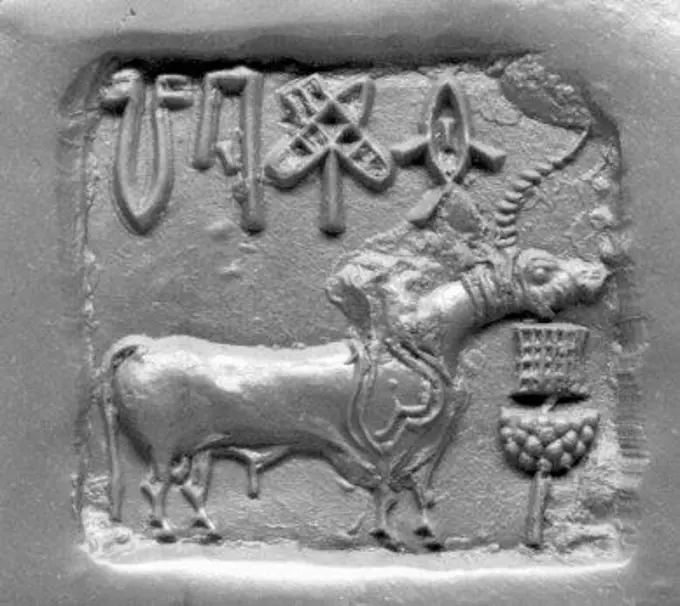
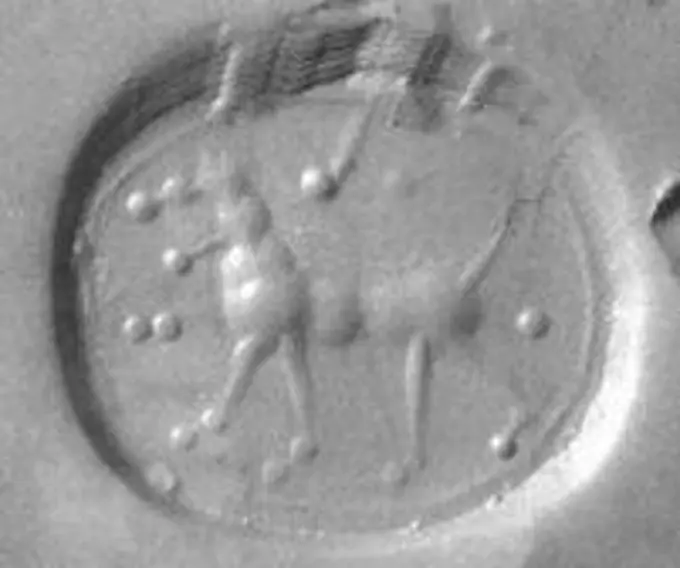
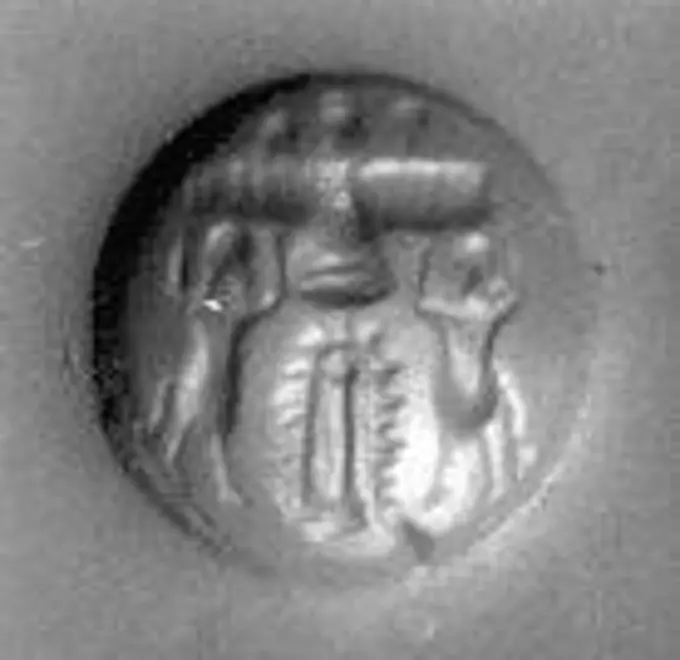
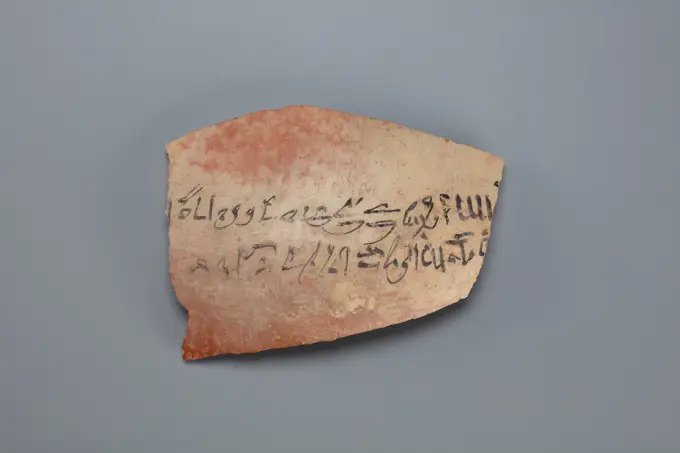
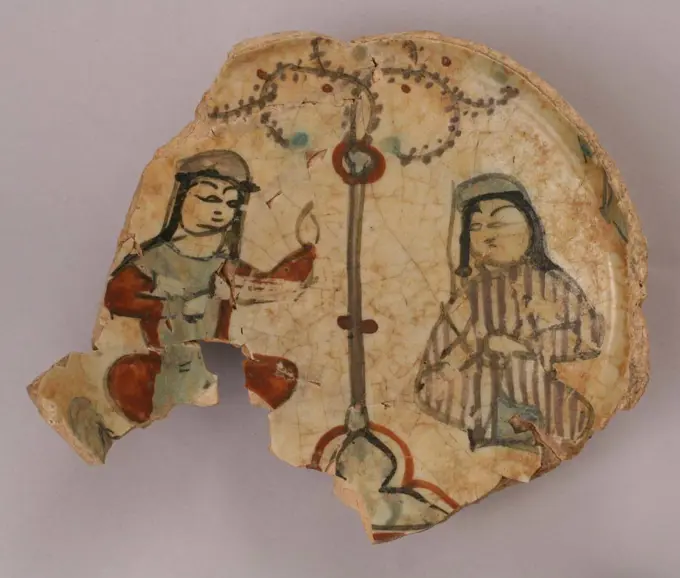
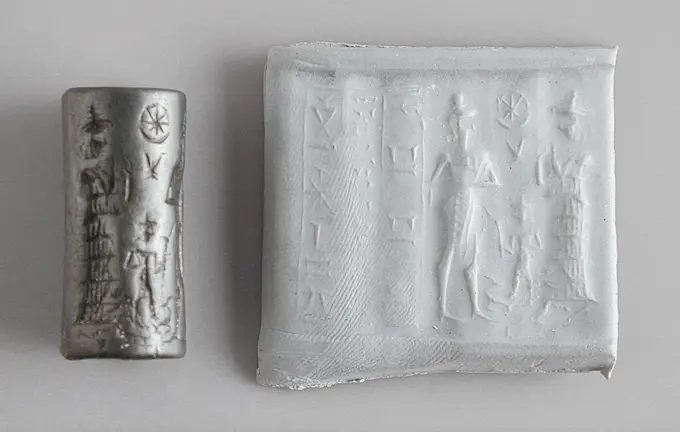
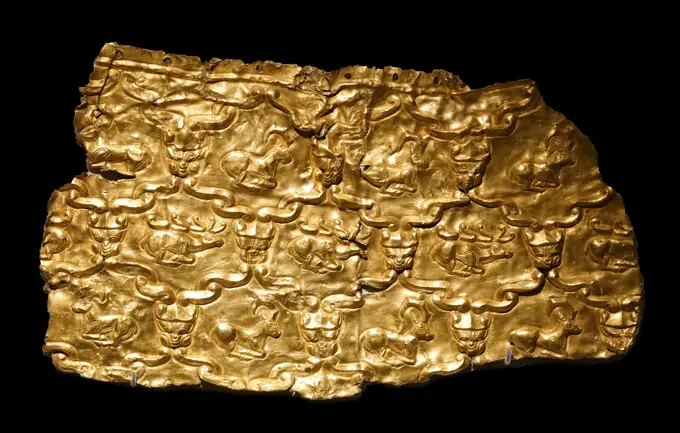
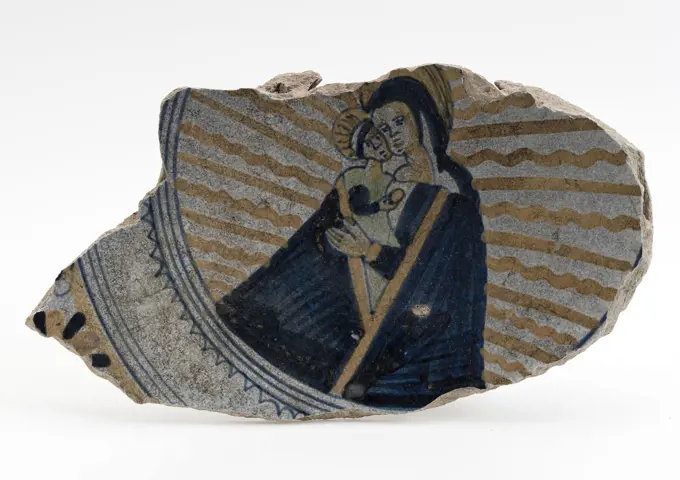
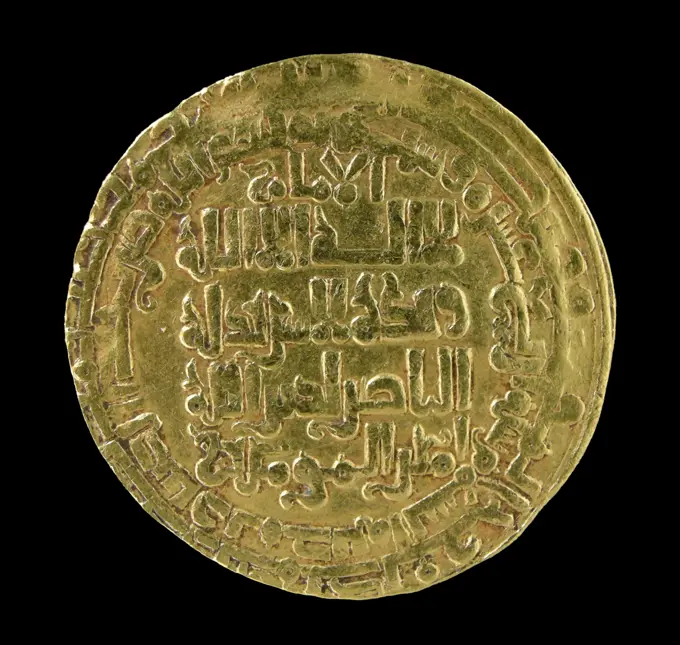
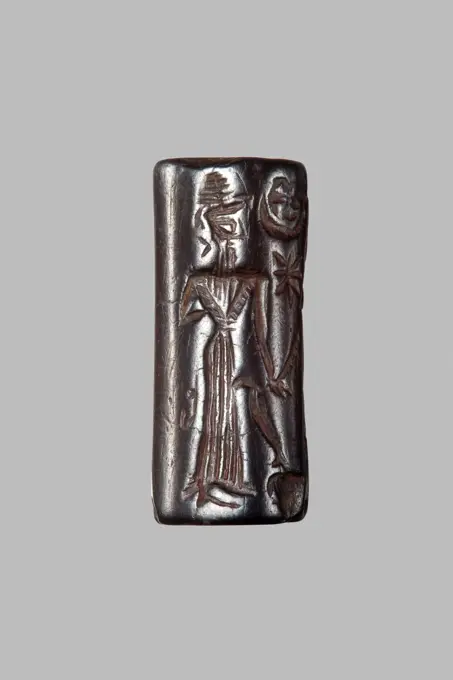
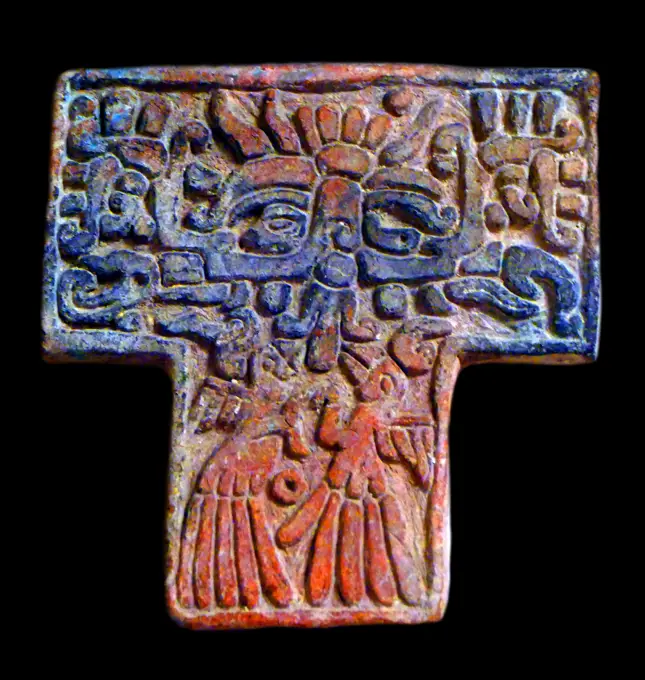
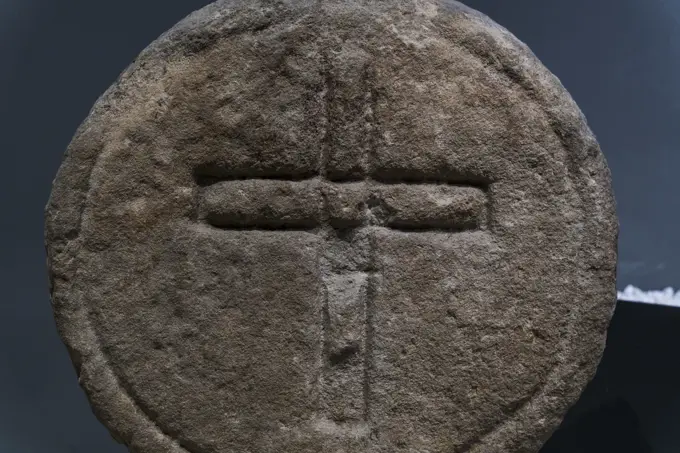
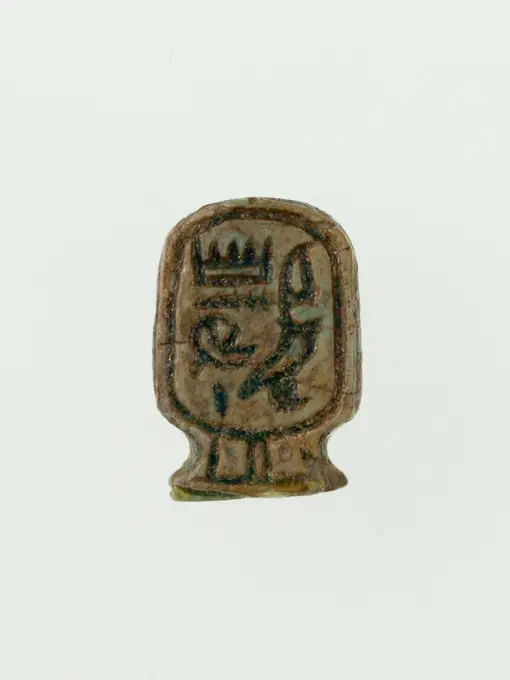
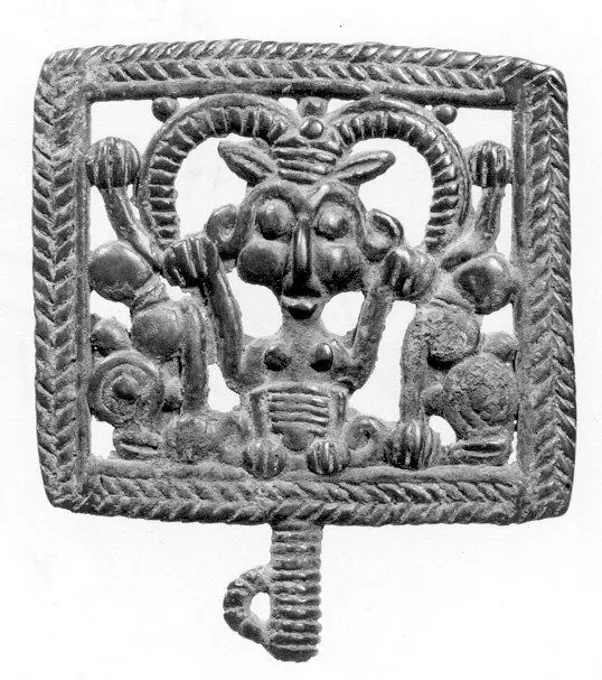
Garment Plaque with Three Stags 1st-2nd century Northeast China. Garment Plaque with Three Stags 59541Fragment 10th-11th century. Fragment 450197Seal with Unicorn and Inscription, c. 2000 BC. Pakistan, Indus Valley civilization. Steatite; overall: 3.5 x 3.6 cm (1 3/8 x 1 7/16 in.).NUMISMATICA. MONEDA VISIGODA. SUINTILA BARBI (BAETICA) (621-631) REVERSO. DONACION DE LA COLECCIÓN DE DON MANUEL TRABUCO.Female Head. UnknownRitual Vessel: Horse with Figures (Aduno Koro). Culture: Dogon peoples. Dimensions: H. 20 1/2 x L.93 x D. 18 1/2 in. (52.1 x 236.2 x 47 cm). Date: 16th-19th century.This monumental vessel was kept in the house of a lineage head in a Dogon community. It was used during an annual ritual known as "goru" to hold the offerings dedicated to Amma the Creator and the ancestors. Performed at the time of the winter solstice, the ceremony represents the culmination of rituals that celebrate the all-important millet harvest, whose abundance will support the family in the coming year.Such works have been described as "aduno koro," an "ark of the world," meant to represent the mythic ark sent by Amma to reorganize and populate the world. The "aduno koro" displays a wealth of imagery relating to the Dogon account of genesis. Holding the eight original human ancestors and everything they needed for life on earth, the ark was guided by Nommo, the primordial being who created order within the universeIndus valley Seals from Mohendro-Daro, Pakistan, 2nd millennium BCE. The seals often carried figure of animals such as unicorns, elephants and bulls. Some had inscribed symbols. In this example a Swastika is depictedBliżej Kultury unknownObject in repousse gold. Inca art. Madrid, Museum of America. Location: MUSEO DE AMERICA-COLECCION, MADRID, SPAIN.Statuette of Priapos. UnknownCylinder Seal. Mesopotamia, Old Babylonian period, about 2000-1600 B.C.. Tools and Equipment; seals. HematiteEngraved Gem. UnknownScarab inscribed with the name Menkheperre ca. 1186-945 B.C. Late New Kingdom-Early Third Intermediate Period The underside of the scarab shows a pair of stylized ostrich feathers on either side of an oval. The oval is a corrupt version of the royal cartouche and contains hieroglyphs forming the throne name of Thutmose III, Menkheperre. A winged sun disk is placed above. The typological features of the scarabs back are characteristic for late New Kingdom-early Third Intermediate Period scarabs. This date is also indicated by the irregular manner in which the sun, the plumes, and the oval are incised. The composition is inspired by Menkheperre scarabs of the Ramesside period. Given the absence of titles or epithets, it is more likely that scarabs of Dynasty 20-21 inscribed with the name Menkheperre (or variants thereof) are a testimony of the posthumous cult of this pharaoh rather than that the name refers to the high priest of Amun Menkheperre.. Scarab inscribed with the name MenkhepeScarab Commemorating the Construction of an Artificial Lake ca. 1390-1352 B.C. New Kingdom During Amenhotep's reign, a series of large, glazed steatite scarabs were issued commemorating events in the king's life. This commemorative scarab records the completion of an artificial lake constructed by Amenhotep III for his principal wife, Queen Tiye.. Scarab Commemorating the Construction of an Artificial Lake. ca. 1390-1352 B.C.. Steatite (glazed). New Kingdom. From Egypt and Sudan, Nubia; Probably from Buhen. Dynasty 18Cosmetic tray with sphinx ca. 6th-5th century B.C.. Cosmetic tray with sphinx 327826Coin ca. 815. Coin. ca. 815. Copper. Excavated in Iran, Nishapur. CoinsOrnament Korea Goryeo dynasty (918-1392)Jasper triangular prism ca. 1900-1750 B.C. Minoan Hieroglyphs on all three sides.. Jasper triangular prism. Minoan. ca. 1900-1750 B.C.. Jasper. Middle Minoan II. GemsEgyptian Sculpture at Antique Wooden Door Front view egyptian style sculpture ornate objet isolated on white background Copyright: xZoonar.com/DanielxFerreira-LeitesxCiccarinox 12537048Plug of a sun dial: Amenhotep 111 in front of the Sun-god. New Kingdom 18th dynasty about 1360 BC ebony.Coin Weight 13th-14th century. Coin Weight 453556Mould, 700s-800s(). India, Kashmir, 8th-9th Century (). Terracotta; overall: 10.2 x 5.4 x 1.4 cm (4 x 2 1/8 x 9/16 in.).Shabti fragment of Petamenophis ca. 690-656 B.C. Kushite Period-Late Period. Shabti fragment of Petamenophis. ca. 690-656 B.C.. Steatite, glazed. Kushite Period-Late Period. From Egypt. Dynasty 25-26Dish early 16th century German. Dish. German. early 16th century. Brass. Metalwork-BrassTomb of Arnold van der Sluis or Heusden, Knight (c. 1245-1296), Anonymous, c. 1296 - c. 1325 Part of the tomb of Ridder Arnold van der Sluis van Heusden. There are four Gothic arches and half a bow in the section. Meuse Area limestone   Bern (Gelderland) Part of the tomb of Ridder Arnold van der Sluis van Heusden. There are four Gothic arches and half a bow in the section. Meuse Area limestone   Bern (Gelderland)Cylinder Seal. Iran, Mesopotamia or Syria, Third Dynasty of Ur, circa 2112-2004 B.C.. Tools and Equipment; seals. HematiteStamp depicting a deer hunting scene from a cart. Gold. Tomb IV. Circle A. 16th century BC. Royal Tombs of Mycenae. National Archaeological Museum. Athens, Greece.India, Sultanate Kashmir, Fatḥ šāh (888 898 AH = AD 1483 1492), Kashmir, Kashrah, 1483 1492; 1513; 1517Sealing with stamp seal impression: rosette ca. 18th century B.C. Old Assyrian Trading Colony. Sealing with stamp seal impression: rosette 323539Fragment of a terracotta architectural tile. Culture: Lydian. Dimensions: 5 1/8 × 13 3/16 in. (13 × 33.5 cm). Date: 6th century B.C..Egg without dart pattern. Museum: Metropolitan Museum of Art, New York, USA.Belt Plaque. Russia, Siberia, 1st-2nd century A.D.. Costumes; Accessories. BronzeCicada late 19th to early 20th century China. Cicada 43031Terracotta fragment of a bowl mid-2nd century A.D. Roman The fragment is said to have been found in Londinium (modern London), the capital of Roman Britain. It depicts a combat between a thrax (Thracian) and a murmillo.. Terracotta fragment of a bowl 253037 Roman, Terracotta fragment of a bowl, mid-2nd century A.D., Terracotta, H. 5 5/16 in. (13.5 cm). The Metropolitan Museum of Art, New York. Funds from various donors, 1929 (29.158.494)Bulla from Vulci, Viterbo province, ItalySleeve of white linen with Zaans stitching and Flemish side, Anonymous, c. 1775 - c. 1800 Straight sleeve of white linen with Zaans stitching in large floral motifs and trimmed with a Flemish side in flower pattern for child. Netherlands whole: Linen (Material). edge: embroidering / bobbin lace / Flanders lace Straight sleeve of white linen with Zaans stitching in large floral motifs and trimmed with a Flemish side in flower pattern for child. Netherlands whole: Linen (Material). edge: embroidering / bobbin lace / Flanders laceHitching Post, 1200s. Iran, possibly Hamadan. Limestone; overall: 62.9 x 65.8 cm (24 3/4 x 25 7/8 in.).Architectural ModelStamp seal ca. 3rd century A.D. () Sasanian. Stamp seal. Sasanian. ca. 3rd century A.D. (). Hematite. Sasanian. Iran or MesopotamiaStamp seal ca. 3rd century B.C.-3rd century A.D. Graeco-Bactrian. Stamp seal 323763Sealing pistonFragment 10th-12th century. Fragment 452718Fragments of a stone mould for casting a knife coin. 300 BC.Pendant in the shape of a striding lion ca. mid-3rd millennium B.C.. Pendant in the shape of a striding lion 326420Textile Fragment 5th century Coptic. Textile Fragment 475282Gold pendants from Camiro, Rhodes (Greece). Goldsmith art, Greek Civilization.Stamp. Egypt, 10th-11th century. Ceramics. Earthenware, molded, with applied handleCylinder seal ca. 12th-11th century B.C. Cypriot. Cylinder seal. Cypriot. ca. 12th-11th century B.C.. Steatite. Late Cypriot. CyprusPunch: Alexander de Beauharnais (dummy title) Anonymous. Punch: Alexander de Beauharnais. Steel.Mayan stone altar 600-900 AD. found at Edzna, Campeche, MexicoMolded brick fragment (attributed title). molded terracotta. Carnavalet museum, history of Paris.Stamps. Ceramics. Aztec culture. Late Postclassic Period (1250-1520 AD). Central Mexico. Museum of the Ameridas. Madrid, Spain.Costume Ornament 11th-12th century Peru; central coast (). Costume Ornament 308685The extermination camp on Majdanek Gos Awski, JózefStamp Seal, Gabled. Northern Syria or southeast Anatolia, circa 3500 - 3100 B.C.. Tools and Equipment; seals. Black serpentineCuneiform tablet impressed with two cylinder seals: administrative record ca. 13th century B.C. Assyrian. Cuneiform tablet impressed with two cylinder seals: administrative record 325514Iberian Excised Box Iberian Excised Box, Valladolid Museum - Provincial Museum of Antiquities, Autonomous Community of Castile and Leon, Spain Copyright: xZoonar.com/BartomeuxBalaguerxRotgerx 22539361Stamp seal (oval base with hammer handle) with cultic scene 7th century B.C. Assyrian. Stamp seal (oval base with hammer handle) with cultic scene 322286Stamp seal (tabloid with swivel wire handle) with deity () ca. 8th-7th century B.C. Urartian. Stamp seal (tabloid with swivel wire handle) with deity (). Urartian. ca. 8th-7th century B.C.. Copper/bronze. Iron Age II. UrartuStamp seal: buffalo with incense burner () ca. 2600-1900 B.C. Indus. Stamp seal: buffalo with incense burner () 324063Anglo-Roman votive plaques found as part of the Ashwell Hoard, England 3rd to 4th century ADbracteate denarius. Zakon krzyżacki (1190-), issuerStamp seal (scaraboid) with animal 7th - 6th century B.C. Assyro-Babylonian. Stamp seal (scaraboid) with animal. Assyro-Babylonian. 7th - 6th century B.C.. Neutral Chalcedony (Quartz). Neo-Assyrian / Neo-Babylonian. Levant or SyriaA Horseman. Dated: 15th century. Dimensions: overall (irregular): 4.3 x 5 cm (1 11/16 x 1 15/16 in.) gross weight: 28 gr. Medium: bronze//Dark brown patina. Museum: National Gallery of Art, Washington DC. Author: Paduan 15th Century.Spindle Whorl, 700s - 900s. Iran, early Islamic period, 8th - 10th century. Bone, incised; overall: 0.4 x 2.5 x 2.5 cm (3/16 x 1 x 1 in.).Stamp seal (conoid) with cultic scene 7th century B.C. Assyrian. Stamp seal (conoid) with cultic scene. Assyrian. 7th century B.C.. Blue Chalcedony (Quartz). Neo-Assyrian. MesopotamiaFeathered Serpent Ornament 15th-16th century Aztec. Feathered Serpent Ornament 310648Scarab of Ramesses II ca. 1295-1070 B.C. New Kingdom, Ramesside. Scarab of Ramesses II 550320seal of Piotr Opaliński of Bnin. Opaliński, Piotr z Bnina (fl. ca 1695), signatoryJar Label ca. 1390-1352 B.C. New Kingdom. Jar Label. ca. 1390-1352 B.C.. Pottery and ink, paint. New Kingdom. From Egypt, Upper Egypt, Thebes, Malqata, Palace of Amenhotep III, MMA excavations. Dynasty 18Fragment of a Bowl 12th-13th century. Fragment of a Bowl 447203Stone objects 1898, Middle EastCylinder Seal. Mesopotamia, circa 2000-1600 B.C.. Tools and Equipment; seals. HematiteCERAMICA IRANI-CANTIMPLORA DE BARRO BLANCO. Location: MUSEO ARQUEOLOGICO NACIONAL-COLECCION. MADRID. SPAIN.Decorated metal belt. Scythian, Koban culture of the central Caucasus, Late 8th century BC, Ziwiye, from north-west Iran.Red-Figure Krater Fragment. UnknownKindershos van wit piqué, au printmps, c. 1800 - c. 1900 Children's shoe made of white piqué with band decorations. Closure through two hooks and trensen. Along the closure three knots with linen exaggerated. Paris pique Children's shoe made of white piqué with band decorations. Closure through two hooks and trensen. Along the closure three knots with linen exaggerated. Paris piqueCicada late 19th to early 20th century China. Cicada 43018Fragment majolica dish with Mary with Christ child, dish crockery holder soil find ceramic earthenware glaze tin glaze lead glaze, ring 11.5 hand turned baked 2x majolica Fragment of majolica dish is part of the mirror and edge cream-colored shard polychrome prune prints back gray green lead glaze stand ring Marked on the back (by the painter) archeology Rotterdam City Center Stadsdriehoek Hoogstraat Hoofdsteeg serve Jesus Christ Maria archaeological find in the soil: Beerput Hoofdsteeg (Hoogstraat).Impression Of Seal Cylinder; 1902-20-28Dinar. Iraq, Baghdad, 614 A.H.; 1217. Tools and Equipment; coins. GoldOxus Treasure- gold dress ornament with lion's head, 5th-4th cent. BC. PERSIA- IRAN.Cylinder seal with a presentation scene. nieznany warsztat starobabiloński, workshopPottery stamp; Aztec, Isla de Sacrificios, Mexico. AD 900 1521. the seal represents two Quetzal birds with long pendant tail feathers hovering beneath a flower. Seals were used to imprint designs on textiles as well as for body ornament.Foundation Deposit Plaque ca. 1153-1147 B.C. New Kingdom, Ramesside. Foundation Deposit Plaque. ca. 1153-1147 B.C.. Glass. New Kingdom, Ramesside. From Egypt, Upper Egypt, Thebes, Lower Asasif, MMA excavations, 1934-35. Dynasty 20Unknown photographer, beam fragment in Baalbek (without dat.): View. Photo, 13 x 18.3 cm (including scan edges) unbek. Fotograf : Gebälkfragment in Baalbek (ohne Dat.)Bracket ca. 1600 Hubert Gerhard German. Bracket. Hubert Gerhard (Netherlandish, 1540/50-1621, active Germany). German, Munich or Augsburg. ca. 1600. Bronze. Sculpture-BronzeFormal card case;  the beginning of the 20th century (1900-00-00-1910-00-00);Muslim tombstones, garden courtyards, Archaeological Museum in the former Order Hospital of the Knights of St John, 15th century, Old Town, Rhodes Town, Greece, EuropePlaque with a Capital. Eastern Mediterranean, 1st century A.D. (). Sculpture. TerracottaSealing pistonestela funeraria con cruz latina, siglo IX, Retortillo, Museum of prehistory and archeology (MUPAC), Santander, Cantabria, SpainBlock Statue Inscribed for Sr-Dhwty Head and Figure. Egypt, likely Karnak, 26th Dynasty, 664-525 B.C.. Sculpture. Black basaltSealing ca. 1981-1640 B.C. Middle Kingdom. Sealing 560460A tombstone monument in the form of a cut cone with a Latin inscription;  beginning of the second century (101-00-00-110-00-00);Sidewall - Fragment (possibly USA); block-printed; 31.5 x 18 cm (12 3/8 x 7 1/16 in.)Cylinder seal ca. 15th-13th century B.C. Cypriot. Cylinder seal 321418Buckle, 18th Century. China, Qing dynasty (1644-1911). Ivory; overall: 5.6 cm (2 3/16 in.).Scaraboid of Amenemhat III ca. 1859-1813 B.C. Middle Kingdom. Scaraboid of Amenemhat III 545691Stamp Seal. Iran, Sasanian period 224-651. Tools and Equipment; seals. ChalcedonyHead of a pin: horned demon holding inverted lions ca. 8th-7th century B.C. Iran. Head of a pin: horned demon holding inverted lions. Iran. ca. 8th-7th century B.C.. Bronze. Iron Age III. Iran, probably from Luristan