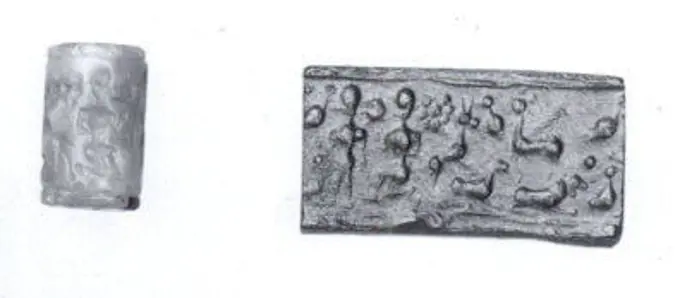
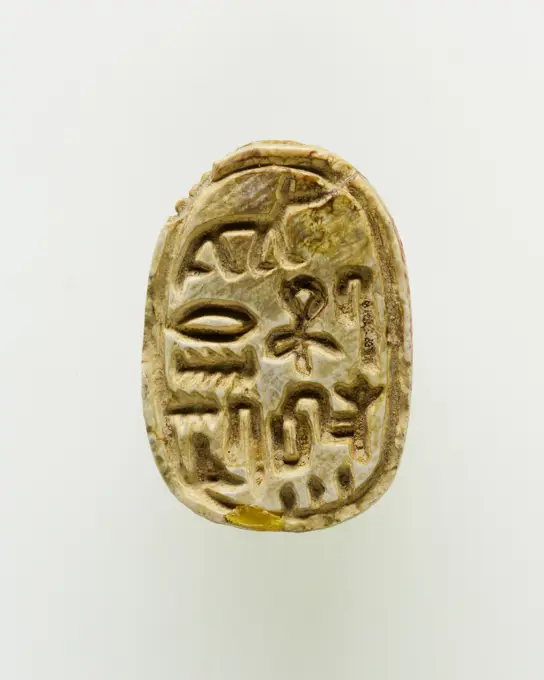
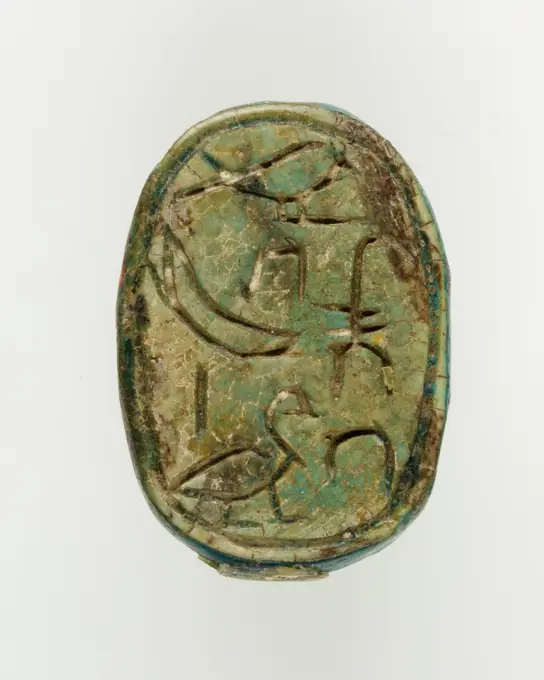
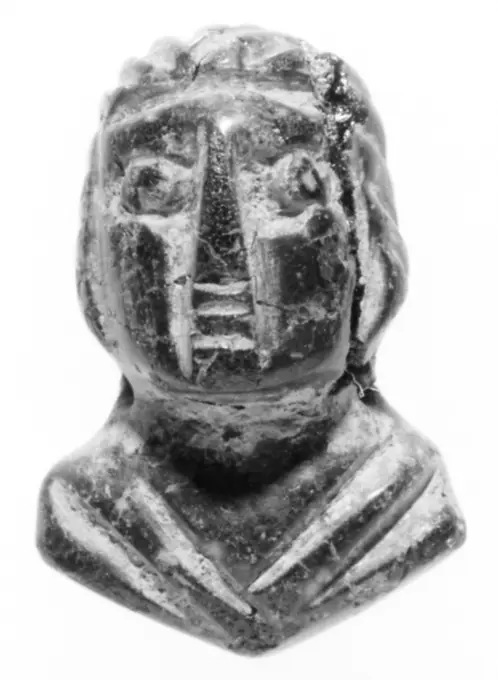
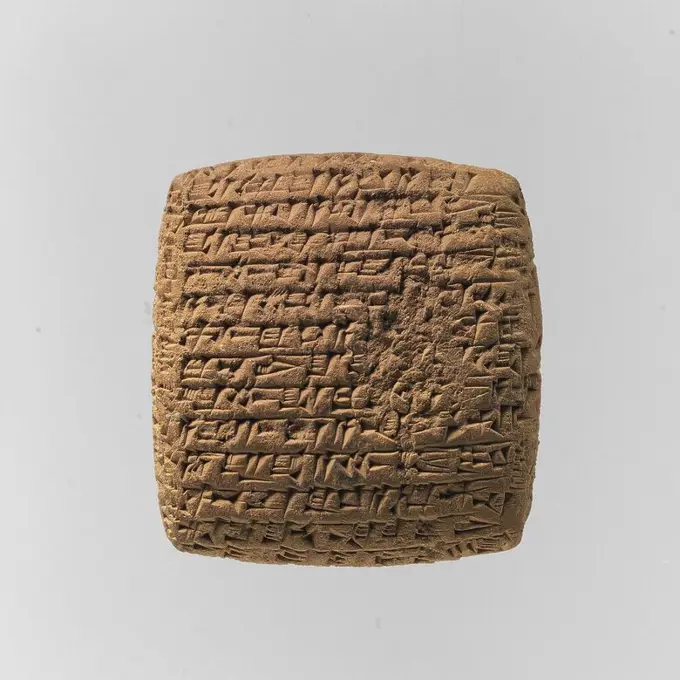
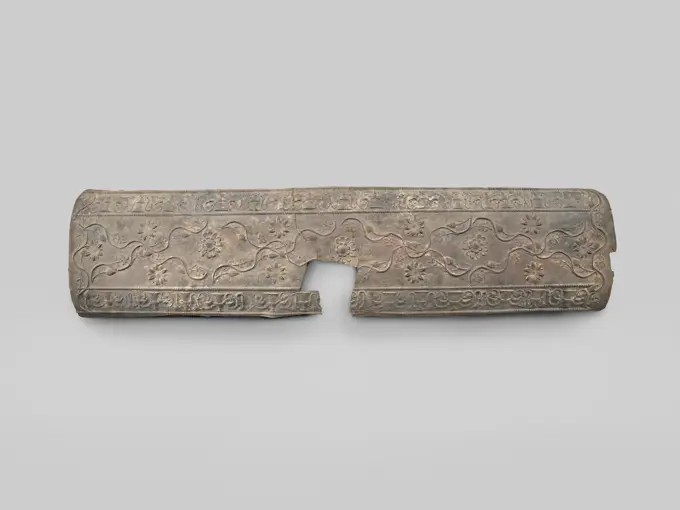
Historic Seals and Impressions

A collection of ancient clay seals and impressions featuring intricate designs and motifs from various historical periods, showcasing craftsmanship and artistry.
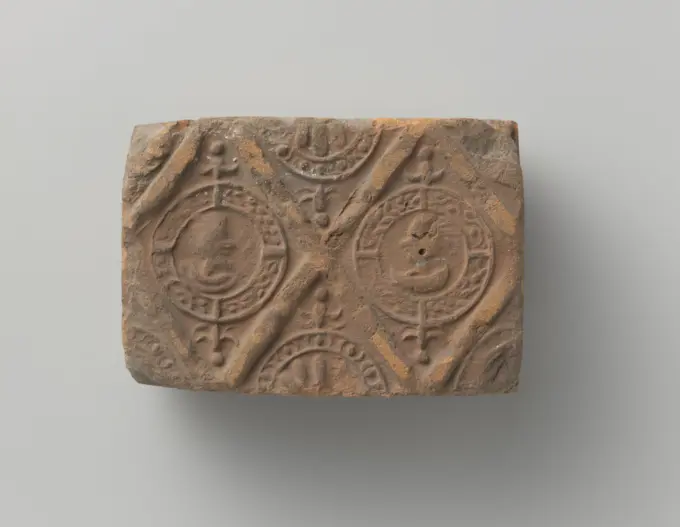
Hearing stone with a men's and women's head and profil in two profiled windows, anonymous, c. 1550 - c. 1599 Hearing stone with a men's and women's head and profil in two profiled rustling. The half and quarter windows at the top and bottom are supplemented with parts of festons with floral pattern. Southern Netherlands earthenware Hearing stone with a men's and women's head and profil in two profiled rustling. The half and quarter windows at the top and bottom are supplemented with parts of festons with floral pattern. Southern Netherlands earthenware
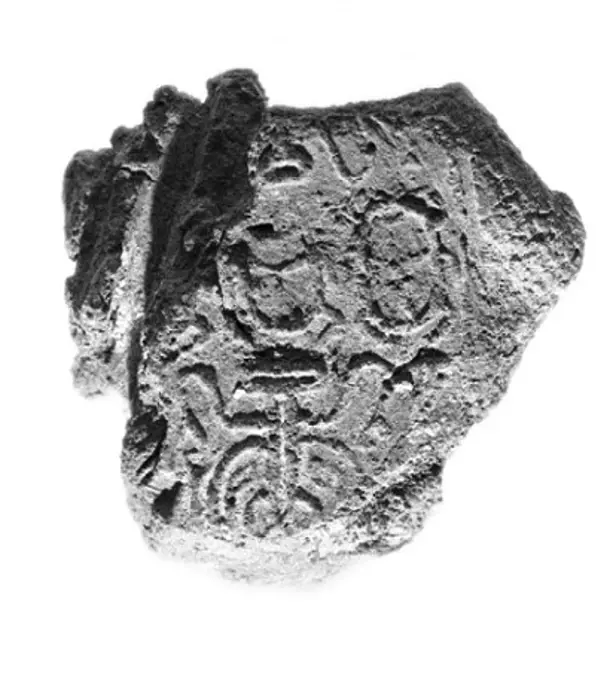
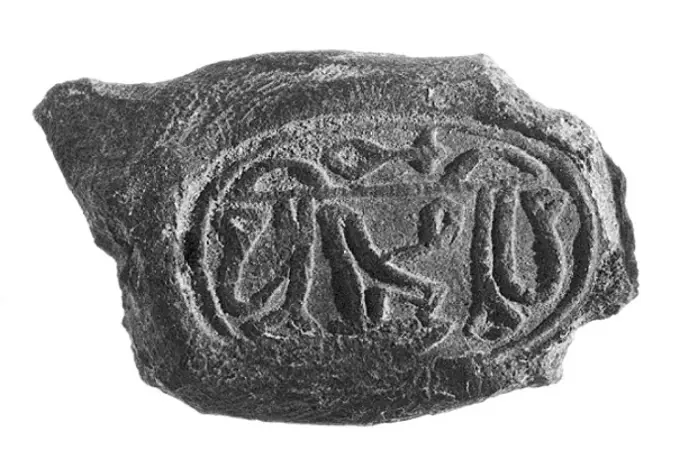
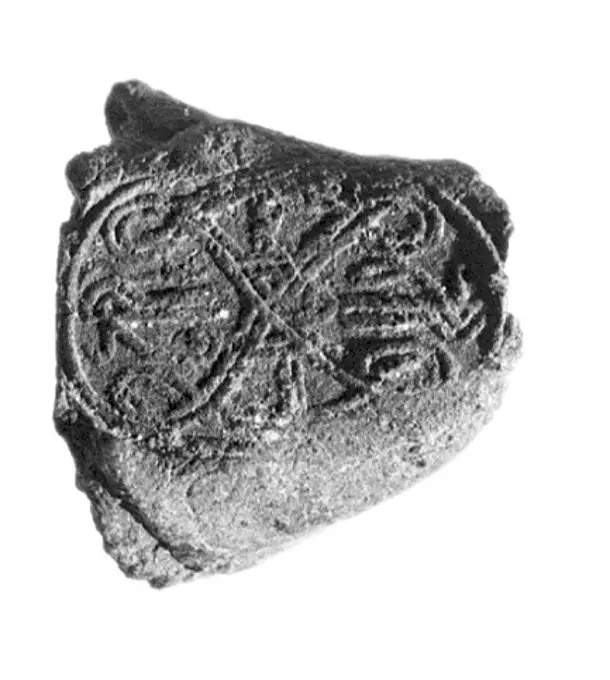
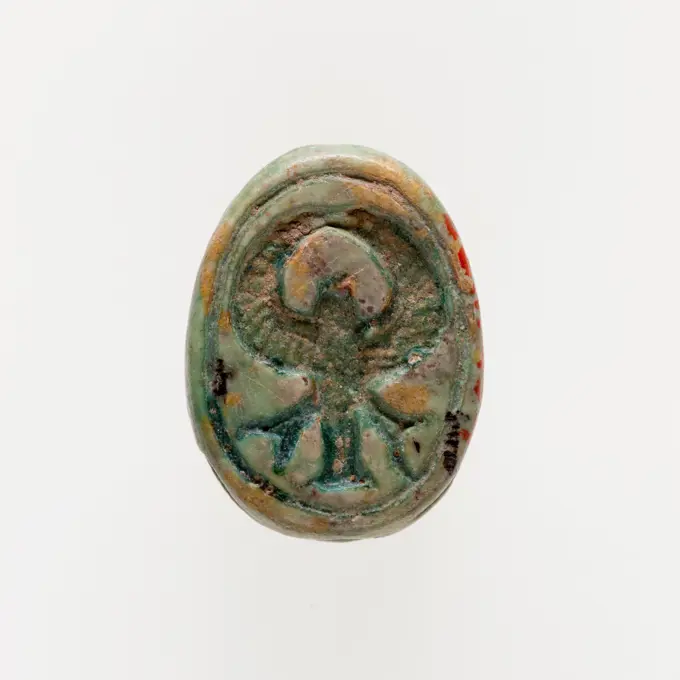
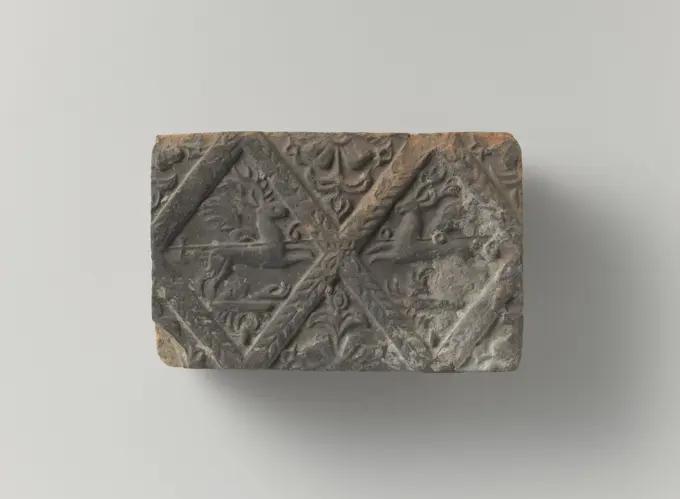
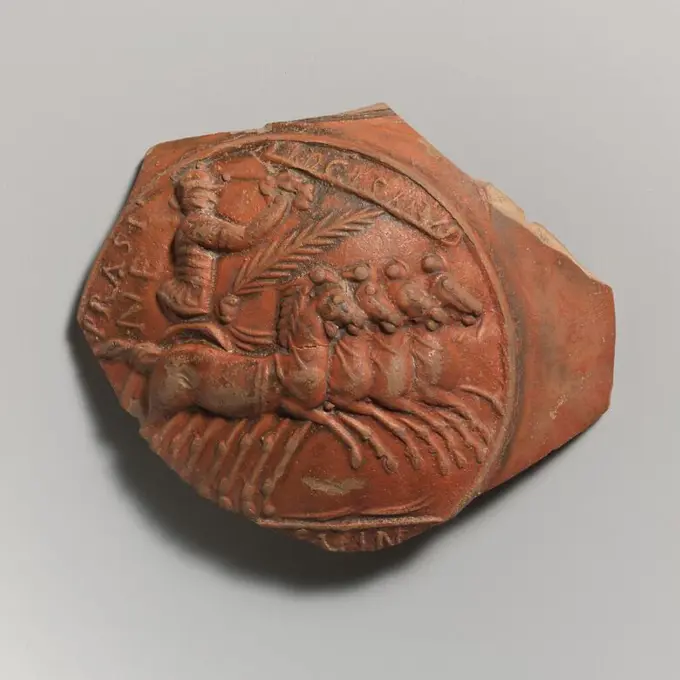
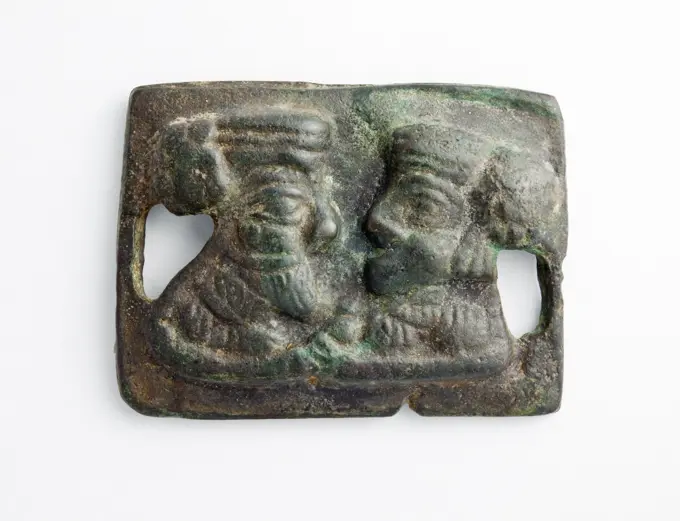
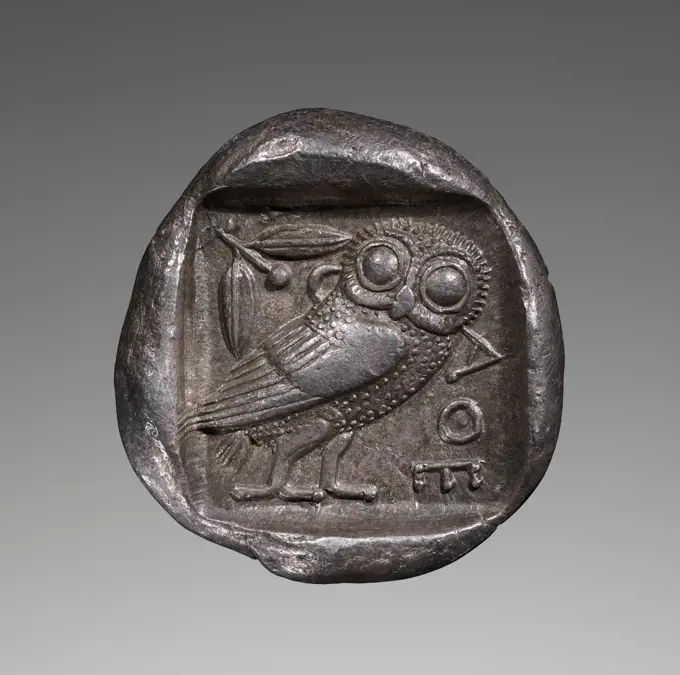
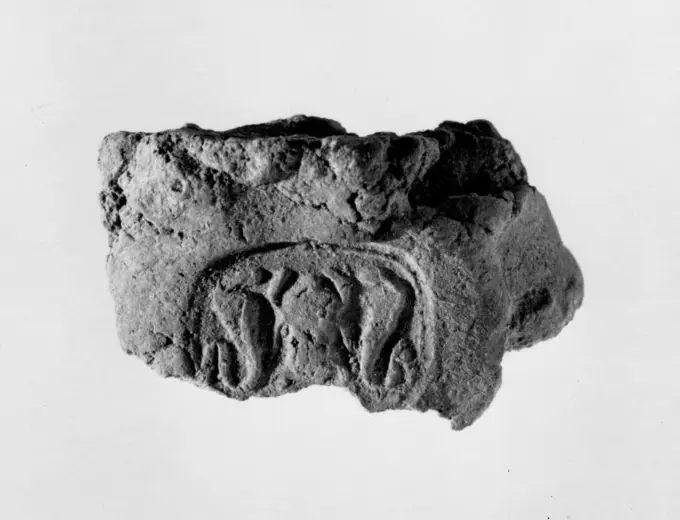
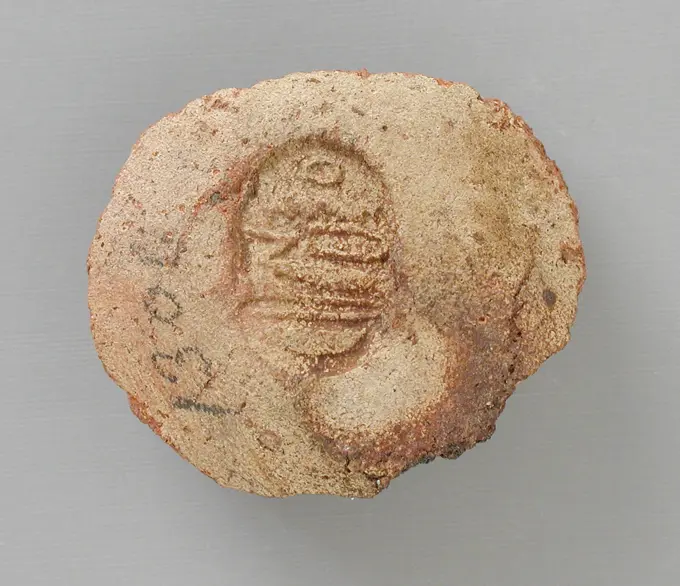
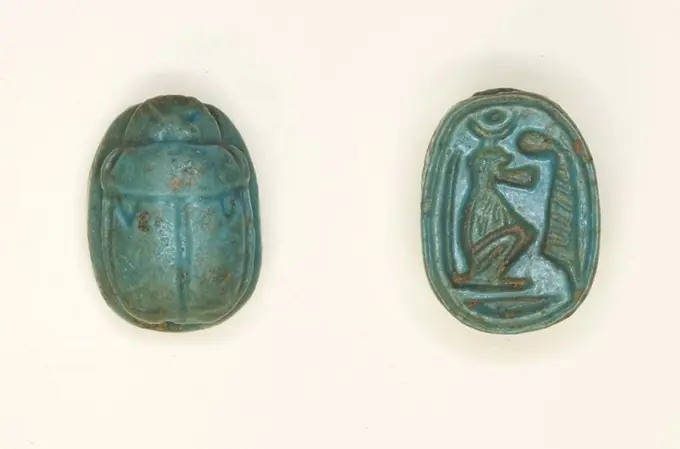
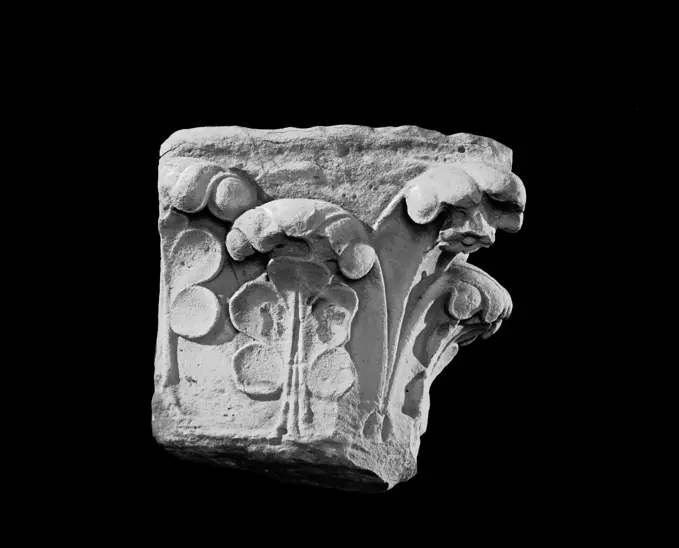
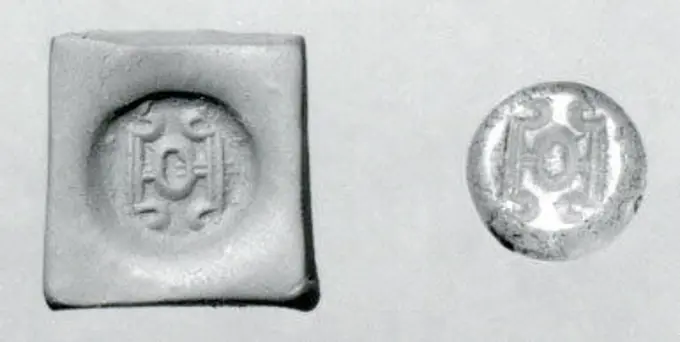
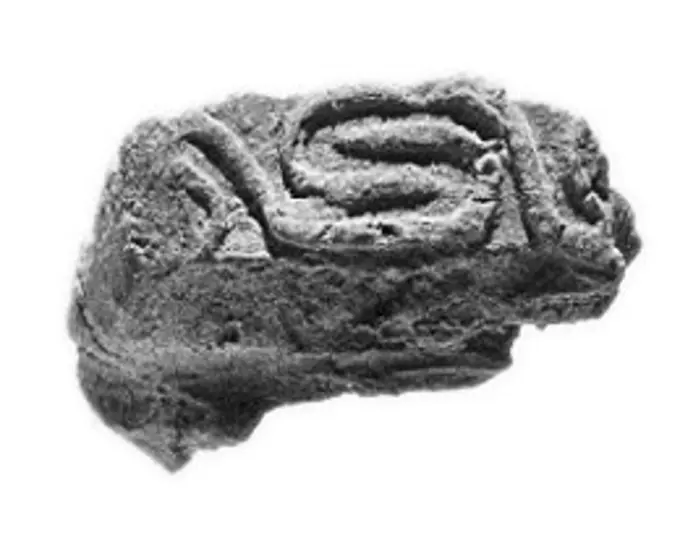
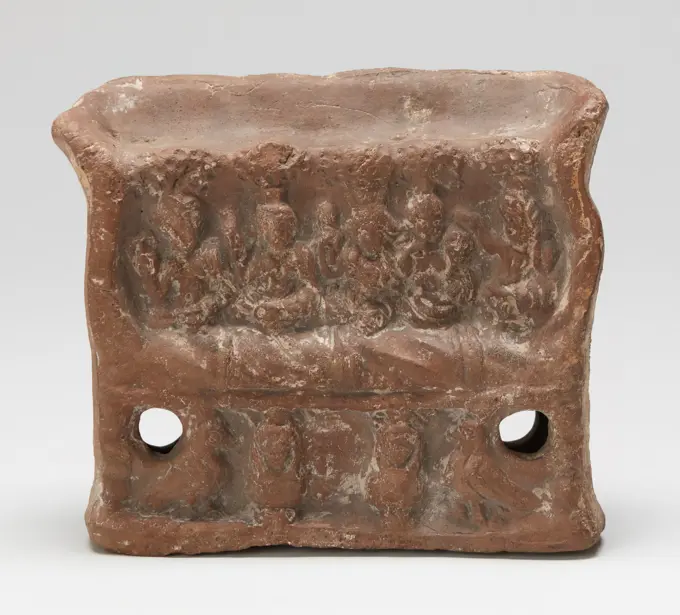
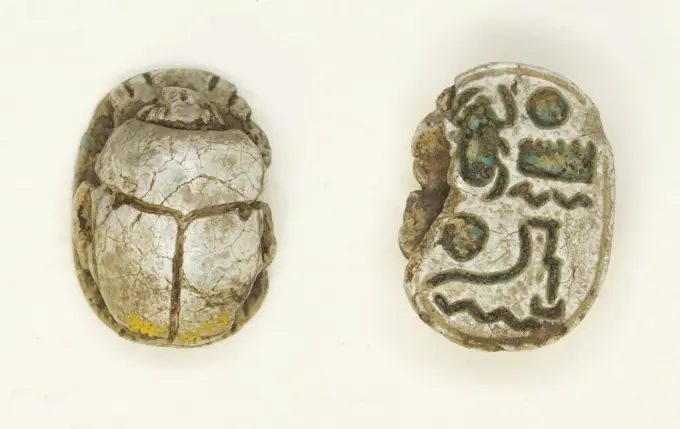
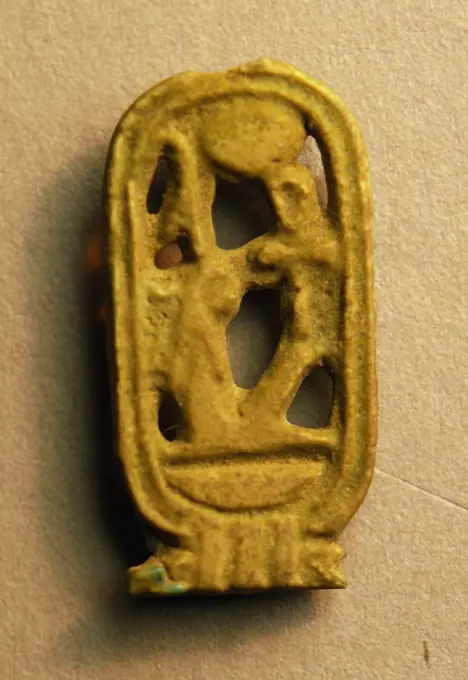
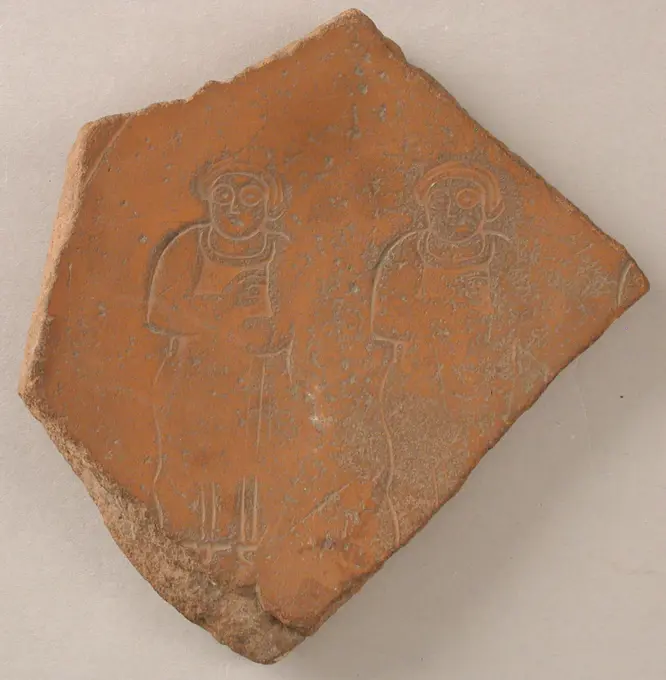
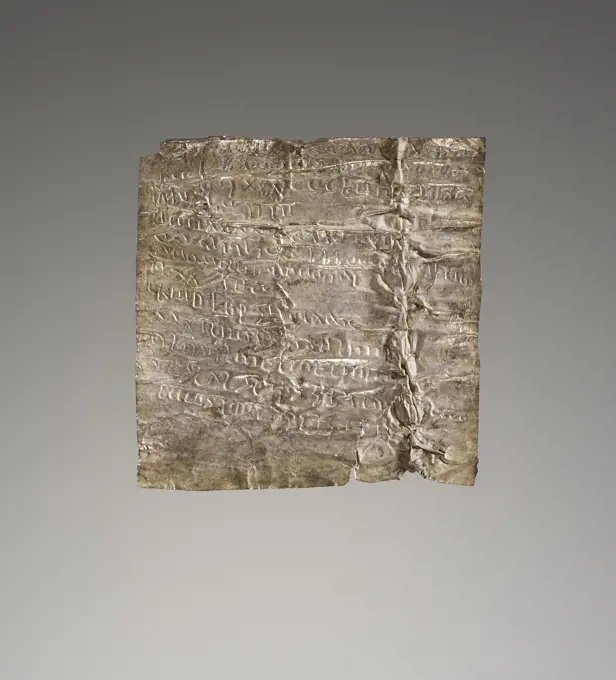
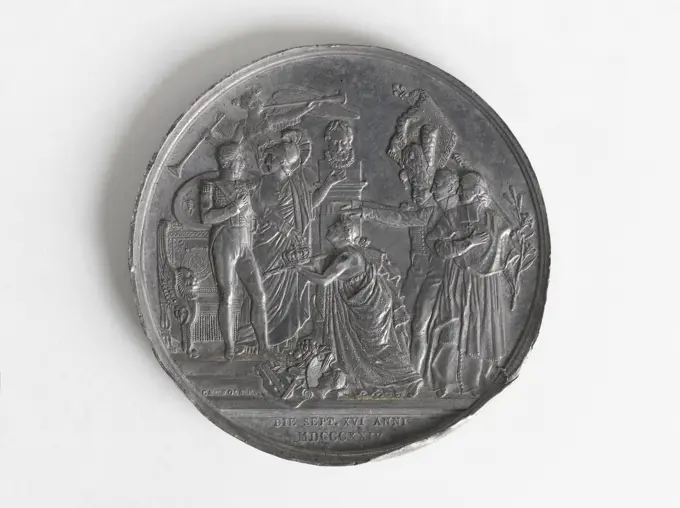
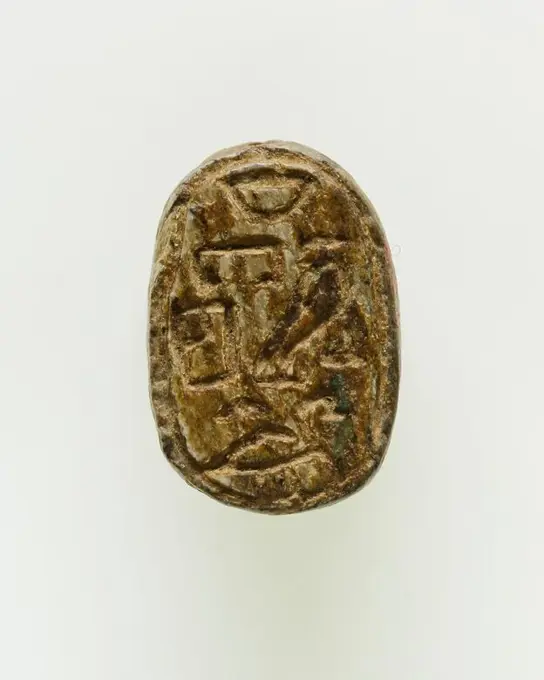
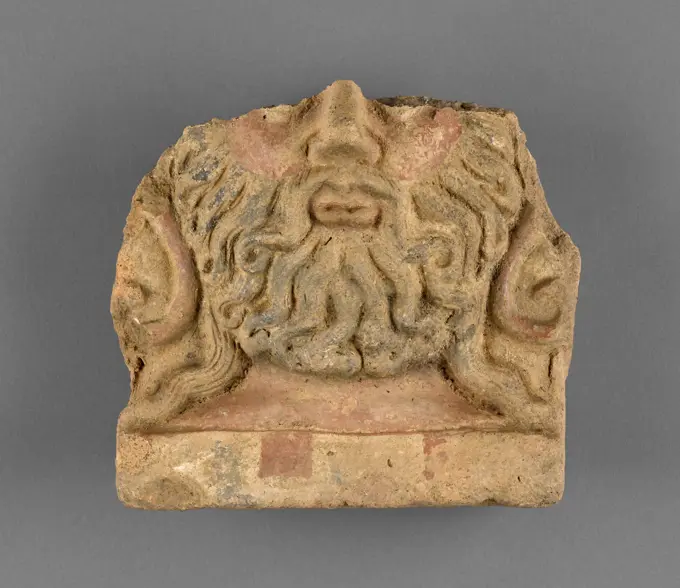
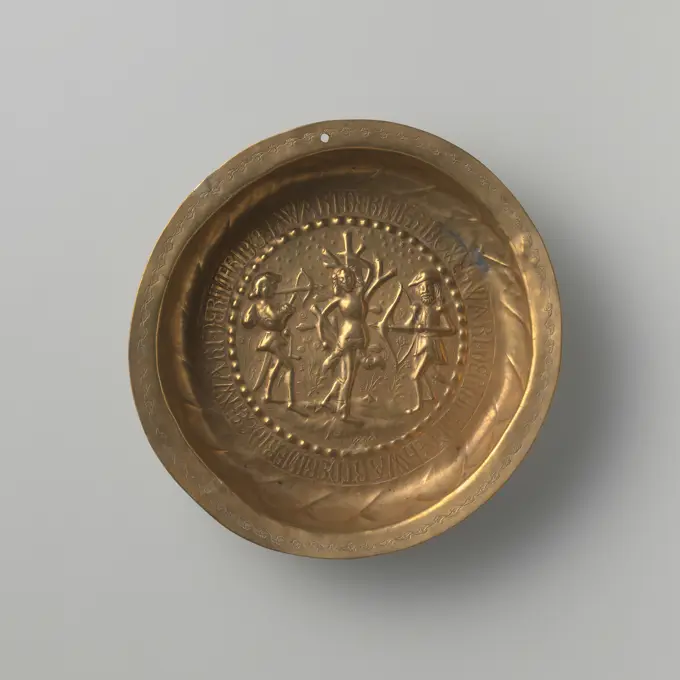
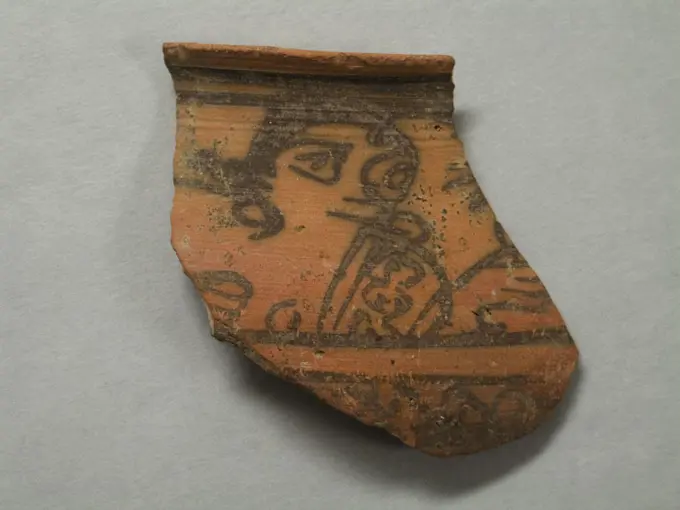
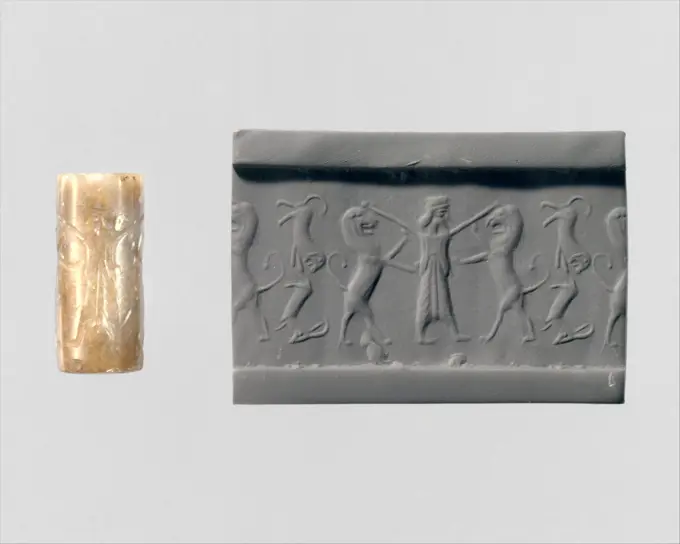
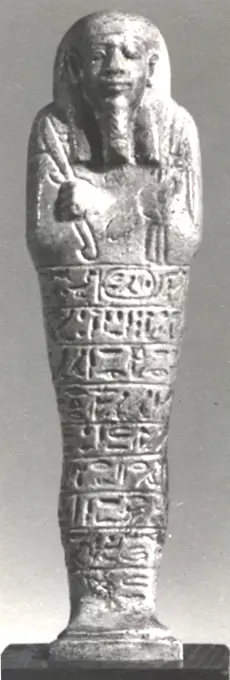
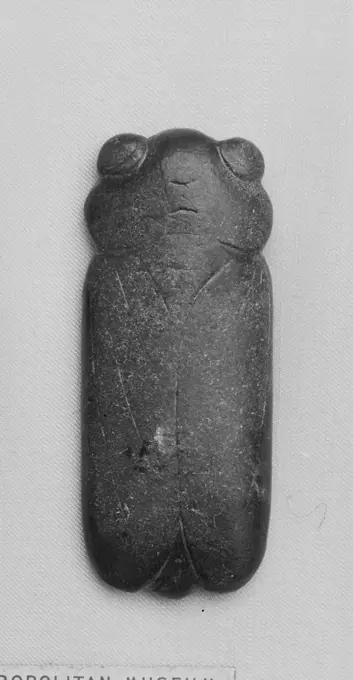
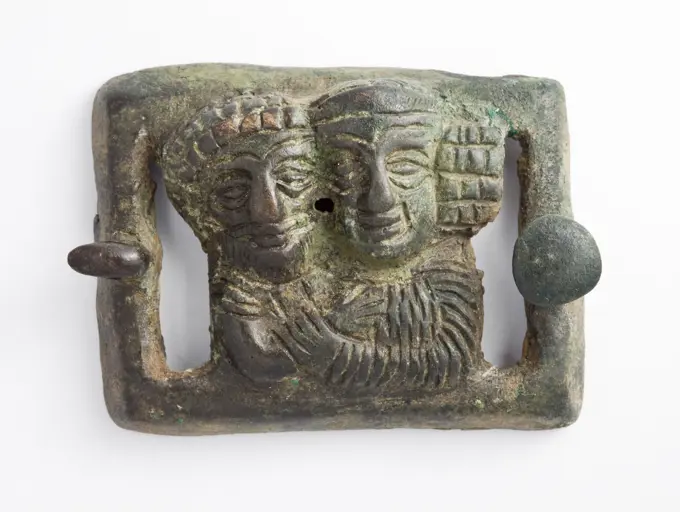
Hearing stone with lion's head in profiled diamond, c. 1575 - c. 1625 Hearing stone with a representation of Leeuwenkop in Lauwerkrans, placed in profiled diamond, which motif repeated itself in the half windows on the sides. The Hale windows at the top and bottom are filled with half medallions with star motif. Southern Netherlands earthenware Hearing stone with a representation of Leeuwenkop in Lauwerkrans, placed in profiled diamond, which motif repeated itself in the half windows on the sides. The Hale windows at the top and bottom are filled with half medallions with star motif. Southern Netherlands earthenwareSeal Impression with Coiled Design. Egypt, Middle Kingdom () (2061 - 1665 BCE). Tools and Equipment; seals. Semi-baked clay with scorchingSealing ca. 1981-1640 B.C. Middle Kingdom. Sealing 560330Sealing ca. 2030-1640 B.C. Middle Kingdom. Sealing 546553Sealing ca. 1981-1640 B.C. Middle Kingdom. Sealing 559507Sealing ca. 1981-1640 B.C. Middle Kingdom. Sealing 560320Stamp Inscribed for the Goddess Renenutet ca. 1295-1070 B.C. New Kingdom. Stamp Inscribed for the Goddess Renenutet. ca. 1295-1070 B.C.. Wood. New Kingdom. From Egypt, Memphite Region, Lisht North, Cemetery, MMA excavations, 1906-07. Dynasty 19-20 (Ramesside)Scarab with Representation of a Falcon ca. 1479-1425 B.C. New Kingdom The shape of the scarab is characteristic for scarabs of early Dynasty 18. The falcon as we see it here, with its elevated wings spread wide open and the wingtips joined above its head, appears as primary motif on scarabs during the reign of Hatshepsut (ca. 1473-1458 B.C.) (MMA 23.3.245, MMA 27.3.391). It evolved from the motif of the royal cartouche to which falcon wings are attached, as seen on scarabs inscribed for pharaohs of early Dynasty 18 (for example MMA 27.3.231). This scarab most likely dates to the reign of Thutmose III (ca. 1479-1425 B.C.). The manner in which the details of this falcon is incised is also found on scarabs with similar decorations bearing the throne name of this king.. Scarab with Representation of a Falcon 557073Hearing stone with a men's and women's head and profil in two profiled windows, anonymous, c. 1550 - c. 1599 Hearing stone with a men's and women's head and profil in two profiled rustling. The half and quarter windows at the top and bottom are supplemented with parts of festons with floral pattern. Southern Netherlands earthenware Hearing stone with a men's and women's head and profil in two profiled rustling. The half and quarter windows at the top and bottom are supplemented with parts of festons with floral pattern. Southern Netherlands earthenwareCylinder seal ca. 15th-14th century B.C. Mitanni. Cylinder seal. Mitanni. ca. 15th-14th century B.C.. Chert. Mitanni. MesopotamiaScarab of an Official ca. 1760-1670 B.C. Middle Kingdom Administrative changes during Dynasty 12 lead to an increase in bureaucracy and, subsequently, in the production and use of seals. This is reflected in the beginning of the mass production of scarabs, the most popular shape for amulets, in late Dynasty 12 through Dynasty 13 (ca. 1850-1640 B.C.). Thousands of these late Middle Kingdom scarabs bear the names and titles of officials, who would wear them as amulets, but who could also use them to seal documents, containers or doors. However, the scarabs primary function remained that of a protective amulet. Several inscriptions add a funerary epithet to the owners name, indicating that the amulet was manufactured after the owner had passed away. The inscription on the underside of this scarab mentions the name and title of an inspector of scribes, named Renseneb.. Scarab of an Official 545220Scarab of an Official ca. 1740-1640 B.C. Middle Kingdom Administrative changes during Dynasty 12 lead to an increase in bureaucracy and, subsequently, in the production and use of seals. This is reflected in the beginning of the mass production of scarabs, the most popular shape for amulets, in late Dynasty 12 through Dynasty 13 (ca. 1850-1640 B.C.). Thousands of these late Middle Kingdom scarabs bear the names and titles of officials, who would wear them as amulets, but who could also use them to seal documents, containers or doors. However, the scarabs primary function remained that of a protective amulet. Several inscriptions add a funerary epithet to the owners name, indicating that the amulet was manufactured after the owner had passed away. The inscription on this scarab mentions the name and title of an official named Saiah.. Scarab of an Official 545219Seal Impression with Signs of Life and Stability. Egypt, Middle Kingdom - Second Intermediate Period (1991 - 1600 BCE). Tools and Equipment; seals. Brown semi-baked clayHead from a Figurine. UnknownHearing stone of baked earth with diamond -shaped distribution, with two winged deer, Anonymous, 1617 in two windows Two hairstones of baked soil with diamond -shaped distribution, with two winged deer in two rides. The one with the year 160 .. The other with the year 1617. Southern Netherlands earthenware Two hairstones of baked soil with diamond -shaped distribution, with two winged deer in two rides. The one with the year 160 .. The other with the year 1617. Southern Netherlands earthenwareBliżej Kultury Kazimierz Jagiellończyk (1447 92)Sealing ca. 1981-1640 B.C. Middle Kingdom. Sealing 560413Miss of a penny of the Dutch East Indies, 1822, William I (King of the Netherlands), 1821 coin Copper mint. Front: between value designation ½ St. Crowned Generality Weapon shield. On top of that again part of that coat of arms. Reverse: Tweeregelig inscription, above which mint sign and including the year. Smooth edge. Miss Surabaya copper (metal) striking (metalworking)Highstone with a rider, c. 1550 - c. 1575 Hearing stone with a rider's representation, perhaps Amazon. Very worn. Southern Netherlands earthenware Hearing stone with a rider's representation, perhaps Amazon. Very worn. Southern Netherlands earthenwareTerracotta medallion. Culture: Roman. Dimensions: width 3 5/8in. (9.2cm). Date: late 2nd-early 3rd century A.D..The appliqué depicts a charioteer in his quadriga, holding the victor's crown and palm branch. In Rome chariot racing was organized into teams, each identified by a color--red, white, blue, or green. The Latin inscription to the left on the medallion indicates that the victor belonged to the Greens. The Roman circus factions, who supported the different teams, were as fanatical and devoted as modern sports fans. Museum: Metropolitan Museum of Art, New York, USA.Belt Buckle (Two Figures). Iran, circa 150 B.C. - A.D. 225. Costumes; Accessories. BronzeSilver coin (tetradrachm) of Athens; Athens, Greece; 475 - 465 B.C; Silver; 2.5 cm, 17.2 g (1 in., 0.0379 lb.)Sealing ca. 2030-1640 B.C. Middle Kingdom. Sealing 565794Seal Impression with Coiled Design. Egypt, Middle Kingdom () (2061-1665 BCE). Tools and Equipment; seals. Semi-baked clay with scorchingHearing stone with men's head and the letters V i in Lauwerkrans, c. 1575 - c. 1625 Hearing stone with men's head and the letters V i in Lauwerkrans, placed in profiled window. A double -headed eagle in the half windows on the sides. The half windows on the top and bottom are filled with half medallions with star motif. Southern Netherlands earthenware Hearing stone with men's head and the letters V i in Lauwerkrans, placed in profiled window. A double -headed eagle in the half windows on the sides. The half windows on the top and bottom are filled with half medallions with star motif. Southern Netherlands earthenwarePlaque fragment ca. 9th century B.C. Iran. Plaque fragment 325764Vase fragment 1st century B.C.-1st century A.D. Roman Priapus, fluteplayer, Erotes.. Vase fragment. Roman. 1st century B.C.-1st century A.D.. Terracotta. VasesFunerary Cone ca. 1550-1295 B.C. New Kingdom. Funerary Cone. ca. 1550-1295 B.C.. Pottery. New Kingdom. From Egypt, Upper Egypt, Thebes. Dynasty 18Scarab Inscribed with the Throne Name of Thutmose III ca. 1479-1458 B.C. New Kingdom. Scarab Inscribed with the Throne Name of Thutmose III. ca. 1479-1458 B.C.. Steatite (glazed). New Kingdom. From Egypt, Upper Egypt, Thebes, Deir el-Bahri, Temple of Hatshepsut, Foundation Deposit 7 (G), MMA excavations, 1926-27. Dynasty 18, earlyFunerary Cone of the Scribe Wadjmose ca. 1550-1295 B.C. New Kingdom. Funerary Cone of the Scribe Wadjmose. ca. 1550-1295 B.C.. Pottery. New Kingdom. From Egypt, Upper Egypt, Thebes, Khokha, Tomb of Puyemre (TT 39), courtyard, MMA excavations, 1915. Dynasty 18Funerary Cone ca. 1550-1295 B.C. New Kingdom. Funerary Cone. ca. 1550-1295 B.C.. Pottery. New Kingdom. From Egypt, Upper Egypt, Thebes. Dynasty 18Document Sealing ca. 1390-1353 B.C. New Kingdom. Document Sealing. ca. 1390-1353 B.C.. Mud. New Kingdom. From Egypt, Upper Egypt, Thebes, Malqata, West Villas, West Villa B, MMA excavations, 1910-12. Dynasty 18Lead grille or ornament 6th-5th century B.C. Greek, Laconian Small flat votive figurines of cast lead have been found in great quantities at the ancient sanctuaries of Laconia; over one hundred thousand, dating from the seventh century B.C. to the Classical period, were dedicated to the goddess Artemis Orthia in Sparta.. Lead grille or ornament 251692 Greek, Laconian, Lead grille or ornament, 6th5th century B.C., Lead, Height: 1 1/2 in. (3.9 cm). The Metropolitan Museum of Art, New York. Gift of A. J. B. Wace, 1924 (24.195.126)Boat - fragment;  332-30 BC ; Ptolemean period (-332-00-00--30-00-00);Cylinder seal ca. 15th-13th century B.C. Cypriot. Cylinder seal 324984Stamp Seal, Gabled. Northern Syria or southeast Anatolia, circa 3500 - 3100 B.C.. Tools and Equipment; seals. White-mottled serpentineCeltic Coin - Iceni Silver Unit.. Corieltauvi prototype, made of silver. Made in Britain, excavated in LincolnshirePresenting medal of the tailor and drying shell guild in 's-Hertogenbosch 1754 ,, 1754 history medal. medal Eight -shaped plate brass engraved on the front Sint Michiel who beats a horned monster, on the reverse a scissor between the figures of the year 1754 and the number 32, with carrier hole  brass (alloy) engravingSealing ca. 2030-1640 B.C. Middle Kingdom. Sealing. ca. 2030-1640 B.C.. Clay (unfired). Middle Kingdom. From Egypt, Memphite Region, Lisht South, Pyramid complex of Senwosret I, north temple gateway, MMA excavations, 1913-14. Dynasty 12-13Fragment late 13th-15th century. Fragment 446305Seal Impression with Royal Middle Kingdom Name. Egypt, Middle Kingdom, 12th - 13th Dynasty, reign of Amenemhat III to Khendjer (1843 - 1751 BCE). Tools and Equipment; seal impressions. Baked clayScarab of Ramesses II. Dimensions: L. 1.6 cm (5/8 in.). Dynasty: Dynasty 19-20. Date: ca. 1295-1070 B.C.. Museum: Metropolitan Museum of Art, New York, USA.Stamp seal (octagonal pyramid) with cultic scene late 8th - 7th century B.C. Assyrian. Stamp seal (octagonal pyramid) with cultic scene. Assyrian. late 8th - 7th century B.C.. White Chalcedony (Quartz). Neo-Assyrian. Iran or MesopotamiaScarab: Baboon with Ma'at Feather. Egyptian. Date: 1550 BC-1295 BC. Dimensions: 1.7 × 1.3 × 1 cm (11/16 × 1/2 × 3/8 in.). Faience. Origin: Egypt. Museum: The Chicago Art Institute, Chicago, USA. Author: Ancient Egyptian.Gravestone Dated 1062, Reused in 1128 dated A.H. 522/ A.D. 1128. Gravestone Dated 1062, Reused in 1128 456221Scarab with Protective Hieroglyphs. Egypt, probably 15th - 20th Dynasty (1664 - 1081 BCE). Sculpture. Green faienceAnonymous. Half of a marquee of stack backed in stone, decorated with large cut leaves ended by lowered hooks, excavations of the Hôtel-Dieu, 13th century (Cat. 75). Rock. Paris, Carnavalet museum. 51822-10 Archeology Medievale, cat. 75, marquee decoration, hook lowered, decoupe, excavations, large foliage, hotel-god, half, medium-aged, stone, winged, finishedSeal 11th-12th century. Seal 453655Funerary Cone ca. 1550-1295 B.C. New Kingdom. Funerary Cone. ca. 1550-1295 B.C.. Pottery. New Kingdom. From Egypt, Upper Egypt, Thebes. Dynasty 18Stamp seal ca. 3rd-7th century A.D. Sasanian. Stamp seal. Sasanian. ca. 3rd-7th century A.D.. Rock crystal. Sasanian. Iran or MesopotamiaSealing ca. 2030-1640 B.C. Middle Kingdom. Sealing 565781Scarab of Sebekhotep III ca. 1748-1741 B.C. Middle Kingdom This scarab is inscribed with the prenomen and nomen of pharaoh Sebekhotep III (Dynasty 13, ca. 1748-1741 B.C.) and specifies his genealogy by mentioning his mother, Iuhetibu.. Scarab of Sebekhotep III. ca. 1748-1741 B.C.. Steatite, traces of green glaze. Middle Kingdom. From Egypt, Memphite Region, Lisht North, Cemetery, debris, MMA excavations. Dynasty 13Planets-manager. Cornalet Collection Sites 2013-2016. Numismatic.Seal Impression of a Hero Fighting a Lion. Egypt, Late Period, perhaps Persian Period (525 - 333 BCE). Tools and Equipment; seals. Semi-baked clay of brownish-black scorched colorFragment 8th-9th century. Fragment 448852Scarab Wish Formula ( ) 1550 BCE-1069 BCE Egypt. Glazed steatite . Ancient Egyptian#Beginning of Shooting Data Section NIKON D700 2015/10/09 15: 54: 54.08 Time time/Date: UTC, ž time: Džsactivže RAW (14 bits) Image size: L (4256 x 2832), FX Objective: 60mm f/2.8g Photographer: Copyright: Focal: 60mm Exhibition mode: Manual Measure: Matrinian shutter speed: 1/50S Opening: F/8 Expo Correction. : 0il Ržgl. PRE EXPO. : Sensitivity: ISO 400 OPTIMIZATION IMAGE: Balance of whites: PRO-RE-REGLAGE MANUAL D-0, 0, 0 MODE STATE: AF-C Zone AF mode: AF ˆ DETION OF CONTRACTE PROW AF: DžSActivž VR: REDUCTION OF THE Noise: Džsactivže REDUC. ISO noise: Džsactivže Color mode: Colorimžtrique space: Adobe RVB Tones Correction: Resorting shades: Saturation: Accentuation: D-lighting Active: Džsactivž Control LE DU VIGNATAGE: Normal Control of Distortion: Picture Control: SD  Standard background on: SD Standard Rapid confidence: 0 Accentualization: 3 Contrast: 0 Luminosit: 0 Saturation: 0 shade: 0 Filters effects: Virage: SYS Coordinating: Džsactivže Cleaning the Image sensor: 2015/05 /19 0Scarab with a Protective Inscription Invoking Amen-Re. Egypt, 18th - 20th Dynasty (1569 - 1081 BCE). Sculpture. Steatite with green glazeSealing ca. 1981-1640 B.C. Middle Kingdom. Sealing. ca. 1981-1640 B.C.. Mud. Middle Kingdom. From Egypt, Memphite Region, Lisht North, Cemetery, MMA excavations, 1920-22. Dynasty 12-13Stamp Seal with Cryptographic Writing of the Name Amen-Re. Egypt, probably 19th - 25th Dynasty (1315 - 664 BCE). Tools and Equipment; seals. Green faienceEngraved Gem. UnknownCoin dated A.H. 376/ A.D. 986. Coin 457202Fragment of a Bowl 14th-15th century. Fragment of a Bowl 445483Conical seal ca. 6th century B.C. () Achaemenid. Conical seal 327711Seat, 1st-5th century, 6 1/2 x 5 1/4 in. (16.51 x 13.34 cm) (outer frame), Terra Cotta, red, 1st-5th centuryScarab Menkheperra (Thutmose III) 1295 BCE-1069 BCE Egypt. Glazed steatite . Ancient EgyptianSpindle Whorl 9th-15th century Mexican. Spindle Whorl 315825Coin showing Battle of Salamis. 306 BC. Victory, Demetrius Poliorcetes.Cartouche of Amenhotep III ca. 1390-1352 B.C. New Kingdom. Cartouche of Amenhotep III. ca. 1390-1352 B.C.. Faience. New Kingdom. From Egypt, Upper Egypt, Thebes, West Valley of the Kings, Tomb of Amenhotep III (WV 22), Carnarvon/Carter excavations, 1915. Dynasty 18Fragment 5th-6th century Byzantine. Fragment 466797Scarab Inscribed for the King of Upper and Lower Egypt, Maatkare (Hatshepsut). Dynasty: Dynasty 18, early. Reign: Joint reign of Hatshepsut and Thutmose III. Date: ca. 1479-1458 B.C.. Museum: Metropolitan Museum of Art, New York, USA.Funerary terracotta cones used as tomb decorations, with the name of the tomb owner inscribedSquare-Headed Bow Brooch 6th century Frankish. Square-Headed Bow Brooch 465821 Frankish, Square-Headed Bow Brooch, 6th century, Copper alloy, Overall: 4 5/8 x 2 5/16 x 13/16 in. (11.8 x 5.9 x 2 cm). The Metropolitan Museum of Art, New York. Gift of J. Pierpont Morgan, 1917 (17.193.93)Lamella; Roman Empire; 2nd century; Silver; 4.1 x 2.7 cm (1 5,8 x 1 1,16 in.)Accession of Charles X to the throne, September 16, 1824 Fran�ois-Augustin Caunois (1787-1859). Accession of Charles X to the throne, September 16, 1824. Etain. 1824.Sheet metal for the caps of the Zasławska Sanguszków militia unknown labelScarab of an Official. Dimensions: l. 1.8 c m (11/16 in). Dynasty: Dynasty 12-18. Date: ca. 1981-1550 B.C.. Museum: Metropolitan Museum of Art, New York, USA.Sealing ca. 7th century A.D. Sasanian. Sealing 323446Scarab of Ramesses II. Dimensions: L. 0.8 × W. 0.5 cm (5/16 × 3/16 in.). Dynasty: Dynasty 19-20. Date: ca. 1295-1070 B.C.. Museum: Metropolitan Museum of Art, New York, USA.Roof bonnet, shield-shaped cover plate with double pump and 1771, bracing lead quality metal lead, Roof bonnet shaped shield of the nails embossed with the year 1771 and double water pump, 1771 slaterFragmentary Antefix. UnknownBasin with the Saint Sebastian. In the flat of the pelvis, which in the middle has the center point, a representation of the H. Sebastiaan and two archers, as well as the inscription of the Harced background in Frid Gehwahrt (repeated four times). At the show in the middle, the H. Sebastiaan tied to a tree is shown and left and right a Sagittarius. The background is occupied by flowering plants and a starry sky. Fishblowing are driven into the wall of the dish. In the collar a punched ornament is applied with a stylized leaf as the motif. The hanging ring on the back and the hole in the edge are arranged later.Five Hand Guards (tsuba), anonymous, 1800 - 1900 Rounded rectangular tsuba with a man with a horse at the front at a hut looking at a dragon in the clouds in relief and Iroe-Taka-Zogan; At the rear a mountain landscape with a waterfall and pine trees. Japan iron (metal). gold (metal). silver (metal). copper (metal) Rounded rectangular tsuba with a man with a horse at the front at a hut looking at a dragon in the clouds in relief and Iroe-Taka-Zogan; At the rear a mountain landscape with a waterfall and pine trees. Japan iron (metal). gold (metal). silver (metal). copper (metal)NUMISMATICA. MONEDA MODERNA. OCHO ESCUDOS DE ORO, DE FELIPE V. REVERSO. DOS COLUMNAS CORONADAS SOBRE OLAS, EN TRES LINEAS HORIZONTALES.1747. (DEPOSITO: MUSEO ARQUEOLOGICO NACIONAL).Scarab Inscribed for the King. Egypt, Middle Kingdom to Later Period, 12th-26th dynasties (1991-525 BCE). Sculpture. Steatite with modern brown colorStamp Seal in the Shape of a Duck ca. 1550-1295 B.C. New Kingdom This seal-amulet has been carved into the form of a sleeping duck. The base is inscribed with an emblem of the goddess Hathor.. Stamp Seal in the Shape of a Duck. ca. 1550-1295 B.C.. Faience. New Kingdom. From Egypt. Dynasty 18Shard: Neckpiece with Head of Offerer ca. 4th-5th century Pakistan. Shard: Neckpiece with Head of Offerer 51105Impression Of Seal Cylinder; 1902-20-7Cylinder seal ca. 5th-4th century B.C. Achaemenid. Cylinder seal 327074Female Head. UnknownShabti 688-525 B.C. Late Period, Saite. Shabti 558357Cicada late 19th to early 20th century China. Cicada 43012Sealing ca. 2030-1640 B.C. Middle Kingdom. Sealing 565400Belt Buckle (Two Figures). Iran, Parthian period (about 150 B.C.-A.D. 225). Costumes; Accessories. BronzeCuneiform tablet: private letter. Culture: Old Assyrian Trading Colony. Dimensions: 5.3 x 5 x 2 cm (2 1/8 x 2 x 3/4 in.). Date: ca. 20th-19th century B.C..Kültepe, the ancient city of Kanesh, was part of the network of trading settlements established in central Anatolia by merchants from Ashur (in Assyria in northern Mesopotamia) in the early second millennium B.C. Travelling long distances, and often living separately from their families, these merchants traded vast quantities of goods, primarily tin and textiles, for Anatolian copper and other materials. Although the merchants adopted many aspects of local Anatolian life, they brought with them Mesopotamian tools used to record transactions: cuneiform writing, clay tablets and envelopes, and cylinder seals. Using a simplified version of the elaborate cuneiform writing system, merchants tracked loans as well as business deals and disputes, and sent letters to families and business partners back in Ashur. At Kültepe, thousands of thesScabbard ornament China. Scabbard ornament 42814Scabbard ornament China. Scabbard ornament 42813Lead coffin and lid late 2nd-mid-3rd century A.D. Roman The sides, ends, and lid are decorated with stamped patterns comprising sphinxes, dolphins, and masks in fields between columns, and floral border strips.. Lead coffin and lid. Roman. late 2nd-mid-3rd century A.D.. Lead. Late Imperial. Miscellaneous-LeadCoin Weight 12th century. Coin Weight 453549Eye of Horus (Wedjat) Amulet 1069 BCE-664 BCE Egypt. Faience . Ancient Egyptian