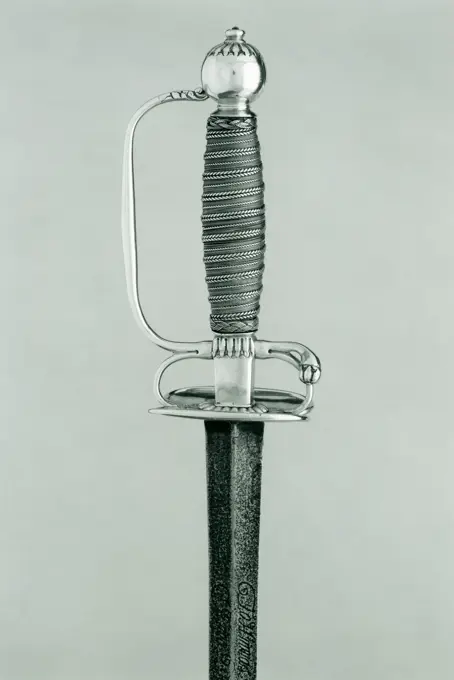
Historic Swords and Writing Tools

Images of historical swords and writing instruments, portraying the artistry and functionality from earlier centuries.

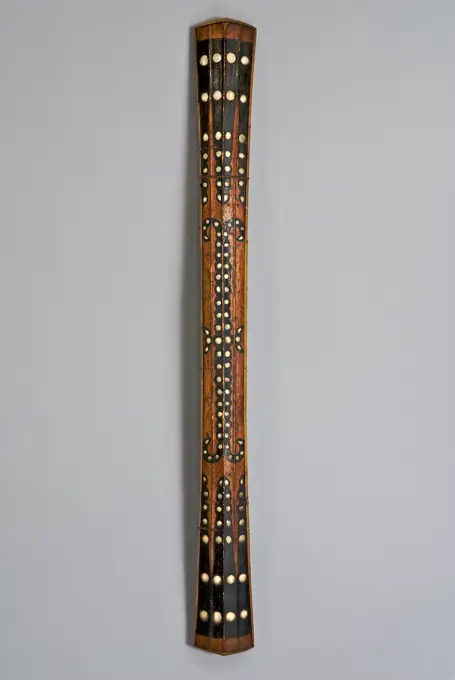
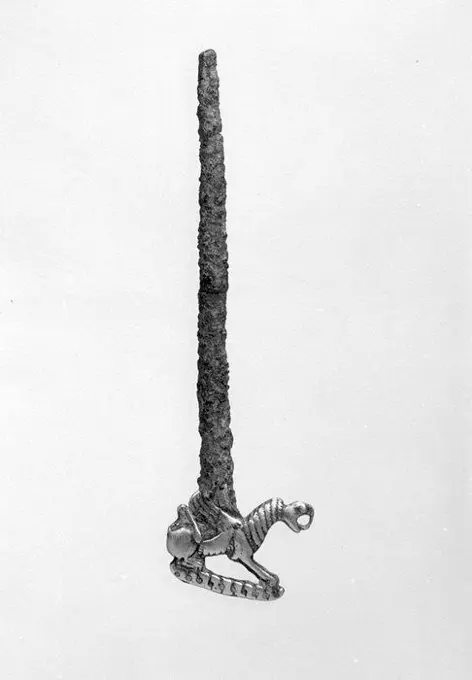
Busk ca. 1660 French. Busk 84193
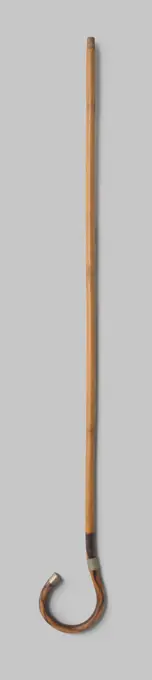
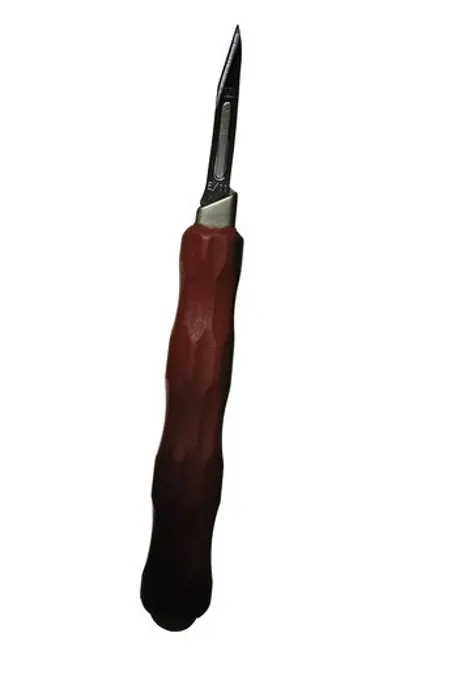
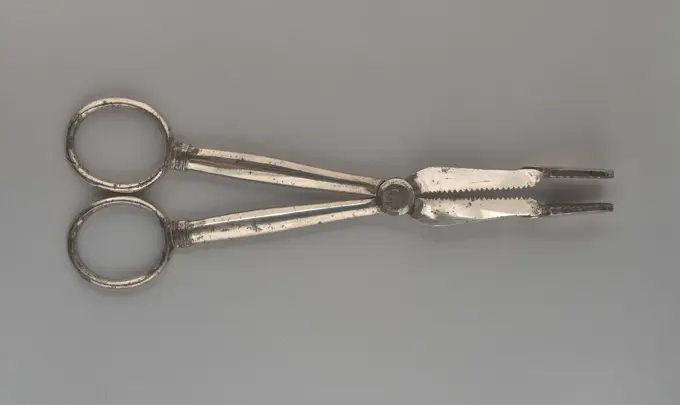
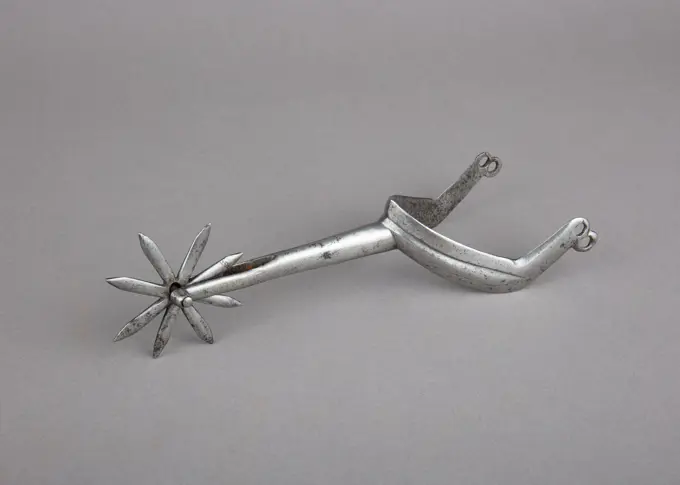
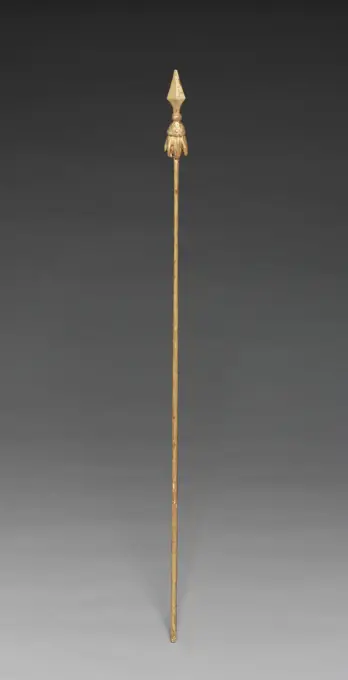
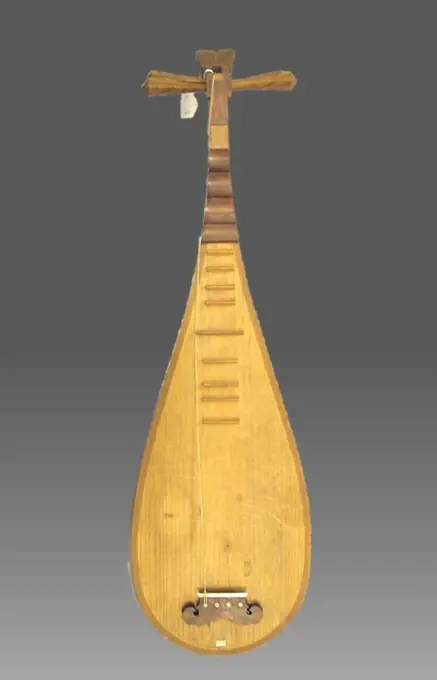
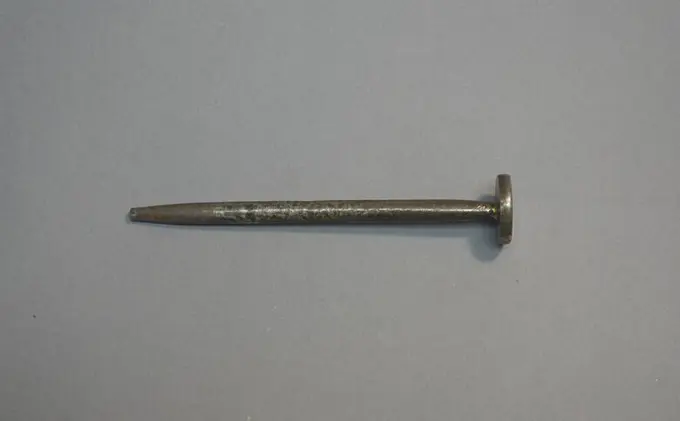
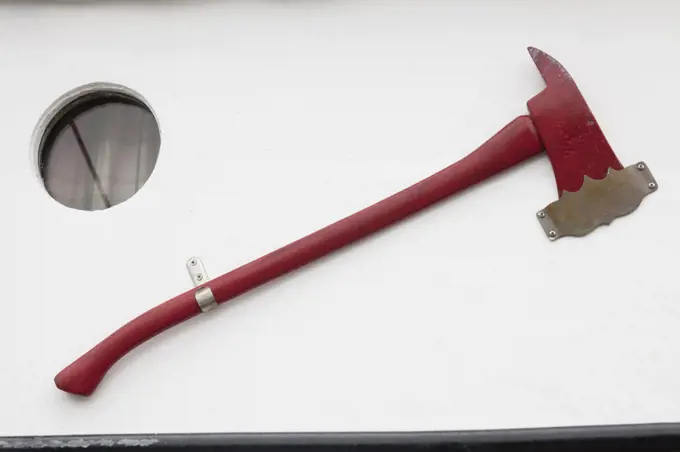
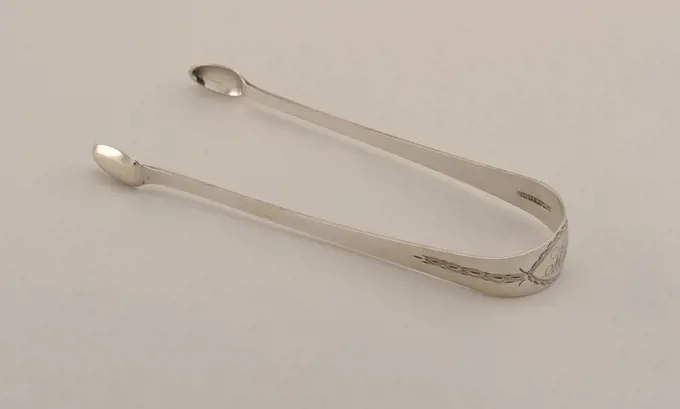
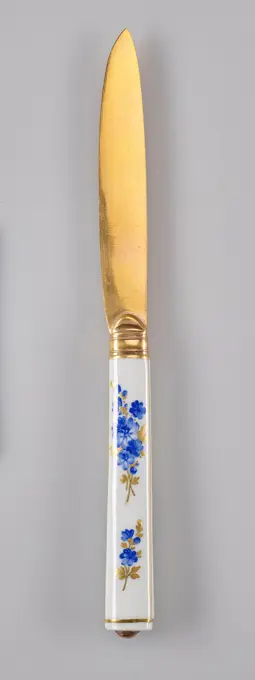
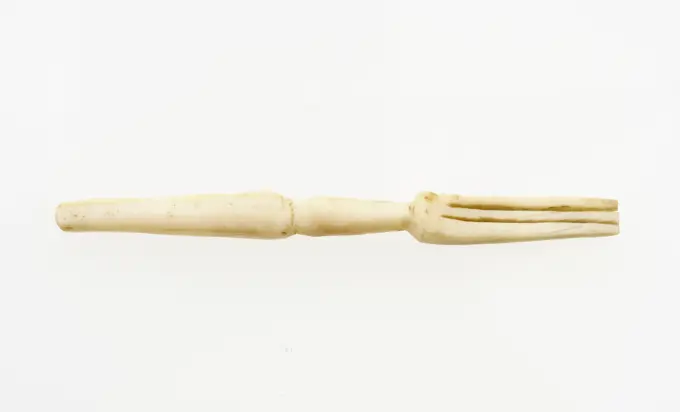
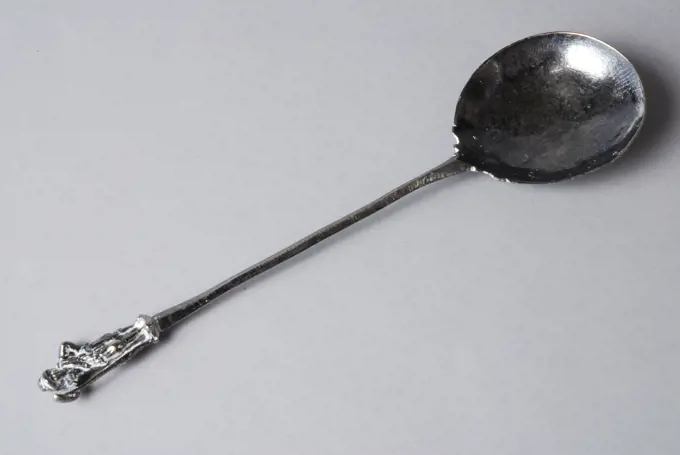
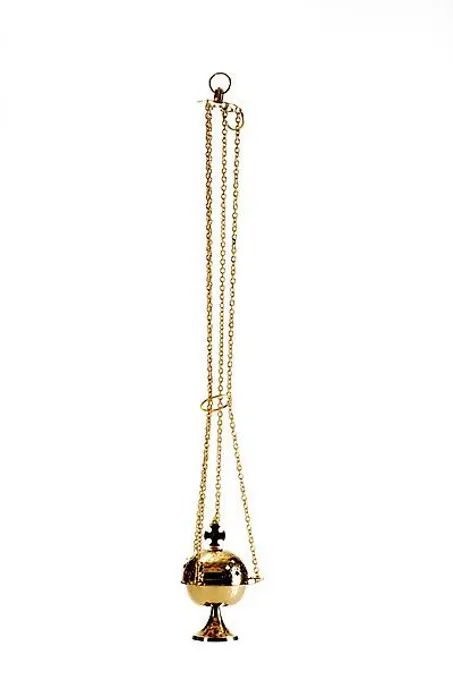
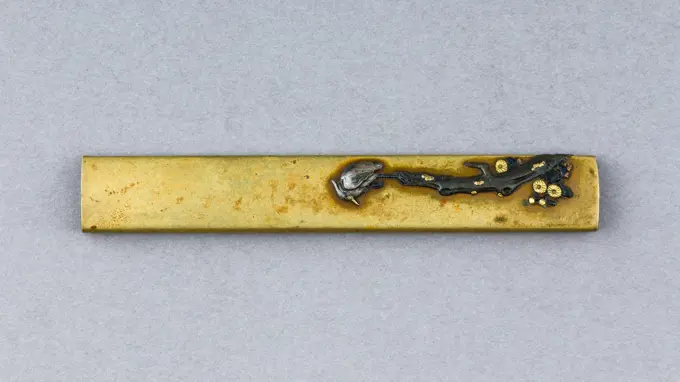
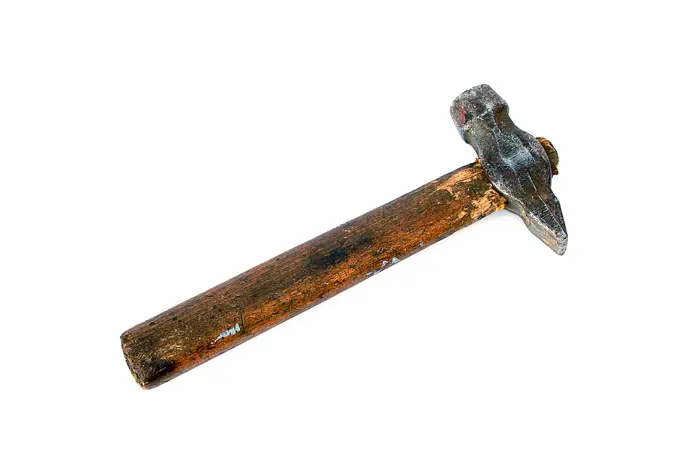
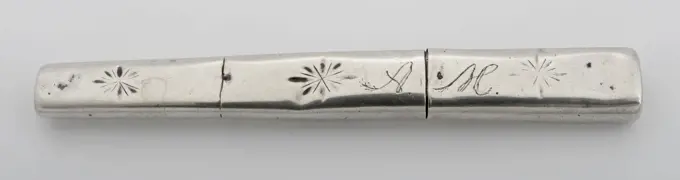
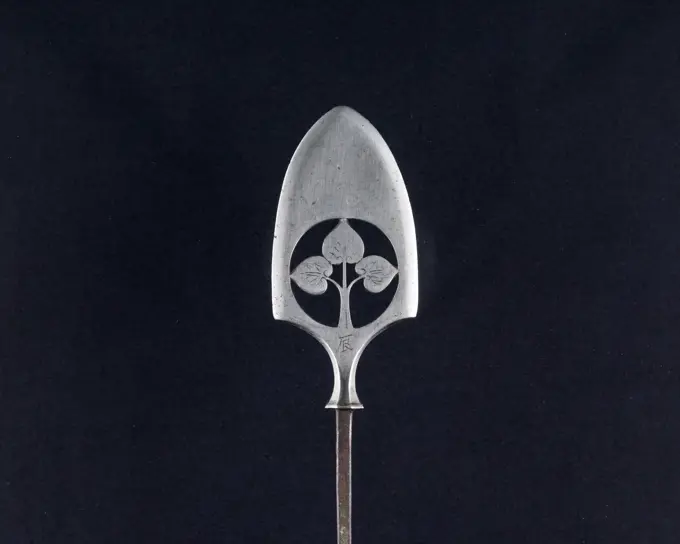
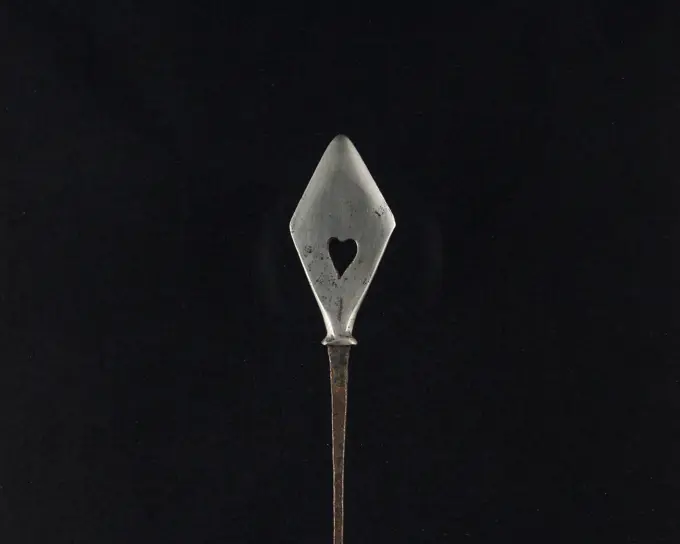
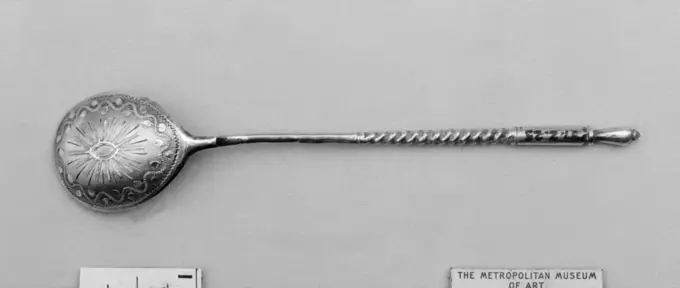
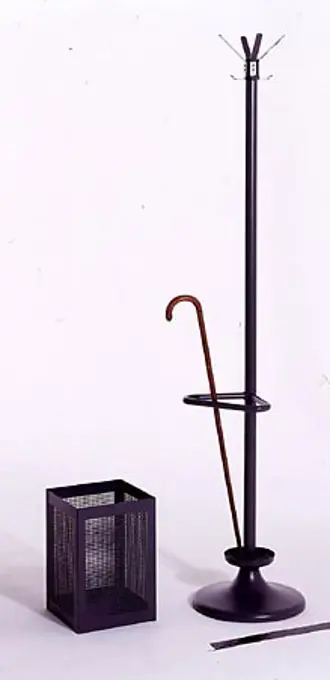
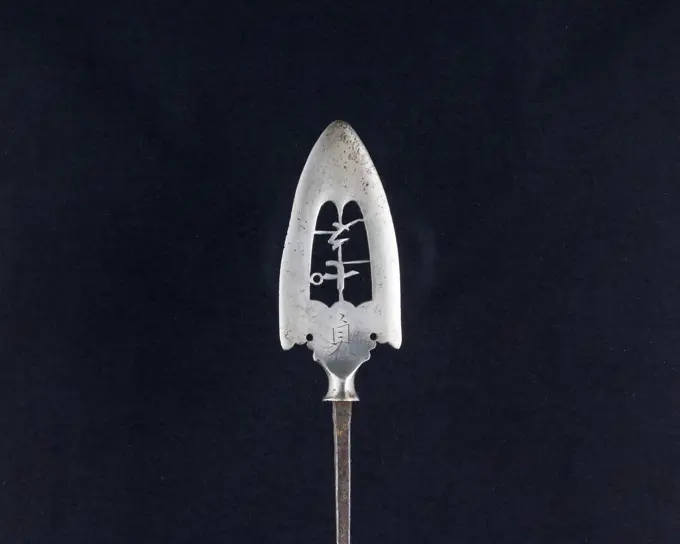
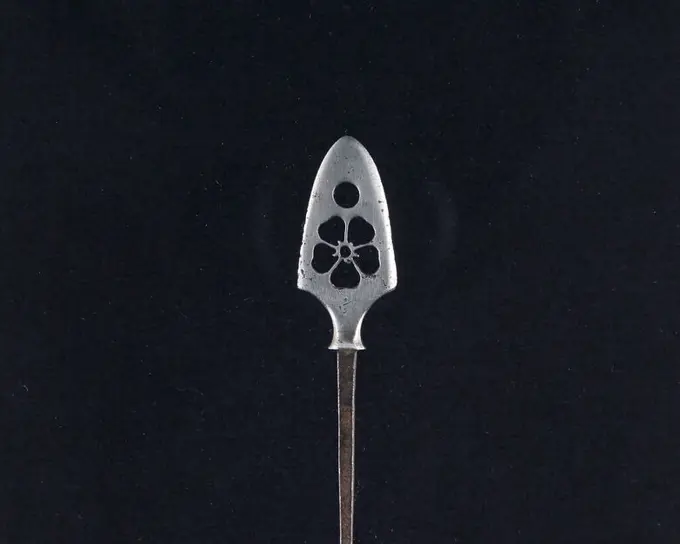
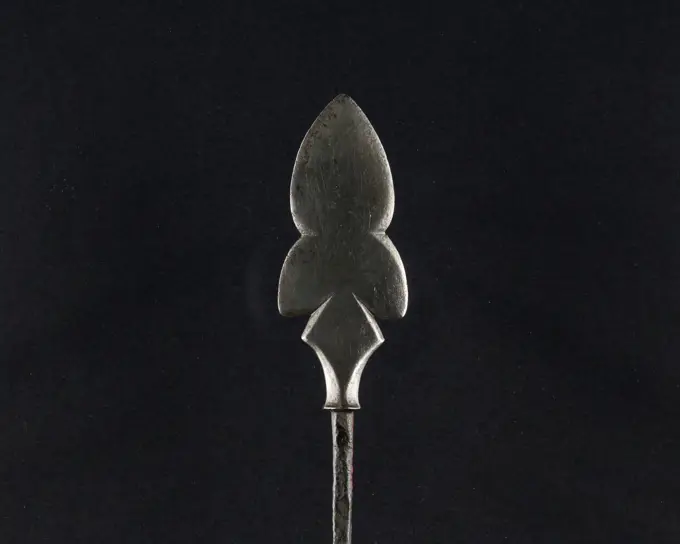
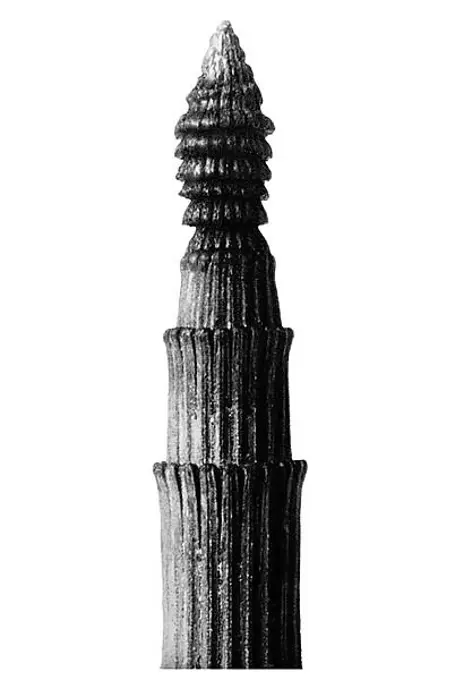
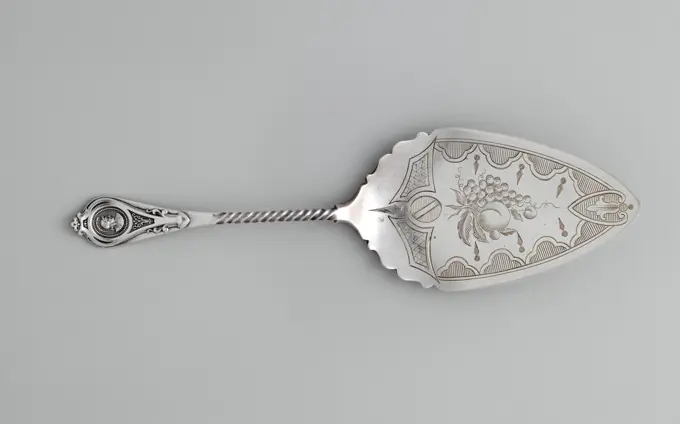
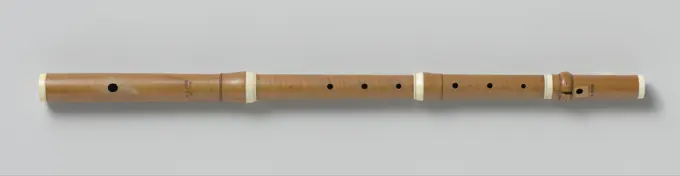
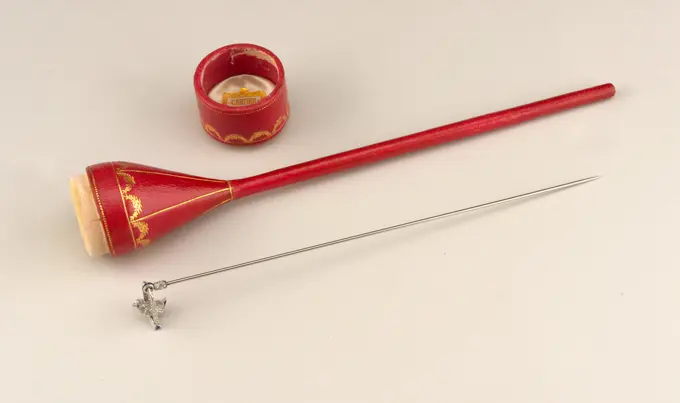
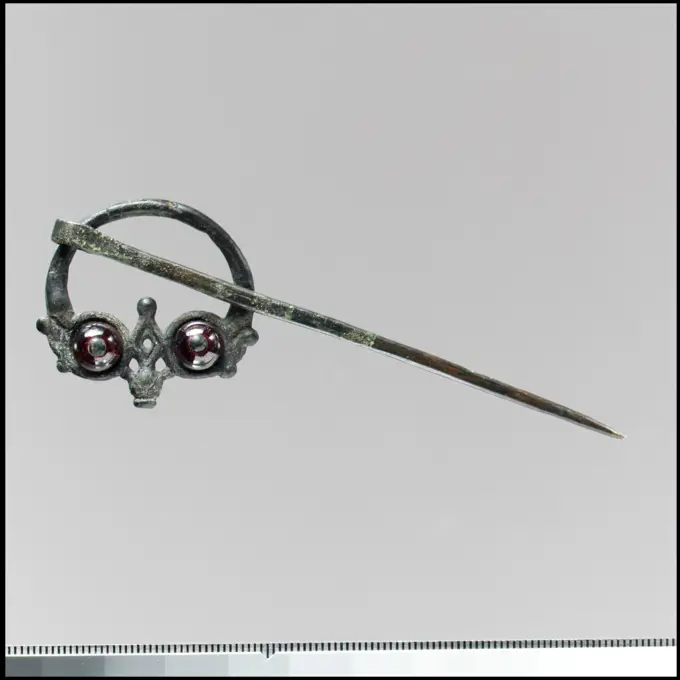
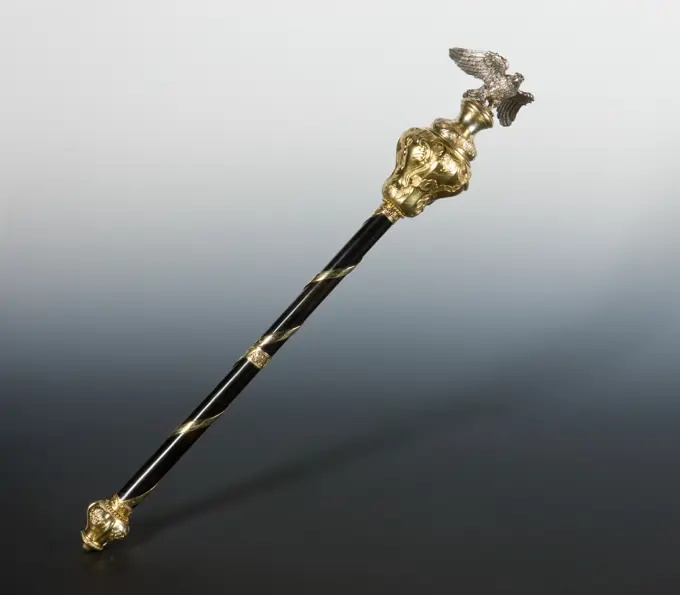
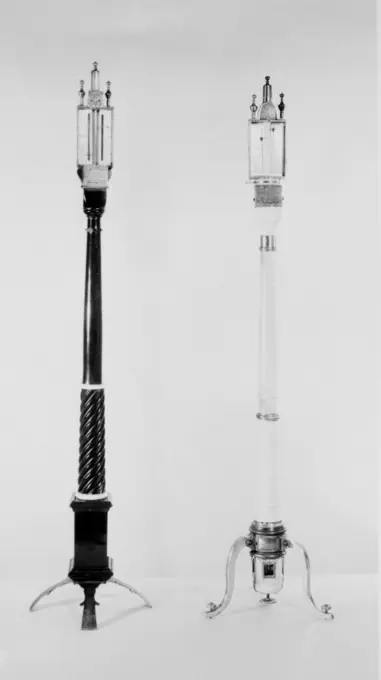
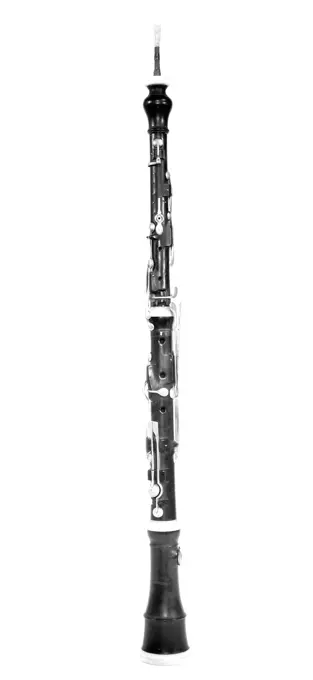
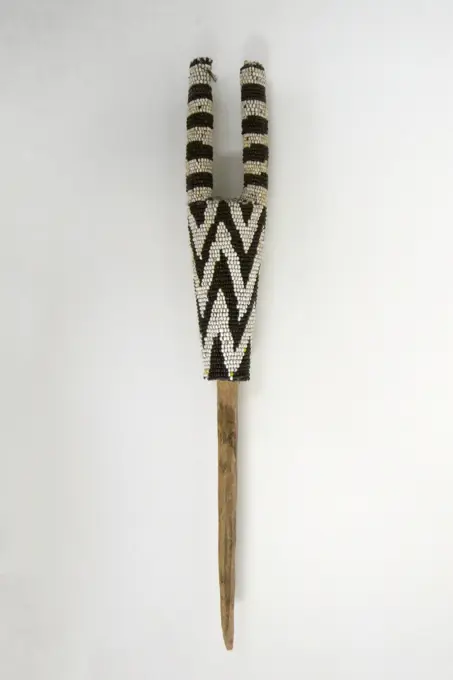
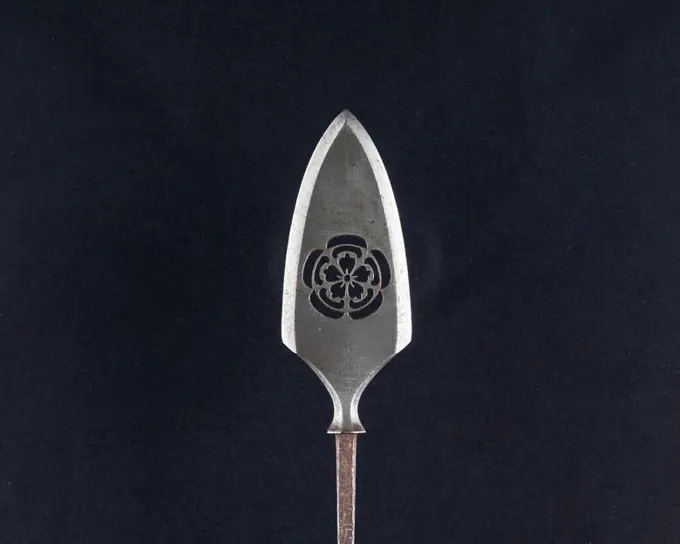
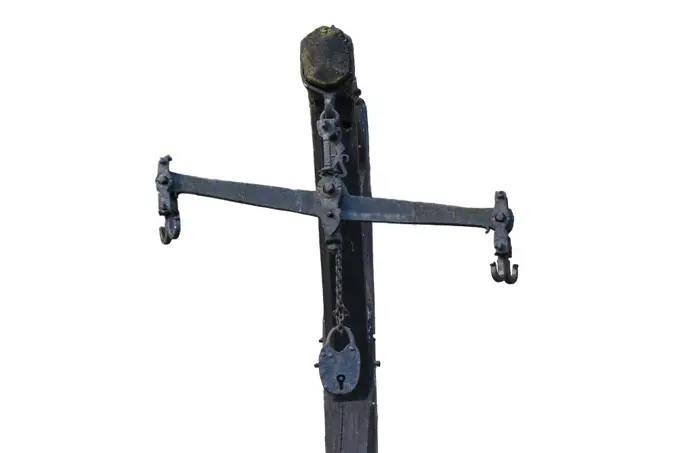
Arthur Stewart, Oven, c 1937 OvenUnderstop of parasol or umbrella of bamboo with round hook, decorated with silver end and ring, Gustav Schnitzler, c. 1920 - c. 1940 Onderst by parasol or umbrella of bamboo with round hook of flamed bamboo decorated with silver -colored metal end and ring. A metal spring in the stick to tension umbrella. Nijmegen hook: bamboo. Hook: Metal. Stok: Bamboo. stick: Metal Onderst by parasol or umbrella of bamboo with round hook of flamed bamboo decorated with silver -colored metal end and ring. A metal spring in the stick to tension umbrella. Nijmegen hook: bamboo. Hook: Metal. Stok: Bamboo. stick: MetalModel of a pinnacle of a tower of the Sagrada Familia, Barcelona. Author: ANTONI GAUDÍ (1852-1926).Spoon, silver, Oval bowl with rattail stem, part panelled and twisted , with flat punch-decorated terminal with circular crusher., Paris, France, 19th century, cutlery, Decorative Arts, SpoonCrosses. Dimensions: 8 3/8 in. (21.2 cm). Date: 5th-6th century. Museum: Metropolitan Museum of Art, New York, USA.Old silver sugar tongs and ice on a white background. Old silver sugar tongs and ice on a white background.Scalpel.Sugar scissor pliers;  20th century (1901-00-00-1945-00-00);Rowel Spur 15th century European In the 15th century, rowel spurs with very long necks were of common use in western Europe. At this period, the elevated war saddles and the very specific riding style, with long stirrup leathers and legs extended forward, had the consequence of taking away the riders feet from the horses flank. Thus, these long necks gave them easier access without having to disturb the riders position.. Rowel Spur. European. 15th century. Iron alloy. Equestrian Equipment-SpursFemale Figure (tunjo). Culture: Muisca. Dimensions: H. 7 3/4 x W. 1 1/8 x D. 1/8 in. (19.7 x 2.8 x 0.3cm). Date: 10th-16th century.Muisca votive objects, called tunjos, were made in a variety of forms: animate, that is, human figures and animals, and inanimate-weapons, lime containers, and snuff tablets. Human images, always differentiated by sex, are the most common type of tunjo. Most are simple, flat plaques with a great deal of specific detail added onto the surface, as thin gold threads. The figures depict actual Muisca people and activities, for instance, mothers holding children, as on this example. Male figures carry weapons or chew coca. Quality of workmanship and realistic proportions were of less concern to tunjo makers than subject matter.This tunjo depicts a female figure holding a smaller one, possibly a child, in one hand and a baton on the other. A long, multistrand necklace is on her chest and a prominent disk-shaped pectoral under her chiOboe or Sawm, Richard Haka, C. 1680 Hobo or Schalmei, Ebony with driven silver edges and a silver valve secured by a Jour worked silver. Amsterdam ebony (wood). silver (metal) Hobo or Schalmei, Ebony with driven silver edges and a silver valve secured by a Jour worked silver. Amsterdam ebony (wood). silver (metal)SpearAltarpiece with Relics - Lance, lower right, c. 1735-1740. Joseph Matthias Götz (German, 1696-1760), and Workshop. Gilded wood, with relics in niches: gilded wood, mother-of-pearl, ebony, red silk, gold wire, seed pearls, rock crystal, pen and ink on paper;Taoosee (Sitar) late 19th century Indian. Taoosee (Sitar) 500777Dressing Tool (England); Made by Asprey & Son Co. (United Kingdom); mother-of-pearl, steel(), brass; L x W x D: 10.5 x 1.2 x 0.7 cm (4 1/8 x 1/2 x 1/4 in.)a trip to the coat of arms Korczak;  1 PO. 18th century (1700-00-00-1750-00-00);Pipa (琶 ) 19th century possibly Japanese or Chinese. Pipa (琶 ) 500677Baluster mid-18th century British. Baluster. British. mid-18th century. Deal. WoodworkEngraving wheel. Culture: China. Dimensions: L. 5 1/4 in. (13.3 cm); Diam. 7/8 in. (2.2 cm). Date: 20th century.These steel drills with blunt points (zhuangding or dingzi in Chinese), flat heads (tuozi), or curving heads (wazi) are used for high relief carving, undercutting, and fine shaping of small jade works. The craftsman holds the jade in one hand against the drill, which is mounted on a spinning shaft. He or she rotates the shaft using foot treadles, while continuously applying abrasives, usually sand mixed with water, to the tip of the drill, which cuts the jade. Museum: Metropolitan Museum of Art, New York, USA.Sugar Tongs 1820-30 American. Sugar Tongs. American. 1820-30. SilverAxe on a boat, Port McNeill, Vancouver Island, British Columbia, CanadaSmallsword hallmarked 1689-90; blade dated 1674 British, London This hilt displays, in an early form, the basic features that continued to characterize English and American smallswords throughout the eighteenth century.. Smallsword. British, London. hallmarked 1689-90; blade dated 1674. Steel, silver, wood. London. SwordsBattle club GRZZWooden Spindle Made 1000-1476 Peru. Wood .Sugar tongs, Silver, Single piece of silver bent to form tongs with spoon-form grips, bright-cut on back with oval patera and guilloche bands, the patera with engraved intials 'HMJ' script in center., New York, USA, ca. 1805, metalwork, Decorative Arts, Sugar tongsKnife, from a flatware dessert service, 18th century, Meissen Porcelain Factory, Meissen, Germany, est. 1710, Hard paste porcelain, gilt metal, Germany, 18th centuryMountMiniature knife -David de Koningh (), Spoon, spoon cutlery silver, forged cast Round bowl with small notches on both sides next to the handle stem square stem of which end crowned with cast soldier gnat rat tail Back plate around rat tail (smashed) foodIncense pendulumDoor Key with Flintlock Pistol 1600-1700 Italy. Steel .FluteKnife Handle (Kozuka) ca. 1615-1868 Japanese A kozuka is a handle of a by-knife that is part of a sword mounting. It is kept in a slot on the reverse of a katana scabbard, often with a matching kōgai (hairdressing tool).. Knife Handle (Kozuka) 34619Grunge hammer isolated on whiteGaleon Ngungu late 19th century Melanesian. Galeon Ngungu 501447Silver needle case H, needle case tube holder sewing kit sewing kit silver, forced insert Flat tube with horizontal oval cross section upwards slightly widening. Slide-on cap in dots put on tube: AH (capital Copperplate) packing sewing textileArrowhead (Yanone) 18th century Japanese Although today Japanese warriors are renowned most for their swordsmanship, archery, especially from horseback, has been an essential part of samurai warfare and culture for centuries. Arrows were fitted with heads of varying shape according to their intended use in war, the hunt, or target practice. Arrowheads made for use on the battlefield incorporated different designs intended for specialized purposes such as the piercing of armor or to cause maximum damage to horses and unarmored personnel.Large arrowheads, pierced and elaborately chiseled with landscapes, birds, flowers, dragons, and Buddhist divinities, were created to be admired for the beauty of their metalwork and design rather than for use in archery. Such highly elaborate examples may have been made for presentation or as a votive offerings to a shrine.. Arrowhead (Yanone). Japanese. 18th century. Steel. Archery Equipment-ArrowheadsArrowhead (Yanone). Culture: Japanese. Dimensions: L. 6 7/8 in. (17.5 cm); L. of head 1 3/8 in. (3.5 cm); W. 3/8 in. (1 cm); Wt. 0.7 oz. (19.8 g). Date: 18th century. Museum: Metropolitan Museum of Art, New York, USA.Flageolet in A mid to late 19th century French. Flageolet in A. French. mid to late 19th century. wood, nickel-silver, mother-of-pearl. France. Aerophone-Whistle Flute-flageoletArrowhead (Yanone) 18th century Japanese Although today Japanese warriors are renowned most for their swordsmanship, archery, especially from horseback, has been an essential part of samurai warfare and culture for centuries. Arrows were fitted with heads of varying shape according to their intended use in war, the hunt, or target practice. Arrowheads made for use on the battlefield incorporated different designs intended for specialized purposes such as the piercing of armor or to cause maximum damage to horses and unarmored personnel.Large arrowheads, pierced and elaborately chiseled with landscapes, birds, flowers, dragons, and Buddhist divinities, were created to be admired for the beauty of their metalwork and design rather than for use in archery. Such highly elaborate examples may have been made for presentation or as a votive offerings to a shrine.. Arrowhead (Yanone). Japanese. 18th century. Steel. Archery Equipment-ArrowheadsPartisan 16th century British. Partisan 34781Transverse Flute Phillipine or Melanesian (New Guinea) late 19th century View more. Transverse Flute. Phillipine or Melanesian (New Guinea). late 19th century. Cane. New Guinea (Phillipine). Aerophone-Blow Hole-side-blown flute (transverse)Coffee spoon () or egg spoon () 1887 Russian. Coffee spoon () or egg spoon () 188061 Russian, Coffee spoon () or egg spoon (), 1887, Silver, parcel gilt, 5 in. (12.7 cm). The Metropolitan Museum of Art, New York. Gift of Mrs. Samuel P. Avery, 1897 (97.2.25)Przeszo Przyszoci unknownShield(Salawaku)wh group furniture w.h. group. furniture. may 1998. hat stand with bin.glove stretcher, wood, Tartanware, Scotland for export, ca. 1880-1900, appliances & tools, Decorative Arts, glove stretcherArrowhead (Yanone) 18th century Japanese Although today Japanese warriors are renowned most for their swordsmanship, archery, especially from horseback, has been an essential part of samurai warfare and culture for centuries. Arrows were fitted with heads of varying shape according to their intended use in war, the hunt, or target practice. Arrowheads made for use on the battlefield incorporated different designs intended for specialized purposes such as the piercing of armor or to cause maximum damage to horses and unarmored personnel.Large arrowheads, pierced and elaborately chiseled with landscapes, birds, flowers, dragons, and Buddhist divinities, were created to be admired for the beauty of their metalwork and design rather than for use in archery. Such highly elaborate examples may have been made for presentation or as a votive offerings to a shrine.. Arrowhead (Yanone). Japanese. 18th century. Steel. Archery Equipment-ArrowheadsMerriman Marcus & Co., Tea Spoon, c. 1800, silver.DENSIMETRO U AREOMETRO DE BAUME.Wooden hanger for upper clothes. Isolated over white backgroundJohn Gilman Ward, Tea Spoon, c. 1790, silver.Sugar Tongs 1800-1830 Robert Wilson. Sugar Tongs. American. 1800-1830. Silver. Made in New York, New York, United Statesin oman     the sky of   lantern    and   abstract illuminationHanging Lamp. Dated: c. 1936. Dimensions: overall: 29.2 x 22.9 cm (11 1/2 x 9 in.). Medium: graphite on paper. Museum: National Gallery of Art, Washington DC. Author: Anna Aloisi.Tea Spoon 1700-1800 W. Terry. Tea Spoon 8451Staff, 19th-20th century, 39 1/8 x 2 3/8 x 2 3/8 in. (99.4 x 6 x 6 cm), Wood, South Africa, 19th-20th centuryPin attack its third year by Pissodes notatus, vintage engraved illustration.(Indian) Kalmus (Acorus Calamus)Pair of silver bogs in the form of boots, anonymous, c. 1400 - c. 1950 Pair of silver bogs in the form of boots, connected by a chain.  silver (metal) Pair of silver bogs in the form of boots, connected by a chain.  silver (metal)Pin ca. late 3rd-early 2nd millennium B.C. Bactria-Margiana Archaeological Complex. Pin 327431Arrowhead (Yanone). Culture: Japanese. Dimensions: L. 5 1/8 in (13 cm); L. of head 1 3/4 in. (4.5 cm); W. 13/16 in. (2.1 cm); Wt. 0.4 oz. (11.3 g). Date: 18th century. Museum: Metropolitan Museum of Art, New York, USA.Snuff Bottle (stopper), 1644-1911. China, Qing dynasty (1644-1911). Glass; overall: 8.6 cm (3 3/8 in.).Claymores or late medieval Scottish two-handed long swords. in Warwick Castle. England. from the book The British Army. 1868. Historical. digitally restored reproduction from a 19th-century originalFork 1755-1765 Worcester. Soft-paste porcelain with underglaze blue decoration, silver and steel . Worcester Royal Porcelain Company (Manufacturer)Arrowhead (Yanone) 18th century Japanese Although today Japanese warriors are renowned most for their swordsmanship, archery, especially from horseback, has been an essential part of samurai warfare and culture for centuries. Arrows were fitted with heads of varying shape according to their intended use in war, the hunt, or target practice. Arrowheads made for use on the battlefield incorporated different designs intended for specialized purposes such as the piercing of armor or to cause maximum damage to horses and unarmored personnel.Large arrowheads, pierced and elaborately chiseled with landscapes, birds, flowers, dragons, and Buddhist divinities, were created to be admired for the beauty of their metalwork and design rather than for use in archery. Such highly elaborate examples may have been made for presentation or as a votive offerings to a shrine.. Arrowhead (Yanone). Japanese. 18th century. Steel. Archery Equipment-ArrowheadsHistorical photograph, Rough horsetail (Equisetum hyemale), from: Karl Blossfeldt, Art Forms in NaturePie Server ca. 1868 Albert Coles The mid-nineteenth century witnessed an efflorescence of creativity in the American silver industry, fueled by the burgeoning middle classs increasing demand for refined luxury goods. Silversmiths devoted considerable time and creative energy to generating an endless variety of new designs and patterns. During the 1860s and 1870s silver flatware ornamented with portrait medallions inspired by antique coins and cameos enjoyed widespread popularity, with virtually every American silversmith producing their own proprietary "medallion" pattern. Albert Coles, an influential and prolific silver manufacturer and retailer working in New York City from 1835 through 1877, produced both hollowware and flatware; however, the mainstay and focus of his business was flatware. Among his many flatware designs were several different medallion patterns. This pie server, in a pattern deipcting a helmeted warrior in a circular surround, illustrates the wide array of speciaChurn. Dated: c. 1937. Dimensions: overall: 28.1 x 22.5 cm (11 1/16 x 8 7/8 in.) Original IAD Object: 21 3/4" high; top: 9 1/2" in diameter; base: 11 1/2" in diameter; height including handle: 49". Medium: watercolor, graphite, and gouache on paperboard. Museum: National Gallery of Art, Washington DC. Author: Ralph Atkinson.Tongs 1800-1830 Robert Swan. Tongs. American. 1800-1830. Silver. Made in Philadelphia, Pennsylvania, United StatesFour Models of Main Skysail Yards, anonymous, c. 1850 demonstration model  Netherlands wood (plant material)Apostle spoon 1619 Dutch, Leeuwarden. Apostle spoon 192282Fanchon ca. 1860 American. Fanchon 169539Flute, C.F. Paulus, c. 1750 Flute of yellow wood, with white legs tires and a copper valve. Marked: C.F. Paulus, Neukirchen. Neukirchen wood (plant material). copper (metal). bone (material) Flute of yellow wood, with white legs tires and a copper valve. Marked: C.F. Paulus, Neukirchen. Neukirchen wood (plant material). copper (metal). bone (material)Hat Pin (France); Made by Cartier (France); platinum, sapphires, diamondsAxe 18th-19th century Indian. Axe 30808Penannular Brooch 9th century Irish. Penannular Brooch. Irish. 9th century. Bronze, garnets. Metalwork-BronzeSouvenir spoon with view of a long avenue and finial in the form of a postage stamp European late 19th centuryWall lamp, E.G.C. SCHUBAD, 1910 - 1927  Netherlands rosewood (wood). glass. metal  Netherlands rosewood (wood). glass. metalCord horizing with a log, I. Thyssen, c. 1860 instrument Horeond cord at a log. Rotterdam rope. wood (plant material)in oman     the sky of   lantern    and   abstract illuminationScepterPortable barometer ca. 1695 Daniel Quare. Portable barometer. British, London. ca. 1695. Ivory, gilt bronze. Scientific Instruments-Barometers and ThermometersDecorated Walrus Tusk 1825-50. Decorated Walrus Tusk. 1825-50. Walrus ivoryOboe ca. 1855-60 Franz Lauter German. Oboe 503405tail feathers of a common pheasant ,Phasanicus colchicusBottle Stopper, 20th century, 17 5/8 x 2 1/2 x 1 5/8 in. (44.77 x 6.35 x 4.13 cm), Beads, wood, cloth, Cameroon, 20th centuryDeir Kadige, noon, January 2, 1867 (26), Edward Lear, 1812-1888, British, 1867, Watercolor, graphite, pen and brown ink on moderately thick, rough, cream wove paper, Sheet: 7/8 x 7 3/4 inches (2.2 x 19.7 cm), boats, marine art, palm trees, river, river, sails, sky, water, Africa, Egypt, NileEngraving depicting the design for an air and weight driven by perpetual motion. Dated 19th CenturyArrowhead (Yanone). Culture: Japanese. Dimensions: L. 8 3/4 in. (22.2 cm); L. of head 3 1/8 in. (7.9 cm); W. 1 1/4 in. (3.2 cm); Wt. 1.5 oz. (42.5 g). Date: 18th century. Museum: Metropolitan Museum of Art, New York, USA.Bar strainer by AlessiArrowhead (Yanone) 18th century Japanese Although today Japanese warriors are renowned most for their swordsmanship, archery, especially from horseback, has been an essential part of samurai warfare and culture for centuries. Arrows were fitted with heads of varying shape according to their intended use in war, the hunt, or target practice. Arrowheads made for use on the battlefield incorporated different designs intended for specialized purposes such as the piercing of armor or to cause maximum damage to horses and unarmored personnel.Large arrowheads, pierced and elaborately chiseled with landscapes, birds, flowers, dragons, and Buddhist divinities, were created to be admired for the beauty of their metalwork and design rather than for use in archery. Such highly elaborate examples may have been made for presentation or as a votive offerings to a shrine.. Arrowhead (Yanone). Japanese. 18th century. Steel. Archery Equipment-ArrowheadsShadow Puppet (Wayang Kulit) of a Prop (Ricikan), from the set KyaiDrajatAntique bronze chandelier from Georges Emile Henri Servant (1828-1890) bronze blacksmith in Paris. Old 19th century engraved illustration from La Ilustración Artística 1882Antique scales of iron. Market balance beam scaleKorean Traditional Toolin oman     the sky of   lantern    and   abstract illuminationNeckpiece, Fragment or possible Bracelet Chimú (). , 1000-1400. Cotton, stone (basalt), 1/16 × 1/16 × 5 in. (0.2 × 0.2 × 12.7 cm).   Arts of the Americas 1000-1400Necklace 13th-16th century Colombia. Necklace 307546