Historic Swords and Writing Tools

Images of historical swords and writing instruments, portraying the artistry and functionality from earlier centuries.

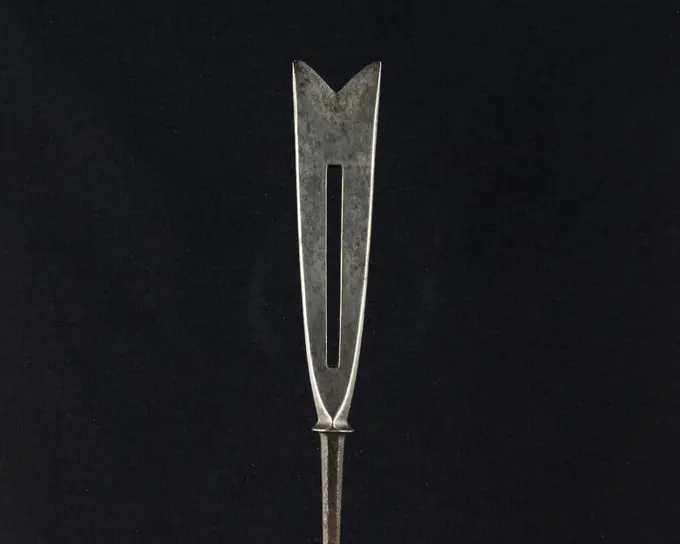
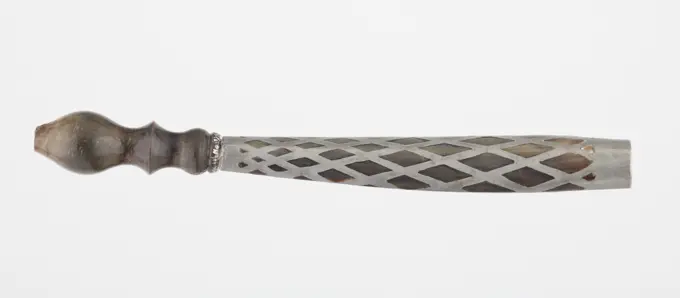
Busk ca. 1660 French. Busk 84193
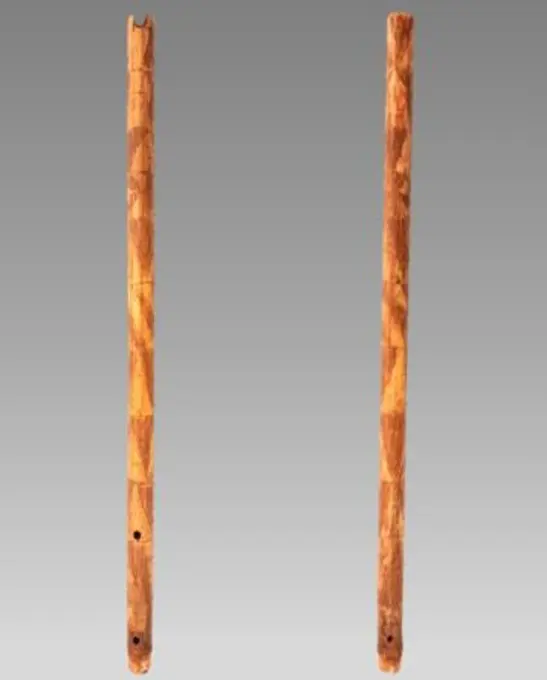
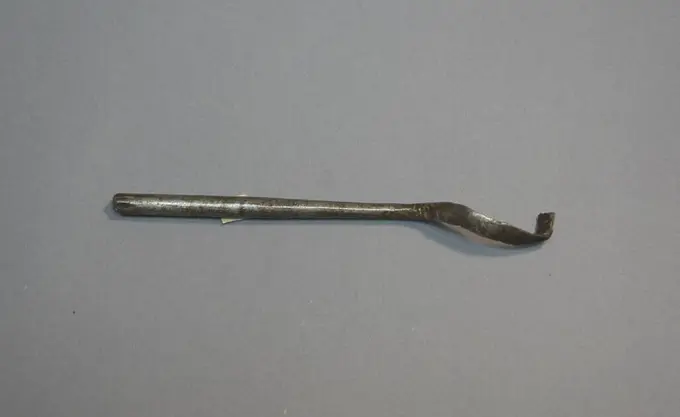
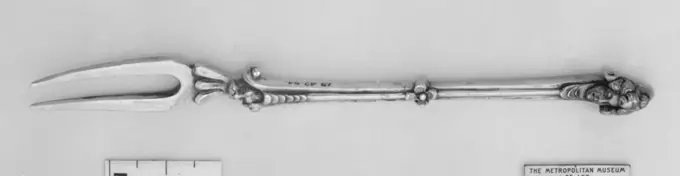
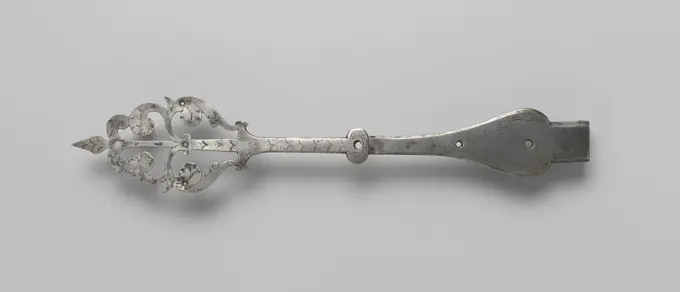
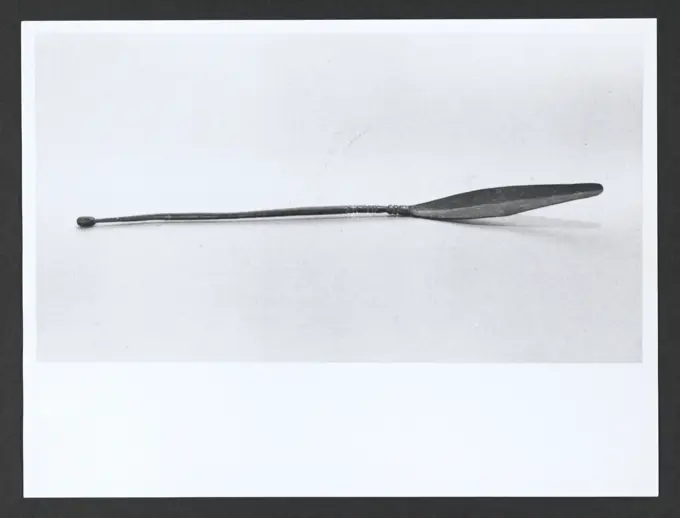
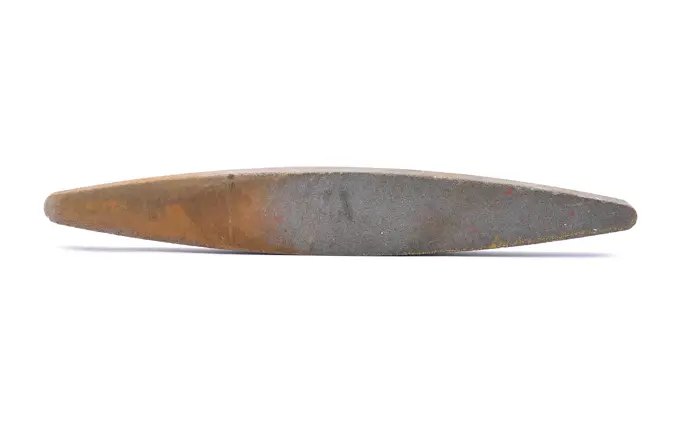
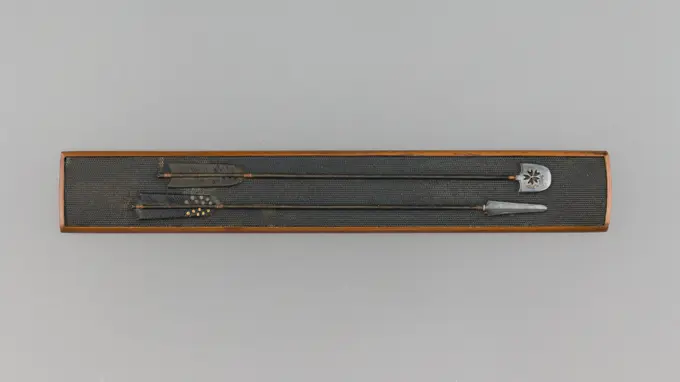
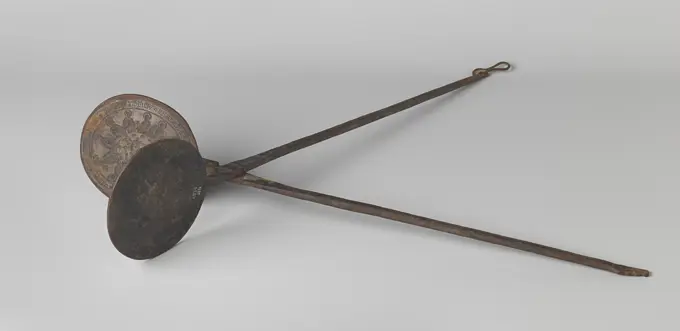
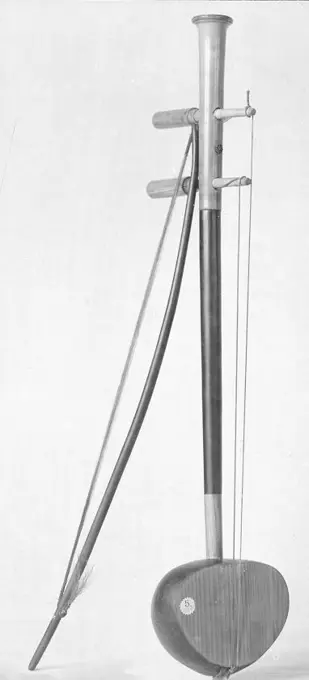
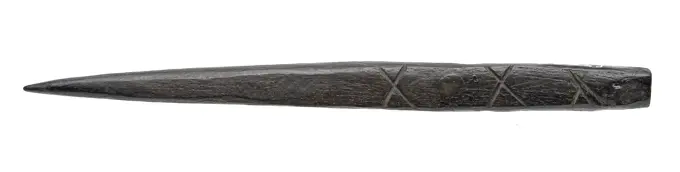
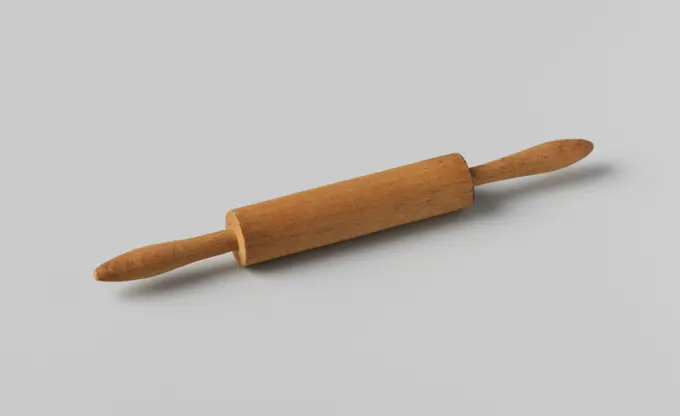
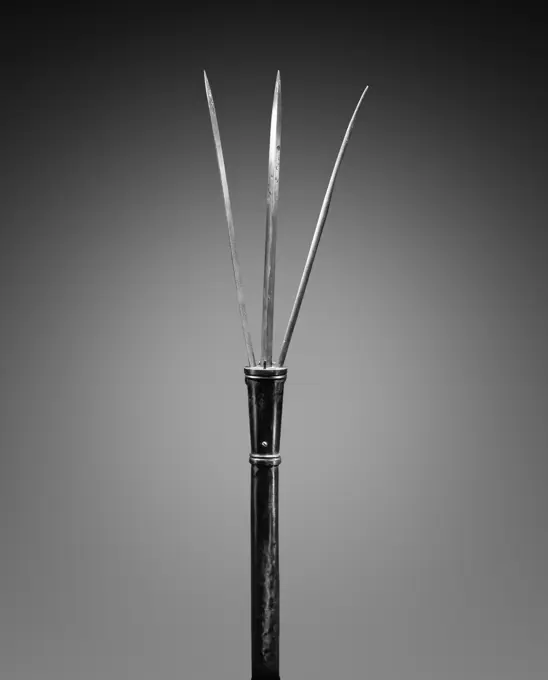
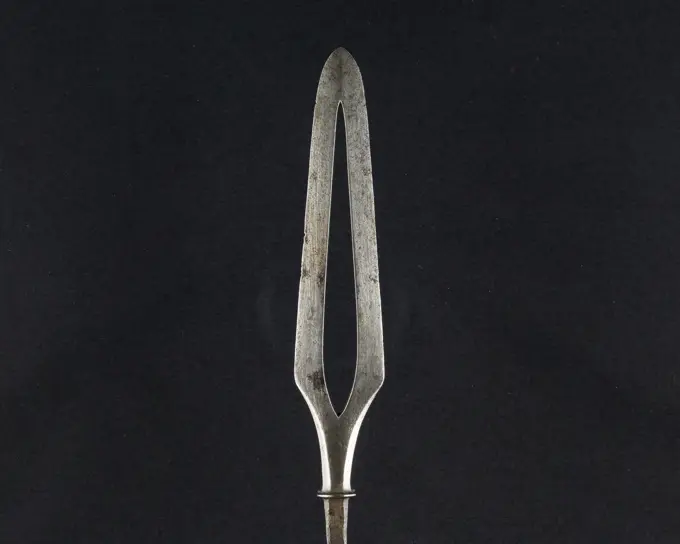
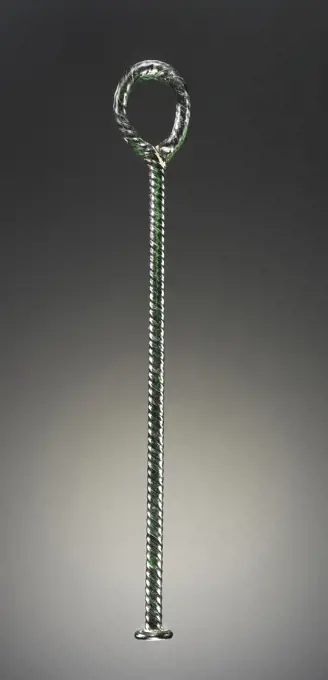
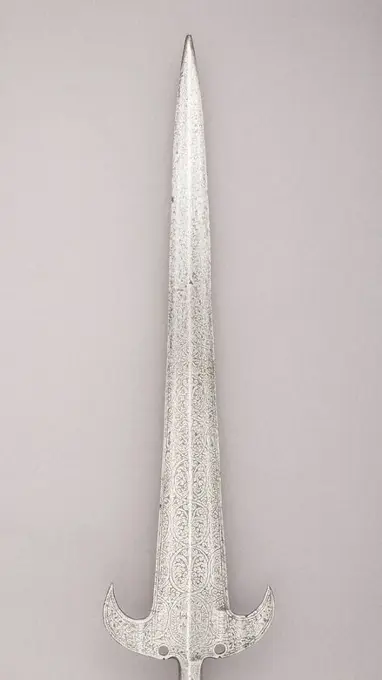
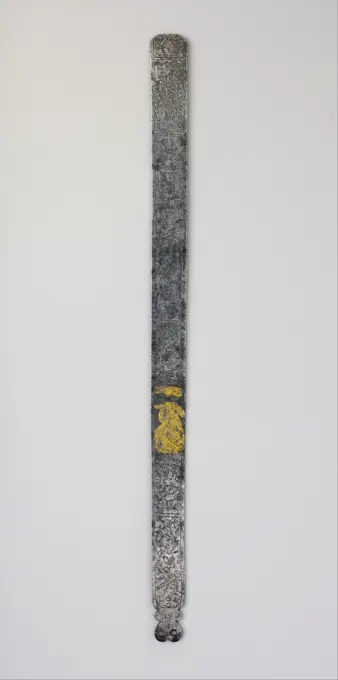
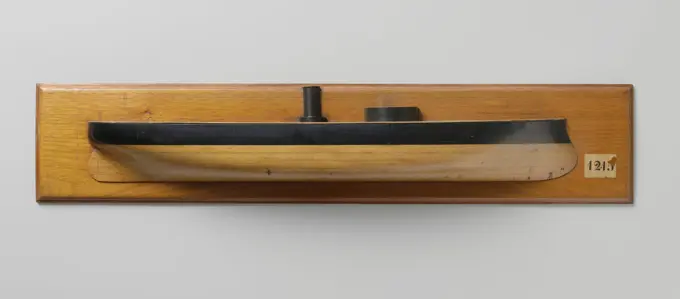
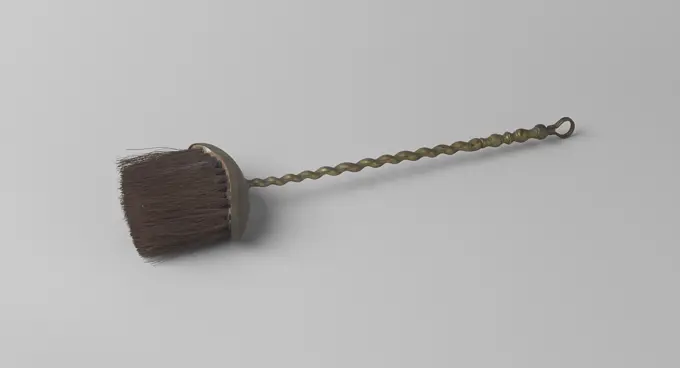
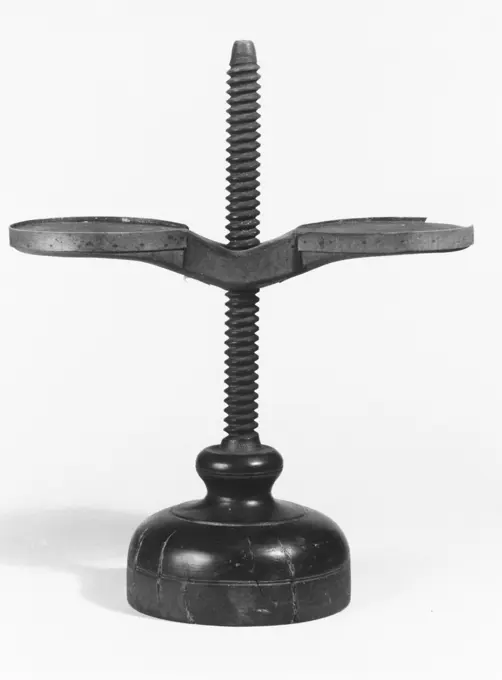
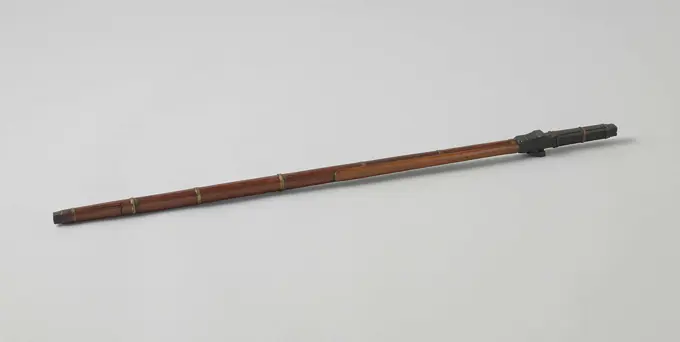
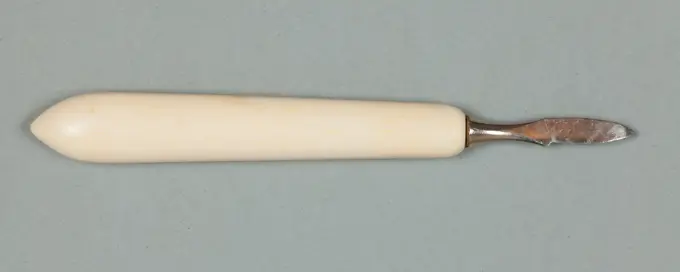
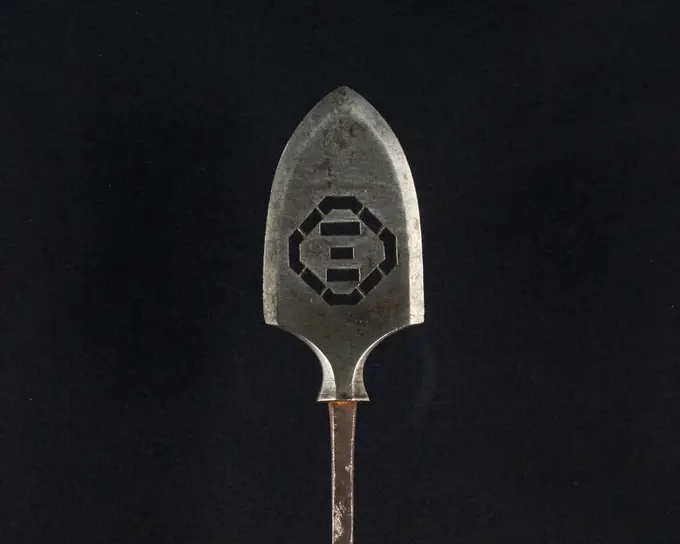
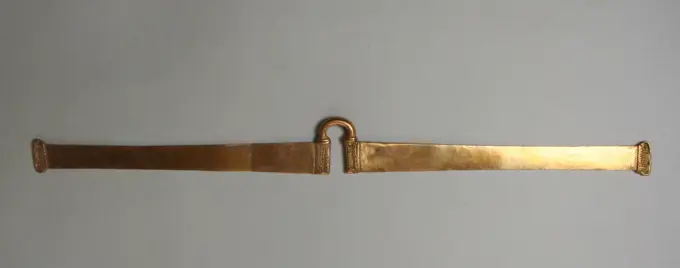
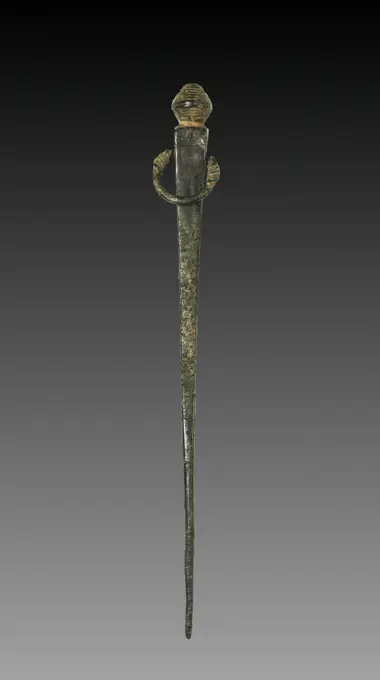
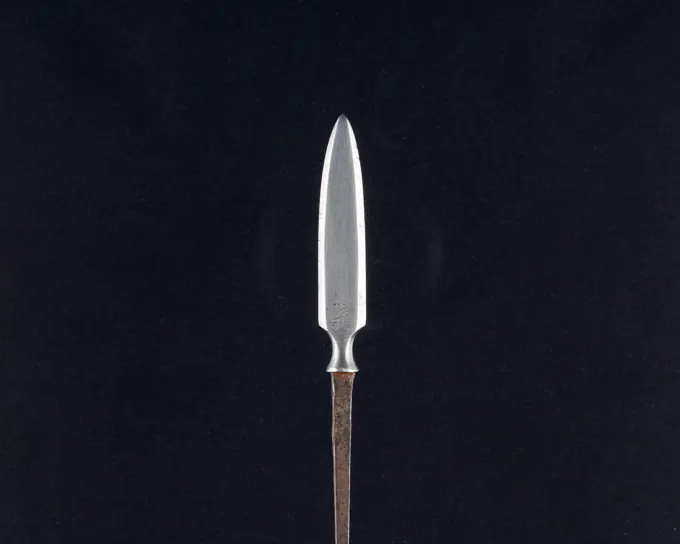
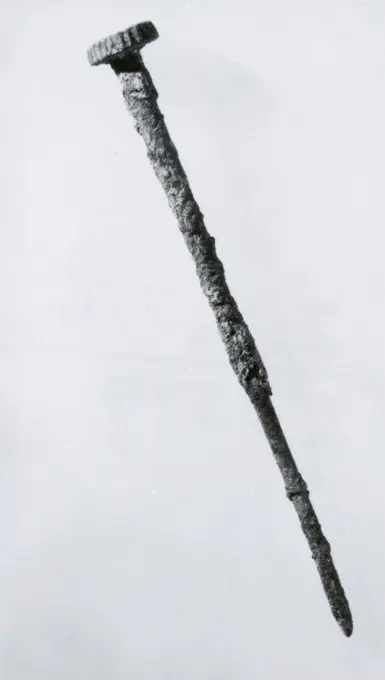
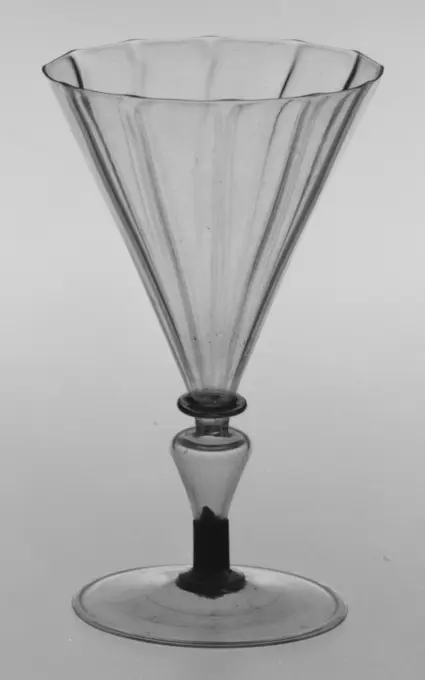
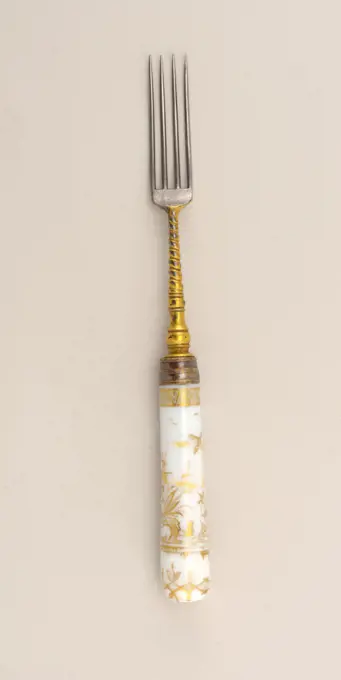
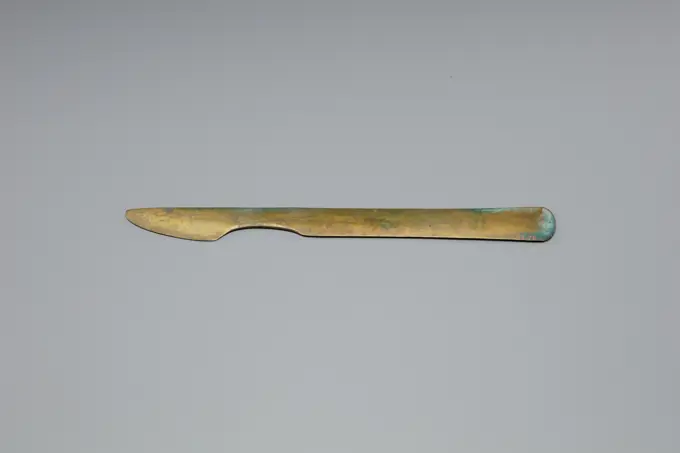
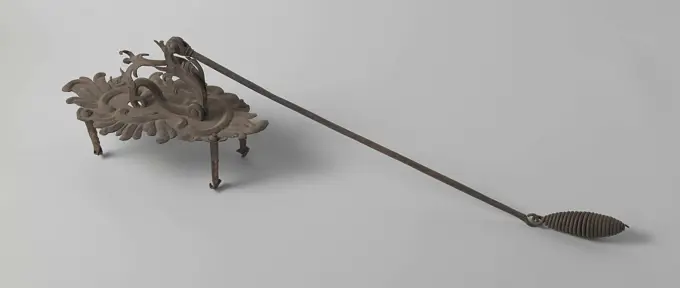
Scheltrekker, versierd met een eikel.An iron shellfish with richly staggered plate. The handle like a jerk.Handle for an umbrella or umbrella of black plastic, Gustav Schnitzler, c. 1910 - c. 1920 Handle for an umbrella or parasol made of black plastic. Nijmegen whole: Handle for an umbrella or parasol made of black plastic. Nijmegen whole:Spoon ca. 1550-1295 B.C. New Kingdom. Spoon 554523Gore Melanesian (Aoba Island, Vanuatuan) late 19th century View more. Gore. Melanesian (Aoba Island, Vanuatuan). late 19th century. bamboo. Aoba island, Ambae, Vanuatu. Aerophone-Blow Hole-end-blown flute (vertical)Linstock 17th century Italian. Linstock 26669Neck mushrang of iron, in the model of a scissors, for the folds in a neep hat. Iron tongs, in the model of a scissors for the folds in a neeph hat.Chair Leg; wood, carvedGouge for carving jade. Culture: China. Dimensions: L. 6 1/8 in. (15.6 cm); Diam. 1/4 in. (0.6 cm). Date: 20th century.These steel drills with blunt points (zhuangding or dingzi in Chinese), flat heads (tuozi), or curving heads (wazi) are used for high relief carving, undercutting, and fine shaping of small jade works. The craftsman holds the jade in one hand against the drill, which is mounted on a spinning shaft. He or she rotates the shaft using foot treadles, while continuously applying abrasives, usually sand mixed with water, to the tip of the drill, which cuts the jade. Museum: Metropolitan Museum of Art, New York, USA.Fork late 16th-early 17th century probably Italian. Fork 192228Glove remover of lacquered wood, anonymous, c. 1885 - c. 1950 Glove remover of lacquered wood, with a metal spring between the two scissors. Netherlands whole: Wood (plant material). whole: Lacquer (coating). Veer: Metal cutting / lacquering Glove remover of lacquered wood, with a metal spring between the two scissors. Netherlands whole: Wood (plant material). whole: Lacquer (coating). Veer: Metal cutting / lacqueringOnderdeel van een deurhengsel.Door batter of tinned iron, part of a door mixture, decorated with engravings. The batter is as follows from the hinge: a baluster-shaped start, delegating in a narrow, straight piece from which to the end steal some leaf motifs that curl as volutes. The whole ends in a pointed leaf.Tutatsu-Bioshi 19th century Japanese. Tutatsu-Bioshi 501960Turned RodBlade with baffle plate of kidney dagger with single blade, kidney dagger dagger knife stab weapon weapon fragment soil find iron metal, forged blade The blade is single-edged. Kling suitable for general carving archeology cave hunter kloot dagger kliodolk ballad decoration status symbol personal equipment defense clothing accessory militariaScabbard, 1800s. Java. Iron and silver; overall: 58.2 cm (22 15/16 in.); blade: 46.7 cm (18 3/8 in.).Arrowhead (Yanone). Culture: Japanese. Dimensions: L. 9 in. (22.9 cm); L. of head 3 1/4 in. (8.3 cm); W. 3/4 in. (1.9 cm); Wt. 1 oz. (28.3 g). Date: 18th century. Museum: Metropolitan Museum of Art, New York, USA.Burijn with narrow handle with thick button. Mushroom-shaped wooden bond, edge damaged, with iron band on which a cross is scratched. The blade has a triangular diameter and ends in a sloping cut.Molding; wood, carved; 1917-12-2Fork, Agate, steel, silver, (a-e) Eight-panelled agate haft with scalloped and engraved ferrule below two tines with partly twisted stem., London, England, early 18th century, cutlery, Decorative Arts, ForkHook from Ship's Medicine Chest, from an Aberdeen Trawler wrecked on Hoy,  early 20th centuryGoat's Foot Spanner for a Pellet Crossbow 1600-1633 Europe. Blackened iron .Spoon or scoop 30 B.C.-A.D. 364 Roman Period. Spoon or scoop. 30 B.C.-A.D. 364. Copper alloy. Roman Period. From Egypt, Middle Egypt, Oxyrhynchus (Bahnasa), EEF excavations 1896-97Eagle shaped badge on crossed sabers, on a pinQuadara Persian swordEllemaat uit Bredevoort.Length of 1 tbsp with handle from Bredevoort. V.Z.V. Stamp and label.Two models of drills, Anonymous, c. 1860 - c. 1870Nutcracker.A forged iron tongs, decorated with inserted silver ornaments, consisting of lines and points. On the rods of herringbone motifs.List fragment of gilded profile list: rule., C. 1500 - Before 1998  Rule of a Pinetic list of gilded wood  wood (plant material). gold leaf gildingLime Spoon, Bird 15th-16th century Inca. Lime Spoon, Bird. Inca. 15th-16th century. Copper (cast). Peru. Metal-ImplementsMolinillo (chocolate stirrer)/rattle late 19th century Mexico. Molinillo (chocolate stirrer)/rattle 501933Pillar barometer 17th century S. Mancel. Pillar barometer 204746Staff, curved. Dimensions: L. 113 cm (44 1/2 in.). Dynasty: Dynasty 18. Date: ca. 1550-1295 B.C.. Museum: Metropolitan Museum of Art, New York, USA.Vase in the Shape of a Boat with Rams' Heads; Etruria; 5th century B.C; Terracotta; 6.4 × 11.8 × 44.5 cm (2 1,2 × 4 5,8 × 17 1,2 in.)Pin. Iran, Luristan, circa 1350-800 B.C.. Jewelry and Adornments; pins. Bronze, castFigure-top spoon 18th century possibly Dutch. Figure-top spoon 188241 possibly Dutch, Figure-top spoon, 18th century, Silver, parcel-gilt, 5 1/8 in. (13.0 cm). The Metropolitan Museum of Art, New York. Gift of Mrs. Samuel P. Avery, 1897 (97.2.218)Apostle Spoon, A B 1638Bronze needle ca. 2400-1450 B.C. Minoan The eye end is broad and flat, the shaft is round.. Bronze needle 247620Fuse muskKnife with handle with oval cross-section and narrowed angel. Knife with a lifting with oval section and narrowed angel. The lifting protection has been profiled.Copper Lime Spoon with Bird Top 15th-16th century Inca. Copper Lime Spoon with Bird Top 315268William Eley I and George Pierrepont, Caddy Spoon, c. 1778, silver.vintage heavy masonry or kitchen mallet, clipping pathAbruzzo L'Aquila S. Giuliano (L'Aquila environs) Museo46. Hutzel, Max 1960-1990 Views of the four collections housed in museum: Roman coins; Pre-Columbian art brought from Central America in 17th century; Greek and Roman sculpture; Egyptian sculpture and minor arts. Museum Roman coins; Greek and Roman sculpture; Egyptian sculpture and minor arts; Pre-Columbian sculpture. German-born photographer and scholar Max Hutzel (1911-1988) photographed in Italy from the early 1960s until his death. The result of this project, referred to by Hutzel as Foto Arte Minore, is thorough documentation of art historical development in Italy up to the 18th century, including objects of the Etruscans and the Romans, as well as early Medieval, Romanesque, Gothic, Renaissance and Baroque monuments. Images are organized by geographic region in Italy, then by province, city, site complex and monument.Fruit Knife (France); Designed by F. Nicoud (French, active 1890); silver, steel, mother-of-pearl, gilding; L x W x D: 20 x 1 x 0.8 cm (7 7/8 x 3/8 x 5/16 in.)Wetzstein - Sharpening stones on white Wetzstein - Sharpening stones on white Copyright: xZoonar.com/lantapixx 7405949Model of an Anchor. Iron model of a Securitas anchor. This anchor has no ordinary anchor stick; This has been replaced by a short stick perpendicular to the cross of the arms. The arms and anchor stick are turning together in the forked end of the shaft, wherein the anchor stick force the hands into the ground; The stick is brought into the correct position by a rope on a harp at the anchor cross, which can also be lifted the anchor. The hands are in the same plane as the arms. There is a harp at the upper end of the shaft. Scale 1: 5 (estimation).Ladle 618 CE-907 CE China. Beaten silver .Knife Handle (Kozuka) 18th century Japanese A kozuka is a handle of a by-knife that is part of a sword mounting. It is kept in a slot on the reverse of a katana scabbard, often with a matching kgai (hairdressing tool).. Knife Handle (Kozuka). Japanese. 18th century. Copper-gold alloy (shakud), copper, gold, silver. Sword Furniture-KozukaWafelijzer met opschrift 1569.A waffle maker for circular waffles. The one circle shape shows the last supper with Christ and eleven apostles from above on a round table with teljoen, knives and chalks. The inscription is around it: drink.und.is.daneben.got.nit.vergis.volg.cristum.seiner.lers.wierst.verloren.nimer.me. (R). The other circle shows two coats of arms, one with a goat and a bird (stork), With a tanged helmet above it. Between the helmets, the year 1569. Around this center has the inscription: hanns.orthner.sibilla.stainingerin.sein.hausfrau. The outer sides of the circular shapes and handles are unforded. At the bottom of one of the handles a hook, which can be attached to the other handle.Military Fork. Culture: Italian. Dimensions: L. 91 3/4 in. (233.1 cm); L. of head 28 3/4 in. (73.1 cm); W. 9 1/4 in. (23.1 cm); Wt. 3 lbs. 2 oz. (1417.5 g). Date: ca. 1550. Museum: Metropolitan Museum of Art, New York, USA.Saw U late 19th century Thai This is the lowest sounding two-stringed fiddle of the Thai family of bowed instruments. It has a coconut-shell body and ivory pegbox and pegs.. Saw U. Thai. late 19th century. Coconut shell, ivory, wood, twine. Thailand. Chordophone-Lute-bowed-unfrettedSkewer, silver, Tapering, pointed, flat pin or blade. Relief cast terminal with pair of outstretched wings, topped by a caduceus and head of Mercury., Milan, Italy, 19th century, cutlery, Decorative Arts, SkewerFork;  19th century (1800-00-00-1810-00-00);Legs awl or stylus, carved crosses, writing pen prime tool equipment soil finding leg, sawn cut Legs prime or writing pen Marked on both sides or decorated with three carved crosses Long legs pen ending in point archeology Poortugaal Albrandswaard writing note pricks make holes Soil discovery: Poortugaal Hofterrein.Eugene R Szepessy, Meat Chopper, c 1939 Meat ChopperRolling roller, anonymous, c. 1700 - c. 1799 Dolloller with long handles made of indigenous wood. Amsterdam (possibly) . Dolloller with long handles made of indigenous wood. Amsterdam (possibly) .Brandistock (with retractible blades), c. 1600-25. Italy, early 17th century. Steel; round wood haft; overall: 207 cm (81 1/2 in.); closed: 162.2 cm (63 7/8 in.); blade: 44.5 cm (17 1/2 in.).Bone , Archaeological assemblages, Charles F. Walcott Archaleogical CollectionTrestle Table. Dated: c. 1939. Dimensions: overall: 32.9 x 54.2 cm (12 15/16 x 21 5/16 in.) Original IAD Object: 12'2 1/2"long; 2'wide; 3'high. Medium: watercolor, colored pencil, and graphite on paperboard. Museum: National Gallery of Art, Washington DC. Author: Isadore Goldberg.Arrowhead (Yanone) 18th century Japanese Although today Japanese warriors are renowned most for their swordsmanship, archery, especially from horseback, has been an essential part of samurai warfare and culture for centuries. Arrows were fitted with heads of varying shape according to their intended use in war, the hunt, or target practice. Arrowheads made for use on the battlefield incorporated different designs intended for specialized purposes such as the piercing of armor or to cause maximum damage to horses and unarmored personnel.Large arrowheads, pierced and elaborately chiseled with landscapes, birds, flowers, dragons, and Buddhist divinities, were created to be admired for the beauty of their metalwork and design rather than for use in archery. Such highly elaborate examples may have been made for presentation or as a votive offerings to a shrine.. Arrowhead (Yanone). Japanese. 18th century. Steel. Archery Equipment-ArrowheadsCouple of white leather, Peter Knecht, c. 1825 - c. 1850 Couple of white leather. Solingen leather. iron (metal) Couple of white leather. Solingen leather. iron (metal)Silver price pen of Amsterdam, 1755. Preparation of silver in the form of a feather pen with the coat of arms of Amsterdam by 1755.Distaff; Eastern Mediterranean; 1st - 2nd century; Glass; 18.5 cm (7 5,16 in.)T Joyce, Dagger, 1935 1942 DaggerTobacco Pipe 19th century Japan. Tobacco Pipe. Japan. 19th century. Bamboo, brass, silver. Edo (1615-1868) or Meiji period (1868-1912). Smoking EquipmentPartisan. Culture: French. Dimensions: L. 8 ft. 1/4 in. (244.5 cm); L. of head 29 3/8 in. (74.6 cm); W. 6 7/8 in. (17.5 cm); Wt. 5 lbs. 4 oz. (2381.4 g). Date: 1626. Museum: Metropolitan Museum of Art, New York, USA.Sgra-Snyan late 19th century Tibetan. Sgra-Snyan. Tibetan. late 19th century. Tibet. Chordophone-Lute-plucked-unfrettedBusk 17th century French This busk was made for Anne-Marie-Louise d'Orléans (1627-93), Duchesse de Montpensier, daughter of Gaston d'Orléans. On the front, the arms of the Duchesse d'Orléans with fleur-de-lis and crown are accompanied by the text: "How I envy you the happiness that is yours, resting softly on her ivory white breast. Let us divide between us, if you please, this glory. You will be there the day and I shall be there the night." At the portrait head of a woman, the text reads, "Whether I live or die, I want my heart to be thine." On the back, the text accompanying clasped hands reads, "Faithfulness is above all." At the portrait of a man, the text reads, "My eyes to everyone; my heart to you.". Busk 84191Half Model of an Ironclad Ram Ship, R. Napier & Sons, c. 1865 - c. 1866 ship model. half model. presentation model Stacking model and half -model (starboard) of a ram tower ship. It has a rounded ramsteven, cruiser fence, stir with rounded Roerblad. On the deck there are a dome and a chimney behind it. The Zeeg is completely flat, the hull has a flat bottom with round kimmen. Glasgow wood (plant material)George Roehl, Parasol, 1937 ParasolFireplace cover with teared stem. The object consists of a brush and poured out of the next parts: the brush cover, the stem and the eye. The hood is unfinished, the handle is tired and has a handle at the top, in the form of two balusters placed against each other. The hair of the broom may have been made from heather.Candle Stand 1800-1840 United Society of Believers in Christs Second Appearing (“Shakers”), Mount Lebanon, New York. Candle Stand 1176Spoon possibly 18th century possibly Italian. Spoon. possibly Italian. possibly 18th century. Tortoiseshell, coral, brass, amber, and bone. Natural SubstancesModel of a Made mast. Round mast with square top, homer with ears and rhombuside. The mast foot consists of three parts, a short piece for and two long behind, which go entirely to the top. With an oblique weld, the short piece is extended to the height of the march; The mast top has been compiled from four parts. All parts are connected to each other inside with welding and are held together by tub tires. The ears are quite short and the mast is equipped with a ripathy.Ritual Peg ca. 1479-1458 B.C. New Kingdom. Ritual Peg. ca. 1479-1458 B.C.. Wood. New Kingdom. From Egypt, Upper Egypt, Thebes, Deir el-Bahri, Temple of Hatshepsut, forecourt, Foundation Deposit 4 (D), MMA excavations, 1923-24. Dynasty 18Fork;  19th century (1800-00-00-1848-00-00);Spoon, silver, Pointed, heart-shaped bowl and twisted stem, circular crusher with smooth surface., France, 19th century, cutlery, Decorative Arts, SpoonSignal drive, vintage engraving. Signal drive, vintage engraved illustration. Magasin Pittoresque 1861. Copyright: xZoonar.com/PatrickxGuenettex 10674048Manicure toolArrowhead (Yanone). Culture: Japanese. Dimensions: L. 11 1/8 in. (28.2 cm); L. of head 2 1/2 in. (6.4 cm); W. 1 1/4 in. (3.2 cm); Wt. 1.3 oz. (36.9 g). Date: 18th century. Museum: Metropolitan Museum of Art, New York, USA.Bow. Dimensions: Length tip to tip 135.2 cm (53 1/4 in); Length of outer curve 136.7 (53 13/16 in.); Greatest diam. 2.4 cm (15/16 in.). Dynasty: Dynasty 11. Date: ca. 2120-1981 B.C.. Museum: Metropolitan Museum of Art, New York, USA.Nose Ornament A.D. 1-1000 Zenú This solid metal nose ornament was fabricated through a combination of lost-wax casting and hammering. It is made of gold, or more likely, an alloy of gold with copper. There are some archaeological ceramic figurines that show a person wearing a similar nose ornament by passing the central, semicircular loop through the septum, but it is uncertain whether this could be accomplished with a metal version, like the present example.1 A possible alternative is that a person would have fit the opening at the center of the ornament over their nose and then slid the object down in order to fasten the object tightly, the long edges of the metal pressing into their nostrils. This ornament is part of the metalwork produced by the Zenú people who lived and currently live in the Caribbean Lowlands of Colombia. The object belongs to the group, “nose ornaments with horizontal extensions” or “narigueras con prolongaciones horizontales,” as defined by Ana María FalchettCotter Pin for Chariot, 2nd-1st Millenium BC. Iran, Luristan (), 2nd-1st Millenium BC. Bronze; overall: 17.8 cm (7 in.).Fork with Mule-Head Finial, 375-425. Italy, Roman, late 4th Century - early 5th Century. Silver; overall: 0.5 x 20.4 cm (3/16 x 8 1/16 in.).Model of a Lighthouse.Messing Model of the Ameland lighthouse, on wooden base. Round closed lighthouse with a door and six and twenty windows. Part of the wall at the foot is omitted, so that one can view the second floor, with a column in the middle. The tub has round circulation to reach through an excellent door, and a dome-shaped roof with wind vane.Arrowhead (Yanone) 18th century Japanese Although today Japanese warriors are renowned most for their swordsmanship, archery, especially from horseback, has been an essential part of samurai warfare and culture for centuries. Arrows were fitted with heads of varying shape according to their intended use in war, the hunt, or target practice. Arrowheads made for use on the battlefield incorporated different designs intended for specialized purposes such as the piercing of armor or to cause maximum damage to horses and unarmored personnel.Large arrowheads, pierced and elaborately chiseled with landscapes, birds, flowers, dragons, and Buddhist divinities, were created to be admired for the beauty of their metalwork and design rather than for use in archery. Such highly elaborate examples may have been made for presentation or as a votive offerings to a shrine.. Arrowhead (Yanone). Japanese. 18th century. Steel. Archery Equipment-ArrowheadsSnuff Bottle (stopper), 1644-1911. China, Qing dynasty (1644-1911). Glass; overall: 6.8 cm (2 11/16 in.).Key, close-upPin ca. late 3rd-early 2nd millennium B.C. Bactria-Margiana Archaeological Complex. Pin 326672Blade and Mounting for a Dagger (Tant) blade, 16th century; mounting, early-mid 19th century Japanese A tant is a dagger or blade shorter than 30 cm.. Blade and Mounting for a Dagger (Tant). Japanese. blade, 16th century; mounting, early-mid 19th century. Steel, wood,ray skin (samé), paper, laquer, copper-gold alloy (shakud), silver. Daggersvintage worn wooden weaver spindle isolated over white, clipping pathGoblet late 16th-mid-17th century probably façon de Venise, northern European or Venetian. Goblet 461267Lucerne Hammer. Culture: Swiss. Dimensions: L. 94 1/8 in. (239.1 cm); L. of head 18 3/4 in. (47.7 cm); W. 7 1/2 in. (19.1 cm); Wt. 5 lbs. 12 oz. (2608.2 g). Date: ca. 1520. Museum: Metropolitan Museum of Art, New York, USA.a hundred; Malcz, Karol (1797-1867), Silver Products Factory K.F. Malcza (Warsaw; Sreber label; 1828-1864); 1852 (1852-00-00-1860-00-00);Degen with Silver Este and Schede, Johannes Roelvink, 1783 - 1790 sword Sierdegen. Silver hilt with faceted decorations; The bump plate has a border with an engraved zigzag pattern; The fist bracket is stamped with the city choir of Amsterdam and the brand of the silversmith SDM; The wooden handle is wound with twisted silver thread of different thickness and with braided grip rings on top and bottom. The blade has a hollow-triangular cross-section and is etched with leaf and flower vines and on the bearing side with a panel with the address of the sword sweep. The leather sheath is covered with thin, white velijn; The silver batter consists of two tires, each with a supporting ring, the top strap engraved with a Rococo cartouche with trellis work, the middle tire with a flower; The bottom tire is unadorned. Amsterdam silver (metal). wood (plant material). silver thread. leather. vellum (parchment) faceting / engraving / etching / striking (metalworking)  AmsterdamFork, glass, steel, gold, brass, Four curved tines, curved shoulders. Spiral-shaped neck, baluster-shaped near the handle. Plain brass ferrule, round in section, of white milk glass with gold Chinoiserie design. A man giving a jug to another man riding a hobby-horse. In the background a landscape with flowers and birds up in the sky., Germany, ca. 1730-40, cutlery, Decorative Arts, ForkTextile manufacturing tool ca. 1295-1070 B.C. New Kingdom, Ramesside. Textile manufacturing tool. ca. 1295-1070 B.C.. Bronze. New Kingdom, Ramesside. From Egypt, Memphite Region, Lisht North, Late New Kingdom Settlement, MMA excavations, 1920-22. Dynasty 19-20MouthpieceBow ca. 2120-1981 B.C. Middle Kingdom. Bow. ca. 2120-1981 B.C.. Wood. Middle Kingdom. From Egypt, Upper Egypt, Thebes, Deir el-Bahri, Tomb MMA 106, MMA excavations, 1926-27. Dynasty 11Knife Razor ca. 1550-1295 B.C. New Kingdom. Knife Razor. ca. 1550-1295 B.C.. Bronze or copper alloy. New Kingdom. From Egypt, Upper Egypt, Thebes. Dynasty 18