Historic Technology Equipment

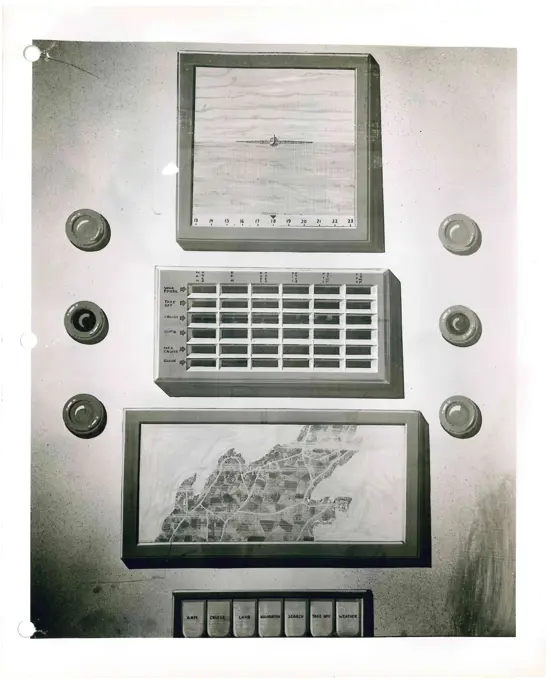
A collection of vintage technological equipment and panels, including control cabinets and computer systems, showcasing a retro aesthetic in monochrome and muted tones.
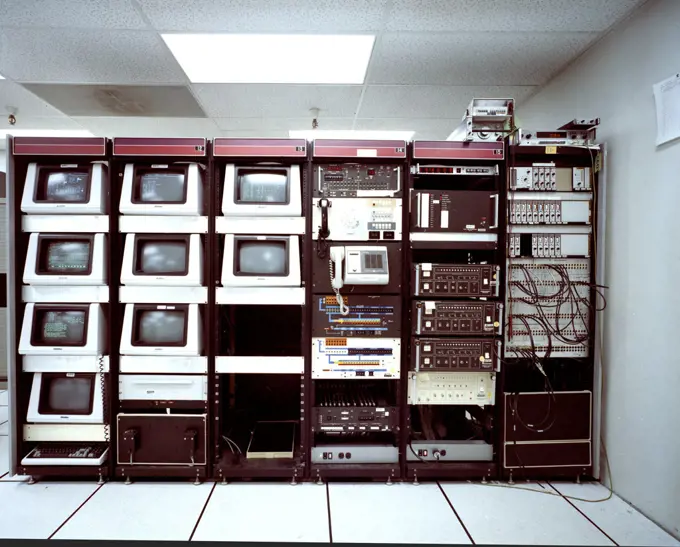
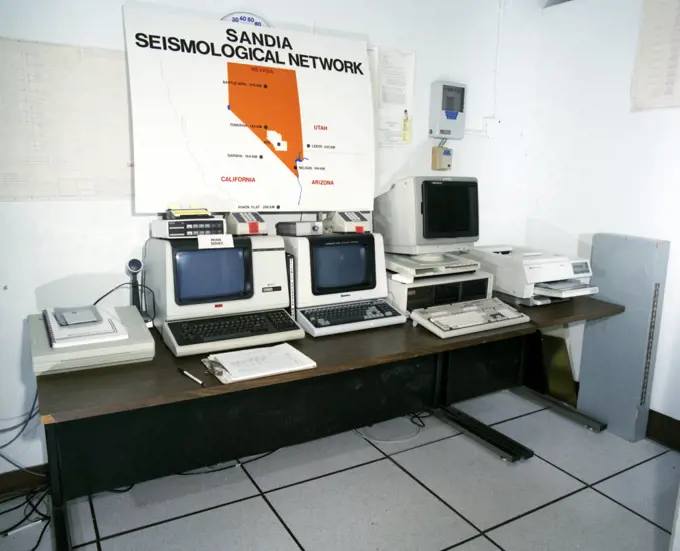
SANDIA COMPUTER ROOM 1983 computer room.
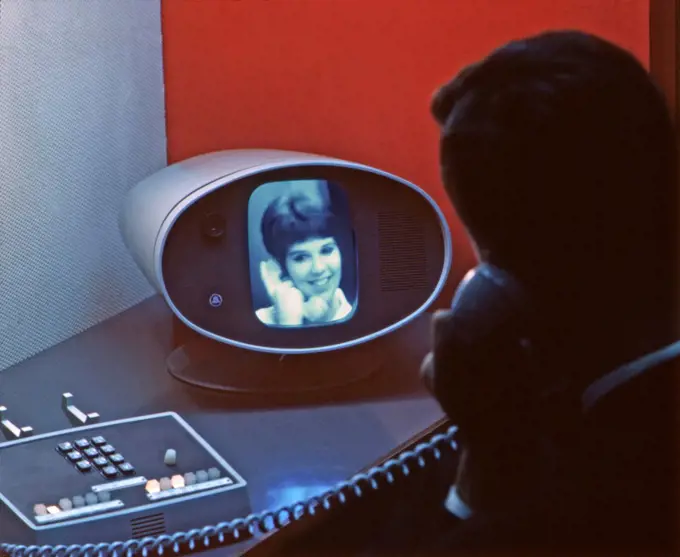
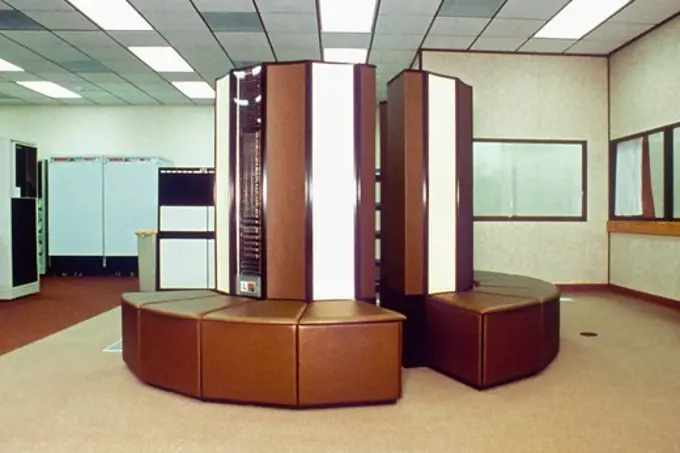
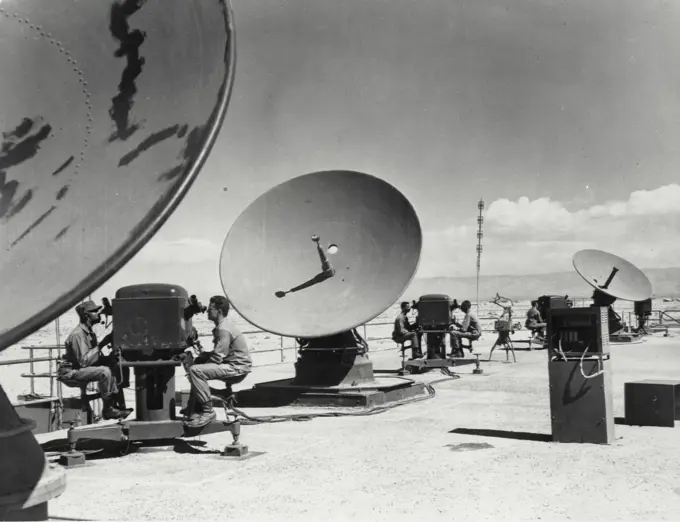
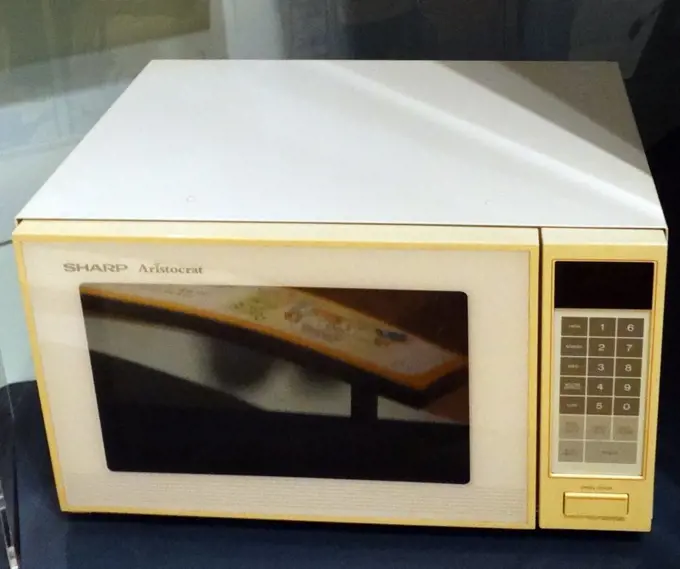
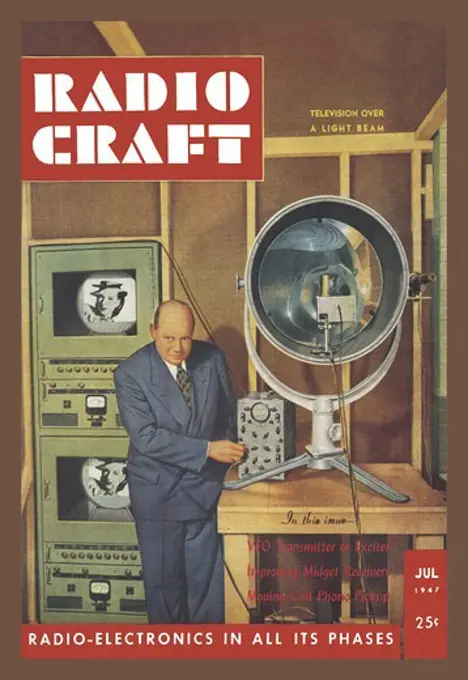
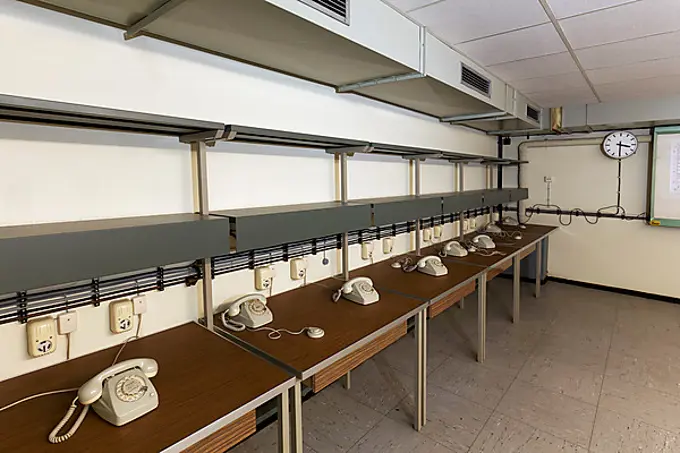
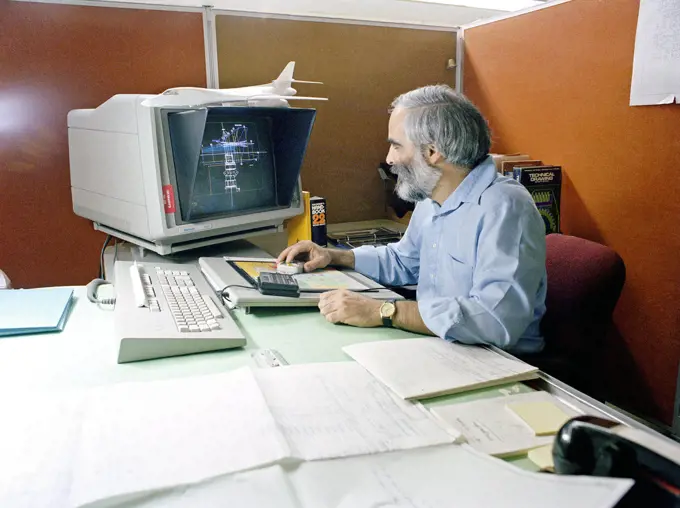
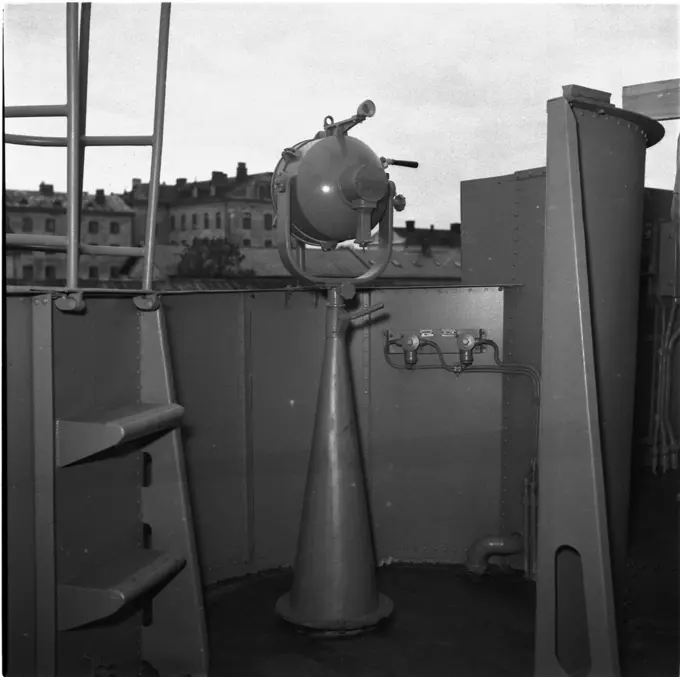
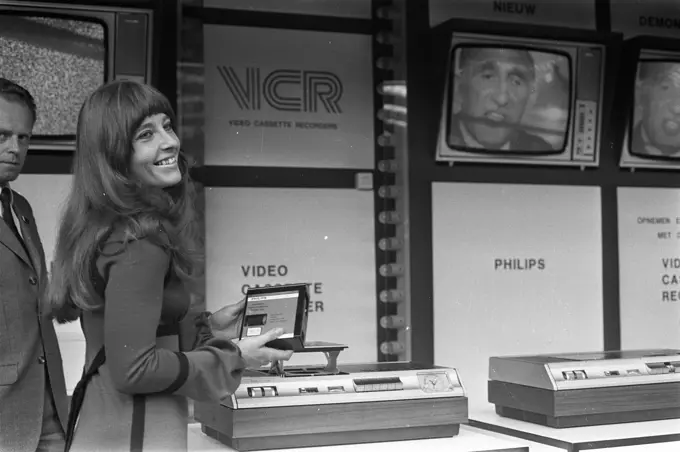
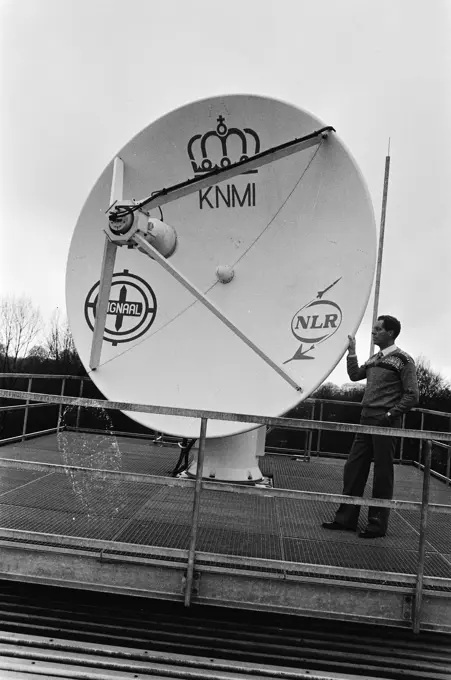
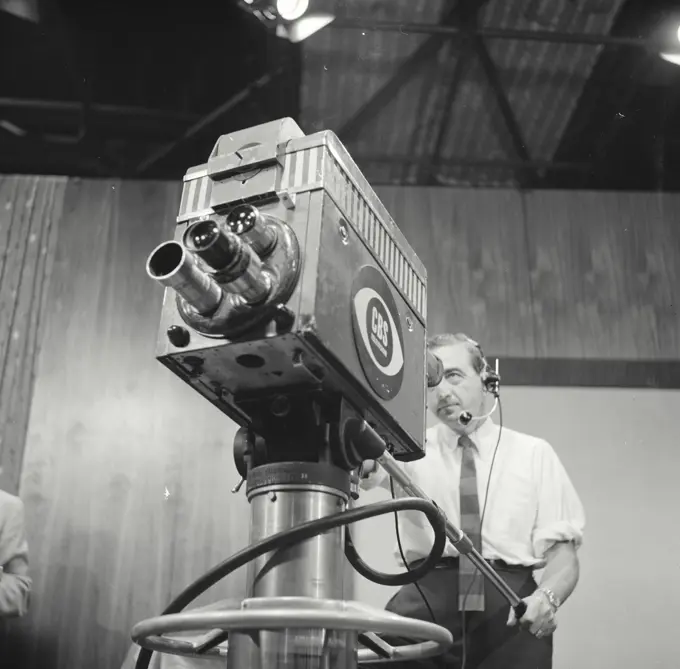
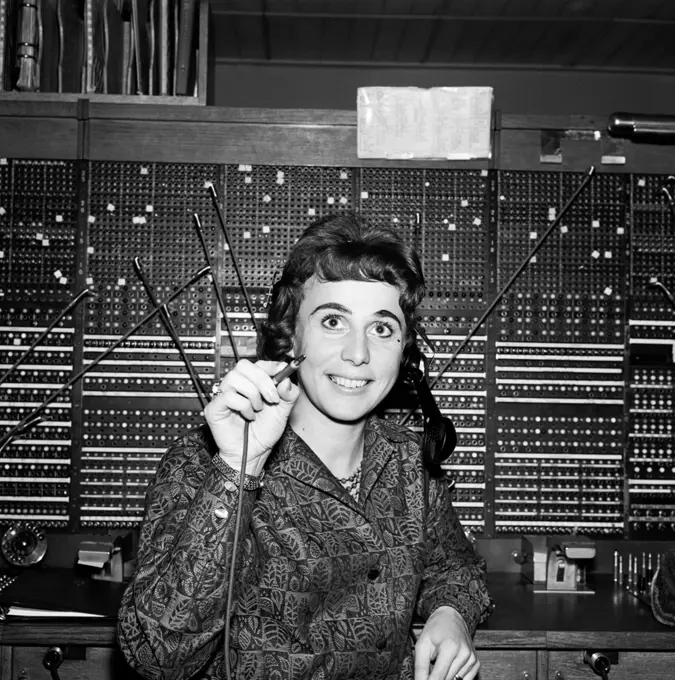
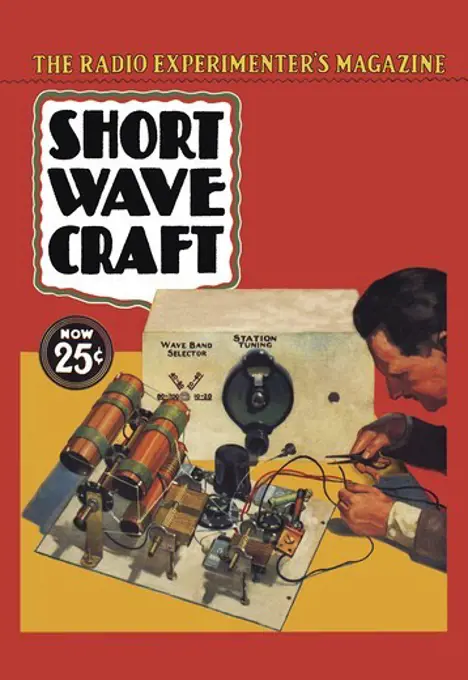
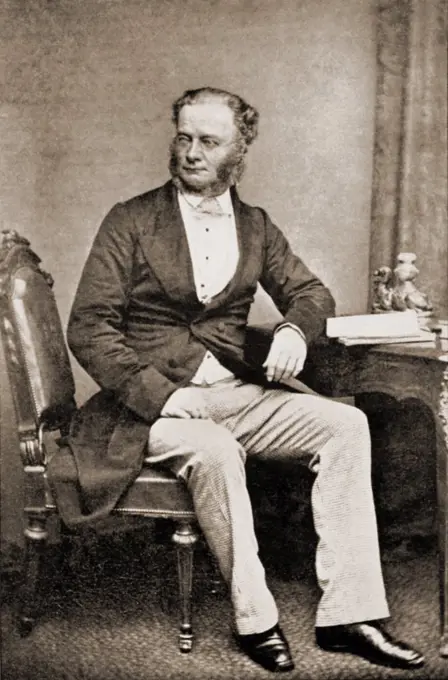
CAPE CANAVERAL, Fla. -- At NASA's Kennedy Space Center in Florida, remodeling for launches of future human spaceflight vehicles continues in the Launch Control Center's Young-Crippen Firing Room. Consoles already have been rewired for the comprehensive upgrade and are now being outfitted with new computers and monitors.Known as Firing Room 1 in the Apollo era, it was re-named as a tribute to the Space Shuttle Program's first crewed mission, STS-1, which was flown by Commander John Young and Pilot Robert Crippen in April 1981. The firing room most recently was set up to support the Ares I-X flight test in Oct. 2009.A video display screen at the missile launch commander's position in the Ground Launch Cruise Missile (GLCM) training simulator operated by the 868th Tactical Missile Training Squadron (TMTS). Commands are initiated by fingertip contact in the appropriate blocks on the screen. Base: Davis-Monthan Air Force Base State: Arizona (AZ) Country: United States Of America (USA)Full field spark station smallest design. (Backpackstation).Image of the test setup of the new electronic security of the N.S. station Hilversum in Hilversum.Electronic equipment at the Electronic and Air Force Depot Material Klu (DELM).Visitors to New York's World's Fair speak on the Picturephone, Bell Telephone System Pavillion, Flushing Meadow Park, Queens, New York, 1964. Photo: John G. Zimmerman Archive / courtesy Everett CollectionThis Cray supercomputer is located at the Frederick Cancer Research Facility (FCRF).Univac was the first computer designed for commercial use and 46 were built and installed in the 1950s. Designed by J. Presper Eckert and John Mauchly and the name UNIVAC was shortened from Universal Automatic Computer. 1959 photo.Vintage Photograph. Holloman Air Development Center - Large radar screens scans the skies over the New Mexico Desert, keeping a constant watch on a guided missile patterning overhead and obtaining information concerning missile flights.World war Two, Enigma coding machine, used in the early to early-mid twentieth century for commercial and military usage.Sharon Hogge, an electronics engineer, poses with autonomous sentry robot ROBART I and the HT3 Industrial Robot (on the left) at the Naval Surface Weapons Center. Base: Silver Springs State: Maryland (MD) Country: United States Of America (USA)Anefo photo collection. Electronic voting machine for elections on efficiency fair in RAI. October 10, 1978Microwave with touch pad controls 1990Demonstration of the control room during the commissioning of the Full Mission Flight Trainer (FMFT) for the Lynx helicopter at the MarineLiegkamp de Kooy.MVSRF Advanced CockpitPhotograph of Artist's Rendering of Airplane Sensors and Guidance Systems.CAPE CANAVERAL, Fla. -- In Firing Room No. 1 in the Launch Control Center at NASA's Kennedy Space Center, cabinets are being erected to hold equipment that will support the future Ares rocket launches as part of the Constellation Program.  Future astronauts will ride to orbit on Ares I, which uses a single five-segment solid rocket booster, a derivative of the space shuttle's solid rocket booster, for the first stage.  Ares will be launched from Pad 39B, which is being reconfigured from supporting space shuttle launches.  The Launch Control Center firing rooms face the launch pads.KENNEDY SPACE CENTER, FLA. - The STS-1 Space Shuttle Team celebrates a successful liftoff of Columbia form Launch Pad 39A a few seconds past 7 a.m. The orbital mission is scheduled to last for 54 hours, ending with an unpowered landing at Edwards Air Force Base in California. The STS-1 mission, known as a shuttle systems test flight, will seek to demonstrate safe launch into orbit and safe return of the orbiter and crew and verify the combined performance of the entire shuttle vehicle -- orbiter, solid rocket boosters and external tank.1LT Linda Showers works at a computer terminal as she creates a report assessing simulated aspects of a C-17 aircraft's flight. Based upon their studies, Showers and over one thousand other lieutenant engineers play an instrumental role in determing an aircraft's development.. Base: Wright-Patterson Air Force Base State: Ohio(OH) Country: United States Of America(USA)An exhibit of one of the first computers in the Smithsonian Institution.MOSCOW, RUSSIA - JUNE 11, 2018: Old original Apple Mac computer in museum in Moscow Russia MOSCOW, RUSSIA - JUNE 11, 2018: Old original Apple Mac computer in Apple museum in Moscow Russia Copyright: xZoonar.com/MariaxKraynovax 22074165Sandia Labs 1991 computers. Control console in a museum, Baikonur Space Museum, Baikonur Cosmodrome, KazakhstanMid adult man inspecting a radioGöta lion (depicted - name).Göta Lion (depicted - name)Radio Craft: Television over a Light Beam, Electronics - Radio & WirelessTelephone rool, nuclear bunker, Kall-Urft, Eifel, North Rhine-Westphalia, Germany, EuropeEmbodying a Cathode Ray Tube. The television projection unit. A cathode-ray tube (CRT) is a vacuum tube containing one or more electron guns, the beams of which are manipulated to display images on a phosphorescent screen.An engineer uses the computer aided design (CAD) system to develop the mount system for the tail section fo the B-1 bombers.. V 5804. Three Crown Crowns TelecomsAnefo photo collection. Firato 1971 in Rai Amsterdam, video cassette recorder. September 9, 1971. Amsterdam, Noord-HollandAnefo photo collection. Satellite receiving station in the KNMI in De Bilt. Satellite dish from the new station. December 22, 1982. De Bilt, UtrechtLow angle view of a cameraman operating a television cameraTelephone exchange, Stockholm Central StationInterior View of CIFView taken in Building 2, Room 135, during a Shuttle briefing. Shuttle officials Robert Thompson and Aaron Cohen and Astronaut John Young are seen as panel for the Shuttle briefing with various models of the Space Shuttle  Program display in front of them.            1. Robert Thompson     2. Aaron Cohen     3. Astronaut John Young         JSC, HOUSTON, TXNew Life for Old Radios, plate 23 from Bunk!. Sir Eduardo Paolozzi; British (1924-2005). Date: 1972. Dimensions: 424 × 292 mm. Color lithograph on paper. Origin: England. Museum: The Chicago Art Institute, Chicago, USA.KENNEDY SPACE CENTER, FLA. -- NASA Administrator Daniel S. Goldin (at right) shakes the hand of Sergio De Julio, president of the Italian Space Agency, Agenzia Spaziale Italiana (ASI), during the ceremony transferring the "Leonardo" Multipurpose Logistics Module (MPLM) from ASI to NASA. The event was held in the Space Station Processing Facility beside Leonardo. The MPLM, a reusable logistics carrier, will be the primary delivery system used to resupply and return International Space Station cargo requiring a pressurized environment. Leonardo is the first of three MPLM carriers for the International Space Station. It is scheduled to be launched on Space Shuttle Mission STS-100, targeted for April 2000Hydraulic monoplane model  Payload canister exiting the VABJapanese guys, computer components, 70sShort Wave Craft: This Converter, Electronics - Radio & WirelessWilliam Fothergill Cooke (1806-1879), with Charles Wheatstone, invented the Cooke-Wheatstone electrical telegraph, patented in 1837. It differed from the Morse telegraph in that the receiver pointed to letters, which spared operators the task of translating code.