Historic Terracotta Bowls

A collection of ancient terracotta bowls from Vietnam and East Asia, featuring unique glazes and traditional decorative patterns.

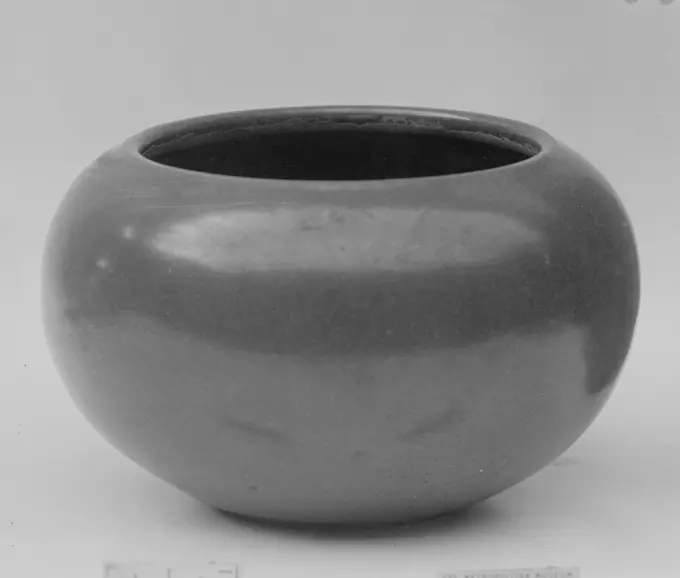
Grand Bassin.. Vietnam-XEN Vietnam. Park s. Paris, museum berne. 72187-6 Large basin, Vietnamese object, terracotta
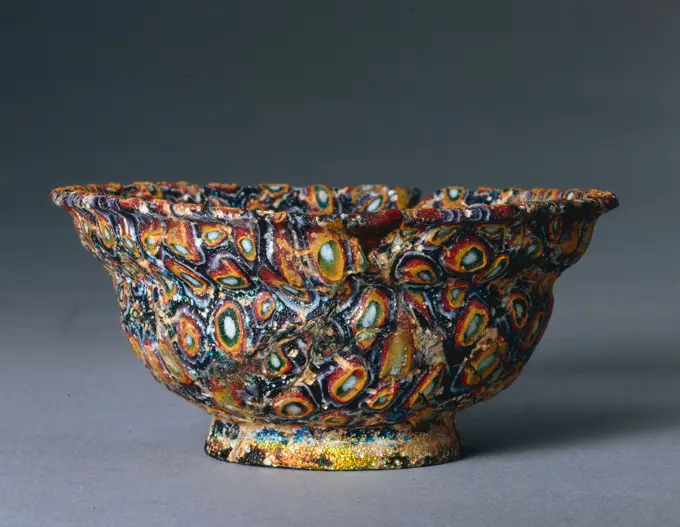
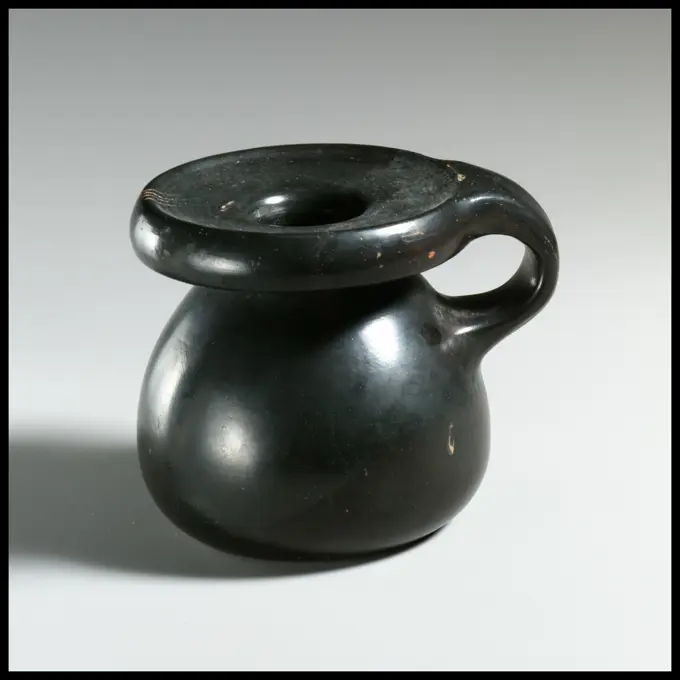
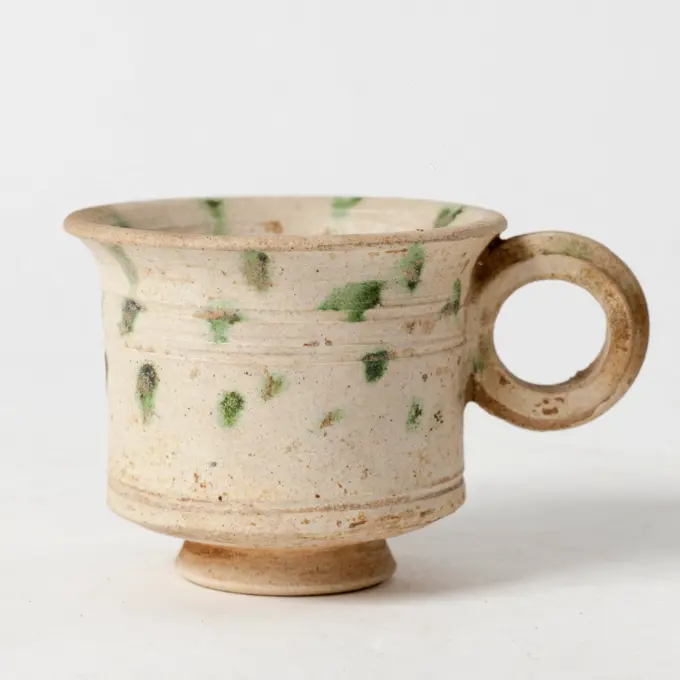
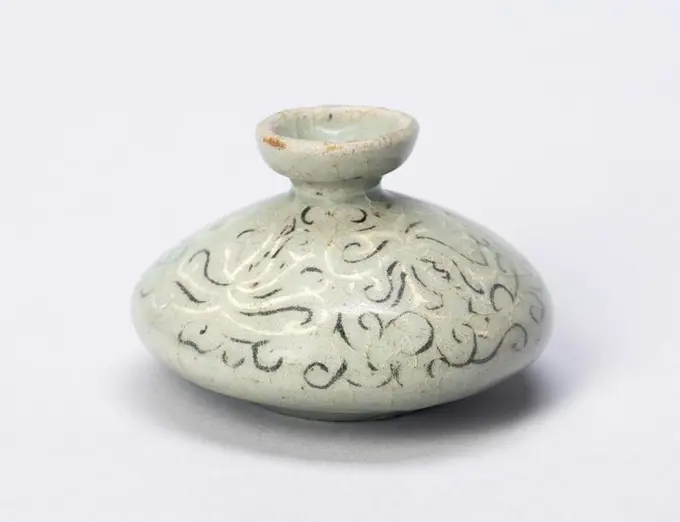
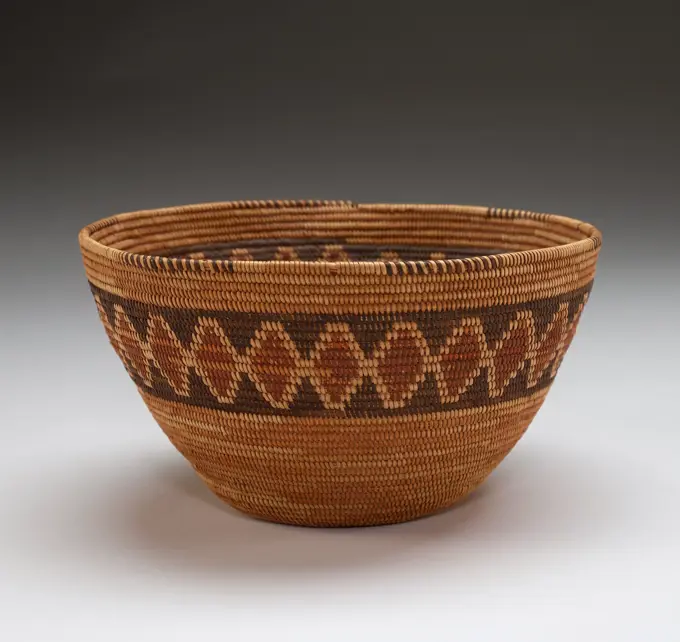
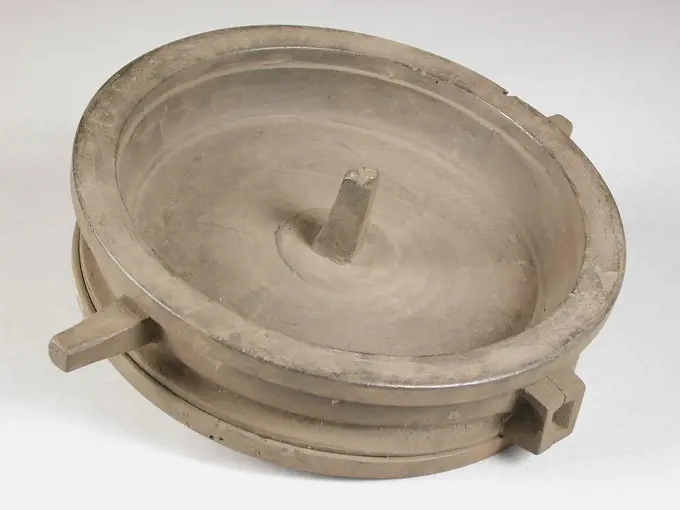
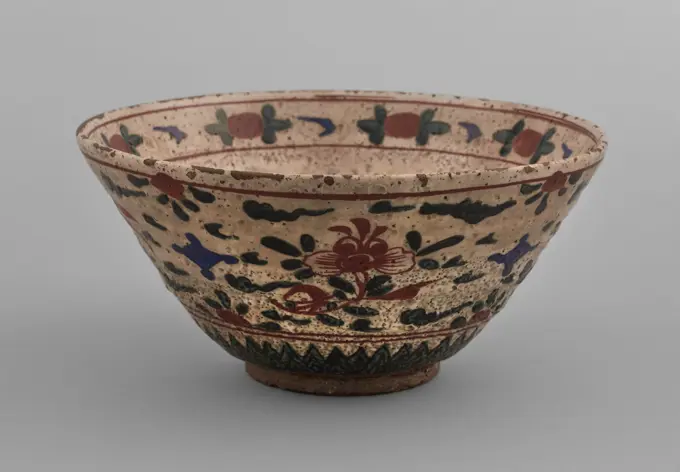
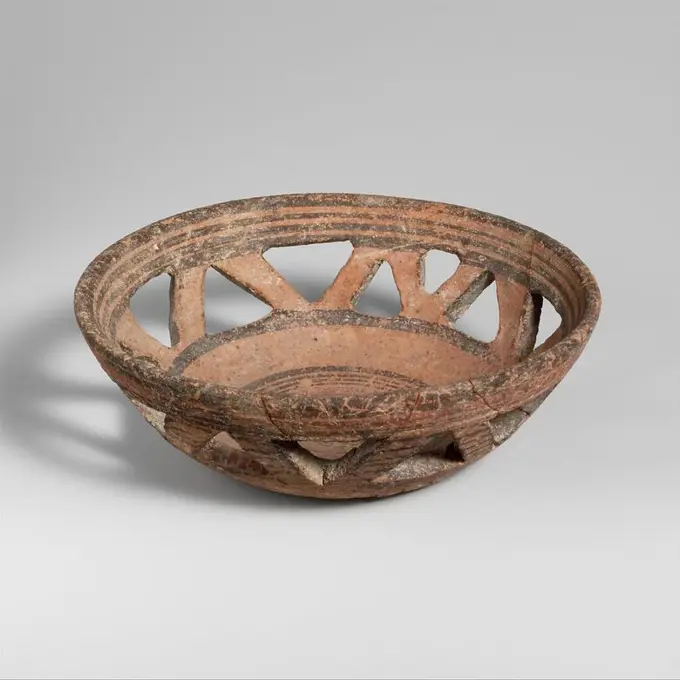
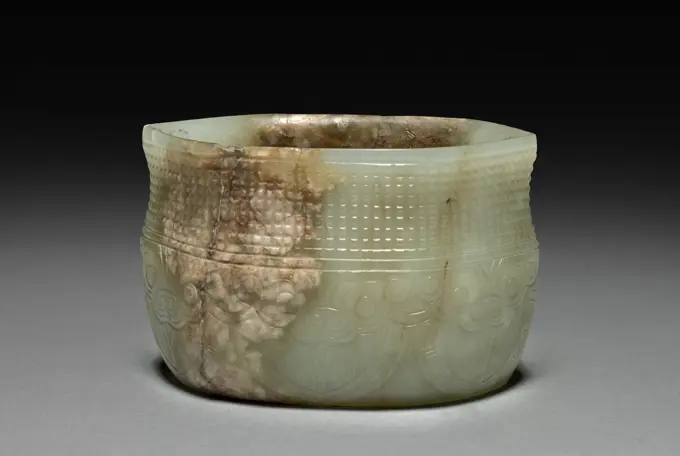
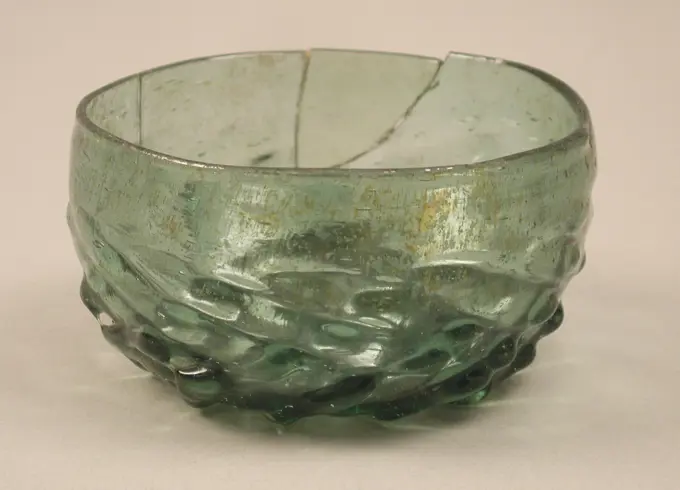
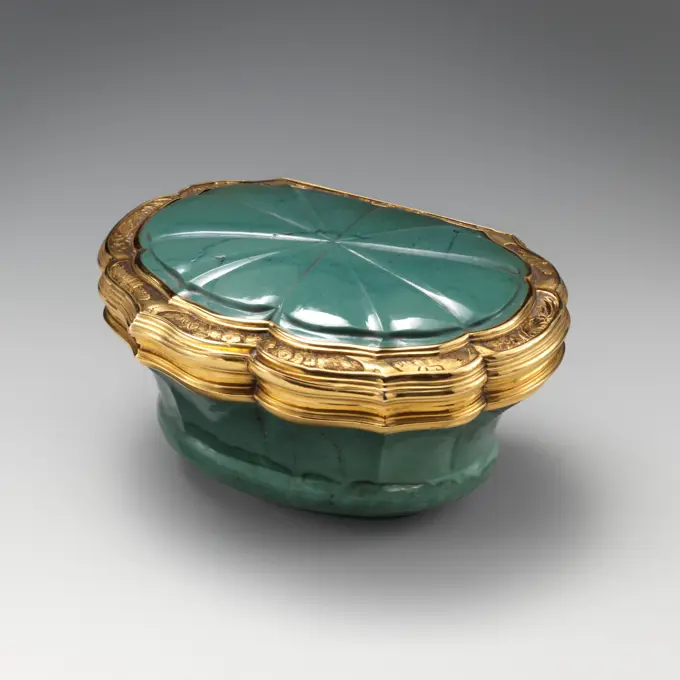
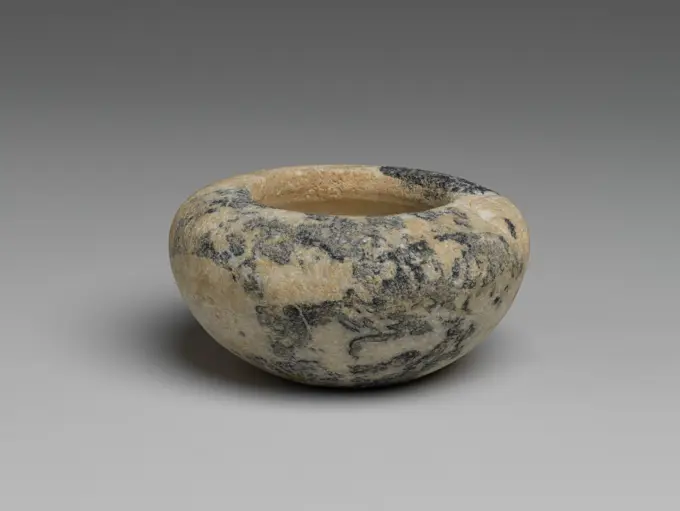
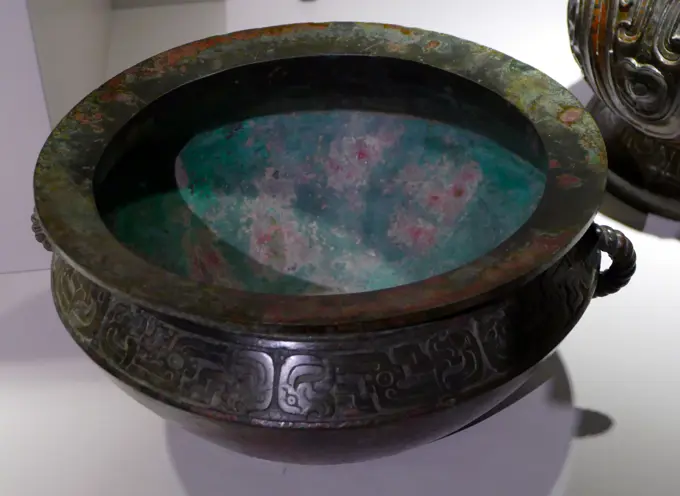
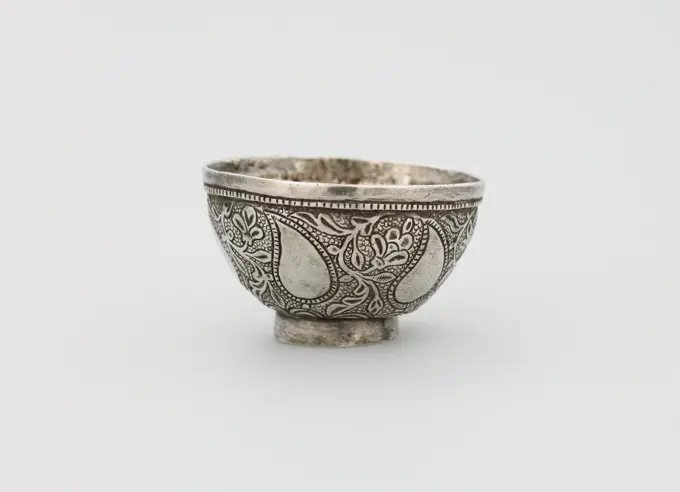
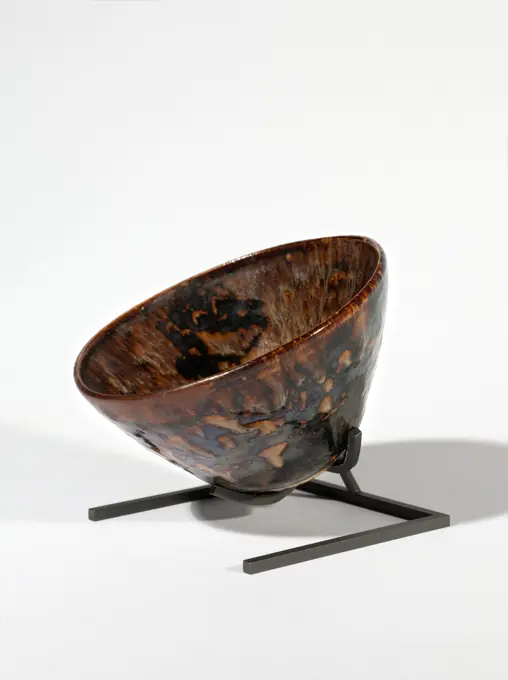
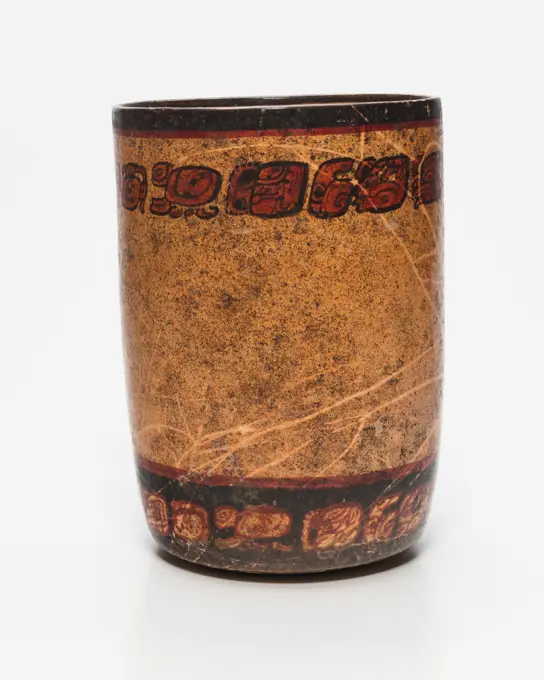
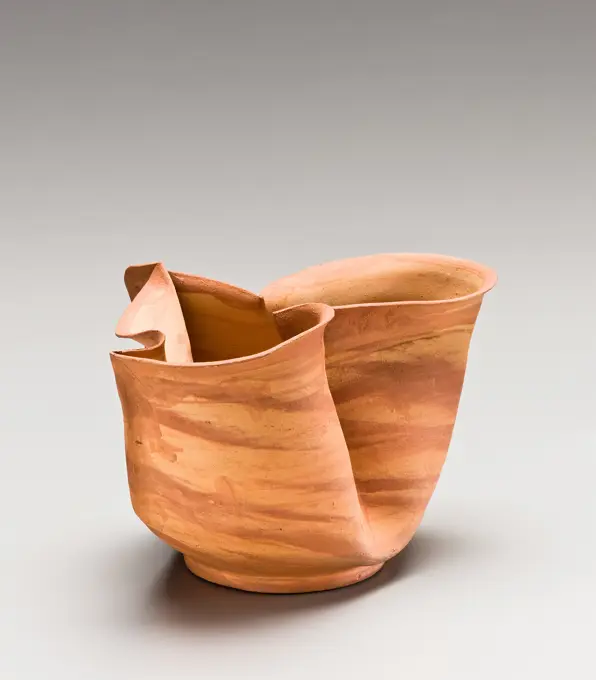
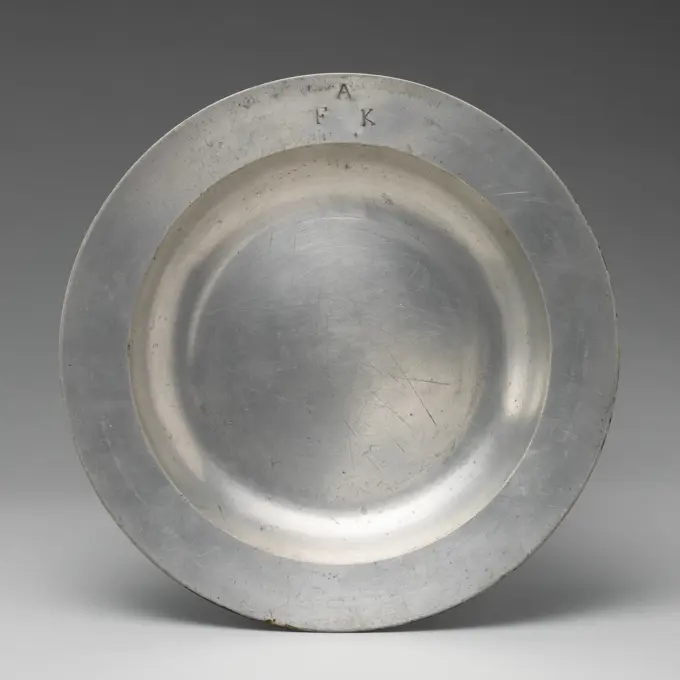
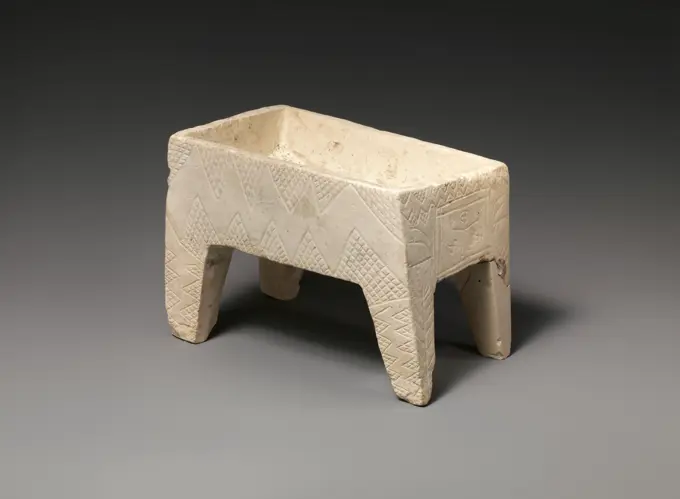
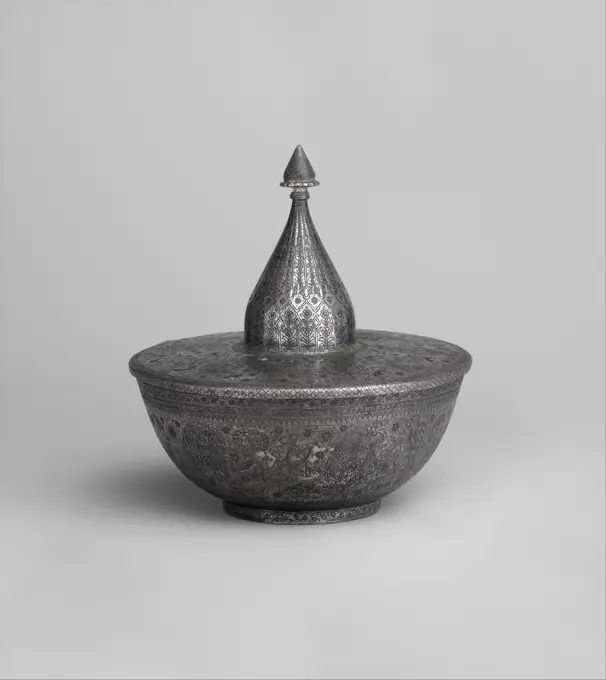
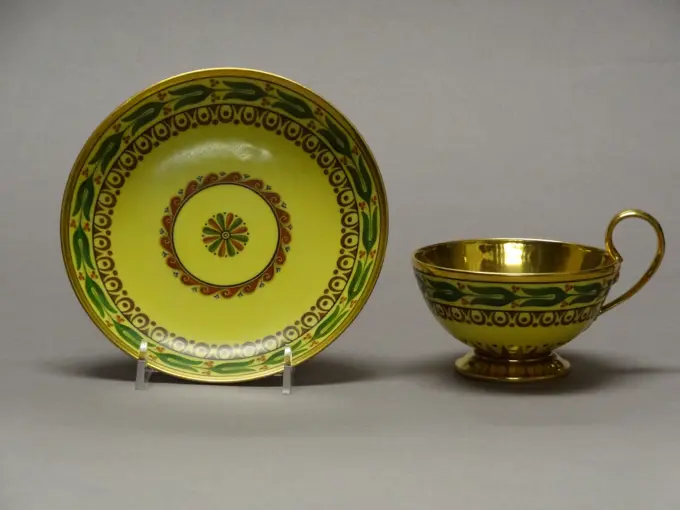
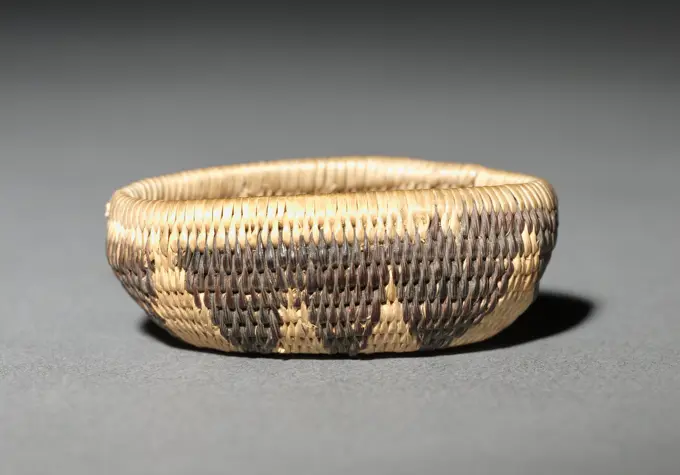
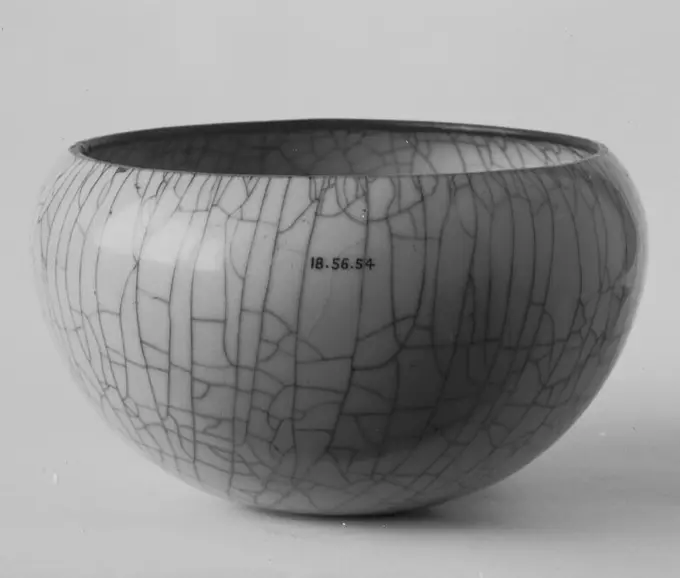
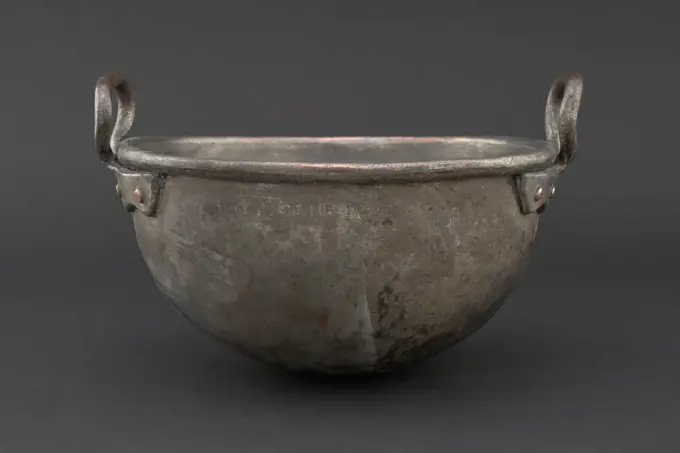
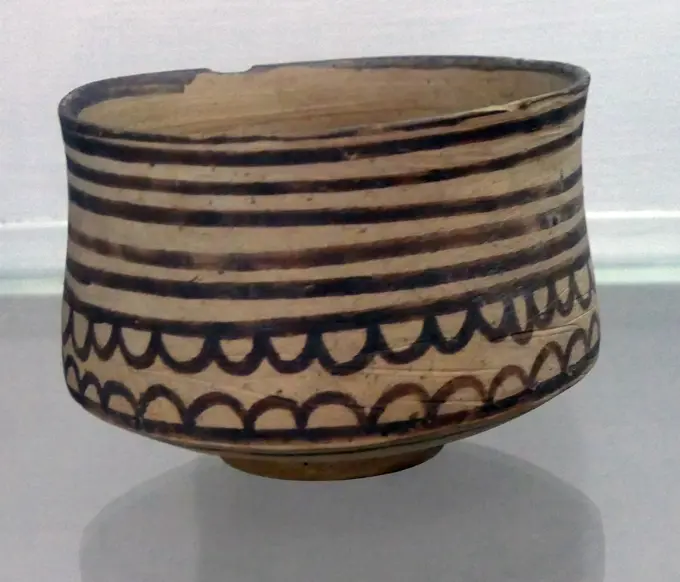
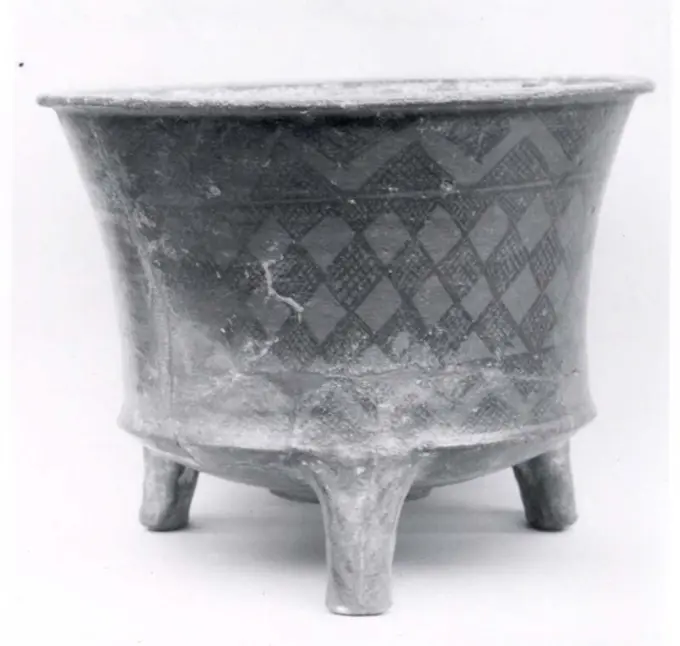
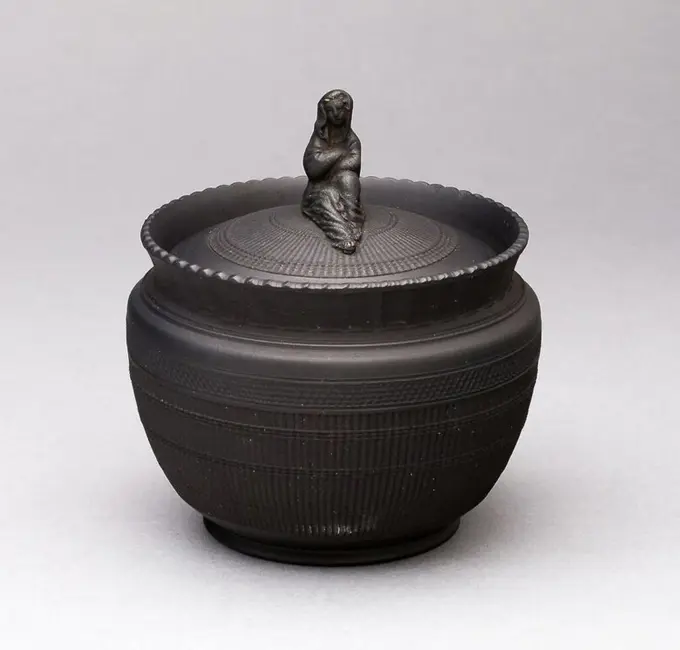
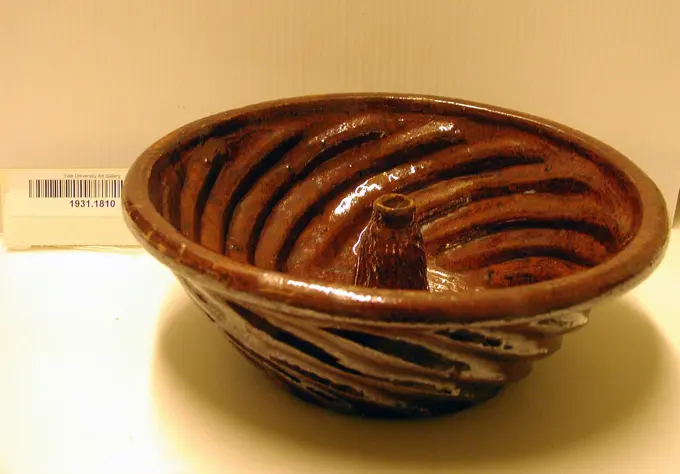
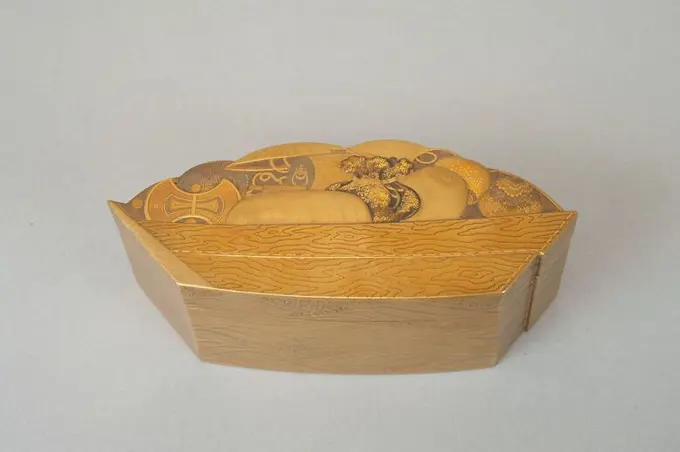
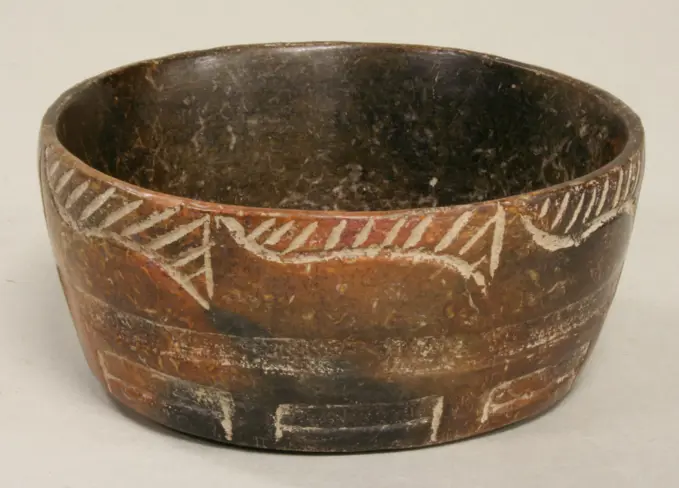
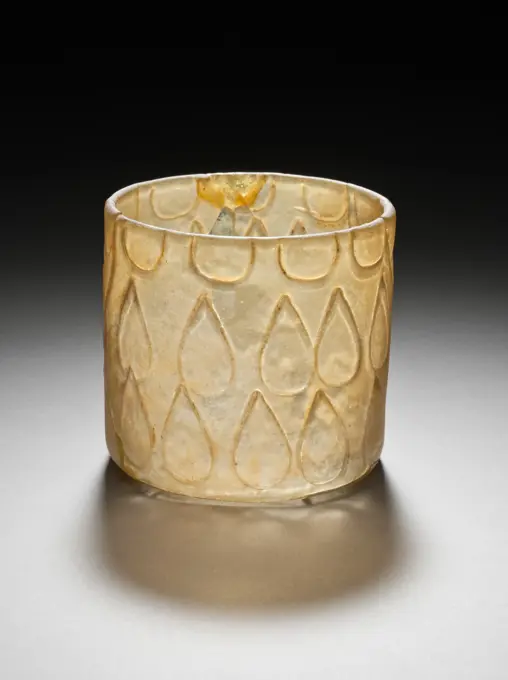
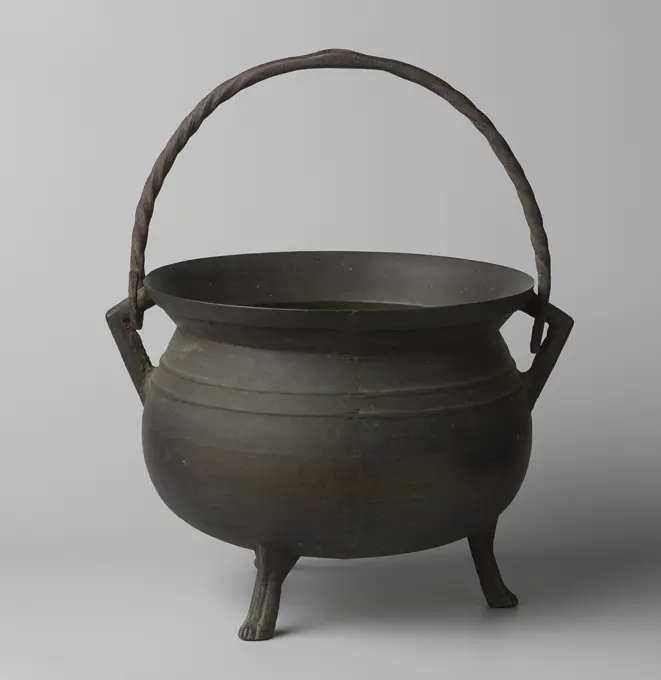
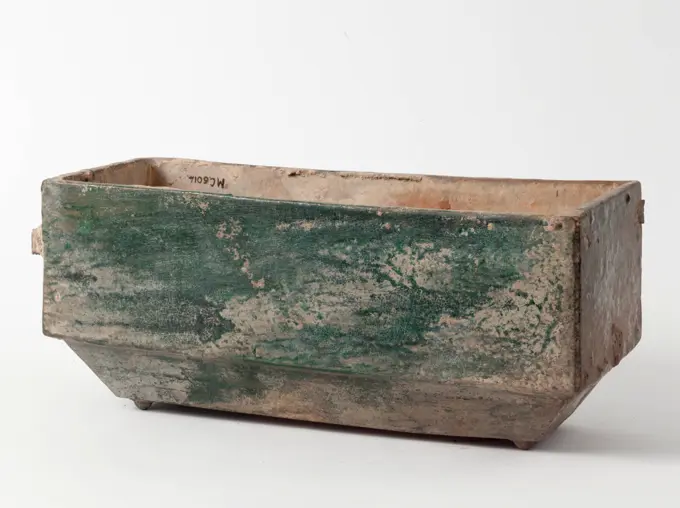
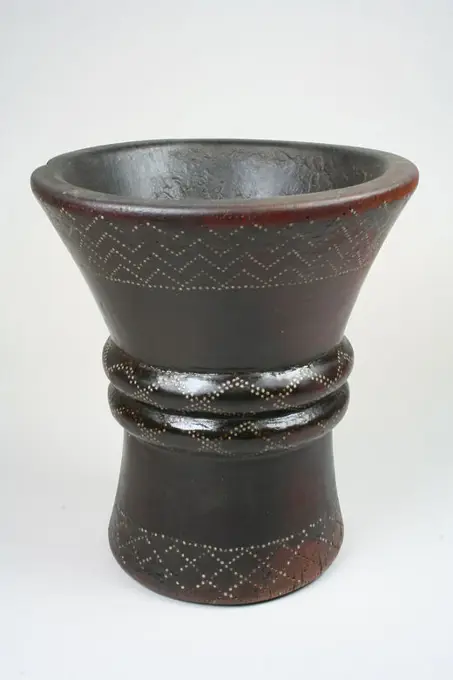
Incense Burner in archaic guiformMillefiori Bowl, AD 1-100. Italy, Roman, 1st Century. Glass; overall: 4.3 x 8.7 cm (1 11/16 x 3 7/16 in.); diameter of foot: 4 cm (1 9/16 in.).Pot ". Ceramics. China, Dynasty of Song. Paris, Cernuschi Museum. 72685-24 Chinese, ceramic art, Song dynasty, brown, decorative motif, potPorringer. Samuel Gray II (United States, 1710-1770). United States, Massachusetts, Boston, circa 1742. Furnishings; Serviceware. SilverTerracotta perfume pot 4th century B.C. Greek, South Italian, Apulian With broad lip.. Terracotta perfume pot. Greek, South Italian, Apulian. 4th century B.C.. Terracotta; black-glaze. Late Classical. VasesPainted Bowl with Birds 1st-4th century Nasca. Painted Bowl with Birds 309403Cup. Porcelain sandstone with blue decoration under cover. Provenance: Vietnam. Paris, Cernuschi museum. 79873-3 Cup, archeological object, dishesancient metal bowl on dark background. antique bronze tableware. ancient metal utensilsCup ". Terracotta spotted with green glaze. China, Tang Dynasty (618-907). Paris, Cernuschi museum. Anse, Chinese art, Chinese ceramic, container, tang dynasty, green glacure, container, stain, cup, terracotta. Fragment of a shallow bowl. Decorated with palmets and half palmets in cobalt blue on a background of white tining acid.Tabilarity with over. Tabilarity with over. Rand is bothered. V.Z.V. Label.Vase China. Vase. China. Porcelain. Qing dynasty (1644-1911), Qianlong period (1736-95). CeramicsIncised Bowl with Animal and Geometric Motifs 5th-4th century B.C. Paracas. Incised Bowl with Animal and Geometric Motifs 308495Bowl China. Bowl. China. Porcelain with incised design under a green glaze. Qing dynasty (1644-1911), Qianlong mark and period (1736-95). CeramicsOil Bottle with Cranes and Stylized Clouds 1235-1265 Korea. Celadon-glazed stoneware with underglaze inlaid decoration of black and white clays .Bowl Matejko, Stefan Witold (1872 1933), J. Nieg Wiecki, Kraków D BnikiKubek. nieznany warsztat północno mezopotamski, workshopPlate 1814-39 Samuel Kilbourn. Plate. American. 1814-39. Pewter. Made in Baltimore, Maryland, United StatesOil Bottle with Scrollwork. Korean. Date: 1100-1299. Dimensions: H. 4.6 cm (1 13/16 in.); diam. 7.1 cm (2 13/16 in.). Stoneware with underglaze inlaid decoration of black and white clays. Origin: South Korea. Museum: The Chicago Art Institute, Chicago, USA.Vijzel with hunting scenes and the inscription Antoni Wilkes Me Fecit Enchvsae Anno 1661, Antoni Wilkes, 1661 The cast round auger extends upwards, has a high protruding edge and a profiled base, which is applied higher than the bottom of the object. On the edge in Latin Majuskels the inscription Antoni Wilkes Me Fecit Enchvsae Anno 1661 with punctures consisting of a rosette built up from seven balls (seven times). The wall is decorated with two Frisians. On the top the motif is repeated more than twice the motif of a Renaissance vase between two symmetrically placed angels with a palm branch, sitting on ranking, in which a horn of abundance is included and of which the second volute ends in a mask. The partially repeated show on the lower frieze is derived from hunting: a rider and his footsters are on the falcon hunt, a man holds a piece of meat () For a lion, a rider hunts with three dogs on a deer, that also is approached by a footmeg with a lance, while a man blows on a horn. EnkHengselmand, anonymous, c. 1800 - c. 1900 A basket of silver filigrein. Europe silver (metal) filigree A basket of silver filigrein. Europe silver (metal) filigreeBasket. Culture: Japan. Dimensions: H. 5 1/2 in. (14 cm). Date: 19th century. Museum: Metropolitan Museum of Art, New York, USA.Skyphos ca. 350-300 B.C. Greek, South Italian, Apulian. Skyphos 255685Basket, 1900-1915, 4 1/8 × 7 9/16 × 7 9/16 in. (10.48 × 19.21 × 19.21 cm), Plant fibers, United States, 20th centuryBeaker. Western Iran, circa 1000-650 B.C.. Furnishings; Serviceware. Bronze, hammeredCzarka - a bowl;  10th century (901-00-00-1000-00-00);Semerau-Siemianowski, Władysław (1849-1938), Semerau-Siemianowski, Władysław (1849-1938)-collection, gift (provenance), Islam (culture), Persian (culture), Islamic artFour-piece bronze mold for collar of pot or pan or large bowl, cast molding tool tools base metal bronze, cast turned Four-piece bronze mold for top or collar of pot bowl or pan Rotterdam tin foundry tin pourer tin Meeuws Druy craft Shapes are from the van origins 18th century Rotterdam tinnegieter J Druy. The large molds that were not signed or dated were the property of the tinker guild and were rented to the small tin caster.Tripode ". Terracotta. Vietnam-Xe-Xive s. Paris, Cernuschi museum. 72185-40 Vietnamese object, terracotta, tripodBowl Made 1917 United States (Artist's nationality), Trenton (Object made in). This rare surviving ceramic work by Edward Middleton Manigault represents the experimentation with different media by many American artists in the early 20th century. Although Manigault is best known for painting imaginative and boldly colored canvases, traumatic experiences as a volunteer ambulance driver in World War I led to a dramatic change in his artistic output. In 1916 the artist set aside oil painting in favor of porcelain painting, a craft practice that was just beginning to take hold as therapy for soldiers and veterans. The bowlís rich colors and overall pattern recall the brilliance of Persian ceramics while also showcasing Manigaultís painterly flourishes as colors bleed into one another and drip across the bowlís surface.. Porcelain with overglaze enamel . Edward Middleton ManigaultKylix Corinthian workshopPyxis And Cover; terra-cottaBol (usual name), 1368. sandstone clothed with a white cover, decor of enamels painted on the cover. Cernuschi Museum, Asia Museum of Asia in the city of Paris.Greek civilization, salt cellar made of quartz, from Mycenae, GreeceTerracotta basket bowl. Culture: Cypriot. Dimensions: H. 1 15/16 in. (4.9 cm); diameter 5 5/8 in. (14.3 cm). Date: 850-750 B.C..Decorated with triangular openings and concentric bands in black and red. Museum: Metropolitan Museum of Art, New York, USA.Cup, 960- 1279. China, Song dynasty (960-1279). Jade; overall: 3.4 x 6.9 cm (1 5/16 x 2 11/16 in.).Drinking Bowl 15th century German The maigelein is a type of small shallow drinking bowl often molded, as here, with a pattern of intersecting ribs. It was widely produced and used in Germany and the Netherlands during the fifteenth and sixteenth centuries.. Drinking Bowl 466672Circular Box: Qingbai Ware, 1200s-1300s. China, Southern Song Dynasty (1127-1279) - Yuan Dynasty (1271-1368). Glazed porcelain; diameter: 5.2 cm (2 1/16 in.).Shell-shaped box ca. 1740 British or German Tobacco, first imported to Europe from the New World in the late 16th century, was originally praised for its medicinal properties. It soon became a recreational drug, and smoking a widespread pastime. Special containers with a tight fitting lid were created to keep the snuff (shredded tobacco leaves) fresh. Created of gold, enamel, porcelain or hard-stones, these luxury objects were frequently presented as gifts.. Shell-shaped box. British or German. ca. 1740. Jasper, gold. Metalwork-Gold and PlatinumMarble bird's-nest bowl Minoan ca. 1800-1700 BCE Bird's nest bowl, plain with rounded shoulder and small mouth. View more. Marble bird's-nest bowl. Minoan. ca. 1800-1700 BCE. Marble. Middle Minoan I-II. Miscellaneous-Stone VasesLarge Covered Box 14th-ca. mid-16th century Thailand (Si Satchanalai). Large Covered Box 37491. Tea bowl of stoneware in shoe form, partly covered with black glaze. The side walls and the lower part of the bowl are unglazed. On the side walls on the outside squares with dots or circles in elongated compartments. Orie.Bronze ritual wine vessel from the Western Zhou Dynasty. Dated 11th Century BCWine cup, 20th century, 1 3/8 x 2 5/16 x 2 1/4 in. (3.49 x 5.87 x 5.72 cm), Silver, 20th centuryBowl - Bennington Potters Bennington PottersTea bowl. Terracotta with brown covered. China, Song Dynasty. Paris, Cernuschi museum. 72776-23 Asian art, Bol A The, Ancient Ceramic, Covered, Song Dynasty, Email, glacide, Chinese object, Chinese pottery, Terracotta, Xeme X 10th 10th 10th century, Xieme Xie 11th 11th 11th 11th century XII 12th 12th 12 CENTURYFragment of stoneware jug, neck with decorated frieze and cartouche with signature, jug crockery holder soil find ceramic stoneware glaze salt glaze, hand rotated stamped glazed glazed baked carved Neck belly fragment of stoneware jug gray shard with salt glaze curled tail in the neck frieze: JAN ERNST or ERNOT possible client or potter archeology import pottery serving serve drinking wine beerOnyx Bowl before 16th century Mexican. Onyx Bowl 317560Cylindrical Vessel 250 CE-900 CE México. Ceramic and pigment . MayaMirror Box with Head of Athena (lid), 400-375 BC. Greece, early 4th Century BC. Bronze, partially gilt; diameter: 11.3 cm (4 7/16 in.).Bowl 15th-early 16th century Aztec. Bowl 319462Caviar Bowl. Designed by Edward Hald; Swedish, 1883-1980; Made by Orrefors Glassworks (Glasbruk); Småland, Sweden, founded 1898. Date: 1930. Dimensions: 8.7 x 19.1 x 13.3 cm (3 7/16 x 7 1/2 x 5 1/4 in.). Glass. Origin: Orrefors. Museum: The Chicago Art Institute, Chicago, USA.Cover for a Qingbai Ware Bowl, 1100s-1200s. South China, Southern Song dynasty (1127-1279). Porcelain with pale bluish-white glaze, Qingbai ware; lid: 4 x 15.3 cm (1 9/16 x 6 in.).Bowl 4th-7th century Coptic. Bowl. Coptic. 4th-7th century. Earthenware, slip decoration. Made in Kharga Oasis, Byzantine Egypt. CeramicsBowl 12th-13th century China. Bowl 52634Bowl ca. 1898-1910 George E. Ohr In many ways George Edgar Ohr was the quintessential Arts and Crafts potter, combining artistic vision with extraordinary skill with his hands. Working in the seaside resort town of Biloxi, Mississippi, he dug the clay, processed and prepared it, threw the shape on the wheel, altered the piece according to his vision, mixed and applied his own glazes, fired the kiln, created his own style of advertising, and took his wares on the road. Ohrs personal mantra was "no two alike," and he was as eccentric as his work was individualistic, with its manipulated forms on ultra-thin thrown vessels, crimping, ruffling, off-centering, and twisting, to create unprecedented forms for the 1890s. To these forms, he applied his own completely new and unusual glazes, applied by sponging, splashing, and spattering, resulting in works that in many ways anticipated the abstract art movements that would find form decades later.With some objects, including this bowl, Ohr foldBowl, 9th-10th century, 2 1/4 x 8 in. (5.72 x 20.32 cm), Earthenware with overglaze decor in cobalt blue, Iraq, 9th-10th centuryTripod Cylindrical Jar (Lian or Zun) 101 CE-199 CE China. Earthenware with green lead glaze .Bowl 1670-1730. Bowl 663Terracotta dish. Culture: Greek, South Italian, Campanian, Teano. Dimensions: Other: 1 5/8 x 9 1/2 in. (4.1 x 24.1 cm). Date: ca. 330-300 B.C..Shallow dish with ring base, decorated with ivy vine and stamped pattern. Museum: Metropolitan Museum of Art, New York, USA.Oil Bottle with Swirl Design 1135-1165 Korea. Celadon-glazed stoneware with overglaze swirls .Mortar and pestle ca. 1780 Wedgwood and Bentley. Mortar and pestle. British, Staffordshire. ca. 1780. Unglazed fine stoneware, wood. Ceramics-PotteryFingerbowl, from a set of 12, c. 1929-1930, 1 5/8 x 4 5/8 x 4 9/16 in. (4.1 x 11.7 x 11.6 cm), Silver, Mexico, 20th centuryAlabaster bowl 6th-4th century B.C.  Cypriot The lip of the bowl curves in strongly.. Alabaster bowl 244008Model of a punch spoon, anonymous, c. 1800 - c. 1850 Model in lead or tin for a silver punch spoon. The oval shape is lobed. West-Europa lead (metal). tin (metal) Model in lead or tin for a silver punch spoon. The oval shape is lobed. West-Europa lead (metal). tin (metal)Bowl probably 1st century Roman. Bowl 460818Soup plate 18th century Richard Going. Soup plate. British. 18th century. Pewter. Metalwork-PewterLazio Viterbo Viterbo Museo Civico63. Hutzel, Max 1960-1990 Views of paintings (Middle Ages through 18th c.), frescoes, a tabernacle, coffin, sculpture reliefs, portal fragments, busts, sculpture, tapestry found in the Pinacoteca, Second floor gallery and Second floor cloister sequences. Antiquities: Many views of Etruscan and Roman fragments, sculpture, sarcophagi, pottery, masks, jewelry and other objects found in the Storeroom sequence (inventory numbers on back of prints), and the Cloister, Second floor Cloister, Valle Giulia, Sala Romana and Sala Etrusca sequences. General Notes: There are eight separate numerical sequences for this location. The cloister as an architectural structure, rather than museum site, is documented in the record and file for S. Maria della Verita, Cloister, all views of which are stored in Medieval core collection. Five views from the Museo Civico Second floor cloister sequence are stored in Medieval. German-born photographer and scholar Max Hutzel (1911-Limestone model of a coffin ca. 1050-950 B.C. Cypriot On the short ends of the model appear a schematic figure with upraised arms, two flanking caprid quadrupeds, and, below, branches. However stylized the execution, the motifs are familiar from other contemporary media. Model coffins are known in Cyprus from the Late Bronze Age on; they probably reproduce examples of wood.. Limestone model of a coffin 244046Bowl with Cover 19th century Objects like this bowl with cover were typically displayed in open niches in reception rooms of upper-class Syrian residences during the Ottoman period.. Bowl with Cover 444537Terracotta bowl ca. 20 B.C.-A.D. 10 Roman These three large stemmed bowls are good examples of the mass-produced, mold-made vases of the Italian pottery industry during the reign of the Emperor Augustus. All are decorated with rich foliage and figures that recall the classical past. They all have a stamp bearing the name of the potter, indicating that two of them were made at Arretium (modern Arezzo, Italy) itself, but one (06.1021.280), of slightly inferior quality, was produced at Puteoli (modern Pozzuoli, Italy).Rogers Fund, 1906 (06.1021.280)Rogers Fund, 1910 (10.210.37). Terracotta bowl. Roman. ca. 20 B.C.-A.D. 10. Terracotta; Arretine ware. Early Imperial, Augustan. VasesSèvres Porcelain Manufactory, Cup and Saucer, c. 1815-20, hard-paste porcelain.Miniature Basket, Before 1923. America, Native North American, Southwest, Arizona, Akimel O'odham (Pima), Unassigned. overall: 1.5 x 3.6 x 2 cm (9/16 x 1 7/16 x 13/16 in.).Begging Bowl. Culture: China. Dimensions: H. 3 7/8 in. (9.8 cm); W. 6 1/2 in. (16.5 cm). Museum: Metropolitan Museum of Art, New York, USA.Bowl ca. 7th-6th century B.C. Iran This shallow bowl, which has been reconstructed from a handful of sherds, has a flat base and an inturned rim. A horizontal loop handle emerges from the shoulder on one side. It is made of a buff clay, using a potters wheel. It was excavated at Tepe Nush-i Jan, an Iron Age hilltop site about 60 km sound of Hamadan in western Iran. Nush-i Jan was occupied in the 7th and 6th centuries B.C., and its occupants are generally thought to be the Medes, an Iranian people known from Assyrian, Achaemenid and Biblical sources. Though the textual sources portray them as a powerful empire, archaeological evidence for the Medes has yet to sustain this impression. Rather, they seem to have lived in scattered fortified sites in western and central Iran, without any clear capital. Nush-i Jan, one of the best known of these sites, features two temples, a columned hall, and a fort, where the bowl was found.. Bowl 325971Cat;  XIX/XXW. (1891-00-00-1910-00-00);Vichrome potter ware from India dating back to 3000 BC. Fluted bowl ca. 6th-5th century B.C. Achaemenid In the sixth century B.C., under the leadership of Cyrus the Great (r. 538-530 B.C.), the Achaemenid Persian dynasty overthrew Median kings and established an empire that would eventually extend from eastern Europe and Egypt to India. Achaemenid rulers included such famed kings as Cyrus, Darius I (r. 521-486 B.C.), and Xerxes I (r. 485-465 B.C.). They built palaces and ceremonial centers at Pasargadae, Persepolis, Susa, and Babylon. The Achaemenid Dynasty lasted for two centuries and was ended by the sweeping conquests of Alexander the Great, who destroyed Persepolis in 331 B.C. The Achaemenid period is well documented by the descriptions of Greek and Old Testament writers as well as by abundant archaeological remains.Fluted bowls and plates of the Achaemenid period continue a tradition begun in the Assyrian Empire. While they were given as royal gifts, it seems that they were also valued and exchanged simply for the weight of the preciouBracelet 500 B.C.-A.D. 300 Thailand. Bracelet 53871Tripod bowl ca. 2000-1600 B.C. Iran This cylindrical bowl has a rounded bottom and an outturned rim, and sits on three legs. It is made of buff clay, with painted black geometric decorations. It was found in a grave at Kamterlan II, a mound in Luristan in the Zagros Mountains of western Iran. Although it had been a settlement in the late third millennium B.C., by the second millennium the site had become a cemetery. It is difficult to say what purpose this bowl served, or even to determine whether it was a special funerary item or an object of everyday use.It is often thought that the inhabitants of Luristan in this period were pastoral nomads, who moved with their herds from the high valleys of the Zagros during the summer to lowland pastures in the winter. This theory arises from the dearth of evidence for settlements, and the occurrence of isolated cemetery sites. At the same time, the infrastructure necessary for bronze working, an important industry in Luristan, suggests that someKohl Jar. Egyptian. Date: 1550 BC-1069 BC. Dimensions: 3.7 × 5 × 5 cm (1 1/2 × 2 × 2 in.). Stone. Origin: Egypt. Museum: The Chicago Art Institute, USA. Author: Ancient Egyptian.Dish with Inverted Petal-Lobed Rim 960 CE-1127 China. Yaozhou ware; glazed stoneware .Bowl 13th century China. Bowl. China. 13th century. Stoneware with celadon glaze (Longquan ware). Southern Song dynasty (1127-1279). CeramicsSmall Bowl 19th century Japan. Small Bowl. Japan. 19th century. Clay decorated with slip and black outlines under transparent glaze (Kiyomizu ware, Kenzan style). Edo (1615-1868) or Meiji period (1868-1912). CeramicsSugar Bowl. Hackwood, Dimmock & Co.; English, 1807-1827. Date: 1810-1820. Dimensions: H. 11.4 cm (4 1/2 in.). Stoneware (basaltware). Origin: Hanley. Museum: The Chicago Art Institute, Chicago, USA.CakeMoldTreasure Boat-shaped Incense Box Kogo. Culture: Japan. Dimensions: H. 2 in. (5.1 cm); W. 5 1/2 in. (14 cm): D. 2 1/8 in. (5.4 cm). Date: 17th century. Museum: Metropolitan Museum of Art, New York, USA.Bowl 12th-9th century B.C. Olmec. Bowl 316624Beaker. Iran, 9th century. Glass. Glass, impressed decorationCooking pot with two ornamental rings over the wall. The object in its entirety has a casting seam in the middle between the ears on the outside. The wide round nearly flat trunk has two ornamental rings (ribs). The straight sloping straight-oriented neck makes a blunt angle with the abdominal wall on the outside. The straight upper part of the neck thicked out of the neck takes into the place of the lip edge. The pot stands on three stylized claw legs, one of which is placed under an ear. The slower of more or less round ears, which form a blunt angle, are in each other's extended on the belly and applied to the upper part of the neck. The wrought iron handle has been taught to the opposite stamps and drreed slightly in the middle. Right next to one of the ears a landmark in the form of an A.Garden ". Terracotta with green lead glaze. Han dynasty (206 BC-220 AD). Paris, Cernuschi museum. Chinese art, Chinese Ceramic, Han dynasty, Han time, rectangular shape, garden, terracottaCoverd bowl with a geometrical foliate decoration, anonymous, c. 1800 - c. 1899 Porcelain lid of lid bowl, painted on the glaze in red, green, black and gold. The wall is covered with a geometric leaf pattern; A decorative band on the edge. The button ring is green. Exports for Thailand in the Bencharong style (five colors). Porcelain with email colors. China porcelain. glaze. gold (metal) painting / gilding / vitrification Porcelain lid of lid bowl, painted on the glaze in red, green, black and gold. The wall is covered with a geometric leaf pattern; A decorative band on the edge. The button ring is green. Exports for Thailand in the Bencharong style (five colors). Porcelain with email colors. China porcelain. glaze. gold (metal) painting / gilding / vitrificationBowl;  around 2686- 2181 BC ; Old state (-2686-00-00--2181-00-00);Bowl with Large Diamond-Shaped Area Interior with Dotted Lines and Diamonds, and Interlocking Stepped Motifs 900 CE-1450 New Mexico. Ceramic and pigment . Ancestral Pueblo (Anasazi)glazed ceramic bowl, 16th-17th century, Renaissance, Archeological Museum. Úbeda, Jaén province, Andalusia, Spain.Bowl - Glasgow Pottery Company (1856-1906) Glasgow Pottery Company (1856-1906)Kero. Culture: Quechua. Dimensions: H. 8 1/2 in. (21.6 cm). Date: early 17th century. Museum: Metropolitan Museum of Art, New York, USA.Vasija II. Siglos IX-XIII. Museum: MUSEO ARQUEOLOGICO, Mexico D. F., CIUDAD DE MEXICO.Red -made earthenware ointment, on the inside with lead glaze, damaged, anonymous, 1500 - 1799   earthenware. glaze   earthenware. glazeBRAZALETE CON DECORACION INCISA PROCEDENTE DE LA CUEVA DE LOS MURCIELAGOS ZUHEROS CORDOBA- 4250 AC. Location: MUSEO ARQUEOLOGICO-COLECCION. CORDOBA.Bowl -