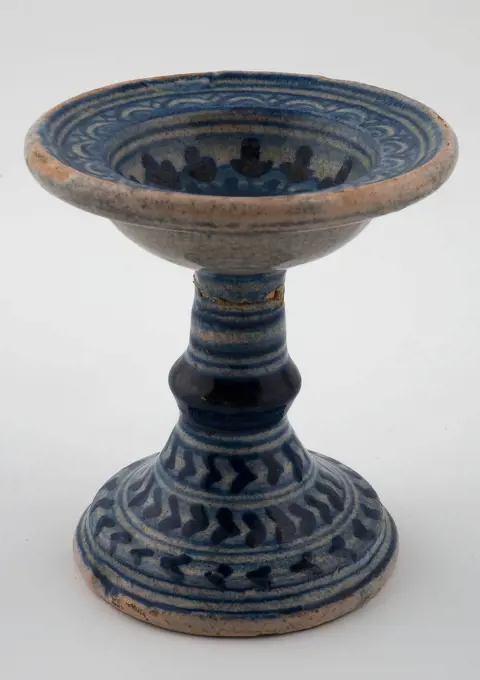
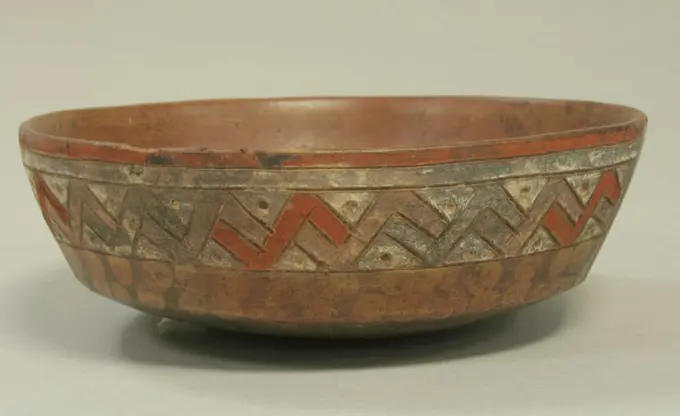
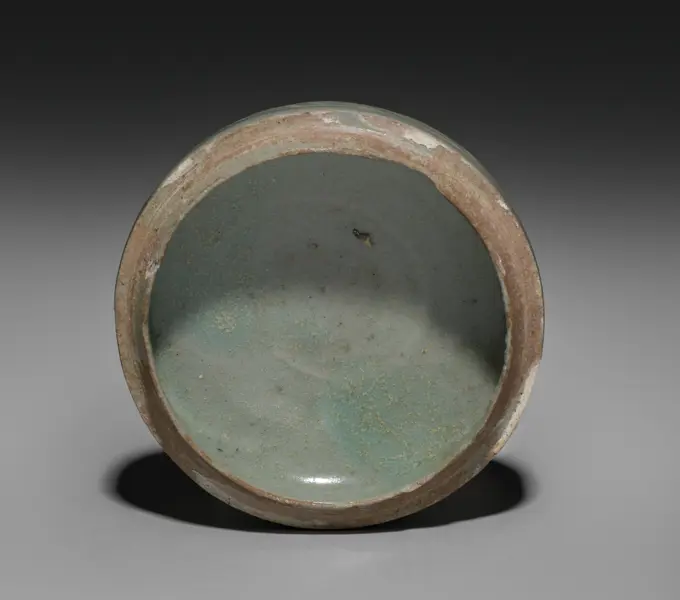
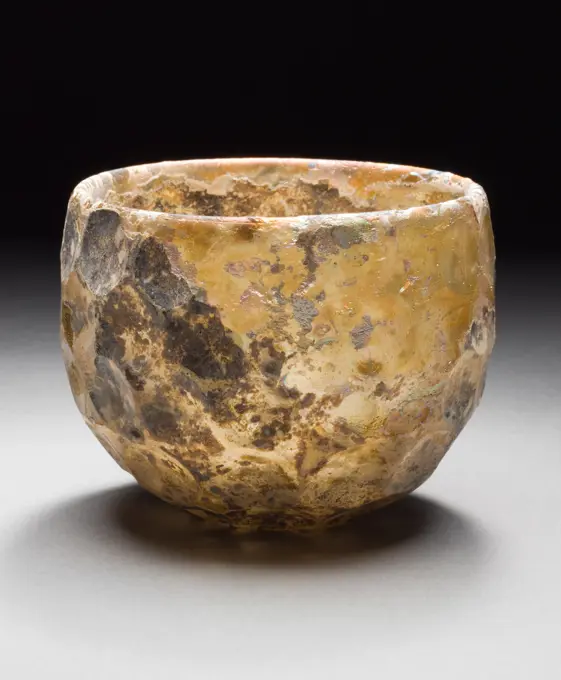
Historic Terracotta Bowls

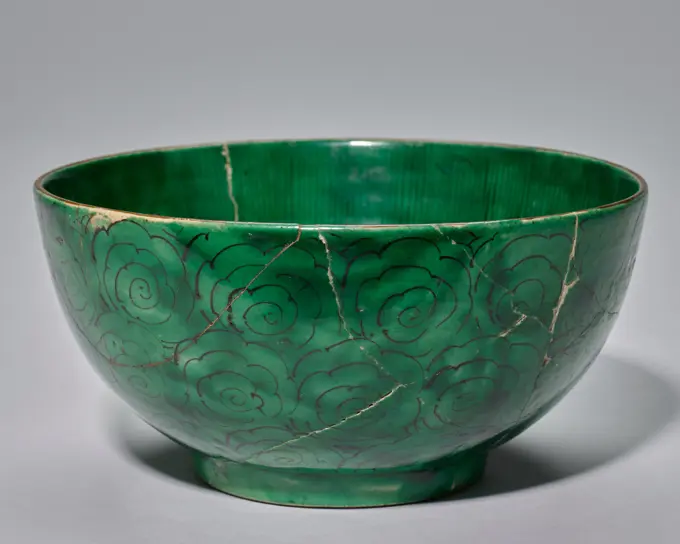
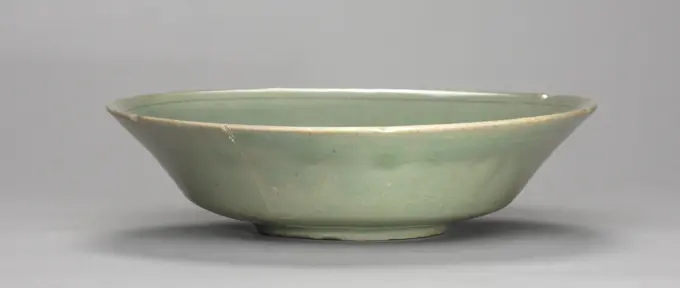
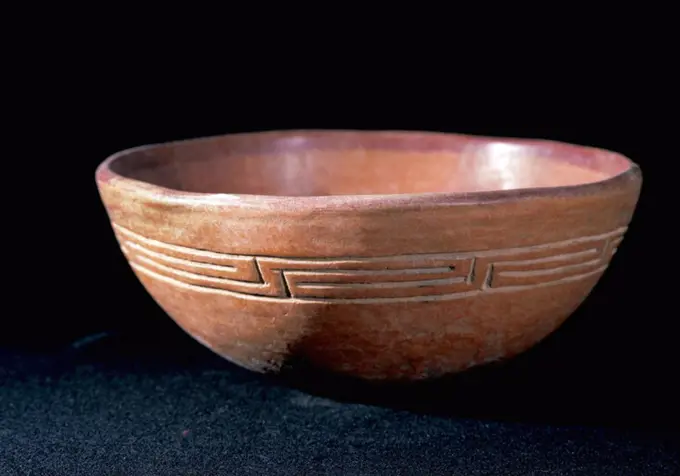
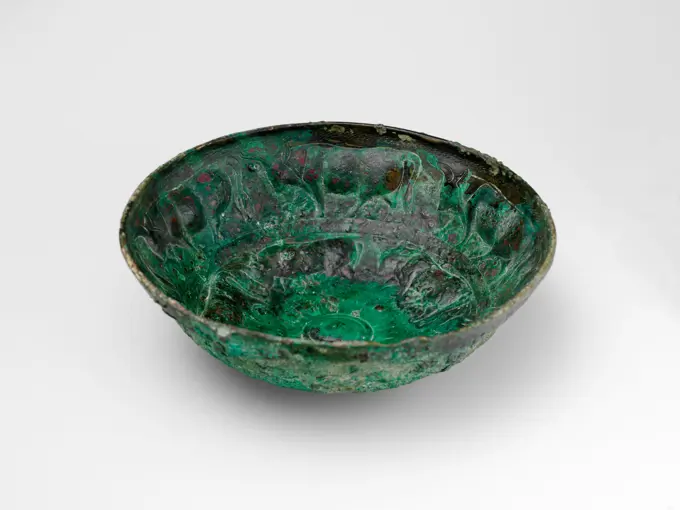
A collection of ancient terracotta bowls from Vietnam and East Asia, featuring unique glazes and traditional decorative patterns.

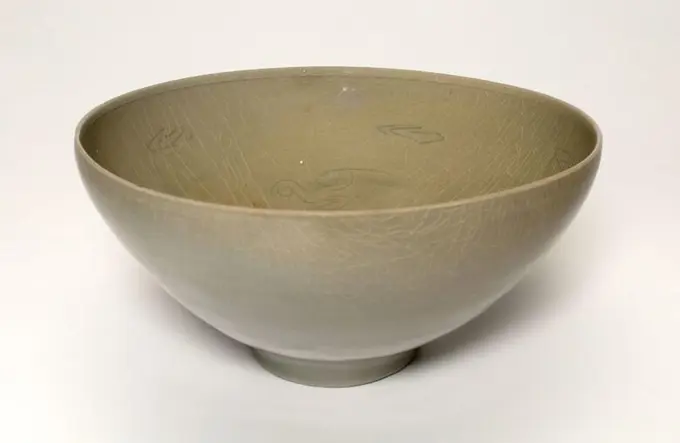
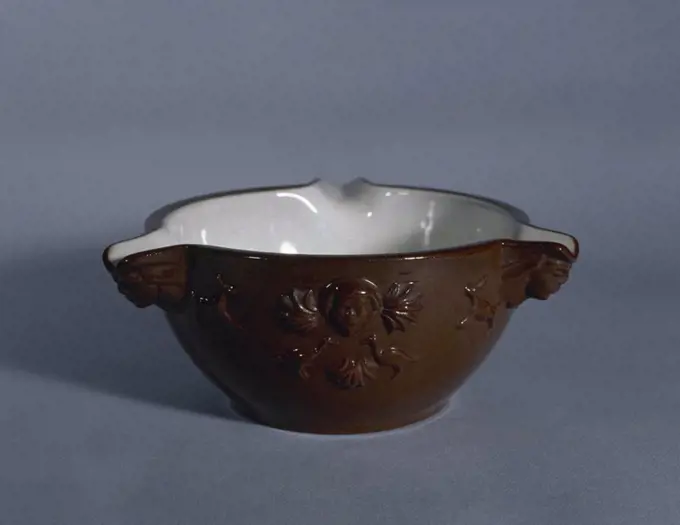
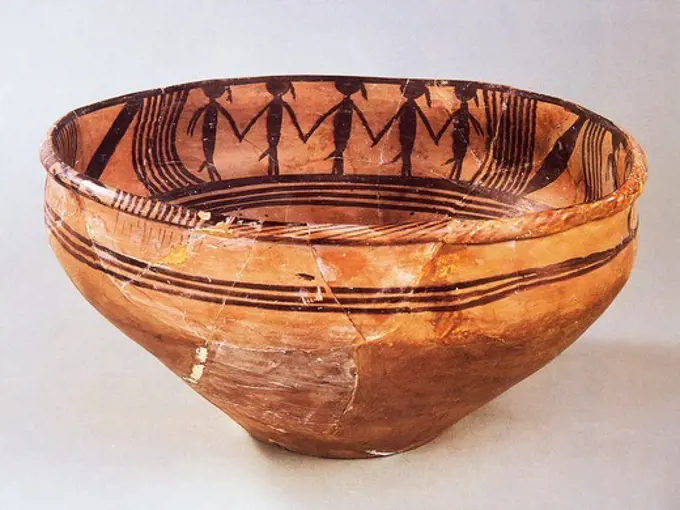
Grand Bassin.. Vietnam-XEN Vietnam. Park s. Paris, museum berne. 72187-6 Large basin, Vietnamese object, terracotta
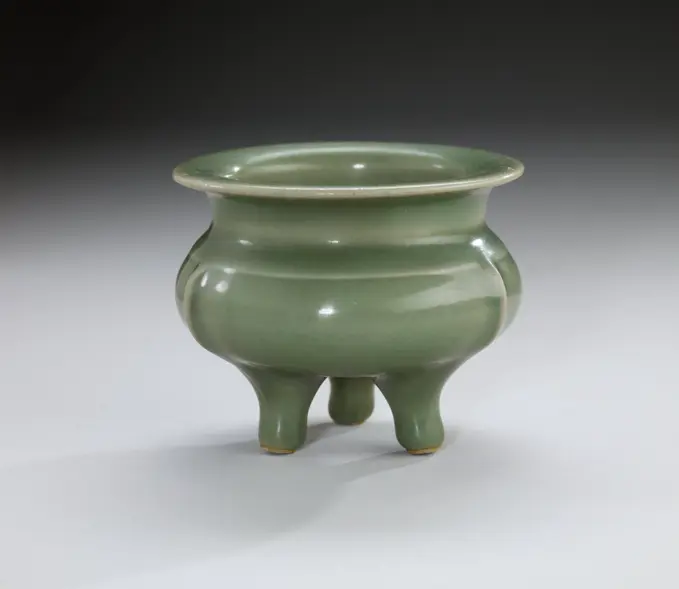
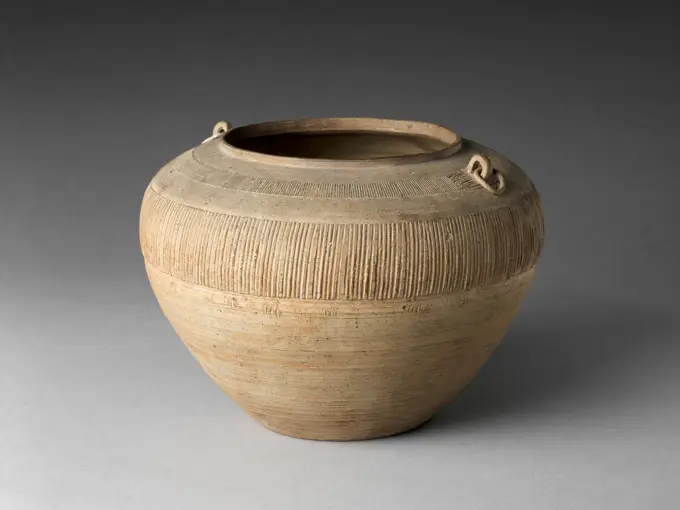
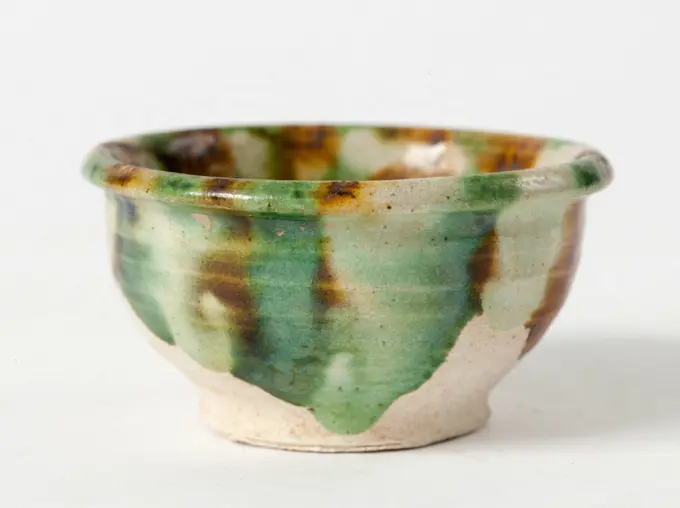
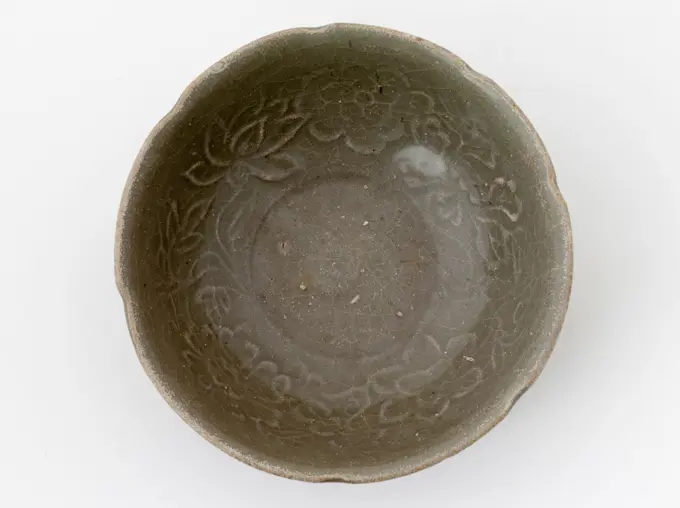
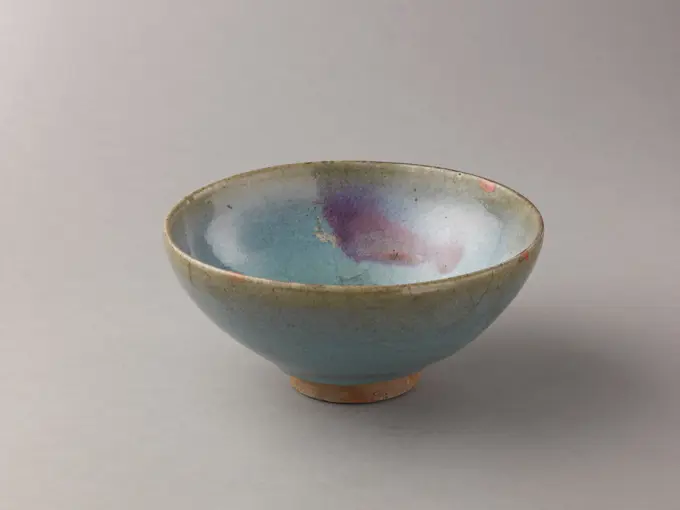
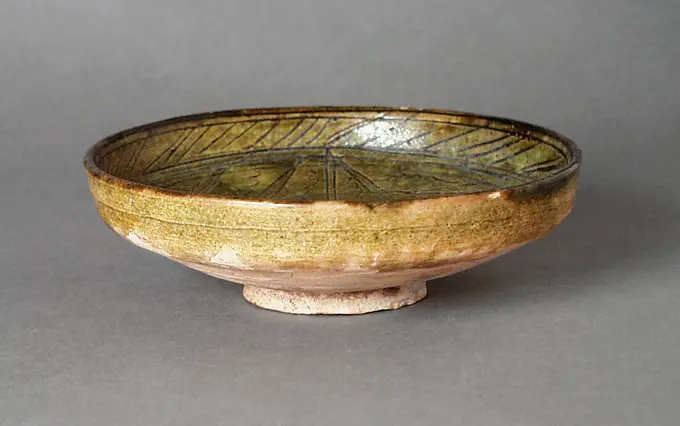
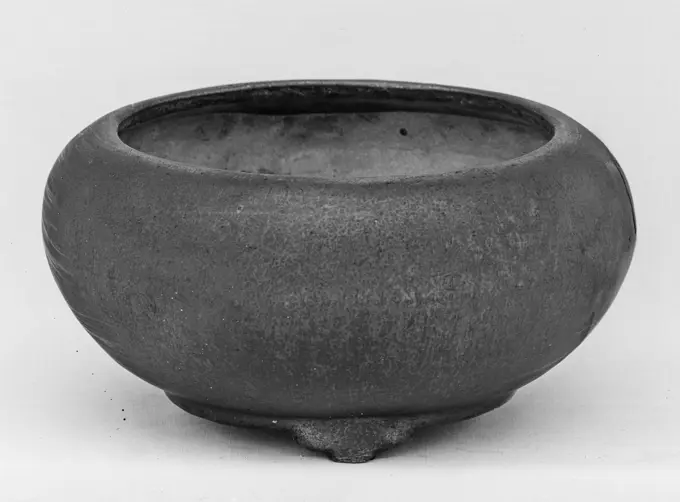
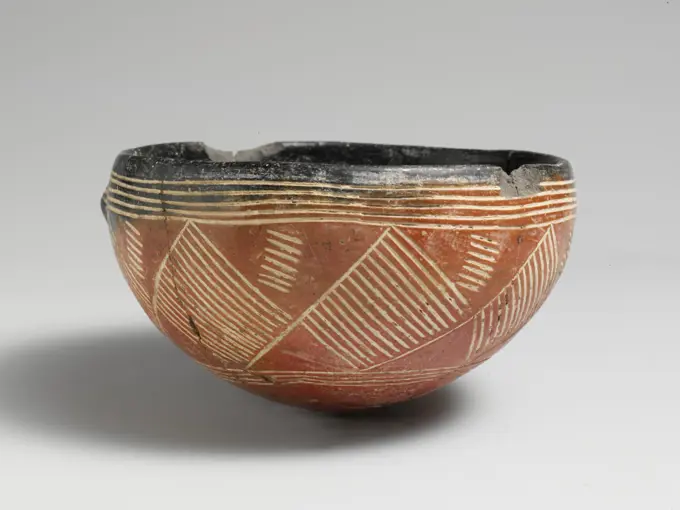
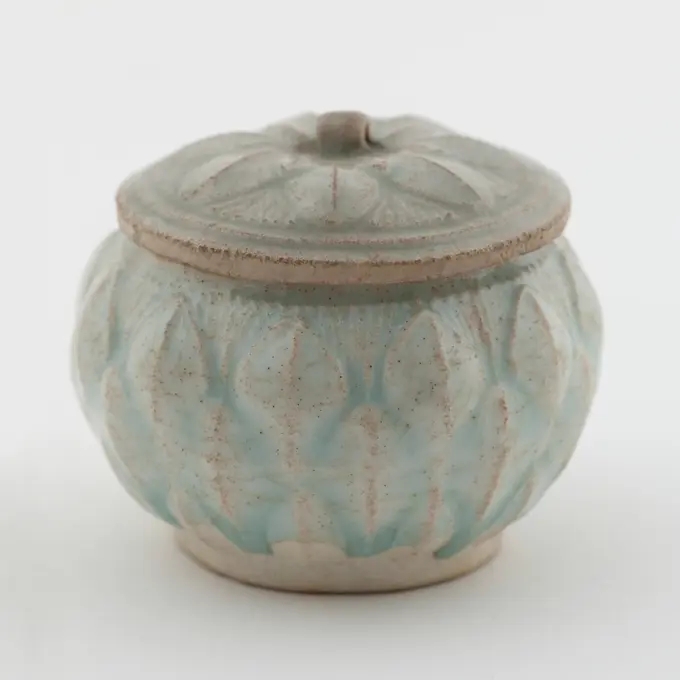
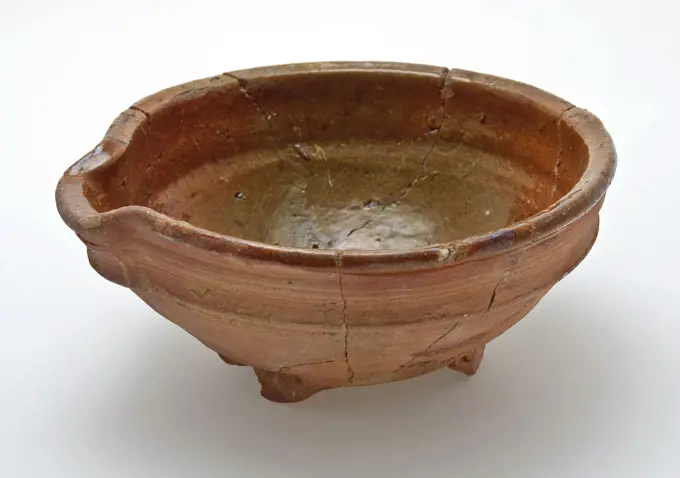
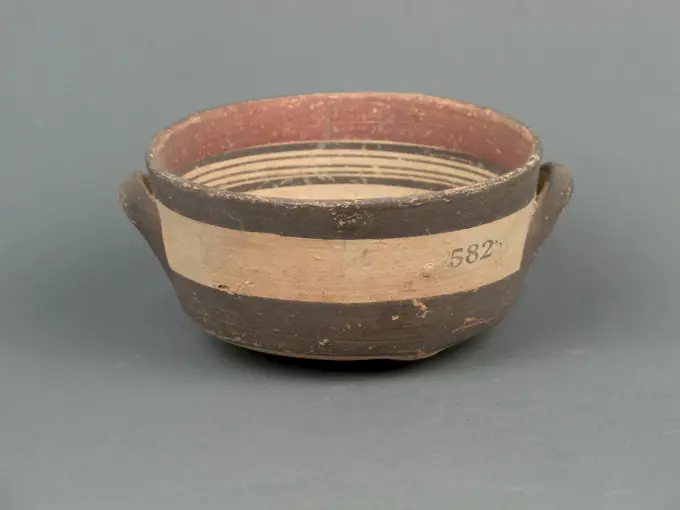
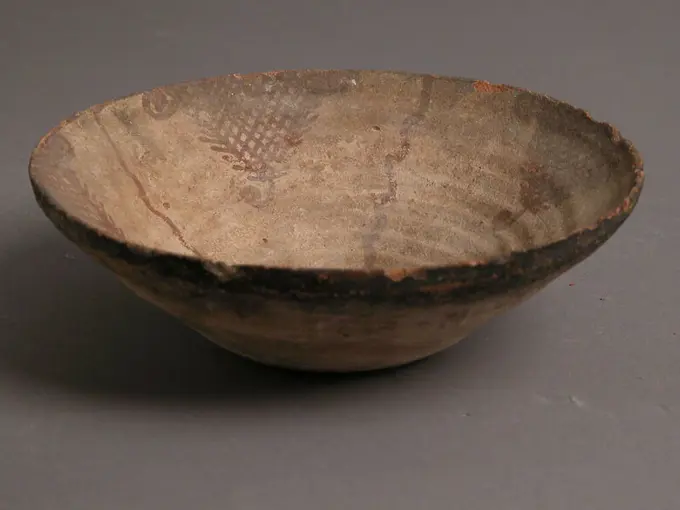
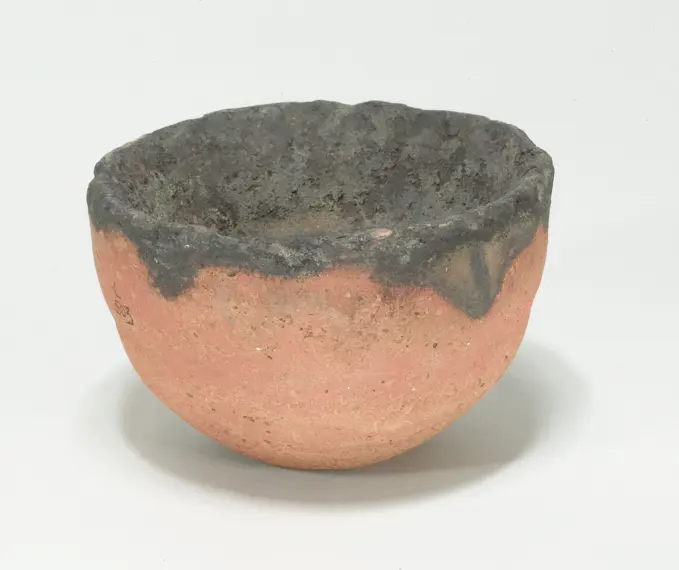
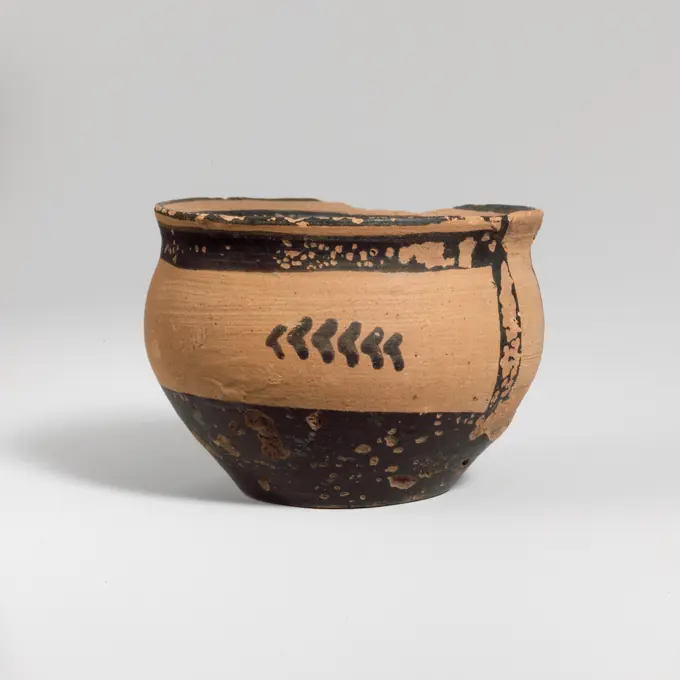
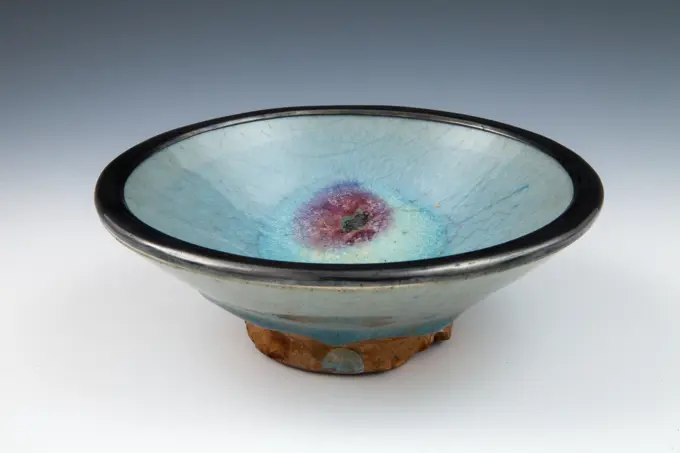
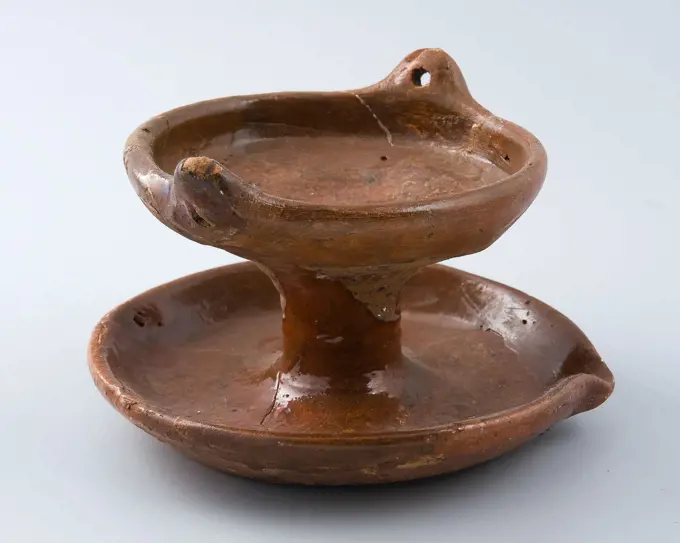
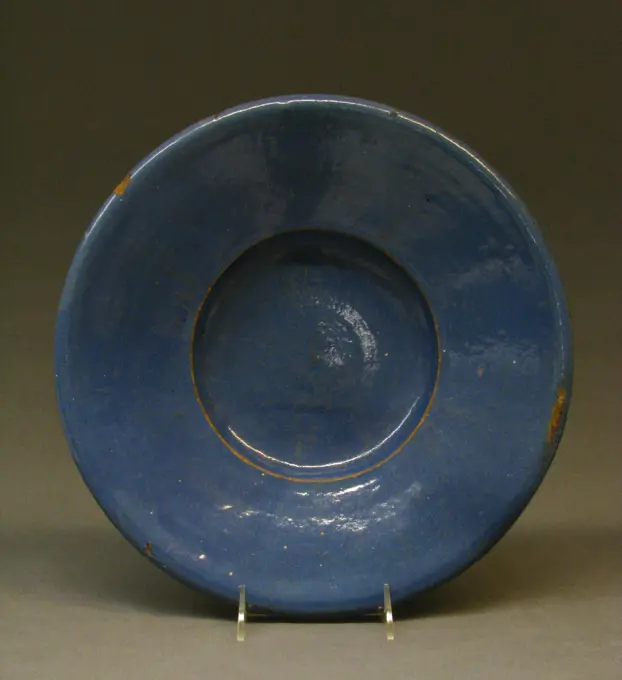
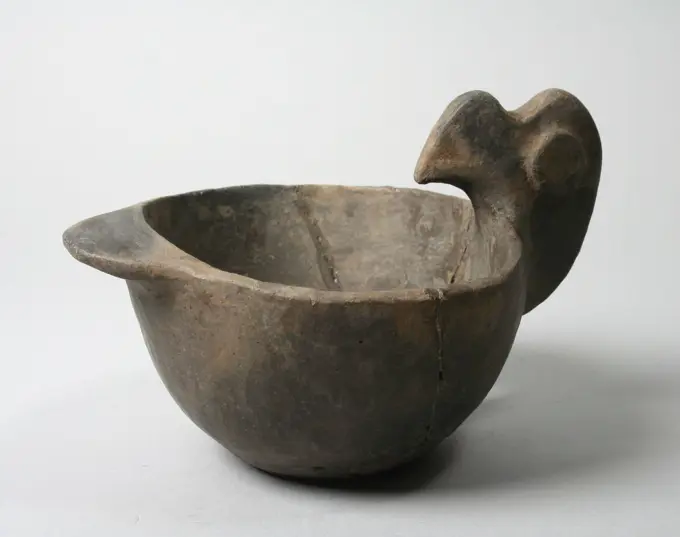
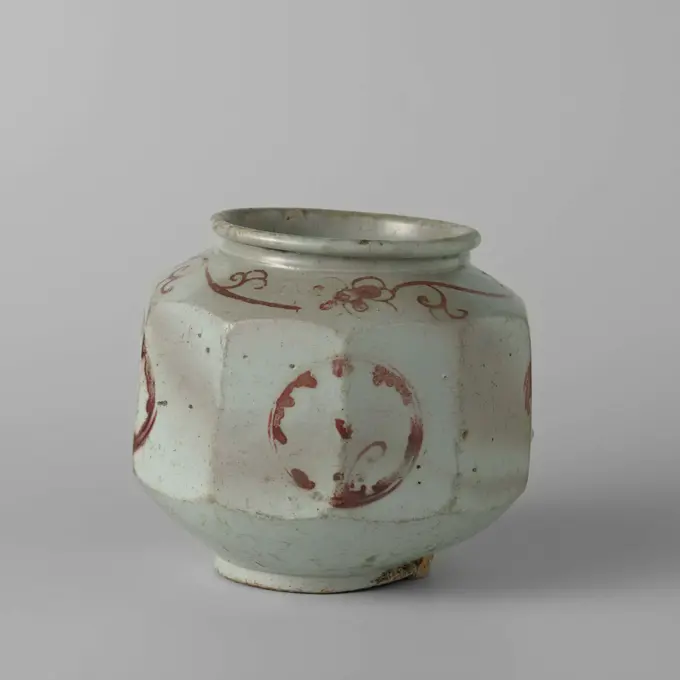
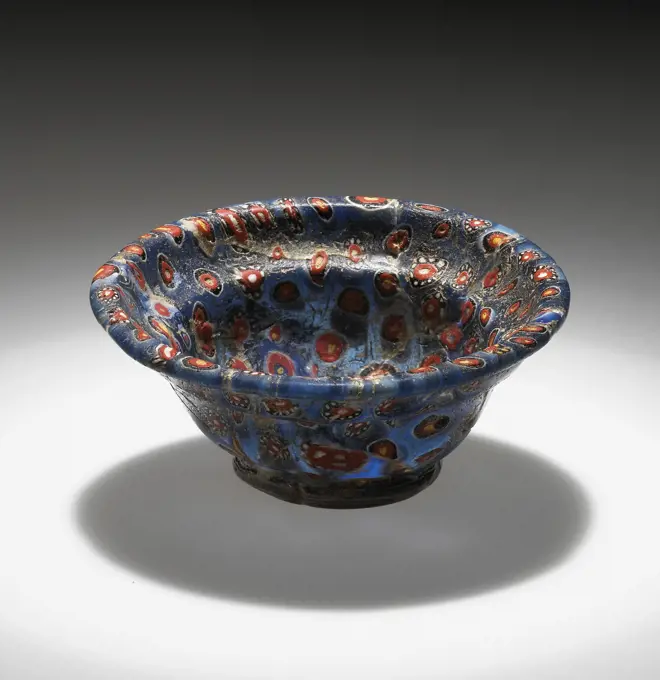
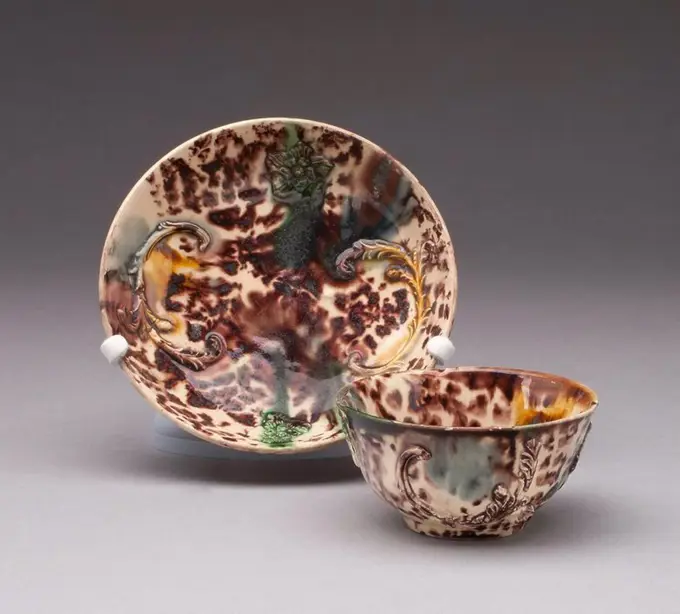
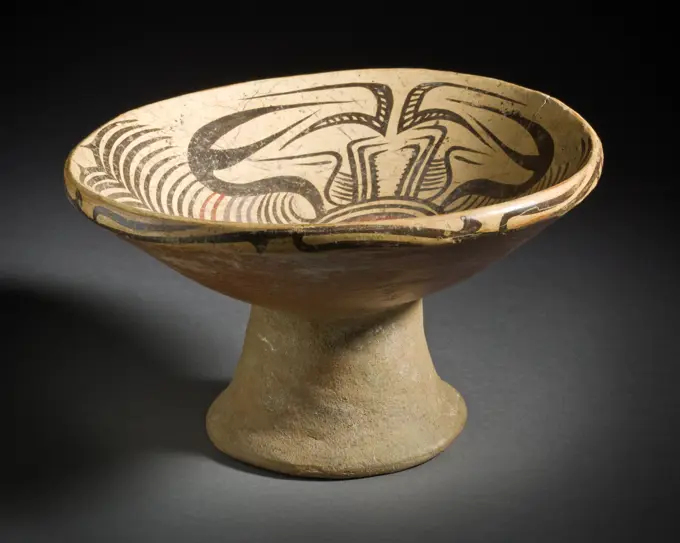
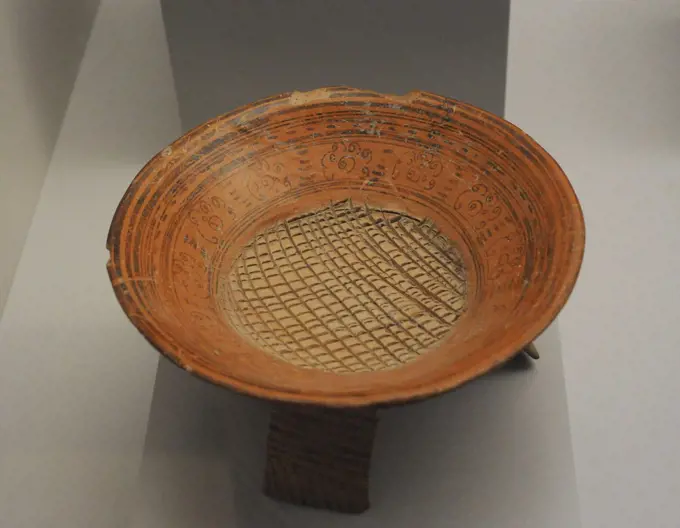
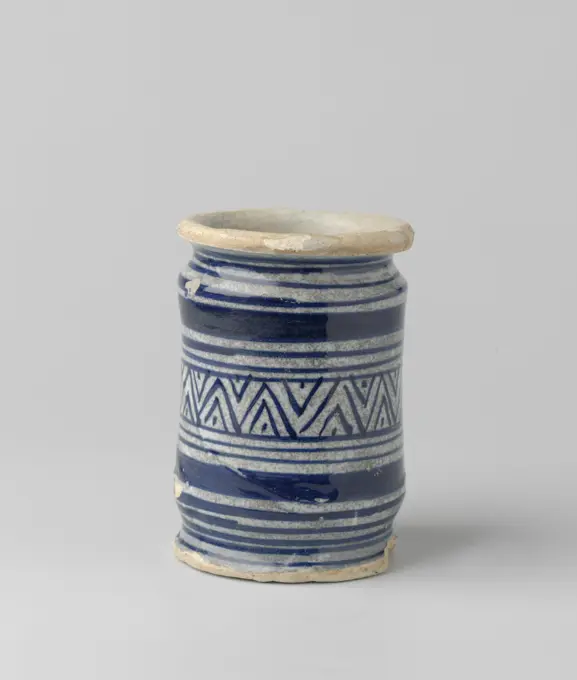
Bowl with Phoenix. Korea. Date: 1100-1135. Dimensions: H. 8.2 cm (3 1/4 in.); diam. 16.7 cm (6 9/16 in.). Celadon-glazed stoneware with underglaze incised decoration. Origin: Korea. Museum: The Chicago Art Institute, Chicago, USA.Incense Tripod, 12th-13th century, 3 x 3 3/4 x 3 3/4 in. (7.62 x 9.53 x 9.53 cm), Longquan ware Stoneware with celadon glaze, China, 12th-13th century, From ancient times, Japanese burned incense (ko) before holy Buddhist images as one of six devotions considered to be effective in accruing religious merit. The diffusion of fragrant smoke symbolizes the permeation of Buddhism throughout the universe. As part of his preparation, a Japanese tea master typically burns incense for the enjoyment of the arriving guests. The incense burner, displayed in the tokonoma alcove, would also be admired by the guests, particularly when a rare, imported example like this one is used.Bowl, 800s-900s. Iraq or Iran, 9th-10th Century. Earthenware with underglaze-painted and incised design; diameter: 39.1 cm (15 3/8 in.).Cup early 7th century B.C. Etruscan Reddish-brown with loop handle; no decoration.. Cup. Etruscan. early 7th century B.C.. Terracotta; buccheroid impasto. Late Villanovian. VasesVase with a crackled cream glaze, anonymous, anonymous, c. 1600 - c. 1699 Pear -shaped vase of stoneware with a wide, spreading neck, covered with a crackled cream -colored glaze. Two old label on the bottom with 'Chosen-Karatsu/ 16th' and 'W696'. Karatsu. Japan stoneware. glaze vitrification Pear -shaped vase of stoneware with a wide, spreading neck, covered with a crackled cream -colored glaze. Two old label on the bottom with 'Chosen-Karatsu/ 16th' and 'W696'. Karatsu. Japan stoneware. glaze vitrificationLamp. UnknownDish from Dishes with Ivy, c. 1893-1914. Seifū Yohei III (Japanese, 1851-1914). One from a set of five dishes; porcelain with green glaze and molded designs; overall: 3.5 x 11 cm (1 3/8 x 4 5/16 in.).Single Spout Painted Jar Paracas 7th-5th century BCEJar (Guan) 4th-3rd century B.C. China Based on a bronze vessel used to store food, this ceramic piece was most likely intended as a burial good that substituted for a more expensive item.. Jar (Guan). China. 4th-3rd century B.C.. Stoneware with impressed and carved decoration. Eastern Zhou dynasty, Warring States period (475-221 B.C.). CeramicsWater pot 13th-14th century China. Water pot 48371Cup ". Terracotta, brown, green and white glaze (Sancai). China, Tang dynasty (618-907). Paris, Cernuschi museum. Chinese art, Chinese ceramic, container, cup, tang dynasty, container, terracottaGeorges Despret (1862-1952). Cut. Glass, glass paste. XIXth-XXth century. Museum of Fine Arts of the City of Paris, Petit Palais. 19th XIXth XIX 19th 19th 19th century, XXth XXth XX 20th 20th 20th centuryMiniature Cup. UnknownIncense Burner with Lotus Petal Design in Relief, 1100s. Korea, Goryeo period (918-1392). Stoneware; overall: 12.8 cm (5 1/16 in.).Bowl 4th-7th century Coptic. Bowl 478839Cup ". GRS covered Cladon. Paris, Muse Cernuschi. Coupe Asian art, extreme-East art, Vietnamese art, ceramic, cut, gres, dishesNesting Bowl 4th-7th century Coptic. Nesting Bowl 478418Wastewater (Kensu) pot. Sandstone, covered with green -spelled brown ash. Nineteenth century. Paris, Cernuschi museum. Japanese art, Japanese ceramic, gres, Japanese object, water pot, 19th 19th XIX 19th 19th 19th centuryTea bowl -Teabowl ca. 1817 Mitani Rins Japanese. Teabowl. Mitani Rins (Japanese,). Japan. ca. 1817. Coarse fawn clay; yellowish gray underglaze, greenish and pinkish overglaze, crackled; unglazed foot (Sanuki ware, Yashima type)). Edo period (1615-1868). CeramicsBowl 10th-11th century. Bowl 451761Dish 11th century View more. Dish. 11th century. Earthenware; buff body under blue glaze, probably alkaline. Excavated in Iran, Nishapur. CeramicsBowl (Tecomate) 12th-9th century B.C. Olmec. Bowl (Tecomate) 314519Deep bowl, Jun ware 13th-14th century Chinese. Deep bowl, Jun ware 461491Bowl mid-16th century China. Bowl. China. mid-16th century. Porcelain with yellow glaze (Jingdezhen ware). Ming dynasty (1368-1644), Jiajing mark and period (1522-66). CeramicsDishJardiniere 18th century Japan. Jardiniere 48097Terracotta bowl ca. 2500-1900 B.C. Cypriot Hemispherical bowl with elaborate incised decoration.. Terracotta bowl. Cypriot. ca. 2500-1900 B.C.. Terracotta; Black Polished Ware. Early Cypriot. VasesFooted Bowl with Geometric Design. Colombia, Nariño Highlands or Ecuador, Carchi, Nariño or Carchi, 750-1250 CE. Ceramics. Black, red, and cream resist-painted ceramicARTE S. XIX. ESPAÑA. MORTERO DE GRES. Realizado por Josep ARAGAY (1889-1973), importante artista catalán del movimiento "noucentista". Colección Cumella. Granollers (Barcelona). Cataluña.Box. Porcelain. China, Song Dynasty. Paris, Cernuschi museum. 72776-31 Asian art, ancient ceramic, covered, email, glacure, Chinese object, porcelain, Chinese pottery, terracotta, terracotta emailleeJarre. Grès to Couverts Coupon. Par musée musée malée. 78840-2 Asian art, ancient ceramic, containerCopper boiler, anonymous, c. 1550 - c. 1650 Round boiler made of copper. The boiler ran around from below. Some pieces used that serve as a repair have been clank. There is still a part of the handle on the edge. Low Countries copper (metal) striking (metalworking) Round boiler made of copper. The boiler ran around from below. Some pieces used that serve as a repair have been clank. There is still a part of the handle on the edge. Low Countries copper (metal) striking (metalworking)BowlBowl of red earthenware on three stand fins, wide shank, internally glazed, bowl crockery holder soil find ceramic earthenware glaze lead glaze, hand-turned glazed fried Bowl with wide schenklip. Red shard internally covered with lead glaze Round bottom. Three stand fins. Profiled upper edge with three turns and thickened ridge Glaze layer partly discolored by staying in the soil archeology inn The Heart Geervliet Bernisse indigenous pottery cooking kitchen food prepare mixing skimming Soil discovery: Geervliet Dorpsplein 1 demolition Trouw put 5 city inn 't Hart 1985.Bowl 850-750 B.C. Cypriot Deep bowl with two handles and bands in black and red.. Bowl. Cypriot. 850-750 B.C.. Terracotta. Cypro-Geometric III. VasesBowl of tin with annular ears. Bowl of tin. At a low stand ring, the inverse bell-shaped bowl, which is decorated halfway with two profiled tires. The lip edge runs a little further outside. On the sides of the bowl, two annular ears, a horizontal are placed, the other vertical.Tripode ding ". Terracotta, traces of polychromy. Han dynasty (206 BC-220 AD). Paris, Cernuschi museum. Chinese art, Chinese ceramic, Han dynasty, Han time, container, terracotta, tripod ding, three feetGlass dish late 1st-early 3rd century A.D. Roman Colorless with yellowish green tinge; trails in same color.Everted, flaring, tubular rim, folded round and down, with broad, sloping inner shoulder; short, almost vertical side to body, then curving sharply in to integral, oval tubular base ring; large kick in thick bottom with pontil scar; two long trails applied to outer edge of rim as handles, decorated with vertical crimping.Intact, but one internal crack in side; some bubbles; areas of dulling, pitting, limy weathering, and brilliant iridescence.. Glass dish 245290Bowl - Portneuf potteryJar ca. 1000 B.C. China. Jar 49896Bowl, c. 1885-1890. Doulton Pottery and Porcelain Company (British). Stoneware; diameter: 23.5 cm (9 1/4 in.); overall: 15.6 cm (6 1/8 in.).Painted Bowl with Fish and Lotus Design 401 CE-500 CE Gandhara. Terracotta with black pigment .Cooking pot with two ears on three legs, red dyed. Cooking pot with two ears on three legs (one fog) Finely rotated from maple wood () Roodgeverfd.Scale with two ears on stand ring, red -reversed, anonymous, c. 1675 - c. 1700 Scale, turned from wood on stand ring, with two ears, from outside red -reversed. Amsterdam wood (plant material) Scale, turned from wood on stand ring, with two ears, from outside red -reversed. Amsterdam wood (plant material)Bowl. unknown, craftsmanGlass bowl. Culture: Roman. Dimensions: H. 1 in. (2.5 cm)diameter 4 1/2 in. (11.4 cm). Date: 3rd-4th century A.D..Colorless.Vertical rim, knocked off and ground; shallow body curving in to flat bottom.Wheel-cut decoration on exterior: below rim, band of 23 horizontal oval facets, alternating with and flanked above and below by pairs of smaller, rice-shaped grooves; occupying most of side, zone of four overlapping rows of vertical facets, becoming progressively thinner towards the bottom; on bottom, hexagon, outlined with a single, long groove on each side and containing a pattern of six pentagonal facets around a central pentagonal facet.Broken and repaired with several large cracks and one small area of fill; pinprick bubbles; small patches of limy encrustation, slight dulling, and iridescent weathering, mainly within facets. Museum: Metropolitan Museum of Art, New York, USA.Bowl 7th-4th century B.C. Paracas. Bowl. Paracas. 7th-4th century B.C.. Ceramic, post-fired paint. Peru. Ceramics-ContainersBowl. Culture: Coptic. Dimensions: H: 1 7/8in.(4.7cm); Diameter: 5 9/16in.(14.1cm). Date: 4th-7th century. Museum: Metropolitan Museum of Art, New York, USA.Skyphos ca. 325-300 B.C. Greek, South Italian, Apulian. Skyphos 250780 Greek, South Italian, Apulian, Skyphos, ca. 325300 B.C., Terracotta, H. 4 3/4 in. (12.1 cm) diameter 4 9/16 in. (11.6 cm). The Metropolitan Museum of Art, New York. Rogers Fund, 1919 (19.192.47)Kohl Jar 1550 BCE-1295 BCE Egypt. Egyptian alabaster . Ancient EgyptianPewter measuring cup for coffee , measuring cup measuring instrument soil find tin metal, side molded mold Form: like two egg cups placed together Eaten coffee size measure for coffee archeology Rotterdam rail tunnel measuring sales coffee coffee trade salt vat drinking cup Soil discovery: dumping railway tunnel in summer 1989.Lamp ca. 1950-1550 B.C. Middle Kingdom-Second Intermediate Period. Lamp. ca. 1950-1550 B.C.. Coarse red pottery with hematite wash. Middle Kingdom-Second Intermediate Period. From Egypt, Memphite Region, Lisht North, cemetery south of the tomb of Senwosret (758), Pit 503 chamber G, possible tomb robber's lamp, MMA excavations, 1906-07. Dynasty 12 mid-13Jardiniere. Shimasa, workshopBowl -Chinese Grey Tu Bowl,  14th CenturyBowl - Portneuf potteryPlate. Culture: British, London. Dimensions: Diameter: 9 3/4 in. (24.8 cm). Maker: Thomas Giffin (working 1760-77). Date: third quarter 18th century. Museum: Metropolitan Museum of Art, New York, USA.Terracotta one-handled cup late 8th century B.C. Greek, Attic From the Hymettos deposit (see 30.118.1). Terracotta one-handled cup. Greek, Attic. late 8th century B.C.. Terracotta. Geometric. VasesA bowl with a silver fitting and a central packet of purple unknownBowl with maple leaf design, 18th-19th century, Unknown Japanese, 3 1/2 x 7 1/2 in. (8.9 x 19.05 cm), Hizen ware, Kutani type, Kokutani style; glazed stoneware, Japan, 18th-19th centuryDish, 1100s-1200s. Korea, Goryeo period (936-1392). Pottery; diameter: 18.3 cm (7 3/16 in.); overall: 4.5 cm (1 3/4 in.).Cup on Piédouche (common name), 1300. CERUNUSCHI museum, Asia Museum of Asia in the city of Paris.Bowl - Cap Rouge Pottery Company Cap Rouge Pottery CompanyARTE PRECOLOMBINO. MAYA. CUENCO DE CERAMICA decorada con una franja en su parte superior, por incisión. Colección particular.Bowl with bands of striding bulls and two inscriptions ca. 8th-7th century B.C.. Bowl with bands of striding bulls and two inscriptions. ca. 8th-7th century B.C.. Bronze. North Syrian. Syria or LevantJUGUETE ROMANO-AJUAR MUNECA-NECROPOLIS PALENCIA:CERAMICA. Location: MUSEO ARQUEOLOGICO NACIONAL-COLECCION. MADRID. SPAIN.Bowl, 1st century BCE - 1st century CE, 2 3/4 x 5 15/16 x 5 15/16 in. (6.99 x 15.08 x 15.08 cm), Slip covered stoneware with cobalt blue decoration under a clear glaze, Vietnam, 1st century BCE - 1st century CEEmilia-Romagna Ferrara Ferrara Museo Civico di Schifanoia36. Hutzel, Max 1960-1990 General Notes: INCOMPLETE RECORD--NEGATIVES PROCESSED, PRINTS FILED German-born photographer and scholar Max Hutzel (1911-1988) photographed in Italy from the early 1960s until his death. The result of this project, referred to by Hutzel as Foto Arte Minore, is thorough documentation of art historical development in Italy up to the 18th century, including objects of the Etruscans and the Romans, as well as early Medieval, Romanesque, Gothic, Renaissance and Baroque monuments. Images are organized by geographic region in Italy, then by province, city, site complex and monument.Polichrome ceramic bowl decorated with dancing figuresPainted Vase 360 B.C. Kome with steep wall. Gift by Henry Van de Velde, 1899Earthenware oil lamp, two handle holes in top edge, underneath drip tray with pouring lip, oil lamp lamp lighting fixture soil find ceramic earthenware glaze, tray 10.5 d bottom tray 13.5 hand-formed glazed baked Red earthenware. Upper tray with two handle holes and bottom tray with pouring lip and deep soul. Short column. Stand with deep cut soul right under the column. Fully glazed except the underside of the bottom Restoration is repainted archeology Rotterdam City Triangle Groenendaal underground pit lighting indigenous earthenware oil illuminate evening night Soil discovery of Rotterdam Groenendaal at 1.90 meters approximately 2 12 meters NAP.Fragment earthenware apothecary jar, white with blue decoration, apothecary jar pot holder soil find ceramics earthenware glaze tin glaze lead glaze, hand turned decorated glazed fried Flat base and part of the convex belly of jug Pink pottery with white glaze on the whole. Inside smudgy brown. Blue decoration. So-called Delft-where Unreadable fragment of text archeology Rotterdam railway tunnel health care donate indigenous pottery craft pharmacy Soil discovery: rail tunnel Rotterdam.Dish 18th century probably Austrian. Dish 207845Bowl, Bird Head on Rim 11th-14th century Mississippian. Bowl, Bird Head on Rim 318585Glass mosaic bowl. Culture: Roman, probably Italian. Dimensions: H.: 1 1/8 in. (2.9 cm)Diam.: 3 11/16 in. (9.4 cm). Date: late 1st century B.C.-early 1st century A.D..Translucent cobalt blue and opaque white.Upright rim with rounded edge; convex curving side; shallow convex bottom.Composite mosaic pattern formed from large polygonal sections of a single cane in a blue ground with a white spiral.Intact; pitting, dulling, and iridescent weathering. Museum: Metropolitan Museum of Art, New York, USA.Two vases. Craftsmen in Korea produced both refined porcelain objects and utilitarian ware in a more rustic style. The attraction of the latter lay in their artless decoration with playful motifs and their somewhat irregular forms. Here the decoration has been applied in red beneath the glaze. It was difficult to obtain a bright red colour.White stoneware jug on profiled feet, with notched decor, belly model, jug crockery holder soil find ceramic stoneware glaze salt glaze, hand turned carved glazed baked Stoneware jug gray shard gray salt glaze profiled foot archeology import pottery serve serve wine wineMosaic Bowl; Eastern Mediterranean; end of 1st century B.C. - 1st century A.D; Glass; 4.2 x 9 cm (1 5,8 x 3 9,16 in.)Conical Cup. UnknownCup and Saucer. England, Staffordshire. Date: 1760-1770. Dimensions: Saucer: 11.8 cm (4 5/8 in.); Cup: 8.3 cm (3 1/4 in.). Lead-glazed earthenware (creamware). Origin: Staffordshire. Museum: The Chicago Art Institute, Chicago, USA.ancient metal bowl on dark background. antique bronze tableware. ancient metal utensilsSmall VesselPedestal Bowl with Scorpion. Panama, Southern Azuero Peninsula, Joaquin style, Gran Coclé, Joaquin Style, 650-1100 CE. Ceramics. Slip-painted ceramicBlue salt barrel on column, majolica, decorated with rosette, salt barrel tableware holder earth discovery ceramics earthenware glaze, hand-turned baked painted glazed fried Majolica salt barrel. Monochrome blue painting In the upper shell rosette Knobbel in the middle of the column. High foot at the bottom deeply extended soul archeology Rotterdam Stadscentrum Stadsdriehoek Wijnstraat Geldersekade serving serve salt condiment food Soil discovery between Wijnstraat and Geldersche quay.Glass cup. Culture: Roman. Dimensions: Overall: 2 1/8 in. (5.4 cm)Diam.: 2 5/8 in. (6.7 cm). Date: 1st century A.D..Colorless with greenish tinge.Uneven, knocked-off rim; slightly convex, vertical side, then turned in to bottom with slightly concave center.Deep, wheel-cut horizontal groove immediately below rim, one horizontal wheel-abraded line 3.8 cm down side from rim, and other faint horizontal lines on body.Intact; pinprick bubbles and blowing striations; deep pitting and brilliant iridescence on exterior; thick creamy weathering on interior. Museum: Metropolitan Museum of Art, New York, USA.Painted Bowl 7th-5th century B.C. Paracas. Painted Bowl 310212Box, 918-1392. Korea, Goryeo period (918-1392). Earthenware; diameter: 19.4 cm (7 5/8 in.); overall: 12.7 cm (5 in.). Celadons, spoons, seals, and bronze mirrors were the most common burial objects in tombs during the Goryeo period (918-1392). Once used to contain colored powder, rouge, and eyebrow gel for makeup, this small container was one of the standard goods that furnished elites' tombs. Both women and men used the grain powder of rice or millet for whitening their skin, safflower extract for rouge, and plant ash or soot for eyebrow gel. Yet, natural-looking makeup seems to have been the most favorable one in Korea according to the travelogue by Xu Jing (1091-1153), the Chinese diplomat who visited Korea in 1123.Jar with Cover. China. Date: 1110-1199. Dimensions: H. 15.8 cm (6 1/4 in.); diam. 15.3 cm (6 in.). Cizhou ware; stoneware with dark brown and iron-brown glazes. Origin: China. Museum: The Chicago Art Institute, Chicago, USA.Tumbler 1695-1730 Benjamin Wynkoop. Tumbler 9981Hemispherical Bowl. Iran, Sasanian period (6th-7th century A.D.). Furnishings; Serviceware. Colorless glassFruit scale of open worked earthenware in blue and white, Anonymous, 1720 Fruit bowl, round, with double -blown openwork edge and blue -landed and dotted medallion rosettes and tulips. Bottom decorated with a large rosette around a circle in which a flower branch in blue stock. Along the top edge 4 flat blue ears. Dated 1720. England earthenware vitrification Fruit bowl, round, with double -blown openwork edge and blue -landed and dotted medallion rosettes and tulips. Bottom decorated with a large rosette around a circle in which a flower branch in blue stock. Along the top edge 4 flat blue ears. Dated 1720. England earthenware vitrificationTerracotta oil lamp. Culture: Roman. Dimensions: Overall: 1 1/4 x 3 3/4 in. (3.2 x 9.5 cm). Date: 1st century B.C.-1st century A.D..Loeschcke Type 1A. Mold-made. Plain, concave discus; single filling hole at center, with a band of lines and grooves at edge. Volutes flanking angular nozzle, with large wick hole. Raised base ring, and uneven base.Intact. Museum: Metropolitan Museum of Art, New York, USA.Tripod plate. Painted ceramics. Aztec culture. Tlatelolco Phase. Late Postclassic Perid (1250-1520 AD). Central Mexico. Museum of the Americas. Madrid, Spain. Sawankhalok Ware Covered Box 1301-1500 Sawankhalok. Glazed stoneware with iron-brown and blue-grey underglaze . SiameseBowl China. Bowl. China. Silver. Tang dynasty (618-907). MetalworkPot, Blauw -Wit, 1600 - 1650 Pot, Blauw-Wit, part of a batch of Northern Netherlands Majolica and other pottery, found during the excavation work for the expansion of the Scheepvaarthuis on Waelseiland. Northern Netherlands earthenware. glaze majolica Pot, Blauw-Wit, part of a batch of Northern Netherlands Majolica and other pottery, found during the excavation work for the expansion of the Scheepvaarthuis on Waelseiland. Northern Netherlands earthenware. glaze majolicaJug, miniature 4th century B.C. Italic-Native, South Italian (Tarentine). Jug, miniature 255221 Italic-Native, South Italian (Tarentine), Jug, miniature, 4th century B.C., Terracotta, H. 6.71 cm.. The Metropolitan Museum of Art, New York. Rogers Fund, 1966 (66.11.11)Bowl with Image of Warriors. Guatemala or Mexico, Northeastern Petén or Southern Campeche region, Maya, 600-900 CE. Ceramics. Slip-painted ceramic