Historic Textile Fragments

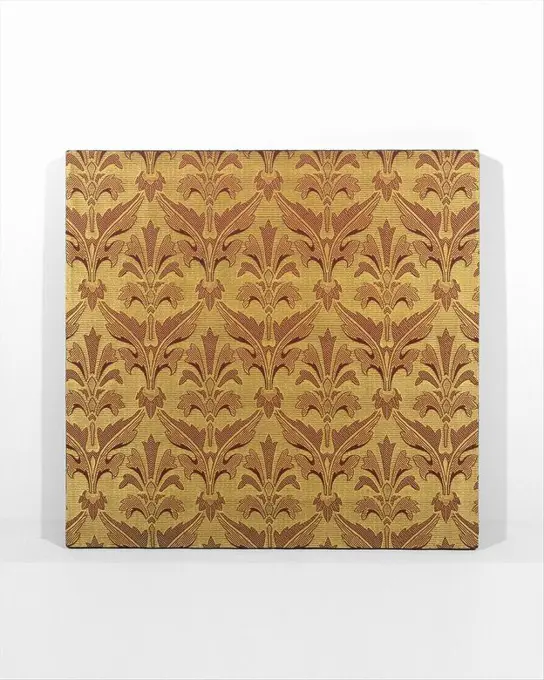
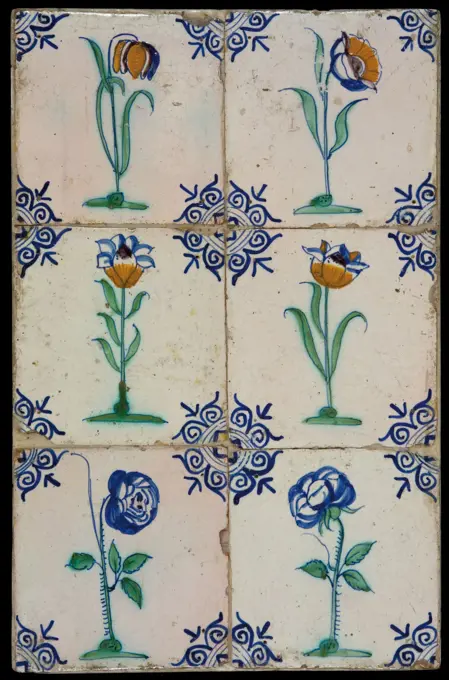
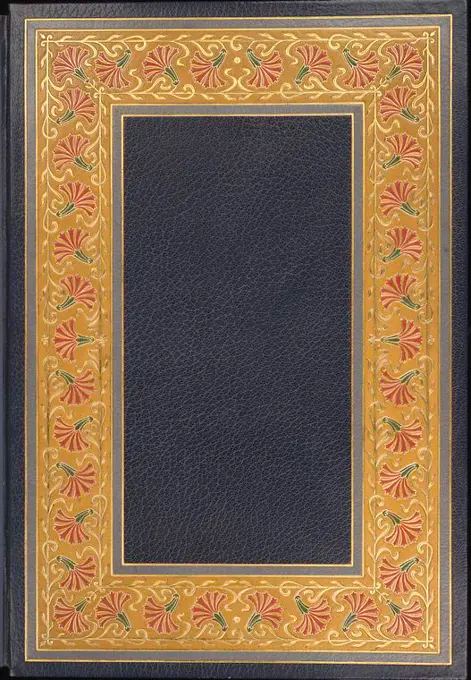
Beautifully patterned textile fragments from different historical periods, highlighting intricate designs and craftsmanship.

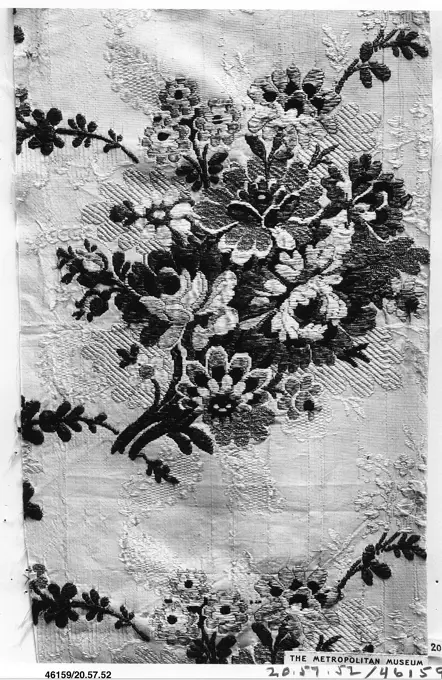
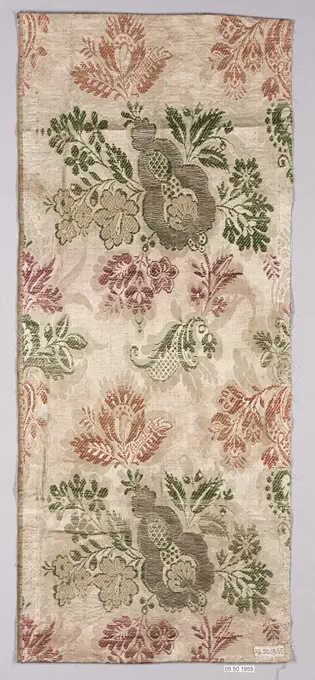
Textile, Medium: silk Technique: damassé (10-harness satin plus 9/1 twill with paired warps), Fragment of a large scale symmetrical pattern reversed on the center line of the textile. An urn with flowers placed in offset rows connected by a curving vine (almost an ogee framework) having grape vines and heads of wheat. Background is a dull salmon and the pattern is yellow twill. Intact selvage on right side., France, late 18th century, woven textiles, Textile
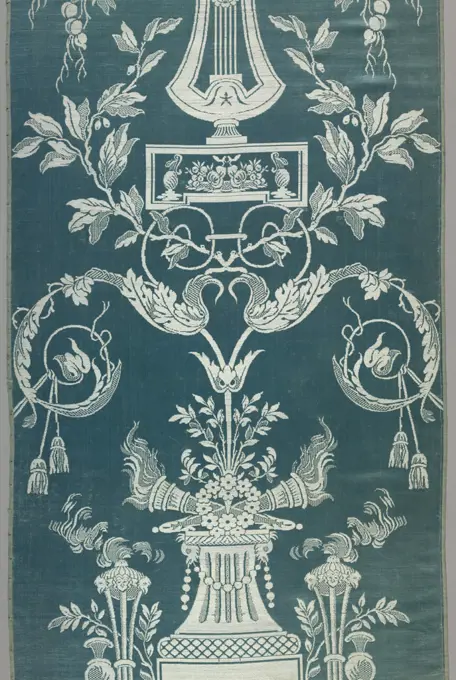
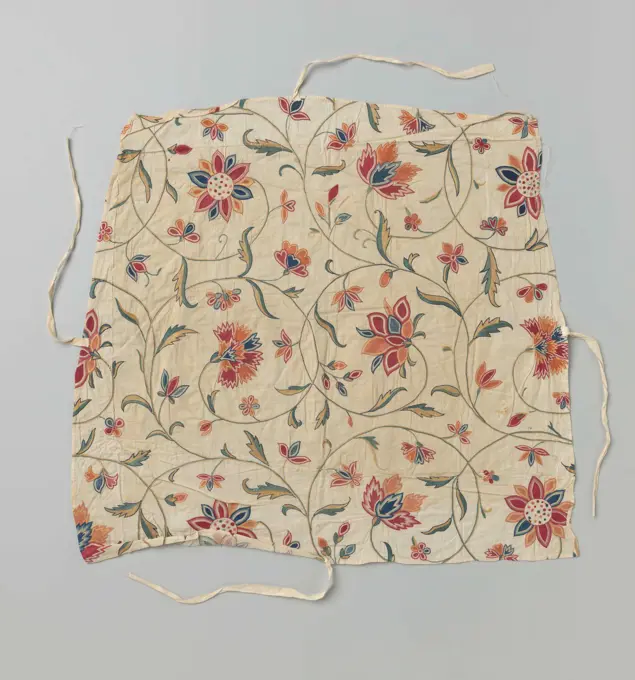
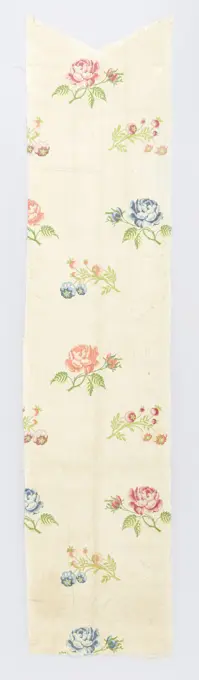
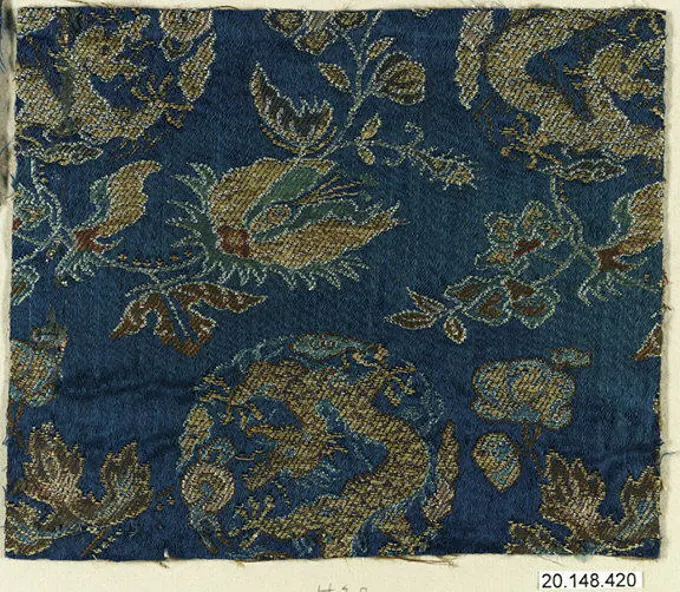
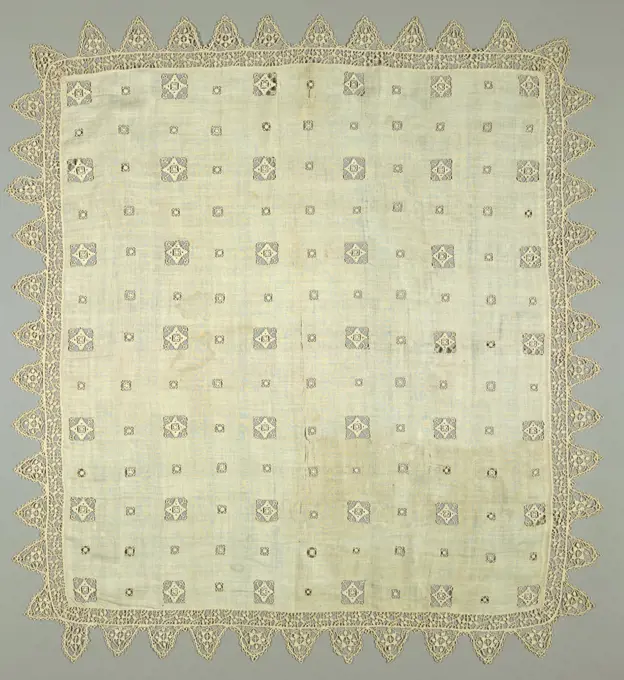
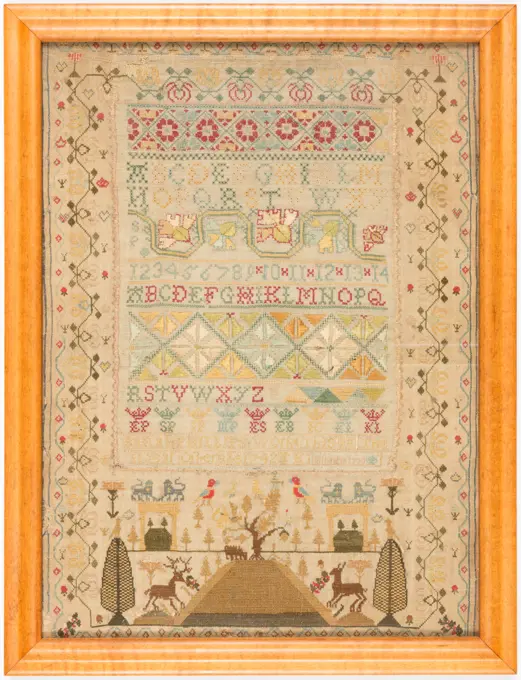
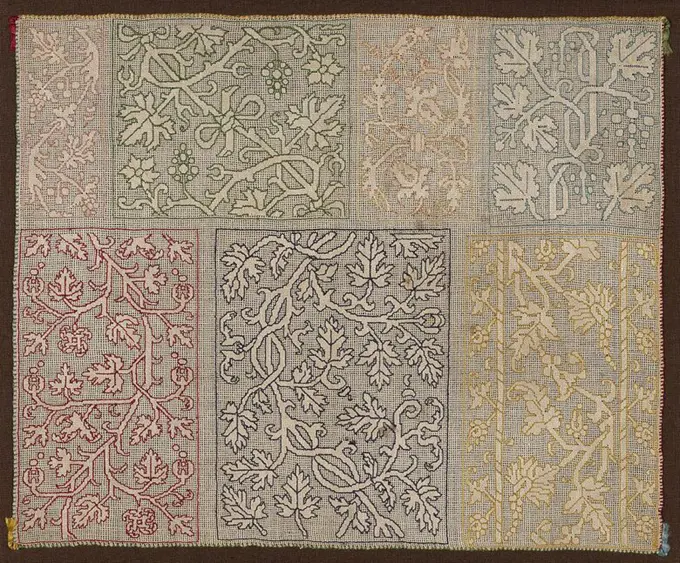
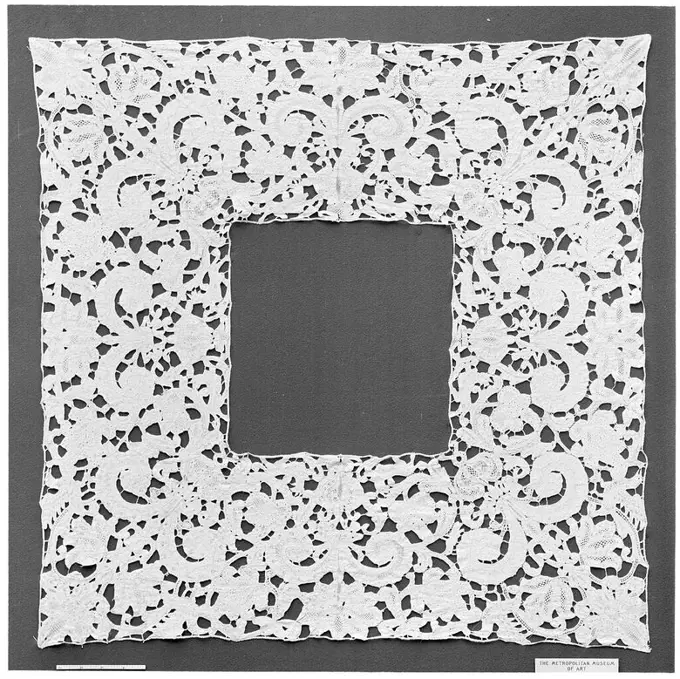
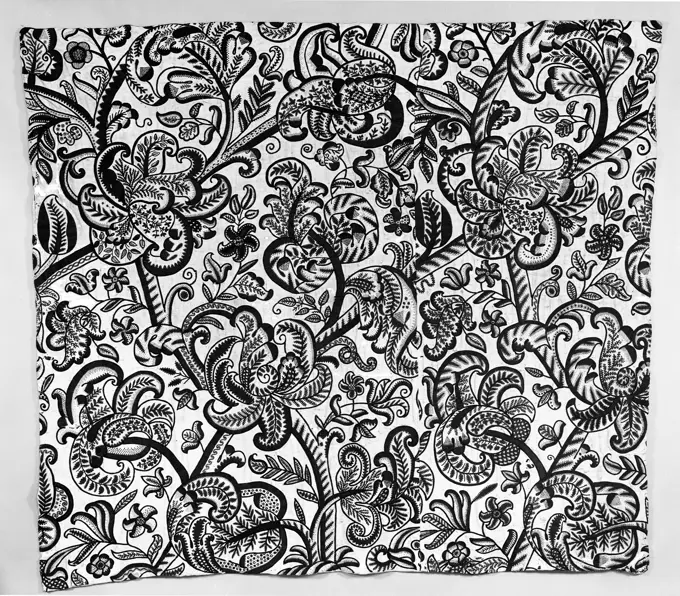
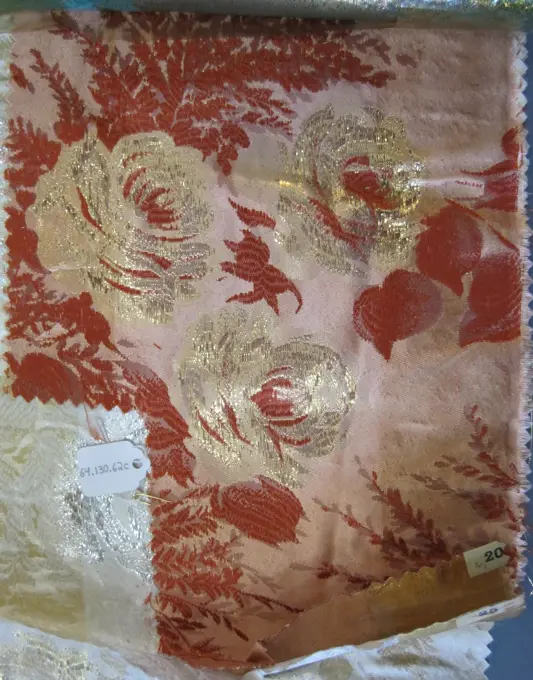
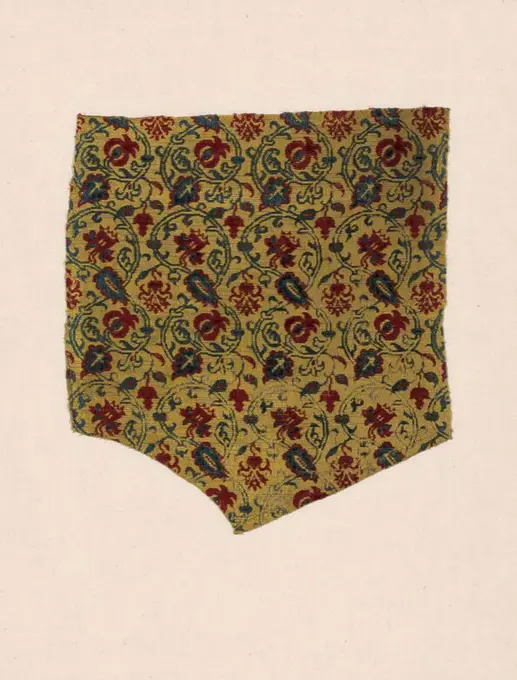
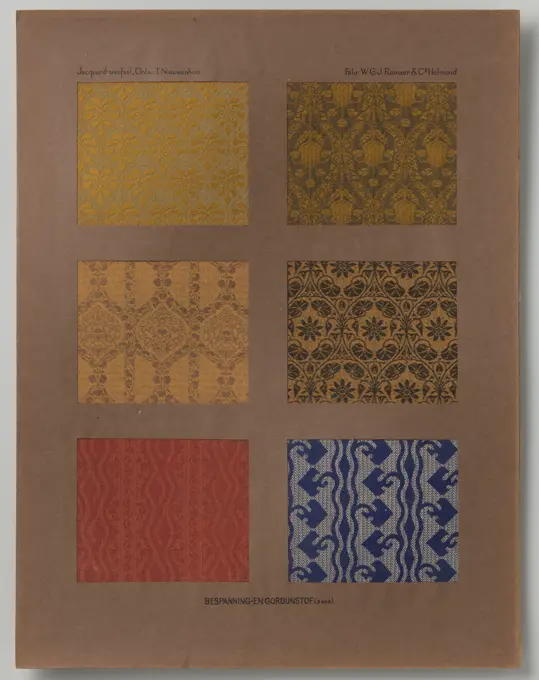
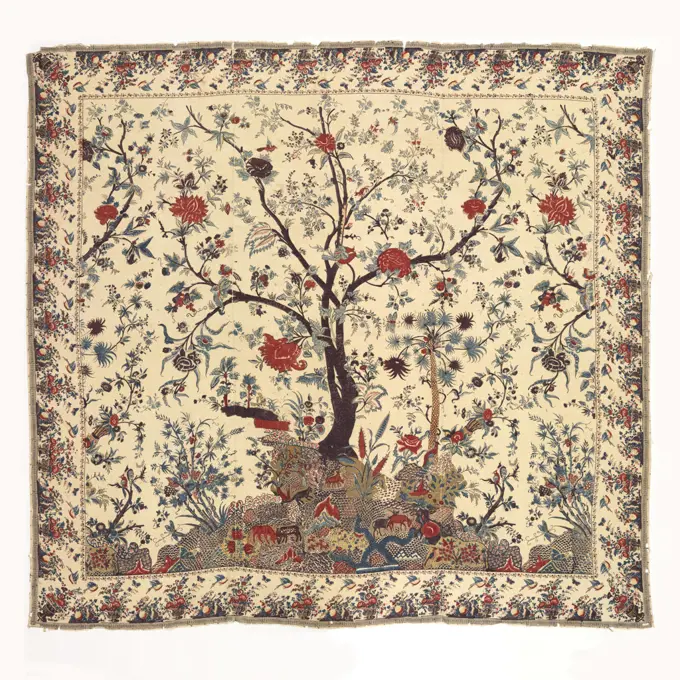
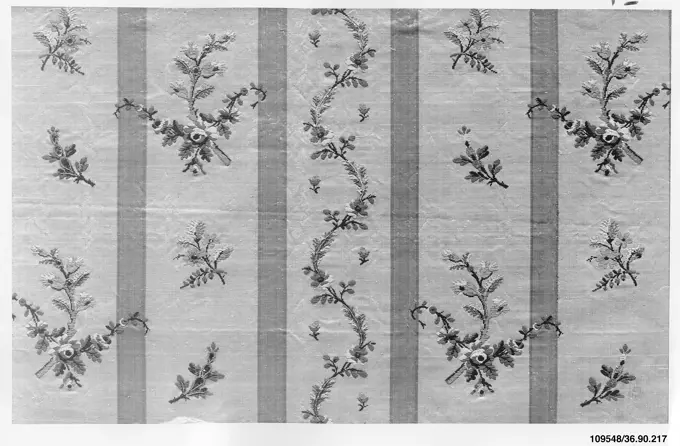
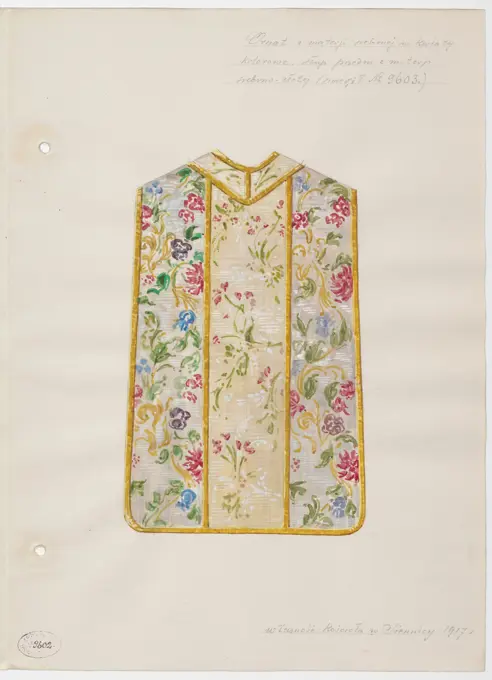
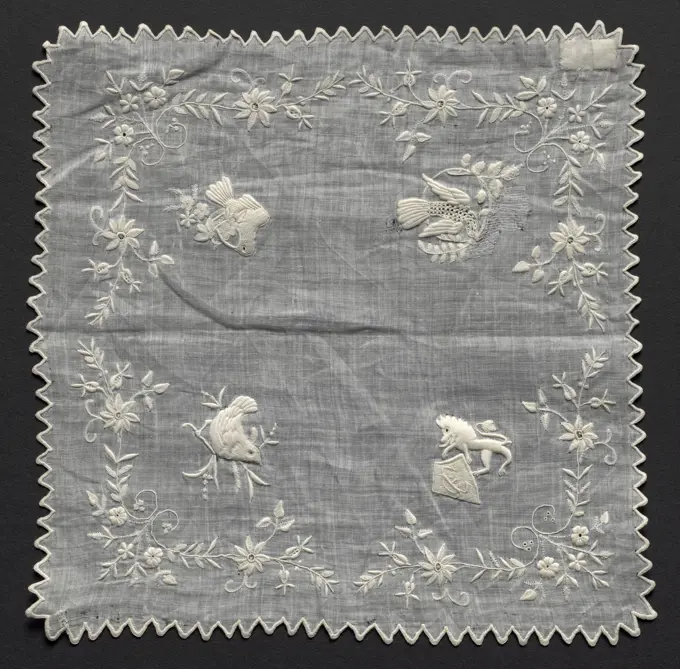
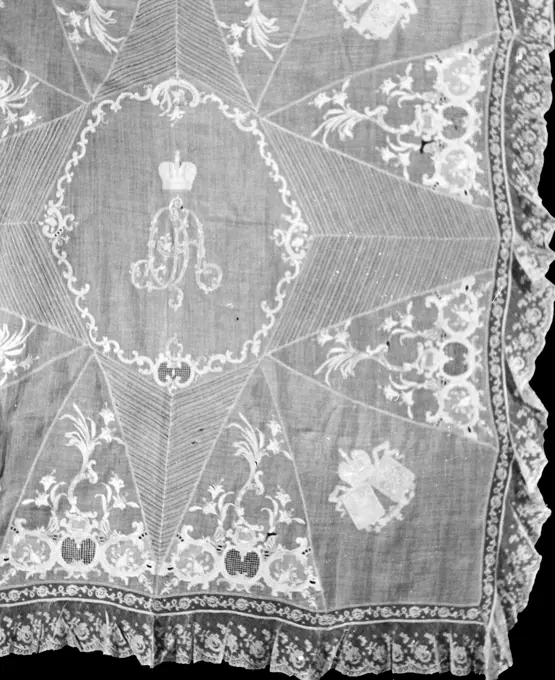
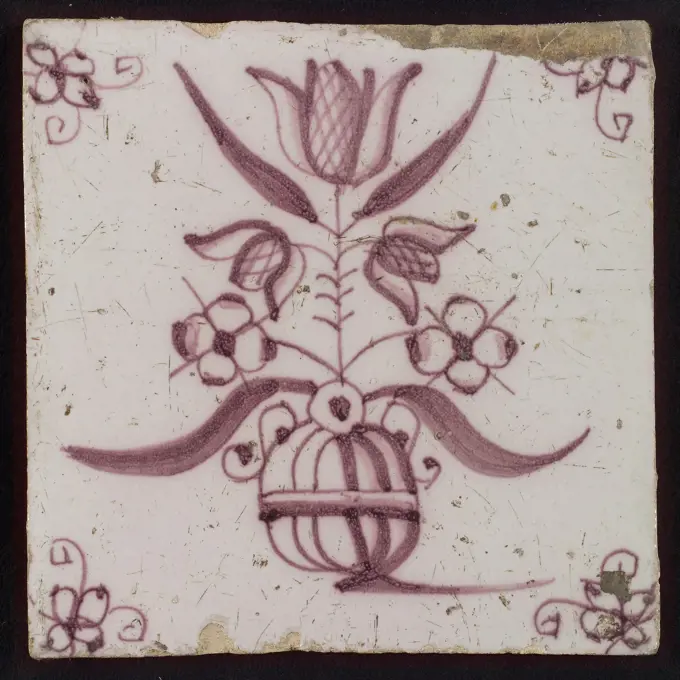
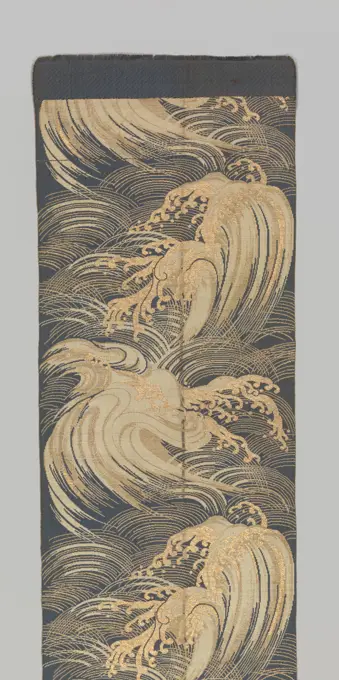
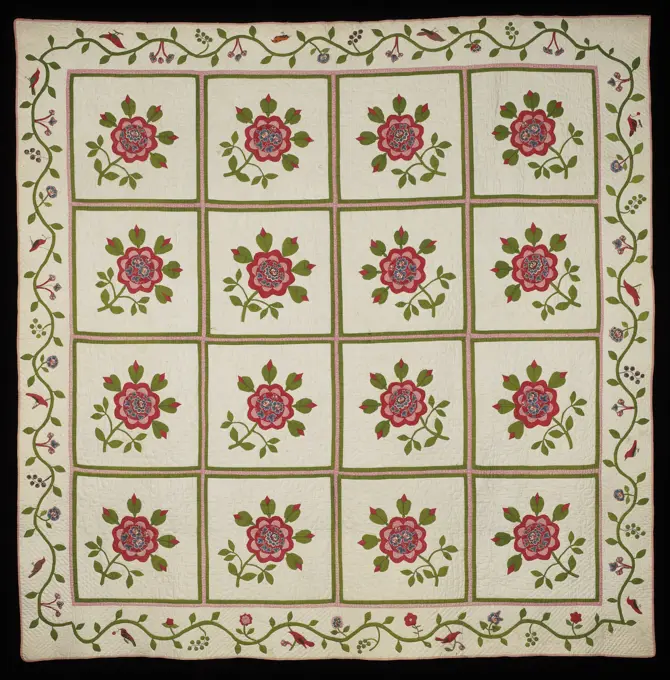
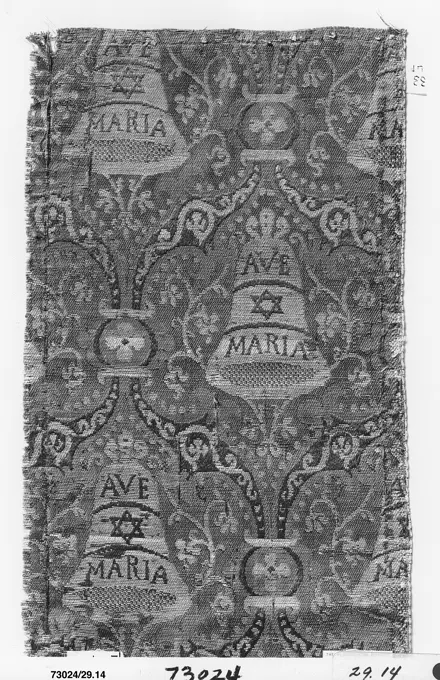
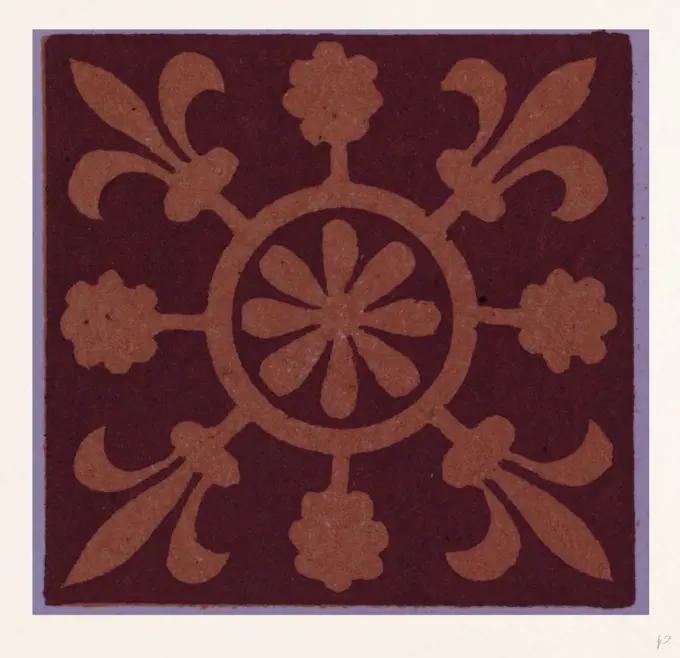
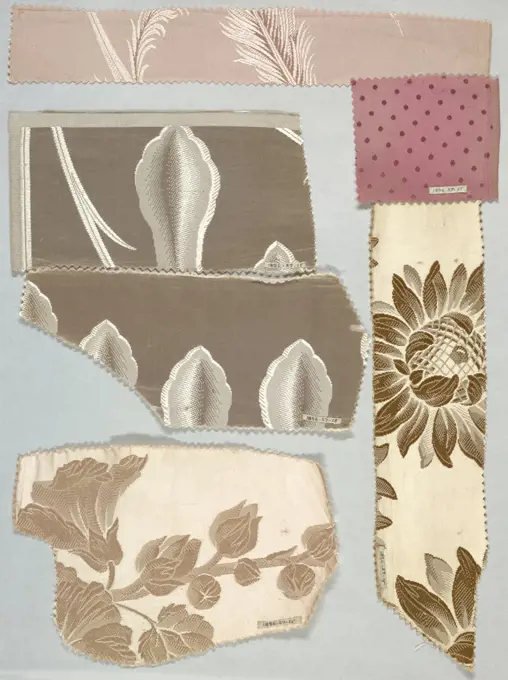
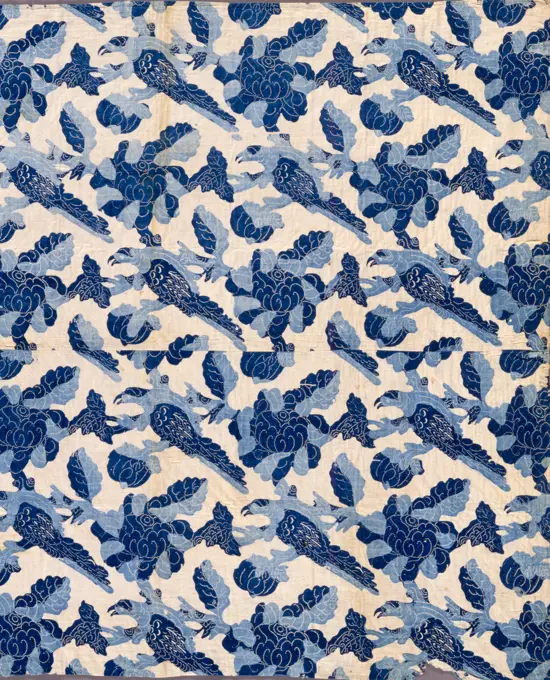
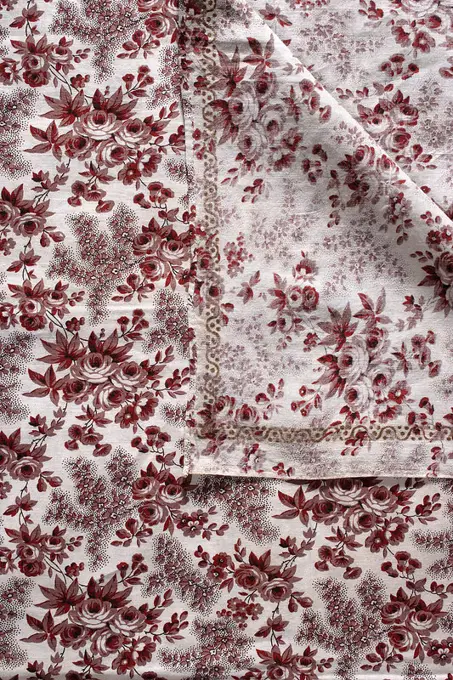
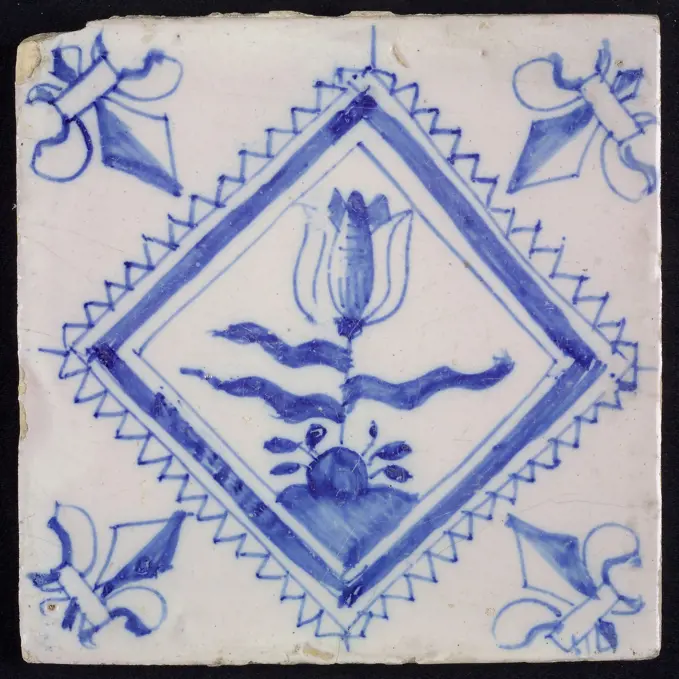
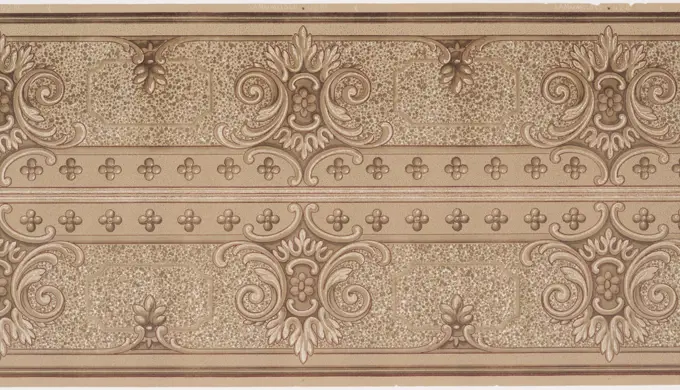
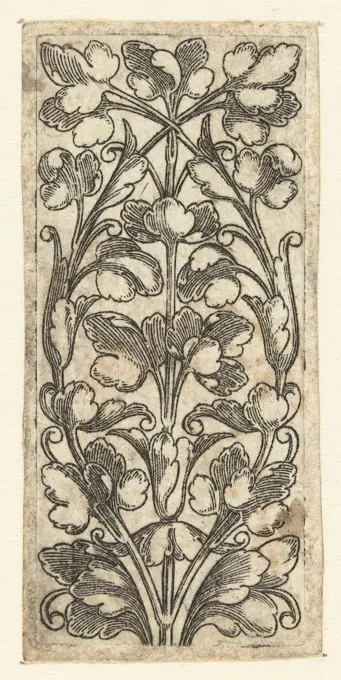
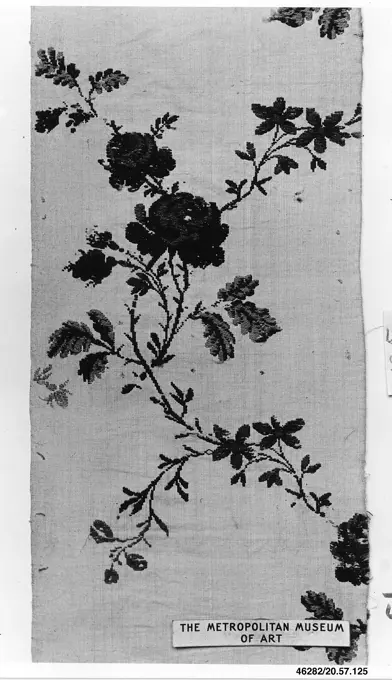
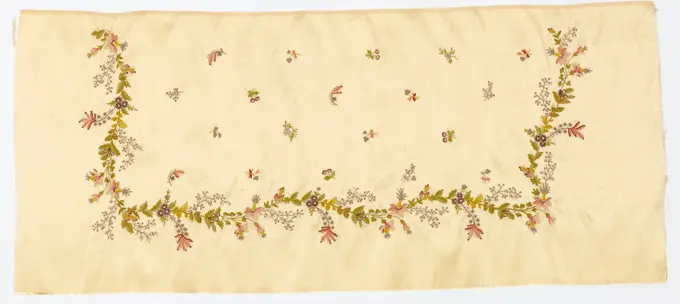
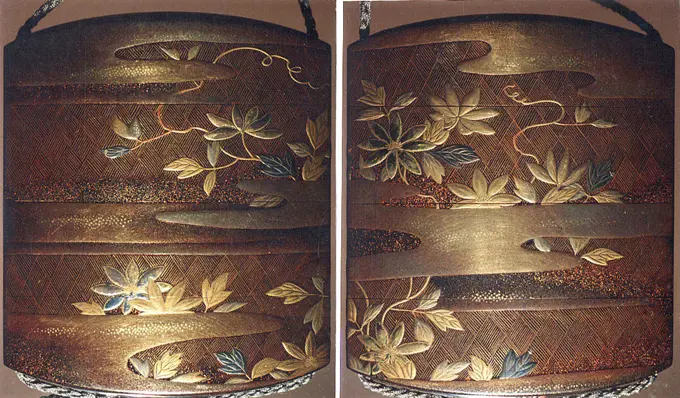
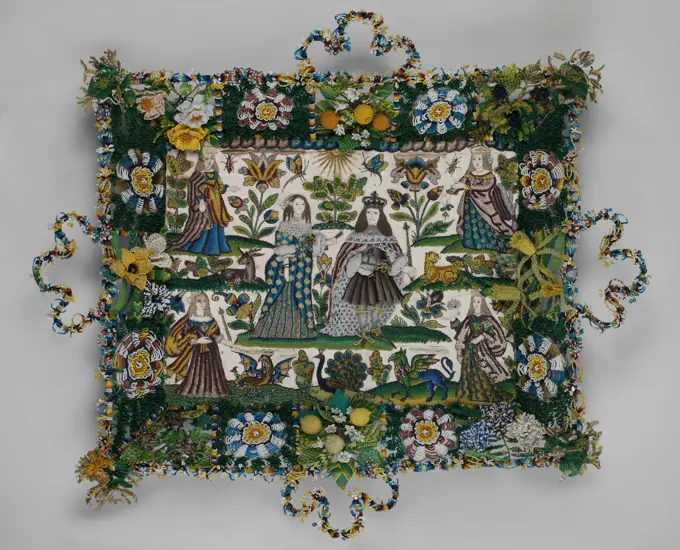
Cover Made 1575-1625 Italy. 30 squares and 26 triangles of linen, plain weavw; pieced; embroidered with linen in overcast stitches and laid work and couching; cut and drawn work with inserts of needle lace; and 42 squares of linen, needle lace; pieced; edged with linen, bobbin lace .Piece 18th-19th century Japan. Piece 66853Piece ca. 1735 Italian. Piece 227869Piece 17th century China. Piece. China. 17th century. Silk, metallic thread. Textiles-WovenReticella collar, Anonymous, c. 1575 - c. 1600 Collar of needle side. The pattern has large squares that are in turns filled with a wheel, cross -placed triangles or ellipsen. Long bars form the spokes and diagonals. The collar can be closed by means of two cords with Akers. Italy Side: Linen (Material). Collar: Cotton (textile) Collar of needle side. The pattern has large squares that are in turns filled with a wheel, cross -placed triangles or ellipsen. Long bars form the spokes and diagonals. The collar can be closed by means of two cords with Akers. Italy Side: Linen (Material). Collar: Cotton (textile)Piece 1750-60 French. Piece 220245Sample (USA); Manufactured by Orinoka Mills (United States); 1989-80-71Sampler (Germany); silk, metallic, beads and shellCeiling Paper (USA); Manufactured by National Wall Paper Co.; machine-printed paperTextile, Medium: silk Technique: drawloom woven; lampas: 7&1 satin plus 1+3 twill, Neo-classic design of trophies, a lyre, and flower basket. Pale blue and white., Lyon, France, 1785-95, woven textiles, TextileFragment of a bed of oriental textile with embroidery. Fragment of a multi-colored belonger Indo-Persian bedspread, decorated with volutes and flowers. Entertained into a trapezoidal chair cover. With a sewn linen strap on the center of four sides.Tea -tablecloth from Kloskant with four -pointed star in diamond -shaped grid, L. Middendorp, c. 1925 Tea tablecloth of natural-colored bobbin: Cluny side. Square model with deep scrap edge. The circumference of a four -pointed star is in the square midfield, in a very open diamond -shaped grid. There is a straight list of a braid ground around the square midfield, in which the braids form whole and semi-circles, which results in a kind of spider web pattern. The repeating pattern of the wide outer edge forms deep scumples and consists of a row of fan -shaped flowers with seven petals. Under each flower hangs an oval shell of braids, finished with pointed lobes. In the oval shell a thin stem with narrow spare leaves made in Vomslag on either side. This motif with leaves in shape also originates from the right list and then stands between the flowers, with a more or less rectangular surface underneath, including a fan like shell, finished with pointed lobes. The motifs are made in netslPillow Cover (Italy); silk on linenFragment brOOCHED SIDE ,, 1750 Fragment silk tissue. A cream -colored soil has a pattern of irregular fields formed by wavy lines, between which lines with flowers in yellow and red. Two pieces sewn together. Germany silk Fragment silk tissue. A cream -colored soil has a pattern of irregular fields formed by wavy lines, between which lines with flowers in yellow and red. Two pieces sewn together. Germany silkFragment of silk fabric  naturaIIstic patterns of rose twigs with vertical stripes in the background unknownPiece 18th century China. Piece 71411Cover, Medium: linen Technique: cutwork with needle-made fillings (reticella), White linen table cover with rows of reticella squares in three sizes, each enclosing another square. Deep border of triangular points., Italy, 16th century, lace, CoverSampler (England); Embroidered by Sarah Phillips; silk embroidery on linen foundation; Frame H x W: 49.5 x 37.5 cm (19 1/2 x 14 3/4 in.)Baptismal rug from Machinale side with bouquets along an edge of feathered S-shaped leaves, anonymous, c. 1830 Baptismal rug of natural -colored machine side. Square model with wavy scrap edge. Unsired midfield and a repeating pattern along the edges: two bouquets per side that lie along the edge. The pattern along the edge consists of a succession of feathered S-shaped leaves. In every corner a similar, but with the corner with the corner. Between the bouquets a curved smaller flower branch with different flowers including an carnation, chalice, cornflower and some small rosette flowers. Netherlands . Baptismal rug of natural -colored machine side. Square model with wavy scrap edge. Unsired midfield and a repeating pattern along the edges: two bouquets per side that lie along the edge. The pattern along the edge consists of a succession of feathered S-shaped leaves. In every corner a similar, but with the corner with the corner. Between the bouquets a curved smaller flower branch withTextile; Manufactured by Schwartz-Huguenin; cottonSampler. Italy. Date: 1601-1700. Dimensions: 58.1 x 47 cm (22 7/8 x 18 1/2 in.). Linen, plain gauze weave; embroidered with silk floss and linen in double running, stem, weaving, and buttonhole stitches; applied silk tassels at each corner. Origin: Italy. Museum: The Chicago Art Institute, Chicago, USA.Sampler. Date/Period: 1703. Sampler. Medium: silk embroidery on linen foundation. Technique: embroidered on plain weave. Author: Judith Hayle.Border. Culture: Italian, Milan. Dimensions: L. 29 x W. 28 x 9 inches (73.7 x 71.1 x 22.9 cm). Date: 17th century. Museum: Metropolitan Museum of Art, New York, USA.Piece 18th century Japan. Piece 71272Sidewall - Sample, Powdered; Designed by William Morris (British, 1834-1896); Manufactured by Jeffrey & Company (United Kingdom); Made for Morris & Co. (United Kingdom); block-printed paperBedcover. England, late 17th century. Textiles; covers. Linen twill with wool embroideryTowel 18th century. Towel 452053Sample early 19th century French. Sample 223139Textile Swatches Onondaga Silk Company, Inc. (1925-1981). Textile Swatches, 1948-1959. silk; metal, largest component (a): 47 x 18 in. (119.4 x 45.7 cm).    1948-1959Textile; silkFragment. Italy, Florence. Date: 1540-1560. Dimensions: 27.3 × 25.1 cm (10 3/4 × 9 7/8 in.)Repeat: 11.5 × 5.7 cm (4 1/2 × 2 1/4 in.). Silk and gilt-metal strip, warp-float faced satin weave with supplementary facing wefts and supplementary pile warps forming cut and uncut voided velvet. Origin: Florence. Museum: The Chicago Art Institute, Chicago, USA.Handkerchief unknownBeautiful textileFragment of the fabric;  around 1712-1720 (1712-00-00-1720-00-00);patterned fabrics, bizarre patternsSteel Snacking and Curtain Fabric by design by Theo Nieuwenhuis in Passe-Partout, Theo Nieuwenhuis, c. 1910 Six samples of crushing and curtain fabric with floral patterns of jacquard-woven cotton designed by Theo Nieuwenhuis. In original passe-partout. Netherlandsmaker: Helmond Staal: Cotton (Textile). PASE-PARTOUT: Cardboard jacquard Six samples of crushing and curtain fabric with floral patterns of jacquard-woven cotton designed by Theo Nieuwenhuis. In original passe-partout. Netherlandsmaker: Helmond Staal: Cotton (Textile). PASE-PARTOUT: Cardboard jacquardMezzaro (shawl or headcovering), Medium: cotton Technique: block printed on plain weave, Mezzaro in a multicolored design on a white ground. Formed of three panels stitched together. Large-scale tree with a border of alternating bunches of fruit and vases with flowers., Italy, 19th century, printed, dyed & painted textiles, Mezzaro (shawl or headcovering)Band 16th century Italian. Band 226394Glass Fragment 15th century European. Glass Fragment. European. 15th century. Colorless glass. Glass-StainedPiece 18th century French. Piece 223318Piece 18th century Italian. Piece 229281Textile (England); cottonSampler 19th century probably French. Sampler 228554Piece 17th century China. Piece 71877Piece early 18th century Italian. Piece 216798Textile; rayonSiennica (woj. mazowieckie). Ornat srebrno-złoty, skrzypcowy, z ornamentem w kolorowe kwiaty ze złotym galonem, z wyposażenia kościoła poreformackiego p.w. Ofiarowania Najświętszej Maryi Panny - widok z tyłu w skali 1:5. Sztolcman, Władysław Roman (1873-1950), painterHandkerchief, 1800s. France, 19th century. Embroidery: linen; overall: 20.3 x 20.3 cm (8 x 8 in.).Piece 18th century French. Piece 220428Ribbon French 19th century View more. Ribbon. French. 19th century. Textiles-TrimmingsTile, Anonymous, 1700 - 1800 Four tiles of earthenware, painted in blue, yellow, green, orange and manganese, leaf rosette of which the center is formed by an eight -pointed star in blue and white. (In modern wooden frame). Spain earthenware Four tiles of earthenware, painted in blue, yellow, green, orange and manganese, leaf rosette of which the center is formed by an eight -pointed star in blue and white. (In modern wooden frame). Spain earthenwarePiece French 19th centuryCover Made 1701-1800 Russia. .Back of a chasuble. unknown, authorBorder (USA); Manufactured by Cresswell & Washburn Ltd; machine-printed paper, liquid mica; 94 x 49 cm (37 x 19 5/16 in.)Sample (France)Sampler. Date/Period: 1834. Sampler. Medium: silk embroidery on linen foundation. Technique: embroidered in cross, satin, and stem stitches on plain weave foundation. Height: 430 mm (16.92 in); Width: 410 mm (16.14 in). Author: Elizabeth Jane Alden.Table cover, Medium: wool Technique: block printed on plain weave, Printed wool rectangular table cover. Field: medallion surrounded by a wreath of flowers on maroon field. Border: elaborately edged repeat of floral band and medallion which round the corners. Note stag head on inside border at corners. Dark somber colors., England, mid-19th century, printed, dyed & painted textiles, Table coverWhite tile with purple three-tiered tulip in flowerpot; corner motif spider, wall tile tile sculpture ceramic earthenware glaze, baked 2x glazed paintedMachine-made Openwork Samples (USA); cardboard, linen, silk, metallic; 1971-26-2-29Obi with Stylized Waves early 20th century Japan Dramatic waves rendered in gold and silver metallic threads and white and greenish blue silk crash and splash all over the surface of this obi. It is woven in a double-cloth weave that was very popular for obis in the Meiji period.. Obi with Stylized Waves 72749Rose of Sharon quilt, c. 1850, L.78-7/8 x W.78-7/8 in., Cotton; hand appliquéd and pieced; quilted, United States, 19th century, Quilts such as this Rose of Sharon pattern with a fruit and bird border were often made to celebrate special occasions such as a wedding and were given as a gift or were part of a dowry. In general, they did not serve as an everyday bed cover but were displayed on holidays and for other celebrations.Mezzaro (shawl Or Headcovering) (Italy); cottonColorful simple floral decoration illustration background template, creative arrangement of nature and flowers. Good for banner, wedding card invitation draft, birthday, greetings, and design element.Piece 16th century Spanish. Piece 222230Sidewall And Border (USA); block-printed; 45 x 17 cm (17 11/16 x 6 11/16 in.)Medieval ornamentSwatches, Medium: silk Technique: woven, France, late 19th century, woven textiles, SwatchesTile first half 17th century. Tile 447235Whole-cloth Quilt (one of a pair). United States, Connecticut, Greenwich, circa 1760. Textiles; quilts. Cotton plain weave, resist painted and blockprinted and dyedFragment Made 1501-1600 Italy. Cisele voided satin velvet .Dress border. Culture: French. Dimensions: L. 21 1/2 x W. 8 1/2 inches54.6 x 21.6 cm. Date: early 19th century. Museum: Metropolitan Museum of Art, New York, USA.Pillow throw. unknown, authorFlower tile with tulip in serrated square, blue decor on white ground, corner filling lily, wall tile tile sculpture ceramic earthenware glaze tin glaze, in form made baked glazed painted baked Wall tile with blue decor on white background. Flower tile with tulip in serrated square or square. Yellow shard Corner filling lily Slightly sloping sides of indigenous potterySampler (Germany); silk and metal-wrapped silk embroidery on linen foundationFrieze, Maxwell & Co., S.A., Chicago, Illinois, USA, Machine-printed paper, Horizontal shapes filled with quatrefoils and c-scrolls. Motifs made up of c-curves, flowers and acanthus leaves, against speckled ground. Printed in brown and white. Two borders printed across the width., USA, 1905-1915, Wallcoverings, FriezeBladrank met drie scheuten; Vlakdecoraties met bladranken.Flat decoration. The middle shot raises candle right over the middle, the other two shoots are curved and crossed by approximately three-quarters of the leaf and the middle stem. One of 6 sheets.Sidewall - fragment, Machine-printed, Small seven petalled flower in bright red, each on a scroll-like stem. Stems cross; at points of intersection there is a brown dot. Leaves and stems are outlined in white while the flower has a dark brown line. Printed in bright red, brown, white and gray-green on gray-brown field., USA, 1890-1900, Wallcoverings, Sidewall - fragmentPiece ca. 1750 French. Piece 220323Postcard of Wiener Werkstätte No, Flower basket, Leopoldine Kolbe -, Artist, Wiener Werkstätte, Publishing HouserosesPiece 18th-19th century Japan. Piece. Japan. 18th-19th century. Silk. Textiles-WovenTextile (France); silk on silkMirror;  XVIII/19th century (1780-00-00-1810-00-00);Case (Inr) with Design of Clematis Vine on Bamboo Lattice 18th century Gion Nankai. Case (Inr) with Design of Clematis Vine on Bamboo Lattice. Gion Nankai (Japanese, 1677-1751). Japan. 18th century. Lacquer sprinkled with gold and silver makie, and foil; Ojima: floral scrolls in openwork; silver and silver wire; Netsuke: chrysanthemum medallion; ivory. Edo period (1615-1868). InrKing Charles II and Catherine of Braganza with allegories of the four continents after 1662 British This elaborate beadwork basket is one of a group of similar surviving examples that have been compared to silver baskets of similar form that were traditionally used to hold a childs clothes during the christening ceremony. Although such beadwork baskets clearly did not lend themselves to this kind of practical use, their imagery is also usually celebratory and commemorative of marriage or betrothal. Such is the case with this piece, which celebrates the union in 1662 of King Charles II and Catherine of Braganza. They stand in the center of the satin panel, surrounded by a profusion of fruits and flowers that is generally suggestive of fecundity, although such elements as the butterflies, a radiant sun, and an oak sapling may have been chosen for their specifically Royalist associations. In this context, the peacock at the center beneath the royal couple may be an emblem of the RestoratItalian. Culture: British, Essex. Designer: Owen Jones (British, London 1809-1874 London). Dimensions: L. 17 3/4 x W. 18 1/2 inches (45.1 x 47 cm). Manufacturer: Warner, Sillett & Ramm. Date: ca. 1873."Italian" is one of the rare textiles by Owen Jones. Fewer than thirty of his textile designs are known to exist, and they all date to the early 1870s. This silk textile typifies Jones' predilection for formal, repeating patterns, in contrast to the naturalistic, three-dimensional floral designs found on many Victorian furnishing fabrics. Jones, who was trained as an architect, is probably best known as the author of The Grammar of Ornament, first published in 1856. The book provided thirty-seven principles of design and an ambitious survey of decorative motifs from cultures around the world. It was intended to serve as inspiration and guide for designers in all facets of the decorative arts, and was influential throughout the second half of the nineteenth century. Museum: Metropolitan MTile field, six tiles, four with orange, green and blue on white, two with green and blue, flower on ground, corner pattern ox head, tiled field wall tile tile sculpture ceramic earthenware glaze, baked 2x glazed painted floral decorRibbon, Medium: silk Technique: warp printed, Ivory ground with groups of flowers warp-printed in rose, blue, brown and green. Brown picot edges., France, early 19th century, printed, dyed & painted textiles, RibbonRectangular edge tile in purple with sling decor of speckled tulip, flower with ten triangular petals, leaves, type of tulip fawn, yellow pottery, border tile wall tile tile sculpture ceramic earthenware glaze, baked 2x glazed paintedValance (USA); cottonField of forty-eight tiles with landscapes and castles. Field of forty-eight tiles (8 x 6) each with a blue painted landscape with a castle inside a circle. In the corners, a spider.Silk fabric on display in shop in historic Yanaka neighborhood, Tokyo, JapanSample ca. 1840 French, Mulhouse. Sample 220025Field of nine tiles with animals. Field of nine tiles (3 x 3) each with a multi-colored (blue, yellow and orange) animal within a wreath with feather pour.Anefo photo collection. Embroidery Old No. 15. 12 December 1945Embroidery, Germany 19th century. Front cover of a notebook, embroidered in woollen small stitch with silk threads on a canvas, with floral motif and leather-binding, approximately  1830.Back doubleur. 1907 - 1903. Dumas, Alexandre (1802-1870 ). bindings (gathered matter components), Book covers. Spencer Collection. BookbindingTextile; Manufactured by Cheney Brothers (United States); silk, metallic threadFragment silk tissue., Silk weave Heshuyzen, 1750 - 1800 Fragment silk tissue. A pink soil has a pattern of rows of double, light blue leaves on a white handle, between which a small white branch. Haarlem silk Fragment silk tissue. A pink soil has a pattern of rows of double, light blue leaves on a white handle, between which a small white branch. Haarlem silkRank Badge with Peacock 19th century China. Rank Badge with Peacock 68868