Historic Textile Fragments

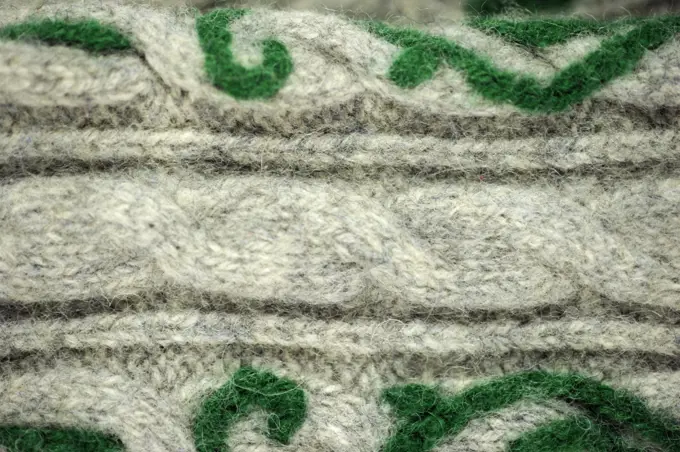
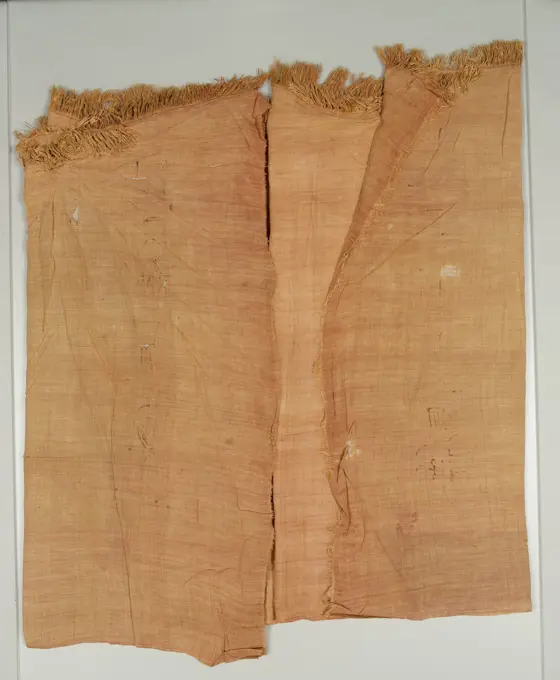
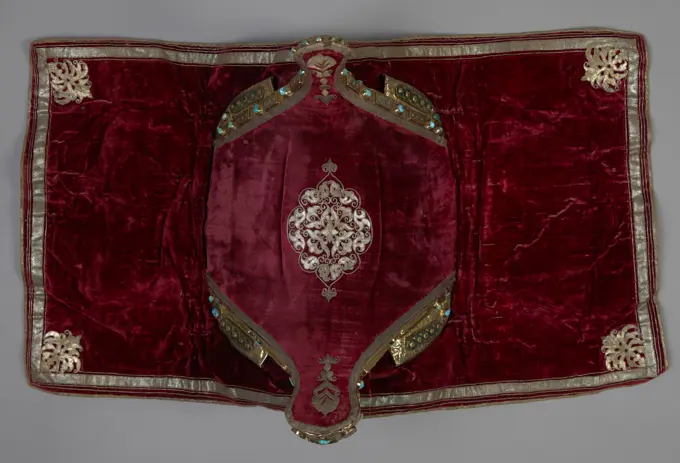
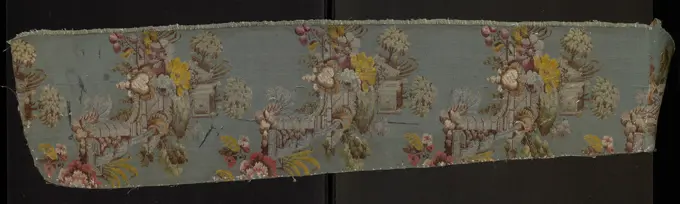
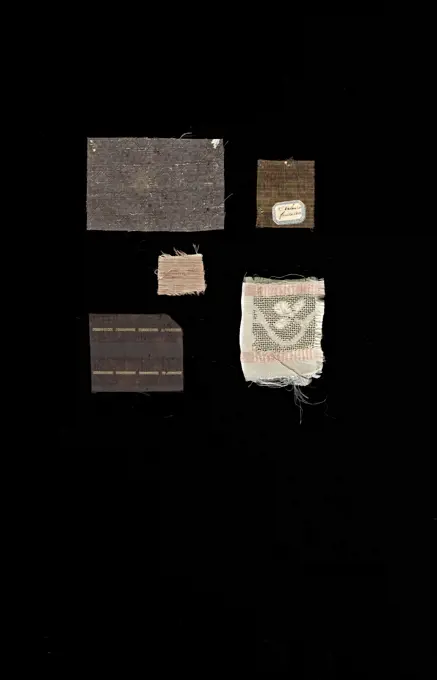
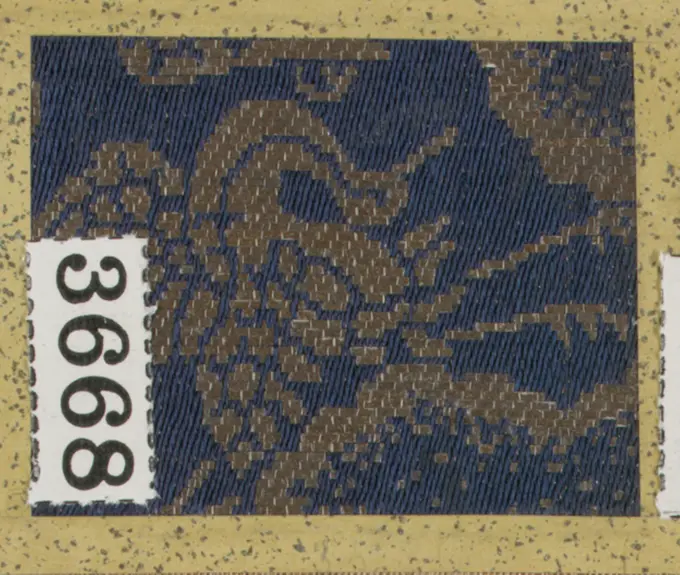
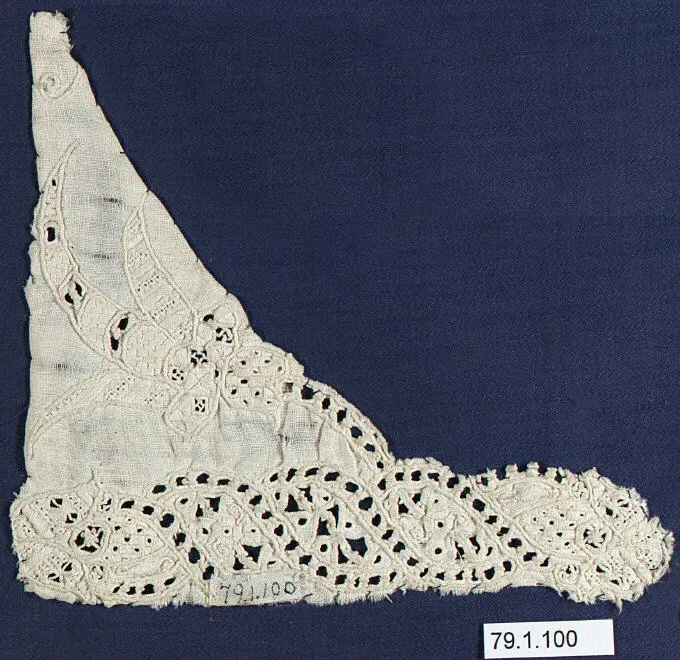
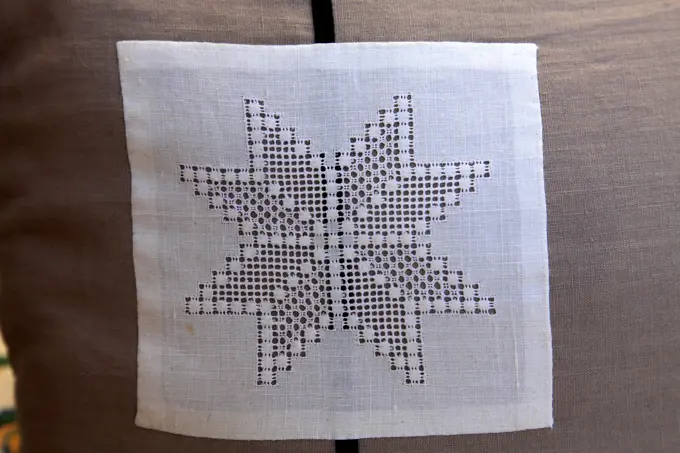
Collection of various textile fragments featuring intricate floral and geometric patterns, including Italian, Persian, and Chinese designs from the 13th to 17th centuries.
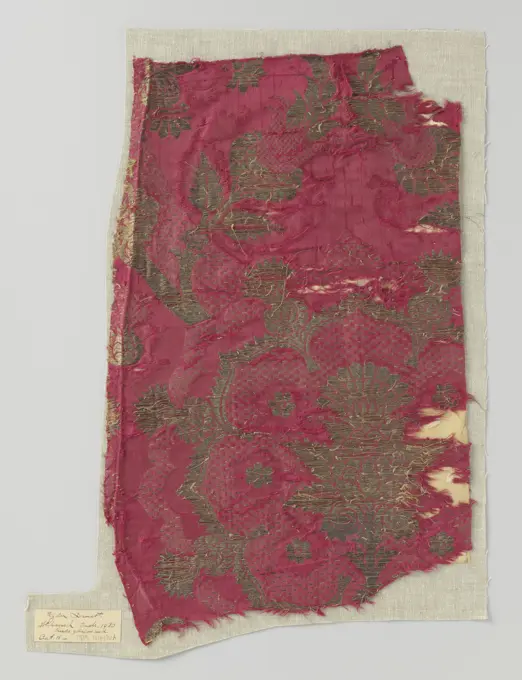
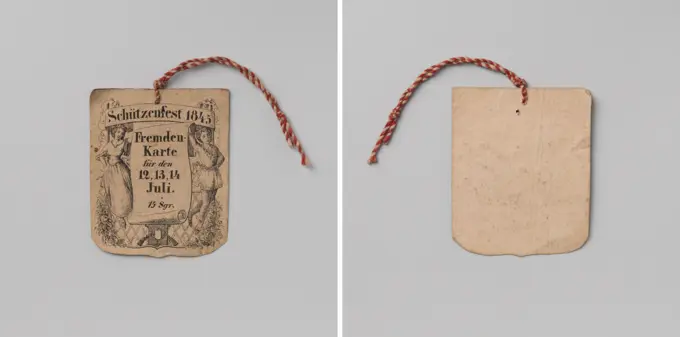
Fragment red damask brokaat with pomegranate moths, anonymous, c. 1450 - c. 1499 Fragment of red silk damask brokat with pomegranate skills. Italy silk. damask Fragment of red silk damask brokat with pomegranate skills. Italy silk. damask
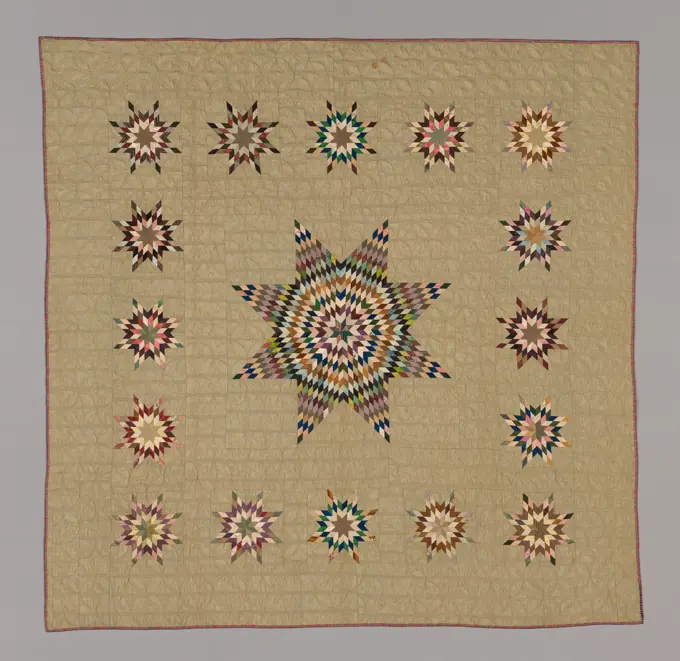
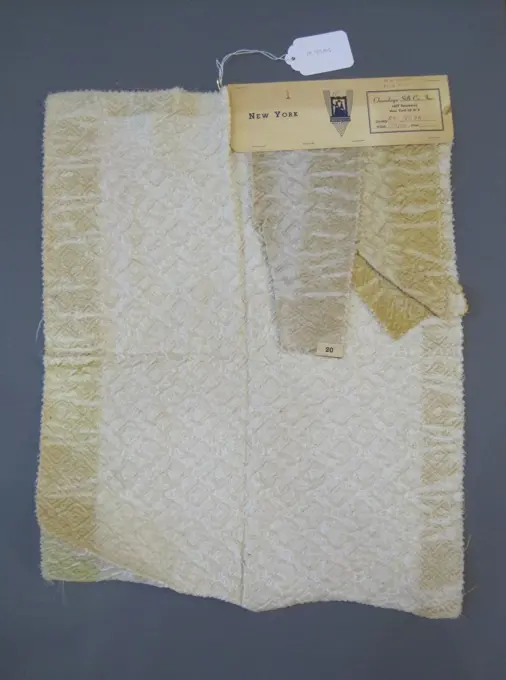
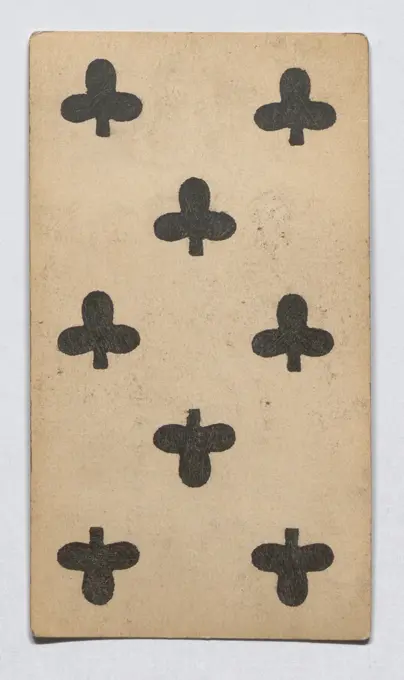
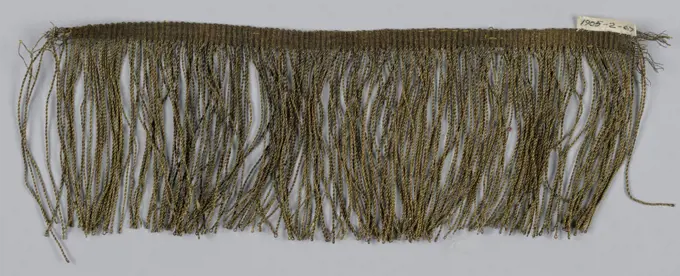
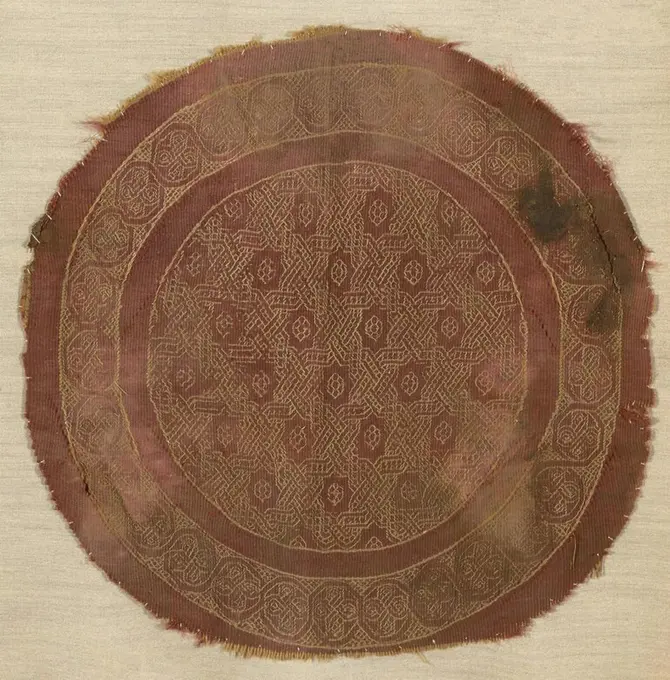
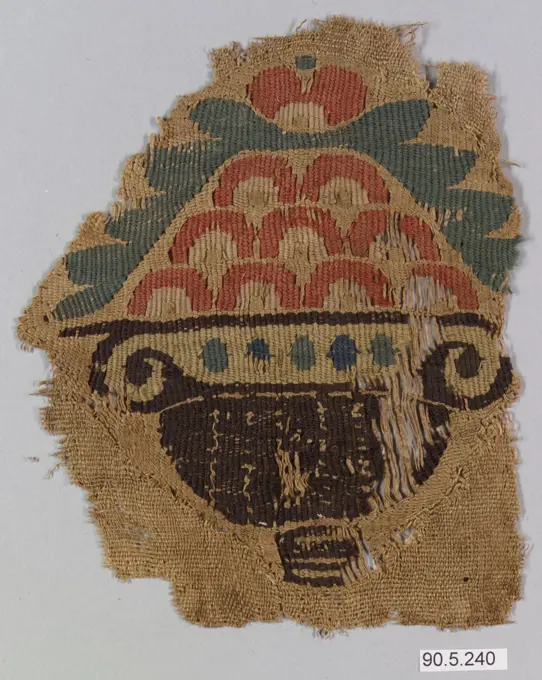
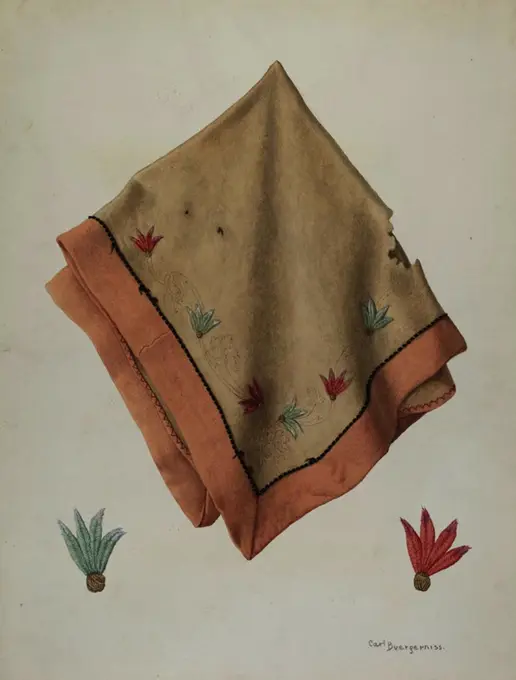
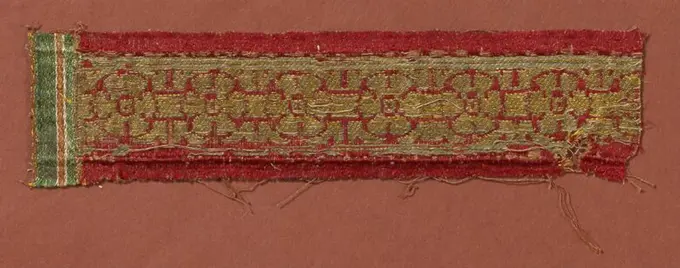
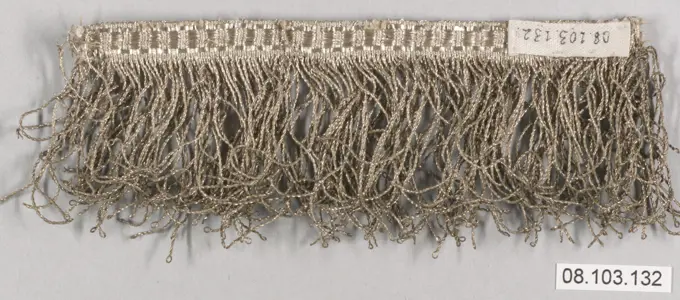
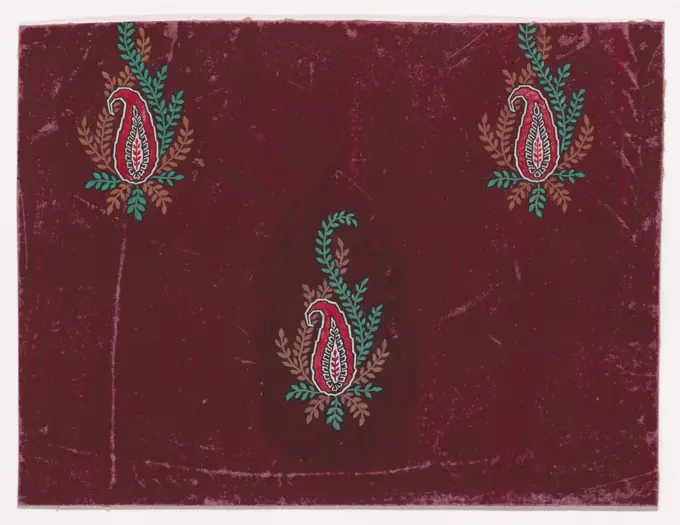
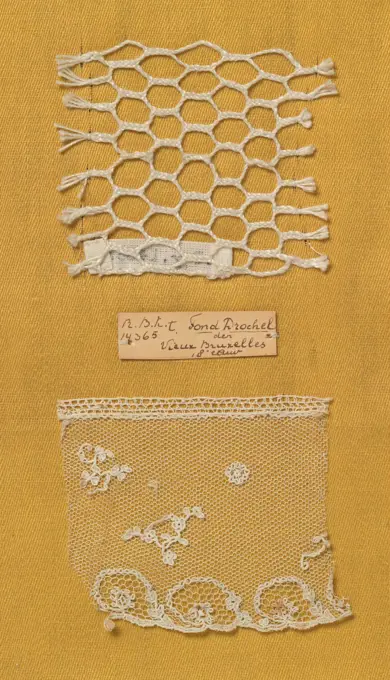
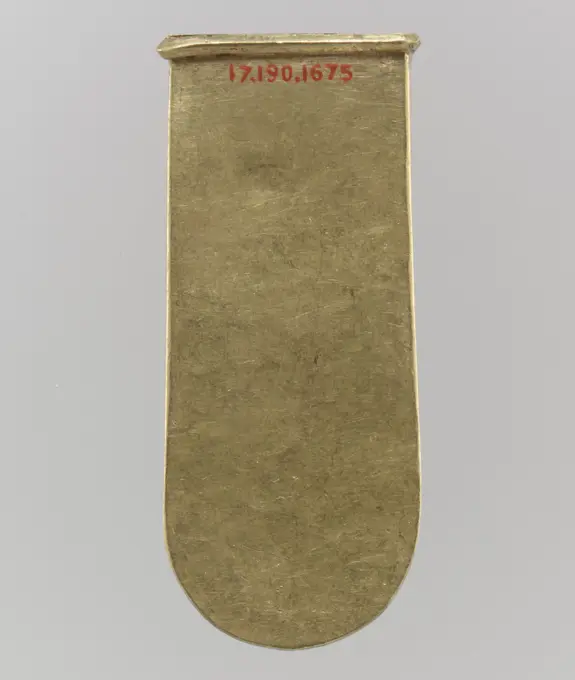
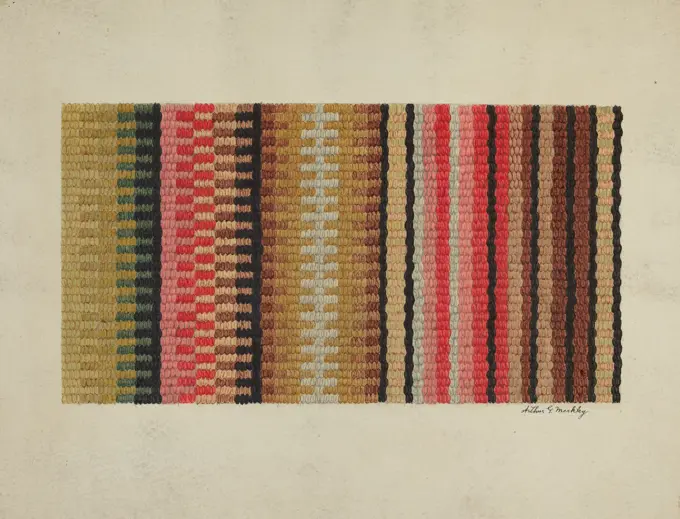
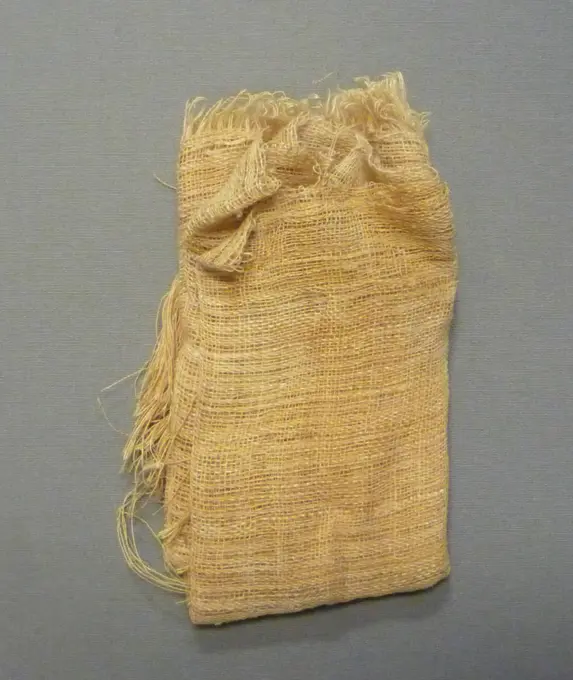
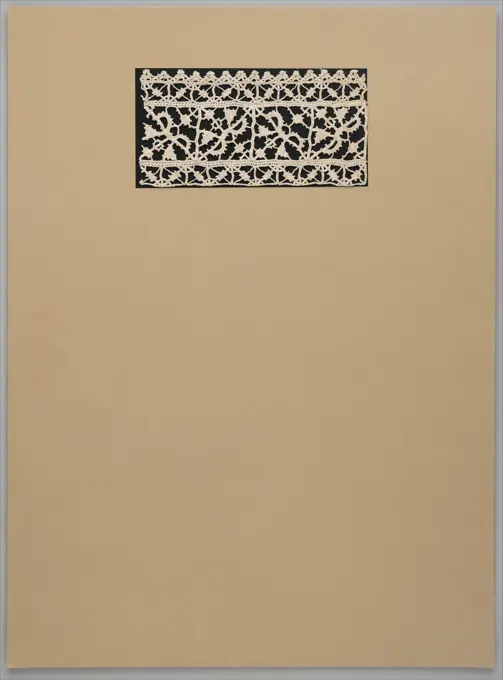
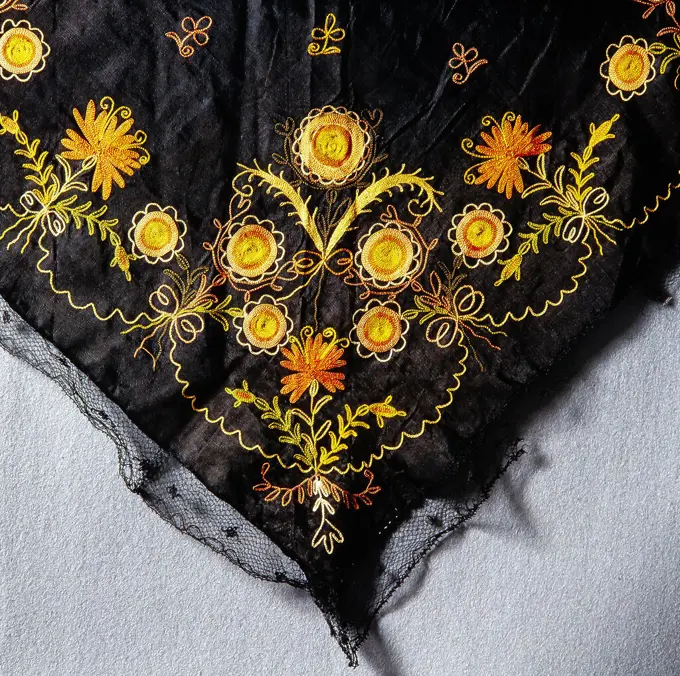
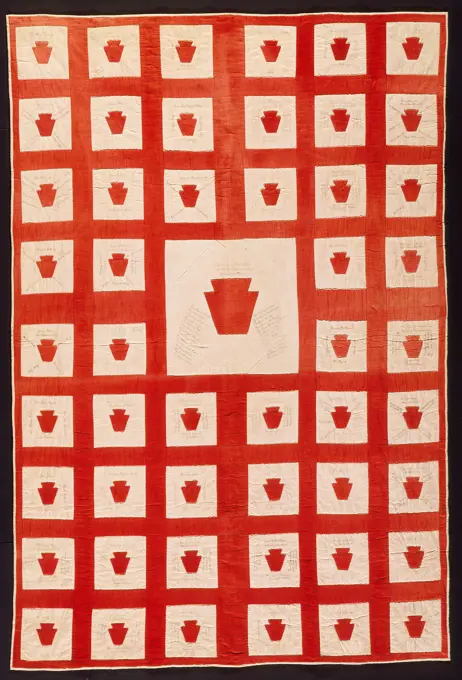
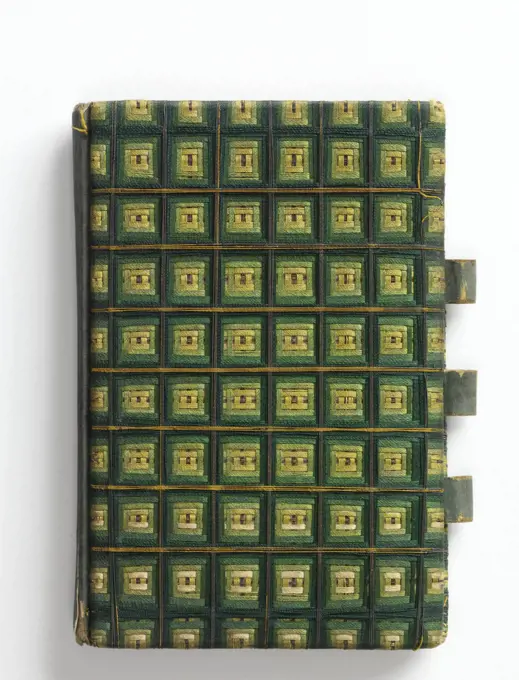
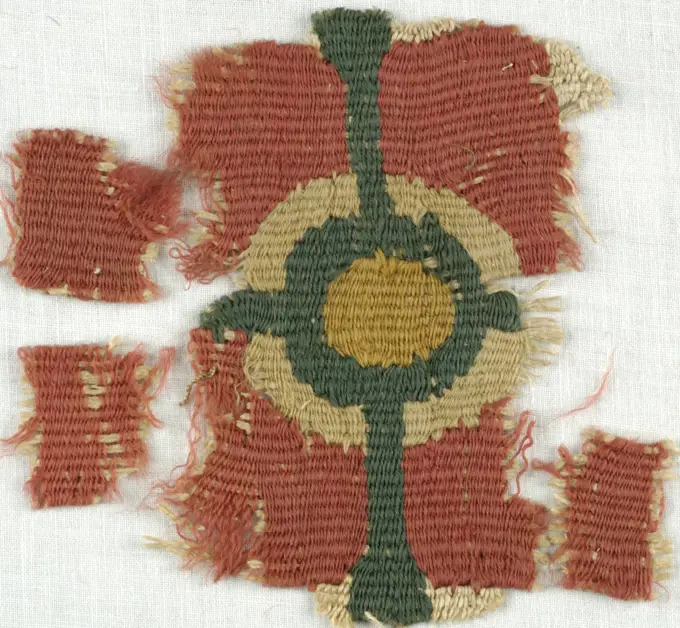
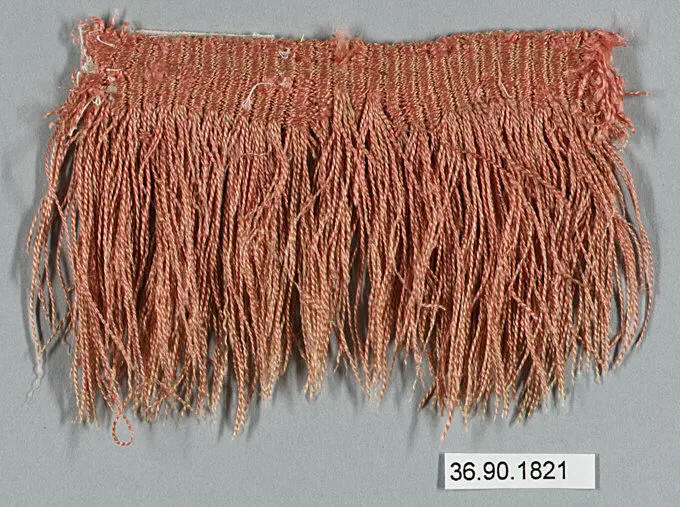
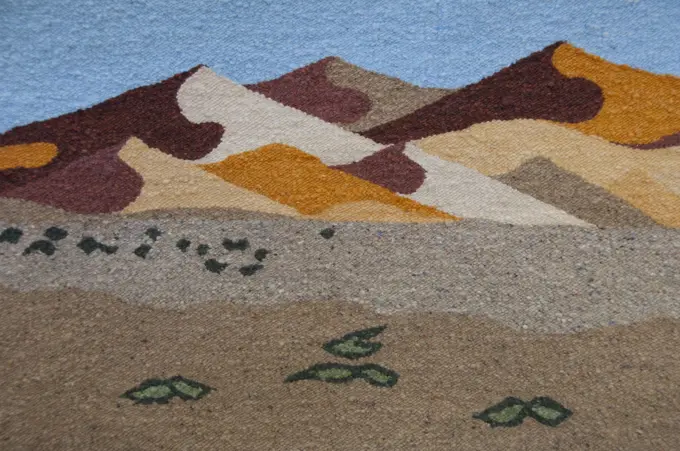
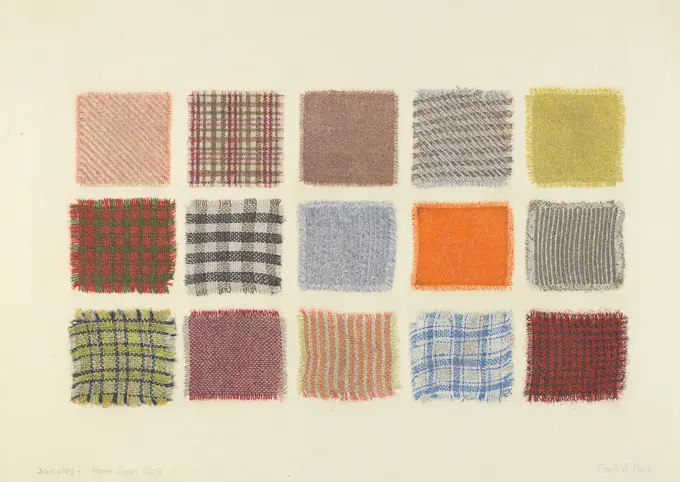
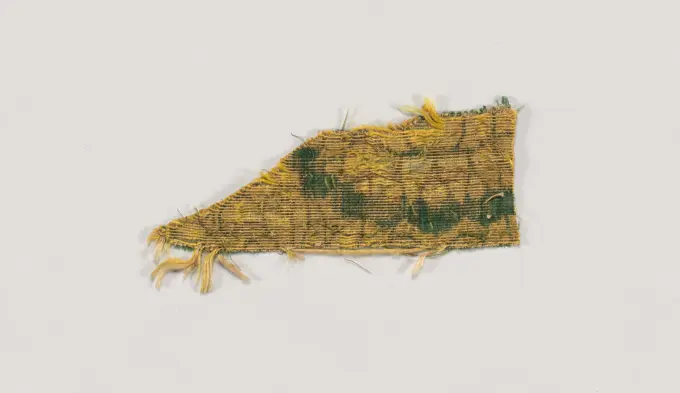
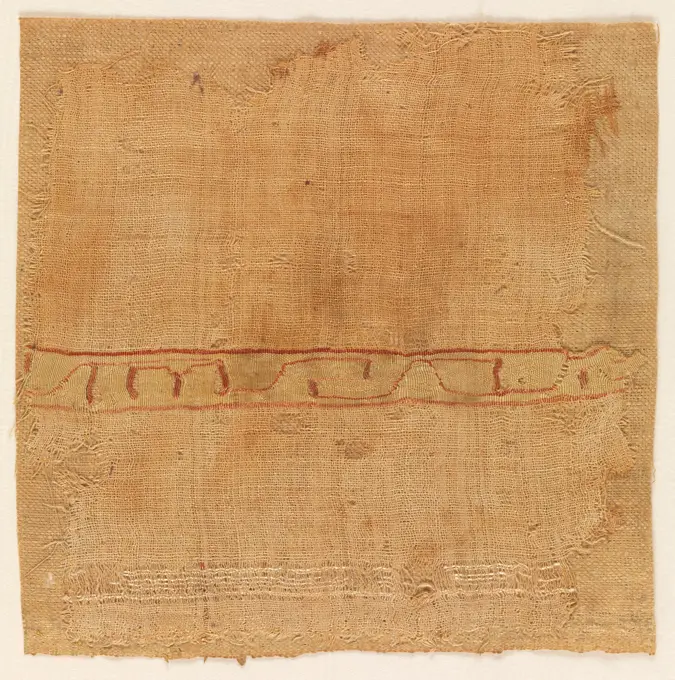
Comforter cover, 19th century, 54 1/2 x 42 1/2 in. (138.43 x 107.95 cm), Cotton, China, 19th centuryPiece 17th century Japan. Piece 71390Bedcover (Lone Star Variation Quilt) Made 1835-1860 Connecticut. Silk, stripes of warp-float faced 7 1 satin weave, warp-float faced 7 1 warp chevron twill weave and plain weave; pieced; stars silk, warp-float faced 7 1 and 4 1 satin and plain weaves; some self-patterned by complementary ground wefts or by warp and weft floats; some in stripe of both weaves with supplementary patterning warps; some with impressed patterning; some warp ikat dyed; some printed; and silk and cotton, plain weave self-patterned by weft floats; pieced; quilted with silk threads; edged with ribbon of silk, stripes of warp-float facd 4 1 satin weave and plain weave with extended weft loops; backing cotton, plain weave; glazed; batting cotton . Ruth Hart (Maker)Piece 17th century Japan. Piece 71733Banner  a lobe with a depicting emblem Kolowiec, StanisławFragment (Egypt); cottonBreast valve or plastron, white with golden galon, c. 1800 - c. 1880  Breast valve or plastron of white fabric with golden galon and a kind of brushes of a fantasy or imitation design, presumably for masquerade or theater. Netherlands cloth.Textile Swatches Onondaga Silk Company, Inc. (1925-1981). , 1948-1959. 68 nylon, 32 silk, 20 3/4 x 16 in. (52.7 x 40.6 cm).    1948-1959Piece 18th-19th century Japan. Piece 67620Fragment 16th century Italian. Fragment 230163Tarock game, tw, With Wiener Type,Volksleben representations - eight cross,meetingFringe, Medium: gilt foil on a silk core Technique: woven, Gold fringe with a plain-woven heading a skirt of twisted loops., Italy, 17th century, trimmings, FringeMerklap on which embroidered: Lxdxrovbay.anno 1753, Anonymous, c. 1730 - c. 1753 Baptismal or toilet tablecloth from so-called Zaans stitching with an edge of Brabantse Kloskant. On the rug in every corner a jug and edges with floral vases and palmets. Netherlands rand: linen (material) embroidering Baptismal or toilet tablecloth from so-called Zaans stitching with an edge of Brabantse Kloskant. On the rug in every corner a jug and edges with floral vases and palmets. Netherlands rand: linen (material) embroideringFragment, Medium: cotton Technique: plain weave, warp stripes, Plain tabby. Narrow stripes in several shades of brown., Peru, before 1500, woven textiles, FragmentRoundel. Coptic; Egypt. Date: 201 AD-500 AD. Dimensions: 22.7 × 23 cm (8 7/8 × 9 in.). Linen and wool, tapestry weave. Origin: Egypt. Museum: The Chicago Art Institute, Chicago, USA.Textile Fragment 5th century. Textile Fragment 443726Fragment (England); cottonPiece 16th-17th century Italian. Piece 223565Textile (possibly England); cottonPiece 18th century Japan. Piece 71423Darning Sampler (Germany); silk embroidery on cotton foundationFragment (France); silkKesa Made 1868-1900 Japan. Heri, shiten, niten silk and gold-leaf-over-lacquered-paper strip, warp-float faced 2 1 'Z' twill weave with weft-float faced 1 2 'S' twill interlacings of secondary binding warps and supplementary patterning wefts; jÙ, yÙ silk, plain weave with plain interlacings of secondary binding warps and supplementary patterning wefts and with supplementary patterning warps; straps silk, warp-float face 2 1 'S' twill weave; cords silk 2 2 twill oblique interlacing; lining silk, plain weave; interlining hemp, felted .Merklap and Stopplap with red embroidery., Trijntje de Graaf, c. 1895  Netherlands  embroidering  Netherlands  embroideringPiano Cover. Dated: c. 1940. Dimensions: overall: 46.9 x 35.4 cm (18 7/16 x 13 15/16 in.) Original IAD Object: 56" wide; 46" long. Medium: watercolor and graphite on paper. Museum: National Gallery of Art, Washington DC. Author: Carl Buergerniss.Textile Fragment, undetermined Camelid fiber, 2 15/16 x 2 3/8 in. (7.5 x 6 cm).   Arts of the AmericasList, 1880 - 1900 frame   glass. cardboardFragments of silk fabric unknownPhoto collection Deli Society. Photo album Deli Society: Oil teams Culture Society T.I.O (1936-1938). Collection Photo collection Deli Society, photo number 840_01. 1936Fragment with Two Animals (), 580 - 599 (). Egypt, Byzantine period, late 6th century (). Tapestry weave: wool; overall: 7.8 x 7 cm (3 1/16 x 2 3/4 in.).Fragment. Dimensions: 4 13/16 in. high 1 11/16 in. wide (12.2 cm high 4.3 cm wide). Date: 3rd-4th century. Museum: Metropolitan Museum of Art, New York, USA.Tiraz with guilloche bands, 1100s. Egypt, Fatimid period. Plain weave with inwoven tapestry weave: linen and silk; overall: 27 x 63.2 cm (10 5/8 x 24 7/8 in.).Border. Italy, probably Florence. Date: 1401-1500. Dimensions: 5.4 x 21.2 cm (2 1/8 x 8 3/8 in.). Silk, gold gilt strip wound around linen fiber core, intergrated compound-weave of warp-float faced satin weave and twill weave with supplementary patterning wefts. Origin: Italy. Museum: The Chicago Art Institute, Chicago, USA.Textile Samples. Dated: c. 1938. Dimensions: overall: 35.5 x 26.7 cm (14 x 10 1/2 in.). Medium: watercolor, graphite, and gouache on paperboard. Museum: National Gallery of Art, Washington DC. Author: Paul Kelly.Handkerchief French 19th centuryRibbon. Ribbon with black silk, red-white-blue courses interrupted by faded orange rectangles with the entry "Hasselt ...." and "Leuven".Knitted Mitaine of unbleached cotton with ajour work and a border with bastard and open circles, anonymous Vase of porcelain, decorated in relief in pâte-tur-pâte technology with five poppies in pink and blue gray of green stems, and with twelve green fruit buttons along the mouth edge on the tengels of the same flower. Brands: factory brand in green, kl. in green; Ingrift R.R. 4152. Decor of Karl Lindström.  cotton (textile) knitting Vase of porcelain, decorated in relief in pâte-tur-pâte technology with five poppies in pink and blue gray of green stems, and with twelve green fruit buttons along the mouth edge on the tengels of the same flower. Brands: factory brand in green, kl. in green; Ingrift R.R. 4152. Decor of Karl Lindström.  cotton (textile) knittingFringe early 19th century probably European. Fringe 213628Woman's Ceremonial Skirt (Democratic Republic of the Congo); raffiaSample early 19th century French. Sample 224746Face à Main with frame of gilded copper with white and dark blue enamel, fa. J.H. Groenink, c. 1920 Glasses, face à main, with round glasses, frame of gilded copper with white and dark blue enamel. Handle in the shape of a spoon stalk, eyes for a chain. At the top of narrow round rings around the glasses, which have a sharpened around facet for seeing close. Round nasal arch and relief citied, with hinges. A spring spring is concealed in the stem and is put into operation with a small button at the bottom, so that the two glasses can be folded together. Decoration: In the slender part of the handle, a white -rimmed stretched drop in gold runs. In the widened end around the white two symmetrical golden leaves on dark blue soil. There is an engraved golden drop within the white edge. In transparent box with address: J.H. Groenink Mr. Optician optical grinder Sarphatistraat 52 / Tel. 51079 / Amsterdam C. Amsterdam Glasses: Glass. frame: copper (metal). frame: grinding / forging / gilding Pillow cover, Medium: linen Technique: grid of laid cord with needle lace, reticella style, Small pillow cover backed with linen. The front shows a conventional wheel design and has narrow pointed lace at the edges., Italy, 16th-17th century, lace, Pillow coverFront wrapper. Photographs, Photograms, Book covers. 1844-06 - 1845-11. Spencer Collection. Plants in artBandbox Lid (USA); block-printedFragment 16th-17th century Italian. Fragment 215408Textile Design with Paisley Motifs and Bundles of Stylized Branches with Leaves 1840 Anonymous, Alsatian, 19th century Rectangular sheet of paper with a textile design from a group, dated 1840, made in Mulhouse, Alsace, which was an important nineteenth-century center for textile production in the Haut-Rhin region of France. The design is made up of alternating horizontal rows of paisley motifs of red color decorated with stylized leaves of white and black colors and framed by a bundle of stylized branches with leaves colored with green and light tan, over a ground of burgundy color.. Textile Design with Paisley Motifs and Bundles of Stylized Branches with Leaves. Anonymous, Alsatian, 19th century. 1840. GouacheDress of écru semi-linen with colorful embroidery .. rug of écru semi-linen with colorful embroidery. Rectangular with open zoom. Embroidered with triple stem in moss green with large palmet flower in purple, beige and ocher and on both sides a small palmet flower in plain purple and solid blue. Pattern in satin stitch so that pattern is just as beautiful on both sides. The Netherlands, Rotterdam, Ca. 1925.Bicycle plate, proof of payment of bicycle load, anonymous, 1924 - 1941  17 more or less rectangular pictures with a narrowed end with a vertical slit in it (for confirmation to the bike). The inscription is somewhat ranging: bicycle load or RWB; the year; Almost always the Netherlands. Netherlands metal striking (metalworking)  NetherlandsStaal kloskant met grove draad als voorbeeld van een drochelgrond (traliegrond).Steel natural colosside with coarse thread as an example of a slighten ground with a fragment side in which this technique has been applied. The date concerns the steel.Sample (Dress Trimming). England or France. Date: 1815-1835. Dimensions: 22.23 × 44.13 cm (8 3/4 × 17 3/8 in.). Silk, twill weave; appliquéd with silk, plain weaves; edged with cording covered with silk, satin weaves; turned and padded (cotton) hem. Origin: France. Museum: The Chicago Art Institute, Chicago, USA.Stole;  18th century (1701-00-00-1800-00-00);old felted stockings of a tradional dressRed-Dyed Length of Linen ca. 1981-1975 B.C. Middle Kingdom This was the last piece of linen used in the wrapping of Wah's mummy. Although red-dyed linen is mentioned in a number of ancient texts, actual examples are rare.. Red-Dyed Length of Linen 564932Batist collar with embroidery decorated, anonymous, c. 1850 - c. 1860 Semi -round collar of Batist, which has not yet been cut out. The collar is decorated with embroidery, and has a scallop. Switzerland batiste Semi -round collar of Batist, which has not yet been cut out. The collar is decorated with embroidery, and has a scallop. Switzerland batisteStockings 1860-79 American. Stockings 104136Fragment (Germany); linenDress border early 19th century French. Dress border 226475Przeszo Przyszoci unknownSample early 19th century French. Sample 219338Fragment of the fabric;  30. 18th century (1735-00-00-1740-00-00);gift (provenance), fabricsTextile (Egypt); cottonSample early 19th century French. Sample 224728Sampler. Charlotte Guerin (French-Canadian, born 1755/56); Probably Canada. Date: 1765-1766. Dimensions: 55.25 × 53.02 cm (21 3/4 × 20 7/8 in.). Linen, plain weave; embroidered with silk in cross, herringbone, stem, satin, and chain stitches; edged with cotton, plain weave. Origin: Canada. Museum: The Chicago Art Institute, Chicago, USA.Bliżej Kultury unknownEmbroidery sample for a mans suit or waistcoat ca. 1785-1815 French. Embroidery sample for a mans suit or waistcoat 224798Schützenfest 1845, Anonymous, 1845  One -sided map in the form of coat of arms with rounded corners and ending in point; on top hole, causing red and white striped cord; Image card: Young woman with wreath in her and young man keep pamphlet up together with inscription; Behind them Watch with inscription; Under pamphlet: coat of arms on two crossed guns. Germany paper printingFrench textile manuscript, ca. 1820, ca. 1820, instruction manual for a school associated with a manufactory begins with a history of silk manufacture and continues with discussion of contemporary silk makers in Spain, Italy and France. The text is illustrated with 136 intricate drawings of looms, many in watercolor, showing set-ups for various patterns and materials, and includes 102 tipped-in examples of fabric. The chapters contain detailed information on silkworms and their breeding, the pulling of silk, and the composition of fashion materials, including gauze and damask.Textile Sample from Sample Book 19th century Japan. Textile Sample from Sample Book 68145Photo album (empty), Anonymous, 1860 - 1900  Photo album with 26 pages each with a passe-partout-framed edge for a carte-de-visiting.  cardboard. paper. plush. metal  cherubs, i.e. children's heads with wingsGold Strap End (Unfinished) 700s Avar The treasure contains an array of belt fittings, some elaborately decorated, some unfinished or defectively cast. Some show no signs of use, while others are quite worn.The AvarsThe Avars were a nomadic tribe of mounted warriors from the Eurasian steppe. The Byzantine emperor Justinian negotiated with them in the sixth century to protect the Empires northern border along the Black Sea. Emboldened by their subjugation of numerous tribes, they unsuccessfully attempted to seize the Empires capital, Constantinople. They remained a scourge of both Byzantium and the Western kingdoms until Charlemagne defeated them through a series of campaigns in the 790s and early 800s.All the money and treasure that the Avars had been years amassing was seized, and no war in which the Franks have ever engaged.. brought them such riches and such booty. Up to that time the Avars had passed for a poor people, but so much gold and silver was found.. that one may well thiFragments, Medium: silk Technique: selectively raised supplementary cut warps in foundation of 4&1 satin (velvet), Chasuble fragments with a pomegranate design., 15th-17th century, woven textiles, FragmentsArthur G Merkley, Stair Carpet, c 1939 Stair CarpetTextile Fragment 10th century. Textile Fragment 448596Model Sheet from a Foundation Deposit for Hatshepsut's Temple ca. 1479-1458 B.C. New Kingdom. Model Sheet from a Foundation Deposit for Hatshepsut's Temple. ca. 1479-1458 B.C.. Linen. New Kingdom. From Egypt, Upper Egypt, Thebes, Deir el-Bahri, Temple of Hatshepsut, Foundation Deposit 2a (B), MMA excavations, 1921-22. Dynasty 18Fragments, Medium: silk, Crimson pattern in cut velvet on red and white silk weave., Italy, 16th-17th century, woven textiles, FragmentsInsertion 16th-17th century Italian. Insertion. Italian. 16th-17th century. Needle lace. Textiles-LacesFragments, Medium: silk Technique: plain weave with supplementary wefts, Serpentine vines and floral sprays on white ground., 18th century, woven textiles, FragmentsGold side strip, 1700 - 1800 Gold side strip.  . Gold side strip.  .Detalle de pañuelo bordado, M.A.I.T.P.Conciliate belt;  half. 18th century (1740-00-00-1760-00-00);Textile, Medium: cotton Technique: resist-printed on plain weave, Simple floral motifs within a grid of dots. White design on blue ground., India, 15th-18th century, printed, dyed & painted textiles, TextileTextile Swatches Onondaga Silk Company, Inc. (1925-1981). , 1948-1959. 36 rayon; 33 metal; 31 acetate, largest component (a): 46 x 18 in. (116.8 x 45.7 cm).    1948-1959Signature Quilt, 'Bucket of Blood'. Roslyn Section, American Red Cross (United States). United States, Pennsylvania, Roslyn, circa 1917. Textiles; quilts. Appliquéd and quilted cotton with inked signaturesFragment, Medium: linen Technique: needle lace, Fragment in a blossom and stem pattern with a trefoil in outline., Venice, Italy, 17th century, lace, FragmentNotebook, Medium: silk, metal, cardboard Technique:, Small notebook covered in silk thread in shades of green, yellow and gold in a grid-like design outlined with gold. The threads are laid tightly across the surface of the cardboard in groups. Three loops to hold a pencil, space inside for notes., Germany, ca. 1850, costume & accessories, NotebookNeith () amulet 664-380 B.C. Late Period. Neith () amulet 561567Seven textile fragments for the Salado Culture cache of Ritual Figures. Salado; Southwest, New Mexico, Cliff area. Date: 1145-1155. Dimensions: . Origin: Southwest. Museum: The Chicago Art Institute, Chicago, USA.Rosette Fragment Coptic. Rosette Fragment, 5th-7th century C.E. Linen, wool, 3 3/4 x 4 in. (9.5 x 10.2 cm).   Egyptian, Classical, Ancient Near Eastern Art 5th-7th century C.E.Fringe mid-18th century French. Fringe 224909Africa, Namibia, Swakopmund. Karakulia Carpet Center, local hand made wool carpets, carpet detail.Two Velvet Fragments Sewn Together, 1400s. Italy, 15th century. Velvet (cut and voided); overall: 15.5 x 14 cm (6 1/8 x 5 1/2 in.).Frank J Mace, Factory Cloth Samples, 1935 1942 Factory Cloth SamplesVelvet Fragments, early 16th century. Spain, early 16th century. Velvet (cut, voided, and brocaded): silk and gold thread; overall: 6 x 15.6 cm (2 3/8 x 6 1/8 in.).Tiraz Tapestry; warp: linen. wefts: linen in plain weave area, silk in tapestry areaFragment 17th century Italian. Fragment 212306France, Nouvelle Aquitaine, Vienne department, Angles sur l'AnglinEmbroidery, France 19th century. Beginner's work embroidered in cross-stitch on very light linen. 1890-99.Picture (Beaded) Made 1801-1900 England. Victorian beadwork in multicolor; double gilt frame .Example of lace stitch Irish 19th-20th century