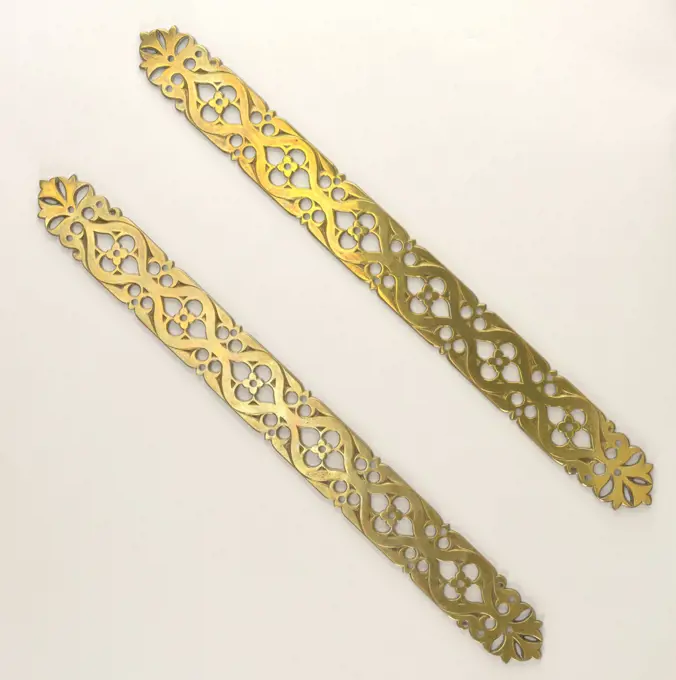
Historic Textile Fragments

Intricate textile fragments from the 16th to 18th centuries, displaying elaborate patterns and materials like silk and brocade, highlighting craftsmanship.

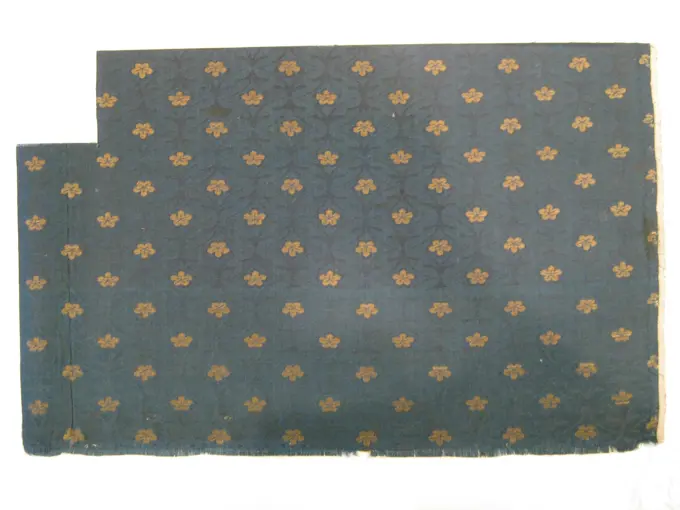
Fragment blue Zijddamast ,, 1730 A fragment of blue silk tissue, with a pattern of checkered garlands with flower branches at the intersections and in the fields. Germany silk damask A fragment of blue silk tissue, with a pattern of checkered garlands with flower branches at the intersections and in the fields. Germany silk damask
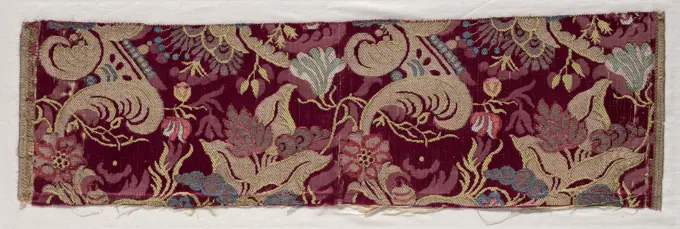
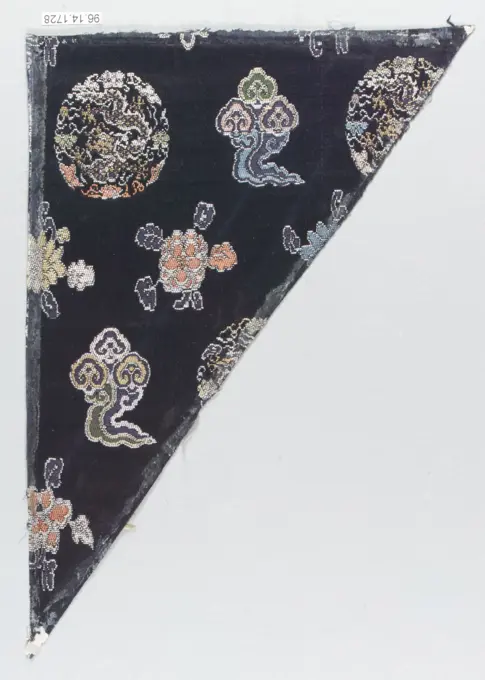
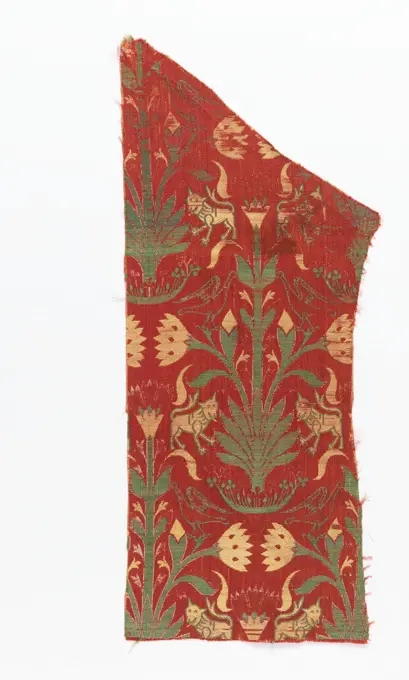
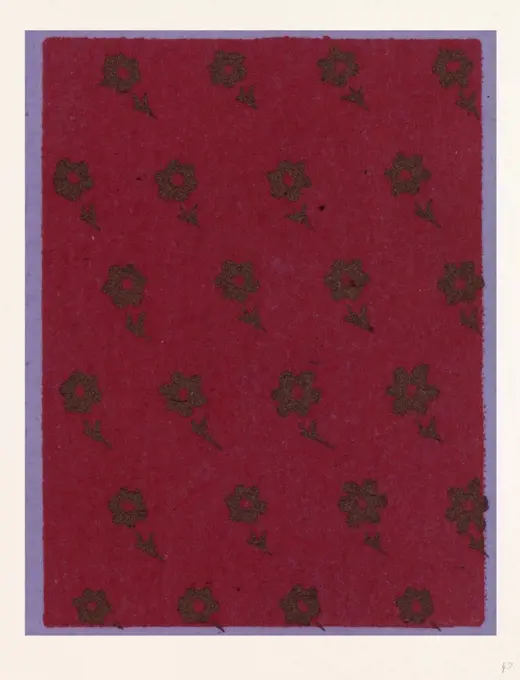
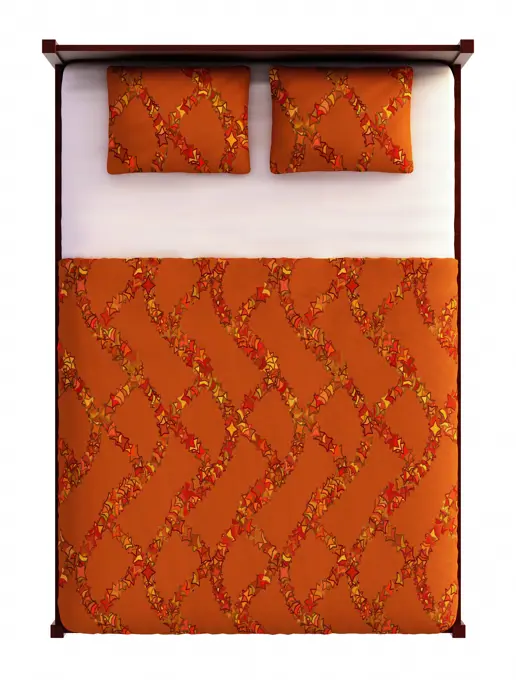
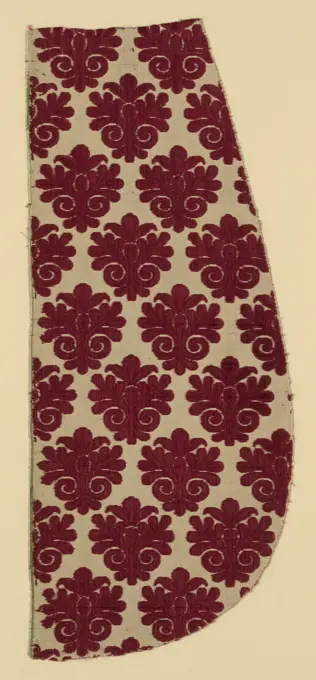
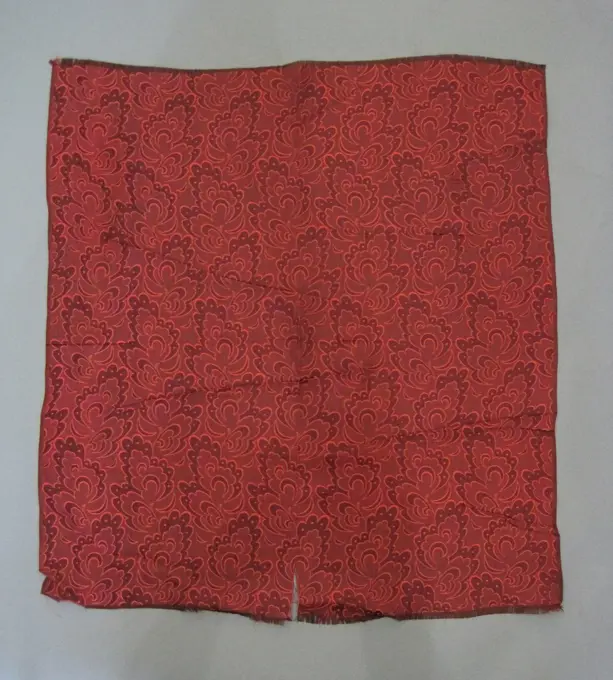
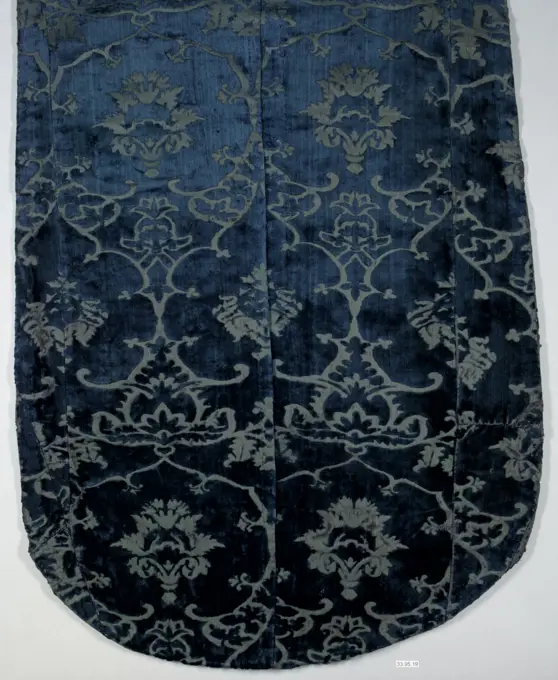
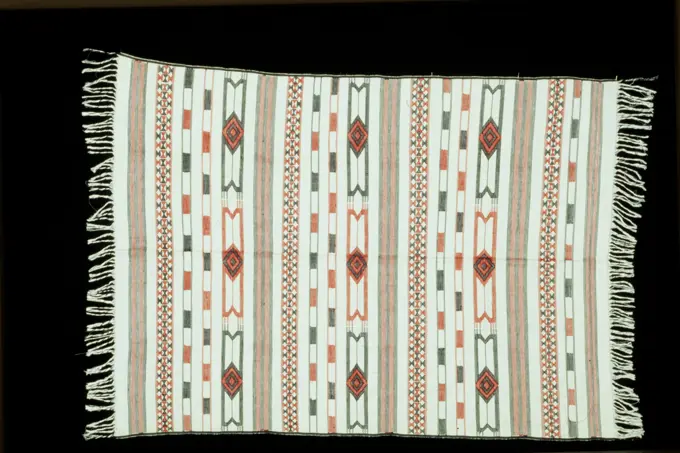
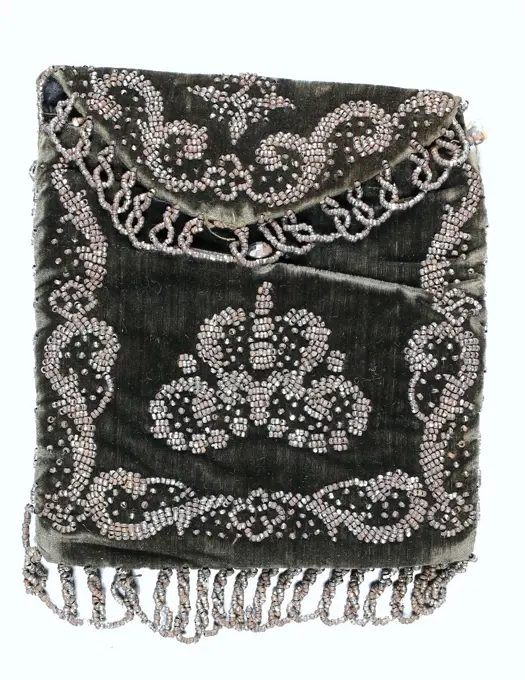
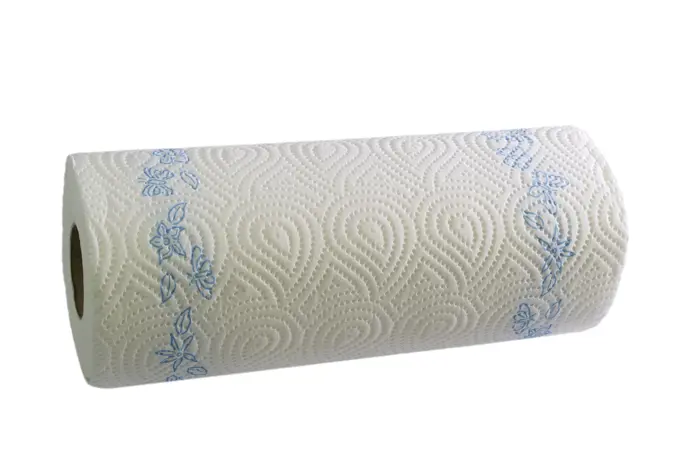
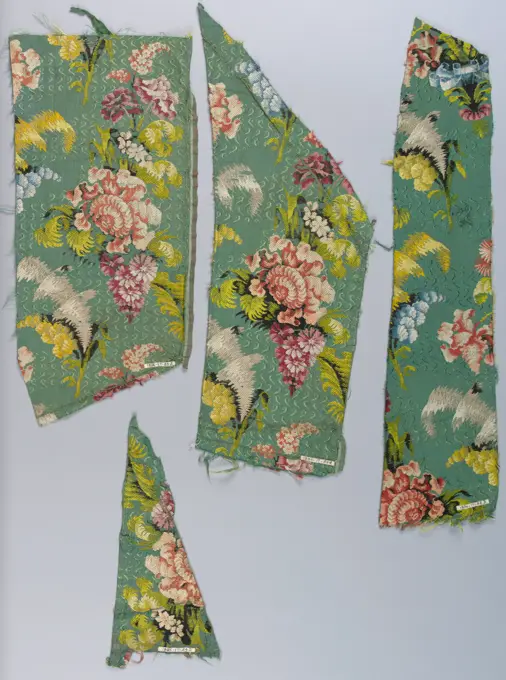
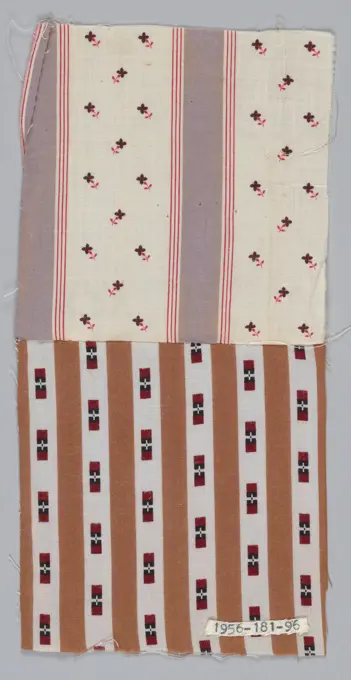
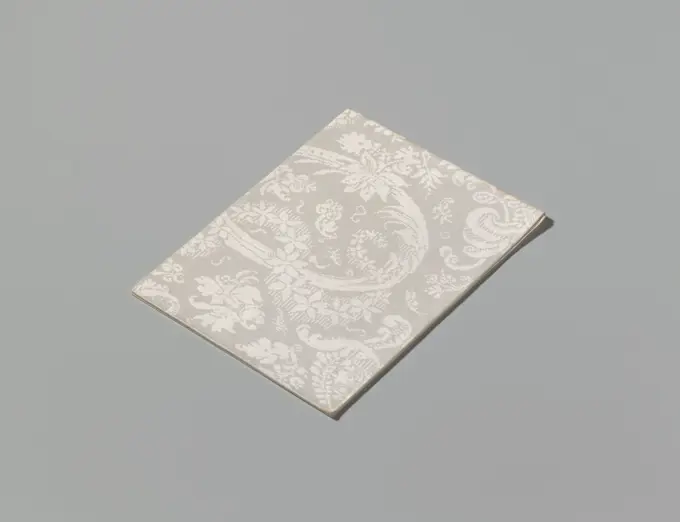
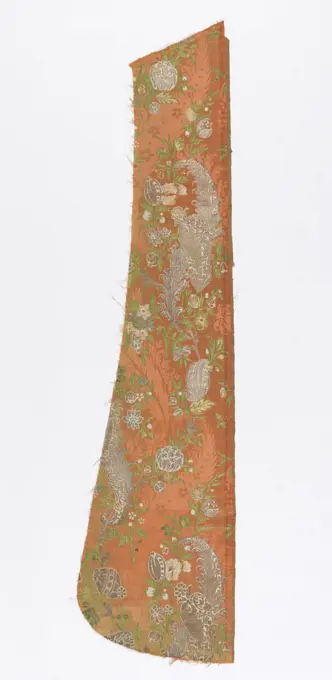
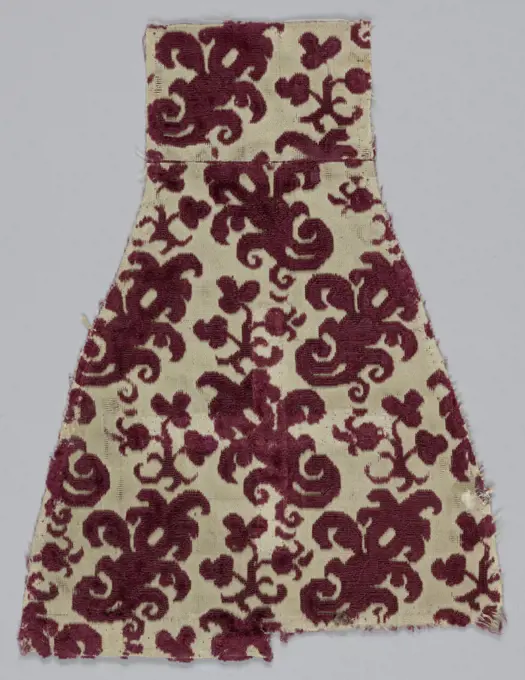
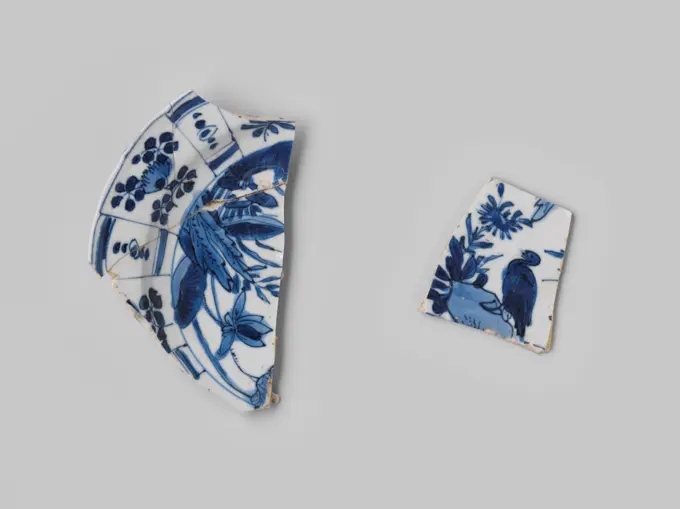
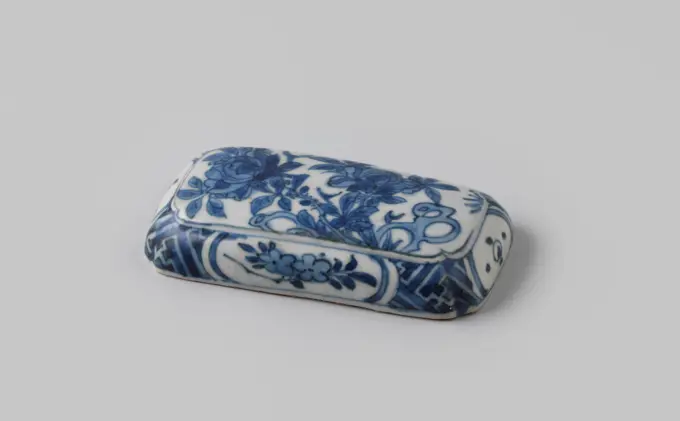
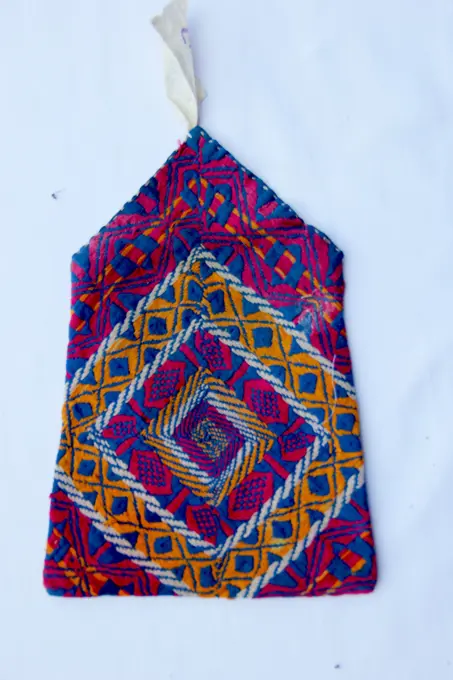
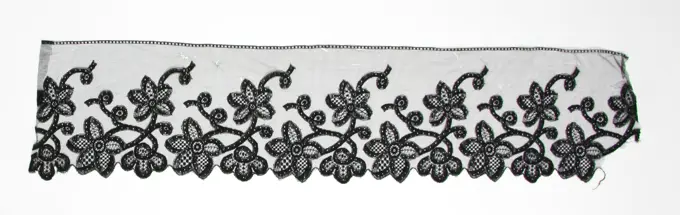
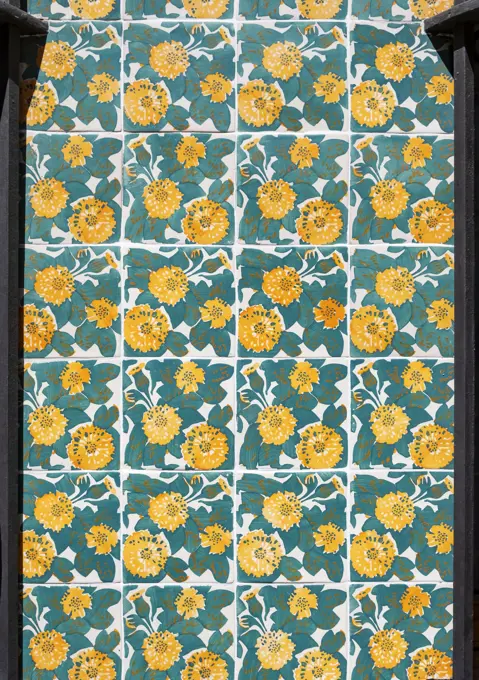
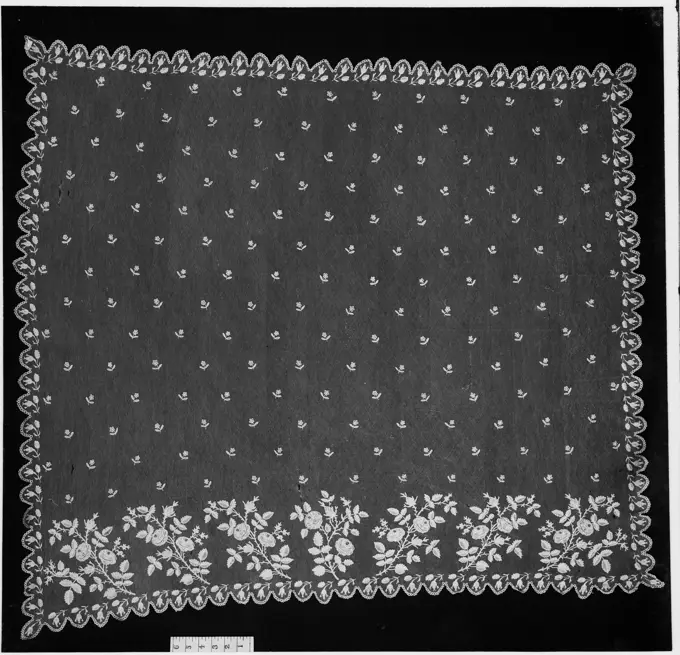
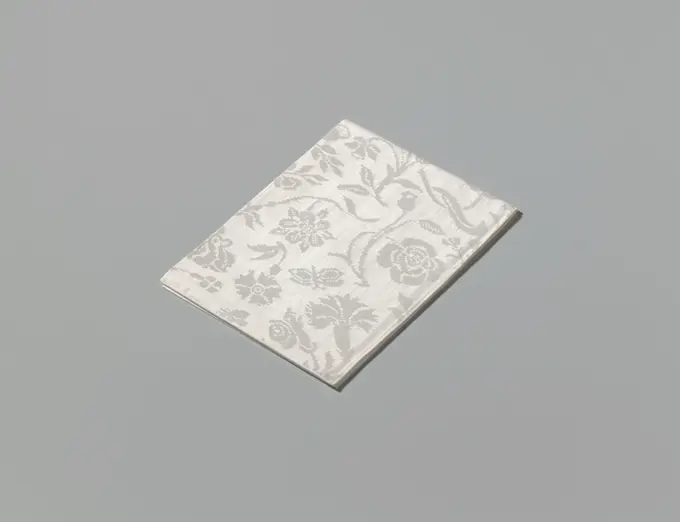
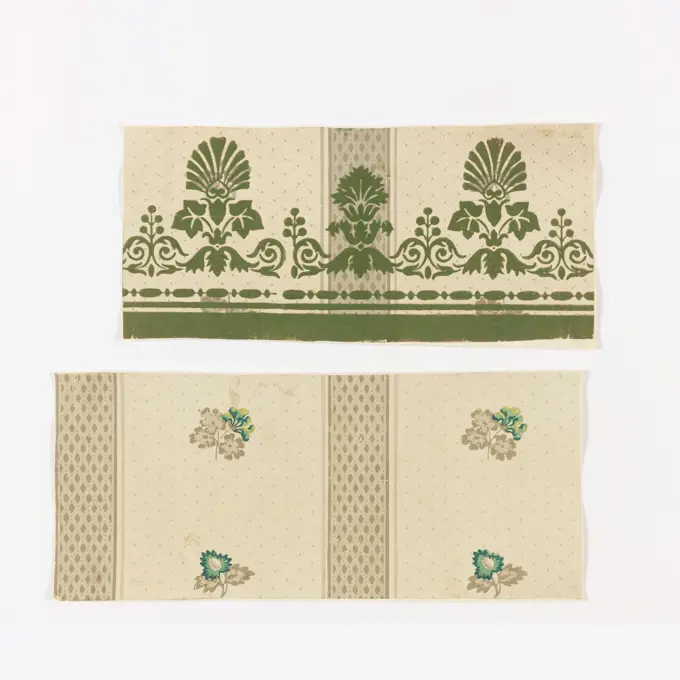
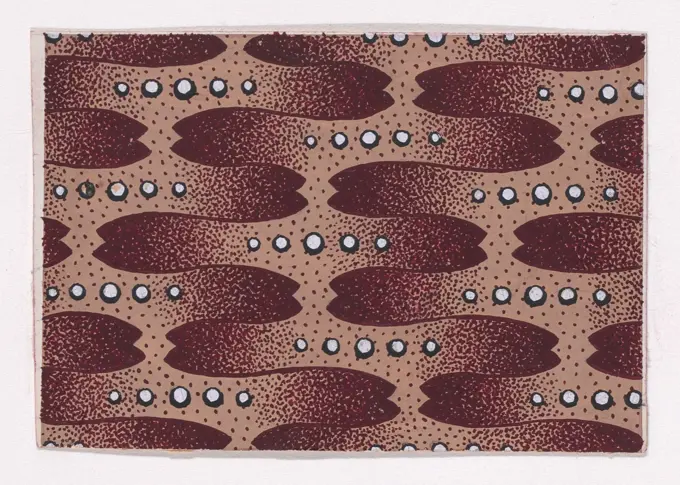
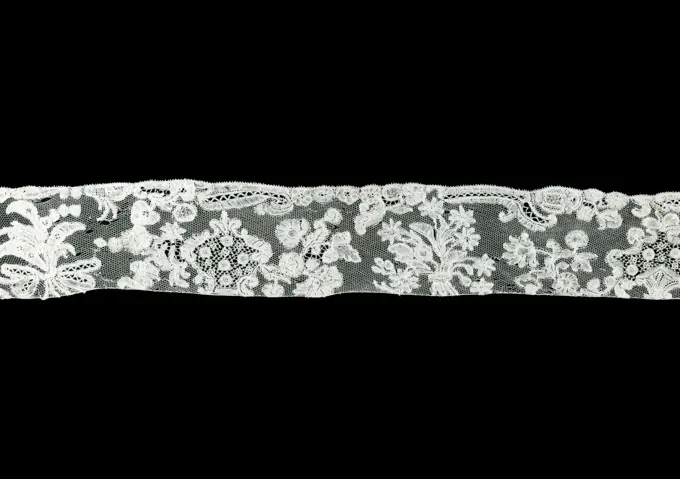
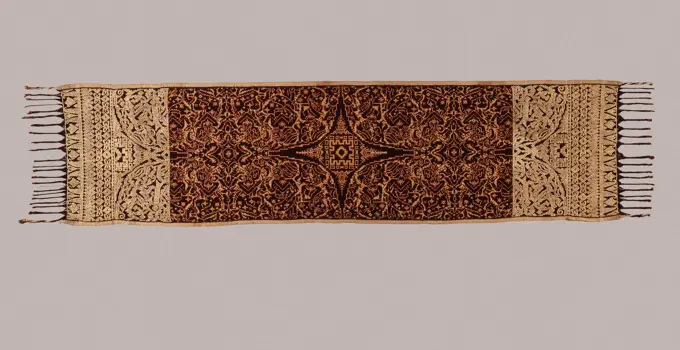
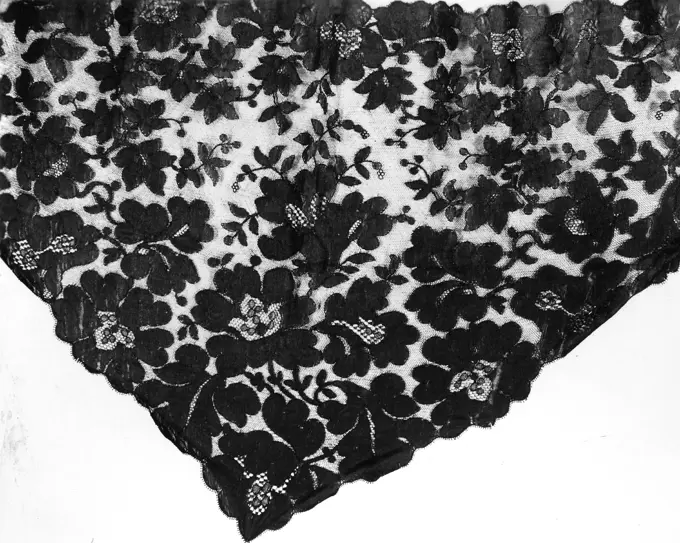
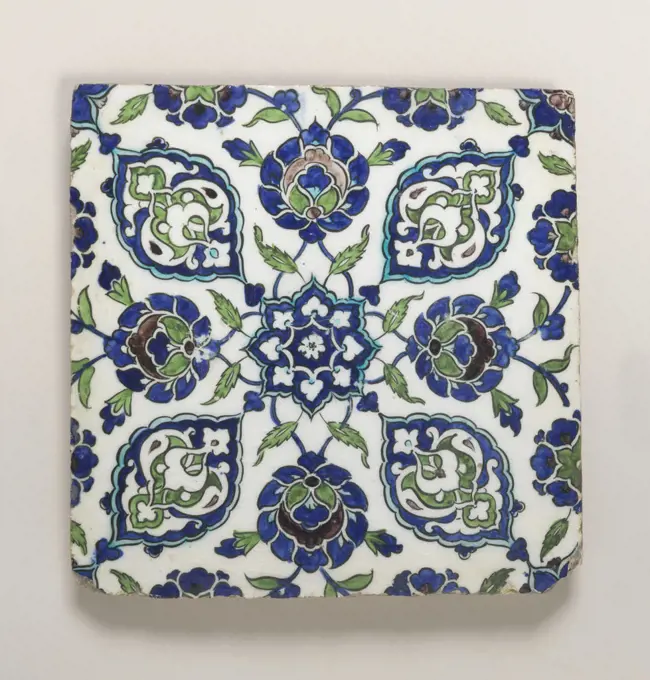
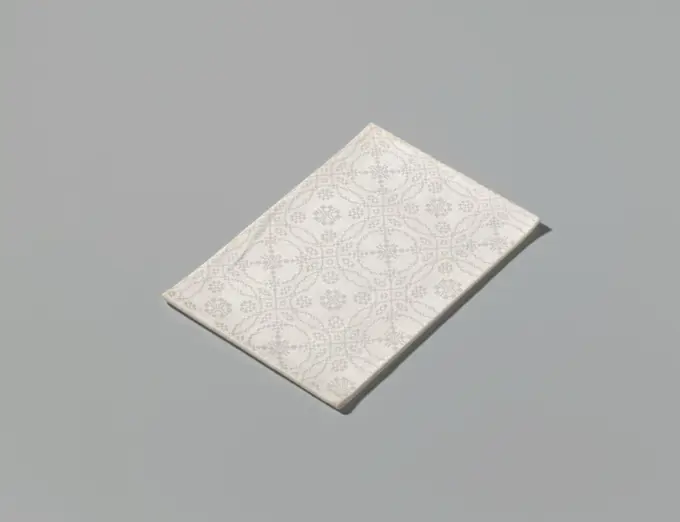
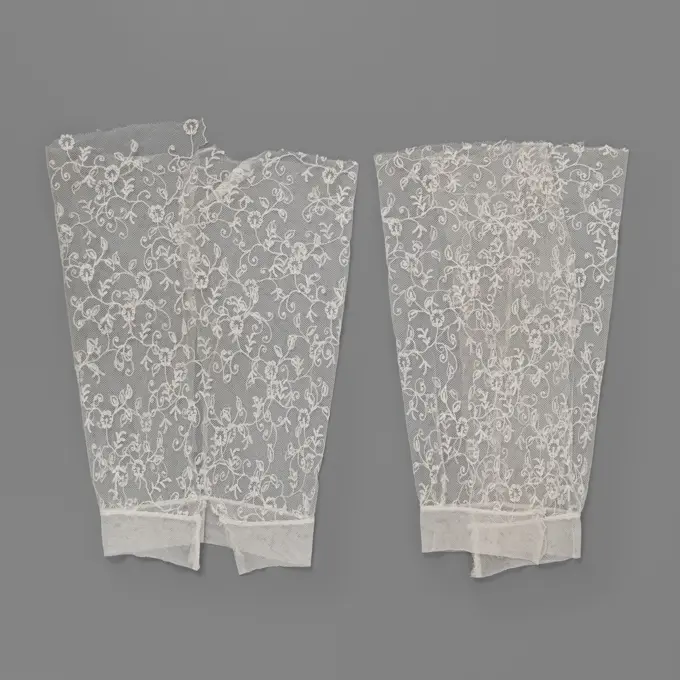
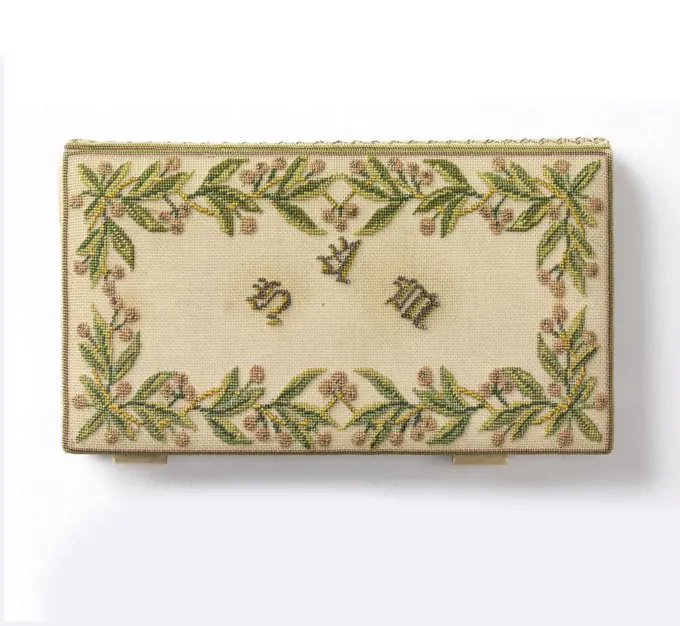
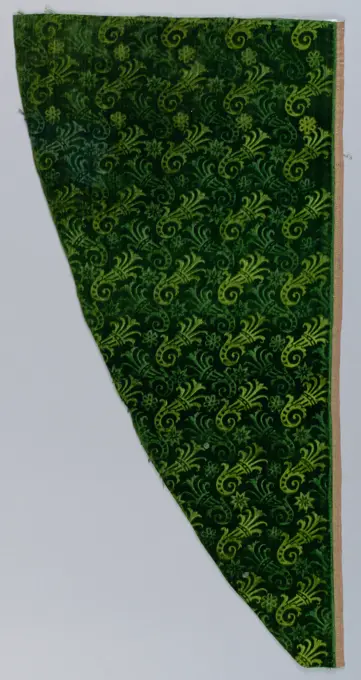
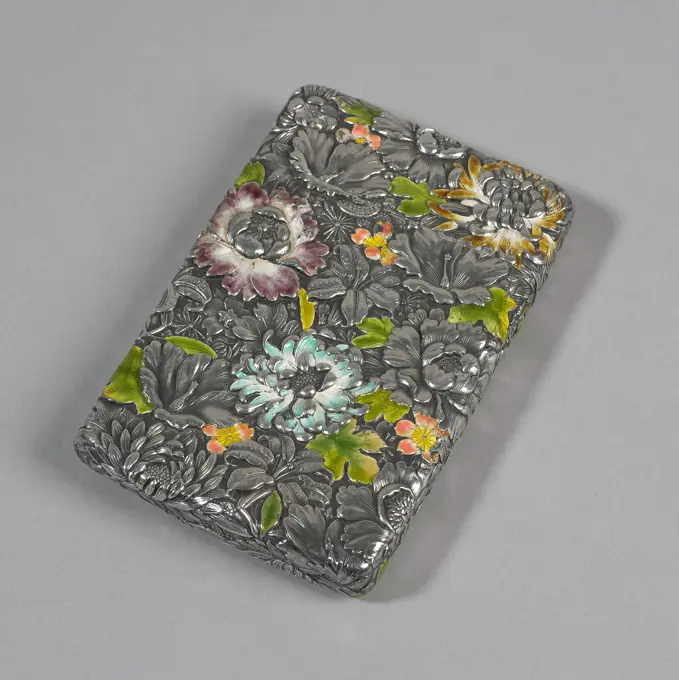
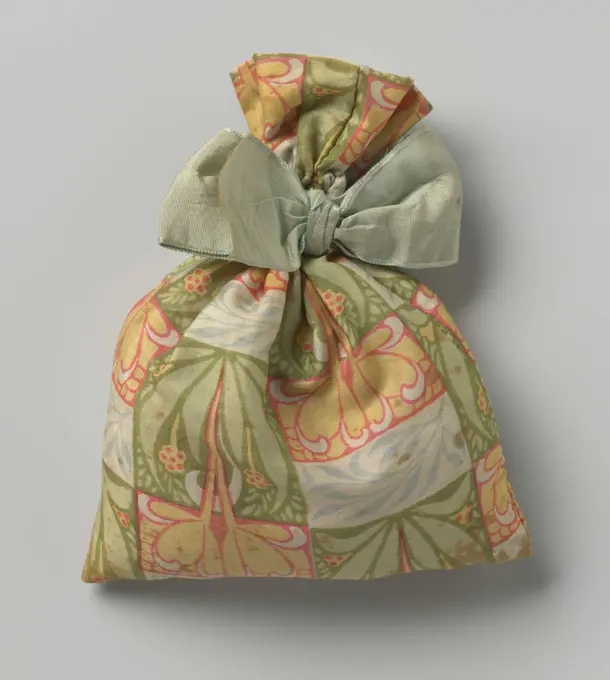
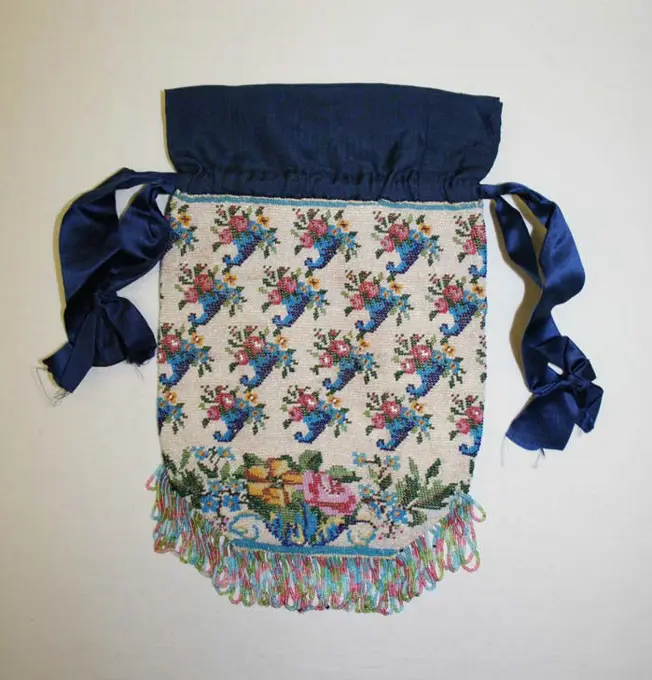
Fragment 16th century Italian or French. Fragment 230454Length of Textile, c. 1700. France or Italy, early 18th century, period of Louis XIV (1643-1715). Brocade; silk, gold and silver threads; overall: 17.5 x 57 cm (6 7/8 x 22 7/16 in.).Fragment blue Zijddamast ,, 1730 A fragment of blue silk tissue, with a pattern of checkered garlands with flower branches at the intersections and in the fields. Germany silk damask A fragment of blue silk tissue, with a pattern of checkered garlands with flower branches at the intersections and in the fields. Germany silk damaskFragment Oriental textile. A fragment of Eastern textiles. The pattern has peeling diamonds in gold.Piece 18th-19th century China. Piece. China. 18th-19th century. Silk. Qing dynasty (1644-1911). Textiles-WovenFragment (Spain); silkMedieval ornamentFragment; silk, cottonCapslip from Valenciennes side, Anonymous, c. 1775 - c. 1800 Cutslip from Valenciennes side with a round end. The barbe has a picotrand. The pattern consists of floral motifs along the edge and sprinkling flowers in the middle. France linen (material) Valenciennes lace Cutslip from Valenciennes side with a round end. The barbe has a picotrand. The pattern consists of floral motifs along the edge and sprinkling flowers in the middle. France linen (material) Valenciennes laceFragment Made 1800-1825 Japan. Brocade fragment .Sutra Cover Made 1590-1599 China. Silk, warp-float faced 4 1 satin weave with supplementary patterning wefts bound in weft-float faced 1 4 satin interlacings .Fragment, Medium: silk Technique: supplememntary warp forming raised pile in 4&1 satin foundation (velvet), Detached branches, several with acorns, in green on yellow., 17th century, woven textiles, FragmentFragment printed cotton, c. 1800 - c. 1899 Fragment printed cotton. Brown branches with leaves are printed on white cotton. One half of the leaf is dark brown, the further half is light brown. The outlets of the branches and the leaves have dots.  cotton (textile) printing Fragment printed cotton. Brown branches with leaves are printed on white cotton. One half of the leaf is dark brown, the further half is light brown. The outlets of the branches and the leaves have dots.  cotton (textile) printingFragment; silkTextile, Medium: cotton Technique: printed by engraved roller on plain weave, Cotton print; red on white; vertical stripes alternating red and white with realistic flower and fruit designs. Two pieces sewed together. Edges bound with linen and rings attached to top for hanging., England, ca. 1810, printed, dyed & painted textiles, TextileBlanket, 49 x 30 in. (124.46 x 76.2 cm), Cotton; needlework, ChinaFragment (Italy); medium; silk, metallicGlass Fragment 15th century French. Glass Fragment. French. 15th century. Pot metal glass, vitreous paint. Made in Rouen, France. Glass-StainedLayla and Majnun, Medium: silk, metallic threads Technique: two intercrossed plain weave structures (double cloth), Fragment of woven silk shaped as if part of a skirt, with figures of a boy holding a deer and woman on either side of a flowering tree. Figures in cream, repeated in mirror image in alternating rows, alternating with rows of leaping gazelles, on a ribbed ground of red and silver., Iran, 16th-17th century, woven textiles, Textile, TextileBed Top View Isolated On White Top view of a bed with a blanket and a pillow isolated on white. Copyright: xZoonar.com/VictorxGladkiyx 8950432Linnamast napkin with a flower pattern ,, 1692 - 1700 White Linnamasten napkin with pattern of volutes, brand is 24. Northern Netherlands (Possible) linen (material) White Linnamasten napkin with pattern of volutes, brand is 24. Northern Netherlands (Possible) linen (material)Fragment (From a Chasuble) Made 1601-1650 Italy. Silk, plain weave with supplementary binding wefts and supplementary pile warps forming cut, uncut and voided velvet .Textile Swatch , 1950s to 1960s. Silk, 19 3/4 x 21 3/4 in. (50.2 x 55.2 cm).    1950s to 1960sPiece 15th-16th century Italian. Piece 222887Wrapper, 20th century, 67.5 x 48 in. (171.5 x 121.9 cm)(w/o fringe), Cotton, Nigeria, 20th centurySotck exchange. First 11th century. GAL1948.11.25Sidewall, Flocked, Small gold laurel wreaths enclosing floral bouquets, on green flocked ground., possibly France, 1875-1900, Wallcoverings, SidewallFragment (Italy); silk, metallic (silvered gilt vellum wrapped around silk core)Kitchen rolling kitchen flow with an exemption path on a white background kitchen paper isolated on white background copyright: xzoonar.com/teampfarbeitx 300372Fragments; silkPrinting block, Medium: walnut wood, brass, Block for printing textiles with a pattern of tulips and leaves arranged as a corner design. Carved wood and metal rods and strips set in the block create the design. In the field is a carved pattern of dots in diagonal rows. On the back of the block is hole, which probably held a handle., Europe, 1850-75, appliances & tools, Printing blockFragment (USA)Duplicata de la Matrice de Montpellier. France. Date: 1809. Dimensions: Average length of swatches: 2.5 cm (1 in.)Average width of swatches: 4.5 cm (1 3/4 in.)Measurement of volume: 48.9 × 20 × 5.7 cm (19 1/4 × 7 7/8 × 2 1/4 in.)Measurement of bo×: 51.3 × 21.6 × 8.5 cm (20 1/8 × 8 5/8 × 3 1/4 in.). Cotton, plain weave; printed; total of swatches: 1650 swatches. Origin: France. Museum: The Chicago Art Institute, Chicago, USA.Napkin from white Linnamast ,, 1692 - 1700 White Linnamasten napkin with pattern of volutes, brand is 24. Northern Netherlands (Possible) linen (material) damask White Linnamasten napkin with pattern of volutes, brand is 24. Northern Netherlands (Possible) linen (material) damaskPiece 18th century Japan. Piece. Japan. 18th century. Silk. Edo period (1615-1868). Textiles-WovenNapkin with a flower bouquet, anonymous, c. 1700 - c. 1749 Linnamast napkin. Oval fields with inward striker scalloped edge wear a flower bouquet of corrupted pomegranate, coming from a flattened spherical shape with bracts. Inner fillings of gridwork. Rosettes, loose flower branches in the swiking. Two narrow edges, the inside with double row stretched octagon with star motif, the outer with a running flower drink. Around a t-edge. Netherlands (possibly) linen (material) damask Linnamast napkin. Oval fields with inward striker scalloped edge wear a flower bouquet of corrupted pomegranate, coming from a flattened spherical shape with bracts. Inner fillings of gridwork. Rosettes, loose flower branches in the swiking. Two narrow edges, the inside with double row stretched octagon with star motif, the outer with a running flower drink. Around a t-edge. Netherlands (possibly) linen (material) damaskPiece French 19th centuryChasuble fragments, Medium: silk, metallic yarns Technique: satin damask with discontinuous supplementary weft patterning (brocade), Two panels from a chasuble. Curving pattern of flowering branches with rococo and chinoiserie elements. In pale shades of blue, green, yellow, pink, white, and silver metallic on a salmon pink ground., France or Italy, early 18th century, woven textiles, Chasuble fragmentsScarf isolated on the white backgroundEntre-deux and Galon with beads, black, Gustav Schnitzler, c. 1920 Entre-deux and Galon with beads, black. NijmegenBelgium (possibly) paper Entre-deux and Galon with beads, black. NijmegenBelgium (possibly) paperTextile Swatches Onondaga Silk Company, Inc. (1925-1981). , 1948-1959. Silk, 17 1/2 x 9 in. (44.5 x 22.9 cm).    1948-1959Fragment, Medium: silk Technique; 4&1 satin damask, Tangent rondels with plant infillings., 16th-17th century, woven textiles, FragmentStole Fragments (Spain); wool, linenHanddwaal of white linen ,, c. 1767 - c. 1816 White Linnamasten Handdwaal with pattern of thrown leaves and border with carnations, brand ws 2. Germany (possibly) linen (material) damask White Linnamasten Handdwaal with pattern of thrown leaves and border with carnations, brand ws 2. Germany (possibly) linen (material) damaskPiece second half 15th century Italian. Piece 216443Skirt (), from a three-piece group, 23 11/16 x 13 3/4 in. (60.17 x 34.93 cm), Cotton, metallic strip, ChinaTextile Swatches Onondaga Silk Company, Inc. (1925-1981). , 1948-1959. Silk, metal, a: 23 1/2 x 9 1/4 in. (59.7 x 23.5 cm).    1948-1959Fragment, Medium: silk Technique: cut and uncut supplementary warp pile (velvet) on satin ground, One end of a stole of deep red cut and uncut velvet on white satin ground. Design of small flowering branches alternate horizontal rows turning left and right., Italy, late 16th-early 17th century, woven textiles, FragmentShards of a sign from V.O.C. ship De 'Witte Leeuw', Anonymous, Before 1613 plate (dishes) Shards of a sign from V.O.C. ship De 'Witte Leeuw', 35 present. Jingdezhen bone china (material)   Sint-HelenaCover of box from v.o.c. ship De 'Witte Leeuw', Anonymous, Before 1613 lid Lid of box from V.O.C. ship the 'Witte Leeuw'. From porcelain, the lid painted in underlaze blue with roses and rocks. The shard is glassy white and has little ingrained dirt. The glaze is blue -tinted. The bottom is glazed. No oven sand was found. Jingdezhen porcelain. bone china (material)   Sint-HelenaNakshi kantha, a type of embroidered quilt, is a centuries-old Bengali art tradition of the Bengal region, notable in Bangladesh and Indian states of West Bengal, Tripura and part of Assam. The basic material used is thread and old cloth. The colourful patterns and designs that are embroidered resulted in the name "Nakshi Kantha", which was derived from the Bengali word "naksha", which refers to artistic patterns.These items are preserved at the "Bangladesh Folk and Karur art Museum". Bangladesh.Lace laceTiles with carnation motifs, Casa Vicens Gaudi, Barcelona, Spain.Tile wall facing, Tin-glazed earthenware, underglaze, Horizontal rectangle. Thirty tiles wide and twenty-three tiles high with opening for fireplace eleven tiles wide and ten high. Foliage arabesques disposed about three vertical axes from which are emphazised by urns at center and right, and at left by the figure of a standing woman carrying an infant on her arm and accompanied by two children., Possibly Rotterdam, Holland, Possibly Delft, Netherlands, ca. 1725, tiles, Decorative Arts, Tile wall facingPiece 17th-18th century Japan. Piece 65969Veil second quarter 19th century Flemish. Veil. Flemish. second quarter 19th century. Bobbin lace, Brussels bobbin lace. Textiles-LacesNapkin van Wit Linnamast, Anonymous, 1640 - 1650 White Linnamasten napkin with pattern of stripped flowers and insects, brand Kroon IB 24. Northern Netherlands (Possible) linen (material) damask White Linnamasten napkin with pattern of stripped flowers and insects, brand Kroon IB 24. Northern Netherlands (Possible) linen (material) damaskSidewall And Border (France); block-printed and flocked on handmade paper; 45.5 x 19.5 cm (17 15/16 x 7 11/16 in.)Textile Design with Alternating Vertical Garlands of Abstract Shapes Adorned with Pearls 1840 Anonymous, Alsatian, 19th century Rectangular sheet of paper with a textile design from a group, dated 1840, made in Mulhouse, Alsace, which was an important nineteenth-century center for textile production in the Haut-Rhin region of France. The design is made up of alternating vertical garlands of abstract shape with shades made of dark reddish-brown stipples and adorned with groups of five pearls horizontally arranged over a light tan pattern with dark reddish-brown stipples. The pearls are of white color with black outlines.. Textile Design with Alternating Vertical Garlands of Abstract Shapes Adorned with Pearls. Anonymous, Alsatian, 19th century. 1840. GouacheNapkin from white Linnamast ,, 1640 - 1650 White Linnamasten napkin with pattern of stripped flowers and insects, brand Kroon IB 24. Northern Netherlands (Possible) linen (material) damask White Linnamasten napkin with pattern of stripped flowers and insects, brand Kroon IB 24. Northern Netherlands (Possible) linen (material) damaskExcerpt pale pink silk, c. 1690 - c. 1710 Fragment pale rose silk with silver pattern of leaves, flowers and fruits. France Ketting an element: Silk. Fragment pale rose silk with silver pattern of leaves, flowers and fruits. France Ketting an element: Silk.Fragment, Medium: Technique: printed, 19th century, printed, dyed & painted textiles, FragmentBorder Made 1755-1765 Brussels. Linen, bobbin part lace of a type known as Brussels with a Droschel mesh ground .Edward White, Quilt Patches, c 1938 Quilt PatchesShoulder Cloth (Kain Geringsing Wayang). Indonesia, East Bali, Tenganan Pegeringsingan, 19th century. Costumes. Cotton plain weave, resist-dyed warp and weft (double ikat), with metallic-cotton-thread discontinuous supplementary warp and weft patterningValance; cottonhandmade patchwork and batik scarf isolated handmade patchwork and batik scarf isolated on white background ,property released Copyright: xZoonar.com/ValeryxVoennyyx 6556394 ,model released, Symbolfoto ,property releasedSmall Half Shawl Made 1865-1875 England. Silk, Pusher machine lace imitation of Blonde Matte bobbin lace .Sheets of linen with bobbin and open hems, anonymous, c. 1650 - c. 1675 Cloth of white linen with bobbin and open hems. Model: consists of two, sewns -sewns sewns. Decoration: Lace: bobbin with bars stock and linen battle ornament, from a swinging slender, between which a three -sheet stands. At the top and bottom a detailed open zoom. Netherlands linen (material). bobbin lace Cloth of white linen with bobbin and open hems. Model: consists of two, sewns -sewns sewns. Decoration: Lace: bobbin with bars stock and linen battle ornament, from a swinging slender, between which a three -sheet stands. At the top and bottom a detailed open zoom. Netherlands linen (material). bobbin laceTextile Swatches Onondaga Silk Company, Inc. (1925-1981). , 1948-1959. Silk, 23 x 18 in. (58.4 x 45.7 cm).    1948-1959Woman scarf isolated on the white backgroundTile, Tin-glazed earthenware, underglaze decoration, Square in shape, painted with an 8-pointed blossom in the center, from which radiate stylized floral arabesques and blossoms., Ottoman Empire (possibly Syria), late 16th-early 17th century, tiles, Decorative Arts, TileTextile, Triangel; Designed by Josef Hoffmann (Austrian, b. Moravia, 1870-1956); Made for Wiener Werkstätte (Austria); silkTextile Swatches Onondaga Silk Company, Inc. (1925-1981). , 1948-1959. Silk, 23 1/4 x 17 1/2 in. (59.1 x 44.5 cm).    1948-1959Shards of a deep plate from V.O.C. ship De 'Witte Leeuw', Anonymous, Before 1613 plate (dishes) Shards of a deep plate from V.O.C. ship the 'Witte Leeuw'. Jingdezhen bone china (material)   Sint-HelenaSector of a parasold deck of soft green cotton, with a batist edge embroidered with wold wire, c. 1885 - c. 1900 Sector of a parasold deck of soft green cotton, with a batist embroidered with wold wire. Nijmegenfrance parasoldek: cotton (textile). cotton (textile). draad: wool embroidering Sector of a parasold deck of soft green cotton, with a batist embroidered with wold wire. Nijmegenfrance parasoldek: cotton (textile). cotton (textile). draad: wool embroideringProchownicaSampler (Germany); cottonFragment (France); woven silk; 1896-21-8Rectangular tray with peonies and birds 16th century China The plump birds flying above the peonies on this densely carved tray may be magpies or sparrows, both of which are considered good omens in Chinese culture. Listen to experts illuminate this artwork's story Listen Play or pause #8997. Overview: Lacquer Supported by Bloomberg Philanthropies We're sorry, the transcript for this audio track is not available at this time. We are working to make it available as soon as possible.. Rectangular tray with peonies and birds 72757Napkin of linen with peel pattern, 1660 - 1700 White linen napkin with peel pattern Northern Netherlands (Possible) linen (material) White linen napkin with peel pattern Northern Netherlands (Possible) linen (material)Alphabet made of lettersblur  in   philippines  accessory colorfull scarf and headscarf old market  Mitaine van Zwarte Kloskant with rose bouquet and flower garlands, anonymous, c. 1850 - c. 1899 Mitaine van Zwarte Kloskant: Chantilly side. The pattern consists of a bouquet with roses, rose buttons, berries and leaves on the back of the hand. Around the bouquet flower sideers with smaller flowers. There is a large leaf on the thumb. The edge along the top consists of a row of connected rosette flowers, with an arc under each flower. The edge along the underside consists of a row of connected openwork circles. All edges are finished with picots. The motifs are made in netslag and are accentuated by contour threads. The motifs are connected by a tuler land. Belgium (possibly) silk. bobbin lace Mitaine van Zwarte Kloskant: Chantilly side. The pattern consists of a bouquet with roses, rose buttons, berries and leaves on the back of the hand. Around the bouquet flower sideers with smaller flowers. There is a large leaf on the thumb. The edge along the top consists of a row of connected roTulle sub -sleek with tamered flower vines, anonymous, c. 1860 Under sleeve, balloon -shaped, from tulle with tambouring work. The tambouring work, 'Dentelle de Liere' or Limerick, has a pattern of flower vines. The cuff is unadorned, but can be filled with a ribbon. Ivy (possibly) . Under sleeve, balloon -shaped, from tulle with tambouring work. The tambouring work, 'Dentelle de Liere' or Limerick, has a pattern of flower vines. The cuff is unadorned, but can be filled with a ribbon. Ivy (possibly) .Pocket book, Medium: silk and metal thread embroidery on silk foundation Technique: embroidered, Pocket book with embroidered cover. Cover on one side shows initials 'S.A.M.' within a floral border. On the other, the word 'Souvenir' and four arrows with flowers and ribbons within border working on fine silk canvas. Lining is white satin. Satin covered book of white paper and pencil held in place by four satin straps that are fitted inside the pocket book., France, 19th century, costume & accessories, Pocket bookFragment. Italy. Date: 1601-1700. Dimensions: . Stamped cut solid velvet. Origin: Italy. Museum: The Chicago Art Institute, Chicago, USA.Stripped oak leaves with acorns. Edge with oak branches. Brand: WH18WH 2OONL., Anonymous, c. 1805 - c. 1847 Napkin made of white Linen with a pattern of stripped oak leaves with acorns and edge with oak branches brand WH 18 WH 2OONL. Netherlands (possibly) linen (material) Napkin made of white Linen with a pattern of stripped oak leaves with acorns and edge with oak branches brand WH 18 WH 2OONL. Netherlands (possibly) linen (material)Fragment; silkOBI  Kimono belt with HOO bird motives and Paulownia flowers unknownCard Case (Japan); enameled silverScarf isolated on the white backgroundGlass Fragment 12th-14th century French. Glass Fragment. French. 12th-14th century. Pot-metal glass, vitreous paint. Glass-StainedFragment 16th century Italian. Fragment. Italian. 16th century. Silk, metal thread. Textiles-VelvetsLavender bag from silk. Lavender bag made of multicolored silk with a ribbon begged.White spool (thread) isolated on white backgroundDrawstring bag 1875-89 American or European. Drawstring bag 116976Pair of finger plates, A.W.N. Pugin, English, 1812-1852, Brass, Long, narrow pierced finger plates with stylized Gothic flower and foliage design., ca. 1845, metalwork, Decorative Arts, Pair of finger platesCard case, Enameled silver, A silver card case covered in a floral arrangement. Flower petals and selected leaves accented with blue, purple and green enamel., Japan, 1870-80, containers, Decorative Arts, Card case