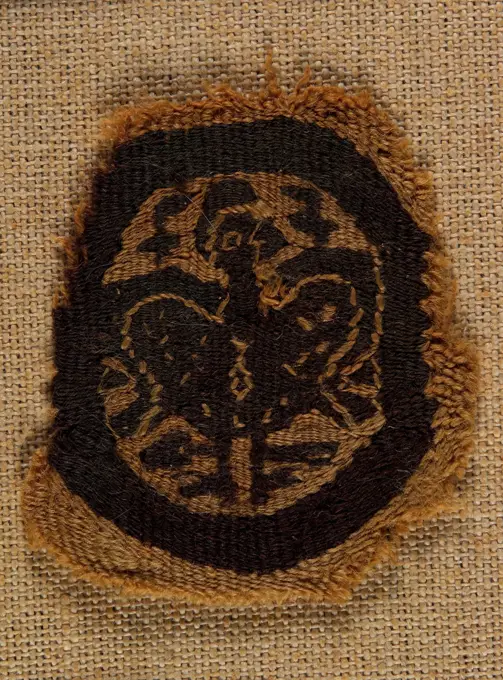
Historic Textile Fragments

A variety of textile fragments showcasing brocaded silk and velvet patterns, highlighting luxury materials and intricate designs from past centuries.
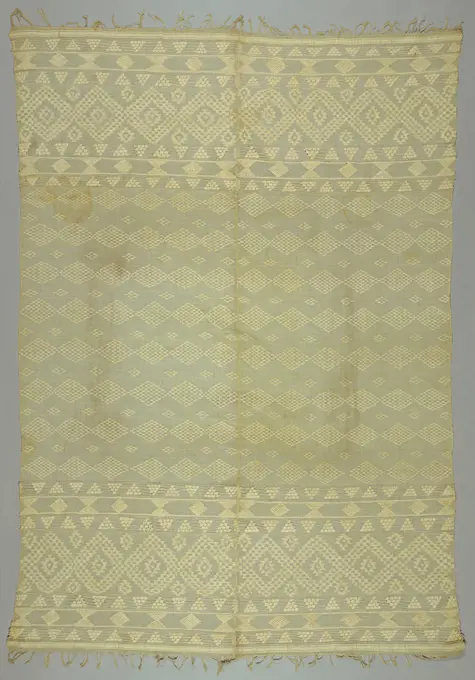
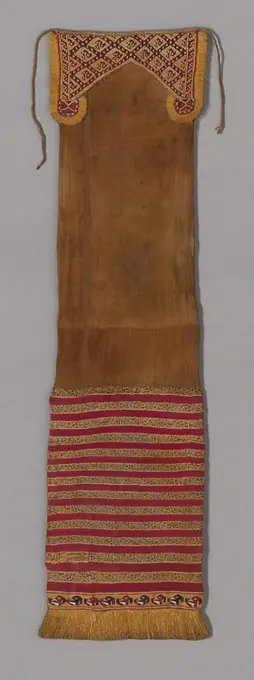
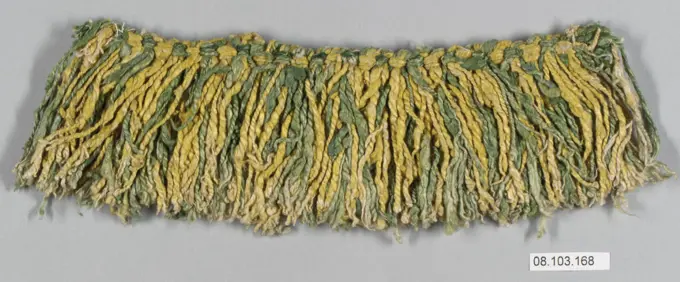
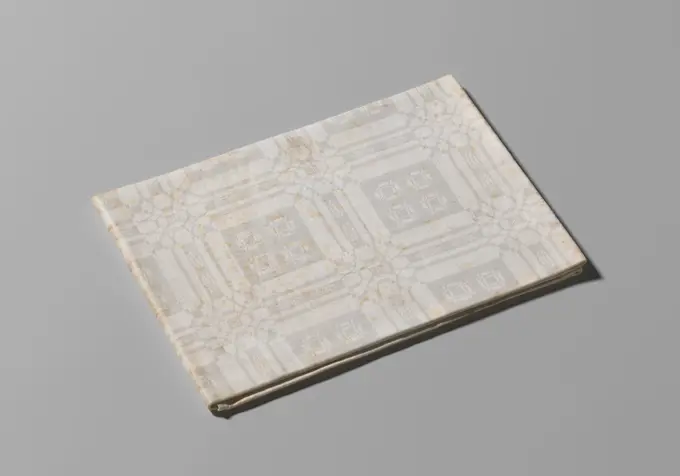
Textile, Medium: cotton Technique: woven, Two lengths of sheer cotton seamed down longest edge. Spaced bands of lozenges and triangles inlaid with heavier cotton thread. Deep borders edged with openwork bands at either end. Twisted warp fringe., Albania, late 19th-early 20th century, woven textiles, Textile
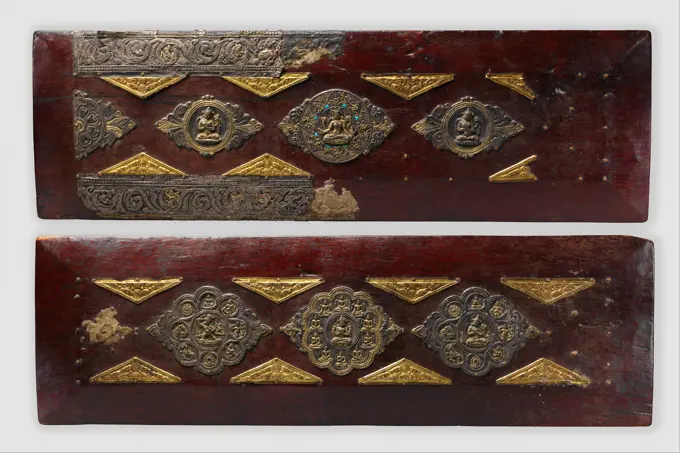
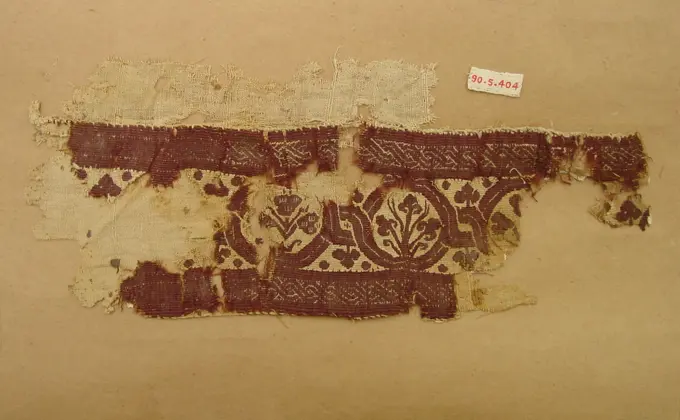
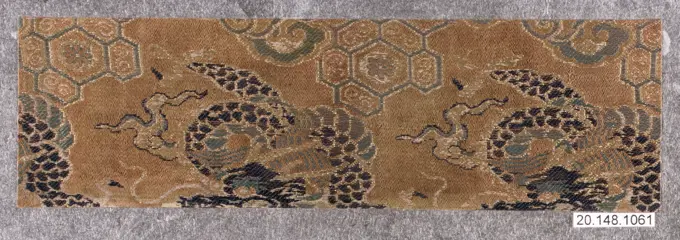
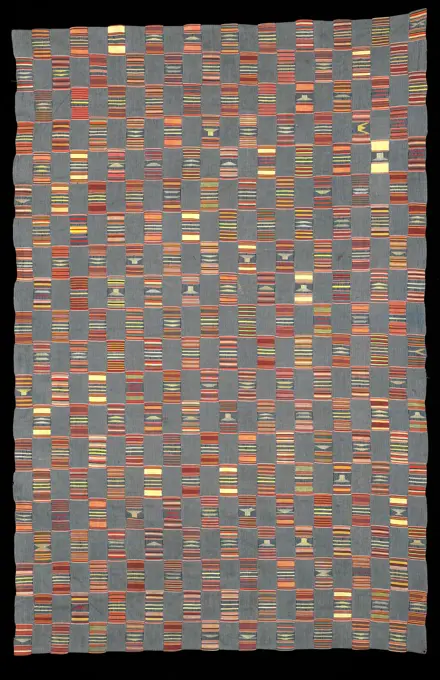
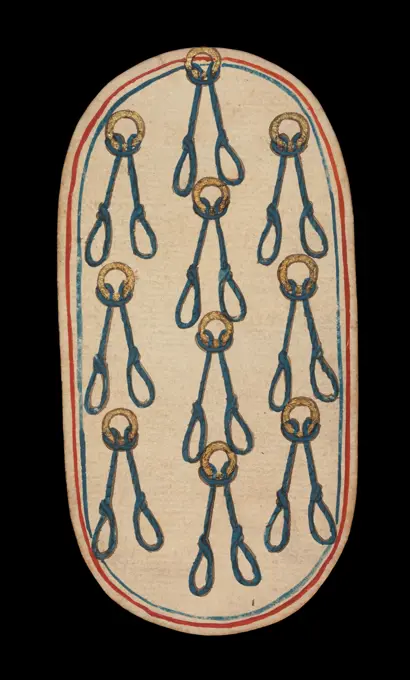
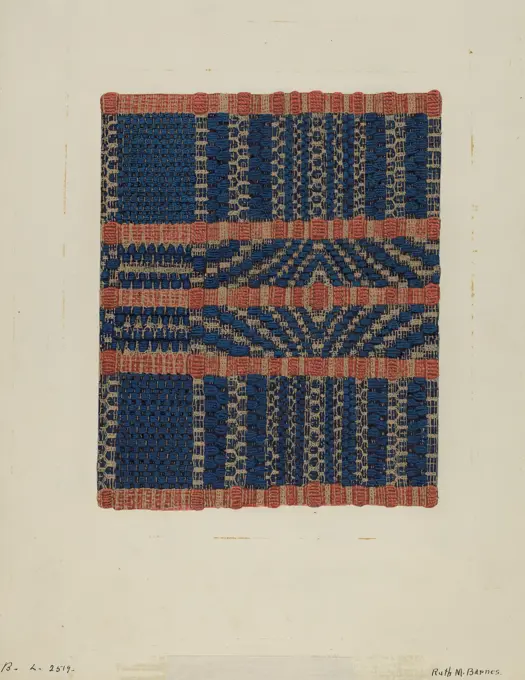
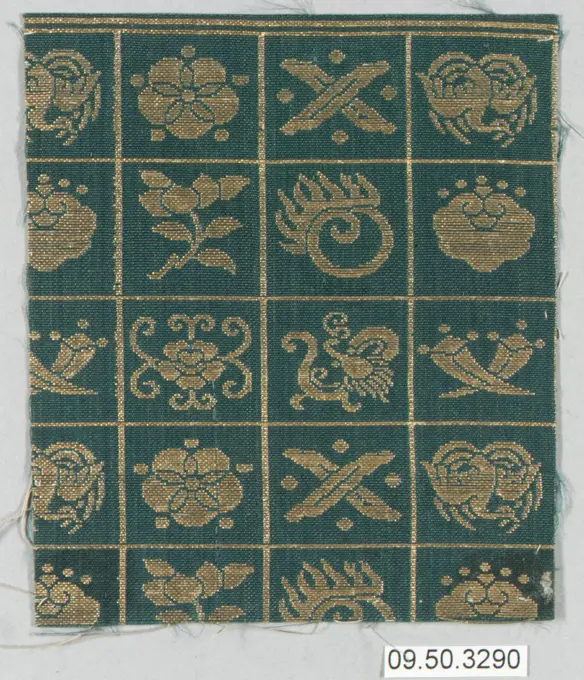
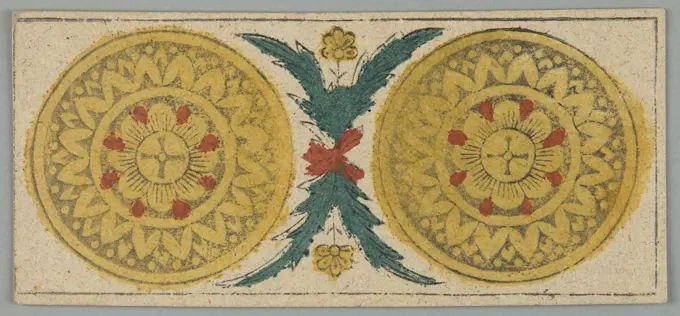
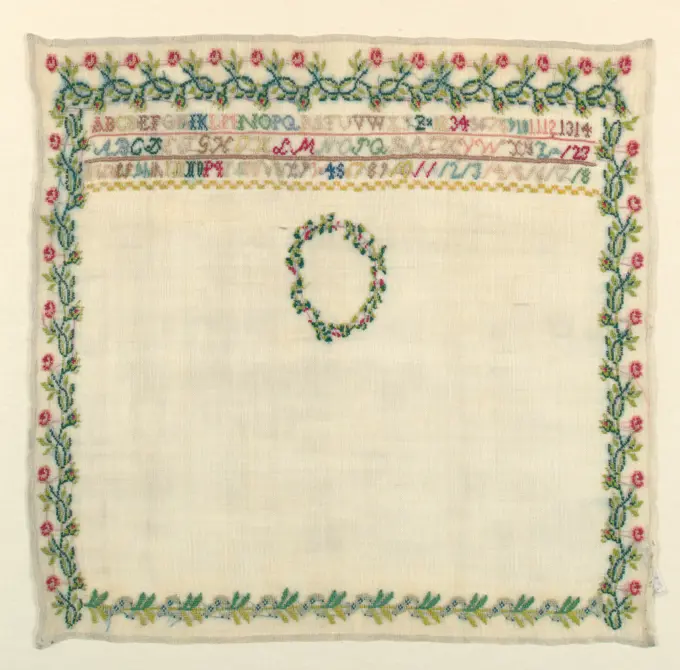
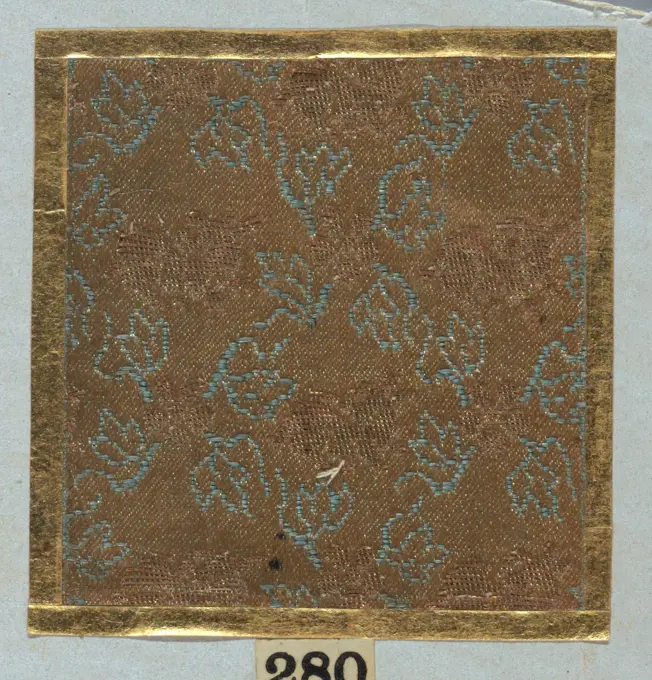
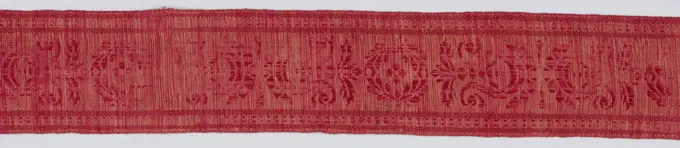
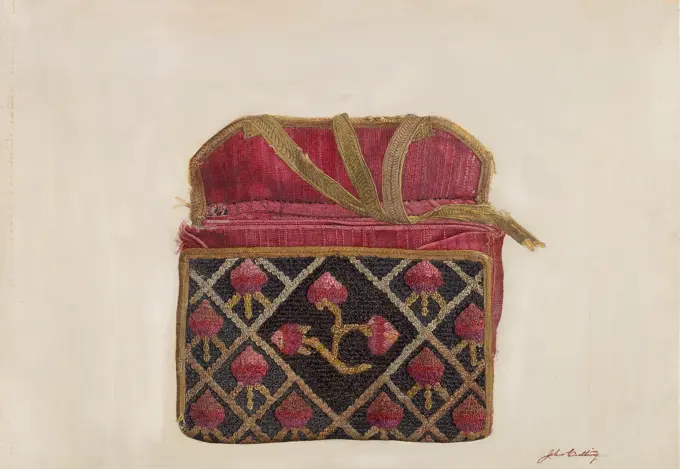
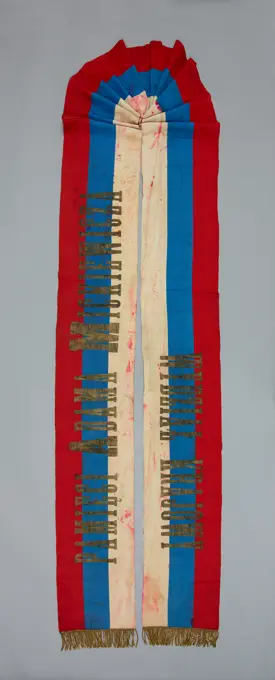
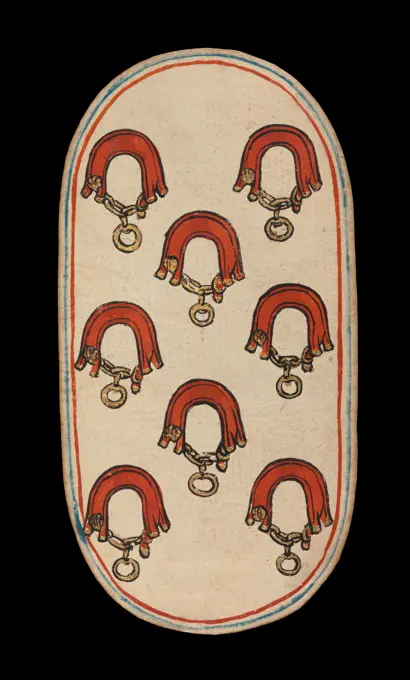
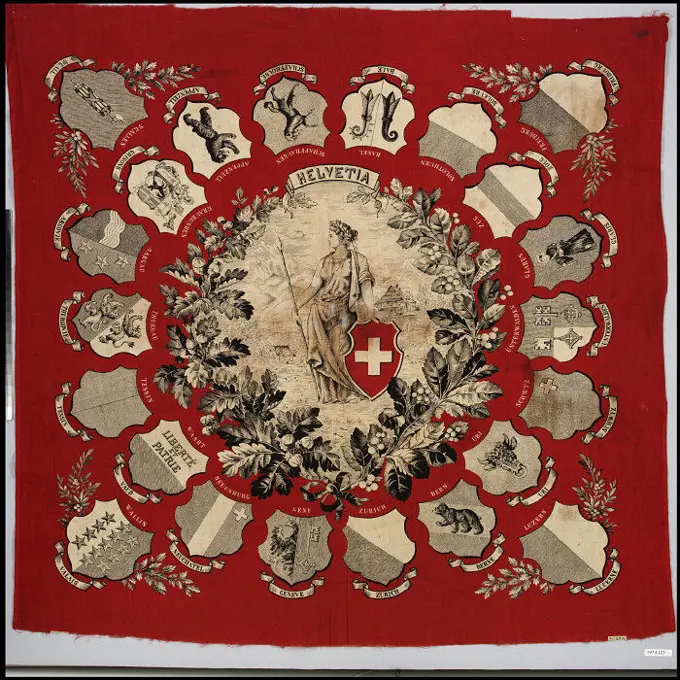
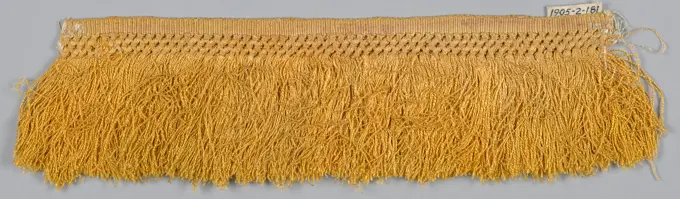
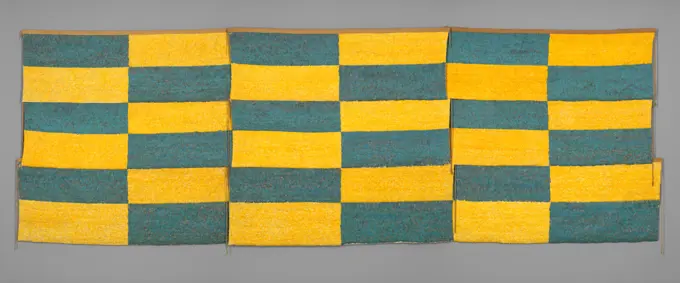
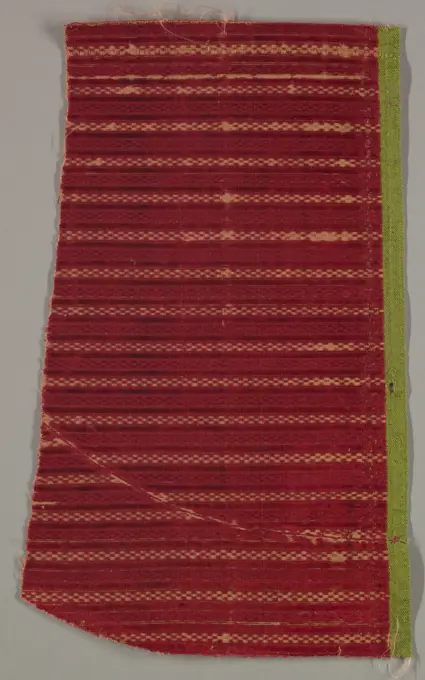
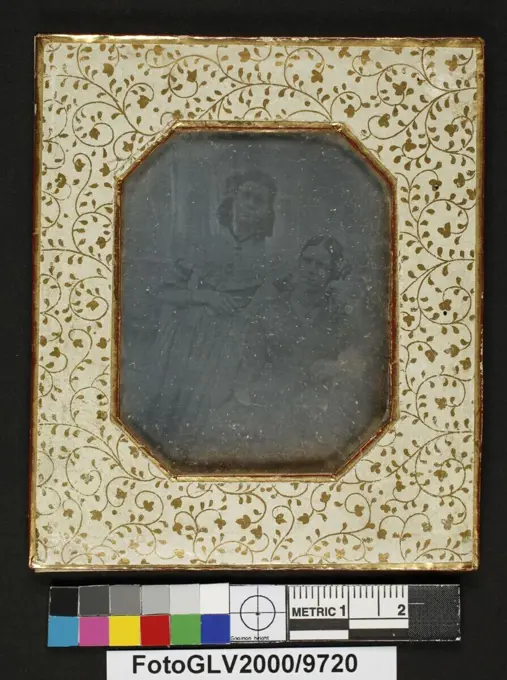
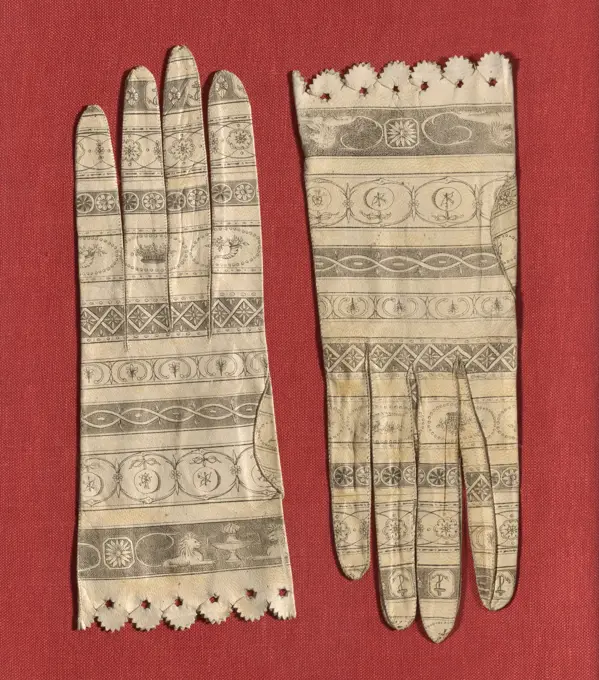
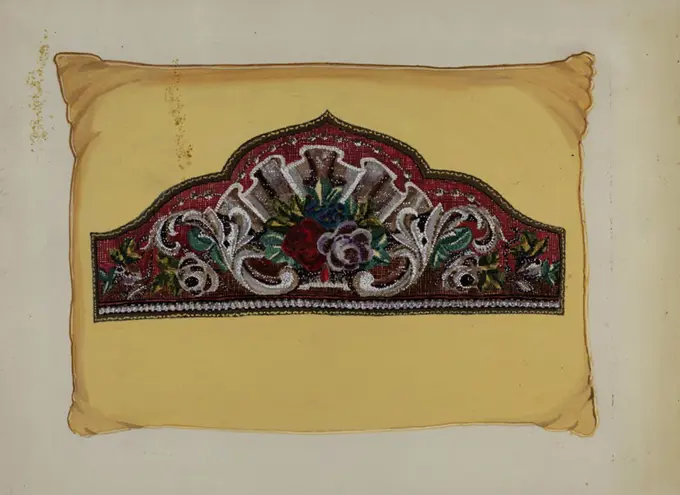
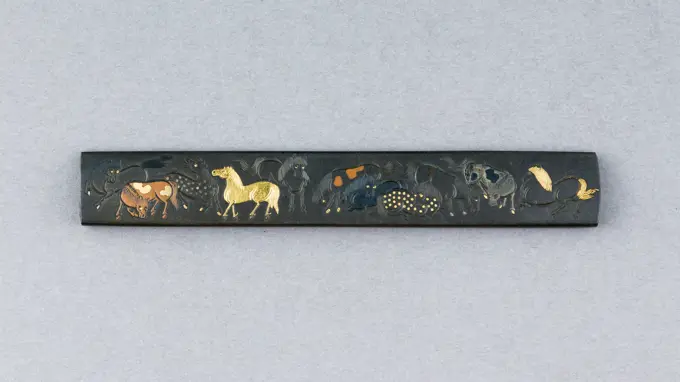
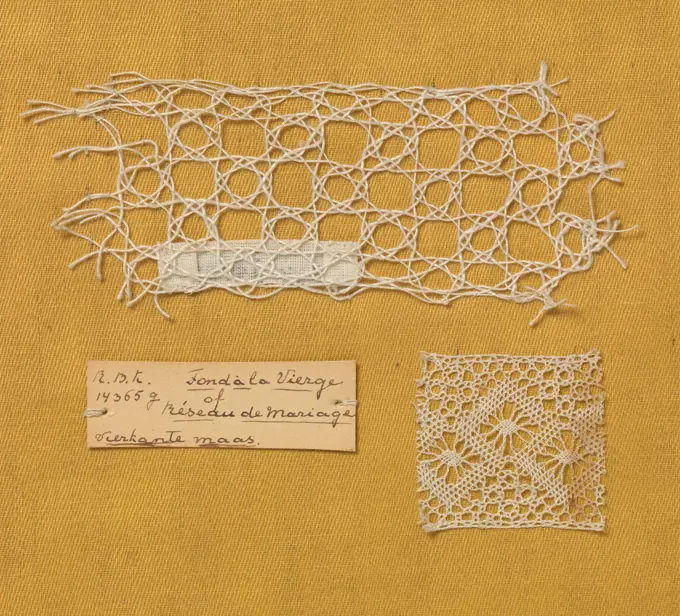
Fragment (France); linen warp, cotton weft; Warp: 84cm (33in.). Weft: 36cm 914 1/8in. ). All edges cut. ; Bequest of Elinor Merrell; 1995-50-215Fragment 16th century Italian. Fragment 230131Napkin, Medium: linen Technique: damask, Mounted horseman over a town illustrating the siege of Lille by Prince Eugene of Savoy in 1708., France, 1710-50, woven textiles, NapkinChurch tablecover. unknown, authorKontusz sash/belt. unknown, authorA pair of emblems of the mouth of a military official with the image of a young tiger BIAO unknownCarpet, c. 2000, 117 1/4 x 87 in. (297.82 x 220.98 cm) (without fringe), Wool, Morocco, 20th-21st centuryIrene Schaefer, Bedspread, c 1936 BedspreadPiece 18th century Japan. Piece 71570Pair of Book Covers for a Buddhist Text 12th century North India and Tibet These unique, large-scale book covers illustrate the complex interrelationship between the Buddhist world of eastern India and that of Tibet during the "second diffusion," when Buddhism in Tibet was purified by renewed contact with Indian Buddhism. They are also fascinating as prototypical objects that help to explain the format and decoration of many Tibetan painted book covers. Nothing like them has survived in India, and they present a new facet of eastern Indian art of the Pala period.. Pair of Book Covers for a Buddhist Text 72663Piece 19th century Japan. Piece 72025Batist sub -sleek with flower vines in Point de Marseille, Anonymous, c. 1750 Batist submerged, decorated with flower vines in Point de Marseille. Netherlands Completely: Batiste. Lining: Linen (Material) Batist submerged, decorated with flower vines in Point de Marseille. Netherlands Completely: Batiste. Lining: Linen (Material)Piece 18th century Japan. Piece 71200Piece 18th-19th century Japan. Piece 66961Band Fragment 6th-7th century. Band Fragment 445820Textile Fragment 5th century. Textile Fragment 443527Fragment multicolored brocatel, anonymous, 1775 - 1800 Five fragments of a silk tissue. Brown silk warp with impacts of silver wire and of white, green, pink and red-brown side. The drawing consists of large diamond-shaped medallions in which leaf and fruit motifs. Note: Self -sides; put together small fragment; twill, satin, 1 cm wide. Different types and colors silk.  silk. linen (material). metal thread broach Five fragments of a silk tissue. Brown silk warp with impacts of silver wire and of white, green, pink and red-brown side. The drawing consists of large diamond-shaped medallions in which leaf and fruit motifs. Note: Self -sides; put together small fragment; twill, satin, 1 cm wide. Different types and colors silk.  silk. linen (material). metal thread broachParure consisting of a sautoir, a brooch and a pair of earrings. Parure consisting of a chain or sautoir, consisting of openwork links, interspersed with enamelled plaques with flowers on black ground, a brooch and a pair of cave gold earrings, also with email decoration. With box.Bliżej Kultury unknownBanner, 1700s. Spain, 18th century. Crimson silk brocade; scalloped border with fringe; overall: 124.5 x 108 cm (49 x 42 1/2 in.).Fragment (Egypt); warp: s-spun linen. wefts: s-spun linen, s-spun woolsFragment of a Sleeve 4th-5th century. Fragment of a Sleeve 443872Textile Fragment 3rd-4th century. Textile Fragment 443890Embroidered spot sampler. Culture: British. Dimensions: 24 × 8 in. (61 × 20.3 cm). Date: 17th century.Spot samplers feature motifs that are scattered in a seemingly random fashion over the surface of the foundation fabric, usually linen. These samplers are rarely signed or dated, and often include motifs that are only partially worked, leading to the conclusion that this type of sampler was made as a personal stitch reference for its maker, and not for display, as band samplers were signed by student embroiderers. In addition to geometric designs that are of the type that would have been used to decorate small purses, cushions, and other accessories, the sampler includes "slips," motifs that would have been worked in tent stitch and then cut out and appliqued onto larger pieces of work that would have been too large and unwieldy to embroider on their own. On this sampler, these motifs include flowers, caterpillars, birds, and dogs, as well as a leopard, stag, and squirrel. Museum: MetBag Face (France); linenFragments 18th century Flemish. Fragments 218224Piece 18th century China. Piece. China. 18th century. Silk / Compound weave. Qing dynasty (1644-1911). Textiles-WovenMan's cloth, 79 5/16 x 107 3/4 in. (201.45 x 273.69 cm), Cotton; strip woven, weft face and supplementary weft patterning, Ghana, Ewe weavers produce exquisite garments of fine quality cloth that are often worn at ceremonial gatherings such as puberty rites, marriages, ordinations, funerals and festivals. A distinguishing feature of Ewe cloth is the use of representational imagery interspersed between blocks of colorful stripes. Unconstrained by traditional patterns or color schemes, these weavers freely invent designs that are limited only by their imagination and technical skills.Loincloth Panel. Chancay; Peru, Central coast. Date: 1000-1476. Dimensions: 124.5 x 33 cm (49 x 13 in.). Cotton and wool (camelid), plain weave; slit tapestry weave. Origin: Peru. Museum: The Chicago Art Institute, Chicago, USA.Sampler (Mexico); linen, silk; Bequest of Marian Hague; 1971-50-171Purse with Two Figures under a Tree. Culture: French. Dimensions: Overall (with tassels): 11 3/4 × 6 3/4 in. (29.8 × 17.1 cm)Purse only: 8 × 6 3/4 in. (20.3 × 17.1 cm)Storage (Box): 16 × 12 in. (40.6 × 30.5 cm). Date: 14th century. Museum: Metropolitan Museum of Art, New York, USA.Stitch steak of gold threaded embroidery on dark blue green sheet .. Steklap of gold threaded embroidery on dark blue green sheet. Square, deposited with ribbon in the same color. In the middle of four flower stems including a och roof. Scalloped and straight, always interrupted edge frames, in transverse or sloping stitches with the initials J.K, the arm of Amsterdam (in color), a chali flower and a rosette flower. Amsterdam, 1900-1925.10 of Nooses, from The Cloisters Playing Cards ca. 1475-80 South Netherlandish The Cloisters set of fifty-two cards constitutes the only known complete deck of illuminated ordinary playing cards (as opposed to tarot cards) from the fifteenth century. There are four suits, each consisting of a king, queen, knave, and ten pip cards. The suit symbols, based on equipment associated with the hunt, are hunting horns, dog collars, hound tethers, and game nooses. The value of the pip cards is indicated by appropriate repetitions of the suit symbol. The figures, which appear to be based on Franco-Flemish models, were drawn in a bold, free, and engaging, if somewhat unrefined, hand. Their exaggerated and sometimes anachronistic costumes suggest a lampoon of extravagant Burgundian court fashions. Although some period card games are named, it is not known how they were played. Almost all card games did, however, involve some form of gambling. The condition of the set indicates that the cards were Model of a Topsail, anonymous, 1861 demonstration model Model of a mars sail on a ra. The sail has fourteen sailing rugs above and twenty downstairs, crotch tires, three revenues, two pop strips, bare -line sprouts and lap horns, reinforced with leather. The starboard shot horn consists of an eye with a stocking, which consists of a brass ring that connects the ends of the corpses, which are each provided with stocking. The revenues consist of reef leaders instead of rifse seasing: the rifleighers are over the reef tires that are stitched on the reef holes; Through this rope, knevels are achieved during the revenues, which are attached to the RA on a metal rod. Netherlands textile materials. rope. wood (plant material). brass (alloy). leatherRuth M Barnes, Coverlet, c 1937 CoverletKontusz sash/belt. unknown, authorFragment; cotton on bast fiber; 1947-84-5Piece 19th century Japan. Piece 67971Oval frame on a rectangular background; "Blades, Jan Nikodem (1747-1810); around 1800 (1790-00-00-1810-00-00);Fragment silk veal. Fragment of a velvet. On orange field soil a drawing of shut-wise fields, including three-leaf palmets in green.Sampler (Germany); silk on linenTwo money, in: deck of cards for WIST. National Card Factory J.C. du PortaOrnament, Medium: linen Technique: bobbin lace (Brussels-style), Large basket with tall handle has a ribbon bow and is filled with flowers., Belgium, 19th century, lace, OrnamentChasuble (front) late 17th or early 18th century Italian. Chasuble (front) 460773Sampler (Germany); silk embroidery on linen foundationTextile Fragment, undetermined Nasca. Textile Fragment, undetermined, 200-600 C.E. Cotton, camelid fiber, 1 15/16 x 63 3/8 in. (4.9 x 161 cm).   Arts of the Americas 200-600 C.E.Trimming fragment, Medium: silk Technique: woven, Cross of foliage formed by leaf and ornamental stem. Yellows and gold on red., France, ca. 1830, woven textiles, Trimming fragmentFragment (Japan)Fringe 17th-18th century probably European. Fringe 213664Napkin marked with crown, c. 1700 - c. 1770 Napkin, peeling in twill binding, marked I crown 24 and BS 24. Northern Netherlands linen (material) Napkin, peeling in twill binding, marked I crown 24 and BS 24. Northern Netherlands linen (material)Textile Fragment 5th-6th century. Textile Fragment 444051Fragment (Egypt); warp; s-spun linen. wefts; s-spun linen, s-spun woolsSampler (England); Embroidered by Dinah Bird (English); silk embroidery on cotton foundationSutra Cover. China. Date: 1590-1599. Dimensions: 34.1 × 12.2 cm (13 3/8 × 4 3/4 in.)Weft repeat: 8.8 cm (3 1/2 in.). Silk and cotton, broken twill weave with patterning wefts; wrapped over cardboard and backed with paper; applied label of silk, plain weave; with inscribed title painted and/or printed with ink. Origin: China. Museum: The Chicago Art Institute, Chicago, USA.Border Fragment 2nd century B.C. Nasca. Border Fragment 308038Trimming, Medium: wool, linen, silk Technique: stamped, Fragment from curtain (rings still at top) of warm red, hard-surfaced wool, stamped in barely visible design of large all-over floral motifs. Bordered along one side by woven linen-and-silk strip in wreath and anthemioh design, also red., USA, 1800-1850, trimmings, TrimmingTextile Sample from Sample Book 19th century Japan. Textile Sample from Sample Book 68246John Cutting, Wool Pocketbook, c 1940 Wool PocketbookA sash from the funeral of Adam Mickiewicz in Krakow on July 4, 1890Egyptian OrnamentFragment Made 1701-1800 Italy. Beadwork; floral decoration with lyre shapes in green and yellows .8 of Collars, from The Cloisters Playing Cards ca. 1475-80 South Netherlandish The Cloisters set of fifty-two cards constitutes the only known complete deck of illuminated ordinary playing cards (as opposed to tarot cards) from the fifteenth century. There are four suits, each consisting of a king, queen, knave, and ten pip cards. The suit symbols, based on equipment associated with the hunt, are hunting horns, dog collars, hound tethers, and game nooses. The value of the pip cards is indicated by appropriate repetitions of the suit symbol. The figures, which appear to be based on Franco-Flemish models, were drawn in a bold, free, and engaging, if somewhat unrefined, hand. Their exaggerated and sometimes anachronistic costumes suggest a lampoon of extravagant Burgundian court fashions. Although some period card games are named, it is not known how they were played. Almost all card games did, however, involve some form of gambling. The condition of the set indicates that the cards were A sash from the funeral of Adam Mickiewicz in Krakow on July 4, 1890Kerchief mid-19th century Swiss. Kerchief 229451Fringe (Spain); silkFringe 1770 British. Fringe 224884Steel bobbin with coarse wire as an example of a round Valenciennes-Ground (grid), anonymous, c. 1900 - c. 1930 sample Steel natural-colored bobbin with coarse wire as an example of a round Valenciennes ground with a fragment side in which this technique has been applied. The date concerns the steel. Amsterdam cotton (textile) bobbin laceNine Feathered Panels A.D. 600-900 Wari In 1943 a cache of ninety-six feather panels was found in the Churunga Valley. The panels had been rolled up and placed in ceramic jars that were then buried at a ceremonial center. Each panel is densely covered with tens of thousands of feathers, primarily from the blue-and-yellow macaw, which lives in the Amazonian rainforest. The feathers were individually hand-knotted onto cotton strings and then stitched onto plain-weave cotton panels. These panels, nine of which are shown here, may have once adorned the walls of a building.En 1943 fue encontrado un grupo importante de aproximadamente noventa y seis paneles de plumas en el valle de Churunga, en la costa Sur de Perú. Los paneles fueron enrollados y guardados en grandes vasijas de cerámica que luego fueron enterradas en un centro ceremonial conocido como Corral Redondo. Cada panel fue densamente cubierto con decenas de miles de plumas, principalmente plumas de guacamayo azul y amarillo, un avePiece 18th-19th century Japan. Piece 66161Fragment; silk; Warp x Weft: 33 x 20.3 cm (13 x 8 in.)Daguerreotype from 1840-1845 showing either two girls or a mother with her daughter, three-quarter figures, including posture, facial expressions, and attire.Souvenir handkerchief, circa 1918, France, maker unknown. Gift of Cathryn Riley, 2012.Bag, 19th century, 6 1/2 x 5 1/8 in. (16.51 x 13.02 cm) (without trim), Cotton, metal; knotted (oya), Turkey, 19th centuryTextile (England); cotton; Warp x Weft: 67.7 x 67.2 cm (26 5/8 x 26 7/16 in.)Textile Fragment 300-600 Coptic. Textile Fragment 475242Pair of Gloves Made 1790-1810 Barcelona. Leather, copperplate printed; punched .Fragment Made 1601-1900 Japan. Plain compound satin, silk & gilt paper; 4 strips to m.m. .Sampler, Mary Ann Smith, American, Medium: wool embroidery on linen foundation Technique: embroidered on plain weave foundation Label: linen embroidered with wool, Several rows of alphabets and numerals, followed by a row of trees, and a verse:, Vanity, Seek to be good, but aim not to be great, A woman's noblest station is retreat, Her fairest virtues fly from publick sight, Domestick worth still shuns too strong a light, Woman () is amiable, mild, serene, () all beauty and peace within, At the bottom, baskets of fruit and flowers, and two medallions, one inscribed Mary Ann Smith and the other Scofton School, USA, 18th century, embroidery & stitching, SamplerCollar; Bequest of Marian Hague; 1971-50-56Guantanamo Bay, CubaEmbroidery on Pillow. Dated: c. 1936. Dimensions: overall: 24.6 x 34 cm (9 11/16 x 13 3/8 in.) Original IAD Object: 26" high; 18" wide. Medium: watercolor, gold ink, graphite, and pen and ink, and gouache on paper. Museum: National Gallery of Art, Washington DC. Author: Florence Huston.Livery Trimming (Spain); silk; 1932-3-26Piece 17th century Spanish. Piece. Spanish. 17th century. Needle lace, silk, metal thread. Textiles-LacesTextile fragment. Textile fragment, embroidery and crocate bag and flour on beige damask background.Knife Handle (Kozuka) ca. 1615-1868 Japanese A kozuka is a handle of a by-knife that is part of a sword mounting. It is kept in a slot on the reverse of a katana scabbard, often with a matching kōgai (hairdressing tool).. Knife Handle (Kozuka) 34631DINERARIO MUDEJAR S XIII. Location: CATEDRAL-INTERIOR. Toledo. SPAIN.Steel clamping side with coarse thread as an example of a cross beatabout (grille). Steel natural colosside with coarse thread as an example of a cross beatabout with a fragment side in which this technique has been applied. The date concerns the steel.Machine-made Openwork Samples (USA); cardboard, linen, silk, metallic; 1971-26-2-8Ritual Weaving(Tampan)Textile Fragment, 2 1/2 x 2 1/4 in. (6.35 x 5.72 cm) (fragment)4 1/4 x 2 15/16 in. (10.8 x 7.46 cm) (mount), Linen (), wool (), EgyptCounty license fake,  cruisers, Hauptmünzamt, Mint AuthorityGloves. Culture: British. Date: late 18th century.The embroidered figure on these gloves is a lady in court dress complete with the fontanges, the hairstyle in vogue during the first decade of the eighteenth century. It is unusual to find a historical costume depicted on a fashionable accessory. It must have amused the lady who wore the gloves to compare the style of her grandmother's day to the attire of her own time. Museum: Metropolitan Museum of Art, New York, USA.Basket, 20th century, 3 1/2 x 3 1/2in. (8.9 x 8.9cm), Natural plant fiber, United States, 20th centurySample early 19th century French. Sample 224779Basket, 20th century, 3 3/4 x 3 3/4 in. (9.5 x 9.5 cm), Natural plant fibers, United States, 20th centuryCross-Shaped Tile 13th century. Cross-Shaped Tile 451743Seal, 1806, Anonymous, 1806 print Separate print of a diamond -shaped seal for objects of trade and luxury, of three pennies, 1806. Hollandse Leeuw with arrow bundle and sword, to the left. Netherlands paper  tax collection NetherlandsOrange ribbon with Wapen van Willem V, Anonymous, c. 1750 - c. 1799 ribbon (material) Orange ribbon with Wapen van Willem V with inscription. Rectangular ribbon on which a crowned weapon with a lion on either side. Colors Beige, Brown and Blue. Netherlands silkPiece 18th-19th century Japan. Piece 67482Piece 16th century Japan. Piece 71315