Historic Textile Fragments

A variety of textile fragments showcasing brocaded silk and velvet patterns, highlighting luxury materials and intricate designs from past centuries.
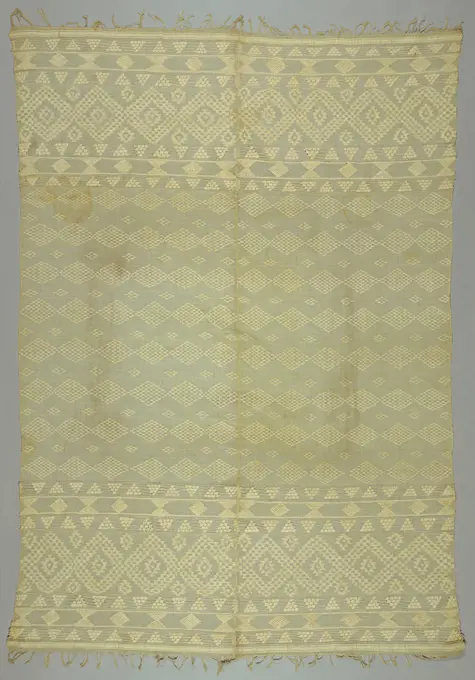
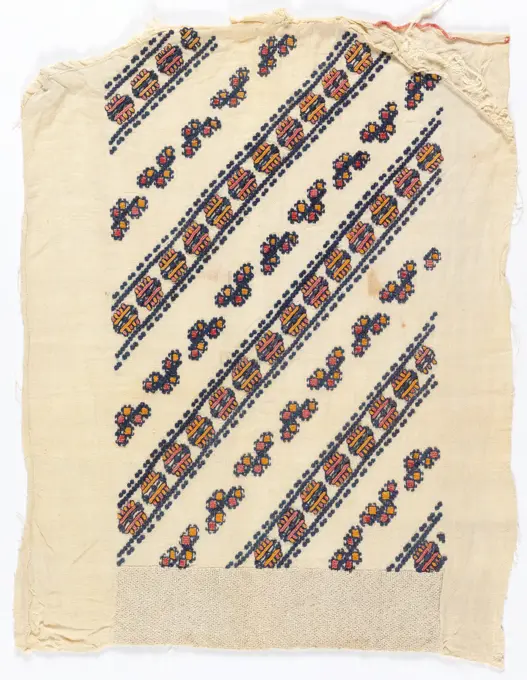
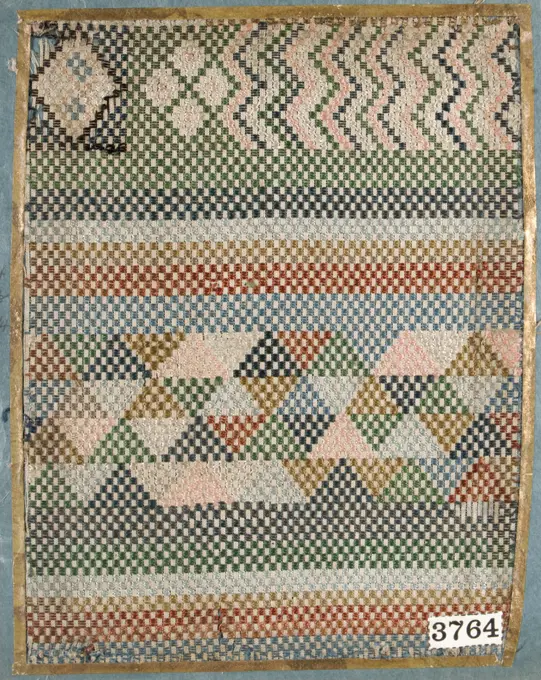
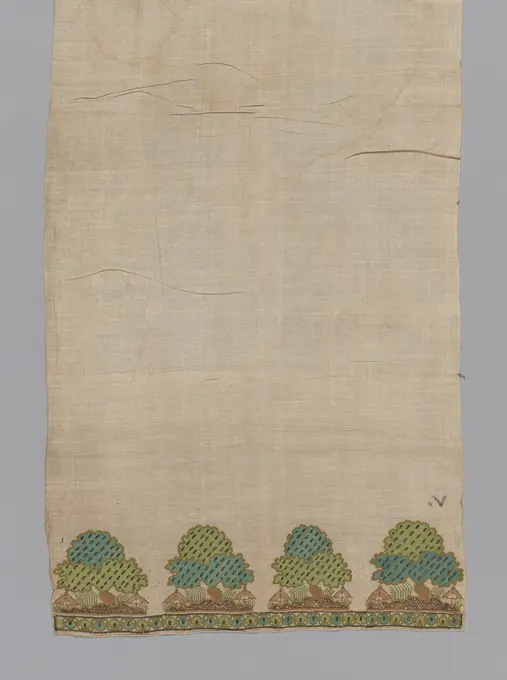
Textile, Medium: cotton Technique: woven, Two lengths of sheer cotton seamed down longest edge. Spaced bands of lozenges and triangles inlaid with heavier cotton thread. Deep borders edged with openwork bands at either end. Twisted warp fringe., Albania, late 19th-early 20th century, woven textiles, Textile
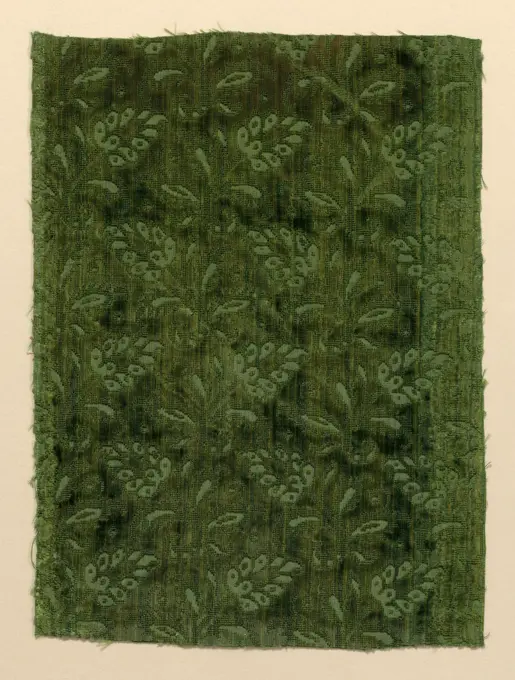
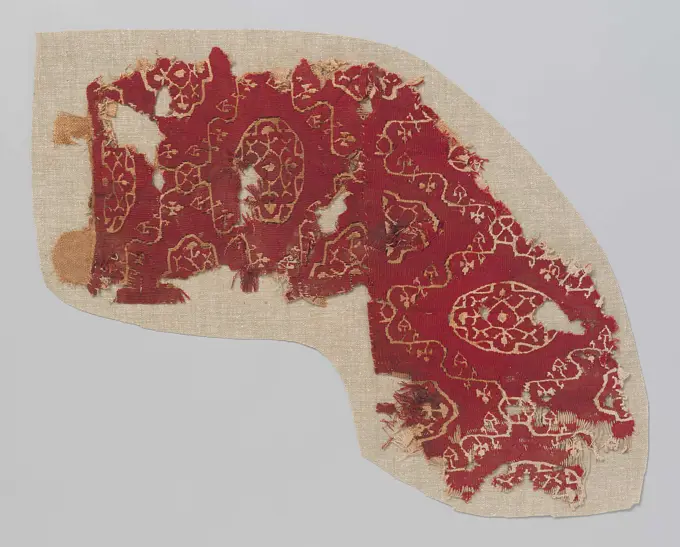
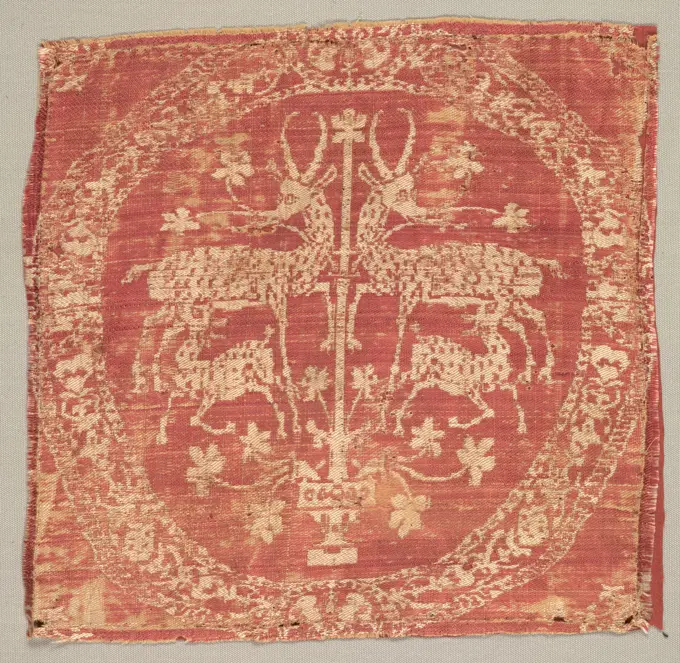
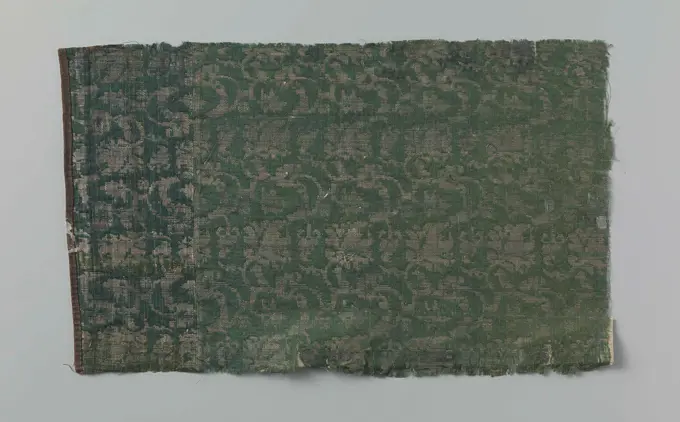
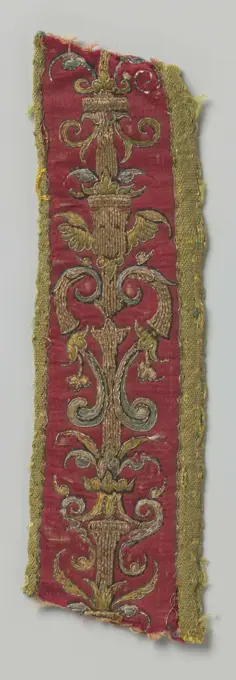
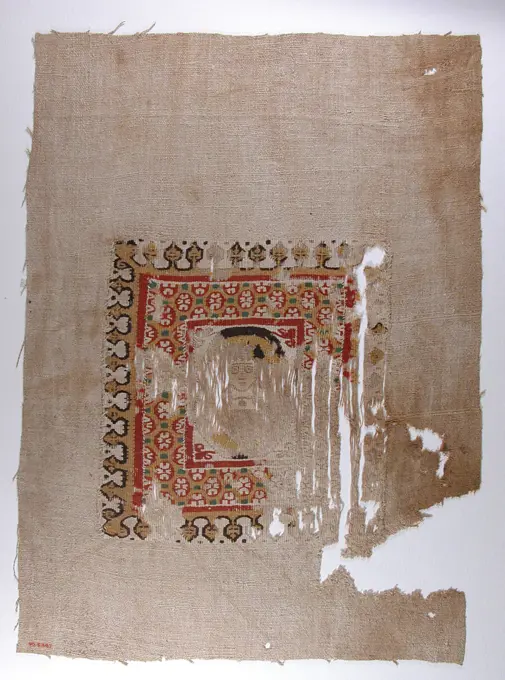
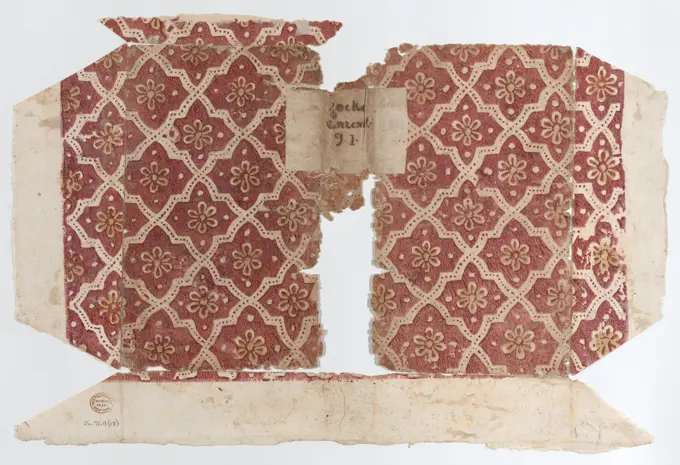
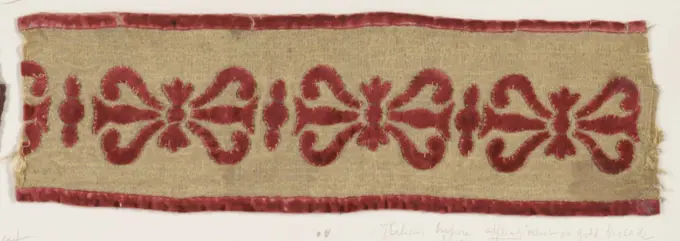
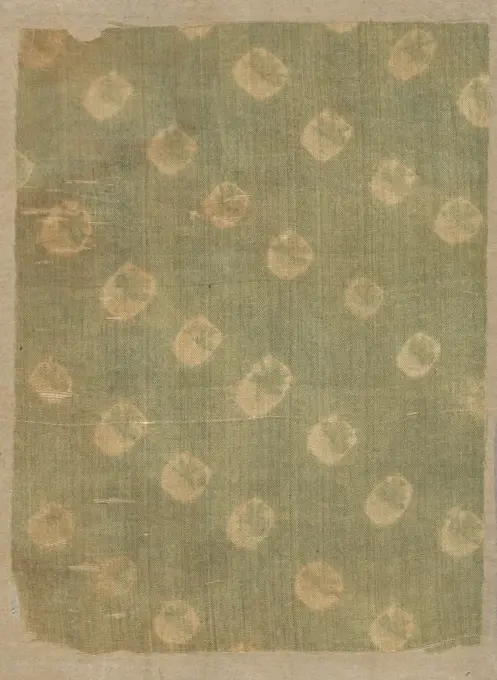
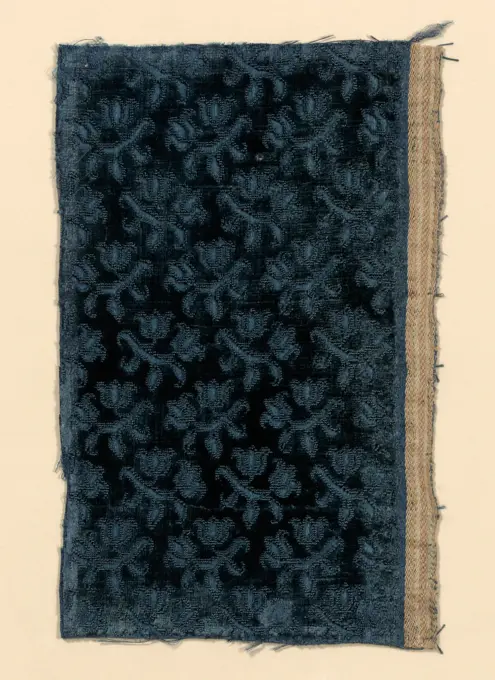
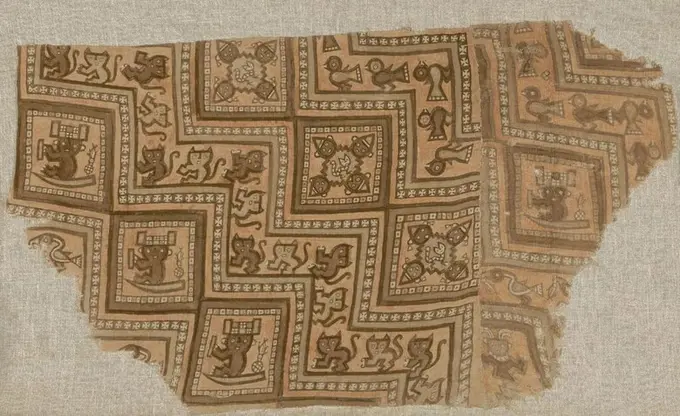
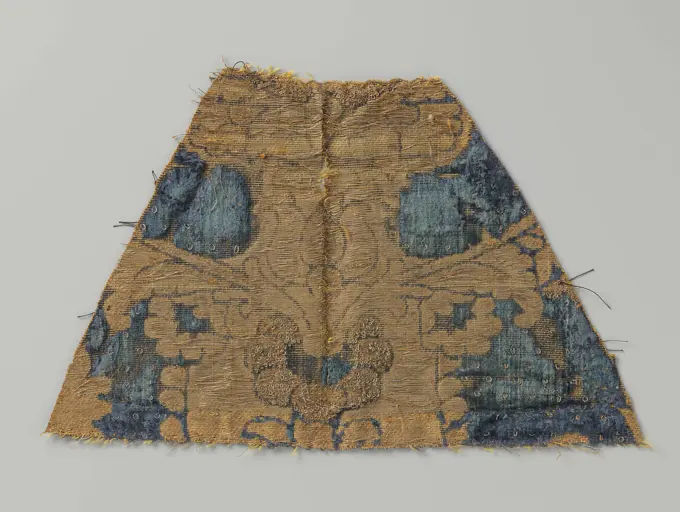
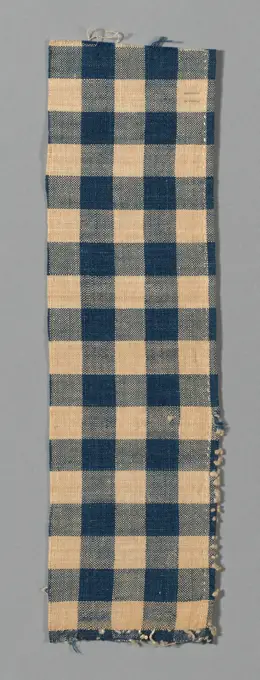
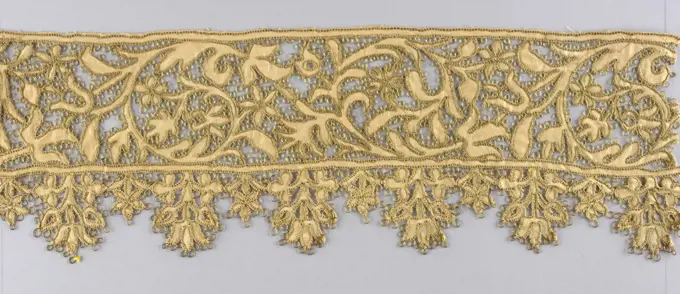
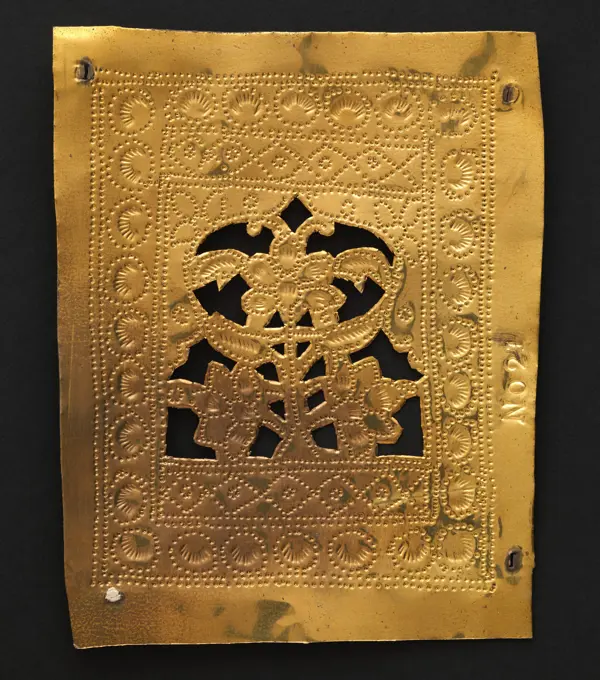
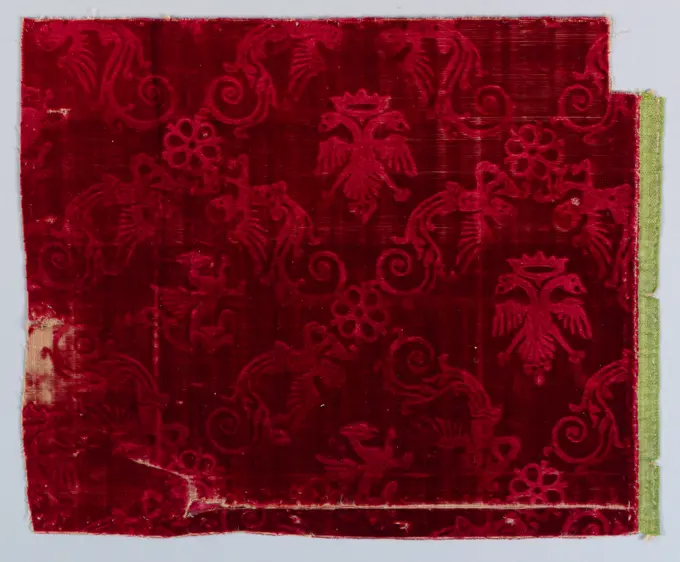
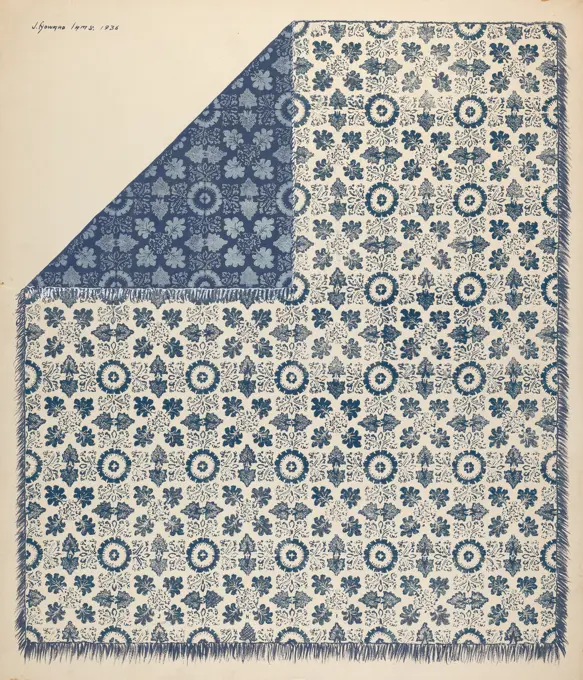
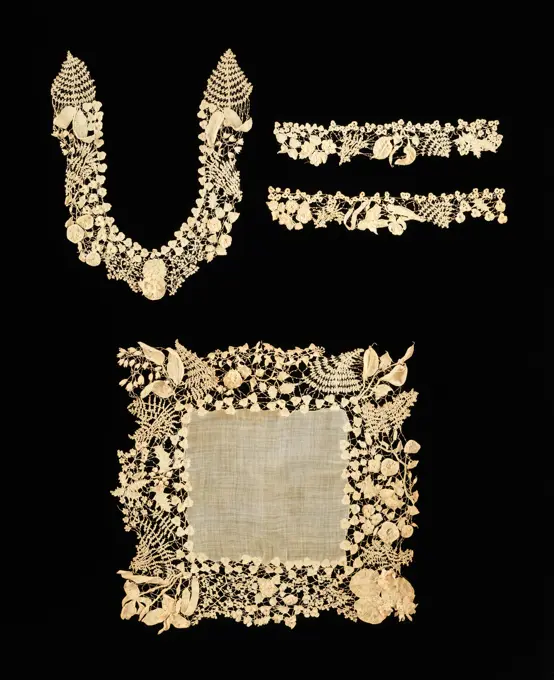
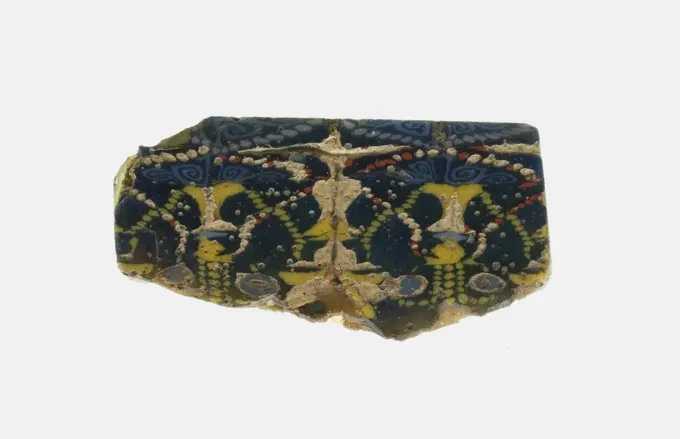
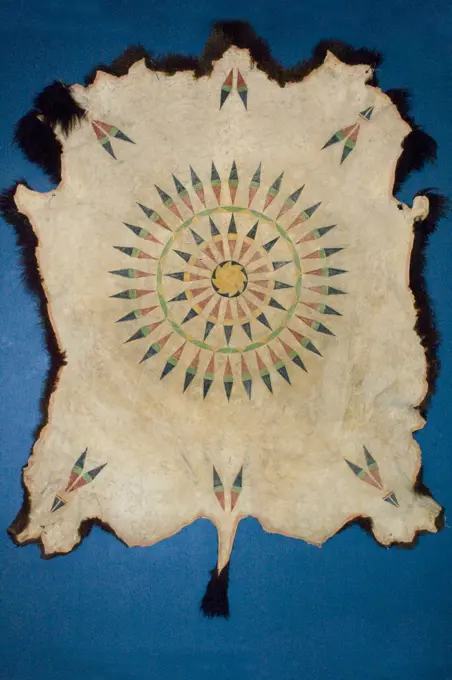
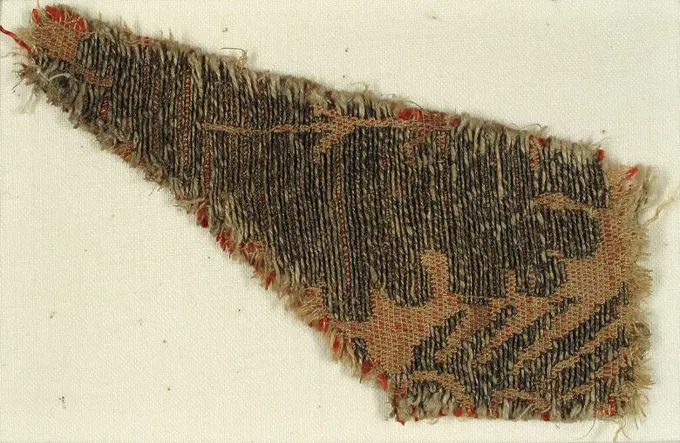
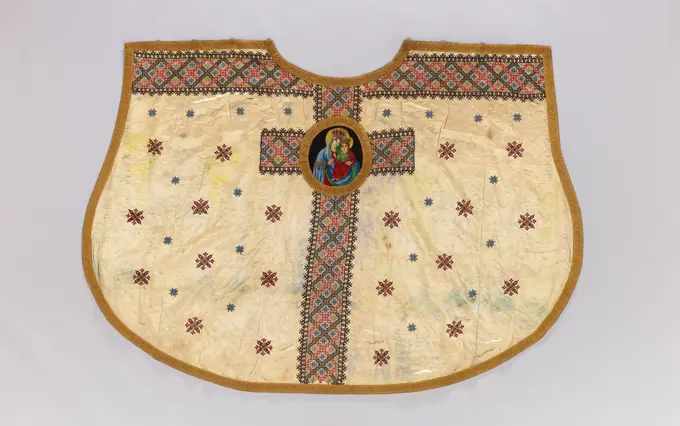
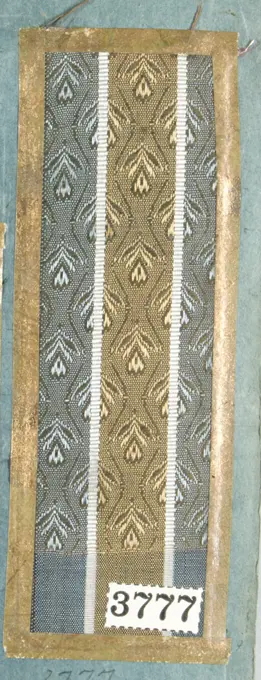
Band. Culture: French. Dimensions: L. 41 1/2 x W. 15 1/4 inches (105.4 x 38.7 cm). Date: 17th century. Museum: Metropolitan Museum of Art, New York, USA.Textile 19th century Japan. Textile 68027Fragments (Italy); silkBed curtain border 1800-1850 Russian. Bed curtain border 173367Table Cover (Italy); silk, metallic thread, linen knotted netPanel 6th-7th century. Panel. 6th-7th century. Wool; tapestry woven, mounted on linen. Attributed to Egypt. TextilesStrip. Culture: Italian, Venice. Dimensions: L. 11 x W. 3 inches (27.9 x 7.6 cm). Date: 16th century. Museum: Metropolitan Museum of Art, New York, USA.Embroidery; cotton on linen foundationShawl 1850-59 Scottish. Shawl 169882Square Fragment with Animal and Botanical Decoration Coptic. Square Fragment with Animal and Botanical Decoration, 5th-7th century C.E. Wool, 3 1/2 x 4 in. (8.9 x 10.2 cm).   Egyptian, Classical, Ancient Near Eastern Art 5th-7th century C.E.Piece 18th-19th century Japan. Piece 67039Fragment Made 1601-1635 Italy. Silk, cut, uncut, and voided velvet against plain weave foundation .Tissue fragment in tapestry. Tissue fragment consisting of two parts sewn from each other, with a natural-colored motif of wavy tendrils with triangular leaves on a wine-red ground, with a swinging diamond motif, within which a medallion with stylized branches and lines. Along one side two pieces are visible from the linen underground function.Towel Made 1825-1875 Turkey. Silk and metal strips, embroidered . AnonymousSampler (Mexico); cotton embroidery on cotton foundationBand (Egypt); warp; s-spun linen. wefts; s-spun linen, s-spun woolChasuble Italian late 16th or early 17th century This chasuble (a liturgical garment worn during the celebration of the Mass) is fashioned of yellow-green velvet patterned in an allover repeat of a small-scale diamond shape with eight protruding points in a stepped configuration framed by double zigzag lines. Cut and voided velvets in symmetrical stylized floral designs like this were produced in Italy in the late sixteenth and early seventeenth centuries. The orphery areas are delineated with very narrow tape which matches that outlining the edges and neck opening.Fragment; silk, metallicSquare Ornament from a Tunic, 700s. Egypt or Syria, Umayyad period (661-750) or Abbasid period (750-1258). Silk: compound twill weave; overall: 23.5 x 24.2 cm (9 1/4 x 9 1/2 in.); mounted: 31.1 x 31.8 cm (12 1/4 x 12 1/2 in.).Cap Crown (Belgium); linenTable Scarf; linen; 1976-81-3Band, Medium: silk on cotton Technique: chain stitch embroidery, Band with a design of a blue diagonal lattice enclosing yellow circles., possibly Spain, 17th century, embroidery & stitching, BandFragment zijdeweefsel.Fragment of green silk with pattern of horizontal gerijde Gstylated Wingerd leaves to curved stalks. Partly reinforced with brown linen. Self side is green with white border.Handkerchief (France); silkFragment, Medium: silk, metallic Technique: woven, Diagonal bands of floral motifs., Iran, 17th century, woven textiles, FragmentBand Fragment with Botanical Decoration Coptic. Band Fragment with Botanical Decoration, 5th-7th century C.E. Flax, wool, 1 3/4 x 6 1/4 in. (4.4 x 15.9 cm).   Egyptian, Classical, Ancient Near Eastern Art 5th-7th century C.E.Valenciennes lace handkerchief, circa 1900, Europe, maker unknown. Gift of Dr Tom Farrar, 2010.Border. Culture: Italian or Greek. Dimensions: L. 16 1/2 x W. 4 inches (41.9 x 10.2 cm). Date: 17th century. Museum: Metropolitan Museum of Art, New York, USA.Fragment van een geborduurde praetexta en aurifries van een dalmatiek ()..Fragment of an embroidered praetexta and aurifries of a dalmatics. The fragment consists of red satin on a linen lining. The embroidery has rinceaux of gold and silk in the colors yellow and green. The fragment belongs to two fragments with Invnrs. BK-NM-1239-B-1 and BK-NM-1239-B-2.Galloon 17th-18th century probably European. Galloon 213879Three textile fragments. Date: ca. 1700. Museum: Metropolitan Museum of Art, New York, USA.Stop piece of linen in which ten different stops were worked with multicolored silk and the initials La, FGVW, EG and Anno 1803 are embroidered. The initials La and FGV (AN) W, the parents of the embroidery, have been carried out in large cursy letters. This seems to have been in the orphanage where they were probably staying, the Amsterdam Maagdenhuis, usual. The saved tests show that it has been a skilled handicraft. Did she give her teacher with the big letters EC The stops are worked above each other in three rows with v.l.n.r. The following techniques: (upper row) Kelim, matting, cross-spot with EC, flat binding; (middle row) diamond, cross-spot, satin stitch; (Bottom row) Square, Goose eye: Continue with eight satin hearts etc., Pinette. The initials La and FGVW in cross stitch, in 1803 in Stersteek. GHA on the armboard in cross stitch, double open zoom with soft green side. Double open zoom.Textile (USA); linenTextile Fragment 4th-5th century. Textile Fragment 444326Book cover with red geometric and flower pattern 19th century Anonymous. Book cover with red geometric and flower pattern. Anonymous , 19th century. 19th century. Relief print (wood or metal). PrintsFragment early 19th century Italian. Fragment 230434Drawstring bag 1775-1800 American or European. Drawstring bag 116943Tissue fragment with loop tissue and studs, anonymous, c. 200 - c. 499 Natural tissue fragment. The majority of the surface is filled with a geometric pattern of squares and meanders formed by a loop tissue in dark purple wool and natural linen. This includes a stripe pattern of strips of long loops interspersed with short loops in dark purple wool and natural linen with a running dog motif within two lines. The wide strip on the right side also consists of long loops. Egypt Necklace and impact: Linen (Material). Loops impact: Wool Natural tissue fragment. The majority of the surface is filled with a geometric pattern of squares and meanders formed by a loop tissue in dark purple wool and natural linen. This includes a stripe pattern of strips of long loops interspersed with short loops in dark purple wool and natural linen with a running dog motif within two lines. The wide strip on the right side also consists of long loops. Egypt Necklace and impact: Linen (Material). Loops impact: Fragment, 700s. China or Japan, 8th century. Tabby weave; overall: 9 x 12.1 cm (3 9/16 x 4 3/4 in.).Shaker Material. Dated: 1935/1942. Dimensions: overall: 17.9 x 14.6 cm (7 1/16 x 5 3/4 in.). Medium: watercolor and graphite on paperboard. Museum: National Gallery of Art, Washington DC. Author: American 20th Century.Fragment Made 1601-1650 Italy. cisele voided satin velvet. Cut and uncut velvet. .Lane side, composed of two pieces with souts. Lane side, composed of two pieces with souts. Dessin: In Rijen placed and to turn towards varying cross beams with upward and dependent lobby leaves and bell-shaped flowers in golden yellow and green on a golden yellow fond. Lined with brunette linen in flat binding. On the side the number: 31677. Written on the back in blue: A1 / 575, -. Pinned paper on which the letters aa. Condition: reasonably good.Iket (Headcloth) Made 1801-1900 Java. Cotton, batik dyed .Fragment of Coptic fabric unknownLower Section of a Tunic, 400s. Egypt, Byzantine period, 5th century. Undyed linen and dyed wool: tapestry weave with supplementary weft wrapping; overall: 54.9 x 106.7 cm (21 5/8 x 42 in.); mounted: 67.3 x 118.1 cm (26 1/2 x 46 1/2 in.).Sarong (Kain Lepas-Dobo) 18th century Javanese. Sarong (Kain Lepas-Dobo) 307898Textile Fragment 17th century. Textile Fragment 454502Parsi gara Child's Shirt, 19th century, L.42 x W.21 in., silk; needlework, India, 19th centuryPiece 18th-19th century Japan. Piece 67699Womans Ceremonial Skirt (Tapis)Textile (Spain); silk; Warp x Weft (a): 38.7 x 49.5 cm (15 1/4 x 19 1/2 in.) Warp x Weft (b): 24.1 x 36.8 cm (9 1/2 x 14 1/2 in.)Bliżej Kultury unknownCover (Spain); linenFragment. Italy. Date: 1601-1635. Dimensions: 15.1 x 12.8 cm (6 x 5 in.)Warp repeat: 5.8 cm (2 1/4 in.). Silk, plain weave with gilt-metal strips supplementary facing wefts and supplementary pile warps forming cut and uncut voided velvet. Origin: Italy. Museum: The Chicago Art Institute, Chicago, USA.Tissue fragment with decorative band, 1100 - 1199 Natural linen tissue fragment with decorative tire with braid belt motifs and hares in carpet work. EgypteGermany (possibly) Ketting an element: Linen (material). Entry: Silk tapestry Natural linen tissue fragment with decorative tire with braid belt motifs and hares in carpet work. EgypteGermany (possibly) Ketting an element: Linen (material). Entry: Silk tapestryBidkleed, , c. 1800 Eastern carpet, prayer rug, kis-ghiordes. There is a double red Mihrab in midfield. Blue corner pieces, eggplant-colored cross panels. The edges are decorated with flowers. Ghiordes wool Eastern carpet, prayer rug, kis-ghiordes. There is a double red Mihrab in midfield. Blue corner pieces, eggplant-colored cross panels. The edges are decorated with flowers. Ghiordes woolPiece 18th century Japan. Piece 71811Fragment. Chancay; Peru, Central coast. Date: 1000-1476. Dimensions: 119.1 x 70.5 cm (46 7/8 x 27 3/4 in.). Cotton, plain weave; painted. Origin: Peru. Museum: The Chicago Art Institute, Chicago, USA.Fragment blue velvet broker with pomegranate pattern. Fragment blue silk velvet brocade with pomegranate pattern.Fragment Made 1801-1825 United States. Sample of stripe and check patterns of blue, white and tan .Fragment (Italy), 17th century; linen, cotton; Warp x Weft: 8.1 x 33.7 cm (3 3/16 x 13 1/4 in.)Textile Fragment, undetermined Inca/Moquegua. Textile Fragment, undetermined. Cotton, camelid fiber, 1 15/16 x 4 1/4 in. (5 x 10.8 cm).   Arts of the AmericasCope late 16th or early 17th century Italian or Spanish. Cope 461246Dress of needle side with four impeller palms and a round linen center piece. Dress of linen and natural needle side: Venetian relief side. Square model with a round linen center and four inserts from linen in the ring around the center. Pattern with picoted bars and a range palm with a fan palm.Cap crown. Date/Period: 18th century. Cap crown. Medium: linen. Technique: needle lace. Author: UNKNOWN.Border, Medium: silk and metallic embroidery, linen foundation Technique: cutwork and embroidery on plain weave, Natural linen plain weave from which sections have been cut out to create a curving vine border with an edge of pendant blossoms. A button hole stitch is used to couch a gold metallic yarn to the cut edges, the metallic yarn looped at close intervals to create a picot effect., Italy, 16th-17th century, embroidery & stitching, BorderFragment, Medium: linen, wool Technique: embroidery using wool on plain weave linen, Four broad bands which contain a repetition of small figures., 13th century, embroidery & stitching, FragmentTrimming fragment, Medium: silk, cotton Technique: woven with raised pile (velvet), Red an white, late 19th century, trimmings, Trimming fragmentLace Cravat. Dated: 1935/1942. Dimensions: overall: 29.5 x 23.2 cm (11 5/8 x 9 1/8 in.) Original IAD Object: 87 1/2" long; 10" wide. Medium: graphite and gouache on paperboard. Museum: National Gallery of Art, Washington DC. Author: Jean Peszel.Cutout ca. 1892 Lockwood de Forest American A key figure in the Aesthetic movement, New York-born artist Lockwood de Forest (1850-1932) was very inspired by Indian arts and crafts, and created the Ahmedabad Woodcarving Company in Gujarat, which exported many items to the United States. These cut and chased brass cutouts, designed by de Forest, were based on examples found in wood, plaster, and stone in Indian architecture. In his designs, they would have been used as ornament on architecture or furniture.. Cutout. ca. 1892. Brass; chased. Attributed to India, Ahmedabad. MetalTextile, Medium: linen, wool Technique: embroidered, Section of coarse undyed linen cloth with small-scale allover pattern of triangles set side-by-side in diagonal rows, some filled with crosses, some filled with counted darning stitch. In dark brown, blue-green, and rust-red wools. One plain selvage., Egypt, 6th-7th century, embroidery & stitching, TextileTextile Fragment early 19th century. Textile Fragment 443052Textile Sample from Sample Book 19th century Japan. Textile Sample from Sample Book 68241Fragment, Medium: linen, woll Technique; slit tapestry with supplementary weft wrapping., Bird on a serpentine band., Egypt, 3rd-4th century, woven textiles, FragmentFragment Made 1601-1625 Italy. Plain compound satin ground. .Fragment, Medium: linen Technique: withdrawn element work, Fragment in a diamond-snowflake pattern., Italy or Spain, 16th-17th century, lace, FragmentPiece 17th century Japan. Piece 71837Piece 18th-19th century Japan. Piece 66288Bliżej Kultury unknownFragment (Spain); silkTowel or Napkin Made 1801-1900 Turkey. Embroidered .J Howard Iams, Coverlet, 1936 CoverletAccessory set ca. 1850 Irish The varieties of plant forms and flowers represented, their naturalism and the three-dimensionality set this extraordinary example of Irish crochet lace apart from the more static designs of later examples. Accessory set 156404Darning sampler. Date/Period: 1836. Darning sampler. Medium: silk embroidery on cotton foundation. Technique: embroidered in running and four sided cross stitches with overcasting over withdrawn element work on plain weave foundation. Height: 240 mm (9.44 in); Width: 235 mm (9.25 in). Author: UNKNOWN.Piece 17th century Japan. Piece. Japan. 17th century. Silk / Compound weave. Textiles-WovenEmbroidered alba unknownFragment of a Band. Dimensions: 2 in. high 7.25 in. wide (5.08 cm high 18.41 cm wide). Date: 4th-5th century. Museum: Metropolitan Museum of Art, New York, USA.Conciliate belt; Royal Manufacture of Jedwabna in Grodno (Grodno; Silk fabric and belt fabric factory; 1768-1780); 1768-1780 (1768-00-00-1780-00-00);Fragment of an Inlay 100 BCE-100 CE Italy. In ancient Rome, there was a high demand for colorful glass that could dazzle banquet guests alongside the expensive silver and gold serving wares meant to impress. Fragments like this one would have once been a part of larger mosaic dishes. The mosaic pattern was made by sagging molten glass into bowl-shaped molds, a technique used on many of these fragments is similar to millefiori, ìthousand flowersî in Italian, a modern glass-making method in which tiny rods of colored glass are bundled together, wrapped in a sheet of glass, fused, and then thinly sliced to reveal swirls of a flower-like patterns. They were arranged side by side, sometimes together with bits of colored glass, and fused together with heat.. Glass, mosaic glass technique . Ancient RomanFragment Made 1701-1800 Japan. .Piece 18th-19th century Japan. Piece. Japan. 18th-19th century. Silk. Edo (1615-1868) or Meiji period (1868-1912). Textiles-WovenPainted buffalo skin that would have been used as a winter robe by the Mandan on display at the On-A-Slant Indian Village museum, SDRibbon; silk, metallic threadLivery BorderTextile with Foliated Design. Culture: Italian. Dimensions: Overall: 2 3/16 × 3 3/8 in. (5.6 × 8.6 cm)Storage (Mat): 8 1/2 × 5 1/2 in. (21.6 × 14 cm). Date: 14th century. Museum: Metropolitan Museum of Art, New York, USA.Sampler 19th century German. Sampler 228657Cover;  1st half 19th century (1801-00-00-1850-00-00);Piece 17th century Japan. Piece 71773Textile Sample from Sample Book 19th century Japan. Textile Sample from Sample Book. Japan. 19th century. Silk / Tapestry. Textiles-WovenTextile, China, 18th-19th century, woven textiles, Textile