Historic Textile Fragments

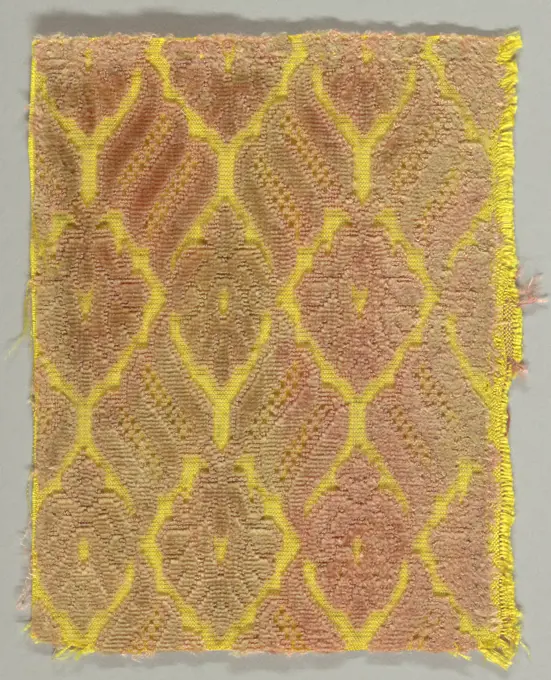
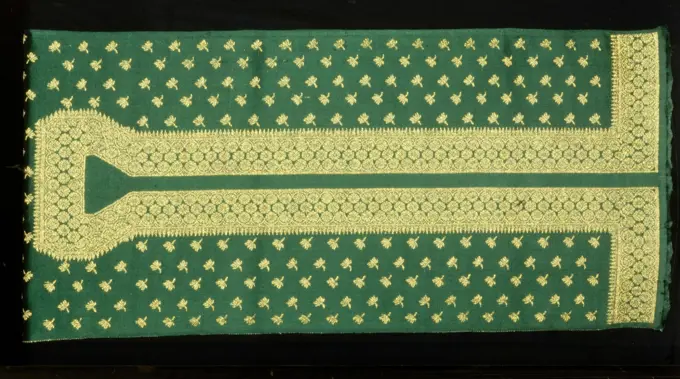
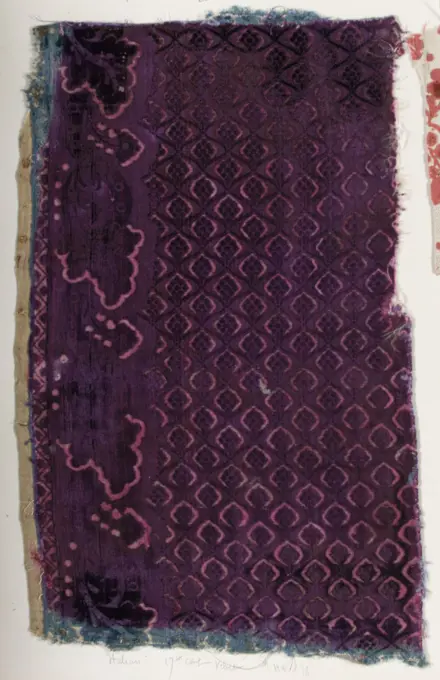
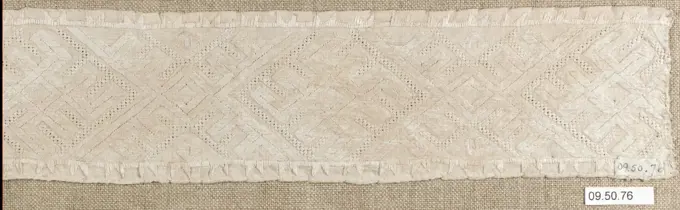
A collection of textile fragments featuring intricate patterns, floral motifs, and variations in color from cultures such as India and Italy, spanning centuries.

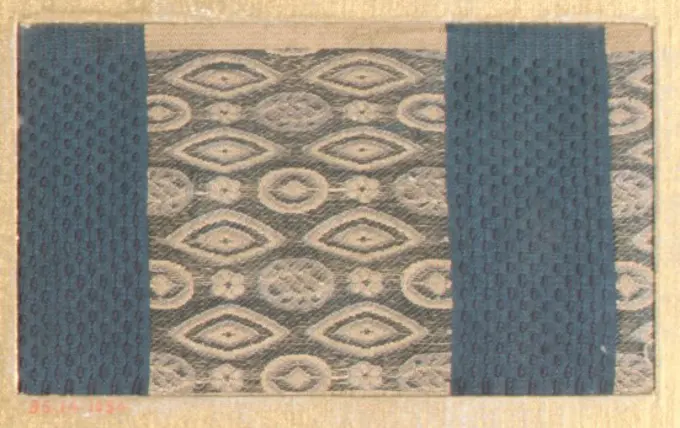
Textile, Medium: cotton Technique: resist-printed on plain weave, Simple floral motif within a grid of S-shapes and rosettes. White design on blue ground., India, 15th-18th century, printed, dyed & painted textiles, Textile
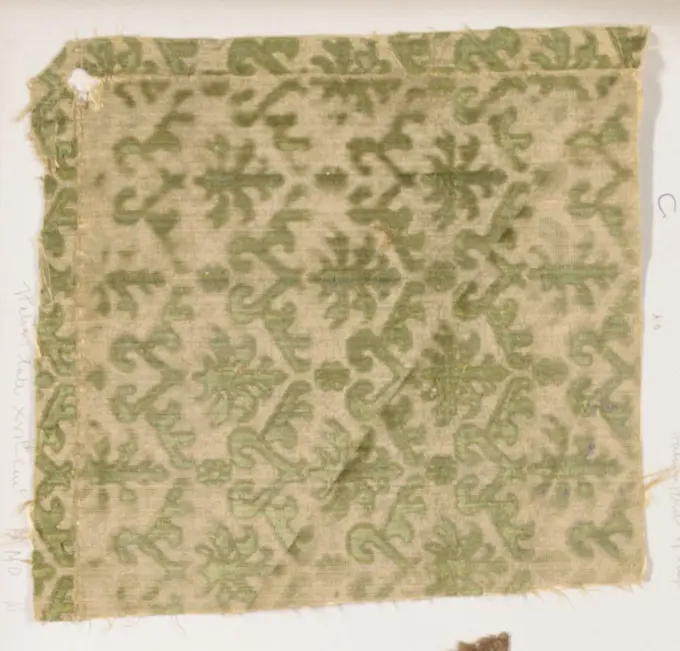
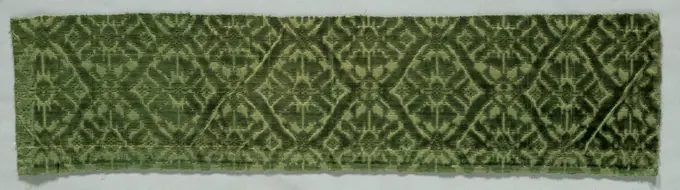
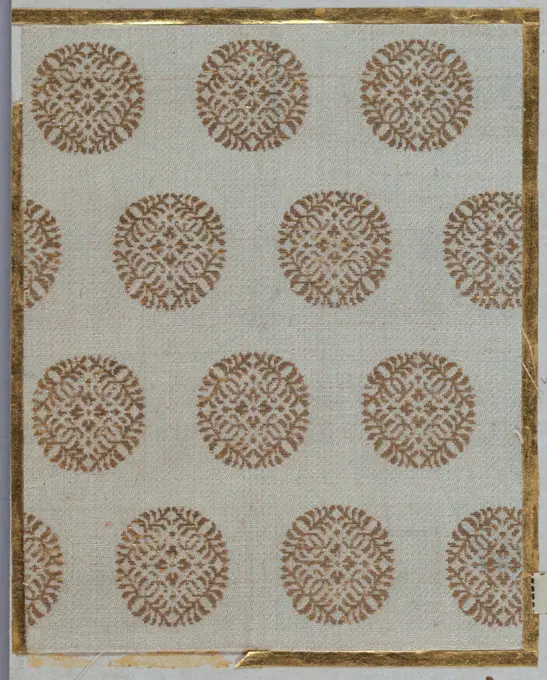
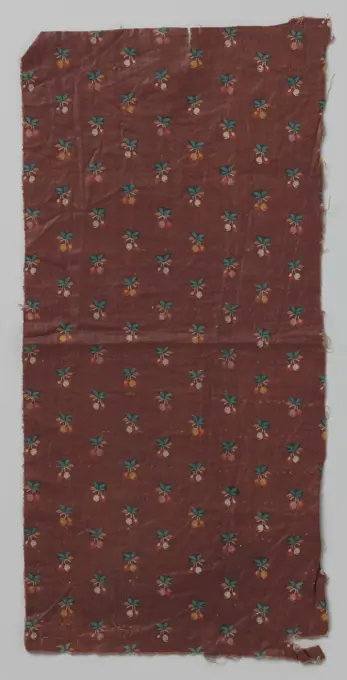
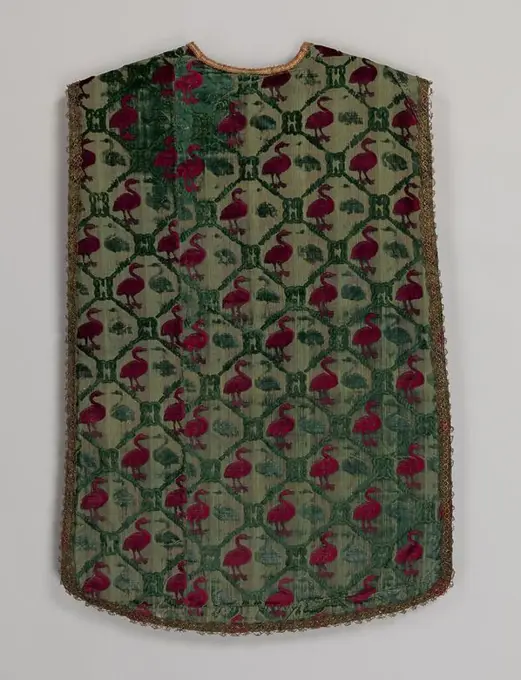
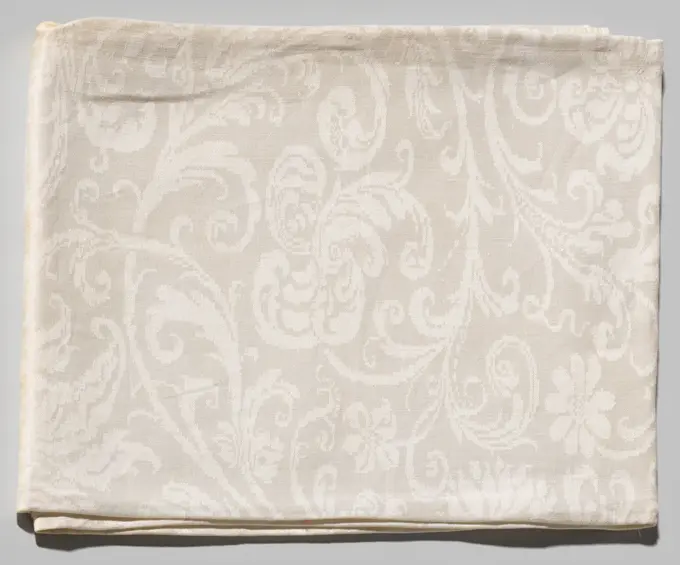
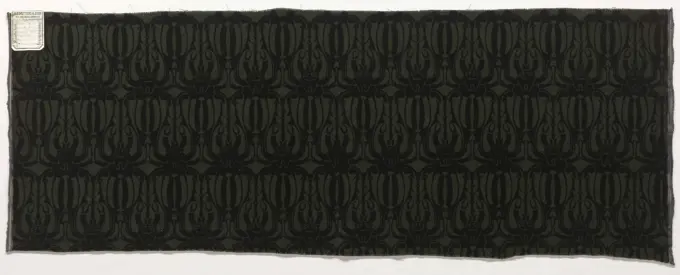
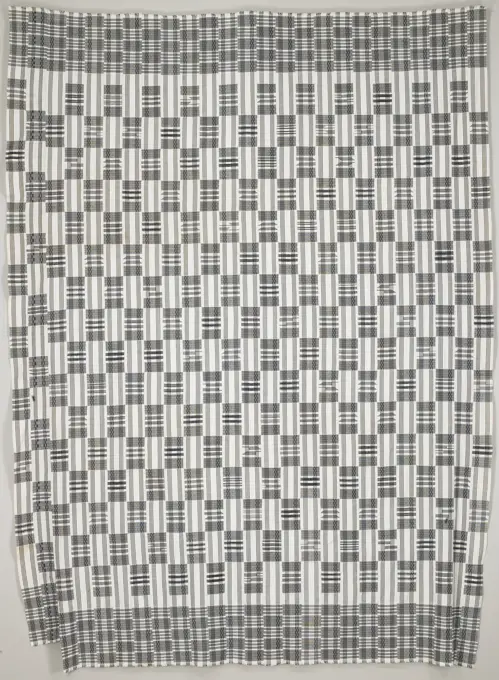
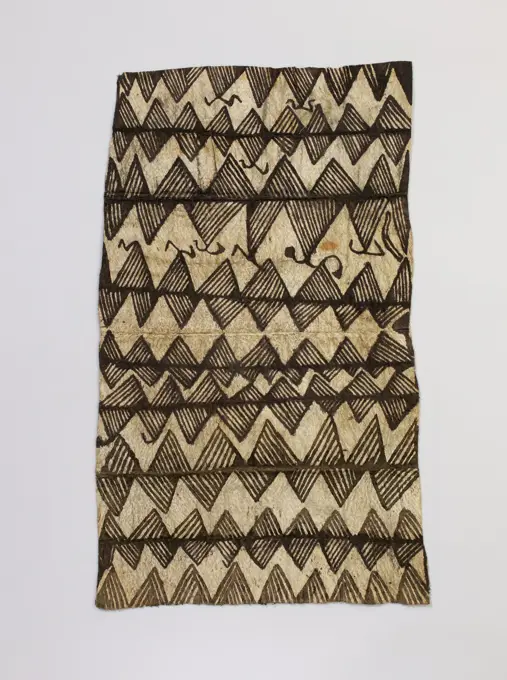
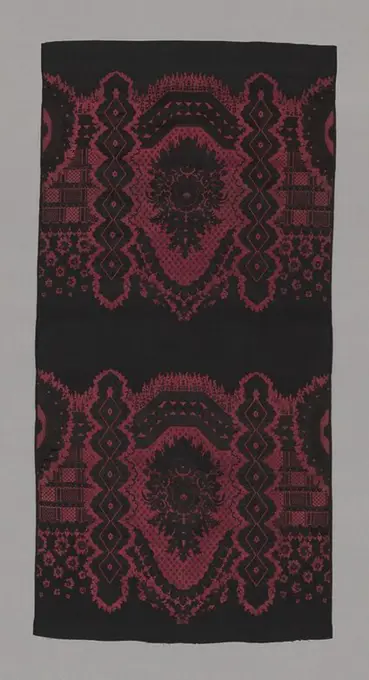
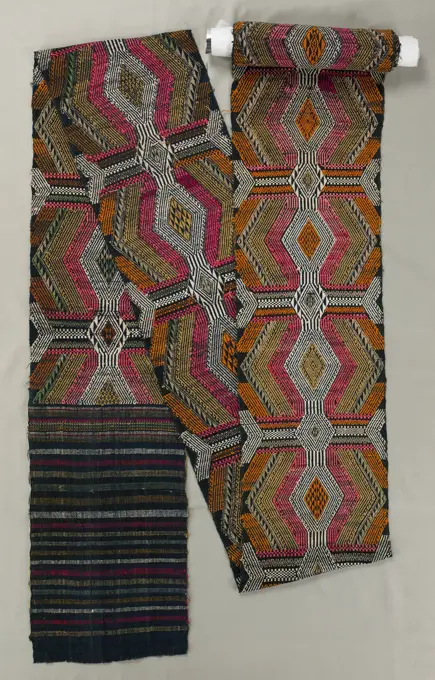
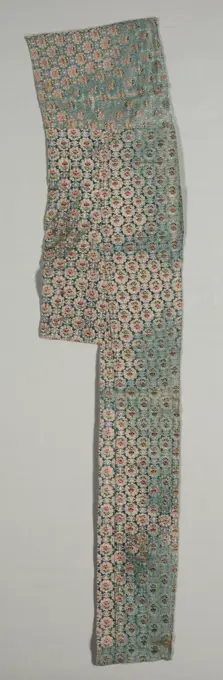
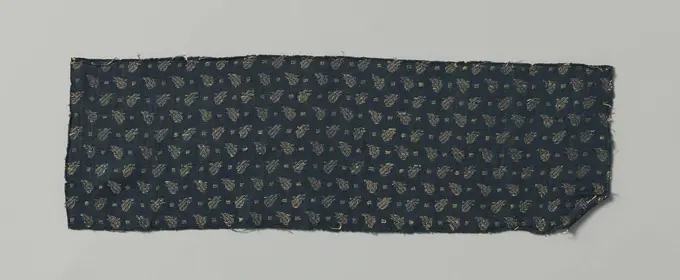
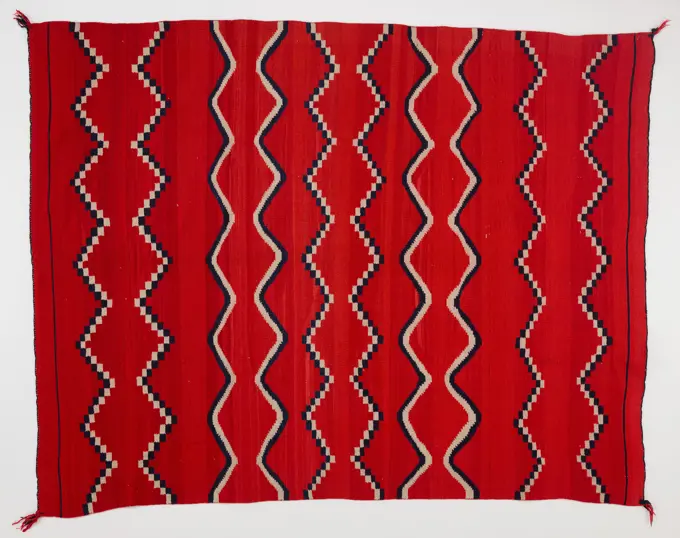
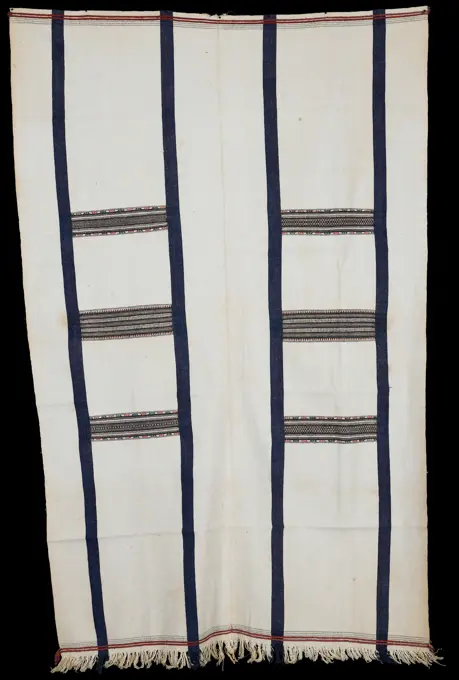
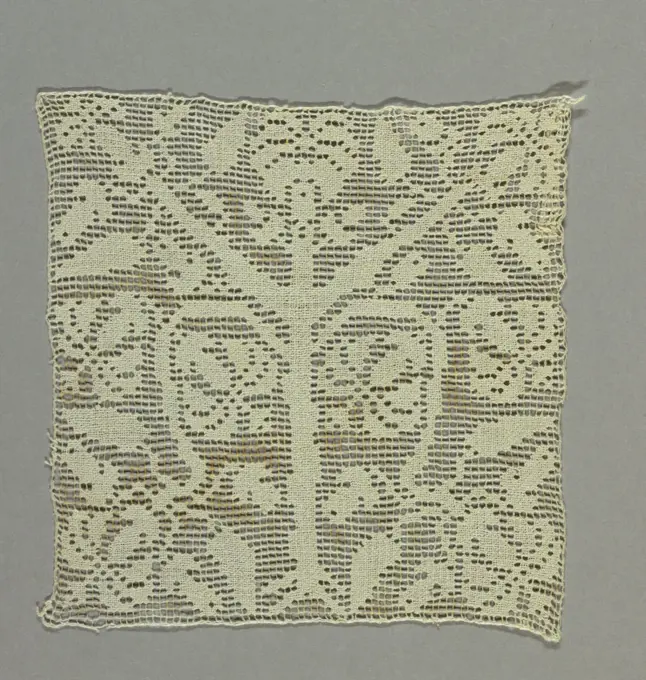
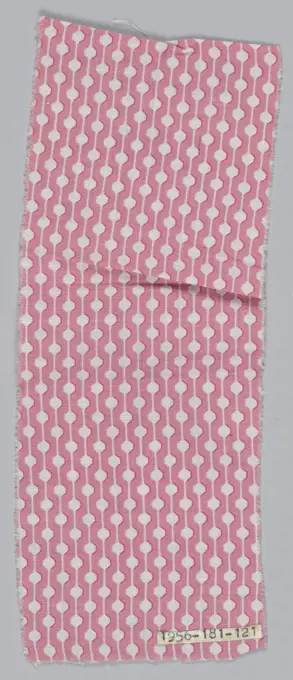
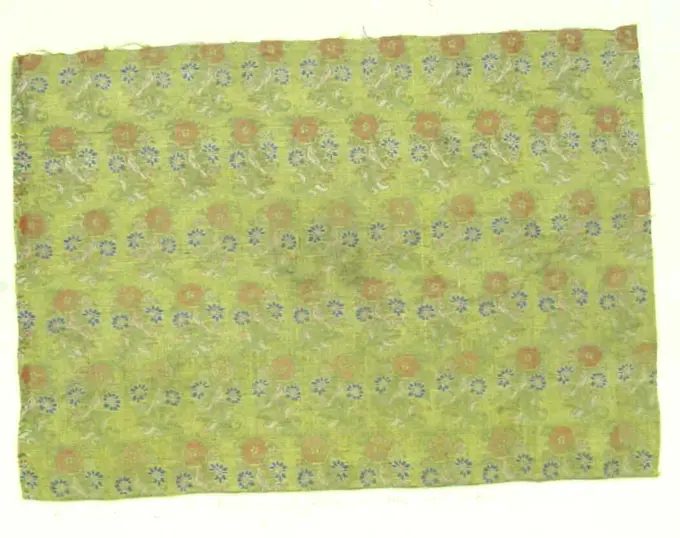
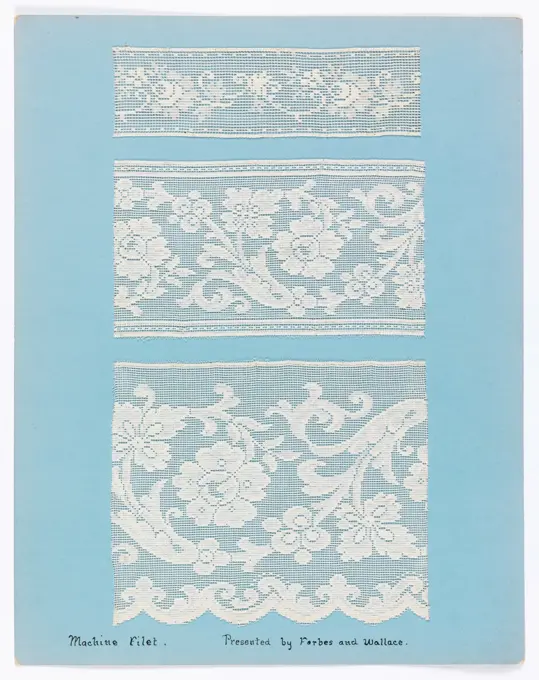
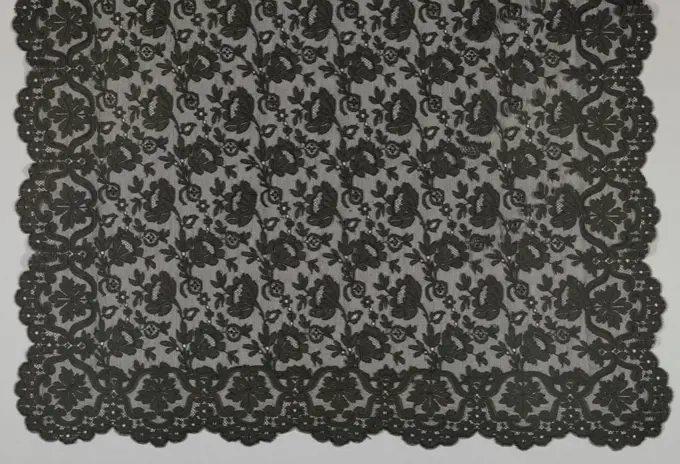
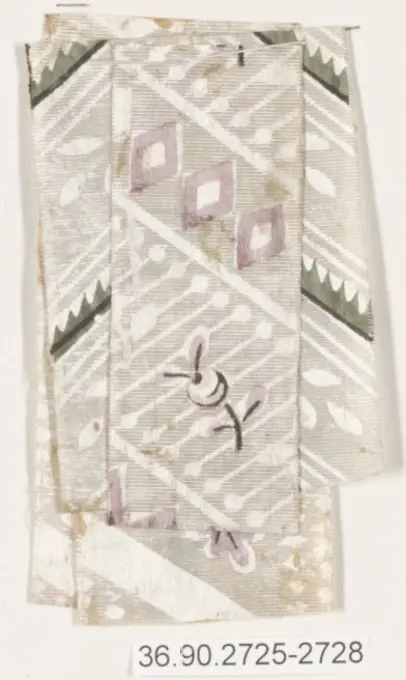
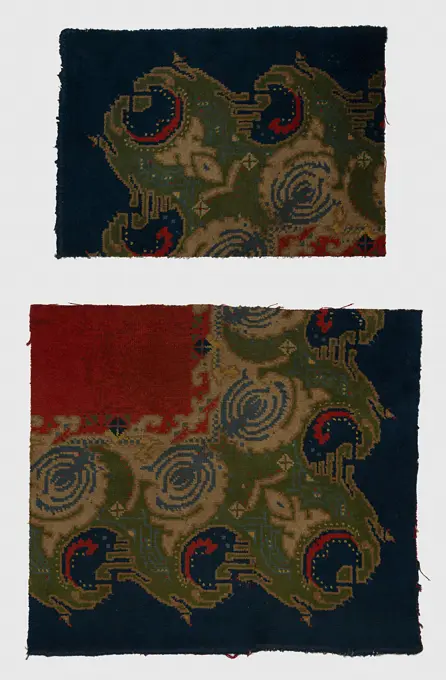
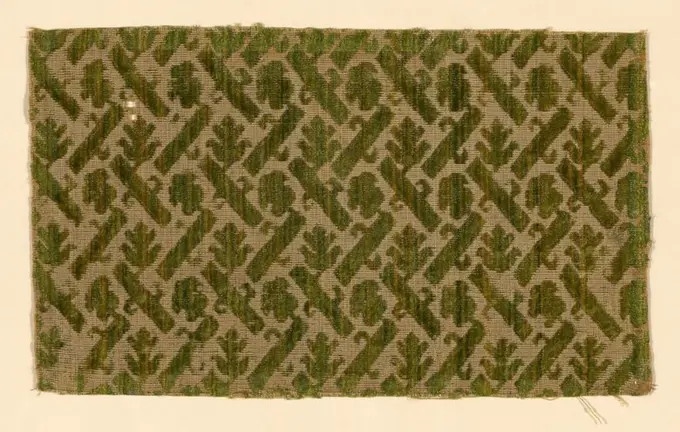
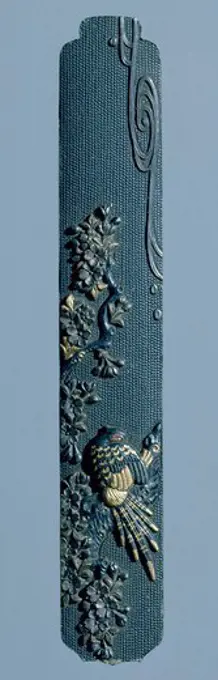
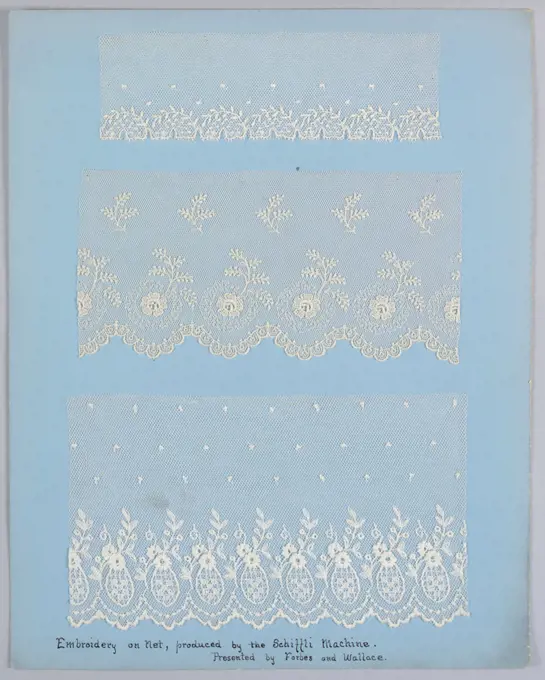
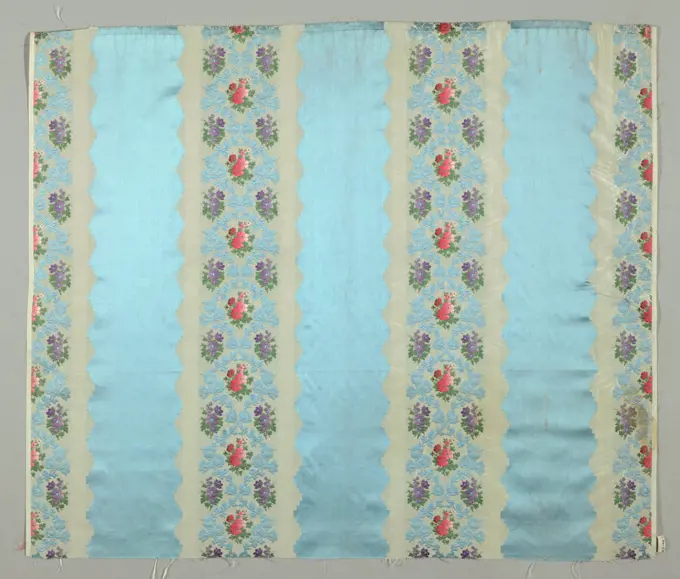
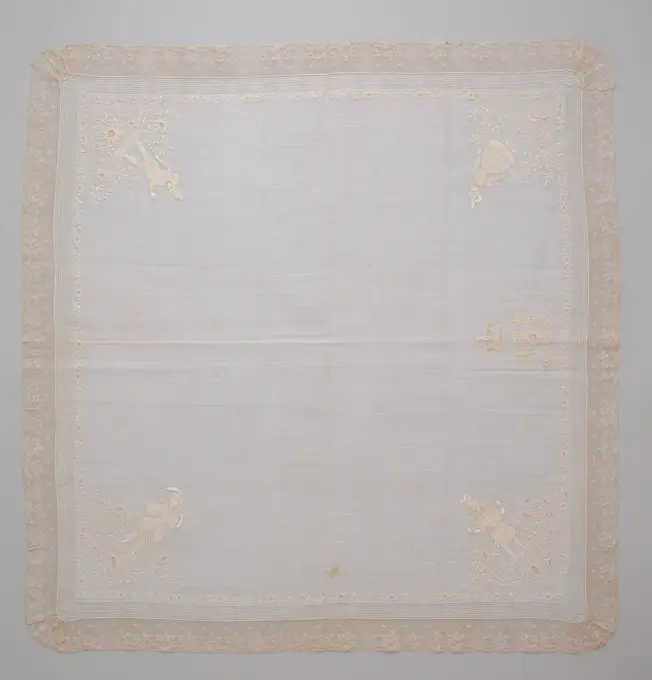
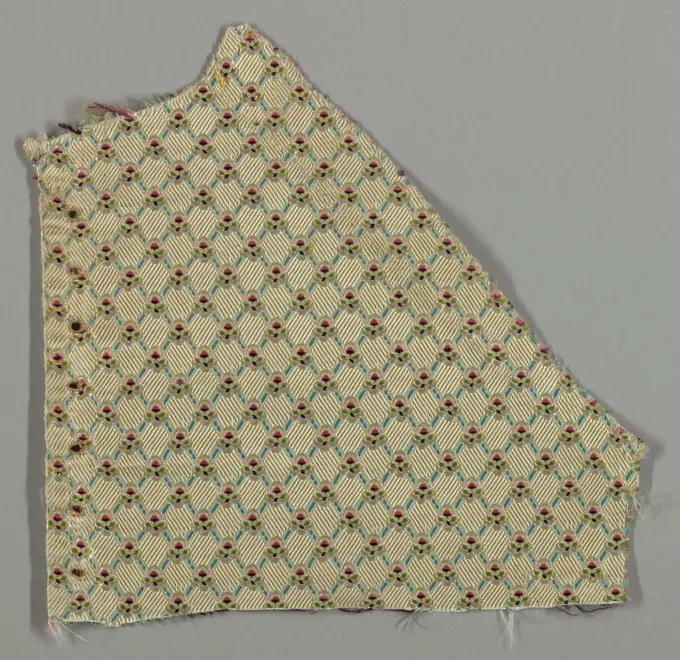
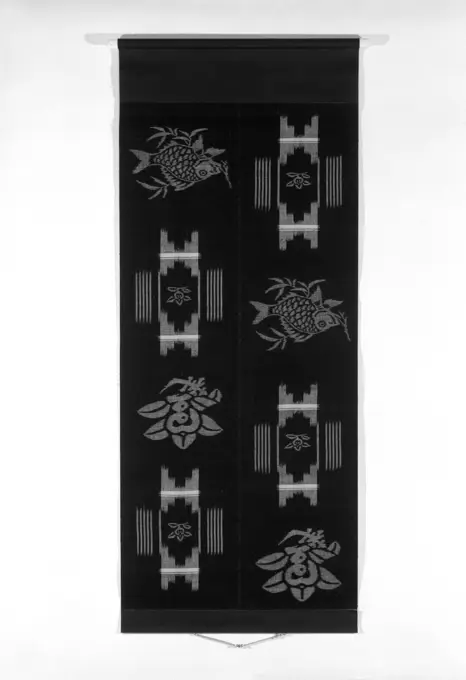
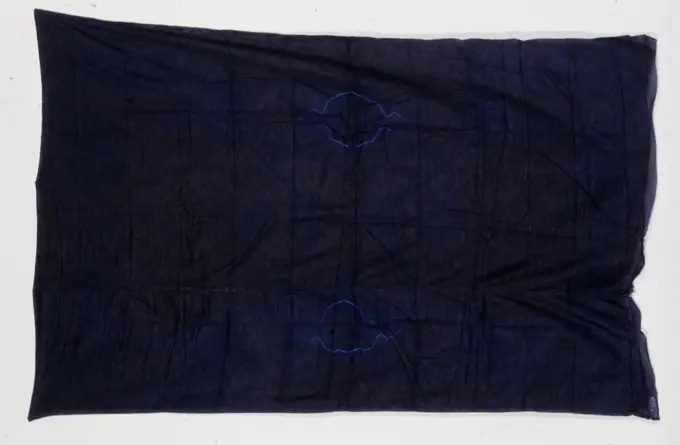
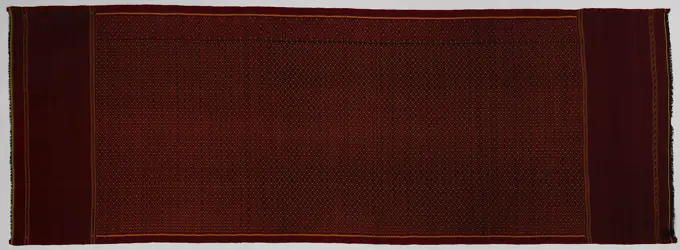
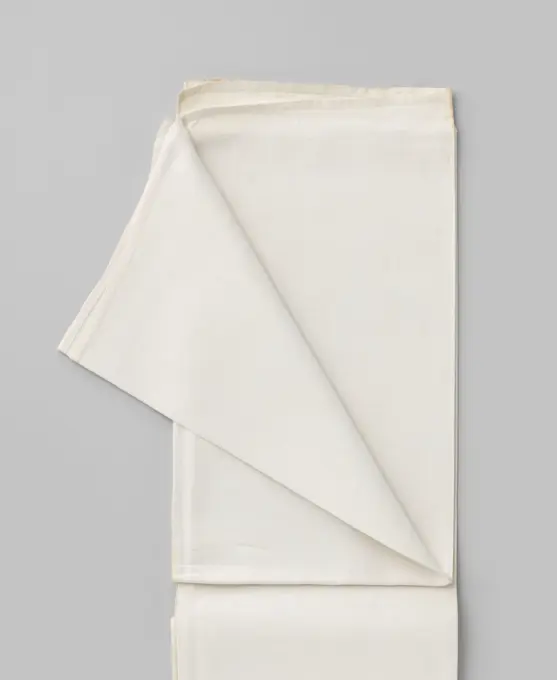
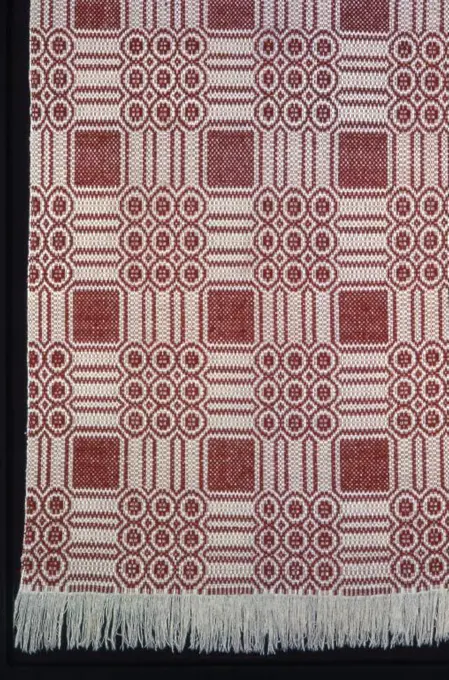
Textile, Medium: cotton Technique: resist-printed on plain weave, Simple floral motif within a grid of S-shapes and rosettes. White design on blue ground., India, 15th-18th century, printed, dyed & painted textiles, TextileFragment Made 1650-1700 Italy. Silk, plain weave with supplementary patterning warps tied by supplementary binding wefts .Textile Fragment late 17th century. Textile Fragment 454556Textile Fragment 16th-17th century. Textile Fragment 450990Fragments; silkFragment gestreept, veelkleurig zijdeweefsel.Fragment silk tissue, brown and light green striped, between which lines filled with flower wreaths and bouquets and a running flower drink.Fragment Made 1775-1800 Japan. Silk, plain weave with paired warps and self-patterning wefts .Fragment; silk; Bequest of Richard Cranch Greenleaf in memory of his mother, Adeline Emma Greenleaf; 1962-56-95Samples; cottonPiece 16th century Italian. Piece. Italian. 16th century. Silk. Textiles-VelvetsFragment 16th century Italian. Fragment 230584Fragment; linen, woolVelvet Fragment, 1700. Italy, early 18th Century. Velvet; overall: 57 x 14 cm (22 7/16 x 5 1/2 in.).Fragment (Japan)Excerpt Eastern textile, c. 1800 - c. 1850 A fragment Eastern textile. The pattern has slanted windows in gold. In the silk. cotton (textile). A fragment Eastern textile. The pattern has slanted windows in gold. In the silk. cotton (textile).Fragment sits met patroon van gestrooide kersen op aubergine grond.Fragment sits with a printed pattern of scattered cherries on eggplant soil. The cherries hang in bunches of two pieces in four staggered rows above each other, always in a combination of two colors, alternately in red, white, pink and yellow and equipped with a gray-green leaf rosette.Fragment, Medium: silk Technique: cut and uncut supplementary warp pile (velvet) in a twill weave foundation, Fragment of cut and uncut rose-colored velvet in a pattern of palmettes and scrolls., Italy, 16th-17th century, woven textiles, FragmentCaftan fabric, 20th century, 32 x 171 in. (81.3 x 434.3 cm), Rayon, metallic thread; lampas weave, Morocco, 20th centuryTextile Swatches Onondaga Silk Company, Inc. (1925-1981). , 1948-1959. silk; metal, 22 1/2 x 8 1/2 in. (57.2 x 21.6 cm).    1948-1959Sample, Orinoka Mills, (Philadelphia, Pennsylvania, USA), green warp with gold color weft, USA, ca. 1910, woven textiles, SampleBorder. Italy, late 16th to early 17th century. Textiles; borders. Linen Buratto needle lace with bobbin lace edgingFragment 17th-18th century Italian. Fragment 230272Fragment red striped silk mexicaine with white flowers, c. 1750 - c. 1800 A fragment red silk tissue with darkness stripes, between which white flower vines. Netherlands silk A fragment red silk tissue with darkness stripes, between which white flower vines. Netherlands silkStrip 17th century German or Central European. Strip 215477Fragment, late 19th century, 10 1/2 x 16 3/4 in. (26.67 x 42.55 cm), Cotton, wool, United States, 19th centuryPiece 16th-17th century Italian. Piece 223365Chasuble. Culture: Italian. Dimensions: L. 46 inches (116.8 cm). Date: late 15th-early 16th century.Animal patterns in European velvets were rare during this period, which suggests that the unusual design of this polychrome silk velvet was a special commission and may depict the device of a particular family or individual. The unidentified birds facing each other (perhaps swans or herons) are skillfully detailed by fine lines of contrasting color. The silk pile of this chasuble is composed of fours colors: two shades of green, punctuated with a deep vivid pink and off-white. The white is almost completely gone--probably due to the corrosive effects of the bleaching process necessary to achieve this color. Museum: Metropolitan Museum of Art, New York, USA.Two one -sided galls;  18th-19th century (1701-00-00-1900-00-00);Fragment, Medium: silk Technique: cut and uncut supplementary warp pile (velvet) on satin ground, Fragment of purple cut and uncut velvet on cream-colored satin ground. Design of horizontal rows of rose branches with foliage and flowers, alternate rows facing left and right., Italy, 17th century, woven textiles, FragmentPiece 18th century Japan. Piece 71253Machine-made Openwork Samples (USA); cardboard, linen, silk, metallic; 1971-26-2-30Sutra Cover. China. Date: 1590-1599. Dimensions: 33.3 × 13 cm (13 1/8 × 5 1/8 in.)Repeat: 11 × 10.8 cm (4 3/8 × 4 1/4 in.). Silk and gold-leaf-over-lacquered-paper strips, plain weave with supplementary patterning wefts bound in weft-float faced 1:2 'Z' twill interlacings. Origin: China. Museum: The Chicago Art Institute, Chicago, USA.Servet met acanthusvoluten, anonymous, c. 1700 Linnamast napkin with a pattern of acanthus voluten. The midfield shows a symmetrical pattern with leaf and flower vines, down and above in a composite flower. The central axis is indicated by varied leaf palmets. The richly branched leaf vines with countless bonds, form large volutes, ending in a wide variety of flowers. The edge, with a narrow inner zoom with running S-Volututranken, shows a single running slender with a loaded leaf and multifaceted flowers. A rosette on the corners. With block edges. Southern Netherlands (possibly) linen (material) damask Linnamast napkin with a pattern of acanthus voluten. The midfield shows a symmetrical pattern with leaf and flower vines, down and above in a composite flower. The central axis is indicated by varied leaf palmets. The richly branched leaf vines with countless bonds, form large volutes, ending in a wide variety of flowers. The edge, with a narrow inner zoom with running S-Volututranken,Plus fabric of printed tripe with design "Torren" in the colors yellow and gray. With fa label. H.P. Mutters.Handkerchief with embroidery with a gardener and a bouquet that sticks out of an oval with needle side stitches in open work, anonymous, c. 1835 - c. 1840 Batist handkerchief with embroidery - Whitework - on the corners in which needle lace pier stitches in open sewing and around the handkerchief a border of lace plunger: English embroidery (open sewing). Embroidery: The motifs on the diagonally opposite corners are the same. It is a gardener with a shovel with a plant in a flowerpot on one side and a pollard willow on the other. You see the gardener on the back, he wears a round hat. The soil on which he is made in open sewing work in which a needle -sided soil is made. The motif in the other corners is an oval containing a large magazine that is crowned by a bouquet. The bouquet sticks out of the oval at the top. Needle side stitches in the flowers and leaves. There is a scrap edge around the handkerchief, there are two openwork circles and an embroidered leaf in each hemisphere. NetMan's cloth, 20th century, 118 9/16 x 87 15/16 in. (301.15 x 223.36 cm), Cotton; strip woven, supplementary weft patterning, 20th century, Kente cloth is believed to have originated in Ghana in the mid-17th century. The first cloths were made of locally produced cotton and embellished with simple patterns of stripes and designs of indigo-dyed thread on a white ground. This piece, although more elaborate than the earliest cloths, is representative of the most traditional and enduring styles.Shoulder Cloth ( ) Made 1875-1900 Indonesia. Cotton, bands of plain weave, of plain weave embroidered with cotton in chain, double running, eyelet hole and satin stitches; of plain weave with supplementary patterning and brocading wefts; of single interlocking tapestry weave; of weft twining; of weft resist dyed (weft ikat) plain weave; plied knotted warp fringe . KomeringSheet with ten borders with floral patterns on purple background late 18th-mid-19th century Anonymous. Sheet with ten borders with floral patterns on purple background. Anonymous , Italian, late 18th-mid 19th century. late 18th-mid-19th century. Relief print (wood or metal). PrintsBed cover of Tijk, Anonymous, c. 1800 - c. 1950 Tiking Bed cover, Blue-White checkered and striped. India (possibly) cotton (textile) Tiking Bed cover, Blue-White checkered and striped. India (possibly) cotton (textile)Loincloth, 20th century, 22-1/2 x 14-1/4 in. (57.2 x 36.2 cm), Natural pigment on bark, Democratic Republic of the Congo, 20th centuryPanel (woven #6). England or France. Date: 1775-1800. Dimensions: 108 × 53.2 cm (42 1/2 × 21 in.)Point repeat 54 cm (21 1/4 in.). Silk, plain weave self-patterned by complementary ground weft floats; two selvages present. Origin: England. Museum: The Chicago Art Institute, Chicago, USA.Furnal banner, 20th century, 257 x 13 1/4 in. (652.78 x 33.66 cm), Cotton and silk; woven, Laos, 20th centuryPiece 18th-19th century Japan. Piece 66776Length of Textile, 1600s. Italy, 17th century. Plain cloth, brocaded; silk and metal; average: 108.6 x 52.7 cm (42 3/4 x 20 3/4 in.).Fragment with Floral Design on a Silver Ground, 1700s. France, 18th century, Period of Louis XVI. Droguets Lisèrés; silk; overall: 152.6 x 33.6 cm (60 1/16 x 13 1/4 in.).Fragment oosterse textiel.A tissue. On a dark blue ground a scattering pattern in white enlivened with gold thread. The pattern consists of stylized leaves between which a small square.Serape, c. 1880, 66 × 54 in. (167.64 × 137.16 cm), Wool, pigments, United States, 19th centuryTextilePiece 16th century Spanish. Piece 223186Woman's wrapper, 20th century, 58 x 37 1/4 in. (147.32 x 94.62 cm), Cotton, silk; woven fabric, India, 20th centuryPiece 18th-19th century Japan. Piece. Japan. 18th-19th century. Silk. Edo (1615-1868) or Meiji period (1868-1912). Textiles-WovenFragment, 1100s - 1300s. India, 12th-14th century. Plain cloth, resist dyed; cotton; overall: 5.1 x 20.7 cm (2 x 8 1/8 in.).Canvas, anonymous, c. 1900 Cloth with geometric motifs. South Sumatra silk. Cloth with geometric motifs. South Sumatra silk.Sample (France); silk; Anonymous bequest in memory of Albert and Rebecca Elsberg; 1938-82-164-cSquare, Medium: linen Technique: needlework on hand knotted net, Square of net with a darned symmetrical tree pattern., France, late 19th century, lace, SquarePicots of scalloped white lace with a shallow shiny brown wire, on cardboard, Gustav Schnitzler, c. 1925 Picots of scalloped white side with picots with a shallow shiny brown wire, on cardboard. Nijmegen cardboard. Picots of scalloped white side with picots with a shallow shiny brown wire, on cardboard. Nijmegen cardboard.Samples (5) early 19th century French. Samples (5). French. early 19th century. Textiles-WovenFragment, Medium: Technique: printed, USA, 19th century, printed, dyed & painted textiles, FragmentTextile Fragment 17th-18th century. Textile Fragment 454587Covering material with design "Flying deer", in black and dark green, Chris Lebeau, c. 1921 Covering material of printed trijp with design "Flying deer" in black and dark green. This design is also called "Torren". Netherlandsmaker: Eindhoven Pool layer: mohair. Ground tissue: Cotton (textile) printing Covering material of printed trijp with design "Flying deer" in black and dark green. This design is also called "Torren". Netherlandsmaker: Eindhoven Pool layer: mohair. Ground tissue: Cotton (textile) printingFragment with Repeated Square Pattern, 1500s-1600s. Italy, 16th-17th century. Needle lace; filet/lacis (knotted ground and darned in two directions); bleached, dyed, and unbleached linen (est.); overall: 27 x 30.3 cm (10 5/8 x 11 15/16 in.). The prominent colors on this fragment of lace also determine the diagonal and square patterns within the textile. The dark yellow is unbleached linen, the white is bleached linen, and the blue is linen that has been bleached and dyed.Brocade 18th-19th century. Brocade 447399Velvet Fragment, 1400s. Italy, 15th century. Velvet weave (cut and voided): silk thread; overall: 63 x 55.3 cm (24 13/16 x 21 3/4 in.).Gallon;  19th century (1801-00-00-1900-00-00);Fragment of silk fabric, Eastern unknownMachine-made Openwork Samples (USA); cardboard, linen, silk, metallic; 1971-26-2-10Child's Apron (Made from a Cover) Made 1875-1900 Italy. Linen, needle lace work on a plain weave cut and drawn thread work grid; armholes trimmed with machine-made lace and bobbin-straight lace tapes; embroidered in double hem, hem, and overcast stitches .CurtainsSample (Japan); cottonCope ca. 1500 Italian. Cope 468599Leaf with flour pattern of flower pattern connected by two rows of stripes, anonymous, 1800 - 1900  Leaf with vertical job pattern of flower pattern connected by two rows with slanted stripes.  paper. paint (coating). block printing (relief printing process) ornament derived from plant formsMedieval ornamentScarf, Medium: silk Technique: machine knit, Scarf in a dense Chantilly-type pattern of flowers and sprigs with a scalloped border of scrolls and leaves., France, 19th century, knotted, knitted and crocheted textiles, ScarfRibbon French 19th centuryFragment of a Deventer carpet. Fragment of a hand-knotted Deventer carpet with red midfield and abstract edge decoration in green, beige, red and blue. Dark blue border. The carpet is made for the villa of the Pull Ter Gunne family to the Princess Marielaan in Apeldoorn.Two Panels from a Skirt. England, Spitalfields or France. Date: 1765-1786. Dimensions: a: 117.6 × 49.6 cm (46 1/4 × 19 1/2 in.)b: 117.6 × 49.5 cm (46 1/4 × 19 1/2 in.)Repeat: 37.4 × 24.2 cm (14 3/4 × 9 1/2 in.). Silk, plain weave with supplementary patterning warps, supplementary brocading wefts, and self-patterned by ground weft floats. Origin: England. Museum: The Chicago Art Institute, Chicago, USA.Textile Swatch Textile Swatch, 1950s to 1960s. Silk, 22 1/2 x 18 1/2 in. (57.2 x 47 cm).    1950s to 1960sPiece 16th-17th century Italian. Piece 223749Fragment. Italy. Date: 1601-1650. Dimensions: 14.5 x 24.5 cm (5 3/4 x 9 5/8 in.). Cisele voided cloth velvet. Origin: Italy. Museum: The Chicago Art Institute, Chicago, USA.Kogai sword depicting pheasants, shakudo wrought using the Nanako technique and inlaid with gold, silver and copper, Japan. Japanese Civilisation, 19th century.Fragment (possibly Netherlands); cotton; Warp x Weft: 73.5 x 12.5 cm (28 15/16 x 4 15/16 in.) Repeat H: 21 cm (8 1/4 in.)Machine-made openwork samples, Medium: cardboard, linen, silk, metallic Technique: linen embroidery with ground cloth dissolved Examples of embroidery on net produced by the Schiffli machine Metallic embroidery on net Machine-made openwork in imitation of hand-embroidered net Mostly floral and a few geometric patterns, some designs described as 'Spanish' Imitation hand-made filet Machine filet Imitation filet crochet Ploven (burnt-out lace) Fancy curtain lace made on the Levers machines Real filet (handmade) next to Machine-made filet Spotted curtain nets, made chiefly at Nottingham, England and Caudry, France., Samples of machine-made openwork and several examples of hand made lace mounted on boards. They imitate hand-embroidered net, crochet, or needlepoint. All are floral patterns plus a few of early 1920's geometric style., 'Embroidered net' produced by the Schiffli Machine., USA, ca. 1910, lace, Machine-made openwork samplesFragment, Medium: cotton Technique: printed, Fragment with an allover design of wavy vertical stripes and paisleys filled with a small floral pattern and some stippling in red, blue, green and yellow., England or USA, ca. 1850, printed, dyed & painted textiles, FragmentPiece 1760-70 French. Piece 223168Fragment, Medium: silk, metallic Technique: woven, Closely spaced rows of metallic palmettes on green ground., 17th century, woven textiles, FragmentCeremonial tunic, 32 x 28 in. (81.28 x 71.12 cm), Cotton, buttons, beads, shells; needlework, Myanmar (Burma)Textile ; silk, metal-wrapped linenTextile Fragment late 15th century. Textile Fragment 454518Textile, Medium: silk Technique: fancy compound satin, Irregular broad stripes of blue satin and white taffeta. Undulating stems and flowers in blue and bunched of polychrome flowers formed by extra wars on the white taffeta stripes., 19th century, woven textiles, TextileHandkerchief 1840-80 French or Swiss. Handkerchief 236952Silk Fragment, 1600s. Italy, 17th century. Silk; average: 52.8 x 20.3 cm (20 13/16 x 8 in.).Textile, Medium: cotton Technique: relief printed, colored ground, Heavy cotton printed in red, yellow and black. Background is red with an allover net design in yellow. Leaves in yellow and black with a variety of picotage., England, early 19th century, printed, dyed & painted textiles, TextileFragment; silkPiece 18th-19th century Japan. Piece 66927Kasuri (Ikat) Textile , late 19th century. Cotton, Exclusive mounting: 54 x 25 3/8 in. (137.2 x 64.5 cm).   Asian Art late 19th centuryShawl or head cloth, 20th century, 156 x 52 in. (396.24 x 132.1 cm) (uneven), Cotton, indigo dye, Mali, 20th centuryFragment Dark green Citeled velvet with pattern with rows of flowers, 1680 - 1700 Fragment of dark green citized velvet. Pattern: rows of alternating to the left and to the right bending palm flowers. The heart, pear -shaped, is, as well as the leaf work, filled with gridwork. The stock shows fine zigzagjes, in loop pool against satin binding. France (possibly) velvet (fabric weave) Fragment of dark green citized velvet. Pattern: rows of alternating to the left and to the right bending palm flowers. The heart, pear -shaped, is, as well as the leaf work, filled with gridwork. The stock shows fine zigzagjes, in loop pool against satin binding. France (possibly) velvet (fabric weave)Hip cloth. Hip cloth with geometric motifs.Bed sheet. Brand: Kroon WG6 and Year 1756., Anonymous, 1756 Cloths of White Linen, Brand Kroon WG 6 1756 Northern Netherlands (Possible) linen (material) Cloths of White Linen, Brand Kroon WG 6 1756 Northern Netherlands (Possible) linen (material)Coverlet Made 1820-1830 Kentucky. Cotton and wool, plain weave with supplementary patterning wefts (overshot); two loom widths joined; fringed .