Historic Textile Patterns

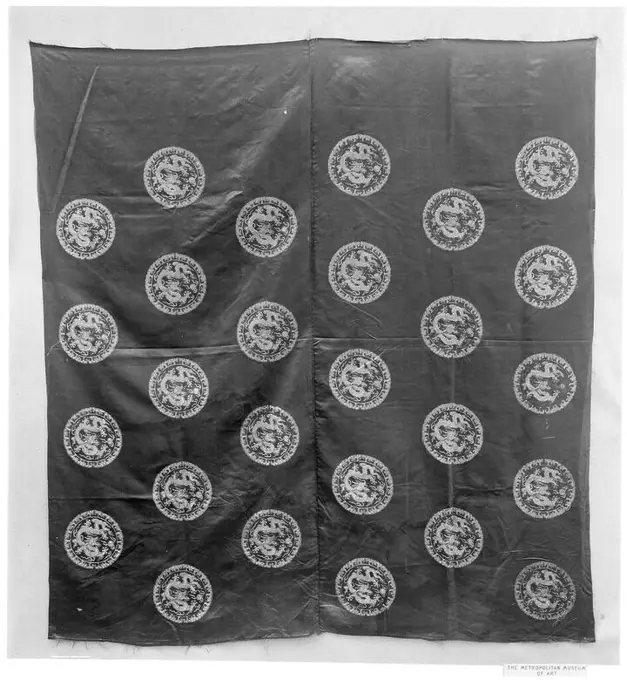
A collection of 18th and 19th century textiles featuring floral designs, embroidery, and intricate patterns in muted colors.

Carpet 18th century Portuguese. Carpet. Portuguese. 18th century. Embroidered rug
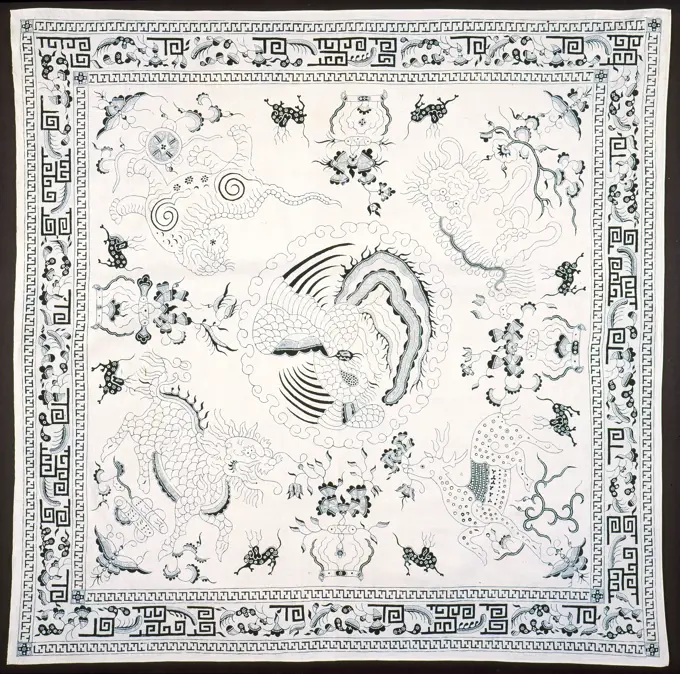
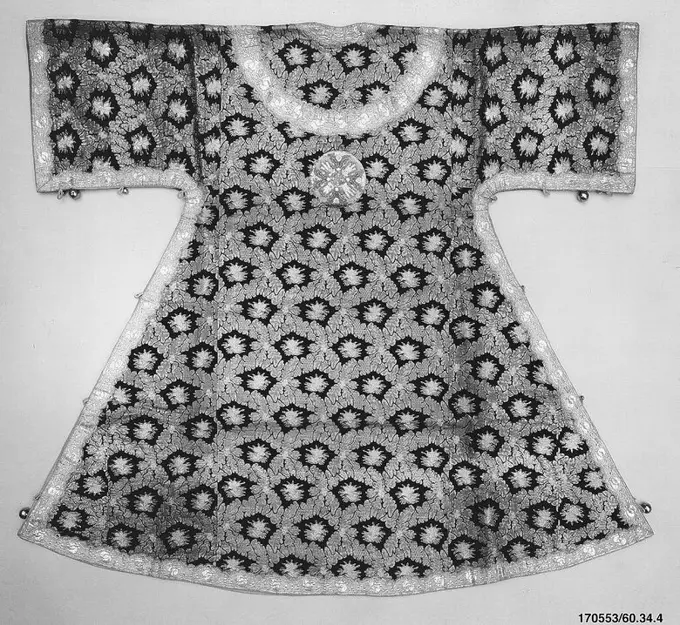
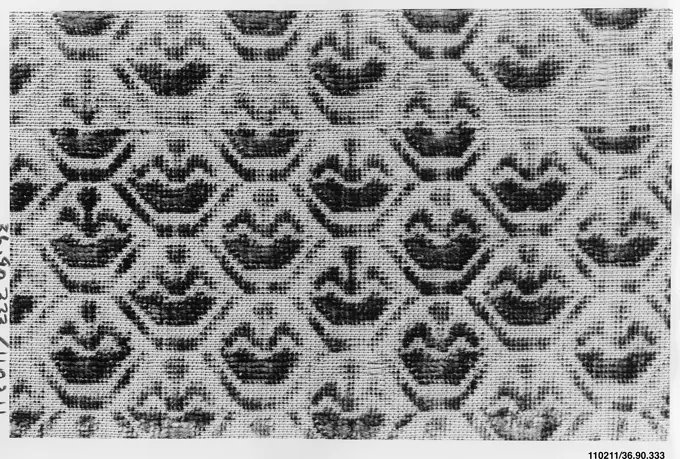
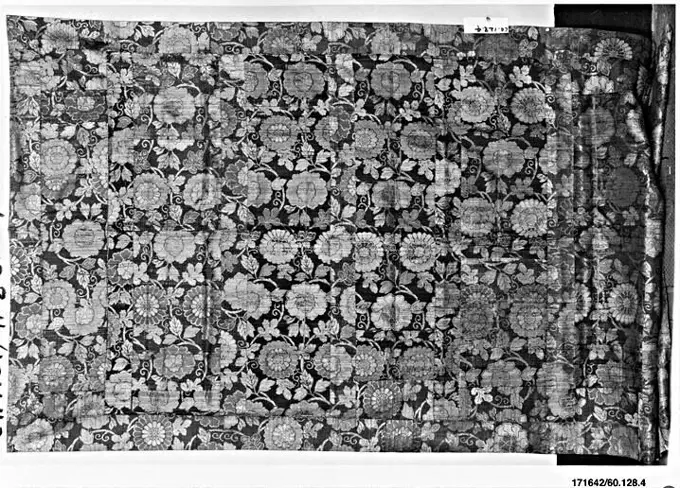
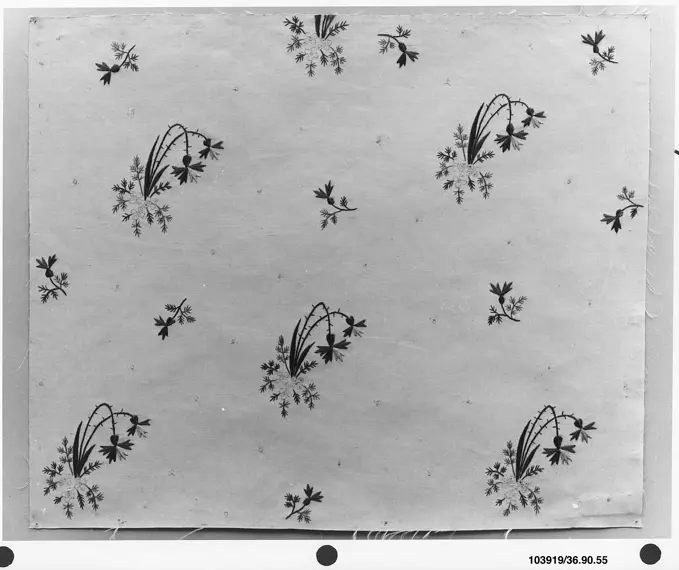
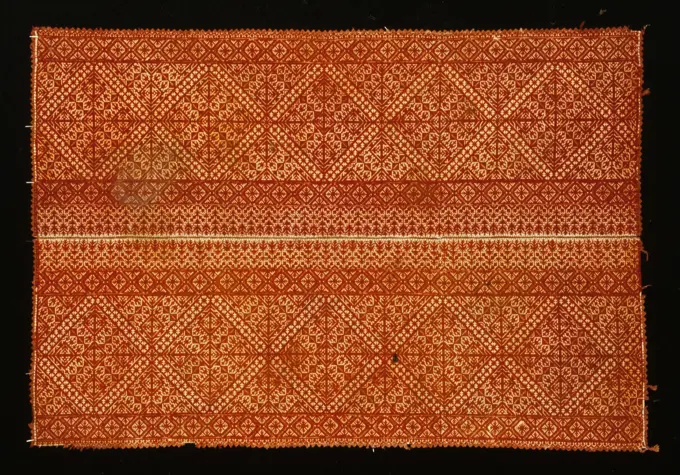
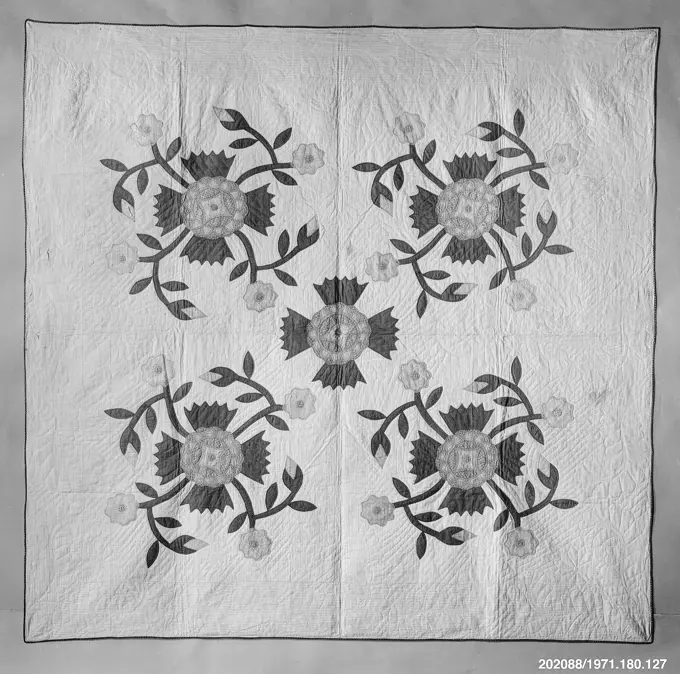
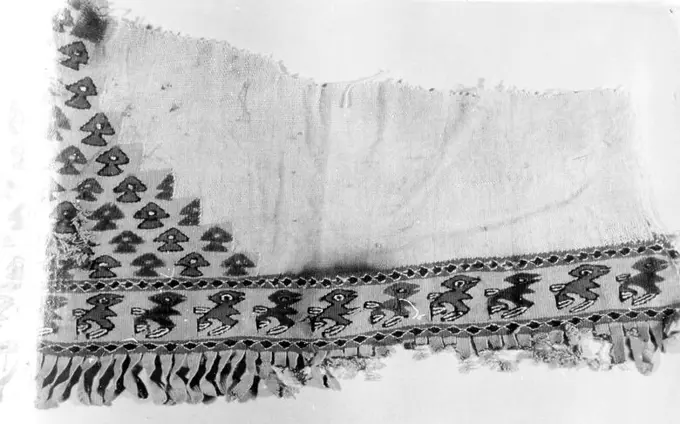
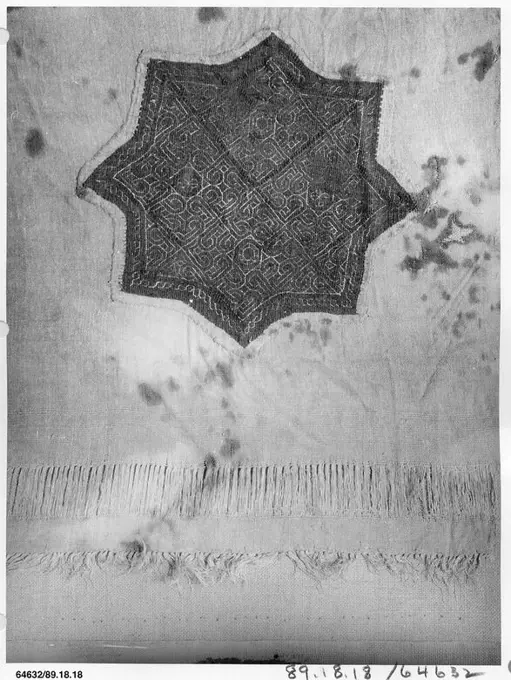
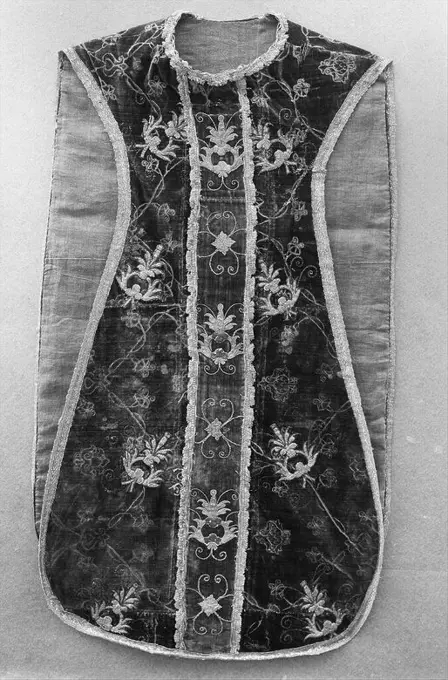
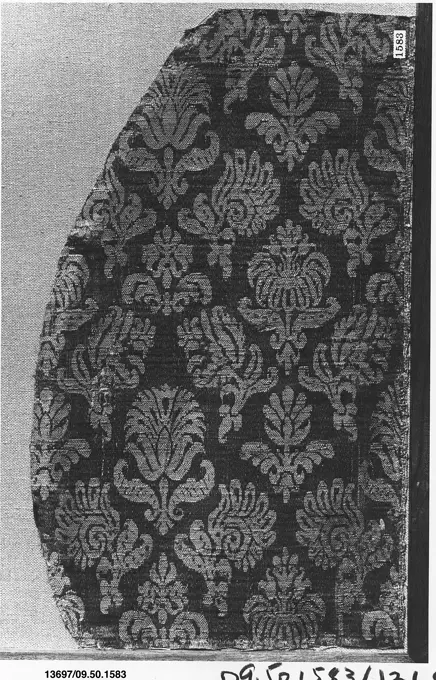
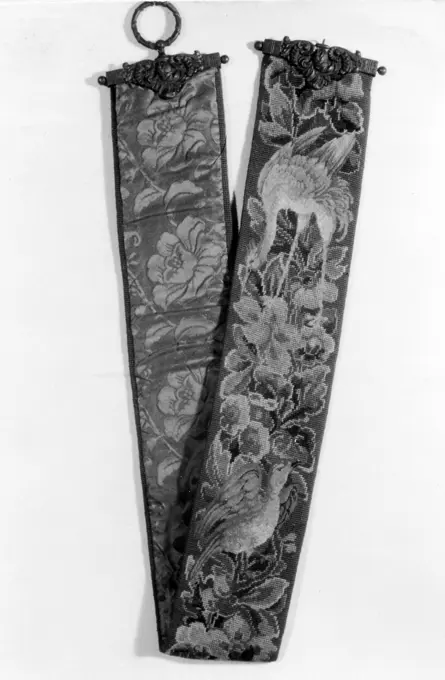
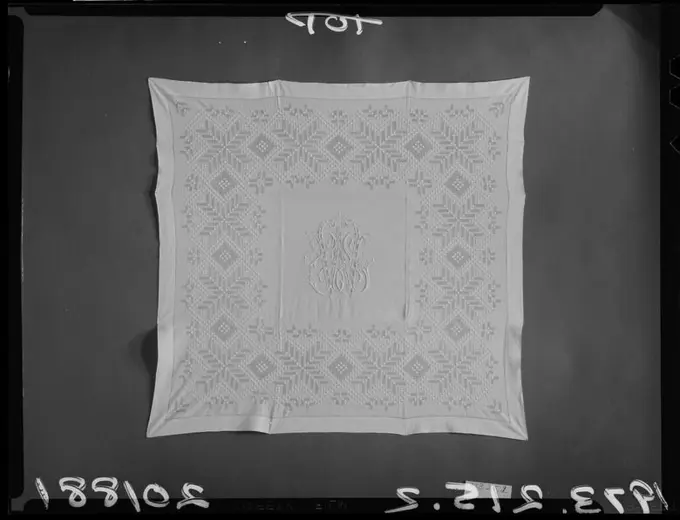
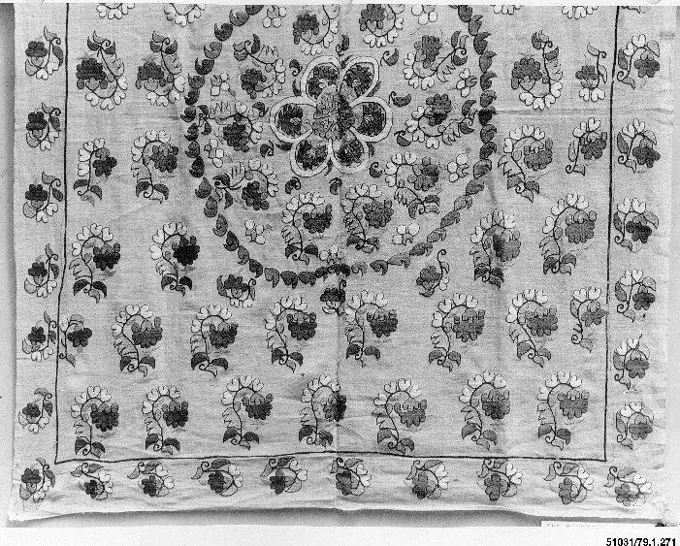
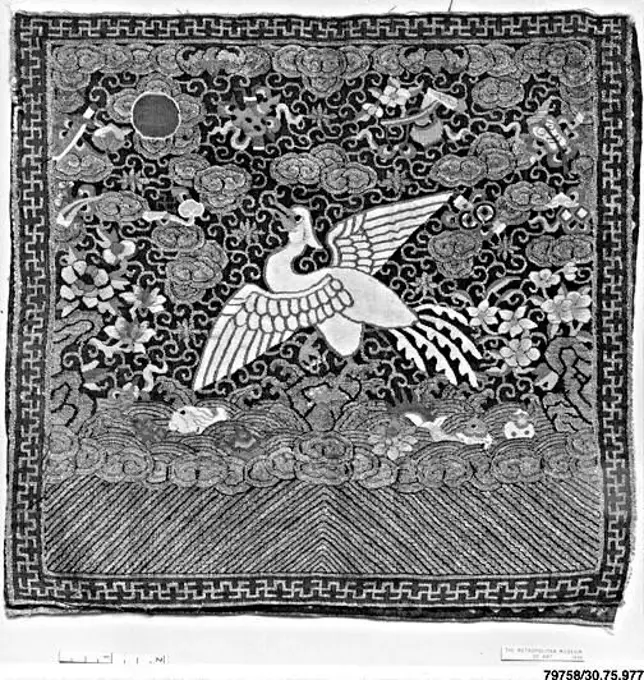
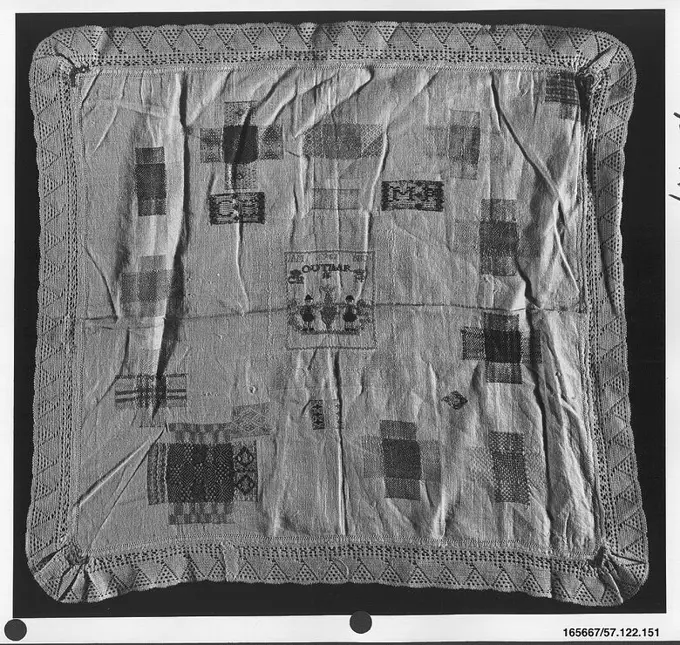
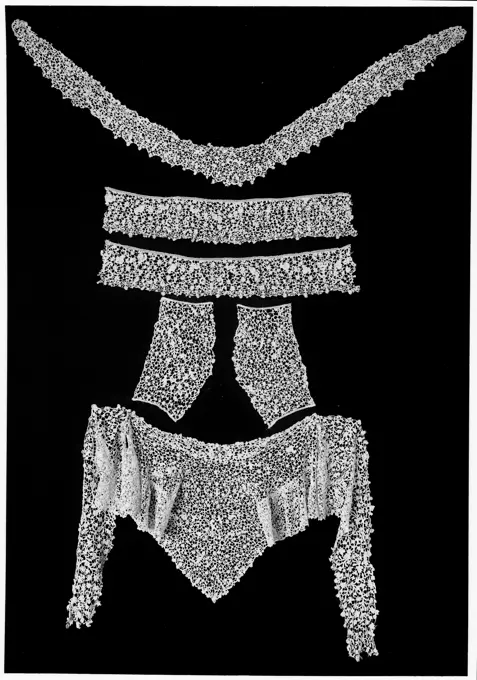
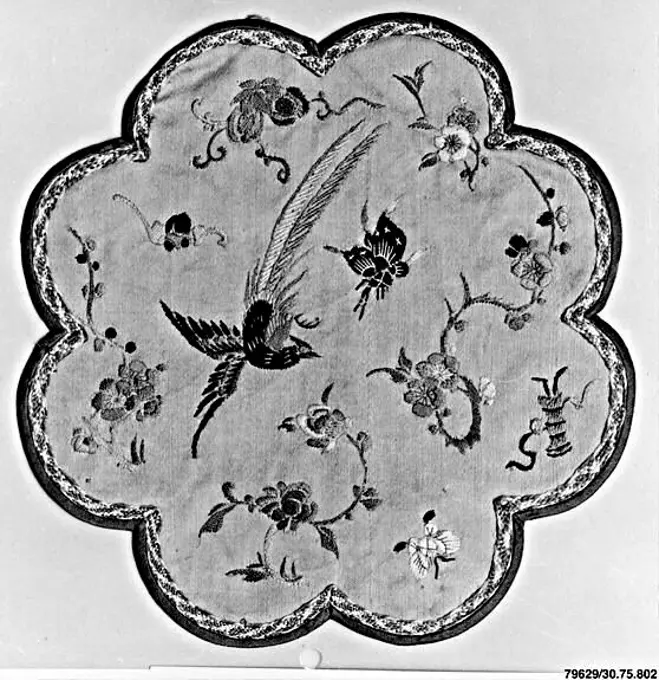
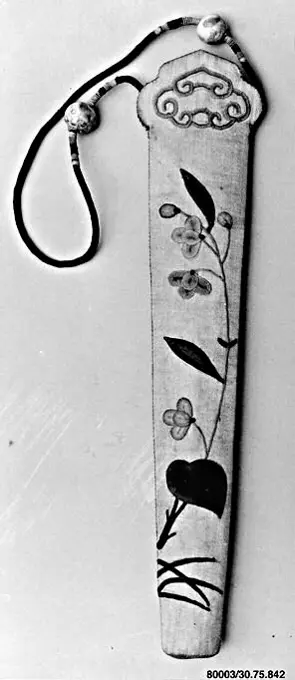
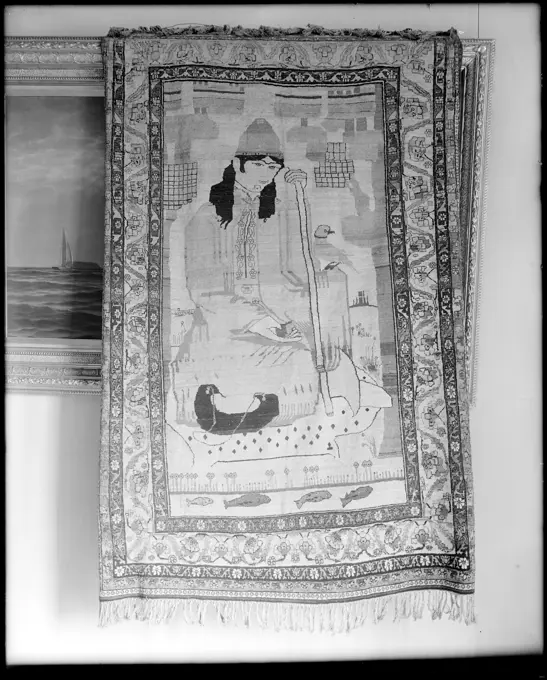
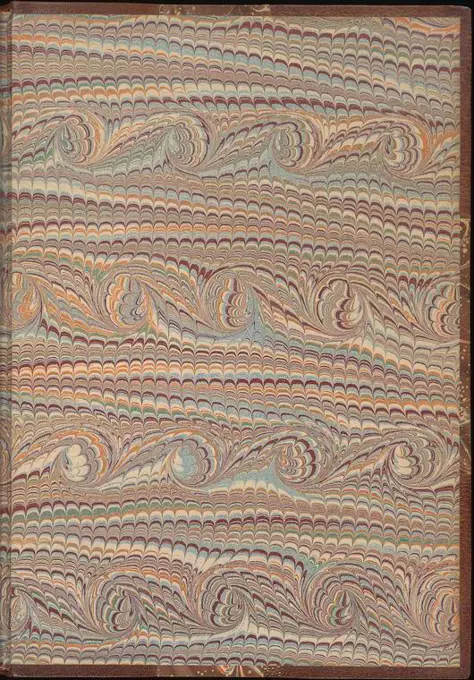
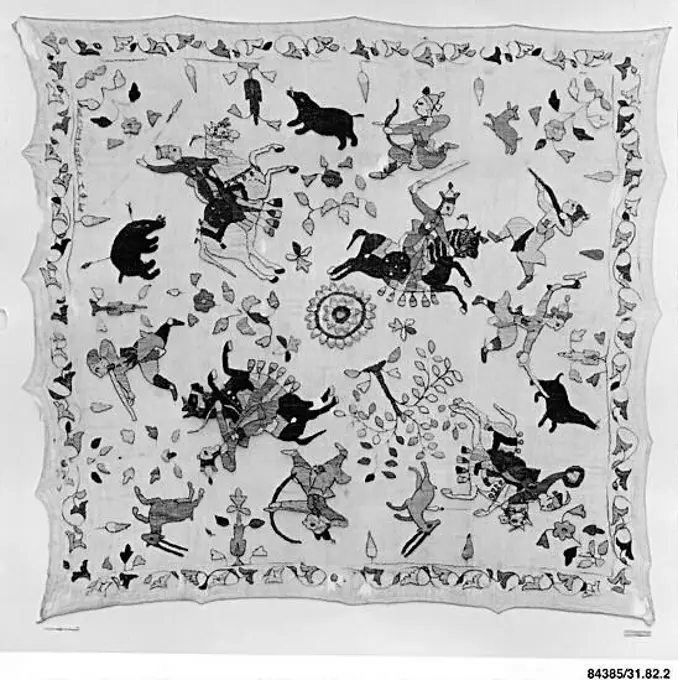
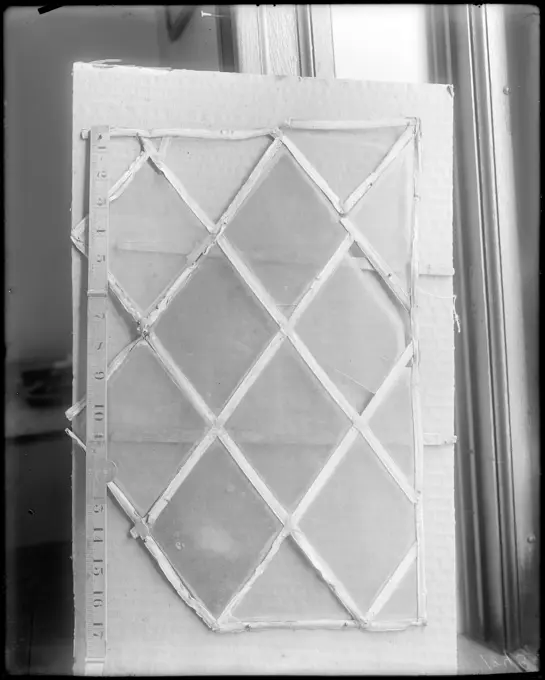
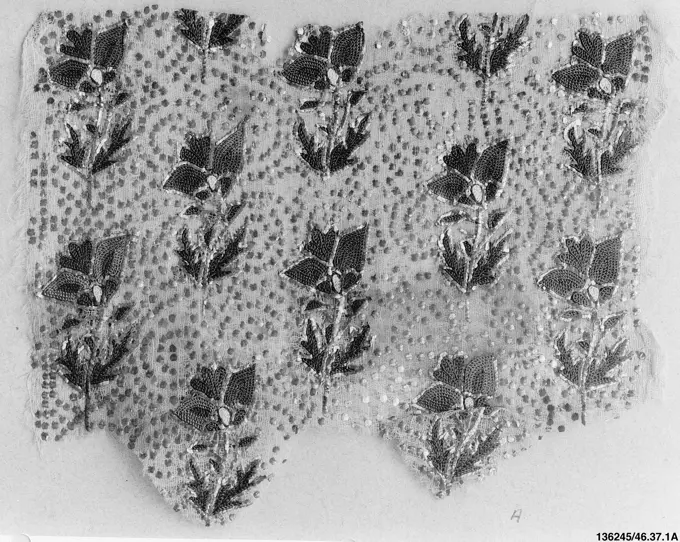
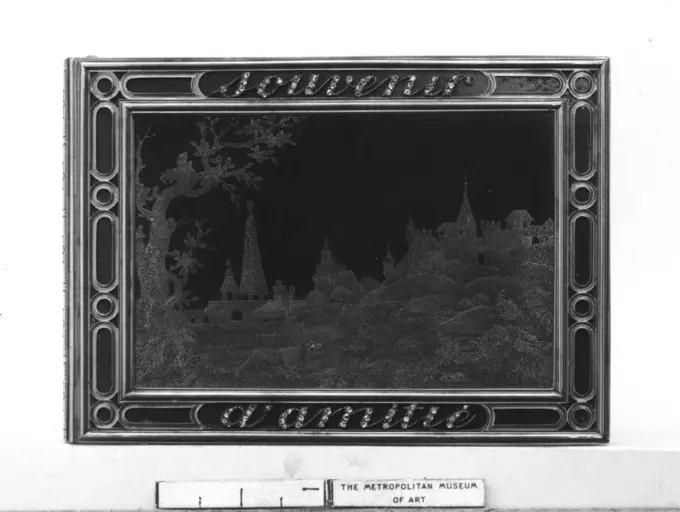
Piece 1775-80 French. Piece 222023Handkerchief (Sapu Tangan or Toka). Indonesia, Java, Cirebon, circa 1880. Costumes; Accessories. Hand-drawn wax resist (batik) on machine-woven cotton, natural dyesPanel Made 1880-1900 United States. Silk and wool, bands of warp-float faced satin weave; plain weave with supplementary patterning warps; and double-faced four-color complementary weft plain weave; woven on loom with Jacquard attachment .Fragment British, Buckinghamshire ca. 1850 View more. Fragment. British, Buckinghamshire. ca. 1850. Bobbin lace. Textiles-LacesTowel Ends early 19th century. Towel Ends 443010Saddle Rug with "Endless Knots" 19th century China. Saddle Rug with "Endless Knots" 70559Piece 1775-85 French, Alsace-Lorraine. Piece 221593Fragment 18th century German. Fragment 221865Saccos. Culture: Russian. Dimensions: L. 50 1/2 x W. (includ. sleeves) 53 1/2 inches (128.3 x 135.9 cm). Date: 1805. Museum: Metropolitan Museum of Art, New York, USA.Band with scenes from the Story of David. Culture: Italian. Dimensions: H. 8 3/4 x W. 40 3/4 inches (22.2 x 103.5 cm);Framed: H. 10 3/4 x W. 42 1/2 x D. 1 3/4 inches (27.3 x 108 x 4.4 cm). Date: first half 17th century. Museum: Metropolitan Museum of Art, New York, USA.Piece 16th-17th century Italian. Piece 223434Priest's Robe 17th century Japan. Priest's Robe. Japan. 17th century. Silk, metallic thread. Textiles-CostumesPiece early 19th century French. Piece 223161Corner 17th century Spanish Punto in arialiterally, "stitches in the air"is one of the earliest styles of needle lace, which is itself developed from cutwork of primarily geometric design. When lacemakers transitioned to using a foundation of threads laid out according to a pattern drawn on parchment, they were able to incorporate more fluid lines and curves into their designs.. Corner 212481Cope 1720-30 Italian. Cope. Italian. 1720-30. Silk and metal threadRank Badge with Bamboo, Cherry Sprays and Waves late 19th-early 20th century China. Rank Badge with Bamboo, Cherry Sprays and Waves 70108Pillow Cover, 20th century, 49 x 33 in. (124.5 x 83.8 cm), Cotton, silk; embroidered, Morocco, 20th century, Elaborately embellished household textiles are often part of a woman's dowry or given as wedding gifts. These textiles are highly valued within the culture and serve a multitude of purposes ranging from embroidered bed sheets and hand towels to decorative covering fabrics used on everything from pillows and furniture to tea sets and bread baskets.Quilt, Rose of Sharon pattern ca. 1860 American The top of the quilt is of a white cotton fabric printed with a thin red stripe. The appliquéd flowers are of pink and green cotton. The edge binding is of green plaid cotton. White cotton fabric with a small dark red figure is used for the backing. There are large-scale quilted flower and feather forms in some areas, as well as an overall pattern of diagonal parallel lines.. Quilt, Rose of Sharon pattern 13872Piece 18th century French. Piece 223285Piece 1760-70 French. Piece 217145Fragment. Chancay; Peru, Central coast. Date: 1000-1476. Dimensions: 43.8 x 27.3 cm (17 1/4 x 10 3/4 in.). Cotton and camelid wool; plain weave edged in slit tapestry weave with eccentric wefts. Origin: Peru. Museum: The Chicago Art Institute, Chicago, USA.Rank Badge with Egret China. Rank Badge with Egret 68923Fragment 18th century Italian or German. Fragment 217761Piece ca. 1750 French. Piece 224499Panel. Culture: China. Dimensions: Overall (a): 62 x 29 1/2 in. (157.5 x 74.9 cm)Overall (b): 62 x 29 1/2 in. (157.5 x 74.9 cm). Date: early 18th century. Museum: Metropolitan Museum of Art, New York, USA.Fragment. Dimensions: 13 9/16 in. high 11 1/4 in. wide (34.5 cm high 28.5 cm wide). Date: 3rd-4th century. Museum: Metropolitan Museum of Art, New York, USA.Fragment 18th century Greek, Corfu. Fragment 214374Chasuble with Pomegranate Design. Culture: British. Dimensions: Overall: 44 in. (111.8 cm). Date: 15th-16th century. Museum: Metropolitan Museum of Art, New York, USA.Fragment of a Tunic 5th-6th century. Fragment of a Tunic. 5th-6th century. Wool, linen; plain weave, tapestry weave. Made in Egypt. TextilesPiece 16th-17th century Italian. Piece 216607Band 16th century Italian. Band. Italian. 16th century. Linen. Textiles-EmbroideredBowl 1830-35 American. Bowl. American. 1830-35. Lacy pressed glass. Made in New England, United States. Napkin of Linnendamast. Midfield: presentation of a man offering a burning heart to a lute woman, both dressed in costumes of around 1680. In the air an amor shedding an arrow on the couple. The whole surrounded by a strict bran wreath. Running edges: stacked flower vases. Landscape edges: mirrored flower ornament. Corners: putti with a flute in mouth and flowers in hand on a fond of pseudo peel pattern. Checkerboard pattern on the four sides. Top left in red cross stitch: ID under crown 16. Bottom left in red cross stitch 16.Chair Cover Made 1894 New York City. Cotton, wool, and silk, slit and double interlocking tapestry weave . W. Baumgarten and Company (Producer)Star-Shaped Tile 1264-65. Star-Shaped Tile 450437Scarf ca. 1850 American. Scarf 119049Bell Pull Made 1825-1875 England. .Pair of sashes French 1890sFragment 16th-17th century Italian. Fragment 230180Pillow sham. Culture: German. Dimensions: H. 30 x W. 30 inches (76.2 x 76.2 cm). Date: ca. 1890. Museum: Metropolitan Museum of Art, New York, USA.Piece 17th century Japan. Piece 71732Cover early 19th century. Cover. early 19th century. Linen, silk, metal wrapped thread; plain weave, embroidered. Attributed to Turkey. Textiles-EmbroideredChalice veil. Culture: Italian. Dimensions: L. 19 x W. 17 inches48.3 x 43.2 cm. Date: 17th century. Museum: Metropolitan Museum of Art, New York, USA.Lengths of velvet early 18th century Italian, Genoa. Lengths of velvet 226713Rank Badge with Silver Pheasant 19th century China. Rank Badge with Silver Pheasant 68938Fragment late 18th century French. Fragment 216379Piece 19th century China. Piece. China. 19th century. Silk. Qing dynasty (1644-1911). Textiles-WovenRank Badge with Manchurian Crane early 18th century China. Rank Badge with Manchurian Crane 68922Dress border early 19th century French. Dress border 223151Dress border early 19th century French. Dress border 223223Pair of curtains Chinese, for French market 18th centurySampler 19th century German. Sampler 228526Fan Holder 18th-19th century China. Fan Holder. China. 18th-19th century. Silk satin. Qing dynasty (1644-1911). Textiles-EmbroideredEmbroidered darning sampler. Culture: Dutch. Dimensions: H. 16 7/8 x W. 18 1/2 inches (42.9 x 47 cm). Date: 1751. Museum: Metropolitan Museum of Art, New York, USA.Edging late 18th century French. Edging 223021Piece 18th century Italian. Piece 227261Embroidered saddle from India exhibited on the Great Exhibition of the Works of Industry of All Nations of 1851 in London; Embroidered Saddle India.Handkerchief Made 1875-1900 México. White linen with drawn work borders .Rank Badge with Silver Pheasant late 18th century China. Rank Badge with Silver Pheasant 68937Fragment 18th century Italian. Fragment. Italian. 18th century. Needle lace. Textiles-LacesMedallion China. Medallion 68810Rank Badge with Leopard 19th century China. Rank Badge with Leopard 68942Fan Holder 18th-19th century China. Fan Holder 68831Objects, furniture, Persian temple rug, presented to Essex Institute in 1910 by E. M. Raymond , Rugs. Frank Cousins Glass Plate Negatives CollectionBack doublure.. Duruy, Victor (1811-1894). bindings (gathered matter components), Book covers. 1879 - 1885. Spencer Collection. BookbindingOne of a Set of Twelve Chair Strips China. One of a Set of Twelve Chair Strips 70441Crazy Quilt. Dated: c. 1938. Dimensions: overall: 35.9 x 26.6 cm (14 1/8 x 10 1/2 in.). Medium: watercolor and graphite on paper. Museum: National Gallery of Art, Washington DC. Author: William Kieckhofel.Cover (Rumal) 18th century India (Himachal Pradesh, Chamba). Cover (Rumal) 73137Commemorative Towel Made 1866-1886 United States. Linen and cotton, satin weave with supplementary patterning wefts and self-patterned by reversing of faces and with bands of float weave; main warp cut fringe (satin damask) .Interior detail, window, 17th century leaded diamond panes , Houses, Interiors, Windows. Frank Cousins Glass Plate Negatives CollectionFragment of Turban Cloth 18th century. Fragment of Turban Cloth. 18th century. Silk and tinsel on cotton; embroidered. Attributed to India, Rajasthan. Textiles-EmbroideredSouvenir late 18th century French In eighteenth-century Europe, Paris led the production of high-quality luxury goods. Parisian goldsmiths made a wide range of small, personal articles such as snuffboxes; étuis to hold sealing wax, tweezers, or utensils for sewing; souvenirs, which contained thin ivory tablets for note taking; and shuttles for knotting lace. Gold snuffboxes and boxes decorated with portrait miniatures were prized and frequently given as royal gifts, often to ambassadors or members of the court in lieu of cash payments for their services. Coveted and admired, these boxes were produced from a variety of materials. The best were skillfully made of gold and embellished with diamonds, enameled decoration, lacquer, and other luxurious materials. By the middle of the century, the taking of snuff had become an entrenched social ritual, and the snuffbox, too, had become an important social prop. Snuffboxes were considered highly fashionable accessories, with some merchants adve