Historic Textiles

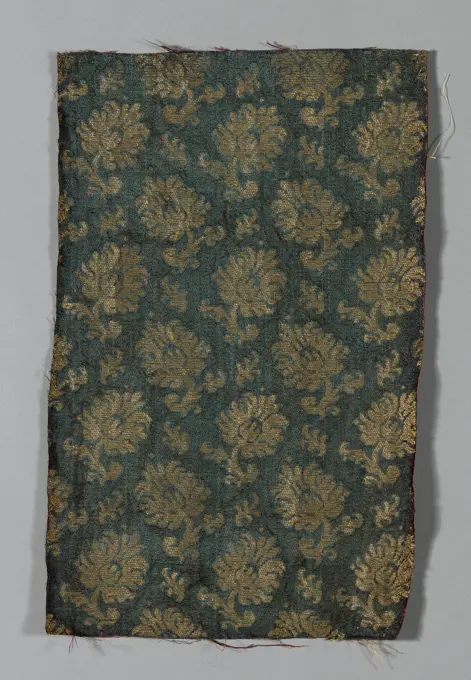
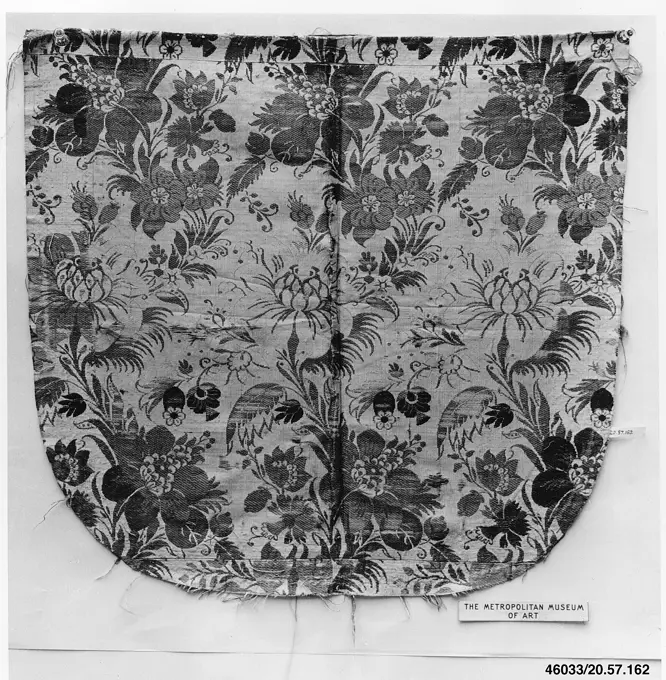
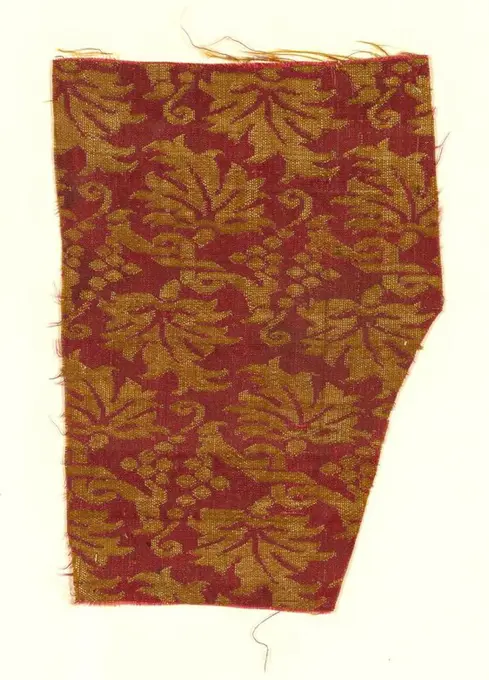
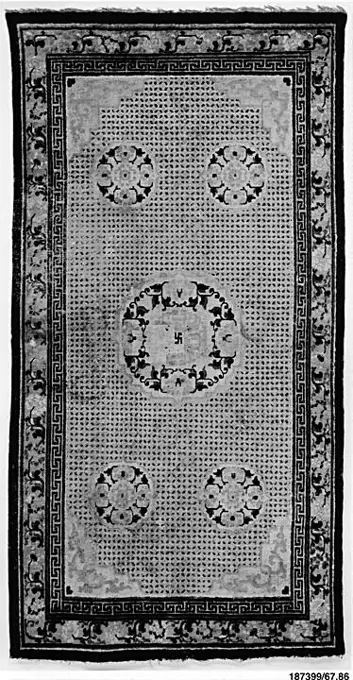
Fragments of ancient textiles from Italy, Egypt, and Spain, showcasing intricate patterns and textures, with muted tones reflecting historical craftsmanship.
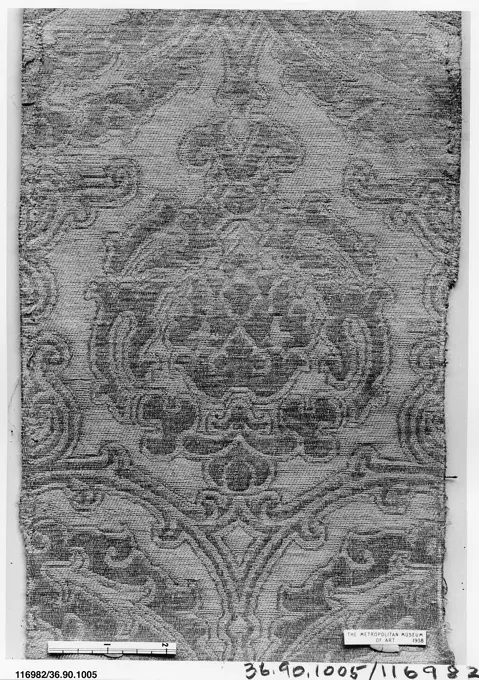
Piece 16th century Italian. Piece 224097
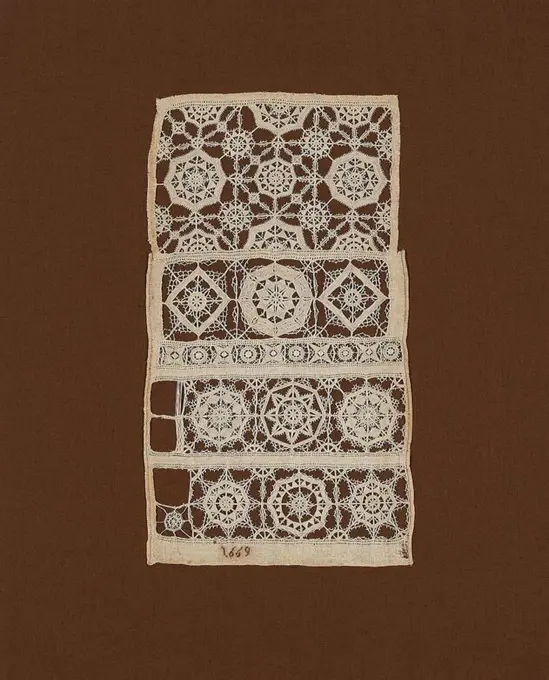
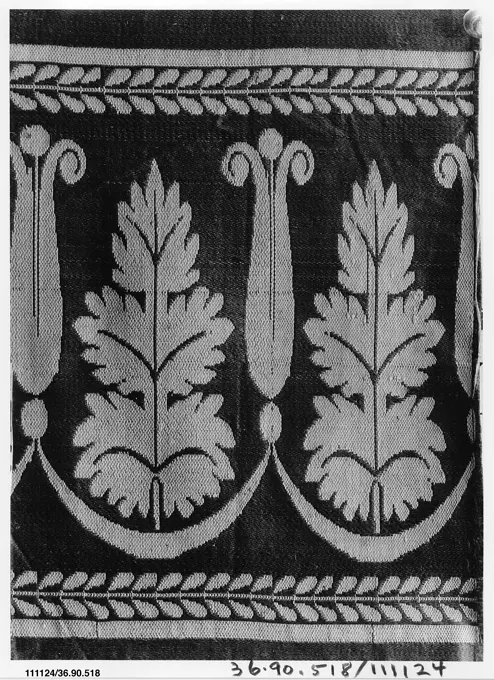
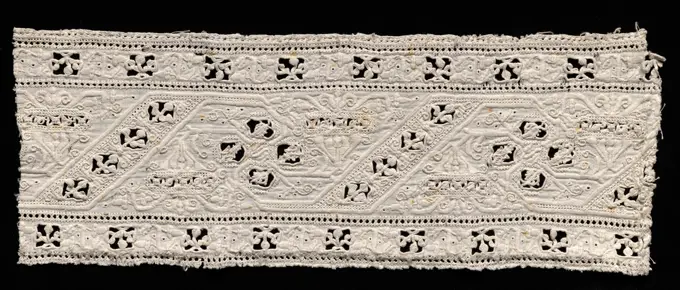
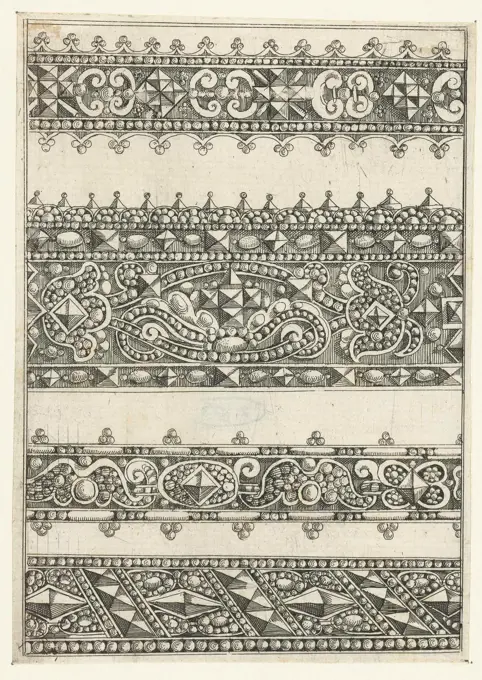
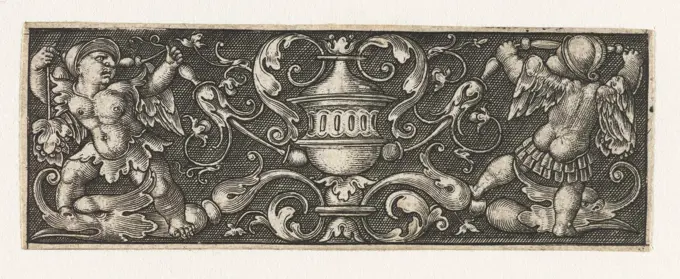
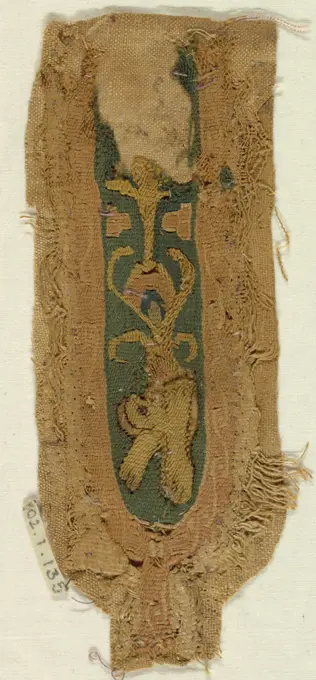
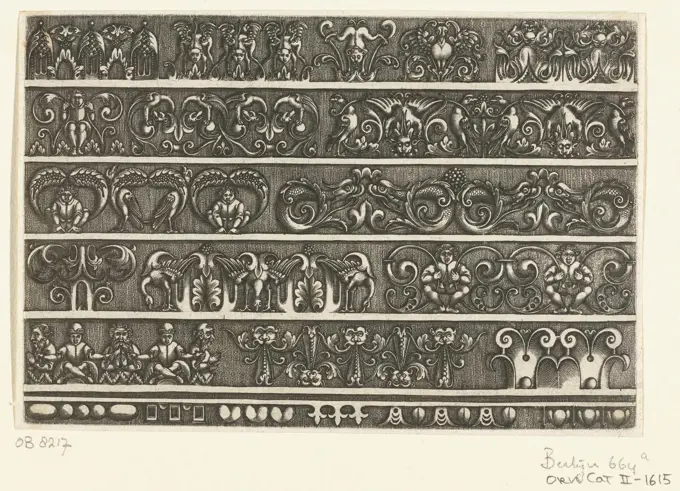
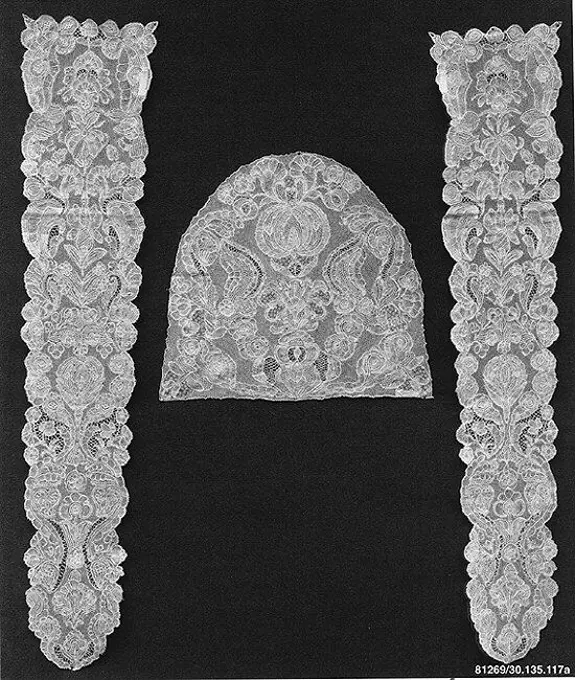
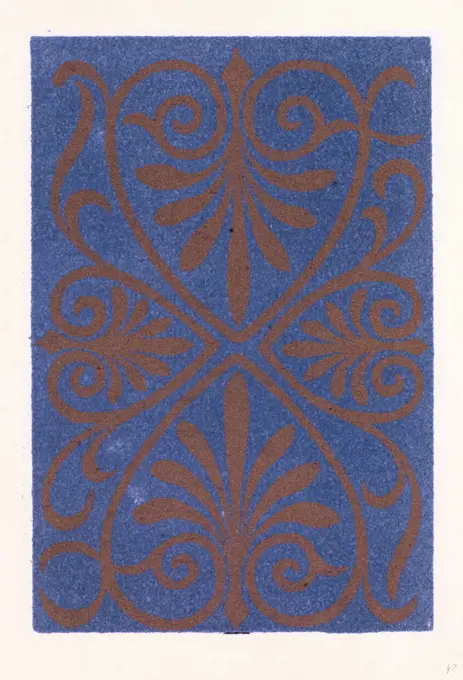
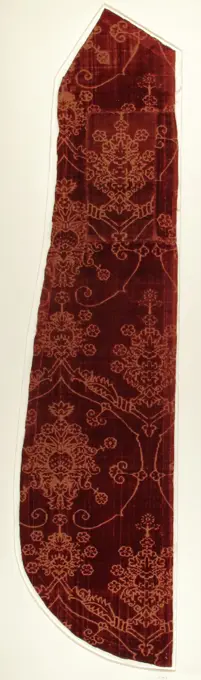
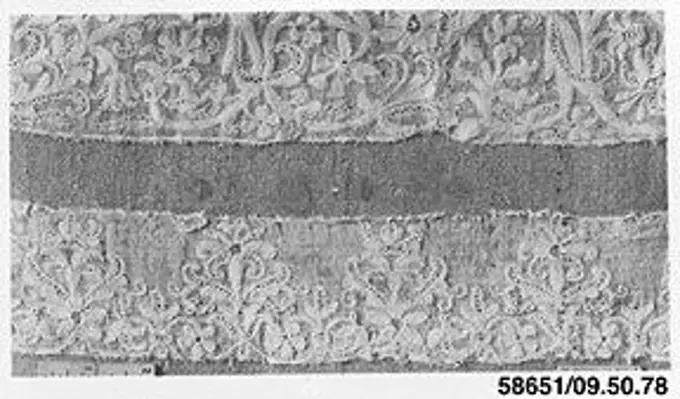
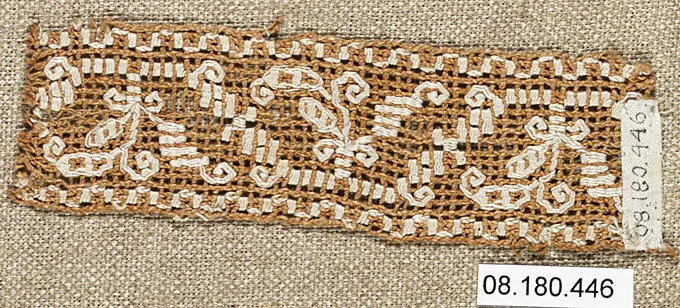
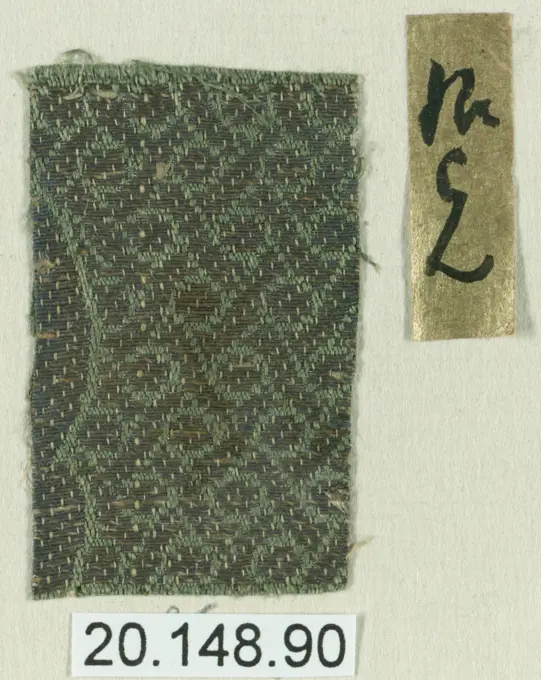
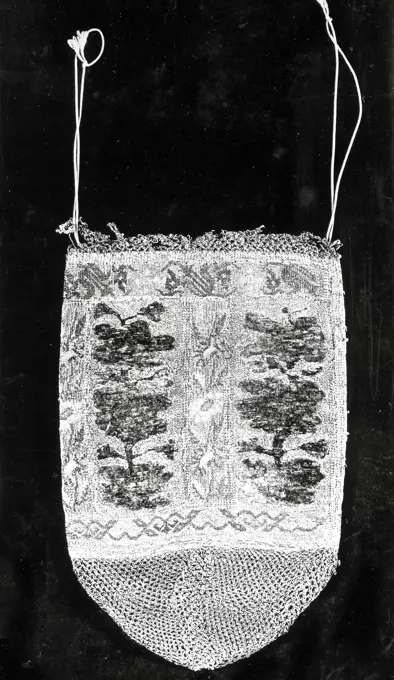
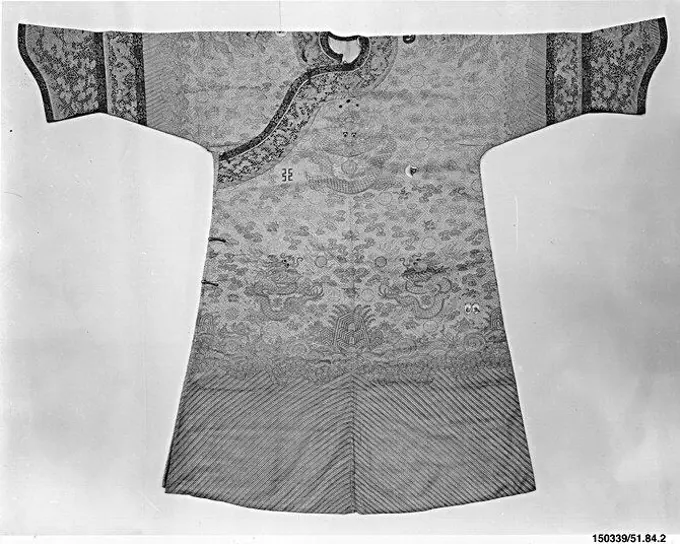
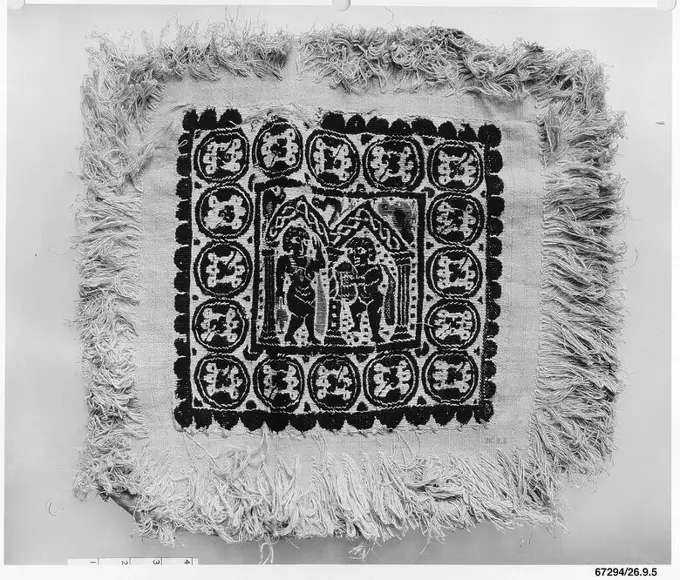
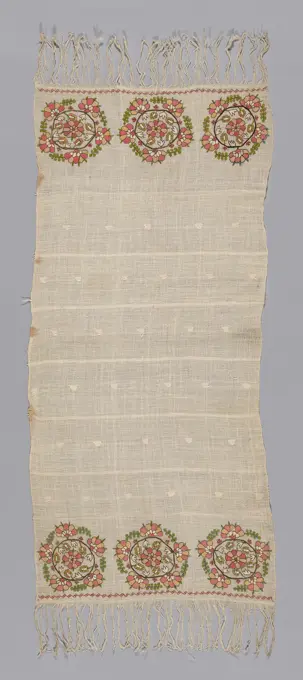
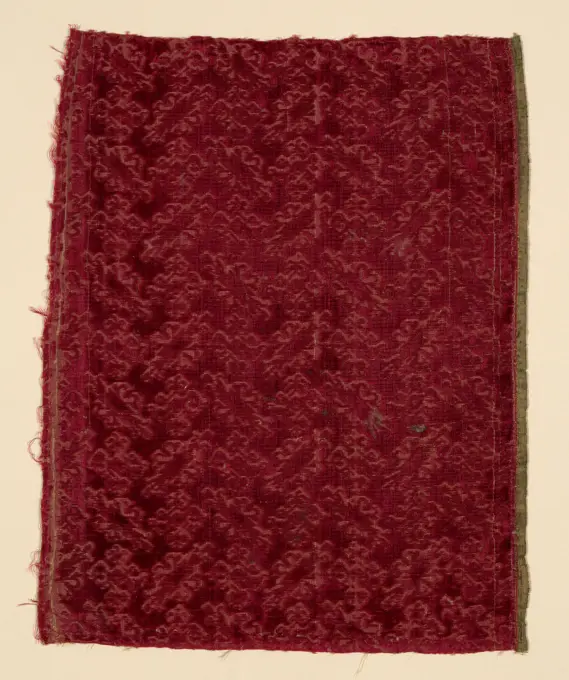
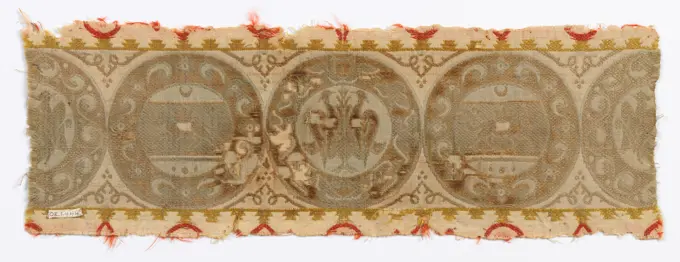
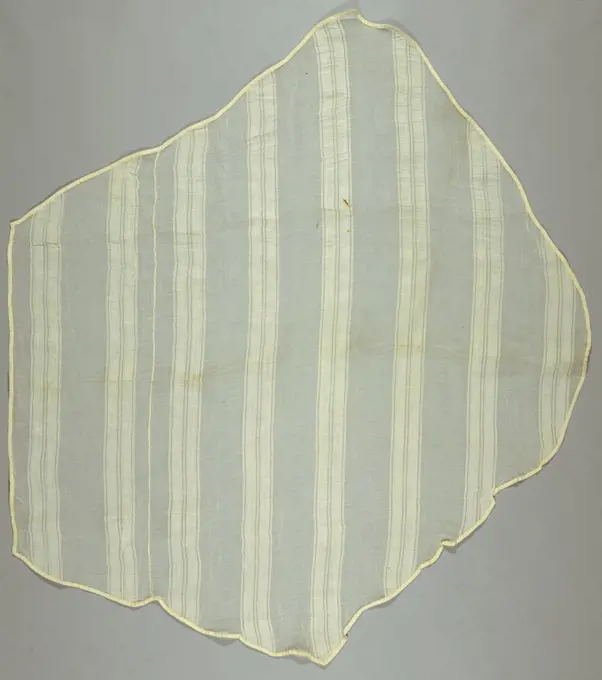
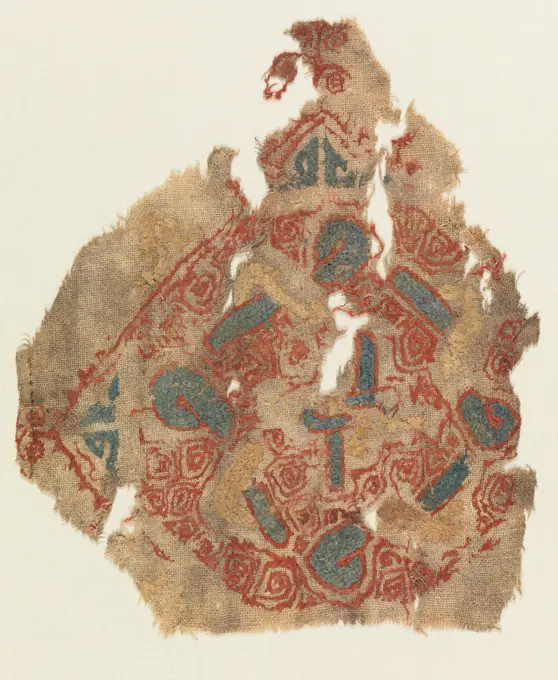
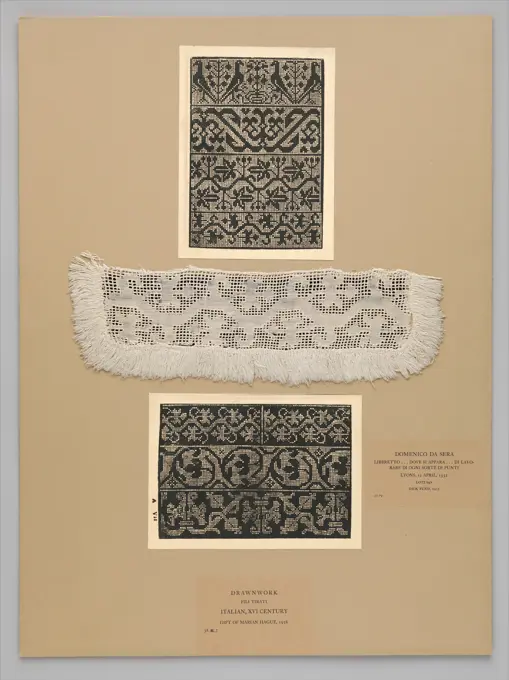
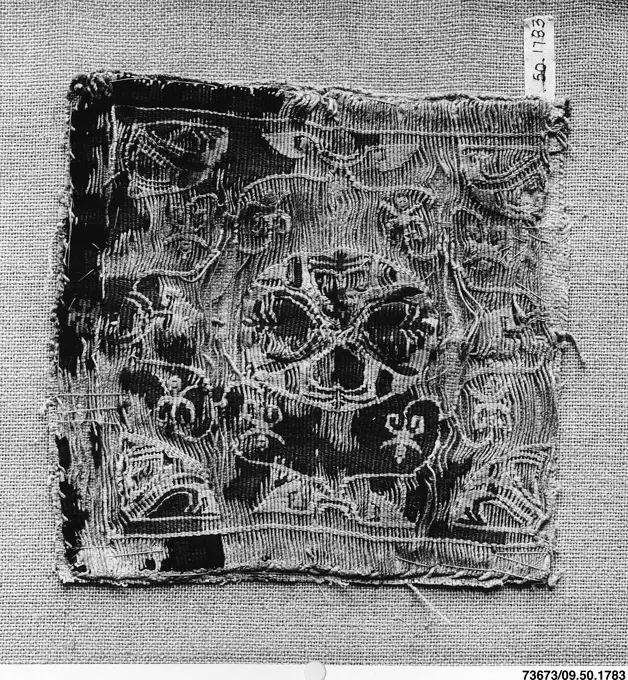
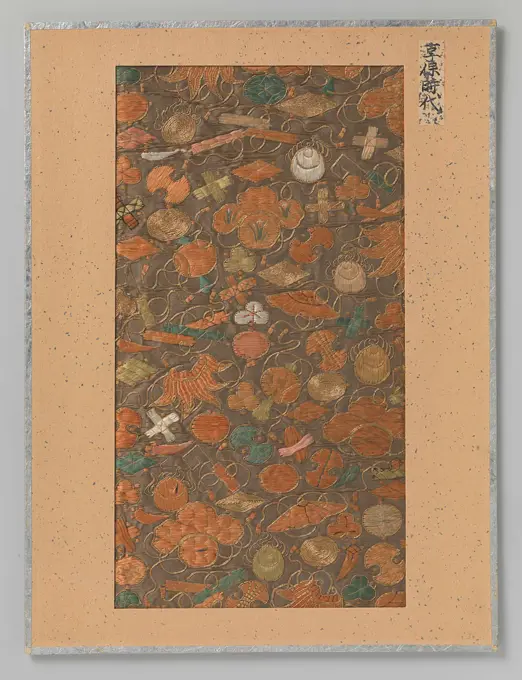
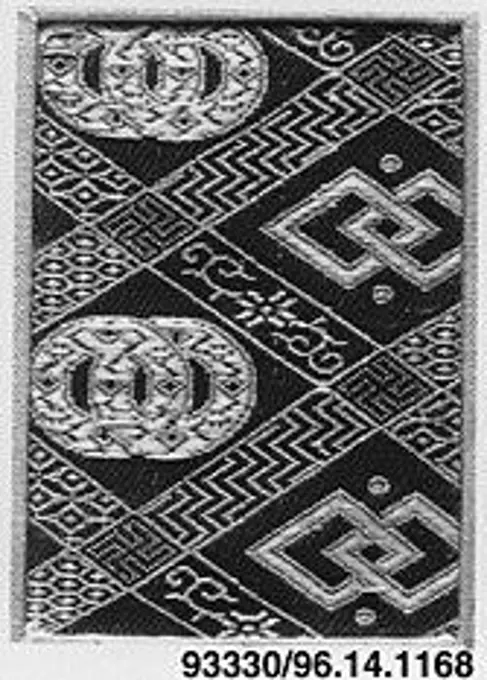
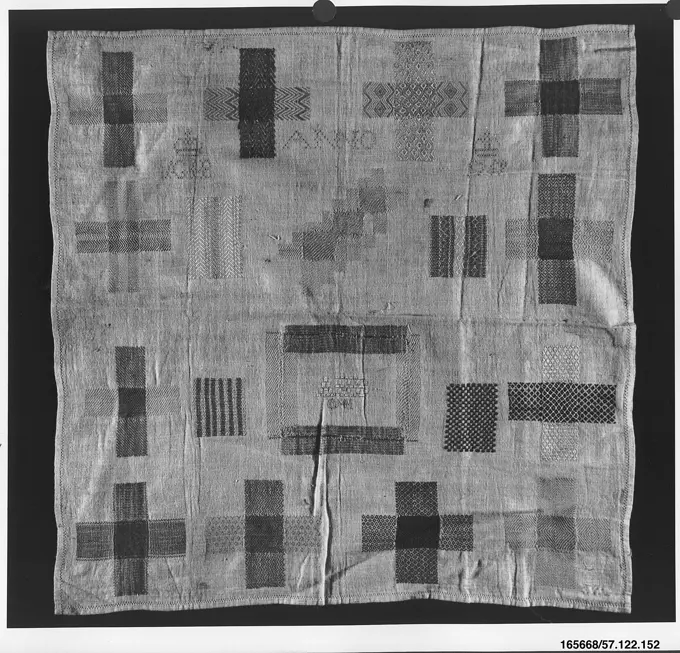
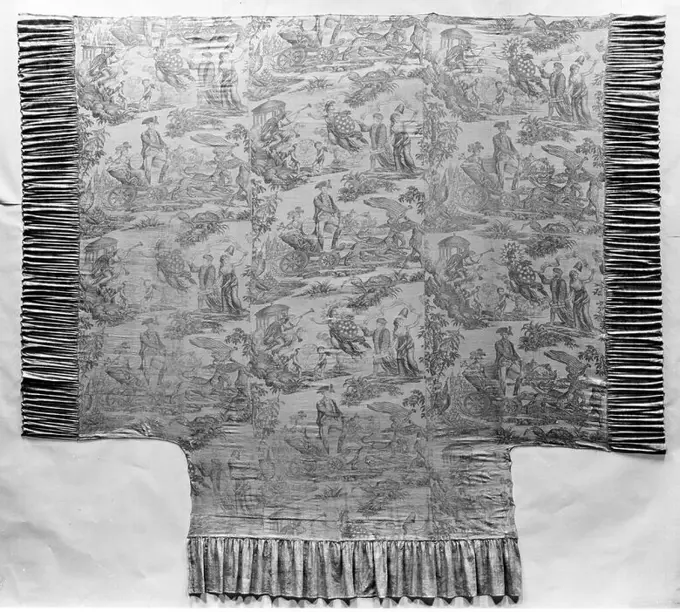
Fragment; silkFragment And Ornaments; linenBorders (England); cotton; Warp x Weft: 67.5 x 13.5 cm (26 9/16 x 5 5/16 in.); Bequest of Elinor Merrell; 1995-50-293Tablecloth 1590 Italian. Tablecloth 229476Fragment of a Sampler. England. Date: 1669. Dimensions: 38.1 × 21.7 cm (15 × 8 1/2 in.). Linen, plain weave; cut work with needle lace inserts; cut and drawn thread work embroidered in buttonhole, double hem, hem, and overcast stitches; date embroidered with cotton in cross stitches, Reticella pattern. Origin: England. Museum: The Chicago Art Institute, Chicago, USA.Rosette Fragment Coptic. , 5th-7th century C.E. Flax, wool, 3 x 4 in. (7.6 x 10.2 cm).   Egyptian, Classical, Ancient Near Eastern Art 5th-7th century C.E.Piece early 19th century French. Piece 223620Sleeve Band 19th century China. Sleeve Band 68671Bonnet Veil. Probably France. Date: 1830-1839. Dimensions: 100.2 × 156.9 cm (39 3/8 × 61 3/4 in.). Cotton, machine-made net; embroidered in cross, half cross, flat, overcast, satin, padded satin, and wave filling stitches. Origin: France. Museum: The Chicago Art Institute, Chicago, USA.Valance 18th century China. Valance 68522Needlepoint (Cutwork) Lace Insertion, 16th century. Italy, Venice, 16th century. Lace, needlepoint: linen; average: 12.4 x 34.7 cm (4 7/8 x 13 11/16 in.).Textile Sample from Sample Book 19th century Japan. Textile Sample from Sample Book 68215Sutra Cover with Floral Scroll 16th century China. Sutra Cover with Floral Scroll 44095Fragment; silk, metallicsFragment (Iran); silk, gold metallic threadHandkerchief Made 1875-1900 Belgium. Linen, plain weave; edged with cotton, needle lace of a type known as Point de Gaz .Four edges with precious stones; Examples for embroidery in gold with precious stones. The second edge from above is wider than the other.Kerchief (Pañuelo) first half 19th century Philippine. Kerchief (Pañuelo) 221473Fragment Made 1600-1650 Italy. Satin damask .Fragment of the lace from the collection of minutes Institut, Liegnitz; Belitski, Ludwig (1830-1902); 1854- (1854-00-00-1854-00-00);Legnica (Dolnośląskie Voivodeship), minutes of institut (Legnica), lace, artistic craftsmanshipSample (USA); Manufactured by Orinoka Mills (United States); Warp x Weft: 15.9 x 82.6 cm (6 1/4 x 32 1/2 in.)Pieced cap border with tabs 18th century French. Pieced cap border with tabs 218808So-called "Chila" 19th century. So-called "Chila" 447468Fragment Made 1601-1700 Italy. Brocaded silk .Piece ca. 1750 French. Piece 220366Rug 19th century Japan or Central Asia. Rug. Japan or Central Asia. 19th century. Foundation: cotton warp, bast fiber weft; tussah silk knotting. Textiles-RugsPiece 17th century Spanish. Piece 216922Shaker Rug. Dated: c. 1941. Dimensions: overall: 48.3 x 35.9 cm (19 x 14 1/8 in.). Medium: watercolor and graphite on paper. Museum: National Gallery of Art, Washington DC. Author: George V. Vezolles.Fragment. Italy. Date: 1601-1700. Dimensions: 18.7 x 12.7 cm (7 3/8 x 5 in.)Repeat: 14.6 x 6.7 cm (5 3/4 x 2 5/8 in.). Silk, plain weave with supplementary patterning wefts. Origin: Italy. Museum: The Chicago Art Institute, Chicago, USA.Letter case, Medium: metal thread embroidery on metal foundation, spangles Technique: embroidered Technique detail: embellished white silk plain weave faced with silver foil-wrapped silk; attached paste jewels; red, blue and green glazed foil spangles; coils of gilt and silver wire; worked as a single panel, folded, Silver cloth cover ornamented with vine borders worked in metal thread embroidery with spangles. Monogram C.F. on one side, heart with torches on the other., France, late 18th century, costume & accessories, Letter caseBorder or Ribbon Made 1820-1840 France. Silk and cotton, two-faced, two-color complementary warp weave of warp-float faced twill weave with areas of complementary warp-floats and of warp-float faced twill weave with areas of twill weave, both with stripes of two color complementary warp weave; woven on a loom with Jacquard attachment .Chair Strip 17th-18th century China. Chair Strip. China. 17th-18th century. Silk, metallic thread; on silk. Textiles-EmbroideredRug early 18th century China. Rug 70452Piece late 18th century French. Piece 216539Fragment of velvet with Instruments of the Passion. Culture: possibly Spanish. Dimensions: L. 19 3/4 x W. 10 1/4 inches (50.2 x 26.0 cm). Date: 16th-17th century. Museum: Metropolitan Museum of Art, New York, USA.Fragment (Border) Made 1701-1800 Iran. Brocaded compound cloth .Frisian with a vase between two putti with a helmet ..Band fragment, Medium: Warp; s-spun. Z-twist linen. Wefts; S-spun linen, S-spun wools. Technique: slit tapestry, End of a band with a curved end., 5th-8th century, woven textiles, Band fragmentSix edges with ornaments; Zierhat Boichilgen. Edges with different ornaments, stylized leaf drinks with animals or figures and architecture ornaments, such as an egg list.Cap crown and pair of lappets 1720-40 Flemish, Brussels. Cap crown and pair of lappets 222434Drum cover. unknown, authorWrestling Costume 19th century Japan. Wrestling Costume. Japan. 19th century. Silk;gold / Embroidery. Textiles-CostumesFragment multicolored silk droguet liseré, anonymous, c. 1750 - c. 1800 A fragment multi -colored silk tissue. The pattern has stripes in red, white and black between which stripes filled with a finely razed, green pendulum with a flower branch in yellow, white and green in every bend. Germany silk A fragment multi -colored silk tissue. The pattern has stripes in red, white and black between which stripes filled with a finely razed, green pendulum with a flower branch in yellow, white and green in every bend. Germany silkCap crown, Medium: linen Technique: bobbin lace, Brussels style, Cap crown with symmetrical pot of flowers surrounded by a floral vine., early 18th century, lace, Cap crownGreek OrnamentTextile with Pomegranate Motif 15th century Italian. Textile with Pomegranate Motif 465907Fragment of a Roundel, 600s - 800s. Egypt, 7th - 9th century. Tapestry; linen and wool; overall: 8.2 x 14.2 cm (3 1/4 x 5 9/16 in.).Borders, Medium: cotton Technique: block printed by resist method on plain weave, A Greek key border design within guards. In white on blue., France, early 19th century, printed, dyed & painted textiles, BordersFragment From the Chasuble of San Valero Made 1201-1300 Spain. Silk and gilt-animal-substrate-wrapped silk, weft-faced three-color complementary weft plain weave with inner warps . IslamicFragment. Date: 6th century. Museum: Metropolitan Museum of Art, New York, USA.Appendages 19th century China. Appendages 70477Fragment; linenFragment 16th century Italian. Fragment 215021Textile, China, 18th-19th century, woven textiles, TextileGreek Ornament and Etruscan OrnamentStrip 18th century German. Strip 215479Scrap of border 16th century Italian. Scrap of border. Italian. 16th century. Embroidered net, buratto, punto à rammendo. Textiles-LacesPiece 17th century Japan. Piece. Japan. 17th century. Silk / Compound weave. Textiles-WovenBag Made 1701-1800 France. plain weave linen; embroidered in metal strip wrapped on silk core, silk chenille, silk floss; in tent, cross, thread counted and free - running chain, oblique gobelin stitches; fancy knitted bottom .Piece 18th-19th century Japan. Piece 67294Piece 18th-19th century Japan. Piece 66601Empress's Twelve-Symbol Robe late 19th-early 20th century China. Empress's Twelve-Symbol Robe 69960Stole  embroidery with pineapple motif unknownSquare. Dimensions: Textile: L. 17 11/16 in. (45 cm) W. 15 3/4 in. (40 cm)Storage mount: L. 25 in. (63.5 cm)W. 24 1/2 in. (62.2 cm). Date: 4th century. Museum: Metropolitan Museum of Art, New York, USA.Piece 18th century Japan. Piece 71805Fragment 17th century Southern German. Fragment. Southern German. 17th century. Cutwork. Textiles-LacesFragment. Culture: British. Dimensions: L. 19 x W. 14 inches48.3 x 35.6 cm. Date: ca. 1851-72. Museum: Metropolitan Museum of Art, New York, USA.Cover 16th century German or Swiss. Cover 213259Piece 16th century Japan. Piece. Japan. 16th century. Silk / Compound weave. Textiles-WovenPiece 1760-70 French. Piece 220333Sample (France)Curio Shop, Long Street, Cape Town, South AfricaPiece 18th century French. Piece 223280Millefleurs ground with stag, deer and rabbit. unknown c. 1500-1525 Tapestry Dimensions: H 8'3" x W 1'10" Tapestry Materials/Techniques: unknown Culture: Southern Netherlands Weaving Center: unknown Ownership History: French & Co. purchased from no name listed, n.d.; sold to Mr. Dirk L. de Leur 6/4/1962.Towel Made 1801-1900 Turkey. Embroidered with floral designs .Sampler 19th century German. Sampler 228453Fragment, Medium:Warp: S-spun linen. Wefts; S-spun linen, S-spun wool../ Technique: slit tapestry with supplementary weft wrapping,, Leaf with volutes at the end of a curving stem., Egypt, 3rd-4th century, woven textiles, FragmentFragment Made 1601-1650 Spain. Silk, plain ground velvet weave; cut, uncut; pile-on-pile; voided .Border Fragment ; cotton, silkTextile Fragment 3rd-4th century. Textile Fragment 443284Fragment, Medium: silk Technique: 4&1 satin damask, Branches and flying birds. Part of selvage at left side., 17th century, woven textiles, FragmentFragment of a Tunic 4th-5th century. Fragment of a Tunic 443820Curtains, Medium: cotton Technique: woven, Roughly pentagonal-shaped pieces of thin white muslin with stripes of denser weave. Cotton tape hand-stitched all around the edges., USA, 19th century, woven textiles, CurtainsMedallion Fragment; silk on linenFragments (England); wool on cottonPiece 18th-19th century Japan. Piece 66200Trimming Fragment; silkPiece 16th century Italian. Piece 226386Kapa (tapa), 1770s, Hawaii, maker unknown. Gift of the Trustees of the Turnbull Estate, 1918.Textile Fragment 6th-7th century. Textile Fragment 445814Border Fragment; warp; s-spun linen. wefts; s-spun linen. s-spun woolsFragment textile. Textile fragment, embroidery with gold thread, Buddhist symbols on brown fond.Design for Bracelet, Pen and ink, brush and watercolor on paper, Five repeating units. In the center of each, a blue square diamond. The framing scrolls form pointed ovals., Italy, 1800-1825, jewelry, Drawing, DrawingPiece 18th-19th century Japan. Piece 66887Textile Sample from Sample Book 19th century Japan. Textile Sample from Sample Book 68236Rank Badge with Crane 18th century China. Rank Badge with Crane 68879Bands, Medium: Warp; s-spun linen. Wefts, Z-spun linen, Z-spun wool, Pair of bands wirth curving vine and laft motif in brown., 4th-5th century, woven textiles, BandsEmbroidered darning sampler 1759 Dutch. Embroidered darning sampler 228079Gift Cover (Fukusa) 17th-19th century Japanese. Gift Cover (Fukusa) 25825Wholecloth coverlet. Culture: British or American. Dimensions: 114 x 96 in. (289.6 x 243.8 cm). Date: ca. 1790. Museum: Metropolitan Museum of Art, New York, USA.