Historic Textiles

Fragments of ancient textiles from Italy, Egypt, and Spain, showcasing intricate patterns and textures, with muted tones reflecting historical craftsmanship.
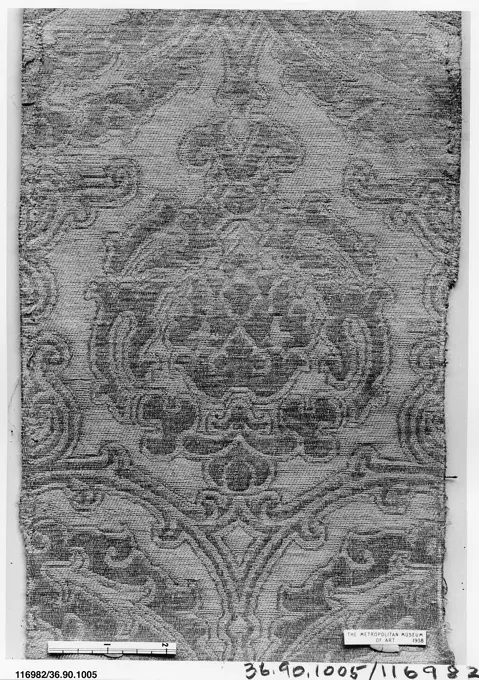
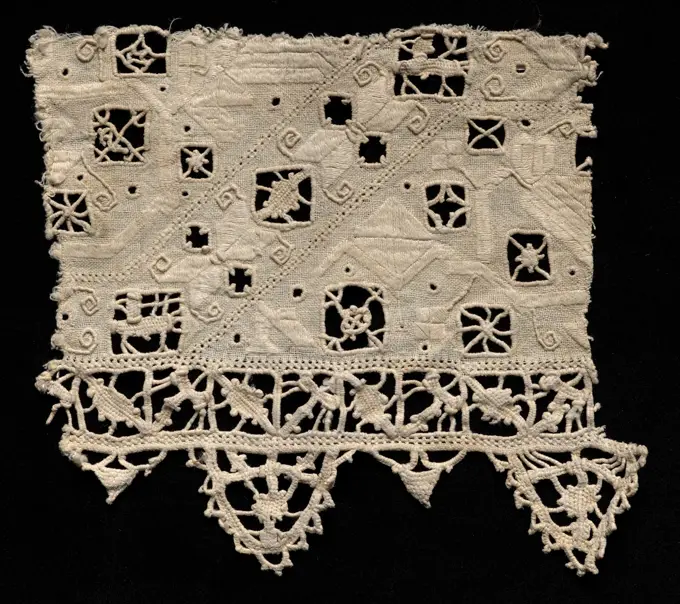
Piece 16th century Italian. Piece 224097
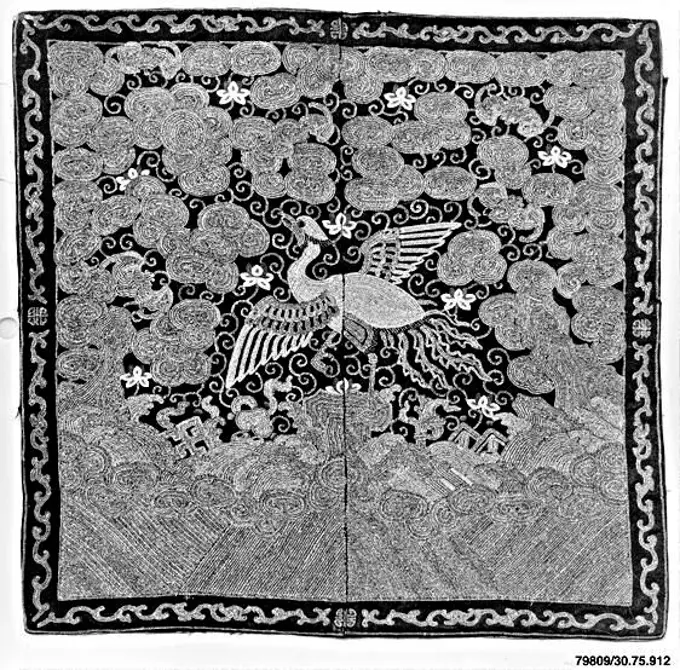
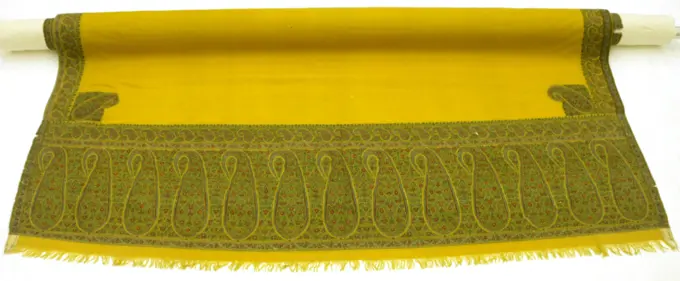
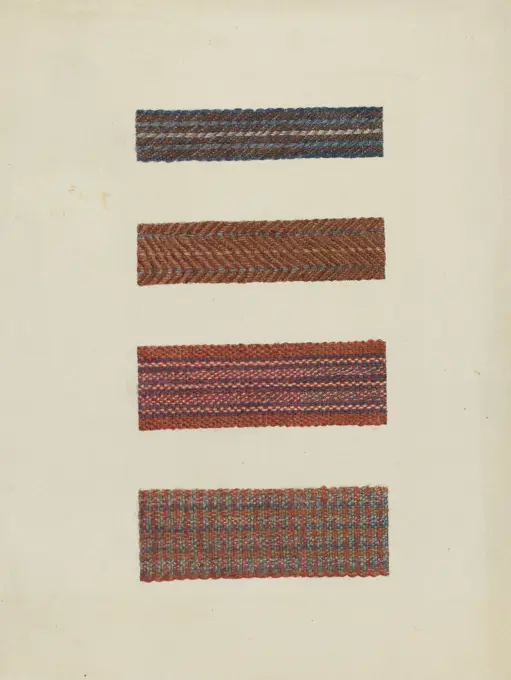
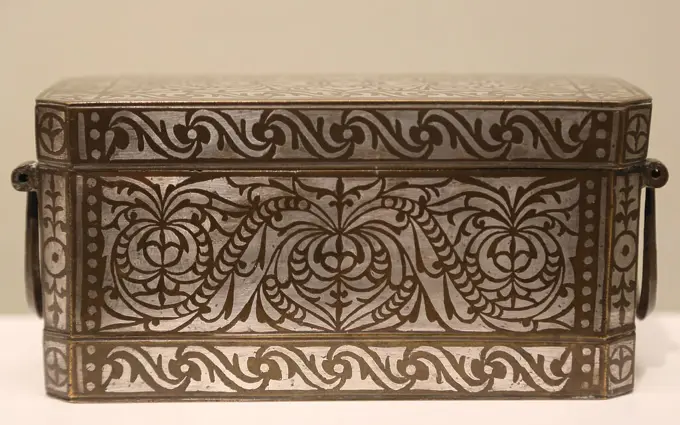
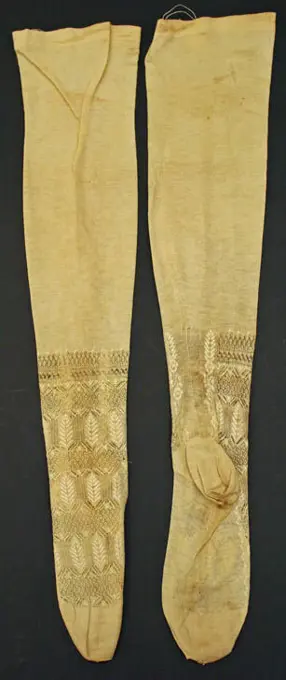
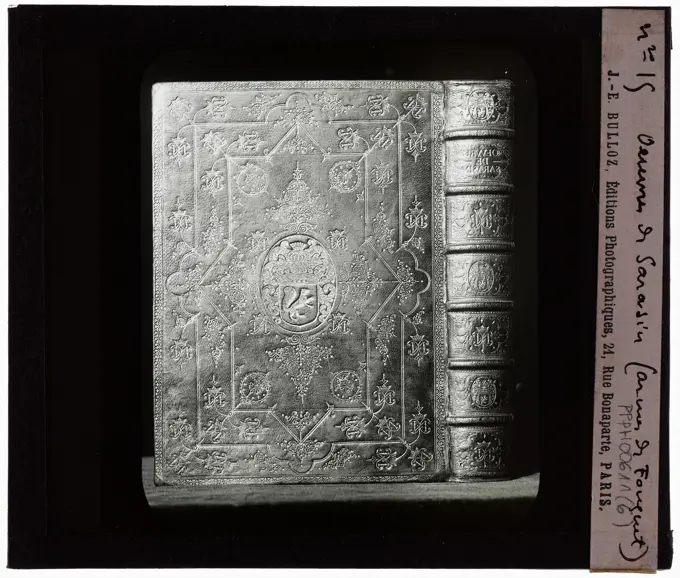
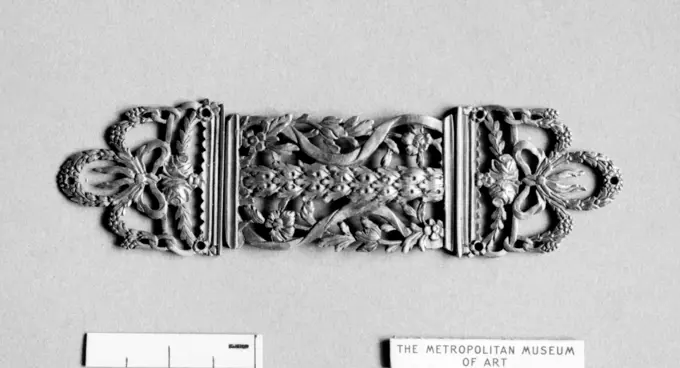
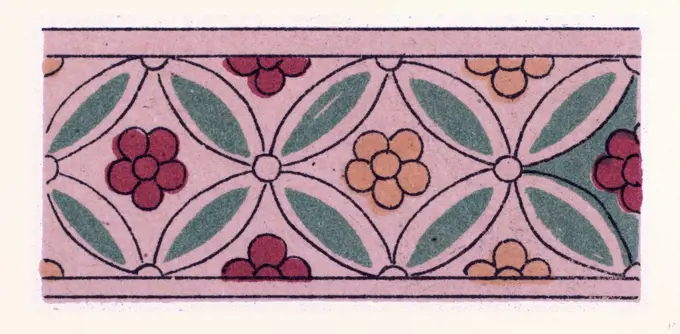
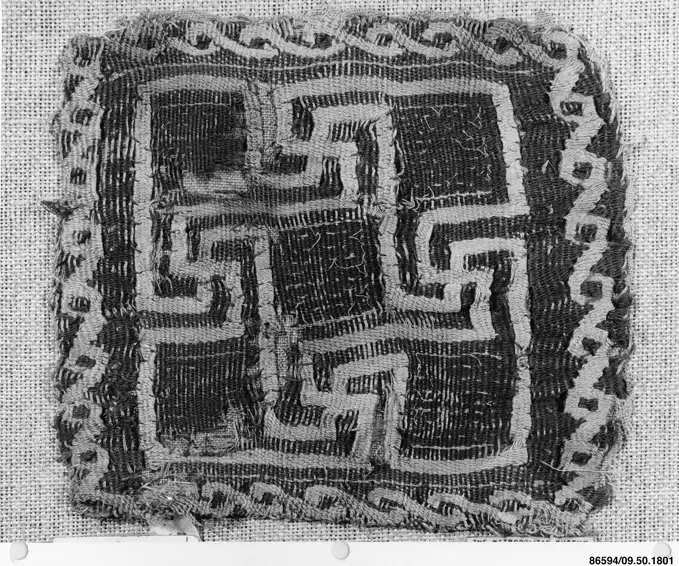
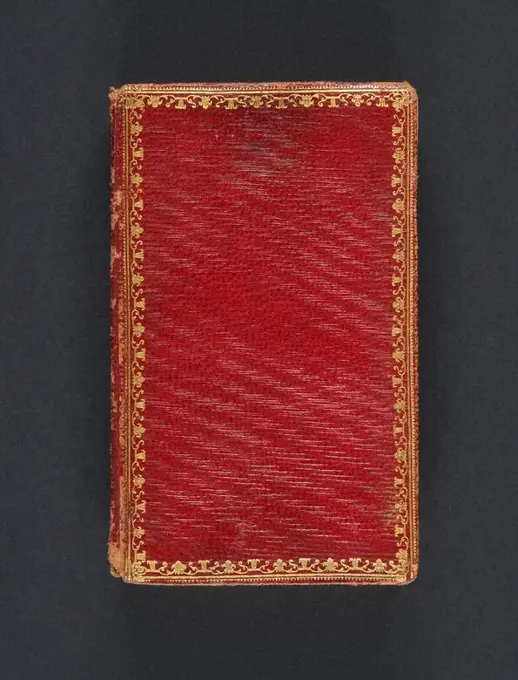
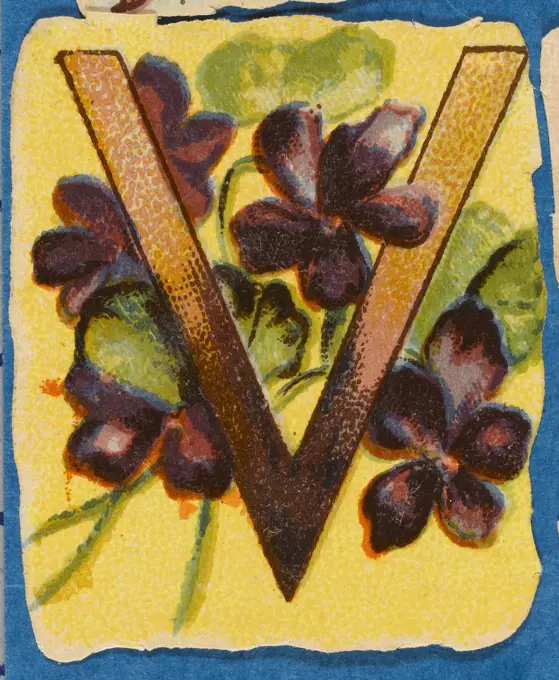
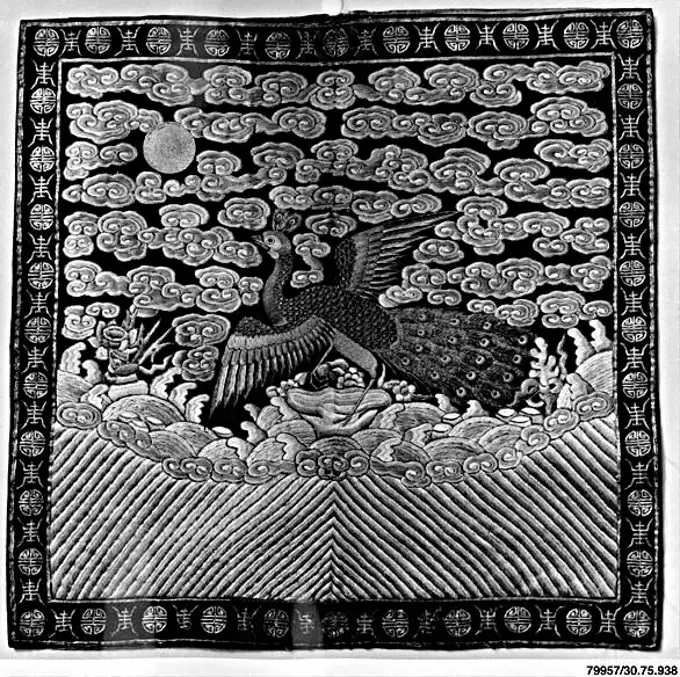
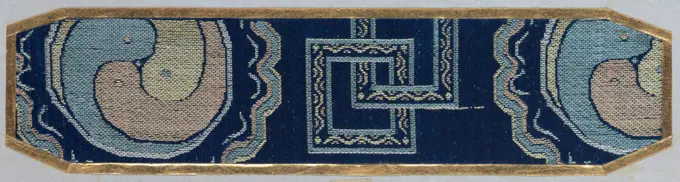
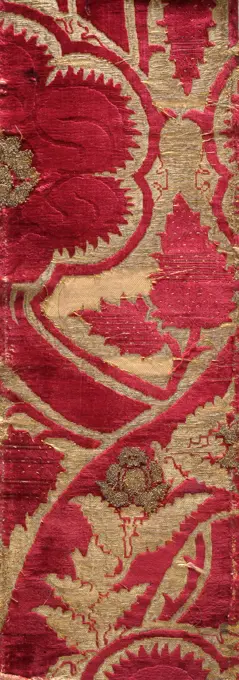
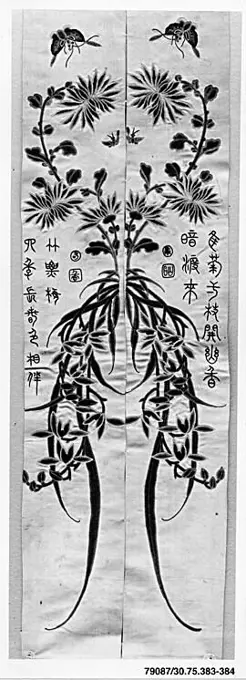
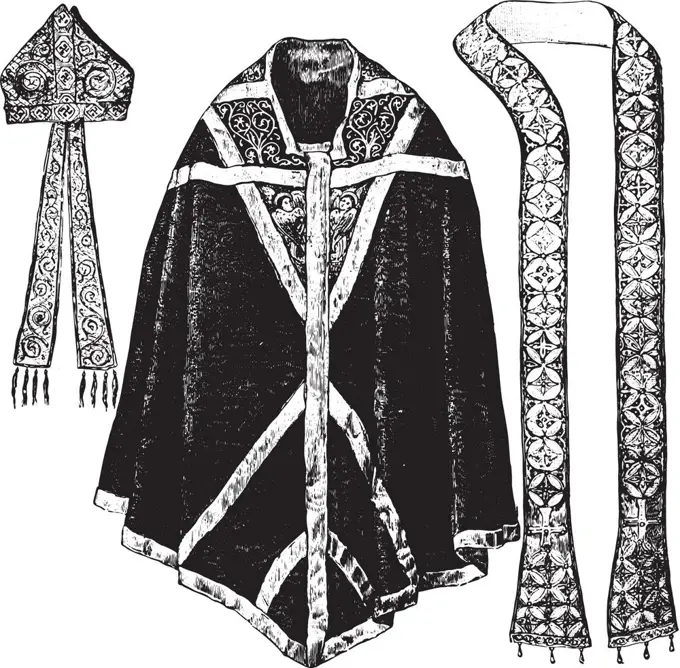
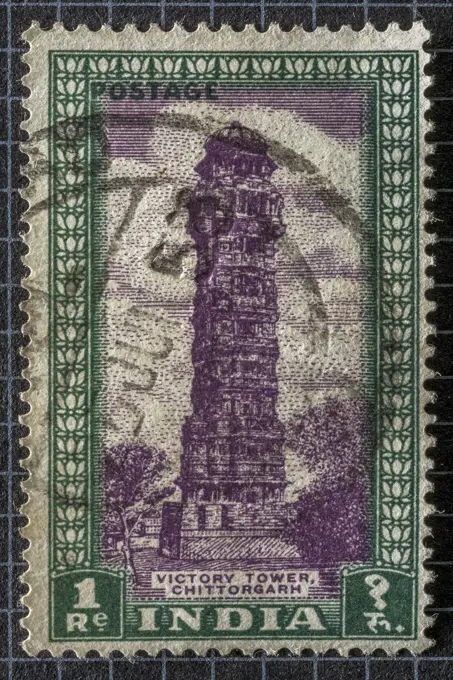
Glass Fragment European 15th century View more. Glass Fragment. European. 15th century. Colorless glass. Glass-StainedPiece 18th century Japan. Piece. Japan. 18th century. Silk / Compound weave. Edo period (1615-1868). Textiles-WovenRank Badge with Silver Pheasant late 18th-early 19th century China. Rank Badge with Silver Pheasant 68890Fragment of leather upholstery unknown, German productBobbin Lace (Valenciennes) Handkerchief, 19th century. France, Valenciennes or Flanders, 19th century. Linen embroidered center with four narrow insertions and border of Valenciennes lace; average: 38.5 x 37.2 cm (15 3/16 x 14 5/8 in.).Piece 18th century Japan. Piece 71167Greek Ornament and Etruscan OrnamentSampler 1854 German. Sampler 228549Skirt 19th century China. Skirt 68567Shawl Made 1815-1835 India. wool, pieced, double interlocking twill tapestry weave; main warp fringe .Helen Dana, Shaker Rug Binding Tapes, c 1937 Shaker Rug Binding TapesTie-back. Dated: c. 1938. Dimensions: overall: 9.7 x 28.6 cm (3 13/16 x 11 1/4 in.) Original IAD Object: 1 5/8" wide; 7" long. Medium: watercolor and graphite on paperboard. Museum: National Gallery of Art, Washington DC. Author: Harry Jennings.Fragment, Technique: velvet, Green, unpatterned, Italy, 16th century, woven textiles, FragmentBetel box, container. Mid 19th Century, Maranao, lake Lanao, Mindanao Island. Philippines. Brass and silver inlaid.Rank Badge with Silver Pheasant late 18th-early 19th century China. Rank Badge with Silver Pheasant 68896Fragment (Egypt); warp; s-spun linen. wefts; linen, woolShawl Sample early 19th century. Shawl Sample 447757Stockings 1873 American. Stockings 121581American 20th Century, Rug Runner, 1935 1942 Rug RunnerThe Stafford Altar Frontal. England. Date: 1620-1640. Dimensions: 101.1 × 185.1 cm (39 3/4 × 72 7/8 in.). Silk, broken warp chevron twill weave cut solid velvet; underlaid with cotton, plain weave; appliquéd with same velvet and with silk, satin weave; underlaid with linen, plain weave; embroidered with gilt-metal strip and purl, gilt-metal-wire-wrapped linen, and gilt-metal-strip-wrapped silk in laidwork and couching; edged with gilt-metal-strip-wrapped silk, bobbin straight lace. Origin: England. Museum: The Chicago Art Institute, Chicago, USA.Fragment (Spain); silk, metallic threadsBack doublure.. Brillat-Savarin (1755-1826). bindings (gathered matter components), Book covers. 1879. Spencer Collection. BookbindingBinders. Works of buckwheat Binders. Works of Saracen. Black and white projection plate. 1900-1930. Photograph of Jacques-Ernest Bulloz (1858-1942).Fragments (Italy); silk, metal wrappd linen; Warp x Weft (a): 13.3 x 44.5 cm (5 1/4 x 17 1/2 in.) Warp x Weft (b): 11.1 x 45.1 cm (4 3/8 x 17 3/4 in.) Warp x Weft (c): 12.4 x 6.2 cm (4 7/8 x 2 7/16 in.) Warp x Weft (d): 11.7 x 6.4 cm (4 5/8 x 2 1/2 in.)Embroidered Interior Textile, anonymous, c. 1750 - c. 1760  France (possibly) silk embroidering  France (possibly) silk embroideringGeometric network of a blunted octahedron, created with a wooden stick after 1538.Book clasp late 18th century French. Book clasp 192400Chinese ornamentPouch or oirband with moresken and arabesken; White moresken on a black fond.from Series or 9 sheetsFragment; linenCeintuur of white satin embroidered with leaf vines in silver thread, anonymous, c. 1750 - c. 1800 Ceintuur of white satin embroidered with leaf vines in silver thread. Netherlands (possibly) silk. satin. silver thread embroidering / sewing Ceintuur of white satin embroidered with leaf vines in silver thread. Netherlands (possibly) silk. satin. silver thread embroidering / sewingCover. Culture: Spanish. Dimensions: L. 46 x W. 17 inches (116.8 x 43.2 cm). Date: 16th century. Museum: Metropolitan Museum of Art, New York, USA.Pair of swags French 18th century View more. Pair of swags. French. 18th century. Gilt bronze. Metalwork-Gilt BronzeTextile Fragment early 19th century. Textile Fragment 443087Steel bobbin with coarse wire as an example of extra reinforced tape grid, anonymous, c. 1900 - c. 1930 sample Steel Natural -colored bobbin with coarse wire as an example of an extra reinforced tape grace with a fragment side in which this technique is used. The date concerns the steel. Amsterdam cotton (textile) bobbin laceFragment of silk velvet .. a fragment of a silk tissue, decorated with windows, in which palm-shaped sheets in purple velvet on the greenish fond.Square 3rd-4th century. Square 445832Band Fragment 10th-15th century Peru; central coast (). Band Fragment 307801Sampler (Spain); cotton embroidery on linen foundation; Warp x Weft: 11.4 x 58.4 cm (4 1/2 x 23 in.); Bequest of Gertrude M. Oppenheimer; 1981-28-409Petit almanach de la cour de France : 1819. treizième année. Dimensions: 288 pages : frontispiece, engraved title page, plates, Height: 4 5/16 in. (11 cm). Date: 1818.Red morocco binding, stamped in gold. Museum: Metropolitan Museum of Art, New York, USA.Sampler 19th century Austrian or Hungarian. Sampler 228149Untitled river mining scene; Attributed to Carleton Watkins (American, 1829 - 1916), George H. Johnson (American, 1823 - 1879); Jacksonville, California, United States; about 1850s; DaguerreotypePiece China 19th centuryWeefselfragment met nail Anonymous c. 700 - c. 899 Gray -green and natural clavus () With three medallions with stylized human figure at the bottom of an irregular X with a vertical stripe through it. The whole on both sides is trimmed with a pearl edge. At the bottom left is still a fragment of the substrate tissue. Egypt Ketting an element: Linen (material). Entry: Wool tapestry Gray -green and natural clavus () With three medallions with stylized human figure at the bottom of an irregular X with a vertical stripe through it. The whole on both sides is trimmed with a pearl edge. At the bottom left is still a fragment of the substrate tissue. Egypt Ketting an element: Linen (material). Entry: Wool tapestryFlowery V          Date: 1890sPiece 18th century Japan. Piece 71660Carpets (5). Album leaf with four photos of carpets. Part of photo album from the Palthe family from Almelo.Fragment of Needlepoint (Cutwork) Lace, 17th century. Italy, 17th century. Lace, needlepoint: linen; average: 12.7 x 14 cm (5 x 5 1/2 in.).Sampler 1820 German. Sampler. German. 1820. Silk on canvas. Textiles-EmbroideredElongated cornice tile. unknown, manufacturerButton, decorated with moresken and arabesken, 1506 - 1551 print From series of 9 sheets France (possibly) paper  mirrorFriendship quilt. Pie Town, New Mexico 1940. still image. Photographs. The Miriam and Ira D. Wallach Division of Art, Prints and Photographs: Photography Collection. New Mexico , Pie Town, New Mexico , Catron CountyPiece 18th-19th century Japan. Piece 66495Length of Silk Textile, 17th-19th century. Morocco, 17th-19th century. Compound tabby and double tabby; silk; average: 107.2 x 71.5 cm (42 3/16 x 28 1/8 in.).Rank Badge with Peacock 19th century China. Rank Badge with Peacock. China. 19th century. Silk, metallic thread. Qing dynasty (1644-1911). Textiles-EmbroideredFringe European 19th centuryFragment (Japan)Two knife lifting; Knife lifts. There are two symmetrical knife lifts on each sheet from this series with a bead at the top. The lifts are decorated with tendrils between which two birds are located.Fragment of the fabric;  15th century (1401-00-00-1500-00-00);Society for the Care of the Monuments of the Past (Warsaw - 1906-1944) - collection, plant (ornament), fabricsSleeve Band 19th century China. Sleeve Band 68681Chasuble, stole and miter of Thomas Becket, vintage engraved illustration. Industrial encyclopedia E.-O. Lami - 1875.Embroidered slip, Medium: silk embroidery on linen foundation Technique: embroidered in counted stitches, England, 17th century, embroidery & stitching, Embroidered slipEmbroidered message on a wall hanging, Sweden.Honduras, from the National Flag on Domino series (T177) issued by Kinney Brothers to promote Sweet Caporal Cigarettes. Dimensions: Sheet: 2 5/8 × 1 1/2 in. (6.7 × 3.8 cm). Publisher: Issued by Kinney Brothers (American). Date: ca. 1901.Trade cards from the "National Flags on Domino" series (T177), issued ca. 1901 by Kinney Brothers to promote Sweet Caporal Cigarettes. Each card was hand-cut cut from the sides of original Sweet Caporal cartons. Museum: Metropolitan Museum of Art, New York, USA.DA-ST-88-04400. Country: UnknownIndian postage stamp of one rupee, india, asia Copyright: xAnilxDave/DinodiaxPhotox