Historic Textiles with Decorative Designs

A collection of ancient textiles featuring intricate patterns and symbols, showcasing craftsmanship from China and Europe across several centuries.

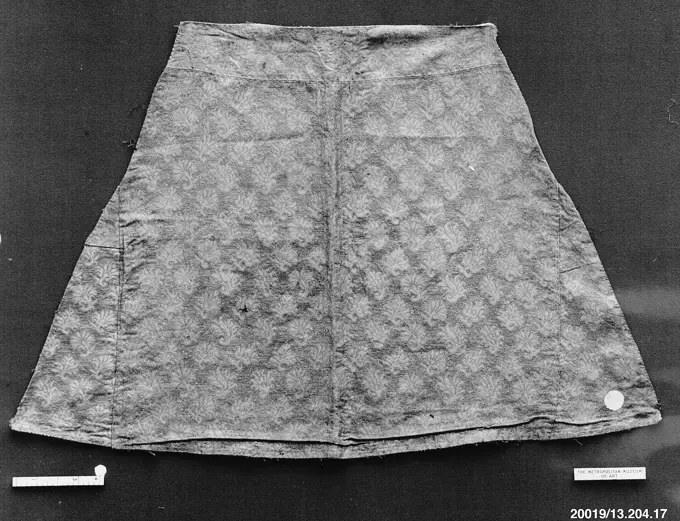
Piece 18th century German, Schleswig-Holstein Silk textiles composed of paired animals nestled in dense foliage were woven in Europe before 1400 and were probably inspired by precious Central Asian textiles. These two double cloths 34.41.7 and 09.50.1037 illustrate how the tradition continued, and their graphic quality mirrors that of Brother Rabbit.. Piece 216434
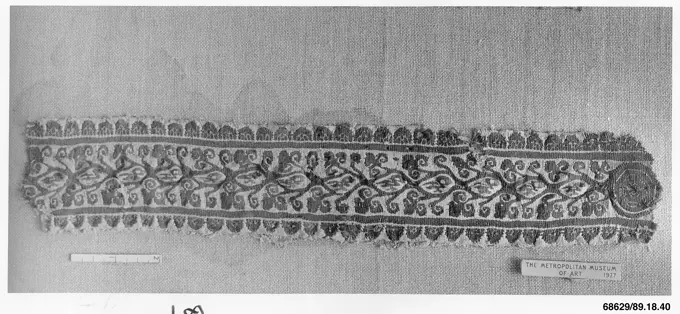
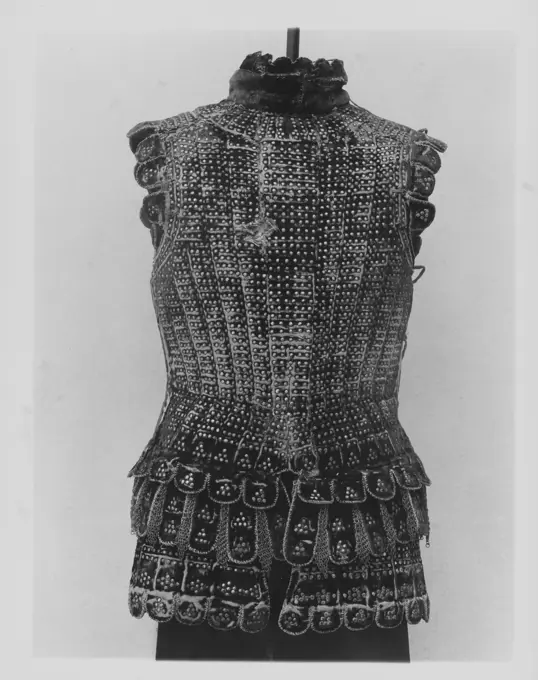
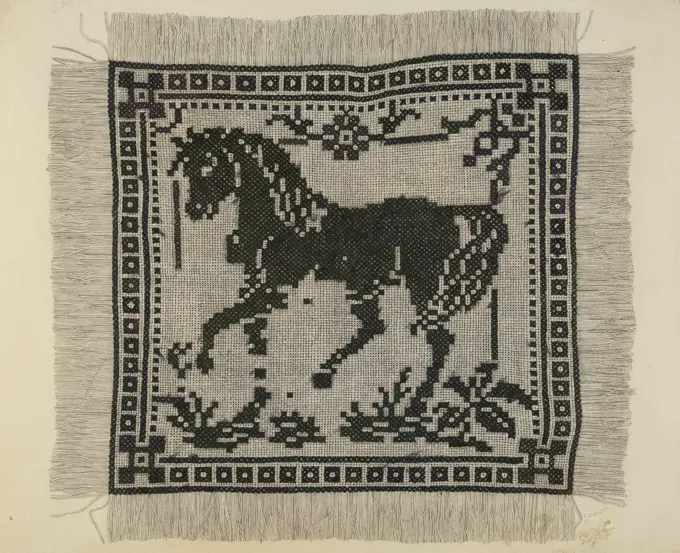
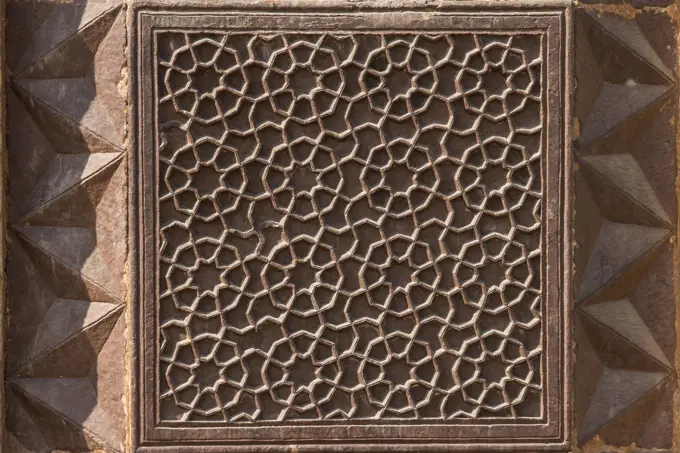
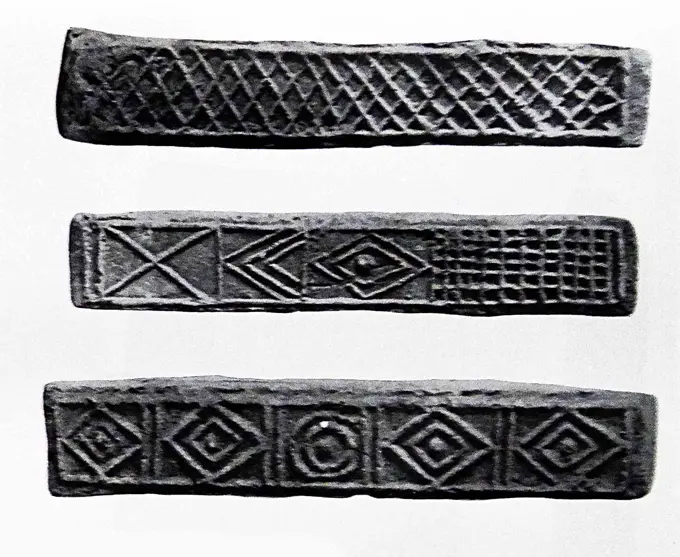
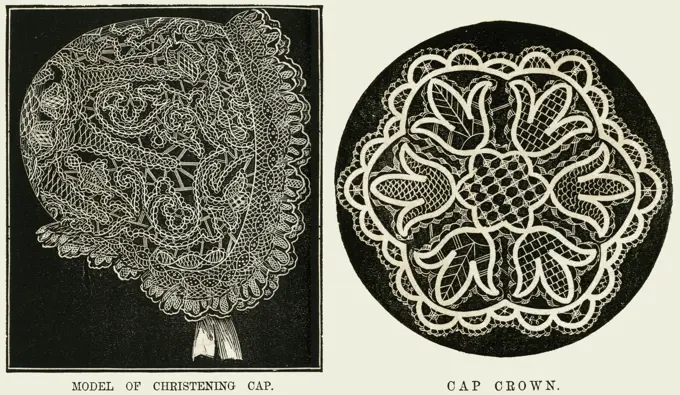
Book clasp late 17th century possibly French. Book clasp 192391Book Illustration, Birmingham Brass Catalog, Ornaments with Spikes, plate 50Fragment. Dimensions: 3 9/16 in. high 3 9/16 in. wide (9 cm high 9 cm wide). Date: 3rd-4th century. Museum: Metropolitan Museum of Art, New York, USA.Textile Fragment 3rd-4th century. Textile Fragment 443245Textile Fragment 3rd-4th century. Textile Fragment 443264Brigandine ca. 1540-50 Italian. Brigandine 27301Pair of bell pulls French 19th century View more. Pair of bell pulls. French. 19th century. Gilt bronze. Metalwork-Gilt BronzeFrame French early 18th century View more. Frame. French. early 18th century. Gilt bronze. Metalwork-Gilt BronzeVase ornament French 18th century View more. Vase ornament. French. 18th century. Gilt bronze. Metalwork-Gilt BronzeRaymond Manupelli, Sampler, c 1937 SamplerDecoration of the Jahangir Mahal in Orchha. Madhya Pradesh, India Detailed decoration in the red sandstone in the Jahagir Mahal palace in Orchha. The palace was built by Vir Sight Deo - the Bundela ruler of the Bundelkhand - for the Mughal emperor Jahangir who spent here one night. Madhya Pradesh, India Copyright: xZoonar.com/RadekxKucharskix 4580375Piece 19th century Japan. Piece 67946Cardinal's armorial. Culture: Italian. Dimensions: L. 12 x W. 11 inches (30.5 x 27.9 cm). Date: 17th century (). Museum: Metropolitan Museum of Art, New York, USA.Strip 17th century Italian or Swiss. Strip 222772illustration of English tales, folk tales, and ballads. OrnamentPiece Italian 17th centuryTraditional sieve, Wayana Indians tribe, French Guiana, South America. Drawing by P. Sellier. From Cayenne to the Andes (1878-1879) by Jules Crevaux (1847 - 1882) Le Tour du Monde 1880Nested Boxes with Chrysanthemums (outer box), early 1900s. Japan, Meiji period (1868-1912). Lacquer; overall: 1.1 x 12.1 x 9.2 cm (7/16 x 4 3/4 x 3 5/8 in.).Kylix. Attributed to the Del Chiaro PainterTop tiles: excavated at the riverside of the Taedong, Pyongyang, Pyongan Namdo. From Lelang Commandery period (BCE 108 - 313). Bottom tiles: used in the Tomb of Chang Mui, the Governor of Taifang Province, Four Commanderies of Han period (108BCE - 313)Piece 20th century China. Piece 69877Rank Badge with Mandarin Duck 18th century China. Rank Badge with Mandarin Duck 68899Fragment. Dimensions: 4 1/8 in. high 4 5/16 in. wide (10.5 cm high 11 cm wide). Date: 3rd-4th century. Museum: Metropolitan Museum of Art, New York, USA.Point lace babies christening cap, with the finest French lacet pattern, is worked flat when attached to the crown the design is divided into seven parts, joined together with hem-stitch forming the shape of the head leaving a circle in the centre for the crown.     Date: 1864