Historic Trade Cards

Charming vintage trade cards featuring children and whimsical designs, promoting tobacco products from the late 19th century.
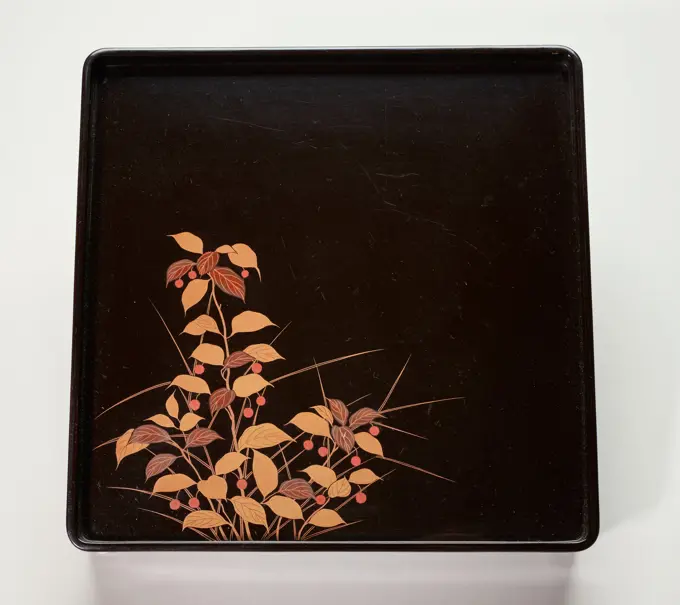
Small Serving Tray with Spearflower Design, late 18th century, Attributed to Yamamoto Shunshō VI, Japanese, died 1803, 2 1/2 × 10 3/4 × 10 3/4 in. (6.35 × 27.31 × 27.31 cm), Lacquer, Japan, 18th century, Originally from a set of ten, the five trays on display here show a variety of plant motifs associated with the seasons, and executed in hiramaki-e (low sprinkled picture) with gold and pigmented powders. The bottom of one of the trays bears the seal 'Shunshō,' for the family of lacquer artisans. The Shunshō school was established by Yamamoto Shunshō (1610-1682) and continued on until the end of the 19th century. Shunshō I was well known for his mastery of the togidashi-e (polished out picture) technique, which is used on these pieces. However, the naturalism of the plant designs indicates that this is a later piece by either Shunshō V (Jirobei, b. 1734) or VI (Masanori, d. 1803).
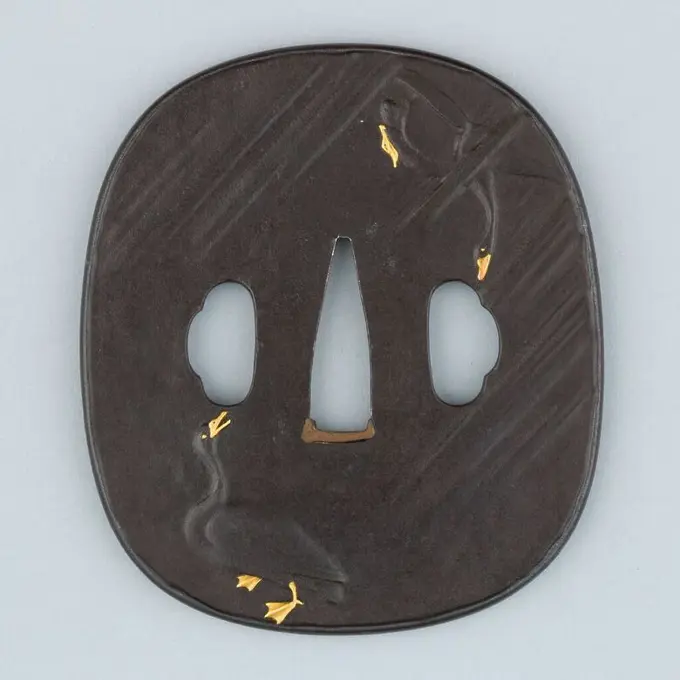
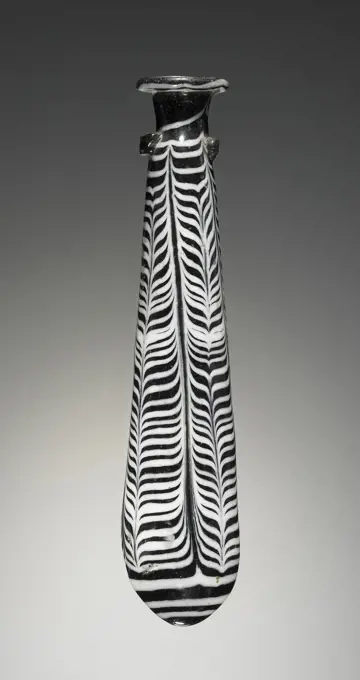
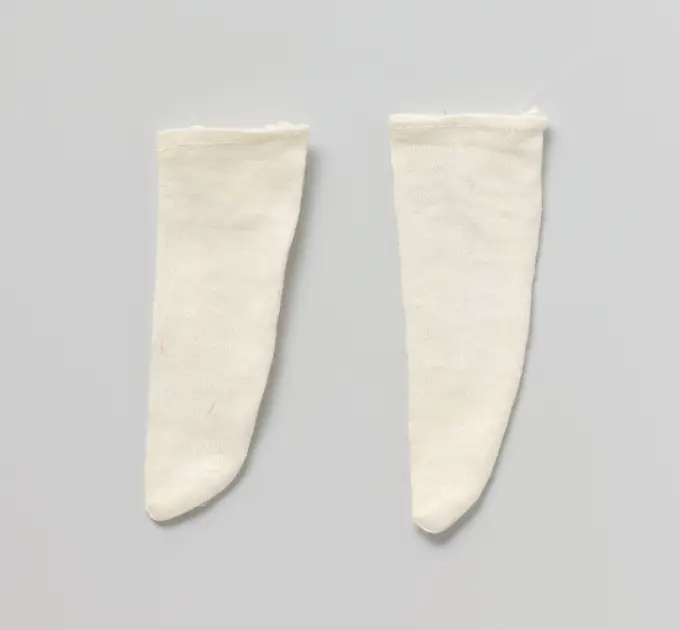
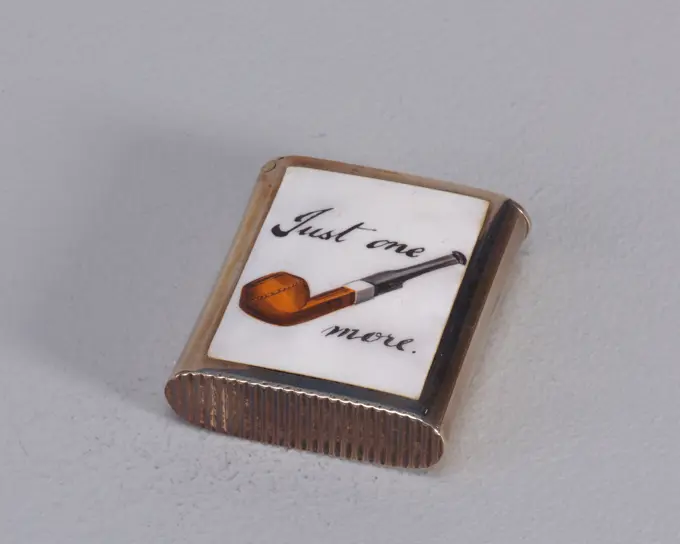
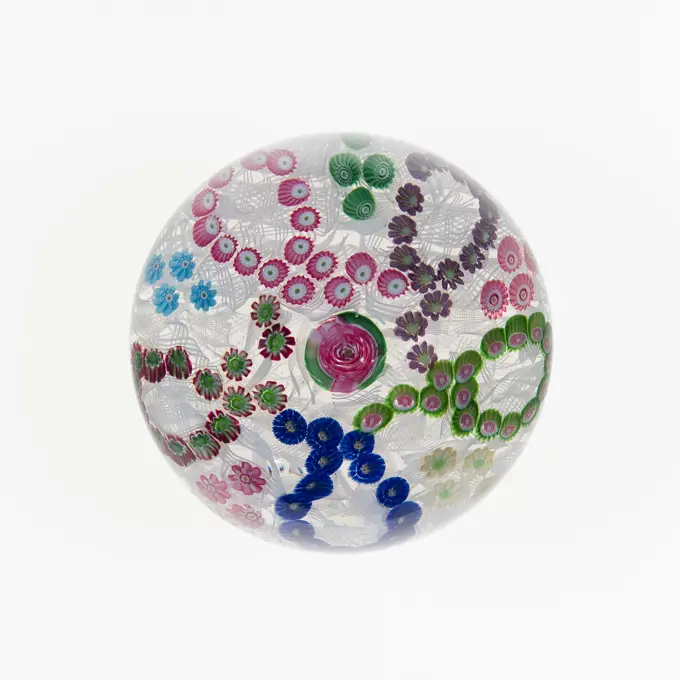
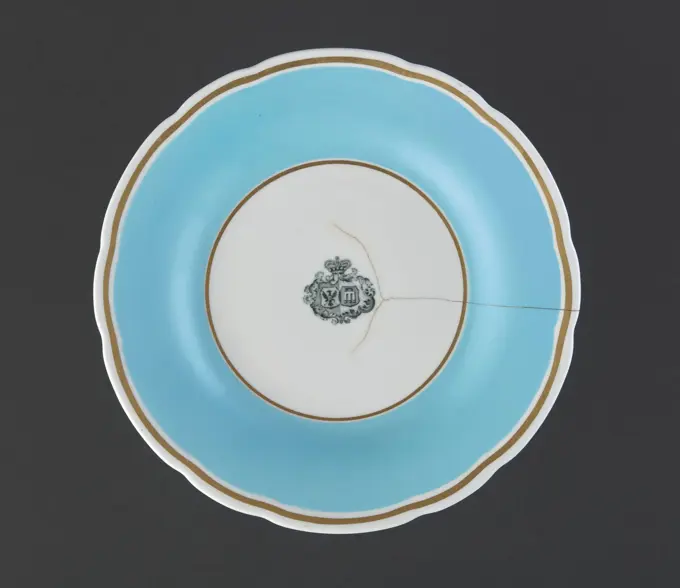
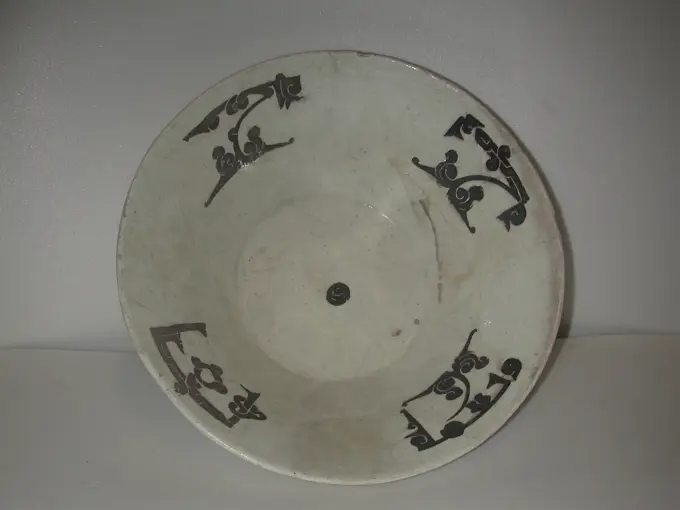
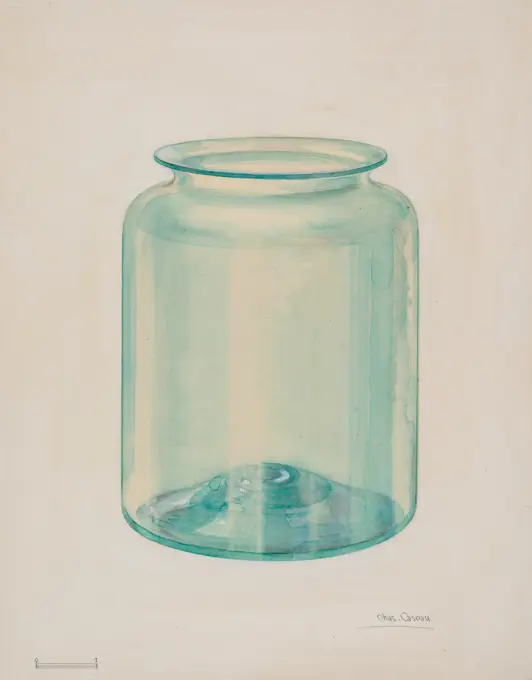
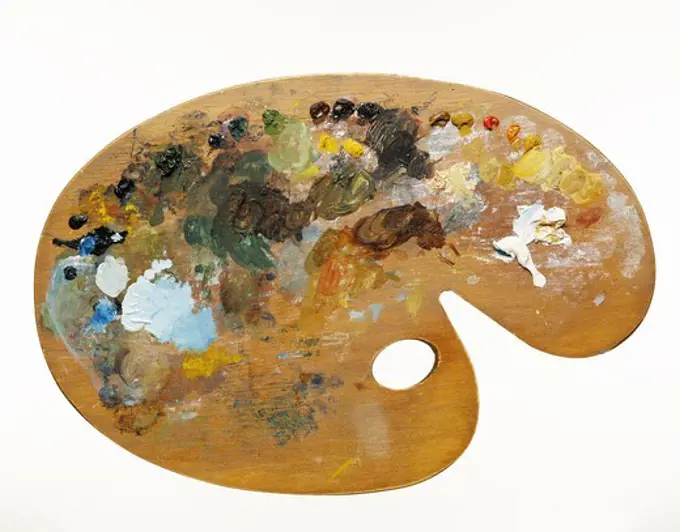
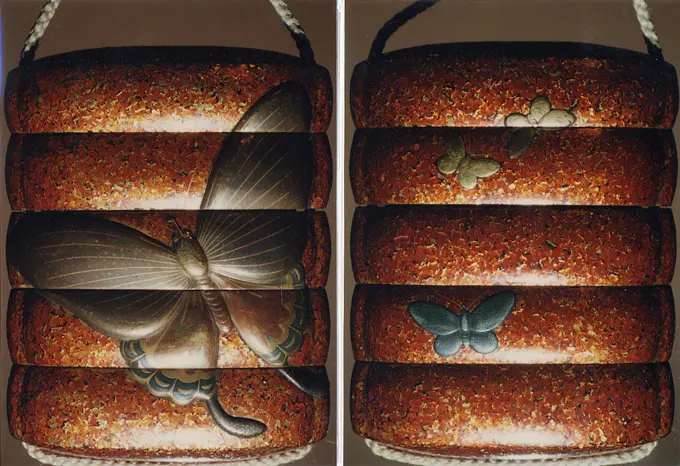
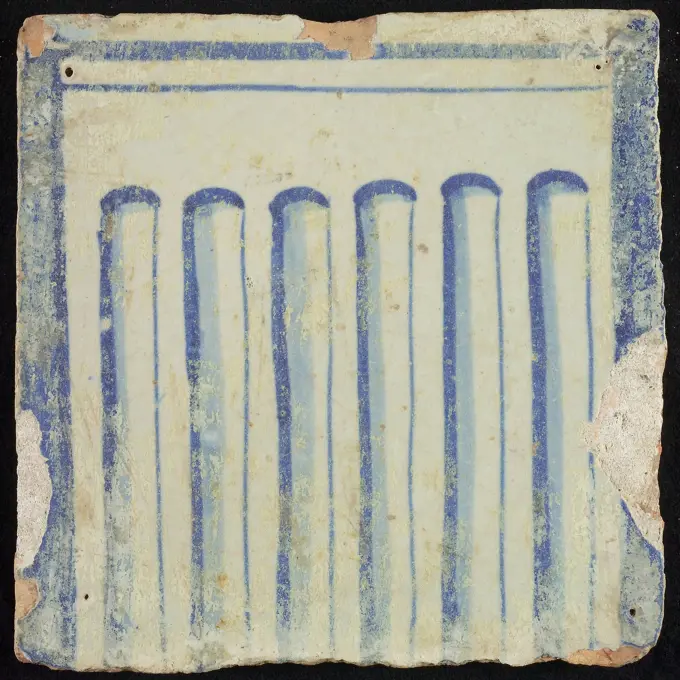
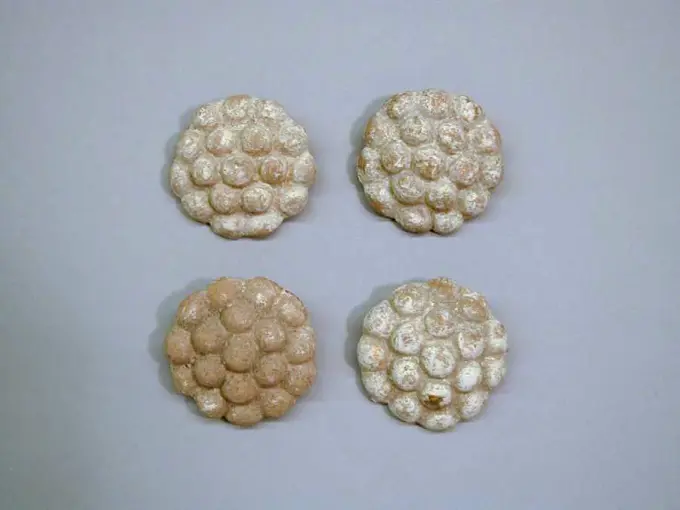
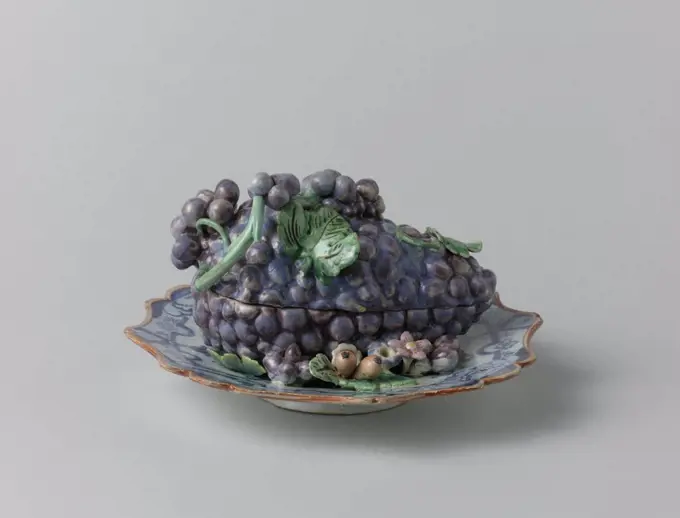
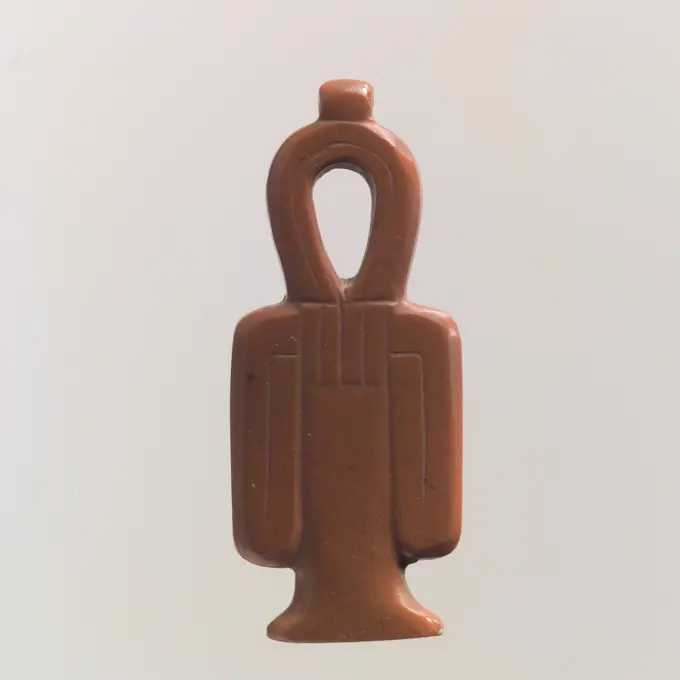
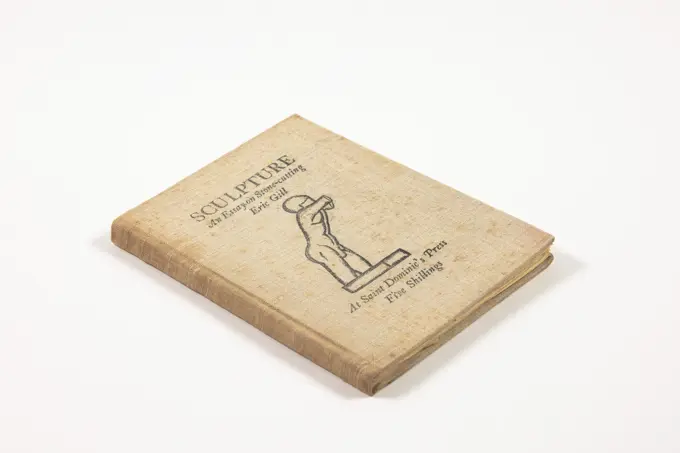
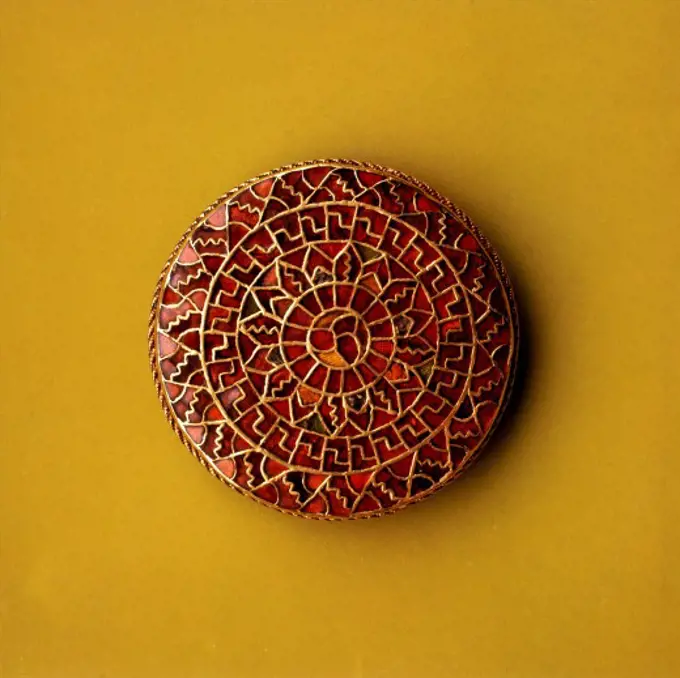
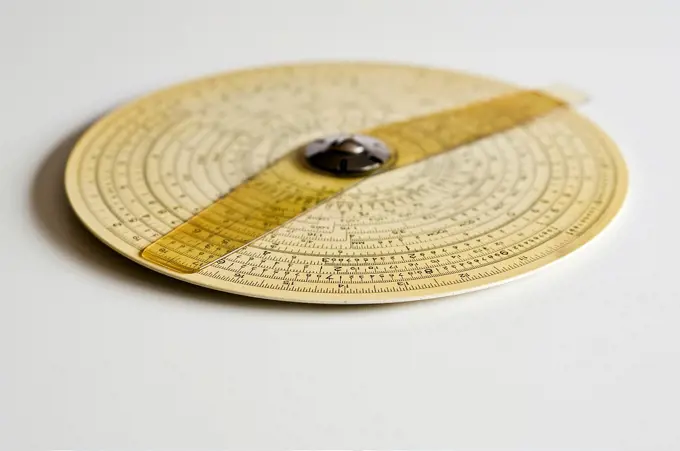
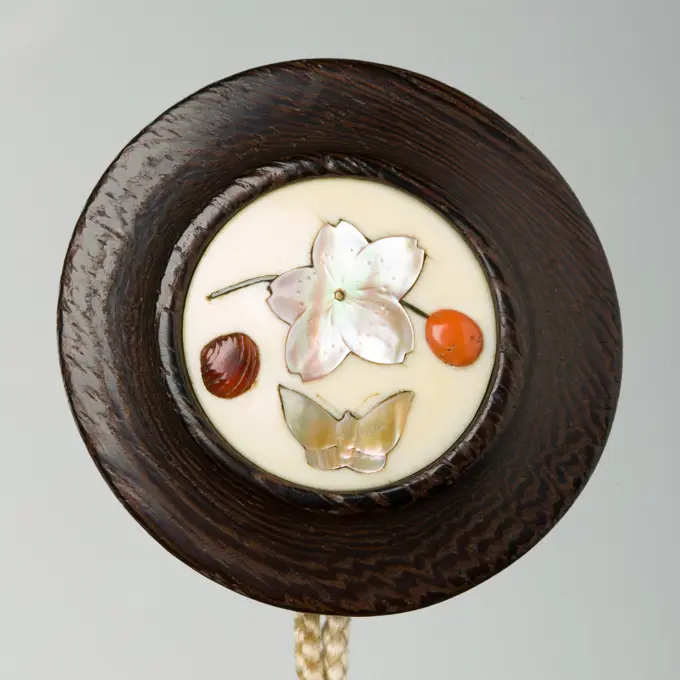
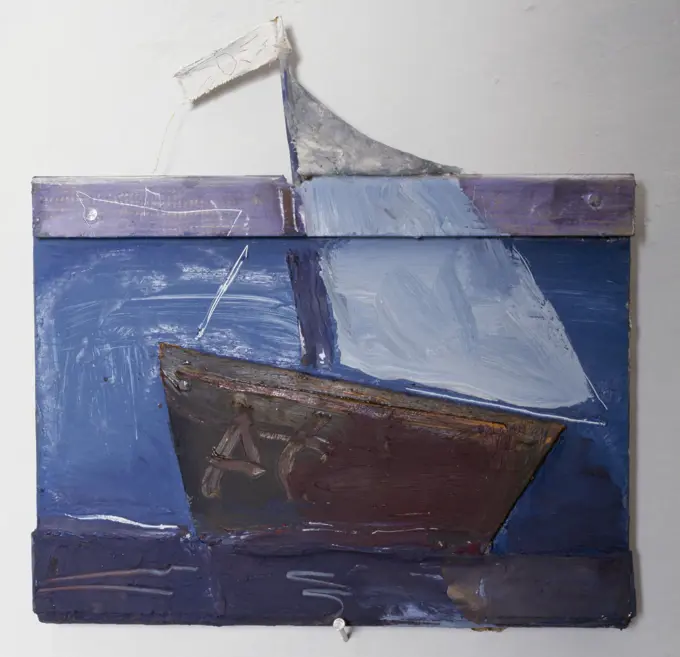
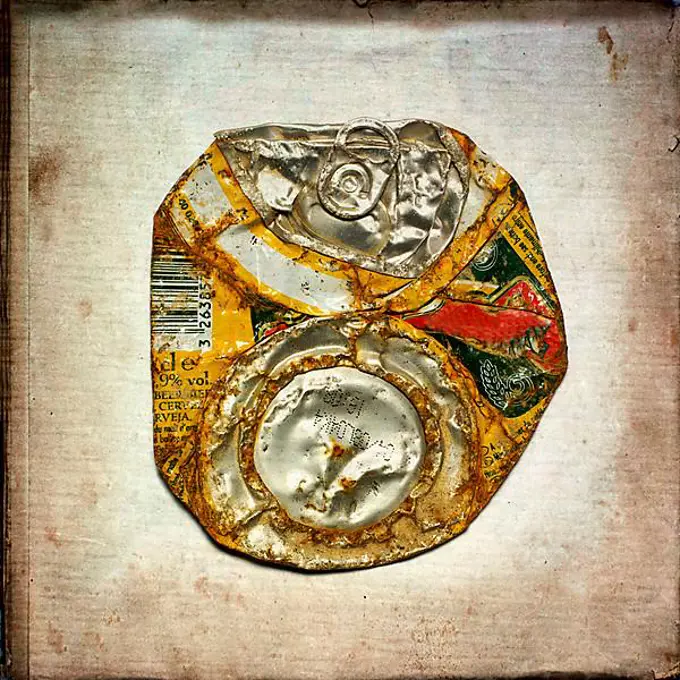
frozen forest on cold planet in winter morning little planet - blue frozen forest on cold planet in winter morning isolated on white background Copyright: xZoonar.com/ValeryxVoennyyx 5714740Paperweight 1841-1860 France. The colorful geometric clusters embedded in this paperweight reflect the nineteenth-century European fascination with optical effects. Sir David Brewster invented the kaleidoscope in 1815, and its colorful and changing patterns brought great visual entertainment. Paperweights such as this example reformed this childlike pastime for a sophisticated adult audience. Depicted in glass were tiny glittering flowers, small black and blue cameos of figures, and even miniature bottlecaps. These were delicately arranged within the orb for the observant eye to discover.From the late 1840s to early 1860s, French manufacturers of fine glass and crystalósuch as Baccarat (Alsace), Clichy (Paris), and Saint-Louis (Lorraine)ócatered to the vast public enthusiasm for beautiful yet functional desk accessories. Paperweights, which were designed to secure loose papers against drafts, were among their most popular products.. Glass . Baccarat Glassworks (Manufacturer)Empty round ceramic plate as an item of kitchen utensils on a textured concrete backgroundForest pansy, Cercis canadensis heart shaped autumn leaves, Backlit on white and arranged in a pile, with most detiorated ones at the bottom and the freshest one dropping onto the top.Sword Guard (Tsuba). Culture: Japanese. Dimensions: H. 3 1/4 in. (8.3 cm); W. 2 7/8 in. (7.3 cm); thickness 3/16 in. (0.5 cm); Wt. 5.3 oz. (150.3 g). Date: ca. 1860. Museum: Metropolitan Museum of Art, New York, USA.Alabastron; Olbia (perhaps), Ukraine; 2nd - 1st century B.C; Glass; 12.2 cm (4 13,16 in.)Square Wall Tile ca. 1390-1353 B.C. New Kingdom. Square Wall Tile. ca. 1390-1353 B.C.. Faience. New Kingdom. From Egypt, Upper Egypt, Thebes, Malqata, Palace of Amenhotep III, MMA excavations, 1916-17. Dynasty 18Wall Facing (Holland); tin-glazed earthenware, underglazeHarry G Aberdeen, Watch, Frame and Case, c 1936 Watch, Frame and CaseScandinavian wall art posterPaperweight 1840-1865 Baccarat. Technological improvements to optical scientific instruments in the mid-nineteenth century spurred a veritable obsession across Europe with identifying and classifying the natural world. Amateur botanists were eager to collect and preserve floral specimens, which they intently researched and catalogued. In response to this broad appeal, French glassmakers made paperweights that portrayed the very botanical subjects that were so enthusiastically sought. Many weights represented specimens with horticultural correctness, but others were entirely fanciful creations. Paperweights like this example speak to the periodís fascination with taxonomic systems.From the late 1840s to early 1860s, French manufacturers of fine glass and crystalósuch as Baccarat (Alsace), Clichy (Paris), and Saint-Louis (Lorraine)ócatered to the vast public enthusiasm for beautiful yet functional desk accessories. Paperweights, which were designed to secure loose papers against drafts, Hand drawn organic cut out flowers in modern style abstract square posters. Wall posters by henri matisse style. Hand drawn organic cut out flowers in modern style abstract square postersAttic Black-Figure Neck Amphora Fragment (comprised of 5 Joined Fragments). Unknown about 510 B.C.Paperweight 1840-1865 France. The colorful geometric clusters embedded in this paperweight reflect the nineteenth-century European fascination with optical effects. Sir David Brewster invented the kaleidoscope in 1815, and its colorful and changing patterns brought great visual entertainment. Paperweights such as this example reformed this childlike pastime for a sophisticated adult audience. Depicted in glass were tiny glittering flowers, small black and blue cameos of figures, and even miniature bottlecaps. These were delicately arranged within the orb for the observant eye to discover.From the late 1840s to early 1860s, French manufacturers of fine glass and crystalósuch as Baccarat (Alsace), Clichy (Paris), and Saint-Louis (Lorraine)ócatered to the vast public enthusiasm for beautiful yet functional desk accessories. Paperweights, which were designed to secure loose papers against drafts, were among their most popular products.. Glass . Clichy GlasshouseStocking, long, from white jersey, anonymous, c. 1890 - c. 1910 Stocking, long, from white jersey. Part of a few. Belonging to girl's baby pop. Germany Stocking, long, from white jersey. Part of a few. Belonging to girl's baby pop. Germany"Just One Pipe More" Matchsafe; England; silver, enamel; 3.9 x 3.3 x .9 cm (1 9/16 x 1 5/16 x 3/8 in. )creative composition with paper airplanesAsian brass gong golden round isolated on dark redDifferent pearls in shellInvitation envelope on wood close upRetro fan of green color as decorationPaperweight 1840-1865 Clichy. This paperweight uses a traditional glass-making technique called millefiori to great effect. Italian for ìone thousand flowers,î millefiori was first developed in fifteenth-century Venice. In the nineteenth century, French glassmakers revived the technique with a cultural twist. Arranged to evoke traditional French gardens such as the Tuileries in Paris, paperweights like this example brought a little of this landscaping magic indoors.From the late 1840s to early 1860s, French manufacturers of fine glass and crystalósuch as Baccarat (Alsace), Clichy (Paris), and Saint-Louis (Lorraine)ócatered to the vast public enthusiasm for beautiful yet functional desk accessories. Paperweights, which were designed to secure loose papers against drafts, were among their most popular products.. Glass . Clichy Glasshousesemicircle from dried leavesGift Bowl, c. 1900. California, Pomo, 20th century. Sedge with mallard, quail, acorn woodpecker feathers, clam and abalone shells; coiled (3 rods); overall: 3 x 16.5 cm (1 3/16 x 6 1/2 in.).Plate -Paterka; Chamberlain & Co (England; Porcelain Factory; 1788-1852); 1811-40 (1840-00-00-1845-00-00);Still life of big shiny silver Christmas bow.Anonymous. Plate. Earthenware. Paris, Carnavalet museum. 71680-46 Decoration, faience, nation, revolutionary period, French revolution, plateCollier with heart of textile and papier maché, c. 1990 Halshery of mesh -like green at the ends tied together textile with a heart -shaped pendant papier maché with a round yellow faceted stone of glass, below a round -faceted stone of blue glass and a fragment of a reproduction of a painting. Netherlands textile materials. papier mâché. glass. paint (coating) Halshery of mesh -like green at the ends tied together textile with a heart -shaped pendant papier maché with a round yellow faceted stone of glass, below a round -faceted stone of blue glass and a fragment of a reproduction of a painting. Netherlands textile materials. papier mâché. glass. paint (coating)Enkolpion. Warsztat grecki (fl. 1550-1650), workshopModern Black granite background and white podium show cosmetic product geometric. 3D renderingOliveBowl 10th century The floriated kufic script used to decorate this bowl is especially well suited for writing on stone, wood, ceramics, or metal because of its angularity, and it developed freely since its early use in the ninth century. The inscription on this bowl, divided visually rather than following rules of grammar, reads: "Blessing and well-being to the owner.". Bowl. 10th century. Earthenware; white slip with incised black slip decoration under transparent glaze. Attributed to Iran or present-day Uzbekistan, Nishapur or Samarqand. CeramicsDish with Crane amid Floral Scrolls 1115-1199 China. Ding ware; porcelain with underglaze mold-impressed decoration; metal rim .Charles Caseau, Jar, c 1936 JarPaint on a palette.Podium with golden silk material on the white background. Elegant podium for product, cosmetic presentation. Luxury mock up. Pedestal or platform for beauty products. Empty scene. 3D rendering. Podium with golden silk material on the white background. Elegant podium for product, cosmetic presentation. Luxury mock up. Pedestal or platform for beauty products. Empty scene. 3D rendering.Peace lily Spathiphyllum dried up bloom isolated on white backgroundCase (Inrō) with Design of Butterflies 18th-19th century Japan. Case (Inrō) with Design of Butterflies 58723dry leaves dry leaves on long cramped in vase. studio shot Copyright: xZoonar.com/sad444i.uax 3093210Plate of earthenware, painted with the "Los" pattern, N.V. Plateelbakkerij Ram, c. 1925 Plate of earthenware, painted with the "loose" pattern in the colors blue, yellow, green, brown, pink and purple. Design Colenbrander. Marked: 27 with partial sign including a C.; factory stamp; "Los" and G.B.; 27 (Inganglift) and 1559. Arnhem earthenware Plate of earthenware, painted with the "loose" pattern in the colors blue, yellow, green, brown, pink and purple. Design Colenbrander. Marked: 27 with partial sign including a C.; factory stamp; "Los" and G.B.; 27 (Inganglift) and 1559. Arnhem earthenwaregray watercolor banners set of fourstone tower isolated on white backgroundTile of chimney pilaster, blue on white, part of column with cannelure, chimney pilaster tile pilaster footage fragment ceramics pottery glaze, baked 2x glazed painted Tile part of chimney pilaster originally twelve high Red shard square four nail holes. Blue on white fond. Tile forms part of single-row pilaster in Renaissance style and shows the top of fluted column Shade left middle above and diagonally underneath but unreadable 1 or 4 1914 construction City Hall Zandstraat Quarter Second World War War Bombardment Rotterdam City Triangle 1940 Renaissance Coming from rubble after bombing on Rotterdam in May 1940.Arrowhead ca. 18th-19th century probably Tibetan or Chinese. Arrowhead. probably Tibetan or Chinese. ca. 18th-19th century. Iron. Archery Equipment-ArrowheadsFour terracotta disks 3rd-early 2nd century B.C. Greek, South Italian Similar objects have been found in tombs at Tarentum (modern Taranto), from which it is clear that they formed part of an elaborate funerary wreath. The terracotta disks, representing clusters of buds or berries, would have been strung on a wire frame together with gilded bronze leaves. Such wreaths would have been a clever but relatively inexpensive way of honoring the dead.. Four terracotta disks 248720Holzrahmen - Wooden frame Holzrahmen - Wooden frame Copyright: xZoonar.com/lantapixx 6677471Vintage looking Arrow sign Vintage looking Arrow sign showing street road driving direction - isolated over white background - isolated over white background Copyright: xZoonar.com/ClaudioxDiviziax 9737514Shards of signs from V.O.C. ship De 'Witte Leeuw', Before 1613 plate (dishes) Shards of signs from V.O.C. ship De 'Witte Leeuw'. Jingdezhen bone china (material)   Sint-HelenaPaper airplane in wooden boxSword Guard (Tsuba). Culture: Japanese. Dimensions: H. 2 13/16 in. (7.1 cm); W. 2 5/8 in. (6.7 cm); thickness 3/16 in. (0.5 cm); Wt. 4 oz. (113.4 g). Date: early 19th century. Museum: Metropolitan Museum of Art, New York, USA.Christmas cookie cutters on slate WAFS Pilot 6 paper doll accessories , Shoes, Hats, Hair ornaments, United States. Women's Auxiliary Ferrying Squadron. Phyllis Tyler Paper Doll CollectionGeometric shapes hanging on wall, 3d renderingShards of signs from the wreck of the East India Hollandia.Porcelain, Plate, Type 4; Fragm or RIM.Vector autumn cover notebook. Graphic Background with wheat, bird. Brown, beige autumn colors. Minimal natural Boho style. Design notebook, card, stories, postcard, cover, invitations.. Vector autumn cover notebook. Graphic Background with wheat, bird. Brown, beige autumn colors.Engraved Gem. Unknown 2nd-1st century B.C. Eros with the attributes of Herakles; he stands right, carrying a club and lionskin over his left shoulder and a bow case in his right hand; groundline. His body has a full rounded shape and is well modeled; the hair and face are detailed by short lines, and there is pelletlike drill work in the wing and club.Terrine, in the form of a bunch of grapes, Blankenburg, Arie Blankers, c. 1756 - c. 1764ship in a bottle little ship in a bottle from glass Copyright: xZoonar.com/IvonnexWierinkx 6568239Parasol ca. 1860 American. Parasol 122047Sword Guard (Tsuba). Culture: Japanese. Dimensions: H. 2 7/8 in. (7.3 cm); W. 2 13/16 in. (7.1 cm); thickness 1/4 in. (0.6 cm); Wt. 5.9 oz. (167.3 g). Date: ca. 1615-1868. Museum: Metropolitan Museum of Art, New York, USA.Broche de Manel Capdevila, 1937. Colección privada.Tit (Isis knot) amulet ca. 1550-1275 B.C. New Kingdom The tit symbol (pronounced teet) illustrates a knotted piece of cloth whose early meaning is unknown, but in the New Kingdom it was clearly associated with the goddess Isis, the great magician and wife of Osiris. By this time, the tit was also associated with blood of Isis. The tit sign was considered a potent symbol of protection in the afterlife and the Book of the Dead specifies that the tit be made of blood-red stone, like this example, and placed at the deceased's neck.Knots were widely used as amulets because the Egyptians believed they bound and released magic (for another amuletic knot see 27.3.398).. Tit (Isis knot) amulet. ca. 1550-1275 B.C.. Jasper. New Kingdom. From Egypt, Northern Upper Egypt, Abydos, Cemetery D, Tomb D33, Egypt Exploration Fund excavations, 1899-1900. Dynasty 18Sword Guard (Tsuba). Culture: Japanese. Dimensions: H. 2 1/2 in. (6.4 cm); W. 2 1/8 in. (5.4 cm); thickness 3/16 in. (0.5 cm); Wt. 3.3 oz. (93.6 g). Date: ca. 1615-1868. Museum: Metropolitan Museum of Art, New York, USA.Paperweight 1840-1865 France. Glass . Compagnie de Saint LouisSculpture: An essay on stone-cutting, with a preface about God. livres de peintres, works on paperSquare and fragmentfine arts, middle ages, Frankish, Merovingian fibula, Soest, grave 106, 7th century, Burghof Museum, Soest, North Rhine Westphalia, jewelry, gold, Germanic Peoples, Franks,Bamboo plate with chopsticksMinimalistic printable art wall postersCrenelPrintable wall art vector poster. Hand drawn minimalism design for scandinavian interior.. Printable wall art vector postervector vintage easter greeting card: white lacy napkin on  seamlpalette with paint on white backgroundList, anonymous, c. 1970 - c. 2000 frame List of white wood.  wood (plant material). Perspex (TM)bunte Plastikstrohhalme mit Verbotsschild colorful plastic straws with probibition sign BLWS708521 *** Bunte Plastikstrohhalme with Prohibition sign Colorful Plastic straws With probibition Sign BLWS708521 Copyright: xblickwinkel/SteidixA sash from the funeral of Adam Mickiewicz in Krakow on July 4, 1890Easel for painting, tubes of oil paint and brushes. Artistic studioCd mockup with coverSalt and pepper in Altai Republic Siberia.Binary Concentric Slide Ruler on white background.Top view of drum leather isolated on white background.with clipping pathVector greeting card or cover with bow. Space for your text or picture.Abstract black stage podium decoration suitable for products.3D renderingCDK unknownPrintable wall art vector poster. Hand drawn minimalism design for scandinavian interior.. Printable wall art vector posterStill life petals floral conceptualism wall art print. Printable minimal abstract petals poster. Contemporary decorative background with conceptualism. Wall artwork for interior design.. Still life petals floral wall art print(TITULO SIN IDENTIFICAR) - SIGLO XXI. Author: VICTORIA CIVERA REDONDO 1955/. Location: GALERIA SOLEDAD LORENZO. MADRID. SPAIN.Button, Painted copper, Concave button painted in design of Persian cone motive (red and blue) on yellow ground with black border; copper shank. On card 10., France, 19th century, costume & accessories, Decorative Arts, Buttontwo brown and black vases with dry wood isolated on whitePerfume Sprinkler 9th-12th century. Perfume Sprinkler 453897three dimensional mixed media composition of a boat, by French-Algerian artist Yves Baume; Born 1933Machinale tulle with Clunykant cuff and decorated with blue ribbon and velvet, anonymous, c. 1860 Under sleeve, balloon -shaped, from machine tulle. The sleeve is cut halfway. The clunykant cover cuff is submitted with blue ribbon, and has a bow of blue velvet on top. With two knots on the cuff. NetherlandsFrance (possibly) manchet:. manchet: ribbon (material). strik: velvet (fabric weave). knoop: mother of pearl Cluny lace Under sleeve, balloon -shaped, from machine tulle. The sleeve is cut halfway. The clunykant cover cuff is submitted with blue ribbon, and has a bow of blue velvet on top. With two knots on the cuff. NetherlandsFrance (possibly) manchet:. manchet: ribbon (material). strik: velvet (fabric weave). knoop: mother of pearl Cluny laceCrushed and rusty beer canSculpture with Colour (Oval Form) Pale Blue and Red. Barbara Hepworth (1903-1975). Painted wood and coloured string. Created in Cornwall in 1943. 50cm long , including base.Riverbank with Mountains and Trees (from Sketchbook). Artist: Albert Bierstadt (American, Solingen 1830-1902 New York). Dimensions: 4 3/4 x 7 3/4 in. (12.1 x 19.7 cm). Date: 1890. Museum: Metropolitan Museum of Art, New York, USA.Glass Fragment 14th century () European. Glass Fragment. European. 14th century (). Pot metal glass. Glass-StainedAmazonehoed from Zwart Felt, Fa. Frans Pauwels, c. 1890 - c. 1900 Amazonehoed from Zwart Felt. Stiff cap hat, fairly flat and somewhat oval. Inside a cream leather headband and a white silk capaline with address: Frans Pauwels/Hofveranciers/'s-Gravenhage. The Hague whole: Felt (textile). lining: Leather. Lining: Silk Amazonehoed from Zwart Felt. Stiff cap hat, fairly flat and somewhat oval. Inside a cream leather headband and a white silk capaline with address: Frans Pauwels/Hofveranciers/'s-Gravenhage. The Hague whole: Felt (textile). lining: Leather. Lining: SilkVintage Photograph. A still life of a grapes on a vine.