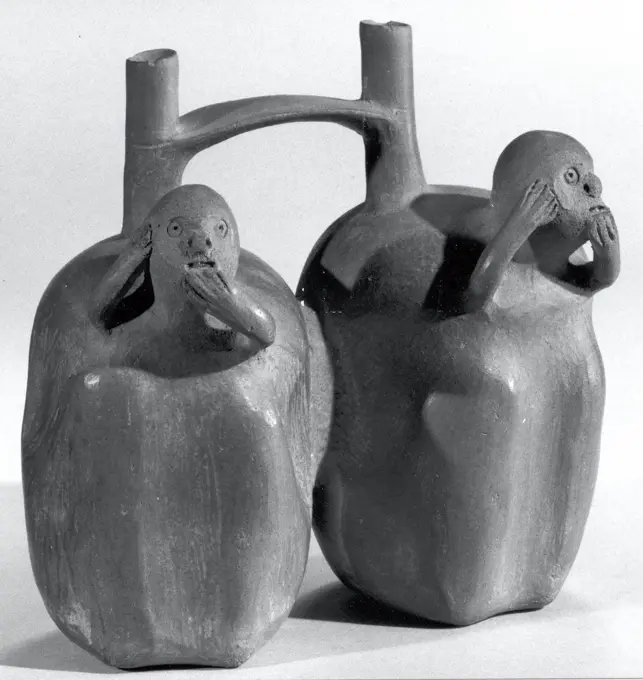
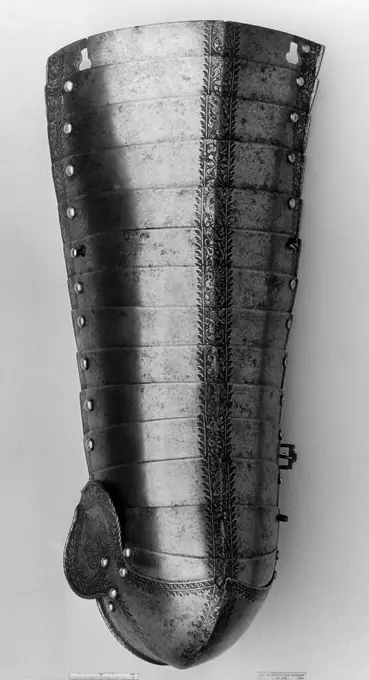
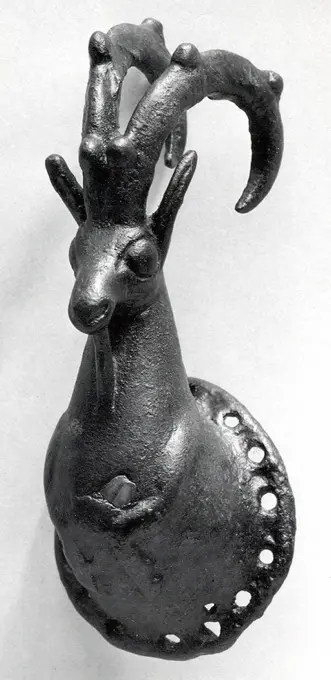
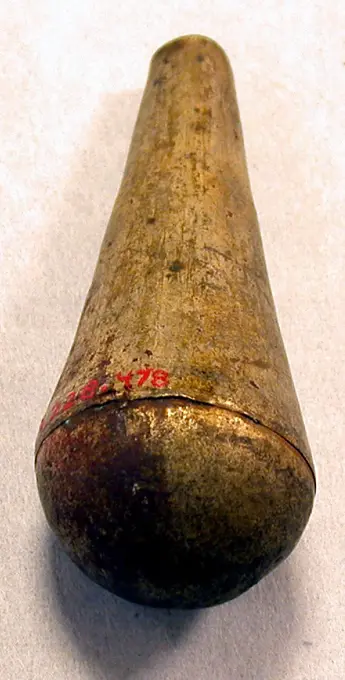
Historic Vases Collection

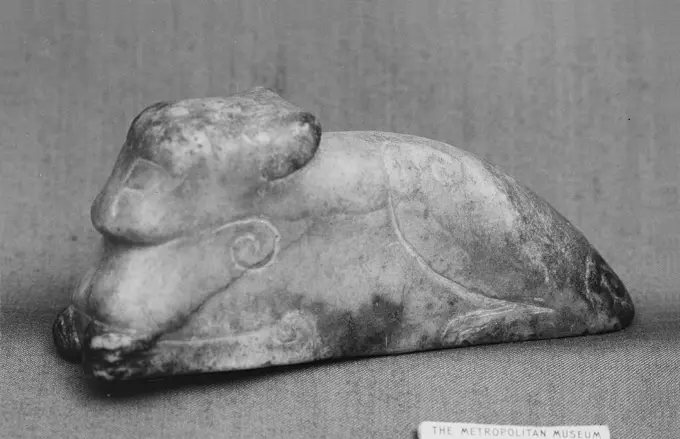
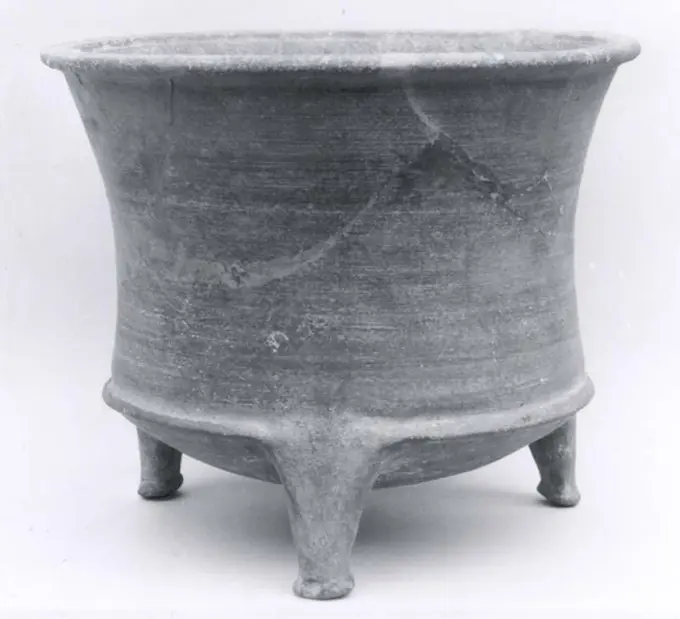
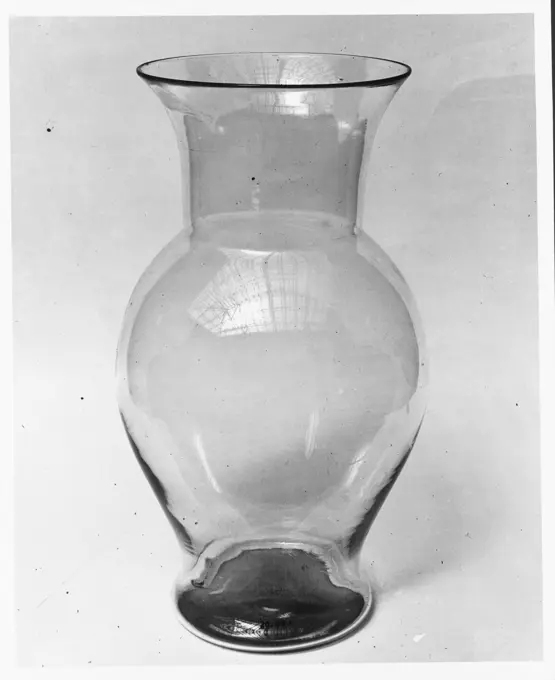
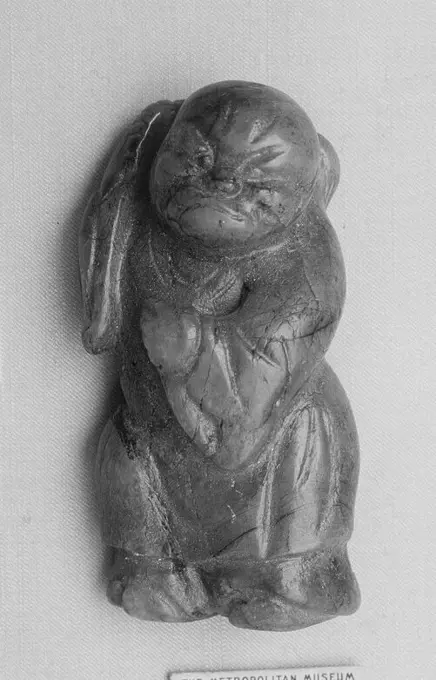
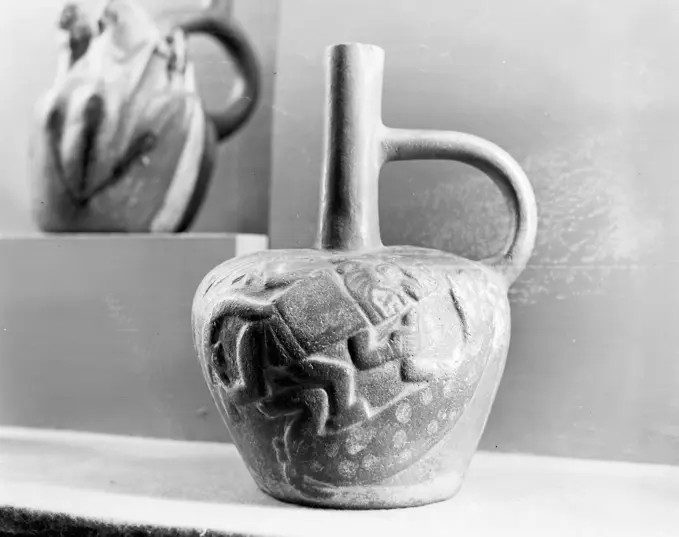
A set of vintage vases from China and Japan, showcasing intricate designs and historical significance, captured in monochrome for a timeless feel.

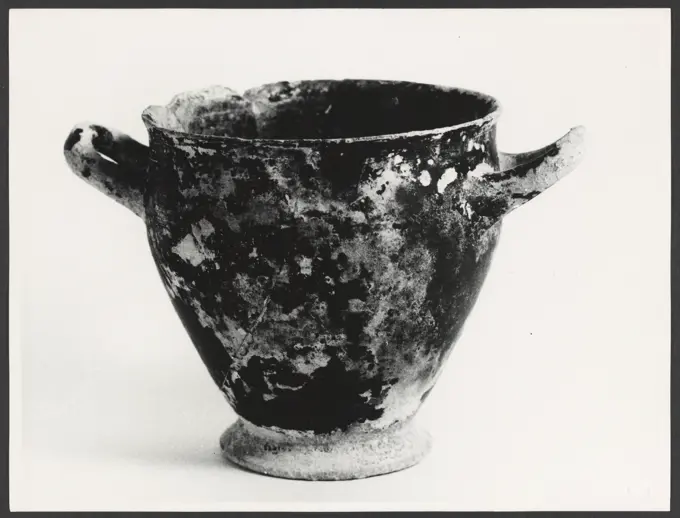
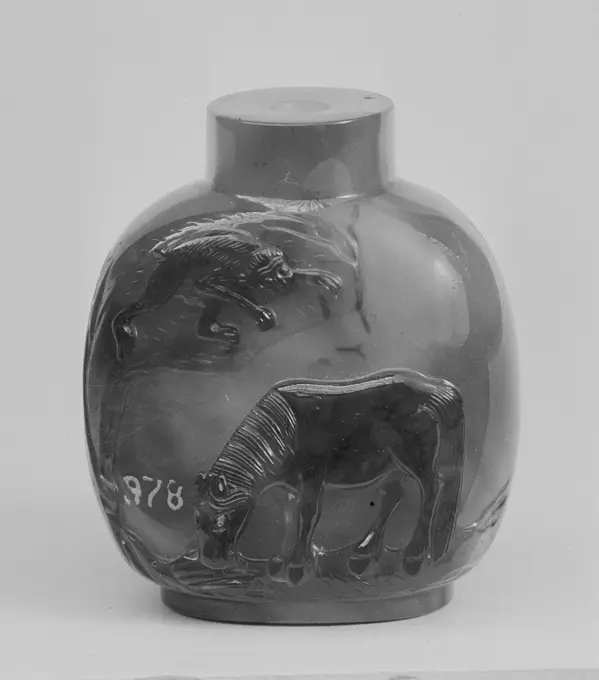
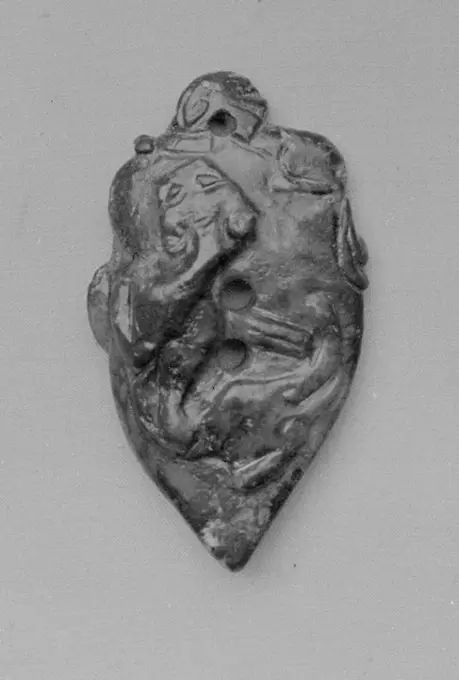
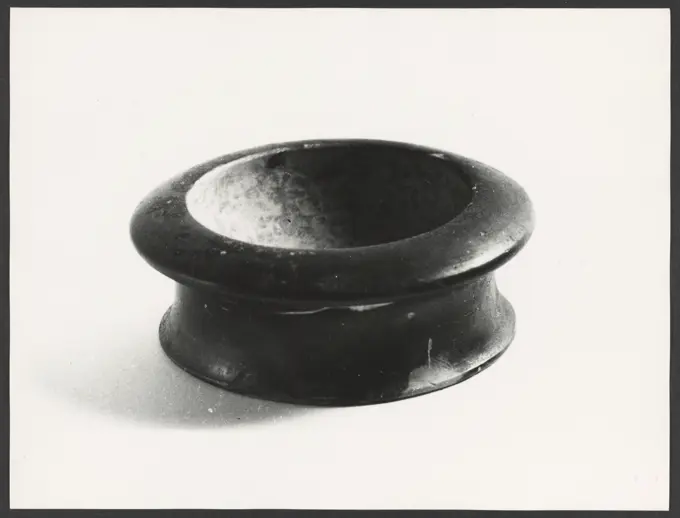
Vase China. Vase. China. Nephrite. Ming dynasty (1368-1644). Jade
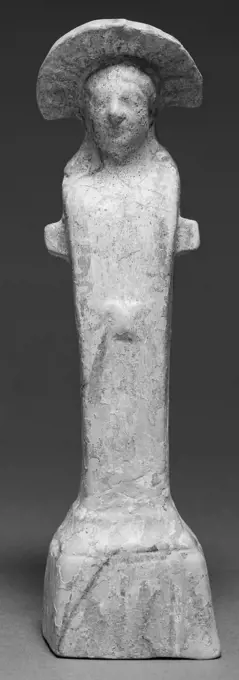
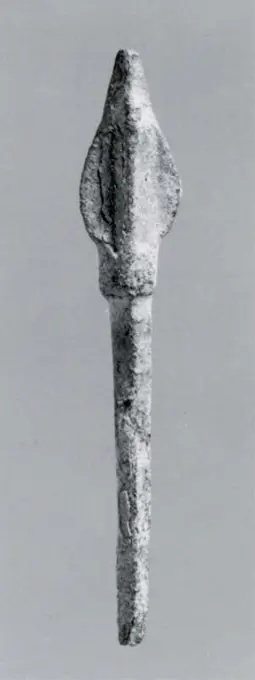
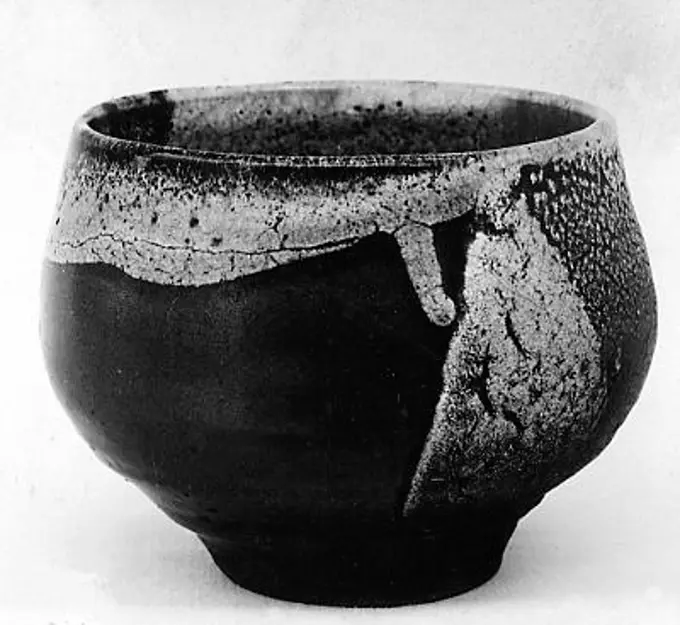
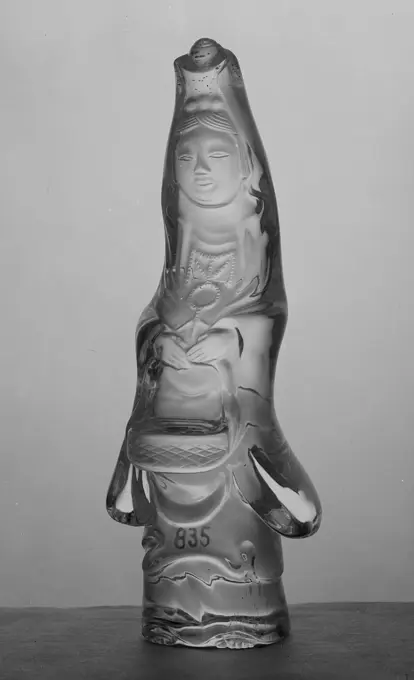
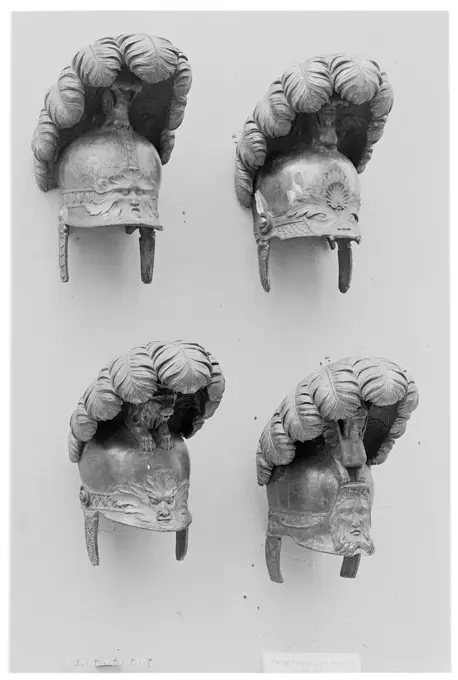
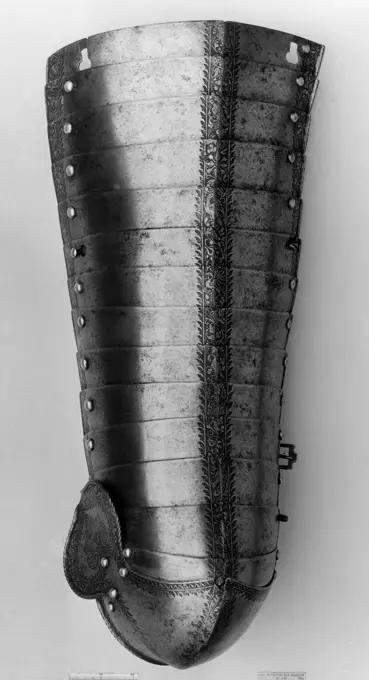
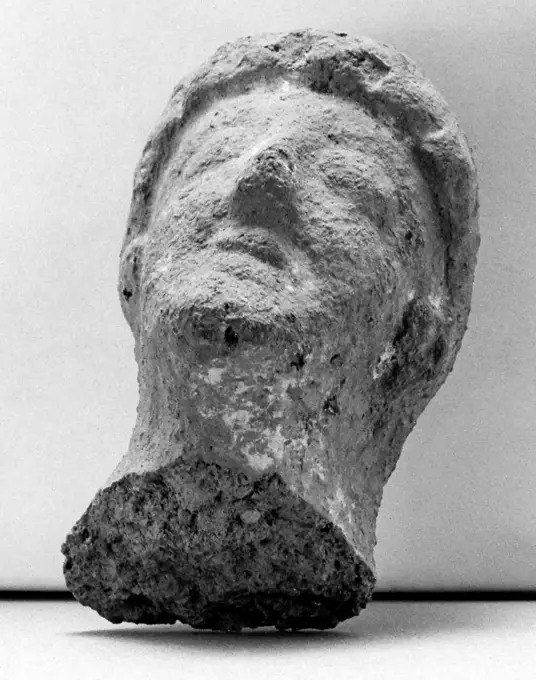
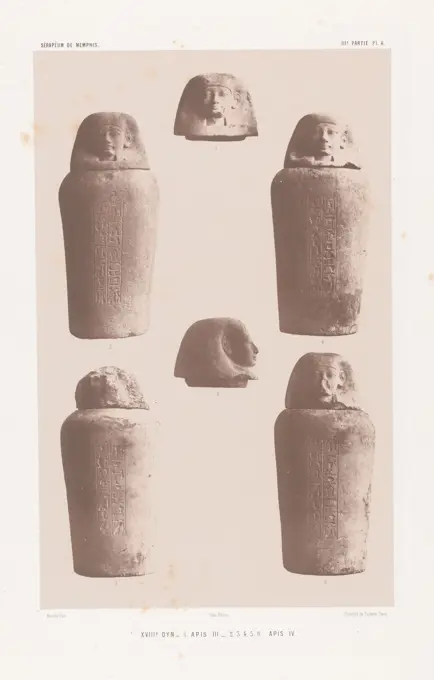
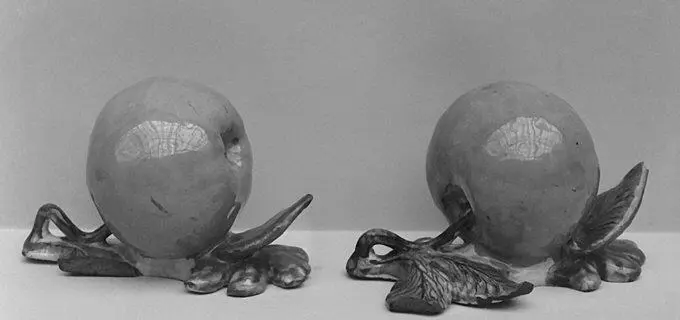
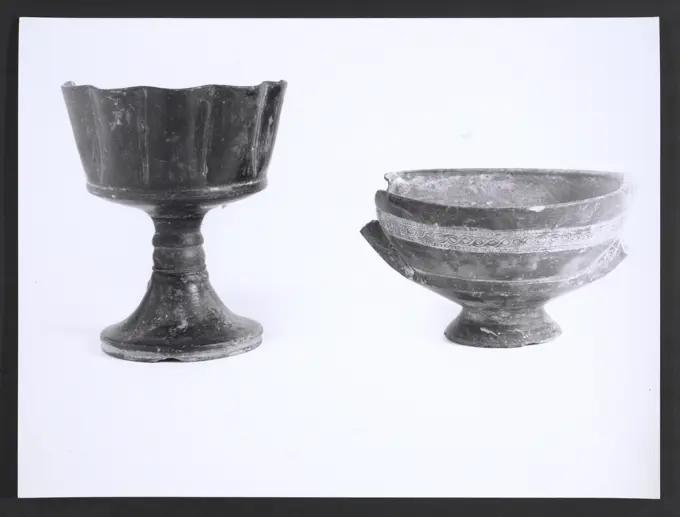
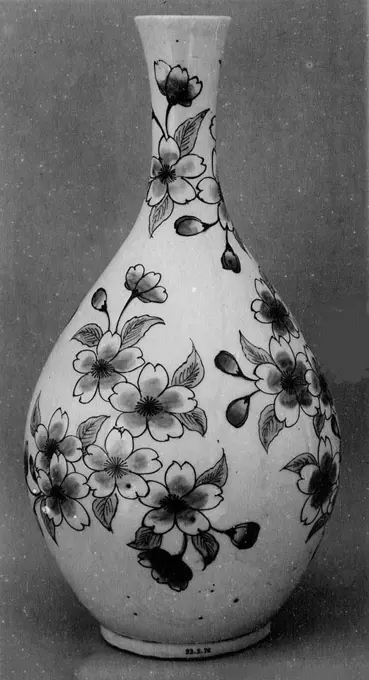
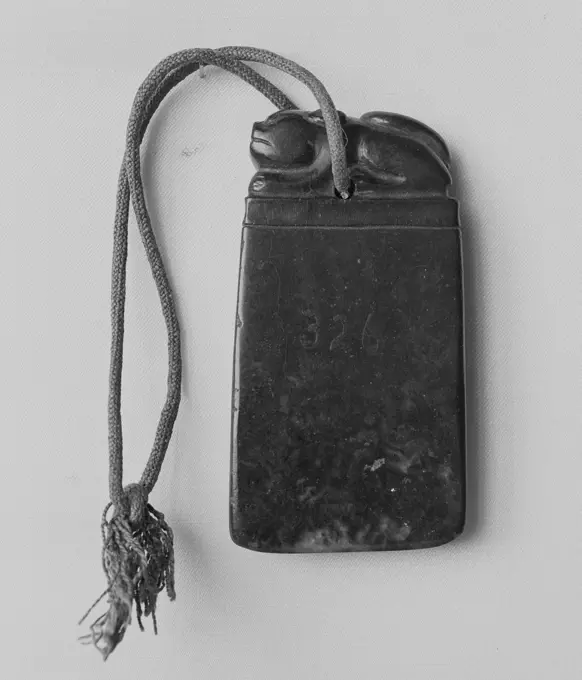
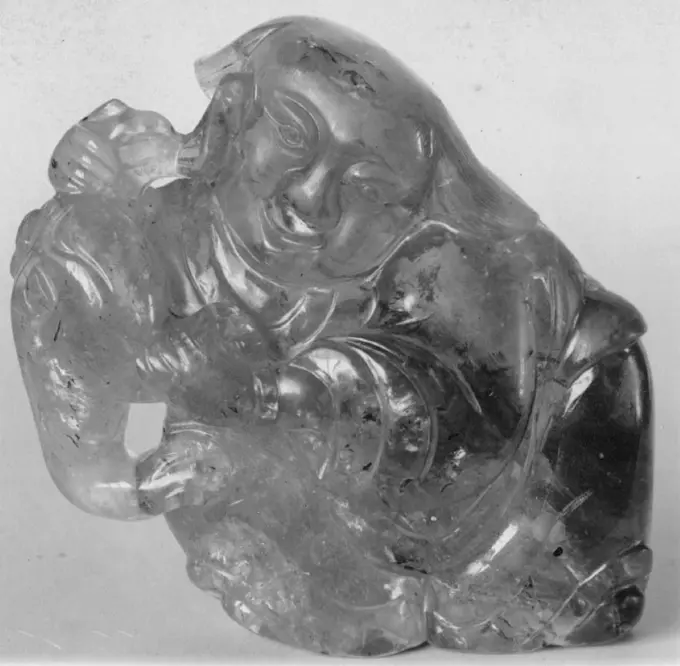
Lazio Latina Sezze Antiquarium Comunale68. Hutzel, Max 1960-1990 German-born photographer and scholar Max Hutzel (1911-1988) photographed in Italy from the early 1960s until his death. The result of this project, referred to by Hutzel as Foto Arte Minore, is thorough documentation of art historical development in Italy up to the 18th century, including objects of the Etruscans and the Romans, as well as early Medieval, Romanesque, Gothic, Renaissance and Baroque monuments. Images are organized by geographic region in Italy, then by province, city, site complex and monument.Herm with Head of Dionysos; Roman Empire; 1st century B.C. - 1st century A.D; Terracotta with traces of polychromy; 23 cm (9 1,16 in.)Arrowhead 2nd-1st millennium B.C. Iran. Arrowhead 325368BasketSpanish reliquary made of carved wood from the 15th century, digitally restored reproduction of a 19th century original, exact date unknownTeabowl 18th century Japan. Teabowl 62693Bronzeleuchter; Bronzeleuchter.. Prints. 1912. The Miriam and Ira D. Wallach Division of Art, Prints and Photographs: Art & Architecture CollectionToilet dish ca. 1981-1640 B.C. Middle Kingdom. Toilet dish. ca. 1981-1640 B.C.. Wood. Middle Kingdom. From Egypt, Memphite Region, Lisht North, Cemetery, MMA excavations, 1906-07. Dynasty 12-13Triple Bead China. Triple Bead. China. Jade. JadeVase ca. 1830 Minzan. Vase 46693Tea Jar 17th century Japan. Tea Jar. Japan. 17th century. Clay, covered with glaze (Satsuma ware). Momoyama (1573-1615) or Edo period (1615-1868). CeramicsBowl 9th century. Bowl 449797Snuff Bottle 18th-19th century China. Snuff Bottle. China. 18th-19th century. Agate. Qing dynasty (1644-1911). Snuff BottlesBrush Washer. Culture: China. Dimensions: H. 1 1/4 in. (3.2 cm); Diam. 4 1/2 in. (11.4 cm). Date: ca. 1700-22. Museum: Metropolitan Museum of Art, New York, USA.Wine can 17th century German. Wine can 189132 German, Wine can, 17th century, Pewter, 6  3 in. (15.2  7.6 cm). The Metropolitan Museum of Art, New York. Rogers Fund, 1906 (06.861)Bottle China. Bottle. China. Porcelain. Qing dynasty (1644-1911), Qianlong period (1736-95). CeramicsFlask (Neck and Body). UnknownLeft Pauldron (Shoulder Defense) from a Boy's Costume Armor ca. 1532 Hans Seusenhofer Austrian This left shoulder, along with a matching left thigh also in the Metropolitan Museum's collection (acc. no. 29.158.304), is from an armor ordered in 1532 by Archduke Ferdinand (later Emperor Ferdinand I) for his five-year-old nephew, the future Philip II of Spain (reigned 1556-98).. Left Pauldron (Shoulder Defense) from a Boy's Costume Armor. Austrian, Innsbruck. ca. 1532. Steel, copper alloy, gold. Innsbruck. Armor Parts-Arms & ShouldersVase early 20th century Korea. Vase 57367Knocker 1730-70 American. Knocker. American. 1730-70. Iron, silver-plated brass. Probably made in New England, United StatesTeabowl 18th century Japan. Teabowl 62651Snuff Bottle late 18th-early 19th century China. Snuff Bottle 41235Fingerprint on a doorknob (EV005431_H)Necklace 19th century Tibet. Necklace 37612Box 19th century Japan. Box 59844Possibly James Collins, Caddy Spoon, 1850/51, silver.A carved pot (from New Zealand). Albumen print.Violin or Viol Case. Culture: German. Dimensions: L. 26 1/2 in. (67.3 cm) ;W. 8 11/16 in. (22.1 cm); D. 4 15/16 inches (12.5 cm). Date: late 18th century. Museum: Metropolitan Museum of Art, New York, USA.Joseph Taylor, Caddy Spoon, 1796/97, silver.Miniature meiping vase 18th century China. Miniature meiping vase. China. 18th century. Porcelain with teadust glaze (Jingdezhen ware). Qing dynasty (1644-1911). CeramicsFemale Figure with Basket of Fish 18th century China. Female Figure with Basket of Fish. China. 18th century. Rock crystal. HardstoneSet of four casques 18th century French. Set of four casques. French. 18th century. Painted and gilded wood. WoodworkArcher's Shield (Pavise). Culture: South German, Klausen. Dimensions: H. 46 3/4 in. (118.7 cm); W. 23 1/4 in. (59.1 cm); D. 5 3/4 in. (14.6 cm). Date: 1450-75. Museum: Metropolitan Museum of Art, New York, USA.Right Thigh and Knee Defense ca. 1555-60 Attributed to Wolfgang Grosschedel German. Right Thigh and Knee Defense 690153Bliżej Kultury unknownCampanian Black Bowl; Campania, South Italy, Europe; 323 - 31 B.C; Terracotta; 6.2 x 18 cm (2 7,16 x 7 1,16 in.)James Trelawny Cheves. Photograph by F.W. Mottant.Male Head. UnknownSeal. Culture: China. Dimensions: H. 3 1/4 in. (8.3 cm); W. 3 1/4 in. (8.3 cm); L. 2 7/8 in. (7.3 cm). Museum: Metropolitan Museum of Art, New York, USA.Fragment (part of a set) 1670-80 French, Nevers Faience, or tin-glazed and enameled earthenware, first emerged in France during the sixteenth century, reaching widespread usage among elite patrons during the seventeenth and early eighteenth centuries, prior to the establishment of soft-paste porcelain factories. Although characterized as more provincial in style than porcelain, French faience was used at the court of Louis XIV as part of elaborate meals and displays, with large-scale vessels incorporated into the Baroque garden designs of Versailles. Earlier examples of French faience attest to the strong influence of maiolica artists from Italy. Later works demonstrate the ways in which cities such as Nevers, Rouen, Lyon, Moustiers, and Marseille developed innovative vessel shapes and decorative motifs prized among collectors throughout Europe. While faience can be created from a wide mixture of clays, it is foremost distinguished by the milky opaque white color achieved by the additiGirdle pendant China. Girdle pendant 43008Tiger: emblem of the West. Culture: China. Dimensions: H. 1 1/4 in. (3.2 cm); W. 3 in. (7.6 cm); D. 11/16 in. (1.7 cm). Museum: Metropolitan Museum of Art, New York, USA.Tripod vessel ca. 2000-1600 B.C. Iran This cylindrical bowl has a rounded bottom and an outturned rim, and sits on three legs. It is made of buff clay. It was found in a grave at Kamterlan II, a mound in Luristan in the Zagros Mountains of western Iran. Although it had been a settlement in the late third millennium B.C., by the second millennium the site had become a cemetery. It is difficult to say what purpose this bowl served, or even to determine whether it was a special funerary item or an object of everyday use.It is often thought that the inhabitants of Luristan in this period were pastoral nomads, who moved with their herds from the high valleys of the Zagros during the summer to lowland pastures in the winter. This theory arises from the dearth of evidence for settlements, and the occurrence of isolated cemetery sites. At the same time, the infrastructure necessary for bronze working, an important industry in Luristan, suggests that some sedentary settlements must have existedBasin ca. 3rd-7th century A.D. Sasanian. Basin 323027Horse 5th-3rd century B.C. China. Horse. China. 5th-3rd century B.C.. Glass. Eastern Zhou dynasty (770-256 B.C.). GlassHippolyte Malègue, Silver Reliquary from the Church of St. Maurice at Lignon, 1857, salt print from paper negative.Linga 11th-12th century() Nepal (Kathmandu Valley). Linga. Nepal (Kathmandu Valley). 11th-12th century(). Bronze. SculptureHeadrest ca. 1580-1479 B.C. Second Intermediate Period-Early New Kingdom. Headrest. ca. 1580-1479 B.C.. Wood. Second Intermediate Period-Early New Kingdom. From Egypt, Upper Egypt, Thebes, Asasif, Carnarvon Excavations 1910-1914. Dynasty 17-18Bowl 9th-10th century. Bowl 449818Vase 1825-50 Jersey Glass Company of George Dummer. Vase 9348Vase 18th century Japan. Vase. Japan. 18th century. Porcelain decorated in colored enamels and gold (Arita ware, Imari type). Edo period (1615-1868). CeramicsBottle, Monkeys 2nd century B.C.-A.D. 1st century Topará. Bottle, Monkeys. Topará. 2nd century B.C.-A.D. 1st century. Ceramic. Peru. Ceramics-ContainersPitcherRight Thigh and Knee Defense. Armorer: Attributed to Wolfgang Grosschedel (German, Landshut, active ca. 1517-62); Attributed to Franz Grosschedel (German, Landshut, recorded 1555-79). Culture: German, Landshut. Dimensions: L. 20 in. (50.8 cm); W. 8 1/2 in. (21.6 cm); Wt. 3 lb. 3 oz. (1445.8 g). Date: ca. 1555-60. Museum: Metropolitan Museum of Art, New York, USA.Abruzzo Chieti Chieti Museo Nazionale di Antichita9. Hutzel, Max 1960-1990 Exterior views of part of the former Villa Frigeri, which along with a neighboring palazzo, houses the Museo Nazionale di Antichita. Views also of the gardens, fountain (17th century) and the restored interior. The so-called "Capestrano Warrior" (5th century B.C.) is found in the Antiquities core collection under Men, Youths, Warriors--Stone--Etruscan, Italic. Hutzel views include statues, funerary monuments, portrait busts and mosaics, many of which were excavated from Alba Fucens. Hutzel paid particular attention to the colossal statue of Hercules (late Hellenistic); the funerary temple reliefs of Lucius Storax; various nudes, torsos and heads, including the portrait bust of Agrippina Minore and the sepulchral portrait relief of Lucius Poditius (1st century A.D.); gravestones with inscriptions and bas-reliefs; Roman coins; bronze figurines (mainly warriors); and bronze vessels, utensils, helmets and ornaments.Campania Caserta Capua Museo Campano1. Hutzel, Max 1960-1990 Medieval: Byzantine architectural fragments; parchment fragments with miniatures (12th century) from Montecassino; painted wooden crucifix (13th century); Carolingian crucifixes; Bishop's miter (11th century) of gold and silver damask; fresco (13th century). Post-medieval: Architecture (15th century). Formerly the Palazzo Antignano. Unusual Catalan/Moorish-style portal; Paintings on panel and canvas (15th-18th centuries); marble intarsia (16th century); marble sculpture: busts of Christ and Mary (17th century); sculpture of saints in marble and in wood (15th century); painted and gilded sculpture in wood; marble grave sculpture (16th century); sarcophagus with allegorical carvings; gold reliquary "Rosa d'Oro"; crucifix made of elephant tusk Specific Location: Pianterreno Antiquities: Italic sculpture (seated women holding babies); inscription. Photo campaign #1: 533 photos. Roman relief and sculpture; cinerary urns; Greek andForepart of an ibex ca. 8th-7th century B.C. Iran. Forepart of an ibex 324165Hammered Silver Cone Ornament 8th-mid-16th century Peru; north coast (). Hammered Silver Cone Ornament 308989Headrest: Zoomorphic Heads 15th-19th century Dogon peoples. Headrest: Zoomorphic Heads 312345Vase China. Vase. China. Porcelain. Qing dynasty (1644-1911), Kangxi period (1662-1722). CeramicsShoes 1730s, maybe earlier French. Shoes 111270Sword of Don Juan of Austria. History of Philip II of Spain. Old engraving published in Historia de Felipe II by H. Forneron, in 1884Beaker ca. 1830 Joseph Wenzel Zick. Beaker. Bohemian, probably Joachimsthal (Jáchymov). ca. 1830. Marbleized and layered gray and blue glass, cut and polished. GlassGide, Paris, Poitevin, Alphonse-Louis, Marville, Charles, Four canopes with the head of Amset, found at the Serapeum in Memphis, recto - printed, This page is part of a cover., photomechanical print, page, photographs, photographically illustrated books, SÉRAPÉU DE MEMPHIS IIIe PARTIE PL.4., XVIIIe DYN_1. APIS III 2.3.4.5.6. APIS IV., height 358 mm, width 227 mm, French, 1816-07-18 - 1879, photographer, 1852 - 1857, paper, photolithography, 1819 - 1882, cliché maker, Publication (Event), Publication, publisherWatch ca. 1830 Watchmaker: Firm of Rey Frères. Watch 195639Pair of Thigh Defenses (Cuisses) with knee defenses (Poleyns) 16th century German, Nuremberg. Pair of Thigh Defenses (Cuisses) with knee defenses (Poleyns) 34862Apple ca. 1750-75 Dutch, Delft This is one of a set of twelve (see 94.4.38-.49) Delftware polychromed figures in the shapes of fruit including apples, figs, lemons, and pears.. Apple 187687 Dutch, Delft, Apple, ca. 175075, Tin-glazed earthenware, Overall (approximate): 2 1/2  3 1/2 in. (6.4  8.9 cm). The Metropolitan Museum of Art, New York. Gift of Henry G. Marquand, 1894 (94.4.43)Lazio Viterbo Viterbo Museo Civico79. Hutzel, Max 1960-1990 Views of paintings (Middle Ages through 18th c.), frescoes, a tabernacle, coffin, sculpture reliefs, portal fragments, busts, sculpture, tapestry found in the Pinacoteca, Second floor gallery and Second floor cloister sequences. Antiquities: Many views of Etruscan and Roman fragments, sculpture, sarcophagi, pottery, masks, jewelry and other objects found in the Storeroom sequence (inventory numbers on back of prints), and the Cloister, Second floor Cloister, Valle Giulia, Sala Romana and Sala Etrusca sequences. General Notes: There are eight separate numerical sequences for this location. The cloister as an architectural structure, rather than museum site, is documented in the record and file for S. Maria della Verita, Cloister, all views of which are stored in Medieval core collection. Five views from the Museo Civico Second floor cloister sequence are stored in Medieval. German-born photographer and scholar Max Hutzel (1911-Model of a Belthook 20th century China. Model of a Belthook 50042Bliżej Kultury unknownSamuel Pemberton, Caddy Spoon, 1813/14, silver.Wine Bottle ca. 1750 Japan. Wine Bottle. Japan. ca. 1750. White porcelain decorated with blue under the glaze, polychrome enamels (Arita ware). Edo period (1615-1868). CeramicsHull Division Test Air Tank, Tank No. 18. Glass Plate Negatives of the Construction and Repair of Buildings, Facilities, and Vessels at the New York Navy Yard.Builder: Building company Contractor, Stockholm. Concrete cylinder, breeded in underwater concrete from Götaälvsbron's foundation.Fragment of a Buddhist crown 3rd-6th century China. Fragment of a Buddhist crown 61125Water jar 18th century Japan. Water jar 60064Vase 18th century Japan. Vase 62867Pottery Whistle 14th-16th century Mexican. Pottery Whistle. Mexican. 14th-16th century. Pottery. Mexico. Aerophone-Whistle Flute-whistleparfum perfum bottle female hand drawn. beauty product, floral woman, set water parfum perfum bottle female vector sketch. isolated black illustration. parfum perfum bottle female sketch hand drawn vectorLazio Latina Sezze Antiquarium Comunale27. Hutzel, Max 1960-1990 German-born photographer and scholar Max Hutzel (1911-1988) photographed in Italy from the early 1960s until his death. The result of this project, referred to by Hutzel as Foto Arte Minore, is thorough documentation of art historical development in Italy up to the 18th century, including objects of the Etruscans and the Romans, as well as early Medieval, Romanesque, Gothic, Renaissance and Baroque monuments. Images are organized by geographic region in Italy, then by province, city, site complex and monument.Yoke ornament in the shape of a deer 5th-4th century B.C. China. Yoke ornament in the shape of a deer. China. 5th-4th century B.C.. Bronze. SculptureSnuff Bottle China. Snuff Bottle 41338Stoneware mineral water pitcher, cylindrical with round shoulder, sausage ear and short neck, mineral water pitcher jar product packaging container soil find ceramic stoneware glaze salt glaze approx., hand turned glazed baked Stoneware mineral pitchers cylindrical with round shoulder short neck and sausage ear. Stand area with traces of deduction and soul. Glazed. Marked under the ear and marked on the front with medallion Medallion in the medallion: FACHINGEN in the midfield left clawing lion archeology Rotterdam Kralingen-Crooswijk Struisenburg Oostmaaslaan Boslaan Buizengat advertising indigenous pottery import drinking water drinking medicine packaging Soil discovery: Buizengat Oostmaaslaan Boslaan Rotterdam an old landfill of urban waste.Sketch of a two handled ancient amphora, isolated on white. Ancient isolated amphora icon sketchTripod Bowl with Cover 18th century China. Tripod Bowl with Cover. China. 18th century. Jade. Qing dynasty (1644-1911). JadeAmulet China. Amulet. China. Nephrite. Han dynasty (206 B.C.-A.D. 220). JadeTerracotta hydria: kalpis (water jar). Culture: Greek, Attic. Dimensions: H.: 17 x 12 3/16 in. (43.2 x 31 cm). Date: ca. 420-410 B.C..Women outdoorsThe setting is indicated by the uneven terrain and the wisps of plant life growing around the figures. Otherwise, the iconography would be that of women in a domestic interior. The ladies are finely dressed and embellished with jewelry. They are shown with their caskets, wool baskets, and a mirror. Museum: Metropolitan Museum of Art, New York, USA.Women's shoes from Reign of Louis XV, 1699, France, Paris, Cluny MuseumSeal with Knob in the Shape of a Chimera ca. 3rd century China. Seal with Knob in the Shape of a Chimera 44315Ornament China. Ornament. China. Amethyst quartz. Qing dynasty (1644-1911), Qianlong period (1736-95). HardstoneGirdle pendant. Culture: China. Dimensions: H. 2 1/4 in. (5.7 cm); W. 1 1/8 in. (2.9 cm); D. 3/4 in. (1.9 cm). Museum: Metropolitan Museum of Art, New York, USA.Corinthian cap. Lesser Propylaea Eleusis , Capitals Columns. Nicholas Catsimpoolas CollectionUmbria Terni Narni S. Domenico60. Hutzel, Max 1960-1990 Medieval: 1965 photos, 29 Architecture, architectural sculpture (12th century); Wall painting (13-16th century); Mosaic, cosmati style pavement (c. 1200) 1986 photos, 44 Architecture, architectural sculpture, cosmati pavement, sculpture. Post-medieval: 1965 photos, 56 Frescoes, painting (13-16th century); sculpture (14-16th century) 1986 photos 167 Frescoes, painting, sculpture, metalwork Antiquities: 1986 Weaponry Object Notes: Church deconsecrated and modified for use as museum, 1970 General Notes: Bibliographic material sent, Getty Center library () German-born photographer and scholar Max Hutzel (1911-1988) photographed in Italy from the early 1960s until his death. The result of this project, referred to by Hutzel as Foto Arte Minore, is thorough documentation of art historical development in Italy up to the 18th century, including objects of the Etruscans and the Romans, as well as early Medieval, Romanesque, Gothic, RenaissWatch case ca. 1650-80 French. Watch case. French. ca. 1650-80. Leather, gold studs. HorologyVase. Culture: Japan. Dimensions: 5 3/4 x 4 1/8 in. (14.6 x 10.5 cm). Date: 1650. Museum: Metropolitan Museum of Art, New York, USA.Cummings' Columbian Art Tresures Exhibit. Photographs of Marshall Plan Programs, Exhibits, and PersonnelInterior of a dwelling of the Koma people in the Atlantika Mountains.Exterior detail, ornament, eagle, carved by Samuel McIntire, on west gate of Common, 1805-1850, side , Architectural decorations & ornaments, Eagles. Frank Cousins Glass Plate Negatives CollectionAntique vector drawing or engraving of vintage classic Straw beehive or bee hive or skep. Illustration from book Illustrierter Neuester Bienenfreund, printed in Leipzig, Germany 1852.. Vintage Vector Drawing or Engraving of Antique Old Style Bee Hive or Beehive Made From StrawShowcase with images; Interiors West, 1952 setup.