Historic Vases Collection

A set of vintage vases from China and Japan, showcasing intricate designs and historical significance, captured in monochrome for a timeless feel.

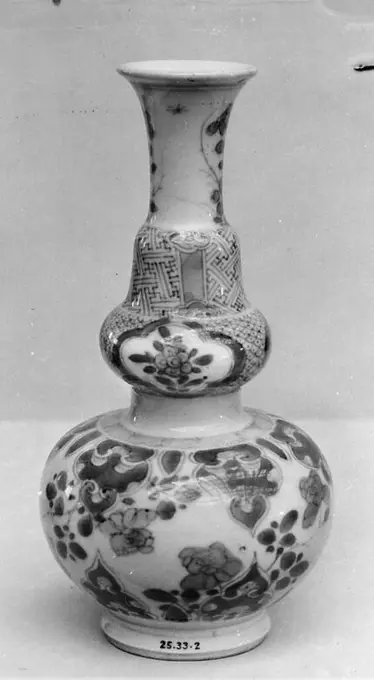
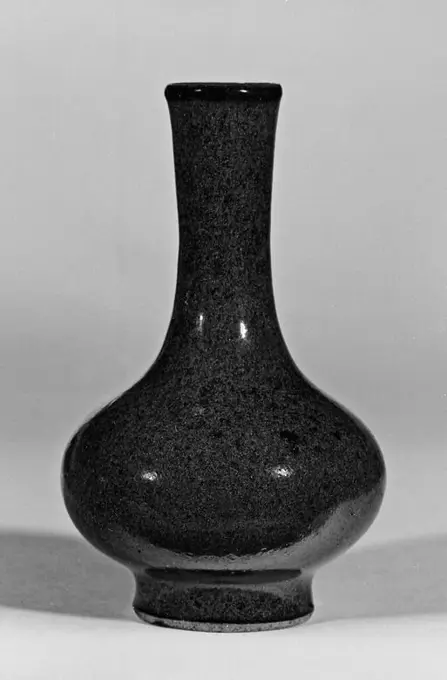
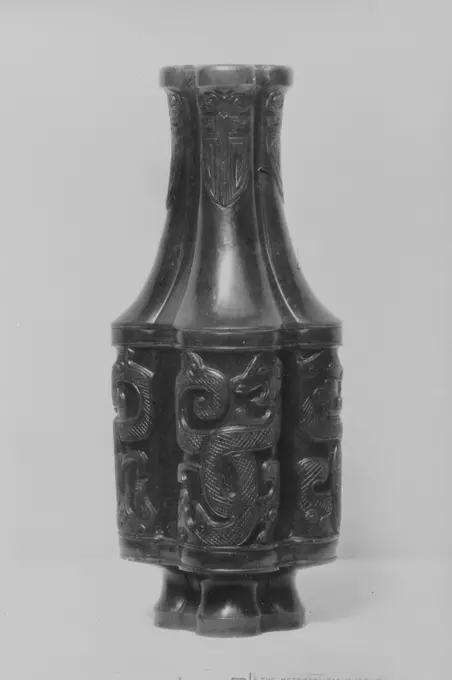
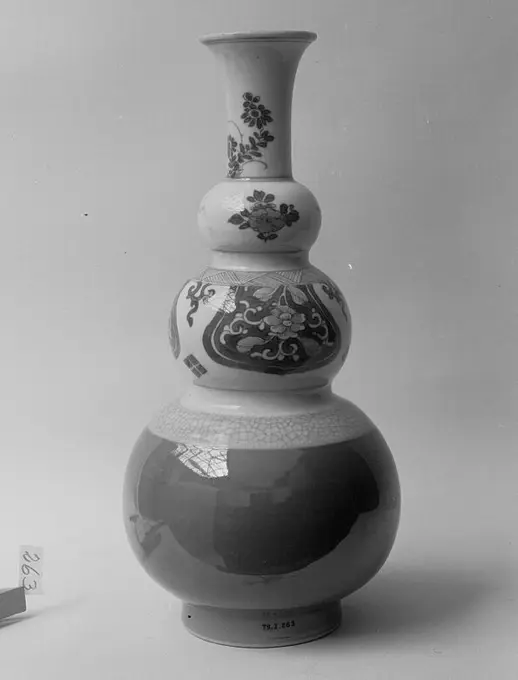
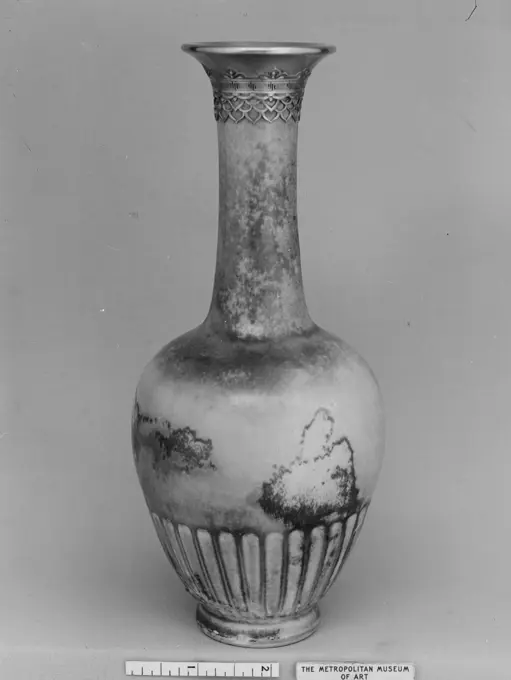
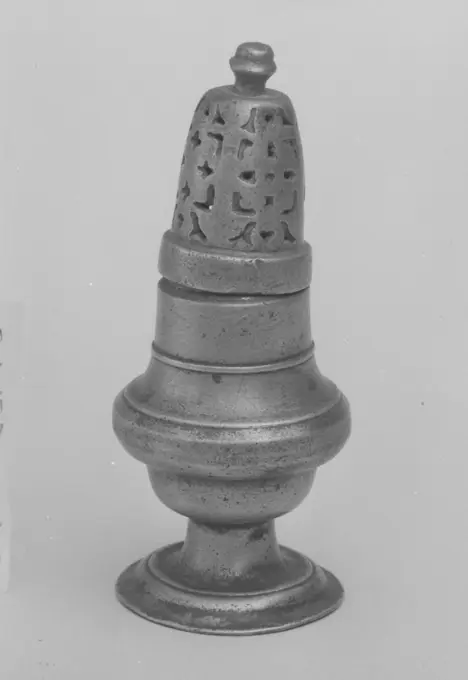
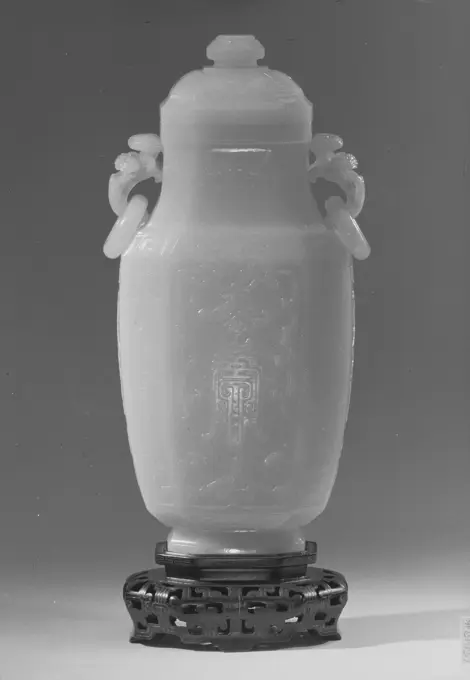
Vase China. Vase. China. Nephrite. Ming dynasty (1368-1644). Jade
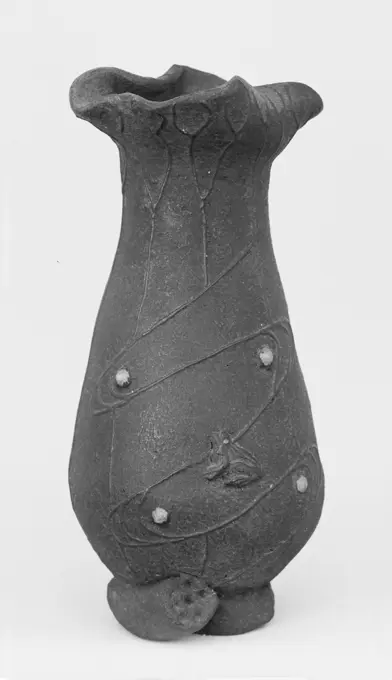
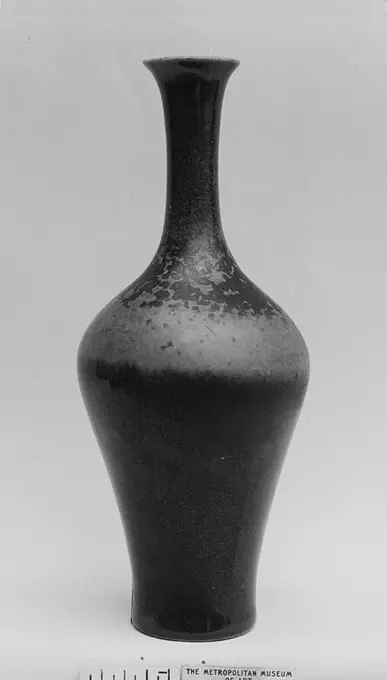
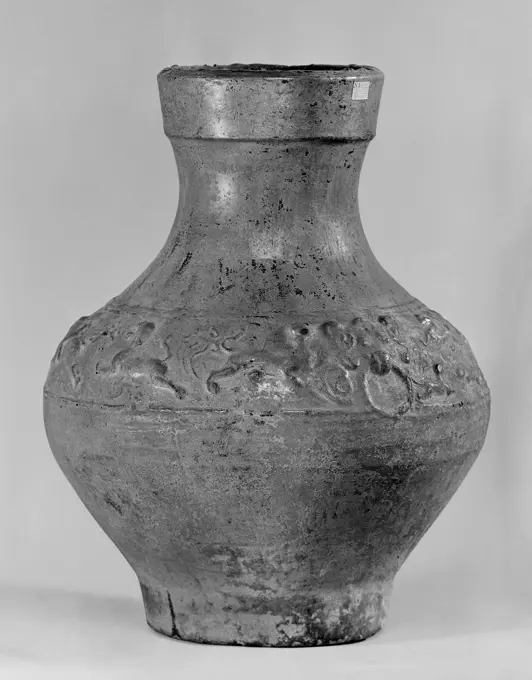
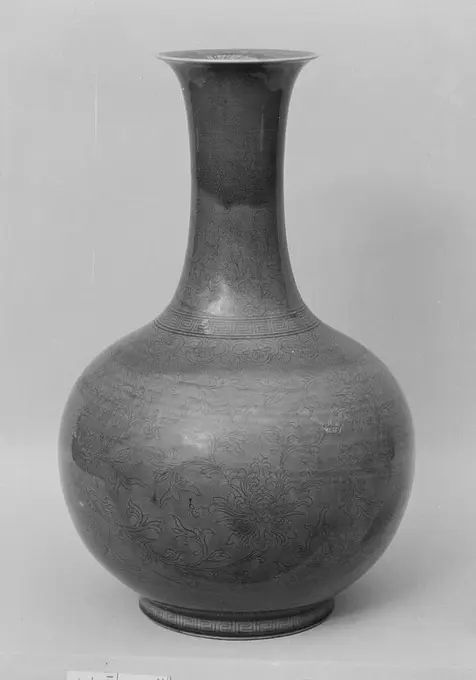
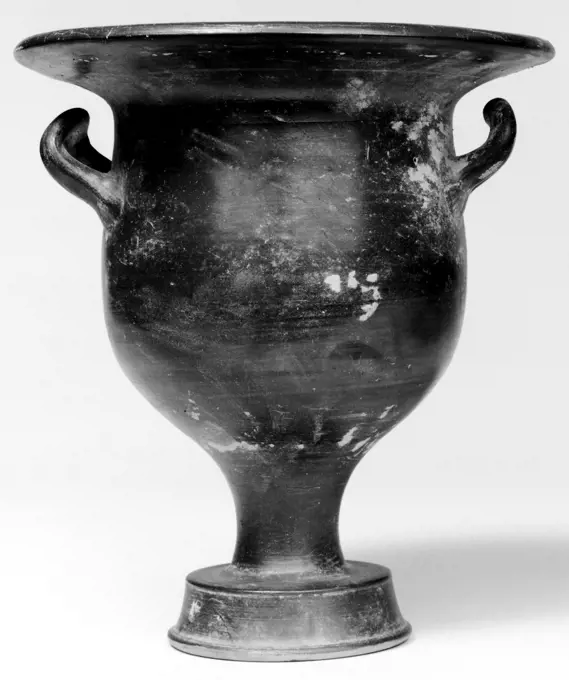
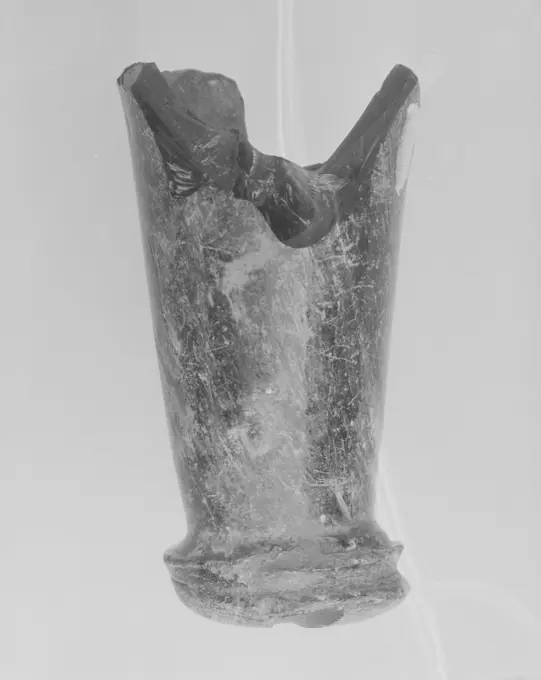
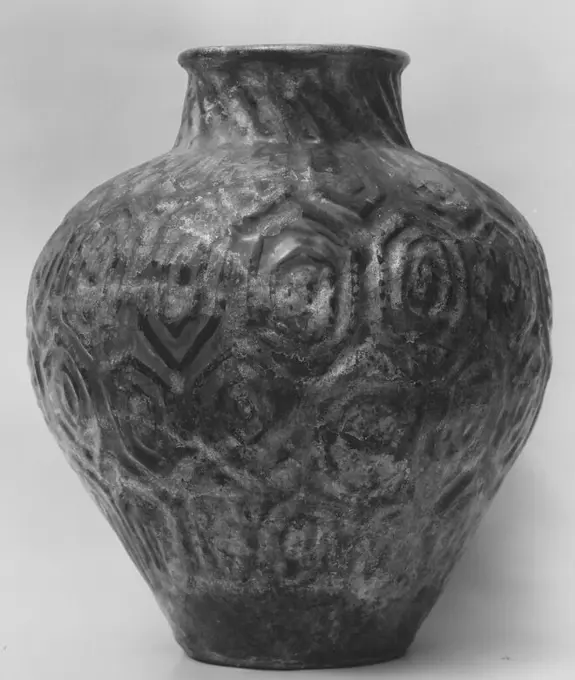
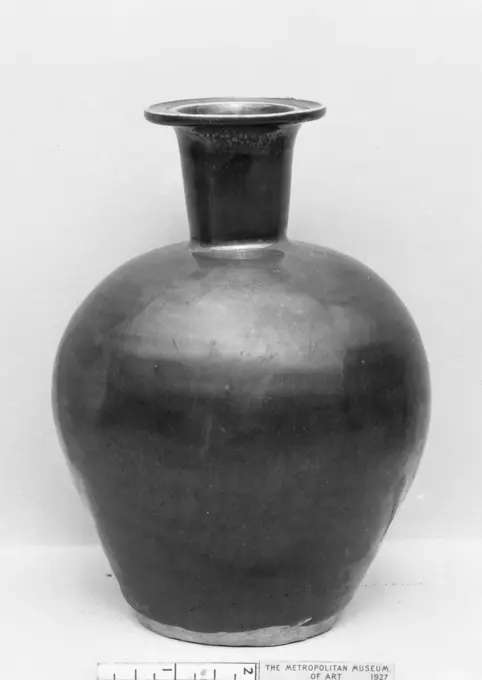
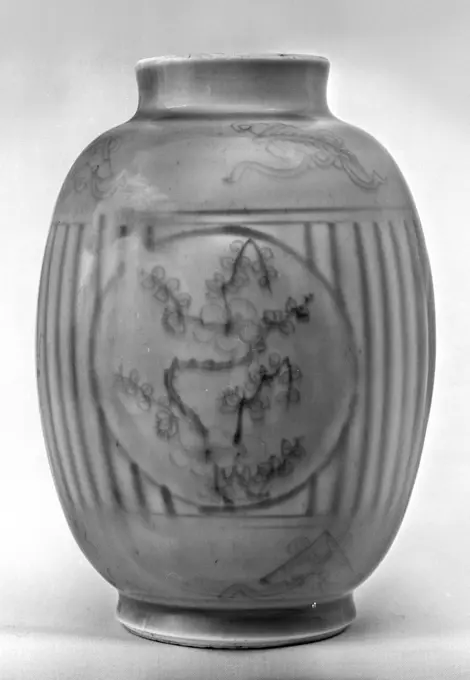
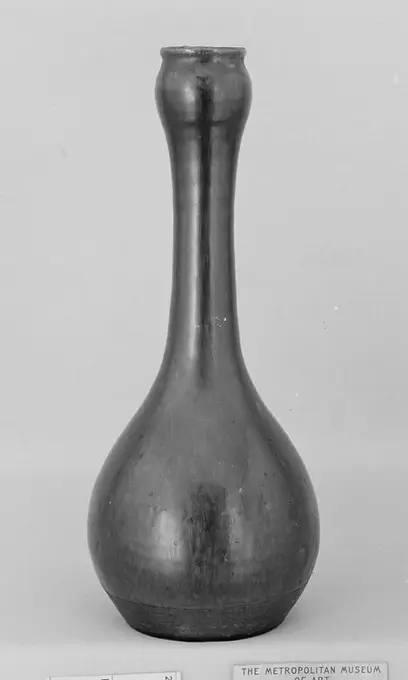
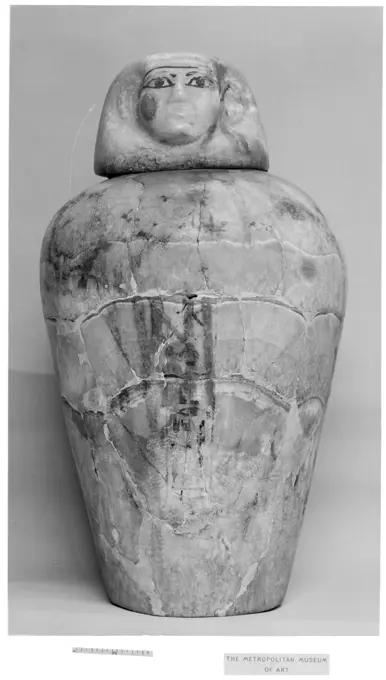
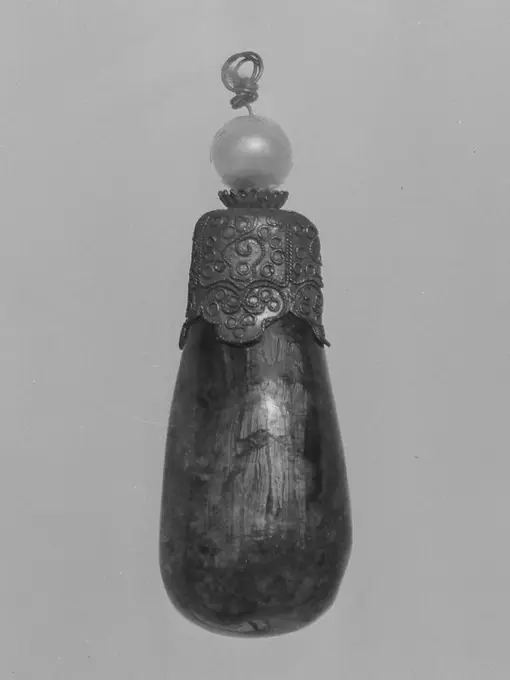
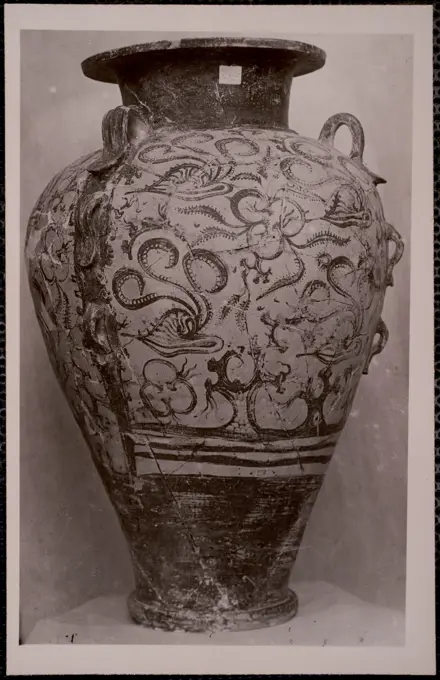
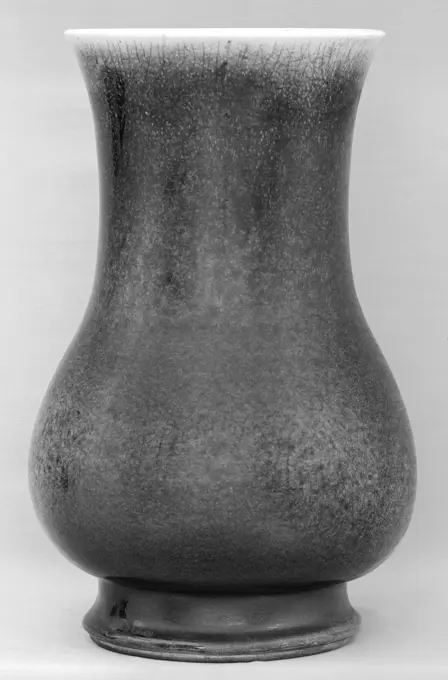
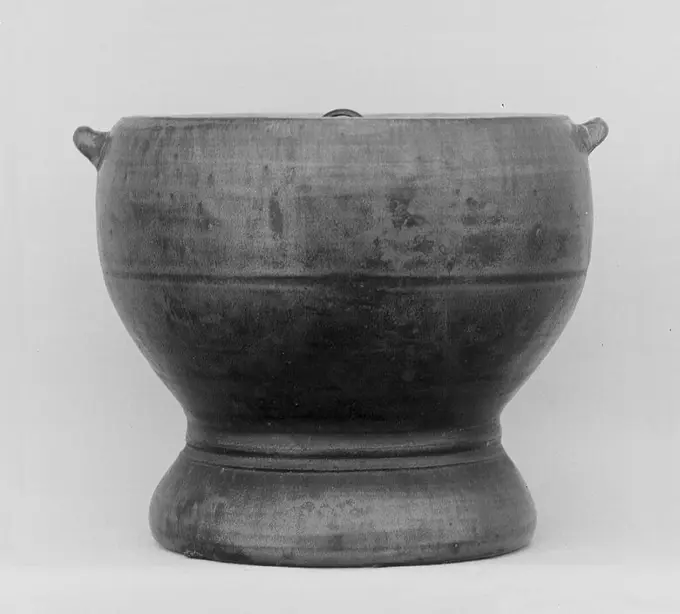
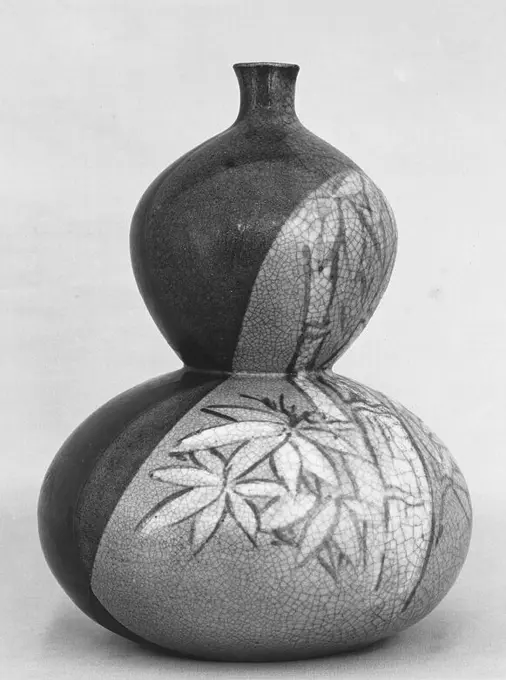
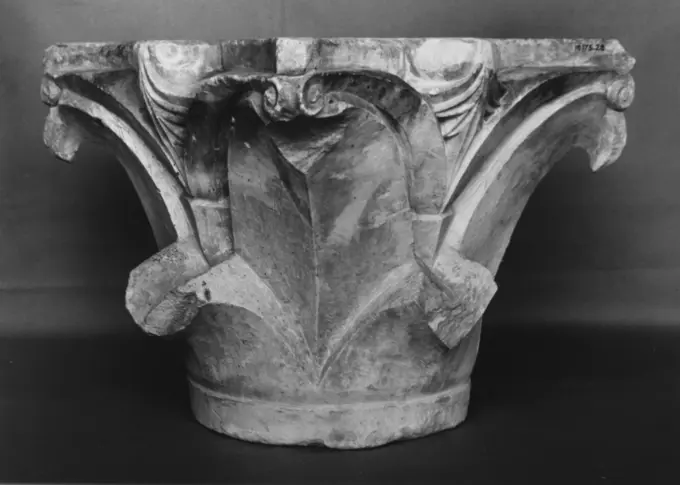
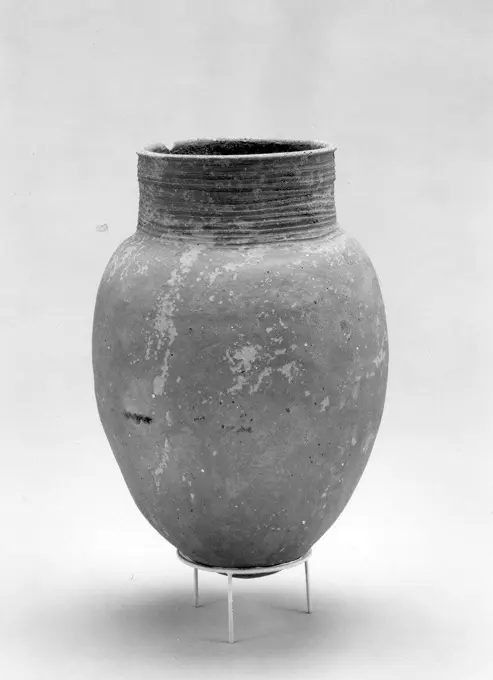
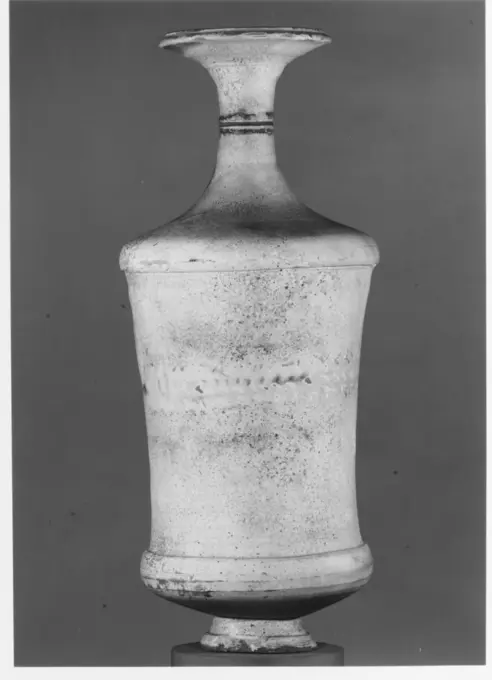
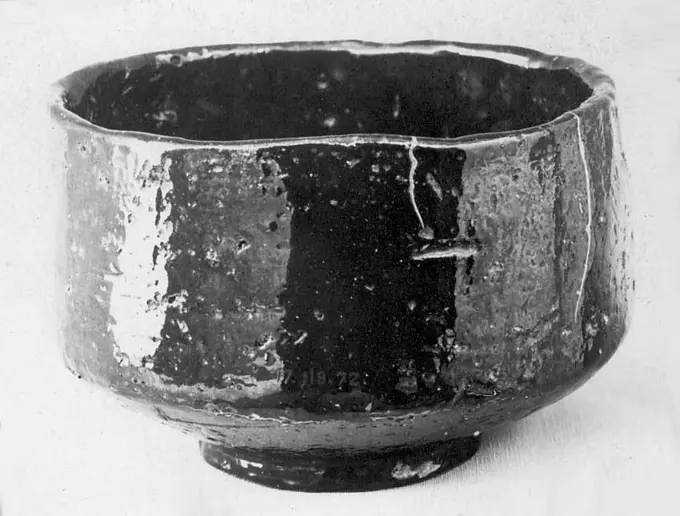
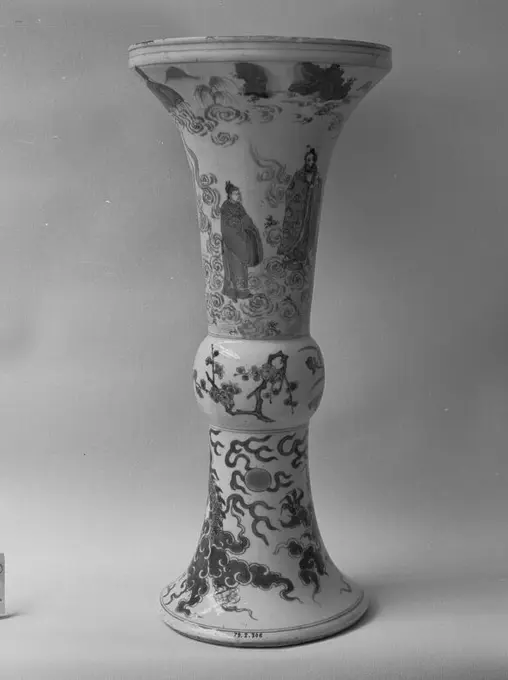
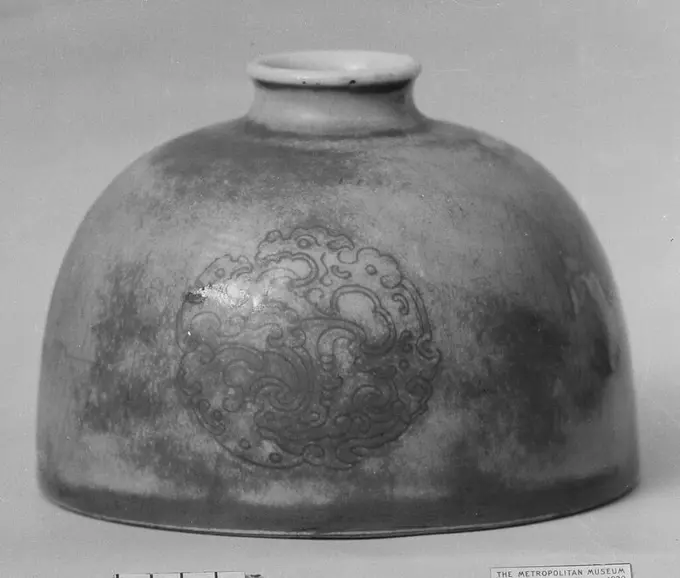
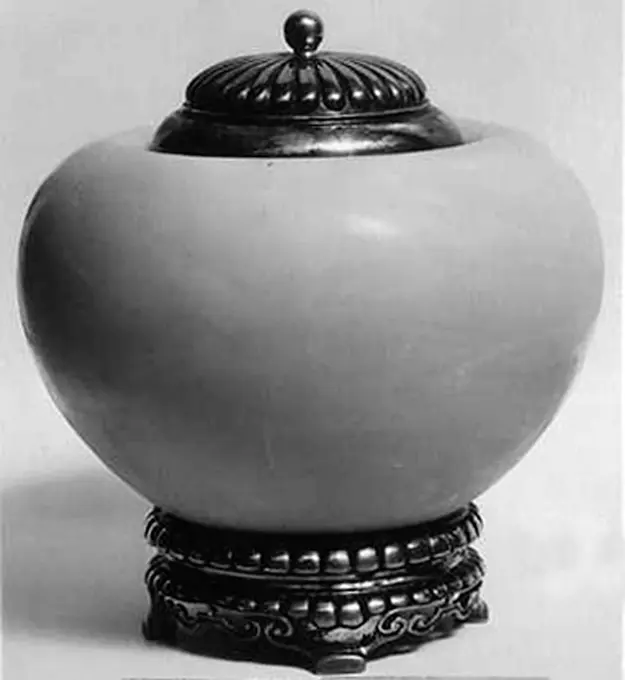
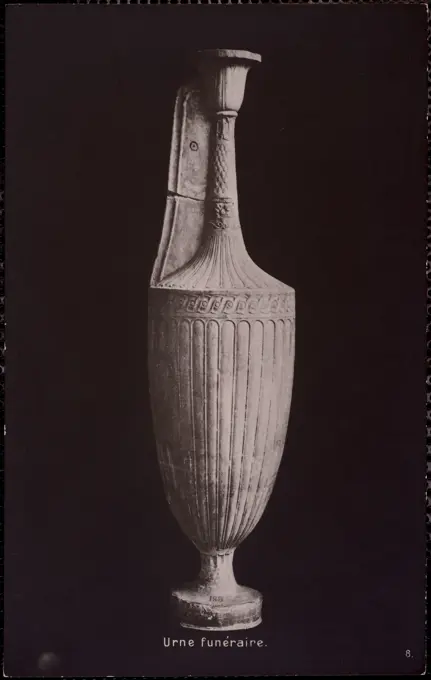
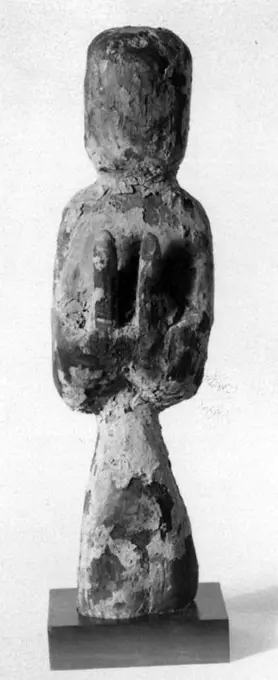
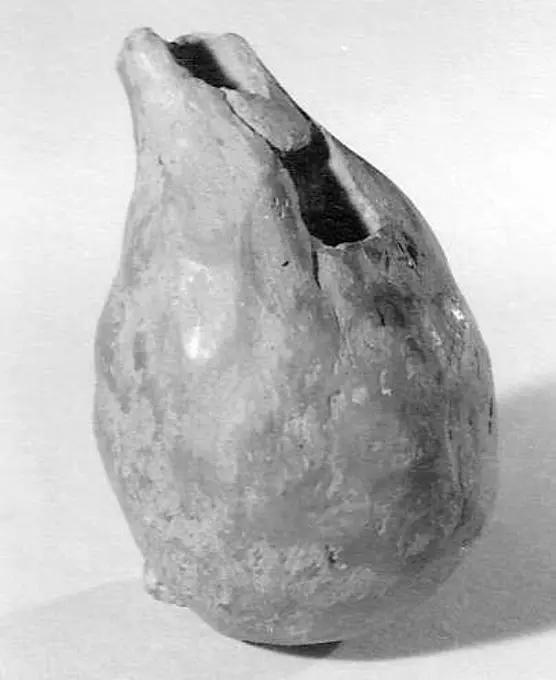
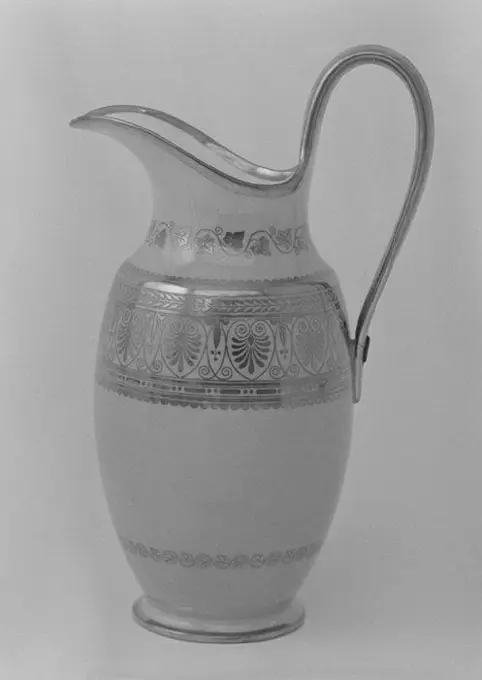
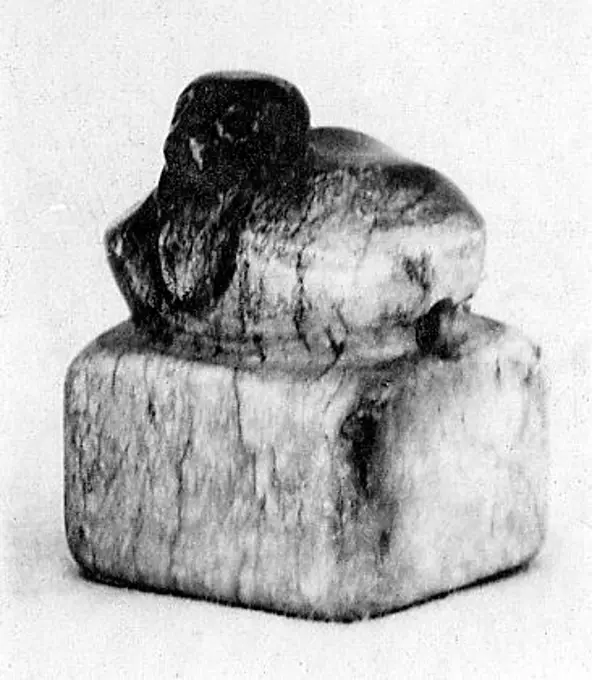
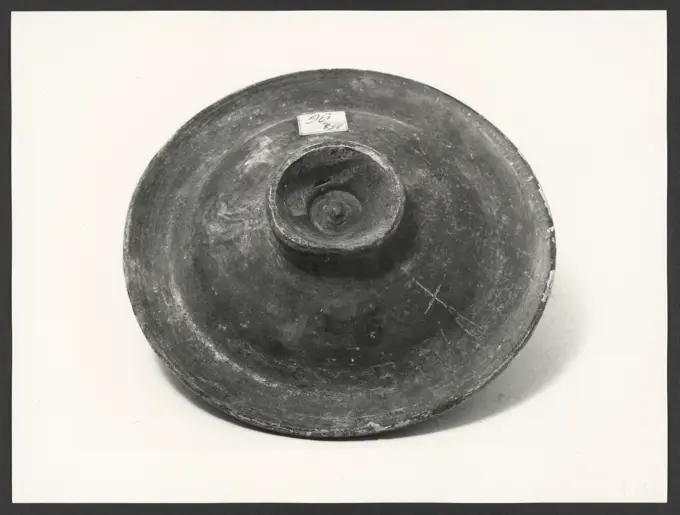
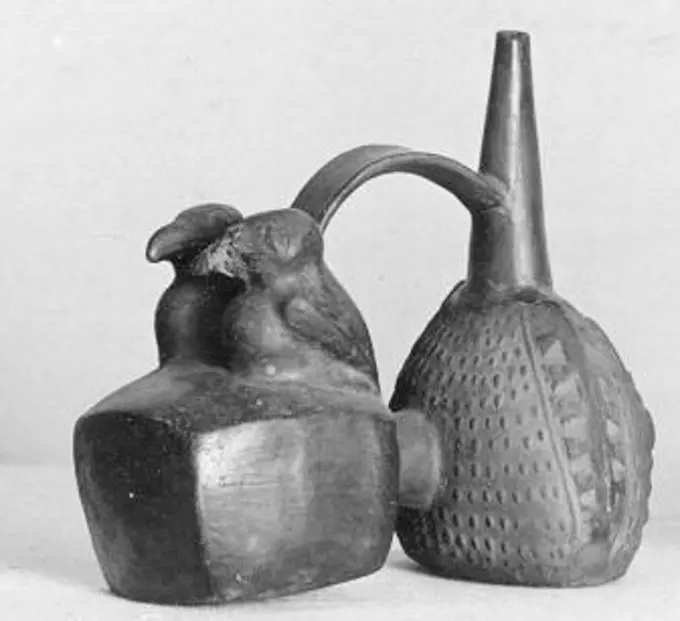
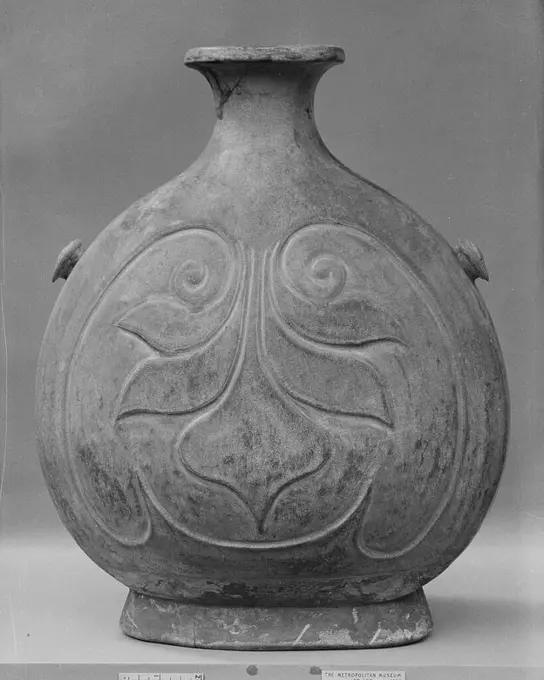
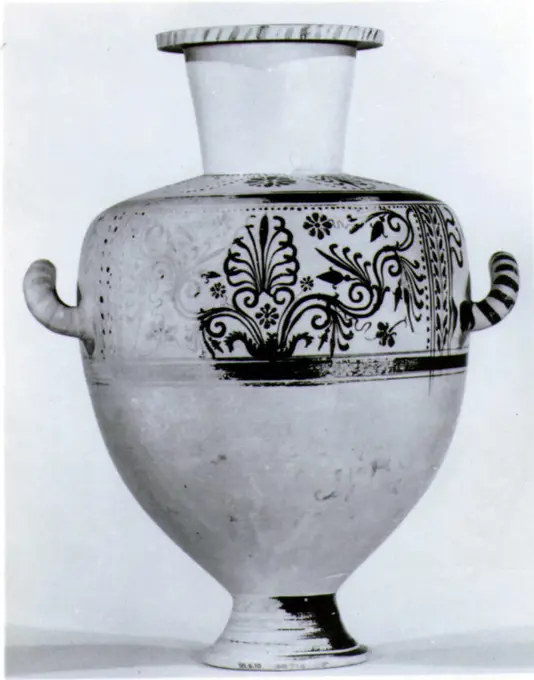
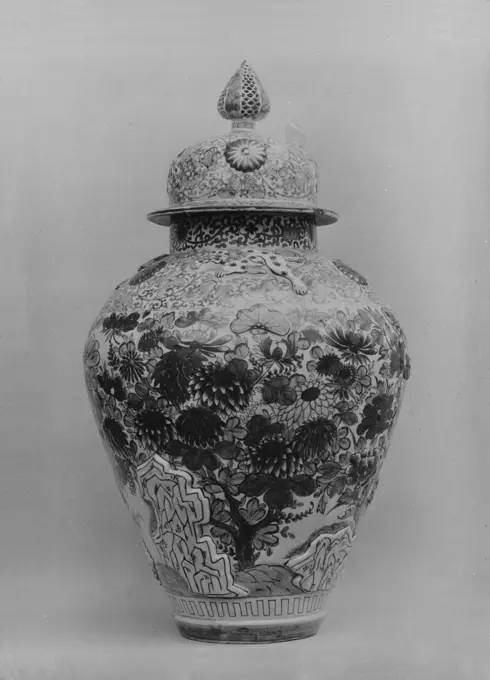
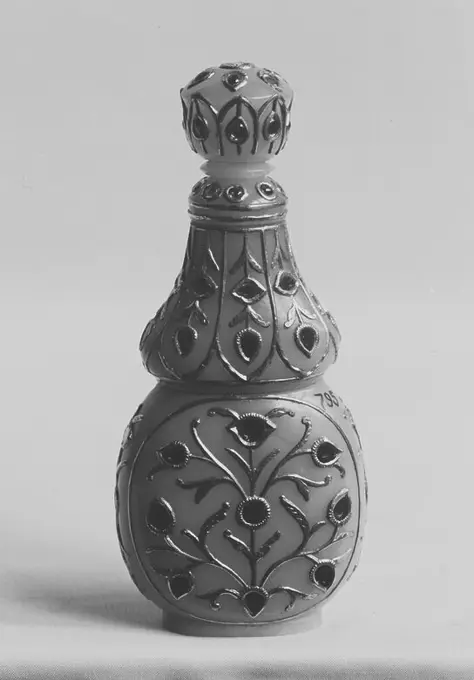
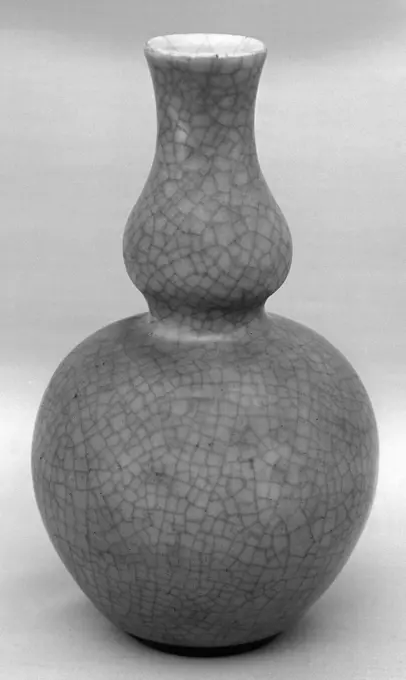
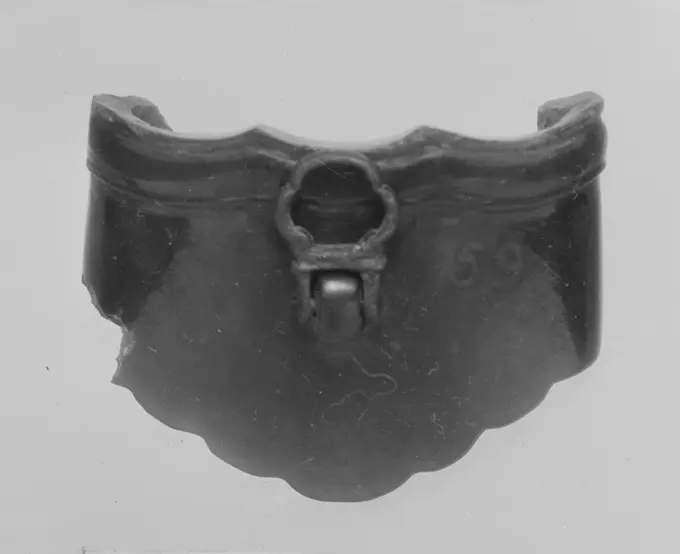
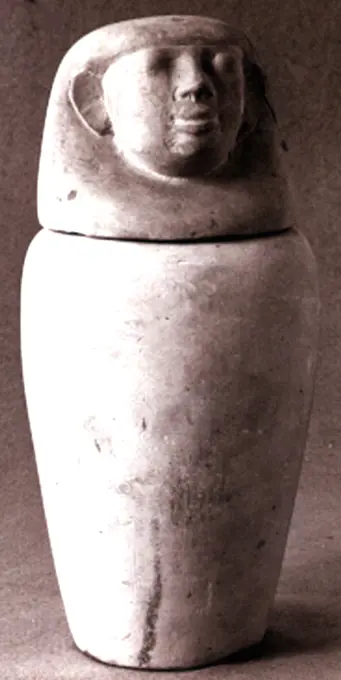
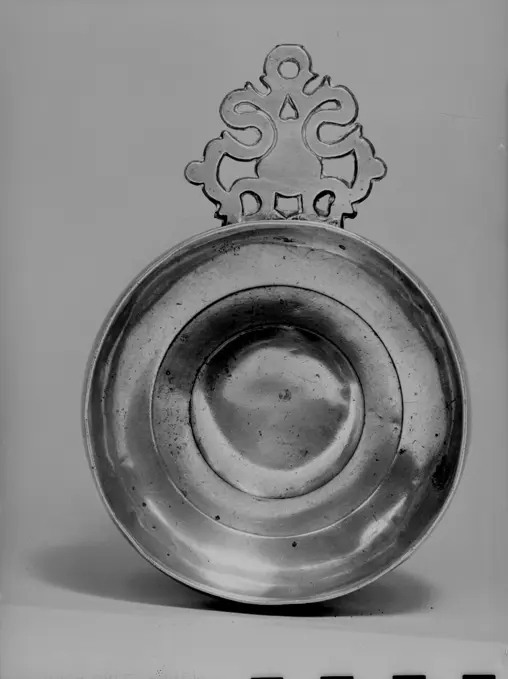
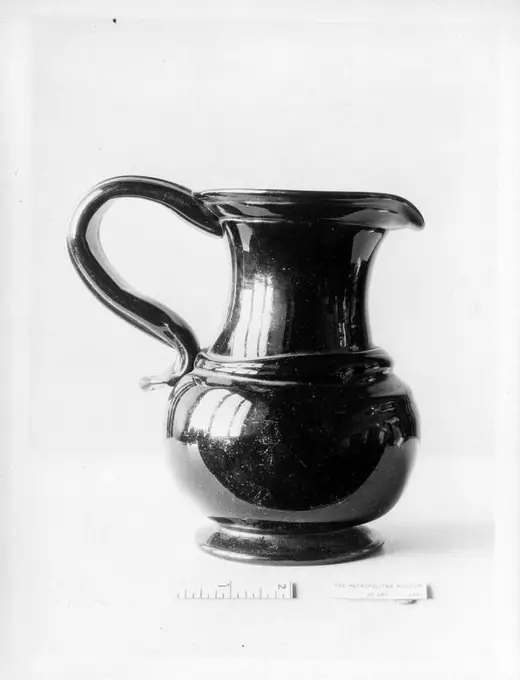
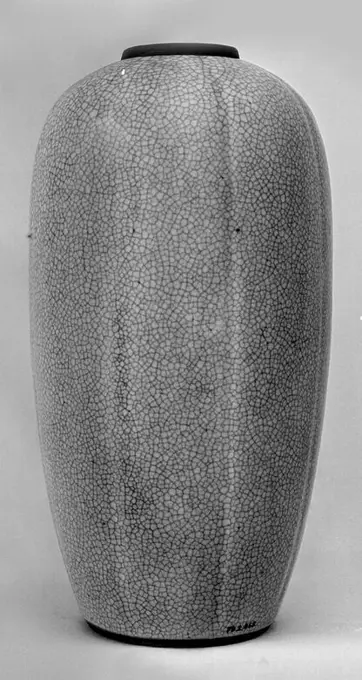
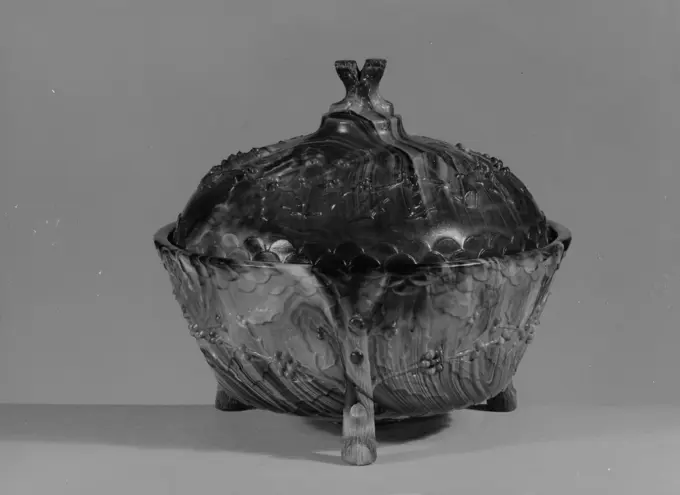
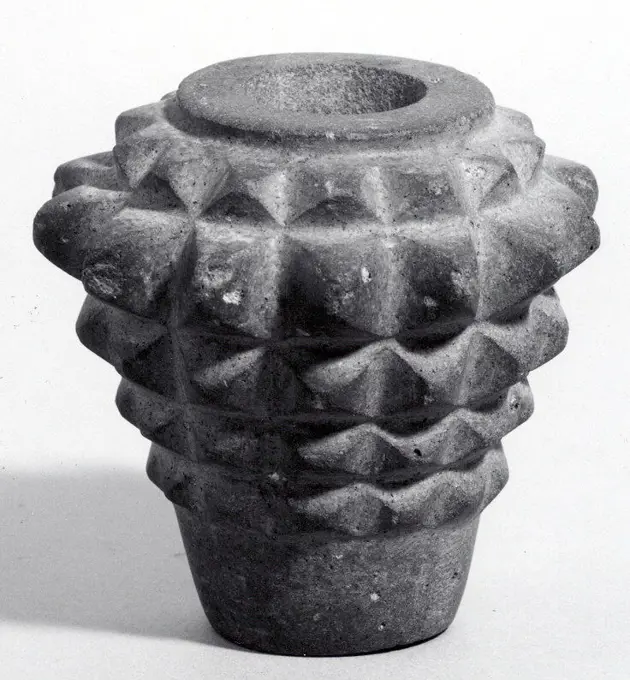
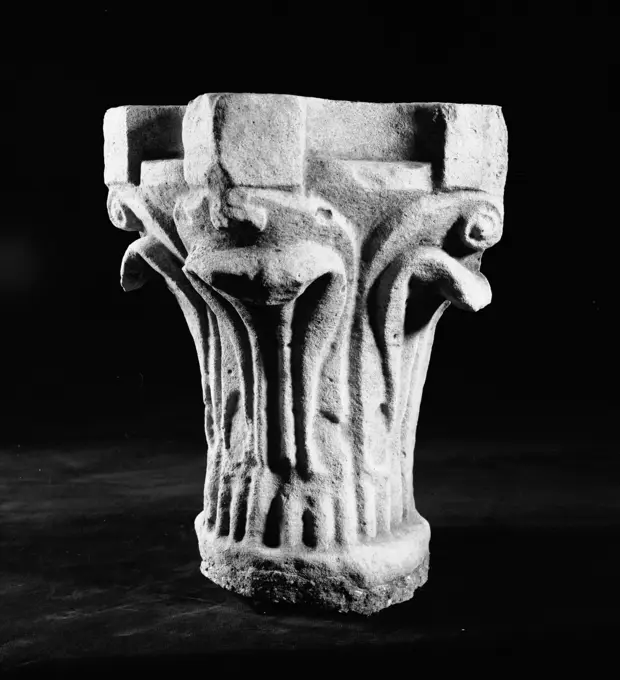
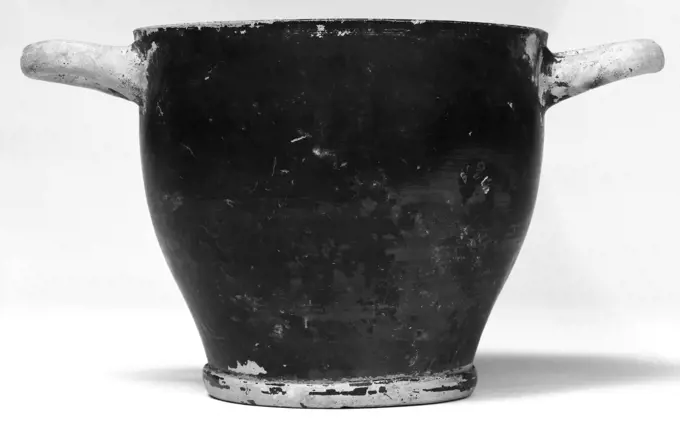
Vase. Culture: China. Dimensions: H. 7 in. (17.8 cm). Museum: Metropolitan Museum of Art, New York, USA.Hanging Vase 19th century Japan. Hanging Vase. Japan. 19th century. Pottery with glaze (Kyoto ware). Edo (1615-1868) or Meiji period (1868-1912). CeramicsVase. Artist: Makuzu Kozan I (Miyagawa Toranosuke) (Japanese, 1842-1916). Culture: Japan. Dimensions: H. 6 3/4 in. (17.1 cm). Date: 19th century. Museum: Metropolitan Museum of Art, New York, USA.Wine container (hu) with mythical creatures 1st-2nd century China. Wine container (hu) with mythical creatures. China. 1st-2nd century. Earthenware with lead green glaze. Eastern Han dynasty (25-220). CeramicsVase China. Vase. China. Nephrite. Ming dynasty (1368-1644). JadeBottle. Culture: Japan. Dimensions: H. 5 1/2 in. (14 cm); Diam. 3 3/4 in. (9.5 cm). Date: 19th century. Museum: Metropolitan Museum of Art, New York, USA.Miniature vase 18th century China. Miniature vase. China. 18th century. Porcelain with copper red glaze (Jingdezhen ware). Qing dynasty (1644-1911). CeramicsVase. Culture: China. Dimensions: H. 12 in. (30.5 cm); Diam. 7 1/4 in. (18.4 cm). Museum: Metropolitan Museum of Art, New York, USA.Vase 18th century China. Vase. China. 18th century. Porcelain with copper red glaze (Jingdezhen ware). Qing dynasty (1644-1911). CeramicsViolinFlaskTea Jar ca. 1320 () Tôshiro Japanese. Tea Jar. Tôshiro. Japan. ca. 1320 (). Clay covered with a mottled glaze (Seto ware). Kamakura period (1185-1333). CeramicsCampanian Black Glazed Bell Krater (Miniature); Campania, South Italy; 323 - 31 B.C; Terracotta; 19.3 × 17.6 cm (7 5,8 × 6 15,16 in.)Fragment of a Bottle 18th century American. Fragment of a Bottle. American. 18th century. Free-blown non-lead glass. Made in Wistarburg, New Jersey, United StatesLeg of a Model Bed ca. 1550-1295 B.C. New Kingdom. Leg of a Model Bed. ca. 1550-1295 B.C.. Wood. New Kingdom. From Egypt. Dynasty 18Jar. Dimensions: H. 16 in. (40.6 cm)Diam. 13 in. (33 cm). Date: 12th-13th century. Museum: Metropolitan Museum of Art, New York, USA.Bottle 11th-12th century China. Bottle 42464Jar with plum trees 19th century China. Jar with plum trees. China. 19th century. Porcelain with light blue glaze. Qing dynasty (1644-1911). CeramicsWine Bottle. Culture: Japan. Dimensions: H. 9 1/4 in. (23.5 cm). Date: 18th century. Museum: Metropolitan Museum of Art, New York, USA.Canopic jar of Ameny ca. 1950-1750 B.C. Middle Kingdom. Canopic jar of Ameny. ca. 1950-1750 B.C.. Travertine (Egyptian alabaster). Middle Kingdom. From Egypt, Memphite Region, Lisht North, cemetery west of the tomb of Senwosret (758), debris 5 m west of enclosure wall, MMA excavations, 1906-07. Dynasty 12-13Pendant. Culture: China. Dimensions: H. 2 in. (5.1 cm); W. 11/16 in. (1.8 cm); D. 5/8 in. (1.6 cm). Museum: Metropolitan Museum of Art, New York, USA.Attic Geometric Oinochoe. UnknownMusee National d'Athènes, 13725, vase Mycénien de Kakovatos (Pylos) , Vases, Antiquities. Nicholas Catsimpoolas CollectionJar late 17th-early 18th century China. Jar. China. late 17th-early 18th century. Porcelain with ox-blood glaze (Jingdezhen ware). Qing dynasty (1644-1911), Kangxi period (1662-1722). CeramicsWater Pot. Culture: Japan. Dimensions: H. 5 3/8 in. (13.7 cm); Diam. 6 3/4 in. (17.1 cm). Date: 18th century. Museum: Metropolitan Museum of Art, New York, USA.Tripod incense burner 7th-8th century China. Tripod incense burner 52572Haniwa Base of a Figure 3rd-6th century Japan. Haniwa Base of a Figure 48795Jar. Culture: China. Dimensions: H. 11 1/4 in. (28.6 cm). Museum: Metropolitan Museum of Art, New York, USA.Bottle 17th century China The twisted shape of the vertical lobes that define this bottle, and the density of the decoration, suggest that it was made for the Japanese market. The inscription on the lower section of the vessel is a paean to diligence and to the importance of scholarship at court.. Bottle 50026Pitcher. Culture: American. Dimensions: H. 8 1/4 in. (21 cm). Date: ca. 1840. Museum: Metropolitan Museum of Art, New York, USA.Bottle. Culture: Japan. Dimensions: H. 8 in. (20.3 cm). Date: 19th century. Museum: Metropolitan Museum of Art, New York, USA.Vase. Culture: China. Dimensions: H. 3 3/4 in. (9.5 cm); Diam. 2 1/4 in. (5.7 cm). Museum: Metropolitan Museum of Art, New York, USA.Ewer ca. 1740-50 I.P.. Ewer 200171Capital 6th-7th century In the 500s Apa (Father) Jeremias founded a Coptic monastery at Saqqara, the ancient Egyptian necropolis (cemetery) of the city of Memphis, near the oldest pyramids. He and the earliest monks lived in tombs at the site. As the monastery grew, several grand churches with lavish decoration were built, as well as many chapels, public buildings, and complexes of cells (rooms) for each monk. The monastery continued to grow after the Arab conquest with materials from early Byzantine tomb structures being reused for additional monastic structures. Inscriptions record prayers to numerous holy figures. Sculptural elements from Saqqara are often carved with deeply undercut patterns to intensify the play of light and shadow and to mask the solidity of the architecture. This sculptural style was popular throughout the Byzantine world in the 500s.. Capital 446111Vessel 3rd millennium B.C. Dilmun. Vessel. Dilmun. 3rd millennium B.C.. Ceramic. Early Bronze Age. DilmunColumn Base with Shaft 12th-13th century South French. Column Base with Shaft 473830Terracotta loutrophoros (ceremonial vase for water) late 4th-early 3rd century B.C. Greek, South Italian, Apulian, Canosan The loutrophoroi are not closed at the bottom, indicating that they were made for the tomb. Decorated in a similar technique as the two pyxides (boxes) nearby (06.1021.253 and 28.57.5), they originally had pink and yellow garlands around the center of the body. The loutrophoroi; the pyxis 06.1021.253a, b; the funnel vase 06.1021.248a, b; and the two-handled vase 06.1021.246a, b come from the rich burials of a warrior and a woman found at Canosa in 1895.. Terracotta loutrophoros (ceremonial vase for water) 247407Vase 18th century China. Vase. China. 18th century. Nephrite. JadeVase. Culture: China. Dimensions: H. 9 5/8 in. (24.4 cm). Date: late 17th-early 18th century. Museum: Metropolitan Museum of Art, New York, USA.Vase China. Vase. China. Porcelain. Qing dynasty (1644-1911), Kangxi period (1662-1722). CeramicsVase with cover 1720 Japan. Vase with cover. Japan. 1720. Porcelain decorated with enamels (Arita ware, Imari type). Edo period (1615-1868). CeramicsPair of casters 18th century French. Pair of casters. French. 18th century. Pewter. Metalwork-PewterTeabowl ca. 1550 Widow of Ameya Korean. Teabowl 62891Lazio Roma Rome SS. Giovanni e Paolo, Museum6. Hutzel, Max 1960-1990 Medieval: Ceramic fragments, sculptural fragments, fresco fragments, inscribed tomb markers. Houses one of the best collections of Malagan medieval ceramics for casting wall monuments, copies of which are housed in campanile. Specific Location: Museum Antiquities: Ceramic fragments, sculptural fragments, architectural fragments Object Notes: Basilica has separate record and is filed separately. German-born photographer and scholar Max Hutzel (1911-1988) photographed in Italy from the early 1960s until his death. The result of this project, referred to by Hutzel as Foto Arte Minore, is thorough documentation of art historical development in Italy up to the 18th century, including objects of the Etruscans and the Romans, as well as early Medieval, Romanesque, Gothic, Renaissance and Baroque monuments. Images are organized by geographic region in Italy, then by province, city, site complex and monument.Vase with Daoist immortals, flower sprays, and dragons. Culture: China. Dimensions: H. 17 7/8 in. (45.4 cm); Diam. of rim 8 in. (20.3 cm); Diam. of foot 6 7/8 in. (17.5 cm). Date: mid-17th century. Museum: Metropolitan Museum of Art, New York, USA.Bowl 9th-10th century. Bowl. 9th-10th century. Earthenware; white slip with splashed polychrome glazes under transparent glaze. Excavated in Iran, Nishapur. Attributed to Iran, Nishapur. CeramicsWater Coupe. Culture: China. Dimensions: H. 3 1/2 in. (8.9 cm); Diam. 5 in. (12.7 cm). Museum: Metropolitan Museum of Art, New York, USA.Meiping vase late 17th-early 18th century China. Meiping vase. China. late 17th-early 18th century. Porcelain with underglaze incised decoration (Jingdezhen ware). Qing dynasty (1644-1911), Kangxi period (1662-1722). CeramicsWater Coupe (one of a pair) China. Water Coupe (one of a pair) 51033Vase with coiling dragon 16th century China. Vase with coiling dragon. China. 16th century. Stoneware with relief decoration and polychrome enamels. Ming dynasty (1368-1644). CeramicsLazio Latina Sezze Antiquarium Comunale29. Hutzel, Max 1960-1990 German-born photographer and scholar Max Hutzel (1911-1988) photographed in Italy from the early 1960s until his death. The result of this project, referred to by Hutzel as Foto Arte Minore, is thorough documentation of art historical development in Italy up to the 18th century, including objects of the Etruscans and the Romans, as well as early Medieval, Romanesque, Gothic, Renaissance and Baroque monuments. Images are organized by geographic region in Italy, then by province, city, site complex and monument.Fragmentary haniwa cylinder 5th-6th century Japan. Fragmentary haniwa cylinder 46095Emilia-Romagna Ferrara Ferrara Museo Civico di Schifanoia77. Hutzel, Max 1960-1990 General Notes: INCOMPLETE RECORD--NEGATIVES PROCESSED, PRINTS FILED German-born photographer and scholar Max Hutzel (1911-1988) photographed in Italy from the early 1960s until his death. The result of this project, referred to by Hutzel as Foto Arte Minore, is thorough documentation of art historical development in Italy up to the 18th century, including objects of the Etruscans and the Romans, as well as early Medieval, Romanesque, Gothic, Renaissance and Baroque monuments. Images are organized by geographic region in Italy, then by province, city, site complex and monument.Urne funéraire , Urns, Antiquities. Nicholas Catsimpoolas CollectionWeight 3rd-1st millennium B.C.. Weight 321505Uszebti Nespakaiszuti. unknown, authorJoseph Willmore, Caddy Spoon, 1833/34, silver.Jar 18th century. Jar 4484Statuette of Standing Figure China. Statuette of Standing Figure. China. Lacquered wood. late Eastern Zhou dynasty (770-256 B.C.). SculptureGongs late 19th century Burmese. Gongs 500920Pottery Whistle date uncertain Mexican. Pottery Whistle. Mexican. date uncertain. Pottery. Veracruz, Coatlan, Mexico. Aerophone-Whistle Flute-whistleCampania Caserta Capua Museo Campano56. Hutzel, Max 1960-1990 Medieval: Byzantine architectural fragments; parchment fragments with miniatures (12th century) from Montecassino; painted wooden crucifix (13th century); Carolingian crucifixes; Bishop's miter (11th century) of gold and silver damask; fresco (13th century). Post-medieval: Architecture (15th century). Formerly the Palazzo Antignano. Unusual Catalan/Moorish-style portal; Paintings on panel and canvas (15th-18th centuries); marble intarsia (16th century); marble sculpture: busts of Christ and Mary (17th century); sculpture of saints in marble and in wood (15th century); painted and gilded sculpture in wood; marble grave sculpture (16th century); sarcophagus with allegorical carvings; gold reliquary "Rosa d'Oro"; crucifix made of elephant tusk Specific Location: Pianterreno Antiquities: Italic sculpture (seated women holding babies); inscription. Photo campaign #1: 533 photos. Roman relief and sculpture; cinerary urns; Greek anWater jar 18th century Japan. Water jar 60066Milk jug (pot à lait pestum) (part of a service) 1844-46 Sèvres Manufactory French. Milk jug (pot à lait pestum) (part of a service) 201381Covered vase early 18th century China. Covered vase. China. early 18th century. Jade. JadeVase of Zhou Design China. Vase of Zhou Design. China. Bronze. Song dynasty (960-1279) (). MetalworkCovered jar with floral scrolls late 17th-early 18th century China. Covered jar with floral scrolls 53848Seal China Han dynasty (206 BCE-220 CE)Lazio Viterbo Viterbo Museo Civico89. Hutzel, Max 1960-1990 Views of paintings (Middle Ages through 18th c.), frescoes, a tabernacle, coffin, sculpture reliefs, portal fragments, busts, sculpture, tapestry found in the Pinacoteca, Second floor gallery and Second floor cloister sequences. Antiquities: Many views of Etruscan and Roman fragments, sculpture, sarcophagi, pottery, masks, jewelry and other objects found in the Storeroom sequence (inventory numbers on back of prints), and the Cloister, Second floor Cloister, Valle Giulia, Sala Romana and Sala Etrusca sequences. General Notes: There are eight separate numerical sequences for this location. The cloister as an architectural structure, rather than museum site, is documented in the record and file for S. Maria della Verita, Cloister, all views of which are stored in Medieval core collection. Five views from the Museo Civico Second floor cloister sequence are stored in Medieval. German-born photographer and scholar Max Hutzel (1911-Whistling Jar ca. 1000-1476 Peruvian Although numerous pottery instruments survive from pre-conquest South and Central America, little is known of how they were used before Spanish invaders ravaged the native cultures. Whistles, trumpets, and rattles in animal or human form probably had ceremonial functions or served as playthings. The whistling jar is a one- or two-chambered vessel in which a whistle, often concealed in a birds head, is sounded by blowing into the spout or by pouring liquid from one chamber to the other to create a birdlike twittering sound.. Whistling Jar. Peruvian. ca. 1000-1476. Pottery. Pre-Columbian. Coastal Region, Peru. Aerophone-Blow Hole-vessel flutePilgrim Bottle. Culture: China. Dimensions: H. 14 3/4 in. (37.5 cm); Diam. 12 1/4 in. (31.1 cm). Museum: Metropolitan Museum of Art, New York, USA.Male Head. UnknownSnuff bottle with stopper 18th-19th century China. Snuff bottle with stopper 41162Vase Modern. Vase. Modern. Glass. GlassTerracotta Hadra hydria (water jar) ca. 220 B.C. Greek, Ptolemaic, Cretan Many of the hydriai of this type were produced in Crete and exported to other parts of the Mediterranean and Black Sea. They have been found in large numbers at Hadra, one of the ancient cemeteries of Alexandria in Egypt. This vase was probably also found there since it bears traces of an inscription that was added when it was used as a cinerary urn.. Terracotta Hadra hydria (water jar) 245547Vase with lid 18th century Japan. Vase with lid. Japan. 18th century. Porcelain decorated with enamels (Arita ware, Imari type). Edo period (1615-1868). CeramicsVase with stopper. Culture: India. Dimensions: H. 4 3/16 in. (10.6 cm); W. 1 7/8 in. (4.7 cm); D. 1 1/16 in. (2.7 cm). Date: 18th-19th century. Museum: Metropolitan Museum of Art, New York, USA.Double-gourd vase early 18th century China. Double-gourd vase. China. early 18th century. Porcelain with crackled green glaze (Jingdezhen ware). Qing dynasty (1644-1911), Kangxi period (1662-1722). CeramicsTea Jar 17th century Japan. Tea Jar. Japan. 17th century. Clay covered with glaze (Ko Seto type). Momoyama (1573-1615) or Edo period (1615-1868). CeramicsInlaid Cup fifteenth century, Retained the British Museum in London, vintage engraved illustration. Magasin Pittoresque 1846.Top of a Sword Scabbard 17th-19th century () India. Top of a Sword Scabbard. India. 17th-19th century (). Nephrite. JadeSnuff Bottle 19th century China. Snuff Bottle 41298Snuff Bottle 19th century China. Snuff Bottle 41683Canopic jar with human-headed lid (Imsety) ca. 1550-1295 B.C. New Kingdom. Canopic jar with human-headed lid (Imsety) 576465Pendant reliquary first quarter 16th century, with 17th century additions Northern Italian, Lombardy. Pendant reliquary. Northern Italian, Lombardy. first quarter 16th century, with 17th century additions. Silver gilt, reverse-painted rock crystal, painted vellum. Metalwork-Silver In CombinationBowl. Culture: China. Dimensions: H. 1 1/4 in. (3.2 cm); W. 4 3/8 in. (11.1 cm); L. 3 1/4 in. (8.3 cm). Museum: Metropolitan Museum of Art, New York, USA.Female Head (comprised of 2 Joined Fragments). UnknownFragment imadła amfory ze stemplem. unknown, potter's workshopLimestone cippus of Marciana. Culture: Roman, Cypriot. Dimensions: H.: 22 1/2 x 10 1/2 in. (57.2 x 26.7 cm). Date: ca. 2nd-3rd century A.D..The Greek inscriptions reads: "Good Marciana, farewell!". The deceased woman has a Roman name. Museum: Metropolitan Museum of Art, New York, USA.Porringer. Culture: American. Dimensions: 1 5/8 x 6 1/4 x 4 3/8 in. (4.1 x 15.9 x 11.1 cm). Maker: Peter Kirby (active 1736-88). Date: 1736-88. Museum: Metropolitan Museum of Art, New York, USA.Porringer 1761-99 Frederick Bassett. Porringer. American. 1761-99. Pewter. Possibly made in New York, New York, United States; Possibly made in Hartford, Connecticut, United StatesPitcher. Culture: American. Dimensions: H. 6 1/2 in. (16.5 cm). Date: 1700-1800. Museum: Metropolitan Museum of Art, New York, USA.Pharmacy vase early 17th century German, Kreussen. Pharmacy vase 191369Bowl 306-30 B.C. Ptolemaic Period. Bowl. 306-30 B.C.. Bronze. Ptolemaic Period. From Egypt, Upper Egypt, Thebes, AsasifVase. Culture: China. Dimensions: H. 8 1/4 in. (21 cm). Date: first half of the 19th century. Museum: Metropolitan Museum of Art, New York, USA.Covered Bowl 1880-90. Covered Bowl. 1880-90. Pressed purple marble glass. Made in EnglandMace Head 12th-5th century B.C. Cupisnique This carved stone mace head with five concentric rows of nubs would have been slipped onto a wooden shaft for use as a weapon. Mace heads of this type are found in a variety of shapes including whorls, flanges, points, and other graceful geometric shapes. The formation of nubs along the side of the stone enhances its effectiveness, as when used, all of the force is concentrated at the narrow edges of the weapon rather than spread out over a broader surface area, similar to the way in which being stepped upon by a stiletto heel is much more painful than being stepped upon by a normal heel.The proper cultural attribution of stone mace heads of this type is unclear. Carved stone mace heads were made as early as the middle of the first millennium B.C. in the Central Andes, by artisans of the Chavín and Cupisnique cultures. A sculpted mace head was excavated from a burial at Kuntur Wasi in the northern highlands of Peru (Fux, 2013:310, cat. no. 105Chapiteau A ABAQUE ECHANCRE, SECOND HALF OF THE XII CENTURY, UNKNOWN PROVENANCE (CAT 174) Anonymous. Chapiteau in Charged Abac�, second half of the twelfth century, unknown provenance (Cat 174). Pierre.Vase China. Vase. China. Porcelain painted in underglaze blue. Qing dynasty (1644-1911), Kangxi period (1662-1722). CeramicsCampanian Black Glazed Skyphos; Campania, South Italy; 323 - 31 B.C; Terracotta, with red paint on the underfoot, black glaze otherwise; 12.1 × 21.5 × 13.5 cm (4 3,4 × 8 7,16 × 5 5,16 in.)Engraved Gem. Unknown