Historic Weapons and Tools

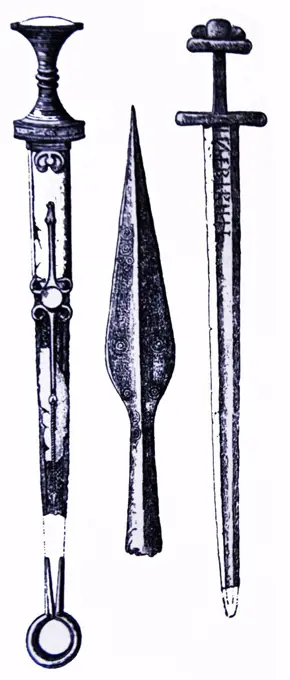
A collection of historical metalwork including swords, a bayonet, and a pin, showcasing a mix of iron and intricate designs from various periods.

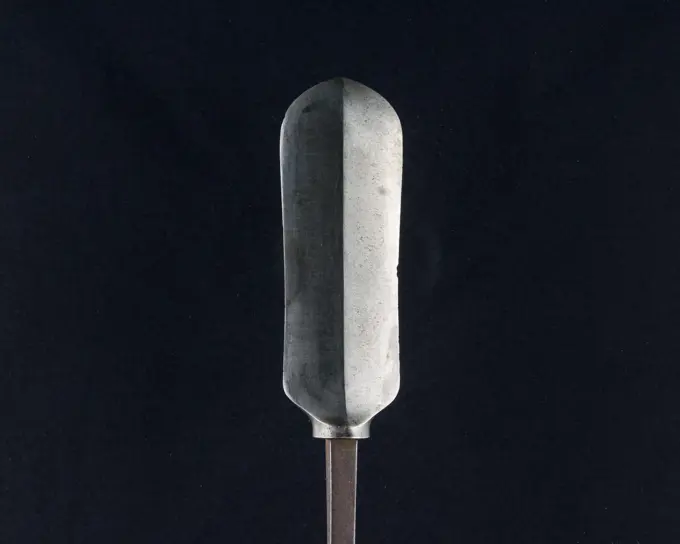
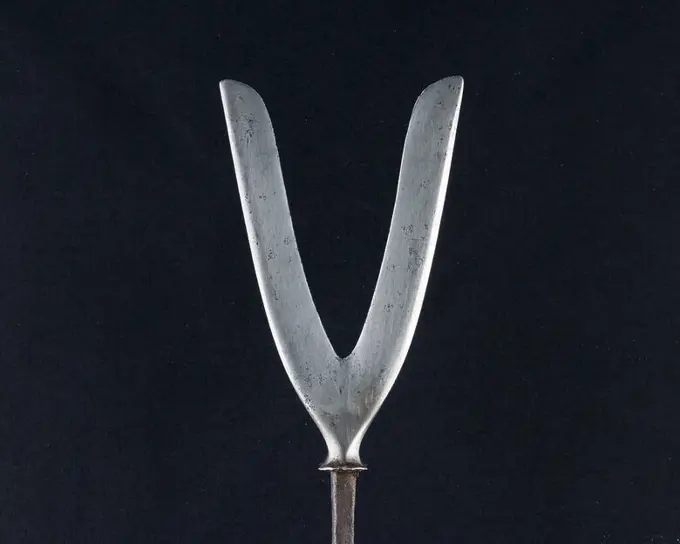
Sabelbayonet of the Navy, Anonymous, c. 1700 - c. 1900 sword bayonet Bayonet table of the navy, on which (the inscription) 'Marine'.  iron (metal)
Sabelbayonet of the Navy, Anonymous, c. 1700 - c. 1900 sword bayonet Bayonet table of the navy, on which (the inscription) 'Marine'. iron (metal)
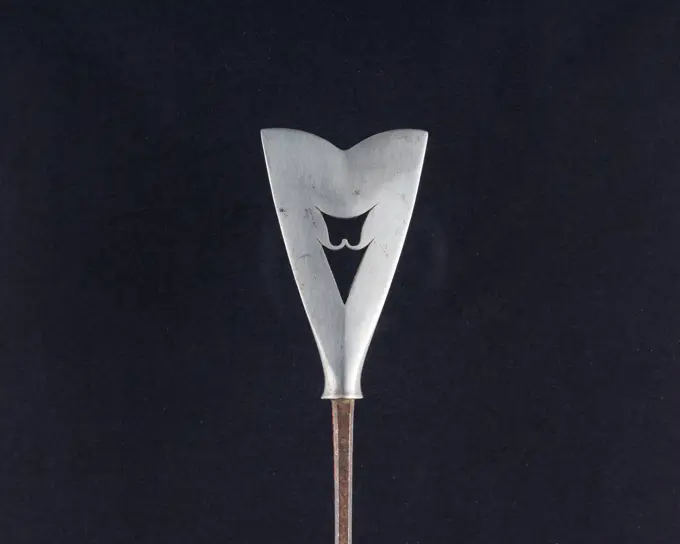
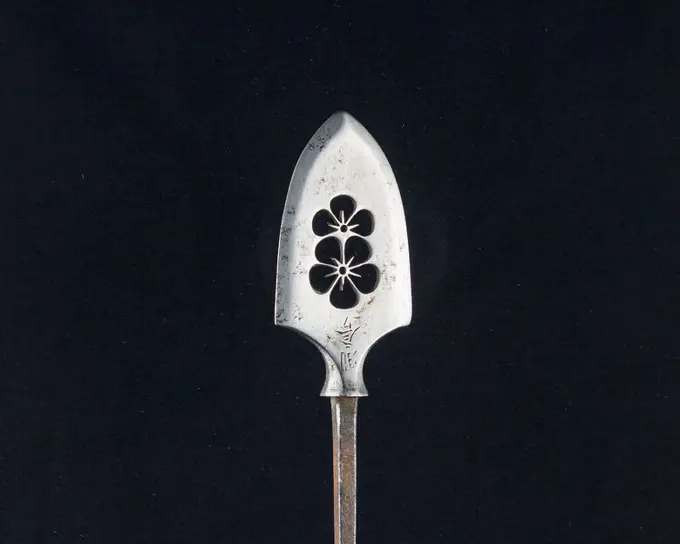
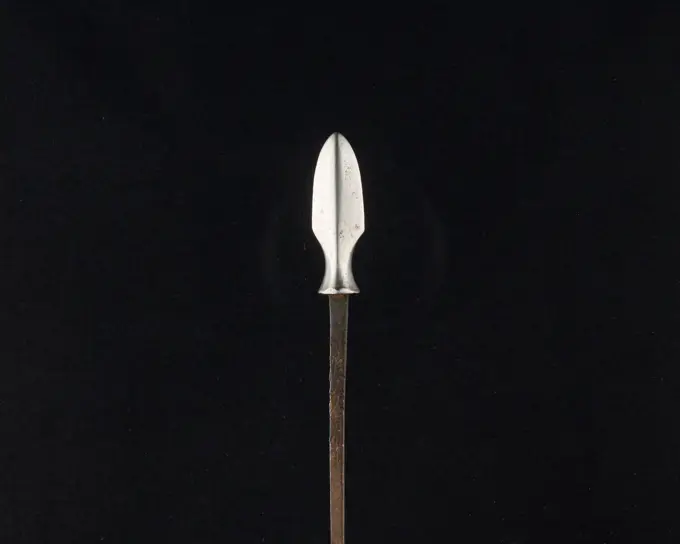
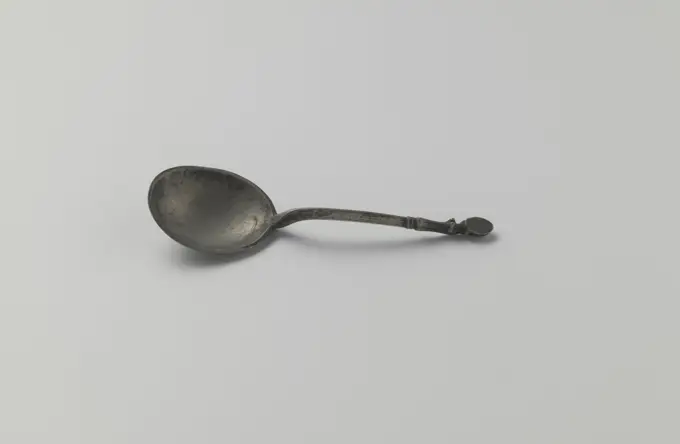
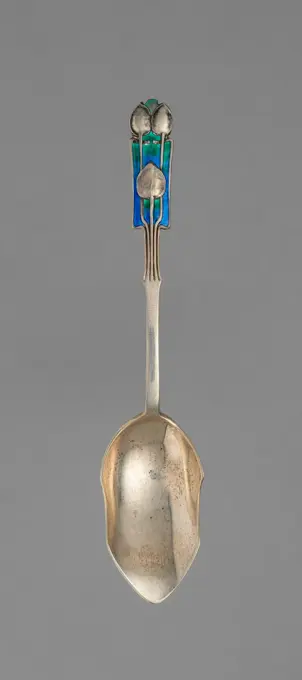
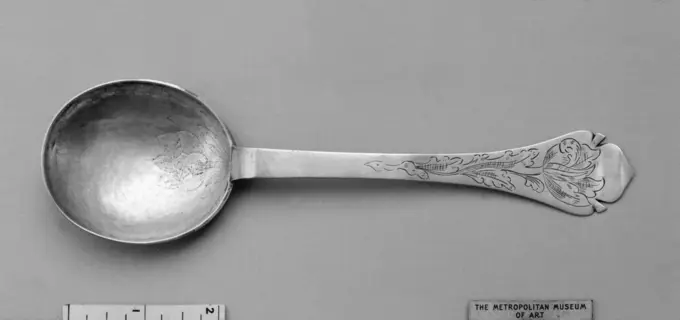
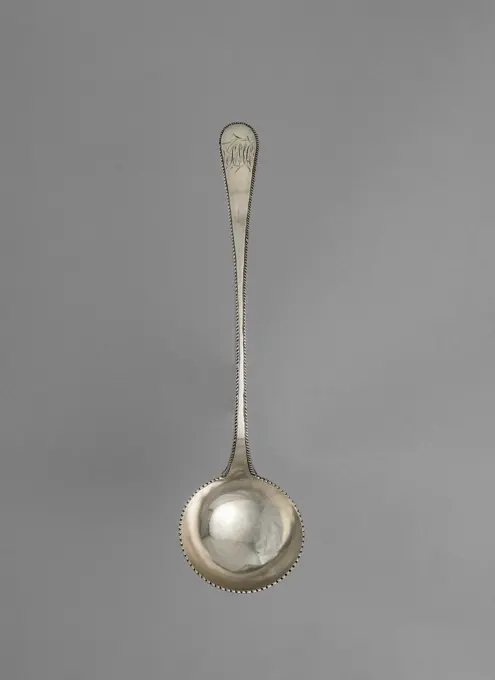
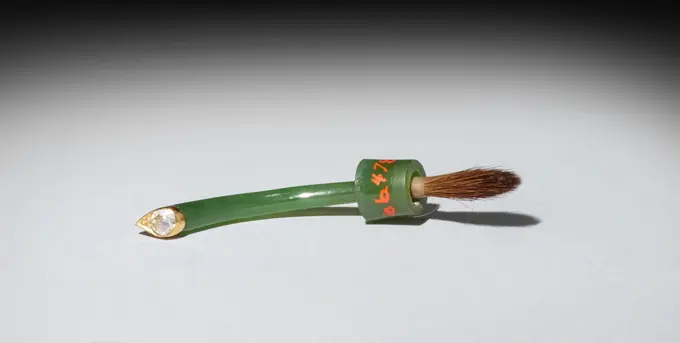
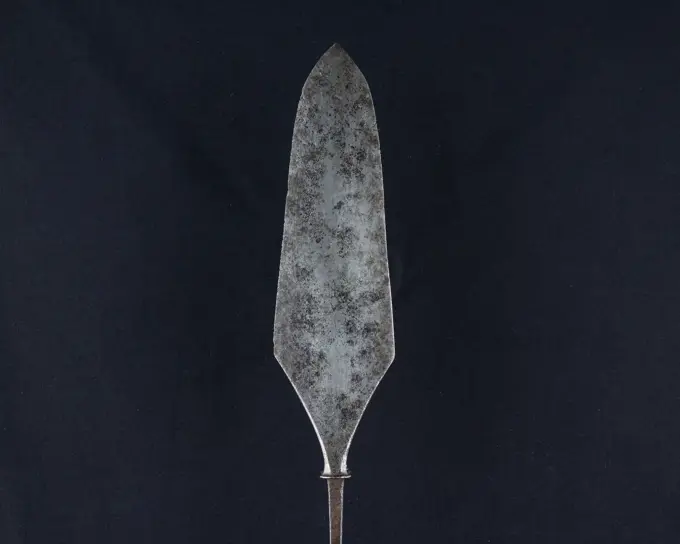
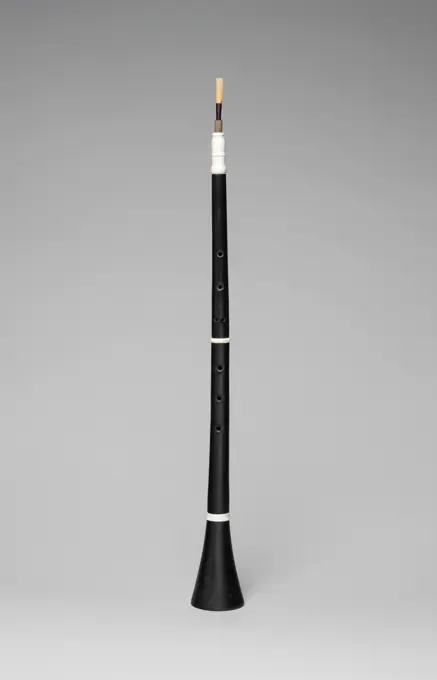
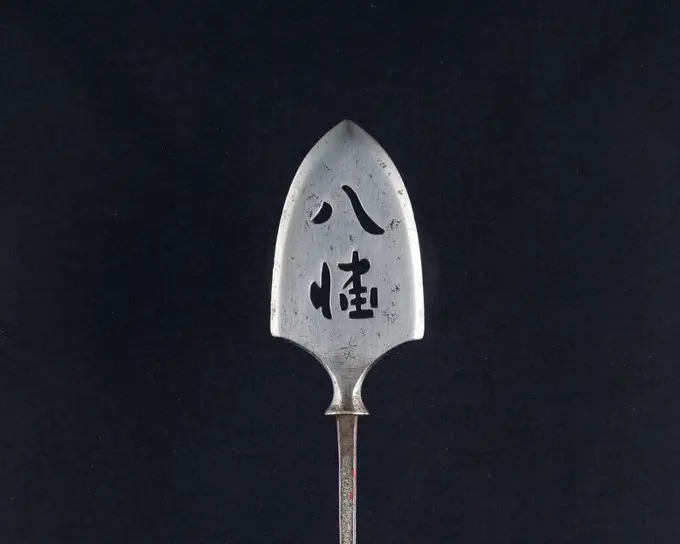
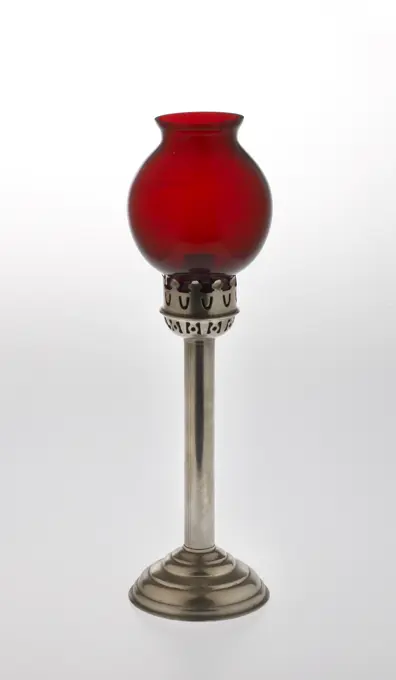
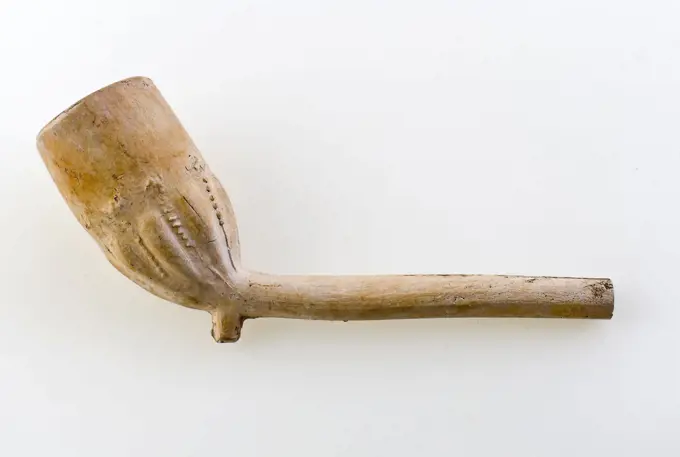
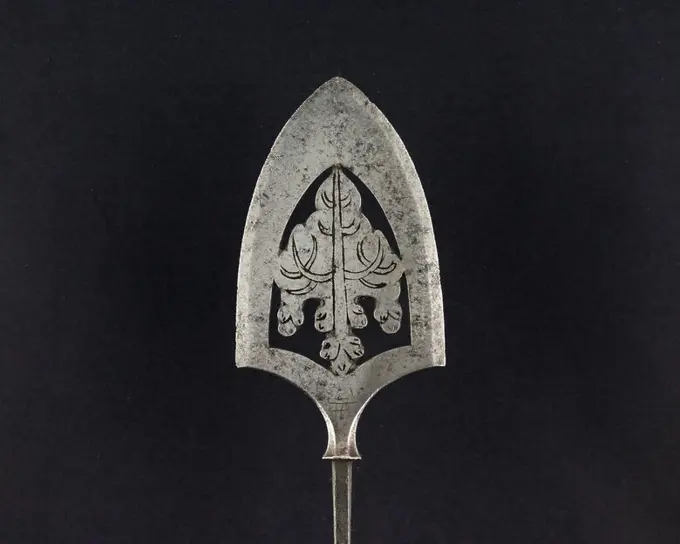
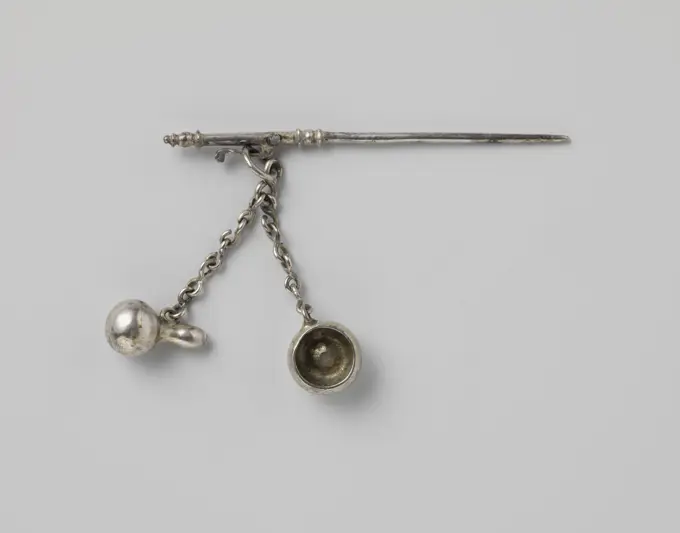
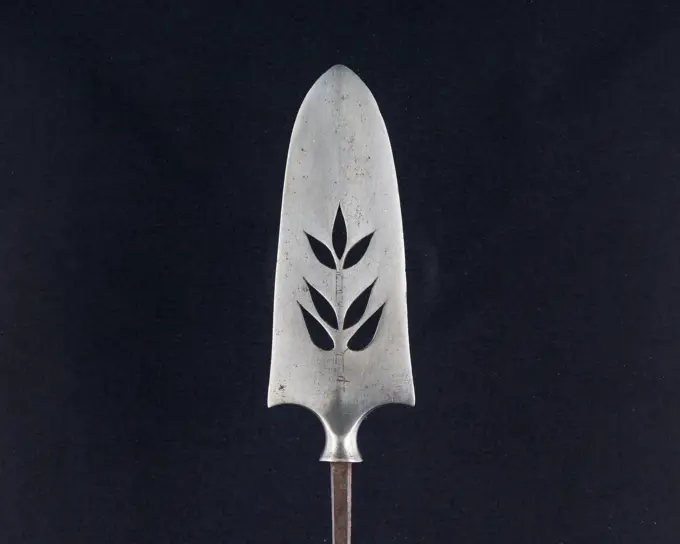
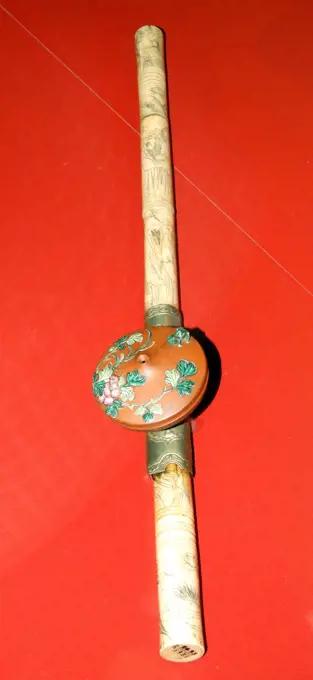
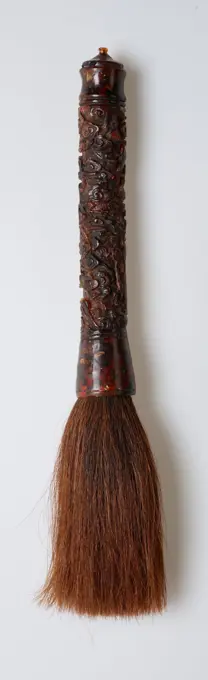
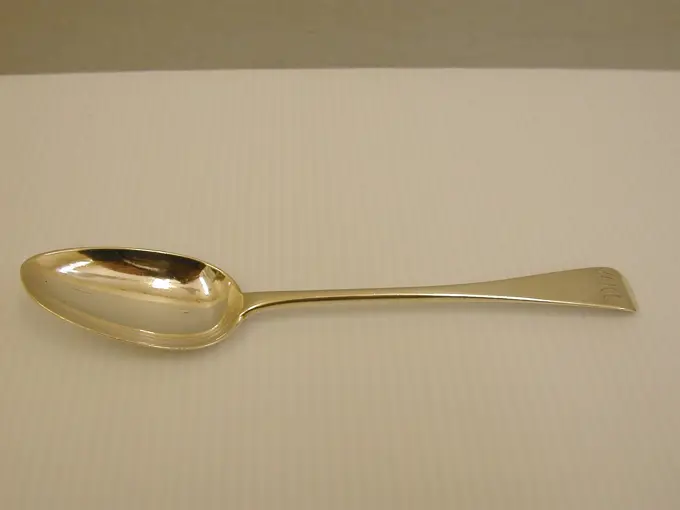
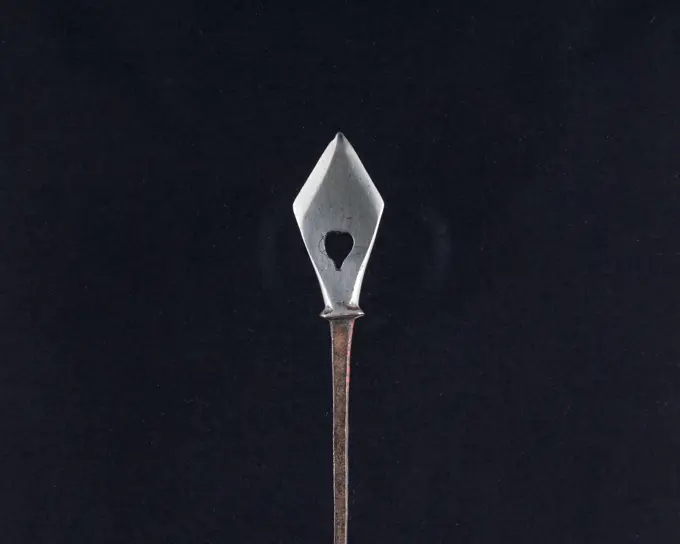
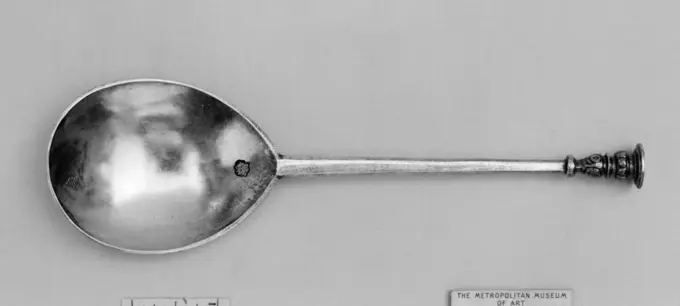
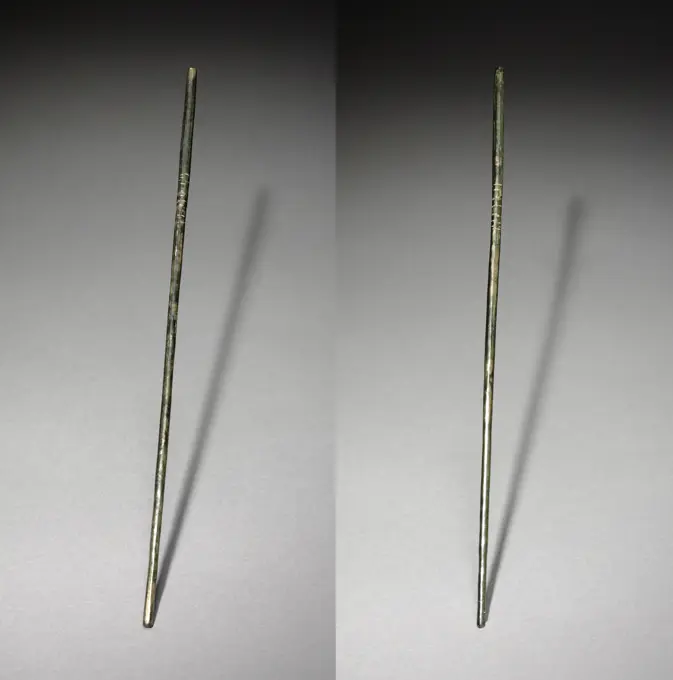
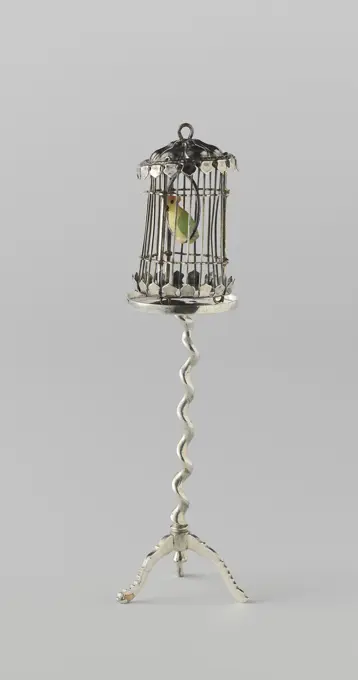
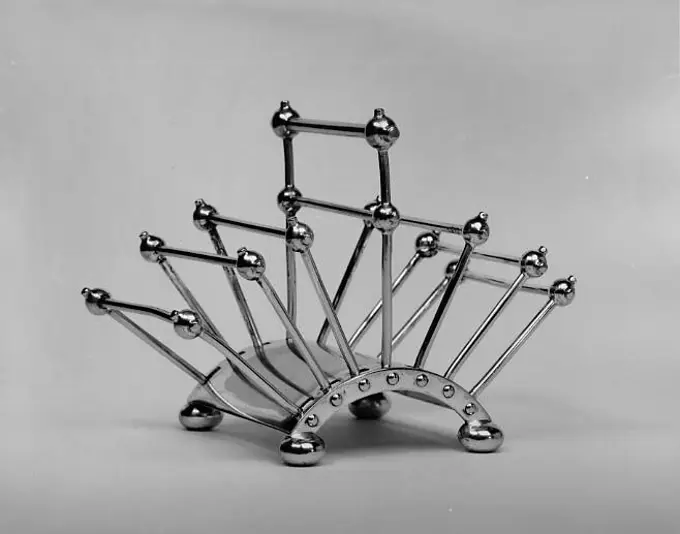
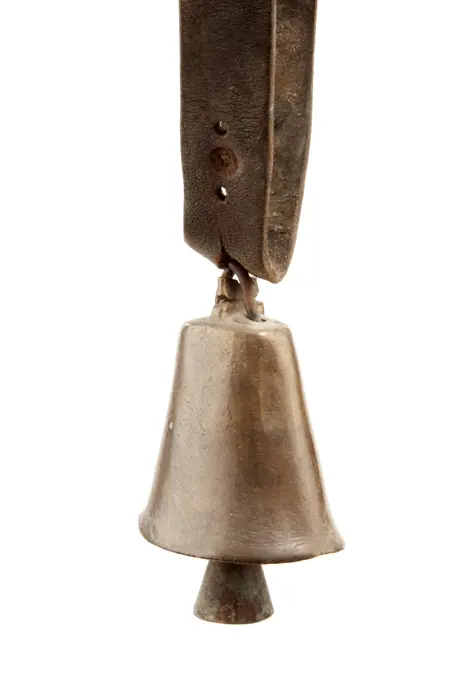
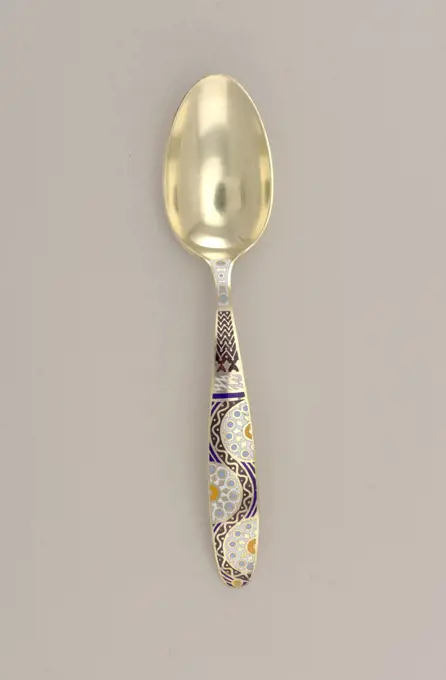
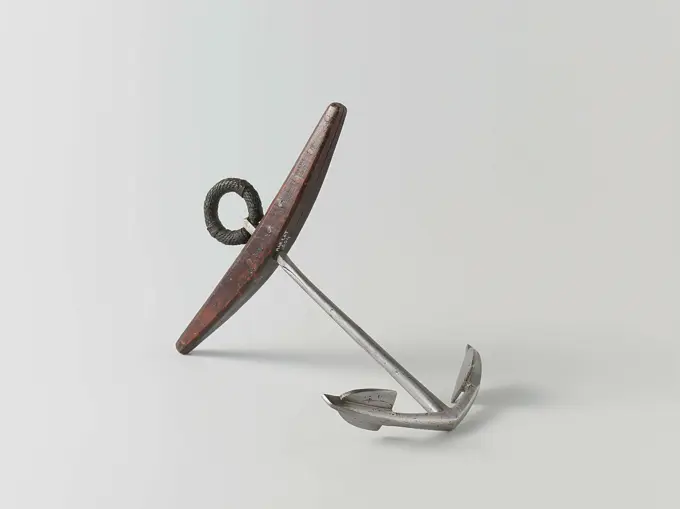
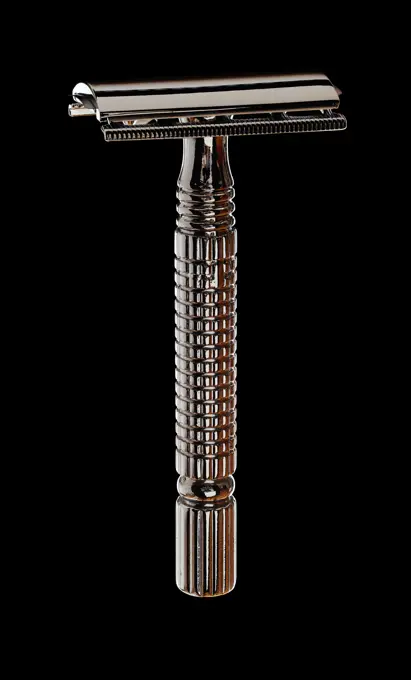
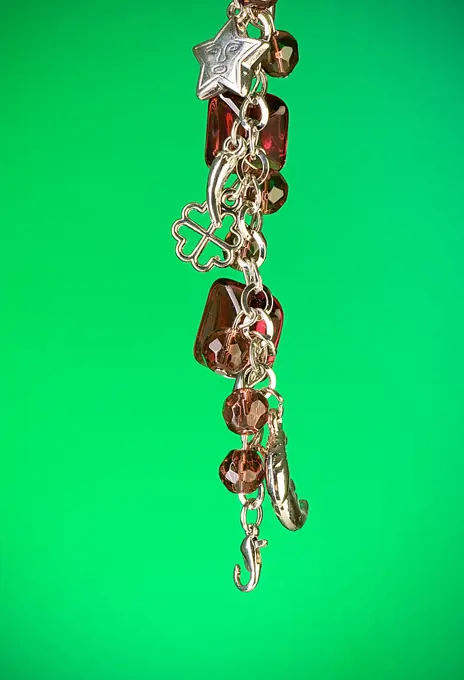
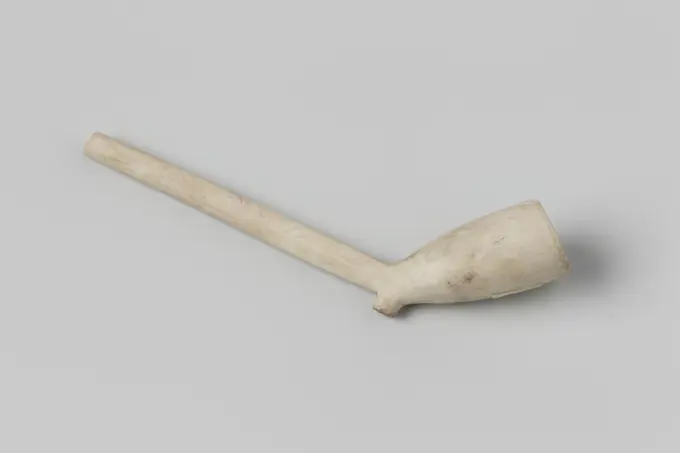
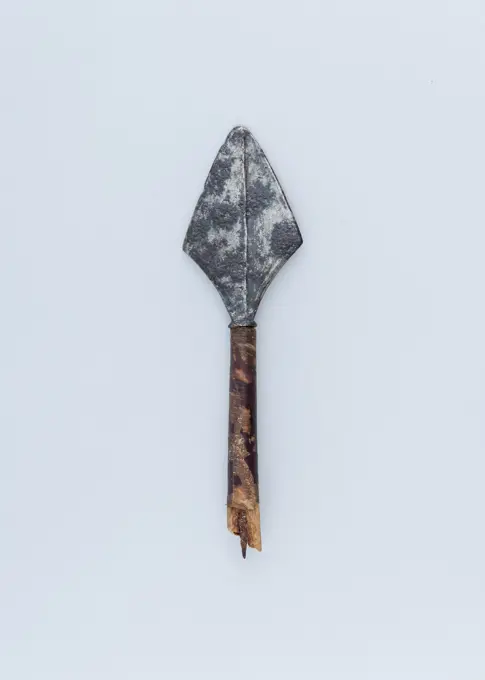
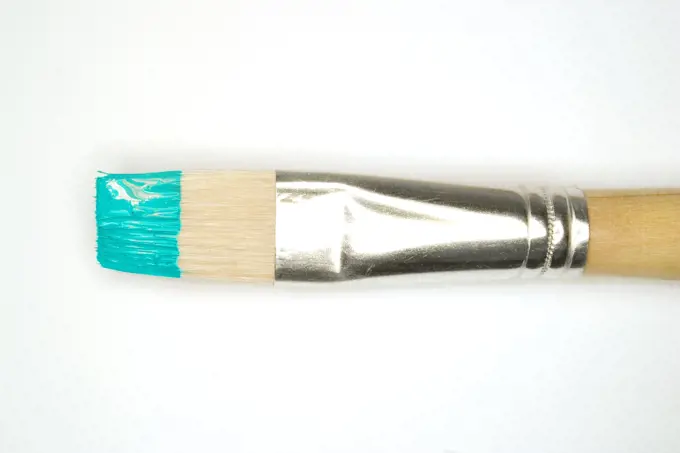
Spoon late 18th century German. Spoon 188186 German, Spoon, late 18th century, Silver gilt, agate, 5 7/8 in. (14.9 cm). The Metropolitan Museum of Art, New York. Gift of Mrs. Samuel P. Avery, 1897 (97.2.162)Candlestick; pewterKey to the wheeled lock unknown labelCute retro music unicorn on a vinyl record. Vector color cartoon illustration on white background. Linear drawing. For colorings, prints, posters, stickers, puzzle. Cute retro music unicorn kids color vector illustrationFork with the Helmet helmet sign, Roelof Helweg, 1806 The fourth fork is on both the top and bottom by means of only praise to the flat, curved stem, which broadens to the spatula-shaped end. At the top and bottom of the handle are surrounded by a double file edge, which has been swept up at the end. The Clifford helmet is engraved on the underside of the spatula. Amsterdam silver (metal) The fourth fork is on both the top and bottom by means of only praise to the flat, curved stem, which broadens to the spatula-shaped end. At the top and bottom of the handle are surrounded by a double file edge, which has been swept up at the end. The Clifford helmet is engraved on the underside of the spatula. Amsterdam silver (metal)Twisted Spear Head 17th century. Twisted Spear Head. 17th century. Steel. Made in India. MetalMedieval Teutonic weapons (sword, dagger and spearhead)Arrowhead (Yanone) 18th century Japanese Although today Japanese warriors are renowned most for their swordsmanship, archery, especially from horseback, has been an essential part of samurai warfare and culture for centuries. Arrows were fitted with heads of varying shape according to their intended use in war, the hunt, or target practice. Arrowheads made for use on the battlefield incorporated different designs intended for specialized purposes such as the piercing of armor or to cause maximum damage to horses and unarmored personnel.Large arrowheads, pierced and elaborately chiseled with landscapes, birds, flowers, dragons, and Buddhist divinities, were created to be admired for the beauty of their metalwork and design rather than for use in archery. Such highly elaborate examples may have been made for presentation or as a votive offerings to a shrine.. Arrowhead (Yanone). Japanese. 18th century. Steel. Archery Equipment-ArrowheadsPin from the wreck of the East India Flying Heart. Copper pin with cup. Something crooked. Pin.Arrowhead ca. 9th century B.C. Iran. Arrowhead 325182High wooden hanger, isolated on black background, with clipping path High wooden hanger, isolated on black background, with clipping path Copyright: xZoonar.com/OleksandrxKostiuchenkox 8911593Bai Ming (born in 1965). "Painten roller". Porcelain babble. 2011. Paris, Cernuschi museum. Asian art, Chinese art, porcelain table, porcelain, rollingArrowhead (Yanone) 18th century Japanese Although today Japanese warriors are renowned most for their swordsmanship, archery, especially from horseback, has been an essential part of samurai warfare and culture for centuries. Arrows were fitted with heads of varying shape according to their intended use in war, the hunt, or target practice. Arrowheads made for use on the battlefield incorporated different designs intended for specialized purposes such as the piercing of armor or to cause maximum damage to horses and unarmored personnel.Large arrowheads, pierced and elaborately chiseled with landscapes, birds, flowers, dragons, and Buddhist divinities, were created to be admired for the beauty of their metalwork and design rather than for use in archery. Such highly elaborate examples may have been made for presentation or as a votive offerings to a shrine.. Arrowhead (Yanone). Japanese. 18th century. Steel. Archery Equipment-ArrowheadsAhlspiess Made 1480-1500 Germany. Steel and wood .Wagon (琴) 1804 Mizutani Kakumu (professional name: Fujiwara Mitsukazu or Kowa) The wagon, or yamato-goto, is employed in mi-kagura, the formal imperial Shinto music, to accompany song and male dance. Considered Japan's only indigenous string instrument, this zither's unusual features include bridges make of forked maple twigs and projecting teeth, to which the strings are tied.. Wagon (琴) 502130Lazio Viterbo Viterbo Museo Civico06. Hutzel, Max 1960-1990 Views of paintings (Middle Ages through 18th c.), frescoes, a tabernacle, coffin, sculpture reliefs, portal fragments, busts, sculpture, tapestry found in the Pinacoteca, Second floor gallery and Second floor cloister sequences. Antiquities: Many views of Etruscan and Roman fragments, sculpture, sarcophagi, pottery, masks, jewelry and other objects found in the Storeroom sequence (inventory numbers on back of prints), and the Cloister, Second floor Cloister, Valle Giulia, Sala Romana and Sala Etrusca sequences. General Notes: There are eight separate numerical sequences for this location. The cloister as an architectural structure, rather than museum site, is documented in the record and file for S. Maria della Verita, Cloister, all views of which are stored in Medieval core collection. Five views from the Museo Civico Second floor cloister sequence are stored in Medieval. German-born photographer and scholar Max Hutzel (1911-Baluster first half 18th century British. Baluster. British. first half 18th century. Oak. WoodworkArrowhead (Yanone). Culture: Japanese. Dimensions: L. 11 1/8 in. (28.2 cm); L. of head 2 1/2 in. (6.4 cm); W. 2 1/4 in. (5.7 cm); Wt. 1.3 oz. (36.9 g). Date: 18th century. Museum: Metropolitan Museum of Art, New York, USA.Arrowhead (Yanone) 18th century Japanese Although today Japanese warriors are renowned most for their swordsmanship, archery, especially from horseback, has been an essential part of samurai warfare and culture for centuries. Arrows were fitted with heads of varying shape according to their intended use in war, the hunt, or target practice. Arrowheads made for use on the battlefield incorporated different designs intended for specialized purposes such as the piercing of armor or to cause maximum damage to horses and unarmored personnel.Large arrowheads, pierced and elaborately chiseled with landscapes, birds, flowers, dragons, and Buddhist divinities, were created to be admired for the beauty of their metalwork and design rather than for use in archery. Such highly elaborate examples may have been made for presentation or as a votive offerings to a shrine.. Arrowhead (Yanone). Japanese. 18th century. Steel. Archery Equipment-ArrowheadsPewter spoon with a fitted hoof, 1600 - 1700 Tin spoon with angular stem. The stem ends in a fitted hoof. unknown tin (metal) casting Tin spoon with angular stem. The stem ends in a fitted hoof. unknown tin (metal) castingCopper spoon with round bowl and flat handle, changing to round handle, spoon cutlery soil find copper brass metal, archeologyTable knife of silver.knife with gun lift, pointed bladeOregano Oregano in a spoon over a blured wooden background with copy space Copyright: xZoonar.com/TimxHesterxPhotographyx 3843920Spoon with Fish-Tail Design, 918-1392. Korea, Goryeo period (918-1392). Bronze; overall: 22.7 cm (8 15/16 in.).Djam scepter. Dimensions: L. 163.3 cm (64 5/16 in.). Dynasty: Dynasty 12. Date: ca. 1981-1802 B.C.. Museum: Metropolitan Museum of Art, New York, USA.Arrowhead (Yanone) 18th century Japanese Although today Japanese warriors are renowned most for their swordsmanship, archery, especially from horseback, has been an essential part of samurai warfare and culture for centuries. Arrows were fitted with heads of varying shape according to their intended use in war, the hunt, or target practice. Arrowheads made for use on the battlefield incorporated different designs intended for specialized purposes such as the piercing of armor or to cause maximum damage to horses and unarmored personnel.Large arrowheads, pierced and elaborately chiseled with landscapes, birds, flowers, dragons, and Buddhist divinities, were created to be admired for the beauty of their metalwork and design rather than for use in archery. Such highly elaborate examples may have been made for presentation or as a votive offerings to a shrine.. Arrowhead (Yanone). Japanese. 18th century. Steel. Archery Equipment-ArrowheadsPeter and William (I) Bateman, Caddy Spoon, 1811/12, silver.Arrowhead (Yanone) 18th century Japanese Although today Japanese warriors are renowned most for their swordsmanship, archery, especially from horseback, has been an essential part of samurai warfare and culture for centuries. Arrows were fitted with heads of varying shape according to their intended use in war, the hunt, or target practice. Arrowheads made for use on the battlefield incorporated different designs intended for specialized purposes such as the piercing of armor or to cause maximum damage to horses and unarmored personnel.Large arrowheads, pierced and elaborately chiseled with landscapes, birds, flowers, dragons, and Buddhist divinities, were created to be admired for the beauty of their metalwork and design rather than for use in archery. Such highly elaborate examples may have been made for presentation or as a votive offerings to a shrine.. Arrowhead (Yanone). Japanese. 18th century. Steel. Archery Equipment-ArrowheadsCandlestick, Pewter, Gadrooned foot, baluster stem and flaring candle holder., Germany, 18th century, metalwork, Decorative Arts, CandlestickSerpent (tunjo) 10th-16th century Muisca. Serpent (tunjo) 309852Leerer Metalllöffel auf einem monochromen braunen Hintergrund Empty metal spoon on a monochrome brown background. Cutlery on the dining table LicenseRF Copyright: xZoonar.com/TetianaxChernykovax 23262037Set of six Spoons in Original Box, c. 1895-1910. Liberty and Company (British), attributed to Archibald Knox (British, 1864-1933). Silver, enamel decoration and leather box;Parrying Poniard Made 1610-1640 Germany. Steel, wood, and brass .Drawing paperTeaspoon.   Maker: J. S. (1), active ca. 1800Spoon 18th century German, Augsburg. Spoon 188302 German, Augsburg, Spoon, 18th century, Silver gilt, 6 1/2 in. (16.5 cm). The Metropolitan Museum of Art, New York. Gift of Mrs. Samuel P. Avery, 1897 (97.2.279)Arrowhead (Yanone) late 17th century Japanese Although today Japanese warriors are renowned most for their swordsmanship, archery, especially from horseback, has been an essential part of samurai warfare and culture for centuries. Arrows were fitted with heads of varying shape according to their intended use in war, the hunt, or target practice. Arrowheads made for use on the battlefield incorporated different designs intended for specialized purposes such as the piercing of armor or to cause maximum damage to horses and unarmored personnel.Large arrowheads, pierced and elaborately chiseled with landscapes, birds, flowers, dragons, and Buddhist divinities, were created to be admired for the beauty of their metalwork and design rather than for use in archery. Such highly elaborate examples may have been made for presentation or as a votive offerings to a shrine.. Arrowhead (Yanone). Japanese. late 17th century. Steel. Tokyo. Archery Equipment-ArrowheadsFour pencilsHammered Copper Spatula () 8th-mid-16th century Peru; north coast (). Hammered Copper Spatula () 308876Spoon 18th century German. Spoon 188091 German, Spoon, 18th century, Silver, L. 8 in. (20.3 cm.). The Metropolitan Museum of Art, New York. Gift of Mrs. Samuel P. Avery, 1897 (97.2.56)Salt spoon early 19th century possibly German, Bamberg. Salt spoon 188247 possibly German, Bamberg, Salt spoon, early 19th century, Silver, parcel gilt, 3 3/8 in. (8.6 cm). The Metropolitan Museum of Art, New York. Gift of Mrs. Samuel P. Avery, 1897 (97.2.224)Spoon. Silver spoon with stem crowned by an apostle with an Andreaskruis. Reimburse on the handle: S. Andreas.Spoon 1750-60 Daniel Henchman. Spoon. American. 1750-60. Silver. Made in Boston, Massachusetts, United StatesArrowhead (Yanone). Culture: Japanese. Dimensions: L. 10 5/8 in. (27 cm); L. of head 4 1/8 in. (10.5 cm); W. 2 1/2 in. (6.4 cm); Wt. 2 oz. (56.7 g). Date: 18th century. Museum: Metropolitan Museum of Art, New York, USA.Spoon of Silver, Georg Jensen, 1915 Spoon of silver with egg -shaped container, model 'Konge'. The scanning stem widening is crowned by a motif of S-Voluten above which a pine cone in leaves. Copenhagen (city) silver (metal) Spoon of silver with egg -shaped container, model 'Konge'. The scanning stem widening is crowned by a motif of S-Voluten above which a pine cone in leaves. Copenhagen (city) silver (metal)Handle. UnknownClose-up of a fishing hookSoup Ladle, c. 1780-1785. John Burt Lyng (American, 1785). Silver; overall: 9.3 cm (3 11/16 in.).Table Spoon 1775-1800 Daniel Van Voorhis. Table Spoon 8128Stamp Moistener (Stem), late 1800s-early 1900s. Firm of Peter Carl Fabergé (Russian, 1846-1920). Jade, diamonds, gold; This stamp moistener in the form of a green tomato is carved out of a single piece of jade. The stem, tipped by a diamond mounted in gold, is removable. The interior end of this stem holds the brush that is used to wet a stamp for letters.Lower extremities bones.Arrowhead (Yanone) 18th century Japanese Although today Japanese warriors are renowned most for their swordsmanship, archery, especially from horseback, has been an essential part of samurai warfare and culture for centuries. Arrows were fitted with heads of varying shape according to their intended use in war, the hunt, or target practice. Arrowheads made for use on the battlefield incorporated different designs intended for specialized purposes such as the piercing of armor or to cause maximum damage to horses and unarmored personnel.Large arrowheads, pierced and elaborately chiseled with landscapes, birds, flowers, dragons, and Buddhist divinities, were created to be admired for the beauty of their metalwork and design rather than for use in archery. Such highly elaborate examples may have been made for presentation or as a votive offerings to a shrine.. Arrowhead (Yanone). Japanese. 18th century. Steel. Archery Equipment-ArrowheadsBasket-Hilted Broadsword (Schiavona). Italian, Venice. Date: 1690-1710. Dimensions: Overall L. 110.8 cm (43 5/8 in.)Blade L. 95.2 cm (37 1/2 in.)Blade width at hilt: 3.5 cm (1 3/8 in.)Wt. 2 lb. 12 oz. Steel and bronze. Origin: Venice. Museum: The Chicago Art Institute, Chicago, USA.Oboe in D second half 18th century possibly Austrian. Oboe in D 505151Iron;  19th century (1801-00-00-1900-00-00);Arrowhead (Yanone). Culture: Japanese. Dimensions: L. 8 in. (20.3 cm); L. of head 2 15/16 in. (7.5 cm); W. 1 1/2 in. (3.8 cm); Wt. 1.7 oz. (48.2 g). Date: 18th century. Museum: Metropolitan Museum of Art, New York, USA.Decorative drapes with one donkey's hoof, guard and handle, in the channel of the blade text, ornamental sword sword arm weapon ground find wrought iron cast iron metal total, hilt h 3,8 hike, archeology militariaFork (Germany); glass beads, steel, thread; L x W: 19.2 x 1.2 cm (7 9/16 x 1/2 in.); The Robert L. Metzenberg Collection, gift of Eleanor L. Metzenberg; 1985-103-58Candlestick - Desmarais & Robitaille Desmarais & RobitailleClay pipe with decoration embossed on the bottom half of the boiler, clay pipe smoking equipment smoke floor earthenware ceramic pottery, pressed finished baked clay pipe with decoration embossed on the lower half of the kettle Decoration consists of vertical lobes with series of dots ending in floral pattern Small heel without stamping area archeology indigenous pottery smoking tobaccoArrowhead (Yanone). Culture: Japanese. Dimensions: L. 10 3/4 in. (27.3 cm); L. of head 4 in. (10.2 cm); W. 2 1/4 in. (5.7 cm); Wt. 2 oz. (56.7 g). Date: 18th century. Museum: Metropolitan Museum of Art, New York, USA.Maker: P. M. (1), w. c. 1795, Maker, formerly attributed to: Peter Mood, Sr., 1766-1821, Sugartongs, ca.1795, Silver, 6 7/16 in., 44 g (16.4cm), Made in United States, American, 18thcentury, FlatwareGeuzendbeken sign, pin with Napje and Kalebasje, Anonymous, 1566 - 1600  Governor sign, pin with Napje and Kalebasje. Bone pin with button and profile and an S-shaped hook on which two chains: on one a silver gourd, on the other a small silver neck; Inside and bottom of the Napje of Geel Metal. Netherlands silver (metal). gold (metal). brass (alloy) forgingPala de horno. Panadería en Larrimbe, Álava. Fotografía del año 1994.Arrowhead (Yanone) 18th century Japanese Although today Japanese warriors are renowned most for their swordsmanship, archery, especially from horseback, has been an essential part of samurai warfare and culture for centuries. Arrows were fitted with heads of varying shape according to their intended use in war, the hunt, or target practice. Arrowheads made for use on the battlefield incorporated different designs intended for specialized purposes such as the piercing of armor or to cause maximum damage to horses and unarmored personnel.Large arrowheads, pierced and elaborately chiseled with landscapes, birds, flowers, dragons, and Buddhist divinities, were created to be admired for the beauty of their metalwork and design rather than for use in archery. Such highly elaborate examples may have been made for presentation or as a votive offerings to a shrine.. Arrowhead (Yanone). Japanese. 18th century. Steel. Archery Equipment-ArrowheadsSpoon and fork. This spoon and fork commemorate the death of Willem Sartoor in 1671. An inscription on the bowl of the spoon and the stem of the fork reveals that Sartoor was a sergeant with the Dutch East India Company (VOC). Both spoon and fork terminate in a tiny skull, emphasizing the sad event that occasioned their creation.Opium pipe. Chinese, made from terracotta, metal and ivory.Calligraphy brush, late 19th century, 13 1/2 × 1 11/16 × 1 11/16 in. (34.29 × 4.29 × 4.29 cm), Amber, hair, China, 19th century, In Chinese literati culture, the brush, a writing implement, is known as one of the 'four treasures of the study' along with the inkstick, inkstone, and paper. Brush handles are commonly constructed from bamboo, but some brushes have handles of sandalwood, jade, carved bone or ivory, and other precious materials as demonstrated by these examples. During late imperial times, artists catered to the tastes of gentlemen collectors and elaborated brushes with motifs derived from folklore, legends, superstitious beliefs as well as religious subjects from Confucianism, Buddhism, and Daoism.Cup for wine, made from animal horns, on a white background. Made from animal horns and decorated with engraving on metal, wine vessel. Presented on a white background. Copyright: xZoonar.com/GalinaxTolochkox 5693697Tablespoon.   Maker: Isaac B. Alexander, American, 1812-1885Spoon c 1705-1720 New York City. Silver . Simeon SoumaineSpoon, from a flatware dessert service, 18th century, Meissen Porcelain Factory, Meissen, Germany, est. 1710, Hard paste porcelain, gilt metal, Germany, 18th centuryArrowhead (Yanone) 18th century Japanese Although today Japanese warriors are renowned most for their swordsmanship, archery, especially from horseback, has been an essential part of samurai warfare and culture for centuries. Arrows were fitted with heads of varying shape according to their intended use in war, the hunt, or target practice. Arrowheads made for use on the battlefield incorporated different designs intended for specialized purposes such as the piercing of armor or to cause maximum damage to horses and unarmored personnel.Large arrowheads, pierced and elaborately chiseled with landscapes, birds, flowers, dragons, and Buddhist divinities, were created to be admired for the beauty of their metalwork and design rather than for use in archery. Such highly elaborate examples may have been made for presentation or as a votive offerings to a shrine.. Arrowhead (Yanone). Japanese. 18th century. Steel. Archery Equipment-ArrowheadsOboe, Cabart, c. 1890 - c. 1899 Hobo van Nikkel and Silver with 16 valves and a finger support (soldered on the medium piece). Marked on the cup Gallioen / Cabart / A Paris / cross / mole / repair sign. Marked on the back of the cup above the mood hole: France. The number 3 is on the lower part of the middle part. Paris silver (metal). nickel (metal) Hobo van Nikkel and Silver with 16 valves and a finger support (soldered on the medium piece). Marked on the cup Gallioen / Cabart / A Paris / cross / mole / repair sign. Marked on the back of the cup above the mood hole: France. The number 3 is on the lower part of the middle part. Paris silver (metal). nickel (metal)Seal-top spoon 1633-34 Daniel Cary. Seal-top spoon 209232Arrow Point, 1700s. Japan, Edo period (1615-1868). Steel; overall: 16.9 cm (6 5/8 in.); head: 3.1 cm (1 1/4 in.).Detail of metal crescent wrench.Pair of Chopsticks, 918-1392. Korea, Goryeo period (918-1392). Bronze; overall: 24.5 cm (9 5/8 in.). In Korea, chopsticks made of metal such as brass, silver, and gold were excavated from ancient tombs and ruins dated to the 6th century at the earliest. Burial goods often include utilitarian objects such as table wares and utensils because the dead were believed to need them in the afterlife.Oil samples collected for testingOld used masher on a rustic wooden tableMarijuana cigarette hanging from a hook drug addiction concept close-up isolated on white backgroundModel pick New Kingdom ca. 1479-1458 B.C. View more. Model pick. ca. 1479-1458 B.C.. Wood, linen string. New Kingdom. From Egypt, Upper Egypt, Thebes, Deir el-Bahri, Temple of Hatshepsut, Foundation Deposit 3, 6 (D, F), MMA excavations, 1923-24. Dynasty 18Bird cage with parrot, anonymous, c. 1870 - c. 1900 Round cylindrical bird cage. The upstairs and bottom edge are like a lambal. In the cage there is a colored bird in a ring. The cage stands on three rings and on top of the cage is a carrying ring. The cage is marked: a boar head and the number 13 (Hungarian levy sign). The cage is on a gueridon (BK-NM-11177-155-B). Germany silver (metal). Round cylindrical bird cage. The upstairs and bottom edge are like a lambal. In the cage there is a colored bird in a ring. The cage stands on three rings and on top of the cage is a carrying ring. The cage is marked: a boar head and the number 13 (Hungarian levy sign). The cage is on a gueridon (BK-NM-11177-155-B). Germany silver (metal).Tablespoon.   Maker: Samuel Barrett, American, 1735-1815Thyme Thyme in a spoon over a blured wooden background with copy space Copyright: xZoonar.com/TimxHesterxPhotographyx 3844037Dirty expression with middle finger up, wood mannequin handToast or letter rack 1881 Christopher Dresser British, Scottish Listen to experts illuminate this artwork's story Listen Play or pause #418. Christopher Dresser and the Birth of Industrial Design Supported by Bloomberg Philanthropies We're sorry, the transcript for this audio track is not available at this time. We are working to make it available as soon as possible.. Toast or letter rack 482591Alps cowbell on white backgroundSpoon, Gorham Manufacturing Company, Providence, Rhode Island, USA, founded 1818, Enameled and gilt silver, Gilt silver spoon with black, blue, white, and orange geometric and circular patterns in enamel on handle., ca. 1910, cutlery, Decorative Arts, SpoonModel of an Anchor. Model of a normal anchor, consisting of a shaft with a curved arm with anchor hands on the ends. Wooden anchor stick; Iron anchor ring with anchoring of gratted rope. Scale 1:10 (estimation).Vintage barber shop razor tool on black Vintage barber shop razor tool on black background Copyright: xZoonar.com/NikolaixOkhitinx 14723871. Hat pin made of steel with a drip-shaped imitation pearl.Standard from the bridle of the horse Alice that was ridged by the Prince of Orange on 12 August 1831. Wooden black painted standards consisting of one long and two shorter parts with a wide round pedestal and a narrower around top piece between which a circumcised rotated stake is attached. At the standard there is a paper with a wax seal and a description of the origin of the object. The horse was shot from the horse by a gun bullet on the aforementioned date at Bautersem.Pendant against colour gradient backgroundTabakspijp., anonymous, c. 1400 - c. 1950 Tobacco pipe.  earthenware. pipe clay Tobacco pipe.  earthenware. pipe clayArrowhead ca. 18th-19th century probably Tibetan or Chinese. Arrowhead. probably Tibetan or Chinese. ca. 18th-19th century. Iron, reed, sinew, bark. Archery Equipment-ArrowheadsCane 1880s American. Cane. American. 1880s. wood, goldN.A., USA, Alaska.  Decorative snow shoes on a building in Talkeetna.Twoteaspoons.   Maker: Daniel Goddard and Company, American, active ca. 1849A stock photograph of an artists paint brush with fresh colorful paint on its bristles.