Historic Weapons and Tools

A collection of historical metalwork including swords, a bayonet, and a pin, showcasing a mix of iron and intricate designs from various periods.

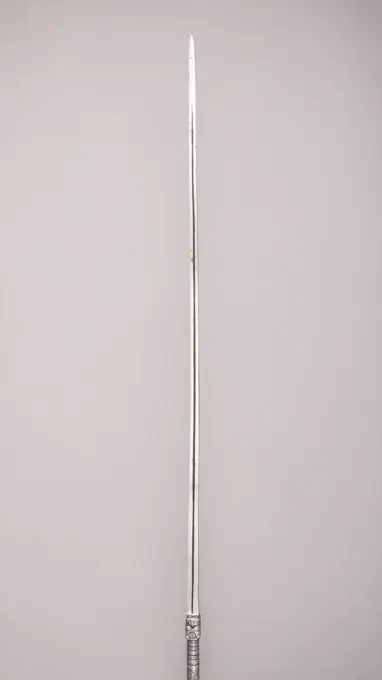
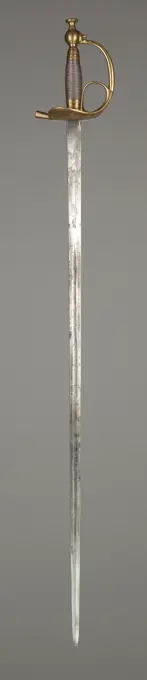
Sabelbayonet of the Navy, Anonymous, c. 1700 - c. 1900 sword bayonet Bayonet table of the navy, on which (the inscription) 'Marine'.  iron (metal)
Sabelbayonet of the Navy, Anonymous, c. 1700 - c. 1900 sword bayonet Bayonet table of the navy, on which (the inscription) 'Marine'. iron (metal)
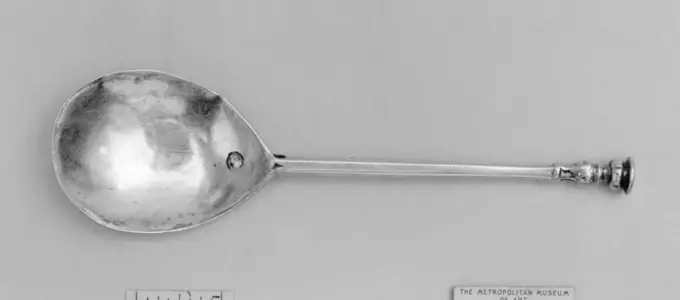
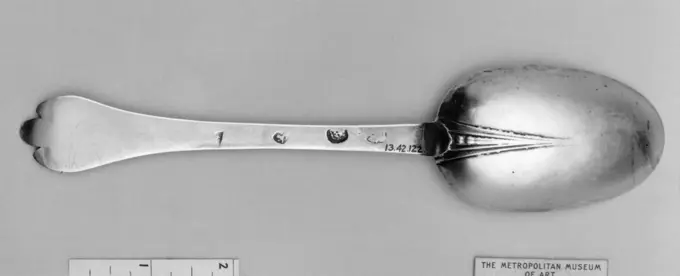
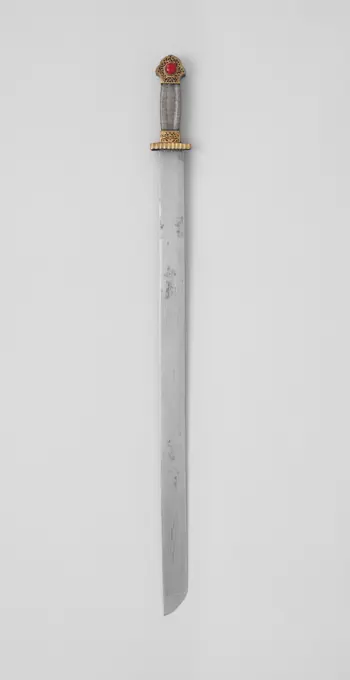
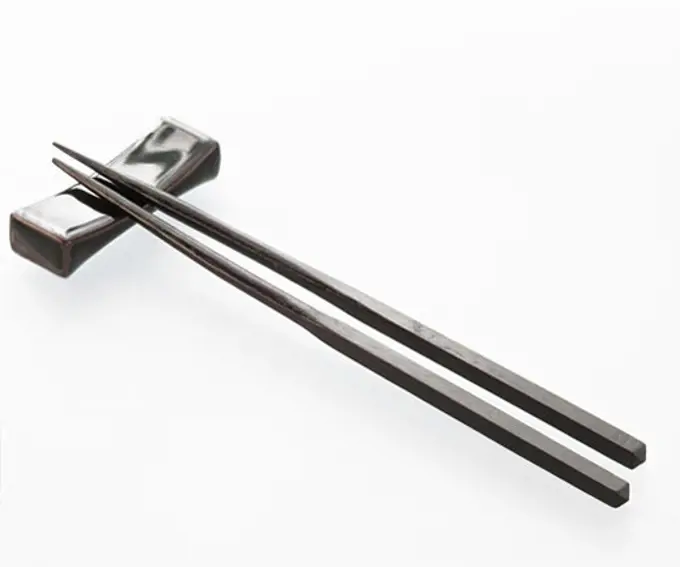
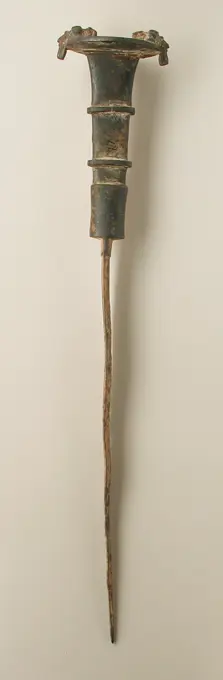
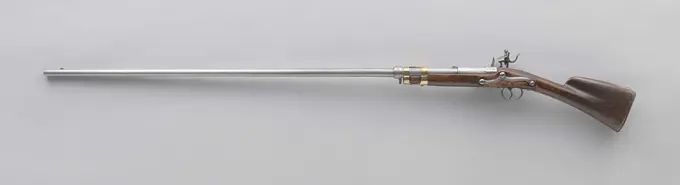
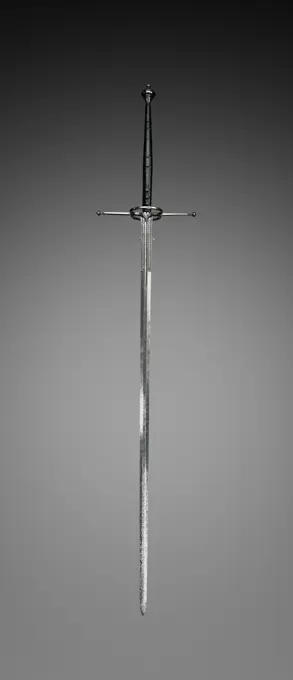
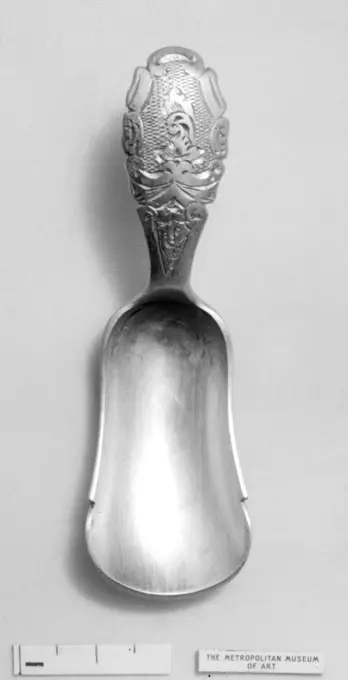
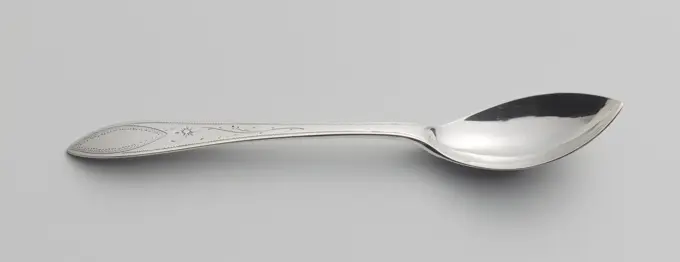
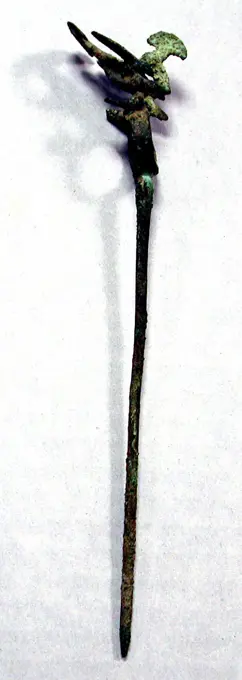
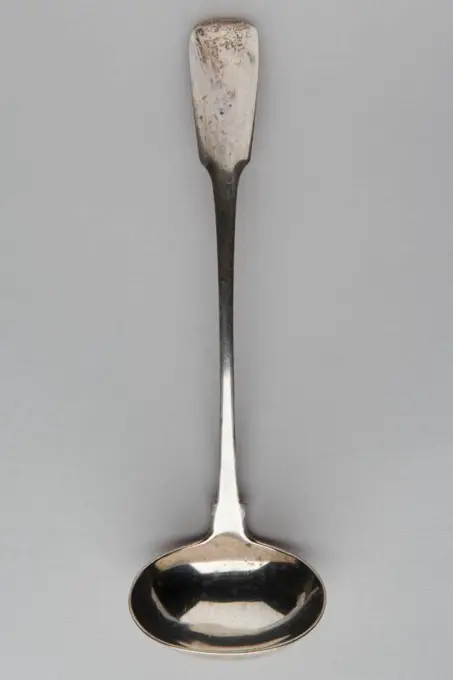
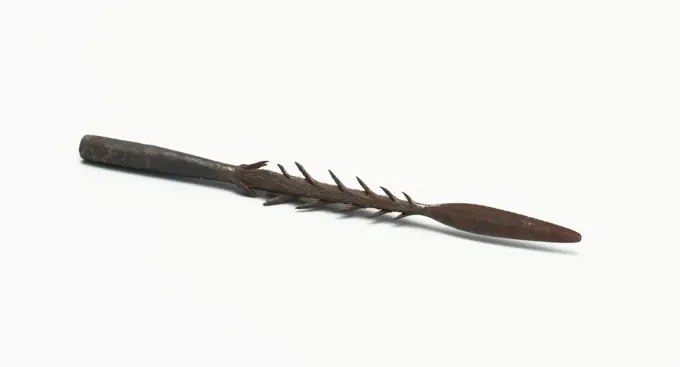
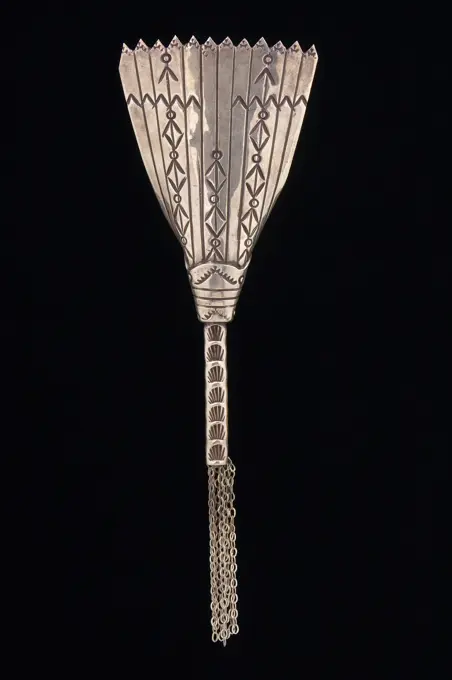
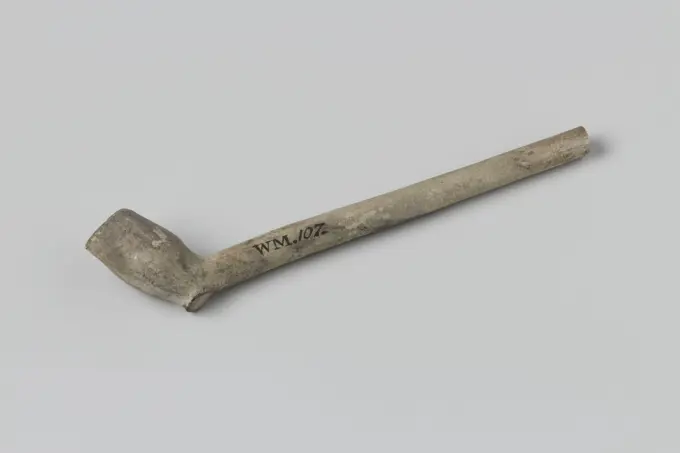
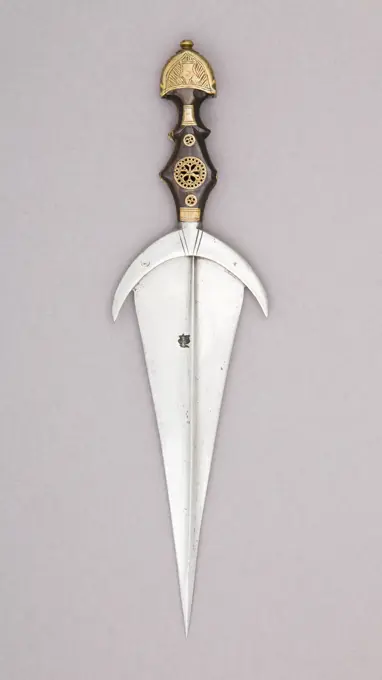
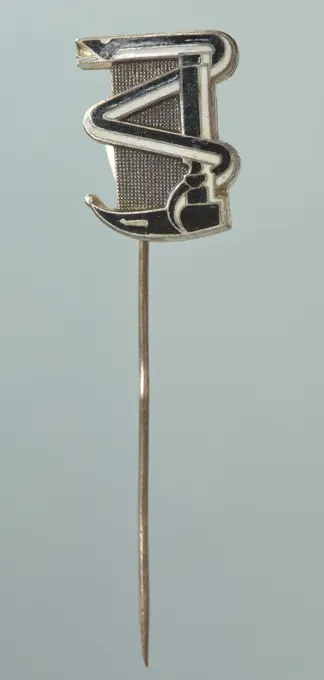
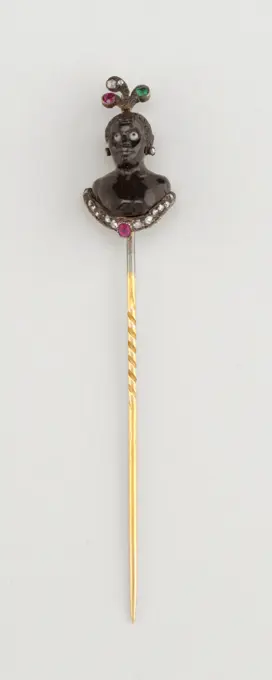
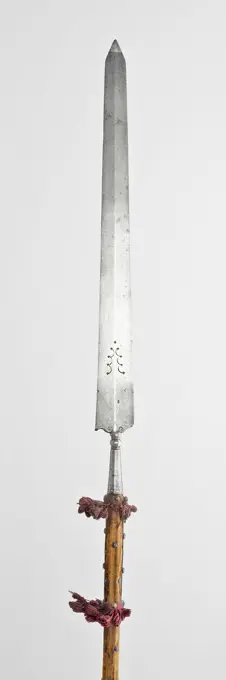
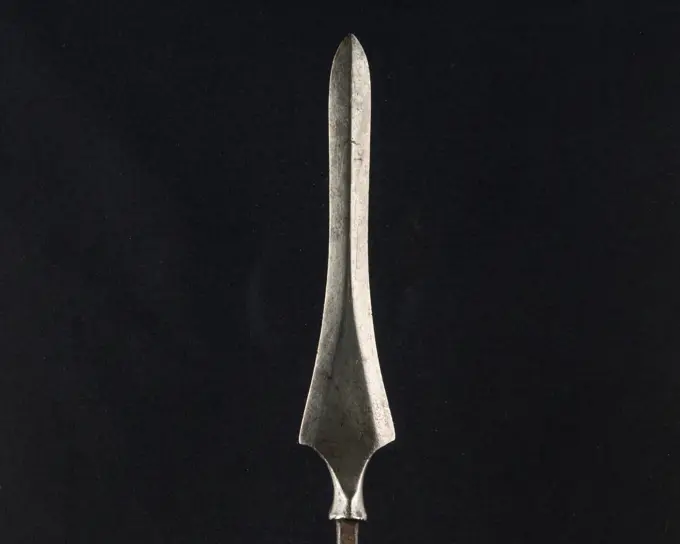
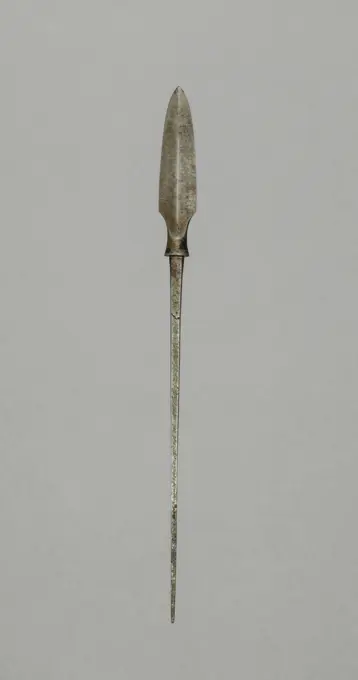
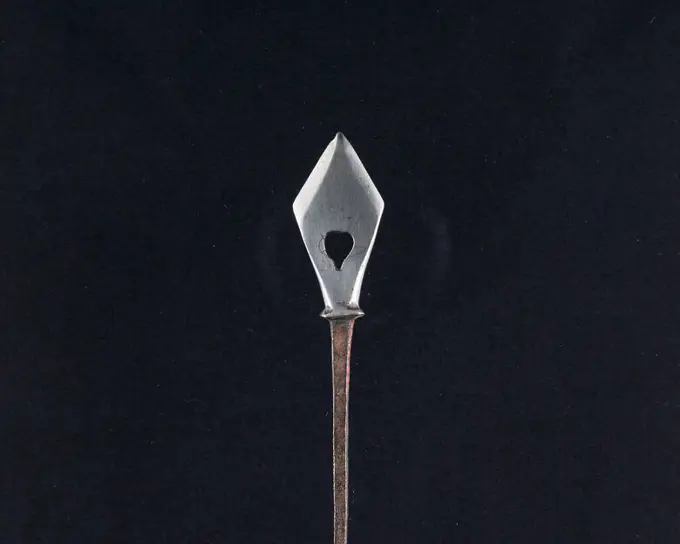
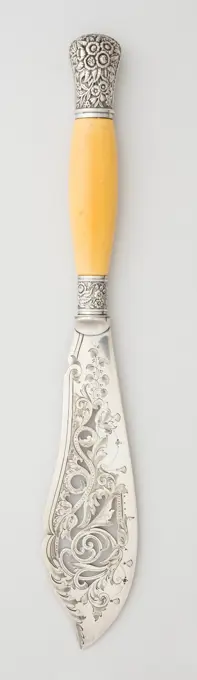
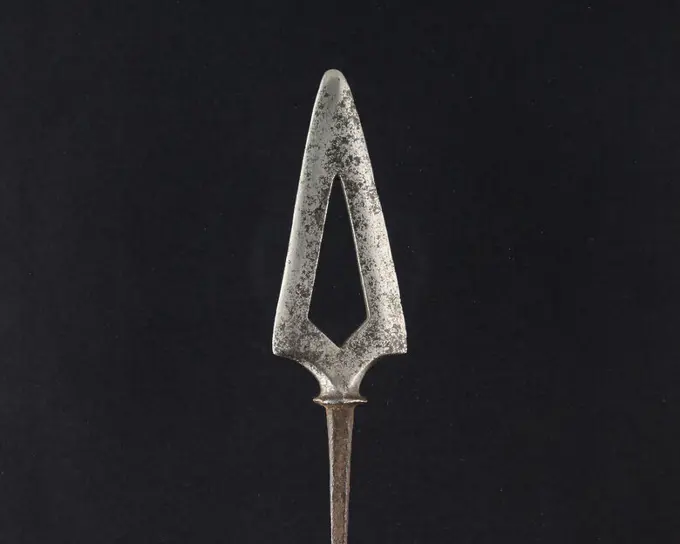
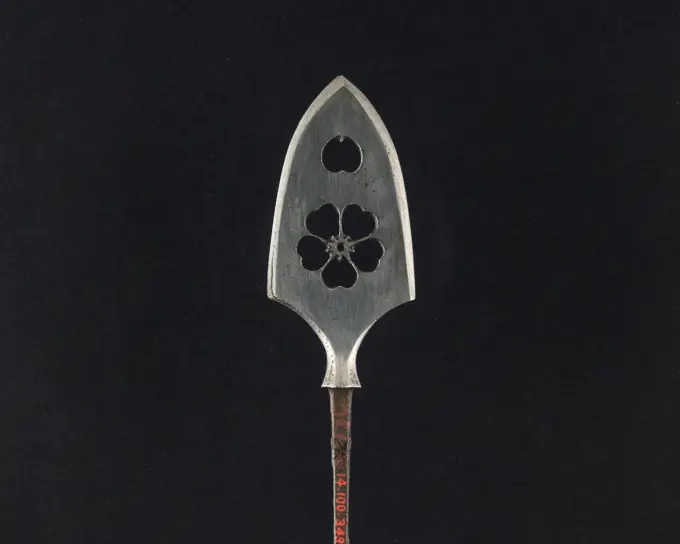
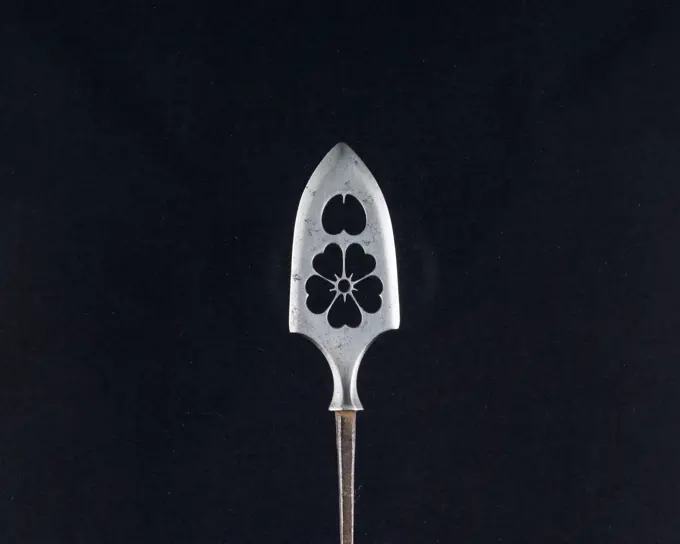
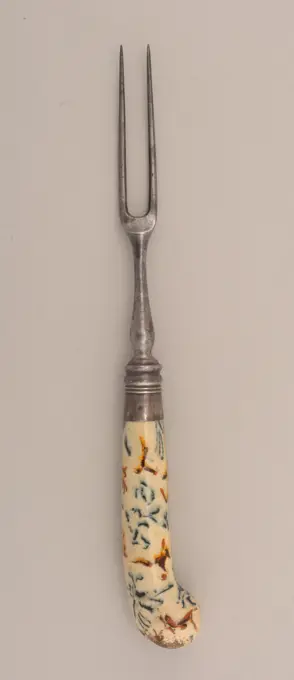
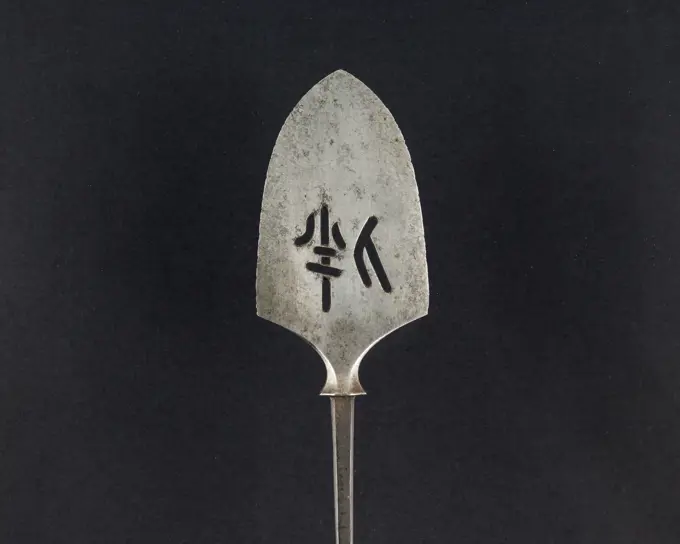
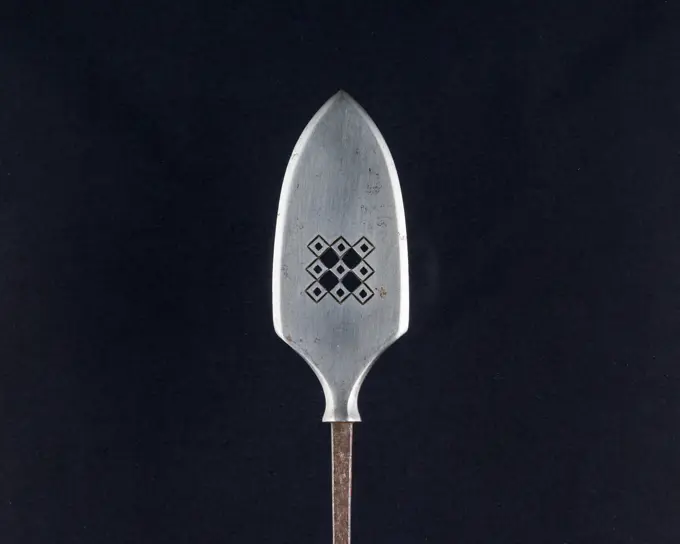
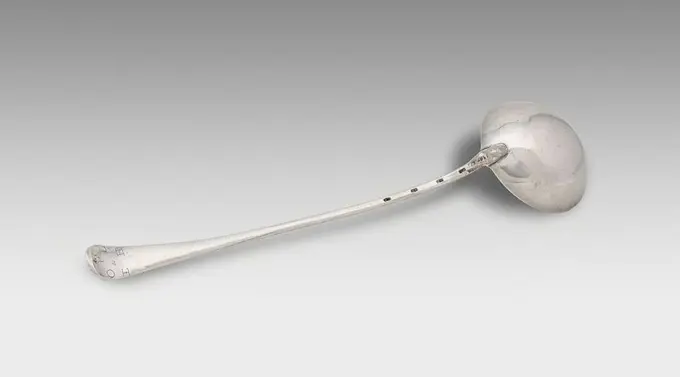
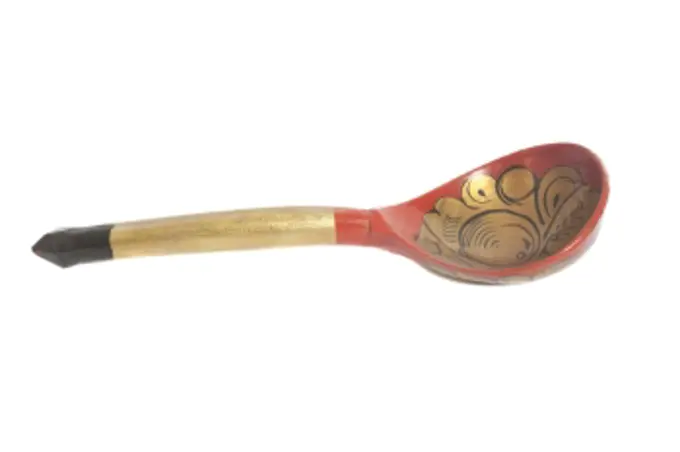
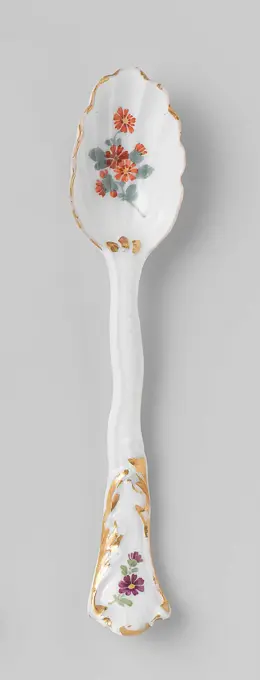
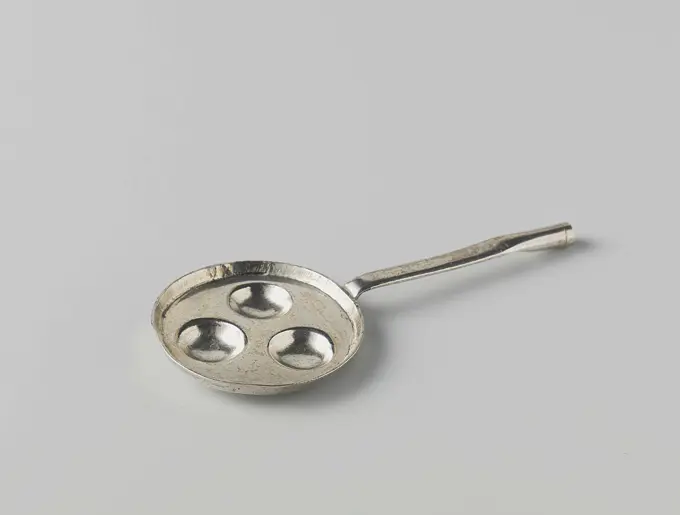
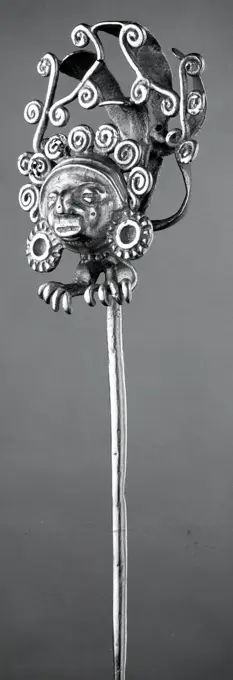
Fork with Porcelain Handle Fork; Germany; steel, silver, porcelain; L x W: 20.8 x 2.4 cm (8 3/16 x 15/16 in.); The Robert L. Metzenberg Collection, gift of Eleanor L. Metzenberg; 1985-103-214Pin 1891 American. Pin. American. 1891. metal, enamelFruit knife, F. Nicoud, French, active 1890, Silver, mother-of-pearl, gilding, Fruit knife with engraved motif of Japanese woman in a kimono., ca. 1890, cutlery, Decorative Arts, Fruit knifeSeal-top spoon ca. 1640 British, provincial. Seal-top spoon 209234Metal tube late 19th Century Possibly by Victor-Charles Mahillon Belgian. Metal tube. Belgian. late 19th Century. metal. Belgium. Aerophone-AccessoriesSpoon 1694-95 William Scarlett. Spoon 192263Sword with Scabbard 17th-19th century Tibetan. Sword with Scabbard 27779Bass Mandora ca. 1700-1799 Italian. Bass Mandora 505430PitchWord Poem. Carl Andre; American, born 1935. Date: 1967. Dimensions: 49.8 x 1.9 x 1.9 cm (19 5/8 x 3/4 x 3/4 in.). Ink, paper, and paint on cardboard tube. Origin: United States. Museum: The Chicago Art Institute, Chicago, USA.Chopsticks with HolderRELICARIO DE PLATA S XIX. Location: IGLESIA DE SANTA MARIA DEL CAMPO. Coruña. SPAIN.Bronze candelabrum ca. 550 B.C. Etruscan Base in shape of three feet ending in paws; shaft surmounted by two vase-shaped receptacles; from upper edge four curved stems.. Bronze candelabrum 247039Sword. Iran, Luristan, 800-900 B.C.. Arms and Armor; swords. Iron, wroughtSpear 17th century Indian. Spear 32274Pin with Animal 2nd-7th century Moche. Pin with Animal 315491Seal Top Spoon, A B c. 1627Table fork early 19th century Swiss. Table fork. Swiss. early 19th century. Steel, horn, silver. Metalwork-SteelBreech-Loading Flintlock Gun.Flystone rifle, rear loader. The long, partially octagonal loop can be screwed off from the room, turning into a brass bracket and shifting forward with a ridge in a brass carriage in the tray. The room can then be loaded. The Pandekel is kept closed by the steel spring, the pan is charged on the front along a specially applied to this.Wilbert Terry, Tea Spoon, c. 1770, silver.Paul Revere Jr., Punch Ladle, 1797, silver and ebony.Two-Handed Sword, 1550-1600. Spain, Toledo (), second half of 16th Century. Steel, wood and leather grip; overall: 167.3 cm (65 7/8 in.); blade: 126 cm (49 5/8 in.); quillions: 31.8 cm (12 1/2 in.); grip: 40 cm (15 3/4 in.); ricasso: 17.2 cm (6 3/4 in.).Ladle. Ephraim Brasher; American, 1744-1810. Date: 1765-1775. Dimensions: 34.9 × 7 cm (13 3/4 × 2 3/4 in.). Silver and mahogany. Origin: United States. Museum: The Chicago Art Institute, Chicago, USA.Caddy spoon early 19th century Dutch. Caddy spoon 188262 Dutch, Caddy spoon, early 19th century, Silver, 3 1/2 in. (8.9 cm). The Metropolitan Museum of Art, New York. Gift of Mrs. Samuel P. Avery, 1897 (97.2.239)Eastern BuławaSpoon, Silver Factory Voorschoten, 1938 Spoon of silver, with a striker oval container and striker tapered stem. The stem is engraved at the top with a flower drink and an oval medallion. Voorschoten silver (metal) Spoon of silver, with a striker oval container and striker tapered stem. The stem is engraved at the top with a flower drink and an oval medallion. Voorschoten silver (metal)Copper Pin 12th-15th century Chimú (). Copper Pin 315382"Medallion" pattern Sifting Spoon; Manufactured by Ball, Black & Co.; USA; silver; cm: L: 20.3Toddy Ladle, Alexander Mollison (Aberdeen, Scotland, active c.1844 - 1847) 1834 - 1848allspice on white background. allspiceFire Tool Stand 1770-1830 American. Fire Tool Stand. American. 1770-1830. Brass, hearthstone. Probably made in United StatesSpearhead, steel, Long spatulate point above series of 16 projecting barbs, the whole terminating in hollow flued socket., Central or East Africa, 19th century, appliances & tools, Decorative Arts, spearhead, spearheadHairpin 200-500 Roman. Hairpin 465114 Roman, Hairpin, 200500, Copper alloy, Overall: 2 13/16 x 3/16 in. (7.1 x 0.4 cm). The Metropolitan Museum of Art, New York. Gift of J. Pierpont Morgan, 1917 (17.191.65)Arrow Point, 1700s. Japan, Edo period (1615-1868). Steel; overall: 17.6 cm (6 15/16 in.); head: 4.6 cm (1 13/16 in.).Lepel.Spoon of silver, with striker oval bowl and peak tapered stem. The handle is engraved at the top with a flower drink and an oval medallion.Master spoon 1601-2 William Cawdell. Master spoon 197684SpoonSabre Owned by General Józef Kopeć (1762 1833) unknownPin, 20th century, 4 9/16 x 1 1/2 in. (11.6 x 3.8 cm), Silver, United States, 20th centuryPipe made of fried pipe earth, anonymous, c. 1400 - c. 1950 Pipe made of fried pipe earth with smooth stem. A piece from the handle is missing, the head is damaged.  earthenware. pipe clay Pipe made of fried pipe earth with smooth stem. A piece from the handle is missing, the head is damaged.  earthenware. pipe clayCandlestick with Shade ca. 1790. Candlestick with Shade. ca. 1790. Sheffield silver plate, glass. Made in EnglandFrancis Law Durand, Glass Button Hook, c 1938 Glass Button HookSouvenir spoon with finial in form of arms of City of London Saunders & Shepherd British 1894-95Spoon 1730-70 Myer Myers American. Spoon 7799Cinquedea ca. 1500 Italian By the end of the thirteenth century, the armor-producing cities of northern Italy had gained an international reputation and were exporting arms and armor throughout Europe. Milan was preeminent through the sixteenth century, followed by Brescia. The greatest Milanese armorers were members of the Missaglia family, a dynasty of merchant-armorers active from the late fourteenth to the early sixteenth century. During the fifteenth century, the Italians perfected complete armor of plate. Probably developed in Milan around 1400, it covered the wearer from head to foot. The advanced technical and stylistic features of Milanese armor influenced local craftsmen wherever it was exported. Thus, in the fifteenth century, armors worn across western Europe from Spain to Flanders displayed Italian characteristics. Thriving local centers of armor-making were found at Burgos and Calatayud in Spain; Paris, Tours, and Lyons in France; and Arbois in Burgundy.. Cinquedea. ItaliGoldsmith's art, Russia, 20th century. Paperknife in gold, emerald and diamonds.PrzeszoPrzyszoci unknownSpoon with pear-shaped container and pilaster-shaped stem, awarded John the evangelist with the chalice .. Spoon of silver, with pear-shaped container. The straight stem is awarded by John the evangelist with the chalice. On the underside of the container, the letters AS and BH are engraved as well as an alliance weapon. Mounted with Master Sign L.S. Lolle Jeltes, Bolsward.Badge of the Society of Polish Anesthesiologists Laryngoscope unknown labelBronze instrument 1st-2nd century A.D. Roman The instrument may have had medical applications.. Bronze instrument 251912 Roman, Bronze instrument, 1st2nd century A.D., Bronze, Other: 3 9/16 in. (9.1 cm). The Metropolitan Museum of Art, New York. Fletcher Fund, 1925 (25.78.132)Stickpin with Bust of Moor Stickpin; France; onyx, gold, paste (glass), glassHunting Sword, c. 1700. Netherlands, early 1700s. Steel, wood, brass; overall: 81.3 cm (32 in.); blade: 66.7 cm (26 1/4 in.); guard: 16.2 cm (6 3/8 in.).Apostle spoon: Master. Culture: British, London. Dimensions: Overall: 2 × 7 1/8 in. (5.1 × 18.1 cm). Maker: William Cawdell (British, 1560-1625). Date: 1592/93.Silver spoons with finials in the form of the Apostles of Christ--each with his identifying emblem--were commonly owned by the wealthy gentry or merchants. A full set would have included a "Master Spoon," representing the figure of Christ. Museum: Metropolitan Museum of Art, New York, USA.Soup Ladle,  1820sChrysanthemum Oyster Fork; Manufactured by Tiffany and Co. (United States); USA; silver; L x W x D: 15 x 2 x 1 cm (5 7/8 x 13/16 x 3/8 in.)Partisan 1570-1600 Northern Italy. Steel, wood, brass, velvet weave, and attached tassel .Constantin Brancusi, Bird in space, 1926, New National Gallery, Berlin, Federal Republic of Germany.Kandelaar, Hendrik Boshart, 1789 - 1790 Oval candlestick of silver. The foot and fat catcher decorated with a pearl edge. Middelburg silver (metal). voet: wood (plant material). velvet (fabric weave) Oval candlestick of silver. The foot and fat catcher decorated with a pearl edge. Middelburg silver (metal). voet: wood (plant material). velvet (fabric weave)Arrowhead (Yanone) dated 1645 Japanese Although today Japanese warriors are renowned most for their swordsmanship, archery, especially from horseback, has been an essential part of samurai warfare and culture for centuries. Arrows were fitted with heads of varying shape according to their intended use in war, the hunt, or target practice. Arrowheads made for use on the battlefield incorporated different designs intended for specialized purposes such as the piercing of armor or to cause maximum damage to horses and unarmored personnel.Large arrowheads, pierced and elaborately chiseled with landscapes, birds, flowers, dragons, and Buddhist divinities, were created to be admired for the beauty of their metalwork and design rather than for use in archery. Such highly elaborate examples may have been made for presentation or as a votive offerings to a shrine.. Arrowhead (Yanone). Japanese. dated 1645. Steel. Archery Equipment-ArrowheadsArrow Point, 1700s. Japan, Edo period (1615-1868). Steel; overall: 18.5 cm (7 5/16 in.); head: 6.8 cm (2 11/16 in.).Arrowhead (Yanone). Culture: Japanese. Dimensions: L. 7 1/4 in. (18.5 cm); L. of head 1 5/8 in. (4.1 cm); W. 3/4 in. (1.9 cm); Wt. 0.6 oz. (17 g). Date: 18th century. Museum: Metropolitan Museum of Art, New York, USA.Fisk Knife (England or United States); silver-plated metal, ivorine; L: 33.4 x W: 6.1 cm (13 1/8 x 2 3/8 in.)Arrowhead (Yanone). Culture: Japanese. Dimensions: L. 9 1/2 in. (24.1 cm); L. of head 3 1/4 in. (8.3 cm); W. 1 1/4 in. (3.2 cm); Wt. 1.5 oz. (42.5 g). Date: ca. 1615-1868. Museum: Metropolitan Museum of Art, New York, USA.Potagelepel Met Mergboor, Jacob Helweg (I) (attributed to), 1777 Potage filler of silver, with a deep, ovale to the stem. At the height of the middle profile ring, the rear part of the handle, which is equipped with a marrow drill, can be screwed loose. On the top an ornamental monogram with the letters mle. Amsterdam silver (metal) Potage filler of silver, with a deep, ovale to the stem. At the height of the middle profile ring, the rear part of the handle, which is equipped with a marrow drill, can be screwed loose. On the top an ornamental monogram with the letters mle. Amsterdam silver (metal)Arrowhead (Yanone) 13th-18th century Japanese Although today Japanese warriors are renowned most for their swordsmanship, archery, especially from horseback, has been an essential part of samurai warfare and culture for centuries. Arrows were fitted with heads of varying shape according to their intended use in war, the hunt, or target practice. Arrowheads made for use on the battlefield incorporated different designs intended for specialized purposes such as the piercing of armor or to cause maximum damage to horses and unarmored personnel.Large arrowheads, pierced and elaborately chiseled with landscapes, birds, flowers, dragons, and Buddhist divinities, were created to be admired for the beauty of their metalwork and design rather than for use in archery. Such highly elaborate examples may have been made for presentation or as a votive offerings to a shrine.. Arrowhead (Yanone). Japanese. 13th-18th century. Steel. Archery Equipment-ArrowheadsArrowhead (Yanone) 18th century Japanese Although today Japanese warriors are renowned most for their swordsmanship, archery, especially from horseback, has been an essential part of samurai warfare and culture for centuries. Arrows were fitted with heads of varying shape according to their intended use in war, the hunt, or target practice. Arrowheads made for use on the battlefield incorporated different designs intended for specialized purposes such as the piercing of armor or to cause maximum damage to horses and unarmored personnel.Large arrowheads, pierced and elaborately chiseled with landscapes, birds, flowers, dragons, and Buddhist divinities, were created to be admired for the beauty of their metalwork and design rather than for use in archery. Such highly elaborate examples may have been made for presentation or as a votive offerings to a shrine.. Arrowhead (Yanone). Japanese. 18th century. Steel. Archery Equipment-ArrowheadsMedium Lagenbeck retractor.Spoon. Culture: American. Dimensions: L. 8 1/8 in. (20.6 cm). Maker: John Tanner (1713-1785). Date: ca. 1750. Museum: Metropolitan Museum of Art, New York, USA.Pin Bactria-Margiana Archaeological Complex ca. late 3rd-early 2nd millennium BCETeaspoon, trimmed with finely ribbed cable, Theodorus Lambertus Uriot, 1868 The striker egg -shaped container gradually turns into the flat, curved stem, which broadens and then rejuvenates to the straight end and which is surrounded at the top by a engraved cable edge. Netherlands silver (metal) The striker egg -shaped container gradually turns into the flat, curved stem, which broadens and then rejuvenates to the straight end and which is surrounded at the top by a engraved cable edge. Netherlands silver (metal)Stocking knitted from plain white silk with cotton board, c. 1910 - c. 1920 Stocking, from a pair of white silk. Model: with seam. Wide collar of cotton. Square heel. Lille whole: Silk. board: Cotton (textile) knitting Stocking, from a pair of white silk. Model: with seam. Wide collar of cotton. Square heel. Lille whole: Silk. board: Cotton (textile) knittingBone object in the shape of a herm 1st century A.D. Roman Representing a herm.. Bone object in the shape of a herm 244087Spoon, from a flatware dessert service, 18th century, Meissen Porcelain Factory, Meissen, Germany, est. 1710, Hard paste porcelain, gilt metal, Germany, 18th centuryFork (England); steel, silver, earthenware; L x W: 17 x 2 cm (6 11/16 x 13/16 in.); The Robert L. Metzenberg Collection, gift of Eleanor L. Metzenberg; 1985-103-210Fruit Knife (France); Designed by F. Nicoud (French, active 1890); silver, steel, mother-of-pearl, gilding; L x W x D: 20 x 1 x 0.8 cm (7 7/8 x 3/8 x 5/16 in.)Snuff spoon early 18th century possibly German. Snuff spoon 188265 possibly German, Snuff spoon, early 18th century, Silver, parcel-gilt, 1 7/8 in. (4.8 cm). The Metropolitan Museum of Art, New York. Gift of Mrs. Samuel P. Avery, 1897 (97.2.242)Sotck exchange. Mid -19th. Gal1976.20.39Detail of White Kitchen CabinetsArrowhead (Yanone) 18th century Japanese Although today Japanese warriors are renowned most for their swordsmanship, archery, especially from horseback, has been an essential part of samurai warfare and culture for centuries. Arrows were fitted with heads of varying shape according to their intended use in war, the hunt, or target practice. Arrowheads made for use on the battlefield incorporated different designs intended for specialized purposes such as the piercing of armor or to cause maximum damage to horses and unarmored personnel.Large arrowheads, pierced and elaborately chiseled with landscapes, birds, flowers, dragons, and Buddhist divinities, were created to be admired for the beauty of their metalwork and design rather than for use in archery. Such highly elaborate examples may have been made for presentation or as a votive offerings to a shrine.. Arrowhead (Yanone). Japanese. 18th century. Steel. Archery Equipment-ArrowheadsArrowhead (Yanone) 18th century Japanese Although today Japanese warriors are renowned most for their swordsmanship, archery, especially from horseback, has been an essential part of samurai warfare and culture for centuries. Arrows were fitted with heads of varying shape according to their intended use in war, the hunt, or target practice. Arrowheads made for use on the battlefield incorporated different designs intended for specialized purposes such as the piercing of armor or to cause maximum damage to horses and unarmored personnel.Large arrowheads, pierced and elaborately chiseled with landscapes, birds, flowers, dragons, and Buddhist divinities, were created to be admired for the beauty of their metalwork and design rather than for use in archery. Such highly elaborate examples may have been made for presentation or as a votive offerings to a shrine.. Arrowhead (Yanone). Japanese. 18th century. Steel. Archery Equipment-ArrowheadsSouvenir spoon European late 19th centuryLadle. William Hollingshead; American, active 1754-1785; Philadelphia, Pennsylvania. Date: 1757-1767. Dimensions: 5.4 × 37.8 × 8.3 cm (2 1/8 × 14 7/8 × 3 5/16 in.). Silver. Origin: Philadelphia. Museum: The Chicago Art Institute, Chicago, USA.Figure-top spoon probably late 18th century Dutch, probably Friesland. Figure-top spoon 188310 probably Dutch, Friesland, Figure-top spoon, probably late 18th century, Silver, 7 1/4 x 1 13/16 in. (18.4 x 4.6 cm). The Metropolitan Museum of Art, New York. Gift of Mrs. Samuel P. Avery, 1897 (97.2.287)Wooden Russian spoon isolated on whiteallspice on white backgroundTablespoon.   Maker: John Stevenson, American, active ca. 1849 - 1851Arrowhead (Yanone) 18th century Japanese Although today Japanese warriors are renowned most for their swordsmanship, archery, especially from horseback, has been an essential part of samurai warfare and culture for centuries. Arrows were fitted with heads of varying shape according to their intended use in war, the hunt, or target practice. Arrowheads made for use on the battlefield incorporated different designs intended for specialized purposes such as the piercing of armor or to cause maximum damage to horses and unarmored personnel.Large arrowheads, pierced and elaborately chiseled with landscapes, birds, flowers, dragons, and Buddhist divinities, were created to be admired for the beauty of their metalwork and design rather than for use in archery. Such highly elaborate examples may have been made for presentation or as a votive offerings to a shrine.. Arrowhead (Yanone). Japanese. 18th century. Steel. Archery Equipment-ArrowheadsCollection of the Dutch Heidematschappij. Tools, garden drill, details. January 1953Arrowhead (Yanone). Culture: Japanese. Dimensions: L. 6 1/4 in. (15.9 cm); L. of head 1 1/2 in. (3.8 cm); W. 1 1/2 in. (3.8 cm); Wt. 0.9 oz. (25.5 g). Date: 18th century. Museum: Metropolitan Museum of Art, New York, USA.Pliers for stretching glovesLepel, veelkleurig beschilderd met Deutsche Blumen, insekten en vruchten.Spoon from painted porcelain. The oval lobed bin is painted with Deutsche Blumen, insects and fruits. The handle and the end are decorated with a gold-plated Rocaille ornament and relief and decorated with Deutsche Blumen. The spoon belongs to a tableware (BK-17474-1 to BK-17474-253). The spoon has been marked.Arrowhead (Yanone). Culture: Japanese. Dimensions: L. 10 3/4 in. (27.3 cm); L. of head 3 3/4 in. (9.5 cm); W. 2 3/4 in. (7 cm); Wt. 4.4 oz. (124.7 g). Date: dated 1645. Museum: Metropolitan Museum of Art, New York, USA.Arrowhead (Yanone) Japanese 18th century Although today Japanese warriors are renowned most for their swordsmanship, archery, especially from horseback, has been an essential part of samurai warfare and culture for centuries. Arrows were fitted with heads of varying shape according to their intended use in war, the hunt, or target practice. Arrowheads made for use on the battlefield incorporated different designs intended for specialized purposes such as the piercing of armor or to cause maximum damage to horses and unarmored personnel.Large arrowheads, pierced and elaborately chiseled with landscapes, birds, flowers, dragons, and Buddhist divinities, were created to be admired for the beauty of their metalwork and design rather than for use in archery. Such highly elaborate examples may have been made for presentation or as a votive offerings to a shrine. View more. Arrowhead (Yanone). Japanese. 18th century. Steel. Archery Equipment-ArrowheadsArrowhead (Yanone) 18th century Japanese Although today Japanese warriors are renowned most for their swordsmanship, archery, especially from horseback, has been an essential part of samurai warfare and culture for centuries. Arrows were fitted with heads of varying shape according to their intended use in war, the hunt, or target practice. Arrowheads made for use on the battlefield incorporated different designs intended for specialized purposes such as the piercing of armor or to cause maximum damage to horses and unarmored personnel.Large arrowheads, pierced and elaborately chiseled with landscapes, birds, flowers, dragons, and Buddhist divinities, were created to be admired for the beauty of their metalwork and design rather than for use in archery. Such highly elaborate examples may have been made for presentation or as a votive offerings to a shrine.. Arrowhead (Yanone). Japanese. 18th century. Steel. Archery Equipment-ArrowheadsBelt Hook, 475-221 BCE, 4 1/8 x 1/2 x 5/16 in. (10.48 x 1.27 x 0.79 cm), Ivory jade, China, 5th-3rd century BCEThe soft against the strong metaphor. Feather against grip toolJust as much time. The same amount of three dimples and a flat stem. The handle is at the end cave, the wooden handle that fits in it. The same amount of time has been labeled: STK. = Amsterdam, JRL. = U (1754), Mt. = Jan Embroidery.Cosmetic tool, hand ca. 1550-1295 B.C. New Kingdom. Cosmetic tool, hand. ca. 1550-1295 B.C.. Ivory. New Kingdom. From Egypt. Dynasty 18Dessert Fork, Vogue” Pattern.  Designer William S. Warren, American, born England, 1887-1965 Manufacturer: R. Wallace & Sons Manufacturing Company, American, 1871-1956Pin or Lime Spatula 5th-10th century Quimbaya (). Pin or Lime Spatula 313157