Historic Wooden Artifacts

A collection of carved wooden artifacts, including totem sticks and columns, showcasing intricate designs and historical significance across various cultures.
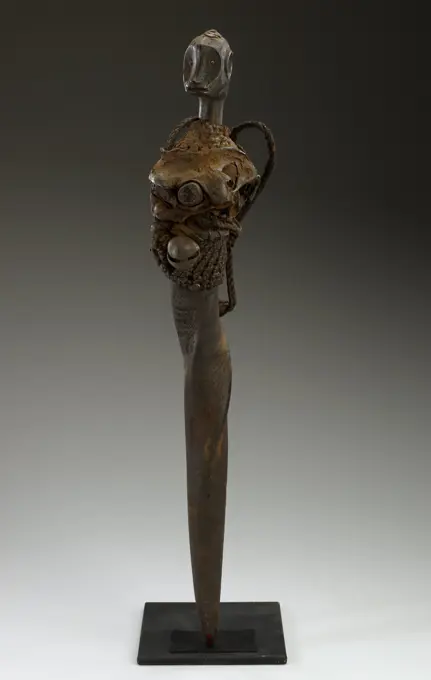
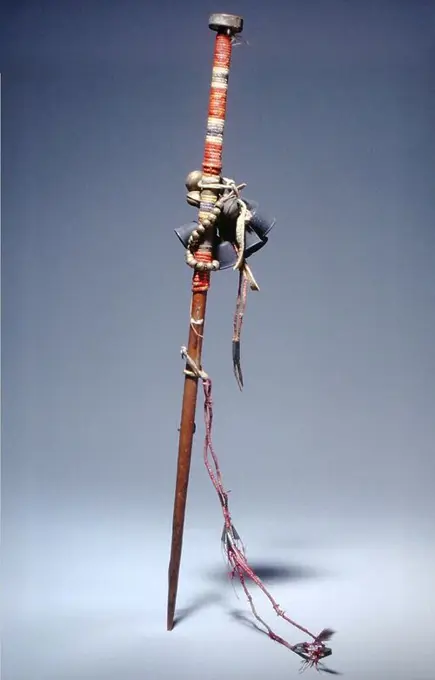
Fetish Container, c. 1920-1930, 24 x 4 5/16 x 4 7/16 in. (61.0 x 11.0 x 11.3 cm) (overall), Wood, bone, metal, animal hide, plant fiber, Tanzania, 20th century
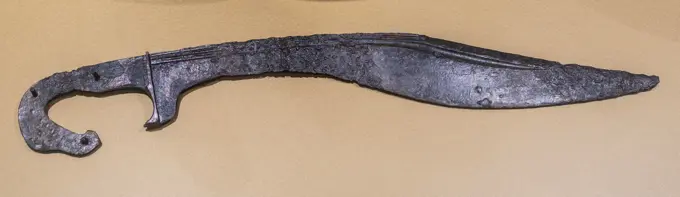
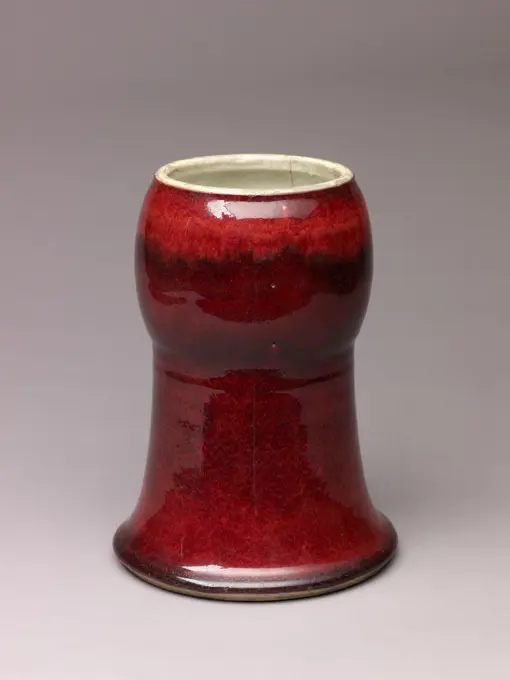
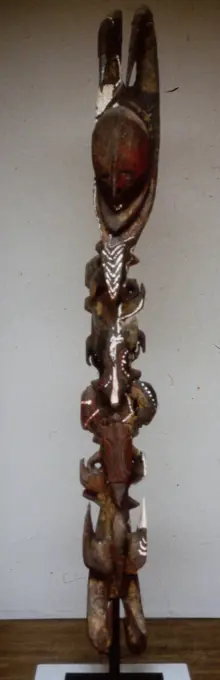
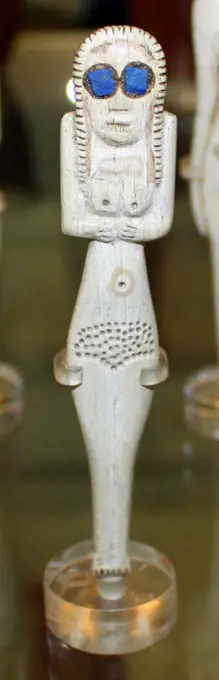
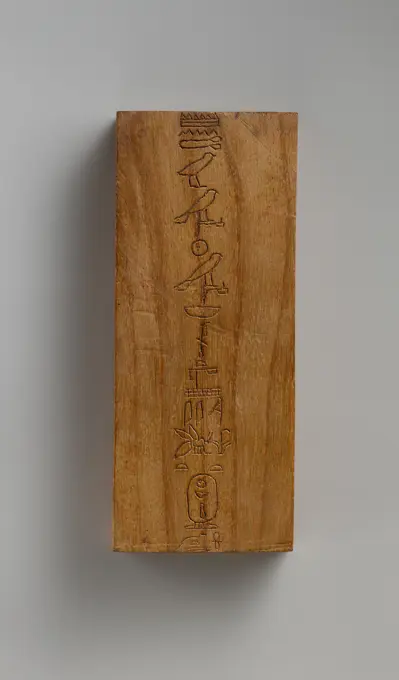
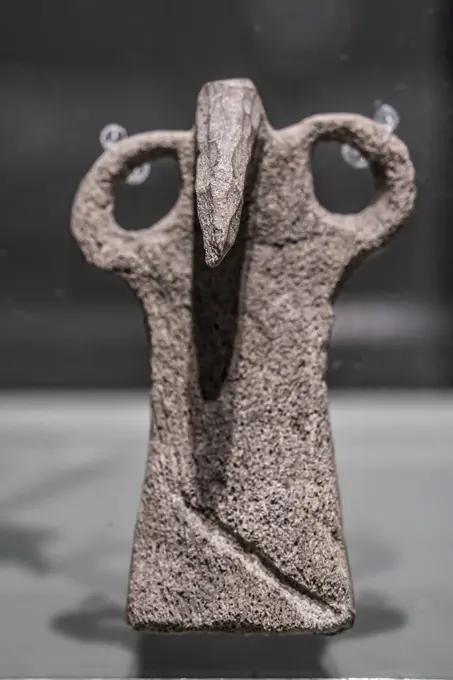
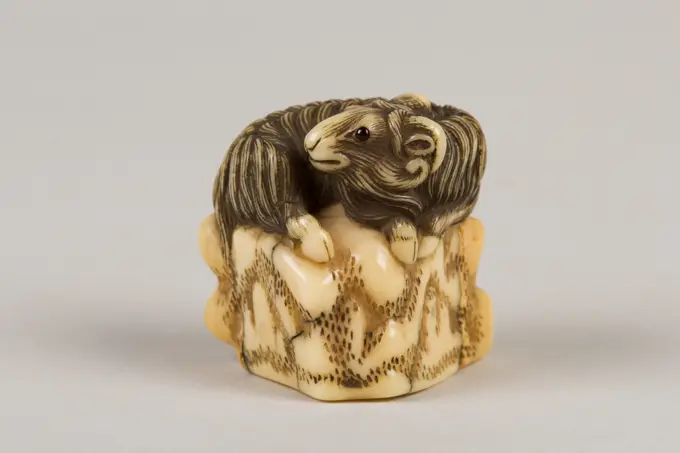
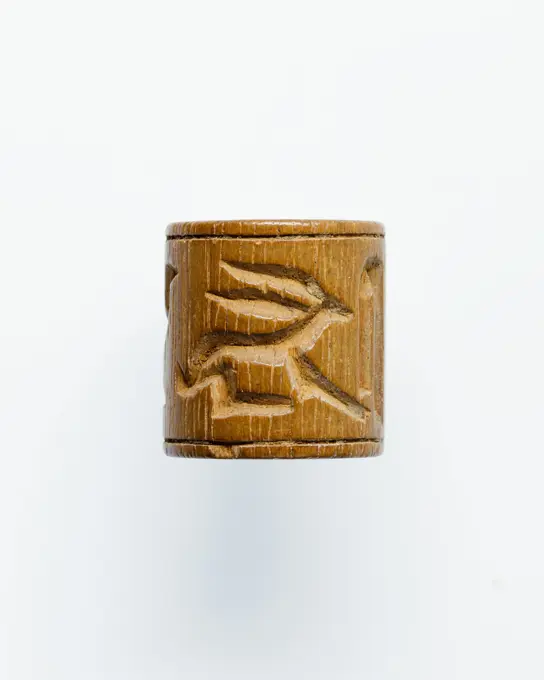
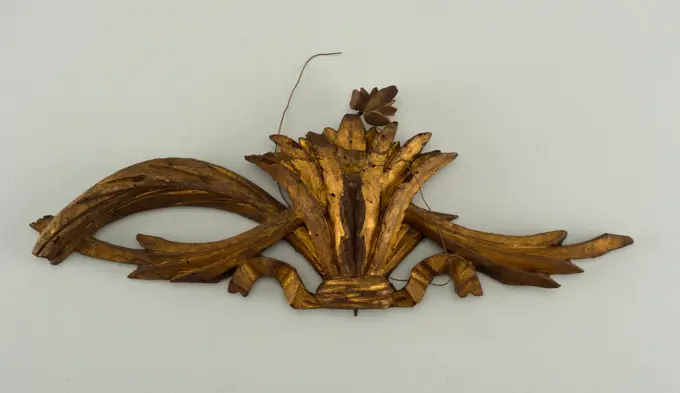
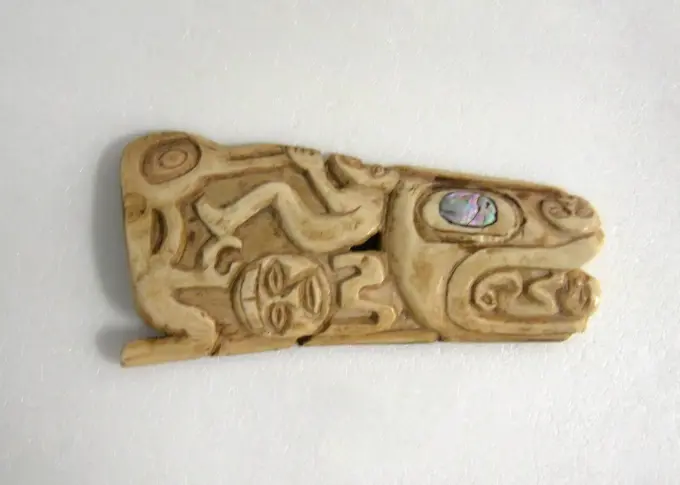
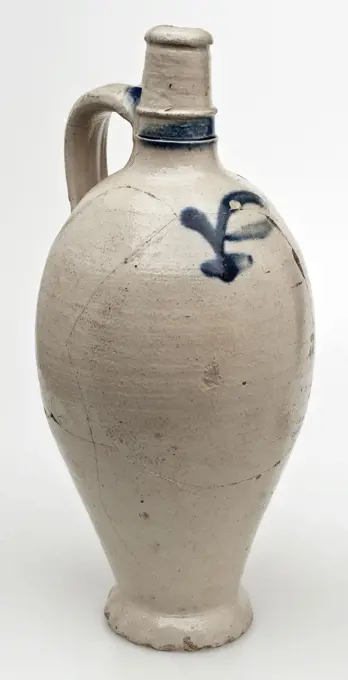
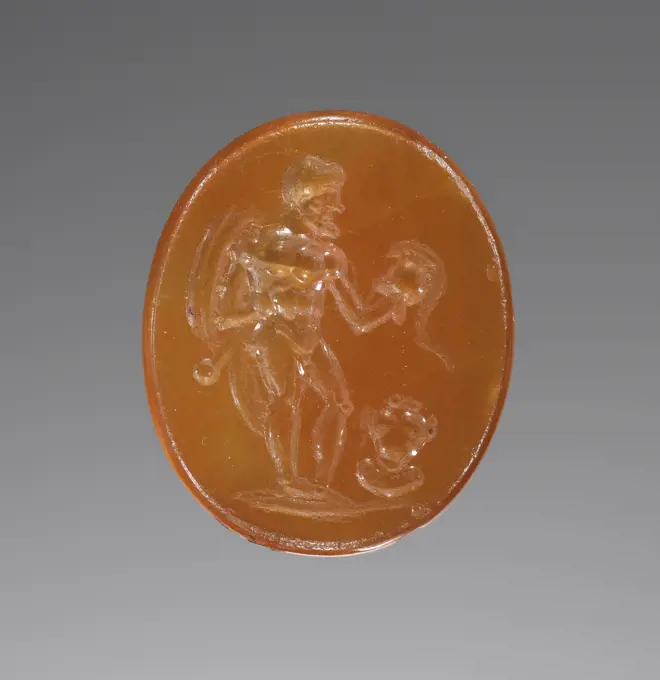
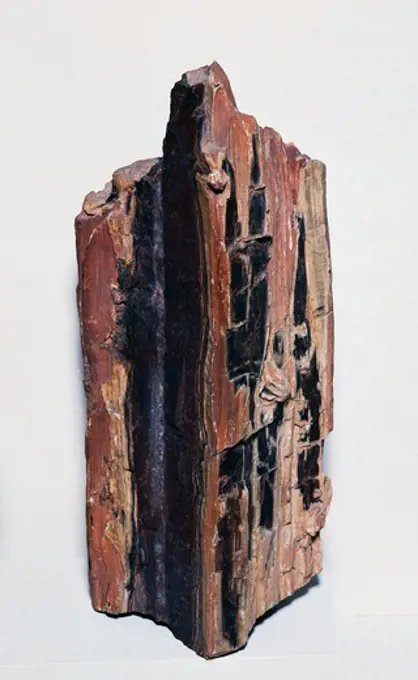
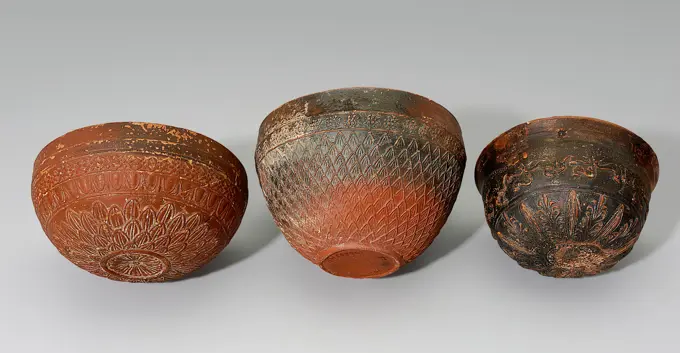
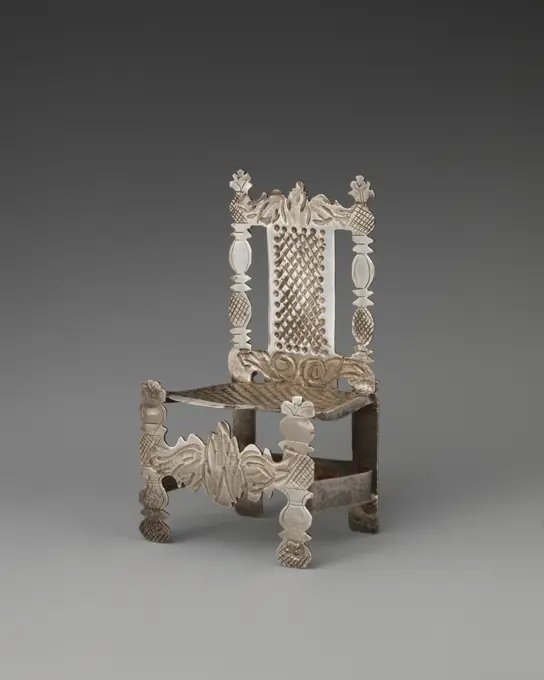
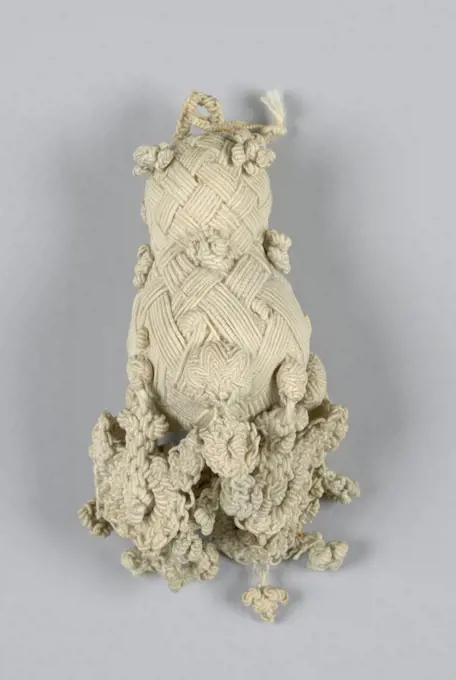
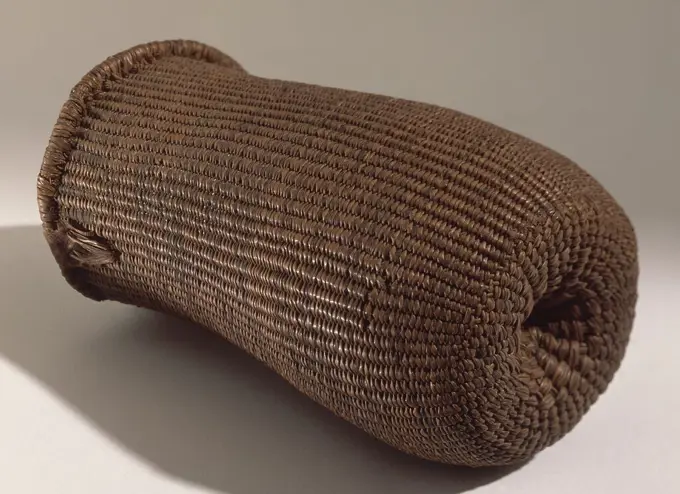
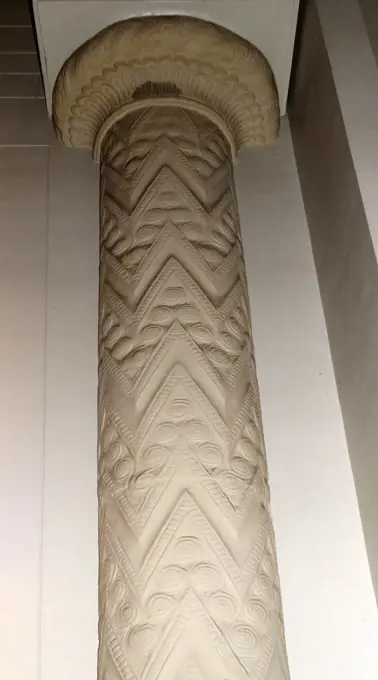
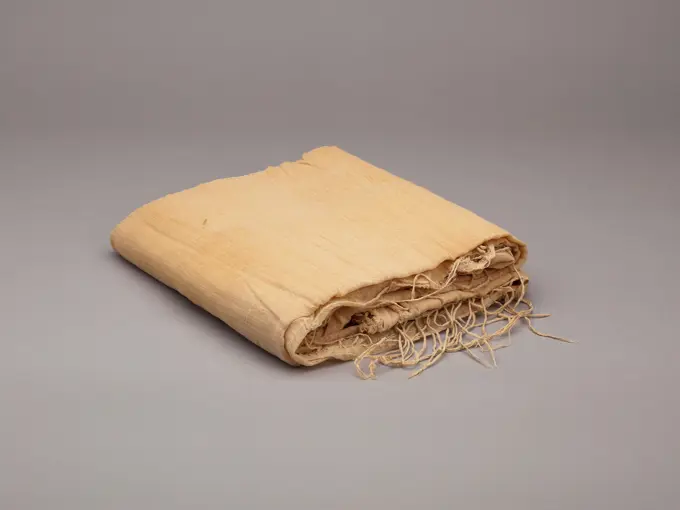
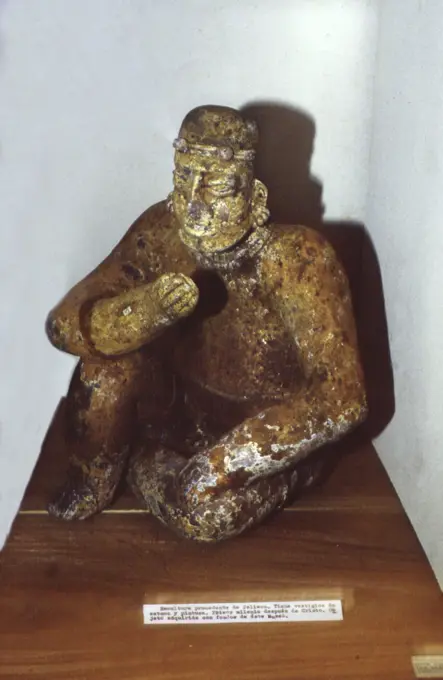
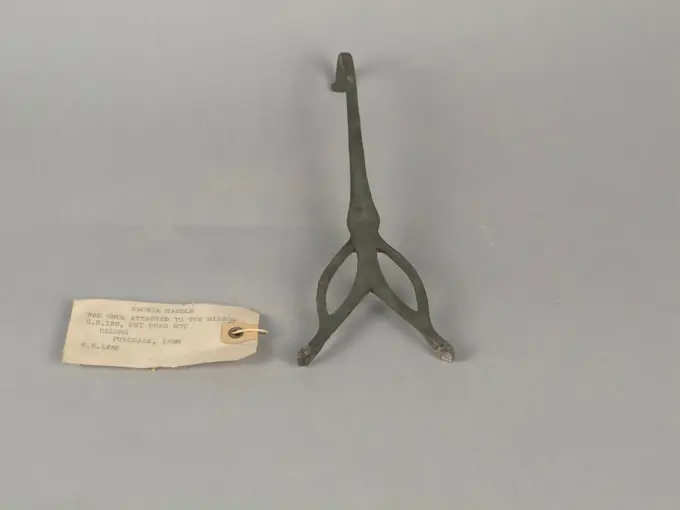
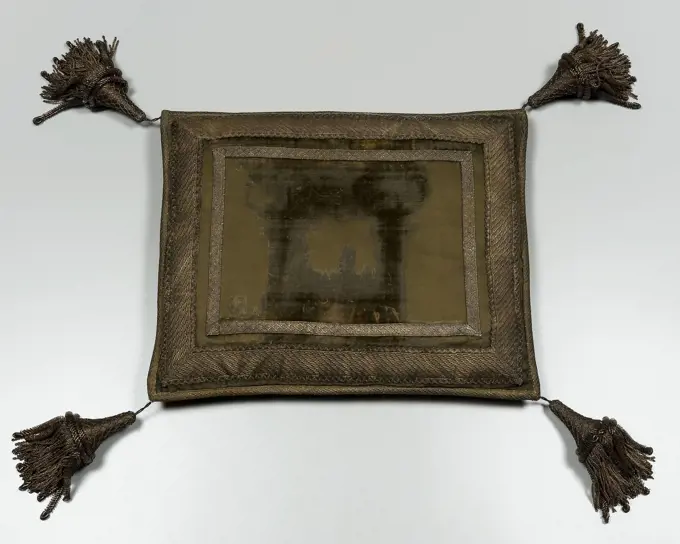
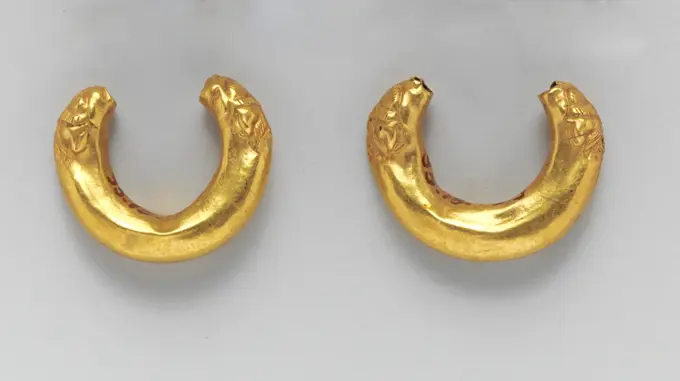
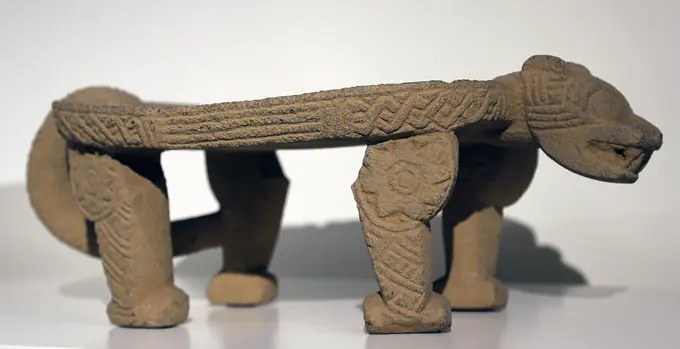
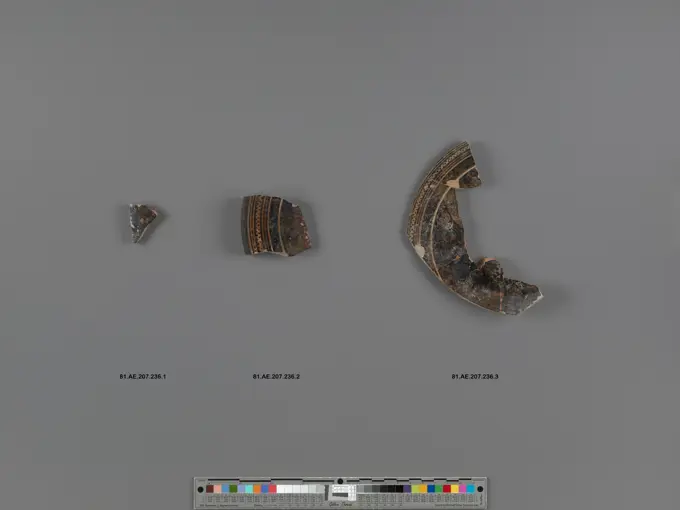
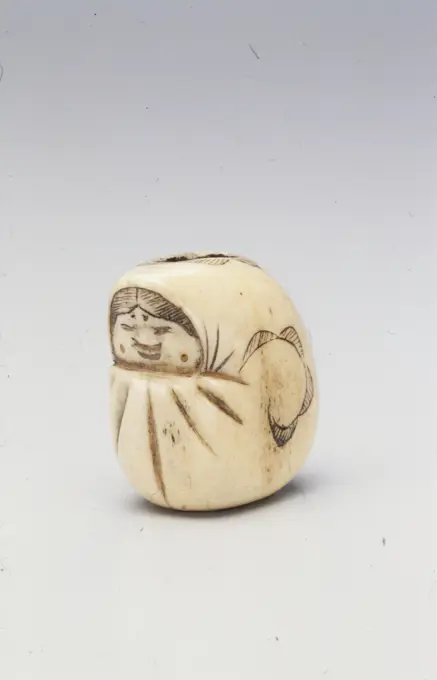
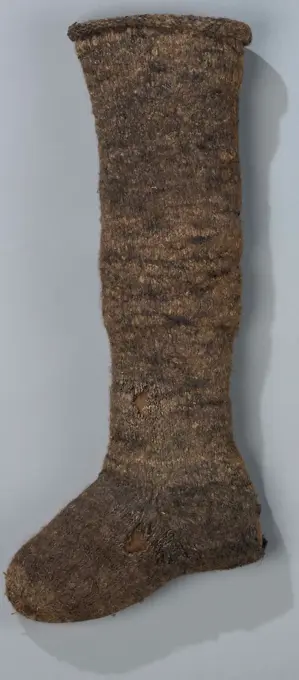
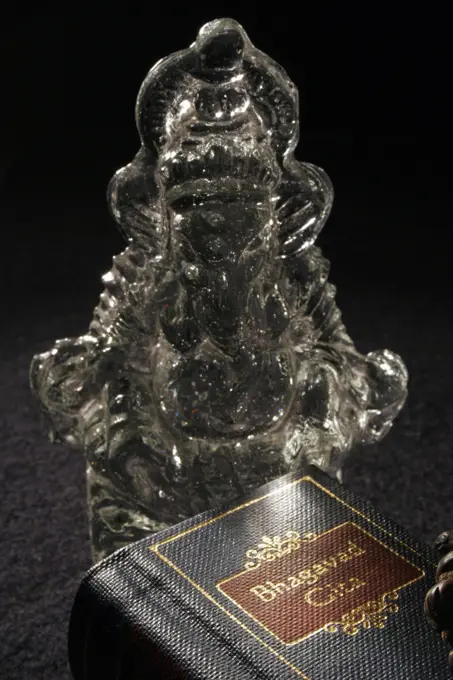
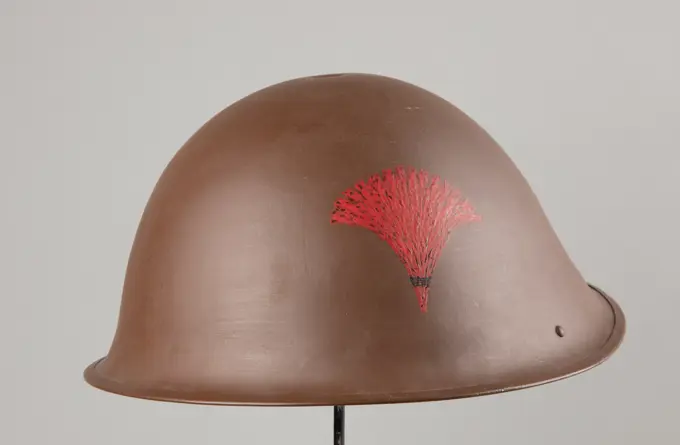
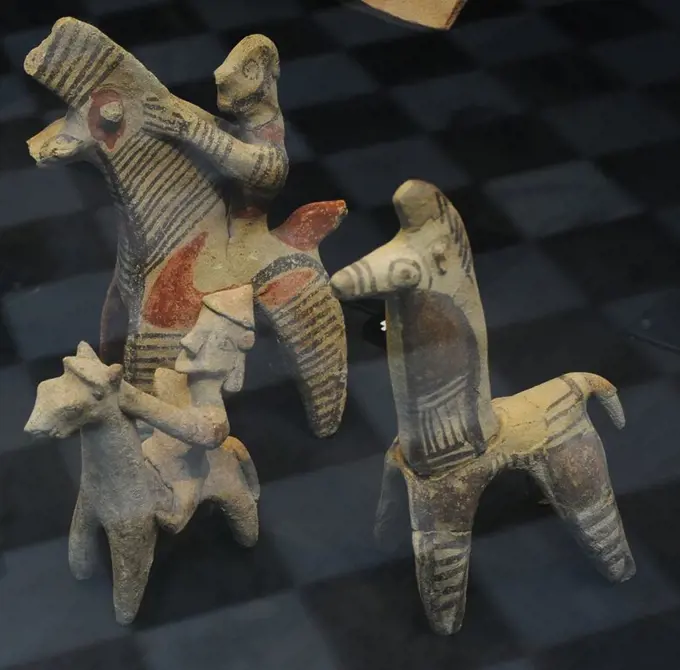
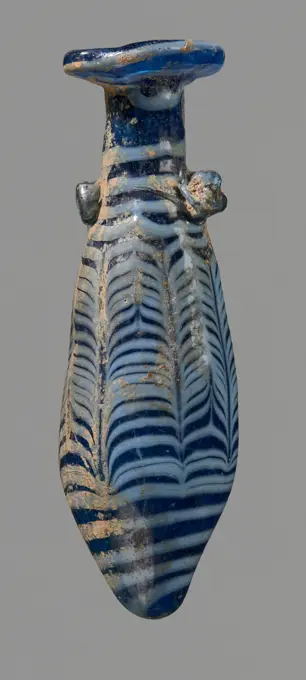
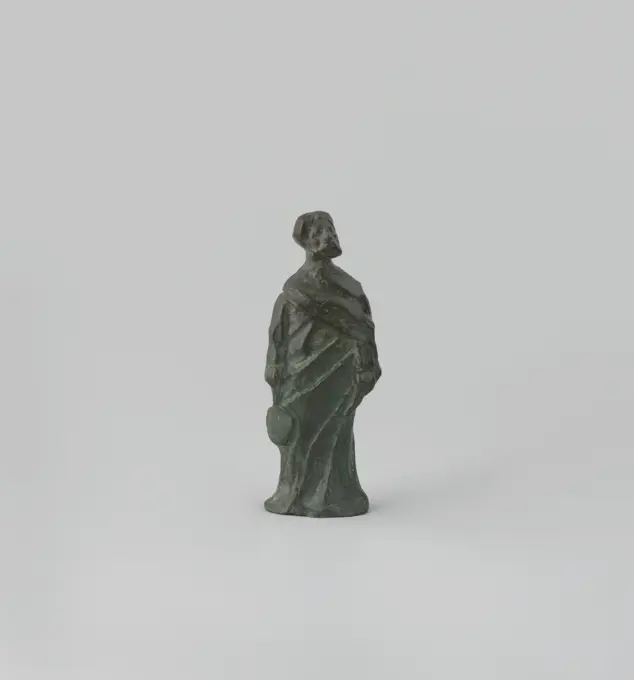
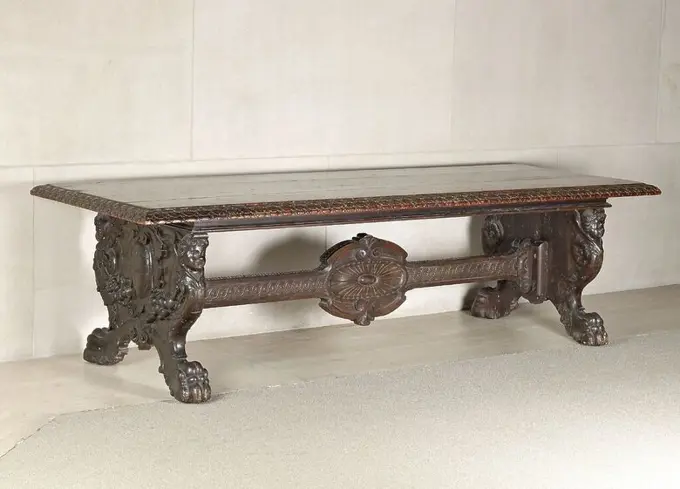
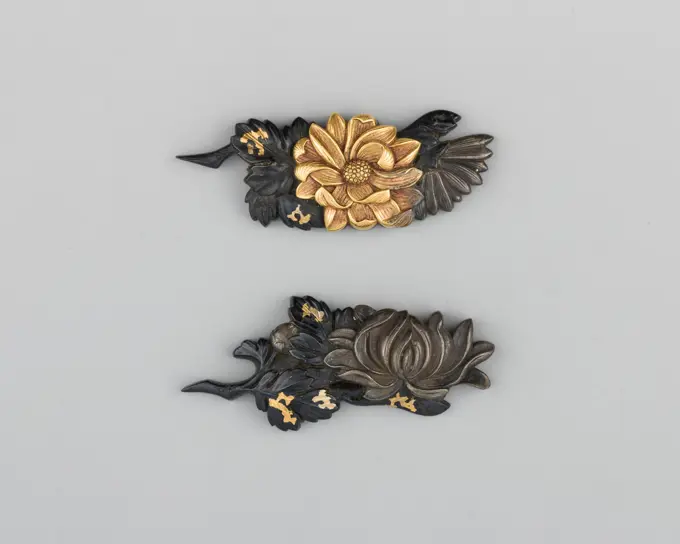
Charm, 19th century, 5 1/4 x 1 in. (13.3 x 2.5 cm), Ivory, United States, 19th centuryCarnavalet museum, tokens collectionGame - Backgammon Draught - 1 of Set, in Original Cases, 1600-1700. Pinto Collection - Purchased from Edward H Pinto, 1965.. This backgammon games piece is one of a set of 28 games pieces which were made in the town of Eger in southern Germany in the 17th century. The disc is turned from sycamore. The portrait on the face has been built up from pieces of wood which were glued together and then carved to make a relief marquetry known as Eger work.Iron falcata Iron falcata, curved Iberian sword, 4th century BC, Las Torrecillas, Marmolejo, Iberian Museum of Jaén, Andalusia, Spain Copyright: xZoonar.com/BartomeuxBalaguerxRotgerx 21714919Bottom of a vase 1662-1722 Chinese. Bottom of a vase 460693Replica of an Anglo-Saxon sword based on pieces from the Staffordshire Hoard. Made by Paul Binns and Dave Roper.Horse Figurine. Dimensions: 4 5/16 x 2 3/16 in. (11 x 5.6 cm). Date: 9th century.This small horse, which once had a rider perched on its back, may have been a child's toy. Museum: Metropolitan Museum of Art, New York, USA.Ceremonial House Figure, 20th century, 98 x 12 x 10 3/4in. (248.9 x 30.5 x 27.3cm), Wood, pigment, Papua New Guinea, 20th centuryPoem Card Box with Lid, 1868-1912. Kamisaka Sekka (Japanese, 1866-1942). Wood with lacquer; overall: 37.5 x 7.1 cm (14 3/4 x 2 13/16 in.). Long, decorated cards for the calligraphic presentation of poems are called tanzaku in Japanese. This box is a collaboration between the designer Kamisaka Sekka and the lacquer artist Iwamura Sadaz. Together, they crafted this box with a golden bamboo lid, and filled it with cards decorated with gold leaf designs.Messenheft from the wreck of the East Indians Hollandia, Anonymous, 1700 - in Or Before 1743  Knife, handle, cylindrical: tapering; id. NG 1979-403H, eroded. Netherlands wood (plant material)   SecondRyui sceptre unknownFigurines of bone and ivory. Predynastic, Naqada I. 4000-3600 BC. Ivory and bone figures of this type first appeared in the Naqada I period and continued into Naqada II. The inlaid eyes in one example are of lapis-lazuli may be a later addition.Bronze torch-holder late 5th century B.C. Etruscan Numerous examples of such objects have been found in tombs of Etruscan warriors, and scholars have debated their function. Most thought that they were hooks for retrieving meat from cooking vessels. But the engraved mirror, 96.18.15, displayed in the mirror case shows a figure using the object as a torch-holder. The utensils may have been supplied to soldiers for use on night missions and later became part of their funerary equipment.. Bronze torch-holder 246387Puppet supervisory workshopsBetilo, anthropomorphic idol from the Early Iron Age, Huesca museum, Aragon community, Spain.Portrait of an unknown mother with child, 1880 - 1900 photograph. frame   metal. glass. paper. cardboard. textile materials. rope albumen print mother and baby or young child. anonymous historical person portrayedWrist rest with kingfisher and lotus. Culture: China. Dimensions: L. 9 in. (22.9 cm). Date: 1368-1644.The pairing of the kingfisher bird and the lotus is symbolic of summer. The motif appears in paintings as well as in three-dimensional art. Rests such as this were used while writing or painting to support the wrist and ensure the proper placement of the brush. Museum: Metropolitan Museum of Art, New York, USA.Tablet from a foundation deposit of King Mentuhotep II ca. 2060-2010 B.C. Middle Kingdom This tablet comes from a foundation deposit placed at the southeast corner of the terrace of Mentuhotep II's mortuary temple. There were four such deposits, each containing food offerings laid out in pottery dishes and miniature jars with mud stoppers that once held wine or beer. Across the top of each deposit were laid four flat mud bricks. One of these was solid; embedded in each of the other three was an inscribed tablet made out of one of the other materials to be used for building the temple, namely wood, stone, and metal. This wooden example is inscribed with the name of Nebhepetre (Mentuhotep II), who is said here to be beloved of the god Montu-Re, lord of Thebes.. Tablet from a foundation deposit of King Mentuhotep II. ca. 2060-2010 B.C.. Wood. Middle Kingdom. From Egypt, Upper Egypt, Thebes, Deir el-Bahri, Temple of Mentuhotep II, foundation deposit, SE corner, MMA excavations, 1920-22. Dyanthropomorphic figurine, Chalcolithic, fifth millennium BC, Bulgarian National Archaeological Museum, Sofia, Republic of Bulgaria, Europe.Netsuke of Goat on a Rock 19th century Japan. Netsuke of Goat on a Rock 59774Cylinder seal of Iswenut ca. 2960-2649 B.C. Early Dynastic Period. Cylinder seal of Iswenut. ca. 2960-2649 B.C.. Wood. Early Dynastic Period. From Egypt, Southern Upper Egypt, Elkab (Nekhen)Elephant candle holder for the Indian market, 19th century, 4 15/16 x 5 1/4 x 3 11/16 in. (12.54 x 13.34 x 9.37 cm), Porcelain, China, Chinese exportMirror, 1615-1868. Japan, Edo period (1615-1868). Bronze; diameter: 6.4 cm (2 1/2 in.).Napo-Shampidah-Hah. Culture: Native American (Sioux or Dakota). Dimensions: L. 19 9/16 in. (49.7 cm). Date: 19th century. Museum: Metropolitan Museum of Art, New York, USA.Purse; silk, metallic beadsPendant, 1100-1299, 8 7/8 in. (22.5 cm) (W.), Gold, Panama, Pre-ColumbianBuckle (loop), 600s. Merovingian, Burgundian, Migration period, 7th century. Iron with silver overlay; overall: 15.6 cm (6 1/8 in.).Tray. Dimensions: l.10 cm (3 15/16 in). Dynasty: Dynasty 18. Reign: Joint reign of Hatshepsut and Thutmose III. Date: ca. 1479-1458 B.C.. Museum: Metropolitan Museum of Art, New York, USA.Heart iron with a decoration consisting of the bust of a woman and a sphere, anonymous, c. 1625 - c. 1650 The objects each consist of a four wrought -iron rods tied together, on which the wood can be laid and to which the decorated and engraved decoration of yellow copper is intended in five parts. This consists of a base, a reinforcement within the trunk, a trunk, a sphere and a button. The base, whose profile is sharp, has two feet decorated with engraved rosettes and is decorated in the middle with the bust of a woman. The profiled tribe has a nodus. The ball is smooth. The richly profiled button has a nodus and a baluster. The decorative components are mounted separately at A. At B a piece of the base, the right foot has been renewed, and the soldered button and tribe may also have been renewed. Northern Netherlands brass (alloy). iron (metal) casting / forging The objects each consist of a four wrought -iron rods tied together, on which the wood can be laid and to which the decoraFragment; wood, gildedTraveling eating set, Mother-of-pearl, brass, steel, Folding knife with one large and two smaller blades, upper edge decorated with engraved inlaid brass. Large brass oval spoon bowl with pointed tip, engraved floral decoration on the back of spoon. Steel fork has four straight tines, heart-shaped openings on the joint and neck of the fork. Brass handle, inlaid with mother-of-pearl squares on front and back. Four brass rivets on each piece of mother-of-pearl., Scandinavia or Germany, ca. 1780, cutlery, Decorative Arts, Traveling eating setCharm, 19th century, 4 1/2 x 2 1/4 x 1/2 in. (11.43 x 5.72 x 1.27 cm), Bone (or ivory), mother-of-pearl, Canada, 19th centuryJARRA VIDRIADA EN EL INTERIOR-S XX ARTE POPULAR. Location: ALFARERIA. UBEDA. JAEN. SPAIN.Bass ophicleide, anonymous, 1830 - 1850 musical instrument. wind instrument. ophicleide. bass ophicleide Basophicleeid in berry with 10 valves. A valve and the mouthpiece are missing. France (possibly) copper (metal). brass (alloy). leather. felt (textile) casting / sawing / soldering / cutting / drillingRelief from the tomb of Queen Neferu: part of a sunshade (see 26.3.353-1) ca. 2051-2030 B.C. Middle Kingdom. Relief from the tomb of Queen Neferu: part of a sunshade (see 26.3.353-1). ca. 2051-2030 B.C.. Limestone, paint. Middle Kingdom. From Egypt, Upper Egypt, Thebes, Deir el-Bahri, Tomb of Neferu (TT 319, MMA 31), MMA excavations, 1923-25. Dynasty 11Textile Fragment, undetermined , 1532-1700 or 1000-1400. Cotton, (35.0 x 5.0 cm).   Arts of the Americas 1532-1700 or 1000-1400Gray stoneware mineral pitcher, squeeze foot, ear, round neck blue band, letter P on shoulder, mineral pitcher jug pitcher holder ceramic stoneware glaze salt glaze, hand turned fried glazed stoneware jug gray glazed with blue band around the neck and letter on the shoulder pinched foot Standing and profiled ear with round finger impression on the attachment to the side wall Bolle jar with elongated form archeology Valckensteyn Poortugaal Albrandswaard indigenous pottery drinking mineral water water cured packing import Soil discovery: castle Valckensteyn in Poortugaal now Albrandswaard 1961-1962.Engraved Gem; Europe; 20th century; Carnelian; 1.3 x 1.5 cm (1,2 x 5,8 in.)Socket; tin, painted in places, glass, pewterFragment of fossilised log from Cretaceous Period.Harriette Gale, Metal Weather Vane  Glove, c 1941 Metal Weather Vane: GloveNose Plug, 200-1000. Ecuador, Esmeraldas, 3rd-10th Century. Gold; overall: 1.8 x 6 cm (11/16 x 2 3/8 in.).Bowl (bowl) with a panty stroke;  2. PO. V-VI century (451-00-00-600-00-00);Tassel 18th century French. Tassel. French. 18th century. Silk. Textiles-TrimmingsMegaryjska" Czarek; Monogramist's workshop, unknown John's workshop, Kipbei workshop; 2. PO. II century BC (-150-00-00--101-00-00), End of II-Pocz (-110-00-00--90-00-00);Bytom, recovery, collection of ancient art, scenes. Gal. ClassTassel, Medium: linen Technique: braided and knotted, Long linen tassel, pear-shaped unit, braided and knotted. To pear-shaped unit are attached four elaborate double-headed eagles made of braiding and knotting, and attached to one another. Center unit attached to pear-shaped unit hangs free. Made of three balls and knotting., Italy, Europe, late 16th-early 17th century, trimmings, TasselTerracotta fragment of a pyxis (box) 490-480 B.C. Greek, Attic On the top of the pyxis lid, a meander and checkerboard pattern; part of a Boeotian shield. Terracotta fragment of a pyxis (box). Greek, Attic. 490-480 B.C.. Terracotta; black-figure; white-ground. Late Archaic. VasesMarble coupe with lid, 1640 - 1660 Coupe of white marble worn by four female caratives. A bird on the lid.  marble (rock) Coupe of white marble worn by four female caratives. A bird on the lid.  marble (rock)Tassel 17th century Italian. Tassel. Italian. 17th century. Linen. Textiles-TrimmingsCase, Medium: silk, metallic thread, glass bead Technique: embroidered in tent stitch, One side of an embroidered spectacle case with geometric and floral designs in polychrome silks. Edged with blue braid and fitted at the top with silk ribbon and a pink bead slide., China, 19th century, embroidery & stitching, CaseMiniature chair (one of four) (part of a set) 1690-91 Probably George Manjoy British. Miniature chair (one of four) (part of a set). British, London. 1690-91. Silver. Metalwork-Silver-MiniatureTassel, Medium: linen Technique: braided and knotted, Pear-shaped linen tassel, braided and knotted. Double loops are attached to pear-shaped unit from which hang three knotted elements, alternating and attached to three smaller units. From center hangs a ball., Italy, Europe, 17th century, trimmings, TasselRepousseFinialSutra Box with Lotus Flowers and Seed Syllables, early 17th century, Unknown Japanese, 1 3/4 × 2 × 12 5/8 in. (4.45 × 5.08 × 32.07 cm), Black lacquer with gold maki-e, Japan, 17th century, Designed to hold a scroll of Buddhist scripture, or sutra, this lacquered box bears designs rendered in gold maki-e of lotuses blooming in a pond and two seed syllables, or holy Sanskrit characters that represent buddhas or bodhisattvas. In this case, the syllables stand in for two different manifestations of the bodhisattva Kannon, or Avalokitesvara in Sanskrit: White-robed Kannon and Juntei Kannon. White-robed Kannon is included among the standard 'Thirty-three Manifestations of Kannon' developed in China, while Juntei Kannonthe sole female manifestationis included in the 'Six Manifestations of Kannon' associated with the Shingon sect of Buddhism.Flacon of red stained glass, anonymous, c. 1850 Stop of red stained glass (BK-15202-2). Bohemia glass Stop of red stained glass (BK-15202-2). Bohemia glassFoot under the ClaterrCAPACETE DE ESPARTO PROCEDENTE DE LA CUEVA DE LOS MURCIELAGOS DE ALBUÑOL (GRANADA) - 3400 AC. Location: MUSEO ARQUEOLOGICO NACIONAL-COLECCION. MADRID. SPAIN.Pillar from the entrance to the 'Treasury of Atreusí at Mycenae; a tomb, built between about 1350 and 1250 BCSheet, linen mark, medium spin, close weave ca. 1492-1473 B.C. New Kingdom. Sheet, linen mark, medium spin, close weave 549003Incense Burner late 13th-early 14th century Damascus was producing luxuryquality inlaid metalwork by the early thirteenth century. Many of these objects were made by artists trained in the Mosul tradition and share characteristics with Jaziran works, such as the use of the Tfret background and the Zshaped whorl motif. An emphasis on princely imagery, is demonstrated by the formal enthronement scenes depicted here. The inclusion of gold as an inlay material is thought to indicate Damascus manufacture.. Incense Burner 447008Seated man, Jalisco. Mayan period. 1st mill. BC. Villahermosa Museum. MEXICO.Handle 4th-3rd century B.C. Greek Thought to belong to 96.9.373a but does not.. Handle. Greek. 4th-3rd century B.C.. Bronze. late Classical or Hellenistic. BronzesStone Capital from a Venetian Courtyard, with an 'ovolo' moulding. Dated 16th CenturyTassel, Medium: linen Technique: braided and knotted, Linen tassel, braided and knotted. Pear-shaped tassel suspended from double loop. Seven design elements, including center element, hang from bottom of tassel. Made of knotting., Italy, Europe, 17th century, trimmings, TasselModel or a propeller. Model of a four-leaved screw that can be changed in a double-leaf. The hub has a coupling piece with a ridge on the front, indicating that the screw could be disconnected without the propeller shaft. The front screw is loose on a thread on the hub with just enough play to rotate ninety degrees; The rear screw is secured with a pin by the hub. The pitch is 13.1 cm. Scale 1:20 (estimation).Green velvet cushion, belonging to the two gilded copper keys of the city, Rotterdam, cushion velvet, textile Rotterdam The keys (inv.nr 44815) were presented to King Louis in 1811 to Emperor Napoleon I and in 1813 to William I when they arrived in Rotterdam.Exhibition 5 designers, sculpture by Jupp Ernst (Werkbund)Przeszo Przyszoci unknownBox with Hinged Cover 19th century Japan. Box with Hinged Cover 62214Parasol with a white tulle deck on which black embroidery of three flowers each, on a white -painted wooden stick, on which a curved ivory handle, Gustav Schnitzler, c. 1928 Parasol with a white tulle deck on which black embroidery of three flowers each, a longer in the middle and two shorter on both sides, a loop pattern lnags the surrounded edge. Lining of white shine cotton, with eight black -painted ribs. Narrow unadorned white -painted wooden stick, with a curved ivory handle with a black point. A white brush on the stick. On top of a browning bow from Ripszijde, and an elongated tip of the same white -painted wood, with silver -colored, metal tip. Nijmegen deck:. Decoration: Cotton (textile). lining: cotton (textile). Baleen: Metal. Stok: Wood (plant material). handle:. Strik: Silk. Point: Wood (Plant Material). Point: Metal embroidering / casting / cutting / painting / casting / cutting / forging Parasol with a white tulle deck on which black embroidery of three flowers each, a Silversmith: Abraham Verschuyren, Silver brandy bowl with BVIGHT. PINE TREE. RYS. GREEN., brandy bowl bowl crockery holder silver, sawn engraved stamped decoration Round base with stand ring cup-shaped pivoting thick round top edge under the rim soldered openwork ears in shape of climbing crowned lions bottom (debossed) birth baptism baptism pill gift drinkINSTRUMENTO DE CUERDA. Location: UAM / MUSEO ARTES POPULARES. CANTOBLANCO. MADRID. SPAIN.Exhibition 5 designers, sculpture by Jupp Ernst (Werkbund)Gold boat-shaped earrings with lions' heads 4th-3rd century B.C. Etruscan Boat-shaped earrings with lion-head terminals in repoussé.. Gold boat-shaped earrings with lions' heads. Etruscan. 4th-3rd century B.C.. Gold. Classical. Gold and SilverRoan era. Archaeological Museum of Seville. Spain.Precolombian. Metate, ritual grinding. Gran Nicoya, Costa Rica. 300-700. Stone. Museum of Cutures of the World. Barcelona. Spain.Kovave Mask from Orokolo Bay, Papua New Guinea, by the Western Elema people. Dated 20th CenturyMale figure, 23 1/2 x 3 13/16 x 3 11/16 in. (59.69 x 9.68 x 9.37 cm), Ceramic, China, Han dynastyMuñeca articula de marfil, siglos III-IV, 23 x 6,5 x 1,5 cm. Museum: Museo Arqueológico Nacional, Tarragona.Attic Black-Figure Plate Fragment (comprised of 5 Joined Fragments). UnknownEdward White, Cup, c 1938 CupJaulas de grillos, siglo XX. Museu Català de les Arts i Tradicions Populars.Netsuke Okame disguised as Daruma, 19th century, Unknown Japanese, 1 7/16 x 7/8 x 1 5/16in. (3.7 x 2.2 x 3.3cm), Bone, Japan, 19th centuryTwo Hand Bells, anonymous, 1300 - 1600 Priesterschel with wheel as a masterpiece. Indonesia bronze (metal) Priesterschel with wheel as a masterpiece. Indonesia bronze (metal)Workplace of a porcelain painter, Bavarian National Museum, Munich, Bavaria, Germany, EuropeScholar's Rock, from Taihu Lake region, Jiansu province, China, perforated limestone.Tropical black, red and gold flower on dark background vector. Beautiful botanical isolated design element, bright tropic jungle plant, exotic scarlet orchid. Wedding or spa design. Tropical black, red and gold orchid flower on darkKnickous, dark brown, roughly knitted, largely filled. Knicking, dark brown, coarsely knitted, largely felted. Knitted in tricot stitch.Stirrup 10th-11th century Germanic or West Slavic This stirrup was used in the eastern part of the Baltic, where Viking and West Slavic populations were cohabitating.Horses had a great societal importance in Germanic and Slavic cultures, in both social and religious aspects. Equestrian equipment, like stirrups, spurs and bits, are regularly found in their burials, among the goods warriors wanted to bring with them to the afterlife. The elite would sometimes even be accompanied by sacrificed horses, a meaningful practice at that time, considering the high economic value of horses.. Stirrup. Germanic or West Slavic. 10th-11th century. Iron. Dolkheim, East Prussia. Equestrian Equipment-StirrupsIndian sacred and epic book Bhagvad Gita in miniature form, India Copyright: xSunilxKapadia/DinodiaxPhotoxBrush rest in the form of a trifoil 19th century China. Brush rest in the form of a trifoil 47836Model of a Grain Storehouse. China. Date: 25 AD-220 AD. Dimensions: 51.6 × 33.5 × 11.5 cm (20 5/16 × 13 3/16 × 4 1/2 in.). Brick-red earthenware with green lead glaze. Origin: China. Museum: The Chicago Art Institute, Chicago, USA.MK4 pattern helmet with reconstructed Canadian outer coating unknown labelStatuettes of horses and riders. Ca.750-480 BC. Terracotta. From Agia Irini, Amathus, Cyprus. Museum of Mediterranean and Near Eastern Antiquities. Stockholm. Sweden.Titmouse Greater titmouse bird sitting on a seed-can. winter season snow cold Copyright: xZoonar.com/GalynaxAndrushkox 16664163Alabastron z pierzastą dekoracją. warsztat egipski, workshopPion 4, Saar de Swart, 1923 - 1925 Kneeling male figure. sculptor: Capricaster: Naples bronze (metal). patina: cuprous oxide casting Kneeling male figure. sculptor: Capricaster: Naples bronze (metal). patina: cuprous oxide castingCenter table. Culture: Italian. Dimensions: H. 76.2 cm, W. 279.6 cm, D. 101.6 cm. Date: 19th century, second half or early 20th century. Museum: Metropolitan Museum of Art, New York, USA.Anonymous, at the Orme Saint-Gervais. Brand of Taillandier - Quincailler. Angle of rue Longpont - de Brosse and n ° 6. Rue Monceau - Saint - Gervais, then, 20. rue du Temple, 4th arrondissement, Paris (dummy title), 1775. Sculpted and painted wood (gray, green), sheet metal (tree trunk). Carnavalet museum, history of Paris. Ornament, tree, elm, leaf, margelle, well, tool dealer.Pair of Sword-Grip Ornaments (Menuki) ca. 1615-1868 Japanese Menuki are a pair of ornamental sword fittings attached to either side of a sword hilt.. Pair of Sword-Grip Ornaments (Menuki). Japanese. ca. 1615-1868. Copper-gold alloy (shakud), gold, copper-siver alloy (shibuichi). Sword Furniture-Menuki