Historic Wooden Artifacts

A collection of carved wooden artifacts, including totem sticks and columns, showcasing intricate designs and historical significance across various cultures.
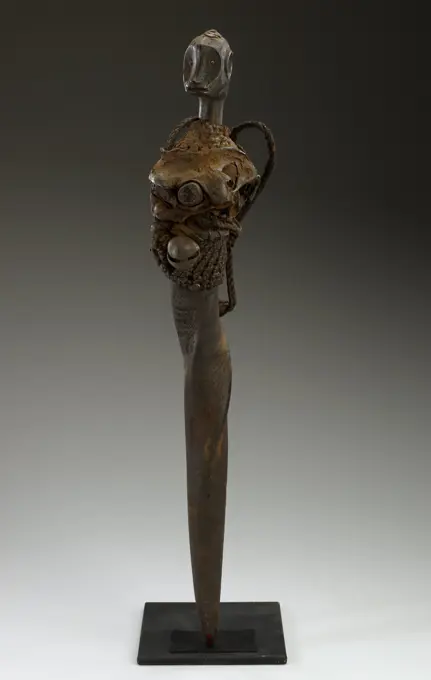
Fetish Container, c. 1920-1930, 24 x 4 5/16 x 4 7/16 in. (61.0 x 11.0 x 11.3 cm) (overall), Wood, bone, metal, animal hide, plant fiber, Tanzania, 20th century
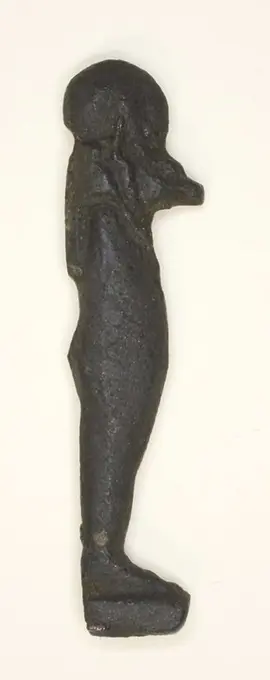
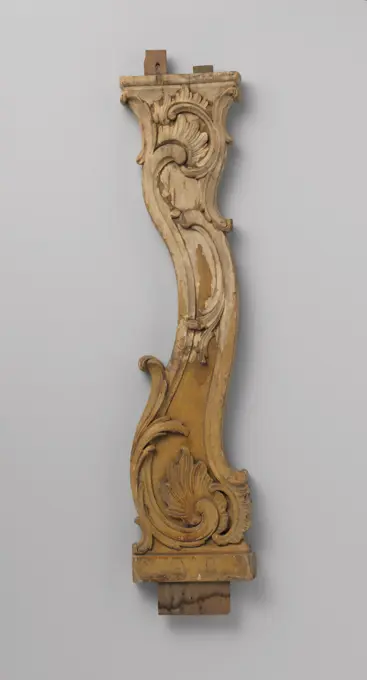
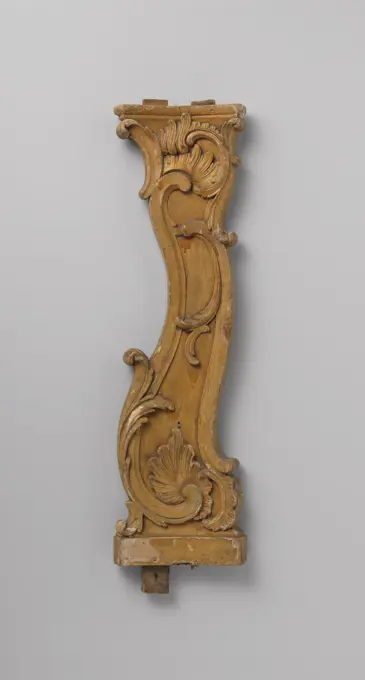
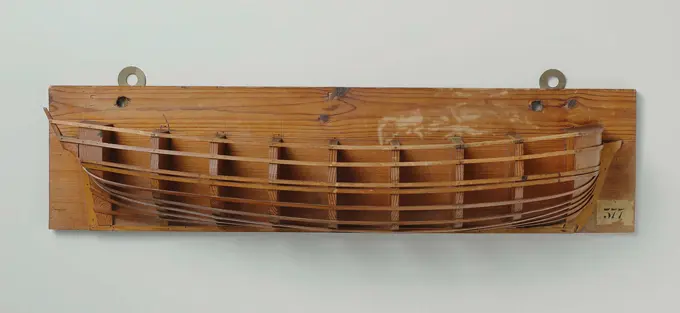
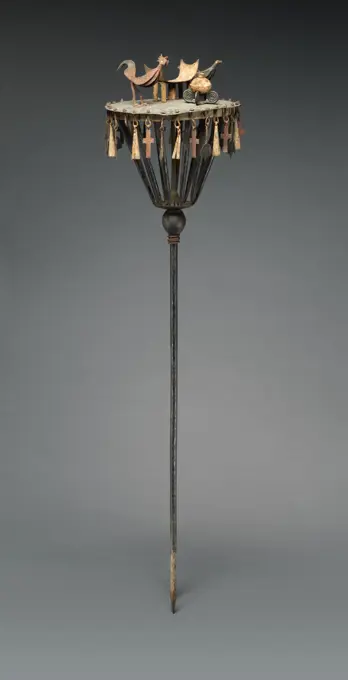
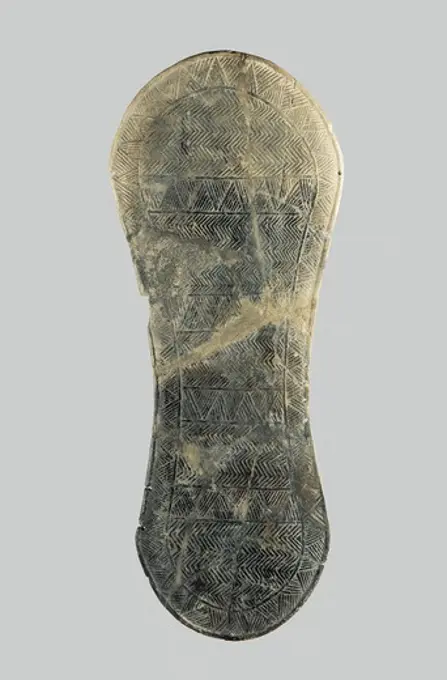
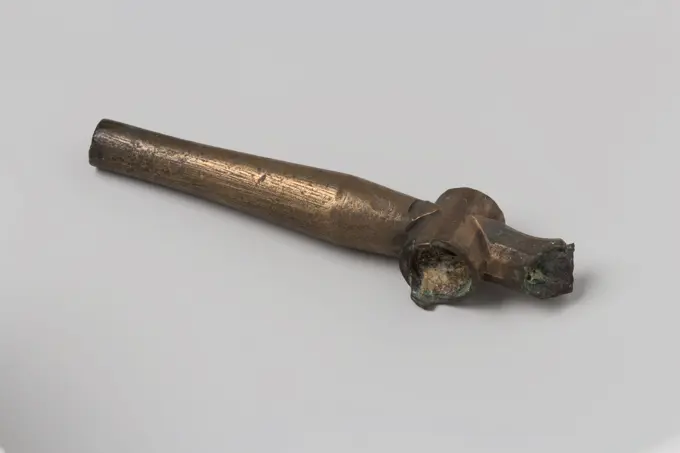
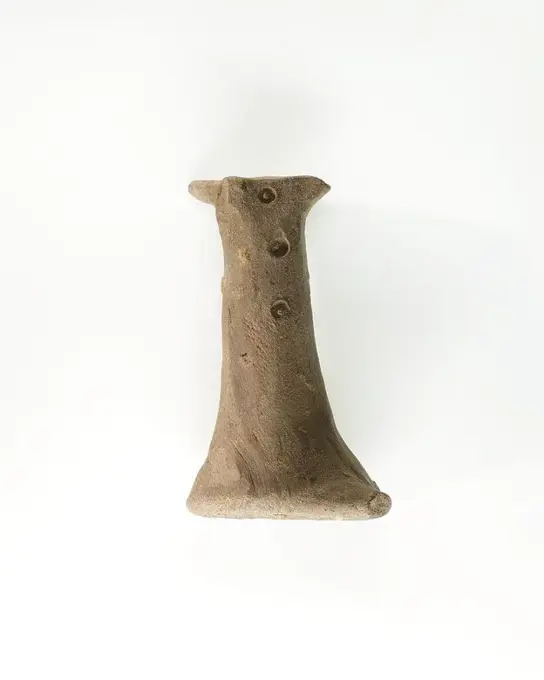
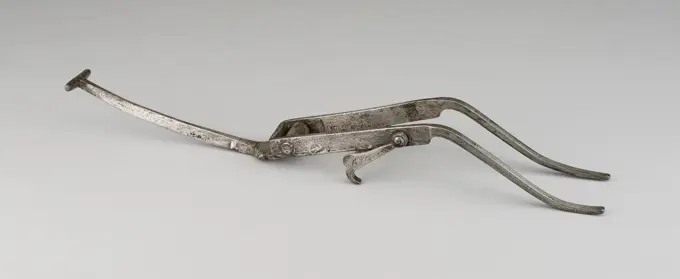
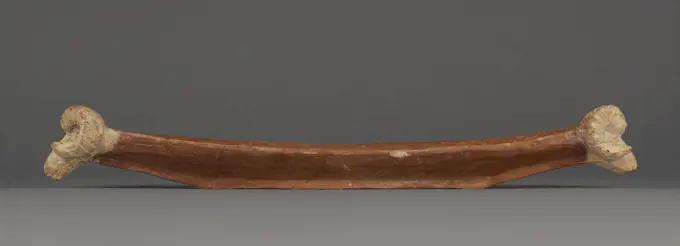
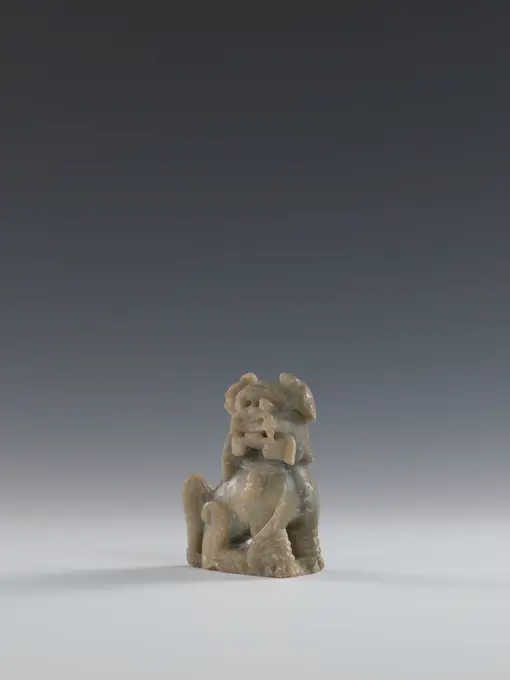
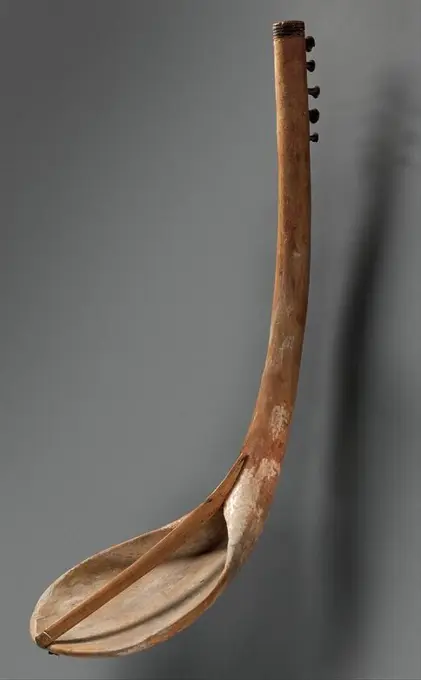
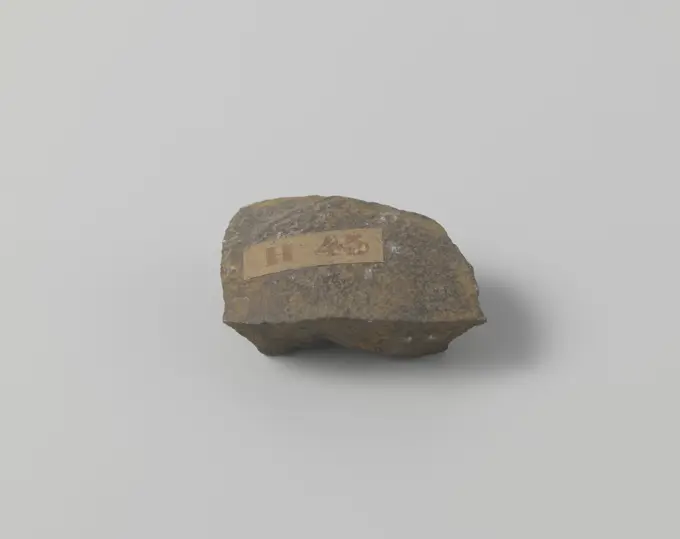
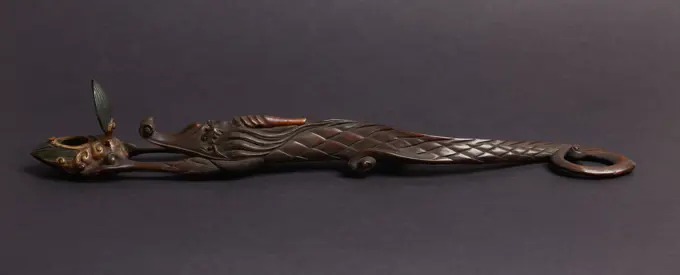
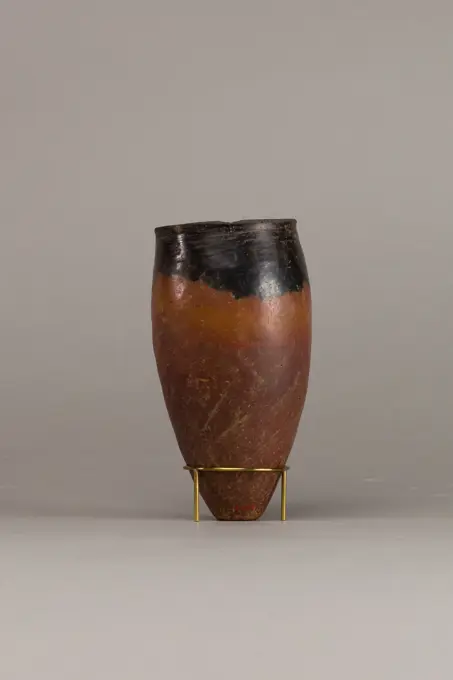
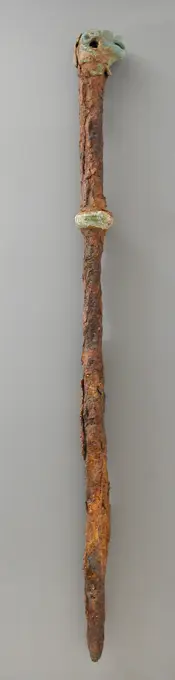
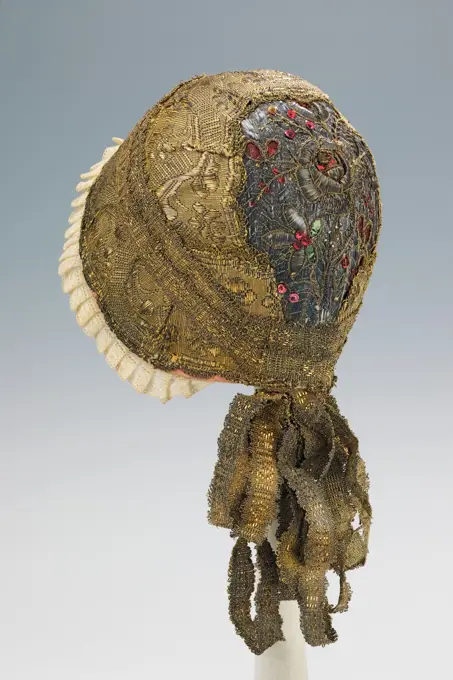
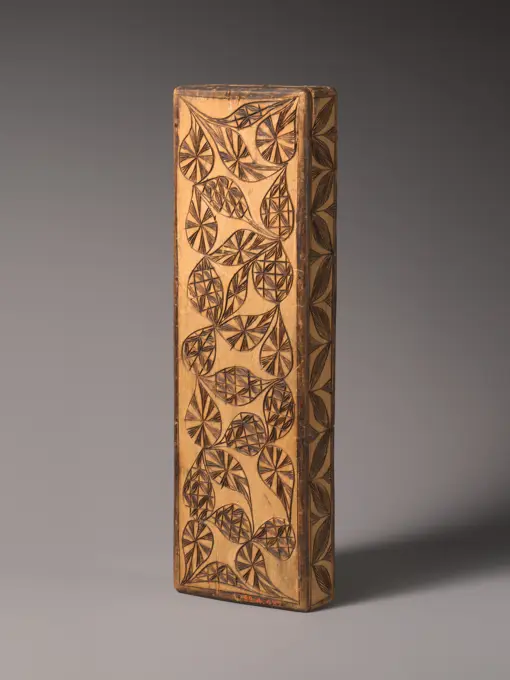
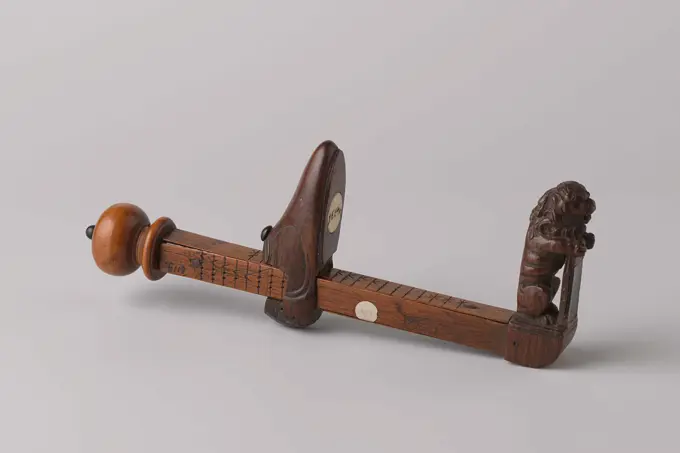
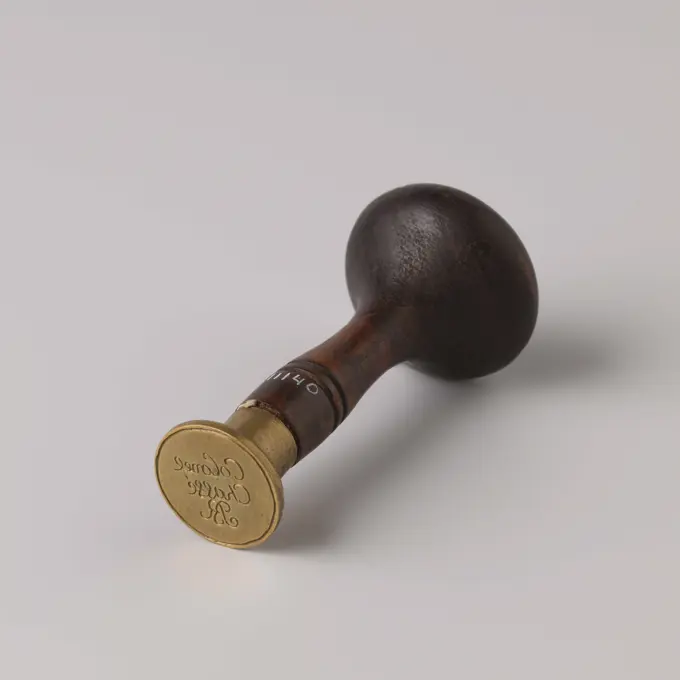
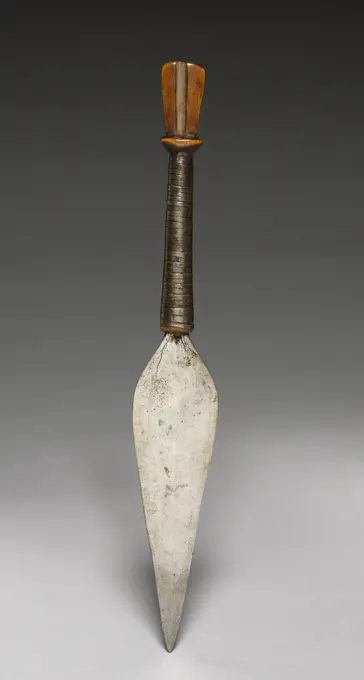
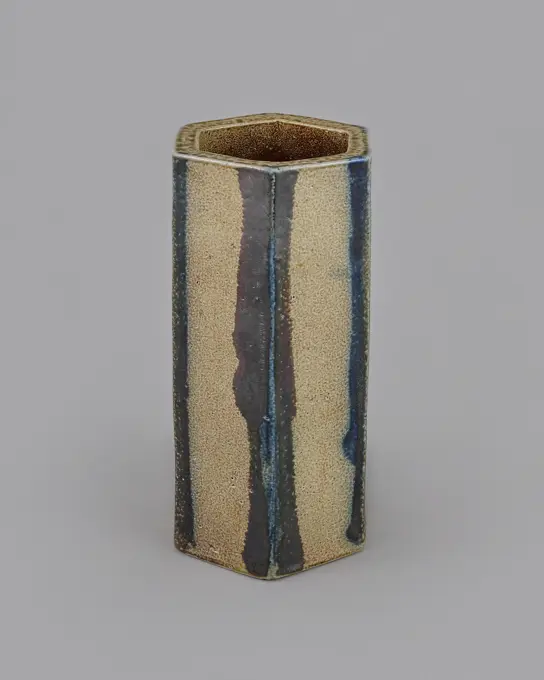
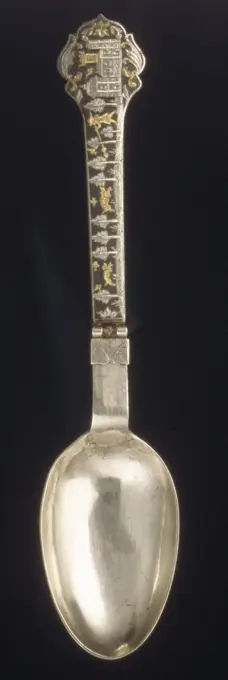
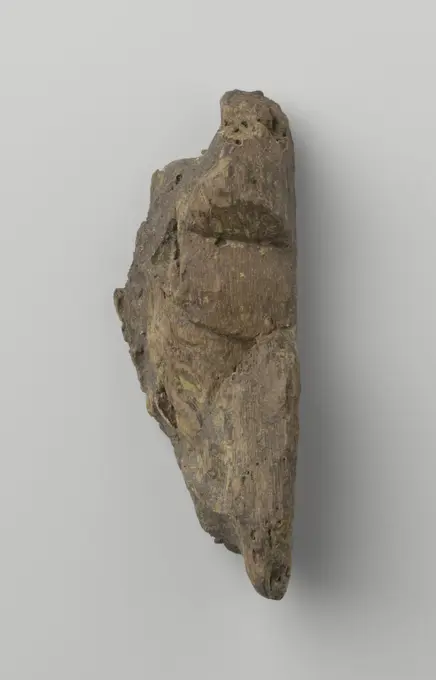
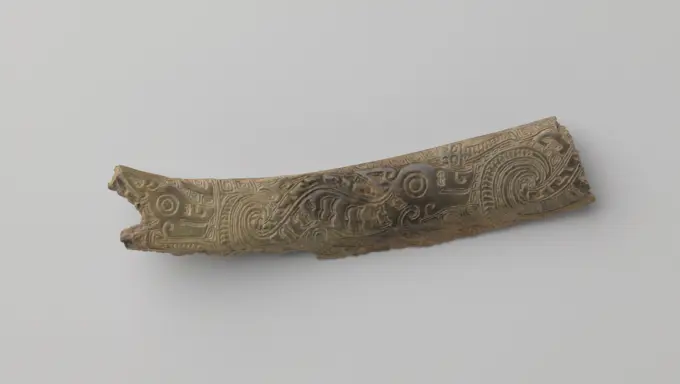
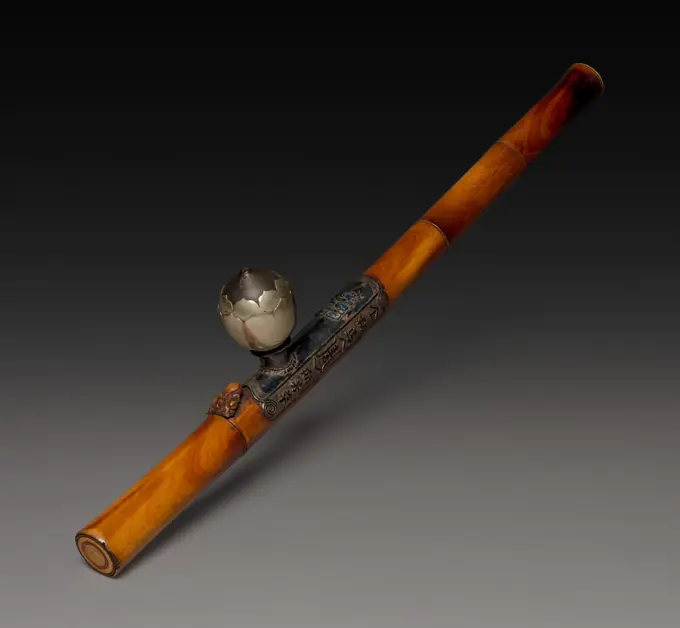
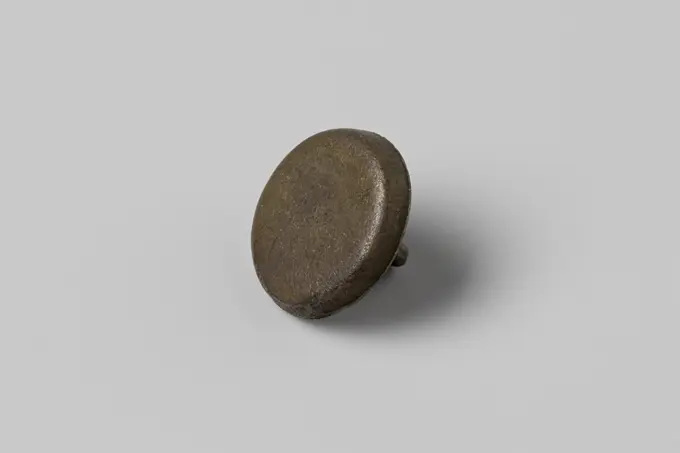
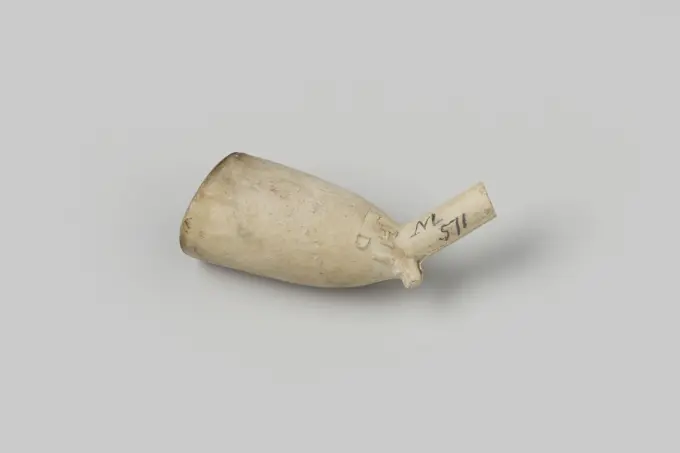
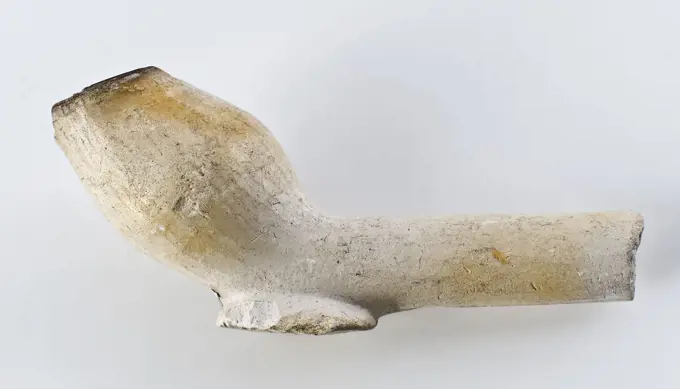
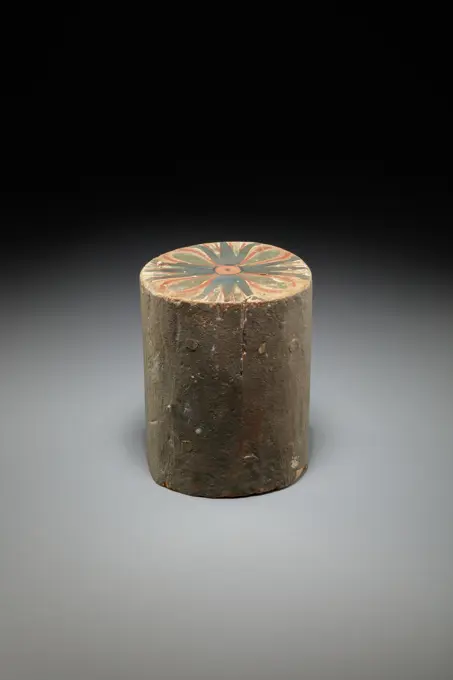
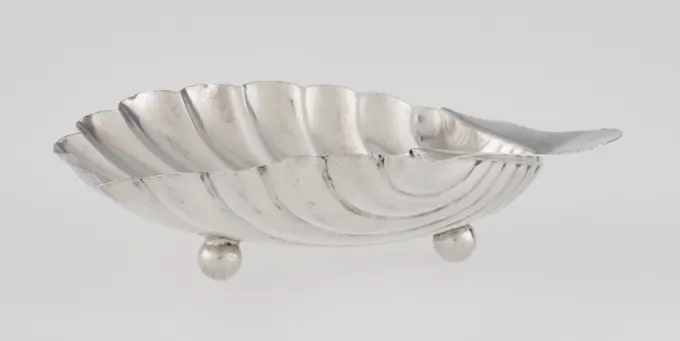
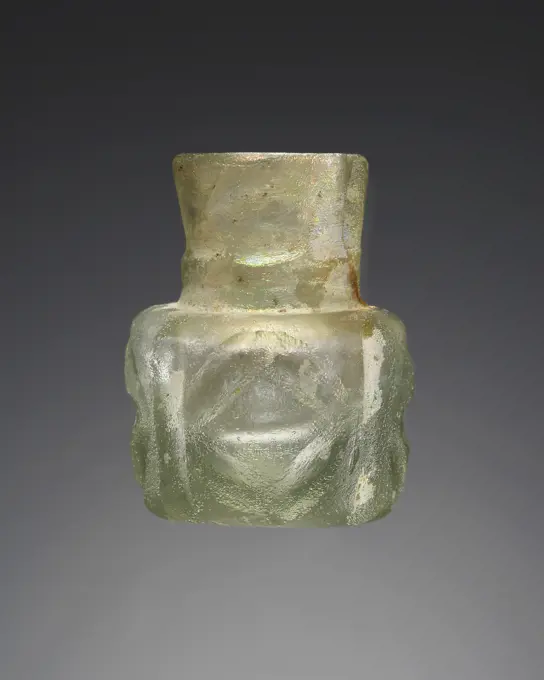
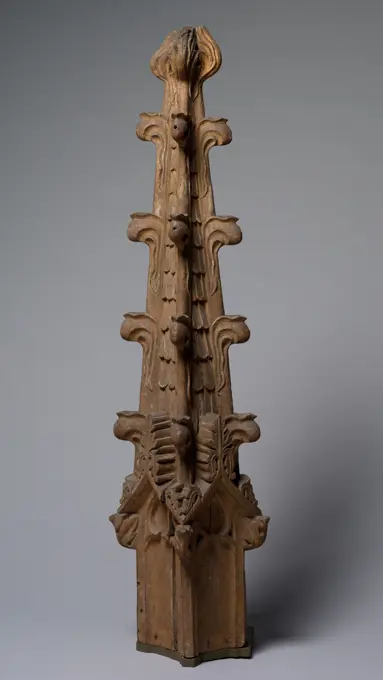
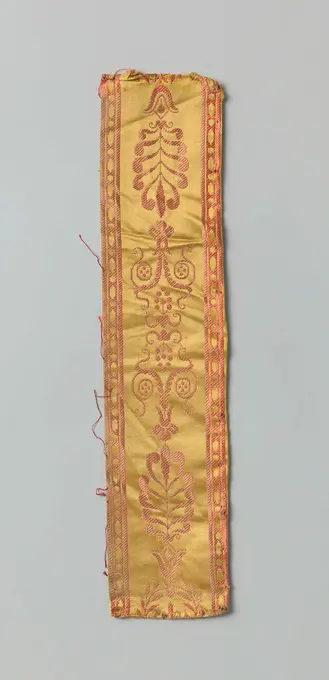
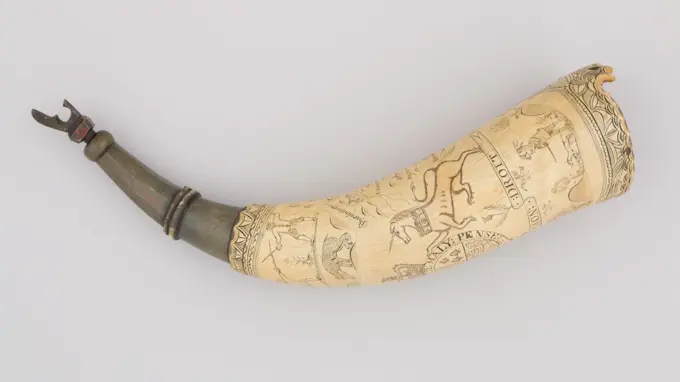
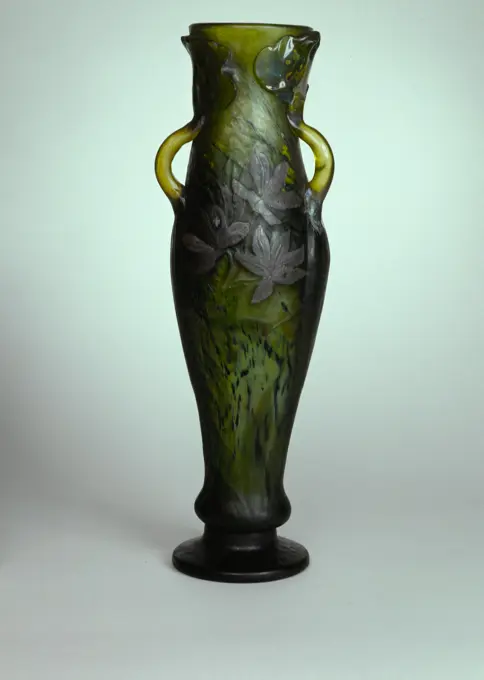
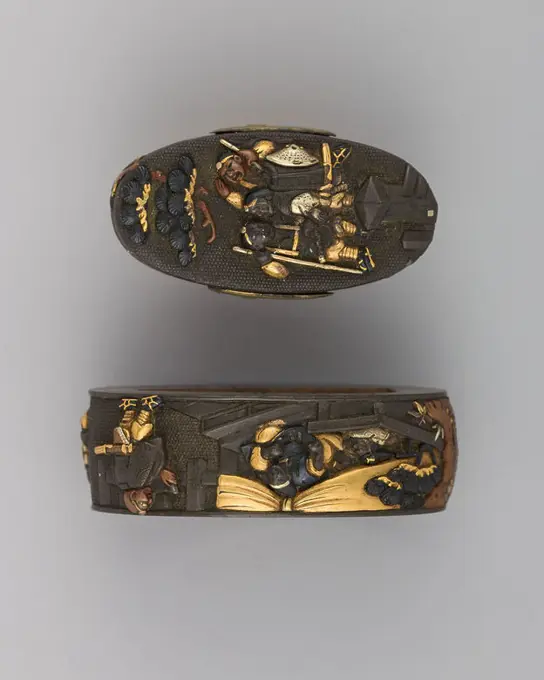
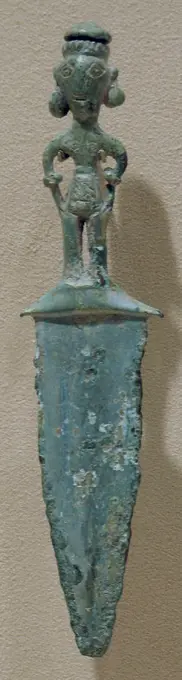
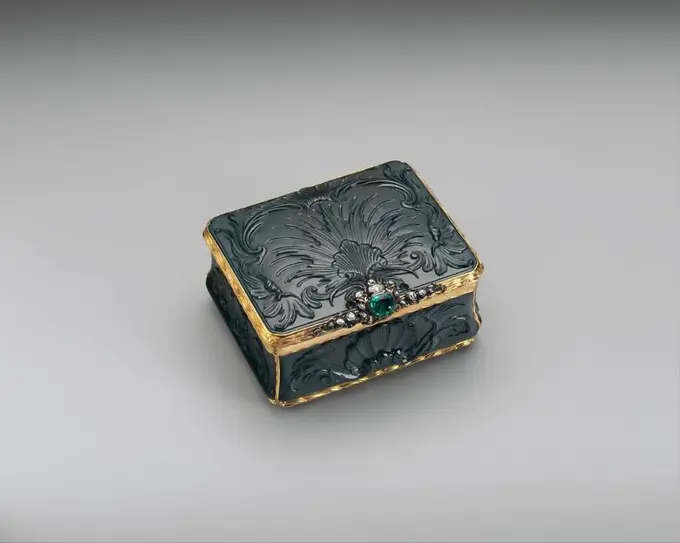
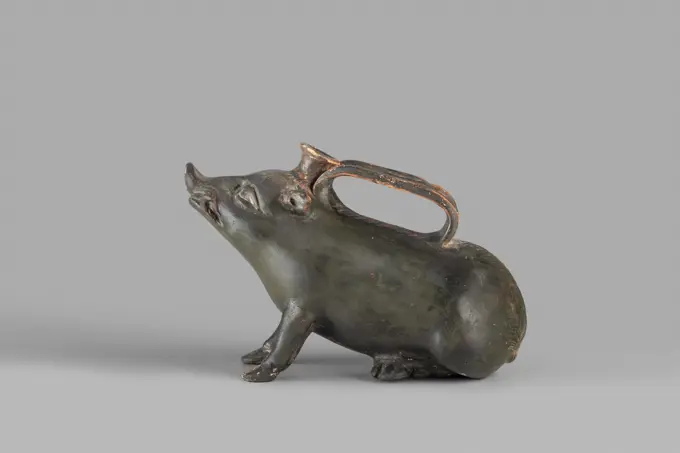
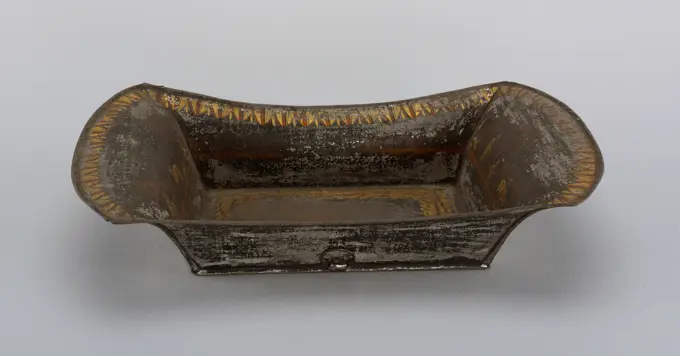
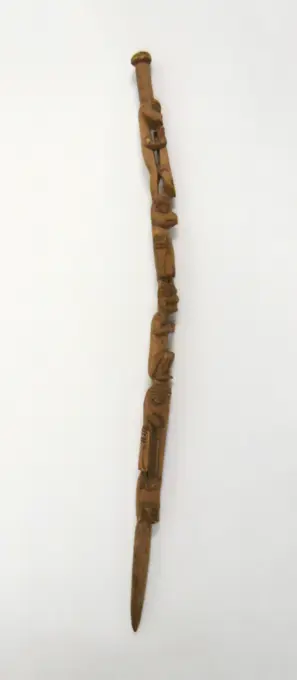
Small Totem (Speaker's Stick), late 19th century, 36 1/4 x 4 x 2 in. (92.1 x 10.2 x 5.1 cm), Wood, United States, 19th centuryColumn and Capital with Dog Mask 14th century North Italian. Column and Capital with Dog Mask 466329Amulet of a Jackal-Headed God. Egyptian. Date: 780 BC-343 BC. Dimensions: 4.5 × 1 × .5 cm (1 1/4 × 3/8 × 3/16 in.). Glass. Origin: Egypt. Museum: The Chicago Art Institute, Chicago, USA. Author: Ancient Egyptian.Baluster with stabbed C and S-Voluten, Anonymous, c. 1740 - c. 1760 S-shaped baluster with stabbed C and S-Voluten with rocaille shells. Northern Netherlands wood (plant material) S-shaped baluster with stabbed C and S-Voluten with rocaille shells. Northern Netherlands wood (plant material)Lamp of Human Form. China. Date: 25 AD-220 AD. Dimensions: H. 8 3/4 in. Earthenware with green lead glaze. Origin: China. Museum: The Chicago Art Institute, Chicago, USA.ShieldMirror with gilt wooden frame, decorated with asymmetrical flower and leaf motifs, crowned by rocaillic crest., Anonymous, 1750 Mirror with a gilt wooden frame, formed by asymmetrical flower and leaf motifs and crowned by a rocaille-shaped crest. The mirror glass is modern. Northern NetherlandsNetherlands wood (plant material). gilding (material). looking glasses. amalgam gilding Mirror with a gilt wooden frame, formed by asymmetrical flower and leaf motifs and crowned by a rocaille-shaped crest. The mirror glass is modern. Northern NetherlandsNetherlands wood (plant material). gilding (material). looking glasses. amalgam gildingBaluster with stabbed C and S-Voluten, Anonymous, c. 1740 - c. 1760 S-shaped baluster with stabbed C and S-Voluten with rocaille shells. Northern Netherlands wood (plant material) S-shaped baluster with stabbed C and S-Voluten with rocaille shells. Northern Netherlands wood (plant material)Fetish Container, c. 1920-1930, 24 x 4 5/16 x 4 7/16 in. (61.0 x 11.0 x 11.3 cm) (overall), Wood, bone, metal, animal hide, plant fiber, Tanzania, 20th centuryPrehistory, Italy, Eneolithic. Rinaldone culture. Stone tool used to smooth objects.Half Model of a 6-Gun Brig.Mold model (starboard). No gunpaints, cover or rig. Round fore ship with almost vertical deflect. Wrinkled mirror, hollow wulf, no details of fence, no side gallery; No stir. Side to both ends ascending, the bark wood is indicated by a double sent. Peaked round trip.Stirrup. Culture: German. Dimensions: H. 5 3/4 in. (14.6 cm); W. 5 3/4 in. (14.6 cm); D. 1 1/4 in. (3.2 cm); Wt. 5.4 oz. (153.1 g). Date: 10th-11th century.One of the branches of this stirrup retains part of its decoration consisting in a brass applique strip engraved with a zigzag motif, and a cast bronze terminal. This type of stirrup is typical of the Germanic populations living in central Europe in the 10th-11th century.Horses had a great importance in the society of the Germanic cultures living in these areas, in both social and religious aspects. Equestrian equipment, like stirrups, spurs and bits, are regularly found in their burials, among the goods warriors wanted to bring with them to the afterlife. The elite would sometimes even be accompanied by sacrificed horses, a meaningful practice at that time, considering the high economic value of horses. Museum: Metropolitan Museum of Art, New York, USA.Candelabra supported by three female demi-figures 16th century Italian, Veneto () This large candlestick is part of a pair (see also 1975.1.1404). The triangular base is decorated with winged sphinxes on the corners and blank oval shields on the three sides. There is a marked difference in casting quality between the bases and shafts, suggesting that they originally did not belong together.. Candelabra supported by three female demi-figures 461154Altar Staff (Asen) 19th century Fon peoples. Altar Staff (Asen). Fon peoples. 19th century. Iron, wood, pigment. Republic of Benin. Metal-SculptureVotive sandal. Eneolithic. Sculpture on ivory. SPAIN. MADRID (AUTONOMOUS COMMUNITY). Madrid. National Museum of Archaeology. Proc: SPAIN. ANDALUSIA. ALMERIA. Cuevas del Almanzora. Almizaraque Walls.Dress part of the wreck of the East Indies Hollandia, Anonymous, 1700 - in Or Before 1743  tap, part of tap; ID. ng 1979-521H, MOUH BROKEN Offin. Netherlands copper (metal)   SecondAnimal figure. Dimensions: l. 4.7 cm (1 7/8 in). Dynasty: Dynasty 12, late-early 13. Date: ca. 1850-1750 B.C.. Museum: Metropolitan Museum of Art, New York, USA.Needle with ivory handle. Needle with ivory handle. Iron, ivory. Miscellaneous-IronKnife ca. 1295-1070 B.C. New Kingdom, Ramesside. Knife 568363Goat's Foot Lever for a Crossbow 1500-1533 Europe. Iron .Vase in the Shape of a Boat with Rams' Heads; Etruria; 5th century B.C; Terracotta; 6.4 × 11.8 × 44.5 cm (2 1,2 × 4 5,8 × 17 1,2 in.)White clay pipe, unnoticed, with smooth handle, clay pipe smoking equipment smoke floor earthenware ceramic pottery, pressed finished baked White clay pipe unnoticed with smooth handle The ripping under the edge of the kettle is only partly applied after being poured with the wheel has the maker's pipe archeology smoking tobaccoFragment zijdeweefsel van een stoelbekleding.Fragment yellow silk tissue, from a seat cover. The pattern has pink palmets and arabesken on a yellow ground. The fragment belongs to thirteen fragments with Invnr. BK-1992-18-A T / M BK-1992-18-m.Kohl tube and stick. Dimensions: H. Kohl tube 6.2 cm (2 7/16 in); l. of stick 11.4 cm (4 1/2 in). Dynasty: Dynasty 18. Date: ca. 1550-1500 B.C.. Museum: Metropolitan Museum of Art, New York, USA.Pole for Banner, 1700s. Spain, 18th century. Wood;HandleFragment Wijnkan from V.O.C. ship De 'Witte Leeuw', Before 1613  Fragment Wijnkan from V.O.C. ship De 'Witte Leeuw'. Soil clip. Jingdezhen bone china (material)   Sint-HelenaSiedzący lew. unknown, craftsmanSouvenir spoon with view of the Zwinger in Dresden European late 19th centuryBow harp. Dimensions: L. 81.4 cm (32 1/16 in); W. 26.4 cm (10 3/8 in.). Dynasty: Dynasty 12. Date: ca. 2030-1640 B.C..The harp, called benet in ancient Egyptian, was one of the most popular musical instruments throughout pharaonic history. This bow harp, among the oldest to have survived, is characterized by a long, curving neck and a shovel-shaped sound box. Originally covered by parchment or animal skin, the sound box would have resonated when the instrument's five strings were plucked. Harpers played either alone or in ensembles with singers and other musicians. Museum: Metropolitan Museum of Art, New York, USA.Hallmark: Paris, 1781-1789 Load-means works. Small sounded throat band, bordered by 2 nets.Bevor (Barbote). Spanish or Italian. Date: 1470-1490. Dimensions: . Steel. Origin: Spain. Museum: The Chicago Art Institute, Chicago, USA.Powder Flask Carved with the Parable of the Good Samaritan. German or French. Date: 1565-1600. Dimensions: H. 29.2 cm (11 1/2 in.). Staghorn, iron, and steel. Origin: Southern Germany. Museum: The Chicago Art Institute, Chicago, USA.Gentle women;  Hellenistic period (-323-00-00--30-00-00);Daszewski, Wiktor A. (1936-), Daszewski, Wiktor A. (1936-)-collection, gift (provenance)Sharf of a bullet, c. 1400 - c. 1950 Shargf of a bullet. From the citadel.  iron (metal)   Citadel of Antwerp (16th century) Shargf of a bullet. From the citadel.  iron (metal)   Citadel of Antwerp (16th century). Irregularly shaped, square scale of stoneware, covered with a red glaze ? And painted in green, yellow and black. The front with a river landscape embossed with a scholar a scholar followed by two servants. In the background a group of scholars sitting on the shore. A boat in the water. The landscape with trees (pine, banana plant), mountains and rocks. The back with karakusa tendrils against a yellow background. Old label on the bottom with 'W727'. Kyoyaki in imitation of red lacquer.Traditional rain stick made of cactus wood isolated on black background. Traditional rain stick made of cactus wood isolated on blackMount, Gilt bronze, furniture mount, France, ca. 1745, Decorative Arts, MountObject of cult in the form of a dragon holding a chapel with a Buddha statue unknownEar pendant 500 B.C.-A.D. 300 Vietnam (North, Sa Huynh Culture). Ear pendant. Vietnam (North, Sa Huynh Culture). 500 B.C.-A.D. 300. Stone. Bronze and Iron Age period. JewelryCoffret. unknown, contractorBlack-topped red ware beaker ca. 3850-2960 B.C. Predynastic Period. Black-topped red ware beaker. ca. 3850-2960 B.C.. Pottery. Predynastic Period. From EgyptSpearhead. Iran, circa 1350-1000 B.C.. Arms and Armor; spears. BronzeMAIN DEBOUT (MANO LEVANTADA) - 1937 - BRONCE - 38,2x22,7x4 cm. Author: Julio Gonzalez. Location: MUSEO REINA SOFIA-ESCULTURA. MADRID. SPAIN.Cap early 19th century German Known as "gold caps", this type of headwear was common to Osnabrück, Westphalia in Germany. These ornately decorated caps are embroidered in foil, metallic thread, and cord, creating an overall gold appearance. This example would have been considerably time-consuming with the embroidery worked in flat metal strips, and the inclusion of foil accents.. Cap 157394Mbira late 19th century Nigerian (Efik). Mbira. Nigerian (Efik). late 19th century. Kapok wood (Ceiba pentandra Gaertn). Calabar, Nigeria. Idiophone-Plucked / DepressedExtendable foot size .. a pull-out foot size with footrest in the shape of a lying lion. Along the upright of three of the sides divergens in Roman numerals. Each measure is 0.7 cm. A shoe is moved vertically along the upright, which indicates the correct size. Under the footmole an ivory circle with date 1662. At the top a spherical knob, on which a small black button for award.Shakh Iranian (Persian) late 19th century View more. Shakh. Iranian (Persian). late 19th century. Horn. Iran. Aerophone-Lip Vibrated-hornCachet from Baron Chassé. Copper stamp to wooden handle with thick, flat button. The stamp is very simple, surrounded by one line and apparently engraved by hand. Inscription; Stamp plane: Colonel / Chassé.Bodice Front (England); linenDagger, 1900s. Central Africa, Democratic Republic of the Congo, Bakonje, 20th century. Iron and wood; overall: 31.5 cm (12 3/8 in.).Beaker early 14th century. Beaker 451443Collar or disk candlestick of brass. The candlestick is composed of two cast and shaded parts: the base with the lower part of the trunk and the fat catcher and then the upper part of the trunk and the candle holder. The upper half has been clenched in the foot with a pin. The lower piece consists of a round profiled base, a baluster-shaped strain and a fat catcher profiled at the bottom, the collar. The upper part consists of a baluster-shaped strain and a profiled cylindrical container, which has two round holes arranged in the middle of the wall. The turns can be seen at the bottom of the foot.Wide-Blade Knifew with Reclining Animal on Top. Inca; South coast or central highlands, Peru. Date: 1450-1540. Dimensions: 11.6 x 7.8 cm (4 9/16 x 3 1/16 in.). Copper. Origin: Peru. Museum: The Chicago Art Institute, Chicago, USA.Datplood with VOC coin from Indonesia, Anonymous, 1750 - 1800 coin Datplood (probably) with VOC coin from Indonesia. 8-cornered wooden rod with an 8-corner copper segment over the top with a bearing eye. Also an 8-corner copper segment, with copper nails attached to the wood over the bottom. In the middle of the rod an incomed VOC Vern from 1754.  wood (plant material). brass (alloy). copper (metal). rope casting / striking (metalworking)  IndonesiaCartridge With 6-pounder Cannon Ball. Cards with 6 pound cannonball. Cards consisting of a cylinder-shaped brass body, closed to the flat sides with wooden discs. The card causes a gun ball, which is held in place in place by a third wooden disc on a side in the carton and is not visible. The other half of the cardus is empty; With a small slider it can be opened to fill the load; Even when firing, the slider must be removed to allow the fire beam. On the outside, a brass strip is in front, and such a strip can also be seen: their function is unclear.Vase (usual name). Sandstone covered with enamels. Cernuschi Museum, Asia Museum of Asia in the city of Paris.Candlestick with profiled foot and trunk. The object is composed of the following parts: the foot, the trunk and the fat catcher, which are poured into one whole, and the candle pin. The strain is compliant with lead or tin. The profiled konic foot is about in a trunk with one button and then in a fat catcher, on which a very long candle pin has been applied. The round-deepened fat catcher has four decorations in the upright wall, consisting of a perforation in the form of a three-pass. The narrow stroothed edge has four tilt, one of which is damaged.Ancestor Figure(Aitos)Weighing scales found in a tomb, suggesting the deceased was a merchant or artisan. Dated 1st Century BCTool. Culture: Iran. Dimensions: 0.91 x 4.41 in. (2.31 x 11.2 cm). Date: 5th-3rd millennium B.C. (). Museum: Metropolitan Museum of Art, New York, USA.Ancestral Post (AnaDeo)Oil LampFolding spoon early 18th century Probably by Johann Adam Boller The handle is of nielloed steel with silver and gold inlays.. Folding spoon 188160 Maker: Probably by Johann Adam Boller, ca. 1706, Folding spoon, early 18th century, Nielloed steel with silver and gold inlays, 7 1/2 in. (19.1 cm). The Metropolitan Museum of Art, New York. Gift of Mrs. Samuel P. Avery, 1897 (97.2.125)Fragment; (possibly) belonging to the retable of Soest, c. 1475 - c. 1499   wood (plant material)   wood (plant material)Handle in the form of a lion. Handle in the form of a lion 247602Harpoon 1500-500 B.C. India. Harpoon. India. 1500-500 B.C.. Copper. MetalworkFragment of the lace;  18th century (1701-00-00-1900-00-00);Fragment of a ritual object, anonymous, -1600 --1000 Fragment, Shangyin, Been, Success of Fabeldieren. China bone (material) Fragment, Shangyin, Been, Success of Fabeldieren. China bone (material)Swallows, Bamboo and Plum Blossoms 1801-1900 China. Fan (round); ink and colors on silk, bamboo handle, ivory tip . Tan HuanzhangOpium Pipe, 1800s. China, Qing dynasty (1644-1911). Ivory stem decorated with silver and enamel work; overall: 54.4 cm (21 7/16 in.).Ceramic jug from " La Mancha". Spain.Yellow Ruyi Sceptre with Dragons, Bats, and a Crane, anonymous, c. 1875 - c. 1899 Ruyicepter from porcelain, covered with a monochrome yellow glaze. The ruyi -shaped part of the scepter with a five -clawy dragon between clouds and flames in relief; The handle with a crane on a rock with plants between clouds, five bats around a 'should' symbol in a modeled medallion, a pearl -chasing vijkless dragon between clouds and flames. Back side undecorated. Monochrome. China porcelain. glaze vitrification Ruyicepter from porcelain, covered with a monochrome yellow glaze. The ruyi -shaped part of the scepter with a five -clawy dragon between clouds and flames in relief; The handle with a crane on a rock with plants between clouds, five bats around a 'should' symbol in a modeled medallion, a pearl -chasing vijkless dragon between clouds and flames. Back side undecorated. Monochrome. China porcelain. glaze vitrificationButton from the wreck of the East India hollandia.knoop. (1) Flat top, Plain, commanded RIM (1.7D, 0.5t) Slightly Conical Base, Hollow, Loop-ShankFragment of a tobacco pipe., Anonymous, c. 1400 - c. 1950 Fragment of a tobacco pipe with the letters HID.  earthenware. pipe clay   Slot Loevestein Fragment of a tobacco pipe with the letters HID.  earthenware. pipe clay   Slot LoevesteinAnthoni Allijn, White clay pipe, marked, smooth handle with exceptional wide heel, clay pipe smoking equipment smoke floor pottery ceramics pottery, hand-formed baked White clay pipe marked smooth handle. Heel mark. Exceptional wide flat heel. heel mark: AA under crown in shielded field archeology smoking tobaccoHat of green silk, tulle and striped ribbon, anonymous, c. 1800 - c. 1900  Europe silk  Europe silkCoffin knob () ca. 1981-1550 B.C. Middle Kingdom-Early New Kingdom This object of painted wood has been identified as a “knob” that would have protruded from one of the short sides of the lid of a rectangular coffin and used to lower it into place during the funerary ceremonies. After the burial, the projecting part of the knob would have been sawn off, leaving a cylindrical shape, as can be seen on a number of Middle Kingdom coffins (see for example, 32.3.427. For a clear example of such a knob, belonging to the steward Wah and found in his tomb, see 20.3.202c.The cylindrical surface of this object is painted a solid blue. One end is decorated with blue lotus flowers and green leaves arranged symmetrically around a central disc in red. This iconography would be suitable for a funerary object, as the lotus is associated with the regeneration or rebirth of the deceased. However, Wah’s knob and other known examples of this type are unpainted, and it is difficult to find Middle Kingdom pButter in the form of shells; Atkin Brothers (Silversmith) Ltd (Sheffield; company Z Otnicz and Platernicza; 1826-1958); 1928/29 (1928-00-00-1929-00-00);Miniature Flask; Near Eastern, perhaps Iran; 9th - 11th century; Glass; 2.8 x 2.2 cm (1 1,8 x 7,8 in.)Pinnacle, 1400s. France, 15th century. Oak; overall: 152.5 x 29.2 cm (60 1/16 x 11 1/2 in.).Collar and ear of a flapkan from V.O.C. ship De 'Witte Leeuw', Before 1613  Collar and ear of a flapkan from V.O.C. ship the 'Witte Leeuw'.  tin (metal)   Sint-HelenaTassel 17th century Italian. Tassel. Italian. 17th century. Linen. Textiles-TrimmingsFragment zijdeweefsel van een stoelbekleding..Fragment yellow silk tissue, from a seat cover. The pattern has pink palmets and arabesken on a yellow ground. The fragment belongs to thirteen fragments with Invnr. BK-1992-18-A T / M BK-1992-18-m.CIBORIOR with Maltese Cross. The object has been compiled from the following parts: the cast and scilated base, which is riveted in the molded, scibled and decreased bottom of the box; the hinge and the closure, which are riveted in the wall of the box; The lid and button. The foot has a hexagonal nodus and walks out six-spoiled. A weapon is engraved on one lob (1 anchor, 2 cross). The round box and the round spiny tapered lid are decorated with rings. The hinge and the retlusion are decorated with dragon. The button has a Maltese cross. In the second half of the seventeenth century, this is laid down in the second half of the weapon.Powder Horn 1755-83 American This powder horn is engraved with a map of the Middle Cherokee towns (the present county of Macon, North Carolina). It is decorated with scenes of men dueling and hunting, and also the royal arms of Great Britain.. Powder Horn 29563Tribal art: Ashanti female figure carryng a child on her back. Carved wood, Ghana, Africa.Emile Gallé (1846-1904). Vase with three handles "Les Iris", 2nd half of the 19th century. Engraved glass and metal inclusions. Museum of Fine Arts of the City of Paris, Petit Palais. Handle, flower, metallic inclusion, iris, various objects, three, vase, serious glassBevor ("Falling Buff"). Spanish (Possibly). Date: 1490-1510. Dimensions: . Steel. Origin: Spain. Museum: The Chicago Art Institute, Chicago, USA.Pair of Stirrups. Culture: Indian, Central India. Dimensions: Stirrup (a); H. 4 1/2 in. (11.4 cm); W. 5 in. (12.7 cm); D. 1 3/4 in. (4.5 cm); Wt. 11.8 oz. (334.5 g); stirrup (b); H. 4 in. (10.2 cm); W. 5 in. (12.7 cm); D. 1 3/4 in. (4.5 cm); Wt. 11 oz. (311.8 g). Date: possibly 17th-18th century. Museum: Metropolitan Museum of Art, New York, USA.Sword-Hilt Collar and Pommel (Fuchigashira). Culture: Japanese. Dimensions: Kashira (a); H. 1 3/8 in. (3.5 cm); Wt. 0.5 oz. (14.2 g); fuchi (b); H. 1 9/16 in. (4 cm); Wt. 1 oz. (28.3 g). Date: 19th century. Museum: Metropolitan Museum of Art, New York, USA.Tea; Kinkôzan, Sôbei VII (1867-1927); 19th/20th century (1896-00-00-1905-00-00);Dagger with a Handle in the Form of a Male Figure 500 B.C.-A.D. 300 Vietnam. Dagger with a Handle in the Form of a Male Figure. Vietnam. 500 B.C.-A.D. 300. Bronze. Bronze and Iron Age period, Dongson culture. MetalworkSnuffbox. Culture: probably German. Dimensions: 3 1/8 × 2 11/16 in. (7.9 × 6.8 cm). Date: first half 18th century.Fourteen small diamonds and a large emerald form the thumb-piece of this shaped snuffbox, which is mounted with rocaille-carved panels of heliotrope. Museum: Metropolitan Museum of Art, New York, USA.Dragon Plaque. China. Date: 410 BC-290 BC. Dimensions: 2 3/16 × 1 × 3/16 in. Jade. Origin: China. Museum: The Chicago Art Institute, Chicago, USA.Askos w kształcie dzika. unknown, authorEL SUEÑO EL BESO - 1934. Author: Julio Gonzalez. Location: FUNDACION JUAN MARCH COLECCIÓN. MADRID. SPAIN.Single-Edged Knife (Scramasax), 600s. Frankish, Champagne(), Migration period, 7th century. Iron, copper, and gold foil;Tray; enameled tôleTassel, Medium: linen, metal wire, silk. Technique: braided and knotted, Pear-shaped center unit from which hang elaborate knottings in the forms of two male and two female figures, alternating and attached to one another. The figures are ornamented with metal wire., Italy, Europe, 17th century, trimmings, Tassel