Historical and Decorative Containers

A variety of ancient containers and pottery, featuring intricate designs and materials, ideal for displays or thematic collections reflecting historical craftsmanship.
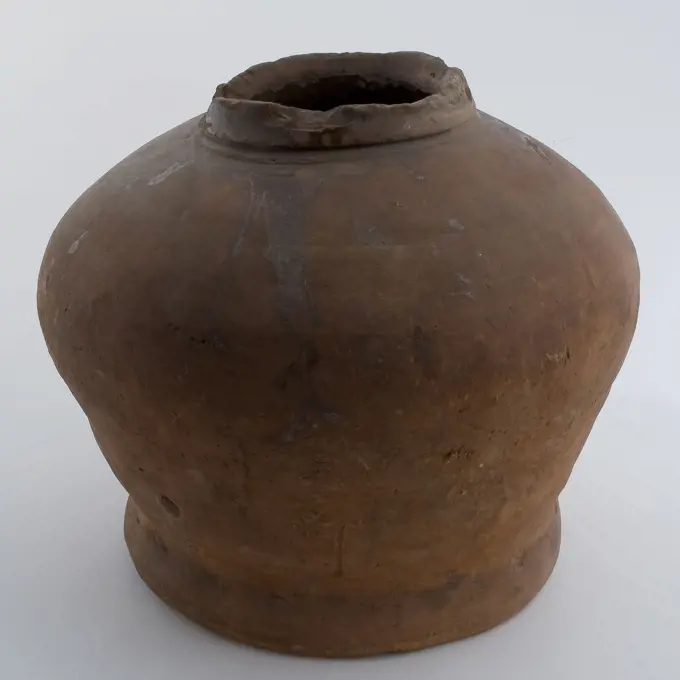
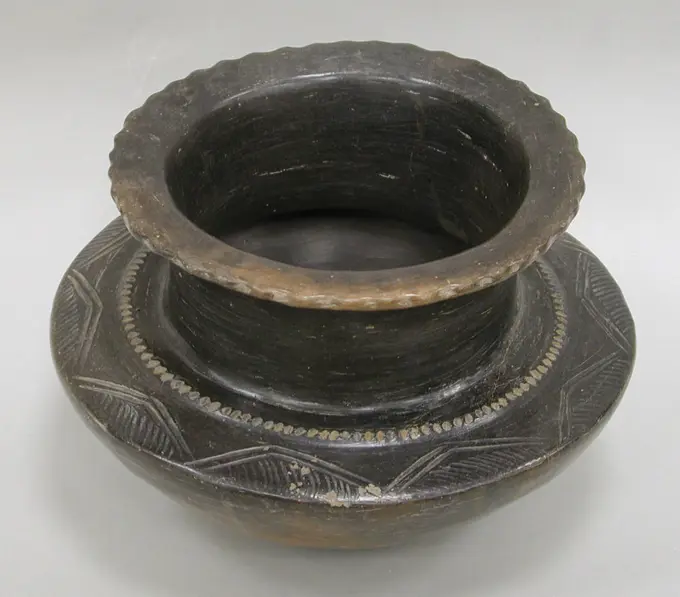
Heavy pottery pot on wide stand ring, round and stocky model, pot holder ceramic earthenware glaze lead glaze, hand-turned glazed baked Pottery pot on wide stand ring. Round and stocky model Shallow constriction above the stand ring. Rising neck edge with groove along the outside Red shard internally glazed some tears over the shoulder. Was probably used in the sugar industry indigenous pottery sugar industry refining
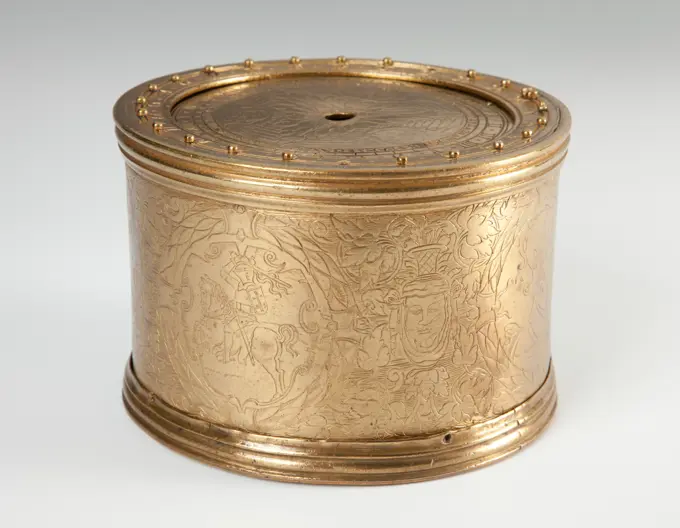
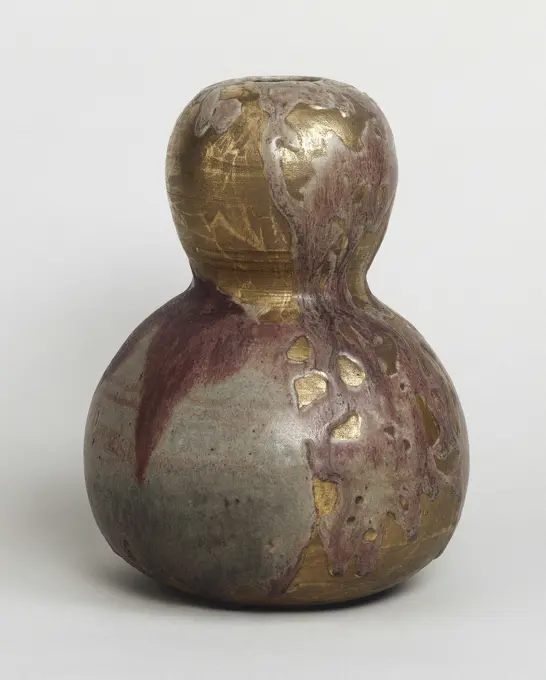
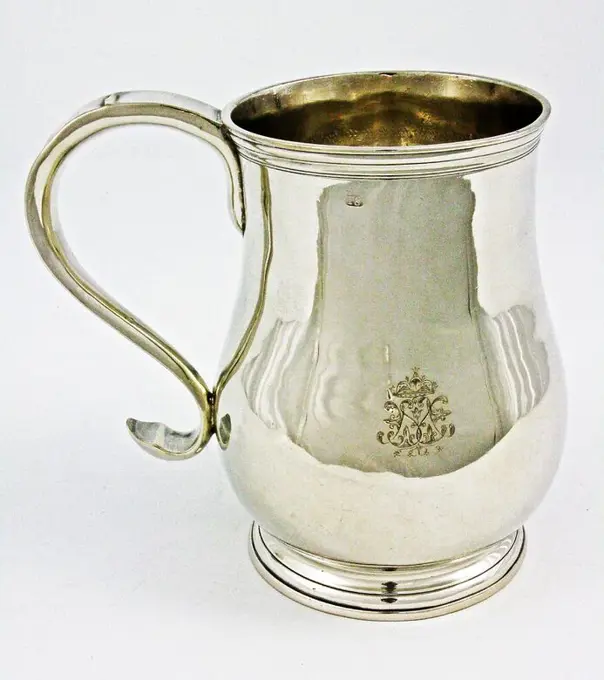
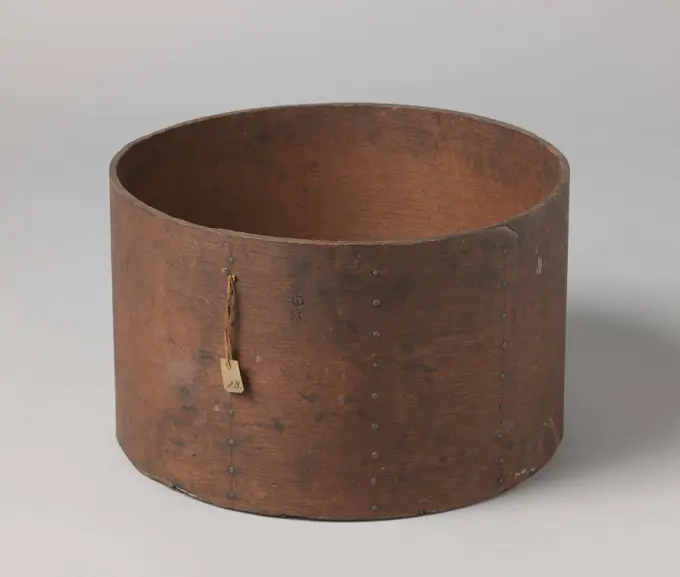
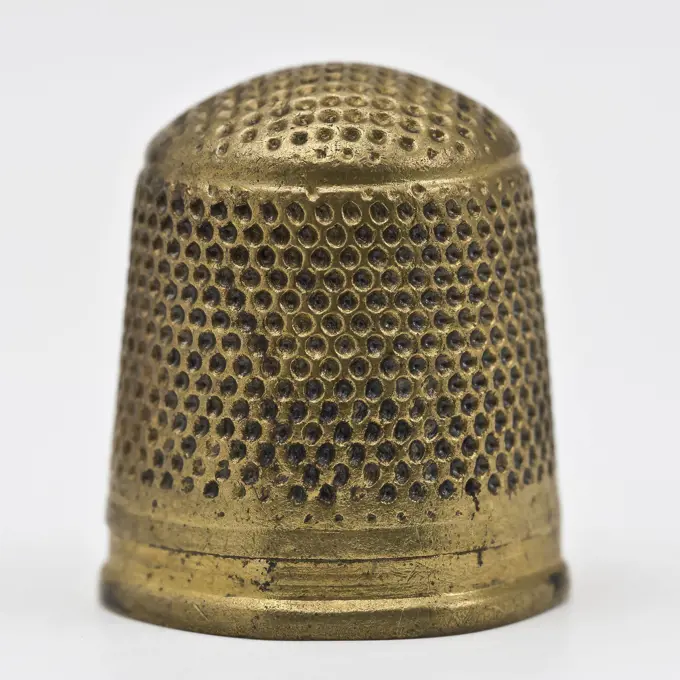
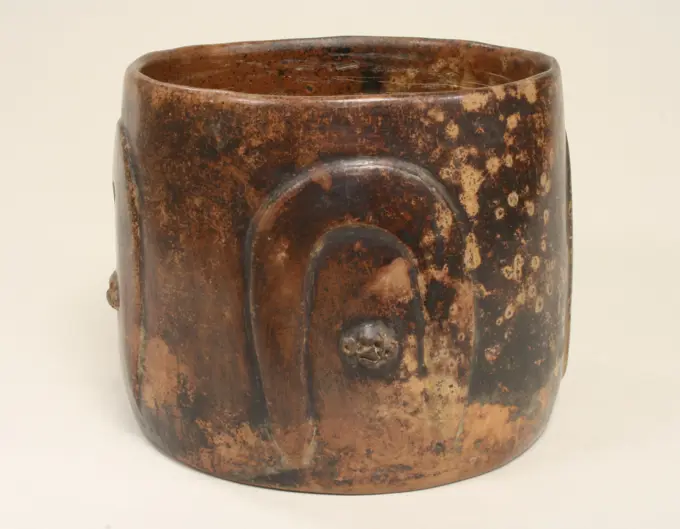
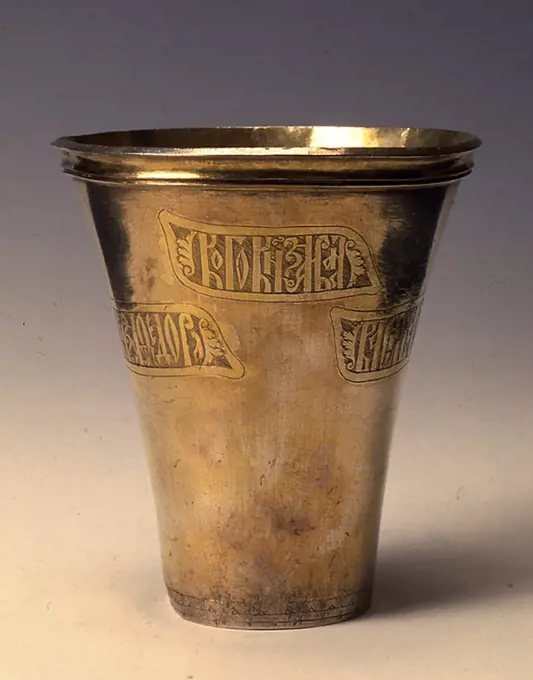
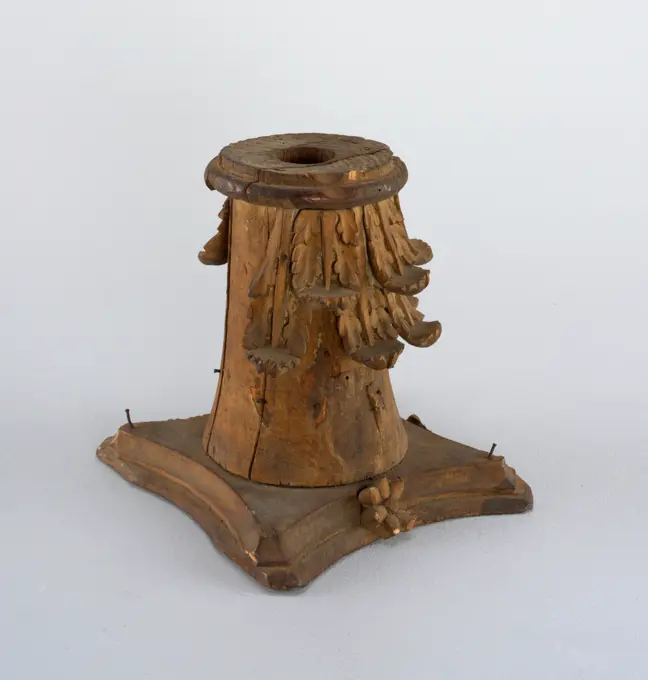
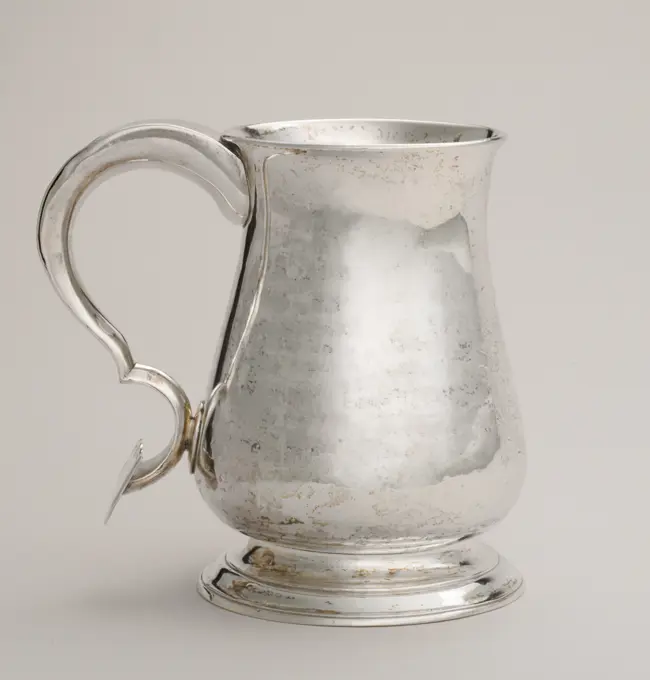
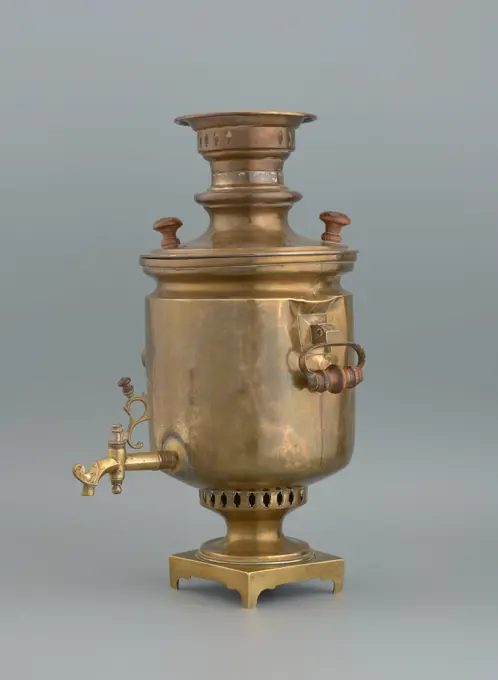
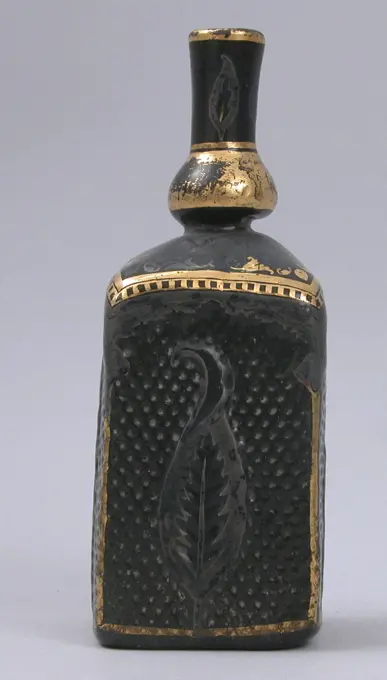
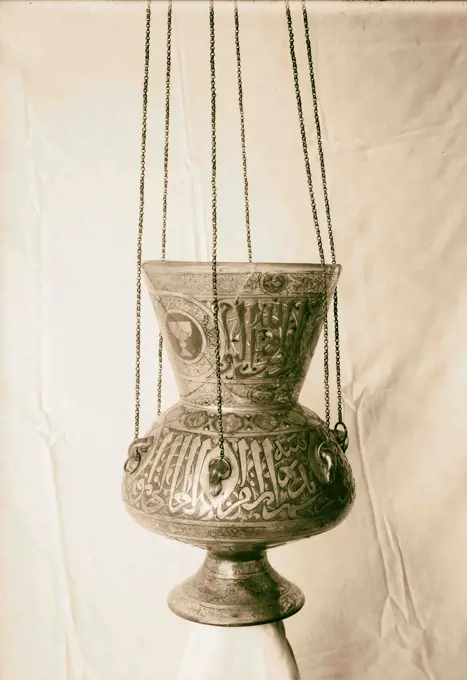
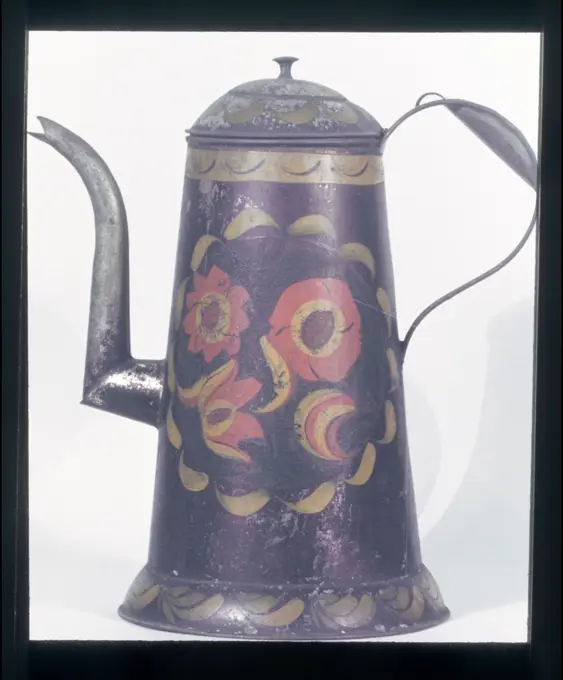
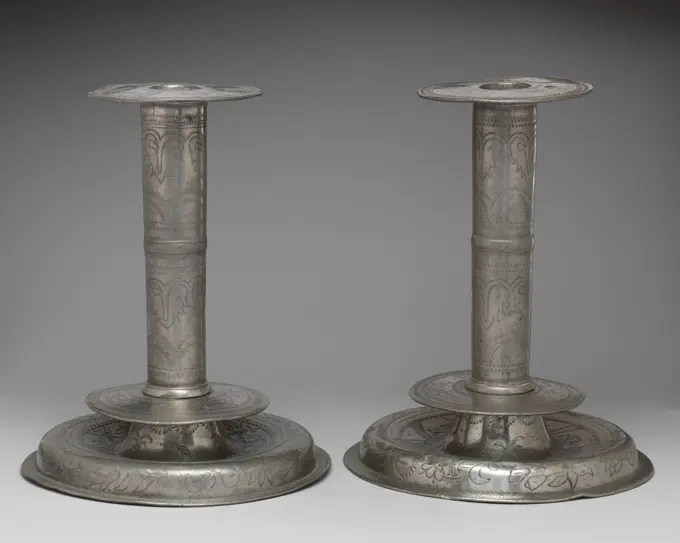
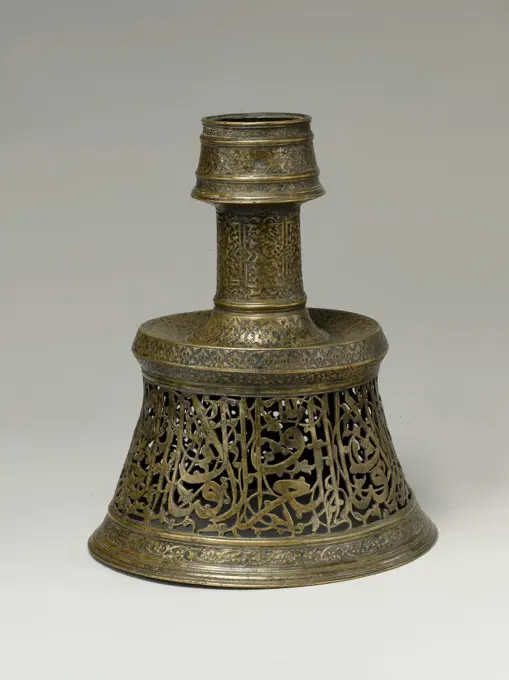
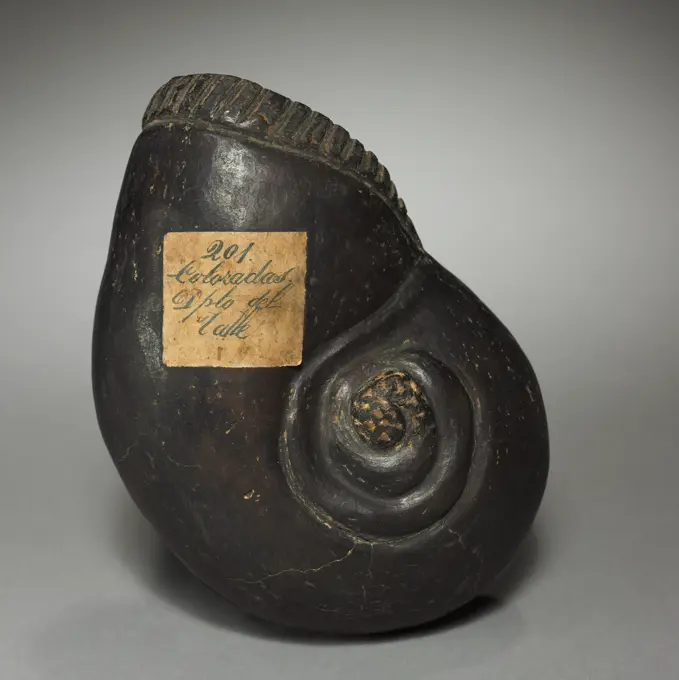
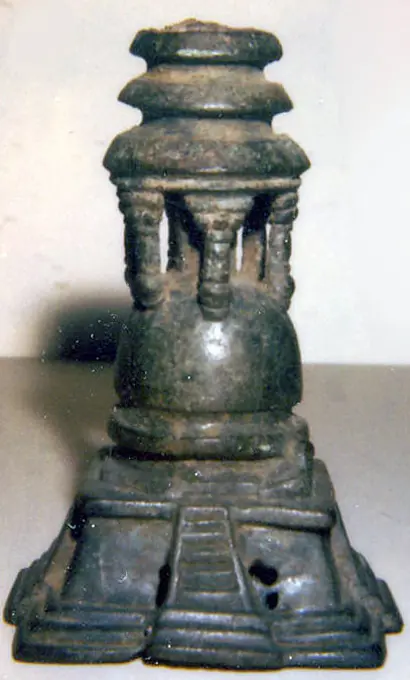
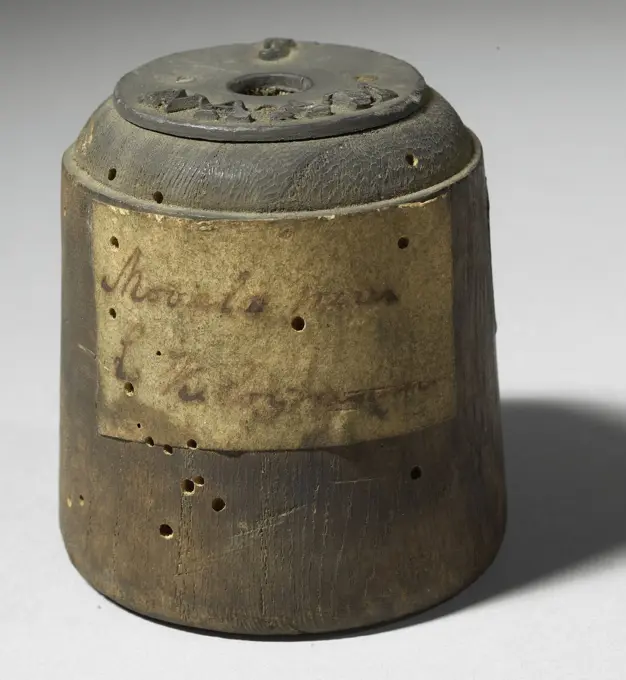
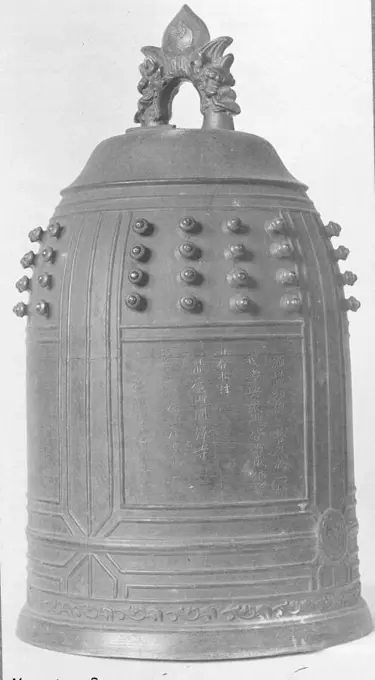
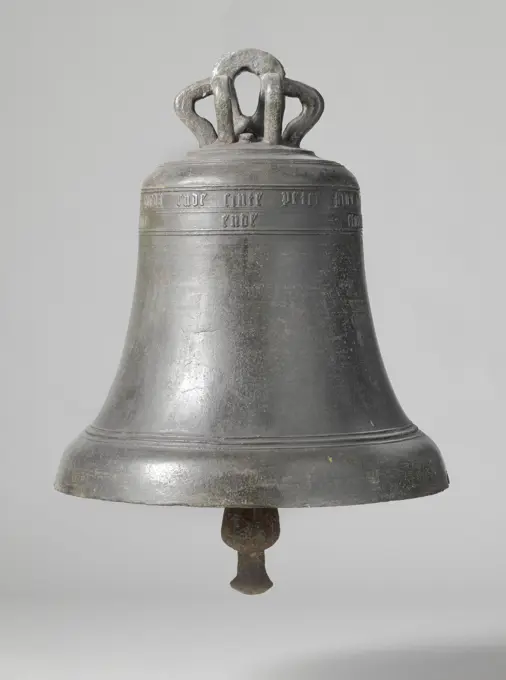
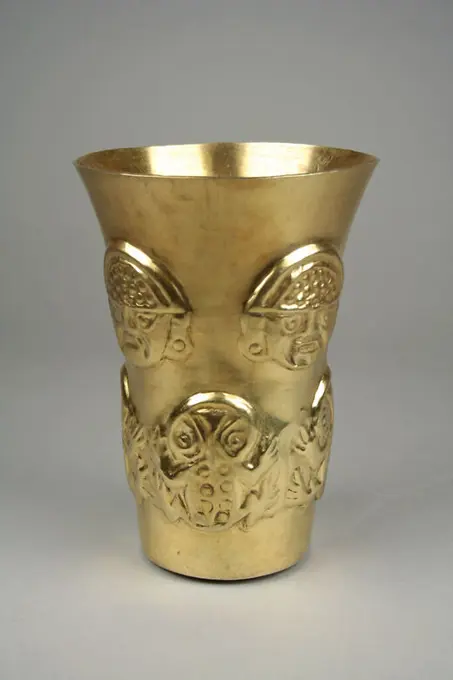
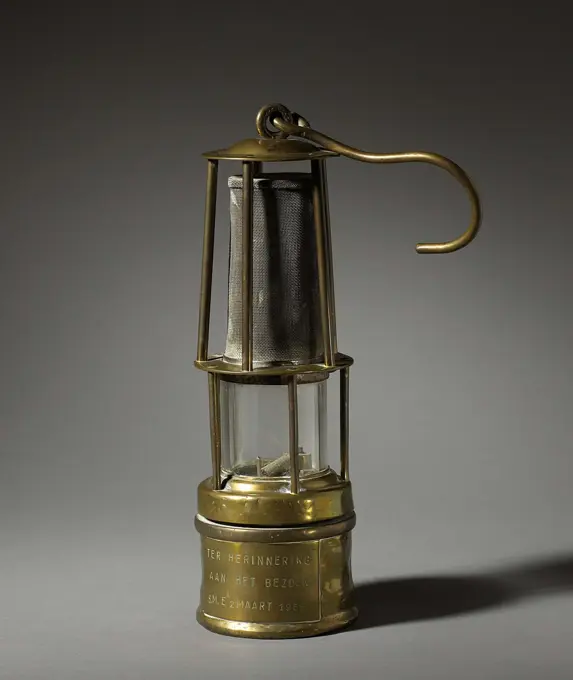
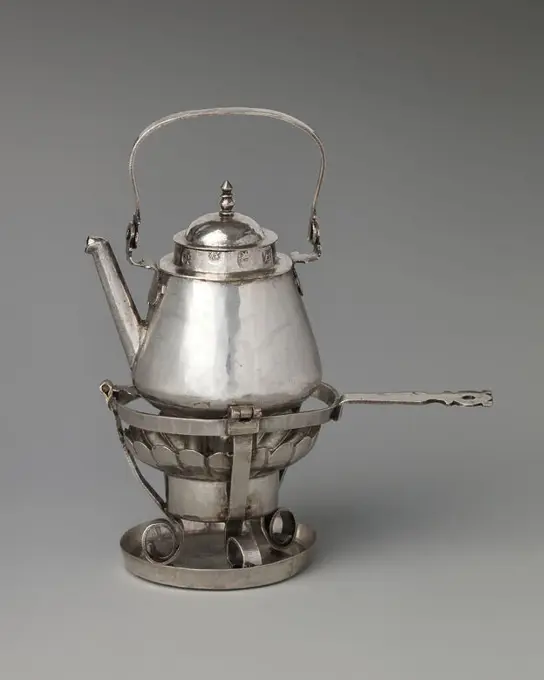
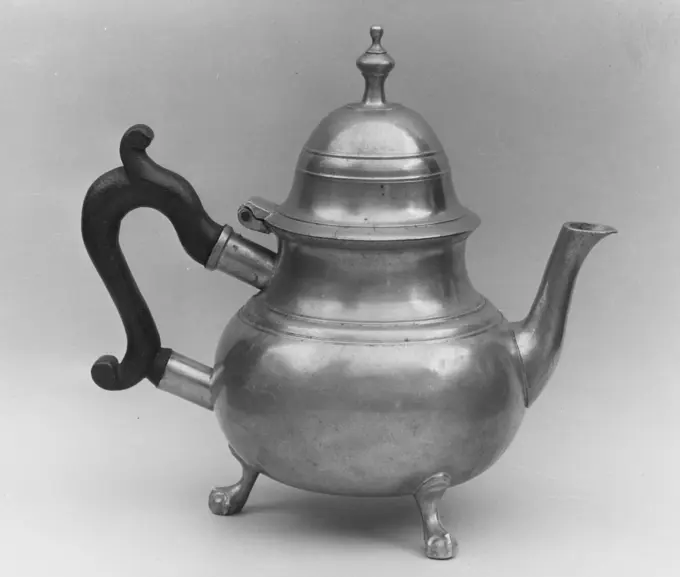
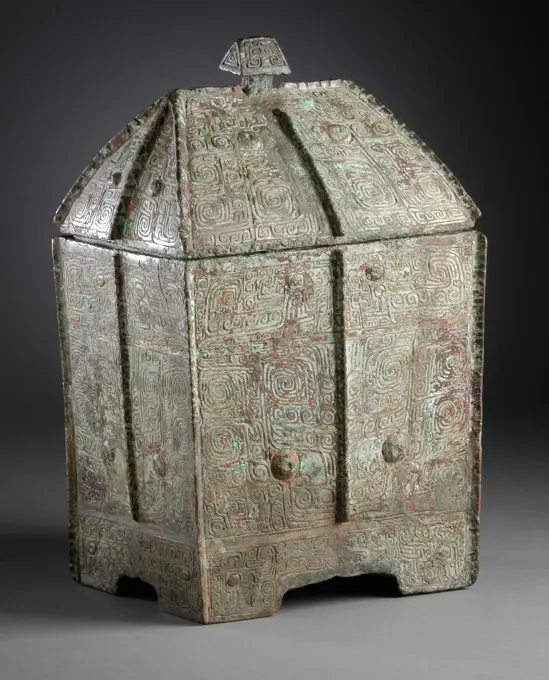
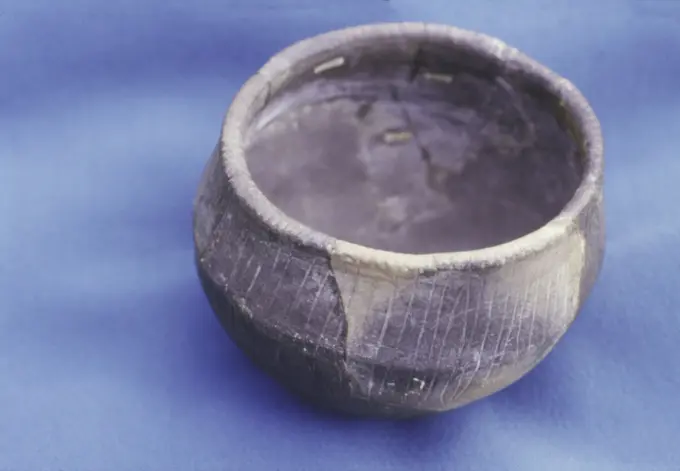
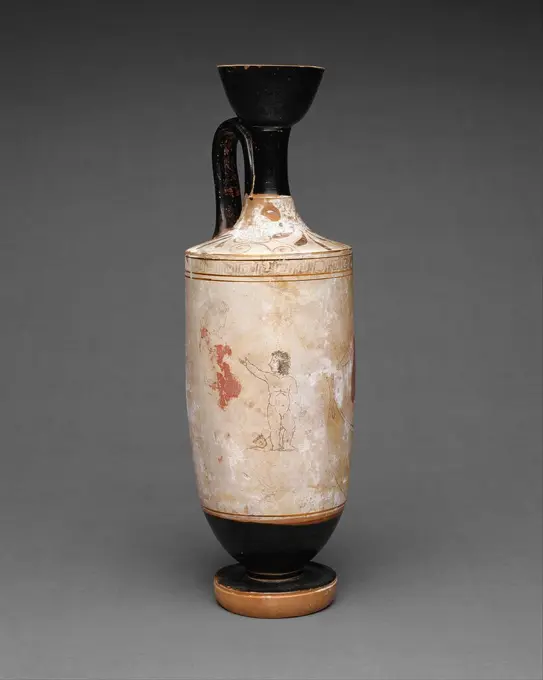
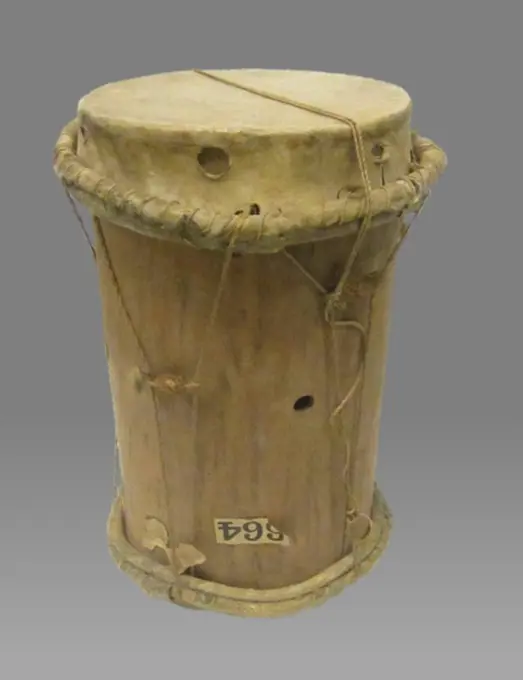
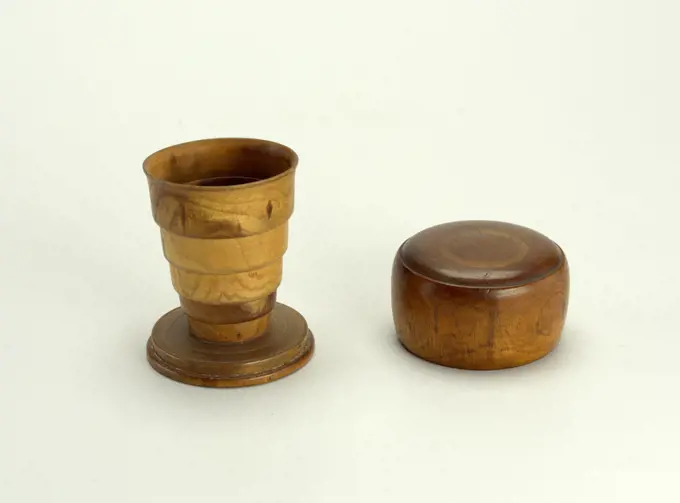
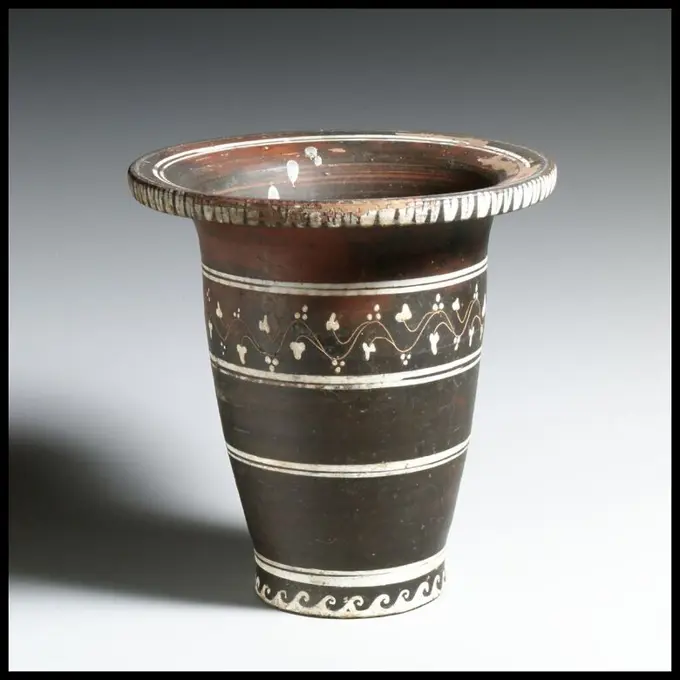
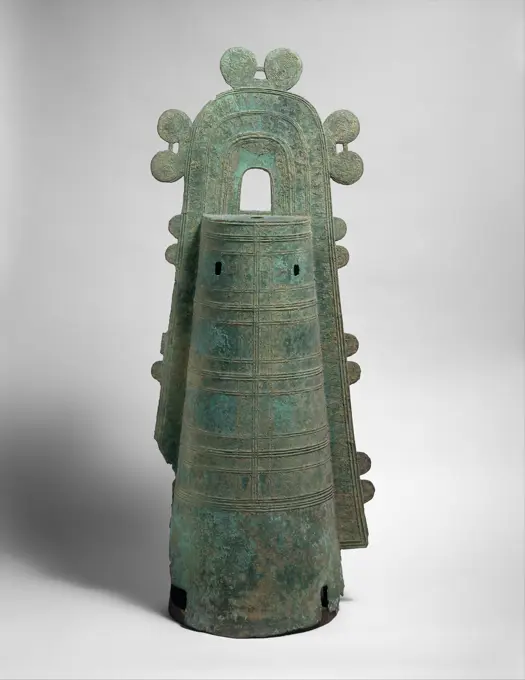
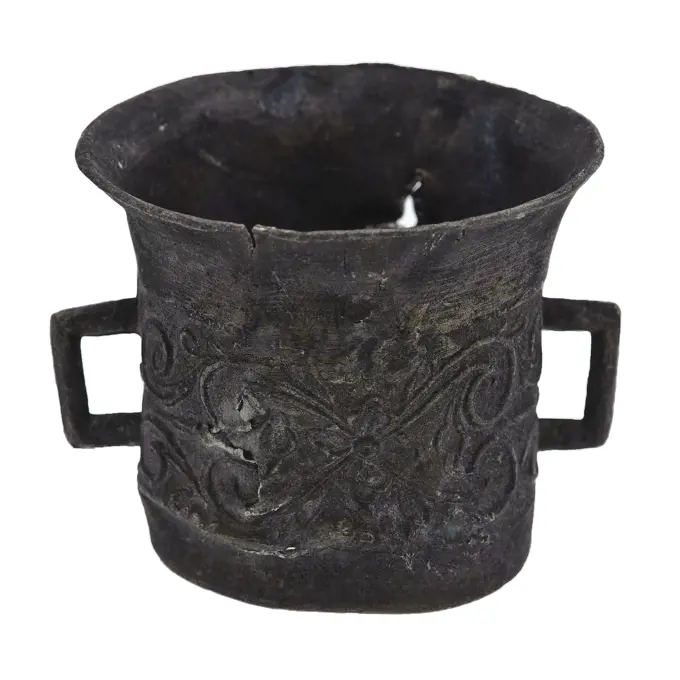
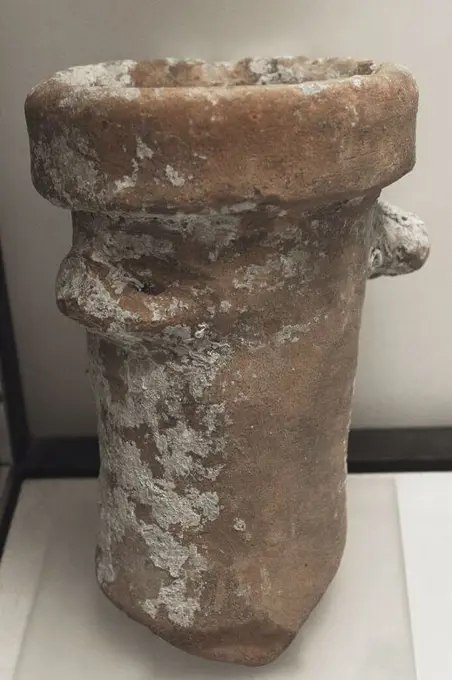
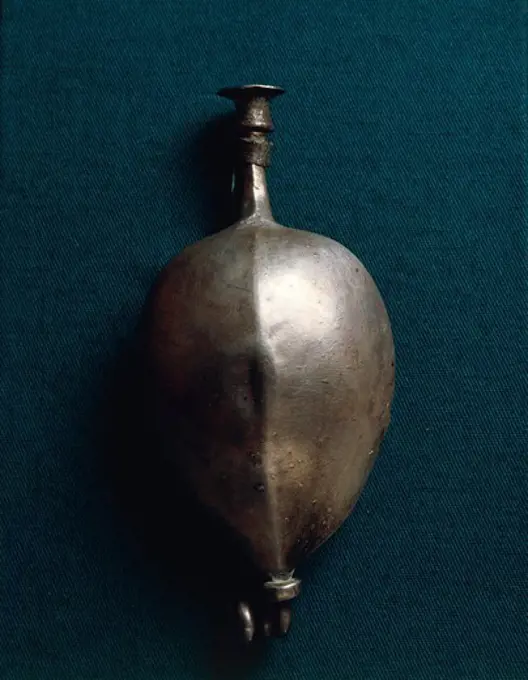
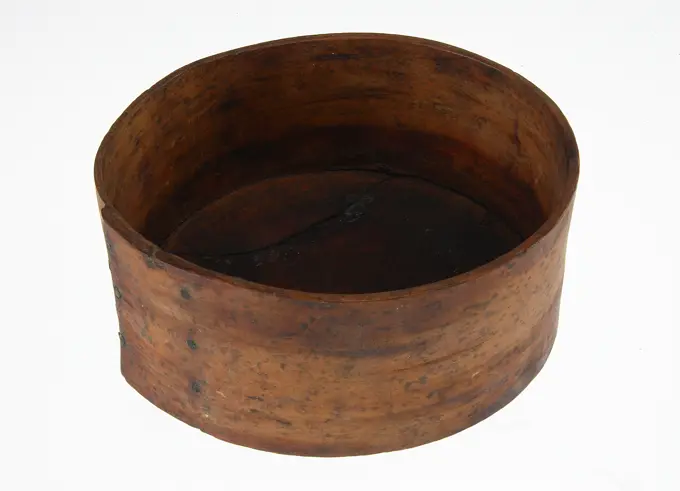
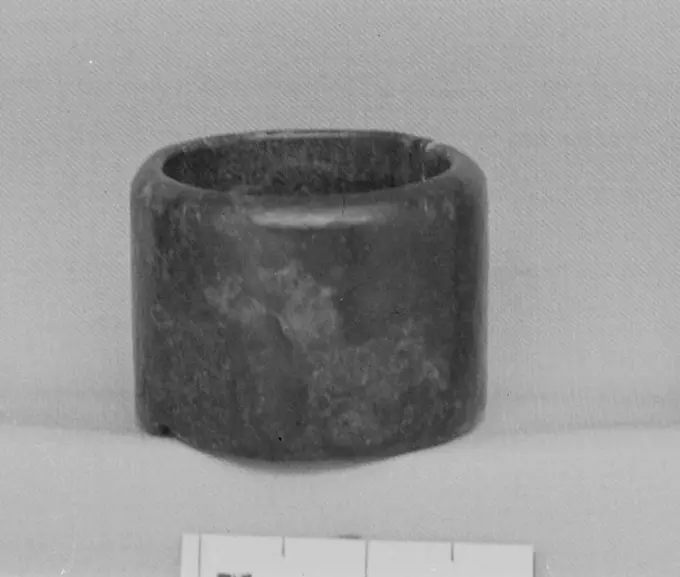
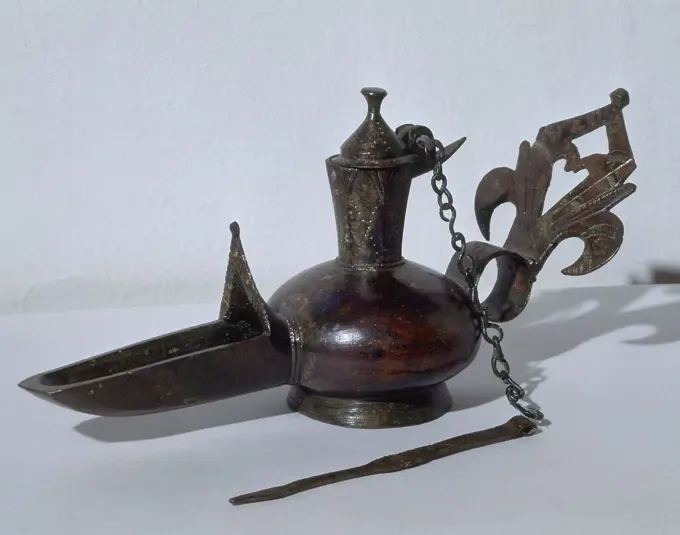
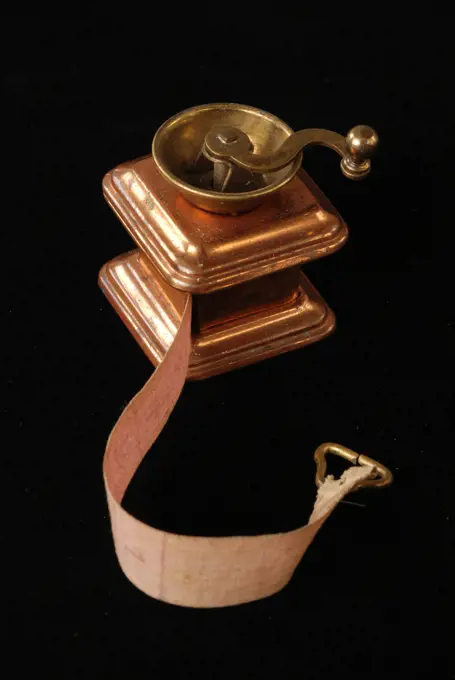
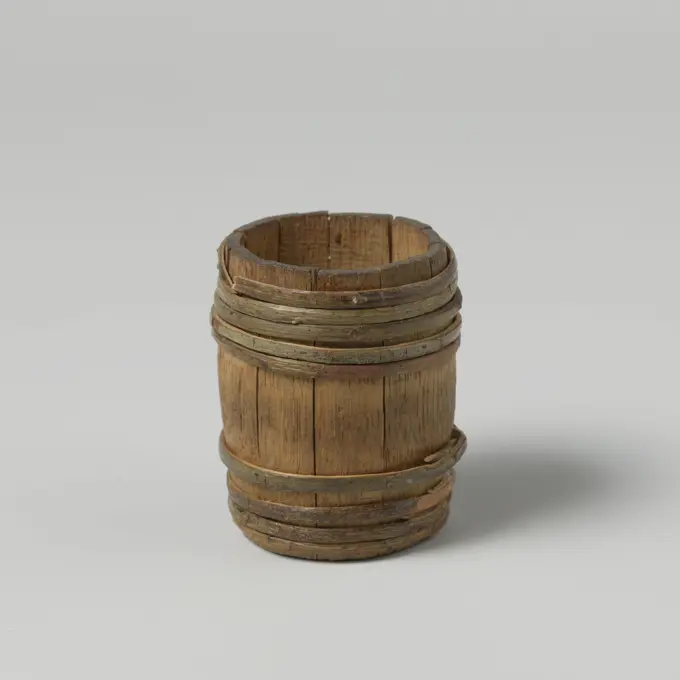
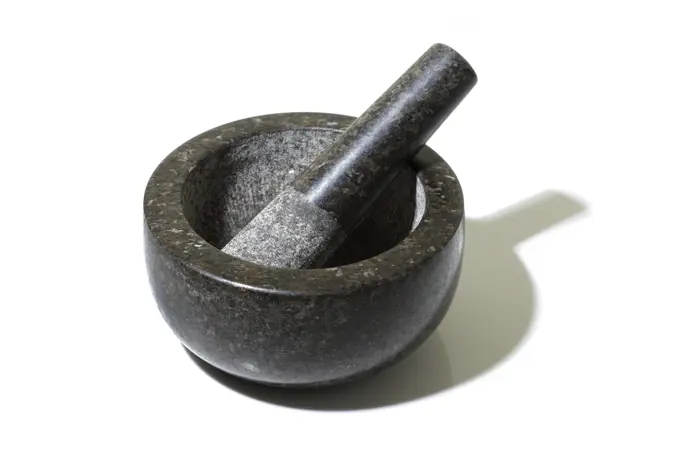
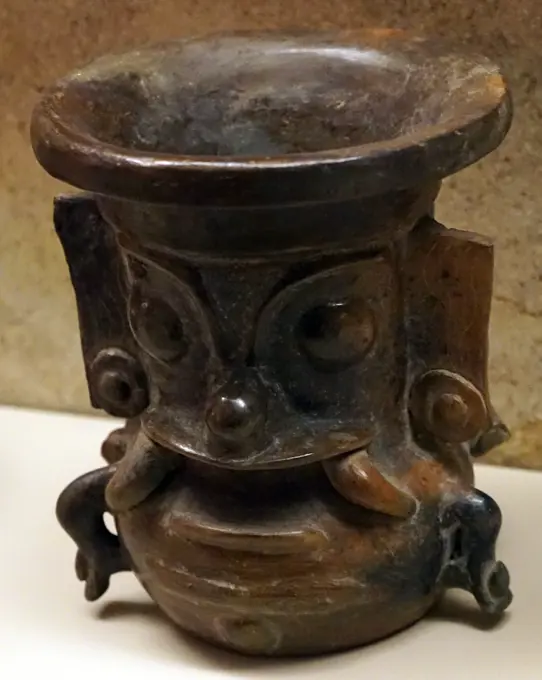
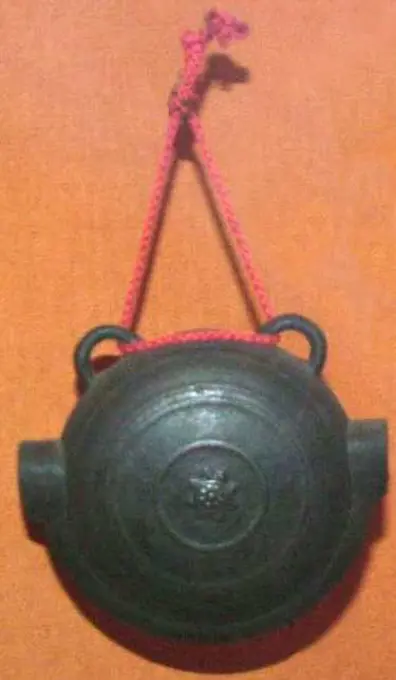
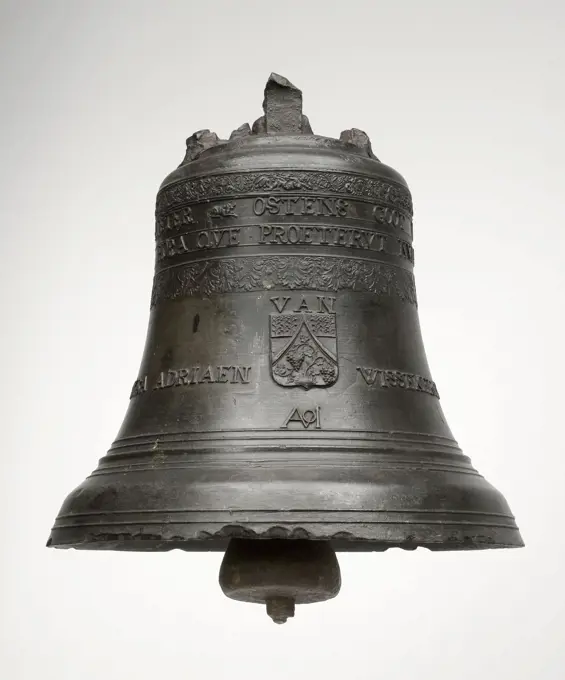
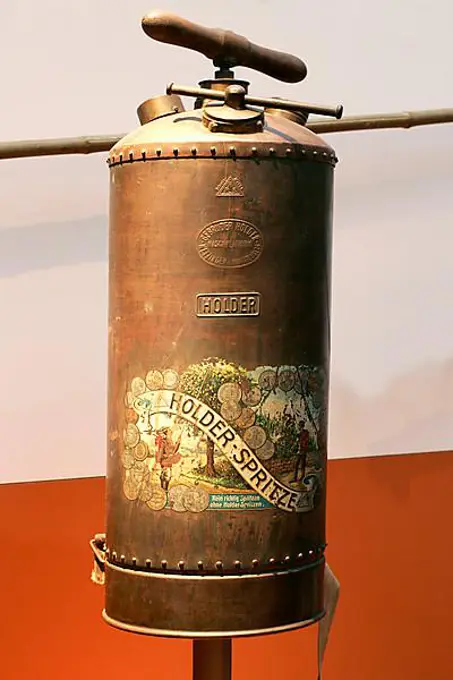
Pickle Jar. Dated: c. 1939. Dimensions: overall: 40.9 x 34.1 cm (16 1/8 x 13 7/16 in.) Original IAD Object: 11 1/16" Tall 8 1/4" Dia(base). Medium: watercolor, graphite, and colored pencil on paperboard. Museum: National Gallery of Art, Washington DC. Author: Francis Law Durand.Eldon Allen, Tin Tea Caddy, c 1938 Tin Tea CaddyLip Plug 15th-16th century Aztec. Lip Plug 313284Mug.   Maker: Joseph Danforth, American, 1758-1788Possibly a Lid late 12th-early 13th century. Possibly a Lid 453327Base of a mantel clock with coats of arms and the monogram of King Sigismund II Augustus (1520-1572) Gaysler, Hans (fl. 1544 ca 1569)Jean Carriès (1855-1894). "Gourd". Enameled sandstone. Museum of Fine Arts of the City of Paris, Petit Palais. 24201-23 Calabash, ceramic, pink flow, gold background, gourd, gres emaillePorringer 1769-87 Attributed to Joseph Belcher Sr.. Porringer 6655Emilia-Romagna Ferrara Ferrara Museo Civico di Schifanoia07. Hutzel, Max 1960-1990 General Notes: INCOMPLETE RECORD--NEGATIVES PROCESSED, PRINTS FILED German-born photographer and scholar Max Hutzel (1911-1988) photographed in Italy from the early 1960s until his death. The result of this project, referred to by Hutzel as Foto Arte Minore, is thorough documentation of art historical development in Italy up to the 18th century, including objects of the Etruscans and the Romans, as well as early Medieval, Romanesque, Gothic, Renaissance and Baroque monuments. Images are organized by geographic region in Italy, then by province, city, site complex and monument.Flagon. Culture: British, after British, London original. Dimensions: Overall (confirmed): 16 3/16 × 11 1/16 × 8 1/16 in. (41.1 × 28.1 × 20.5 cm). Date: 19th century, after early 17th century original.This electrotype is after an arly seventeenth-century original, at time of reproduction at the Romanoff House, Moscow. Museum: Metropolitan Museum of Art, New York, USA.Buyer lantern. Buyer lantern. Sixteen windows. Equipped with electricity wire and fitting for incandescent lamp.Basket. Culture: Japan. Dimensions: H. 17 1/2 in. (44.5 cm); Diam. 6 1/4 in. (15.9 cm). Date: 19th century. Museum: Metropolitan Museum of Art, New York, USA.Cann. Culture: American. Dimensions: Overall: 5 3/8 x 5 1/2 in. (13.7 x 14 cm); 8 oz. 17 dwt. (275 g)Lip: Diam. 3 5/16 in. (8.4 cm)Foot: Diam. 3 5/16 in. (8.4 cm). Maker: Thomas Skinner (1712-1761). Date: 1737-50. Museum: Metropolitan Museum of Art, New York, USA.Lamp burner -Tumbler, pewter, Paris, France, ca. 1890-1900, metalwork, Decorative Arts, TumblerA boisseeau from Delft. Chain chain for dry goods from 1 boisseeau with block on which the coat of arms of Delft, v.z.v. Brand, label to a ribbon and labels.Thomas Edwards, Cann, c. 1745, silver.Copper molded thimble with waffle pattern on the top, thimble sewing kit soil find copper metal, cast Copper molded thimble with square wells in line on the top waffle pattern with groove as transition to the shaft with fine pits with wheel punch attached and with bottom row of satellite pits and blank board with two grooves archeology Rotterdam Kralingen-Crooswijk Kralingsche Bos Kralingse Plas seamstress tailor sewing textile processing clothing needle and thread repair Soil discovery: collected in 1972 at the Kralingse Plas from sprayed dredge: metal detector finds and sight finds.Hunting scenes on a silver box. damascene work. 11th cent. IRAN.Cylinder Vessel 2nd-3rd century Colima. Cylinder Vessel 314630Charles Garjian, Mortar, c 1940 MortarRussian Master, Silver, gilded, 1560-1584, Russia, Moscow, State Armory Chamber in the Kremlin,Candle holder. The object consists of two parts: the foot and the trunk with candle holder. They are poured and then turned. The very wide foot has a profiled edge. The horizontal part can serve as a fat catcher. The increase around the middle forms the start for the round short strain, which is decorated with three profiled knots, the lower one of which is slightly wider. The trunk forms one whole with the round candle holder, which is provided with three profiled buttons. At the bottom of the foot can be observed, how the trunk is clocked in the foot. There are also the grooves that have emerged when turning on the lathe.Bowl 1st century B.C.-A.D. 3rd century Chupicuaro. Bowl 318044Hexagonal base of clay, belonging to design for a flower standard, Eugène Lacomblé, c. 1860 - c. 1870 Hexagonal base of clay, belonging to 'design for a flower standard'. The top and plinth are overhanging. The shaft is a concave. In the top is a wood and notching in the clay, which divides the top into six equal parts. One of these six equal parts is again divided into two. The shaft contains six casements with diagonal arcing. The underside is not finished and is partly hollow.  with many: Clay Hexagonal base of clay, belonging to 'design for a flower standard'. The top and plinth are overhanging. The shaft is a concave. In the top is a wood and notching in the clay, which divides the top into six equal parts. One of these six equal parts is again divided into two. The shaft contains six casements with diagonal arcing. The underside is not finished and is partly hollow.  with many: ClayBasket 19th century Japan. Basket. Japan. 19th century. Rattan or bamboo. Edo (1615-1868) or Meiji period (1868-1912). BasketryFragment, Capital; wood, carvedJoseph Richardson, Jr. and Nathaniel Richardson, Cann, c. 1775-90, silver.Samovar;  19th century (1801-00-00-1900-00-00);Gilded Green Bottle 18th century Square bottles of this type derive from Dutch and German molded vessels, which would have been imported after the Dutch East India Company established a trade factory in Gujarat in 1618. In the mid-18th century, a succesful glass factory was opened in Bhuj by Ram Singh Malam, a Gujarati craftsman who returned to India after spending time in the Netherlands. His patron, Maharao Lakha (r. 1741-60) was the ruler of the kingdom of Kutch, and this support resulted in the production of many fine glasswares in the region. This bottle may have been used as a perfume sprinkler and is ornamented with floral and leaf forms.. Gilded Green Bottle. 18th century. Glass, green; mold blown, gilded, and silvered. Attributed to Northern India. GlassVarious subjects of archaeological interest Enamelled glass lamp. Example of a fine mosque lamp of the 14th cent. 1920, Middle EastCoffeepot 1800-1830 American This coffeepot is an example of "toleware," a type of painted tin houseware, which was most popular in Pennsylvania. The colorful profusion of flowers on this piece is typical of Pennsylvania German painted decoration.. Coffeepot 2130Drum, anonymous, c. 1700 - c. 1799 musical instrument. percussion instrument. drum Eighteenth -century Northern Dutch drum, painted with a scene of two cards at a table and with a trophy consisting of a cannon, drums, guns and parts of harnesses, etc. Trom has been used at the army. Europe copper (metal). iron (metal). calf (leather). leather  playing-cards. recreation ~ the soldier off duty NetherlandsPair of candlesticks probably ca. 1660-90 British. Pair of candlesticks. British. probably ca. 1660-90. Pewter. Metalwork-PewterUrn last quarter 18th century British. Urn. British. last quarter 18th century. Derbyshire spar, alabaster, marble. Lapidary WorkCandlestick inscribed with Wishes for Good Fortune, Peace and Happiness to its Owner ca. 1500 This brass candlestick was probably cast in three pieces which were then soldered. There are two bands of inscriptions: a knotted kufic one on the neck and a pierced thuluth inscription on the main body, both with common benedictory wishes for good fortune, peace, and happiness to its owner. Larger decorative elements such as the interlaced medallion motifs and the split-palmette vines were executed in a shallow repoussé and finer details such as the curling tendrils in the scrolling vines around the thuluth inscription were chased and further articulated by the use of a black organic compound. The shape of the candlesticka narrow neck and wide, flaring baseis quite common and appears in miniature paintings from the the Shahnama of Shah Tahmasp. The pierced openwork body is unusual on such candlesticks.. Candlestick inscribed with Wishes for Good Fortune, Peace and Happiness to its Owner. caEpichysis. Culture: Greek, South Italian, Apulian. Dimensions: H. 16.79 cm.. Date: ca. 325-300 B.C.. Museum: Metropolitan Museum of Art, New York, USA.Bubble from bronze with iron clapper and a hanging hook. Bubble from bronze with iron clapper and a pierced hanging hook on the upper sides. The bell belongs to a timepiece.Bronze drum, China. Chinese Civilisation, 3rd-1st century BC.Large Snail, before 1921. Colombia. Pottery; overall: 13 cm (5 1/8 in.).Reliquary in the Shape of a Stupa 7th-9th century Northwest India (Jammu and Kashmir, ancient kingdom of Kashmir). Reliquary in the Shape of a Stupa. Northwest India (Jammu and Kashmir, ancient kingdom of Kashmir). 7th-9th century. Copper alloy. MetalworkScratched old kettle Old aluminum kettle with wooden handle isolated on white background Copyright: xZoonar.com/AndreyxEreminx 5960840William Jones, Tankard, c. 1725, silver.Model of a winch spindle, attributed to Rijkswerf Rotterdam, c. 1842Model van 1 kilogram, anonymous, c. 1830 weight Pour model for a cone -shaped weight of 1 kilogram. V.z.v. label. Netherlands wood (plant material)   NetherlandsLock With Turn Key; steelBosom of Grandmother (Sobokai) ca. 1600 Japan. Bosom of Grandmother (Sobokai) 63090Model of the Spiral Staircase of a Lighthouse. Model of a portion of a haamstede lighthouse, showing the spiral staircase inside, incomplete. The lighthouse is round, the stair follows the outer wall and release a hole in the middle. Scale 1:10 (according to Obeen).Densho late 18th century Japanese In Japanese ceremonies, suspended cast iron bells are used for signaling during the prayer and for calling Buddhists to worship. In China, similar bells were employed in ensembles, where they represented the yin, or "receptive" principle, and were sounded after the beat of a large drum (yang, or "creative" element). The densho incorporates many symbolic motifs found in the Far East. The suspension loop (ryuzo) is formed by two dragon heads and a flame; the upper third contains nipples (nyu), symbols of fertility; and the barren field below (ikenomachi) provides a place for poetry or iconography. The chrysanthemum, a symbol of longevity and happiness, forms the striking surface (shuza). The densho may occasionally be heard in the kabuki theatre's off-stage ensembles.. Densho 502244Close Helmet for the Joust Made 1570-1600 Northern Italy. Steel .Bell, Steven Butendiic (attributed to), 1453 The object formed with the templates consists of the actual clock of the so -called Gothic model and the crown. This is formed by six arms, which connect to the bracket in the middle. The clock is decorated with three decorative rings on the shoulder and on the Faussure and with two decorative rings each around the frieze in the upper flank, on which the following inscription is applied in Gothic tiny: in that honor good and sinte peter bin ic ghemaect m cccc liii // Butendiic and the Sloterdiic Fecit. Northern Netherlands bronze (metal) casting The object formed with the templates consists of the actual clock of the so -called Gothic model and the crown. This is formed by six arms, which connect to the bracket in the middle. The clock is decorated with three decorative rings on the shoulder and on the Faussure and with two decorative rings each around the frieze in the upper flank, on which the following inscription is applied in Gothic tinCup for blessing over, wine, kiddush on the Jewish Sabbath. After saying the prayer, the head of the family sips the wine from the Kiddush goblet and passes it on to family members and other participants in the Sabbath meal, 2021.Two Beakers, Faces and Frogs. Culture: Lambayeque (Sicán). Dimensions: H. 6 1/4 in. (15.88 cm). Date: 9th-11th century. Museum: Metropolitan Museum of Art, New York, USA.Church Bell. Dated: 1940. Dimensions: overall: 35.6 x 24.4 cm (14 x 9 5/8 in.) Original IAD Object: none given. Medium: watercolor, colored pencil, and graphite on paper. Museum: National Gallery of Art, Washington DC. Author: Cornelius Christoffels.Copper mine lamp that Willem Drees has received as a prime minister during a visit to the state mines in 1955. Copper mine lamp on hook. Upper part consists of mesh behind 5 bars. Middle part of glass behind 5 bars. Lower part vessel for fuel. Inscription on a plate at the front.Bracelet, one of a pair, 4 5/8 x 3 1/2 x 3 1/2 in. (11.75 x 8.89 x 8.89 cm), Silver, ChinaMiniature kettle with stand and brazier. Culture: British, London. Dimensions: Overall with setting (Kettle): 2 x 1 5/8 in.;Overall with setting (Lamp): 1 1/2 x 2 in.;Overall with setting (Burner): 1/2 x 1 1/16 in.;Overall with setting (Base): 1/4 x 1 3/4 in.. Maker: George Manjoy (British, active 1685-ca. 1720). Date: 1703/4. Museum: Metropolitan Museum of Art, New York, USA.Teapot 1764-98 William Will. Teapot. American. 1764-98. Pewter, teak. Made in Philadelphia, Pennsylvania, United StatesLidded Square Ritual Wine Container (Fangyi) with Masks and Dragons. China, probably Henan Province, late Shang dynasty, Anyang phase, about 1300-1050 B.C.. Furnishings; Accessories. Cast bronzeancient copper teapot on standPrehistoric pot, Avebury. Windmill Hill. ENGLAND.Old broken coffee grinder on white backgroundTerracotta lekythos (oil flask). Culture: Greek, Attic. Dimensions: H. 12 1/2 in. (31.8 cm); diameter 4 in. (10.2 cm). Date: ca. 430 B.C..Mother, boy, and CharonCharon, the ferryman, transported the deceased across the river separating the world of the living from that of the dead. The reality of this journey to the ancient Greeks is reflected in the many representations of Charon and his charges. Here he awaits a woman and a little boy who is undoubtedly the deceased. The child is elevated on a rock and motions to his mother with one hand while holding his go-cart with the other. Museum: Metropolitan Museum of Art, New York, USA.Ritual Object (Cong) 19th century China. Ritual Object (Cong). China. 19th century. Jade (nephrite). JadeMaker: William Cowell, Sr., American, 1682-1736, PepperBox, ca.1720-30, Silver, 3 5/16 in. (8.4 cm), Made in Boston, Massachusetts, American, 18thcentury, Containers -MetalsSize of approx. 1 1/4 liters with handle, anonymous, c. 1810  Size of Amsterdam of approx. 1 1/4 liters with handle, marked. Amsterdam tin plate   AmsterdamGame pieceDrum 1850-1900 () Guatemalan. Drum 501280Stoneware ointment jar, white shard, entirely glazed in gray with occasional brown speckles, ointment jar pot holder soil find ceramic stoneware glaze salt glaze, hand turned glazed baked Stoneware white ointment on stand Surface completely gray glazed with occasional brown speckles Tapered model upwards. Narrow upper edge with lip. Narrowing above the foot. Turning beads on the inside archeology health care indigenous pottery import pharmacy store sell craft5-cm shell. 5 cm grenade with percussion tube. The grenade has a cylinder vorimous pointed body, with sinking cams for four migrant fields. In the point, a percussion tube with brass protective cover is screwed with a learning. Antique copper coffee pot on white backgroundBeaker and cover, wood, turned, fruit wood, collapsible beaker, early 19th century, Decorative Arts, Beaker and coverSilver Mounted Granite Vinaigrette,  c. 1850Terracotta kalathos (vase in the shape of a wool basket). Culture: Greek, South Italian, Apulian, Gnathian. Dimensions: H. 6 3/4 in. (17.2 cm)diameter 6 3/8 in. (16.2 cm). Date: ca. 325-300 B.C..Ivy tendril. Museum: Metropolitan Museum of Art, New York, USA.Dōtaku (Bronze Bell) 1st-2nd century Japan Produced during the late Yayoi period, the distinctive clapperless Japanese bronze bells known as dōtaku are thought to derive from earlier, smaller Korean examples that adorned horses and other domesticated animals. Dōtaku were buried, singly, in pairs, and in large groupsoccasionally with bronze mirrors and weaponsin isolated locations, often on hilltops, perhaps to ensure a community’s agricultural fertility. Later dōtaku had relatively thin walls and would not have resonated, so it assumed their purpose was primarily ritual. Listen to experts illuminate this artwork's story Listen Play or pause #8805. Dōtaku (Bronze Bell) Supported by Bloomberg Philanthropies We're sorry, the transcript for this audio track is not available at this time. We are working to make it available as soon as possible.. Dōtaku (Bronze Bell) 44831Small bell 500 B.C.-A.D. 300 Vietnam or South China. Small bell 51922Tin toy mortar, with frieze on the outside with curling, auger equipment toy relaxant miniature ground find tin metal, cast Toy mortar of tin Along the outside wall wide frieze with decor of curls at the intersections flower. Two rectangular standing ears Dents in the bottom. Possibly marked on the underside with tin mark archeology Rotterdam City Triangle Groenendaal underground pit indigenous tin child child play play mixing stirring archaeological find in the soil Rotterdam underground pit Groenendaal from canal dredger found 1976.Mouth and neck fragment of Dressel 1B amphora. From the Bay of A Corua, Galicia, Spain. 2nd-1st centuries BC. Archaeological and History Museum (San Anton Castle). A Corua, Galicia, Spain.Khew Burmese late 19th century View more. Khew. Burmese. late 19th century. Metal. Myanmar (formerly Burma). IdiophoneClay pot of manual work. It is possible to store milk or other liquidold coffee maker isolated on a white backgroundItalic civilizations, Liguri. Spoon-shaped silver fibula. From the necropolis of Ameglia, province of La Spezia.Tankard.  Maker: Paul Revere, American, 1735-1818Bowl -Milk size from 1 deciliter.Content with over 1 deciliter, v.zv. label.Archer's ring China. Archer's ring. China. Jade. Han dynasty (206 B.C.-A.D. 220). JadeFour Two-HandledCups.  Artist: Benjamin Pierpont, 1730-1797Spindle Whorl 10th-early 16th century Mexican. Spindle Whorl 307699CANDIL DE BRONCE PROCEDENTE DE MEDINA ELVIRA - SIGLO X. Location: MUSEO ARQUEOLOGICO-ARTE HISPANOMUSULMAN. GRANADA. SPAIN.measuring tape handicraft tool model metal textile, clothingTon, made of stuffing with nine and six hoops, anonymous, c. 1700 - c. 1799 A ton made of loose oak stalls wounded with nine and six hoops of unbridled willow. Amsterdam (possibly) oak (wood). A ton made of loose oak stalls wounded with nine and six hoops of unbridled willow. Amsterdam (possibly) oak (wood).mörtel und schildkröte auf weiß mit schatten A mortar and pestle on white with shadow LicenseRF Copyright: xZoonar.com/NigelxStripex 15290570Fire bucket, 1794, 13 x 8 3/4 x 8 1/2 in. (33.02 x 22.23 x 21.59 cm), Leather, United States, 18th centuryRoman era. Hydraulic valves. Used for to control the flow of water. From Pompeii, Italy. Bronze. 1st century AD. Naples. Archaeological Museum. Italy.Pottery vessel representing the Storm God of the Aztecs, known as Tlaloc. Dated 1st Century BCWaniguchi 19th century Japanese This iron slit gong, named for its resemblance to an alligator's mouth, is used in kabuki theatre to evoke the sound of a larger waniguchi that hangs at entrances to shrines and struck by a thick rope.. Waniguchi 500646Pieter Ostens, Bronze hatch bell with iron clapper, bell clock clock sound brass bronze, ca 49 kg cast On the head remnants of crown inside clapper. Three friezes on the top flank, and the top lying figures with grape tendrils and bunches of grapes. Lower frieze with hanging bead edges amid leaf motifs. Middle frieze with inscription Pieter Ostens goot my te Rotterdam (between the words Pieter and Ostens lying ox) metal cast Rotterdam Admiralty on the Maze communication sound Wissekerkeset of vintage long-handled copper pot isolated on white backgroundEnglish oak (Quercus robur), acorn, picture panel, Germany, EuropeOld hops spraying device in the Deutsches Hopfenmuseum, German Hops Museum in Wolznach in der Hallertau, Bavaria, Germany, Europe