Historical and Decorative Containers

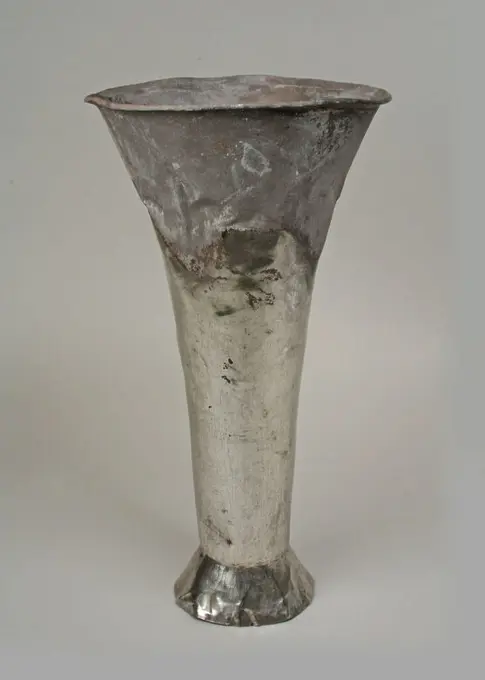
A variety of ancient containers and pottery, featuring intricate designs and materials, ideal for displays or thematic collections reflecting historical craftsmanship.
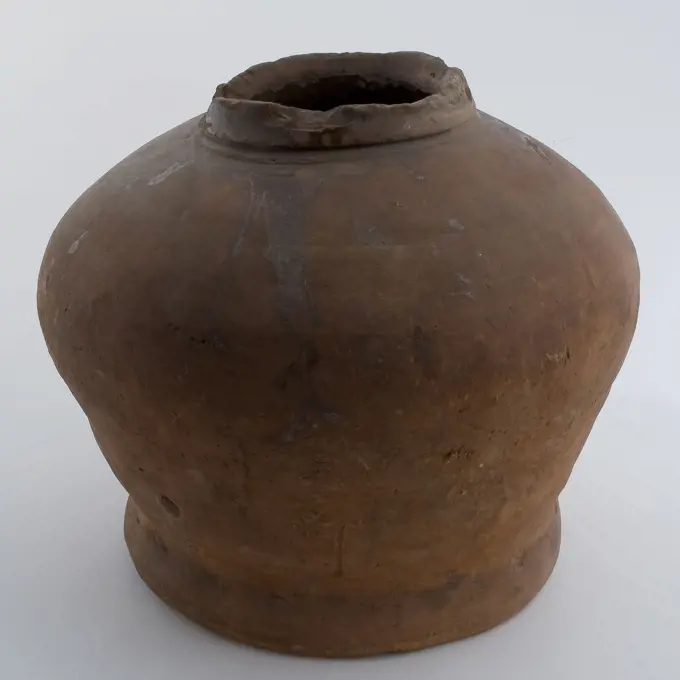
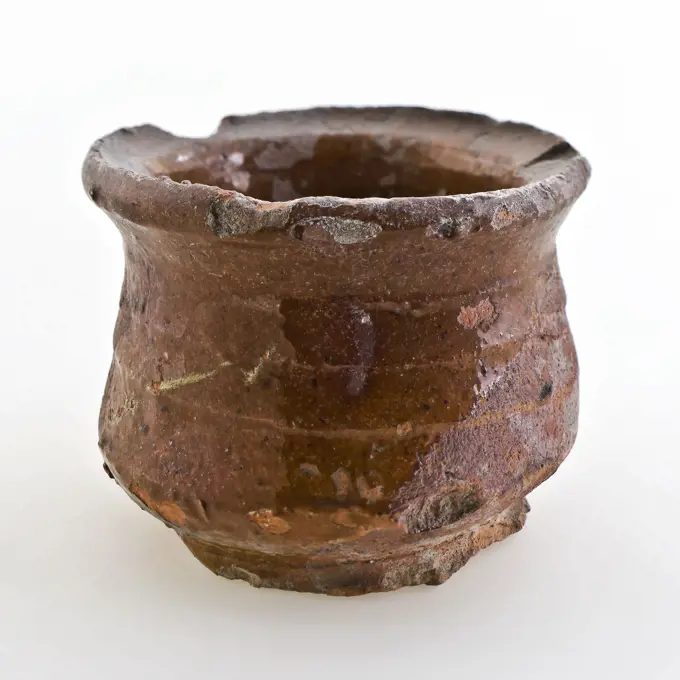
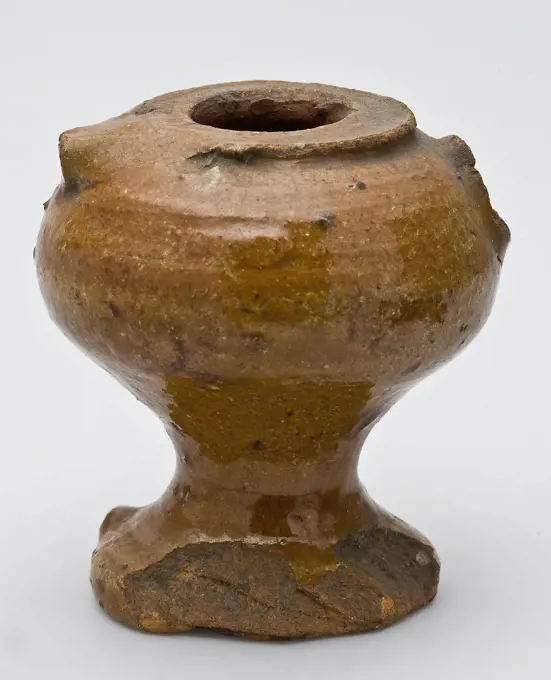
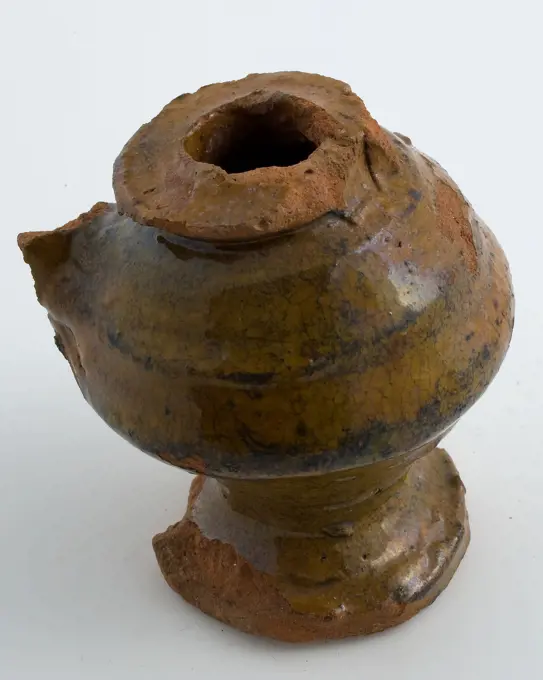
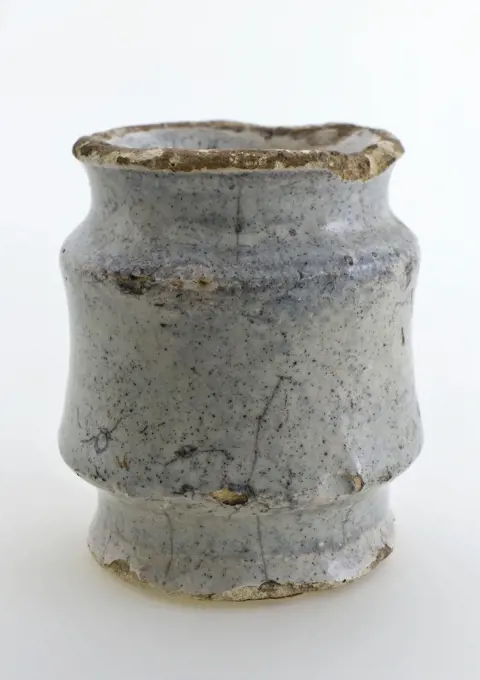
Heavy pottery pot on wide stand ring, round and stocky model, pot holder ceramic earthenware glaze lead glaze, hand-turned glazed baked Pottery pot on wide stand ring. Round and stocky model Shallow constriction above the stand ring. Rising neck edge with groove along the outside Red shard internally glazed some tears over the shoulder. Was probably used in the sugar industry indigenous pottery sugar industry refining
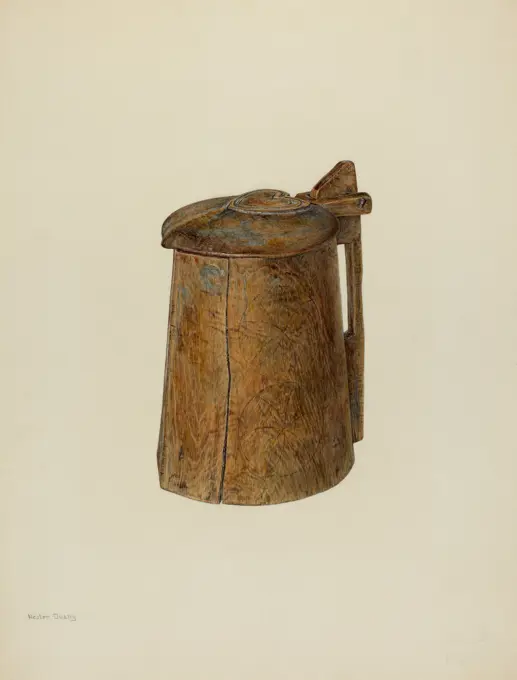
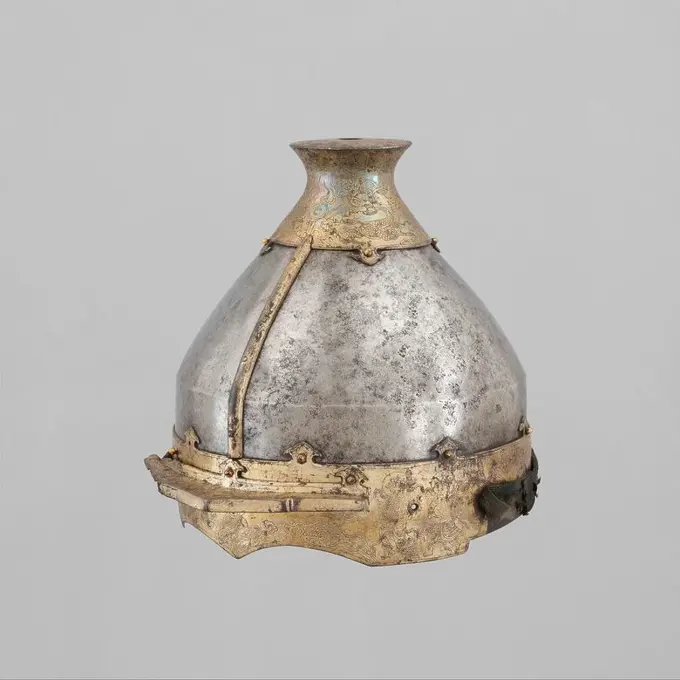
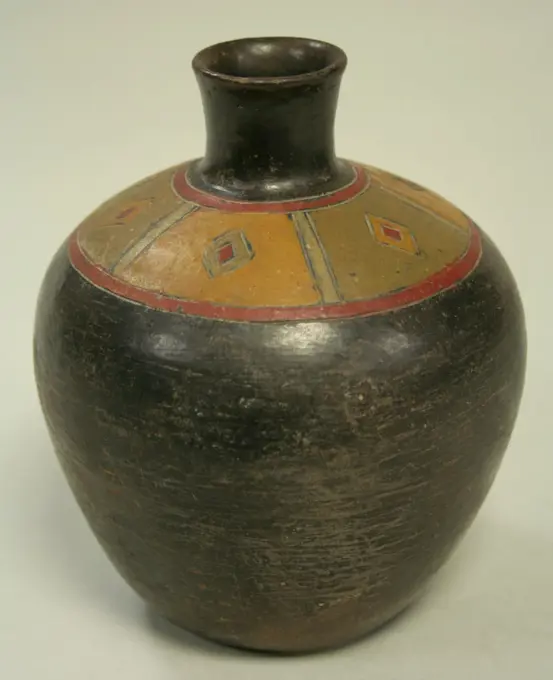
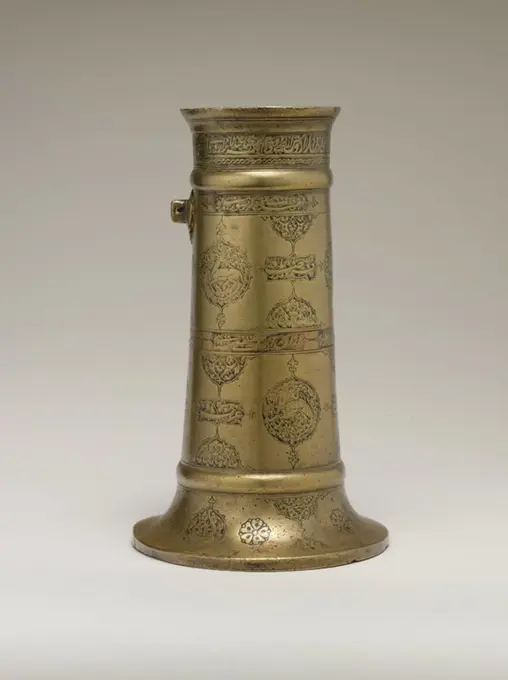
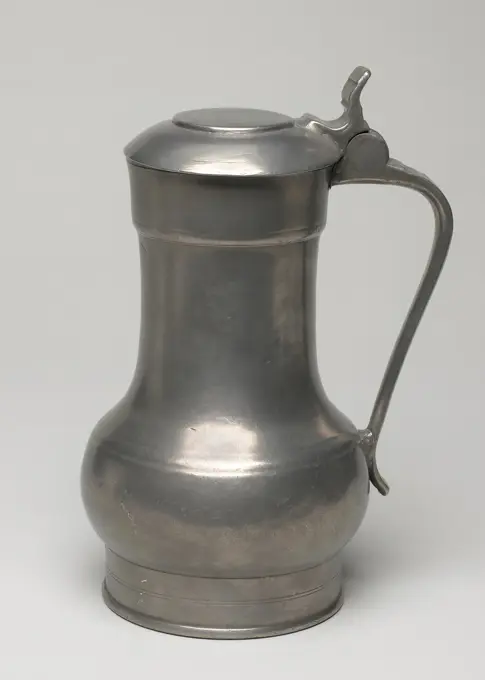
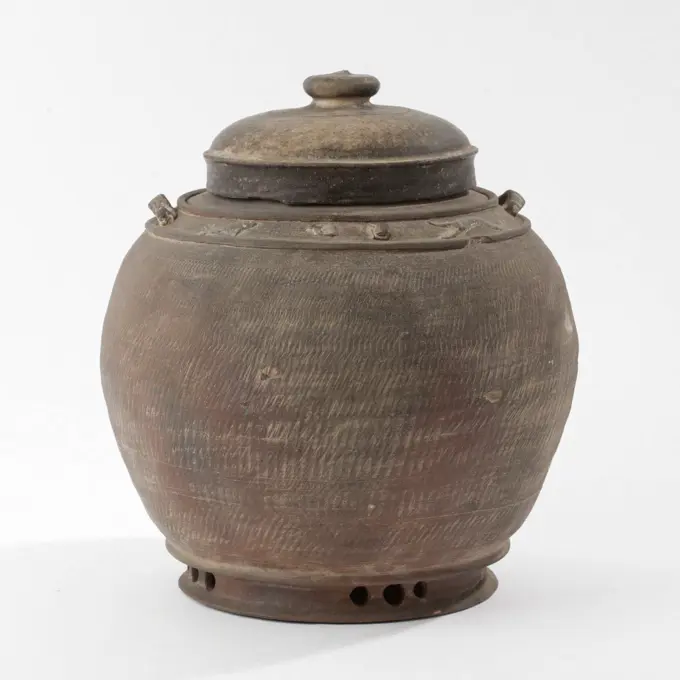
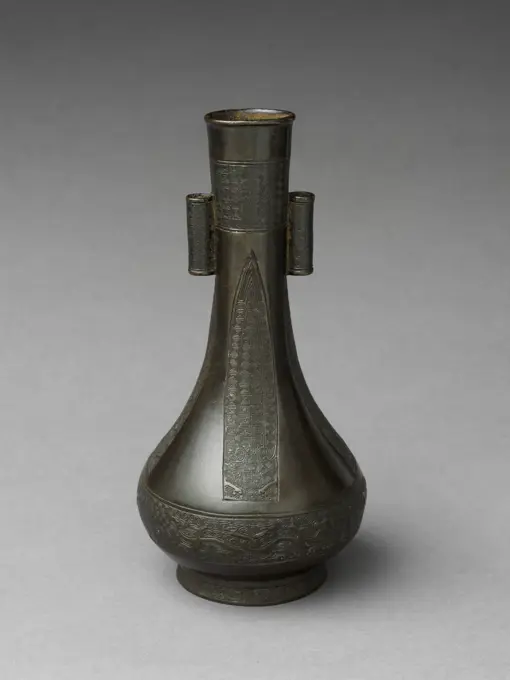
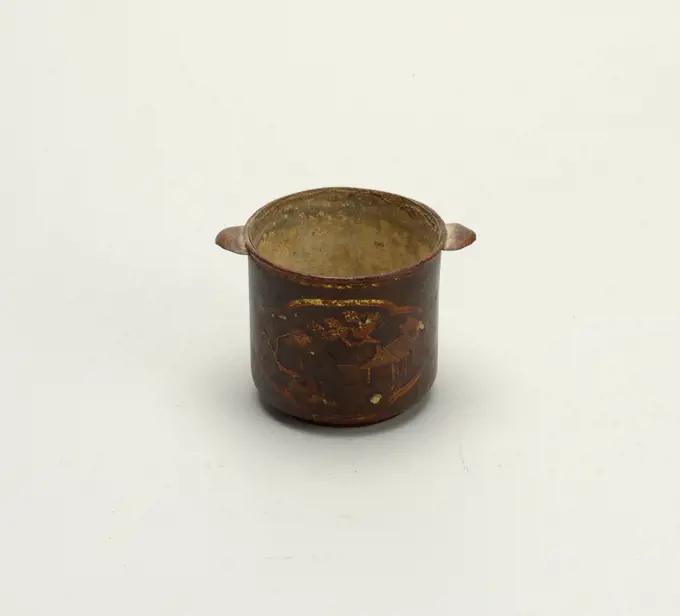
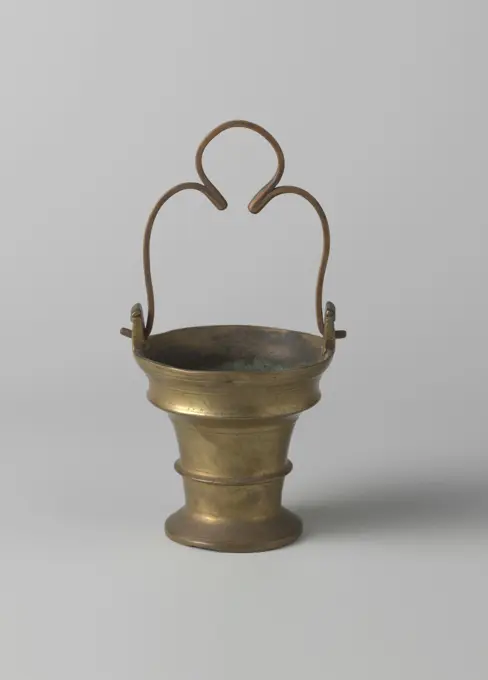
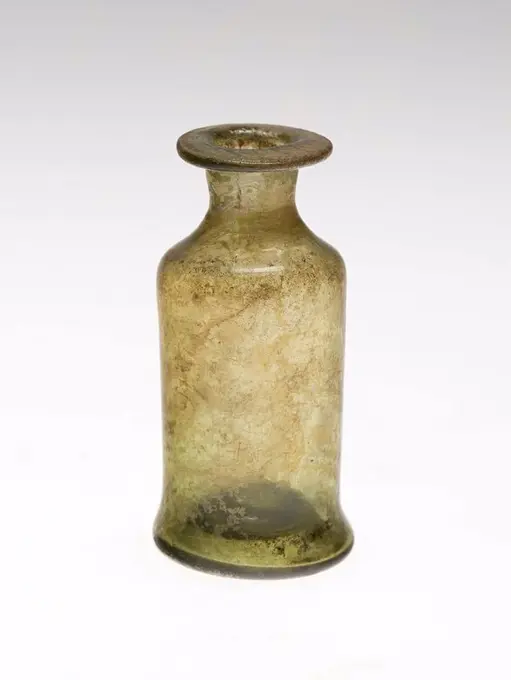
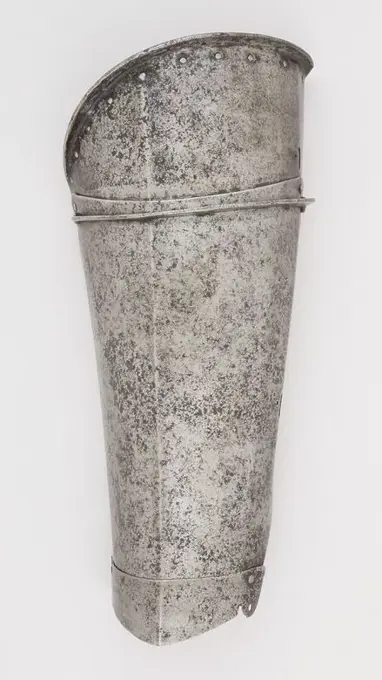
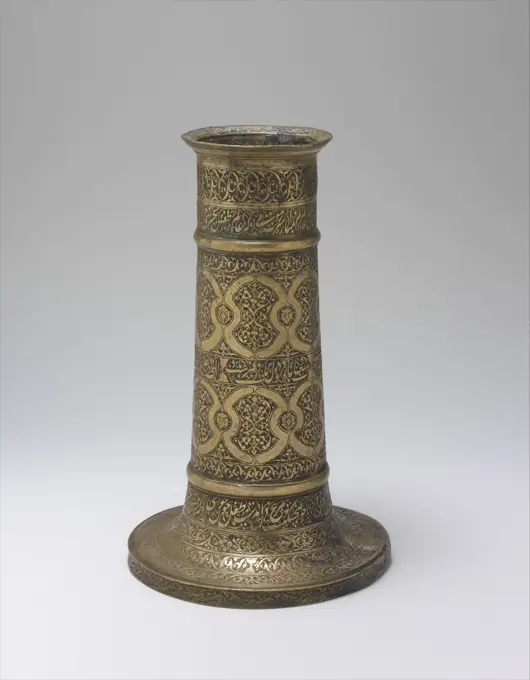
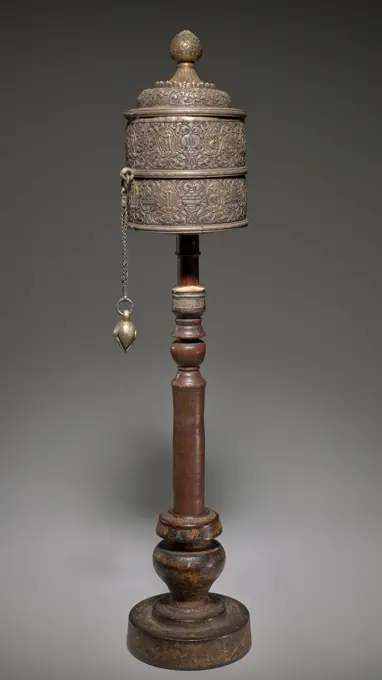
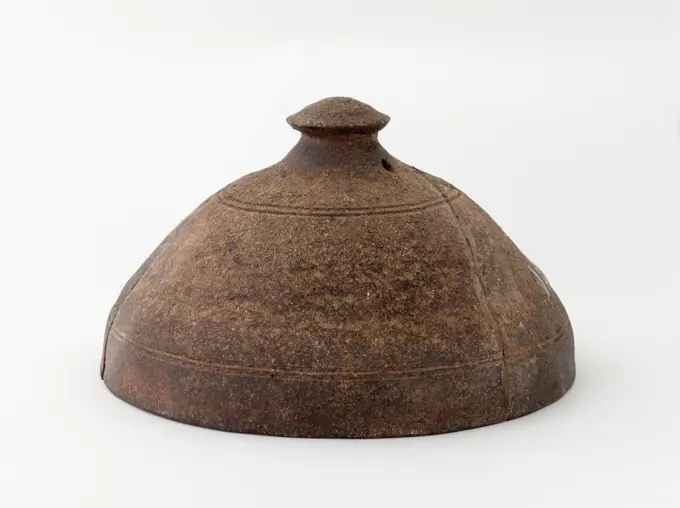
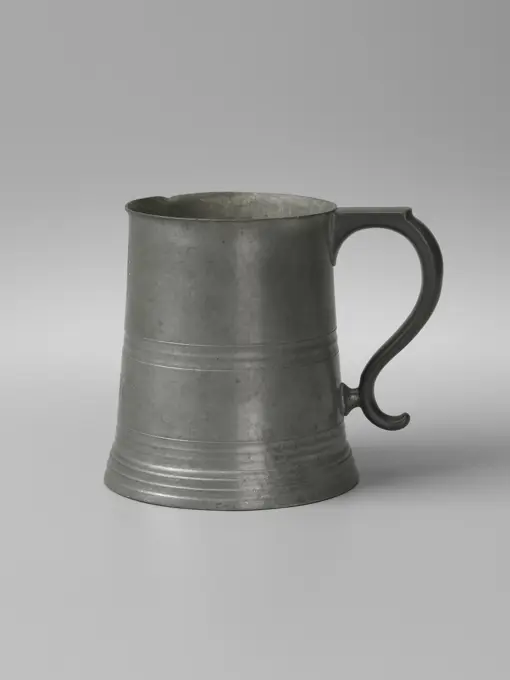
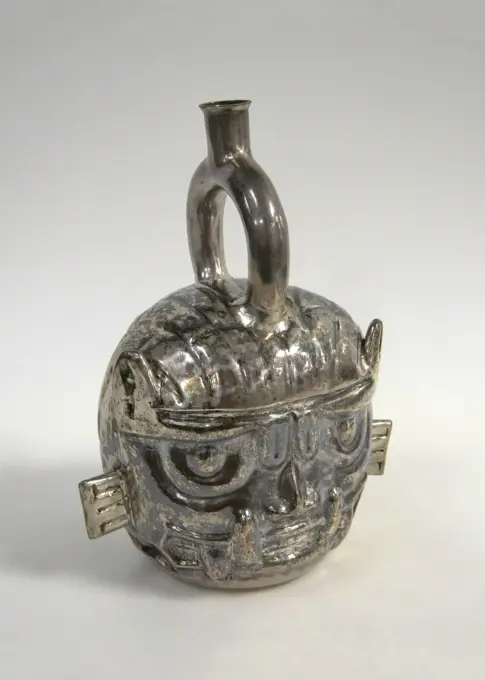
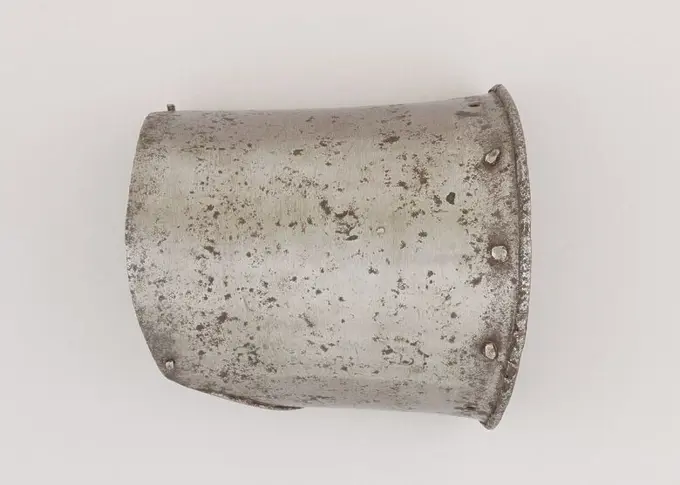
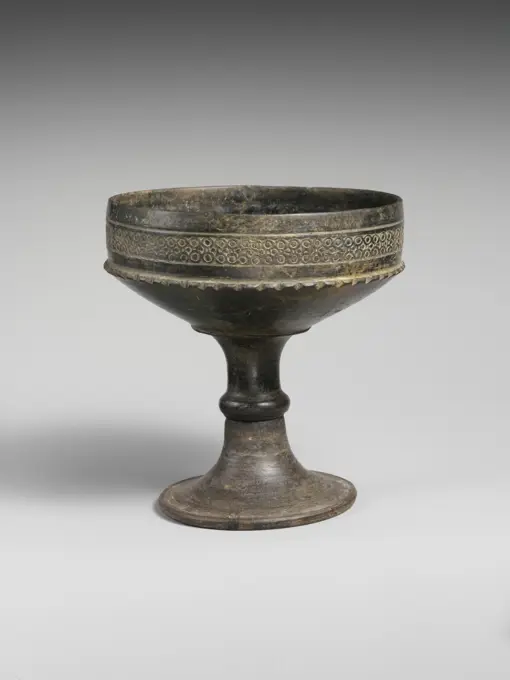
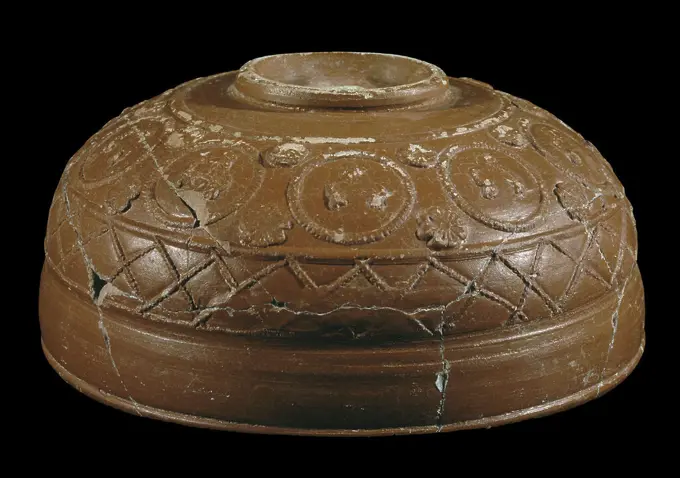
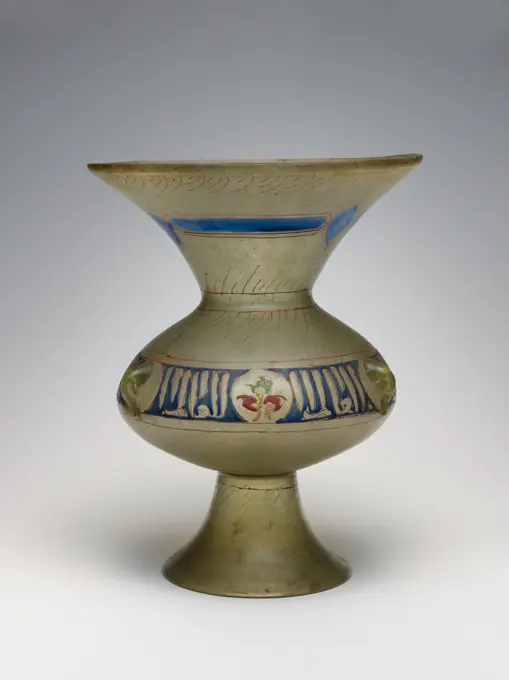
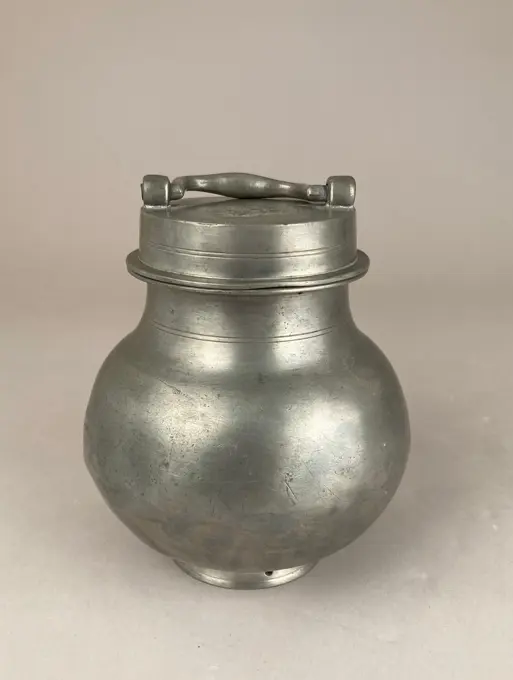
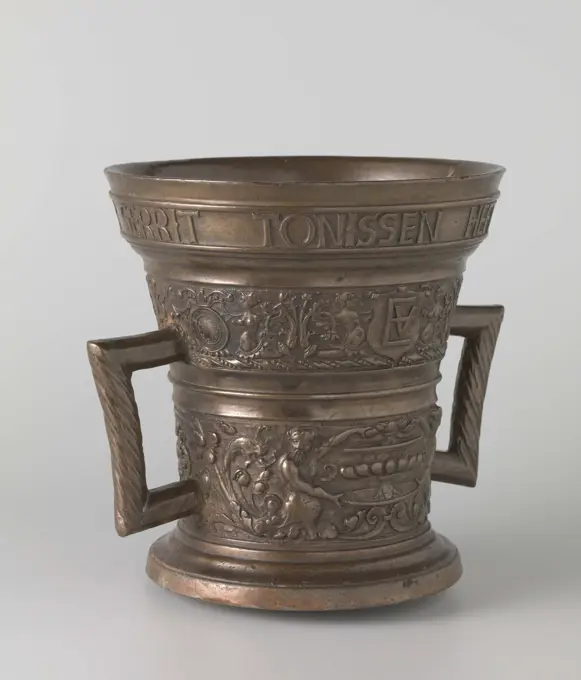
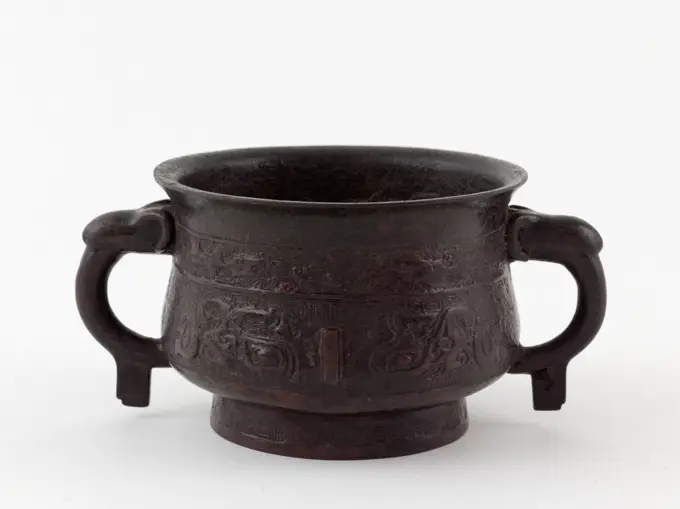
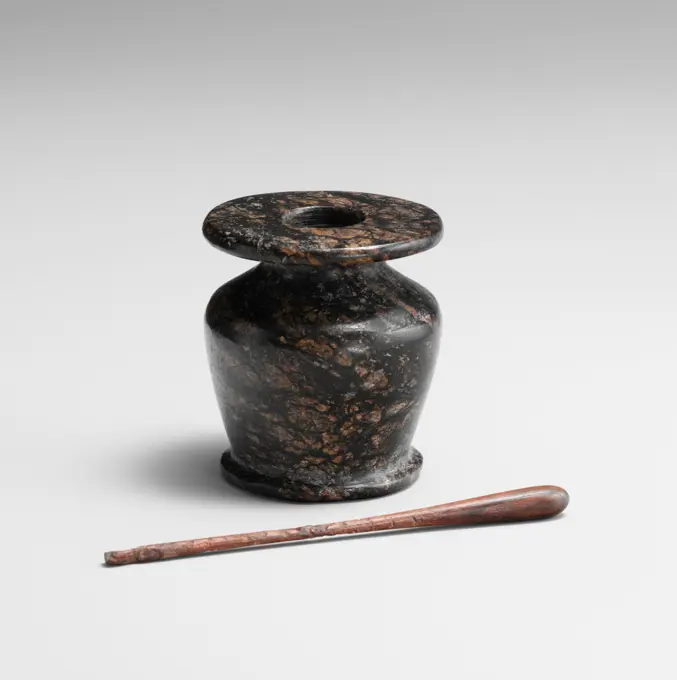
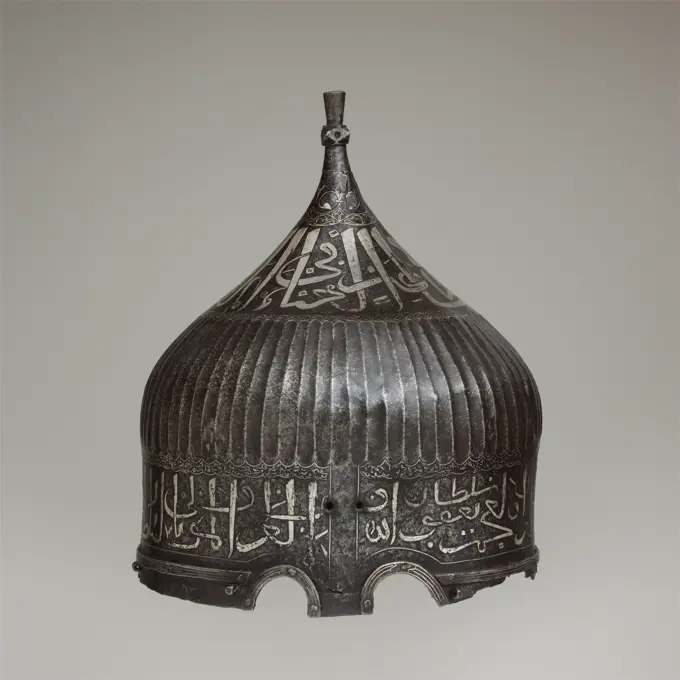
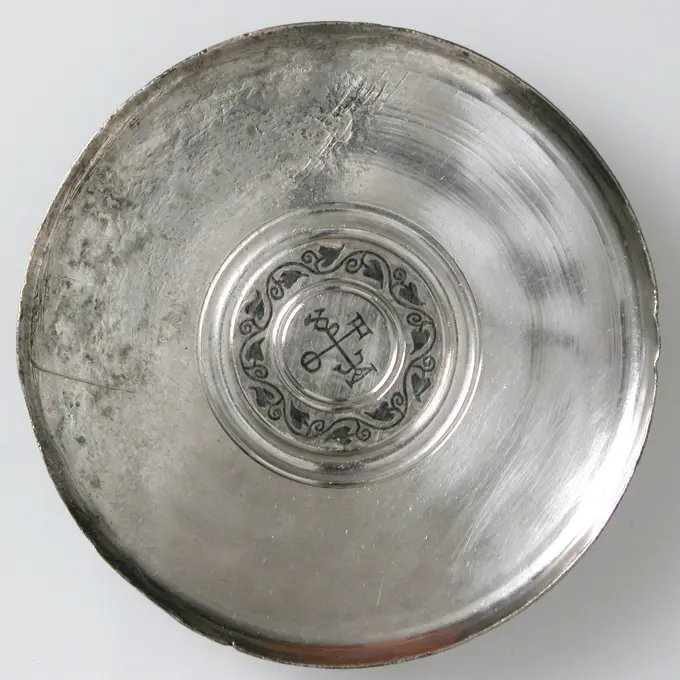
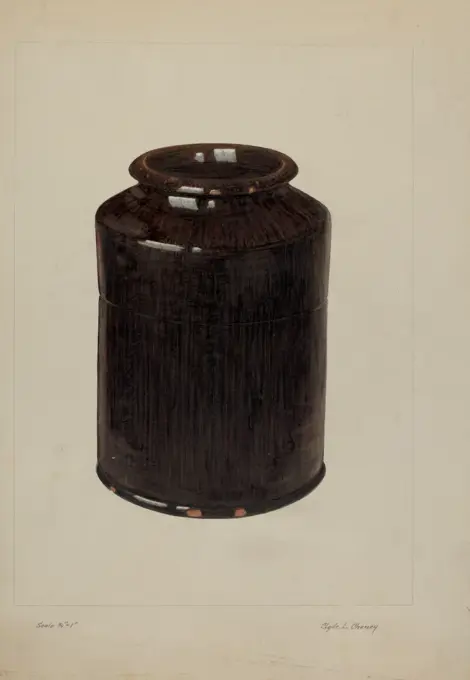
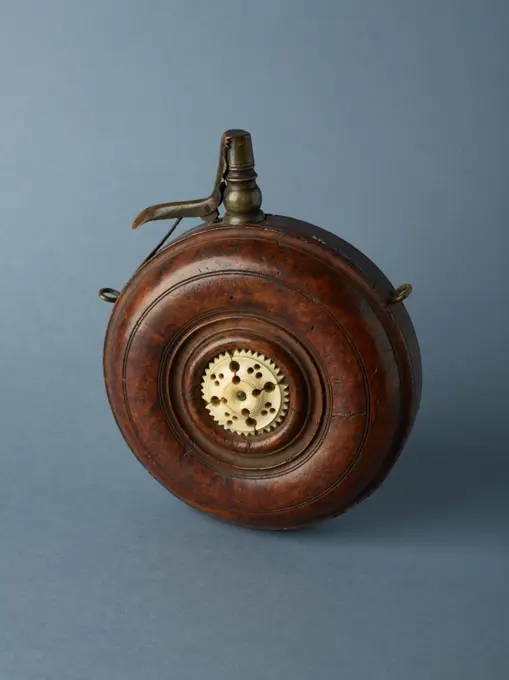
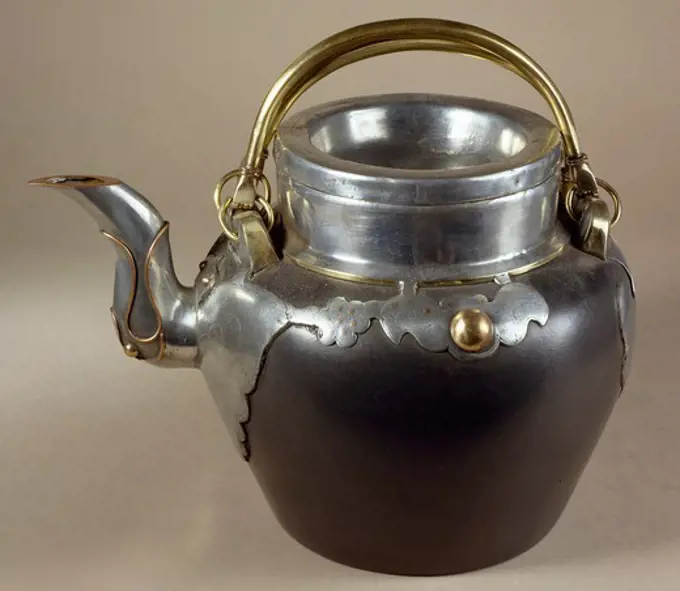
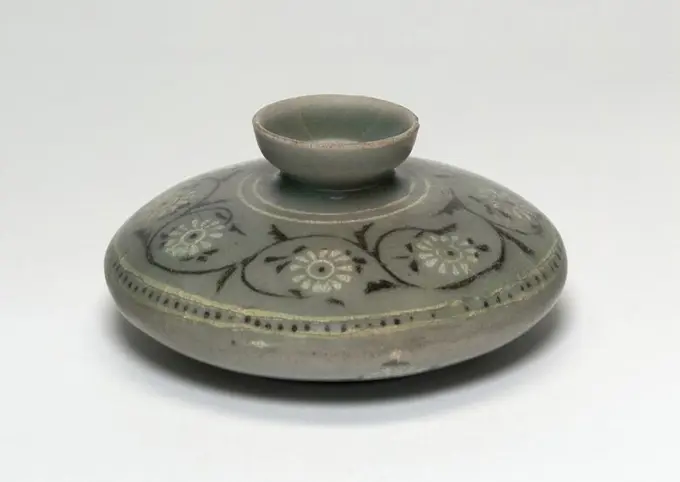
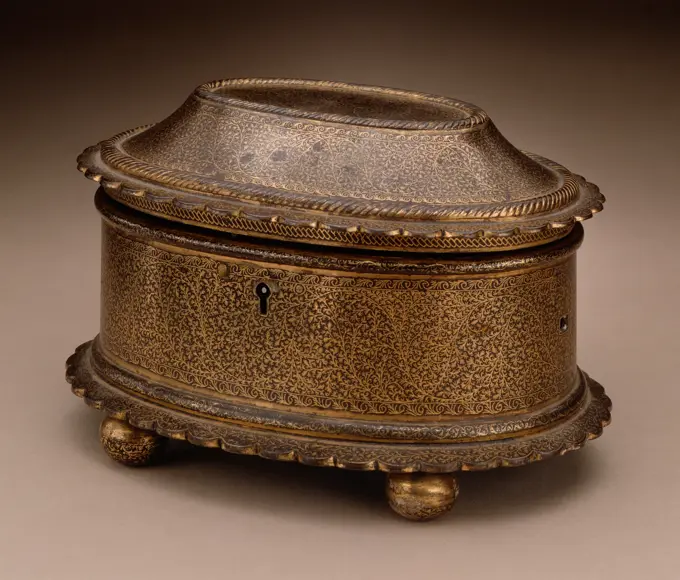
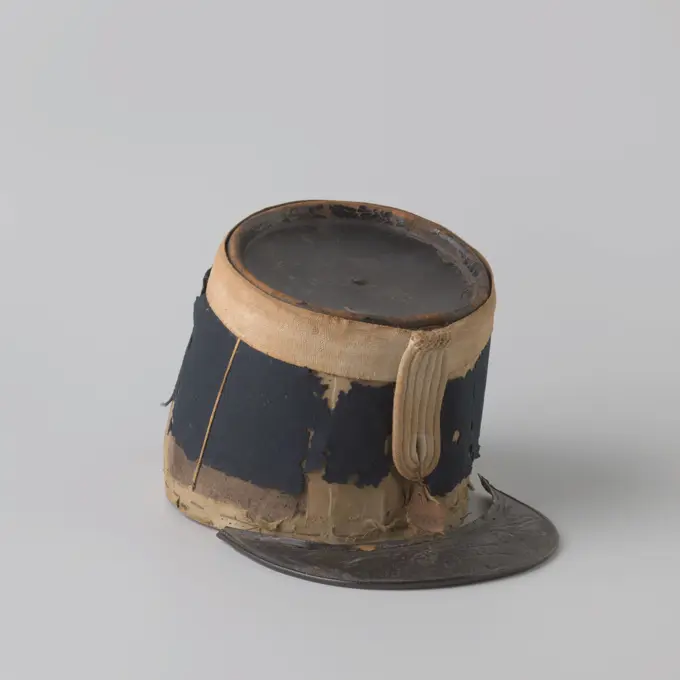
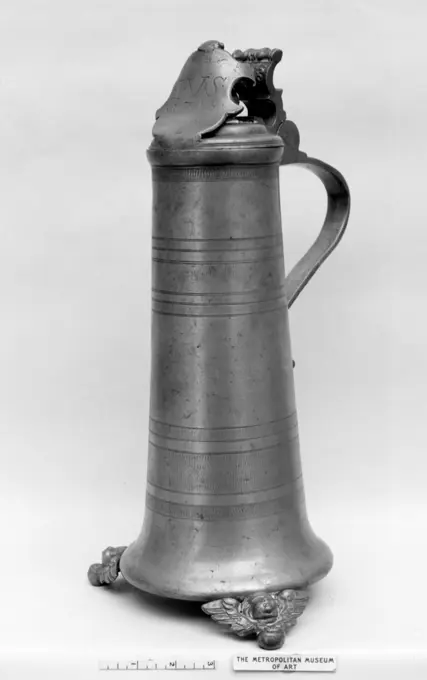
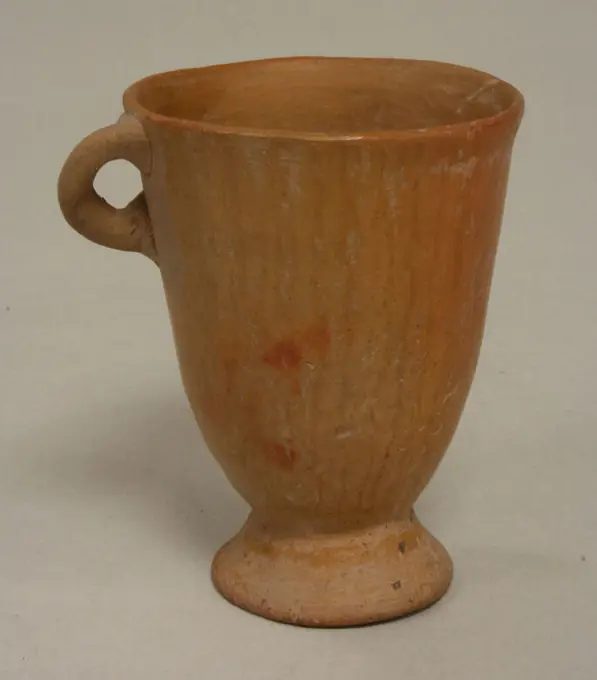
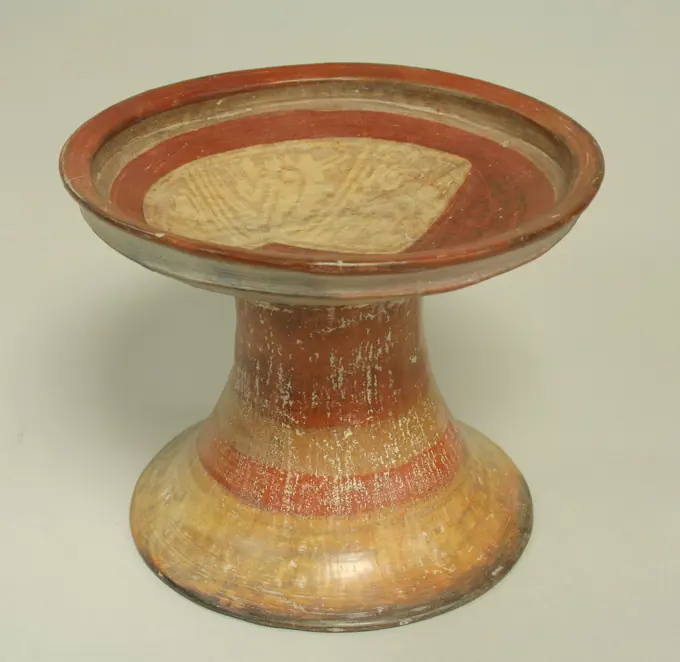
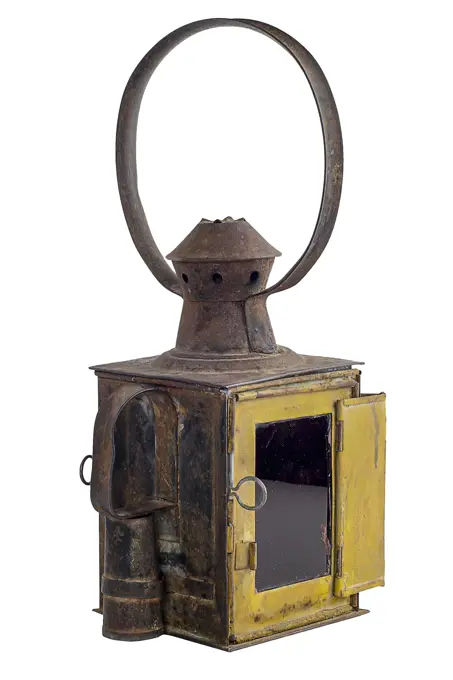
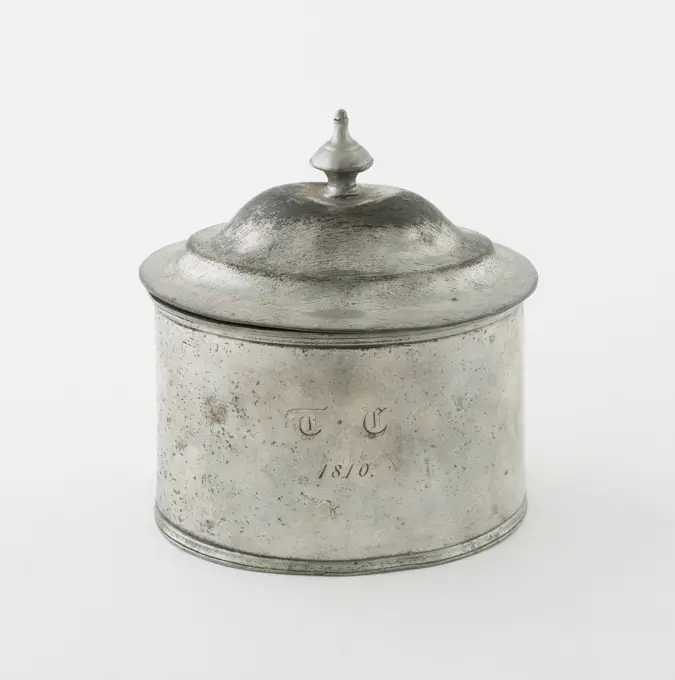
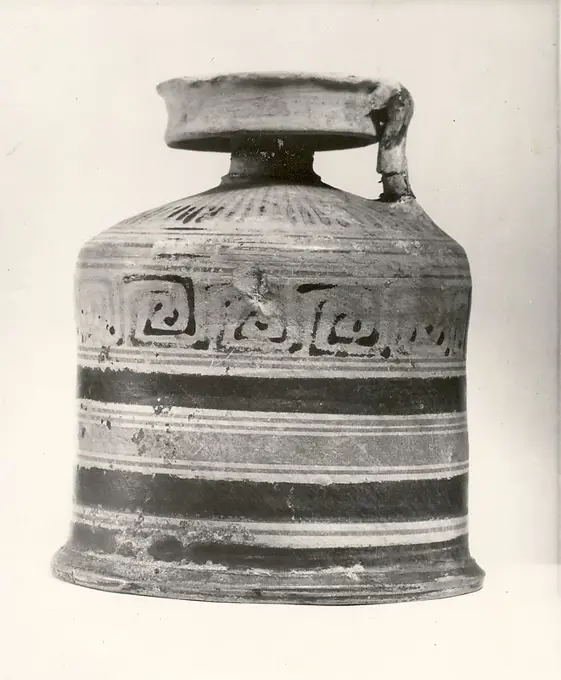
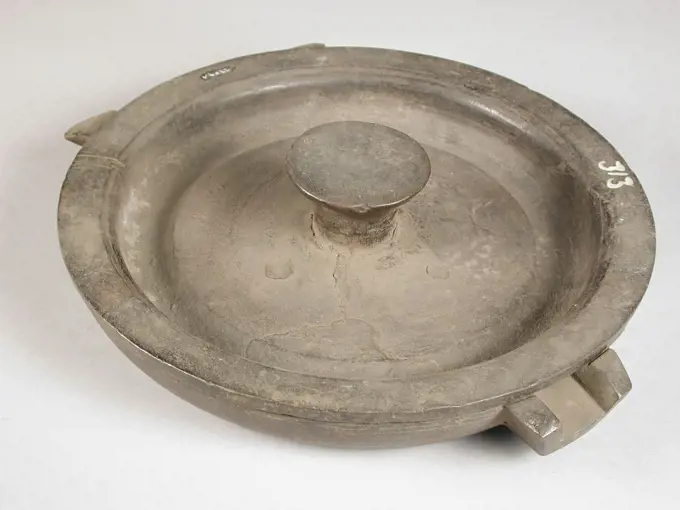
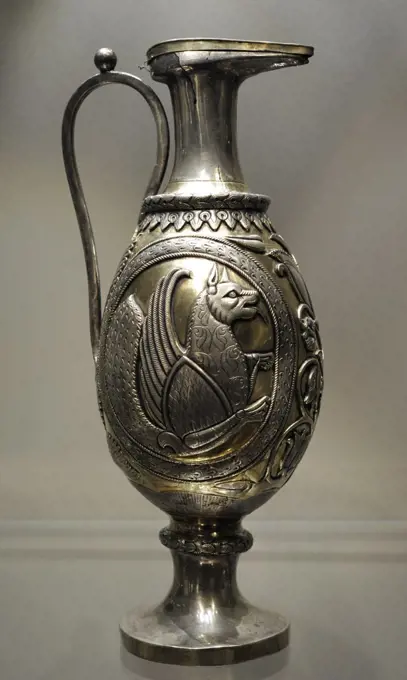
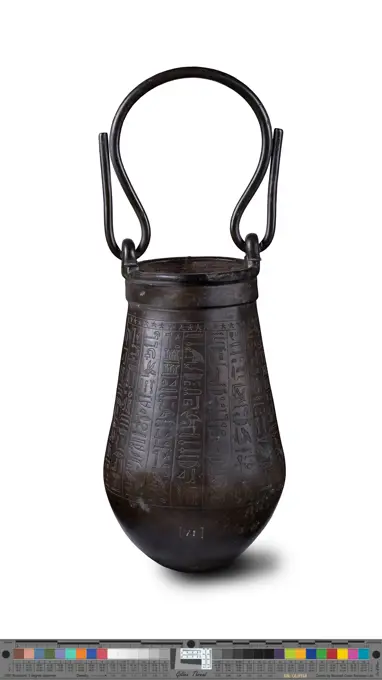
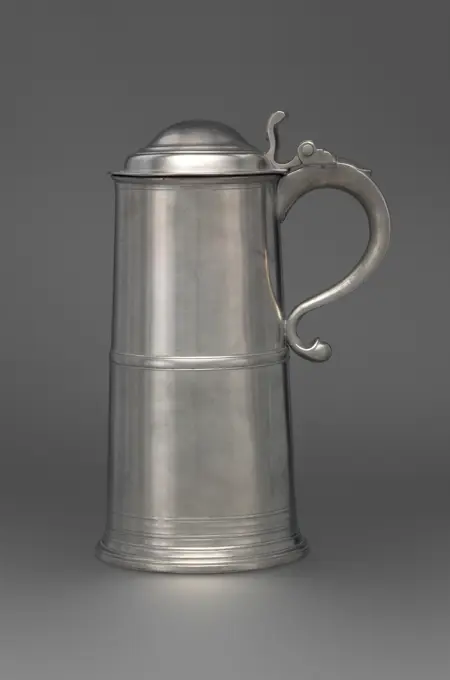
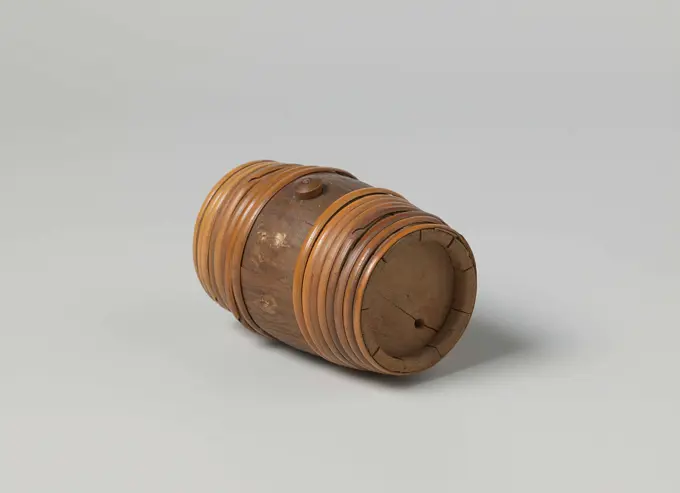
Lime Container(Tagan)Iron Age - Bronze situla of the Tomb (number 3)  of FabrianoPottery ointment jar, cylindrical model, red shard, internally glazed, ointment jar pot holder soil find ceramic earthenware glaze lead glaze, hand turned glazed baked Pottery ointment jar cylindrical model red shard internal dark brown glazed Flat obliquely inwardly directed wide top edge. Narrowing of the boiler above the standing surface. Stand surface coarse finished Turning beads on the inside archeology health care indigenous pottery store pharmacy sell craft medicine medicine packagingHester Duany, Tankard, c 1940 TankardHeavy pottery pot on wide stand ring, round and stocky model, pot holder ceramic earthenware glaze lead glaze, hand-turned glazed baked Pottery pot on wide stand ring. Round and stocky model Shallow constriction above the stand ring. Rising neck edge with groove along the outside Red shard internally glazed some tears over the shoulder. Was probably used in the sugar industry indigenous pottery sugar industry refiningPottery belly model ointment jar, red shard, internally glazed, ointment jar pot holder soil find ceramic earthenware glaze lead glaze, hand turned glazed baked Pottery ointment red shard internally glazed. Abdominal model Narrowing over the foot Outstanding obliquely inwardly directed upper edge Standing surface with soul on the side. Wide neckline draarillen on bottom and outside archeology health care indigenous pottery pharmacy store sell craftHelmet. Culture: Chinese. Dimensions: H. 8 1/4 in. (21 cm); W. 8 1/8 in. (20.6 cm); D. 9 3/4 in. (24.8 cm); Wt. 2 lb. 8.2 oz. (1139.7 g). Date: probably mid- to late 17th century.This helmet is distinctive both for the quality of its workmanship and for the lively character of its engraved and gilt decoration. Because of its overall form and the style of its ornament, it appears to be an early example of helmet types that are usually associated either with the later part of the Ming dynasty (1368-1644) or the more familiar ceremonial helmets of the Qing dynasty (1644-1911).The gilding of the fittings consists of two layers: silver foil burnished onto a crosshatched ground, over which a layer of gold was applied, probably by mercury gilding. This unusual two-stage technique gives the gilding its deep golden yellow luster. It also serves to highlight the crisply engraved ornament, which embellishes the helmet's finial, brim, and brow plate. In the center of the brow is the figure of BuBottle 7th-5th century B.C. Paracas. Bottle 310218Engraved Lamp Stand with Cartouches and Medallions. Dimensions: H. 10 1/4 in. (26.0 cm). Date: 16th century.This distinctive tall, cylindrical shape is characteristic of a group of Safavid lamp stands which share a similar silhouette and ornamentation. Many are covered with lyrical and mystical verses by celebrated poets of the period, reflecting the important relationship between Persian poetry and the visual arts. Linked cartouches contain arabesques, animal motifs and calligraphic blessings, as well as lines in nasta'liq which read:"To holy men thy face is light and seeing thy face is my light. Like men of heart I see my light only when near thee. Thou art the aim of the world; without thee it is nothing. I see all the world as a small thing of thee...candle; if you don't burn. I am a beggar; one day near thee...". Museum: Metropolitan Museum of Art, New York, USA.Vase. Vase in the shape of a cup, external edge of the non -coated base, Caramel tesson. Paris, Cernuschi museum. 78846-16 Asian art, container, vaseEarthenware oil lamp, type of snot nose, fully glazed, spout lamp oil lamp lamp lighting fixture floor finding ceramic earthenware glaze lead glaze, hand turned hand shaped glazed baked earthenware oil lamp type 'snotneus' red shard covered with lead glaze spherical reservoir on base without base Flat top edge with horizontal protrusion opposite the spout archeology lighting indigenous pottery oil room illuminate evening nightVessel 16th-19th century Edo peoples At its origins, the centralized city-state of Benin was founded by Edo-speaking peoples. The accounts by official court historians and descriptions provided by visitors evoke a vibrant cultural center continually redefined by its leadership through shifting internal and external power dynamics. According to oral tradition, circa 1300, Edo chiefs are reputed to have reached out to the leader of neighboring Ife, Oranmiyan, to establish a new divinely sanctioned royal dynasty. Since then, the investiture of Benins rulers to the title of obas has conferred upon them at once a role of chief priest officiating in important religious ceremonies and presiding over an elaborate structure of palace officials. During the fifteenth century reign of Oba Ewuare, Benins armies were formed and the fortification of its capital with a massive wall undertaken. In parallel, delegations of Portuguese traders assiduously sought to secure exclusive commercial treaties wTappit hen, 18th century, 9 3/8 x 6 1/4 x 5 1/2in. (23.8 x 15.9 x 14cm), Pewter, Scotland, 18th centuryEarthenware flute on stand, glazed, flute toy relaxant soil find ceramic earthenware glaze lead glaze, hand turned hand shaped glazed baked earthenware flute. Spherical and irregular in shape on high standing foot Fully glazed except the underside of the bottom. Small opening with collar at the top. Occurrence of nozzle still present Red shard archeology Rotterdam Noord Agniesebuurt Schiekade St. Franciscus Gasthuis indigenous pottery playing flutes child music Schiekade Rotterdam St. Franciscus Gasthuis second waste pit.E.M., Brown stoneware jug with wide text band around belly and narrow round neck, dated 1568, jug crockery holder soil find ceramic stoneware clay engobe glaze salt glaze, hand turned stamped glazed glazed baked stoneware jug gray shard brown engobe and lightly adjusted salt glaze curly tail round neck: WER. WEIS. OET. WOER. YST. EM underneath number 68 the 6 is mirrored archeology import pottery serving drink pouring beer wineMortar and Pestle Isolated on White BackgroundJar And Lid (Philippines); bronze, inlaid metalBeaker. Culture: Chimú. Dimensions: H. 12 7/8 x Diam. 7 in. (32.7 x 17.8 cm). Date: 12th-15th century. Museum: Metropolitan Museum of Art, New York, USA.Pot et couvercle. Grs. Vietnam. Mished, museum cernuschi. Pot and lid Asian art, art of extreme orient, art of Vietnam, Vietnamese art, GRES, dishesLongneck flower vase with tubular handles late 12th-13th century China This vase elegantly reinterprets the form and décor of archaic bronzes. Its broad body, narrow neck, and tubular handles are loosely based on a Shang dynasty bronze wine container, while its elongated neck is inspired by a contemporary ceramic design. This change of form better serves its functional transformation from a ritual wine container to a flower vase. A prominent feature of the décor, the four bladelike lappets, also derive from Shang bronzes, but they exist as independent motifs that float free of the vessel shape. Such vases mark the moment when artists began to reinterpret archaic bronze designs during the late 12th to 13th century.. Longneck flower vase with tubular handles. China. late 12th-13th century. Copper alloy. Song (960-1279)-Yuan (1271-1368) dynasty. MetalworkVase with Pedestal BaseRitual winecup, anonymous, c. -1700 - c. -1050  China bronze (metal)  China bronze (metal)Cachepot and liner, Painted tôle, wire, Cylindrical container curving inward to a low foot. Wire handle at each side. Gold ground with chinoiserie decoration., France, Ca. 1765, metalwork, Decorative Arts, Cachepot and linerMilk; Lilpop, Karol Jerzy (Fl. 1820-1833); 1920s (1820-00-00-00-1829-00-00);Wantwater bucket, round, anonymous, c. 1500 The bucket was probably cast and turned with the handle's stabbing as a whole. The latter have been added. The center hole can be seen in the bottom at the bottom. The bucket, which broadens upwards, stands on a sloping hollow foot. The wall is decorated with a pointed rib in the middle and a upper part, and further with grooved rings at the edge. The handle sets are square with a profiled and serrated top. The handle in the form of a three -pass is a replacement from a later time. Southern Netherlands brass (alloy) casting The bucket was probably cast and turned with the handle's stabbing as a whole. The latter have been added. The center hole can be seen in the bottom at the bottom. The bucket, which broadens upwards, stands on a sloping hollow foot. The wall is decorated with a pointed rib in the middle and a upper part, and further with grooved rings at the edge. The handle sets are square with a profiled and serrated top. The handle in tCandlestick. Based on the precious metal devices of the Sassanids, a variety of outstanding bronze works was created in Persia. In the 12th century, the art of exchanging came in Easternpersia. In this technique, the engravings and depressions of the decor with precious metal were filled. This technique spread from Persia to Syria and Egypt. In the 13th and 14th centuries, this deposit technique experienced their highest flowering.Bridge and Spouted Double Vessel with MonkeyQuirijn de Visser Willemszoon (1675 - 1732), Bronze mortar with QUIRINUS DE VISSCHER MEFECIT ROTERODAMI 1697, auger equipment bronze, cast Cylindrical upwardly widening body built from wide round foot with two ribs of wall with top edge around each decorative frieze with inscription. Transition middle part and corbelling is formed by two ridges In Latin majusels poured into the top edge: metalworker health care pharmacy grindingBiscuit Tin; Manufactured by Huntley, Boorne, & Stevens; Produced by Huntley & Palmers, Ltd. (United Kingdom); offset lithograph on tinTobacco spot. Round tobacco spot with lid. The lid has a pointed button and a pearl edge. The shape of the lid is inverted funnel-shaped. The bottom of the wall of the pot has a decorative edge (Ajour). The tobacco spot is marked: Mt. = GP in oval,Bottle 17th-18th century Flemish. Bottle. Flemish. 17th-18th century. Pewter. Metalwork-PewterBottle. Germany, Cologne. Date: 1300-1500. Dimensions: 6 cm (2 3/8 in.). Glass. Origin: Cologne. Museum: The Chicago Art Institute, Chicago, USA.Vase. Bronze. Chine. Par musée musée malée. 70003-21 Anse, Chinese art, bronze, decorative motif, relief, vaseDefense for the Left Thigh (Cuisse). Culture: Italian. Dimensions: H. 15 1/2 in. (39.4 cm); W. 6 3/4 in. (17.1 cm); D. 3 3/4 in. (9.5 cm); Wt. 2 lb. 0.4 oz. (918.5 g). Date: ca. 1425.This cuisse is distinguished by its elegant shape and by the applied stop-rib and the prominently turned upper edge, which are designed to provide additional protection. Museum: Metropolitan Museum of Art, New York, USA.Measure 18th century Northern French. Measure 208081Comfort box with an opening at the top and bottom. Comfort box round in shape with a slightly curved wall and an opening at the top and bottom. The top of the box has an excellent edge. A piece is missing from the wall. The object is identical to NM-7794-1, but larger format.Engraved Lamp Stand with Interlocking Circles probably 16th century The verses inscribed around this lamp stand embody spiritual metaphors comparing the beloved to a candle and the lover to a moth attracted to its light. The verse by an unidentified poet encircling the middle portion of the stand reads:I said to the candle: "What is this moth around your face"It said: "I am the sultan of beauty—what is the desire of the moth". Engraved Lamp Stand with Interlocking Circles 443176jarrito visigotico, bronce, Siglo VII, cueva de Iturrieta, Mañaria, Arkeologi Museoa, museo aqueologico, Bilbao, Bizkaia, Pais Vasco, Spain.Hut-shaped urn with movable lidTall Chalice. UnknownWater Pipe Base 19th century. Water Pipe Base 444989Content with ear, anonymous, c. 1800  Content with ear, V.Z.V. label. Netherlands wood (plant material)   NetherlandsPrayer Wheel, 18th-19th century, 25 x 5 1/4 in. (63.5 x 13.34 cm) (overall), Silver, wood, and paper, Tibet, 18th-19th century, In Tibetan Buddhism, prayer wheels are akin to rosaries, imbued with a powerful belief in the meditative repetition of sacred syllables, sounds, and prayers. A prayer surrounds the silver cylinder, while inside is a long, tightly rolled paper scroll printed with prayers and invocations. As the wheel spins with the aid of a suspended weight, the printed prayers are 'sent out' with each revolution. The wheels rotation equates to the reading or reciting of each invocation inside the cylinder. Though Tibetans of every social rank use prayer wheels, the unusually large size of this one suggests it belonged to an upper-class individual or, more likely, a monastery.Bratina 19th century, after 17th century original British, after Russian original This electrotype is after a seventeenth-century original in the Chéréméteff collection, St. Petersburg, at the time of reproduction.. Bratina 186545Pot ca. 10th-9th century B.C. Iran. Pot. Iran. ca. 10th-9th century B.C.. Ceramic. Iron Age II. Iran, Dinkha TepeLid ". Terracotta. Vietnam-Xe-Xive s. Paris, Cernuschi museum. 72185-11 Lid, Vietnamese object, terracottaPewter Beer Mug with GlassBottomAntique glass 1898, Middle EastVessel, 20th century, 9 1/2 x 7 1/2 x 5 1/2 in. (24.1 x 19 x 14 cm), Silver, Peru, 20th centuryVase, Favrile glass, Iridescent blue, purple and green glass. Free-blown ovoid shape with flattened shoulders. Short neck, about one third diameter of body, flares slightly. Body decorated in upper half with bands of five rosettes composed of five applied drop petals each, in depressions, and entire band is edged by applied thread at upper and lower edges., USA, 1900-10, glasswares, Decorative Arts, VaseUpper Arm Defense (Rerebrace). Culture: Italian. Dimensions: H. 5 1/2 in. (14 cm); W. 3 7/16 in. (8.7 cm); D. 5 in. (12.7 cm); Wt. 8.2 oz. (232.5 g). Date: ca. 1430-40. Museum: Metropolitan Museum of Art, New York, USA.Terracotta chalice ca. 550 B.C. Etruscan The stamped frieze of circles and dots was made with a cylinder seal rolled across the clay before firing. This type of seal has been associated with workshops in Orvieto.. Terracotta chalice. Etruscan. ca. 550 B.C.. Terracotta; bucchero pesante. Archaic. VasesVASIJA PUNICA DE BARNIZ ROJO PROCEDENTE DE GIRIDALLE - SIGLOS VI-V AC. Location: MUSEO ARQUEOLOGICO-COLECCION. JAEN. SPAIN.Mosque Lamp second half 14th century. Mosque Lamp. second half 14th century. Glass; enameled. Attributed to Syria. GlassItalian 16th Century, Table Bell, first half 16th century Table BellJug with insetting and outside cover French 19th century View more. Jug with insetting and outside cover. French. 19th century. Pewter. Metalwork-Pewter. The object is poured into one whole. The round auger widens upwards, has a high-wearing profiled edge and a flared profiled foot. On the edge in Latin Majuskels the inscription Gerrit Tonissen lets MI cast ao 1568 without interpunctions. The upper fries has five times the motif of a round shield between a winged male and female tenant whose tails or a noded tails O.A. pass into stilt flowers. At the front, the round shield is replaced by a coat of arms with the monogram et al. At the bottom, Frisian is closed by a wound pearl and cord edge. The lower fries has a vase-decorated vase at the front in front of a seven grinding base, which runs into a bowl, and with a lid with floral knob. Button and bowl are held by two tenants with beards, whose bottom bodies pass into ranken work, in which pomegranate, flower and other plant motifs are included. The tendrils work ends in dolphin or ram's heads, the last two times to the right and once turned to the left. The two square cherted ears arePottery ointment jar, high model, entirely glazed in gray, ointment jar pot holder soil find ceramic earthenware glaze tinglaze, hand-turned baked glazed High form with smooth transitions at the constrictions at foot and shoulder. Gray-white interior and exterior glazed. Cream-colored shard Unclear whether the gray speckled color was intent or confluence of mixing remnants of enamel archeology health care indigenous pottery packing store pharmacy sell medicine drug craft Rotterdam City triangle Delftsevaart Soil discovery: Soil discovery of partial reclamation of the Delftse Vaart for the purpose of making lift bridge summer 1928.Recuay culture vessel, Andean area, Peru, 0-600, clay and natural pigments, Anthropology National Museum, Madrid, Spain.Vase. Bronze. Chine. Par musée musée malée. 70003-38 Anse, Chinese art, bronze, decorative motif, container, vaseKohl Jar ca. 1492-1473 B.C. New Kingdom Hatnefer (36.3.1), the mother of Senenmut (36.3.252), received a rich burial in a small rock-cut tomb near that of her son. Her grave goods were deposited alongside her fine wooden coffin and included many objects from daily life. Inside one of the decorated baskets (36.3.59) were a smaller basket (36.3.60), an alabaster jar (36.3.61) , and this graceful kohl jar (36.3.63) with its wooden applicator (36.3.62). The jar had a crusty residue inside that was identified as galena, one of the minerals used as an eye cosmetic by the Egyptians. Hatnefer undoubtedly used the little eye-paint container and applicator during her lifetime.. Kohl Jar. ca. 1492-1473 B.C.. Serpentinite, galena. New Kingdom. From Egypt, Upper Egypt, Thebes, Sheikh Abd el-Qurna, Tomb of Hatnefer and Ramose (below TT 71), Inside 36..59a, b (Basket "O"), MMA excavations, 1935-36. Dynasty 18, earlyBell before 1800 Turkish or Greek. Bell 501986Turban Helmet 1478-ca. 1490 Turkish or Iranian This turban helmet is inscribed with the name of the sultan Ya'qub of the Aq Quyunlu (White Sheep Turkoman), who ruled from 1478 to 1490.. Turban Helmet 21977Plate with Monogram 610-613 Byzantine Plates like this were made in sets for use in wealthy homes. The Greek letters at the ends of the cross-shaped monogram may refer to the owner, Theodore A(). The control stamps on the back of the plate date it early in the reign of the emperor Heraclius (610-41).. Plate with Monogram 468387Bronze Tripod Vessel, Late Shang Dynasty. Clyde L Cheney, Jar, c 1938 JarHunting gunpowder unknownCup 2nd and 3rd quarter of the 6th century B.C. Etruscan High foot with narrow incised and relief bands.. Cup. Etruscan. 2nd and 3rd quarter of the 6th century B.C.. Terracotta; bucchero pesante. Archaic. VasesTeapot of cast iron and tin, China. Chinese Civilisation, 19th century.Oil Bottle with Chrysanthemum Flower Heads. Korea. Date: 1165-1299. Dimensions: H. 4.0 cm (1 9/16 in.); diam. 7.6 cm (3 in.). Celadon-glazed stoneware with underglaze inlaid decoration of black and white clays. Origin: Korea. Museum: The Chicago Art Institute, Chicago, USA.Jewelry Box. Pakistan, Panjab, Sialkot or Gujrat, Kotli Loharan, circa 1850-75. Furnishings; Accessories. Iron overlaid with gold wireVase. England; English for the American market. Date: 1850. Dimensions: . Earthenware. Origin: England. Museum: The Chicago Art Institute, Chicago, USA.Sugar Bowl And Lid (England); Made by Wedgwood (United Kingdom); stoneware (black basalt), encaustic silver decorationOutdoor model Sjako non -commissioned officer 4th Regiment Dragonders, ca. 1863, P. van Eijsden (II), 1863  Head cover of blue sheet, bottom of black leather, around soil wide white galon - three vertical white piping on corpus. At the front white fabric lis. At the rear white fabric lis, (for catch cord). On the Lis front Learn Label with no. 186. Blue sheet with moth holes. Loose leather valve black from above and green from below. Leather soil. Interior with red paper. Inside the front label: P van Eijsden jr. (Not easy to read) Z .... ds ... Dêpot. On the bottom, inside, Dutch weapon and text 'Je Maintiendrai'. There are moth holes in the blue sheet, pompon is missing. Netherlands cloth. leather. linen (material). paper printing / writing (processes)Stand ca. 575-550 Etruscan On high foot; without decoration.. Stand. Etruscan. ca. 575-550. Terracotta; bucchero. Archaic. VasesGlass perfume bottle. Culture: Roman. Dimensions: 6 13/16in. (17.3cm)Other: 3 3/4in. (9.6cm)Diam. of rim: 1 1/2 in. (3.8 cm). Date: 2nd-3rd century A.D..Candlestick unguentarium.Colorless with greenish tinge.Flaring, downturned rim; cylindrical neck, flaring downward; sides of wide, flat body expanding sharply outward; pushed-in bottom with central shallow kick. Intact, except for part of rim; some bubbles; deep pitting and brilliant iridescent weathering. Museum: Metropolitan Museum of Art, New York, USA.Guild tankard 17th century German. Guild tankard 189173 German, Guild tankard, 17th century, Pewter, Height: 16 in. (40.6 cm). The Metropolitan Museum of Art, New York. Gift of Mrs. Ridgeley Hunt, in the name of W. C. Pell, 1907 (07.24.2)Pewter cup from v.O.c.-ship the 'white lion'. Pewter cup from v.O.c.-ship the 'white lion'Miniature Cup. Culture: Teotihuacan. Dimensions: Height 2-3/4 in.. Date: 3rd-8th century. Museum: Metropolitan Museum of Art, New York, USA.Painted Pedestal Bowl 10th-3rd century B.C. Chorrera. Painted Pedestal Bowl 313553Old lantern off. Isolated on white Old rusty railroad lantern Copyright: xZoonar.com/PavelxSytilinxxxxxVolgograd,xRussia.x 21973086Wall Fountain (laver) in the form of a Turret late 15th century Netherlandish This water tank in the form of a Gothic turret was designed to hang on a wall. A basin was probably placed on a shelf beneath it.. Wall Fountain (laver) in the form of a Turret 471556Ritual Wine Vessel, 12th-11th century BCE, 10 7/8 × 5 × 4 5/8 in., 2.9 lb. (27.62 × 12.7 × 11.75 cm, 1.3 kg), Bronze, China, 12th-11th century BCEMaker: Everardus Bogardus, American, 1675-ca. 1725, Maker: Henricus Boelen II, American, 1697-1755, Tankard, ca.1700-1710, Silver, 6 5/8 in. (16.8 cm), Made in New York, New York, American, 18thcentury, Containers -MetalsTobacco Box 1810 England. Cast pewter (base) and Britannia (top) .Table bell with inscription: Me fecit per Iohan de Fine Ao 1544 etc .. The object consists of three parts: the bell-shelled shell with the handle, the iron eye and the iron clapper. On the lower edge of the shell the inscription: Me fecit per Iohan the Fine Ao 1544. Above the front and back two medallions shaped by wreaths, one of which shows the heads of a woman and a man with laurel wreath and shows the other a men's head . The wreaths are stopped by putti with one hand, who point to high renaissance with the other hand. Above the medallions and the two vases are mounted rams, which are connected to each other by garlands. In between the inscription Lofsi Godt of all. The top of the tank is profiled. The handle is decorated with three acanthus leaves against a granulated background.Pyxis with lid, miniature mid-6th century B.C. Attributed to the Swan Group With swans.. Pyxis with lid, miniature. Greek, Attic. mid-6th century B.C.. Terracotta; black-figure. Archaic. VasesEpichysis ca. 350-325 B.C. Greek, South Italian, Apulian. Epichysis 246120Aryballos czarnofigurowy. unknown, authorBell, Church 10th-12th century Byzantine. Bell, Church 467600old coffee maker isolated on a white backgroundTwo-piece round bronze mold for convex edge for chamber pot, cast molding tool tools base metal bronze, cast turned Two-piece bronze mold for casting round convex edge for chamber pot Rotterdam tin foundry tin stain tin Meeuws Druy craft Shapes are from the originally 18th-century Rotterdam tinnegieter J Druy. The large molds that were not signed or dated were the property of the tinker guild and were rented to the small tin caster.Sasanian Art. Ewer showing a Simurgh. Silver; chasing, gilding. Iran. 6th-early 7th century. Found in Kharkov region. The State Hermitage Museum. Saint Petersburg. Russia.Situla Inscribed for Sheshonq. Egypt, Thebes, 26th Dynasty, reigns of Apries and Amasis, 589-526 BCE. Furnishings; Serviceware. BronzeLazio Viterbo Tarquinia Palazzo Vitelleschi32. Hutzel, Max 1960-1990 Exterior views of Palazzo and museum as well as interior courtyard views and interior views of vaulting. 15th cent. gothic architecture (1436-39, 1460-90). Inside palazzo is the Cappella gentilizia, 15th century, and the antecappella, with frescoes of the story of Lucrezia alternating with the cardinal virtues. Antiquities: Phoenician: faience. Etruscan: sarcophagi; pottery; bronze implements (weapons, vessels, mirrors, candelabra). Gold jewelry. Terracotta masks, statuettes and votive objects. Roman: marble statues, bronze vessels, pottery. Object Notes: Hutzel photo campaign dates: February 15, 1984 and November 9, 1985. It appears that there may have been another campaign for which there are no notes. Palazzo Vitelleschi houses the Museo Nazionale Tarquiniese, antiquities prints are located in antiquities section. Only a few of the antiquities prints are matched to negatives. However, the NNP numbers follow the higFlagon.  Maker: Henry Will, American, ca. 1735-1802Beer vessel made from duffs and hoops. Beer vessel made from loose duettes of the bark or the spinning wood of an unknown type of wood, turned through twice eight hoops from Rattan. At the top of a hole with a stopper, in the front of a tub.Tinsmith: Dirck Jansz. Messchaert I, Pewter cup with incised Boomoly, measuring cup measuring instrument tin, cast Flat bottom cylindrical body molded round ear with flat horizontal thumb rest with three concentric rings. calibration marks on the exterior wall: S V P V drinking watering jugWomans Hat (Tudung)Scarab, inlay