Historical Artifacts

Collection of ancient artifacts including intaglios and pottery fragments that reflect historic craftsmanship.

Skincare, cosmetic and smear of lotion in studio for moisturizing, hydration or cream for treatment. Dermatology, beauty or skin routine with spf, creme or sunscreen for wellness by brown background.
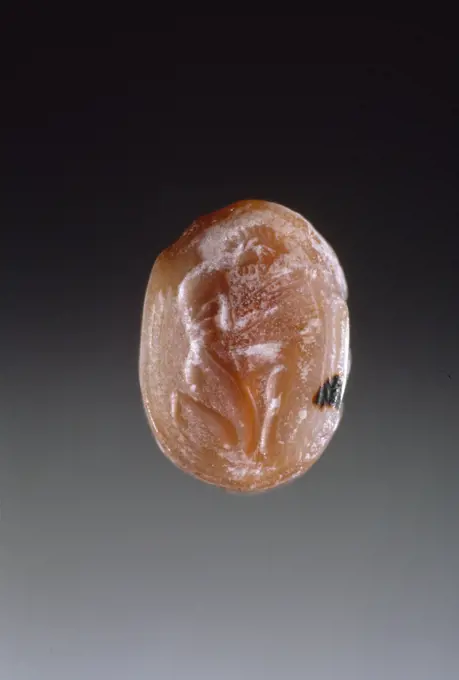
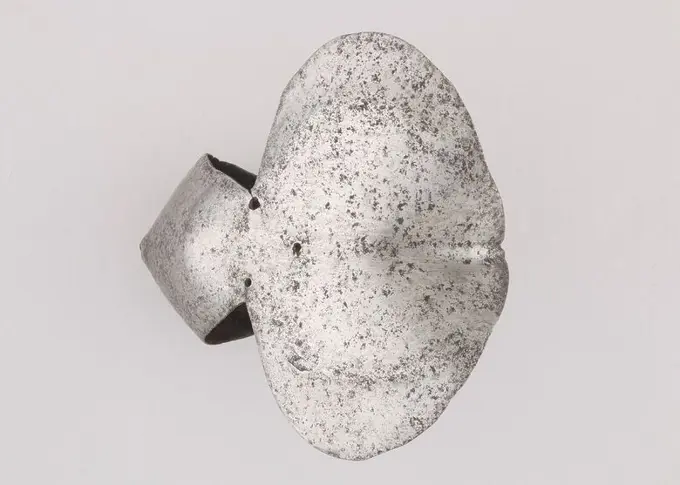
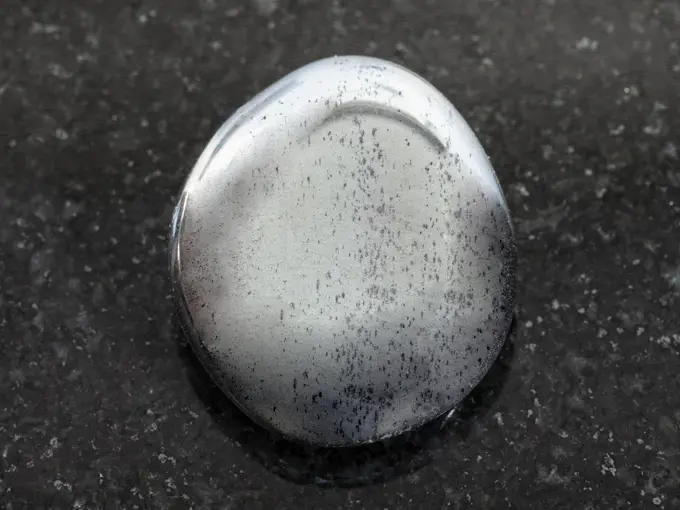
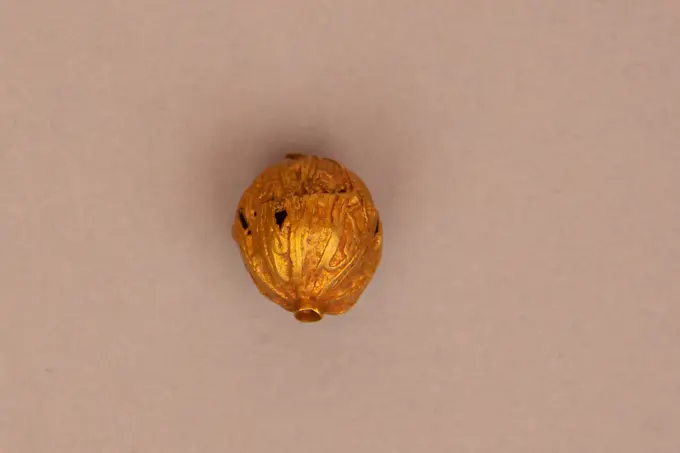
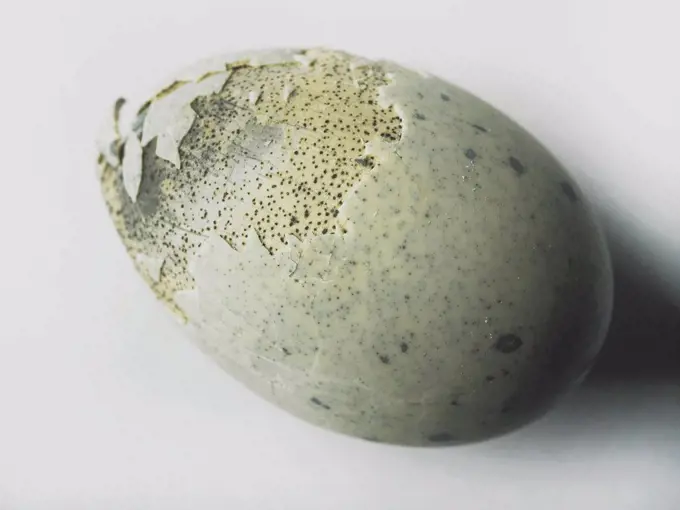
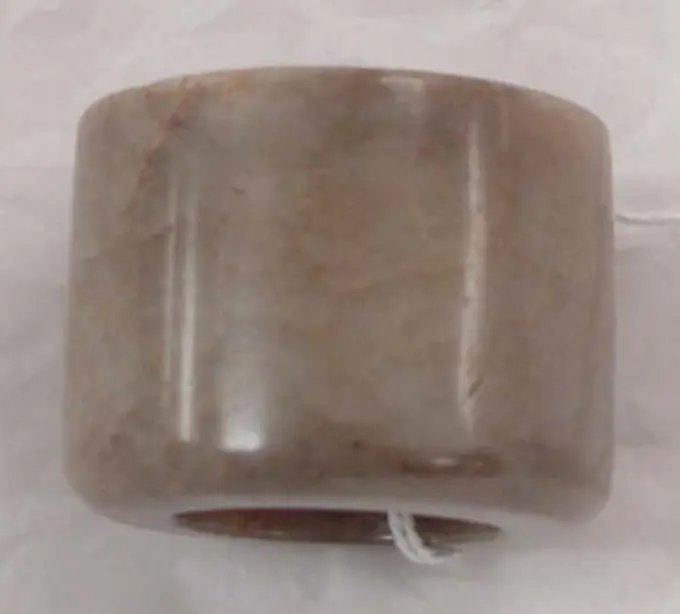
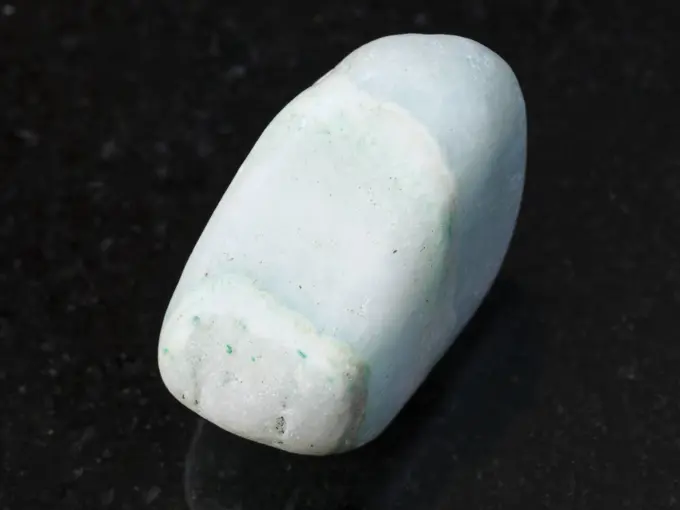
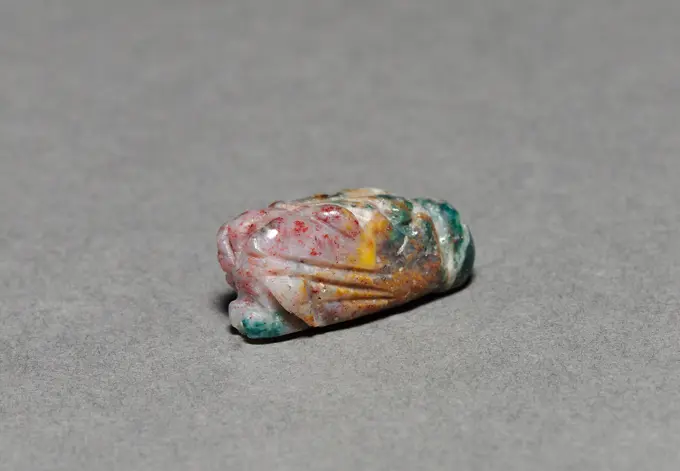
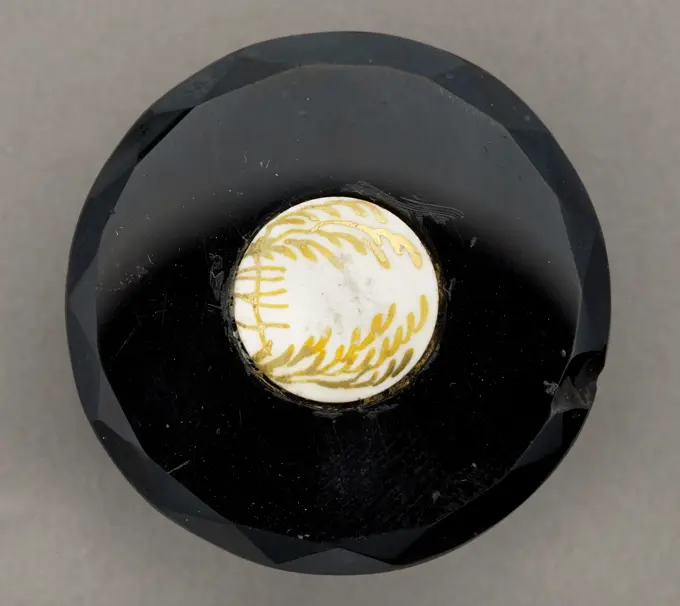
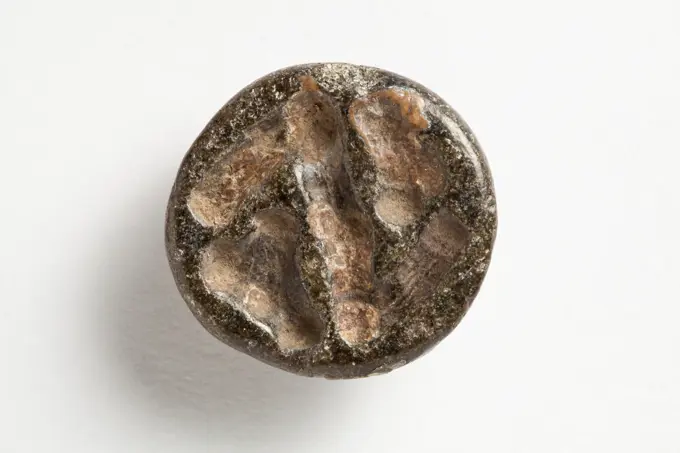
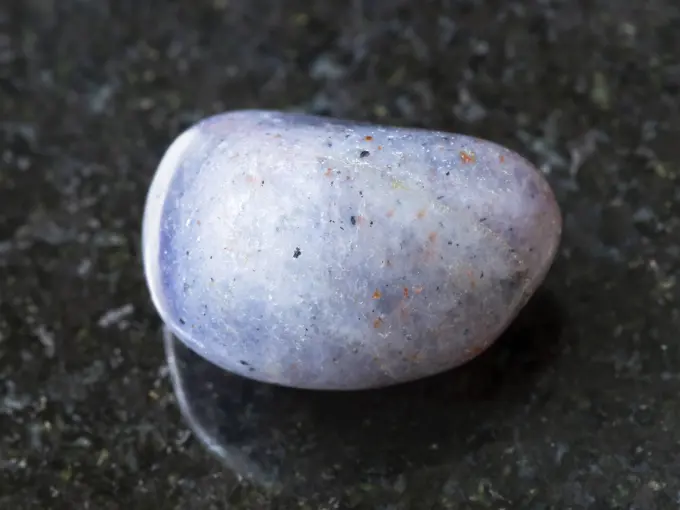
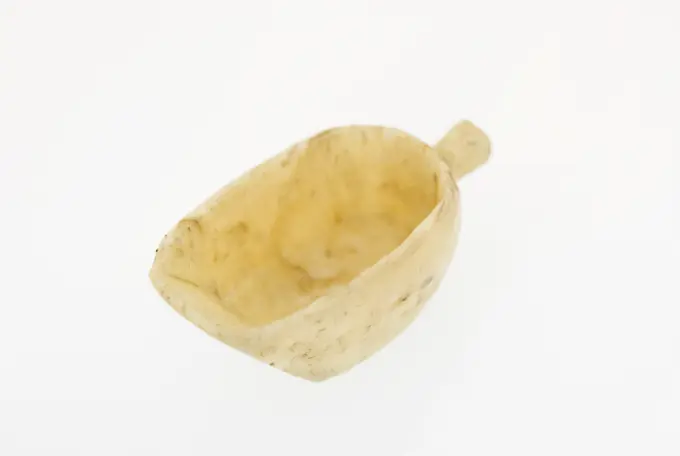
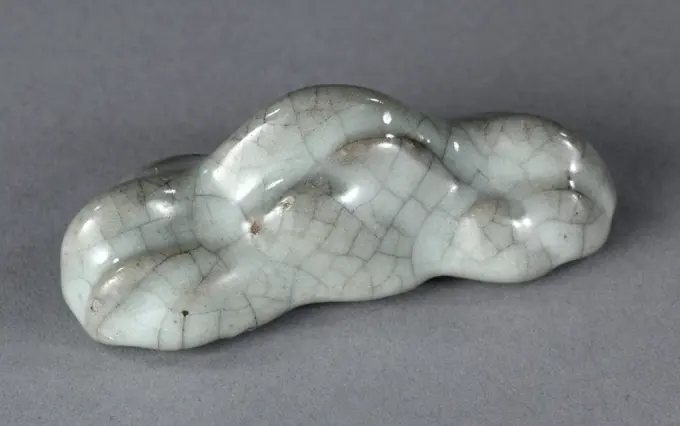
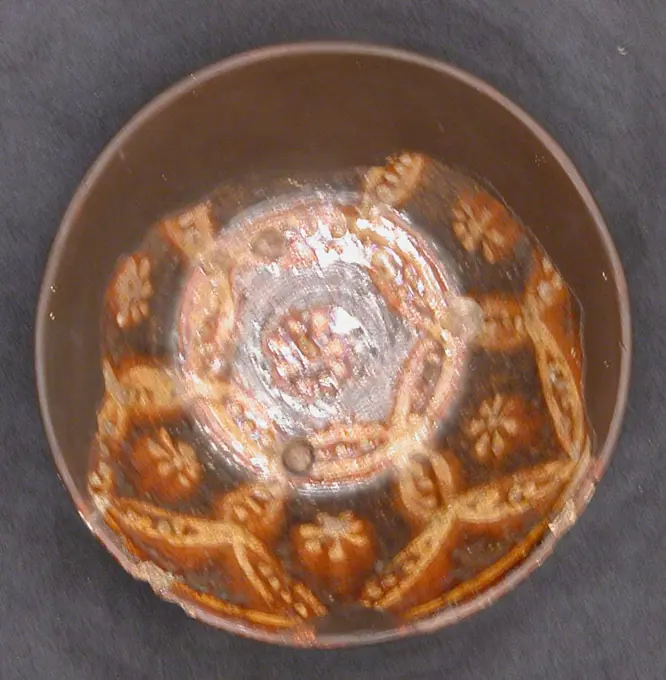
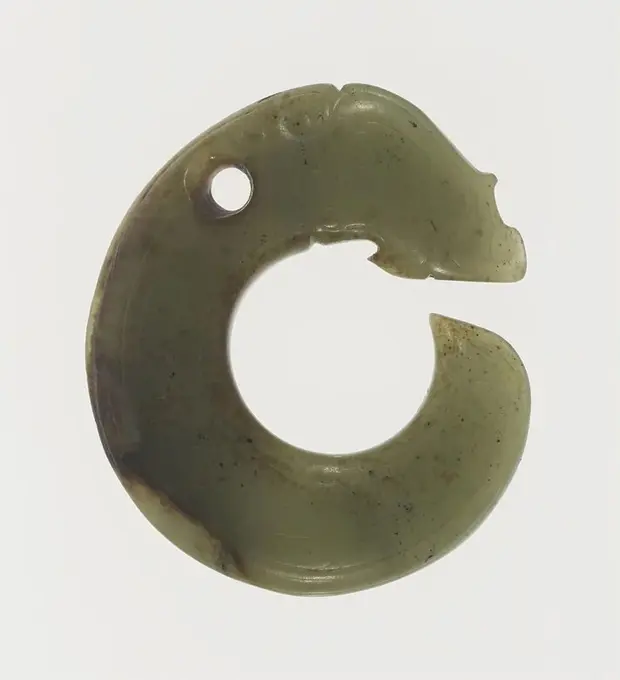
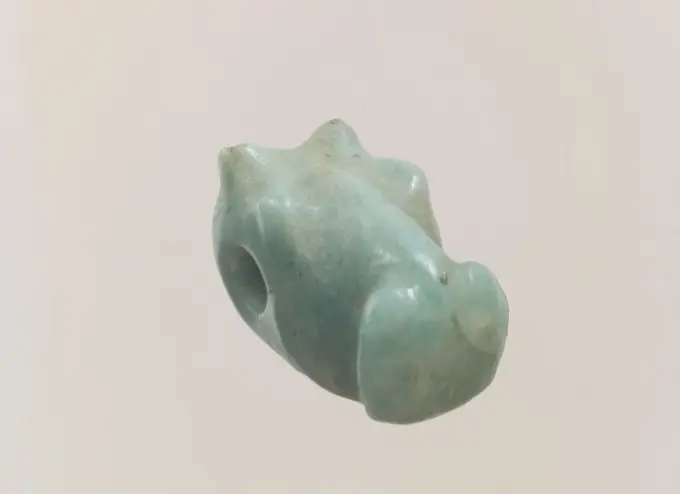
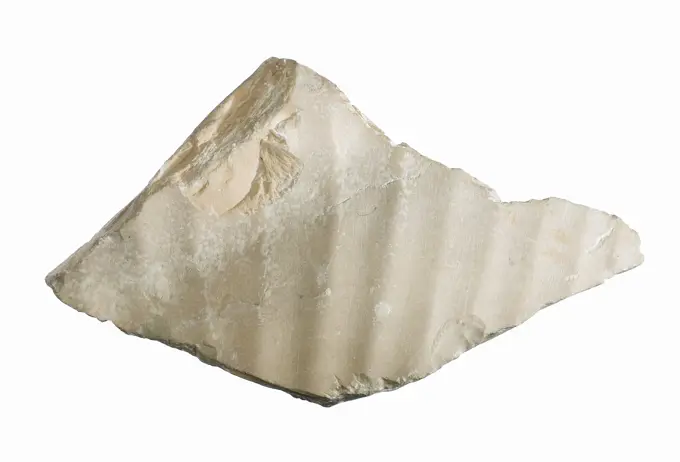
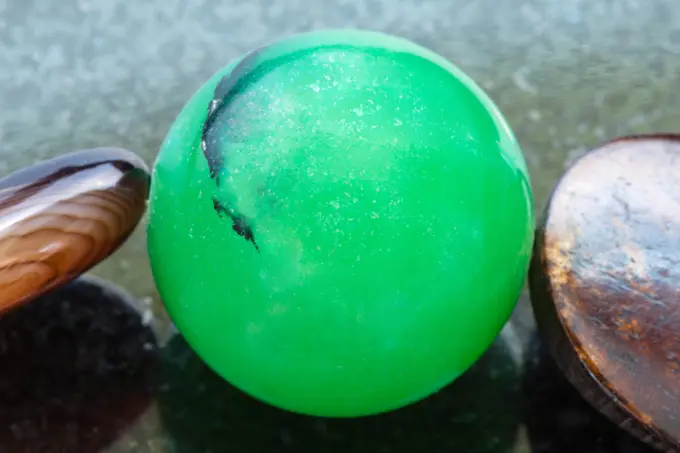
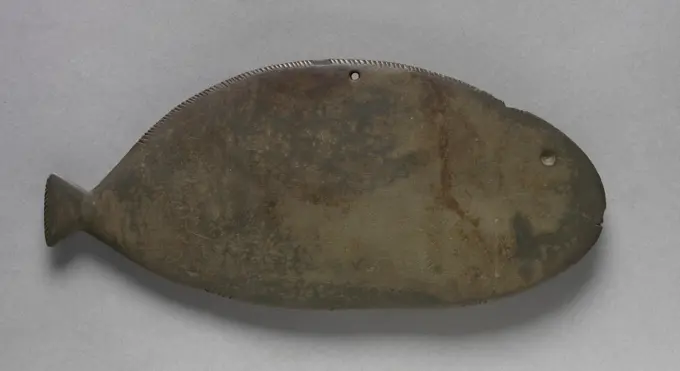
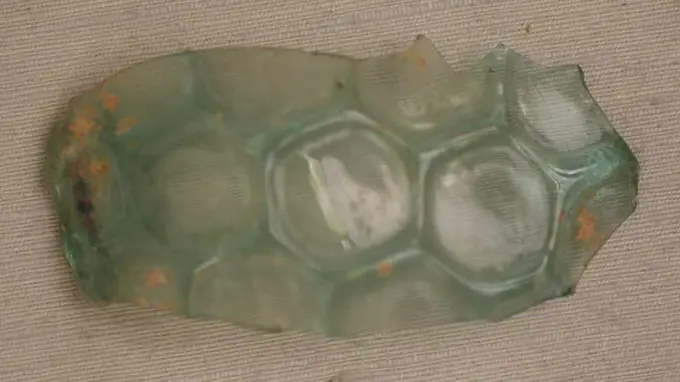
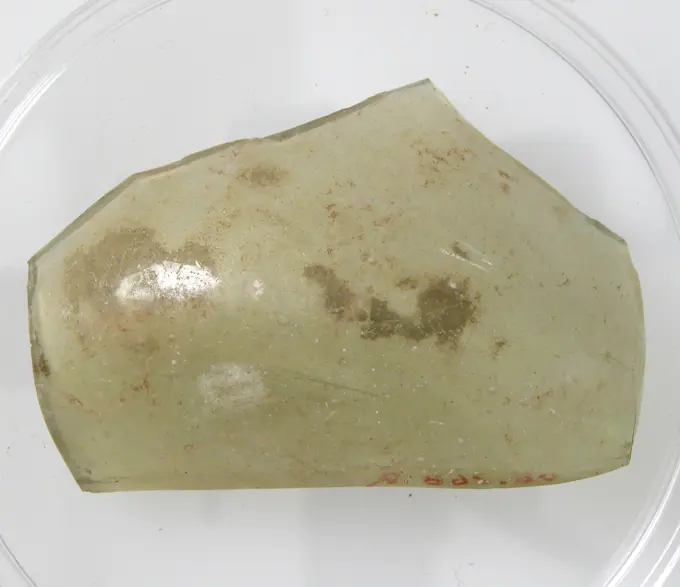
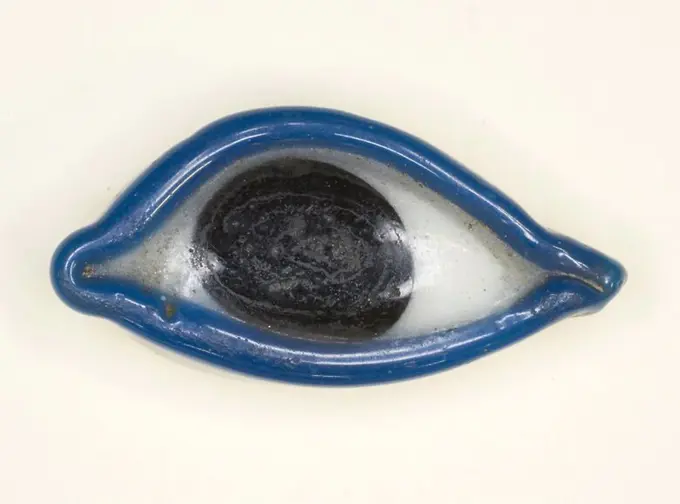
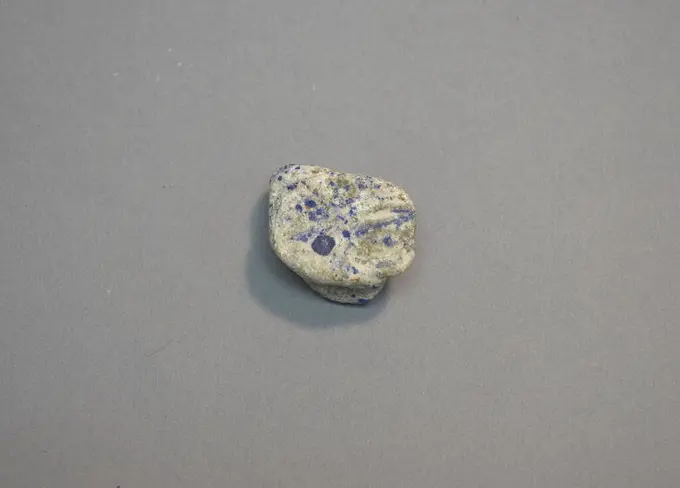
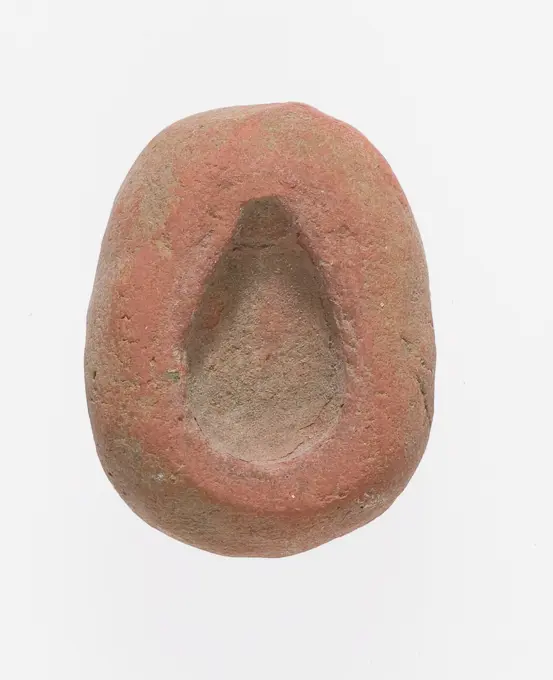
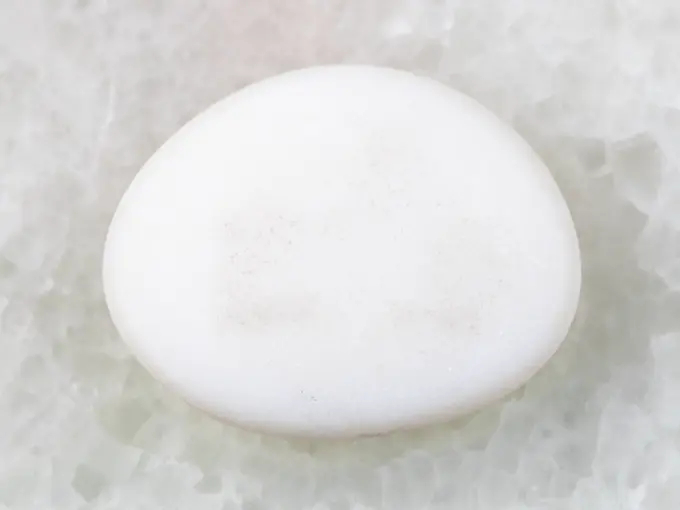
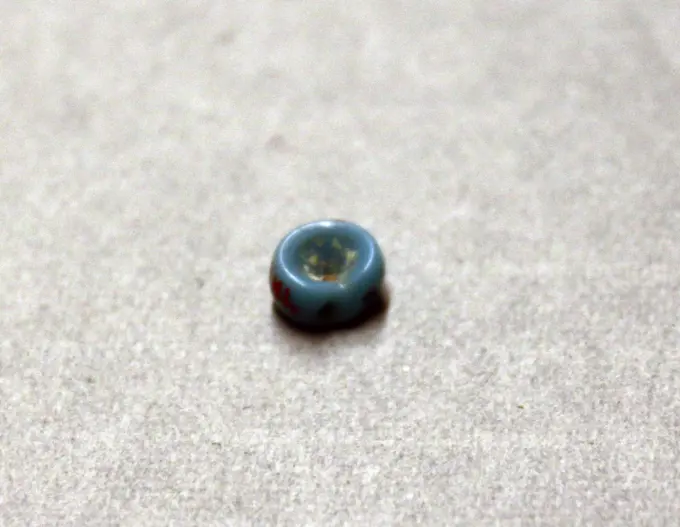
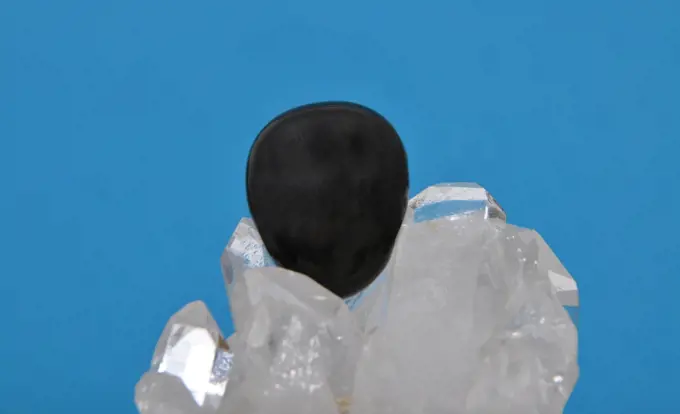
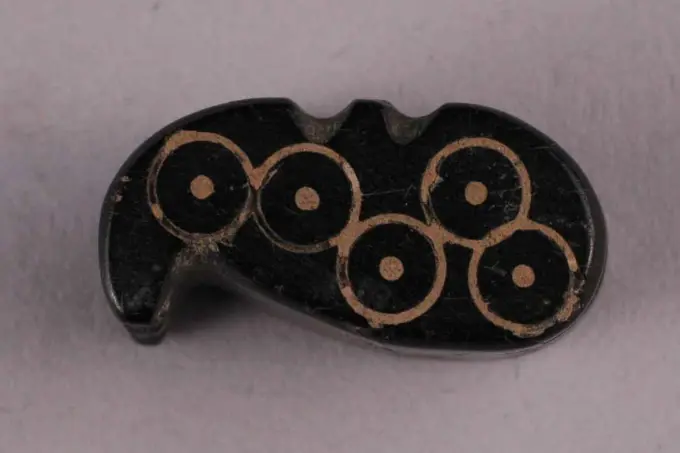
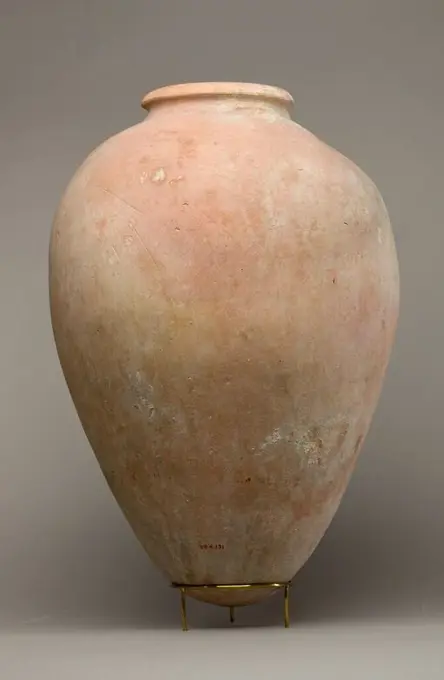
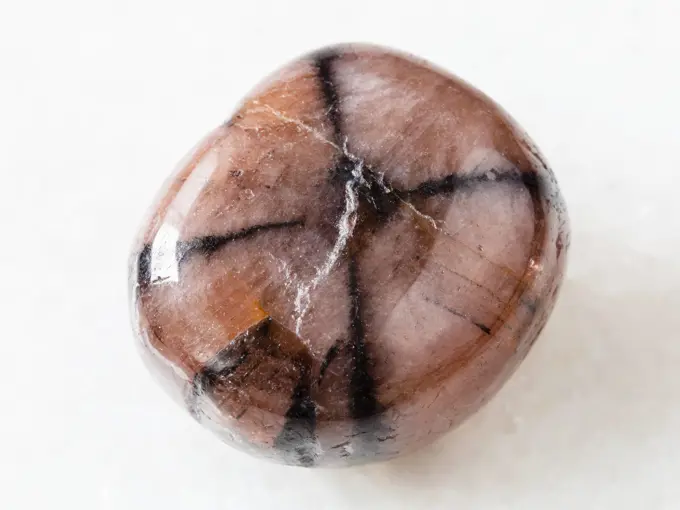
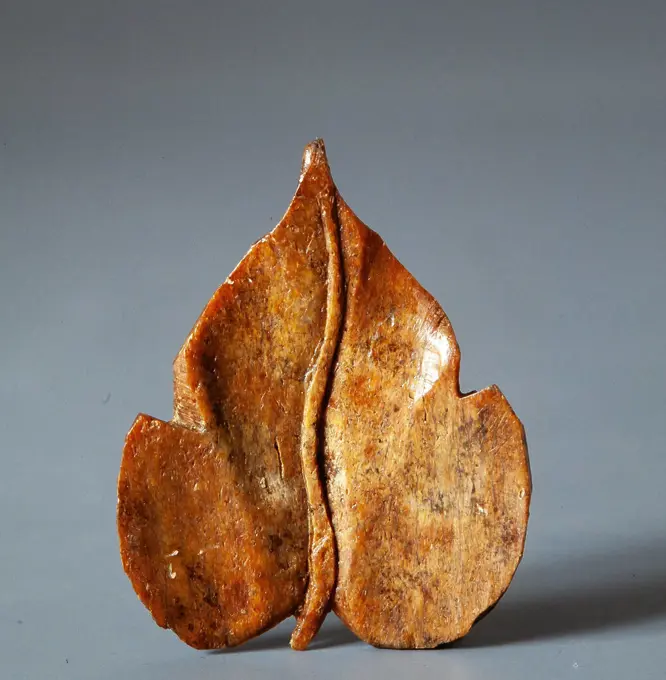
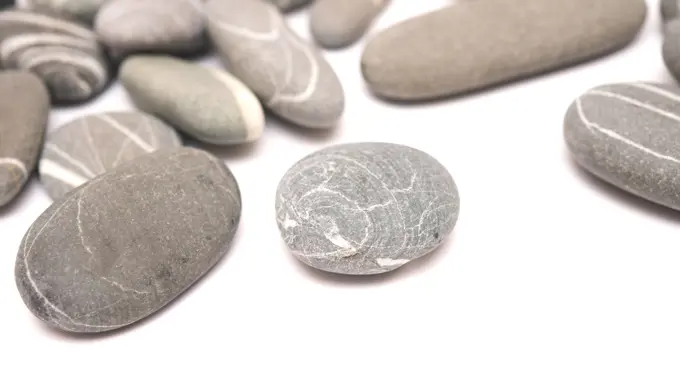
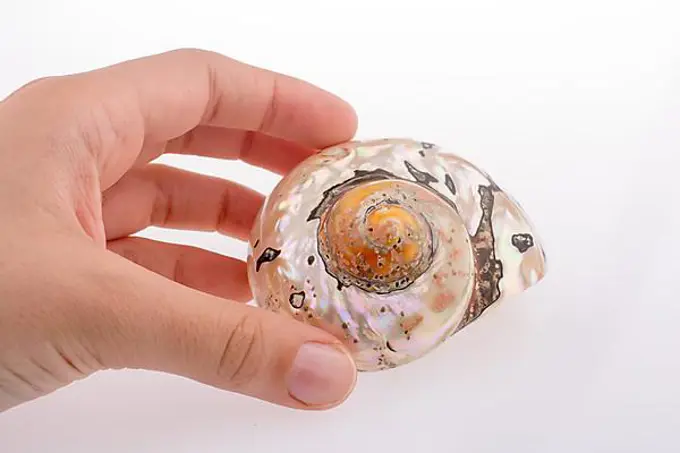
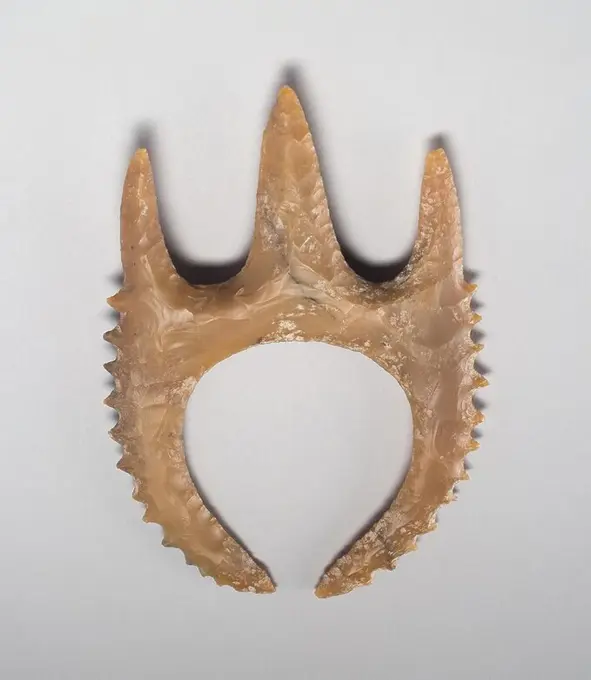
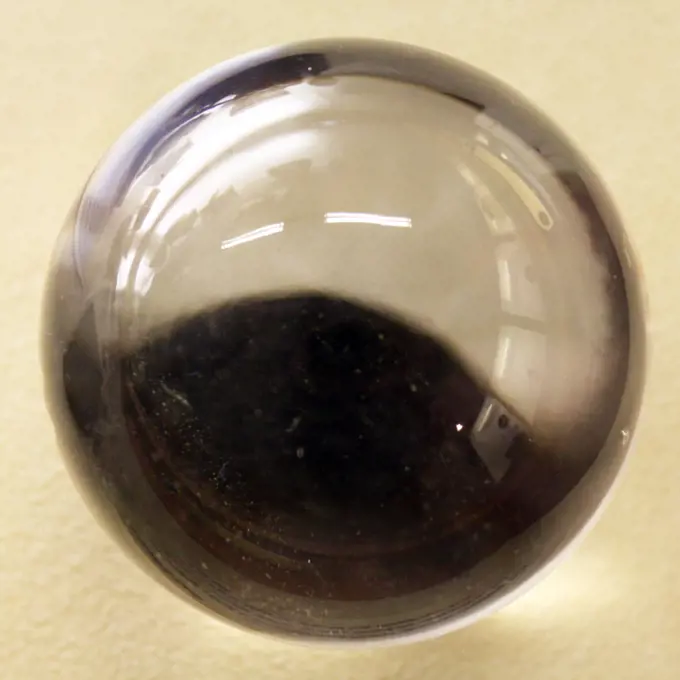
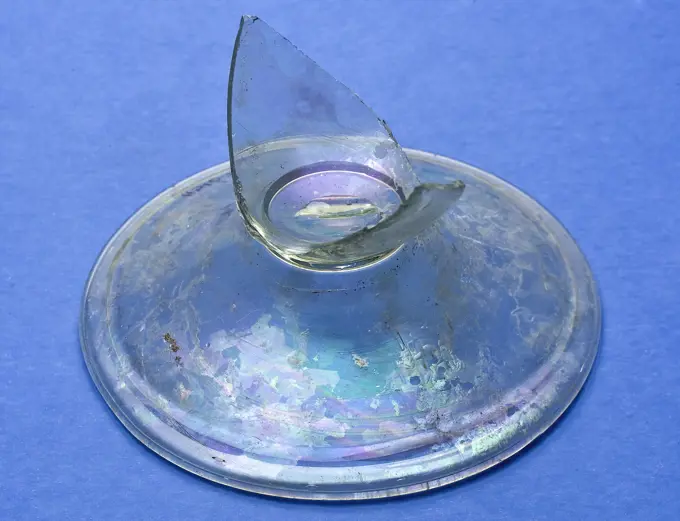
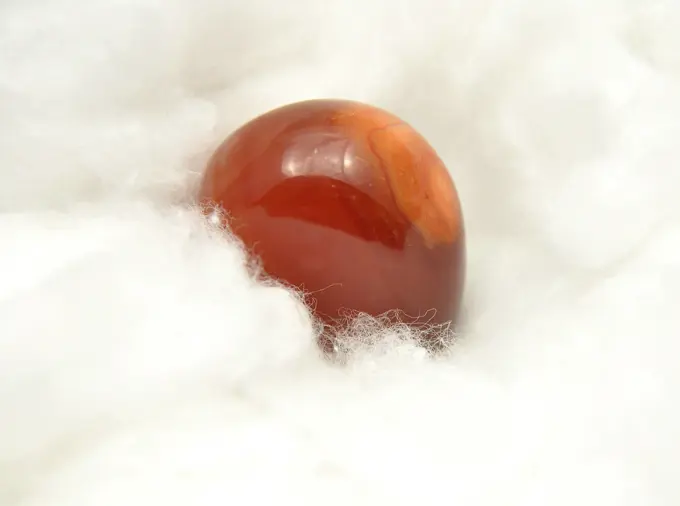
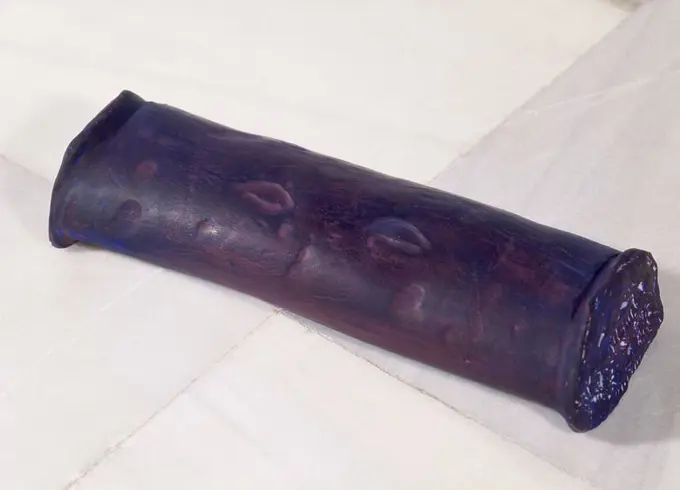
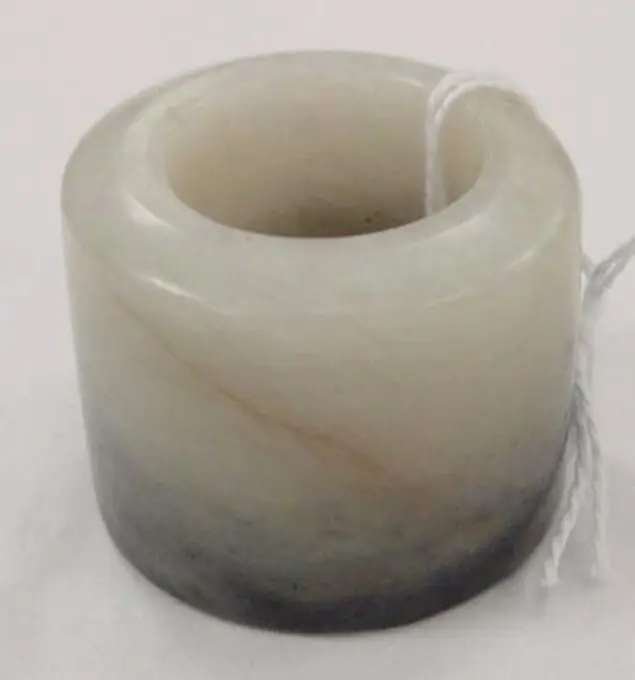
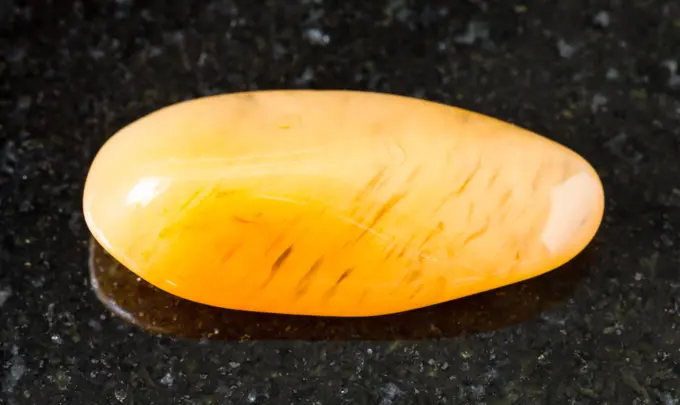
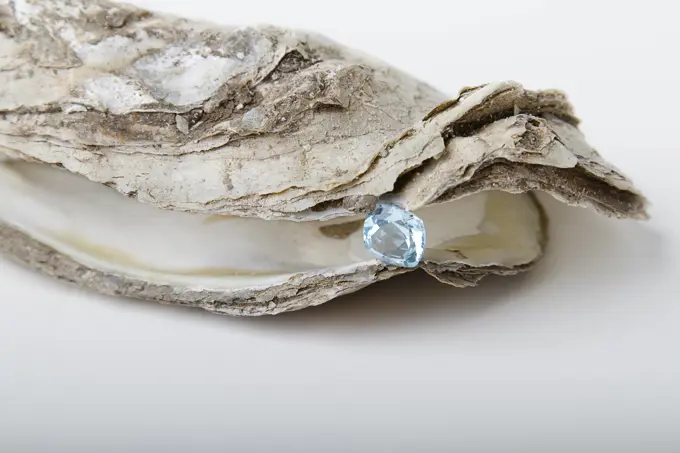
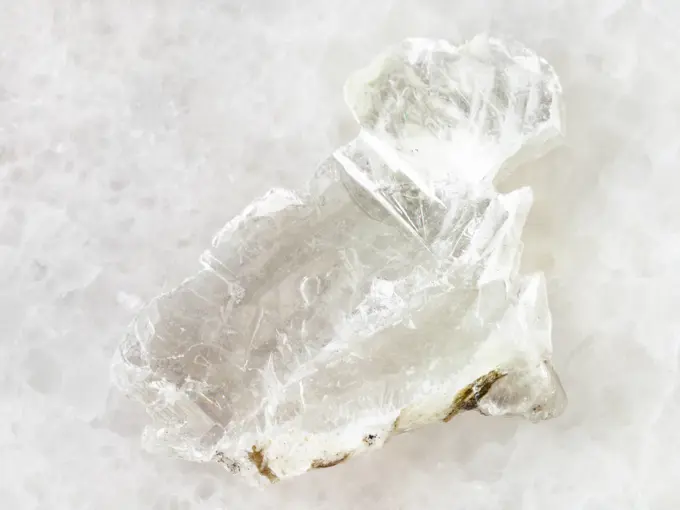
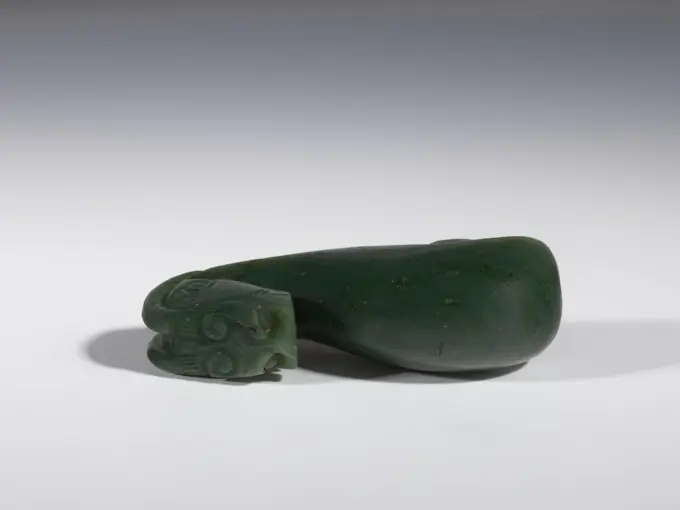
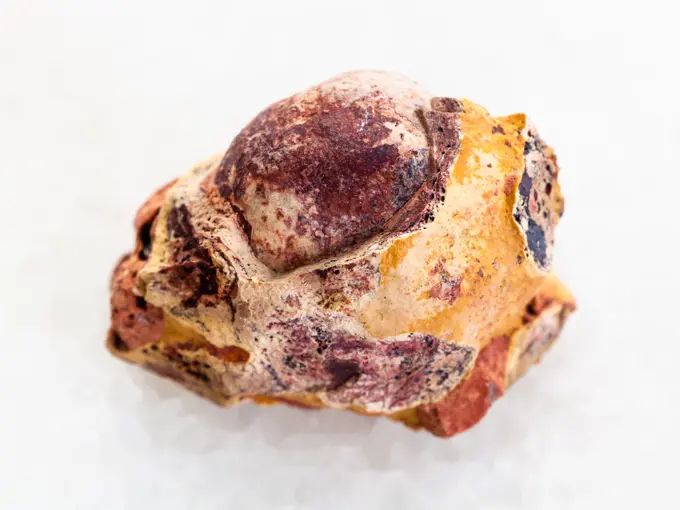
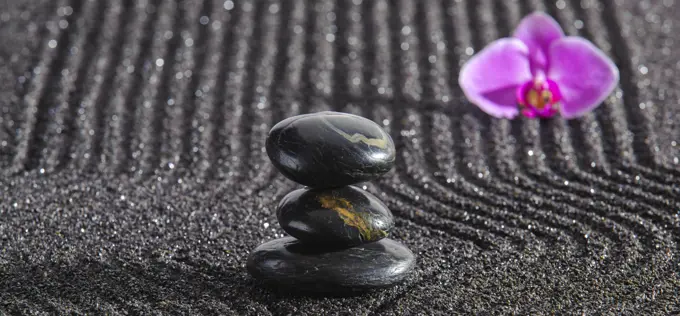
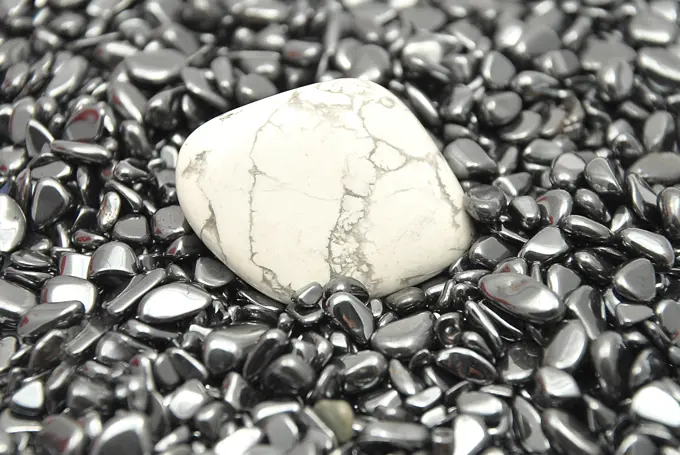
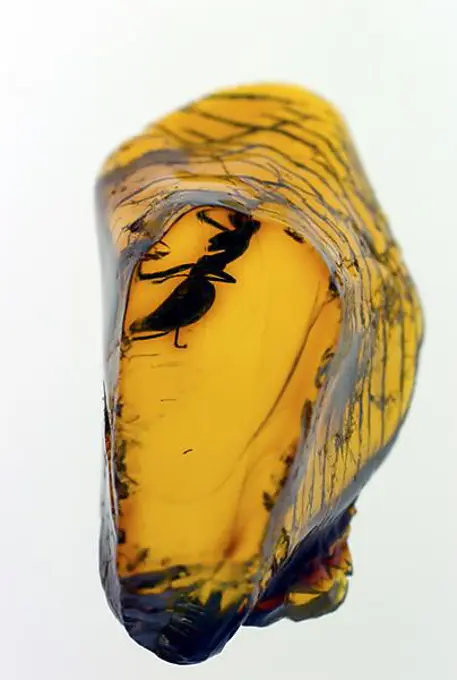
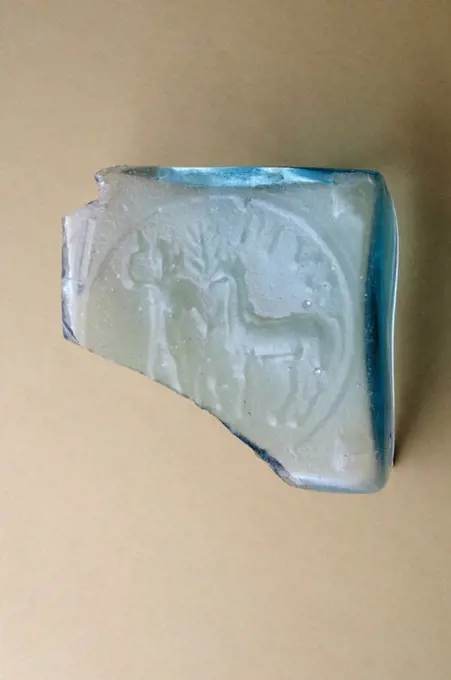
Intaglio 5th-7th century Byzantine. Intaglio 467410Fragments Wine bowls from V.O.C. ship De 'Witte Leeuw', Before 1613  Fragments Wine bowls from V.O.C. ship De 'Witte Leeuw'.  porcelain   Sint-HelenaEngraved Scarab; Sphinx and Youth Group II; Greece; late 6th century B.C; Carnelian; 1 x 1.6 x 1.1 cm (3,8 x 5,8 x 7,16 in.)Grahal-Manzara. Carnavalet 2013-2016 collection sites. Numismatics.Skincare, cosmetic and smear of lotion in studio for moisturizing, hydration or cream for treatment. Dermatology, beauty or skin routine with spf, creme or sunscreen for wellness by brown background.IceBead in the Shape of a Conch Shell, c. 6th-8th century, 5/16 x 7/16 x 5/16 in. (0.8 x 1.1 x 0.8 cm), Stone, Myanmar (Burma), 5th-9th centuryElbow Defense (Couter). Culture: Italian. Dimensions: H. 6 3/4 in. (17.1 cm); W. 5 3/8 in. (13.7 cm); D. 6 7/8 in. (17.5 cm); Wt. 8.3 oz. (235.3 g). Date: ca. 1430-40. Museum: Metropolitan Museum of Art, New York, USA.Plaque in the Shape of a Fish 12th-11th century B.C. China. Plaque in the Shape of a Fish. China. 12th-11th century B.C.. Jade (nephrite). Shang (ca. 1600-1046 B.C.)-Western Zhou (1046-771 B.C.) dynasty. JadeWaist clamp;  XVII-XVIII century (1601-00-00-1800-00-00);Cut. Brown coverage sandstone. Provenance: Vietnam. Paris, Cernuschi museum. Cut, archeological object, dishespolished hematite gemstone on dark background macro shooting of natural mineral rock specimen - polished hematite gemstone on dark granite background from Brazil Copyright: xZoonar.com/ValeryxVoennyyx 11380464Empty shell on slate in bird’s eye view.. Empty shell on slate in bird’s eye viewButton -White cosmetic cream on a black stone on a beige background.Openwork Ornament 1600 BCE-1045 BCE China. Jade .Bead 11th century. Bead. 11th century. Gold; filigree and granulation. Attributed to Egypt or Syria. JewelryPearl In Shell, India, Asia Copyright: xVivekxThayil/DinodiaxPhotoxAn egg with shell cracked on a white backgroundRing probably 19th century Chinese This collection of largely ethnographic jewelry includes examples from cultures in South America, North America, Europe, Asia, and Africa and dates from the Pre-Columbian period to the twentieth century. Owned by renowned art collector and fashion enthusiast Muriel Kallis Newman, the collection represents her knowledge and appreciation of a wide range of jewelry design and making traditions. Numerous items in her collection are composite artifacts made from various cultures and time periods reappropriated as modern jewelry creations by or for Muriel. It is important to note that Newman wore many of the pieces in the collection, interpreting them to suit and express her own singular, often avant-garde style.. Ring. Chinese. probably 19th century. jadeball from Howlite gemstone on white marble macro shooting of natural mineral rock specimen - ball from Howlite gemstone on white marble background Copyright: xZoonar.com/ValeryxVoennyyx 11947738Balanced beach stonestumbled green Aragonite gemstone on dark macro shooting of natural mineral rock specimen - tumbled green Aragonite gemstone on dark granite background from Katanga mine, Congo Copyright: xZoonar.com/ValeryxVoennyyx 11391973Ashtraysea shell isolated on whiteSerpent Labret, 1200-1519. Mexico, Oaxaca, Xoxo, Mixtec. Varicolored stone; overall: 1.9 cm (3/4 in.).Fragment of a Bowl 14th-15th century. Fragment of a Bowl 446330Black glass faceted and polished button set with a white glass disc, 1830-1860.. Produced in Birmingham.Stamp Seal, Hemispheroid. Iran or Mesopotamia, about 3000 B.C.. Tools and Equipment; seals. Dark brown serpentinetumbled Cordierite gemstone on dark background macro shooting of natural mineral rock specimen - tumbled Cordierite gemstone on dark granite background from India Copyright: xZoonar.com/ValeryxVoennyyx 11392002Miniature scoop -Tectus pyramis Perlmuschel auf schwarzem Hintergrund Close-up of a Tectus pyramis shell with a mother-of-pearl finish, against a black background, showcasing its spiral structure and iridescent sheen Copyright: xZoonar.com/SerhiixZarevx 22827054Intaglio. Eastern Mediterranean, Roman, 332 B.C.-A.D.395. Tools and Equipment; seals. StoneBrush Rest, 1127-1279. China, Southern Song dynasty (1127-1279). Glazed stoneware, Guan ware; diameter: 2.8 x 7.6 cm (1 1/8 x 3 in.); overall: 6 cm (2 3/8 in.).Three Brown Champions on slate. Three Brown Champions on slate.Christmas jewelry beautiful Christmas decorations in front of a white background or snow copyright: xzoonar.com/julianxweberx 919544Bowl 14th-15th century. Bowl 445165tumbled Picture jasper gem stone on white marble macro shooting of natural mineral rock specimen - tumbled Picture jasper gem stone on white marble background from China Copyright: xZoonar.com/ValeryxVoennyyx 11947291Coiled Dragon Pendant. China. Date: 900 BC-700 BC. Dimensions: Diam. 1 15/16 in.; 3/8 in. average thickness. Jade. Origin: China. Museum: The Chicago Art Institute, Chicago, USA.polished dumortierite gem stone on dark macro shooting of natural mineral rock specimen - polished dumortierite gem stone on dark granite background Copyright: xZoonar.com/ValeryxVoennyyx 11380487Fragment of a Bowl 100 BCE-100 CE Italy. In ancient Rome, there was a high demand for colorful glass that could dazzle banquet guests alongside the expensive silver and gold serving wares meant to impress. Fragments like this one would have once been a part of larger mosaic dishes. The mosaic pattern was made by sagging molten glass into bowl-shaped molds, a technique used on many of these fragments is similar to millefiori, ìthousand flowersî in Italian, a modern glass-making method in which tiny rods of colored glass are bundled together, wrapped in a sheet of glass, fused, and then thinly sliced to reveal swirls of a flower-like patterns. They were arranged side by side, sometimes together with bits of colored glass, and fused together with heat.. Glass, mosaic glass technique . Ancient RomanFragments of pipe heads and pipes from the wreck of the East Indians' t Vliegend Hart, WS, 1700 - 1735  Two heads of earthen Goudse pipes: both heeled with heel brand, one of which broken. Five pieces of stem. Fragments of Bowls and Stems. Gouda pipe clayArcher's thumb ring 18th century China. Archer's thumb ring 44143IncenseHippopotamus-head amulet. Dimensions: L. 1.6 cm (5/8 in); w. 0.8 cm (5/16 in). Dynasty: Dynasty 12. Date: ca. 1981-1802 B.C..Hippos were common inhabitants of the Nile River. The animal's aggressive nature and large size worried the ancient Egyptians because they frequently went out in boats on the river. Protection against this dangerous animal was imperative, even though the hippo's habit of roaring at dawn and dusk connected the animal to the sun god. Hippo amulets appear as early as 4000 B.C. and are found through the New Kingdom. By then, the hippo had probably largely disappeared from Egypt and individual protection was less essential. Hippo amulets are made from a variety of stones, and a green stone would represent vegetation and therefore bring an association of goodness and prosperity to the wearer as well as protection. Museum: Metropolitan Museum of Art, New York, USA.Ojime 19th century Japan. Ojime. Japan. 19th century. Jade. Edo period (1615-1868). OjimeBody fragment of Nefertiti ca. 1353-1336 B.C. New Kingdom, Amarna Period. Body fragment of Nefertiti 549780bead from green Aventurine gemstone on dark macro shooting of natural mineral rock specimen - bead from green Aventurine gemstone on dark granite background Copyright: xZoonar.com/ValeryxVoennyyx 11383886Palette in the Form of a Fish, c. 3500-2950 BC. Egypt, Predynastic Period, Naqada II-III period. Graywacke; overall: 10.5 cm (4 1/8 in.).Fragment 6th-7th century. Fragment 448741Glass Fragment 4th-early 5th century Coptic. Glass Fragment 479118Amulet of a Left Eye. Egyptian. Date: 1550 BC-332 BC. Dimensions: 1.5 × 3.1 × 0.9 cm (5/8 × 1 1/4 × 3/8 in.). Glass. Origin: Egypt. Museum: The Chicago Art Institute, Chicago, USA. Author: Ancient Egyptian.Sample of Lapis Lazuli. Culture: China. Dimensions: H. 3/4 in. (1.9 cm); W. 1 1/8 in. (2.9 cm); L. 1 3/8 in. (3.5 cm). Date: 20th century. Museum: Metropolitan Museum of Art, New York, USA.Poppy Petal Mold ca. 1390-1353 B.C. New Kingdom. Poppy Petal Mold. ca. 1390-1353 B.C.. Pottery. New Kingdom. From Egypt, Upper Egypt, Thebes, Malqata, various, MMA excavations, probably 1910-11. Dynasty 18color and textures of Rio Tinto from aerial viewJar ca. 3850-2960 B.C. Predynastic Period. Jar 547505tumbled cacholong white opal gemstone on white macro shooting of natural mineral rock specimen - tumbled cacholong white opal gemstone on white marble background from Kazakhstan Copyright: xZoonar.com/ValeryxVoennyyx 11949587Beads 8th-13th century. Beads. 8th-13th century. Glass; drilled. Excavated in Iran, Nishapur. GlassObsidian on rock crystalJewelry probably 8th-12th century The dot-in-circle motif recalls designs presumed to be of magical significance, most likely an abstract eye to ward off the evil-eye, which serve an apotropaic function. Easily reproduced with a tool and visible in many cultures and times, this symbol may have lost its meaning, and become simply a decorative pattern, or may have one that we have not yet discovered.. Jewelry 450083Fragment 19th century China. Fragment 40612Close-up of a snail, Puerto Egas, Santiago Island, Galapagos Islands, EcuadorJar. Date: ca. 3850-2960 B.C.. Museum: Metropolitan Museum of Art, New York, USA.tumbled Chiastolite gemstone on white macro shooting of natural mineral rock specimen - tumbled Chiastolite gemstone on white marble background Copyright: xZoonar.com/ValeryxVoennyyx 11949702Roman vegetable motive, bone. Museum: MUSEO DE MATARÓ.Beads 8th-13th century This object was excavated at Nishapur.Nishapur was a vital city in the early and middle Islamic periods, located along one of the main trajectories that connected Iran and West Asia Islamic lands with Central Asia and China. These itineraries are often referred to by the term Silk routes’ but were in fact crucial to the movement of constellations of materials and objects, as well as people and ideas. The diverse population of Nishapur and its surroundings, from the better-researched elite groups of merchants, land-owning aristocracy, and literates, to the less-known artisans, farmers, miners, and servants, were instrumental in adapting global cultural trends to create their own distinctive visual languages. This is seen in the material remains of everyday life in medieval Nishapur - from pots and pans to lighting devices, inkwells, textiles and trimmings, jewelry, games and toys, talismanic devices, weapons, coins, and architectural fragments.Nishapur lost its pFragment ca. 1150-ca. 1250 European or Middle Eastern. Fragment 694392Żaba. unknown, craftsmanCannon Ball. Culture: French. Dimensions: Diam. 4 3/4 in. (12.1 cm). Date: late 14th century. Museum: Metropolitan Museum of Art, New York, USA.Bead or spindle whorl 5th-3rd millennium B.C. Iran This stone bead or spindle whorl was excavated in 1937 at a prehistoric site in the vicinity of Nishapur in northeastern Iran. While Nishapur itself was founded by the Sasanian king Shapur I (reigned ca. A.D. 241-272), this object shows that human habitation there goes back to the prehistoric period. Furthermore, the prehistoric pottery from Nishapur has close affinities with ceramic materials from Central Asia rather than with contemporary sites in Iran, meaning that in this period its inhabitants were likely culturally linked to their neighbors to the east. At the same time, Nishapurs location on what later became known as the Great Khorasan Road suggests that it was part of the trade network that facilitated the import of precious stones such as lapis lazuli, carnelian and turquoise from Central Asia to Mesopotamia.Spindle whorls were used to make thread. A dowel was inserted through the hole, to which plant fibers or wool were attPendant probably 9th-10th century. Pendant. probably 9th-10th century. Agate; carved. Excavated in Iran, Nishapur. StoneSleeve supports late 19th century American or European. Sleeve supports 82425Slit Disc Earring, c. 4th century BCE - 1st century CE, 1/8 x 1 1/2 in. (0.3 x 3.8 cm), Glass, Vietnam, 5th century BCE - 1st century CEpebbles sea stones isolated on white background Copyright: xZoonar.com/RuslanxNassyrovx 6278610Hand holding Beautiful sea shell on a white backgroundFish button;  XIX W, (1801-00-00-1900-00-00);Cleaver 2000-1500 B.C. China. Cleaver. China. 2000-1500 B.C.. Nephrite. JadeEngraved Scarab. Sphinx and Youth Group IIEccentric Flint. Maya; Mexico or Guatemala. Date: 100 AD-300 AD. Dimensions: 19.7 x 14 cm (7 3/4 x 5 1/2 in.). Flint. Origin: Mexico. Museum: The Chicago Art Institute, Chicago, USA.A crystal ball. This polished ball is fashioned from quartz (variety rock crystal) and does show some double refraction, but not as conspicuous as would be observed in a calcite ball.Fragment of foot and base of the body of the jug , drinking glass drinking utensils tableware holder soil find glass, hand-blown Fragment of foot and base of stem of (chalice) glass in clear colorless glass. Pontil mark under ascending (1.8 cm) hollow base with down narrow (0.4 cm) rim Directly on foot bowl-shaped archeology Rotterdam rail tunnel drink Soil discovery: rail tunnel Rotterdam.Achat auf Watte Achat auf Watte Copyright: xZoonar.com/lantapixx 2095960PILLOWS - 1996-1997. Author: JOSE MARIA SICILIA. Location: PRIVATE COLLECTION.Fake colorful ice cube on a linen canvasAztec ceremonial knife and arrow point carved from black glass like obsidian stoneRing probably 19th century Chinese This collection of largely ethnographic jewelry includes examples from cultures in South America, North America, Europe, Asia, and Africa and dates from the Pre-Columbian period to the twentieth century. Owned by renowned art collector and fashion enthusiast Muriel Kallis Newman, the collection represents her knowledge and appreciation of a wide range of jewelry design and making traditions. Numerous items in her collection are composite artifacts made from various cultures and time periods reappropriated as modern jewelry creations by or for Muriel. It is important to note that Newman wore many of the pieces in the collection, interpreting them to suit and express her own singular, often avant-garde style.. Ring 141656tumbled Variscite gemstone on dark background macro shooting of natural mineral rock specimen - tumbled Variscite gemstone on dark granite background from Utah, USA Copyright: xZoonar.com/ValeryxVoennyyx 11391933polished yellow chalcedony rock on black closeup of sample of natural mineral from geological collection - polished yellow chalcedony rock on black granite background from India Copyright: xZoonar.com/ValeryxVoennyyx 15511870Lock treasure one blue topaz hold on by an oyster shell Copyright: xZoonar.com/YannxPoirierx 2290372Stone. Date: probably 8th-12th century. Museum: Metropolitan Museum of Art, New York, USA.raw layer of Brucite stone Magnesium oxide ore macro shooting of natural mineral rock specimen - raw layer of Brucite stone Magnesium oxide ore on white marble background from Sverdlovsk Region, Urals, Russia Copyright: xZoonar.com/ValeryxVoennyyx 11947221Waist clamp;  XVIII-XIX century (1701-00-00-1900-00-00);Stone probably 8th-12th century. Stone 450895Bauxite stone on white marble macro shooting of natural mineral rock specimen - Bauxite stone on white marble background Copyright: xZoonar.com/ValeryxVoennyyx 11947552Japanese Zen Garden Japanese Zen Garden of Peace and Relaxation with Stone and SandHowlith Howlith Copyright: xZoonar.com/lantapixx 1080775Baltic Sea Amber with inclusionsStampTen units, emergency coin from Gulik, beaten during the siege by Maurits, Prince of Oranje-Nassau, manufactured by cutting it from plate or bowl and labeled with the monogram of Rudolf II, German emperor, Anonymous, 1610 coin. siege coin Irregular, rectangular, one -sided silver emergency coin, with Bolle, raised edge of original object and beveled corners on top. Front: Two stamps: Left: Value designation Roman figure X in rectangle; Right: crowned letter r; Under this year, interrupted by letter L within oval edge. Reverse: Blanco. Gulik silver (metal) striking (metalworking)  GulikFund bottle "Flavia" decorated with circus scene. Height 70 mm Thickness 4.5 mm ( 1st - 2nd CE ) - Roman period , from the " House of Hyppolytus "- Archaeological site of Complutum in Alcala de Henares (Madrid). SPAIN.