Historical Artifacts

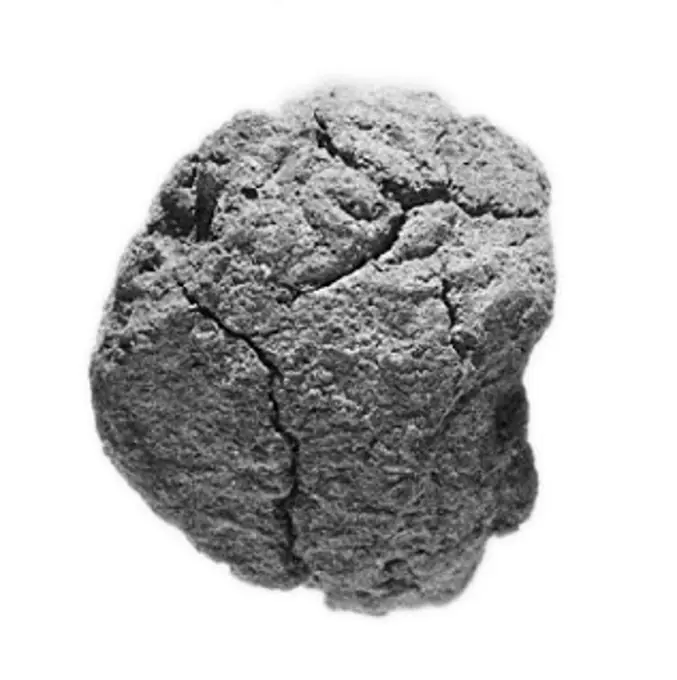
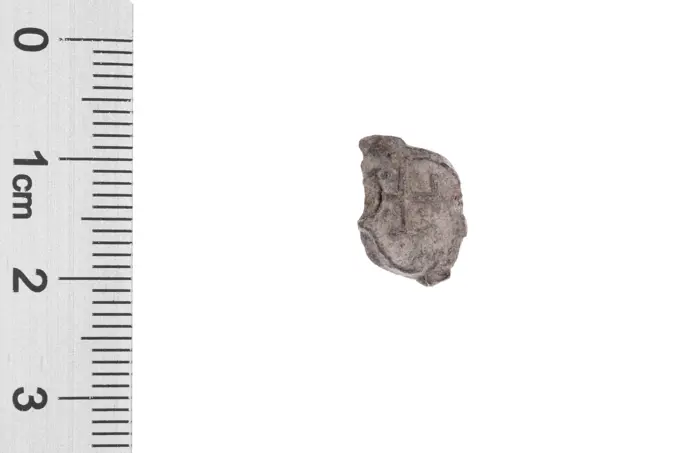
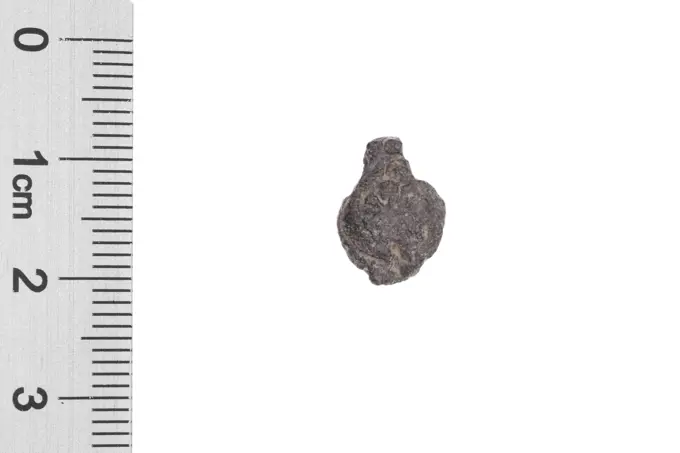
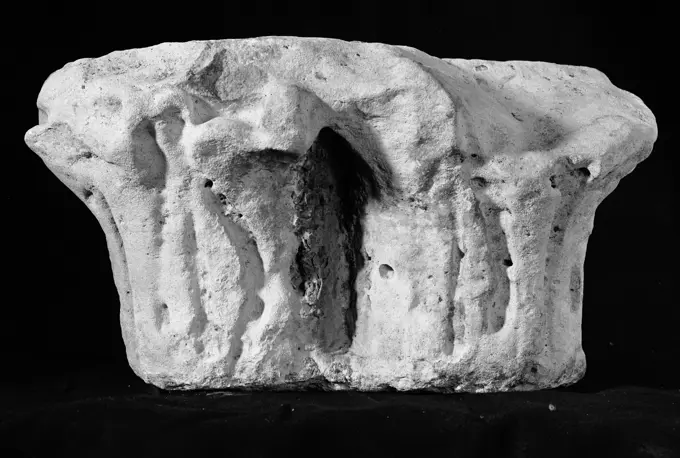
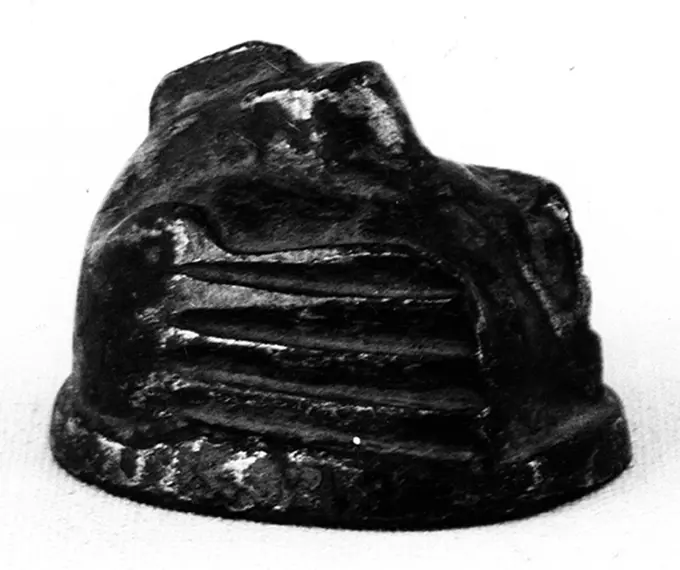
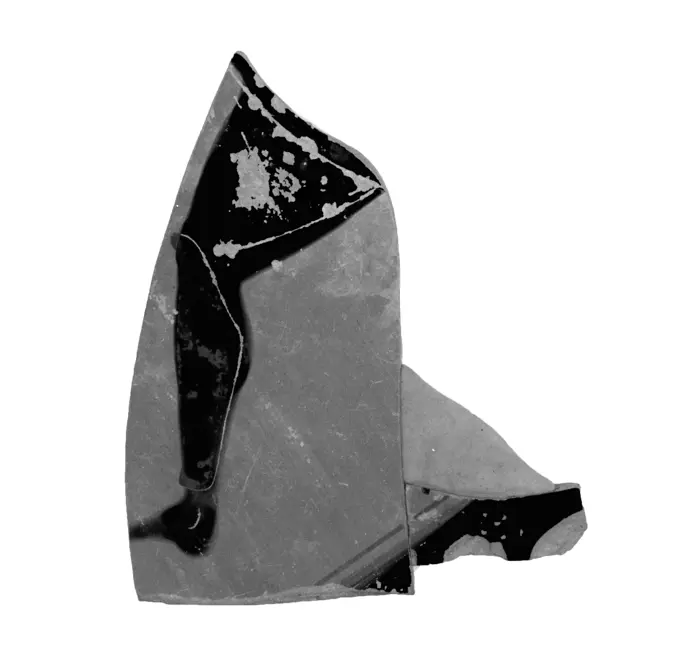
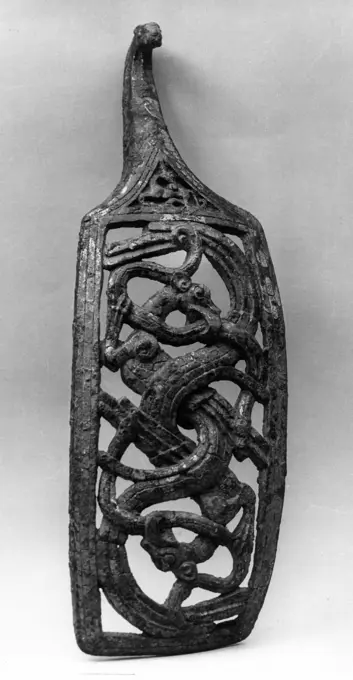
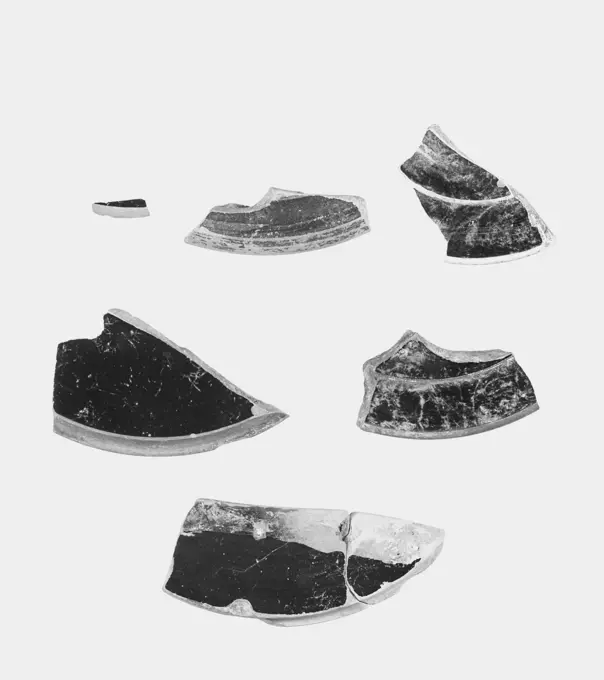
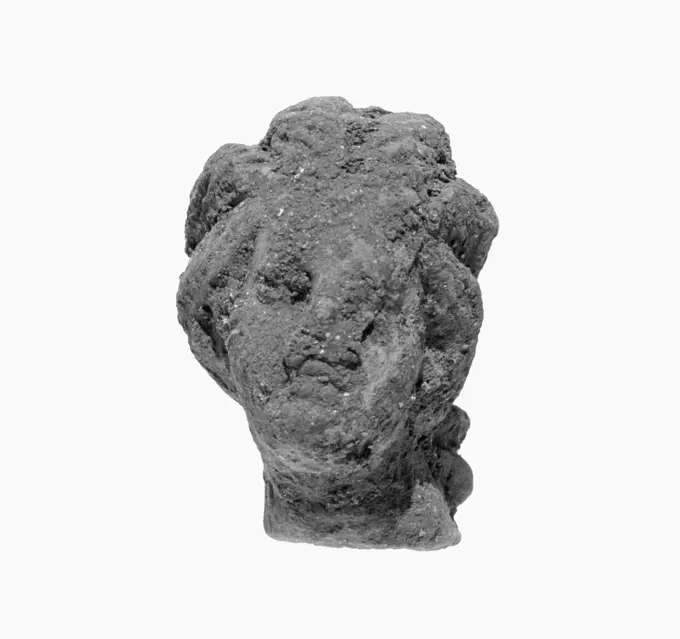
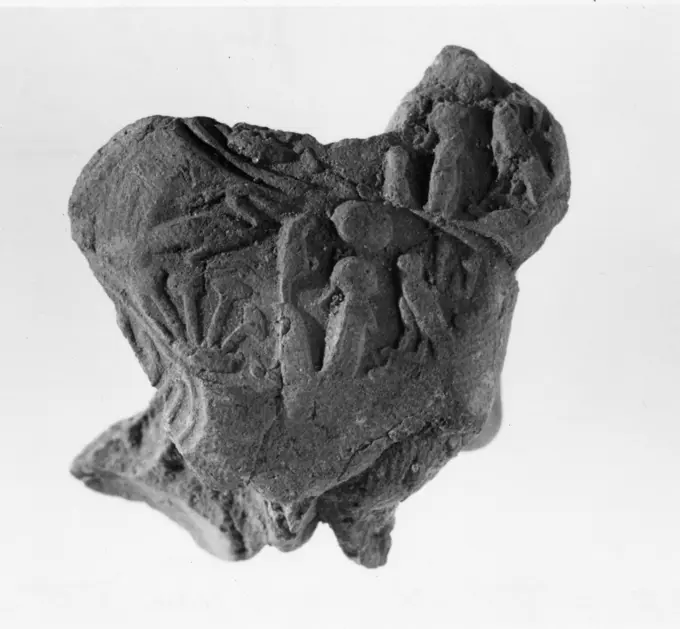
Ancient seals and fragments from the Middle Kingdom, showcasing intricate carvings and textures, emphasizing their historical significance.

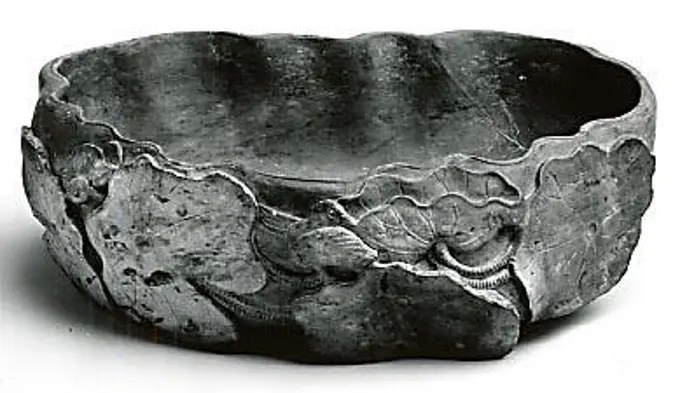
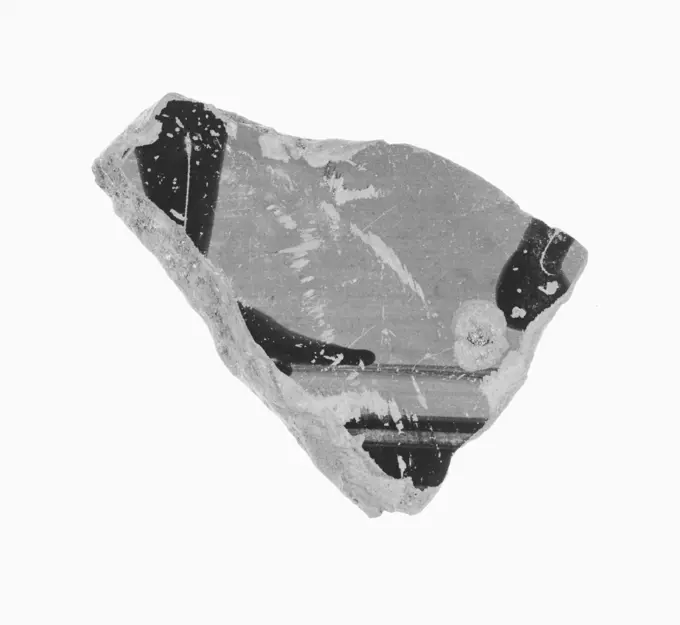
Fragment of a Small Bowl. Unknown
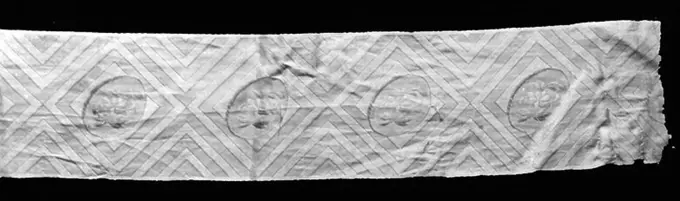
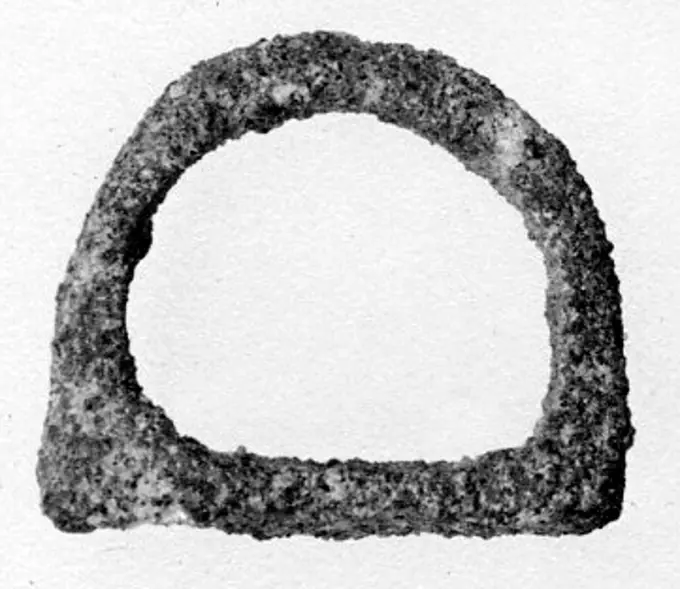
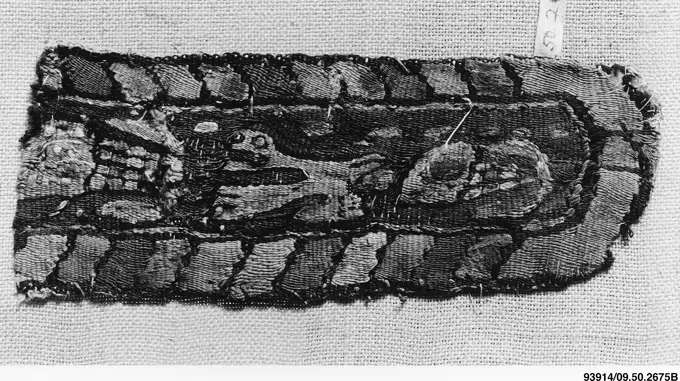
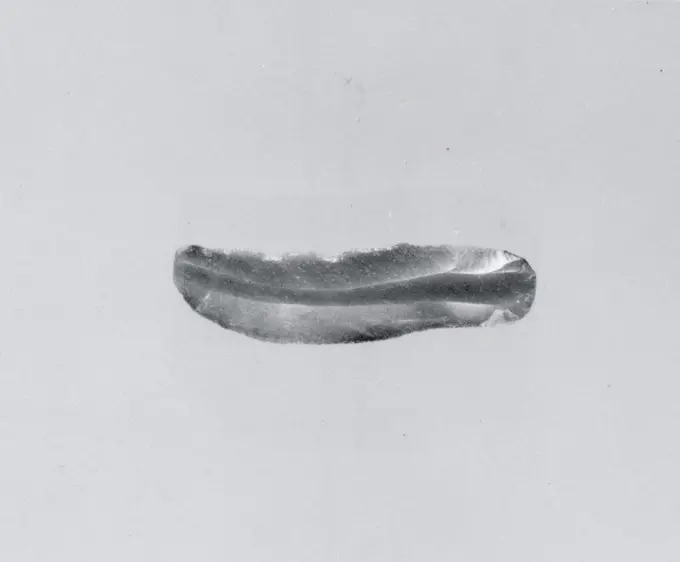
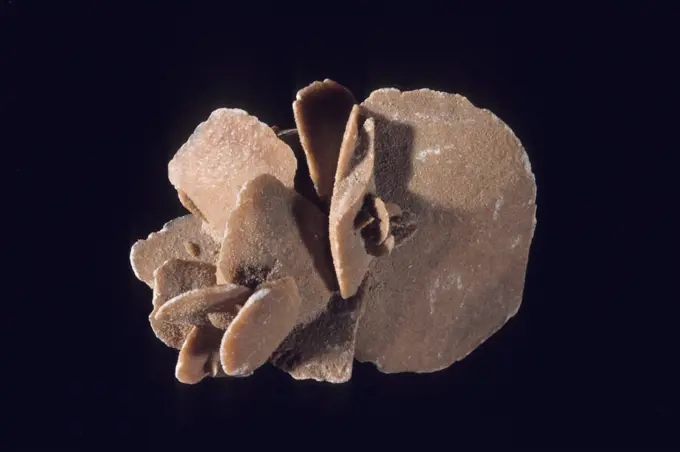
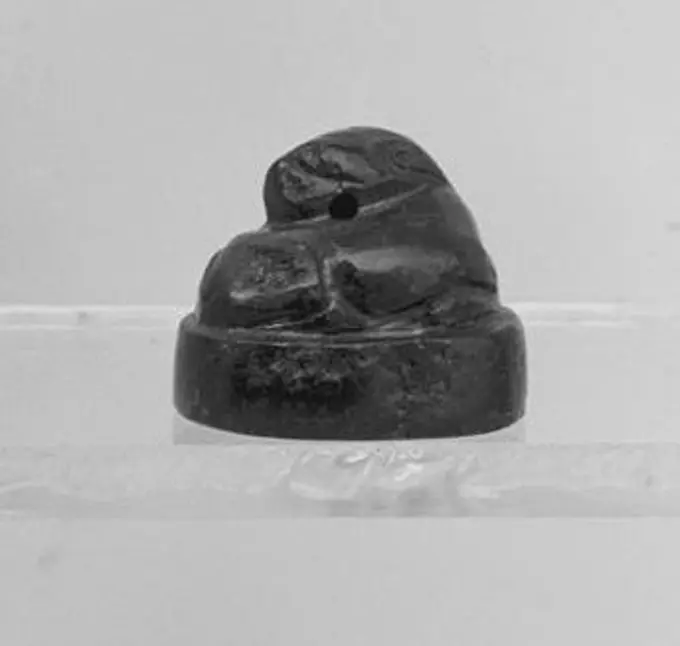
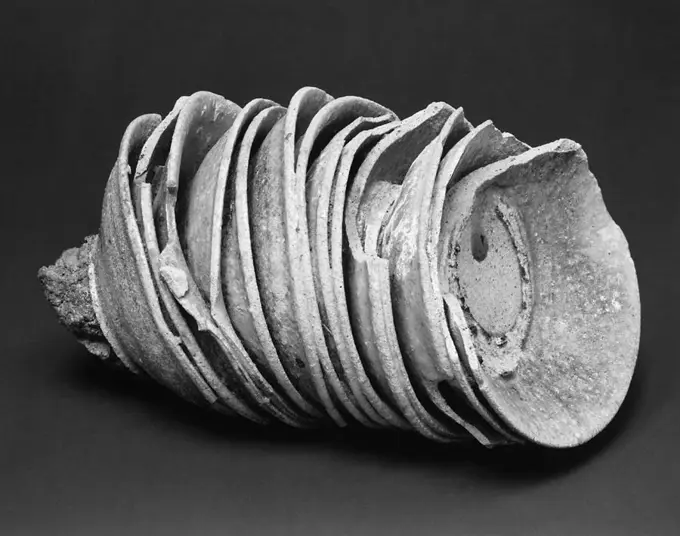
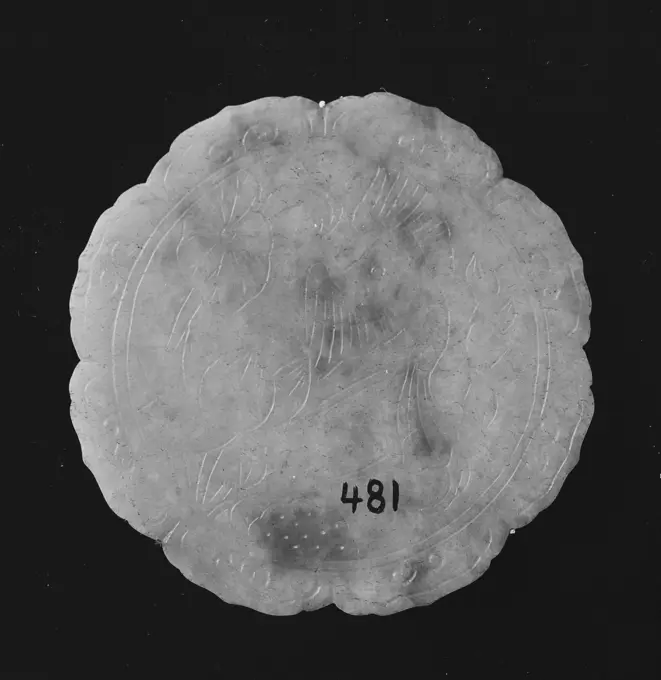
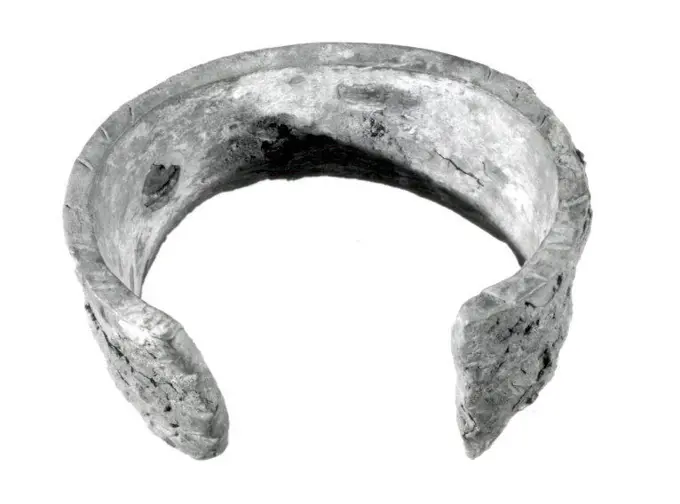
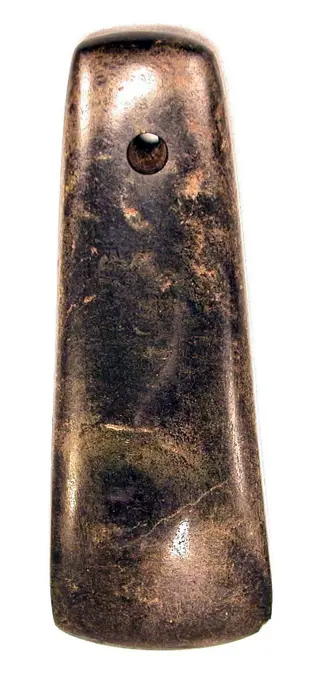
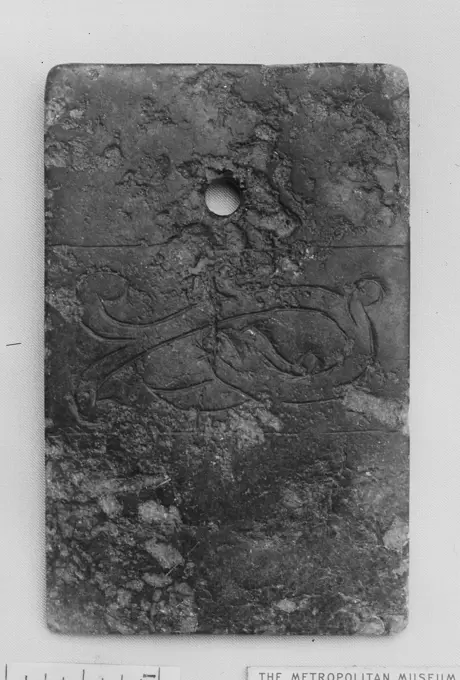
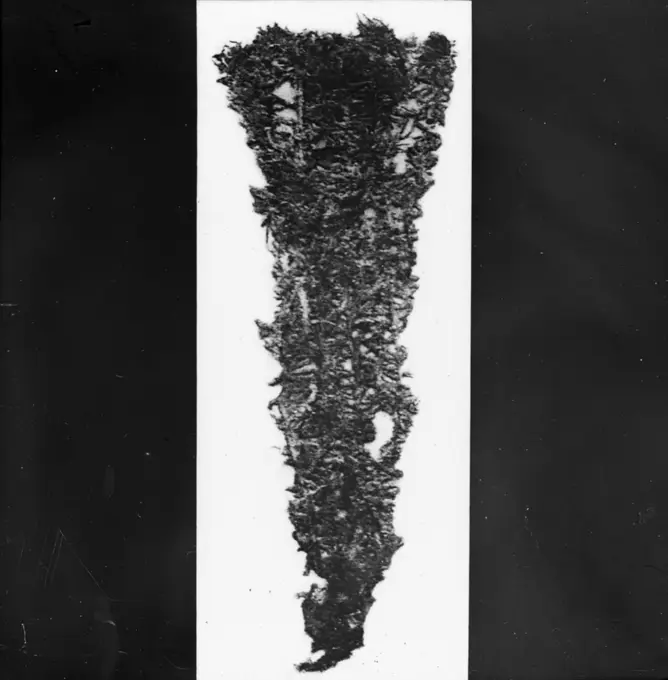
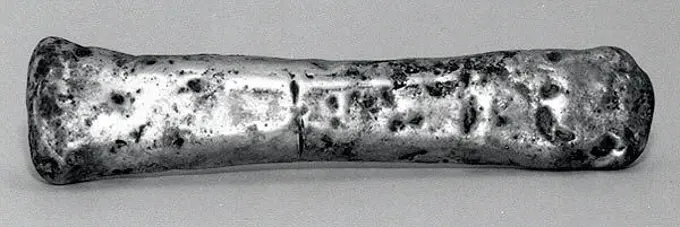
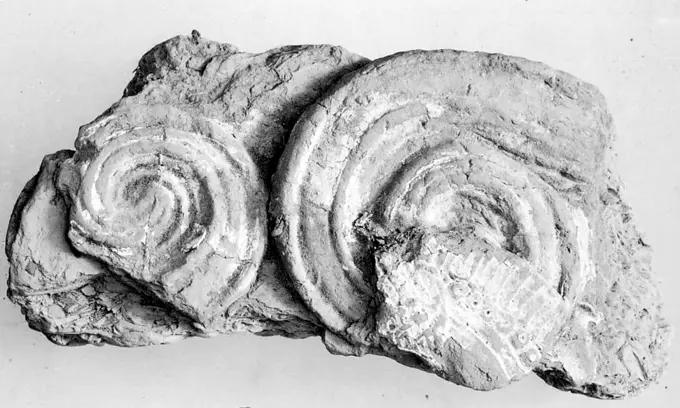
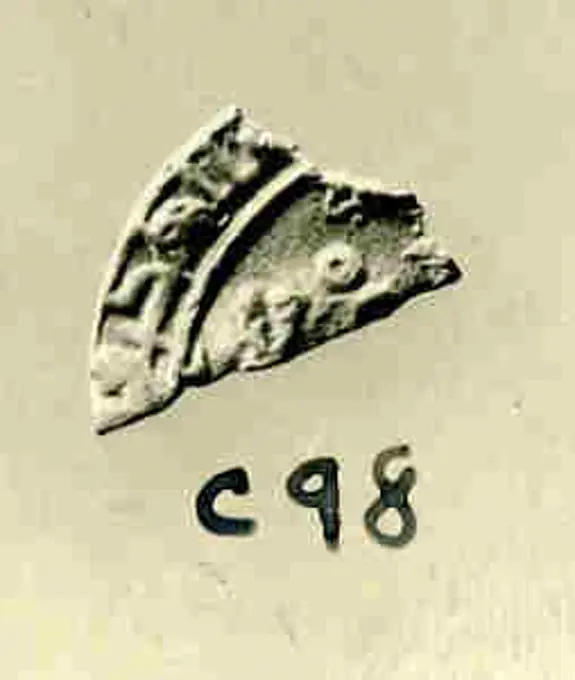
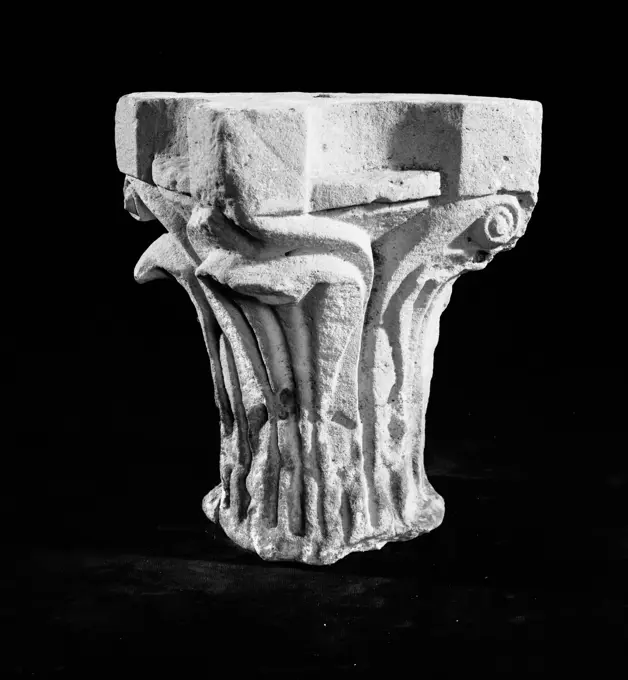
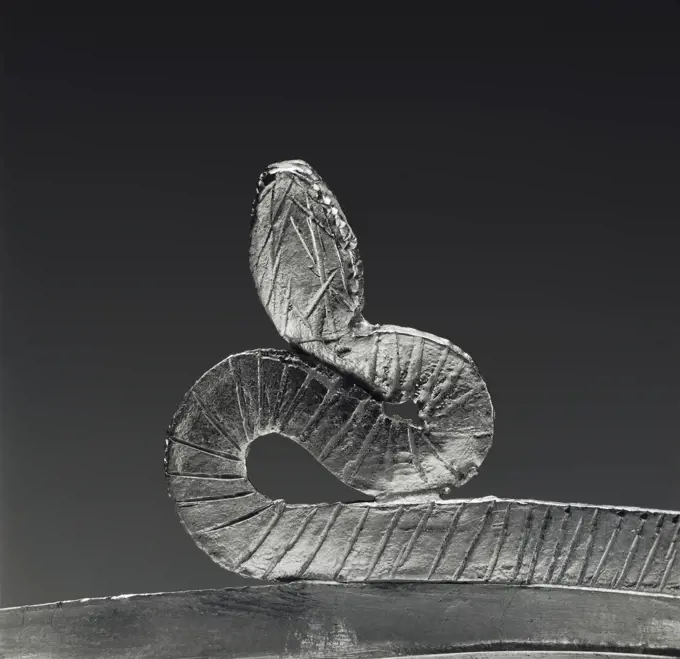
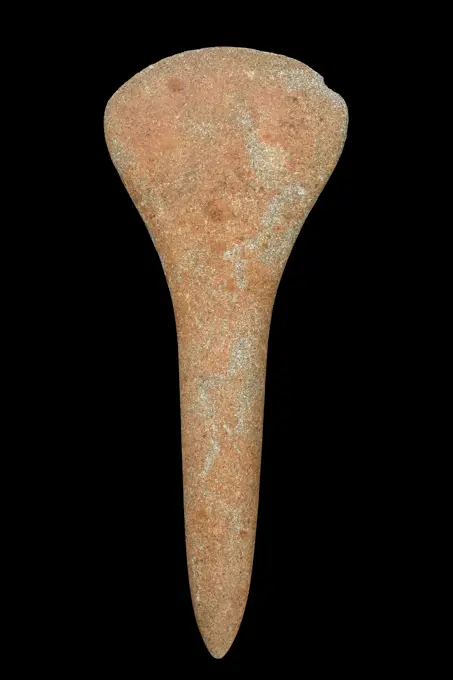
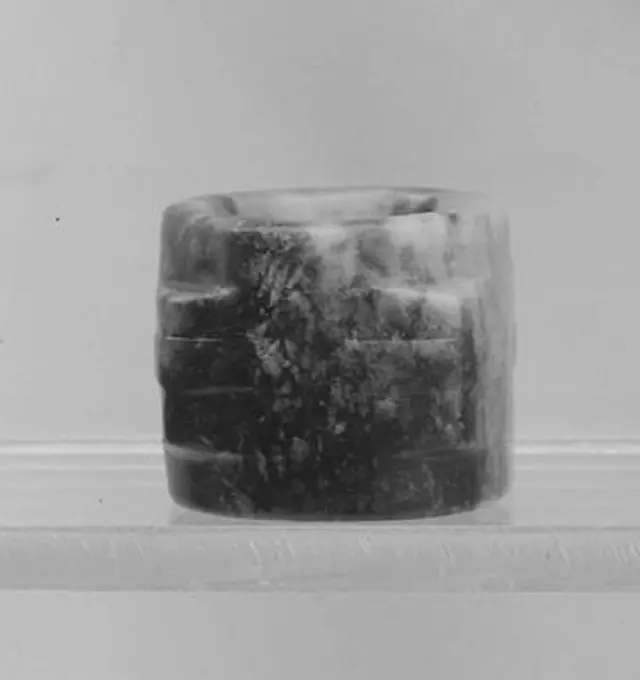
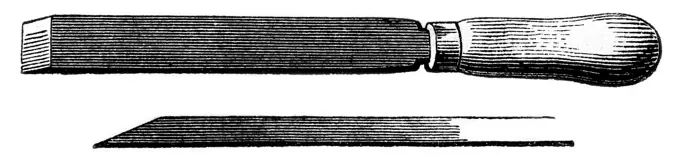
Document Sealing With Multiple Seal Impressions ca. 1390-1353 B.C. New Kingdom. Document Sealing With Multiple Seal Impressions. ca. 1390-1353 B.C.. Mud. New Kingdom. From Egypt, Upper Egypt, Thebes, Malqata, MMA excavations, 1910-12; Presumably from West Villas, West Villa B. Dynasty 18Sealing ca. 1981-1640 B.C. Middle Kingdom. Sealing 560448Bottle ca. 6th-8th century A.D. Sasanian or Islamic. Bottle 322736Lamp ca. late 8th-7th century B.C. Israelite. Lamp 323172Drohiczyn seal. unknown, managerInlay 664-610 B.C. Late Period, Saite A quantity of faience hieroglyphs and border elements was found in the tomb or courtyard of Nespekashuty. These are displayed in galleries 127 and 130. They are of similar size and manufacture, so seem to have belonged to a single object, likely of wood. Some of the signs belong to the standard offering formula, others mention Osiris and Anubis, so they certainly suggest an item of funerary furniture - a box, a screen, or a coffin although coffins are not usually inlaid in faience and remnants of Nespekashuty's were painted.Unfortunately, there are no signs indisputably pointing to Nespekashuty's names or titles. Although it seems likely that the fairly elaborate piece of equipment to which they testify belonged to the main burial of this tomb, and not to the Third Intermediate Period burials found in the courtyard or to the material apparently cleared from the Hathor Shrine at Deir el Bahri or to the other sets of late shabtis found in the vicinitSealing ca. 7th century A.D. Sasanian. Sealing 323382Coin A.H. 141-51/ A.D. 758-68. Coin. A.H. 141-51/ A.D. 758-68. Copper. Excavated in Iran, Nishapur. CoinsAttic Red-Figure Astragalos Fragment. Attributed to Syriskos (Greek (Attic), active 480 - 460 B.C.)Attic Black-Figure Neck Amphora Fragment (comprised of 2 Joined Fragments). UnknownWater Well ca. 14th century China. Water Well 41870Bead. UnknownFigure of an Apple 1800-1830 British (American market). Figure of an Apple. British (American market). 1800-1830. Earthenware, lusterware. Made in Staffordshire, EnglandVase Fragment. UnknownAttic Red-Figure Kalpis Fragment. UnknownRibbon. England. Date: 1825-1850. Dimensions: 34.5 × 6.5 cm (13 3/8 × 2 5/8 in.). Origin: England. Museum: The Chicago Art Institute, Chicago, USA.Ring with a flat bezel 304 B.C.-A.D. 364 B.C. Ptolemaic-Roman. Ring with a flat bezel. 304 B.C.-A.D. 364 B.C.. Copper alloy. Ptolemaic-Roman. From Egypt, Memphite Region, Lisht South, Roman Houses, MMA excavationsDrohiczyn seal. unknown, managerAttic Red-Figure Vase Fragment. Unknown 5th century B.C.Attic Red-Figure Kylix Fragment. UnknownFragment of a Figurine. UnknownShoulder Band Fragment 6th-8th century. Shoulder Band Fragment 445921Fragment of a Bottle 18th century American. Fragment of a Bottle. American. 18th century. Free-blown non-lead glass. Made in Wistarburg, New Jersey, United StatesTextile Fragment mid-11th century. Textile Fragment 448069Attic Black-Figure Skyphos Fragment. UnknownBlade ca. 4600-3600 B.C. Ghassulian. Blade 326561Gypsum desert roseSculptural Fragment: Left Hand with a Bracelet (Female). UnknownSeal China. Seal. China. Jade. Han dynasty (206 B.C.-A.D. 220). JadeSealing ca. 7th century A.D. Sasanian. Sealing 323451Drohiczyn seal. unknown, managerCluster of mountain tea bowls (yama-chawan) 13th century Japan Mountain tea bowls (yama-chawan) are simple, unglazed tablewares from the late Heian (794-1185) through the Muromachi (1392-1573) periods that were produced mainly in Aichi and Gifu Prefectures. The bowls were stacked in tall piles for firingduring which a natural ash glaze was formedand occasionally fused together in the kiln as here. This accidental cluster was discarded at the time, but to a modern eye is almost sculptural in aesthetic.. Cluster of mountain tea bowls (yama-chawan) 63933Medallion China. Medallion. China. Jadeite, light mottled violet splashed with brilliant emerald-green. Qing dynasty (1644-1911), Qianlong period (1736-95). JadeAttic Black-Figure Hydria Fragment. UnknownVilnius. Cathedral interior of the royal crypt; Bułhak, Jan (1876-1950); 1931 (1931-00-00-1931-00-00);Bracelet ca. 8th-7th century B.C. Iran. Bracelet. Iran. ca. 8th-7th century B.C.. Iron. Iron Age III. Iran, probably from LuristanCelt before 16th century Maya () Greenstone axe heads, commonly known as “celts,” were some of the most important works of art across ancient Mesoamerica and Central America. Created from jadeite mined from the Motagua River Valley of southern Guatemala, or using local green stones from highland Mexico, celts were first created by the Olmec peoples of the Gulf Coast after 1000 B.C. The Olmec conceived of green celts as sprouts of maize and thus “planted” celts in dedicatory offerings, activating ceremonial spaces and perpetuating agricultural fertility. For the later Maya peoples, celts also served as dedicatory materials, but more so as adornments for the royal bodies of kings and queens. Often the celts would be thinned into celt-shaped plaques, strung together in pairs and triads in order to create belt assemblages that would have clinked with the sound of jades striking one another. Tombs from the Classic Period (ca. A.D. 250-900) contain celts of jadeite and various greenstones fCoin ca. 3rd century B.C.-3rd century A.D.. Coin. ca. 3rd century B.C.-3rd century A.D.. Copper. Excavated in Iran, Nishapur. CoinsRuler: Alexander the Great, King of Macedonia, 356-323 B.C., ruled 336-23 B.C.Hemiobol of Alexander the Great, King ofMacedonia, 336-323 B.C., Silver, Made in uncertain, Greek, 4th century B.C., NumismaticsChisel China. Chisel. China. Jade. Han dynasty (206 B.C.-A.D. 220). JadeSkiopticone image.Prov on peat moss.Map of Qatar on weathered woodDrohiczyn seal. unknown, managerVase with Flowers and Birds. Culture: China. Dimensions: H. 29 5/8 in. (75.2 cm). Date: late 17th-early 18th century. Museum: Metropolitan Museum of Art, New York, USA.Attic Red-Figure Lidded Skyphoid Fragment (comprised of 9 Joined Fragments).Sealing ca. 1981-1640 B.C. Middle Kingdom. Sealing. ca. 1981-1640 B.C.. Mud. Middle Kingdom. From Egypt, Memphite Region, Lisht North, Cemetery, MMA excavations, 1920-22. Dynasty 12-13Ingot ca. 7th-6th century B.C. Iran This silver ingot was excavated at Tepe Nush-i Jan, an Iron Age hilltop site about 60 km sound of Hamadan in western Iran. Nush-i Jan was occupied in the 7th and 6th centuries B.C., and its occupants are generally thought to be the Medes, an Iranian people known from Assyrian, Achaemenid and Biblical sources. Though the textual sources portray them as a powerful empire, archaeological evidence for the Medes has yet to sustain this impression. Rather, they seem to have lived in scattered fortified sites in western and central Iran, without any clear capital. Nush-i Jan, one of the best known of these sites, features two temples, a columned hall, and a fort, where the ingot was found.The ingot was discovered in a bronze bowl containing 231 pieces of silver, including jewelry, ingots and scraps. At the time coins were not yet in use in Iran, and silver bullion was the primary form of money. The form of the silver did not matter, only the weight, so any Fragment of a Relief 3rd-7th century Central Asia. Fragment of a Relief 39974Coin 8th-9th century. Coin. 8th-9th century. Copper. Excavated in Iran, Nishapur. CoinsAniconic Dedication to Zeus Meilichios. UnknownCoin 5th-14th century. Coin. 5th-14th century. Gold. Excavated in Iran, Nishapur. CoinsDrohiczyn seal. unknown, managerBand Cup Fragment. UnknownCoin 8th-9th century. Coin. 8th-9th century. Copper. Excavated in Iran, Nishapur. CoinsTwin Tags with water leaves, State Erode, unknown source, second half of the 12th century (Cat 176) Anonymous. Tags paired with water leaves, eroded state, unknown origin, second half of the twelfth century (Cat. 176). Pierre.Lazio Roma Albano Laziale Museo Civico Archeologico6. Hutzel, Max 1960-1990 Post-medieval: Architecture, exterior (neoclassical); wall panels and painted ceiling Antiquities: Roman inscriptions, relief, sculpture, sarcophagi, brickstamps on bi-pedale fragments, cippi Object Notes: Bibliographic material housed in Center Library German-born photographer and scholar Max Hutzel (1911-1988) photographed in Italy from the early 1960s until his death. The result of this project, referred to by Hutzel as Foto Arte Minore, is thorough documentation of art historical development in Italy up to the 18th century, including objects of the Etruscans and the Romans, as well as early Medieval, Romanesque, Gothic, Renaissance and Baroque monuments. Images are organized by geographic region in Italy, then by province, city, site complex and monument.Female Head. UnknownDrohiczyn seal. unknown, managerHead with Melon Coiffure. UnknownStamp seal ca. 6th-4th century B.C. Achaemenid. Stamp seal. Achaemenid. ca. 6th-4th century B.C.. Agate, gray. Achaemenid. IranAttic Black-Figure Amphora Fragment. UnknownKiln spacer 1st millennium B.C.. Kiln spacer 321892Sharp pointed implements, from Henley, Oxfordshire, 1926. Artist: UnknownLip Cup Fragment. UnknownPebble China, Turkestan. Pebble 43470Earring or bonnet pendant China. Earring or bonnet pendant 42972Attic Red-Figure Cup Fragment. Attributed to Douris (Greek (Attic), active 500 - 460 B.C.)Coin 8th-9th century. Coin 457087Coin. Dimensions: Diam. 13/16 in. (2.1 cm)Th. 1/16 in. (0.2 cm)Wt. 12 gr (0.778g). Date: 8th-9th century. Museum: Metropolitan Museum of Art, New York, USA.Drohiczyn seal. unknown, managerLion pin ca. 9th century B.C. Iran. Lion pin 325148Attic Black-Figure Hydria Fragment. UnknownStreet mutilate statuette Representative a bust of monk (front view), unknown source, 14th century (Cat. HC5) Anonymous. Stone-mutilated statuette representing a bust of monk (front view), unknown origin, fourteenth century (Cat. HC5). Pierre.Bead ca. 9th century B.C. Iran. Bead 325808Seal impression ca. 2030-1640 B.C. Middle Kingdom. Seal impression 561798semis. Anonimowy, monetary officer, Republika Rzymska, issuerChapiteau A ABAQUE ECHANCRE, SECOND HALF OF THE XII CENTURY, PROVENANCE OF THE INDETERMINED PROVENANCE (CAT 185) Anonymous. Chapiteau in Barbecued Aback, second half of the twelfth century, undetermined Parisian source (Cat. 185). Pierre.Upper arm bracelet in the form of a coiled snake; Egypt; 220 - 100 B.C; Bracelet: Gold; Fastening pin: Copper alloy; 6.5 × 7.8 cm (2 9,16 × 3 1,16 in.)Spatula ax with long pointed heel. Gray quartzite. North Africa, Neolithic. 20.5cm.Tube China. Tube. China. Jade. Han dynasty (206 B.C.-A.D. 220). JadeBroad Collar Terminal with the Cartouche of Nebmaatre (Amenhotep III) ca. 1390-1353 B.C. New Kingdom. Broad Collar Terminal with the Cartouche of Nebmaatre (Amenhotep III) 558351Figure of a Swan or Duck China. Figure of a Swan or Duck. China. Gilt bronze. Tang dynasty (618-907). SculptureAttic Panathenaic Amphora Fragment (comprised of 2 joined fragments). UnknownPestle Japan. Pestle. Japan. Stone. StoneFemale Head. UnknownCollection of the Dutch Heidematschappij. by frost. undatedDrohiczyn seal. unknown, managerBuckle China. Buckle 42568Bead China. Bead 43171Bevel chisel, vintage engraving. Bevel chisel, vintage engraved illustration. Magasin Pittoresque 1853. Copyright: xZoonar.com/PatrickxGuenettex 10673687Bronze axes of England, vintage engraved illustration. From the Universe and Humanity, 1910.Attic Cup Fragment. UnknownShoe Made 1501-1600 England. Leather .Prunus vase. Culture: China. Dimensions: H. 6 3/4 in. (17.1 cm). Museum: Metropolitan Museum of Art, New York, USA.From a Rough-Hewn Briar-Root Bouchon the bowl is carefully Manchined. July 28, 1954.Relief fragment, tomb of Meketre ca. 1981-1975 B.C. Middle Kingdom. Relief fragment, tomb of Meketre. ca. 1981-1975 B.C.. Limestone, paint. Middle Kingdom. From Egypt, Upper Egypt, Thebes, Southern Asasif, Tomb of Meketre (TT 280, MMA 1101), MMA excavations, 1920. Dynasty 12Vase Fragment. UnknownHead with Melon Coiffure. UnknownDrohiczyn seal. unknown, managerDrohiczyn seal. unknown, manager