Historical Artifacts

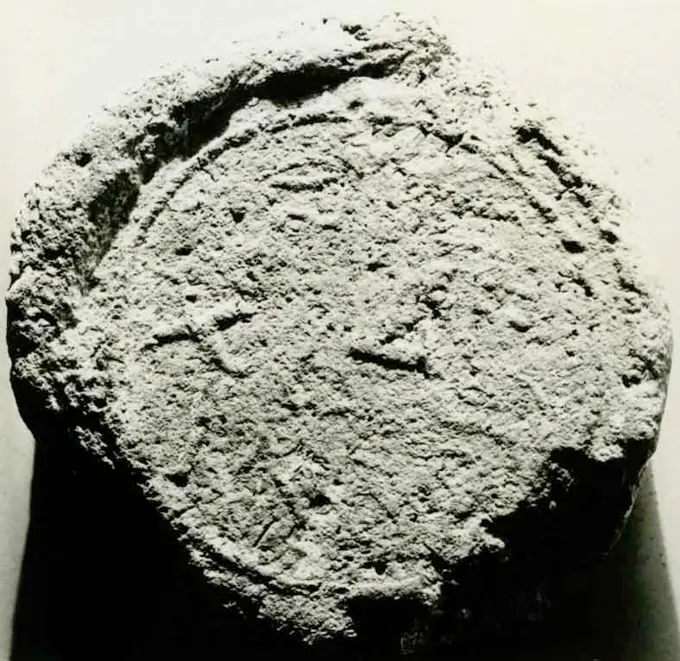
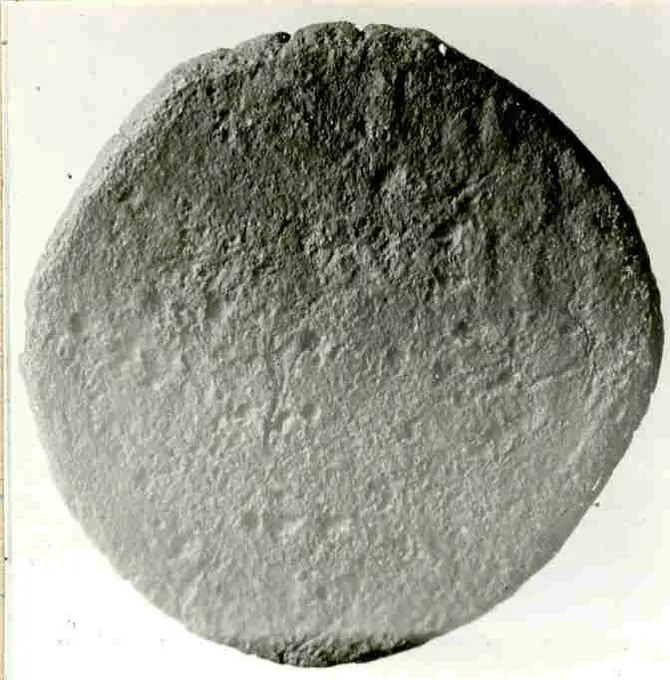
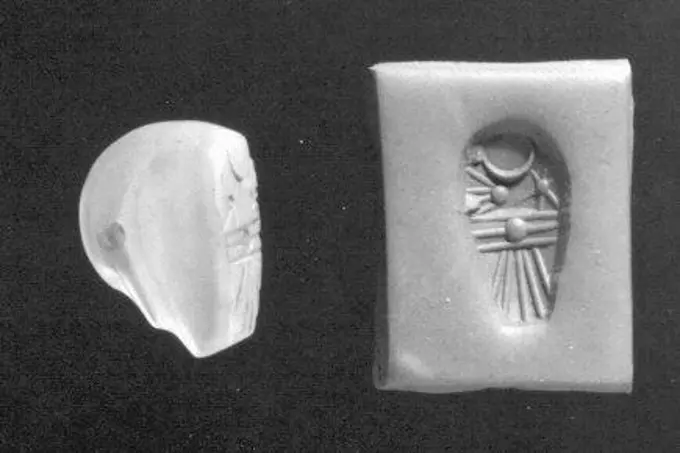
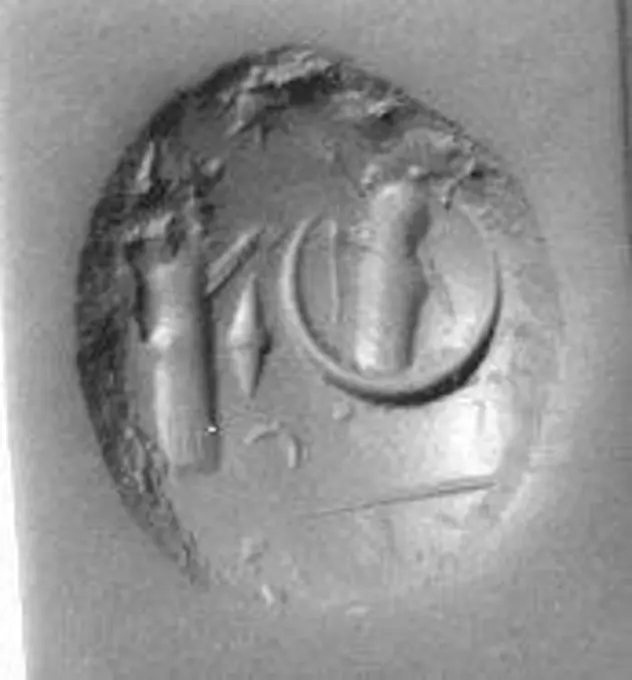
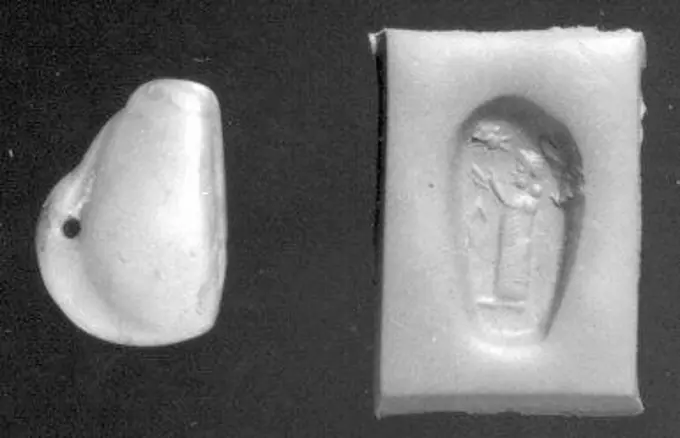
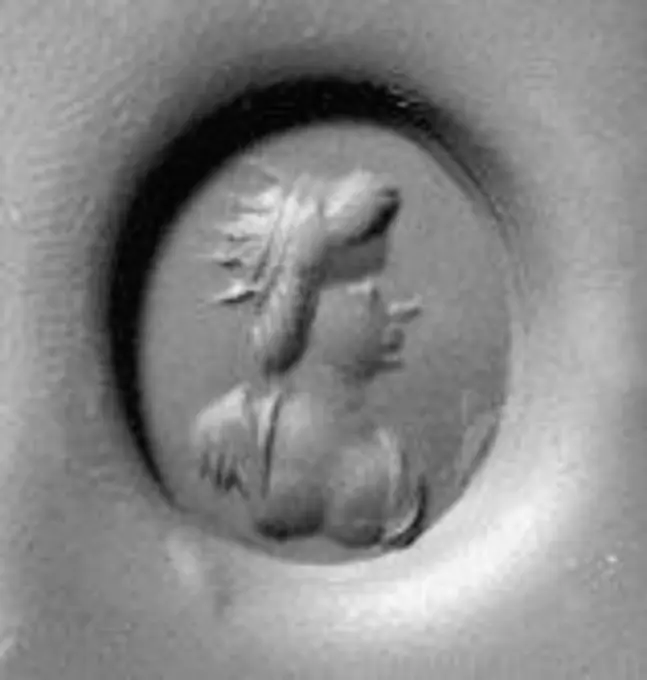
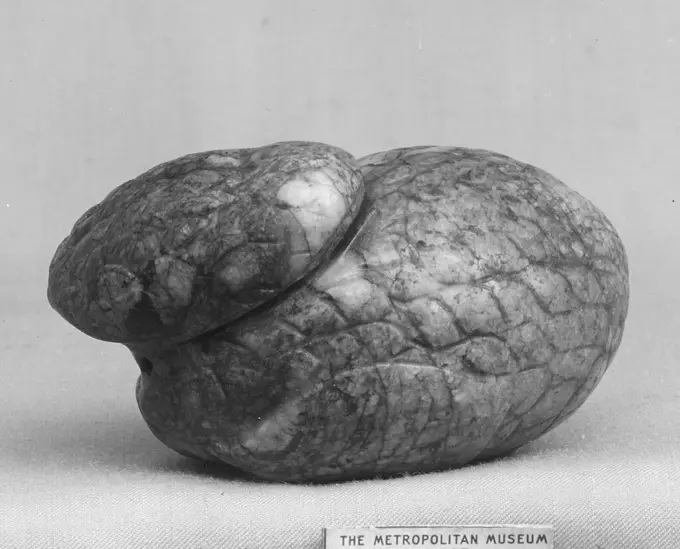
Ancient seals and fragments from the Middle Kingdom, showcasing intricate carvings and textures, emphasizing their historical significance.

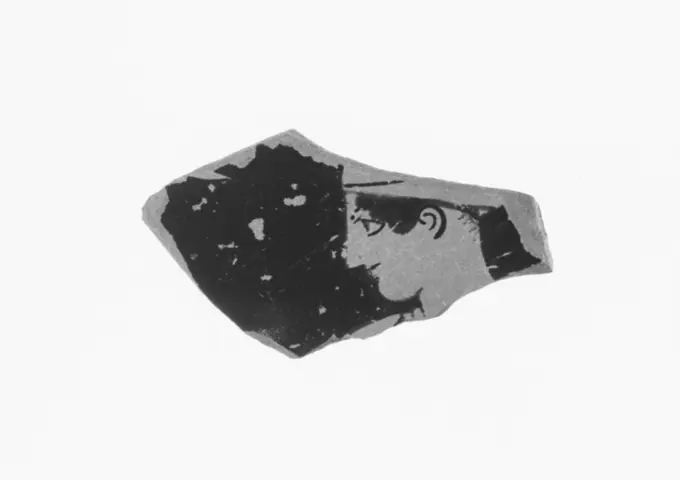
Fragment of a Small Bowl. Unknown
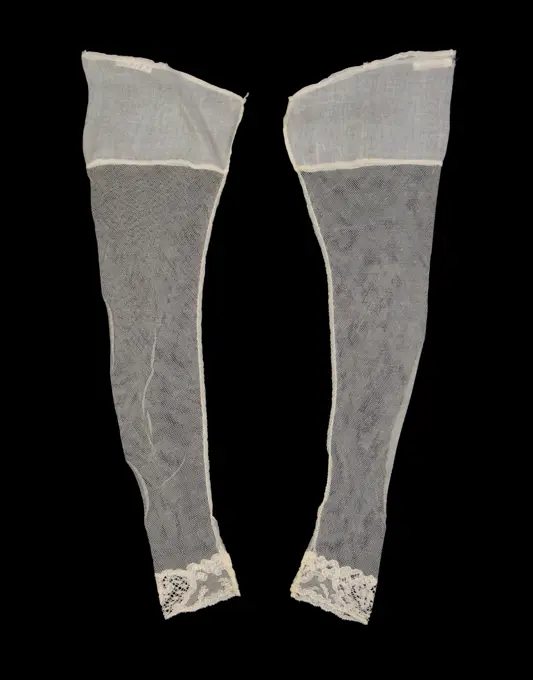
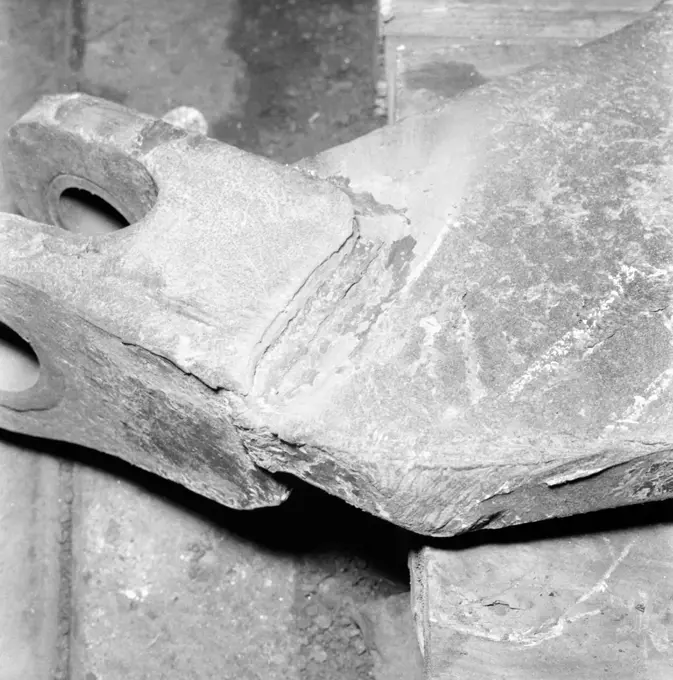
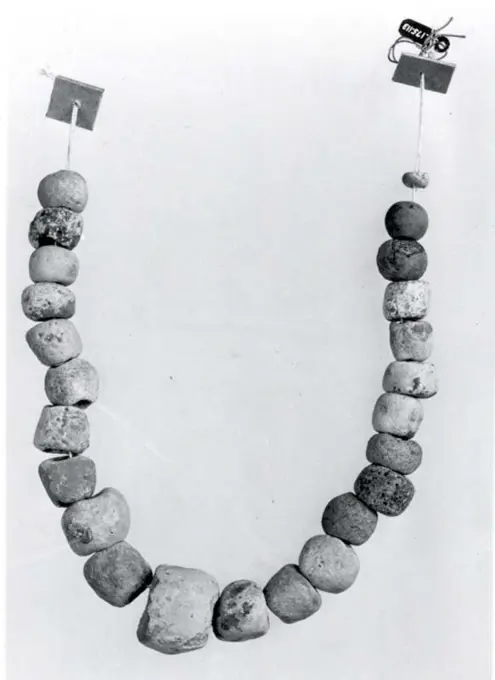
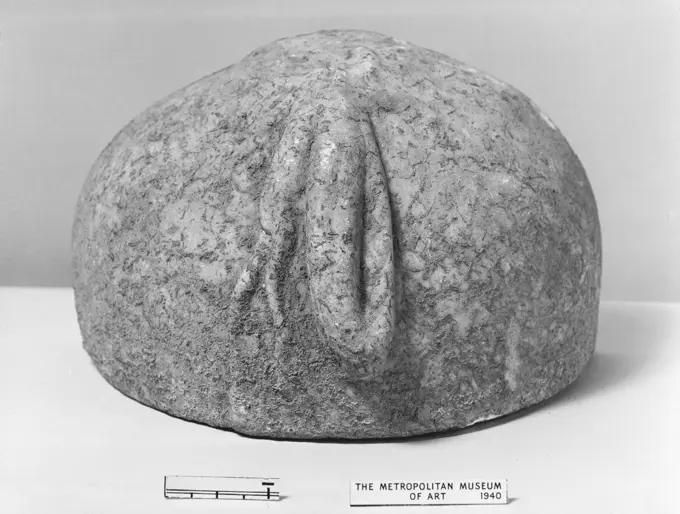
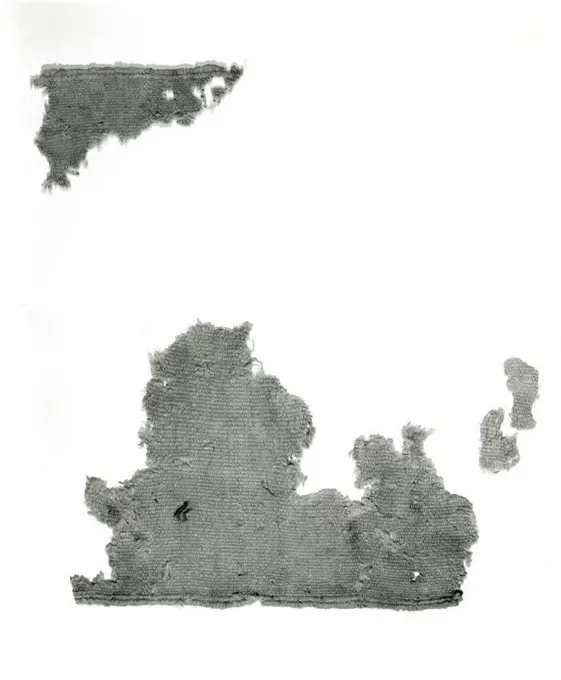
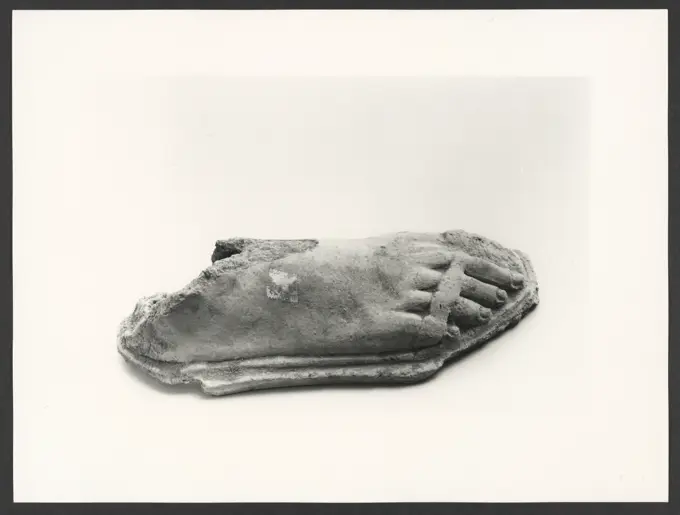
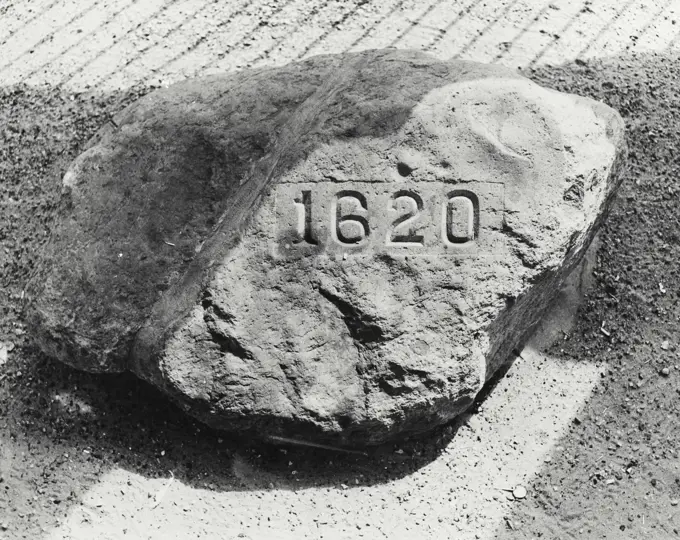
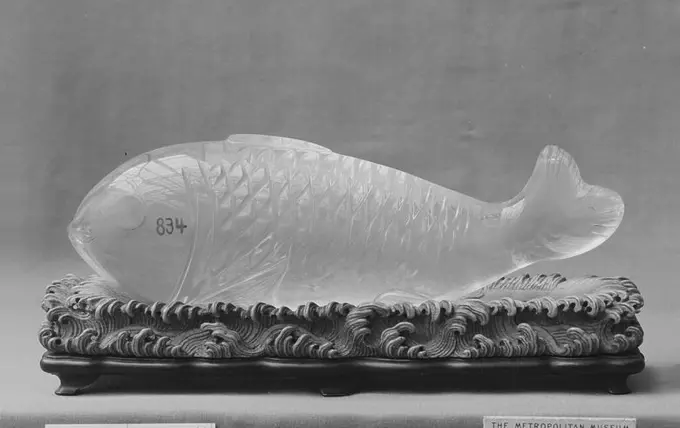
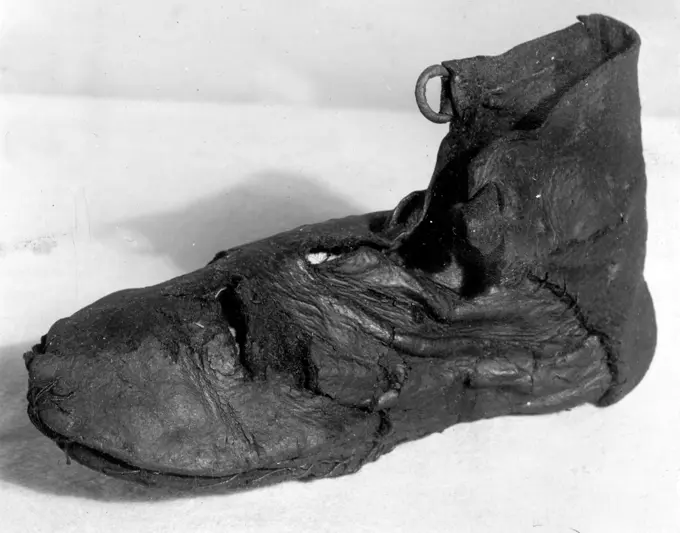
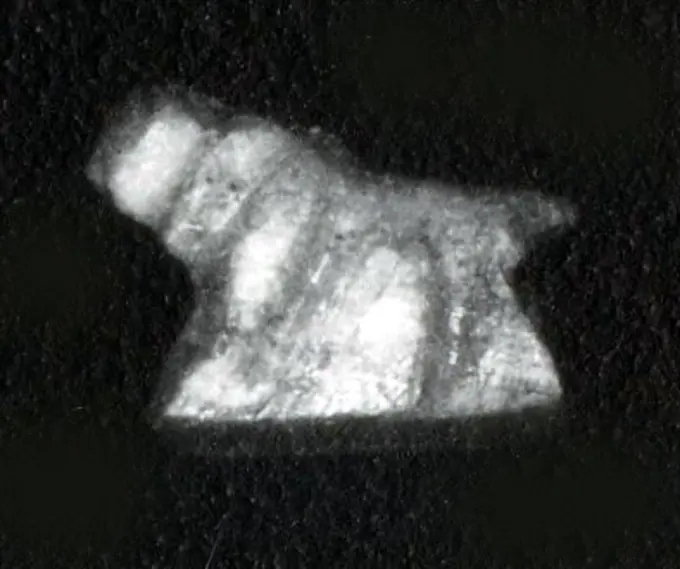
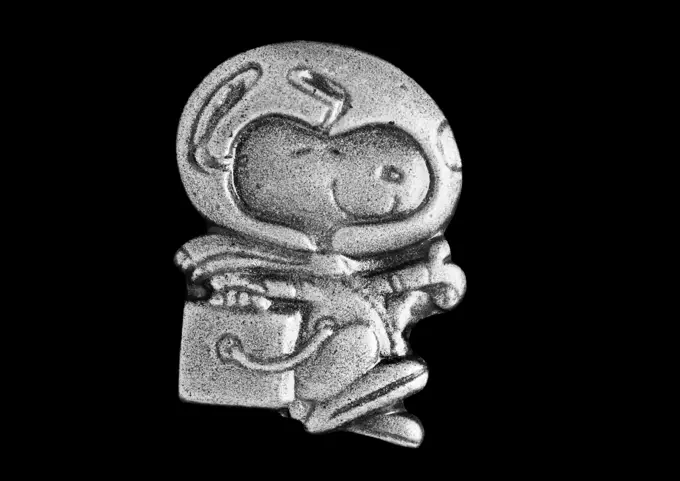
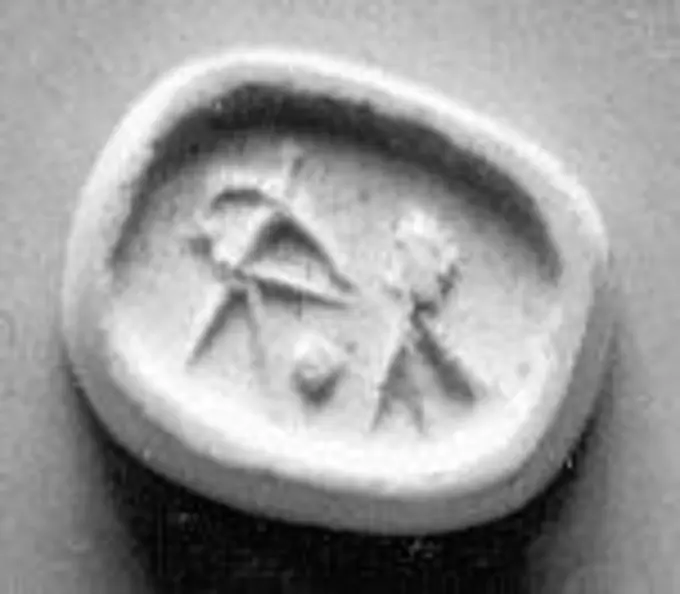
Amulet box with soogen. Medical Buddha (here Bodhisattwa Maitreya with lotus blossom and water can for cleaning)Undersleeves ca. 1845 American. Undersleeves 168323Flag icon set - sketch line artShabti coffin, clay ca. 1635-1458 B.C. Second Intermediate Period-Early New Kingdom. Shabti coffin, clay. ca. 1635-1458 B.C.. Clay (unfired), paint. Second Intermediate Period-Early New Kingdom. From Egypt, Upper Egypt, Thebes, Asasif, Courtyard CC 41, Pit 1, Superstructure 1, MMA excavations, 1915-16. Dynasty 17-Early Dynasty 18Ornaments, 14 Greek, Laconian. Ornaments, 14 251704 Greek, Laconian, Ornaments, 14, Lead, Height: 1 1/8 in. (2.9 cm). The Metropolitan Museum of Art, New York. Gift of A. J. B. Wace, 1924 (24.195.138)Drohiczyn seal. unknown, managerBeaker with tongue and guilloche patterns ca. 9th century B.C. Iran. Beaker with tongue and guilloche patterns. Iran. ca. 9th century B.C.. Glass, Egyptian Blue. Iron Age II, Hasanlu Period IV. Iran, HasanluFragment of a Sleeve. Dimensions: 3 7/8 in. high 3 15/16 in. wide (9.8 cm high 10 cm wide). Date: 5th century. Museum: Metropolitan Museum of Art, New York, USA.Relief fragment ca. 6th-8th century A.D. Sasanian or Islamic. Relief fragment 322700Funerary Cone of the Child of the Nursery Pahekmen ca. 1550-1295 B.C. New Kingdom This cone has the impression of a stamp seal inscribed for a child of the nursery named Pahekmen who owned Theban tomb 343 and was also called Benia. For a drawing of this impression see http://www.funerarycones.com/, number 544.. Funerary Cone of the Child of the Nursery Pahekmen Funerary Cone of the Child of the Nursery Pahekmen ca. 1550-1295 B.C. New Kingdom This cone has the impression of a stamp seal inscribed for a child of the nursery named Pahekmen who owned Theban tomb 343 and was also called Benia. For a drawing of this impression see http://www.funerarycones.com/, number 544.. Funerary Cone of the Child of the Nursery Pahekmen. ca. 1550-1295 B.C.. Pottery. New Kingdom. From Egypt, Upper Egypt, Thebes. Dynasty 18Coin 5th-14th century. Coin 457636Coin A.H. 596-616/ A.D. 1199-1219. Coin 457393Female Head. UnknownDrohiczyn seal. unknown, managerEmilia-Romagna Ferrara Ferrara Museo Civico di Schifanoia16. Hutzel, Max 1960-1990 General Notes: INCOMPLETE RECORD--NEGATIVES PROCESSED, PRINTS FILED German-born photographer and scholar Max Hutzel (1911-1988) photographed in Italy from the early 1960s until his death. The result of this project, referred to by Hutzel as Foto Arte Minore, is thorough documentation of art historical development in Italy up to the 18th century, including objects of the Etruscans and the Romans, as well as early Medieval, Romanesque, Gothic, Renaissance and Baroque monuments. Images are organized by geographic region in Italy, then by province, city, site complex and monument.Drohiczyn seal. unknown, managerZoomorphic Figure 9th-17th century Mali. Zoomorphic Figure. Mali. 9th-17th century. Copper alloy. Mali, Inland Niger Delta region. Metal-OrnamentsAttic Red-Figure Vase Fragment. UnknownStamp seal (duck-shaped) with divine symbols 7th century B.C. Assyrian. Stamp seal (duck-shaped) with divine symbols 322776Ivory Fragment. UnknownMacro Close up image of raw material Manganese Ore rock isolated on black reflective backgroundBowl rim sherd ca. late 3rd millennium B.C.. Bowl rim sherd 326127Glass cliché with photography of the Babylonian cylindrical seals from the collection of Konstanty Schmidt Ciżyński (II) unknownThe dredge 'bear', detail to scoop .. The dredge 'bear', detail to scoop.Lazio Latina Sezze Antiquarium Comunale24. Hutzel, Max 1960-1990 German-born photographer and scholar Max Hutzel (1911-1988) photographed in Italy from the early 1960s until his death. The result of this project, referred to by Hutzel as Foto Arte Minore, is thorough documentation of art historical development in Italy up to the 18th century, including objects of the Etruscans and the Romans, as well as early Medieval, Romanesque, Gothic, Renaissance and Baroque monuments. Images are organized by geographic region in Italy, then by province, city, site complex and monument.PIEZAS CON ADORNOS GEOMETRICOS - PINTADERAS Y SELLOS CERAMICOS. Location: ARCHAEOLOGICAL MUSEUM. LAS PALMAS. GRAN CANARIA. SPAIN.Beads ca. 6th-8th century A.D. Sasanian or Islamic. Beads. Sasanian or Islamic. ca. 6th-8th century A.D.. Ceramic. Sasanian-early Islamic. Iran, Qasr-i Abu NasrChild's Shoe. England. Date: 1501-1600. Dimensions: 18 × 7.5 × 3.5 cm (7 1/16 × 2 15/16 × 1 3/8 in.). Leather. Origin: England. Museum: The Chicago Art Institute, Chicago, USA.Fragment of a child's head 1st or 2nd century A.D. Roman The top, back part of a child's head with remains of a braid tied in a looped knot at the back.. Fragment of a child's head. Roman. 1st or 2nd century A.D.. Marble. Imperial. Stone SculptureStamp seal (oval conoid) with cultic scene 7th - 6th century B.C. Assyro-Babylonian. Stamp seal (oval conoid) with cultic scene. Assyro-Babylonian. 7th - 6th century B.C.. Flawed neutral Chalcedony (Quartz). Neo-Assyrian / Neo-Babylonian. MesopotamiaTextile fragment ca. 6th century A.D. Sasanian These wool textile fragments were excavated at Shahr-i Qumis in northern Iran, which has been identified as the ancient city of Hecatompylos, established by the Parthians as their capital by about 200 B.C. However, these fragments come from Room 23 at Site VI, which was seemingly converted into a burial chamber during the 6th century A.D., a date indicated by a coin of the Sasanian king Hormizd IV (reigned A.D. 579-590). The human remains discovered there consist of disarticulated bones, which is in keeping with Zoroastrian burial practice. Yet the bones appear to have been wrapped in leather and wool, which would be unusual for Zoroastrians, as is the inclusion of a coin with the body. Thus it is possible that in the 6th century Zoroastrian burial practices were still under development or that there were regional variations that are not recorded in surviving texts.. Textile fragment 325986Sacrificial Stone. 1898. Photographs. The Miriam and Ira D. Wallach Division of Art, Prints and Photographs: Photography Collection. Religious articlesLazio Viterbo Viterbo Museo Civico03. Hutzel, Max 1960-1990 Views of paintings (Middle Ages through 18th c.), frescoes, a tabernacle, coffin, sculpture reliefs, portal fragments, busts, sculpture, tapestry found in the Pinacoteca, Second floor gallery and Second floor cloister sequences. Antiquities: Many views of Etruscan and Roman fragments, sculpture, sarcophagi, pottery, masks, jewelry and other objects found in the Storeroom sequence (inventory numbers on back of prints), and the Cloister, Second floor Cloister, Valle Giulia, Sala Romana and Sala Etrusca sequences. General Notes: There are eight separate numerical sequences for this location. The cloister as an architectural structure, rather than museum site, is documented in the record and file for S. Maria della Verita, Cloister, all views of which are stored in Medieval core collection. Five views from the Museo Civico Second floor cloister sequence are stored in Medieval. German-born photographer and scholar Max Hutzel (1911-Sweden, Blekinge, Blekinge, Karlskrona, Karlskrona, external marina (depicted, town).Sweden, Blekinge, Blekinge, Karlskrona, Karlskrona, External War Gogs (depicted, City)Pit from a Balanites tree with a hole caused by a rodent ca. 2381-2323 B.C. Old Kingdom. Pit from a Balanites tree with a hole caused by a rodent. ca. 2381-2323 B.C.. Plant Remains ("Balanites Aegyptiaca"). Old Kingdom. From Egypt, Memphite Region, Saqqara, Tomb of Perneb. Dynasty 5Vintage photograph. Plymouth Rock Plymouth Massachusetts USAMace head 7th-6th millennium B.C.. Mace head. 7th-6th millennium B.C.. Calcite. Neolithic. SyriaRaised relief fragment 664-610 B.C. Late Period, Saite see 23.3.468. Raised relief fragment. 664-610 B.C.. Limestone. Late Period, Saite. From Egypt, Upper Egypt, Thebes, Deir el-Bahri, Tomb of Nespekashuty (TT 312, MMA 509), 1st chamber N. door; W. jamb, MMA excavations, 1922-23. Dynasty 26Stamp seal (duck-shaped) with cultic scene late 8th - 6th century B.C. Assyro-Babylonian. Stamp seal (duck-shaped) with cultic scene. Assyro-Babylonian. late 8th - 6th century B.C.. Variegated pink and white Chalcedony (Quartz). Neo-Assyrian / Neo-Babylonian. Levant or Mesopotamia ()Mace head 7th-6th millennium B.C.. Mace head 327130Scabbard ornament. Culture: China. Dimensions: L. 2 5/16 in. (5.9 cm). Museum: Metropolitan Museum of Art, New York, USA.Stamp seal (scarab) with animal contest 9th - 7th century B.C. or later Phoenician (). Stamp seal (scarab) with animal contest. Phoenician (). 9th - 7th century B.C. or later. Jasper, green. Iron Age II or later. Northern Syria or southeastern AnatoliaDisk ornament 13th-16th century Colombia. Disk ornament. Colombia. 13th-16th century. Gold. Colombia. Metal-OrnamentsStamp seal ca. 3rd-7th century A.D. Sasanian. Stamp seal. Sasanian. ca. 3rd-7th century A.D.. Lapis lazuli. Sasanian. Iran or MesopotamiaFigure of a Fish. Culture: China. Dimensions: L. 6 3/4 in. (17.1 cm). Date: 18th century. Museum: Metropolitan Museum of Art, New York, USA.Poll photo collection. Israel 1964-1965: Jerusalem (Jerusalem), family grave Herodus. Disc-shaped stone at the family grave of herodus. January 1, 1964. Israel, JerusalemAnefo photo collection. Roman excavations Spaarnwoude. 12 February 1952. Noord-Holland, SpaarnwoudeOne blueberry covered with water drops isolated on black background. Very detailed macro shoot with copy space on right.. One blueberry covered with water drops isolated on black background. Antioxidant concept.Historical photograph, Scabious Seeds (Tremastelma palaestinum), from "Urformen der Kunst" by Karl BlossfeldtAnkle Boot Made 1501-1600 England. Leather .Stamp seal ca. 3rd-7th century A.D. Sasanian. Stamp seal. Sasanian. ca. 3rd-7th century A.D.. Carnelian. Sasanian. Iran or MesopotamiaRecumbent Dog Amulet ca. 2150-2100 B.C. Late Old Kingdom. Recumbent Dog Amulet. ca. 2150-2100 B.C.. Ivory. Late Old Kingdom. From EgyptSilver Snoopy PinScarab seal ca. 7th-6th century B.C. Cypriot. Scarab seal. Cypriot. ca. 7th-6th century B.C.. Steatite. Cypro-Archaic. CyprusButton. Culture: China. Dimensions: H. 1 1/4 in. (3.2 cm); W. 2 1/8 in. (5.4 cm); D. 1 3/8 in. (3.5 cm). Museum: Metropolitan Museum of Art, New York, USA.Stamp seal ca. 4th-5th century A.D. Sasanian. Stamp seal. Sasanian. ca. 4th-5th century A.D.. Garnet, almandine. Sasanian. Iran or MesopotamiaBowl 11th century. Bowl 449397Rectangular plaque seal with tubular loop handle ca. 2350-2150 B.C. Akkadian. Rectangular plaque seal with tubular loop handle. Akkadian. ca. 2350-2150 B.C.. Serpentine, dark green. Akkadian. Mesopotamia