Historical Artifacts

Images of antique buttons, pottery fragments, and historical artifacts providing a glimpse into past craftsmanship and materials.
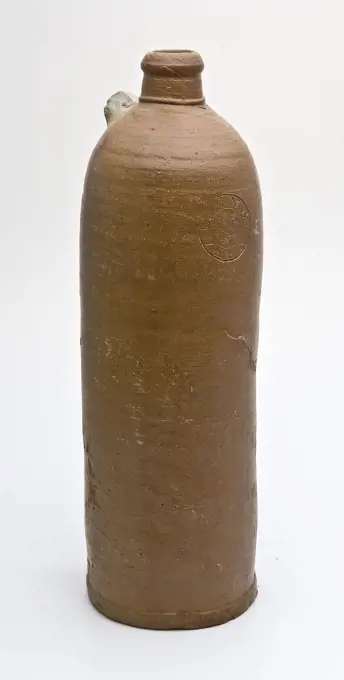
Stoneware mineral water pitcher, cylindrical with round shoulder, sausage ear and short neck, mineral water pitcher jar product packaging container soil find ceramic stoneware glaze salt glaze, hand turned glazed baked Stoneware mineral pitcher cylindrical with round shoulder short neck and sausage ear. Stand area with traces of deduction and soul. brown glazed with gray spot on shoulder. Marked under the ear and marked on the front with medallion and text. Mark under ear pottery brand: 16 C archeology Rotterdam Kralingen-Crooswijk Struisenburg Oostmaaslaan Boslaan Buizengat advertising indigenous pottery import drinking water drinking medicine medicine packaging Soil discovery: Buizengat Oostmaaslaan Boslaan Rotterdam an old landfill of municipal waste.
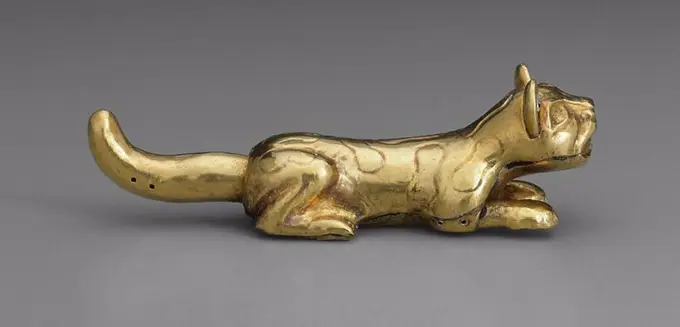
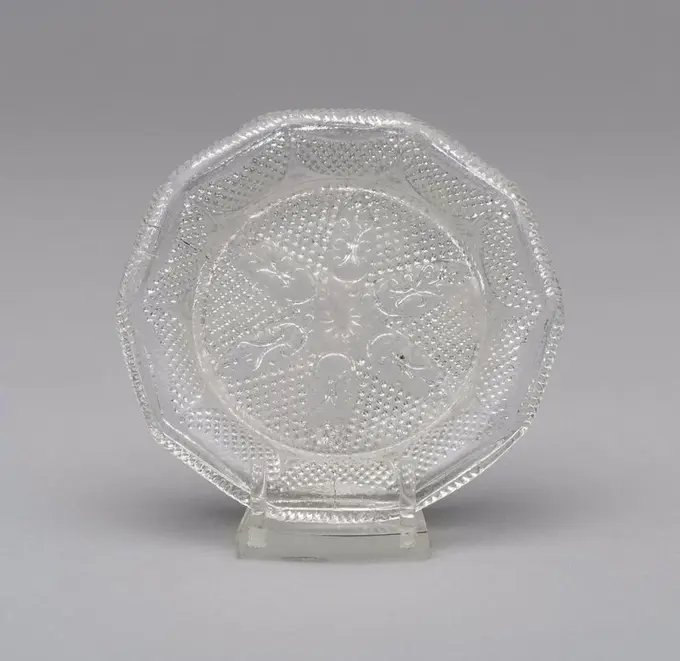
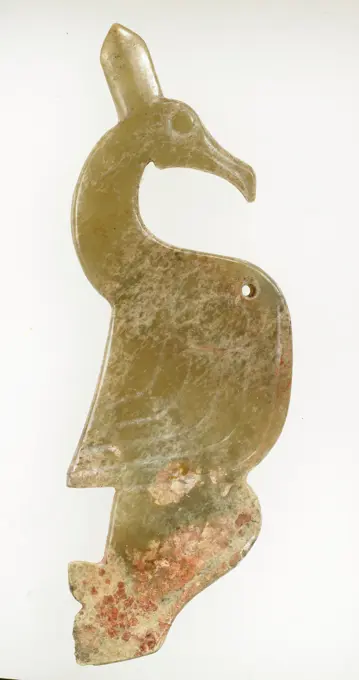
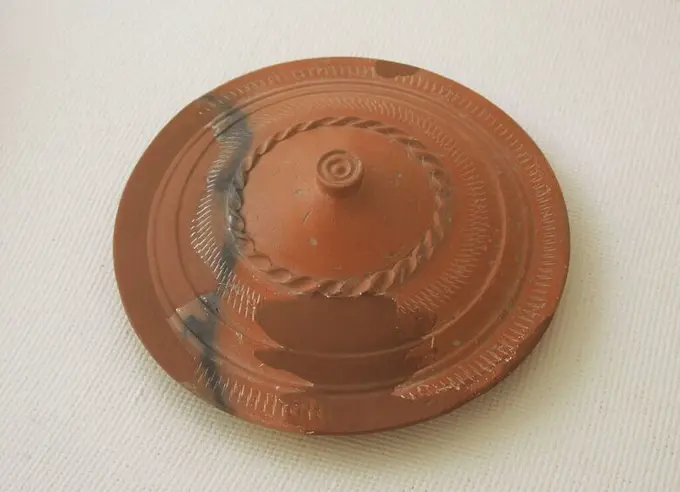
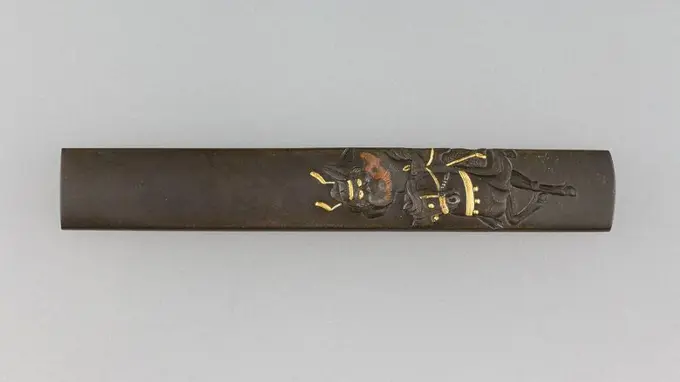
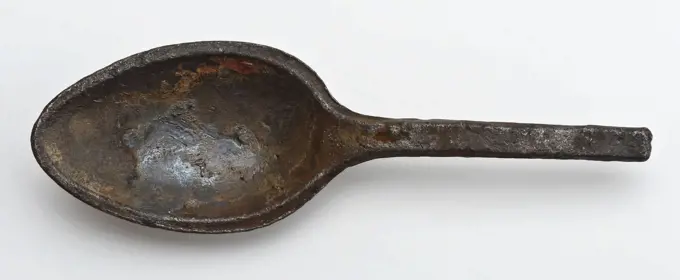
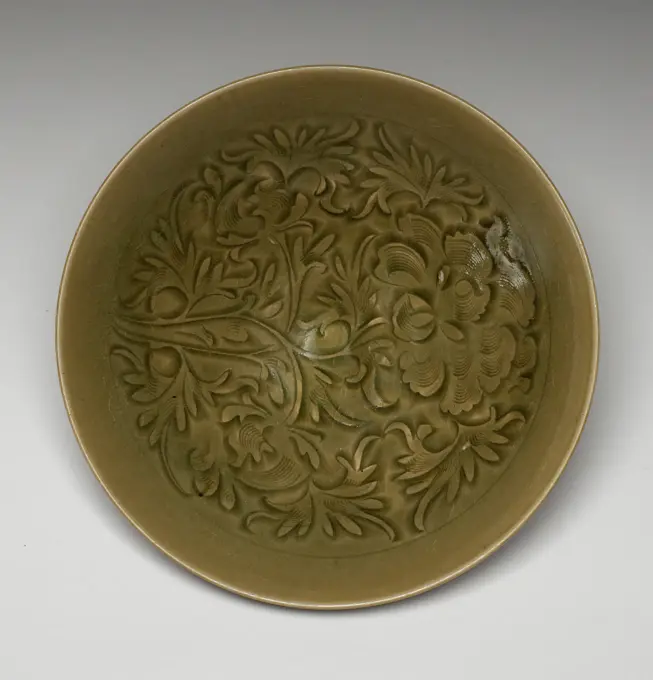
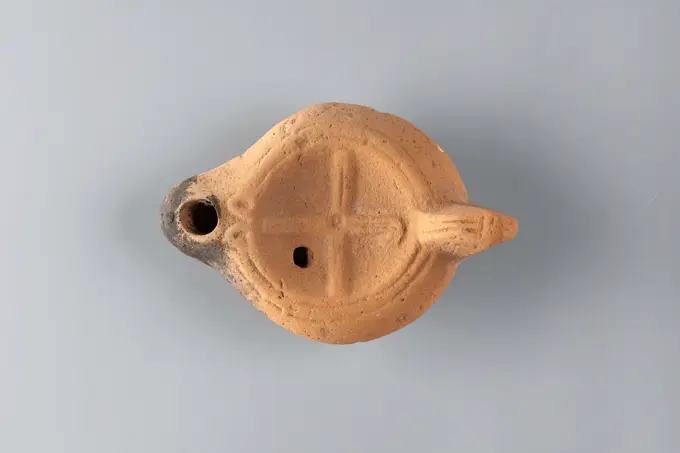
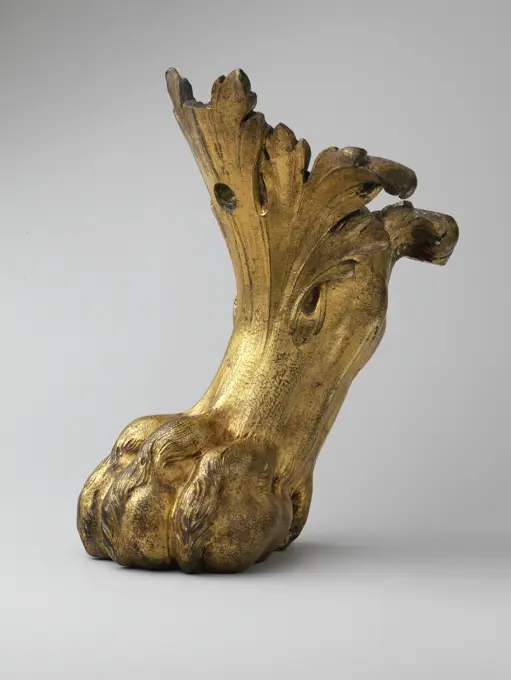
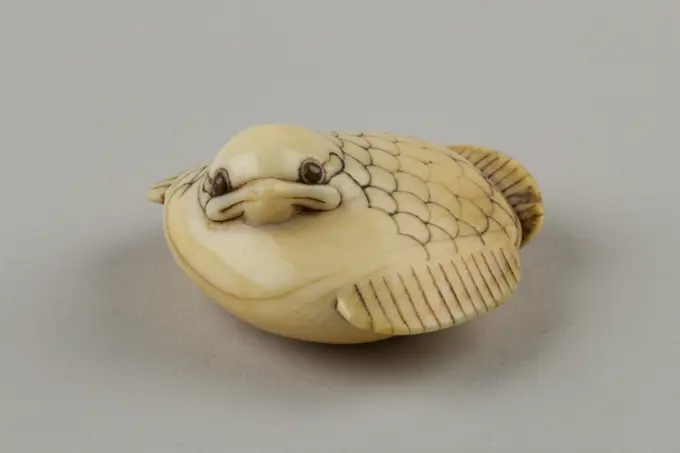
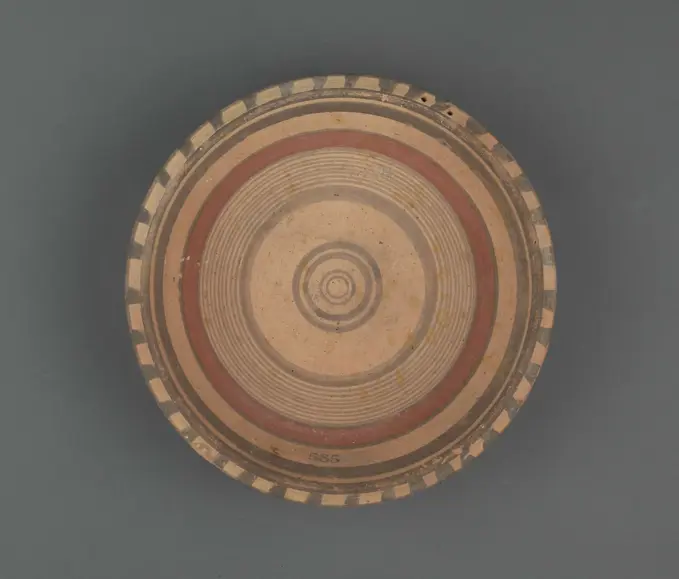
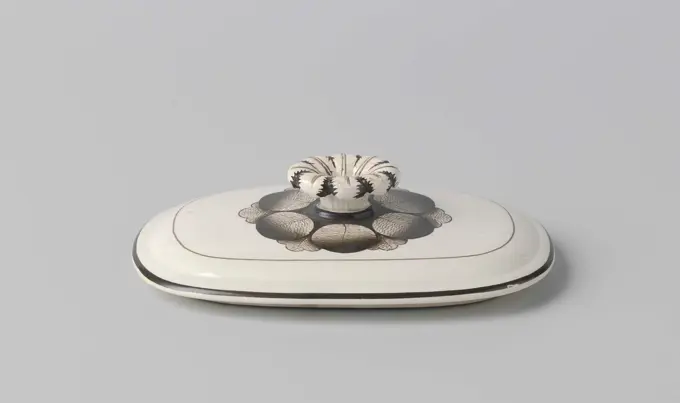
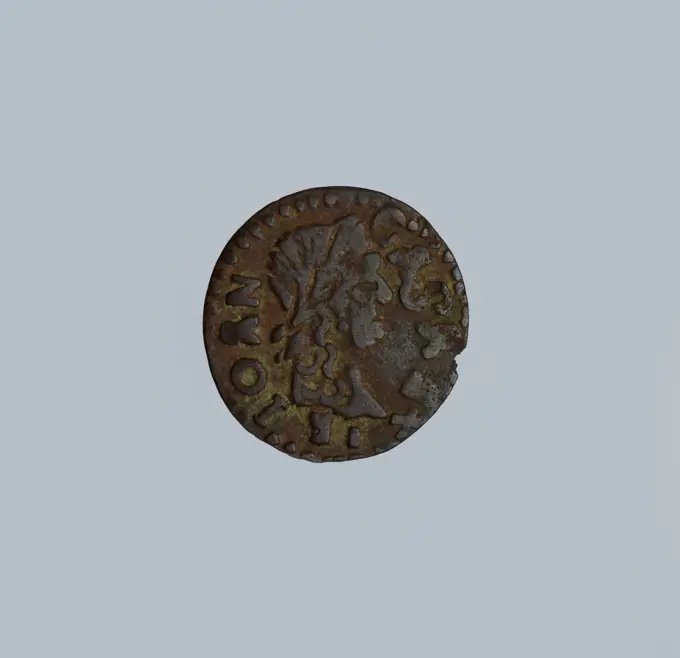
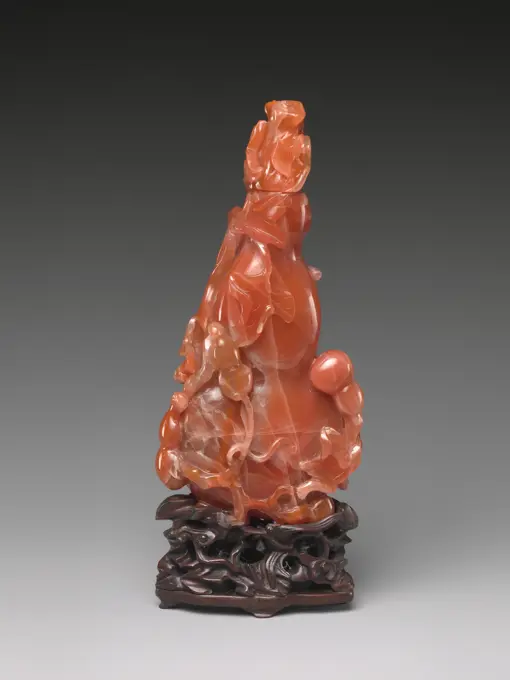
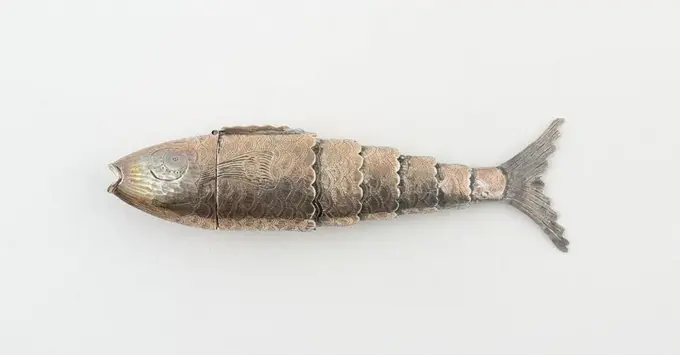
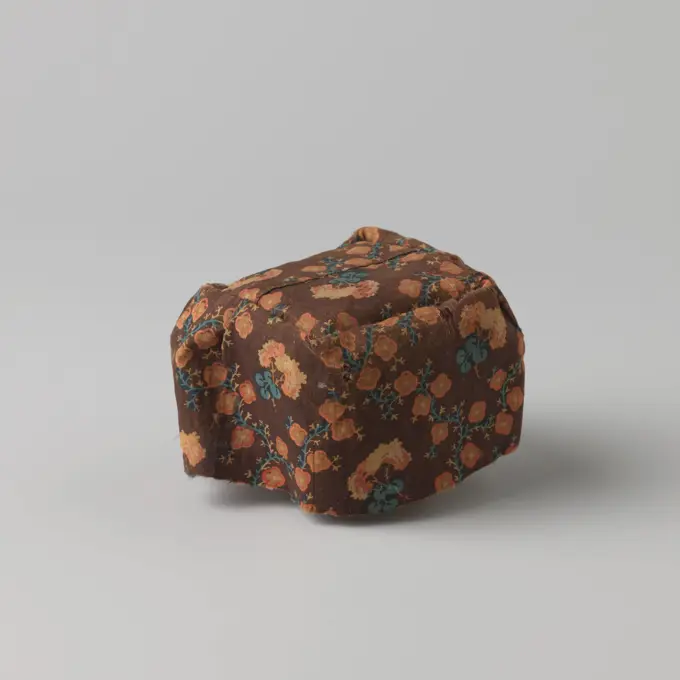
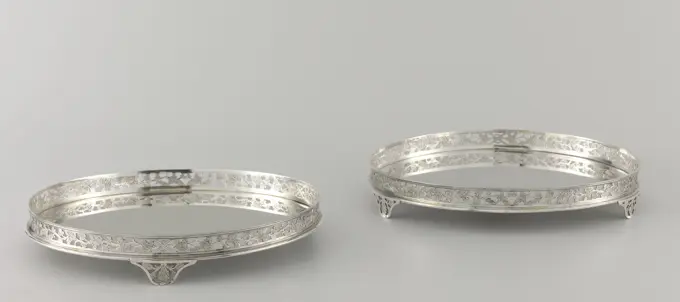
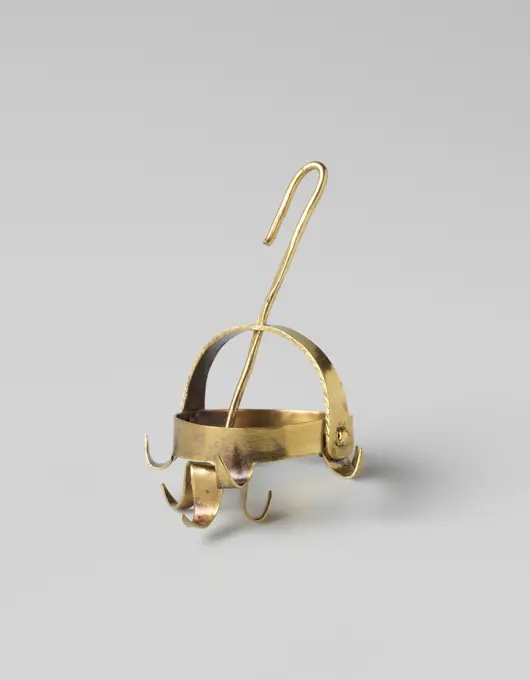
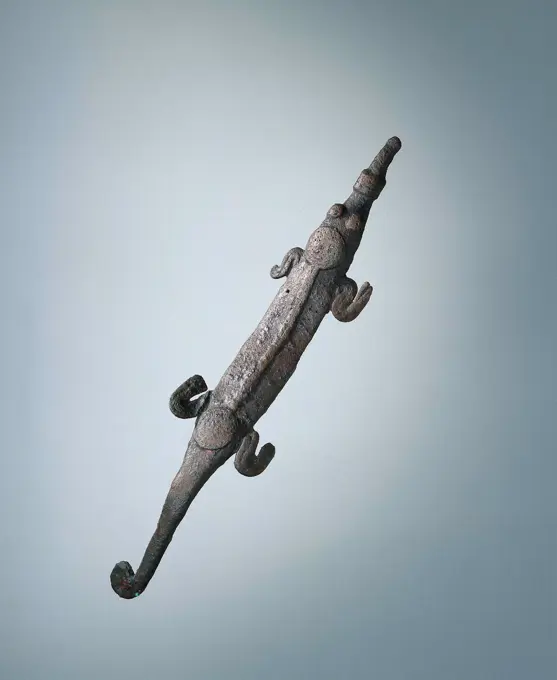
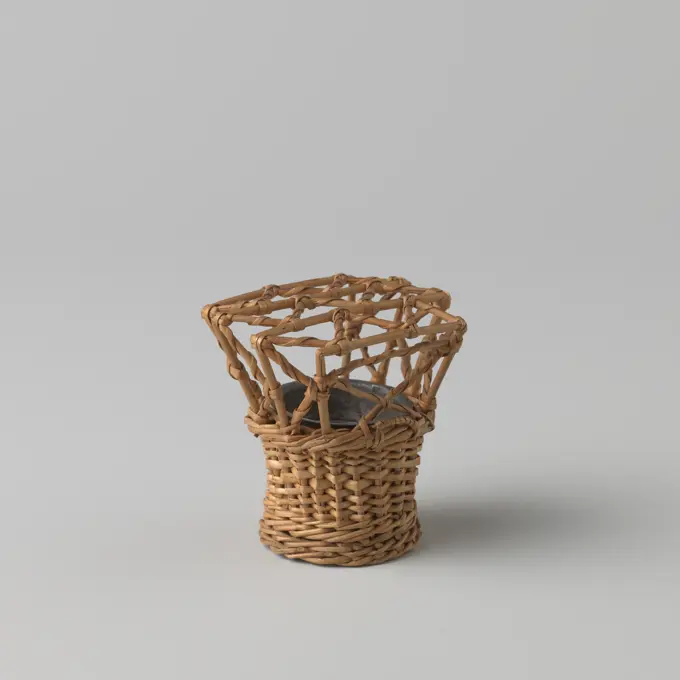
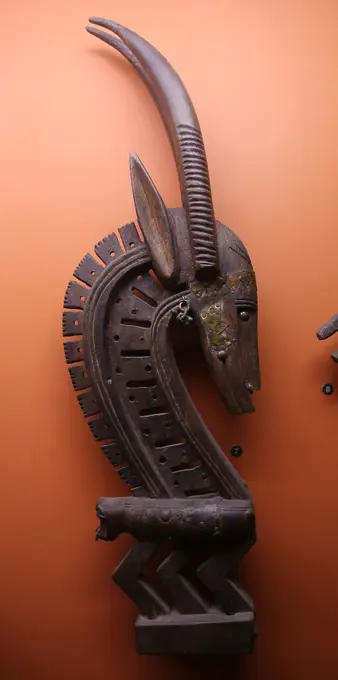
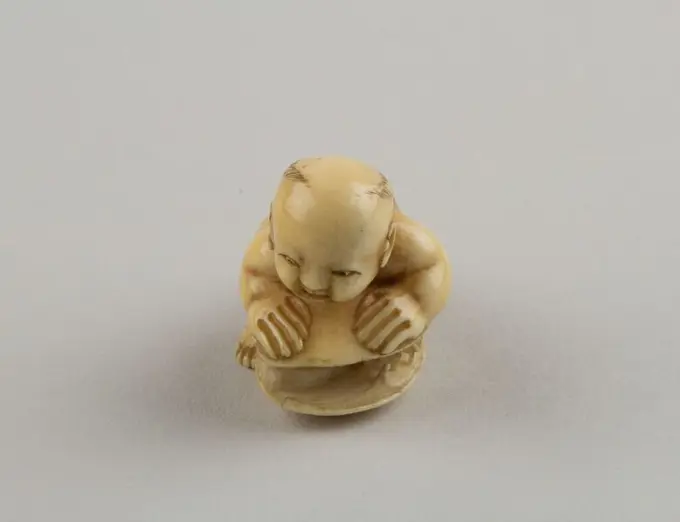
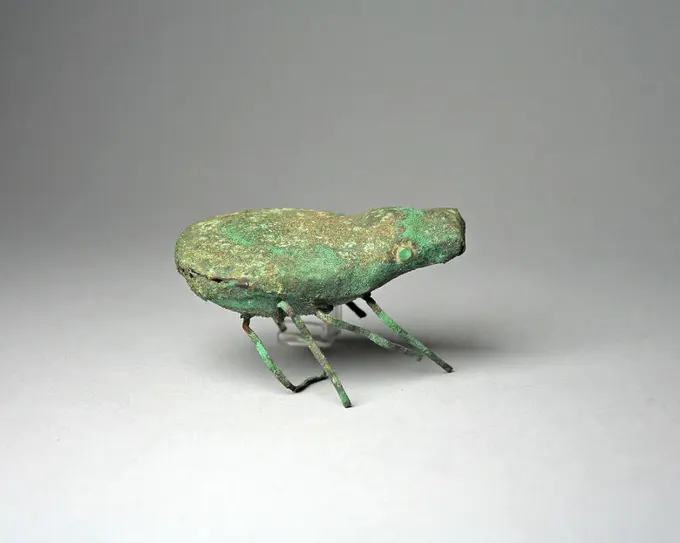
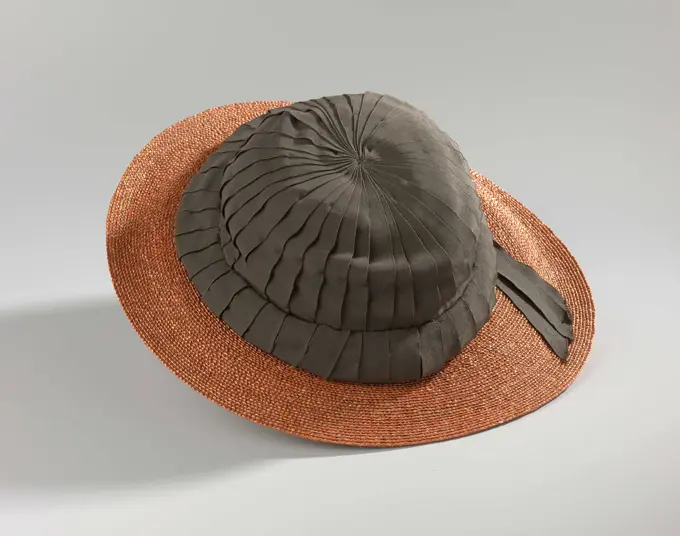
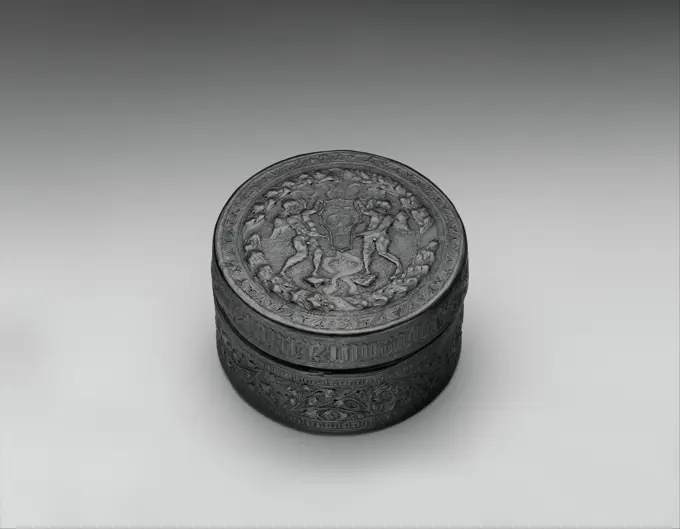
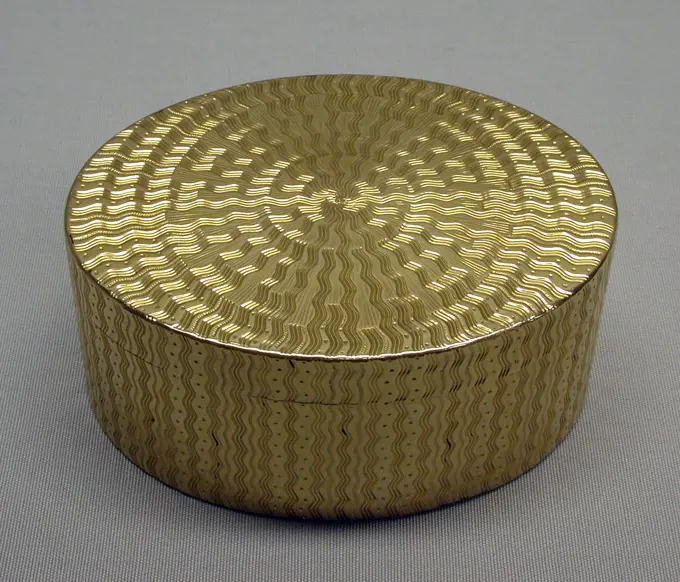
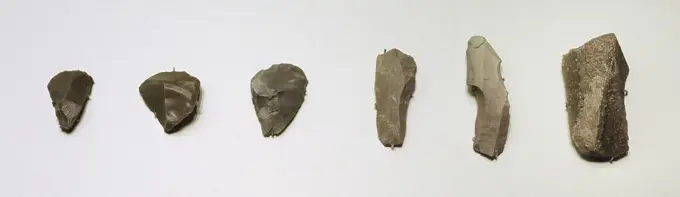
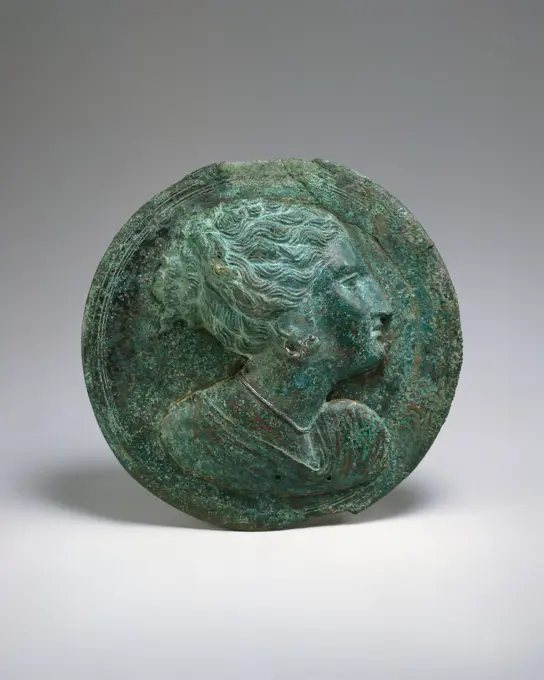
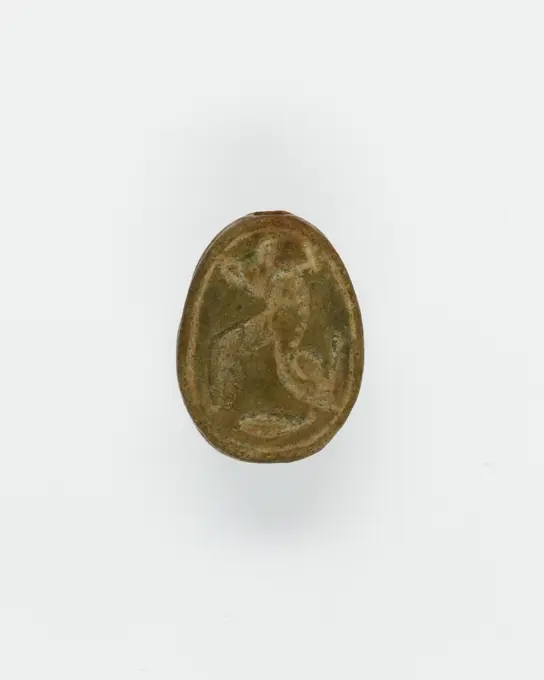
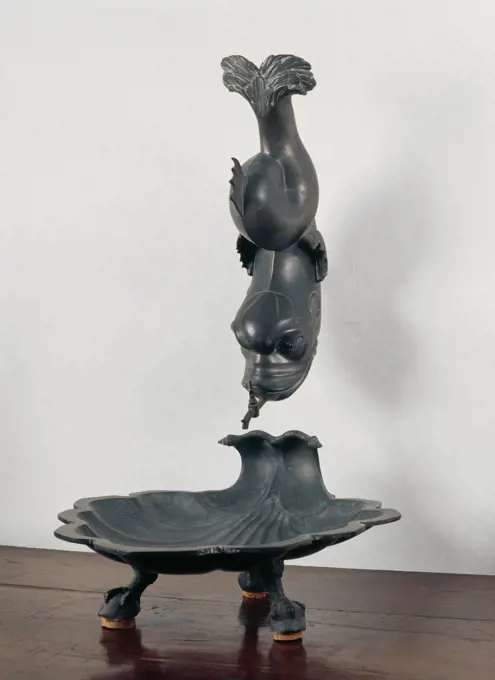
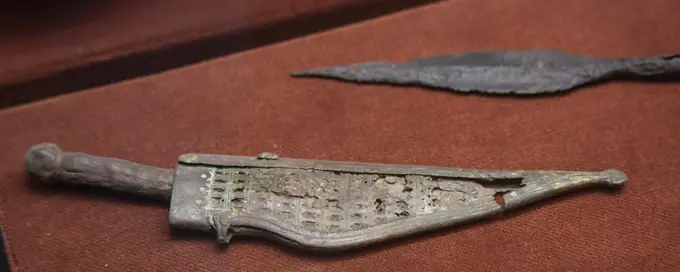
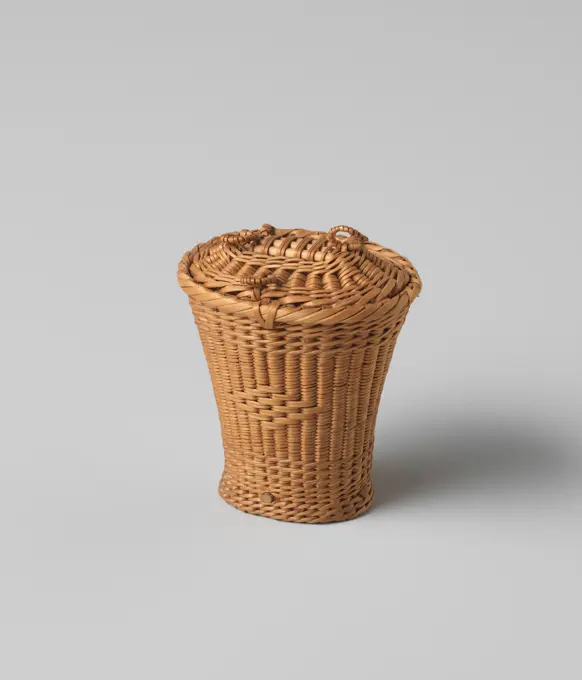
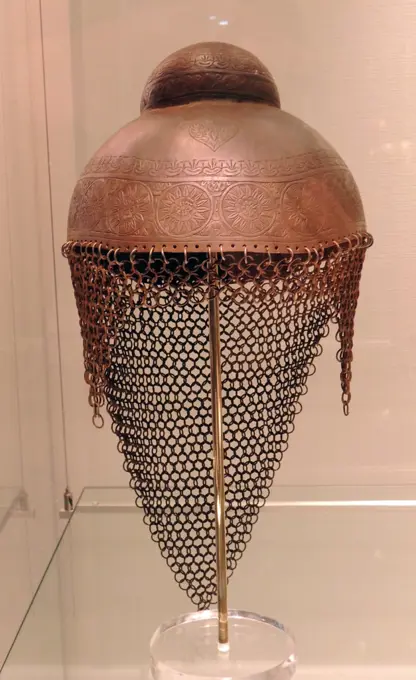
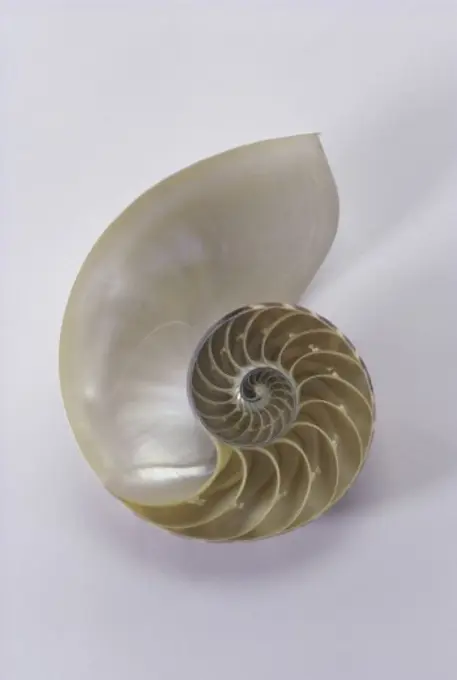
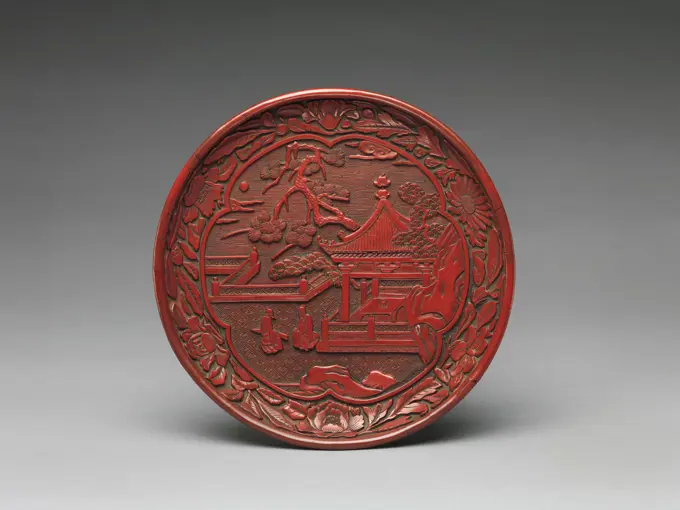
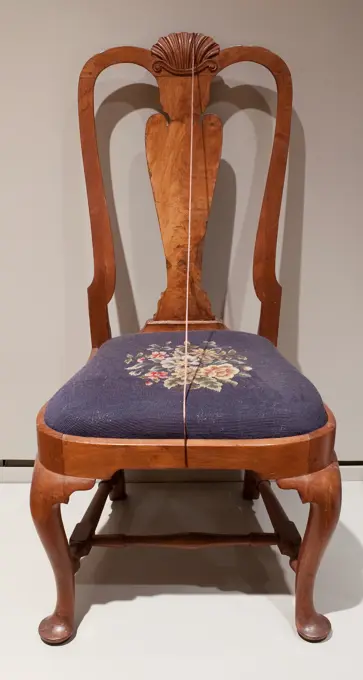
Sharpener Car, Gerrit Jan Ginnink, c. 1822Powder Horn 1775-1800 American. Powder Horn 29583Feline Figurine. Moche; Lambayeque Valley, north coast, Peru. Date: 250 AD-550 AD. Dimensions: L. 10.8 cm (4 1/4 in.). Gold. Origin: North Coast. Museum: The Chicago Art Institute, Chicago, USA.Cup plate. American; New England or Pennsylvania. Date: 1823-1829. Dimensions: diam. 9.2 cm (3 5/8 in.). Pressed glass. Origin: New England. Museum: The Chicago Art Institute, Chicago, USA.Bird Pendant, 1100-771 BCE, 3 1/2 x 1 1/4 x 1/8 in. (8.89 x 3.18 x 0.32 cm), Partially calcified, mottled yellow-green jade, China, 11th-8th century BCEAncient Roman pottery. African Red Slip. Capper with simple rouletted decoration. 2nd century AD. Type A. Colony Forum, Tarragona. National Archaeological Museum. Tarragona. Catalonia, Spain.Jug with floral scrolls, anonymous, c. 1700 - c. 1720 Can of stoneware on a high base with a spherical body and narrow neck with pinched spout. The C-shaped ear is attached to the neck and shoulder. Profiles on the neck and the foot. On the abdomen flower vines with entered stealing and flowers in relief and imposed flowers. Attached to the ear a pewter frame with lid. On the inside of the lid marked with a putto and illegible inscription. Westerwald. Westerwald Stoneware. Glaze. frame: tin (metal) vitrification Can of stoneware on a high base with a spherical body and narrow neck with pinched spout. The C-shaped ear is attached to the neck and shoulder. Profiles on the neck and the foot. On the abdomen flower vines with entered stealing and flowers in relief and imposed flowers. Attached to the ear a pewter frame with lid. On the inside of the lid marked with a putto and illegible inscription. Westerwald. Westerwald Stoneware. Glaze. frame: tin (metal) vitrificationDouble Cup. Culture: German. Dimensions: H.: 9 7/8 in. (25.1 cm). Date: 16th century. Museum: Metropolitan Museum of Art, New York, USA.EarringToy serving plate - Spode SpodeKnife Handle (Kozuka). Culture: Japanese. Dimensions: L. 3 13/16 in. (9.7 cm); W. 9/16 in. (1.4 cm); thickness 1/4 in. (0.6 cm); Wt. 1.2 oz. (34 g). Date: late 18th or early 19th century. Museum: Metropolitan Museum of Art, New York, USA.Small elongated bowl of tin spoon, teaspoon table spoon equipment ground find tin metal, cast Elongated bowl of teaspoon Thin round lip under the scoop archeology Rotterdam Kralingen-Crooswijk Kralingsche Bos Kralingse Plas Soil discovery: in 1972 at the Kralingse Plas from sprayed dredge collected metal detector finds and viewpoints .Ánfora romana de cerámica para transportar vino, siglo I a.C. Can Serra Museu de Mataró.Column and Capital 14th century North Italian. Column and Capital 466328Detailed view of dirty chainsawPersonal effects.Each crewman had his own sea chest for his personal belongings. These wooden chests have since perished, only the locks and little keys remain. To kill time, the men made music and played sports. A drumstick and a flute were found on Nova Zembla. The ball is made of whalebone and was used to play kolven’, a kind of hockey. The little comb was used to remove headlice.Decorative vase Budzowski, Jacek (born in 1972)Fire basket, round, with rectangular hood, anonymous, c. 1750 - c. 1800 The fire basket has a high round shape with rectangular open "roof construction", made of round and sharpened willow. Holland . The fire basket has a high round shape with rectangular open "roof construction", made of round and sharpened willow. Holland .Grahal-Manzara. Carnavalet 2013-2016 collection sites. Numismatics. Bust de Murat right in uniform, on the left.Teenage ring made of silver with smooth round convex button, c. 1960 - c. 1970 Teenage ring made of silver with smooth round convex button. Netherlands silver (metal) Teenage ring made of silver with smooth round convex button. Netherlands silver (metal)Betel Nut Box, 1800s. Tibet, 19th century. Silver and enamel; diameter: 15.3 cm (6 in.).Celadon Bowl, 11th century, 2-5/8 x 8-7/8 x 8-7/8 in. (6.7 x 22.5 x 22.5 cm), Yao-chou ware Porcelaneous stoneware with carved design under celadon glaze, China, 11th century, The aesthetic and introspective atmosphere of both the Northern and Southern Song (1127-1279) dynasties is reflected in the quiet elegance of the classic forms and pure glazes that defined this golden age of ceramic production.feather of a harpy eagle, Harpia harpyjaSalt cellar; Koenigliche Porzellan Manufaktur (KPM; Berlin; 1763-1918); 1837-44 (1832-00-00-1850-00-00);Lampka olejowa. nieznany warsztat egipski, workshopCeremonial Blade, 7 1/2 x 2 1/2 in. (19.05 x 6.35 cm), Copper, MexicoTerracotta stemmed dish 5th century B.C. Greek, Attic Stemmed dish with no decoration.. Terracotta stemmed dish 255576LeuciteAnonymous, a conductor on the main title). Marked wood, marble, gilded bronze. Petit Palais, Museum of Fine Arts of the City of Paris.Foot 17th-18th century French. Foot 189788 French, Foot, 17th18th century, Gilt bronze, Overall (confirmed): 7 1/8 x 6 1/8 x 5 1/4 in. (18.1 x 15.6 x 13.3 cm). The Metropolitan Museum of Art, New York. Gift of J. Pierpont Morgan, 1906 (07.225.510.33)Goblet; Made by Louis Comfort Tiffany (American, 1848-1933); favrile glass; Overall: 17.2 x 7.6 cm (6 3/4 x 3 in.); Bequest of Joseph L. Morris; 1966-55-7-bCachet with weapon plose van Amstel, anonymous, c. 1700 - c. 1800 Vase -shaped cachet of gold, with a seal of agate. On the cachet, the weapon of Amstel is engraved (thinned in eight pieces of black and gold and a schuinkruis, chessed of silver and red over everything), held by griffins and crowned by a crowned helmet with coming deer. The cachet has a ribbed edge, and is decorated with leaf vines.  gold (metal). agate (chalcedony) Vase -shaped cachet of gold, with a seal of agate. On the cachet, the weapon of Amstel is engraved (thinned in eight pieces of black and gold and a schuinkruis, chessed of silver and red over everything), held by griffins and crowned by a crowned helmet with coming deer. The cachet has a ribbed edge, and is decorated with leaf vines.  gold (metal). agate (chalcedony)Netsuke of a Plum Sparrow late 18th century Japan. Netsuke of a Plum Sparrow. Japan. late 18th century. Ivory, horn. NetsukeBowl 600-480 B.C. Cypriot. Bowl. Cypriot. 600-480 B.C.. Terracotta. Cypro-Archaic II. VasesTea table, with marbled leaves with constricted corners, anonymous, c. 1750 Team of Without, the marbled leaf with constricted corners has a gilded, raised edge. The hinged leaf rests on a trunk on three volute -shaped legs. Amsterdam (possibly) . gilding / marbled paper Team of Without, the marbled leaf with constricted corners has a gilded, raised edge. The hinged leaf rests on a trunk on three volute -shaped legs. Amsterdam (possibly) . gilding / marbled paperCauldron-fitting. Bronze griffin's head or protome. Orientalising Period. East Grek. 700BC-600BC. Rhodes. Hollow-cast technique.Lid of hard-baked pottery, wedgwood creamware. Oval lid of a butter dish of hard-baked pottery. The lid has a button in the form of an open flower and is painted around the turn of the button with leaf motifs in brown. Two brown lines are painted on the lid. The lid belongs to a butter dish and a subset (BK-NM-14087-A to BK-NM-14087-C).Set of decorative belt plaques 7th-early 8th century China Jade from Khotan in the Tarim basin was plentiful during the Tang dynasty. It was fashioned into ornaments such as womens comb tops and decorative plaques for belts worn by senior officials. The jade plaques in this set are carved in relief with images of a dancer and musicians from central Asia, most likely Kizil. Listen to experts illuminate this artwork's story Listen Play or pause #8993. Set of Ten Belt Plaques, Part 1 Play or pause #8993. Set of Ten Belt Plaques, Part 2 Supported by Bloomberg Philanthropies We're sorry, the transcript for this audio track is not available at this time. We are working to make it available as soon as possible.. Set of decorative belt plaques 42180Airbrush dirty paint used vintage over grayNicholas Amantea, Conestoga Wagon Jacks, c 1941 Conestoga Wagon JacksJar 18th century China. Jar 53773Glass hexagonal bottle. Culture: Roman. Dimensions: H.: 2 13/16 in. (7.1 cm). Date: 1st half of 1st century A.D..Opaque white.Rim folded out, round, and in, with slightly beveled upper lip; flaring mouth; cylindrical neck; convex curving shoulder; hexagonal body with vertical sides, then cup-shaped below; low base with rounded edge and uneven, slightly indented bottom. Mold seams run from base of neck, down sides, and meet at center of bottom.Decoration in three registers: on shoulder, in blurred relief, six floral motifs; on body, six rectangular panels, each framed at sides with posts or slender columns, and bordered below by a blurred egg-and-dart band; in each panel, a frontal theatrical mask; above the base, alternating rounded and pointed leaves in blurred relief. Signs of cracking and distortion of mold visible on two of the panels.Intact; patches of dulling, thick creamy weathering, and iridescence.The panels are decorated with a series of six masks, identified as a MedusaStirrup. Culture: German. Dimensions: H. 5 in. (12.7 cm); W. 4 3/4 in. (12.1 cm); D. 1 7/8 in. (4.8 cm); Wt. 6.6 oz. (187.1 g). Date: first half 15th century.The purpose of the asymmetrical shape of this stirrup was to accommodate the foot better and giving the rider more comfort and stability. The front of the suspension bar is adorned with a plaque pierced with a quatrefoil. Museum: Metropolitan Museum of Art, New York, USA.Penannular Earring. Dimensions: Diam. 2.2 cm (7/8 in.). Dynasty: Dynasty 18. Date: ca. 1550-1295 B.C.. Museum: Metropolitan Museum of Art, New York, USA.False coin, crown shilIIng, 1666, John II Casimir (1649 1668)Goldweight Three Knots, 19th-20th century, 1 7/8 x 1 1/8 x 3/16 in. (4.76 x 2.86 x 0.48 cm), Brass, Ghana, 19th-20th centuryBottle in the shape of a double gourd 19th century China The double gourd holds considerable appeal among the Chinese. In addition to its peculiar shape, it is associated with the fantasy world: immortals and legendary figures are believed to use double gourds to carry medicines with magic power. Numerous baby gourds hanging from a single vine, as shown on this bottle, allude to multiple offspring and a continuation of the family line.. Bottle in the shape of a double gourd 43385Fish-Shaped Vinaigrette. Joseph Willmore; Birmingham, England. Date: 1817-1818. Dimensions: 8.9 cm (3 1/2 in.). Silver and silver gilt. Origin: Birmingham. Museum: The Chicago Art Institute, Chicago, USA.Water boiler with lid, anonymous, c. 1750 Water boiler with copper lid, the inside Vertind, the lid with a button. Amsterdam (possibly) copper (metal). tin (metal) Water boiler with copper lid, the inside Vertind, the lid with a button. Amsterdam (possibly) copper (metal). tin (metal)Decorative  style filament light bulbs in viewPierced fragrance ball with silk tassel, anonymous, c. 1800 - c. 1900 Silk brush of openwork smell of porcelain. China porcelain. glaze. silk painting / vitrification Silk brush of openwork smell of porcelain. China porcelain. glaze. silk painting / vitrificationRingMirror. Culture: Japan. Dimensions: Diam. 4 1/2 in. (11.4 cm). Museum: Metropolitan Museum of Art, New York, USA.Candlesticks of Lebrija. 7th BCE. Iberian era, used by the Tartessians. Replica. Archaeological Museum of Seville. Spain.Original Hutshietel from Sisi, Former Exhibition at Castle Gödöllå, Hungary 1033903030Empty round kitchen wooden cutting board in brown color on a dark textured concrete backgroundFire basket, printed with floral motifs in red, yellow and green on brown soil, anonymous, c. 1750 - c. 1800 The fire basket is made of printed cotton with floral motifs, red, yellow and green on a brown surface. The rug is primitive. Amsterdam (possibly) cotton (textile) printing The fire basket is made of printed cotton with floral motifs, red, yellow and green on a brown surface. The rug is primitive. Amsterdam (possibly) cotton (textile) printingSilver leaf, Francois Marcus Simons, 1803 Round unadorned leaf with a raised edge. Marked and dated. The Hague silver (metal) casting / sawing Round unadorned leaf with a raised edge. Marked and dated. The Hague silver (metal) casting / sawingMeat wreath with eight hooks. Meat wreath or wildlife of Geelkoper, for the ceiling; outer ring with five hooks; Three hooks on the inside.. Applique in the form of a crocodile-like beast with tied jaws.. A shell-shaped bowl resting on three curved legs with a leaf-shaped turn. Under the mouth of the bowl a weapon is engraved, consisting of an oval shield, in which a flying bird, surrounded by volutes and crowned with a helmet sign, aboveing a female bra. Signature and dated. Note: Hears inv.no. BK-15750-b.Bin, round, inner bracket of the fire. Round bin of tinned can, hanging in the fire basket on the top edge of the dense basket.Chiwara. Antelope headdress, fixed to basket cap, worn on head during ritual dances. Bambara ethnic group. Mali, West Africa.Ribbon of cream -colored mesh of 15 meters, c. 1900 - c. 1915 Ribbon of cream -colored mesh for 15 meters. Nijmegenfrance silk. Ribbon of cream -colored mesh for 15 meters. Nijmegenfrance silk.Netsuke of Child with a Shell. Culture: Japan. Dimensions: H. 1 1/8 in. (2.9 cm); 1 1/4 in. (3.2 cm). Date: 19th century. Museum: Metropolitan Museum of Art, New York, USA.Spider. Culture: Moche (Loma Negra). Dimensions: H x W: 2 x 3 1/4in. (5.1 x 8.2cm). Date: 390-450. Museum: Metropolitan Museum of Art, New York, USA.pottery with cardium impression decorations, early Neolithic, Huesca museum, Aragon community, Spain.Oil lamp. unknown, craftsmanAmulet - Ba. unknown, authorGoldweight Antelope, 19th-20th century, 1 1/8 x 11/16 x 1 1/2 in. (2.86 x 1.75 x 3.81 cm), Brass, Ghana, 19th-20th centuryGreek treasures in the Church of the Holy Sepulchre. The tiara reliqu. Case containing bones of Apostles and saints. 1920, Jerusalem, IsraelHorse 2, Saar de Swart, 1923 - 1925 Sitting figure behind a shield. sculptor: Capricaster: Naples bronze (metal). patina: cuprous oxide casting Sitting figure behind a shield. sculptor: Capricaster: Naples bronze (metal). patina: cuprous oxide casting. Hat with flat edge of orange tire straw and flexible sphere of brown rip ribbon.Box 15th century Italian Decorated with punched, incised, and embossed decoration, this case bears the inscription O MARIA MATER DEI ME MENTO MEI ("O, Mary, Mother of God, remember me").. Box 195675Carnavalet Museum, Medals CollectionPair of Square Seals with Cloud and Rock Pattern. Culture: China. Dimensions: Each: H. 2 9/16 in. (6.5 cm); W. 13/16 in. (2.1 cm); D. 13/16 in. ( 2.1 cm). Date: 20th century.Seal carving became an important branch of Chinese literati art during the late sixteenth century, when artists began using soft stones, or soapstones, for the craft. A variety of soapstones, particularly those from Fujian and Zhejiang provinces on China's southeastern coast, quickly became the preferred material, chosen for their fine texture, attractive colors, subtle luster, sensuous feel, and jadelike translucence. These stones have since been held in the highest esteem by artists and collectors alike. As the extensive exploitation in the last few centuries has practically exhausted their sources, they are now in extremely limited supply.This pair of seals, each a square prism with a gently curving top, are made of duchengkang stone, which is named after the site of its occurrence in Fujian Province and celebSnuffbox 1752-53 Louis Michelin In eighteenth-century Europe, Paris led the production of high-quality luxury goods. Parisian goldsmiths made a wide range of small, personal articles such as snuffboxes; étuis to hold sealing wax, tweezers, or utensils for sewing; souvenirs, which contained thin ivory tablets for note taking; and shuttles for knotting lace. Gold snuffboxes and boxes decorated with portrait miniatures were prized and frequently given as royal gifts, often to ambassadors or members of the court in lieu of cash payments for their services. Coveted and admired, these boxes were produced from a variety of materials. The best were skillfully made of gold and embellished with diamonds, enameled decoration, lacquer, and other luxurious materials. By the middle of the century, the taking of snuff had become an entrenched social ritual, and the snuffbox, too, had become an important social prop. Snuffboxes were considered highly fashionable accessories, with some merchants advertClose-up of old teabag on table against black backgroundLamp. UnknownScrapers. Solutrean. Upper Paleolithic. Cave of Ambrosio (Velez Blanco, province of Almeria, Andalusia, Spain). National Archaeological Museum. Madrid. Spain.Persian ornamentBronze box mirror last quarter of the 4th century B.C. Greek In relief, head of woman wearing silver earring. Bronze box mirror. Greek. last quarter of the 4th century B.C.. Bronze. Late Classical or Hellenistic. BronzesEmpire teacup with a landscape miniature. Baranówka (manufaktura porcelany ; 1804-post 1900 ), factorySimancas type dagger, San Miguel de Arroyo, fourth century, Roman Hispania, Valladolid Museum, Community of Castile and Leon, Spain.Toy dinner plate - Spode SpodeMetal Weather Vane: Glove. Dated: c. 1941. Dimensions: overall: 38.1 x 55.7 cm (15 x 21 15/16 in.). Medium: watercolor and graphite on paperboard. Museum: National Gallery of Art, Washington DC. Author: Harriette Gale.Carnavalet museum, tokens collectionScarab depicting a griffin ca. 1786-1482 B.C. Second Intermediate Period-Early New Kingdom. Scarab depicting a griffin 547598Hat of black sisal and grosgrain, with loose voile, anonymous, c. 1938 - c. 1945 Hat of black sisal and grosgrain. Kapothoed with 'knotted' crown. With two kinner tires and a loose voile. Netherlands whole: fiber. Rand, Kinnebands:. Voile: Hat of black sisal and grosgrain. Kapothoed with 'knotted' crown. With two kinner tires and a loose voile. Netherlands whole: fiber. Rand, Kinnebands:. Voile:Eighteenth-century Swedish pewter, Villa San Michele, previously owned by Axel Munthe, Anacapri, Capri, Campania, Italy.Simancas type dagger Simancas type dagger Copyright: xZoonar.com/BartomeuxBalaguerxRotgerx 22568974Fragment of a staff, found in the grave of H. Bernulphus in the choir of the St. Pieterskerk in Utrecht, Anonymous, c. 1400 - c. 1950 Fragment of a round wooden staff (Bisschopsstaf).  wood (plant material) Fragment of a round wooden staff (Bisschopsstaf).  wood (plant material)Ring 300 B.C.-A.D. 400 Thailand. Ring 53395Bowl 10th-12th century Mimbres. Bowl 310573Locking basket, oval, braided with diamond pattern. High oval dense basket of split wilengten, lid to hinges with three rings; Braided with diamond pattern on front and back.Helmet, probably from Lahore, Pakistan, 19th century steel, with a neck guard. The helmet was made for a Sikh warrior and is a type that might have been worn by soldiers in the armies of Maharaja Ranjit Singh. It can be identified as specifically Sikh because it has a raised area on top of the skull to accommodate the topknot of uncut hair. Traditionally, Sikhs do not cut their hair and male Sikhs should not cut their beardsClose-up of a Nautilus shellRing: Udjat Eye. Egyptian. Date: 1325 BC. Dimensions: W. 0.6 cm (1/4 in.); diam. 2.2 cm (7/8 in.). Faience. Origin: Egypt. Museum: The Chicago Art Institute, Chicago, USA. Author: Ancient Egyptian.Dish with garden scene late 14th century China Elegant grounds and inviting pavilions are often depicted on Chinese carved-lacquer works of the late fourteenth and early fifteenth centuries. These settings were prevalent in cities in southern China, where they served as entertainment venues and private spaces for self-reflection and renewal.. Dish with garden scene 39683Side chair, c. 1750, 41 1/4 x 21 x 21 in. (104.78 x 53.34 x 53.34 cm), Mahogany with modern upholstery, United States, 18th century, Warner Whittier, the first mayor of Haverhill in northeastern Massachusetts from 1870-1871, once owned this side chair. Its scale, proportion, silhouette, and carved decoration represent the standard attributes associated with chairs made in and around Boston.