Historical Artifacts

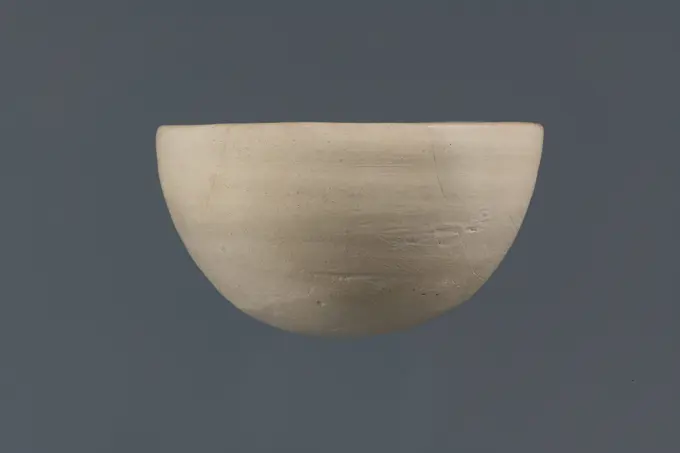
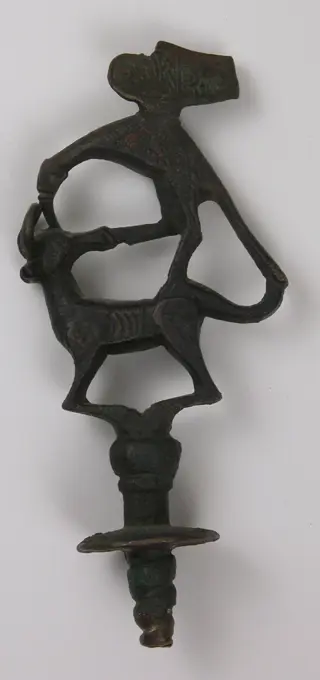
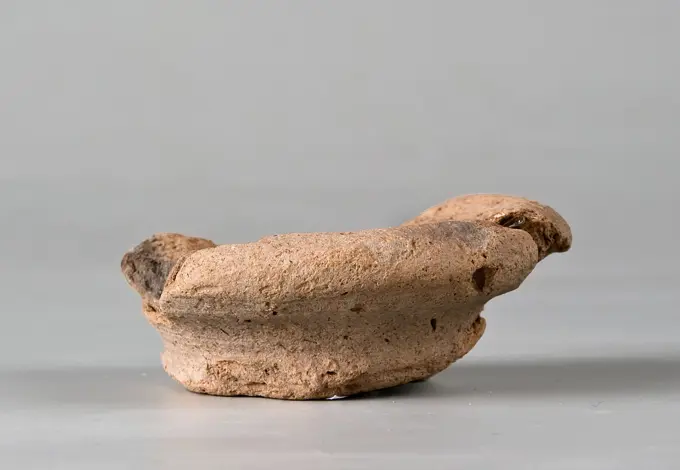
Images of antique buttons, pottery fragments, and historical artifacts providing a glimpse into past craftsmanship and materials.
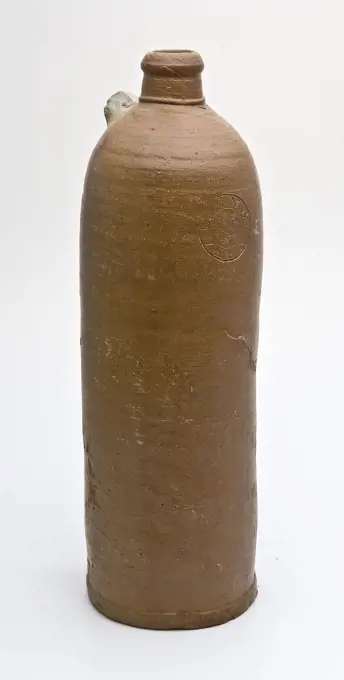
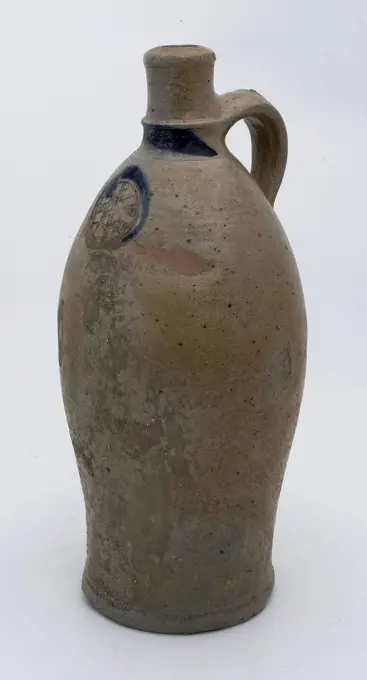
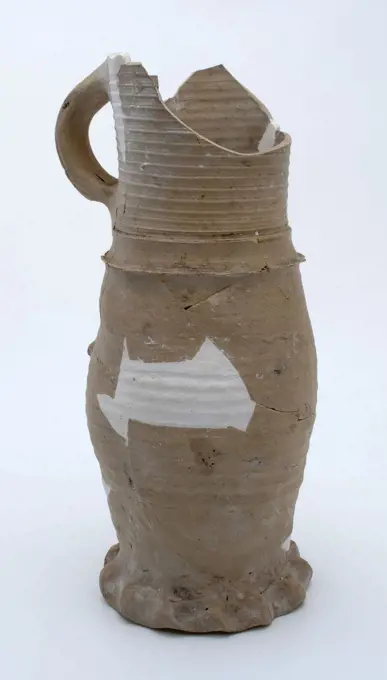
Stoneware mineral water pitcher, cylindrical with round shoulder, sausage ear and short neck, mineral water pitcher jar product packaging container soil find ceramic stoneware glaze salt glaze, hand turned glazed baked Stoneware mineral pitcher cylindrical with round shoulder short neck and sausage ear. Stand area with traces of deduction and soul. brown glazed with gray spot on shoulder. Marked under the ear and marked on the front with medallion and text. Mark under ear pottery brand: 16 C archeology Rotterdam Kralingen-Crooswijk Struisenburg Oostmaaslaan Boslaan Buizengat advertising indigenous pottery import drinking water drinking medicine medicine packaging Soil discovery: Buizengat Oostmaaslaan Boslaan Rotterdam an old landfill of municipal waste.
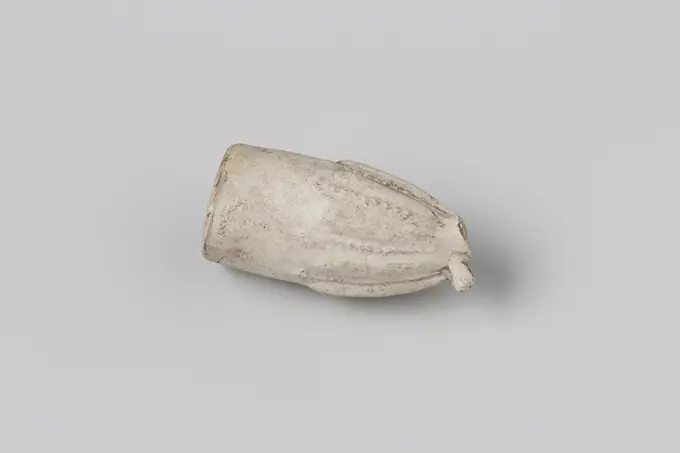
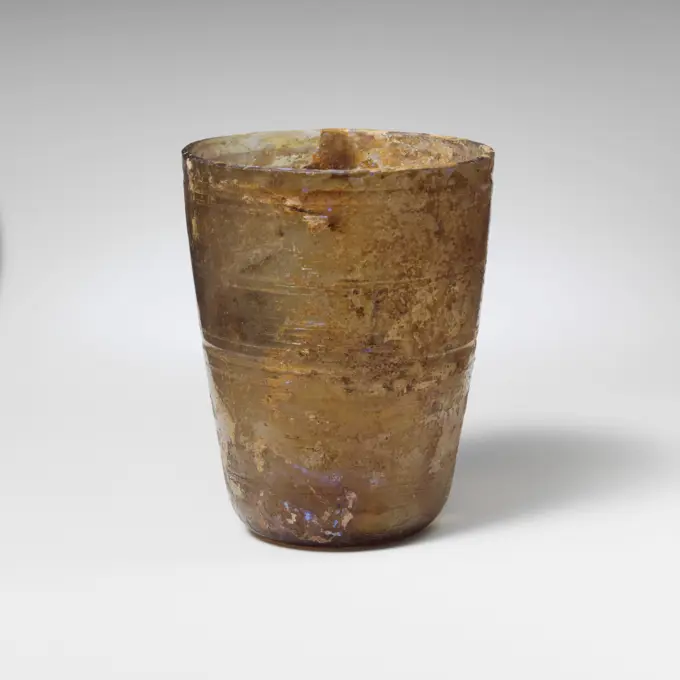
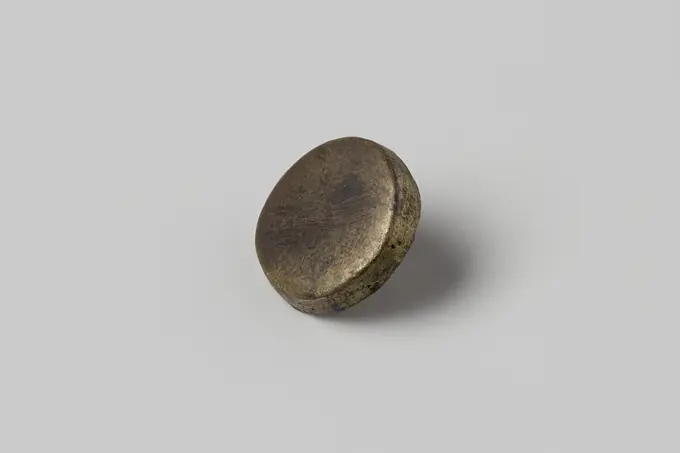
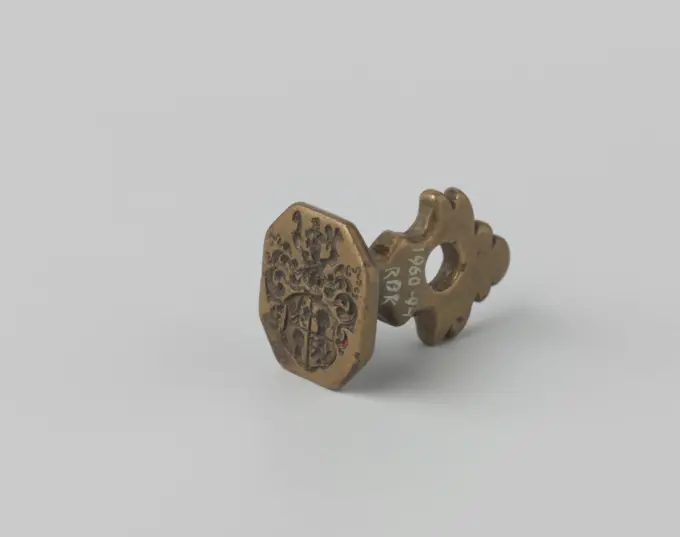
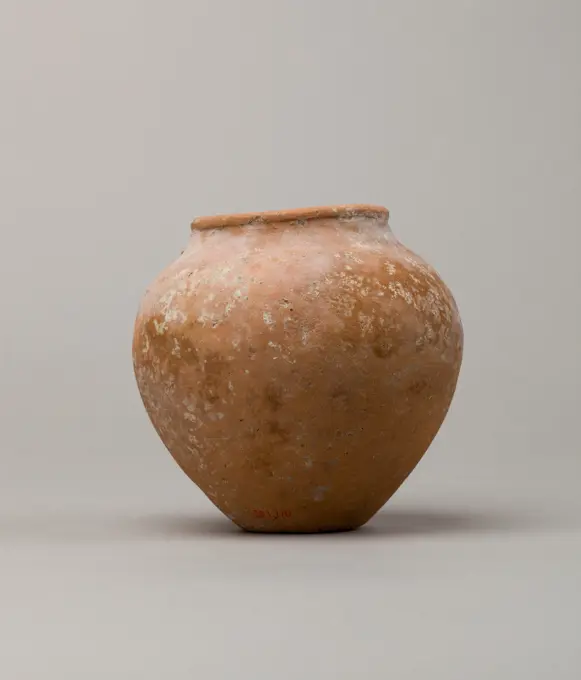
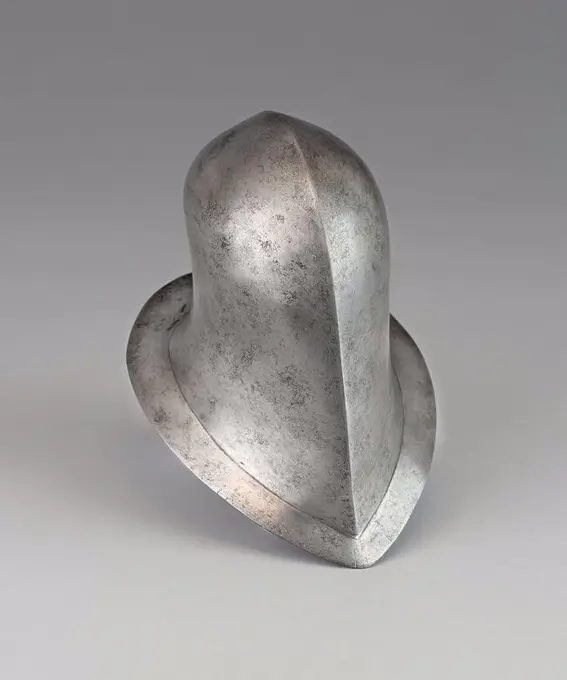
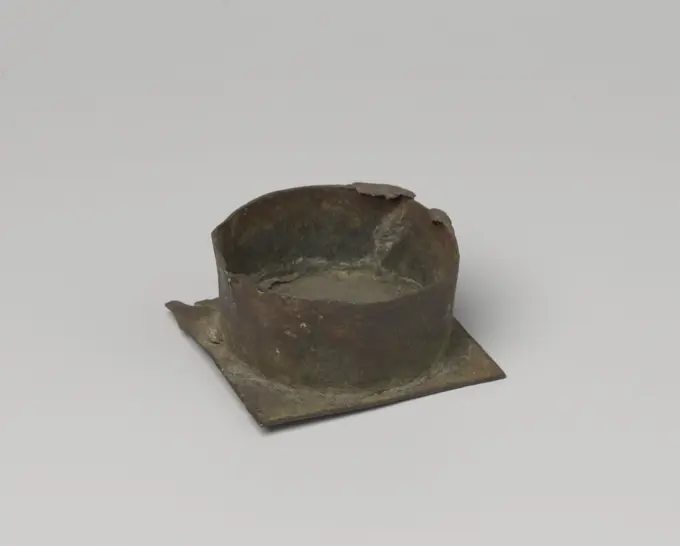
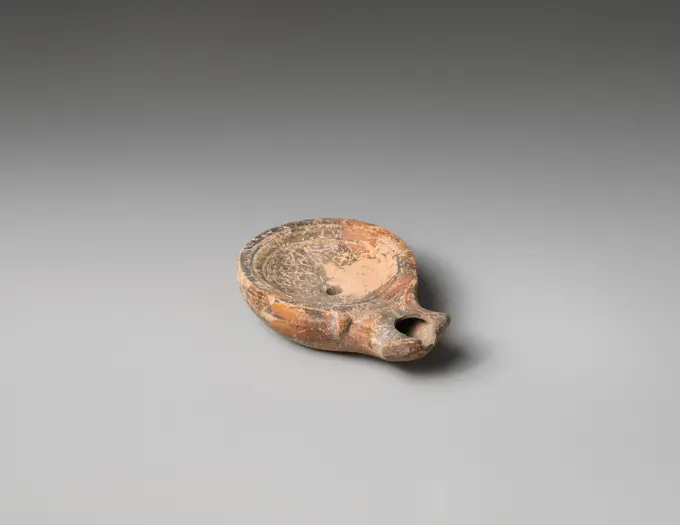
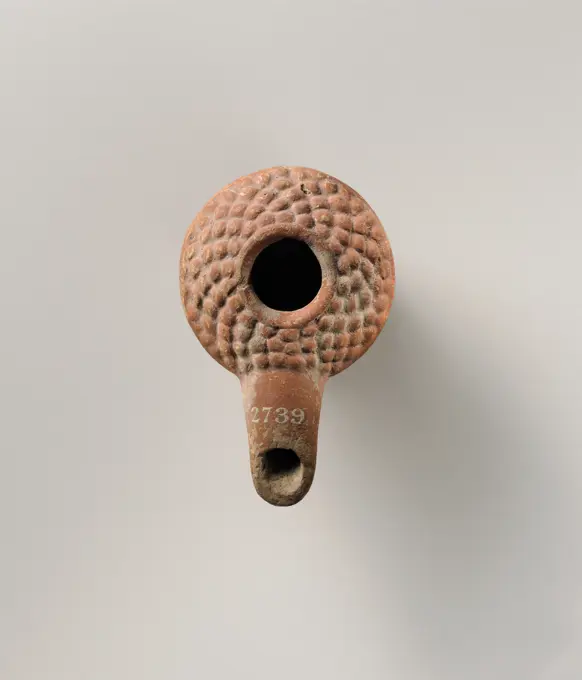
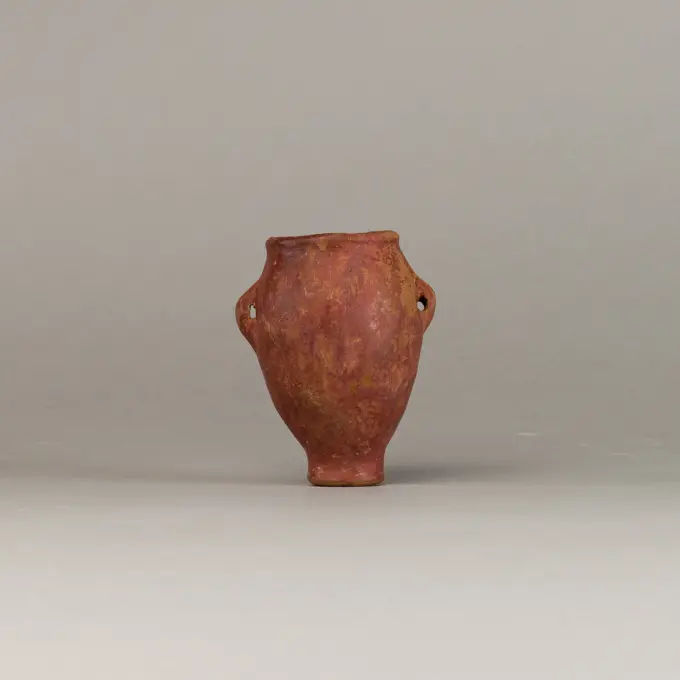
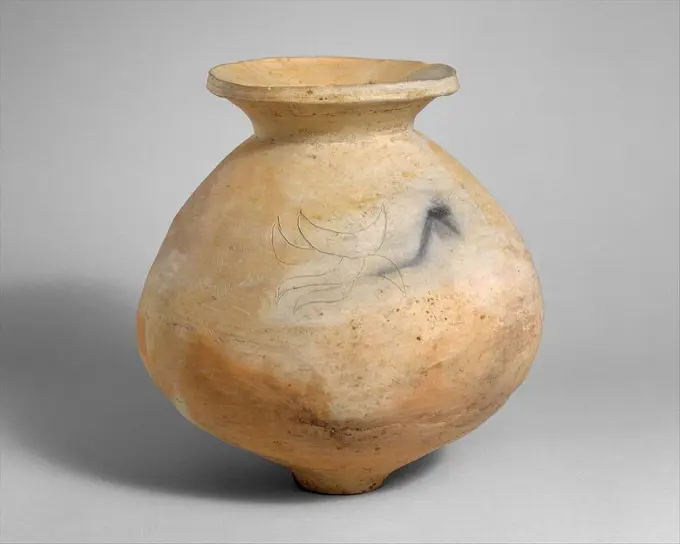
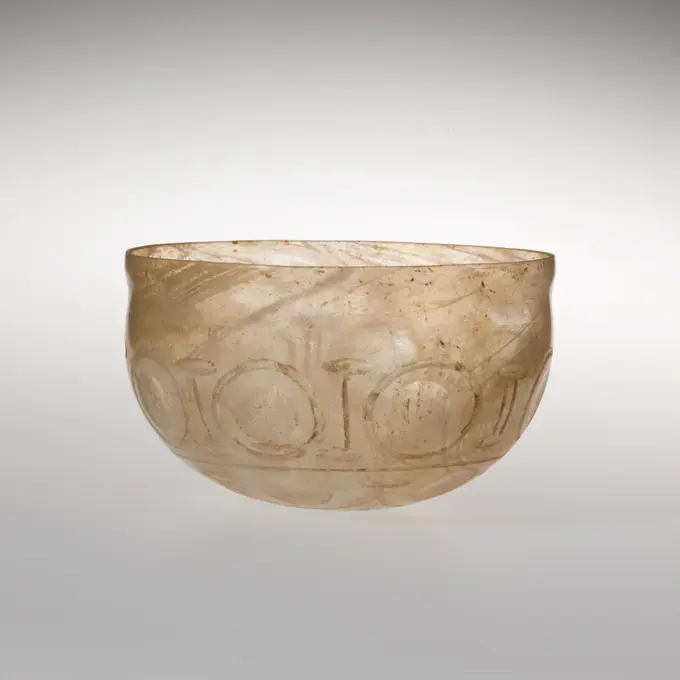
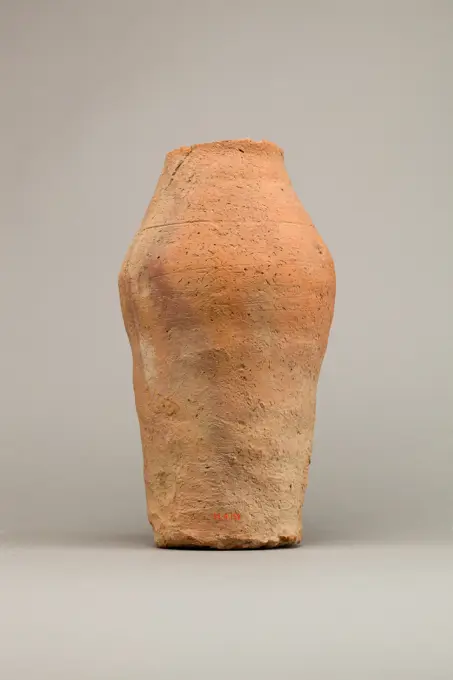
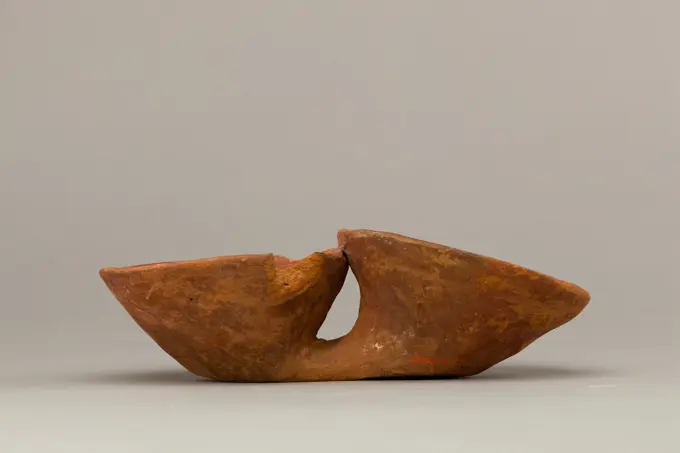
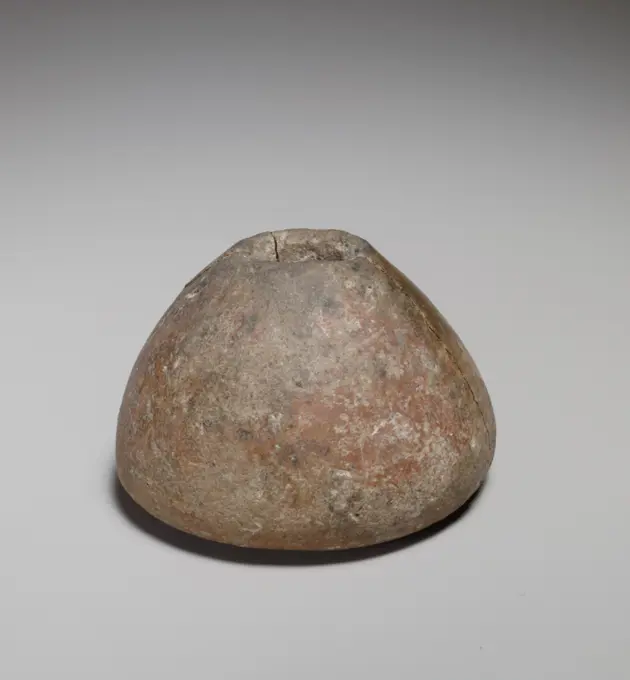
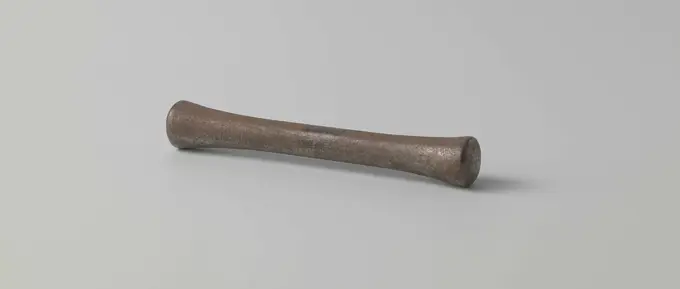
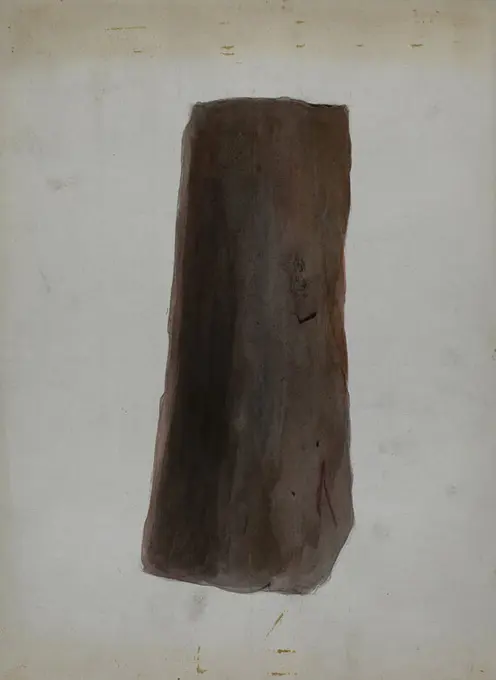
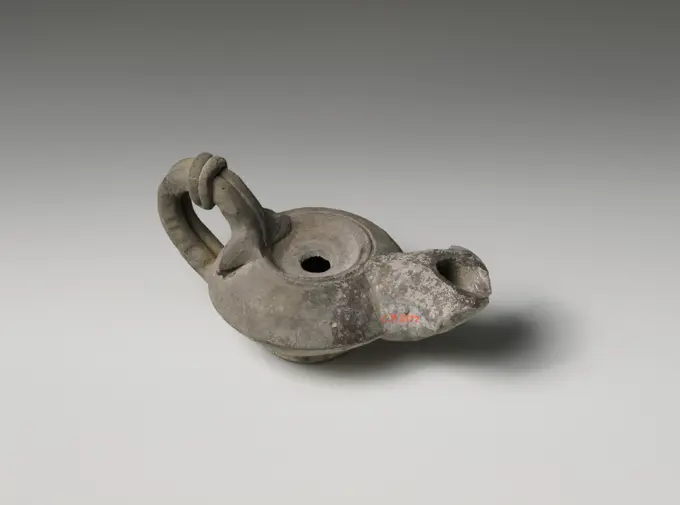
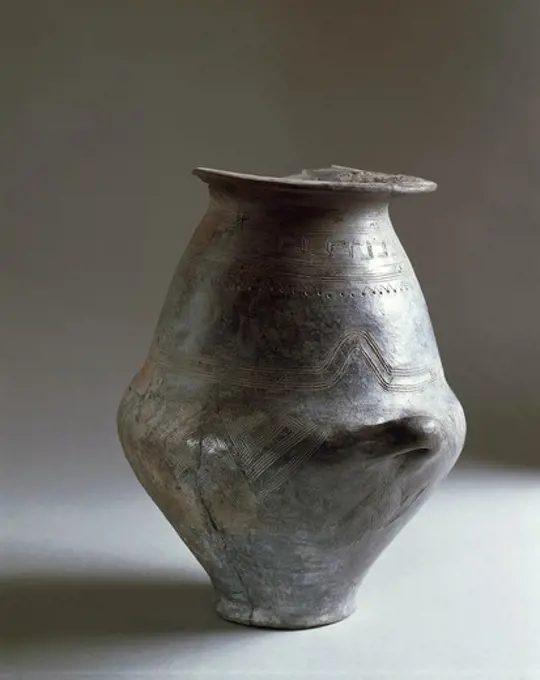
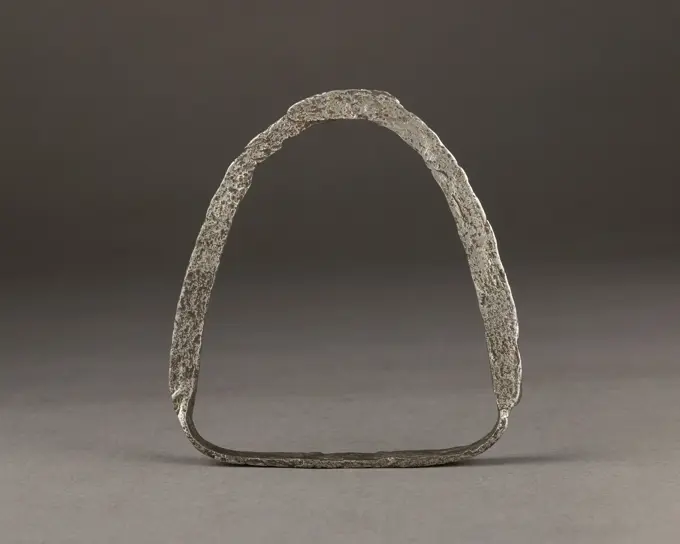
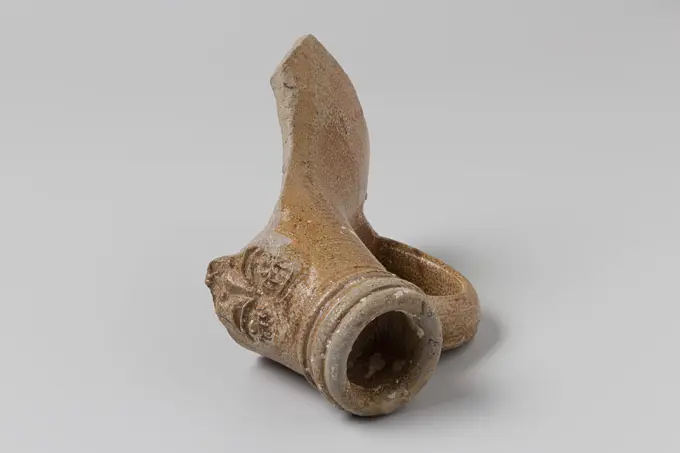
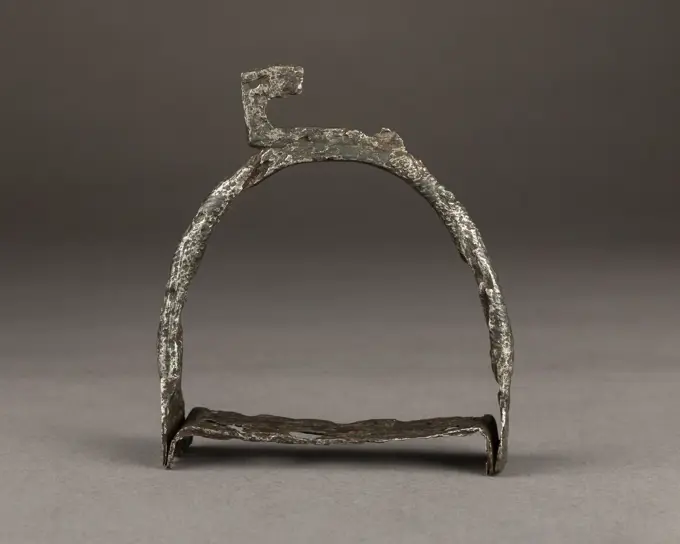
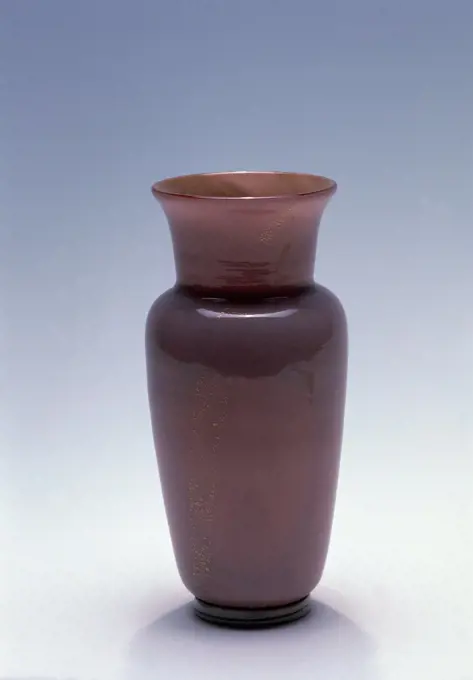
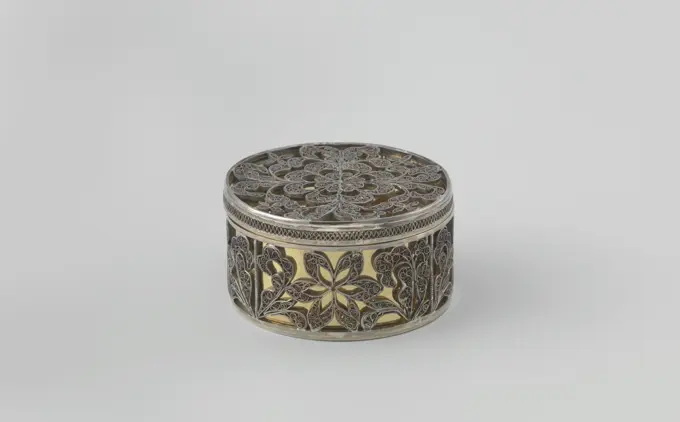
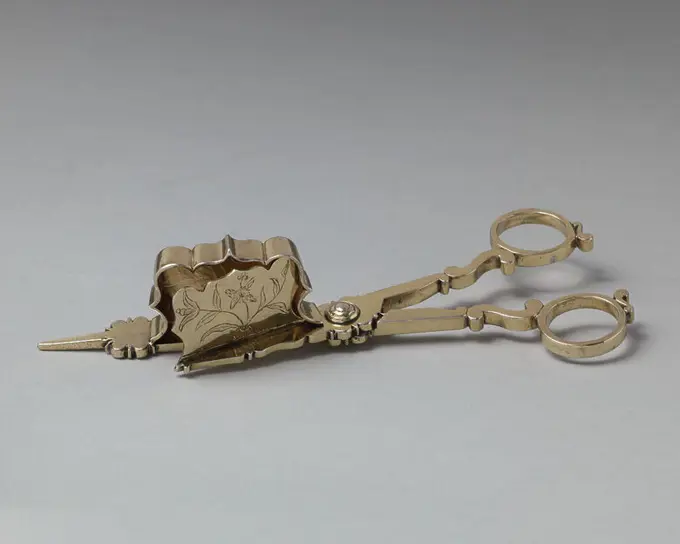
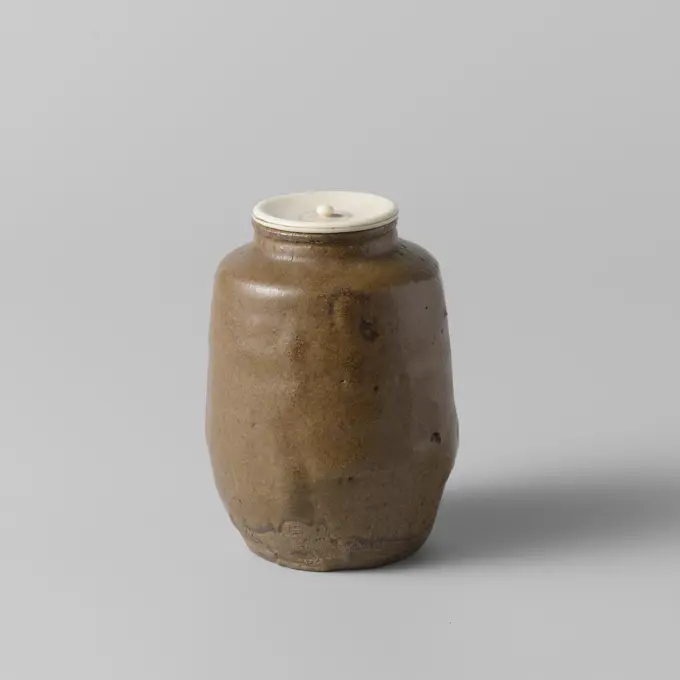
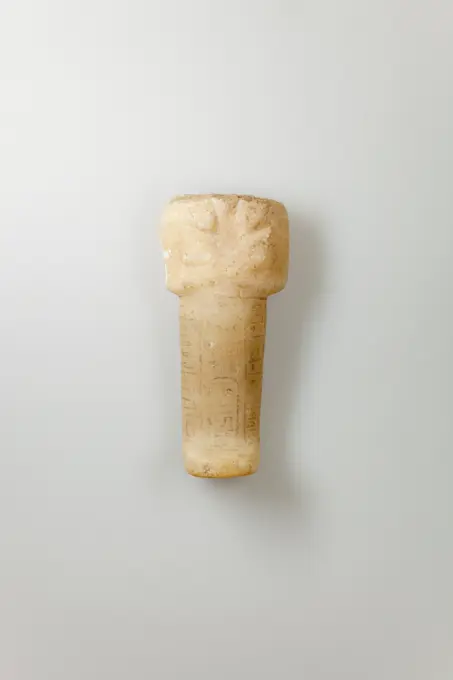
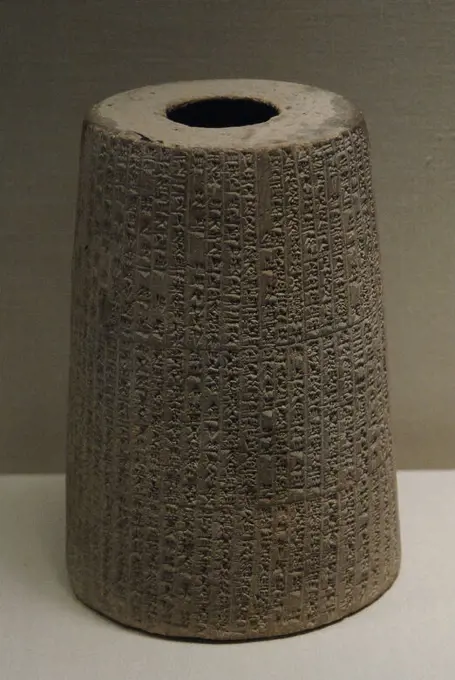
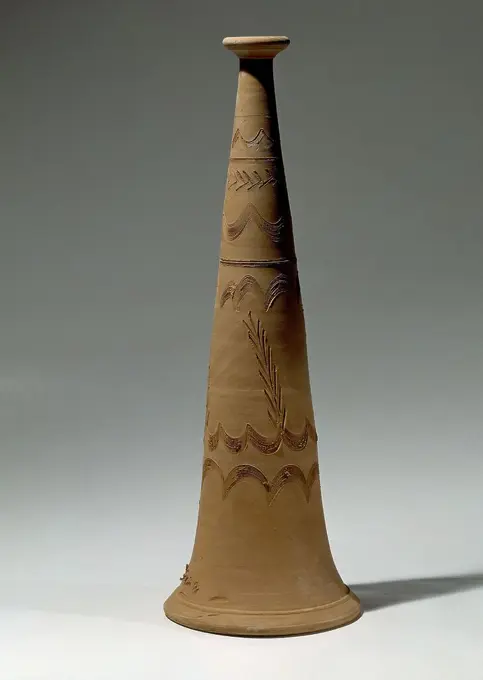
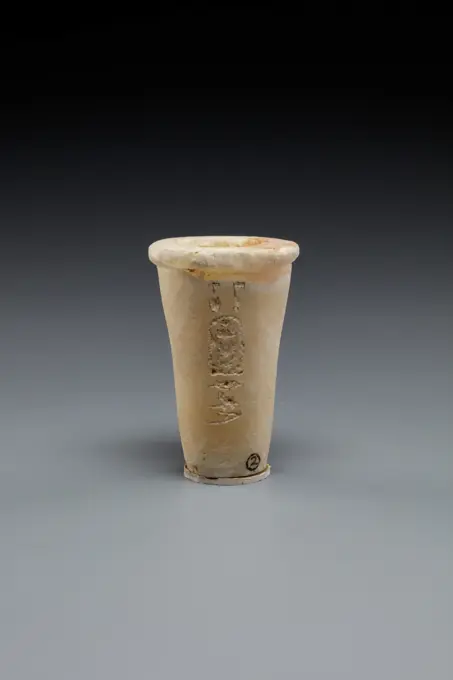
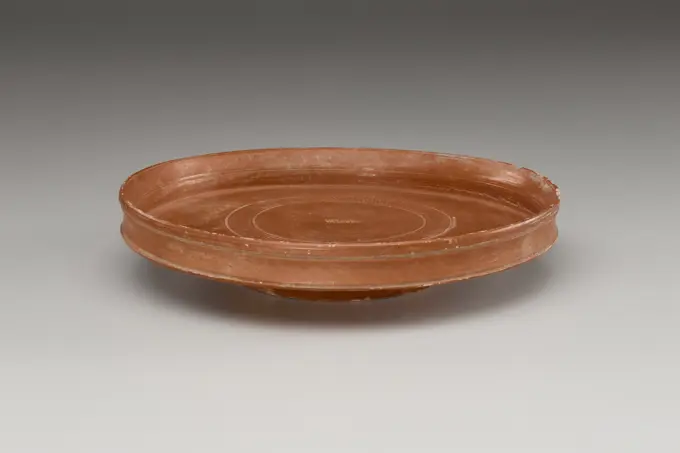
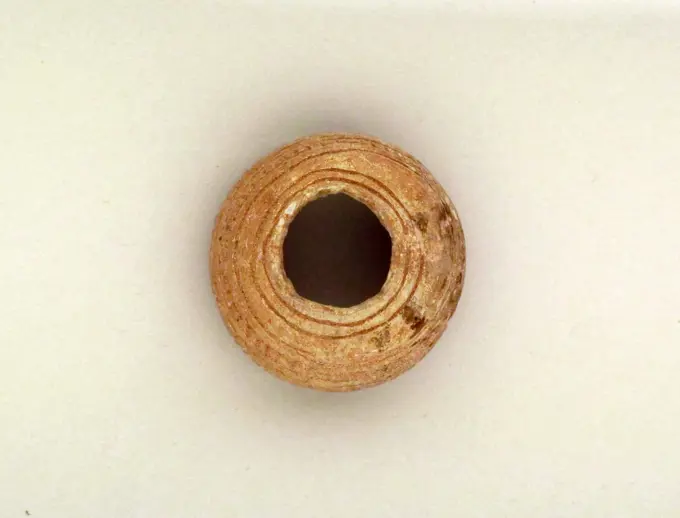
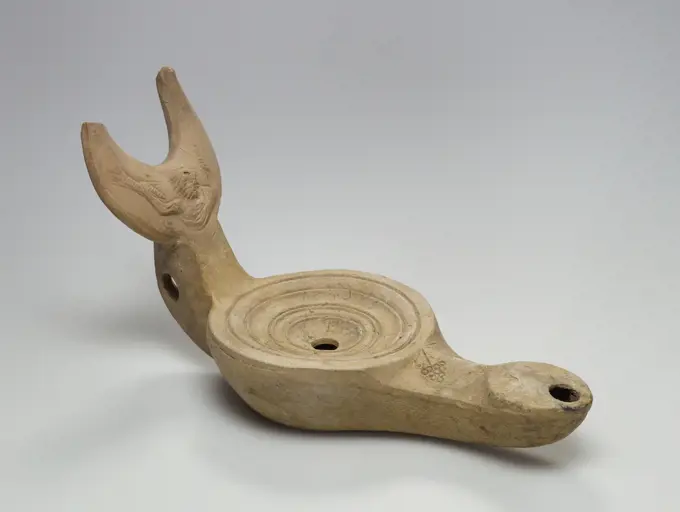
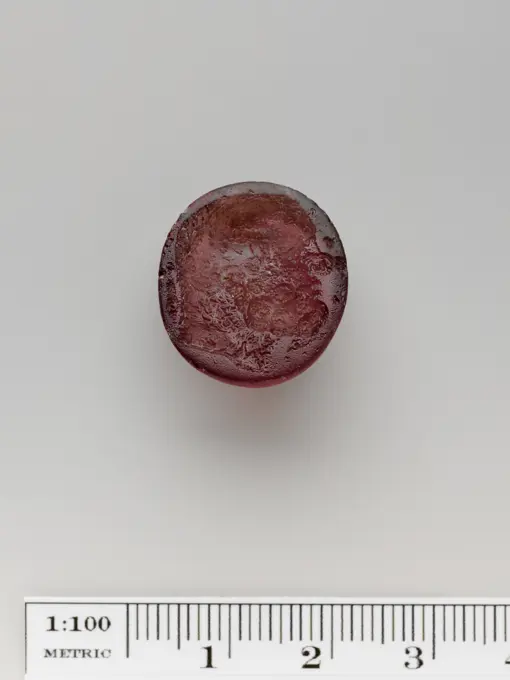
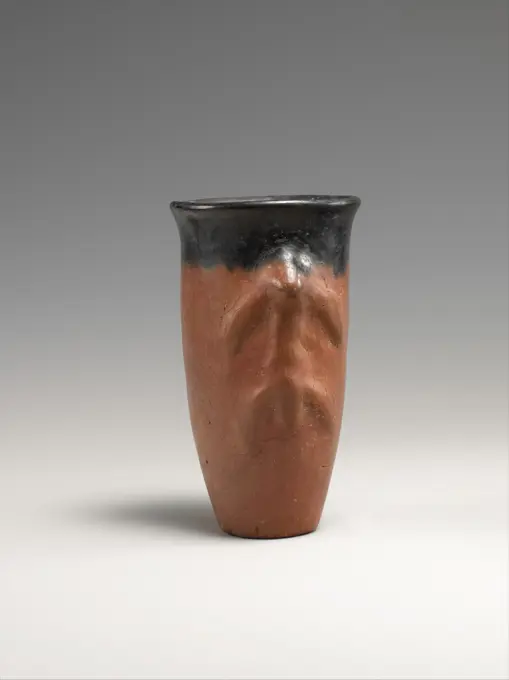
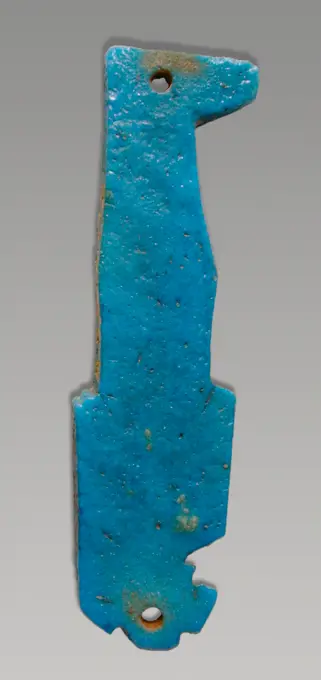
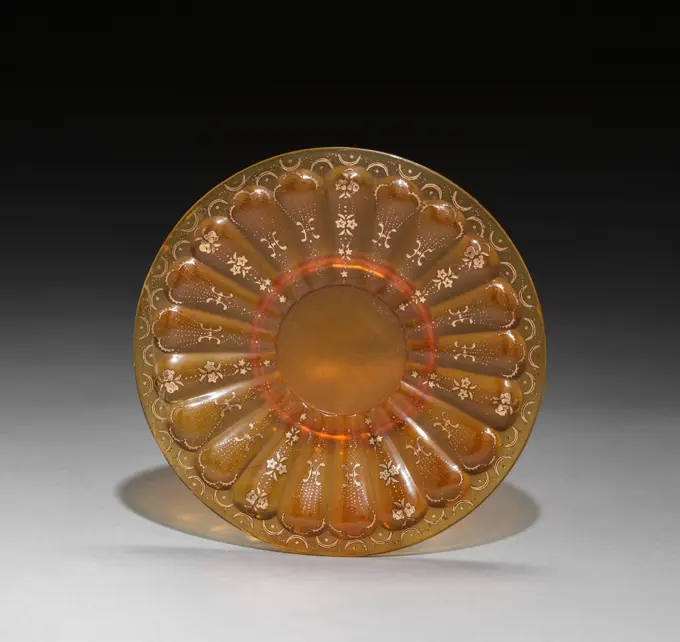
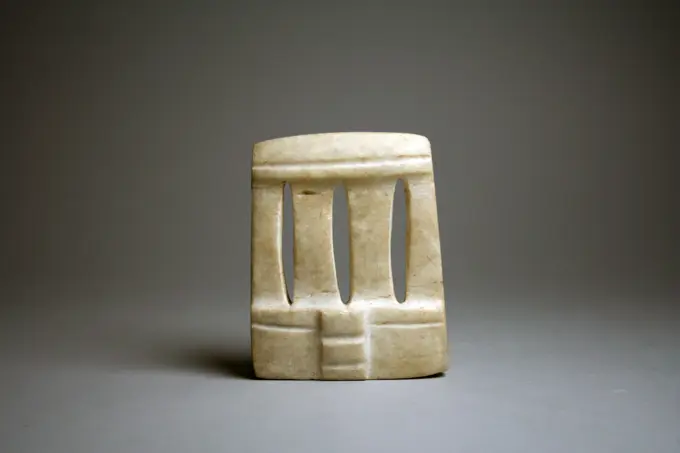
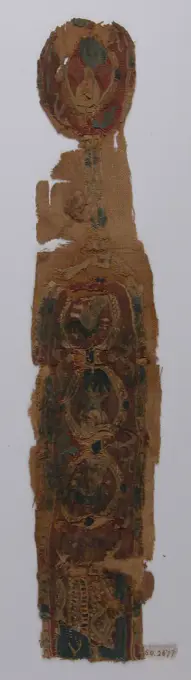
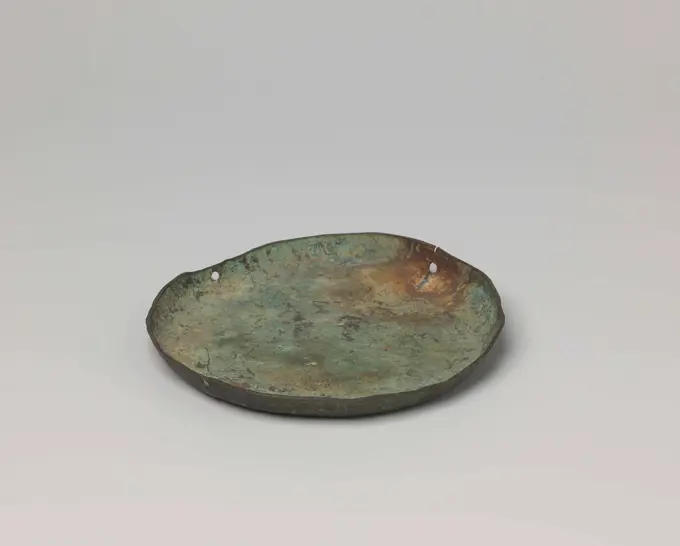
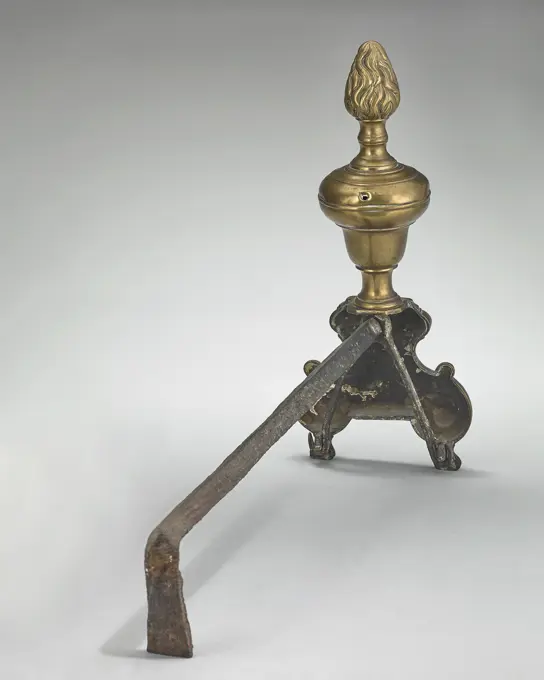
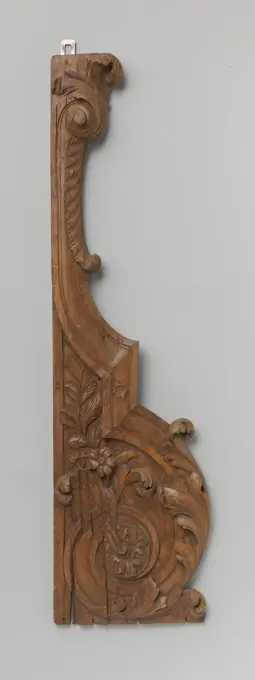
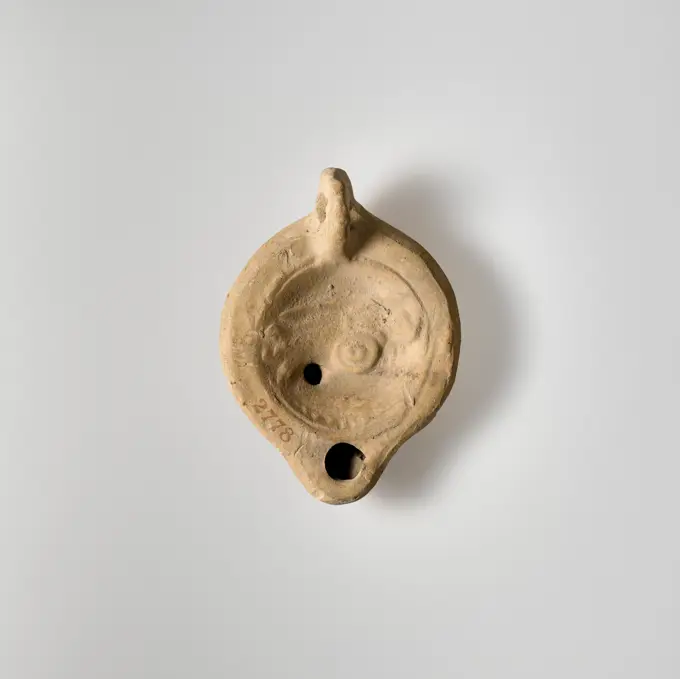
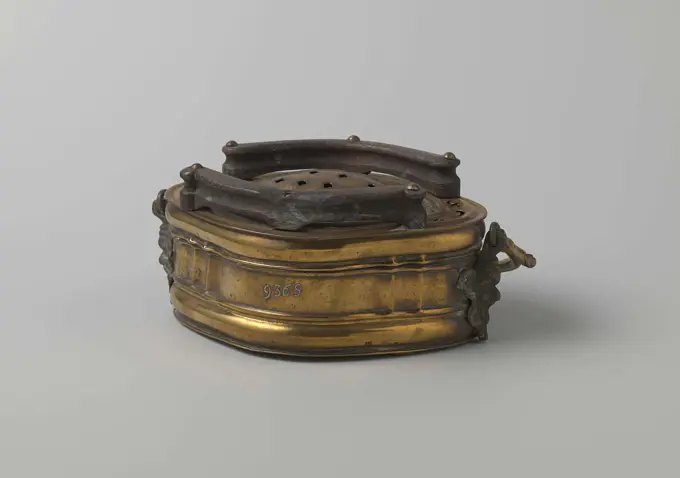
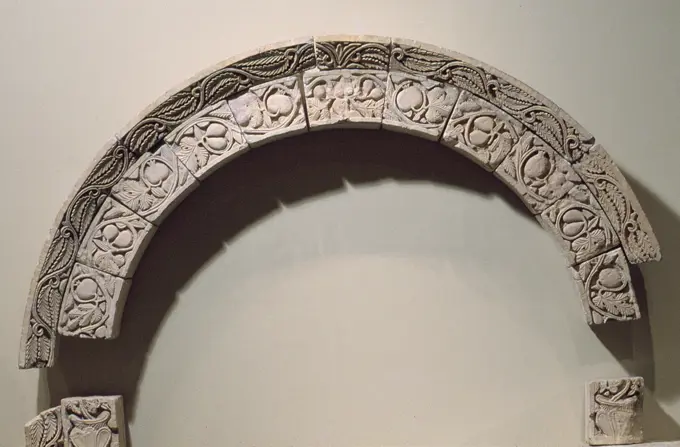
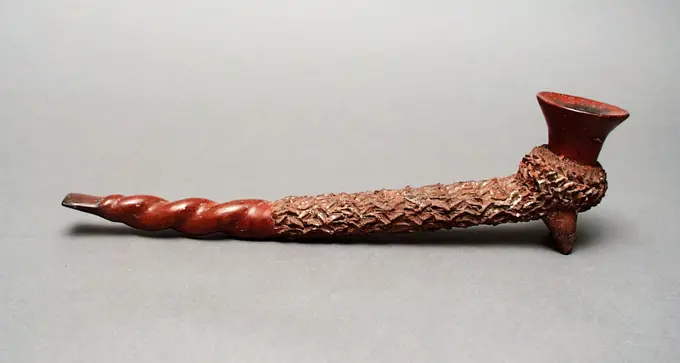
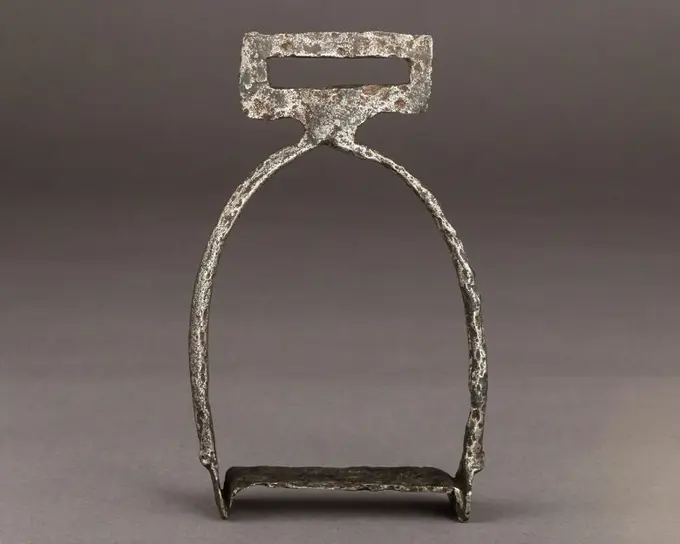
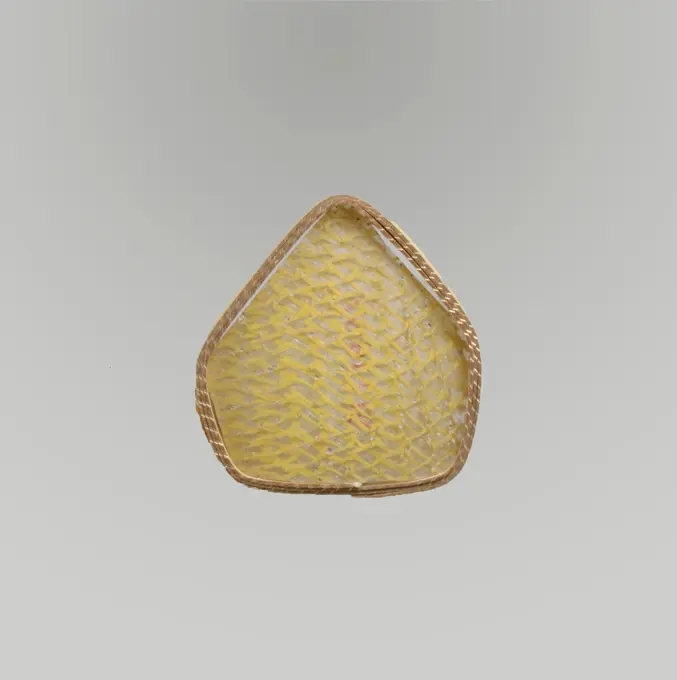
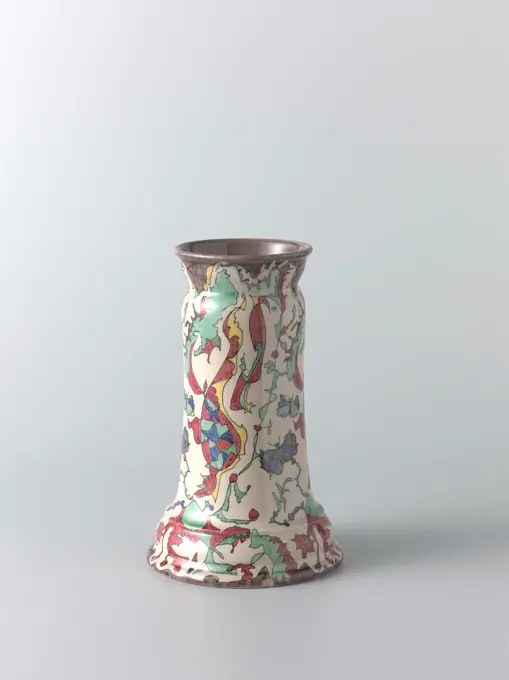
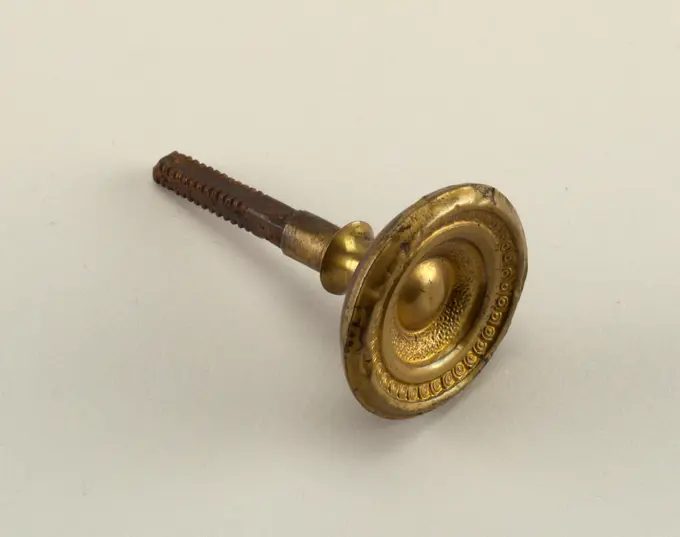
Button from the wreck of the East Indians Hollandia, Anonymous, 1700 - in or before 1743 button Knoop. (1) eroded, flat base, beaded rim (1.3d, 0.2t), (stone- ) setting missing, key-shank Netherlands copper (metal)   SecondFragment pijpenkop.Fragment blowjob with floral fashed motif and dotted flower drinks. Of the excavations at the Hofstede Arentsburg 1827-1831 under the supervision of professor Reuvens.Single disc block. Part of the house of a single-disc block.Carnavalet Museum, Medals CollectionShard pottery from the wreck of the East Indiescher 't flying heart. Earthenware shard, slightly bent with a round upright edge on the inside. Inside there are residues of organic material. Brown gray in color.Glass beaker 1st century A.D. Roman Colorless with purple streaks below rim.Knocked-off rim; almost straight sides to body, tapering downward; concave bottom. Thick walled.Wheel-cut decoration on body in four bands, comprising a deep groove and faint lines below rim; two parallel lines; a deep groove falnked above and below by a single line; and two more parallel lines near bottom.Intact; pinprick bubbles; patches of dulling, pitting, and iridescent weathering.. Glass beaker 239838Button from the wreck of the East India hollandia.knoop. (1) Slightly domed, commanded Rim (1.6D, 0.3T), Plain, Rim Raised Underneath, Key-ShankCachet with a fiered weapon, anonymous, c. 1600 - c. 1699 Couplet of copper, celebrated with a tree in fields 1 and 4; In 2 a crowned eagle; In 3 a lion. Netherlands copper (metal) Couplet of copper, celebrated with a tree in fields 1 and 4; In 2 a crowned eagle; In 3 a lion. Netherlands copper (metal)Stoneware mineral water pitcher, cylindrical with round shoulder, sausage ear and short neck, mineral water pitcher jar product packaging container soil find ceramic stoneware glaze salt glaze, hand turned glazed baked Stoneware mineral pitcher cylindrical with round shoulder short neck and sausage ear. Stand area with traces of deduction and soul. brown glazed with gray spot on shoulder. Marked under the ear and marked on the front with medallion and text. Mark under ear pottery brand: 16 C archeology Rotterdam Kralingen-Crooswijk Struisenburg Oostmaaslaan Boslaan Buizengat advertising indigenous pottery import drinking water drinking medicine medicine packaging Soil discovery: Buizengat Oostmaaslaan Boslaan Rotterdam an old landfill of municipal waste.Jar, Gooleh ware ca. 3850-2960 B.C. Predynastic Period. Jar, Gooleh ware. ca. 3850-2960 B.C.. Pottery. Predynastic Period. From Egypt, Southern Upper Egypt, Hierakonpolis (Nekhen), MMA excavationsCodpiece. German. Date: 1550-1570. Dimensions: 14 × 10.2 cm (5 1/2 × 4 in.); diameter: 7.6 cm (3 in.). Steel. Origin: Germany. Museum: The Chicago Art Institute, Chicago, USA.Plate ca. 1050-900 B.C. Cypriot Plate with handle and trough-spout, maltese cross on under side.. Plate. Cypriot. ca. 1050-900 B.C.. Terracotta. Iron Age. VasesBake consisting of a square base on which a circular upright wall is soldered, anonymous, c. 1590 - c. 1596  Bake consisting of a square base on which a circular raised wall is soldered. It is unclear whether this is a container or the bottom of a spy tray  copper (metal) soldering  Nova Zembla. Saving HuysGrahal-Manzara. Carnavalet 2013-2016 collection sites. Numismatics. Bust corner of Louis XVI on the left. Oath of the French.Ceremonial Knife 12th-15th century Chimú. Ceremonial Knife 316438Fragment of a Large Bowl 4th-7th century Coptic. Fragment of a Large Bowl 478921Terracotta oil lamp Roman, Cypriot Loeschcke Type 1A. Mold-made. Discus: plain, concave bowl, with central filling hole and a band of concentric lines and grooves towards edge. Volutes flanking nozzle. Within impressed base ring, slightly concave base, with a central raised letter: W (or four-bar sigma).Complete, except for small break and loss on front and underside of nozzle.. Terracotta oil lamp. Roman, Cypriot. Terracotta. Early Imperial. TerracottasCzarka. nieznany warsztat północno mezopotamski (ca 2350-ca 2200 a.C.), workshopTerracotta oil lamp late 3rd-early 1st century B.C. Greek Mold-made, with long, straight nozzle. Large, central filling hole with rounded lip; broad, sloping shoulder decorated with scale-like small knobs; squat, carinated body. Raised base ring and deep concave base.Intact.. Terracotta oil lamp. Greek. late 3rd-early 1st century B.C.. Terracotta. Hellenistic. TerracottasOrnament 11th-12th century. Ornament 448513Glass dish 4th century A.D. Roman Colorless with blue green tinge.Slightly inverted, rounded rim; short side to body, curving in to tubular, integral base ring; almost flat bottom, thickened at center and with trace of a central pontil scar.Intact; pinprick and a few large bubbles; some dulling, creamy weathering, and iridescence; patches of limy encrustation on interior.Stands lop-sided on base ring.. Glass dish 239889Fragment of the vessel;The collection of ancient EgyptPolished red ware jar with lugs ca. 4500-4000 B.C. () Predynastic Period. Polished red ware jar with lugs. ca. 4500-4000 B.C. (). Pottery. Predynastic Period. From EgyptJar. Culture: Japan. Dimensions: H. 10 3/4 in. (27.3 cm); W. 10 7/8 in. (27.6 cm). Date: ca. 100-300.A reference to an historical period and an early culture, the name Yayoi derives from the site near Tokyo University where pottery of this type was first discovered in 1884. Storage jars, cooking vessels, and footed dishes, unearthed in many sites throughout the archipelago, are the most common forms in Yayoi pottery. The storage jar shown here is from the area that encompasses present-day Kyoto, Osaka, and Nara. It was made by the coil method and the surface was smoothed and strengthened by paddling and shaving. A tiny foot supports the bulbous body of the jar. It was potted in light buff earthenware that turned red and black in spots during firing. Outlines of crescent shapes, possibly reflecting an earlier tradition of using shells to impress decoration into a clay body, are incised into the center of one side, presumably the front. Museum: Metropolitan Museum of Art, New York, USA.Cup (usual name), 1600. Sandstone with blue decoration under cover. Cernuschi Museum, Asia Museum of Asia in the city of Paris.Vase; glass, opasue amberGlass bowl 3rd century A.D. Roman Colorless.Knocked-off vertical rim with slight bulge below; hemispherical body; slightly flattened bottom.Wheel-cut decoration in two registers on side, with lower extending across bottom: upper register comprises eight round shallow facets, each surrounded by a circular groove, interspersed with stylized columns made up of a vertical thin groove and oval facets at top and bottom; lower register comprises six round shallow facets interspersed with hanging swags topped by oval facets and with vertical grooves below, forming a star-like pattern around a round shallow facet surrounded by a circular groove on bottom.Intact; few bubbles but blowing striations; dulling, slight pitting on bottom, iridescence, and creamy brown weathering.The linear and facet-cut decoration on this glass bowl resembles the patterns found on Roman silver plate, notably on some bowls in the Chaourse Treasure, buried for safekeeping during the devastating raids into Gaul by the AlSpherical gray stone, not applicable, c. 1400 - c. 1950   .   .Storage Jar, c. 1000 BCE, 20 x 17 in. (50.8 x 43.18 cm), Earthenware with white slip, Thailand, 11th-10th century BCE, The Ban Chiang site in Udon Thani province is the best known and understood of the many archaeological sites on the Khorat Plateau in northeast Thailand. The Ban Chiang culture flourished from about 4000 b.c. to around a.d. 400.Rough ware jar ca. 4500-4000 B.C. () Predynastic Period. Rough ware jar. ca. 4500-4000 B.C. (). Pottery. Predynastic Period. From Egypt; Probably from Northern Upper Egypt, Abadiya, EEF excavaions 1898-1899Double Bowl ca. 4500-4000 B.C. () Predynastic Period. Double Bowl. ca. 4500-4000 B.C. (). Pottery. Predynastic Period. From EgyptTerracotta oil lamp 2nd century A.D. Roman Loeschcke Type 8. Mold-made, with ring handle. Discus: plain, concave disk, with a single, small central filling hole, and surrounded by a narrow band of lines and grooves. On the broad, sloping shoulder, a row of small impressed ovules. Large wick hole. Broad, raised base ring, and a slightly hollow base.Intact, except for slight chipping on edge of discus and front edge of handle.. Terracotta oil lamp. Roman. 2nd century A.D.. Terracotta. Mid Imperial. TerracottasConical-hemispherical spindle-whorl with flat base ca. 2000-1725 B.C. Cypriot Spindle whorls aided in the making of cloth for garments and bedding. They were placed in tombs, perhaps so that the deceased could continue to spin wool in the afterlife.. Conical-hemispherical spindle-whorl with flat base 240505Stamper van gietijzer.Slippery pestle of cast iron, slightly finish to both sides.Roof Tile. Dated: c. 1936. Dimensions: overall: 35.6 x 26.6 cm (14 x 10 1/2 in.) Original IAD Object: 23" high; 9" in diameter. Medium: watercolor and graphite on paper. Museum: National Gallery of Art, Washington DC. Author: Cecily Edwards.Terracotta oil lamp ca. 150-75 B.C. Greek Wheel-made, with applied large loop handle and large misshaped nozzle. Plain, concave discus, with irregular central filling hole and surrounded by a narrow raised circle and groove. Angular, carinated body, and nozzle with pointed sides around the large wick hole; handle with central groove and applied double cross bar at top. Raised base ring, and flat base.Intact. Handle crudely applied and nozzle carelessly made.. Terracotta oil lamp. Greek. ca. 150-75 B.C.. Terracotta. Hellenistic. TerracottasStoneware jug placed on squeeze foot, Jug or jacobakan, Jug or jacobakan jug crockery holder soil find ceramic stoneware, hand-turned baked Narrow jug one ear pinched foot Jug or jacobakan Clear rings under the ear an extra pronounced ring. brown pink archeology Rotterdam railroad tunnel of indigenous earthenware import table room serving serving Soil discovery: rail tunnel Rotterdam.Small cup. Covered covered green-yellowish. Cernuschi Museum, Asia Museum of Asia in the city of Paris.ZUN type vase;  19th century (1801-00-00-1900-00-00);Prehistory, Italy, Iron Age. Villanovan culture. Biconical ossuary. From the necropolis of Le Rose at Tarquinia, province of Viterbo.Box cut from coconut, anonymous, c. 1400 - c. 1950 Box, small and round, cut out of coconut ().  coconut shell cutting Box, small and round, cut out of coconut ().  coconut shell cuttingFibula 9th-8th century B.C. Italic, Villanovan. Fibula 256003Przycisk do papieru - ryba. unknown, craftsmanStirrup 10th-11th century West Slavic This simple stirrup of Slavic type is said to have been found on the site of Dolkheim, today in Northern Poland.Horses had great importance in Slavic society, in both its social and religious aspects. Equestrian equipment, like stirrups, spurs and bits, are regularly found in their burials, even after their Christianization, among the goods warriors wanted to bring with them to the afterlife. The elite would sometimes even be accompanied by sacrificed horses, a meaningful practice at that time, considering the high economic value of horses.. Stirrup. West Slavic. 10th-11th century. Iron. Dolkheim, East Prussia. Equestrian Equipment-StirrupsBaluster with stabbed C and S-Voluten, Anonymous, c. 1740 - c. 1760 S-shaped baluster with stabbed C and S-Voluten with rocaille shells. Northern Netherlands wood (plant material) S-shaped baluster with stabbed C and S-Voluten with rocaille shells. Northern Netherlands wood (plant material)Nose Ornament 13th-16th century Colombian. Nose Ornament 307486Oil lamp. unknown, craftsmanNeck of bearded manner from the wreck of the East India Hollandia.Stoneware, Rhenish, Frechen-Ware, Jug; Fragment, Neck of Bellararmine: Relieved Bands on Exterior, With Vertical Handle, Grooved and Fragment or Mask Appliqué.Stirrup 10th-11th century Germanic This type of stirrup, with its wide rectangular suspension eye and its flaring sides at the bottom, is characteristic of the Germanic (Viking) populations living around the Baltic and Northern Seas. It evolved from types used by the Avars in Eastern Europe in the 7th and 8th centuries and was brought to Central Europe through the migration of Eastern populations.If the Vikings are mostly known for being talented sailors, one may forget they were also horse riders, and as in all the Germanic cultures, horses had great importance in their society, in both its social and religious aspects. Equestrian equipment, like stirrups, spurs and bits, are regularly found in Viking burials, among the goods warriors wanted to bring with them to the afterlife. The elite would sometimes even be accompanied by sacrificed horses, a meaningful practice at that time, considering the high economic value of horses.. Stirrup. Germanic. 10th-11th century. Iron, silver. probabFunerary Figurine of a Man. Egypt, New Kingdom to Late Period, possibly 22nd Dynasty (1081 - 333) BCE. Sculpture. Wood, carved and paintedWall Gun (Barrel). German or Austrian. Date: 1500-1533. Dimensions: Overall length: 35 3/8 in. (89.9 cm)Caliber: 1 in. (2.5 cm)Weight: 19 lb. 14 oz. Iron and wood. Origin: Germany. Museum: The Chicago Art Institute, Chicago, USA.Sunset Vase, by Buzzi Tommaso, 1932 - 1933, 20th Century, Unknow. Italy, Veneto, Venice, private collection. Produced by Venini Murano vase pot brown red.Rough ware jar ca. 3500 B.C. Predynastic, Naqada II. Rough ware jar. ca. 3500 B.C.. Pottery. Predynastic, Naqada II. From Egypt, Southern Upper Egypt, Hierakonpolis (Nekhen), Fort Cemetery (Hk 27), Tomb 17, MMA excavations, 1934-35Box, anonymous, c. 1700 - c. 1710 Gilded, silver, round box with lid, completely surrounded by a second ajour worked wall of silver filigrein in the form of leaves and rosettes. Hot box is unnoticed. From Mrs. H.S.C. von Hemert, born Baroness van Pallandt. Batavia silver (metal). gilding (material) filigree / gilding Gilded, silver, round box with lid, completely surrounded by a second ajour worked wall of silver filigrein in the form of leaves and rosettes. Hot box is unnoticed. From Mrs. H.S.C. von Hemert, born Baroness van Pallandt. Batavia silver (metal). gilding (material) filigree / gildingCandlestickUnguentarium, 4th-5th century A.D., White glass, 10 × 3.8 cm (3 15/16 × 1 1/2in.), The Yale-British School Excavations atGerasa, Excavated in Gerasa, Jordan, Gerasa(Jordan), Containers -GlassSnuffers (part of a toilet service). Culture: British, London. Dimensions: Overall: H. 1 7/16 x W. 6 5/8 x D. 1 3/4 in., 3 oz. 4 dwt. (3.7 x 16.8 x 4.4 cm, 0.1kg). Maker: W. B., London (ca. 1684-85). Date: late 17th century. Museum: Metropolitan Museum of Art, New York, USA.Ceramic Fragment 9th-10th century View more. Ceramic Fragment. 9th-10th century. Earthenware; slip covered and polychrome painted. Excavated in Iran, Nishapur. CeramicsTea caddy with a brown glaze, anonymous, anonymous, c. 1400 - c. 1950 Dust bar or Chare of stoneware with an ivory lid, partially covered with a light brown glaze. The lower part of the bus is unglazed. Old label on the bottom with 'W622'; Old label on the underside of the lid with 'Tomkinson Collection/ 397'. IMonoko. Japan stoneware. glaze. deksel: ivory vitrification Dust bar or Chare of stoneware with an ivory lid, partially covered with a light brown glaze. The lower part of the bus is unglazed. Old label on the bottom with 'W622'; Old label on the underside of the lid with 'Tomkinson Collection/ 397'. IMonoko. Japan stoneware. glaze. deksel: ivory vitrificationSample of Millwork, anonymous, 1876 sample Piece of panel work of the Centennial Exhibition in Philadelphia in 1876. It was made of one piece and shows one long -fried geometric motif. United States of America (possibly) wood (plant material). paper   PhiladelphiaShabti of Siptah ca. 1194-1188 B.C. New Kingdom, Ramesside. Shabti of Siptah 559265Mesopotamia. Babylon. Conical cylinder with inscriptions. Period of Nebuchadnezzar (605-562 BC). Clay. Dallas Museum of Art. State of Texas. United States of America.Shabti of Siptah ca. 1194-1188 B.C. New Kingdom, Ramesside. Shabti of Siptah 560873TROMPETA O BOCINA-BARRO SIN VIDRIAR CON DECORACION INCISA-ARTE POPULAR S XX. Location: ALFARERIA. Toledo. SPAIN.Model Vase from a Foundation Deposit ca. 1400-1390 B.C. New Kingdom This model jar is from one of the foundation deposits that were placed in front of the entrance of the tomb of Thutmose IV (KV 43) in the Valley of the Kings. The inscription scratched onto the side identifies the king by his throne name, and reads "The Good God Menkheperure, beloved of Osiris." A small amount of paint is still visible around the edges of the hieroglyphs. The tomb and its foundation deposits were discovered in February1903 during excavations sponsored by Theodore M. Davis and supervised by Howard Carter while he was Inspector-General of Upper Egypt for the Egyptian Antiquities Service. Thirty-nine objects were found in two foundation deposits on either side of the stairs leading down to the tomb entrance. Davis received four of these objects in the division of finds: two model jars and two model dishes, which he bequeathed to the MET and are now on display in Egyptian gallery 117.. Model Vase from a FoJug ca. 3200-1050 B.C. Cypriot One-handled with globular body, beaked spout, string-holes and lattice panels.. Jug. Cypriot. ca. 3200-1050 B.C.. Terracotta. Bronze Age. VasesBowl;  1 after III century - 2. PO. 5th century (201-00-00-500-00-00);Arretine WareDish.  Artist: Rasinus, Roman, late 1st century B.C. - Early 1st century ADBead, inscribed "Sa-ra" Symbolic objects used for amulets include a menat-pendant, the djed-sign, a papyrus capital are all common in Egyptian architecture. Also, a pectoral, such as is used on mummies, a bunch of grapes, or other clusters of fruit, and an inscribed bead are common shapes.. Bead, inscribed "Sa-ra". Clay, glazed. Gold and SilverLamp, Asia Minor; 1st century B.C. - 4th century A.D; Terracotta; 22.5 x 13 x 10 cm (8 7,8 x 5 1,8 x 3 15,16 in.)Reduced housing model: four pilliers supporting a roof. Terracotta. Cernuschi Museum, Asia Museum of Asia in the city of Paris.Meiping Vase with Vertical Ribs. China. Date: 1115-1234. Dimensions: H. 27.0 cm (10 5/8 in.); diam. 11.8 cm (4 5/8 in.). Stoneware with black glaze and underglaze ribbed decoration. Origin: China. Museum: The Chicago Art Institute, Chicago, USA.Glass ring stone 3rd-1st century B.C. Greek Head of bearded Herakles.. Glass ring stone. Greek. 3rd-1st century B.C.. Glass, purple. Hellenistic. GemsStoneware mineral water bottle on stand, arched model, stamped mark, mineral pitcher pitcher pitcher holder soil find ceramics stoneware enamel salt enamel, hand turned fried glazed stoneware mineral pitcher gray shard with salt glaze bandoor Contains spring water from Nieder Selter stamped source: CURTRIER round Greek cross and blue ring archeology health care import pottery packing serve drink medicine drug pharmacySeashell in metal against gray backgroundRibbon of cream -colored mesh of 15 meters, c. 1900 - c. 1915 Ribbon of cream -colored mesh for 15 meters. Nijmegenfrance silk. Ribbon of cream -colored mesh for 15 meters. Nijmegenfrance silk.Swing;  19th century (1801-00-00-1900-00-00);Black-topped red ware jar with a climbing animal ca. 3700-3500 B.C. Predynastic, Late Naqada l-Early Naqada II. Black-topped red ware jar with a climbing animal 547246Mand, anonymous, 1700 Round basket of braided silver thread. The basket has a massive bottom and stands on a foot. The basket has three handles and a lid. The basket is not marked. Netherlands silver (metal) filigree Round basket of braided silver thread. The basket has a massive bottom and stands on a foot. The basket has three handles and a lid. The basket is not marked. Netherlands silver (metal) filigreeFragment stoneware jug on pinched foot with slightly curved body and cylindrical neck, jug jug crockery holder fragment soil found ceramic stoneware, hand-turned baked Fragment of stoneware jug on pinched foot Lightly curled body and cylindrical neck. Turning loops over the bottom half of the belly smoothed under the ledge Standing ribbon ear Narrow ridge over the shoulder Darts around the neck. Small dent above the foot on the right side of the ear archeology Huis te Woude Slikkerveer Ridderkerk indigenous pottery import drinking wine beer water Soil discovery: Huis te Woude Slikkerveer 1969.Qebehsenuef Bead from a Mummy Bead Net. Egypt, Late Period (755 - 525 BCE). Jewelry and Adornments; beads. Faience, blue glazeSaucer, c. 1730. France, 18th century. Amber decorated with inlaid gold and mother-of-pearl; diameter: 8.9 cm (3 1/2 in.).Temple 1st-8th century Mezcala. Temple 317126Shoulder Band Fragment 6th-8th century. Shoulder Band Fragment 445923Planets-manager. Cornalet Collection Sites 2013-2016. Numismatic.Scale, round of shape with holes drilled in the edge. Scale, round of shape with holes drilled in the edge.Pattens 1830-50 British Women's shoes of the early 19th century were notoriously thin and flimsy, so some sort of overshoe was necessary to keep the shoes clean and dry when walking outdoors. One option was the patten, which consisted of a wooden sole with straps, raised on an iron ring. Pattens were not considered particularly genteel or refined, and this reputation is confirmed by the coarse construction of many surviving examples. These pattens from the collection, in a scarcely found child's size, are typical of the type worn in the 1830s and 1840s. Pattens fell out of use in the 1850s, when vulcanized rubber galoshes became widely available.. Pattens 158051Anonymous, Chenêt (main title). Golden bronze, cast iron. Petit Palais, Museum of Fine Arts of the City of Paris.Side wall of a chimney -functioning, anonymous, c. 1710 Lindehouten side wall of a chimney -functioning Netherlands wood (plant material). linden Lindehouten side wall of a chimney -functioning Netherlands wood (plant material). linden. According to a local tradition this ornamental shield comes from the mortuary chapel of the Emperor Louis the Pious at Metz. Louis was the son and successor of Charlemagne. Although it has been called Charlemagne’s shield’, it was probably made and hung in the chapel several centuries after Louis’s death.Pot Stand. Dimensions: diam. 11 cm (4 5/16 in). Dynasty: Dynasty 18. Reign: Joint reign of Hatshepsut and Thutmose III. Date: ca. 1479-1458 B.C.. Museum: Metropolitan Museum of Art, New York, USA.Terracotta oil lamp 2nd century A.D. Roman Mold-made, with poorly-made ring handle. Discus: standing figure of Athena, facing left, wearing helmet and carrying a long spear in her right and a round shield in her left hand; a single filling hole at left towards nozzle; a raised band around edge. Undecorated, horizontal shoulder. Rounded nozzle with large wick hole. Undefined base ring, and uneven base.Intact. Ring handle left unpierced and then crudely completed with small, slit hole.. Terracotta oil lamp. Roman. 2nd century A.D.. Terracotta. Mid Imperial. TerracottasFootsteak with profiled drum and lid. The object of several parts consists of a drum with a lid on a hinge, two masks to attach the two-part handle with wooden handle. Drum and lid are profiled and have a more or less diamond-shaped outline. The soil is reinforced with two copper plates. Two wooden foots are mounted on the edge. In the lid, a convex plate has been riveted with challenged squares in later times. An eye of a handle arm is broken. The container is missing.Arch with Running Vines, Leaves, and Fruit 6th century This remarkably well-preserved arch may once have been set over a doorway at the Monastery of Apa Apollo in Bawit, Egypt. Pomegranates and other fruits grow from a vine rising from a decorated amphora, or vase, on each side of the arch.. Arch with Running Vines, Leaves, and Fruit. 6th century. Limestone; carved in relief. Said to be from Egypt, Bawit. SculptureSlippers 1790-95 French. Slippers 168369PipeStirrup. Culture: Germanic. Dimensions: H. 7 3/4 in. (19.7 cm); W. 4 3/4 in. (12.1 cm); D. 1 1/4 in. (3.2 cm); Wt. 6.8 oz. (192.8 g). Date: second half 10th century.This type of stirrup, with its wide rectangular suspension eye and its flaring sides at the bottom, is characteristic of the Germanic (Viking) populations living around the Baltic and Northern Seas. It evolved from types used by the Avars in Eastern Europe in the 7th and 8th centuries and was brought to Central Europe through the migration of Eastern populations.If the Vikings are mostly known for being talented sailors, one may forget they were also horse riders, and as in all the Germanic cultures, horses had great importance in their society, in both its social and religious aspects. Equestrian equipment, like stirrups, spurs and bits, are regularly found in Viking burials, among the goods warriors wanted to bring with them to the afterlife. The elite would sometimes even be accompanied by sacrificed horses, a meaningfGlass network mosaic fragment late 1st century B.C.-early 1st century A.D. Roman Body fragment.Colorless, with opaque yellow.Slightly convex side.Ten narrow vertical canes decorated with two spirally twisted threads.Many pinprick bubbles; exterior polished; edges ground smooth; pitting of surface bubbles; creamy weathering on interior.. Glass network mosaic fragment. Roman. late 1st century B.C.-early 1st century A.D.. Glass; cast. Early Imperial. Glass. Vase of pottery, with a wide outstanding foot and snap neck, cylindrical. Painted in blue, red, yellow, green, purple and black with the pattern "weeds". Mouth edge and part inside Purple painted, deposited with a yellow trim on the inside. Signature: Colenbrander / RAM; RAMSKOP with left and right Arnhem Holland / Pottery, all among each other without circle; pattern weeds; B; 29.f.v.b. and bracked the form number 29.Object ID #18803799; leather, snake skin, copper wire; L: 27 cm (10 5/8 in.); The Robert L. Metzenberg Collection, gift of Eleanor L. Metzenberg; 1985-103-155-bDrawer Pull