Historical Artifacts

Ancient artifacts including spindle whorls and decorative coins that represent cultural heritage from different historical periods.
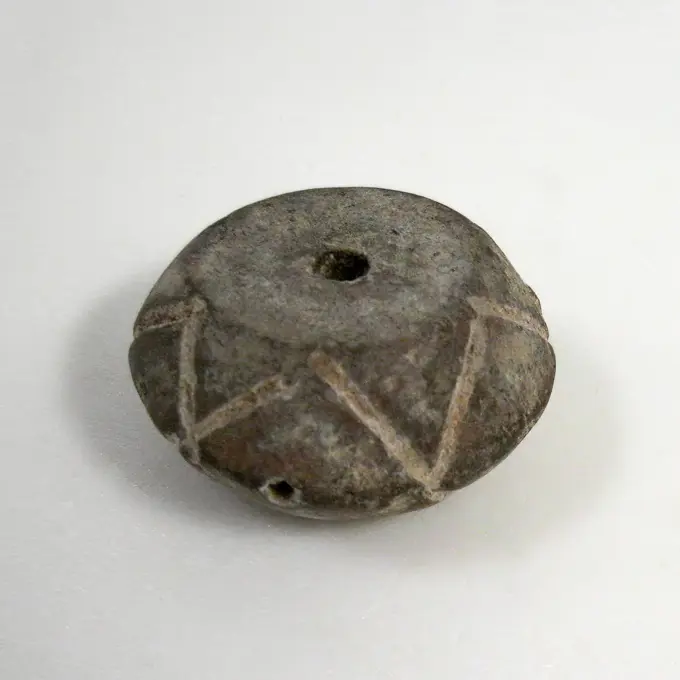
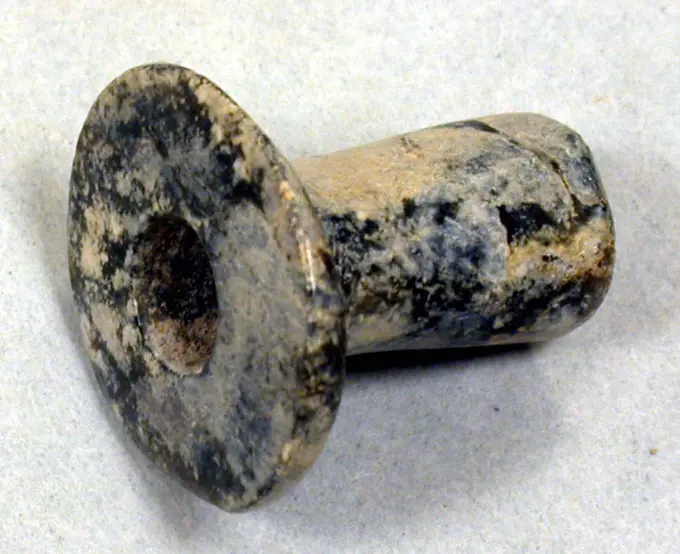
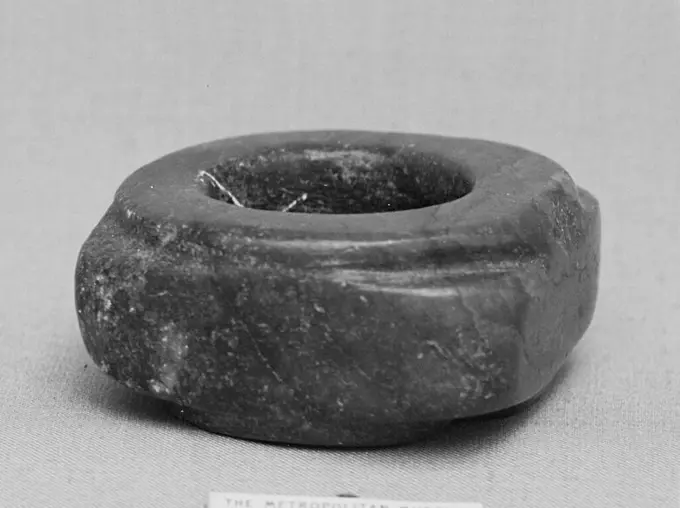
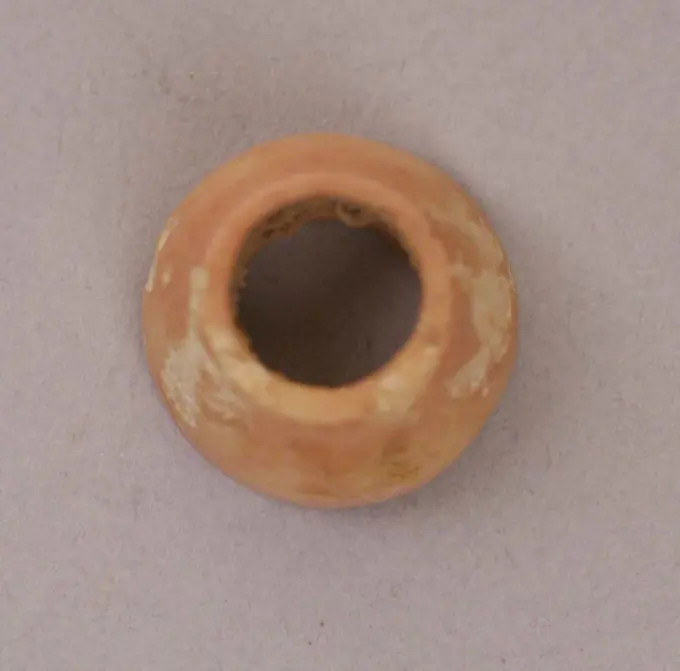
Spindle Whorl, one of sixteen, 15th century, 3/4 x 1 1/2 in. (1.91 x 3.81 cm), Stone, Mexico, 15th century
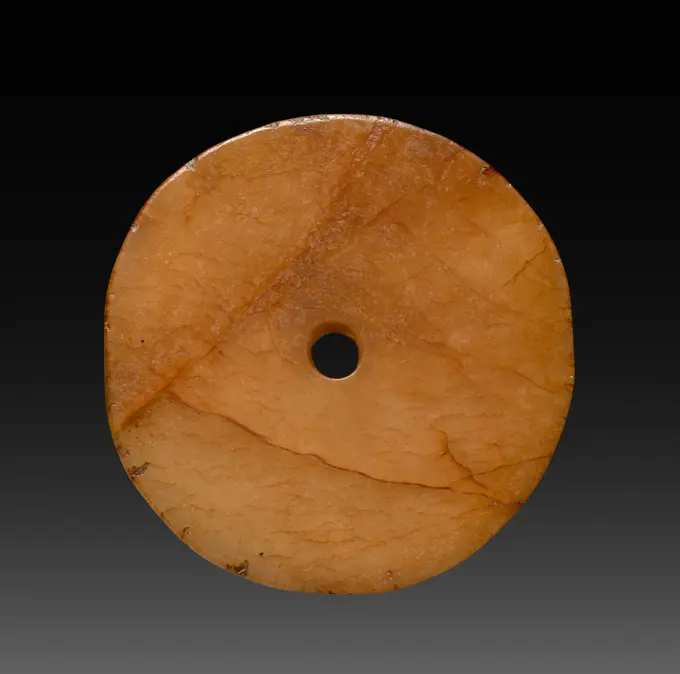
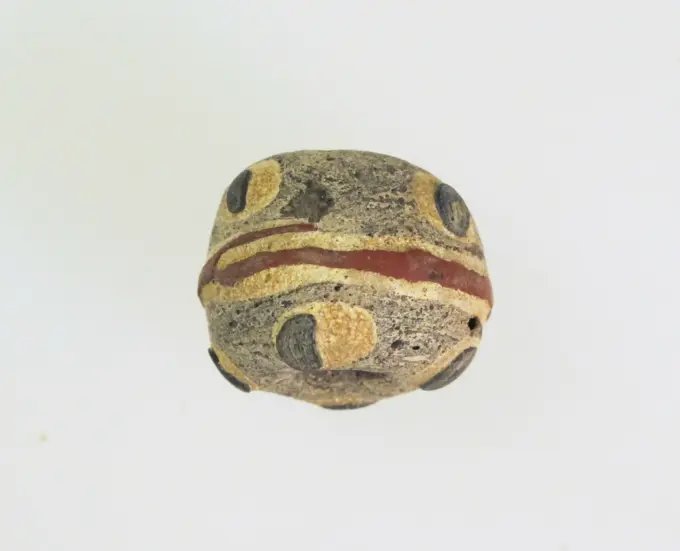
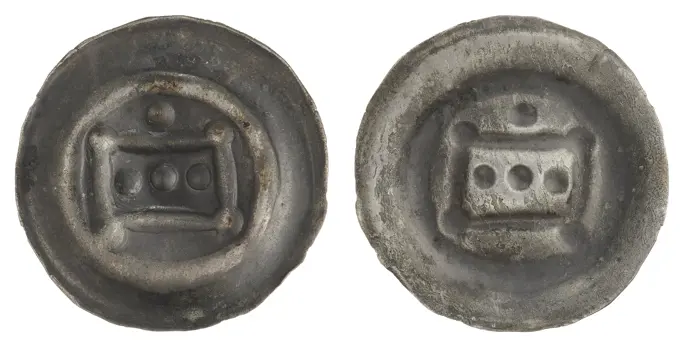
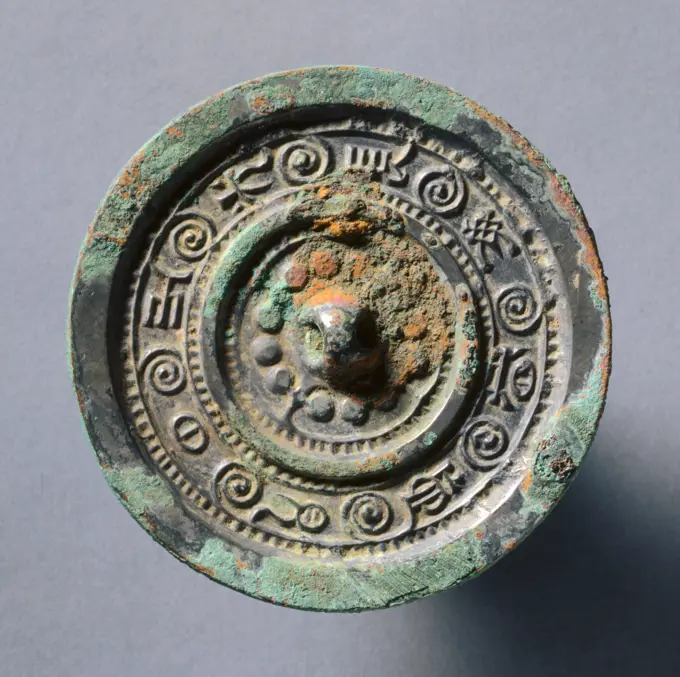
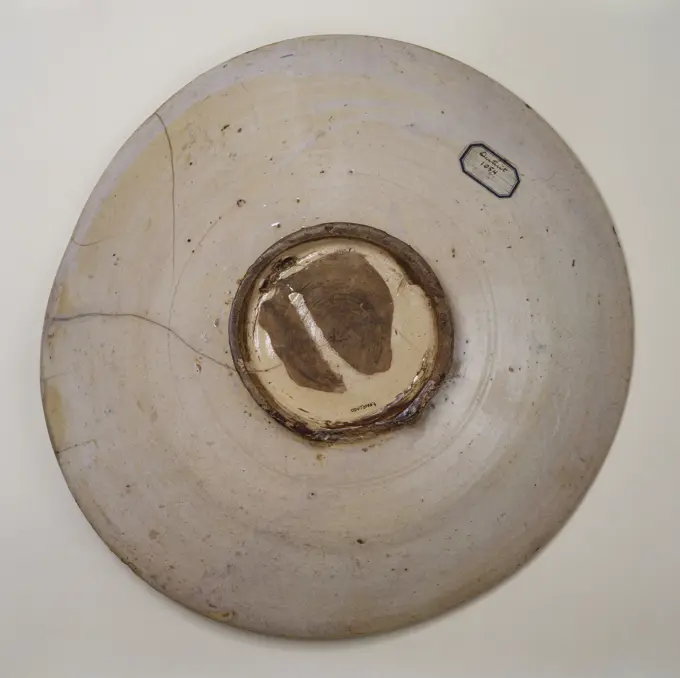
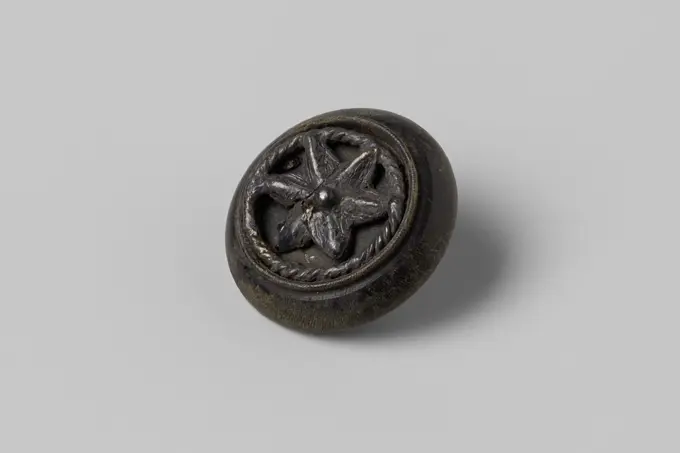
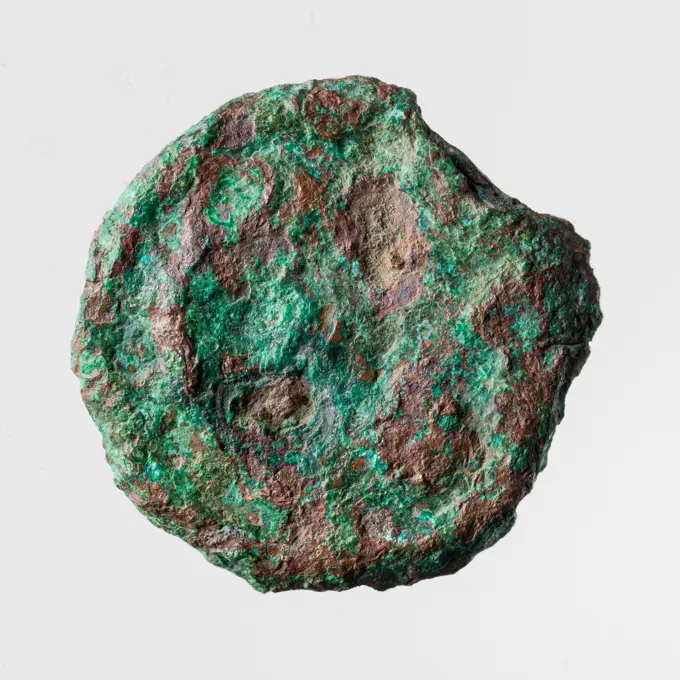
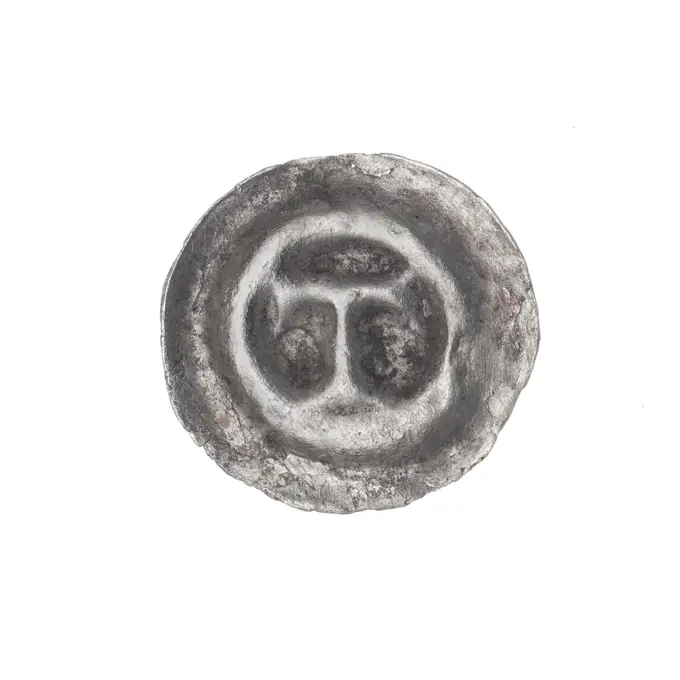
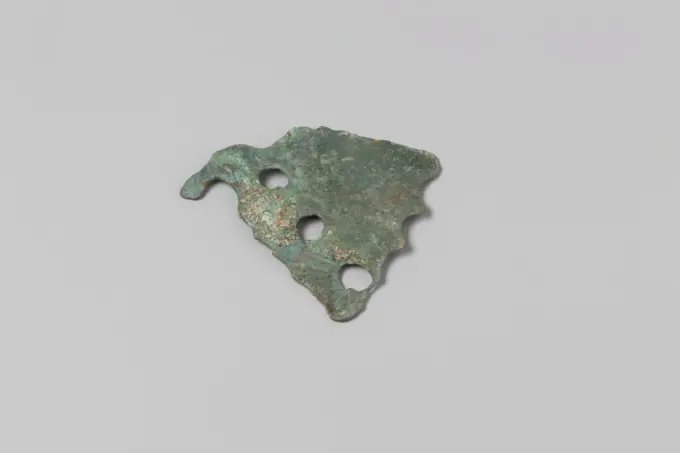
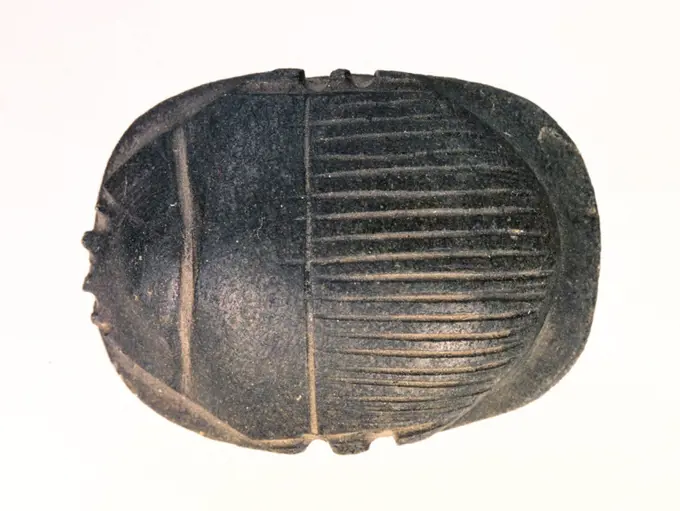
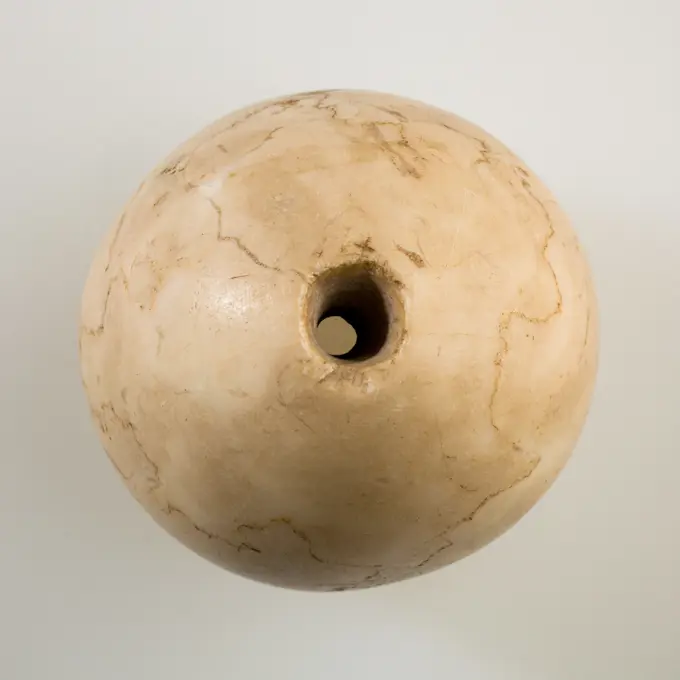
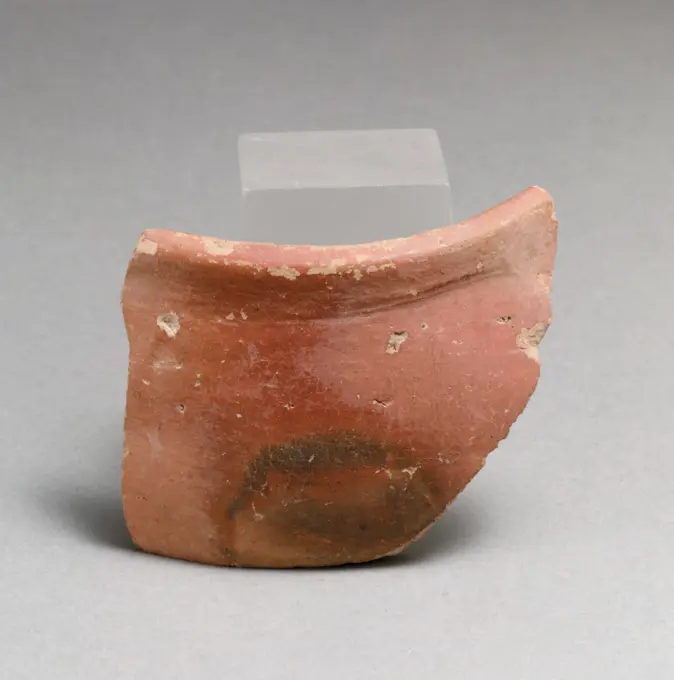
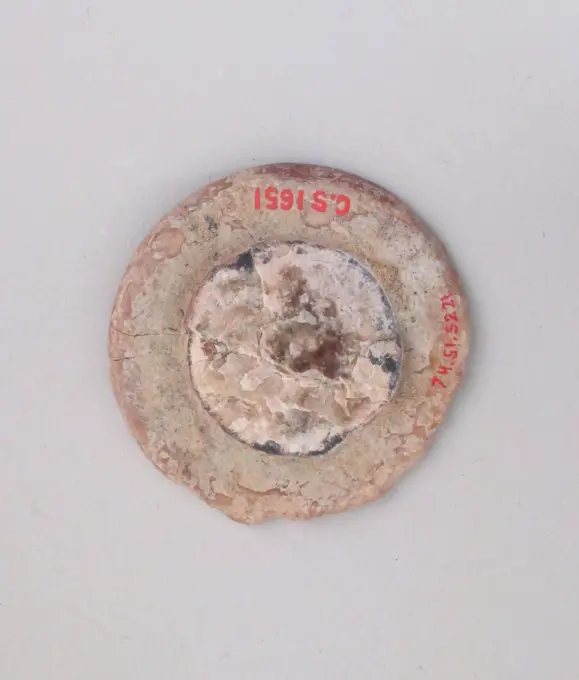
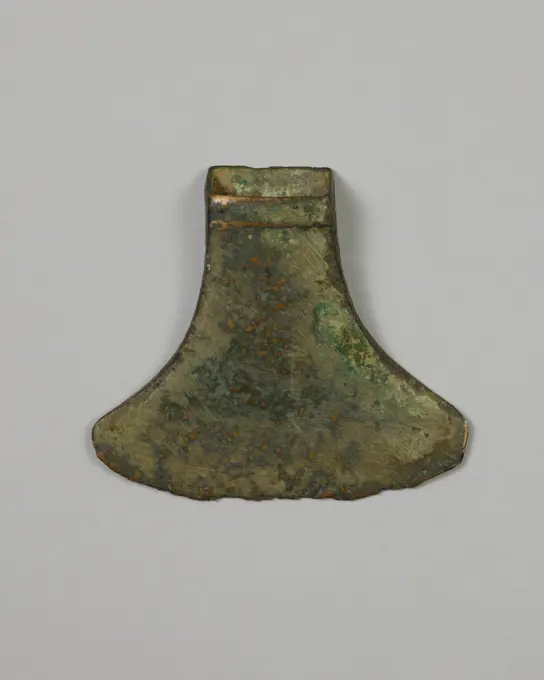
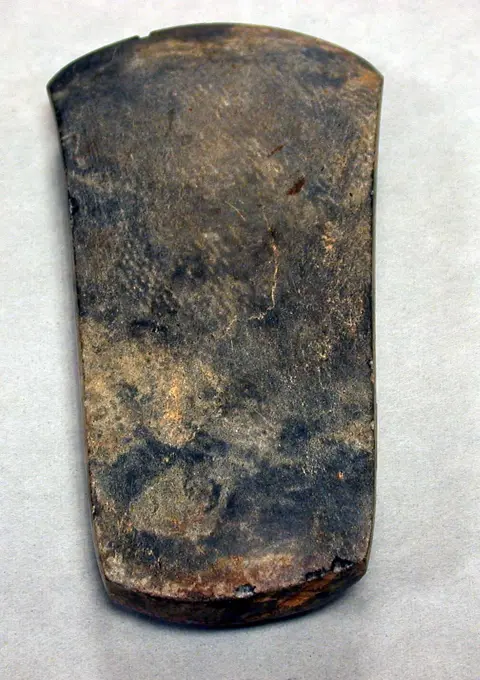
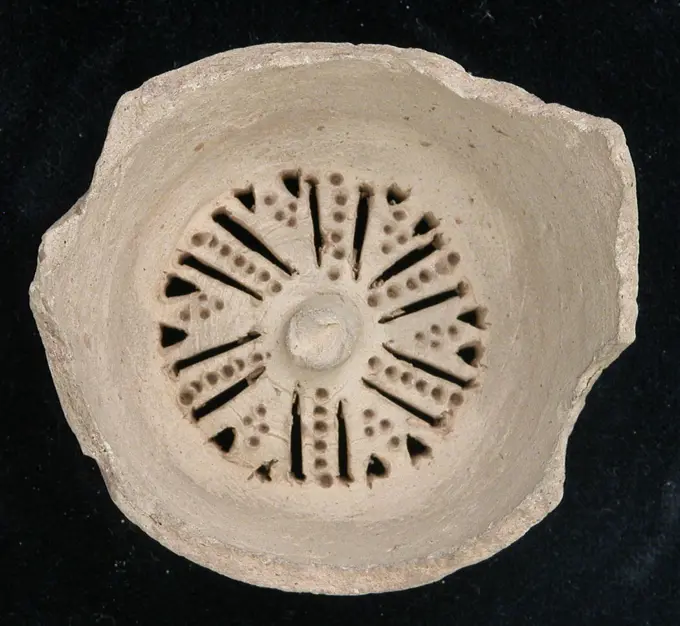
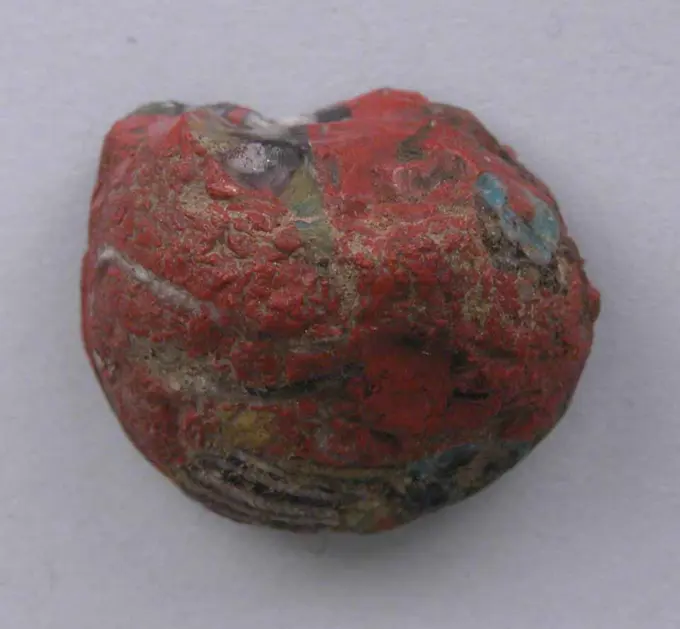
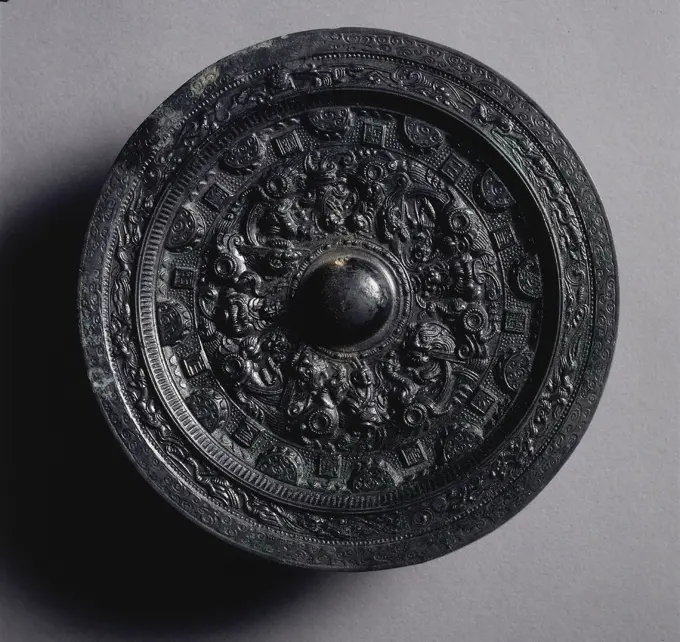
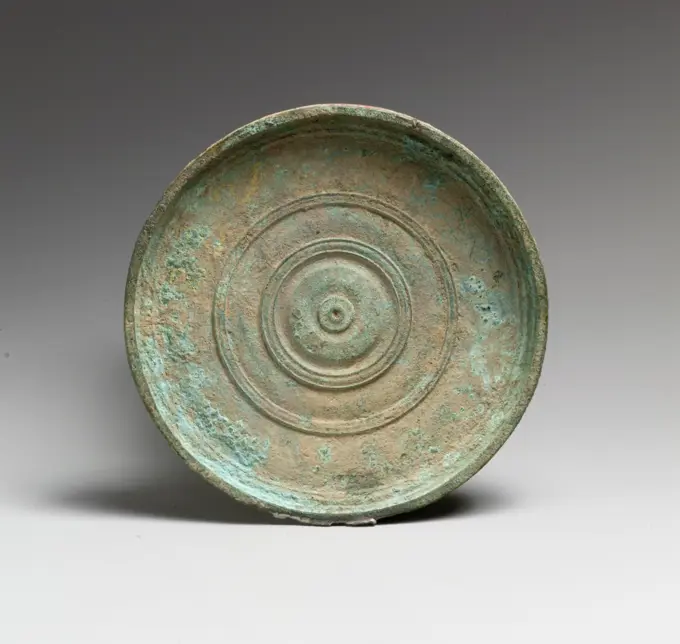
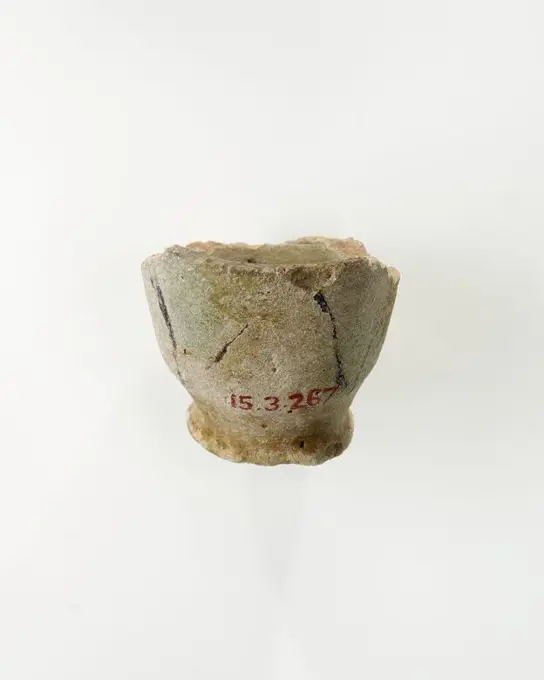
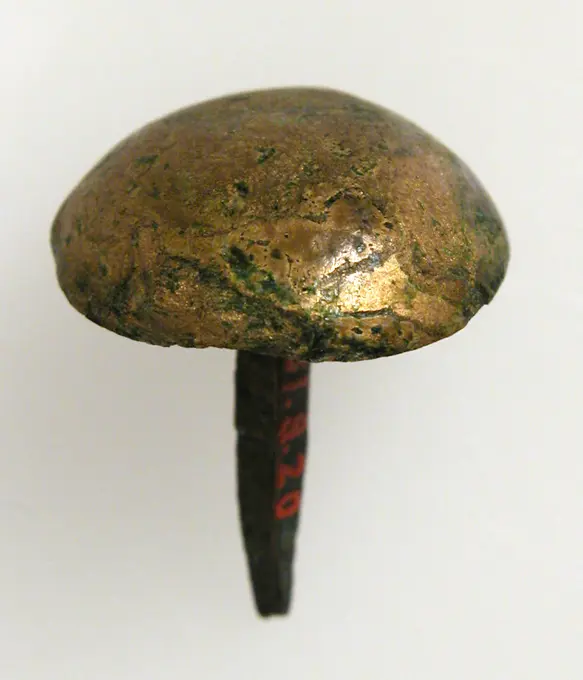
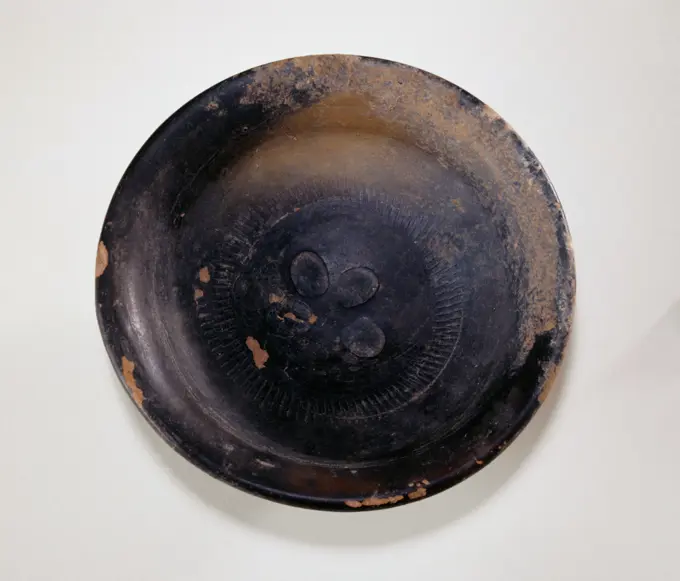
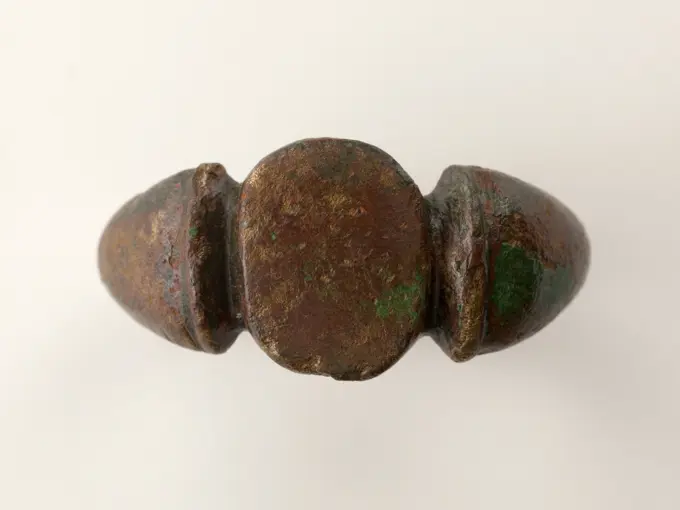
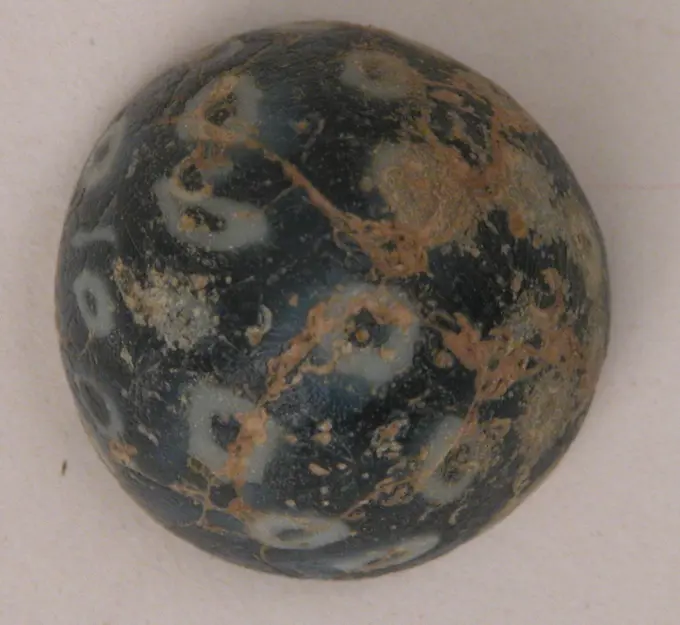
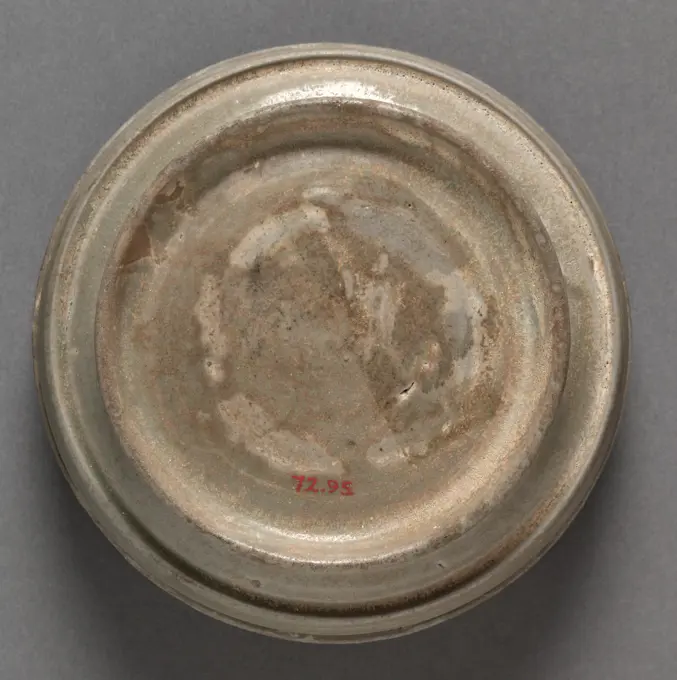
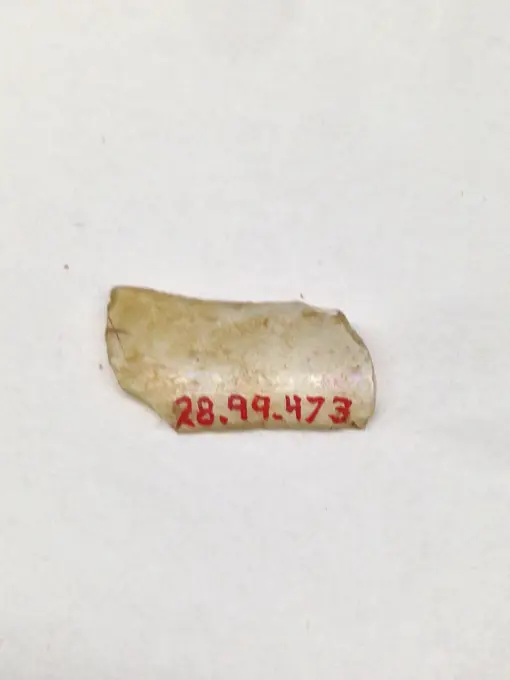
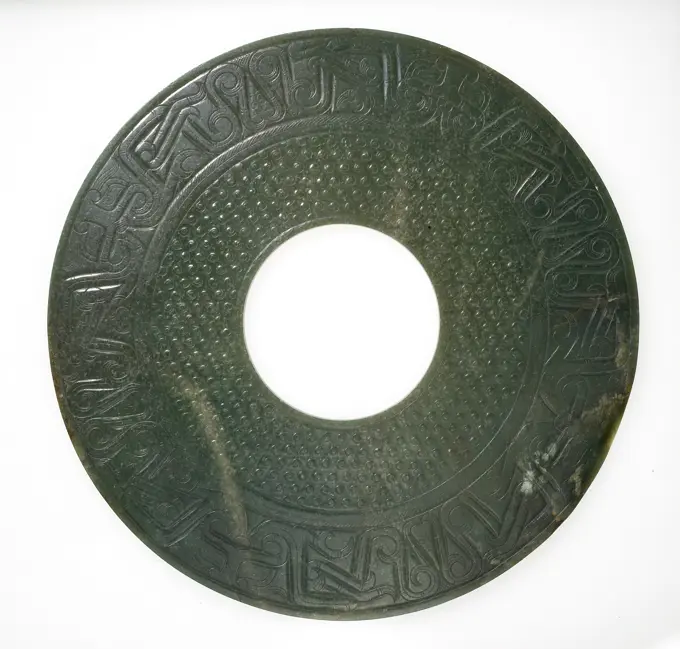
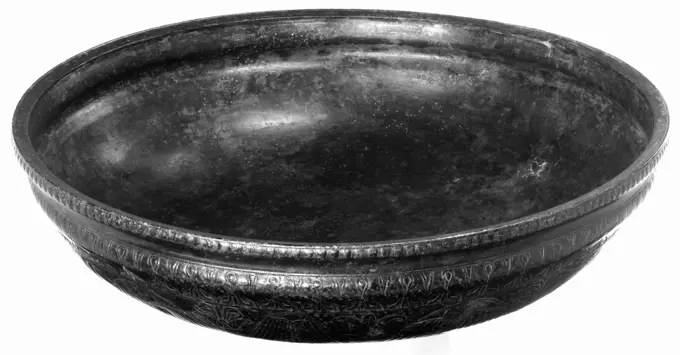
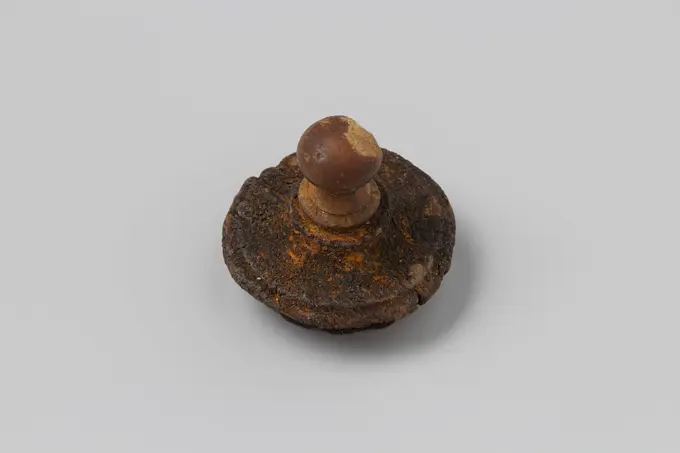
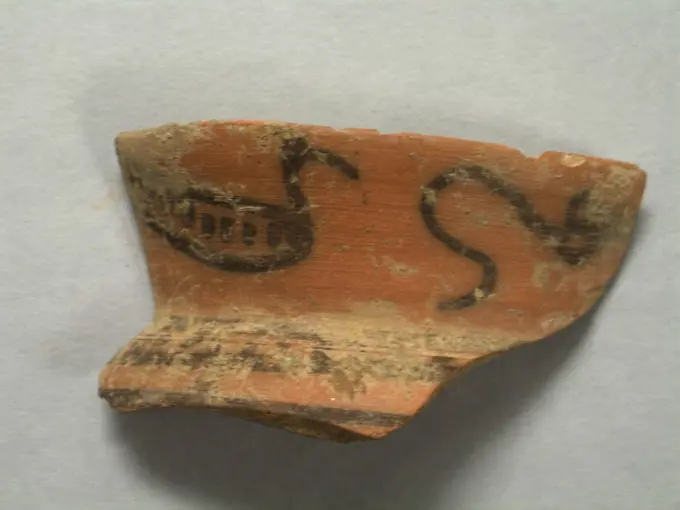
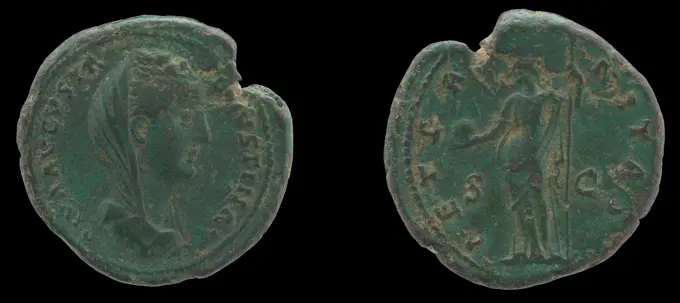
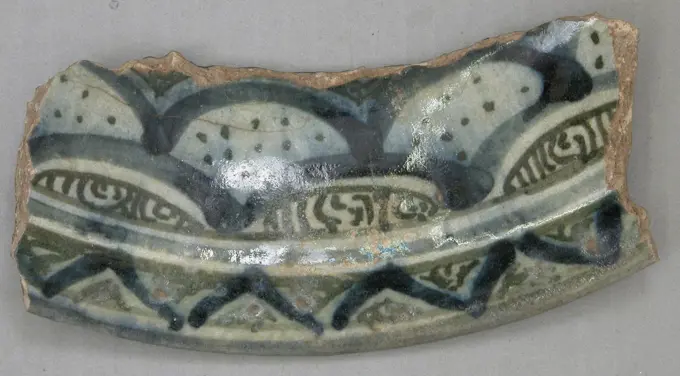
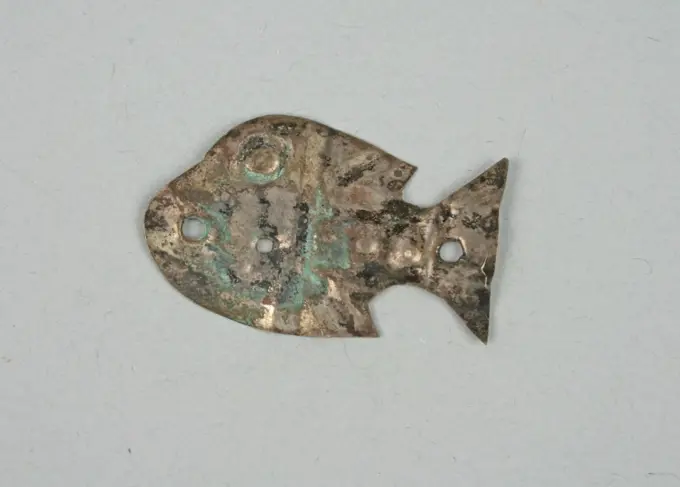
Wine vessel. (Tsun). owl form. W. Chou Period. Zhou. 11-10th cent. BC.Copper Openwork Mace Head 3rd century B.C.-A.D. 2nd century Vicús. Copper Openwork Mace Head 315256Fragment of a Bowl or Cup 13th-16th century. Fragment of a Bowl or Cup 452443Round Ornament, 206 BC - AD 220. China, Han dynasty (202 BC-AD 220). Jade ; diameter: 8.4 cm (3 5/16 in.).Fragment Balus -shaped stem of a flute glass from the wreck of the East Indians Hollandia, Anonymous, 1700 - in Or Before 1743 drinking glass Glass, stem glass, steel, baluster-shaped; fragment , pear-shaped knop with small tears, both ends broken off. Netherlands glass   SecondGlass bead mid-4th century B.C. Carthaginian Opaque gray poros bead with blue, red and white decoration.. Glass bead. Carthaginian. mid-4th century B.C.. Glass. Late Classical. Glassbracteate denarius. Zakon krzyżacki (1190-), issuerCap 16th century British. Cap 101794. Mirror, handle with inscription in Kediri script. Handle and mirror from the same time but do not belong together, and are assembled incorrectly.Vase fragment Minoan. Vase fragment 247810Mirror with Concentric Circles, late 3rd Century BC - early 1st Century. China, Western Han dynasty (202 BC-AD 9). Bronze; diameter: 7.7 cm (3 1/16 in.); overall: 0.7 cm (1/4 in.); rim: 0.4 cm (3/16 in.).Saggar Korean Bowl, 1200-1600 AD, Stoneware. This cylindrical container is called a saggar, known in Korean as gapbal. For high-quality wares, a ceramic object, such as a plate or bowl, was placed inside a saggar to protect it from debris during the kiln firing. Often saggars were stacked in the kiln to make the most use of kiln space. Low Dish, 17th century, 2 3/8 x 9 5/8 in. (6 x 24.45 cm), Glazed pottery, Iran, 17th centuryPlat: "Risen Christ". Italian majolica of Caffaggiolo, 1535, (reverse). Anonymous. Museum of Fine Arts of the City of Paris, Petit Palais. 24494-1 Anonymous, Italian majolica Caffaggiolo, object, flat the resuscitated Christ, reversedenarius; W ADSAW II JAGIEC (King of Poland; 1386-1434); 1386-1434 (1386-00-00-1434-00-00);Spindle Whorl, 700s - 900s. Iran, early Islamic period, 8th - 10th century. Bone, incised; overall: 0.5 x 2.7 x 2.7 cm (3/16 x 1 1/16 x 1 1/16 in.).Bracelet 500 B.C.-A.D. 300 Thailand. Bracelet 37739Flat Circular Ornament 6th-7th century () Frankish (). Flat Circular Ornament 465153 Frankish (), Flat Circular Ornament, 6th7th century (), Copper alloy, gilt, Overall: 1 15/16 x 1/2 in. (5 x 1.3 cm). The Metropolitan Museum of Art, New York. Gift of J. Pierpont Morgan, 1917 (17.192.10)Costume Ornament. Culture: Peru; central coast (). Dimensions: L. 1 1/2 in. (3.8 cm). Date: 11th-12th century. Museum: Metropolitan Museum of Art, New York, USA.Button from the wreck of the East India hollandia. Button. Button; Flat, commanded Rim, setting of (s) Openwork Star Motif with Corded Rim, Flat Base, Pinhead-Shank.Fragment 14th century. Fragment 446489Costume Ornament 11th-12th century Peru; central coast (). Costume Ornament 308692Lower Plate of a Bascinet. Culture: Italian. Dimensions: H. 8 3/16 in. (20.8 cm); W. 9 7/8 in. (25.1 cm); D. 10 1/4 in. (26 cm); Wt. 3 lb. 3.1 oz. (1448.7 g). Date: early 15th century. Museum: Metropolitan Museum of Art, New York, USA.Denar Fa Sneaking; Kazimierz IV Jagiello Czyk (Polish king; 1447-1492); 1447-1492 (1447-00-00-1492-00-00);Bird Shaped Whistle Native American: (Baja Peninsula), Probably Tipai-Ipai 19th centuryBronze Bronze medal. Imprecized identification.Stone Earflare before 16th century Mexican. Stone Earflare 317432Brakedate Halter; 15th century (1401-00-00-1500-00-00);The letter T, letters, one -sided coins, city coinsFragment sheet metal from the wreck of the East Indians Hollandia, 1700 - in Or Before 1743 fragment Parts of artefacts; eroded fragments: materials; copper. Netherlands copper (metal)   SecondSpindle Whorl. Culture: Mexican. Dimensions: Diameter 2-9/32 in.. Date: 10th-early 16th century. Museum: Metropolitan Museum of Art, New York, USA.Egyptian art. Beetle-shaped amulet symbol of Khepri, god of sunrise.Two-piece bronze mold for dish or lid, mold casting tool tools base metal bronze, cast twisted Two-piece bronze mold for dish or lid top, Rotterdam tin casting tin tin Meeuws Druy craft Forms come from the originally 18th century Rotterdam tinnegieter J Druy. The large molds that were not signed or dated were the property of the tinker guild and were rented to the small tin caster.Mace head ca. 3850-2960 B.C. Predynastic Period. Mace head. ca. 3850-2960 B.C.. Limestone. Predynastic Period. From EgyptCoin Weight 10th-11th century. Coin Weight 453522Vase fragment Minoan. Vase fragment 247672Tiles and ornaments from the palace of Ramesses II. Dimensions: Diam. 3.4 cm (1 5/16 in.); Th. 0.4 cm (3 1/6 in.). Dynasty: Dynasty 19. Reign: reign of Ramesses II. Date: ca. 1279-1213 B.C.. Museum: Metropolitan Museum of Art, New York, USA.Finger Ring late 6th-early 7th century Frankish. Finger Ring 465414 Frankish, Finger Ring, late 6thearly 7th century, Copper alloy, cast, tinned surface, Overall: 7/8 x 1/4 in. (2.2 x 0.7 cm). The Metropolitan Museum of Art, New York. Gift of J. Pierpont Morgan, 1917 (17.193.108)Bracelet 500 B.C.-A.D. 300 Thailand. Bracelet 37676Face Rattle 1st-mid-8th century Moche. Face Rattle. Moche. 1st-mid-8th century. Copper (hammered), pigment (). Peru. Metal-Musical InstrumentsBird Plaque Ornament. Culture: Vicús. Dimensions: H. 2 x W. 2 in. (5 x 5 cm). Date: 3rd century B.C.-A.D. 2nd century. Museum: Metropolitan Museum of Art, New York, USA.Lamp. Culture: Roman. Dimensions: Overall: 1 x 3 1/8 in. (2.5 x 7.9 cm). Date: 3rd century A.D.. Museum: Metropolitan Museum of Art, New York, USA.Dirck Messchaert II, Two-piece bronze mold for very large flat plate with initials D M and 1737, mold casting tool tools kit metal_metal bronze, cast Two-piece bronze mold for casting very large flat plate or dish with later sawed out opening on both sides of the casting nozzle with hand next to the initials signed, year 1737 Rotterdam tin casting tin tin Meeuws Druy craft Shapes are from the originally 18th century Rotterdam tinnegieter J Druy. The large molds that were not signed or dated were the property of the tinker guild and were rented to the small tin caster.Roundel, disk. Roundel, disk. Bone Plaque for a Collar or Necklace 8th century. Plaque for a Collar or Necklace. 8th century. Steatite, gold, mother-of-pearl. Found Egypt, Maghagha. JewelryRitual Object (Bi). Culture: China. Dimensions: Diam. 8 3/8 in. (21.3 cm). Date: mid-3rd millennium B.C.. Museum: Metropolitan Museum of Art, New York, USA.Hache blade (common name). Bronze. Cernuschi Museum, Asia Museum of Asia in the city of Paris.Bird Plaque Ornament 3rd century B.C.-A.D. 2nd century Vicús. Bird Plaque Ornament 315397Blade before 16th century Tairona. Blade 317288Wall painting fragment. Culture: Roman. Dimensions: Overall: 2 11/16 x 2 13/16 x 7/16 in. (6.9 x 7.2 x 1.1 cm). Date: 1st century A.D..On black ground; head of a bird in white, green plant on green groundline. Museum: Metropolitan Museum of Art, New York, USA.Round Plaque 3rd century B.C.-A.D. 2nd century Vicús. Round Plaque 315543Water Filter 10th-12th century. Water Filter 447440Glass Fragment 15th century European. Glass Fragment. European. 15th century. Pot metal glass. Glass-StainedOverfired Millefiori Glass with a Domical Shape, Perhaps a Pawn 3rd-12th century. Overfired Millefiori Glass with a Domical Shape, Perhaps a Pawn 444960One from a Pair of Undecorated Torqued Anklets 1000 B.C.-A.D. 400 Thailand. One from a Pair of Undecorated Torqued Anklets. Thailand. 1000 B.C.-A.D. 400. Bronze. Middle-Late period. JewelryMirror with Deities and Animals Surrounded by Rings of Squares and Semicircles, AD 175-225. China, Eastern Han dynasty (25-220). Bronze; diameter: 11.8 cm (4 5/8 in.); overall: 1.2 cm (1/2 in.); rim: 0.4 cm (3/16 in.).Mirror 4th-3rd century B.C. Greek With concentric circles on the under side.. Mirror 246383Button or Bead 9th-10th century. Button or Bead 449289Model cup. Dimensions: l. 2.7 cm (1 1/16 in). Dynasty: Dynasty 12, mid. Date: ca. 1900-1850 B.C.. Museum: Metropolitan Museum of Art, New York, USA.Nail 4th century Coptic. Nail 477763Vase fragment Neolithic, Thessaly. Vase fragment 253207 Neolithic, Thessaly, Vase fragment, Terracotta, Other: 2 3/4in. (7cm). The Metropolitan Museum of Art, New York. Anonymous Gift, 1930 (30.119.2)Anonymous. "Small cup without handle with stamped decoration". Ceramics, reddish clay, italic impasto, incised and stamped decor. 6th century BC .. Museum of Fine Arts of the City of Paris, Petit Palais. 99939-5 Antiquity, clay, ceramic, VIEM LIFE VI 6th 6th 6 CENTURY BEFORE AV. JC, ancientKitten ring. Copper alloy. Gallo-Roman. Paris, Carnavalet museum. 51465-10 Copper alloy, kitten ring, Gallo-Roman time, Gallo-RomanBelt Plate. Culture: Frankish. Dimensions: Overall: 1 3/8 x 1 1/8 x 3/16 in. (3.5 x 2.9 x 0.4 cm). Date: 6th-7th century. Museum: Metropolitan Museum of Art, New York, USA.Gaming Piece possibly 8th-12th century The dot-in-circle motif recalls designs presumed to be of magical significance, most likely an abstract eye to ward off the evil-eye, which serves an apotropaic function. Easily reproduced with a tool and visible in many cultures and times, this symbol may have lost its meaning, and become simply a decorative pattern, or may have one that we have not yet discovered.. Gaming Piece 452326Tube: Emblem of Earth. Culture: China. Dimensions: H. 11/16 in. (1.7 cm); Diam. 1 3/4 in. (4.4 cm). Museum: Metropolitan Museum of Art, New York, USA.Nail European 15th-16th century View more. Nail. European. 15th-16th century. Iron. Metalwork-IronThis large cast silver bowl features wavy fluting (sometimes called strigilation) across much of the interior, terminating in a sort of scalloped edge and finely beaded border beneath the rim. Within the central medallion are a miniature oblong shell-like object and the punched inscription VERISS (perhaps a name), both slightly off-center. The combination of wavy fluting, scalloped edges, and a shell-like object may allude to the sea, or to the liquid contents this bowl may once have contained. Bowl, c. 100-300 CE. Roman, Imperial. Silver: cast and carved; diameter: 23.2 cm (9 1/8 in.).Earflare Frontal 6th-7th century Moche (Loma Negra). Earflare Frontal 313488Grahal-Manzara. Carnavalet 2013-2016 collection sites. Numismatics.Bowl 9th-10th century. Bowl 448972Covered Box: Yue Ware, 907-960. China, Shang-lin-hu kilns, Yu-yao District, Zhejiang province, Five dynasties (907-960). Glazed stoneware with incised decoration; diameter: 13 cm (5 1/8 in.); overall: 4.5 cm (1 3/4 in.).Ear Spool before 16th century Mexican. Ear Spool 317391Plate 1700-1900Fragment ca. 1150-ca. 1250 European or Middle Eastern. Fragment 696557Glass Fragment 13th-14th century European. Glass Fragment. European. 13th-14th century. Colorless glass. Glass-StainedFragment ca. 1150-ca. 1250 European or Middle Eastern. Fragment 696635Coin Weight 13th-14th century. Coin Weight 443181Bi (Ceremonial Disk Symbolizing Heaven), 206 BCE - 220 CE, 12 1/2 x 1/4 in. (31.75 x 0.64 cm) (outer diameter), Mottled green jade, China, 3rd century BCE - 3rd century CESpindle Whorl 10th-early 16th century Mexican. Spindle Whorl 318612Water Filter 10th-12th century. Water Filter 447458Basin. UnknownMold with Throne Name of Ramses II. Egypt, New Kingdom, 19th Dynasty, reign of Ramses II (1304 - 1237 BCE) or later. Tools and Equipment; molds. ClayBulgaria, Phiale (libation bowl) decorated with concentric circles of acorns, negro heads and palmettes, from the Panagjuriste treasure, embossed goldLid fragment from the wreck of the East Indiescher Hollandia. Parts, Various, paragraph; Circular, domed with Baluster-Shaped Finial, Rim overhanging, Vertical Rim Underneath, CF. Member Pot NG 1979-233H853.Copper Plaque before 15th century Peruvian. Copper Plaque 315669Shard: Neckpiece with Birds ca. 4th-5th century Pakistan. Shard: Neckpiece with Birds 51096Box of Incense Container (Kōgō) in the Shape of a Bird, c. 1700-1868. Japan, Edo period (1615-1868). Pottery; overall: 3.2 x 5.8 cm (1 1/4 x 2 5/16 in.).Lepocrinites quadrifasciatus from Walsall, StaffordshireSword Guard (Tsuba) ca. 1615-1868 Japanese A tsuba is a sword guard and part of a sword mounting. It is mounted between the swords blade and grip to protect the users hands.. Sword Guard (Tsuba) 34469Bead probably 8th-12th century This object was excavated at Nishapur.Nishapur was a vital city in the early and middle Islamic periods, located along one of the main trajectories that connected Iran and West Asia Islamic lands with Central Asia and China. These itineraries are often referred to by the term Silk routes’ but were in fact crucial to the movement of constellations of materials and objects, as well as people and ideas. The diverse population of Nishapur and its surroundings, from the better-researched elite groups of merchants, land-owning aristocracy, and literates, to the less-known artisans, farmers, miners, and servants, were instrumental in adapting global cultural trends to create their own distinctive visual languages. This is seen in the material remains of everyday life in medieval Nishapur - from pots and pans to lighting devices, inkwells, textiles and trimmings, jewelry, games and toys, talismanic devices, weapons, coins, and architectural fragments.Nishapur loDupondius of Antoninus Pius, Emperor of Rome fromRome. Ruler: Antoninus Pius, Emperor of Rome, A.D. 86-161, ruled A.D. 138-161 Mint: Rome Artist: Unknown Honorand: Faustina II, Empress consort of Marcus Aurelius, Roman, ca. 125-176Mace head 4th-3rd millennium B.C. Western Asia. Mace head 324197Bullet lock with goose gap. Bullet lock, padlock, with rusted hole.Costume Ornament 11th-12th century Peru; central coast (). Costume Ornament. Peru; central coast (). 11th-12th century. Silver. Peru. Metal-OrnamentsFragment 14th century. Fragment 445403Button or Bead 9th-10th century This object was excavated at Nishapur.Nishapur was a vital city in the early and middle Islamic periods, located along one of the main trajectories that connected Iran and West Asia Islamic lands with Central Asia and China. These itineraries are often referred to by the term Silk routes’ but were in fact crucial to the movement of constellations of materials and objects, as well as people and ideas. The diverse population of Nishapur and its surroundings, from the better-researched elite groups of merchants, land-owning aristocracy, and literates, to the less-known artisans, farmers, miners, and servants, were instrumental in adapting global cultural trends to create their own distinctive visual languages. This is seen in the material remains of everyday life in medieval Nishapur - from pots and pans to lighting devices, inkwells, textiles and trimmings, jewelry, games and toys, talismanic devices, weapons, coins, and architectural fragments.Nishapur lMedal, 1900. Pierre Roche (French, 1855-1922). Bronze; diameter: 19.1 cm (7 1/2 in.).Button (France); pearl, shell, steel, glassFish Ornament 11th-12th century Peru; central coast (). Fish Ornament 308805Lazio Latina Sezze Antiquarium Comunale2. Hutzel, Max 1960-1990 German-born photographer and scholar Max Hutzel (1911-1988) photographed in Italy from the early 1960s until his death. The result of this project, referred to by Hutzel as Foto Arte Minore, is thorough documentation of art historical development in Italy up to the 18th century, including objects of the Etruscans and the Romans, as well as early Medieval, Romanesque, Gothic, Renaissance and Baroque monuments. Images are organized by geographic region in Italy, then by province, city, site complex and monument.