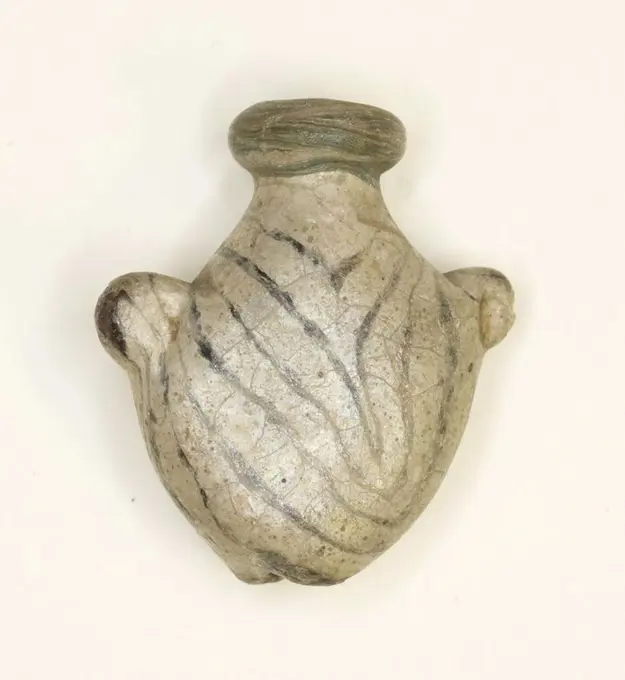
Historical Artifacts

Ancient artifacts including spindle whorls and decorative coins that represent cultural heritage from different historical periods.
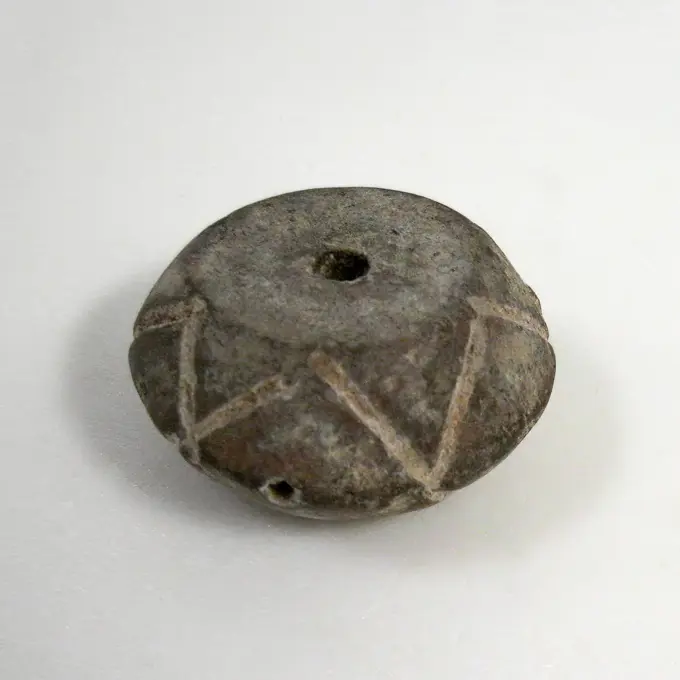
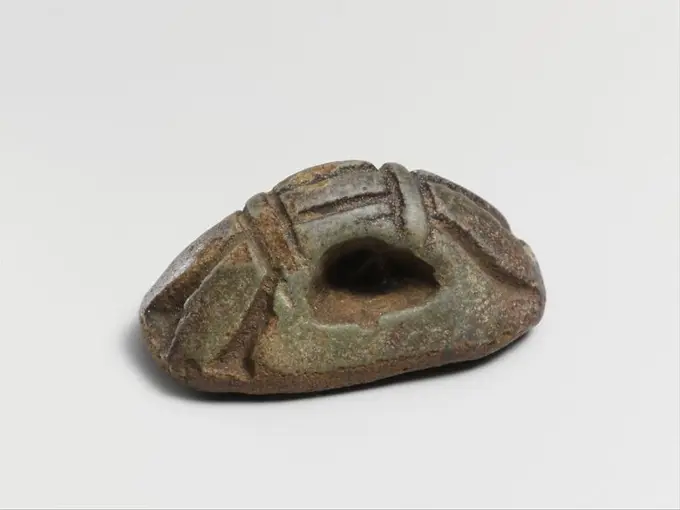
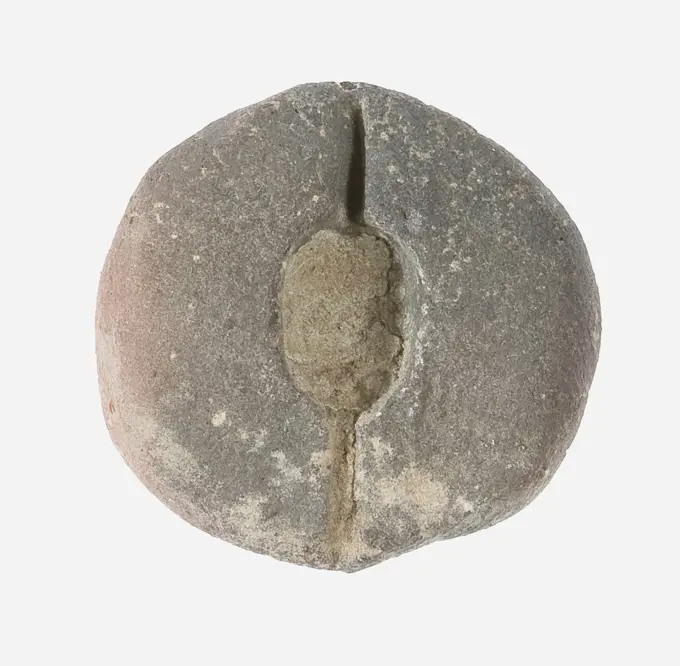
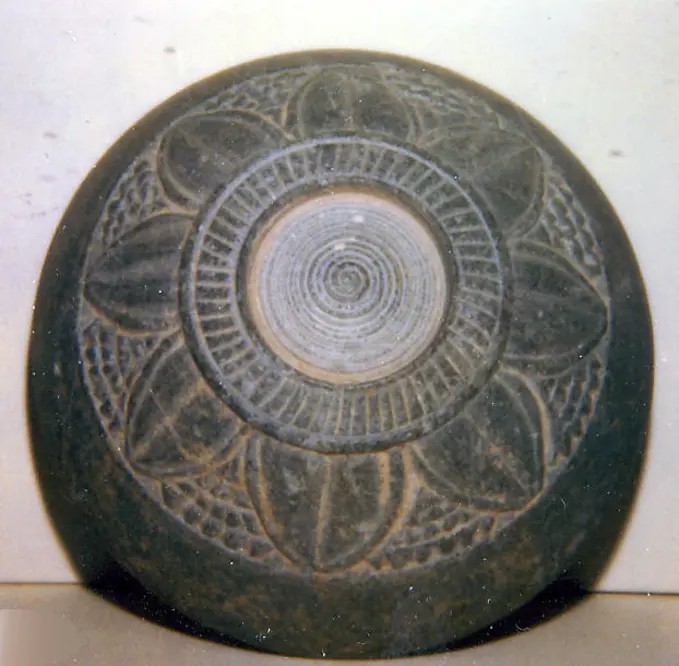
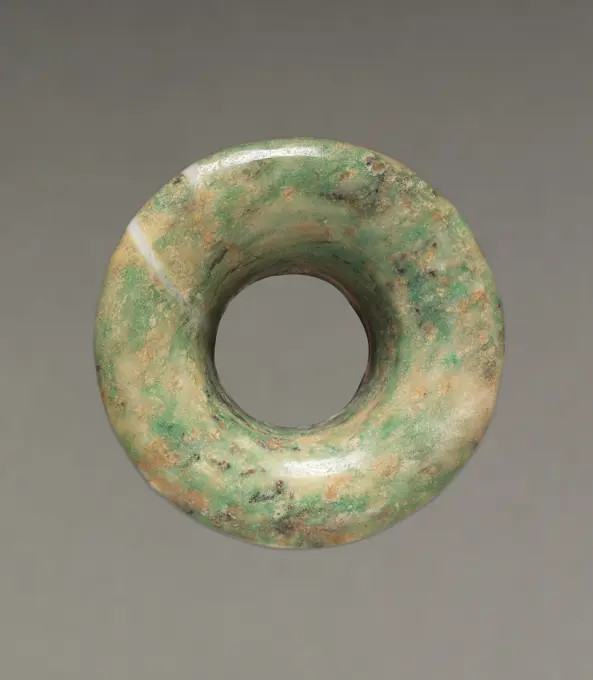
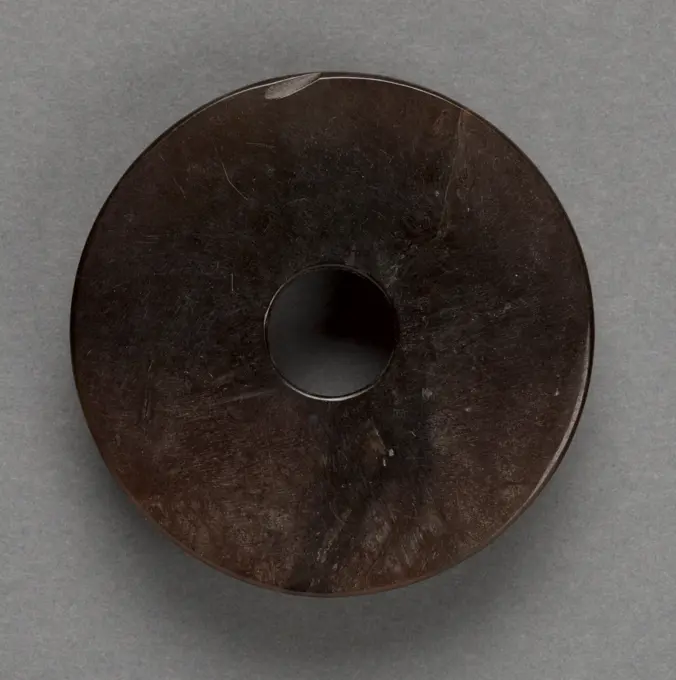
Spindle Whorl, one of sixteen, 15th century, 3/4 x 1 1/2 in. (1.91 x 3.81 cm), Stone, Mexico, 15th century
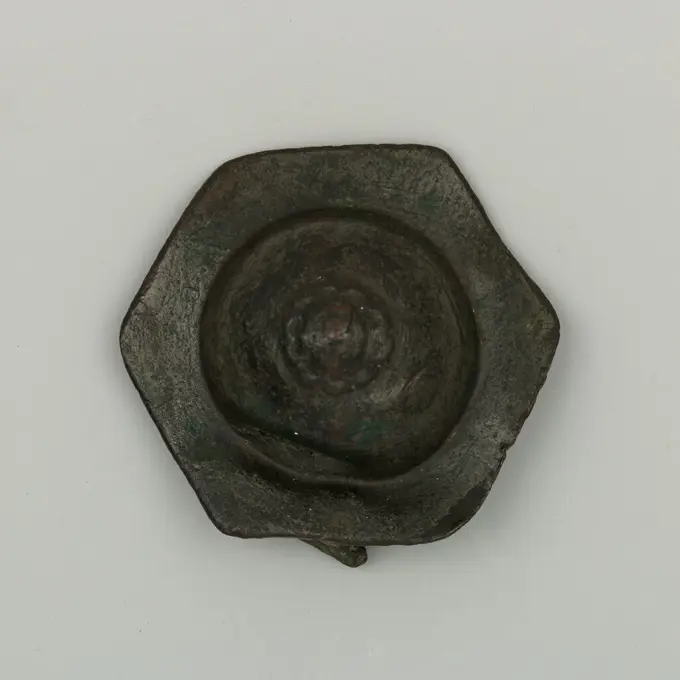
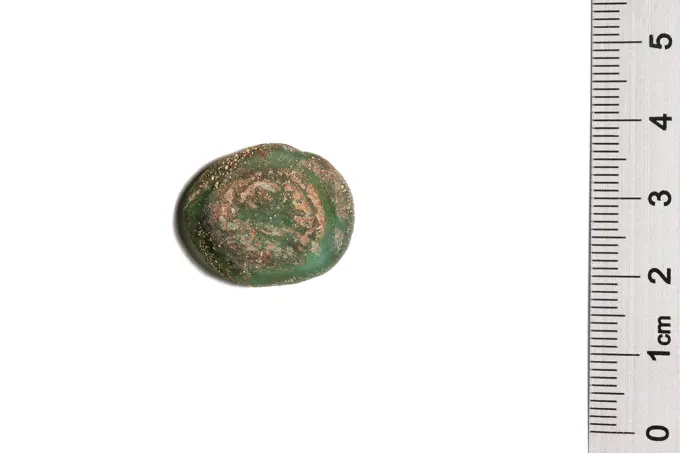
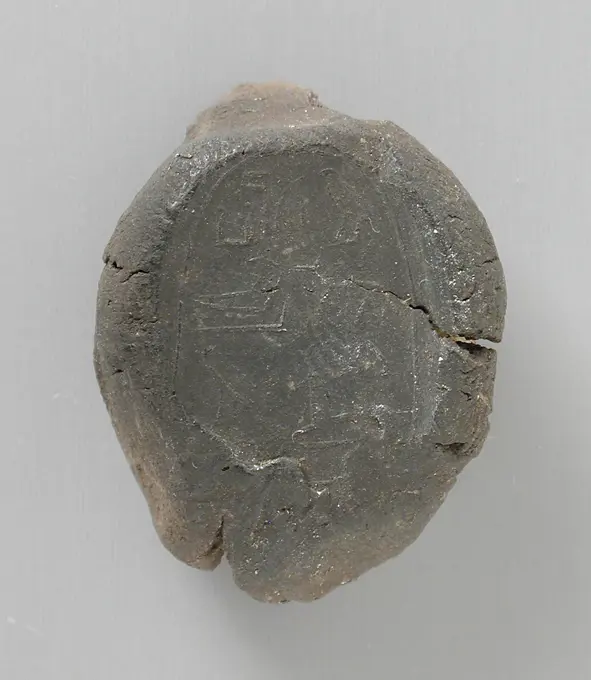
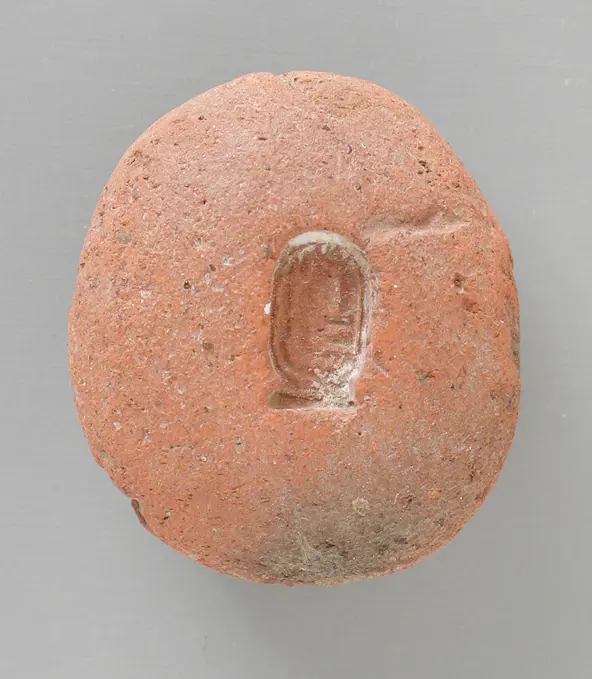
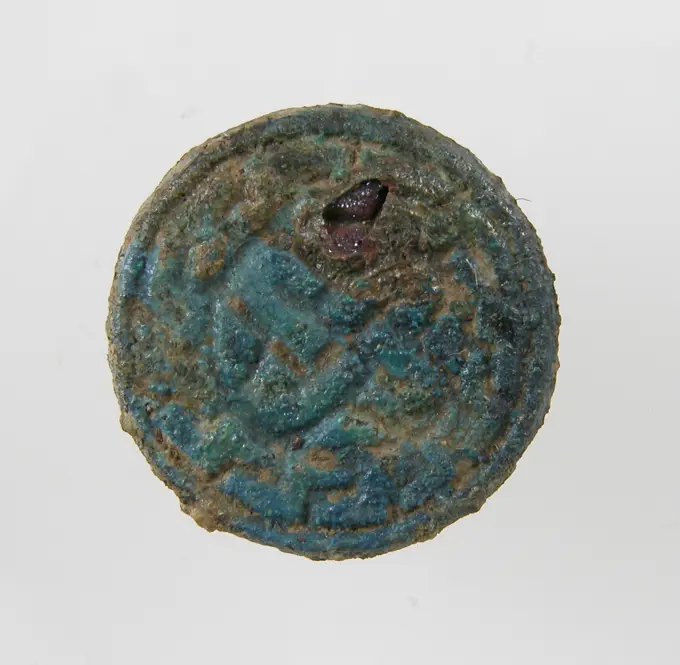
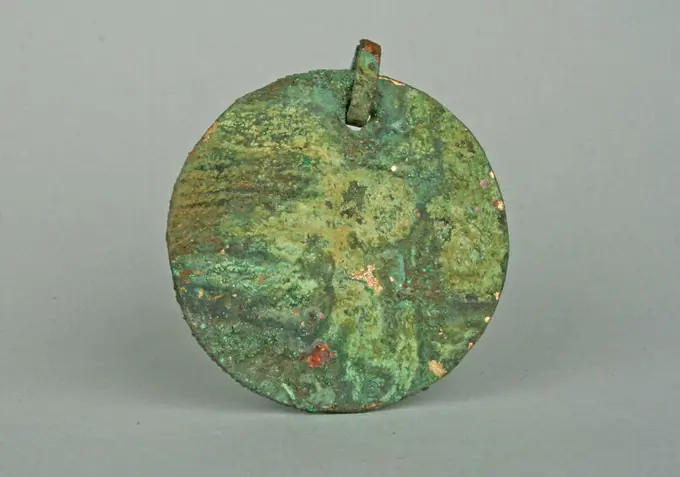
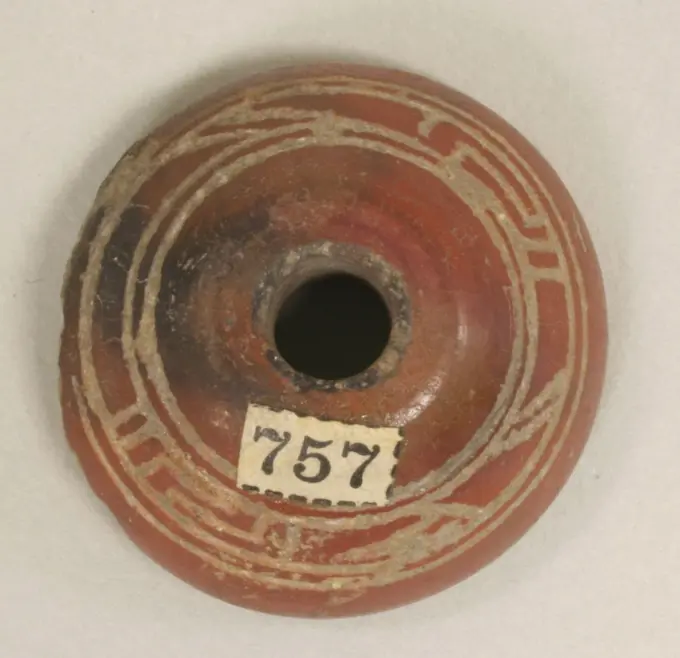
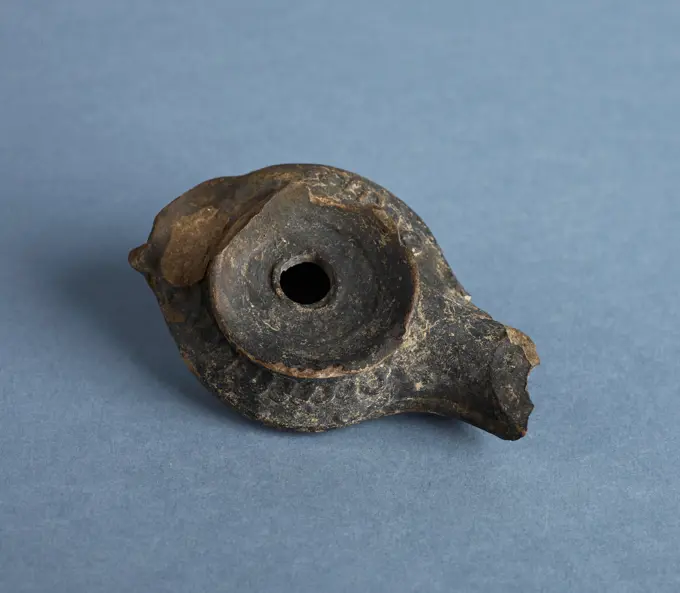
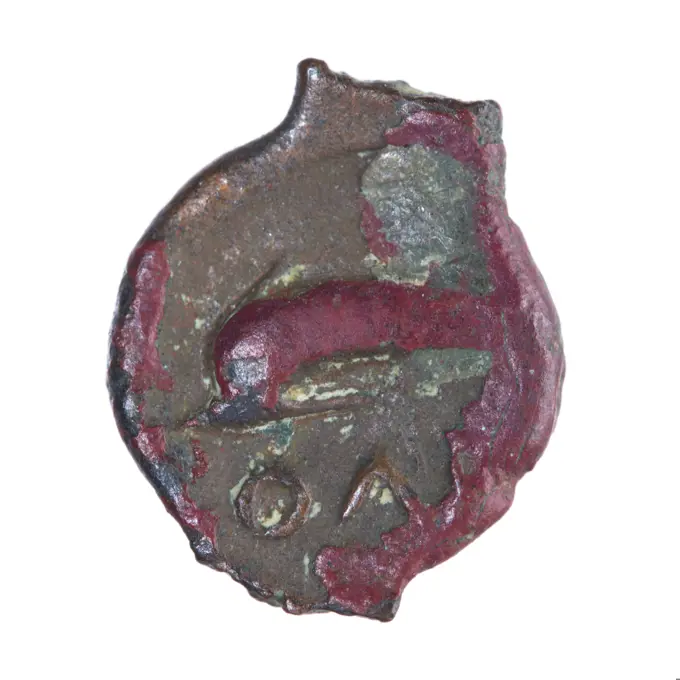
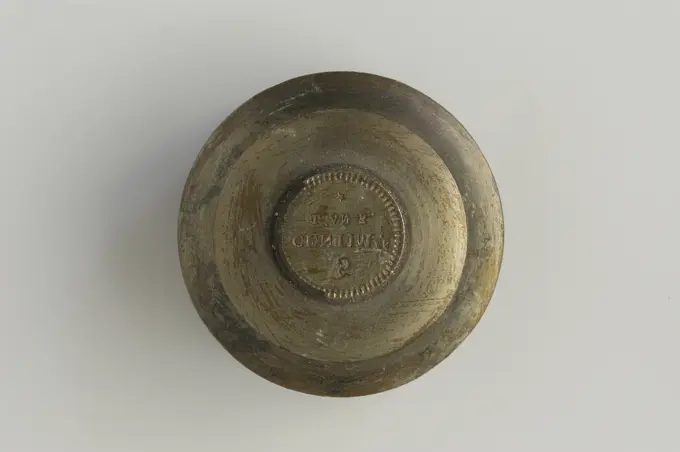
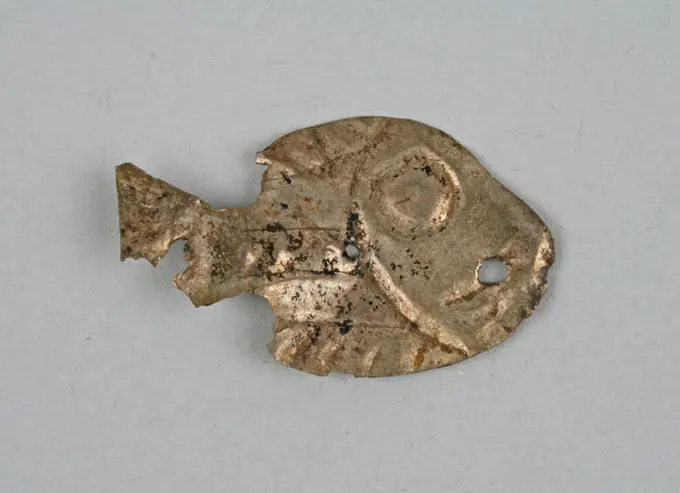
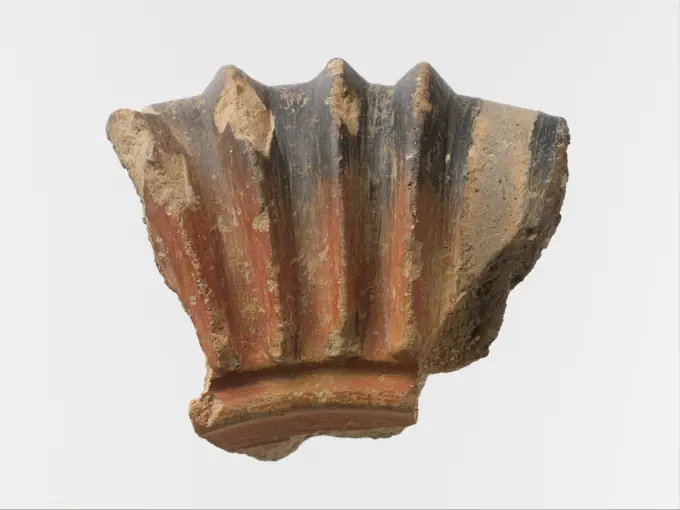
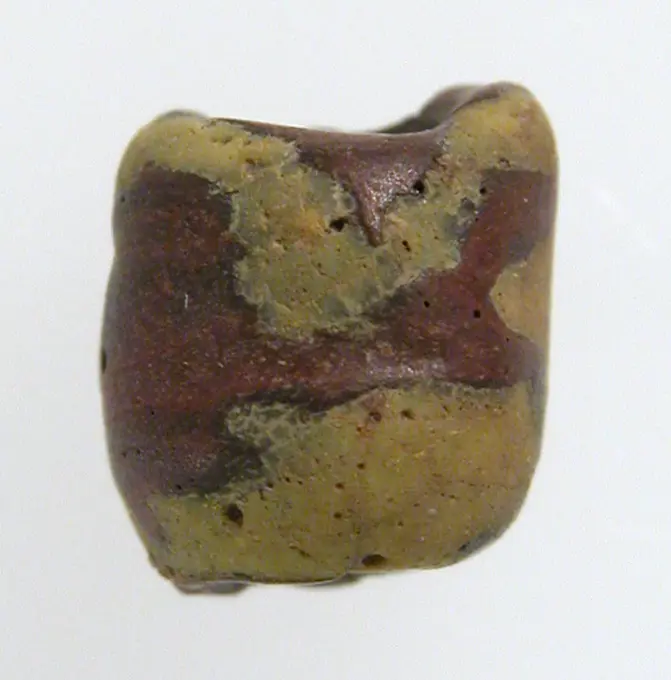
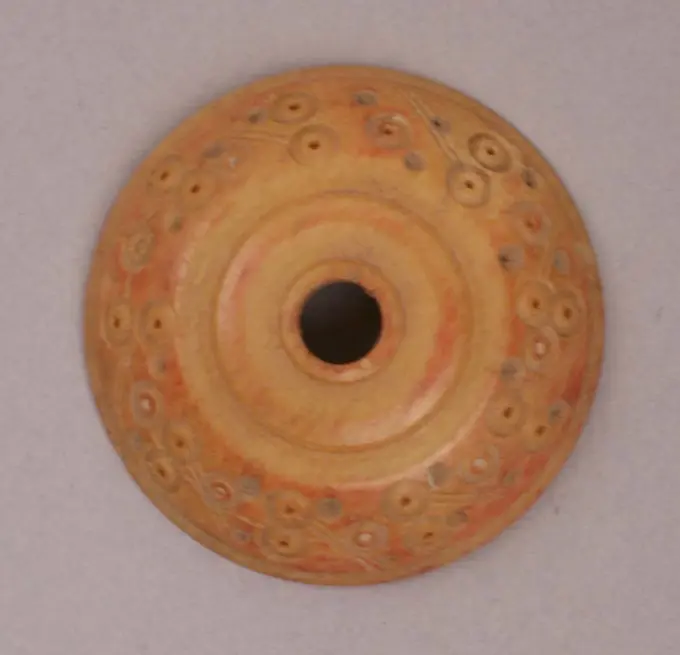
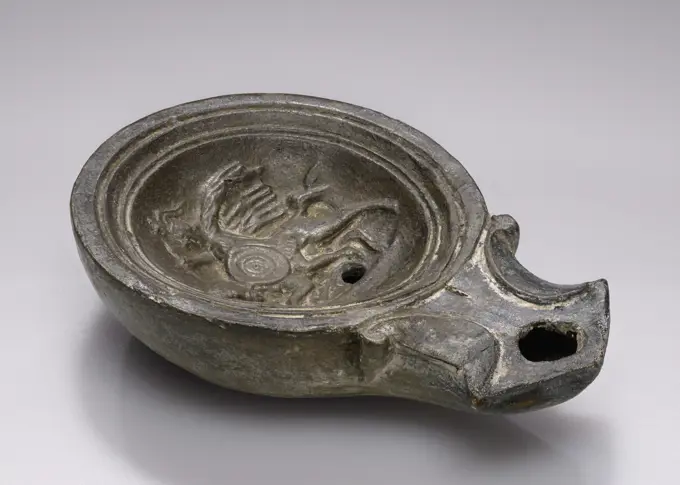
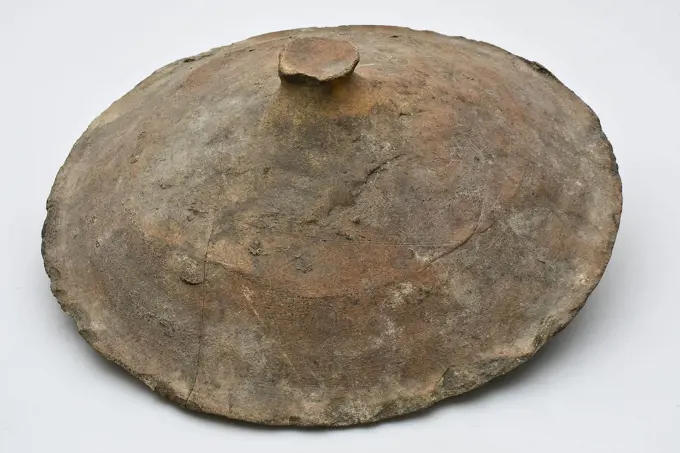
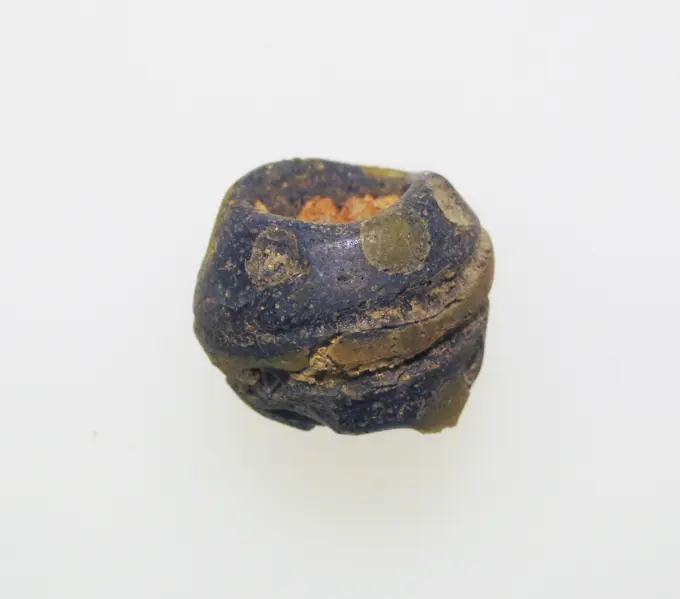
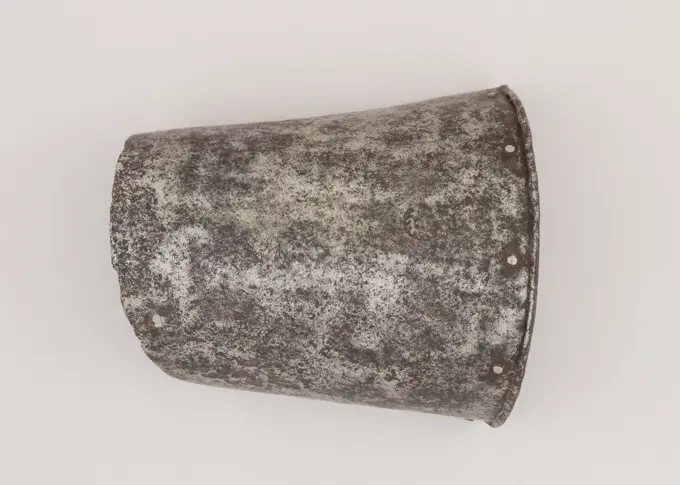
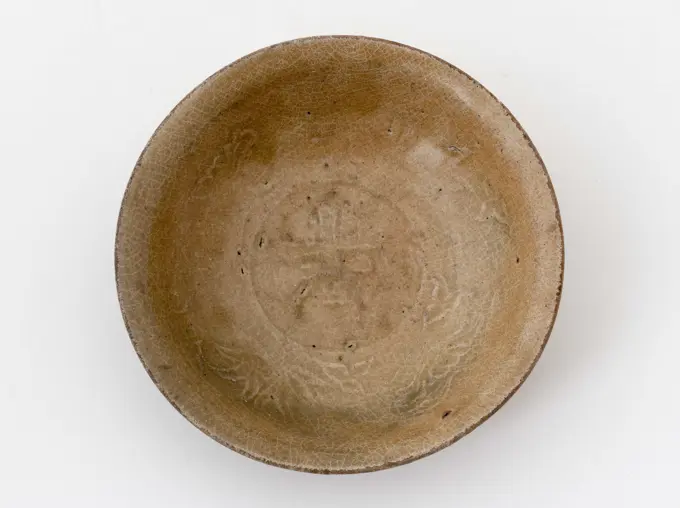
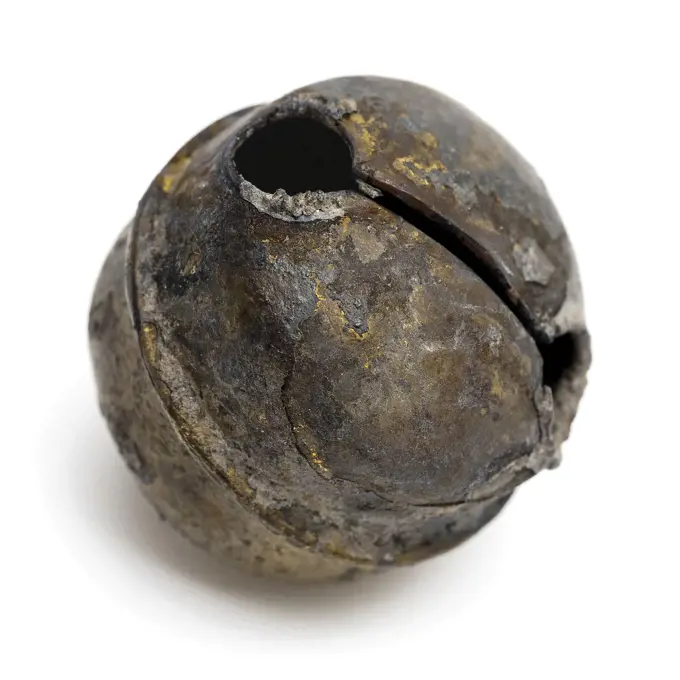
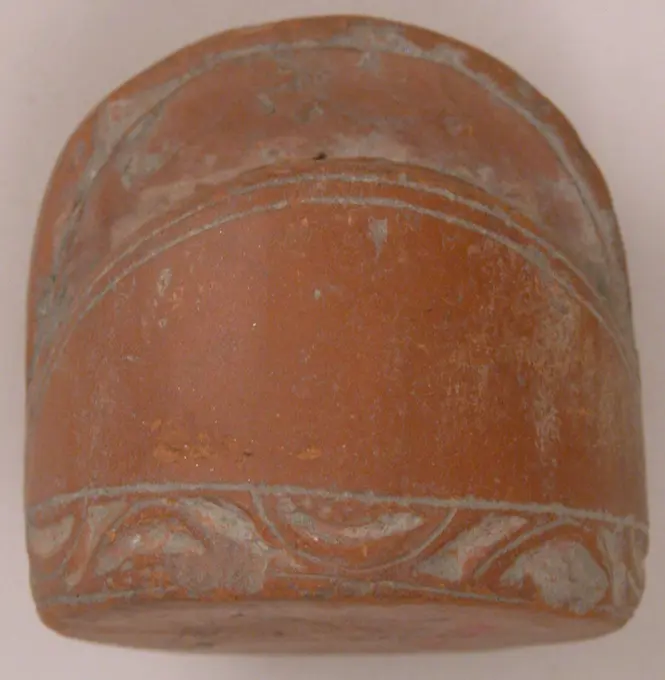
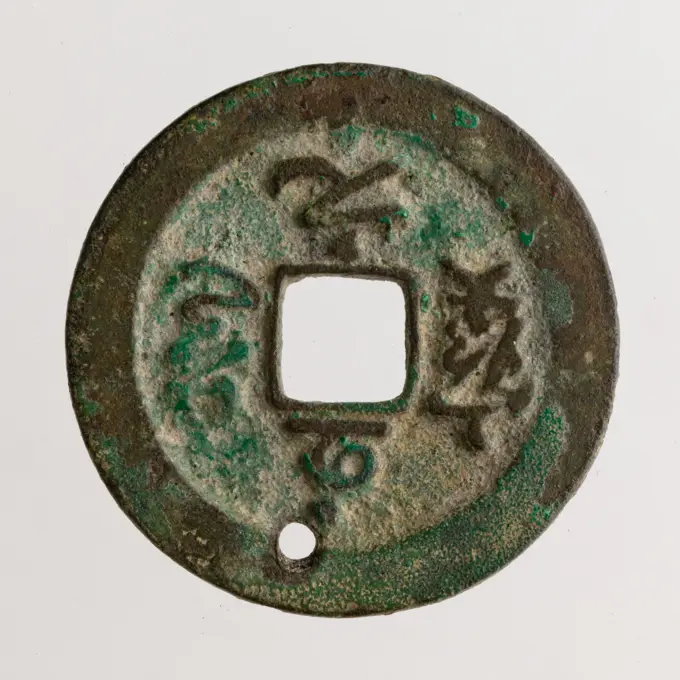
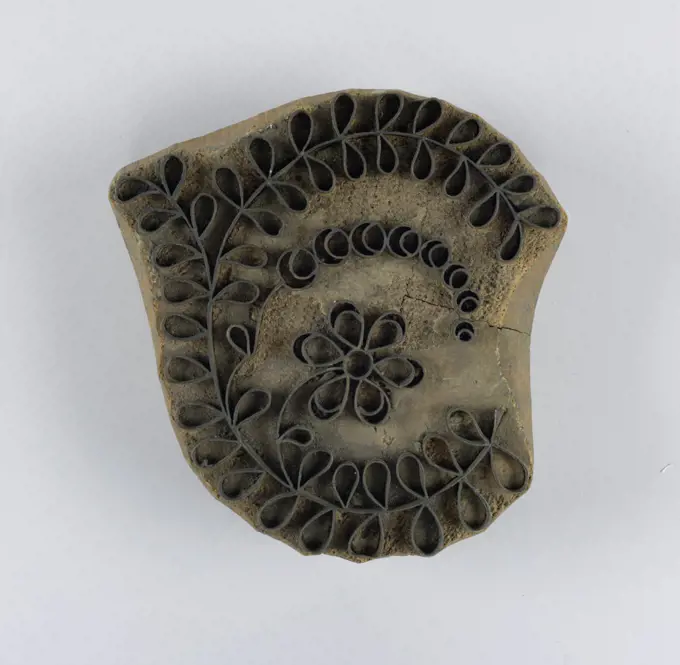
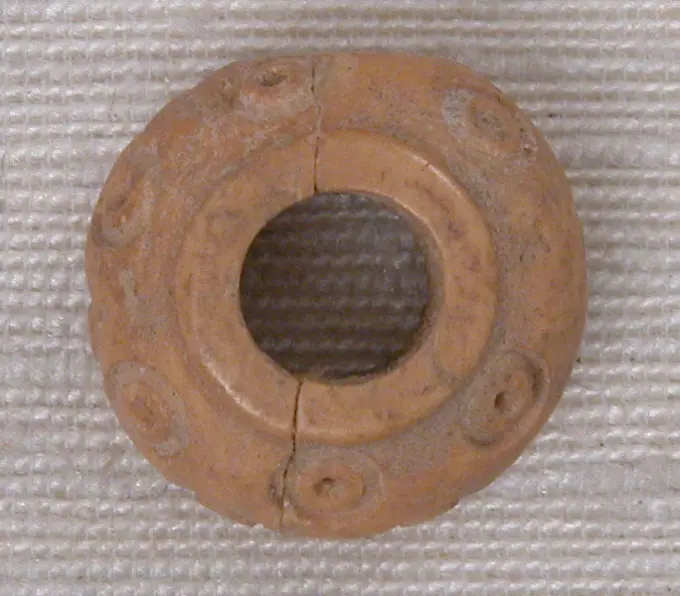
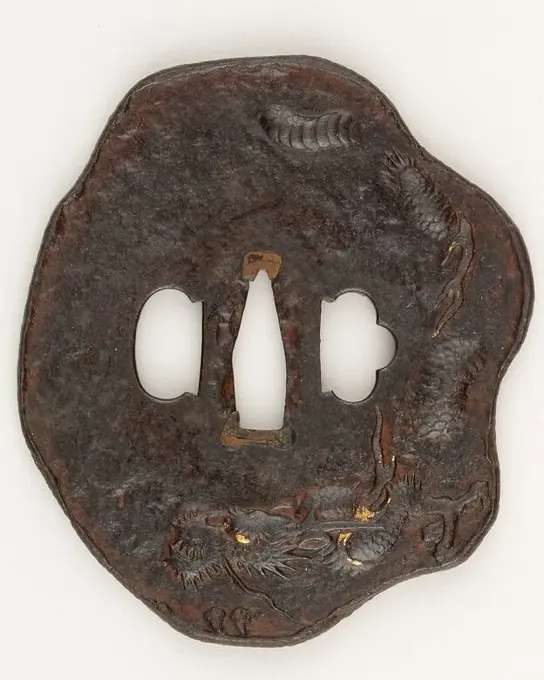
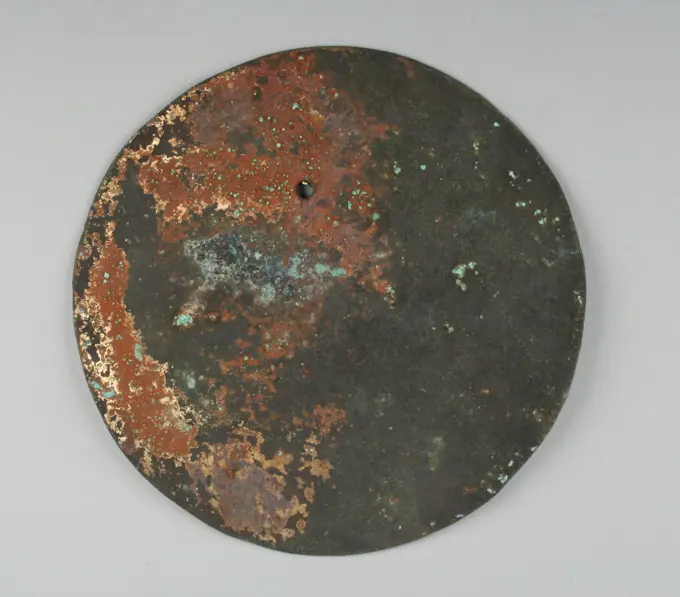
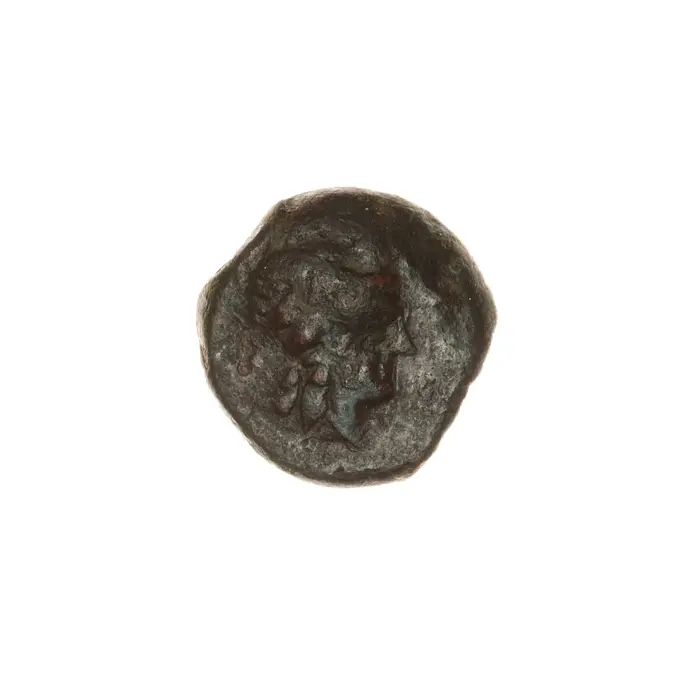
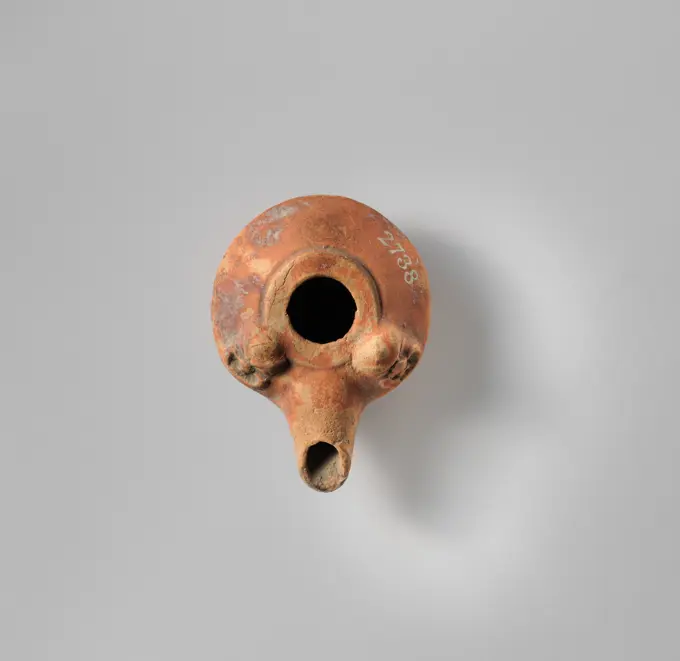
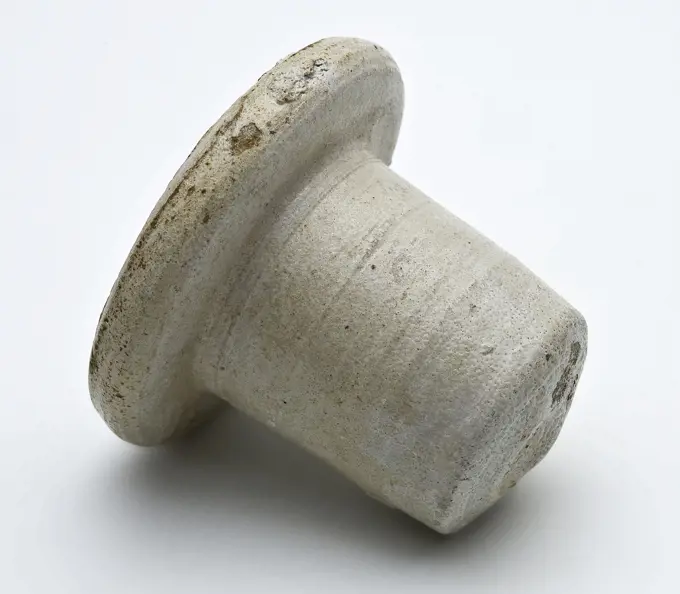
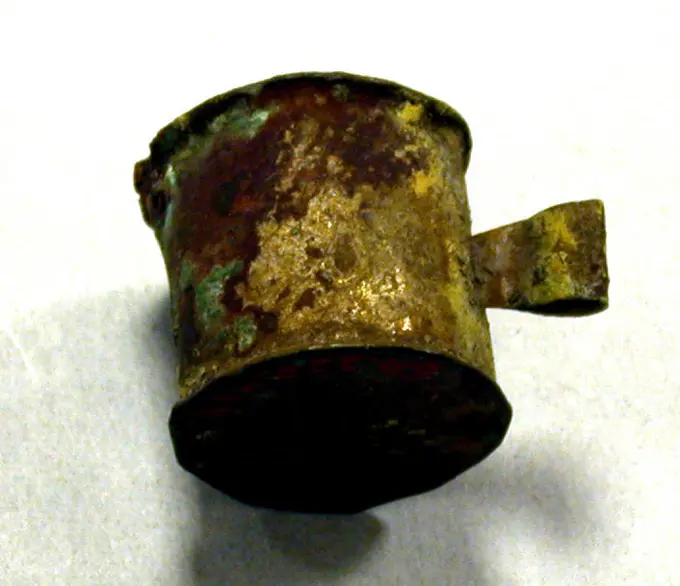
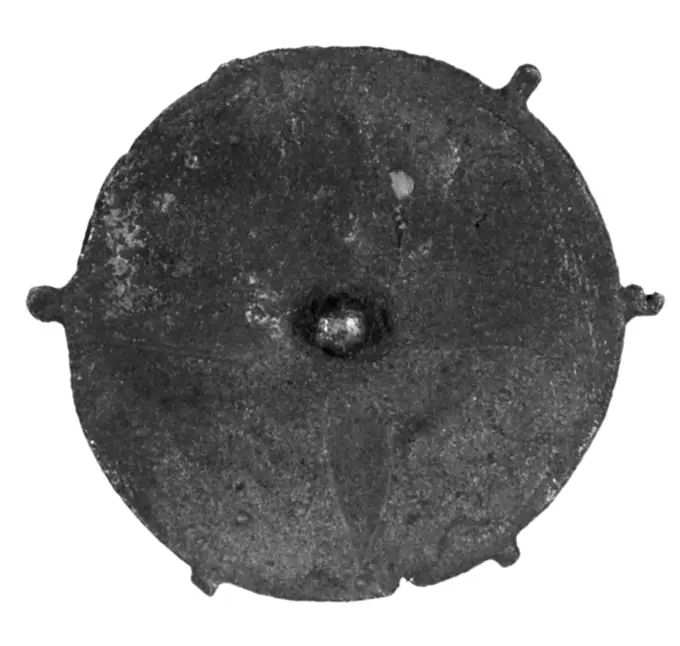
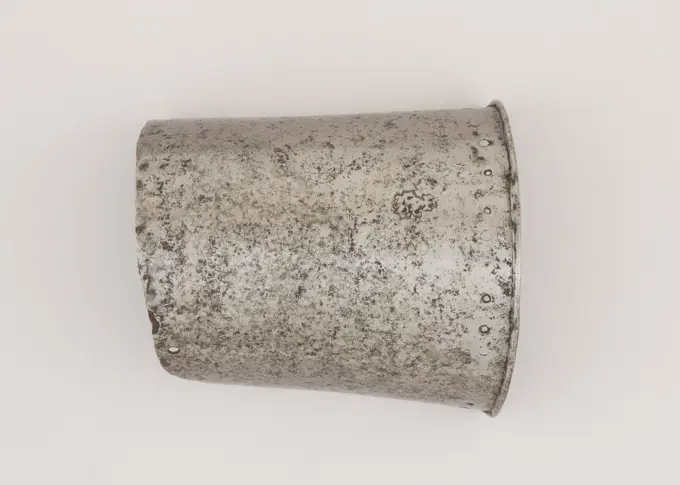
Spindle Whorl, one of sixteen, 15th century, 3/4 x 1 1/2 in. (1.91 x 3.81 cm), Stone, Mexico, 15th centuryUnidentified ruler, bracteate; the turn of the 13th and 14th centuriesBoss from a Horse Breast Collar. Culture: Ottoman or Tatar. Dimensions: Diam. 2 5/16 in. (5.9 cm); Wt. 1.9 oz. (55 g). Date: late 17th - 18th century.This boss, decorated with a flower in the center, adorned the cross-section of the three straps of a horse breast collar (straps preventing the saddle from slipping backwards). This example is a simpler version of the luxury bosses attached to some Ottoman deluxe tacks, usually made of silver and gold. Museum: Metropolitan Museum of Art, New York, USA.Spindle Whorl A.D.1-500 Peruvian; north coast (). Spindle Whorl 308860Sword Guard (Tsuba). Culture: Japanese. Dimensions: Diam. 3 1/16 in. (7.8 cm); thickness 3/8 in. (1 cm); Wt. 5.6 oz. (158.8 g). Date: late 18th-early 19th century. Museum: Metropolitan Museum of Art, New York, USA.Fragment 8th century. Fragment 448771Weight. unknown, craftsmanSpindle Whorl 9th-15th century Mexican. Spindle Whorl 315824Seal Impression with Private Official's Name. Egypt, Middle Kingdom - Second Intermediate Period (1991 - 1600 BCE). Tools and Equipment; seals. Semi-baked clay of deep black scorched colorButton with concentric bands. Button with concentric bands 244536Mold with Throne Name of Ramses II. Egypt, New Kingdom, 19th Dyn, reign of Ramses II (1304-1237 BCE) or later Ramesside period (up to 1081 BCE). Tools and Equipment; molds. TerracottaFaience button seal. Culture: Egyptian. Dimensions: H.: 1 5/16 in. (3.3 cm). Date: 664-30 B.C..Button seal. Museum: Metropolitan Museum of Art, New York, USA.Greece, Egypt, Ptolemy II (285-246), Phenicia, Tyre, bronze (AE) Mint of Tyr, Ptolemy II Philadelfos (285 246)Stud first half of the 7th century Frankish. Stud 465662 Frankish, Stud, first half of the 7th century, Copper alloy, Overall: 9/16 x 5/16 in. (1.5 x 0.8 cm). The Metropolitan Museum of Art, New York. Gift of J. Pierpont Morgan, 1917 (17.193.326)Coin Weight 13th-16th century. Coin Weight 453560Button from the wreck of the East Indians Hollandia, Anonymous, 1700 - in or before 1743 button Knoop. (1) concentric moulding (2.1d, 0.5t) Netherlands bone (material)   SecondRound Plaque. Culture: Vicús. Dimensions: Diameter 1-13/16 in. (4.6 cm). Date: 3rd century B.C.-A.D. 2nd century. Museum: Metropolitan Museum of Art, New York, USA.Spindle Whorl 10th-early 16th century Mexican. Spindle Whorl 307558Large metal button, knot clothing accessory clothing soil find copper metal, Round flat red copper plate mid reverse side rest of an attachment point archeology Rotterdam rail tunnel close dress Soil discovery: trajectory rail tunnel Rotterdam.Greece, Egypt, Ptolemy IV (221-205), Cyrene, bronze (AE) Mint Alexandria, Ptolemeus IV Filopator (221 205)Oil LampWeighing down device (fish net sinker) ca. 1295-1070 B.C. New Kingdom, Ramesside. Weighing down device (fish net sinker). ca. 1295-1070 B.C.. Limestone. New Kingdom, Ramesside. From Egypt, Memphite Region, Lisht North, Cemetery, MMA excavations, 1913-14. Dynasty 19-20Greece, Sarmacja, Olmia, approx. 400 350 B.C., bronze (AE) MintCarnavalet Museum, Medals CollectionPotin "at the head of Indian" Senones (meaning) Potin at the head of Indian Senones (meaning). Bronze medal. Imprecized identification.Oil lamp. Terracotta. Late Antiquity. Lion, geometric patterns. Capitan collection. Paris, Carnavalet museum. Late antique, oil lamp, lion, geometric pattern, terracotta, animalCostume Ornament. Culture: Peru; central coast (). Dimensions: L. 1 3/ 8in. (3.5 cm). Date: 11th-12th century. Museum: Metropolitan Museum of Art, New York, USA.Pewter funnel from v.O.c.-ship the 'white lion'. Pewter funnel from v.O.c.-ship the 'white lion'. A single and a double line are engraved on the inside. Both the inside and outside is partly covered with lumps. The outside is gray, the inside is sandy over gray.Button. UnknownButton or Bead 9th-10th century The dot-in-circle motif recalls designs presumed to be of magical significance, most likely an abstract eye to ward off the evil-eye, which serves an apotropaic function. Easily reproduced with a tool and visible in many cultures and times, this symbol may have lost its meaning, and become simply a decorative pattern, or may have one that we have not yet discovered.. Button or Bead 449244Fragment of a Bowl 14th-15th century. Fragment of a Bowl 446327Kimerian Bospor, Panticajon, 2 3 Quarter of the 3rd Century BC; AEE Panticapaeum mintTerracotta rim or handle from a large vase ca. 1700-1600 B.C. Minoan From Knossos, CreteFragment of moulded handle.. Terracotta rim or handle from a large vase. Minoan. ca. 1700-1600 B.C.. Terracotta. Middle Minoan III. VasesSmall Bead 500-600 Frankish. Small Bead 465495 Frankish, Small Bead, 500600, Glass, Overall: 1/4 x 1/4 in. (0.6 x 0.6 cm). The Metropolitan Museum of Art, New York. Gift of J. Pierpont Morgan, 1917 (17.193.18)Button or Bead 9th-10th century The dot-in-circle motif recalls designs presumed to be of magical significance, most likely an abstract eye to ward off the evil-eye, which serves an apotropaic function. Easily reproduced with a tool and visible in many cultures and times, this symbol may have lost its meaning, and become simply a decorative pattern, or may have one that we have not yet discovered.. Button or Bead 449284Spindle Whorl 10th-early 16th century Mexican. Spindle Whorl 307704Unknown, ball bearing (used as a clipboard) Having belonged to Jean Moulin (attributed title), 1919. Metal. General Leclerc Museum of the Liberation of Paris - Jean Moulin Museum.Lamp. Unknownsesterce; Faustina younger (CA 130-176; Roman Empress 161-176); 161-176 CE (161-00-00-176-00-00);Blue tortillas, seen from aboveButton, flatted with decorative pattern. Button, flattened from shape with decorative pattern. Imitation of a yarn braided knot.Earthenware lid with small knob in the middle, unglazed, lid closure part soil found ceramic pottery, hand turned pottery lid with knob red shard unglazed At the bottom dark in color lid is roughly shaped and coarsely finished archeology indigenous earthenware food preparation food kitchen serving crockeryGlass bead mid-4th century B.C. Carthaginian. Glass bead. Carthaginian. mid-4th century B.C.. Glass. Late Classical. GlassUpper Arm Defense (Rerebrace) with Lining 14th century Western European This is part of a large find of medieval armor discovered in 1840 in the ruins of the fortress of Chalcis, on the Greek island of Euboea (then a Venetian colony called Negroponte). The fortress had been captured and destroyed by the Turks in 1470. Now divided largely between the Ethnological Museum, Athens, and The Metropolitan Museum of Art, the Chalcis hoard contains many rare and unusual elements of fourteenth- and fifteenth-century armor. Of particular importance are the variety of headpieces and the many fragments of brigandines (armor for the torso constructed of small plates riveted to layers of fabric), some of which retain portions of their original velvet covering. The Chalcis armor provides a unique picture of the armament used in the Aegean, one of the easternmost military outposts of the Venetian empire.. Upper Arm Defense (Rerebrace) with Lining 23319Brakedate Halter; Jan I (Ksi  Karniowsko-Raciborski; 1365/77-1380/82); 15th century (1401-00-00-1500-00-00);R* (rarity), Racibórz (coat of arms), one -sided coins, city coins, Mierceł and PołukołoHollow Bangle 300 B.C.-A.D. 400 Thailand. Hollow Bangle 53337Cup ". GRS covered Cladon. Paris, Muse Cernuschi. Coupe Asian art, extreme-East art, Vietnamese art, ceramic, cut, gres, dishesBrass bell of musical instrument or harness, bell sound medium Soil discovery copper brass metal, soldered Large copper bell of musical instrument or harness Partial cylindrical body with round bottom and top. Narrow seam around the bulge. Eye consists of loop of thin strip copper plate archeology Rotterdam rail tunnel communication sound music rigging horse Soil discovery: rail tunnel Rotterdam.Vase fragment Minoan. Vase fragment 247804Chess Piece, King 11th-12th century Caliphal decrees prohibited the playing of chess (the pieces of which are customarily figural) for iconoclastic reasons as early as the eighth century. It is likely that chess pieces of the abstract type, such as those exhibited here, replaced the figural ones in order to circumvent those decrees.. Chess Piece, King 452785Cash. Copper alloy, China, Song dynasty. Paris, Cernuschi museum. Amulet, Asian art, Chinese art, circle, Asian civilization, Chinese civilization, belief, disc, Song dynasty, currencyPrinting block, Medium: wood, copper, brass, One of twenty-one wood blocks showing a different floral motif formed by metal strips set in wood., USA, 1825-50, appliances & tools, Printing blockFragment of Dish 14th-15th century. Fragment of Dish. 14th-15th century. Stonepaste; polychrome underglaze painted under colorless glaze. Attributed to Egypt or Syria. CeramicsPlanets-manager. Cornalet Collection Sites 2013-2016. Numismatic.bracteate denarius. Zakon krzyżacki (1190-), issuerSword Guard (Tsuba) ca. 3rd century-710 Japanese A tsuba is a sword guard and part of a sword mounting. It is mounted between the swords blade and grip to protect the users hands.. Sword Guard (Tsuba) 35126Bottle 9th-11th century. Bottle 448365. Fragment of the shoulder of a piece of crock, made of soft, red-brown earth, covered with a dark green glaze, in which in lighter green sole ornament. Rear brownish and green glaze.Round Plaque 3rd century B.C.-A.D. 2nd century Vicús. Round Plaque. Vicús. 3rd century B.C.-A.D. 2nd century. Copper (hammered), gilt. Peru. Metal-OrnamentsCarnavalet museum, tokens collectionCoin weight. unknown, craftsmanCoin Weight 13th-14th century. Coin Weight 453555Glass bead ca. 1st-4th century A.D. Roman Translucent pale green.Small spherical bead without decoration.Intact; pitting, dulling, and faint iridescence.. Glass bead. Roman. ca. 1st-4th century A.D.. Glass; rod-formed. Imperial. GlassOlive lamp;  VIII-IX century (701-00-00-900-00-00);Arabic (culture), ceramics, art of IslamUmbo shield; Bospor's workshop; VI-V century BC (-600-00-00--401-00-00);Purchase (provenance)Disk: Emblem of Heaven China. Disk: Emblem of Heaven. China. Jade. Han dynasty (206 B.C.-A.D. 220). JadeMold for Small Ovoid Beads ca. 1390-1353 B.C. New Kingdom. Mold for Small Ovoid Beads. ca. 1390-1353 B.C.. Pottery. New Kingdom. From Egypt, Upper Egypt, Thebes, Malqata, Palace of Amenhotep III, MMA excavations, 1910-11. Dynasty 18Grahal-Manzara. Carnavalet 2013-2016 collection sites. Numismatics.Lid of a Relic Casket ca. 1st century Pakistan (ancient region of Gandhara). Lid of a Relic Casket 38662Disc (bi) with Imperial Poem in Seal Script (zhuanshu) by the Qianlong Emperor, 1736-95. China, Qing Dynasty (1644-1911), Qianlong reign (1736-95). White jade with brown mottling, historic jade, recut and incised; diameter: 11.4 cm (4 1/2 in.).Button or Bead 9th-10th century The dot-in-circle motif recalls designs presumed to be of magical significance, most likely an abstract eye to ward off the evil-eye, which serves an apotropaic function. Easily reproduced with a tool and visible in many cultures and times, this symbol may have lost its meaning, and become simply a decorative pattern, or may have one that we have not yet discovered.. Button or Bead 449256Sword Guard (Tsuba). Culture: Japanese. Dimensions: H. 4 1/4 in. (10.8 cm); W. 3 7/8 in. (9.8 cm). Date: 18th century. Museum: Metropolitan Museum of Art, New York, USA.Plaque in the Shape of a Bird 12th-11th century B.C. China. Plaque in the Shape of a Bird. China. 12th-11th century B.C.. Jade (nephrite). Shang (ca. 1600-1046 B.C.)-Western Zhou (1046-771 B.C.) dynasty. JadeCup. Porcelain sandstone with blue decoration under cover. Provenance: Vietnam. Paris, Cernuschi museum. 79873-2 Cup, archeological object, dishesBracelet 300 B.C.-A.D. 300 Vietnam. Bracelet 56586AS (counterfeit); 223 (for the original) (223-00-00-223-00-00);Bowl ca. 1050-900 B.C. Cypriot Shallow bowl with two handles and concentric bands in black and red.. Bowl. Cypriot. ca. 1050-900 B.C.. Terracotta. Iron Age. VasesSword Guard (Tsuba), c. 1615-1868. Japan, possibly Edo period (1615-1868). Steel; diameter: 7.4 cm (2 15/16 in.).Lid fragment from the wreck of the East Indiescher Hollandia. Parts, Various, paragraph; Circular, transferred RIM, Vertical Rim Underneath, Relieved Decoration of Concentric Circles With Circular Boss in Center.Round Plaque 3rd century B.C.-A.D. 2nd century Vicús. Round Plaque 315592Boss and Nail 15th-16th century European. Boss and Nail. European. 15th-16th century. Iron. Metalwork-IronEmilia-Romagna Ferrara Ferrara Museo Civico di Schifanoia34. Hutzel, Max 1960-1990 General Notes: INCOMPLETE RECORD--NEGATIVES PROCESSED, PRINTS FILED German-born photographer and scholar Max Hutzel (1911-1988) photographed in Italy from the early 1960s until his death. The result of this project, referred to by Hutzel as Foto Arte Minore, is thorough documentation of art historical development in Italy up to the 18th century, including objects of the Etruscans and the Romans, as well as early Medieval, Romanesque, Gothic, Renaissance and Baroque monuments. Images are organized by geographic region in Italy, then by province, city, site complex and monument.Brown coin; Pantikapaion; approx. 250 BC (-255-00-00--246-00-00);Apollo (mitol.), Nadczarzyorze, Terlecki, Ignacy (1860-1916), Terlecki, Ignacy (1860-1916)-collection, head of Apollo (iconogr.), Tri-day (iconogr.), Purchase (provenance)Terracotta oil lamp Greek Carinated body. Large central filling hole, surrounded by a horizontal, plain band. Sloping shoulder, decorated with two theatrical () masks in relief to either side of short nozzle. Broad, raised base ring, and pushed-in base.Intact.. Terracotta oil lamp. Greek. Terracotta. Hellenistic. TerracottasStoneware stopper, slightly conical, glazed, stop closure part soil find ceramic stoneware glaze salt glaze, hand-turned glazed baked Stoneware stop slightly conical in shape. Gray glazed. In the middle at the top small hole to allow the clay to dry better for baking archeology indigenous pottery import store transport packingSword Guard (Tsuba) with Fans, c. 1615-1868. Japan, possibly Edo period (1615-1868). Iron; diameter: 8 cm (3 1/8 in.).Miniature Bottle 11th-late 15th century Chimú or Chancay. Miniature Bottle 308940Lamp, Central Anatolia, Anatolia; 2nd century B.C; Terracotta; 2.4 × 6.5 × 12 cm (15,16 × 2 9,16 × 4 3,4 in.)Greece, Kersonez Taurydzki, Chersonez, II century BC, lead (PB) Mint of ChersonesusEar Ornament, 150-200. Central Mexico, Teotihuacán style, Classic Period. Jadeite-albitite(); diameter: 5.7 cm (2 1/4 in.); overall: 2.6 cm (1 in.). Near Teotihuacán's largest palace is a small temple gorgeously ornamented with green-feathered serpents, symbols of the earth's fertility. Beneath the temple lie at least 120 human sacrifices, most men, many warriors, and some wearing greenstone ornaments like these, perhaps a set. The sacrifices, apparently laid out to mark the cardinal directions, may have consecrated the temple or a ruler's tomb, or both.Quarter Djampel of Kingdom Majopahit on Java ,, 1290 - 1520 coin Silver dish -shaped mint. Front: Load in Devanagari script Maa. Downside, figuration flower. Java silver (metal) striking (metalworking)Fragment of EwerVamplate of a Jousting Lance 16th century German. Vamplate of a Jousting Lance 34876Plate and Nail 15th-16th century European. Plate and Nail. European. 15th-16th century. Iron. Metalwork-IronPi (Ornament), 206 BC - AD 220. China, Han dynasty (202 BC-AD 220) or earlier. Jade; diameter: 6 cm (2 3/8 in.).Pilgrim's Badge 14th-16th century French. Pilgrim's Badge. French. 14th-16th century. Lead. Metalwork-LeadMiniature Drum 11th-mid-15th century Chimú or Chancay. Miniature Drum 308970Fragmentary Fibula. UnknownUpper Arm Defense (Rerebrace) ca. 1430-40 Italian This is part of a large find of medieval armor discovered in 1840 in the ruins of the fortress of Chalcis, on the Greek island of Euboea (then a Venetian colony called Negroponte). The fortress had been captured and destroyed by the Turks in 1470. Now divided largely between the Ethnological Museum, Athens, and The Metropolitan Museum of Art, the Chalcis hoard contains many rare and unusual elements of fourteenth- and fifteenth-century armor. Of particular importance are the variety of headpieces and the many fragments of brigandines (armor for the torso constructed of small plates riveted to layers of fabric), some of which retain portions of their original velvet covering. The Chalcis armor provides a unique picture of the armament used in the Aegean, one of the easternmost military outposts of the Venetian empire.. Upper Arm Defense (Rerebrace) 23184Amulet of a Heart. Egyptian. Date: 1550 BC-1069 BC. Dimensions: 1.9 × 1.9 × 0.6 cm (3/4 × 3/4 × 1/4 in.). Glass. Origin: Egypt. Museum: The Chicago Art Institute, Chicago, USA. Author: Ancient Egyptian.