Historical Artifacts

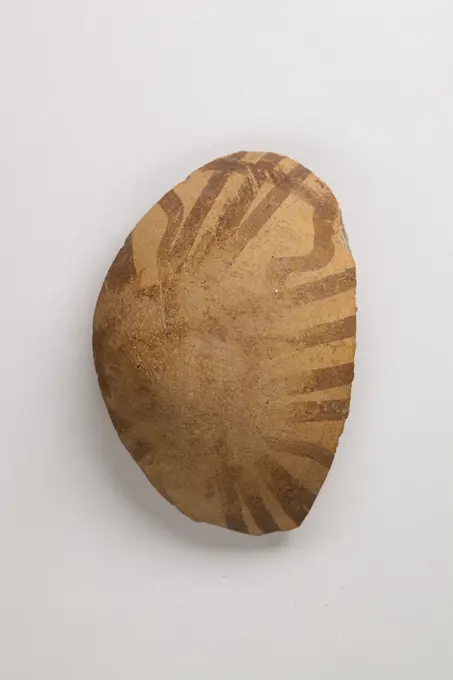
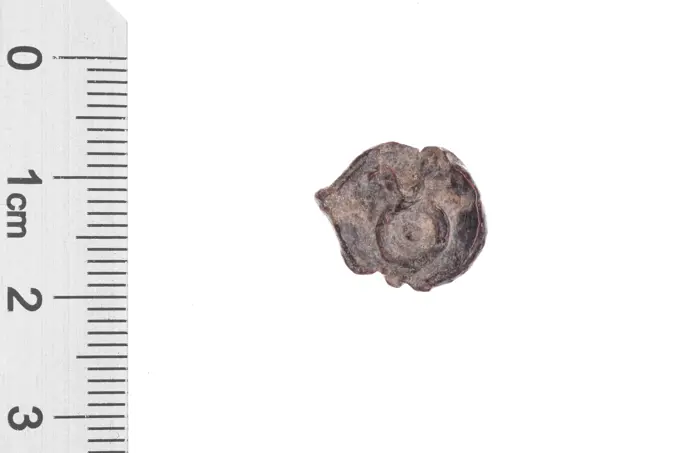
Various fragments of historical artifacts, including earthenware and tobacco pipe pieces. Textures and colors hinting at archaeological significance and past craftsmanship.

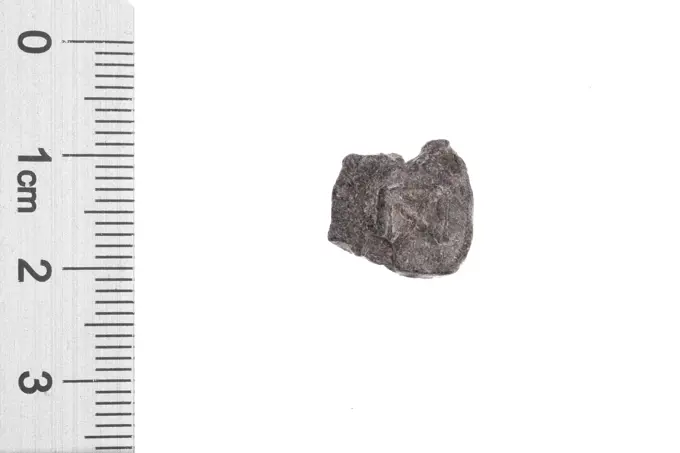
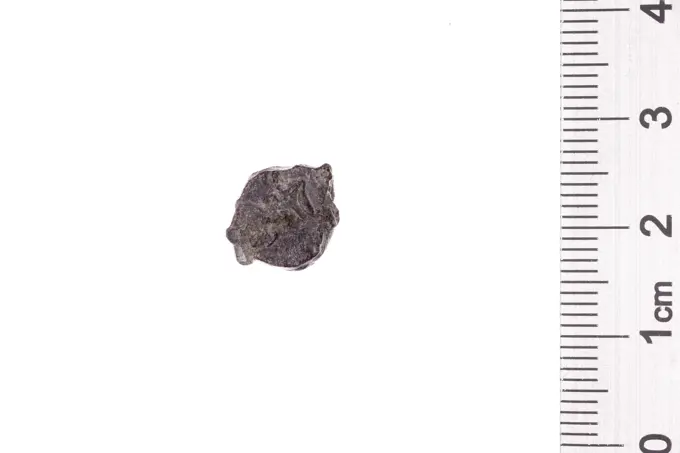
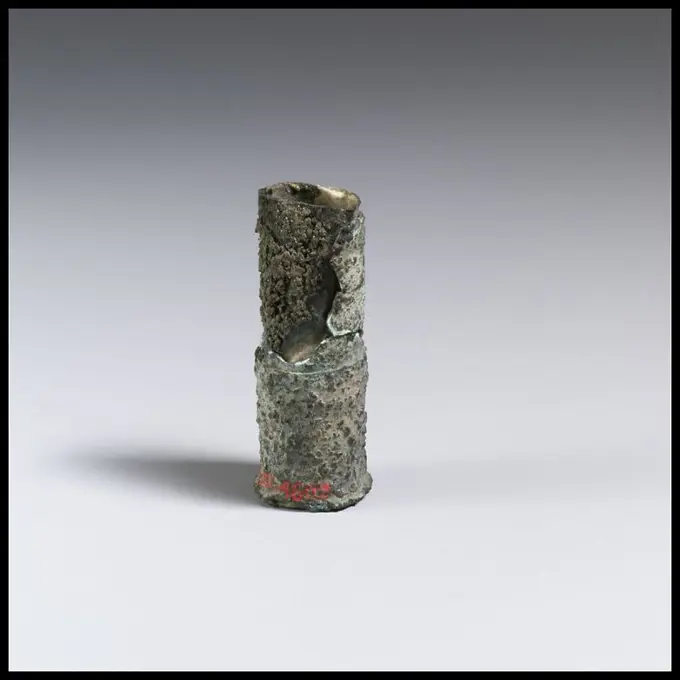
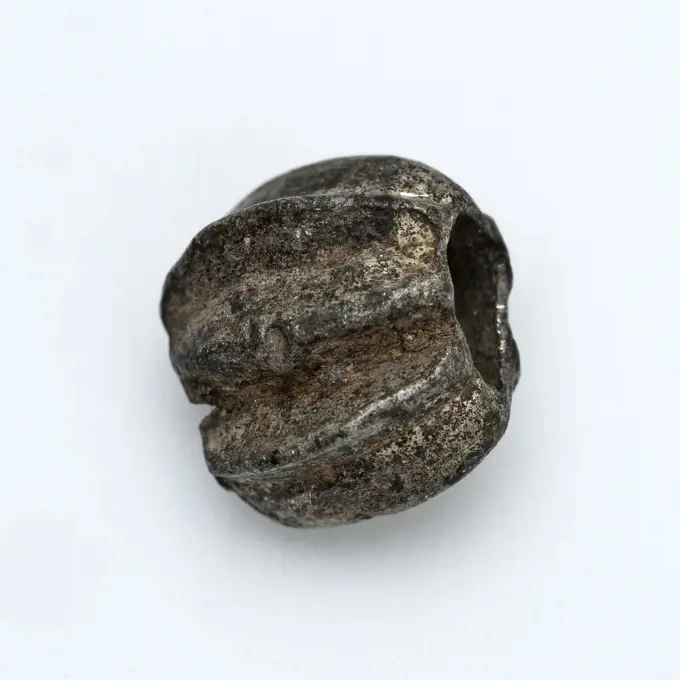
Fragments pewter or lead fittings or decorations, batter artifact foundations tin lead metal, cast Four fragments of herd or other objects. Die-cast decorations archeology Rotterdam railway tunnel Soil discovery: trajectory Rotterdam railway tunnel.
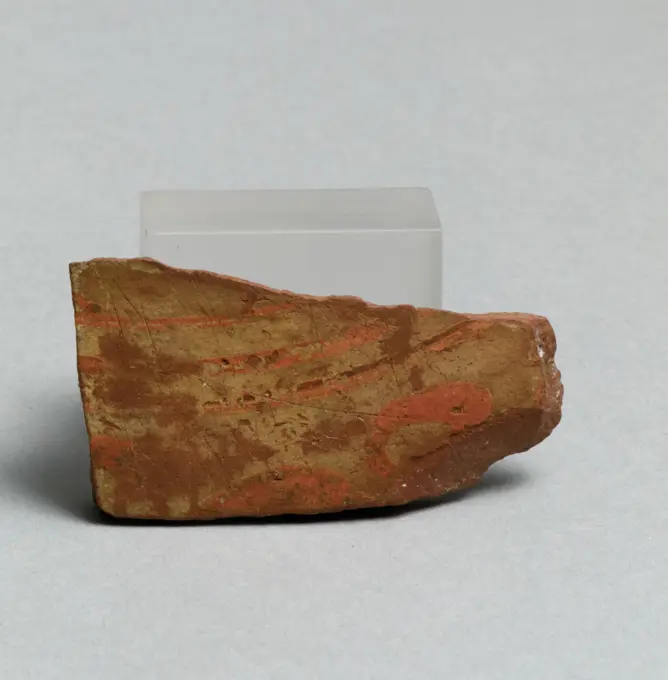
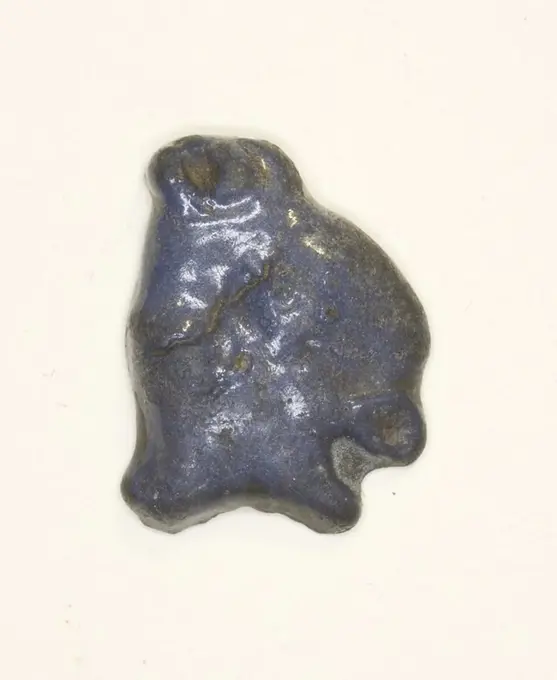
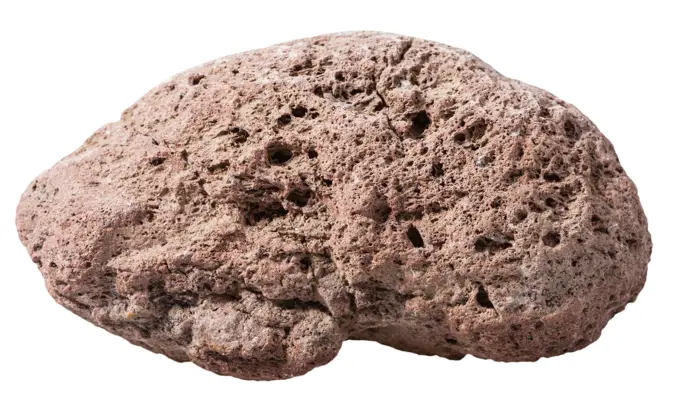
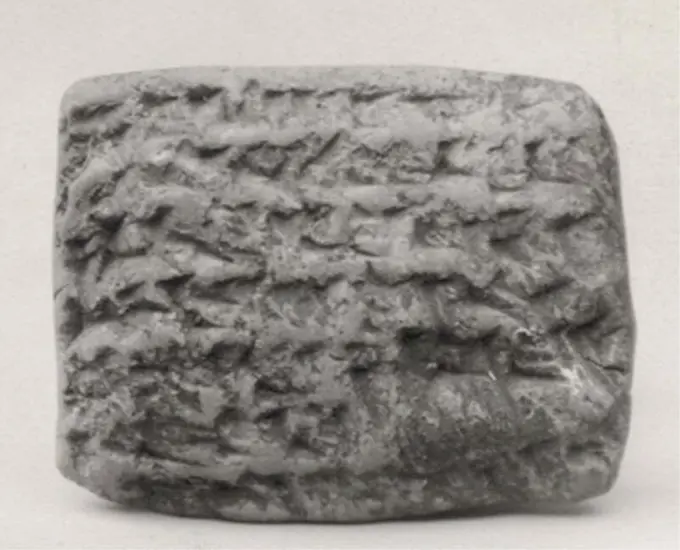
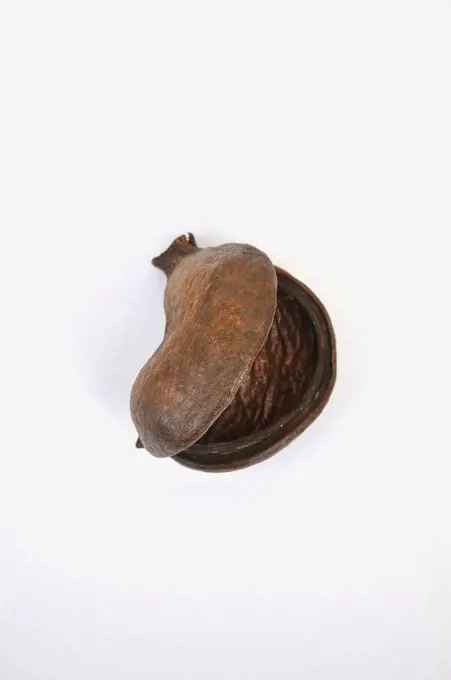
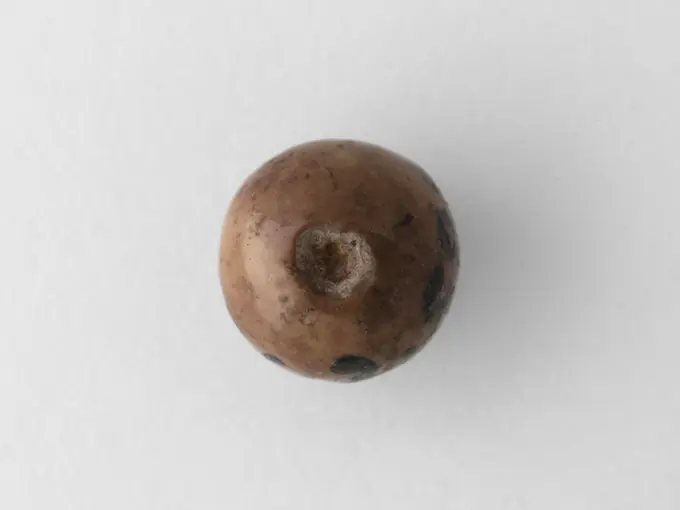
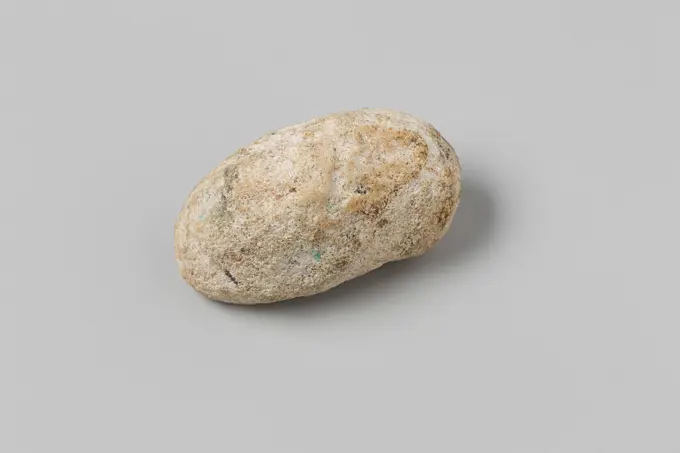
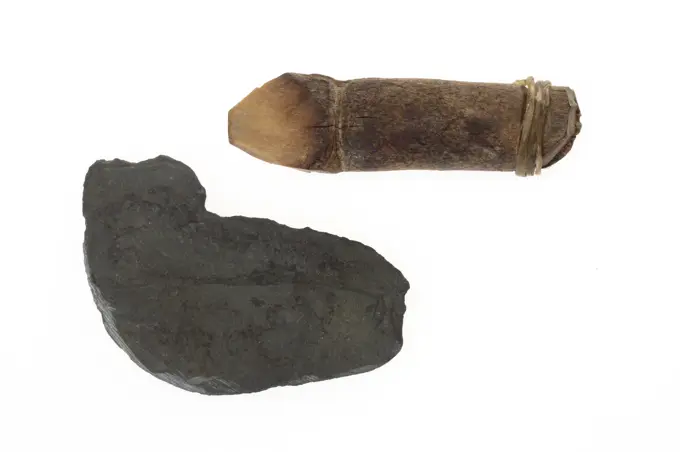
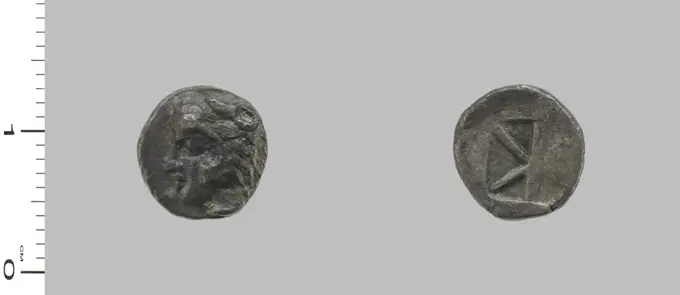
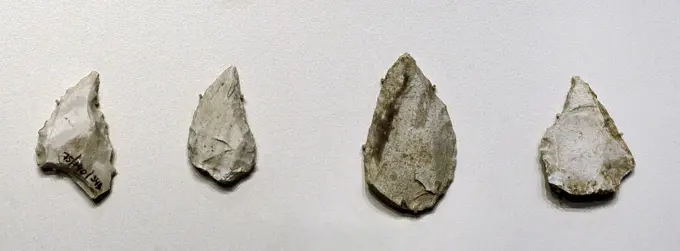
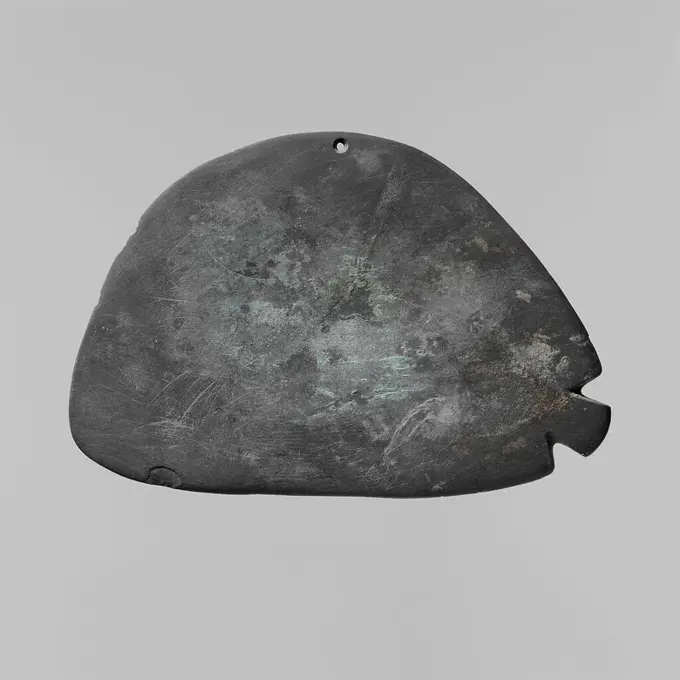
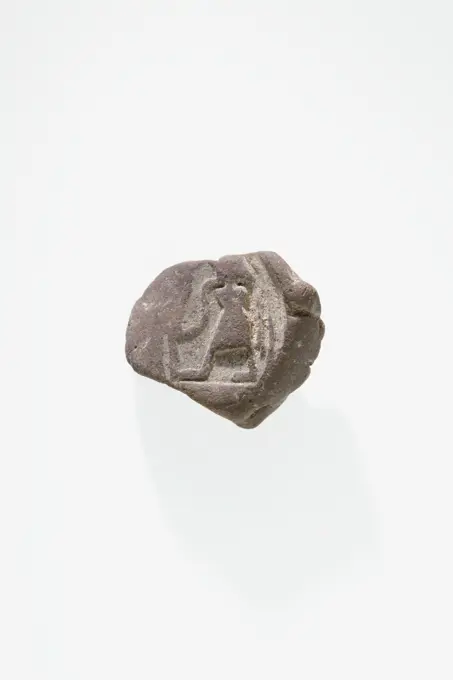
Toe ca. 1353-1336 B.C. New Kingdom, Amarna Period. Toe 567620Vase fragment East Greek/Sardis, Lydian. Vase fragment 252797 East Greek/Sardis, Lydian, Vase fragment, Terracotta, Overall: 1/4 x 1 1/8in. (0.7 x 2.8cm). The Metropolitan Museum of Art, New York. Gift of The American Society for the Excavation of Sardis, 1926 (26.199.230)Map of Greenland on rusty metalGrahal-Manzara. Carnavalet 2013-2016 collection sites. Numismatics.Raised relief fragment 664-610 B.C. Late Period, Saite see 23.3.468. Raised relief fragment. 664-610 B.C.. Limestone, varnish. Late Period, Saite. From Egypt, Upper Egypt, Thebes, Deir el-Bahri, Tomb of Nespekashuty (TT 312, MMA 509), Undetermined, MMA excavations, 1922-23. Dynasty 26Drohiczyn seal. unknown, managerPinangnut from V.O.C. ship De 'Witte Leeuw', Before 1613 nut (plant material) Pinangnut from V.O.C. ship De 'Witte Leeuw'  nut (plant material)   Sint-HelenaAthenian red-figure vase fragment, leg of stool withcushionDrohiczyn seal. unknown, managerThick round lead disk, possibly weight, weight disc Soil discovery lead metal, gram cast Schijfvormig Possibly trade mark (flower) archeology Rotterdam rail tunnel Soil discovery: rail tunnel Rotterdam.topaz, mineral specimen stone rock geology gem crystalExcerpt of copper from the wreck of the East Indians Hollandia, 1700 - in or before 1743  Parts of artefacts; eroded fragments: materials; copper. Netherlands copper (metal)   SecondBoulder, stone, cropped, white background, studio shotAwl ca. 4600-3600 B.C. Ghassulian. Awl 326531Foundation Deposit: Ox Head. Egyptian. Date: 1550 BC-1069 BC. Dimensions: 1.6 × 1.9 × 0.5 cm (5/8 × 3/4 × 3/16 in.). Faience. Origin: Egypt. Museum: The Chicago Art Institute, Chicago, USA. Author: Ancient Egyptian.Bottle;  IX-X century (801-00-00-1000-00-00);Semerau-Siemianowski, Władysław (1849-1938), Semerau-Siemianowski, Władysław (1849-1938)-collection, gift (provenance), Islam (culture), art of Islamraw gray Dolomite stone on dark background macro shooting of natural mineral rock specimen - raw gray Dolomite stone on dark granite background Copyright: xZoonar.com/ValeryxVoennyyx 11391862Charcoal Fragment. UnknownShard (Study Collection) China. Shard (Study Collection). China. Ceramic with amber glaze. Qing dynasty (1644-1911). CeramicsVase fragment Greek, Lydian. Vase fragment 252760 Greek, Lydian, Vase fragment, Terracotta, Overall: 1 3/8 x 1in. (3.5 x 2.5cm). The Metropolitan Museum of Art, New York. Gift of The American Society for the Excavation of Sardis, 1926 (26.199.193)Fragments Lead with concretion from the wreck of the East Indians Hollandia, 1700 - in or Before 1743 fragment Parts of artefacts; eroded fragments: materials; lead. Netherlands lead (metal). concretionary stone   SecondOyster from v.O.c.-ship the 'white lion'. Oyster shell from v.o.c.-ship the 'white lion'.pebble from brown pumice natural volcanic stone pebble from brown pumice natural volcanic stone isolated on white background Copyright: xZoonar.com/ValeryxVoennyyx 8635627Drohiczyn seal. unknown, managertumbled skutterudite mineral isolated on white close up of sample of natural stone from geological collection - tumbled skutterudite mineral isolated on white background from Tuva Copyright: xZoonar.com/ValeryxVoennyyx 21468635Knife lift from the wreck of the East India Hollandia. Knife, handle, cylindrical: tapering; Flat Upper End, Turned Decoration or Concentric Circles, Ferrule Missing.Coin 8th-9th century. Coin. 8th-9th century. Copper. Excavated in Iran, Nishapur. CoinsMale Head. UnknownDrohiczyn seal. unknown, managerStone font Number 6 SIX 3D Stone font Number 6 SIX 3D rendering illustration isolated on white background Copyright: xZoonar.com/MilicxDjurovicx 21521968Relief with recumbent boar 5th century B.C. Etrusco-Campanian Crouching animal in two fragments.. Relief with recumbent boar. Etrusco-Campanian. 5th century B.C.. Amber. Classical. Miscellaneous-AmberAxe. Thailand, Korat Plateau, 1900-400 B.C.. Arms and Armor; axes. StoneCuneiform tablet: account of silver disbursements, Egibi archive ca. 6th century B.C. Babylonian or Achaemenid. Cuneiform tablet: account of silver disbursements, Egibi archive 321556Exotic seed on white backgroundArrowhead ca. 10,000 B.C.-5000 B.C. European, Italian peninsula. Arrowhead. European, Italian peninsula. ca. 10,000 B.C.-5000 B.C.. Stone. Archery Equipment-ArrowheadsCollar pearl. Terracotta. Paris, Carnavalet museum. 50029-6 Jewel, necklace, ornament, pearl, terracottaFragment sandstone from the wreck of the East Indieschief Hollandia. Parts or artifacts; eroded fragments: Materials; Sandstone / Grit.Grahal-Manzara. Carnavalet 2013-2016 collection sites. Numismatics.szel g; Pfahler, Ernest; 1628 (1628-00-00-1628-00-00);Boulder, stone, cropped, white background, studio shotStone Pulidor before 16th century Mexican. Stone Pulidor 317203Button from the wreck of the East Indians Hollandia, Anonymous, 1700 - in or before 1743 button Knoop. (1) domed, plain, concentric groove along rim (2.7d, 0.5t), loop-shank Netherlands copper (metal)   SecondFragments lead from the wreck of the East Indiesman Hollandia. Parts or artifacts; eroded fragments: Materials; Lead.Fragments of Ceramics with Opacified Glaze 9th century. Fragments of Ceramics with Opacified Glaze. 9th century. Earthenware; glazed. Found/excavated Iraq, Samarra. CeramicsKnife -Mint: Kleonai, Obol fromKleonai, ca. 460-420 B.C., Silver, 0.81 g, 7:00, 10mm, Made in Kleonai, Argolis, Greek, 5th century B.C., NumismaticsDrohiczyn seal. unknown, managerSharf of a jug of the wreck of the East Indians' t Vliegend Hart ,, 1700 - 1735  One red -brown light -rolled shard that is speckled on the outside and unglazed and rough on the inside. Netherlands stonewareFlint tips. Mousterian. La Carihuela, Pinar (province of Granada, Andalusia). National Archaeological Museum. Madrid. Spain.Drohiczyn seal. unknown, managerFragment of red earthenware, partly glazed, fragment crockery holder kitchen utensils earthenware ceramics earthenware glaze lead glaze, hand-formed hand turned glazed fried Fragments of red pottery Frying pans jugs pots of grass and bottom of small jug Spicy or only partly glazed with lead glaze archeology Rotterdam Stadscentrum Stadsdriehoek Hoogstraat indigenous pottery water washing cooking nutrition food preparation handicraft pottery Soil discovery Hoogstraat Rotterdam 15 June 1983.Body fragment with garment pleats ca. 1353-1336 B.C. New Kingdom, Amarna Period. Body fragment with garment pleats 567625Fragment of a vessel. A low curvature of the glass fragment allows the assignment to a vessel. On a blue background, flowers can be seen in millefiori technology. They consist of a yellow point to specify the white contours the petals. For the production, different colored glasses into tubes and rods were formed. These were compressed and heated, causing a long bar. The glass sliced now had different amorphous or floral patterns. Thereafter, several of these platelets were folded, heated again and pressed into a vascular shape. Burry for the elaborate manufacturing process and its fragility was one of the luxury articles of antiquity.Cowroid ca. 1492-1473 B.C. New Kingdom This cowrie-shaped seal-amulet was found with twenty-three scarabs and seal-amulets in the coffin of a young woman who was buried in Hatnefer's tomb (see 36.3.1 and 36.3 26). The base is not inscribed.. Cowroid 549042Pounder ca. 4500-4000 B.C. Neolithic Period, Buto-Merimda-Maadi. Pounder 573785Box. Dimensions: 2in. (5.1cm)Other: 1/8in. (0.3cm). Museum: Metropolitan Museum of Art, New York, USA.Base of round bottomed Cypriot juglet ca. 1981-1640 B.C. Middle Kingdom. Base of round bottomed Cypriot juglet 556875Pewter bead, bead ornament clothing accessory clothing soil find tin metal, Bent bead with round eight ridges. Tin or silvered tin archeology Rotterdam railway tunnel decorate Soil discovery: trajectory Rotterdam rail tunnel.Fragment. Dimensions: L 8.5 cm x W 4 cm x H 2 cm. Date: probably 8th-12th century. Museum: Metropolitan Museum of Art, New York, USA.Brick from the wreck of the East Indies Hollandia, 1700 - in or before 1743 brick (clay product) Yssel brick, ceramic.  brick (clay product)Moldy slice of breadIndian arrowhead from Georgia and North & South Carolina , Archaeological assemblages, Charles F. Walcott Archaleogical CollectionDrohiczyn seal. unknown, managerRitual Object (Bi). Culture: China. Dimensions: H. 6 1/8 in. (15.6 cm); W. 5/16 in. (.8 cm). Date: mid-3rd millennium B.C.. Museum: Metropolitan Museum of Art, New York, USA.Coin 8th-9th century. Coin. 8th-9th century. Copper. Excavated in Iran, Nishapur. CoinsStamp seal ca. late 3rd-early 2nd millennium B.C. Bactria-Margiana Archaeological Complex. Stamp seal. Bactria-Margiana Archaeological Complex. ca. late 3rd-early 2nd millennium B.C.. Copper alloy. Bronze Age. Bactria-MargianaBrown coin; Pantikapaion; approx. 250 BC (-255-00-00--246-00-00);Nadczarzyorze, satir (mitol.), Terlecki, Ignacy (1860-1916), Terlecki, Ignacy (1860-1916)-collection, weapons (iconogr.), Arrows (weapons), armament (iconogr.), Purchase (provenance) , bow and arrow (iconogr.), Łuki (army)szel g; Pfahler, Ernest; 1633 (1633-00-00-1633-00-00);Fragment straight steel of glass from the wreck of the East Indians Hollandia, Anonymous, 1700 - in Or Before 1743 drinking glass Glass, stem glass, stems, plain; fragm, id. NG 1980-27H798. Netherlands glass   SecondPorcelain and pepper from the VOC trading ship the Witte Leeuw, before 1613  Klop peppercorns from the wreck of the V.O.C. ship 'Witte Leeuw'.  .   Sint-HelenaMold of a Lily Petal ca. 1390-1353 B.C. New Kingdom. Mold of a Lily Petal. ca. 1390-1353 B.C.. Pottery. New Kingdom. From Egypt, Upper Egypt, Thebes, Malqata, Khor west of camp or E. side of S. Village, MMA excavations, probably 1911-12. Dynasty 18Indian arrowhead from Georgia and North & South Carolina , Archaeological assemblages, Charles F. Walcott Archaleogical CollectionFragment stop from crockery from the wreck of the East Indiesman Hollandia. Vessel part, stopper; Fragm, ID. NG 1979-527H, Finial Broken off.Disk: Emblem of Heaven China. Disk: Emblem of Heaven 42873unpolished Gabbro rock isolated on white closeup of sample of natural mineral from geological collection - unpolished Gabbro rock isolated on white background Copyright: xZoonar.com/ValeryxVoennyyx 14990510Hatchet Jamaica. Hatchet 43634Attic Vase Fragment. UnknownConus Ebraeus from v.O.c.-ship the 'white lion'. Shell from v.o.c.-ship the 'white lion'Drohiczyn seal. unknown, managerGrahal-Manzara. Carnavalet 2013-2016 collection sites. Numismatics.Piece of granite stone isolated on white backgroundSheep or goat bone from the wreck of the East Indians Hollandia, 1700- in Or Before 1743  Sheep or goatbone; fragm of ulna (part of foreleg), proximal end, olecranon fused. Netherlands bone (material)   SecondRing ca. 3rd-7th century A.D. Sasanian. Ring 322791Ornament or casing, engraved. Ornament or casing, engraved 252434 Ornament or casing, engraved, Bronze, H.: 3/4 x 1 1/16 x 3/8 in. (1.9 x 2.7 x 1 cm). The Metropolitan Museum of Art, New York. Bequest of Richard B. Seager, 1926 (26.31.515)Bifaces. Lower Paleolithic. SPAIN. CATALONIA. BARCELONA. Barcelona. Archaeology Museum of Catalonia. Proc: SPAIN. MADRID (AUTONOMOUS COMMUNITY).Head - figurine fragment. unknown, craftsmantexture of charcoal on a white backgroundArrowhead in chipped stone. Neolithic period. Found between 1970 and 1980 in the southern Sahara at El Golea Timimoun, eastern erg. Algeria. 4 cm.Iron horseshoe .Height 120 mm Thickness 4 mm. ( 4th- 8th CE ) - Roman period, from the " South Baths "- Archaeological site of Complutum in Alcalá de Henares ( Madrid ). SPAIN.sea cockleshell lies on white surfaceMap of Lithuania on rusty metalArrowhead. Culture: Japan. Dimensions: W. 3/4 in. (1.9 cm); L. 1 1/4 in. (3.2 cm). Museum: Metropolitan Museum of Art, New York, USA.Fragment of a terracotta architectural tile 6th century B.C. Lydian Decorated terracotta tiles were fixed to the roof line and upper walls of Lydian houses.. Fragment of a terracotta architectural tile 252643 Lydian, Fragment of a terracotta architectural tile, 6th century B.C., Terracotta, Overall: 5 1/2 x 5 in. (14 x 12.7 cm). The Metropolitan Museum of Art, New York. Gift of The American Society for the Excavation of Sardis, 1926 (26.199.73)Nori sheetspolished Tholeiitic basalt tholeiite rock isolated closeup of sample of natural mineral from geological collection - polished Tholeiitic basalt tholeiite rock isolated on white background Copyright: xZoonar.com/ValeryxVoennyyx 14990498tumbled red pumice pebble on white marble macro shooting of natural mineral rock specimen - tumbled red pumice pebble on white marble background from Sicily Copyright: xZoonar.com/ValeryxVoennyyx 11951549Series of prehistoric flints 1898, Middle EastFish-shaped palette. Dimensions: H: 10.3 cm (4 1/16 in); W: 15.3 cm (6 in). Date: ca. 3650-3300 B.C.. Museum: Metropolitan Museum of Art, New York, USA.CUARZO SIN PULIR.Sealing with a Standing Man Holding a Staff () ca. 1550-1295 B.C. New Kingdom. Sealing with a Standing Man Holding a Staff (). ca. 1550-1295 B.C.. Mud. New Kingdom. From Egypt; Probably from Northern Upper Egypt, Deir el-Ballas. Dynasty 18