Historical Artifacts

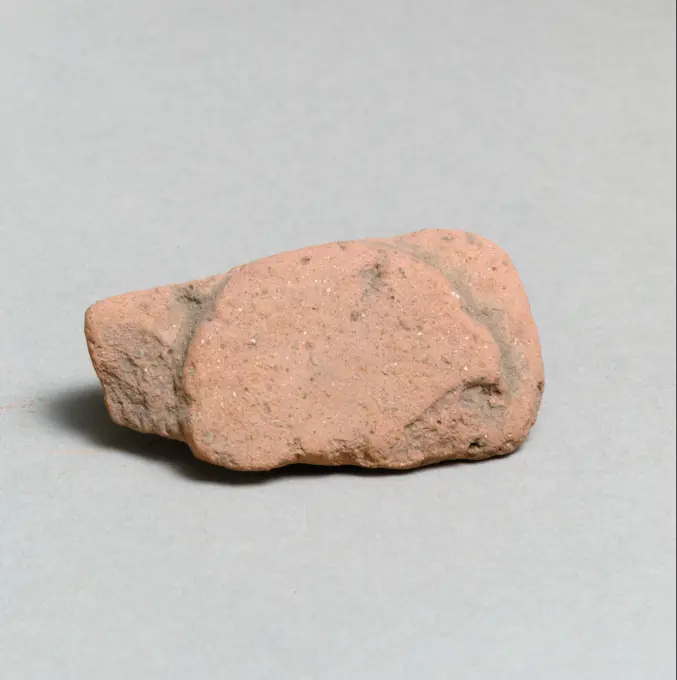
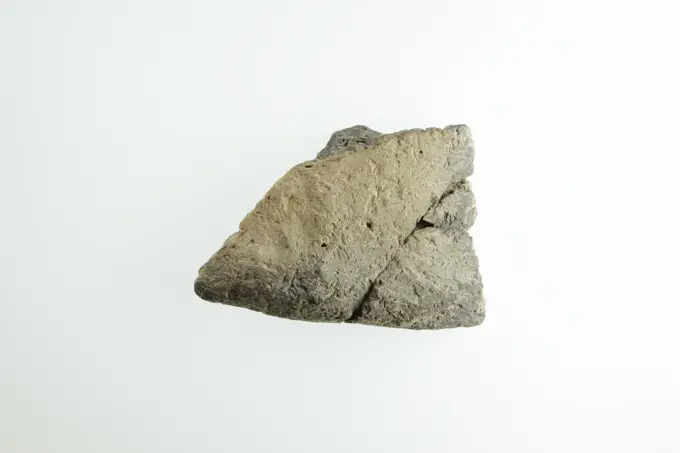
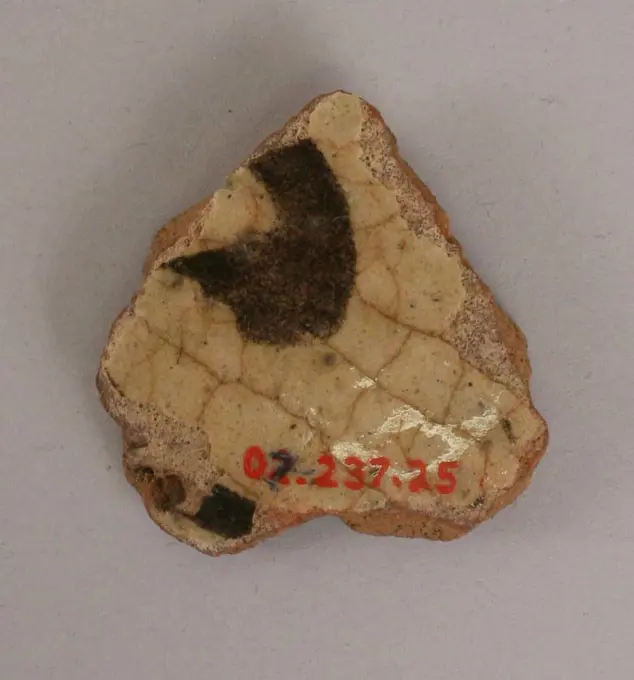
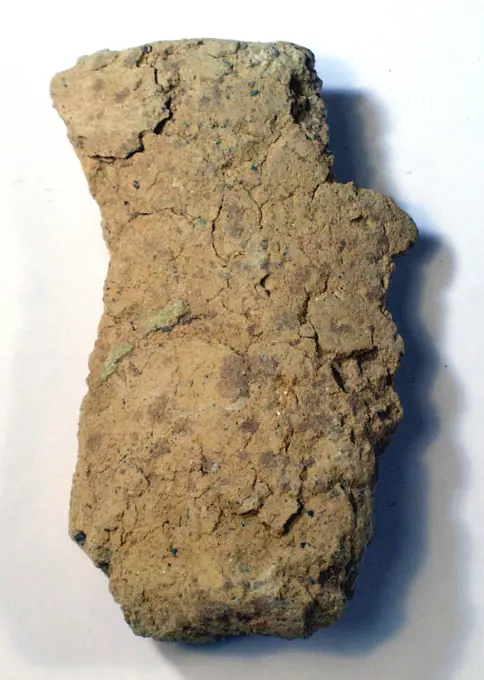
Various fragments of historical artifacts, including earthenware and tobacco pipe pieces. Textures and colors hinting at archaeological significance and past craftsmanship.

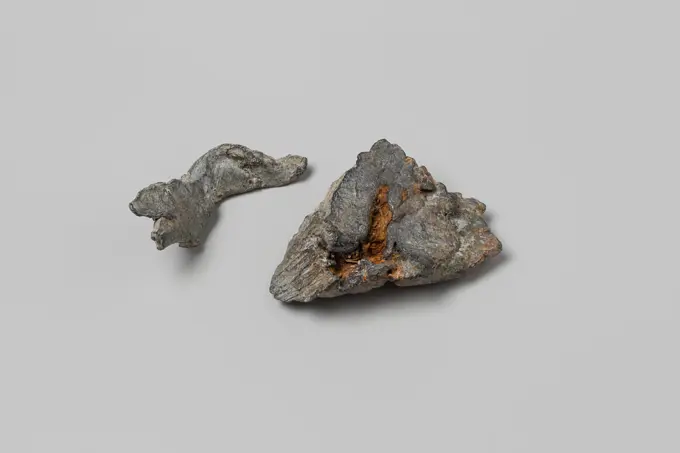
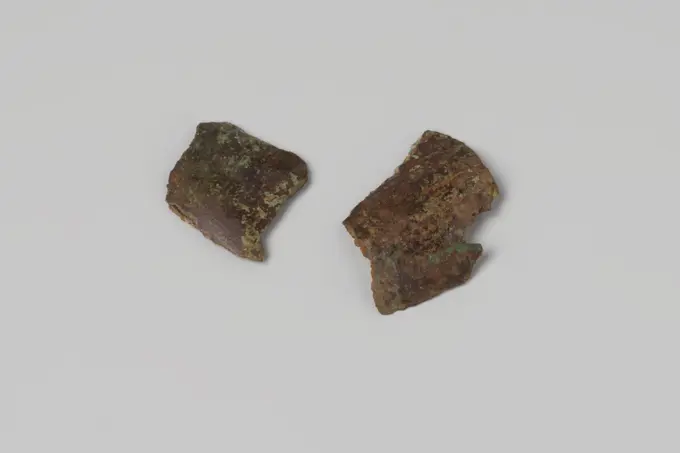
Fragments pewter or lead fittings or decorations, batter artifact foundations tin lead metal, cast Four fragments of herd or other objects. Die-cast decorations archeology Rotterdam railway tunnel Soil discovery: trajectory Rotterdam railway tunnel.
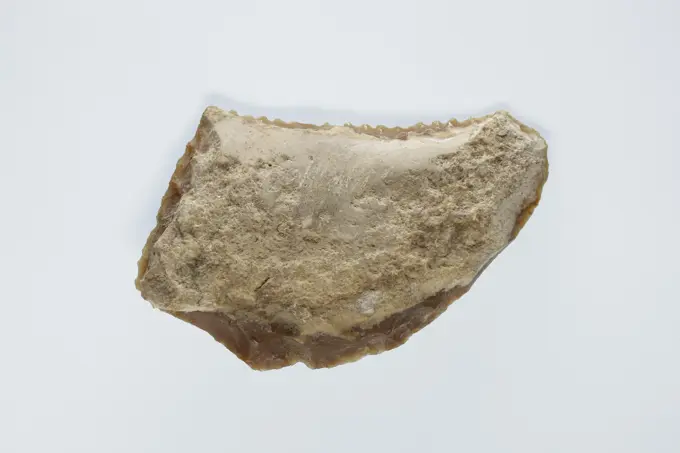
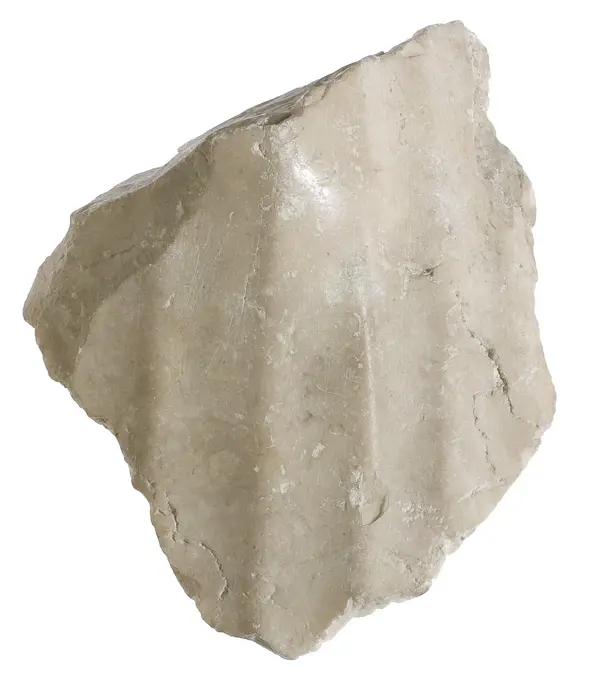
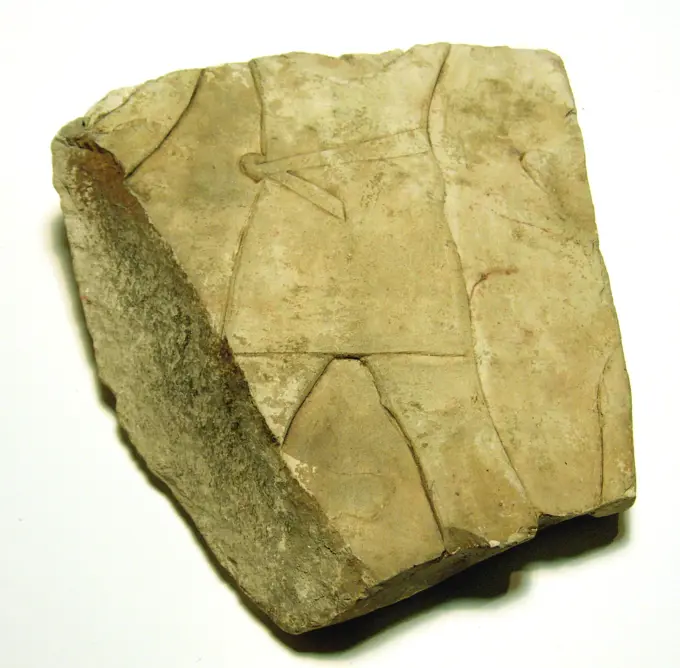
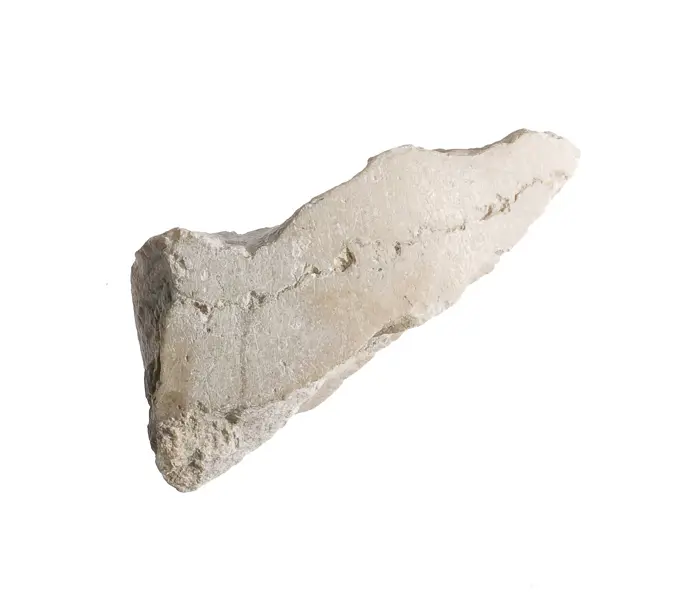
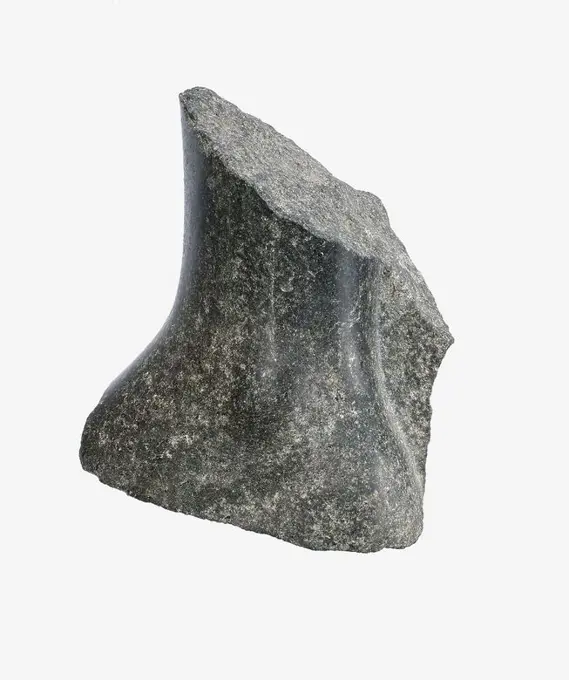
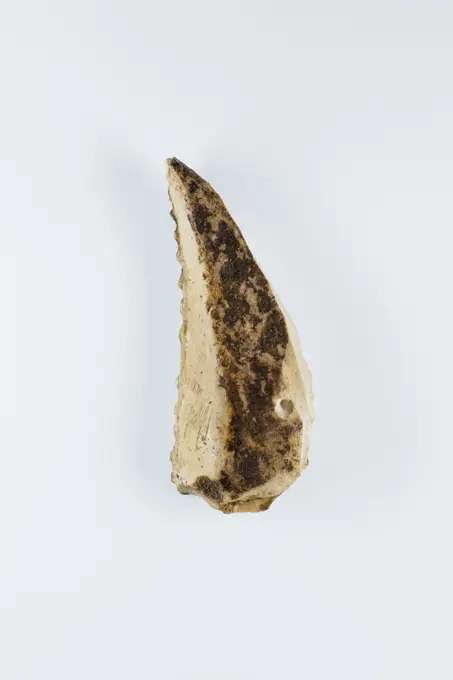
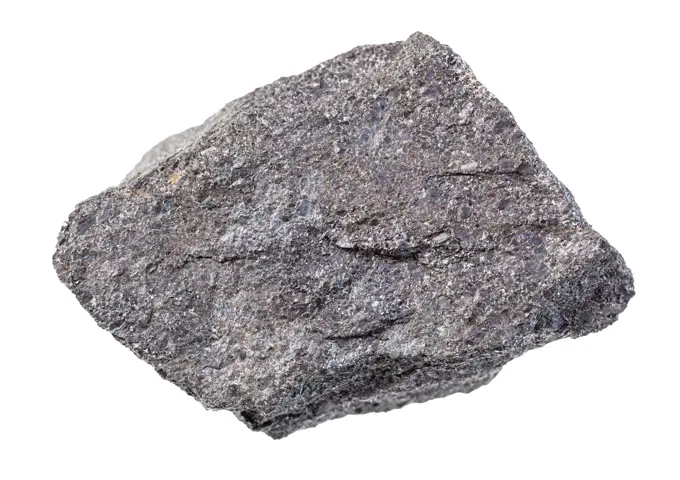
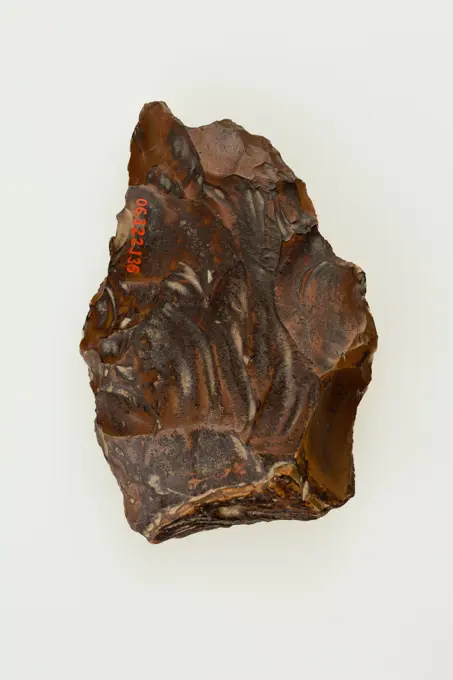
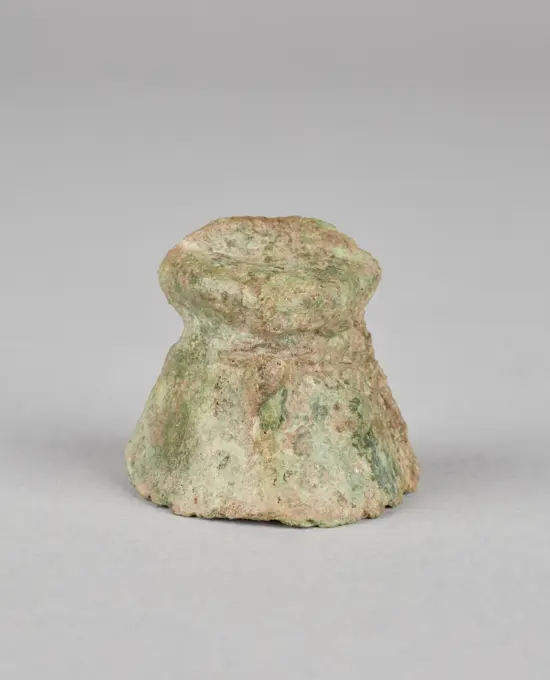
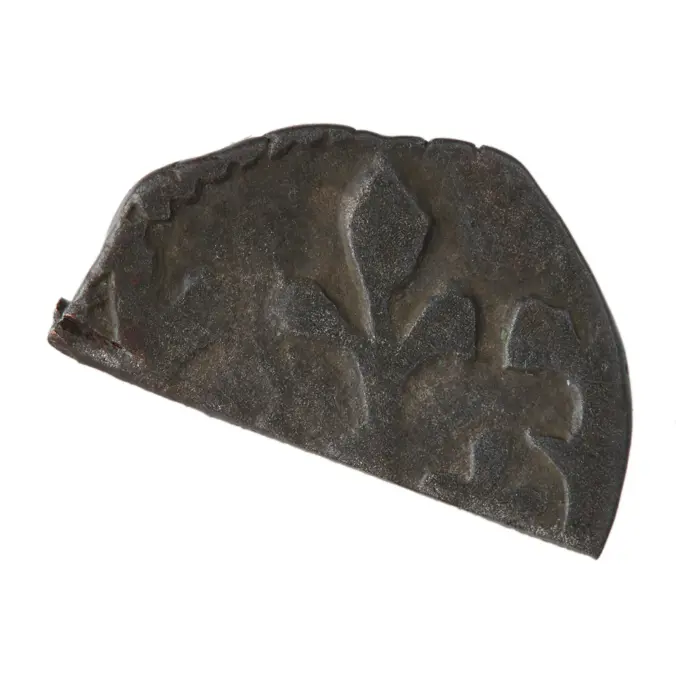
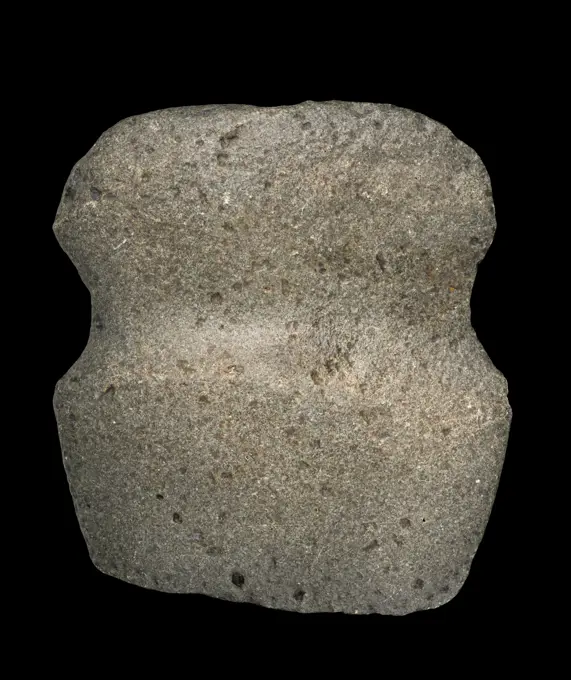
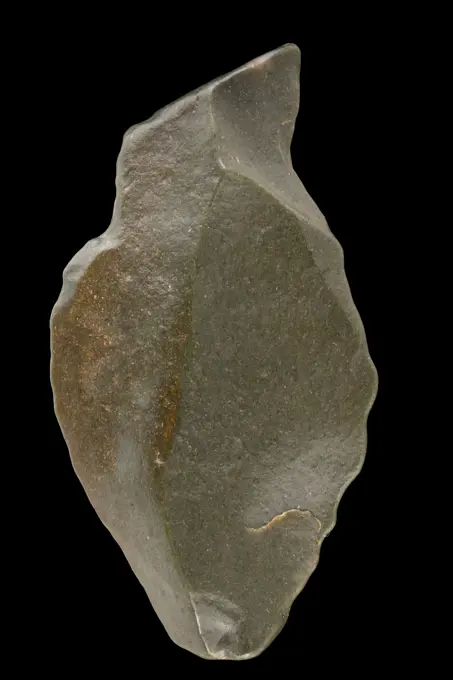
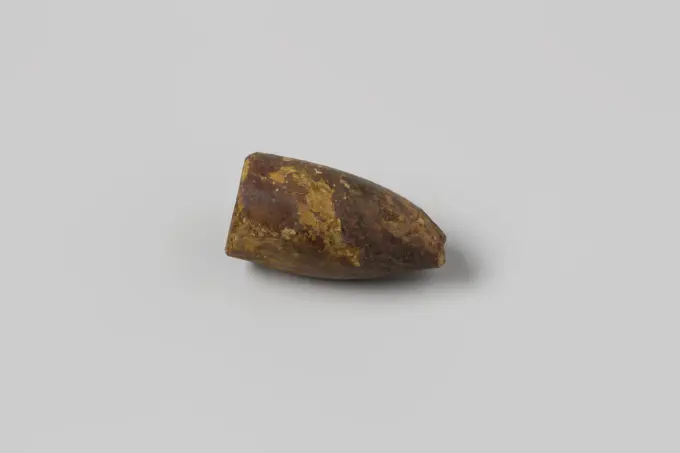
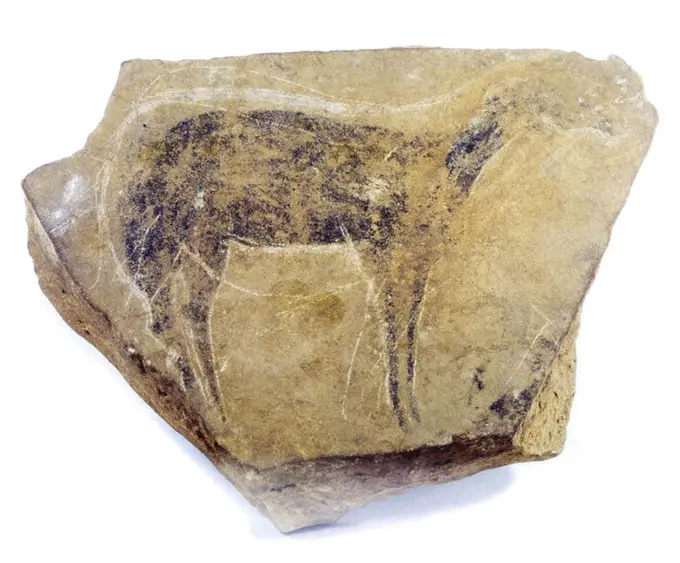
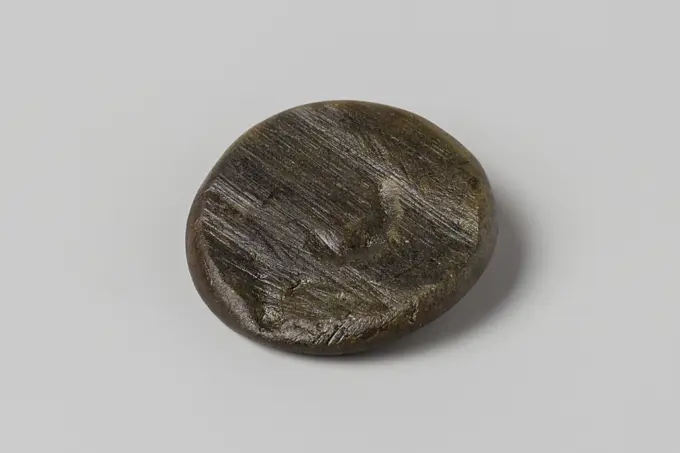
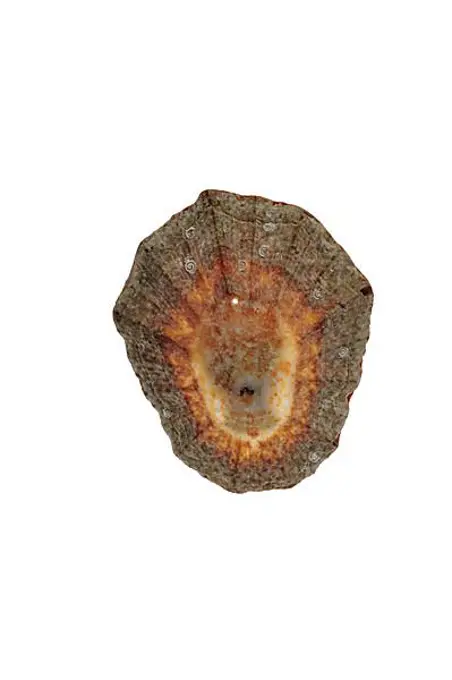
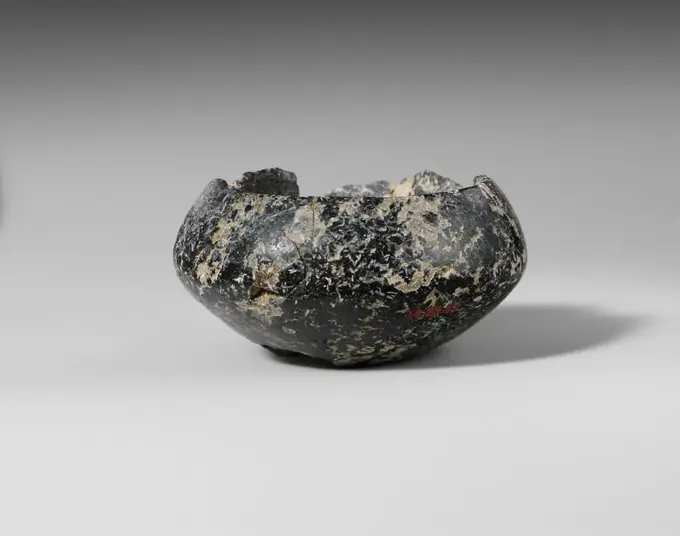
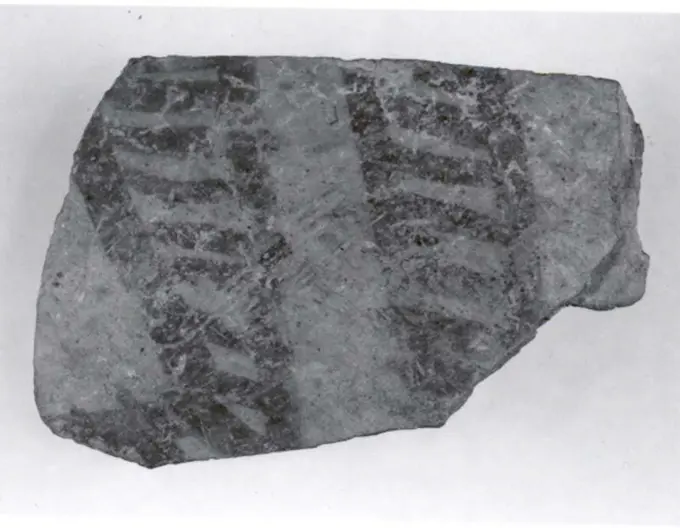
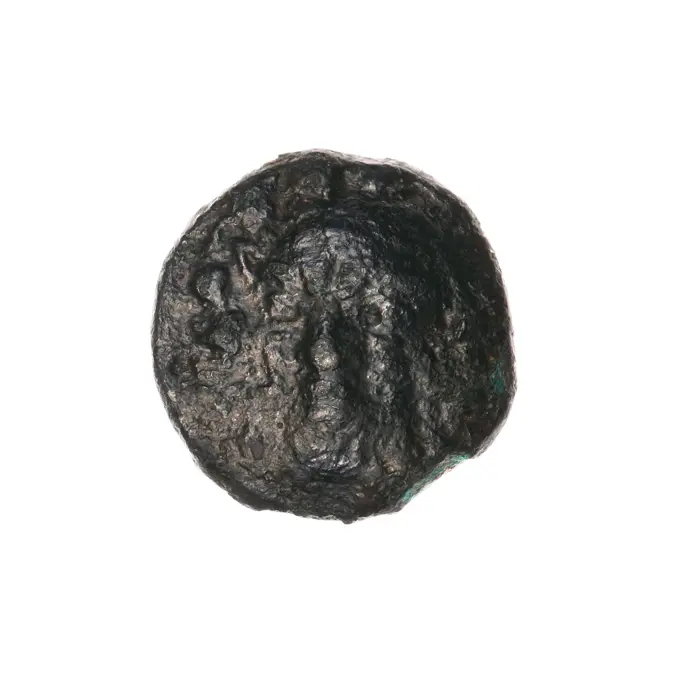
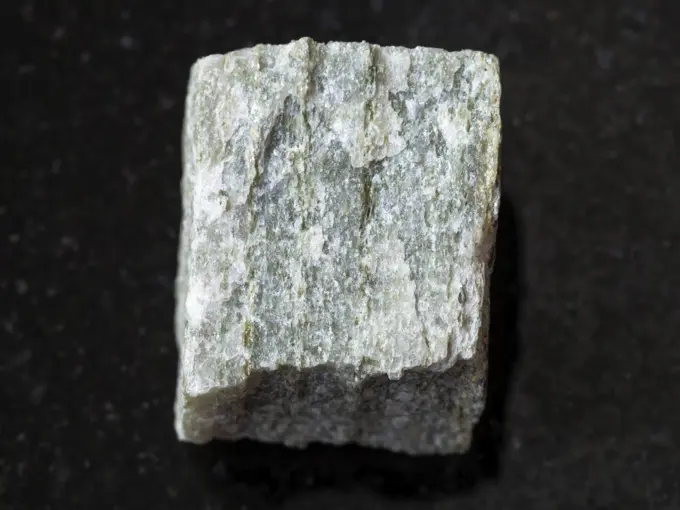
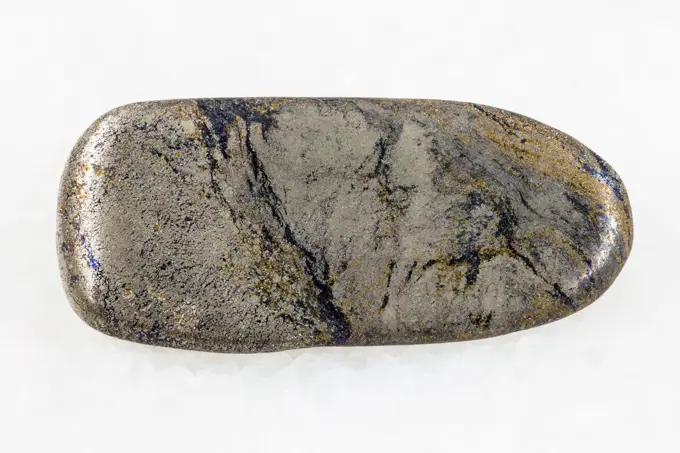
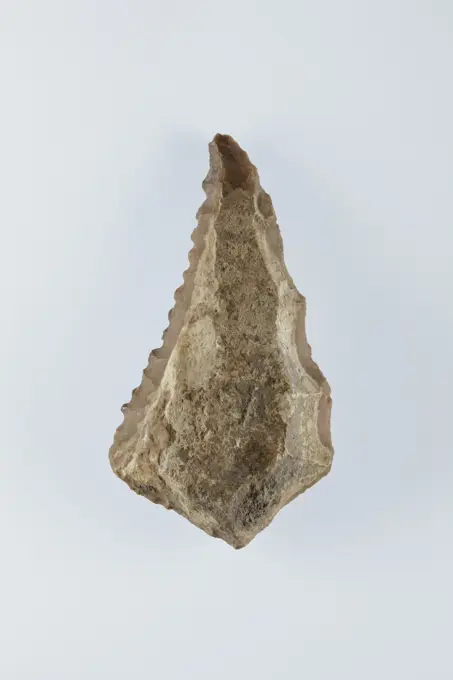
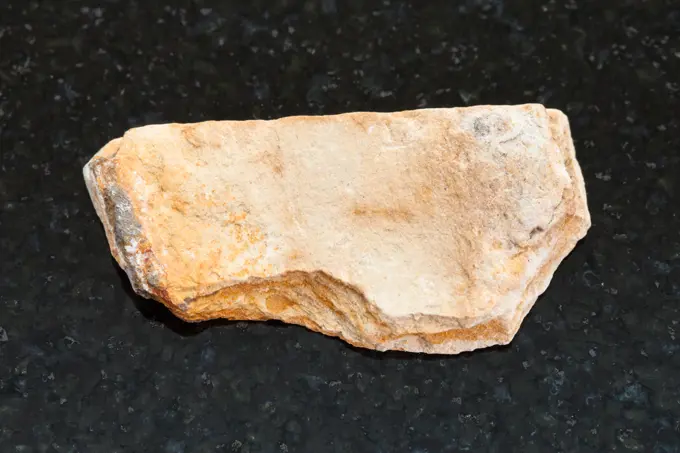
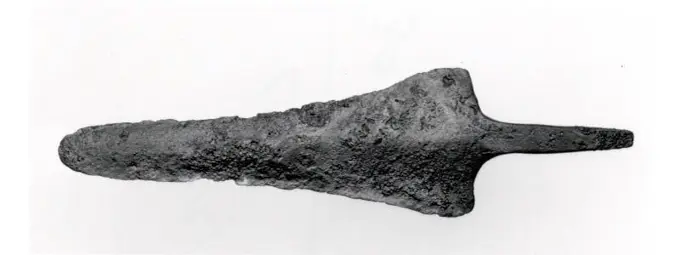
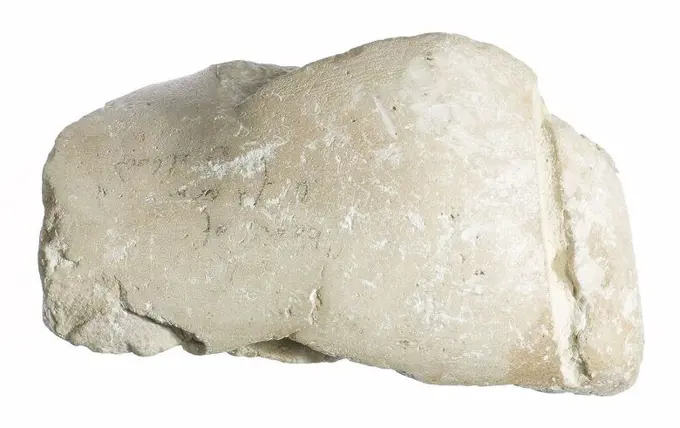
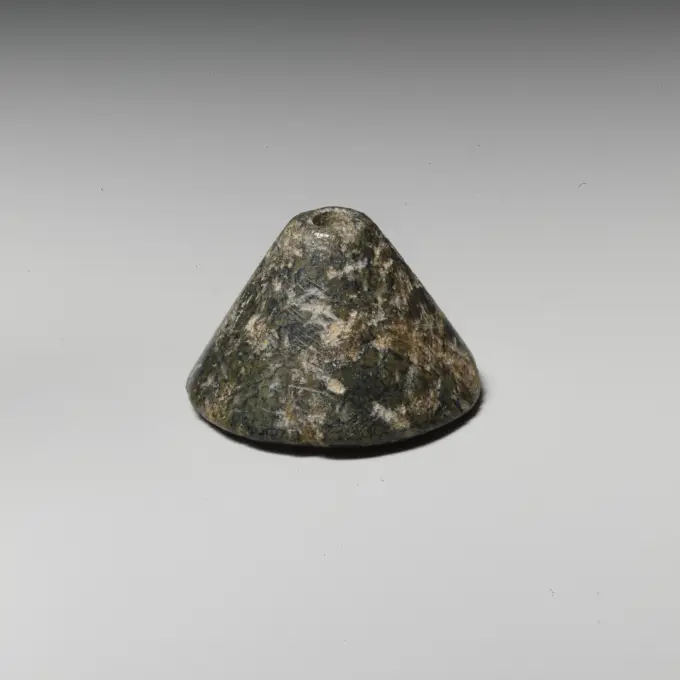
Sharf of a sign from the wreck of the East Indians' t Vliegend Hart ,, 1700 - 1735 plate (dishes) Sharf of red -baking earthenware that has been part of a plate. Dish. Netherlands earthenwareFragment tobacco pipe, anonymous, 1600 - 1699 Fragment tobacco pipe. Of the excavations on the Hofstede Arentsburg 1827-1831 under the supervision of Professor Reuvens. Netherlands pipe clay Fragment tobacco pipe. Of the excavations on the Hofstede Arentsburg 1827-1831 under the supervision of Professor Reuvens. Netherlands pipe clayFragments pewter or lead fittings or decorations, batter artifact foundations tin lead metal, cast Four fragments of herd or other objects. Die-cast decorations archeology Rotterdam railway tunnel Soil discovery: trajectory Rotterdam railway tunnel.Fragment Martavaan from V.O.C. ship De 'Witte Leeuw', Before 1613  Neck and mouth clip of a Martavan from V.O.C. ship De 'Witte Leeuw'. southeast Asia stoneware. porcelain   Sint-HelenaPoland, Władysław Jagiełło (King of Poland, 1386 1434), Denar, 1398 1422, Town of Krakow W ADYS AW JAGIECH (CA 1351 1434), Mint of KrakówSickle Insert ca. 1186-1070 B.C. New Kingdom, Ramesside This small piece of flint was a key element to a successful agricultural season in ancient Egypt. Grain was a staple of the economy, as bread and beer made from grain were consumed daily. They also formed the foundation of eternal sustenance, as funerary offerings. Ancient Egyptians used sickles made from flint and wood to reap grain. Pieces of flint such as this one were shaped to fit into a wooden haft along with a number of other such inserts, and secured with an adhesive. The flint pieces provided a sharp edge to cut the grain stalks. With use, the flint would wear down and develop a shiny gloss. The flint inserts could be re-sharpened or replaced as needed. Sickle inserts could be made in a variety of ways. The earliest were fully bifacially retouched, then later they were made on blades (long narrow pieces of flint). Starting in the 2nd millennium BC, some sickle inserts were made on large flakes, such as this one. Flint, raExcerpt of copper from the wreck of the East Indians Hollandia, 1700 - in or before 1743  Parts of artefacts; eroded fragments: materials; copper. Netherlands copper (metal)   SecondDrill;  4-3 thousand BC (-4000-00-00--2001-00-00);The collection of the ancient EastKnee () with garment, pleats ca. 1353-1336 B.C. New Kingdom, Amarna Period. Knee () with garment, pleats. ca. 1353-1336 B.C.. Indurated limestone. New Kingdom, Amarna Period. From Egypt, Middle Egypt, Amarna (Akhetaten), Great Temple of the Aten, Pit outside southern wall, Petrie/Carter excavations, 1891-92. Dynasty 18Fragments lead from the wreck of the East Indiesman Hollandia. Parts or artifacts; eroded fragments: Materials; Lead.Fragment ear of one can from the wreck of the East Indiesman Hollandia. Stoneware, rhenish, frechen-ware, jug; Fragm of Handle, SIM. NG 1980-27H2223.Oil Lamp. Culture: Coptic. Dimensions: Overall: 1 11/16 x 3 3/8 x 2 9/16 in. (4.3 x 8.6 x 6.5 cm). Date: 4th-7th century. Museum: Metropolitan Museum of Art, New York, USA.A rock in sand - zen rock gardenRaised relief fragment 664-610 B.C. Late Period, Saite see 23.3.468. Raised relief fragment. 664-610 B.C.. Limestone. Late Period, Saite. From Egypt, Upper Egypt, Thebes, Deir el-Bahri, Tomb of Nespekashuty (TT 312, MMA 509), 1st chamber E. wall; 4th register, middle, MMA excavations, 1922-23. Dynasty 26Poland, Kazimierz Jagiellończyk (1447 1492), Denar, 1455 1479, Town of Krakow Kazimierz Jagiello Czyk (1447 92), Mint of KrakowCurved surface ca. 1353-1336 B.C. New Kingdom, Amarna Period. Curved surface 550034Female Head. UnknownGlass Fragment 13th-14th century European. Glass Fragment. European. 13th-14th century. Pot metal glass. Glass-StainedLeft ankle. Dimensions: H. 19.5 x W. 12.5 x D. 13 cm. Dynasty: Dynasty 18. Reign: reign of Akhenaten. Date: ca. 1352-1336 B.C.. Museum: Metropolitan Museum of Art, New York, USA.Excerpt of copper from the wreck of the East Indians Hollandia, 1700 - in or before 1743  Parts of artefacts; eroded fragments: materials; copper. Netherlands copper (metal)   SecondSickle Insert ca. 1186-1070 B.C. New Kingdom, Ramesside This small piece of flint was a key element to a successful agricultural season in ancient Egypt. Grain was a staple of the economy, as bread and beer made from grain were consumed daily. They also formed the foundation of eternal sustenance, as funerary offerings. Ancient Egyptians used sickles made from flint and wood to reap grain. Pieces of flint such as this one were shaped to fit into a wooden haft along with a number of other such inserts, and secured with an adhesive. The flint pieces provided a sharp edge to cut the grain stalks. With use, the flint would wear down and develop a shiny gloss. The flint inserts could be re-sharpened or replaced as needed. Sickle inserts could be made in a variety of ways. The earliest were fully bifacially retouched, then later they were made on blades (long narrow pieces of flint). Starting in the 2nd millennium BC, some sickle inserts were made on large flakes, such as this one. Flint, raShard of crockery from the wreck of the East India Flying Heart. Thick shard, light gray glazed. Stoneware.Fragment Facetted Steel of a flute glass from the wreck of the East Indians Hollandia, Anonymous, 1700 - in Or Before 1743 drinking glass Glass, stem glass, steel, faceted; fragment, upper end of stem, bevelled, octagonal faceted, tapering downward, hollow core, broken. Netherlands glass   Secondunpolished Chromite rock isolated on white closeup of sample of natural mineral from geological collection - unpolished Chromite rock isolated on white background Copyright: xZoonar.com/ValeryxVoennyyx 14986273Button from the wreck of the East India hollandia.knoop. (1) Bent, Conical, Concentric Molding (2.5D, 0.6H), Loop-ShankBiface, commonly referred to as a hand ax ca. 400,000-240,000 B.C. Lower Paleolithic Period Often referred to as handaxes, bifaces were made by the Hominin predecessors of humans during the Lower Paleolithic period. Although bifaces are found in many shapes and sizes, the basic tool type was used for a very long time span and can be found all over Africa, Asia and Europe. Rather than a tool made for a specific task, bifaces were a kind of multi-tool that could be used in a variety of ways such as chopping, cutting, and scraping. Additionally the large tools could serve as a portable source for flakes if smaller tools or sharper edges were needed. This example, however, is rather small and flat, and can be classified as a sub-cordiform biface. The presence of a retouched notch on the distal tip underlines the potential for these tools to be re-worked as needed.. Biface, commonly referred to as a hand ax. ca. 400,000-240,000 B.C.. Flint. Lower Paleolithic Period. From Egypt, Upper Egypt,Fragment of fire hose rings from the wreck of the East Indians Hollandia, Anonymous, 1700 - in Or Before 1743  Fire engine, firehose; fragments, id. NG-1975-20-H-1271-a, squashed. Netherlands copper (metal)   SecondReliefs from the tomb of Meketre. Dimensions: H. 27.8 cm (10 15/16 in.); W. 17 cm (6 11/16 in.). Dynasty: Dynasty 12. Reign: reign of Amenemhat I, early. Date: ca. 1981-1975 B.C.. Museum: Metropolitan Museum of Art, New York, USA.Miniature location. Bronze. Cernuschi Museum, Asia Museum of Asia in the city of Paris.Fragment straight stem from glass from the wreck of the East India Hollandia. Glass, Voice Glass, votes, Plain; Fragm, circular, hollow core, eroded.Poland, Władysław Jagiełło (1386 1434), Denar, Town of Kraków, After 1396 W ADYS AW JAGIECH (CA 1351 1434), Mint of KrakówBLIŻEJ KULTURY Mint of Kraków, Władysław Jagiełło (King of Poland, 1386 1434)Basalt Throat Axe. Neolithic period. North Africa. 9,5cm.Fragments copper from the wreck of the East Indians Hollandia, 1700 - in or before 1743 fragment Parts of artefacts; eroded fragments: materials; copper. Netherlands copper (metal)   Seconddenarius; W ADSAW II JAGIEC (King of Poland; 1386-1434); 1386-1434 (1386-00-00-1434-00-00);Green Jasper Nucleus. Neolithic period. Mali. 6,1 cm.Shah of the Cross; 15th century (1400-00-00-1500-00-00);Vase fragment ca. 4000-3000 B.C. Neolithic, Thessaly Black lines on light ground.. Vase fragment. Neolithic, Thessaly. ca. 4000-3000 B.C.. Terracotta. Neolithic, second period. VasesSmall nephrite jade axe. Culture: Cretan. Dimensions: L. 1 3/4 in. (4.4 cm); W. 1 1/4 in. (3.1 cm). Date: 5th-4th millennium B.C..Celt. Museum: Metropolitan Museum of Art, New York, USA.Fragment Pijpenkop from the wreck of the East Indians Hollandia, Anonymous, 1700 - in Or Before 1743  Pipe, bowl, whole market illegible; fragment. Netherlands pipe clay   SecondFragment of a queen's crown () with modius of uraeus, disk, horns and double uraeus ca. 1353-1336 B.C. New Kingdom, Amarna Period. Fragment of a queen's crown () with modius of uraeus, disk, horns and double uraeus 550067Concretion with fragment piping head and glass from the wreck of the East Indians Hollandia, 1700 - in Or Before 1743  Pipe, bowl, heelmark: arched cage; fragment, no hsm. Netherlands pipe clay. concretionary stone.   SecondFaience Fragment Faience Fragment. Faience, 14.540: 1 3/4 x 2 1/4 x 11/16 in. (4.4 x 5.7 x 1.8 cm).   Egyptian, Classical, Ancient Near Eastern ArtBoulder, stone, cropped, white background, studio shotARTE MUEBLE DEL PALEOLITICO SUPERIOR: PLACA O PLAQUETA CON CIERVA PINTADA Y EQUIDO O CABALLO GRABADO SUPERPUESTOS, EN PIEDRA CALIZA, DE LA CUEVA DE PARPALLO (DEPOSITO: MUSEO DE PREHISTORIA DE VALENCIA).Fragment; (possibly) belonging to the Retable of Soest. .Lead disc, conical, possible weight, weight ground find lead metal, gram cast Disc shaped slightly tapered solid metal object. Slightly distorted archeology Rotterdam railroad tunnel roads Soil discovery: trajectory Rotterdam rail tunnel.Attic Red-Figure Kalpis Fragment. UnknownFragment Pijenkop out the Wreck of the East India Hollandia. Pipe, Bowl, Whole Market Illegible; Fragment, Probably Whole Market Crowned 91, 2HSM1.Fragment Steel van Fork or Spoon from the wreck of the East Indians Hollandia, Anonymous, 1700 - in Or Before 1743 spoon Cutlery, fragment: stem of fork or spoon; fragm of flat stem. Netherlands tin (metal)   SecondBoulder, stone, cropped, white background, studio shotButton from the wreck of the East India hollandia.knoop. (1) Flat top and base, Plain, commanded RIM (2.6d, 0.3T), Loop-Shank DamagedRayed Mediterranean limpet (Patella caerulea) shell on white backgroundStone polished axe. North Africa, Neolithic. 5.5 cm.Grabbed hurt from the wreck of the East Indians' t Vliegend Hart ,, 1700 - 1735  Handle of an hilt of a white weapon consisting of a round wooden core, opposed vertically by TweeStreeng's copper wire and one diagonal three -string copper wire. The copper wire of this handle is dull. The handle is rectangular drilled. Middelburg copper (metal). wood (plant material)Steatite bowl. Culture: Minoan. Dimensions: H. 1 7/8 in. (4.8 cm); Diameter 3 5/8 in. (9.2 cm). Date: ca. 2200-1900 B.C..Bowl with fragmented rim. Museum: Metropolitan Museum of Art, New York, USA.Concretie and glass shard from the wreck of the East Indieschief Hollandia. Parts or artifacts; eroded fragments: Materials; Lump, Straight, tapered with Rectangular Hollow Core.Sherd ca. 1500-1000 B.C. Iran This sherd is made of a red clay, with black painted decoration. It is typical of Yaz I ceramics from Turkmenistan, dating to ca. 1500-1000 B.C. It was excavated in 1937 at a prehistoric site in the vicinity of Nishapur in northeastern Iran. While Nishapur itself was founded by the Sasanian king Shapur I (reigned ca. A.D. 241-272), this object shows that human habitation there goes back to the prehistoric period. Furthermore, the prehistoric pottery from Nishapur has close affinities with ceramic materials from Central Asia rather than with contemporary sites in Iran, meaning that in this period its inhabitants were likely culturally linked to their neighbors to the east. At the same time, Nishapurs location on what later became known as the Great Khorasan Road suggests that it was part of the trade network that facilitated the import of precious stones such as lapis lazuli, carnelian and turquoise from Central Asia to Mesopotamia.. Sherd 323679Fossil Ammonite isolate background with clipping pathTriobol - Subaerat; Pantikapaion; 315-300 BC (315-00-00-300-00-00);Nadczarzyorze, satir (mitol.), Terlecki, Ignacy (1860-1916), Terlecki, Ignacy (1860-1916)-collection, lion head (iconogr.), Lions, purchase (provenance), animalsraw quartz-mica schist stone on dark background macro shooting of natural mineral rock specimen - raw quartz-mica schist stone on dark granite background Copyright: xZoonar.com/ValeryxVoennyyx 11392343Arsenopyrite gemstone on white macro shooting of natural mineral rock specimen - Arsenopyrite gemstone on white marble background from Transbaikalia Zabaykalye, Russia Copyright: xZoonar.com/ValeryxVoennyyx 11949577rough lake iron ore coin type limonite on white macro shooting of natural mineral rock specimen - rough lake iron ore coin type limonite on white marble background Copyright: xZoonar.com/ValeryxVoennyyx 11949574Iron Concretion around a square profiled piece of Meierstaaf from the wreck of the East Indies' t Vliegend Hart, 1700 - 1735 in 1735  Secondary broken.  iron (metal). concretionary stone.PeanutsPolygonal conical, lead weight, weight soil finding lead metal, grams cast Tapered block weight with ribbed side archeology Rotterdam railway tunnel roads Soil discovery: railway tunnel Rotterdam.Fragment lead from the wreck of the East Indieschief Hollandia. Parts or artifacts; eroded fragments: Materials; Lead.Keramikgefäße Ceramic Vessels, Son Forces Archaeological Museum, Talayotic Period Room 1300-123 B. C., Montuiri, Comarca de Es Pla, Mallorca, SpainFibula, boat-shaped type 8th-6th century B.C. Italic The bow is hollow and broken on its underside. The outside is decorated with incised patterns.. Fibula, boat-shaped type. Italic. 8th-6th century B.C.. Bronze. BronzesBaboon figurine ca. 3100-2900 B.C. Early Dynastic Period. Baboon figurine. ca. 3100-2900 B.C.. Blue green glazed faience. Early Dynastic Period. From Egypt, Memphite Region, SaqqaraDocument Sealing With the Throne Name of Amenhotep III ca. 1390-1353 B.C. New Kingdom. Document Sealing With the Throne Name of Amenhotep III. ca. 1390-1353 B.C.. Mud. New Kingdom. From Egypt, Upper Egypt, Thebes, Malqata, West Villas, West Villa B, MMA excavations, 1910-12. Dynasty 18Elbow ca. 1353-1336 B.C. New Kingdom, Amarna Period. Elbow 549819MusselVase fragment 7th century B.C. Greek, Attic. Vase fragment 252755 Greek, Attic, Vase fragment, 7th century B.C., Terracotta, Overall: 1 1/4in. (3.2cm). The Metropolitan Museum of Art, New York. Gift of The American Society for the Excavation of Sardis, 1926 (26.199.188)Canosan Oinochoe Fragment. UnknownRolled tarpaulin. Rolled tarpaulin made from a piece rolled up tarpaulin. Tarpaulin bench.Empty wooden cutting board for preparing ingredients for preparing a delicious dish. Kitchen utensilsSickle Insert ca. 1186-1070 B.C. New Kingdom, Ramesside This small piece of flint was a key element to a successful agricultural season in ancient Egypt. Grain was a staple of the economy, as bread and beer made from grain were consumed daily. They also formed the foundation of eternal sustenance, as funerary offerings. Ancient Egyptians used sickles made from flint and wood to reap grain. Pieces of flint such as this one were shaped to fit into a wooden haft along with a number of other such inserts, and secured with an adhesive. The flint pieces provided a sharp edge to cut the grain stalks. With use, the flint would wear down and develop a shiny gloss. The flint inserts could be re-sharpened or replaced as needed. Sickle inserts could be made in a variety of ways. The earliest were fully bifacially retouched, then later they were made on blades (long narrow pieces of flint). Starting in the 2nd millennium BC, some sickle inserts were made on large flakes, such as this one. Flint, raSealing ca. 2030-1640 B.C. Middle Kingdom. Sealing 572491Throwing ball -macro shooting of natural mineral rock specimen - rough Shale stone on dark granite backgroundMessenheft with concretion from the wreck of the East Indians Meresteijn, Anonymous, 1693 - 1702  Wooden kneft with copper ring with growths. In the wood and the growth, the prints of fairly large coins with which the Meshft apparently has waited on the wreckage to be found. Knife handle. Netherlands wood (plant material). copper (metal). concretionary stone   Cape of Good HopeSickle Blade, 1980-1801 BC. Egypt, Middle Kingdom, Dynasty 12. Flint; overall: 5 cm (1 15/16 in.).Vessel fragment Early Dynastic Period ca. 2960-2649 B.C. View more. Vessel fragment. ca. 2960-2649 B.C.. Pottery. Early Dynastic Period. From Egypt, Fayum, BSAE/Caton-Thompson excavations, 1924-26Pijpenkop, Anonymous, 1630 - 1650 Pipe. Of the excavations on the Hofstede Arentsburg 1827-1831 under the supervision of Professor Reuvens. Netherlands pipe clay Pipe. Of the excavations on the Hofstede Arentsburg 1827-1831 under the supervision of Professor Reuvens. Netherlands pipe clayFragment 14th-15th century. Fragment 445162Document Sealing ca. 1390-1353 B.C. New Kingdom. Document Sealing. ca. 1390-1353 B.C.. Mud. New Kingdom. From Egypt, Upper Egypt, Thebes, Malqata, No exact find spot determined, MMA excavations, 1910-12. Dynasty 18Pottery Shard. Nepal, circa 330-880. Fragments; shards. Unbaked () clay with red slipArmor scales ca. 4th century B.C. Achaemenid These three rows of overlapping iron scales, now badly corroded, are attached to a poorly preserved leather backing. They were once part of a piece of armor, most likely a breastplate. According to the Greek historian Herodotus (7.61.1), the Persian soldiers in King Xerxes army in 480 B.C. wore armor ‘looking like the scales of a fish. They were excavated at the Tall-i Takht at Pasargadae, about 55 miles northeast of Shiraz, Iran. Pasargadae was founded by Cyrus the Great (reigned ca. 550-530 B.C.) as the first capital of the Achaemenid Persian Empire. The Tall-i Takht is an elevated platform that was presumably intended as the site of Cyrus palace. In later years it served as a fortified citadel, and these scales probably date to this period of later use.. Armor scales 326389Spearhead ca. 1780-1580 B.C.. Spearhead 323111Elbow. Dimensions: H. 6.5 × W. 11.5 × D. 7.5 cm (2 9/16 × 4 1/2 × 2 15/16 in.). Dynasty: Dynasty 18. Reign: reign of Akhenaten. Date: ca. 1353-1336 B.C.. Museum: Metropolitan Museum of Art, New York, USA.Stone spindle whorl ca. 2400-1900 B.C. Minoan Similar whorls have been found as burial goods in tholos tombs at Koumasa and Porti in the Mesara, Crete. Besides serving as spindle whorls they may have been used as pendants or finials for pins.. Stone spindle whorl 252324 Minoan, Stone spindle whorl, ca. 24001900 B.C., Stone, Diameter 5/8 in. (1.5 cm); H. 7/16 in. (1 cm). The Metropolitan Museum of Art, New York. Bequest of Richard B. Seager, 1926 (26.31.396)Drohiczyn seal. unknown, managerDrohiczyn seal. unknown, managerAttic Vase Fragment. UnknownFragment of a Female Figure 4th-7th century Coptic. Fragment of a Female Figure 478478Flange from the wreck of the East Indians Hollandia, Anonymous, 1700 - in Or Before 1743  Varied parts or fragments, tubes and tube-shaped fragments; eroded; oval, domed, curved in section, top flattened, sides tapering, circular hole through centre with imprint of band inside, on underside around hole imprint of fitting, oval with 2 connection slots. Flange. Netherlands copper (metal). lead (metal)   SecondGrahal-Manzara. Carnavalet 2013-2016 collection sites. Numismatics.Arrowhead Japan. Arrowhead 62390Faience workshop refuse ca. 1802-1450 B.C. Late Middle Kingdom-Early New Kingdom. Faience workshop refuse. ca. 1802-1450 B.C.. Low-fired whitish clay. Late Middle Kingdom-Early New Kingdom. From Egypt, Memphite Region, Lisht North, Cemetery south of pyramid, House A1, so-called "faience factory", MMA excavations, 1920-22. Dynasty 13-18, early