Historical Artifacts

Fragments from shipwrecks showcasing historic porcelain, metal, and wood artifacts, reflecting maritime history and craftsmanship.
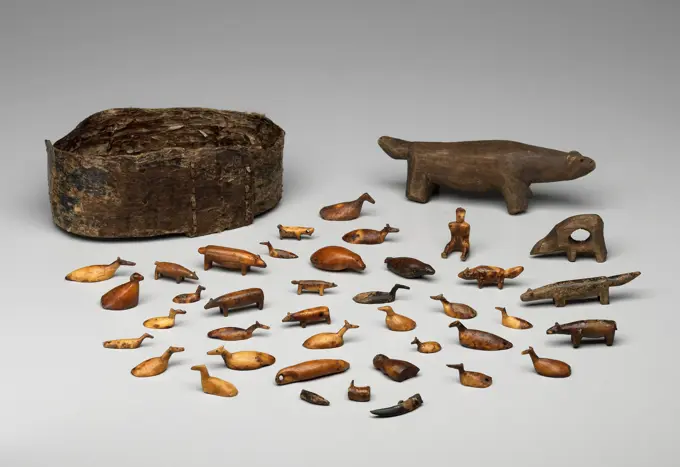
Quadruped, before 1500, 1/2 x 1 7/16 x 5/16 in. (1.27 x 3.65 x 0.79 cm), Ivory, United States, 15th century
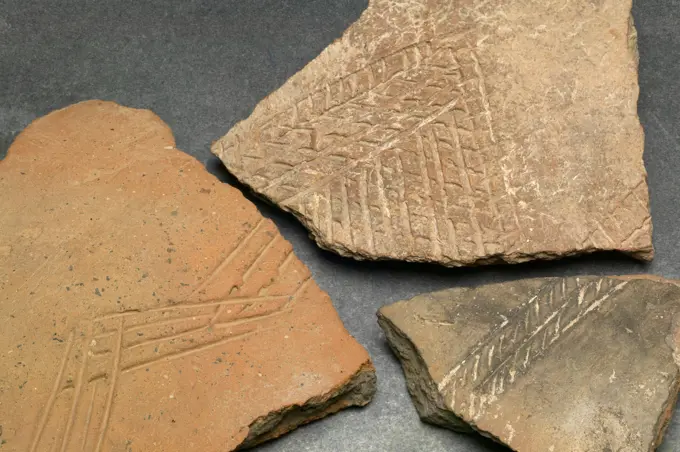
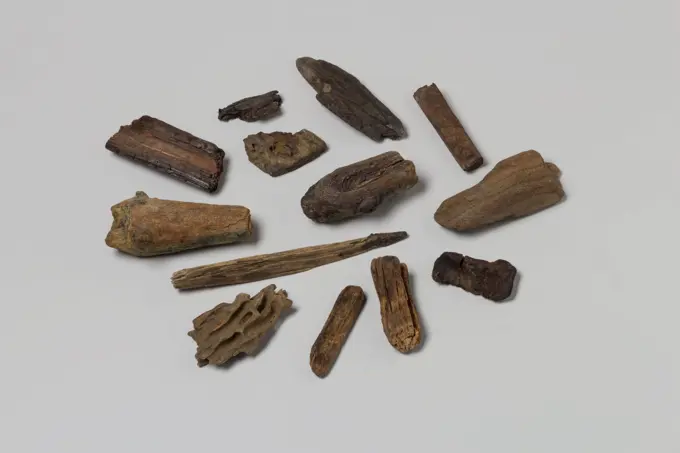
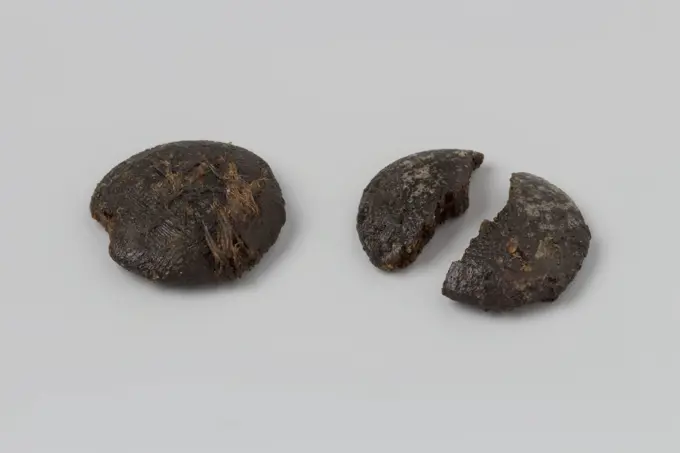
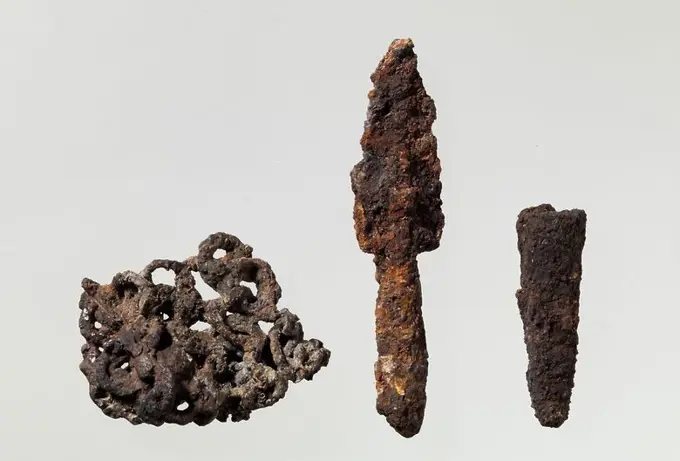
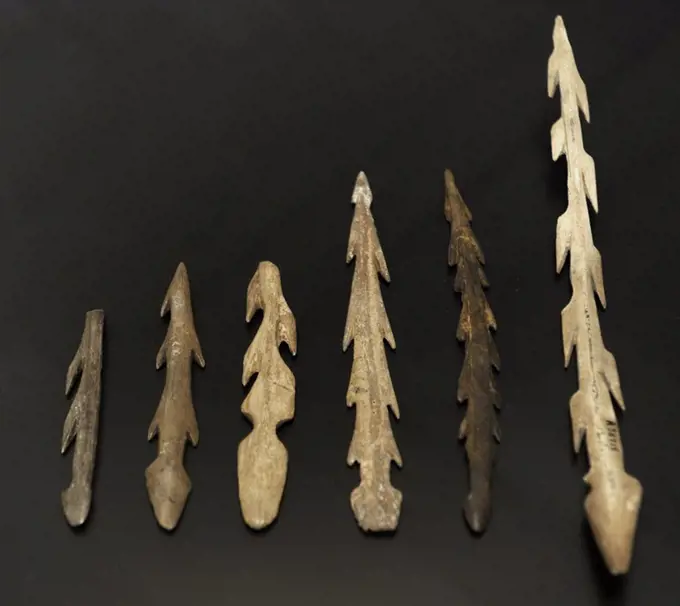
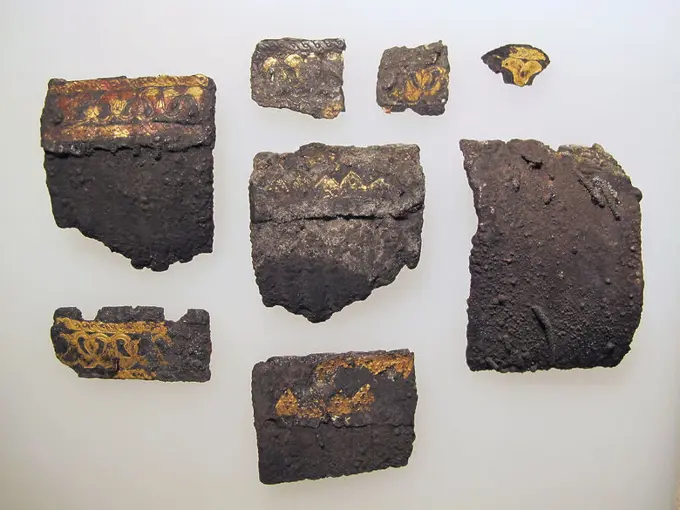
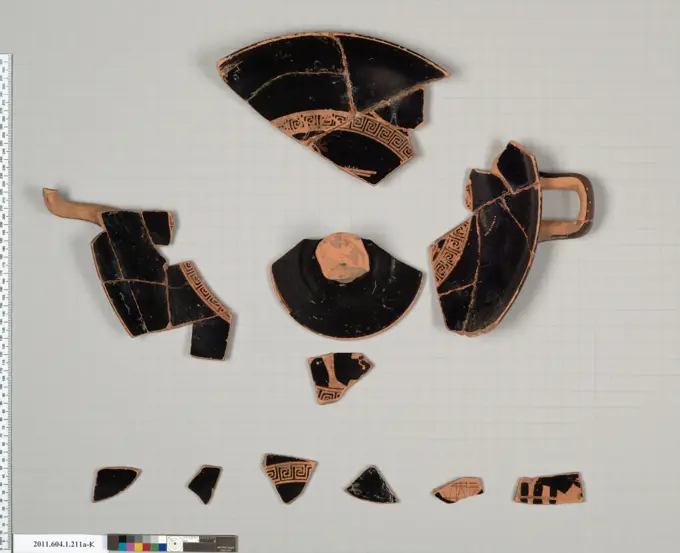
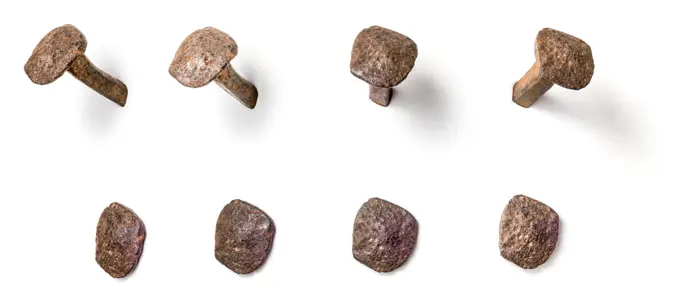
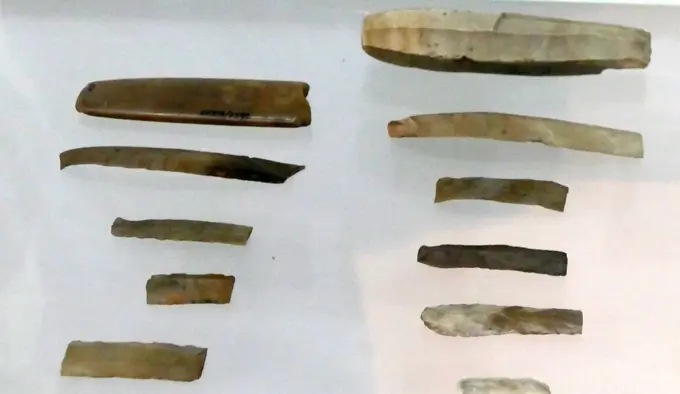
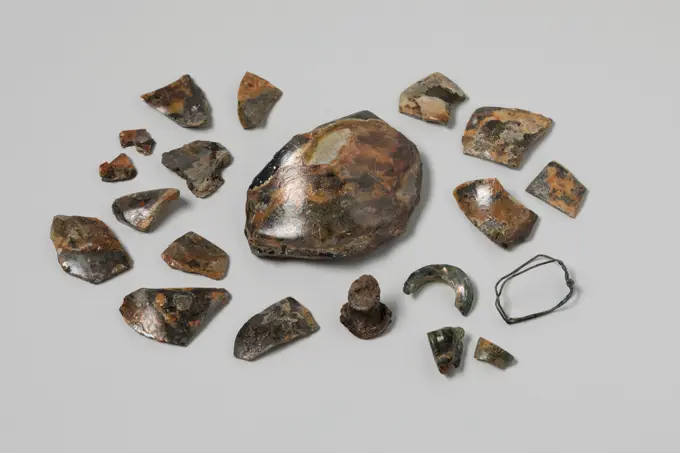
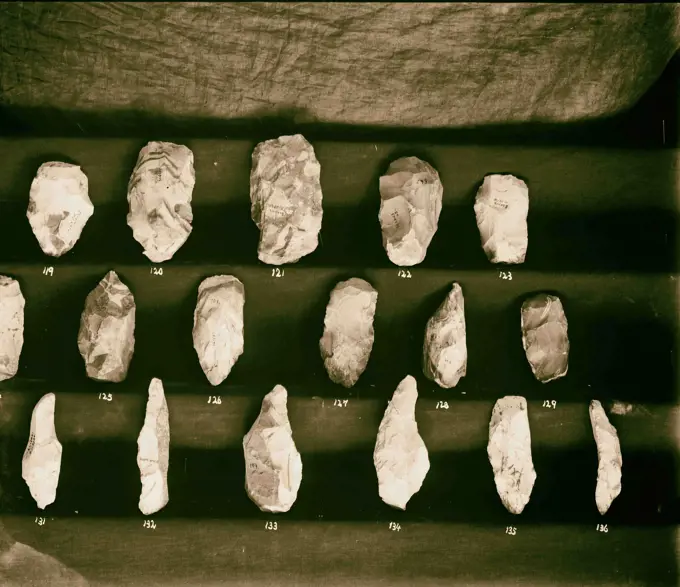
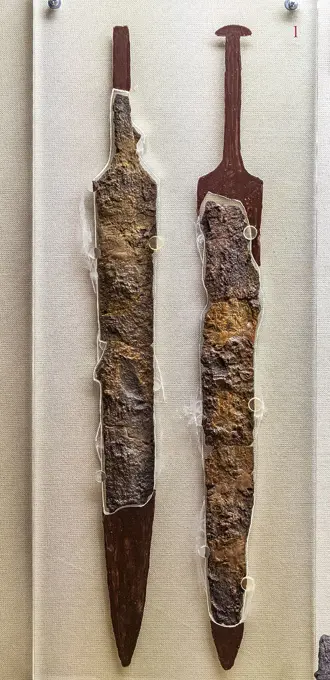
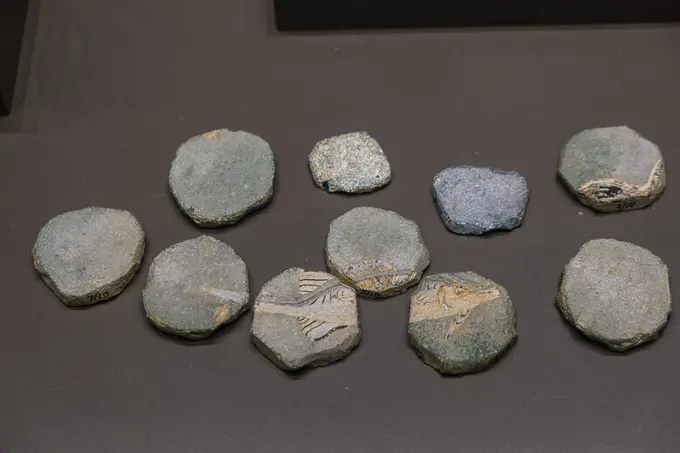
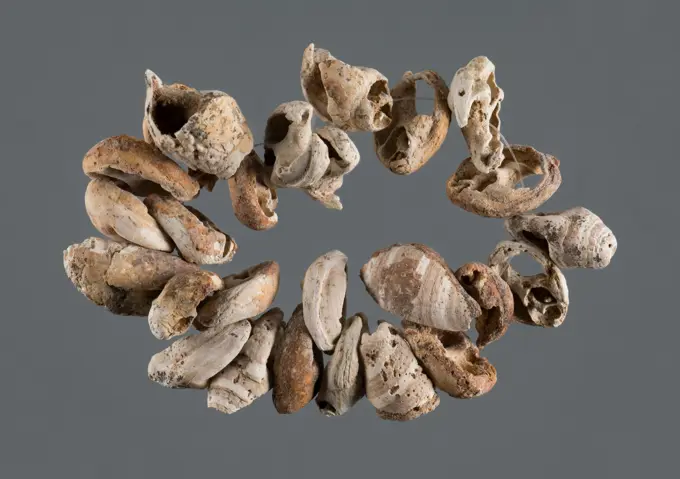
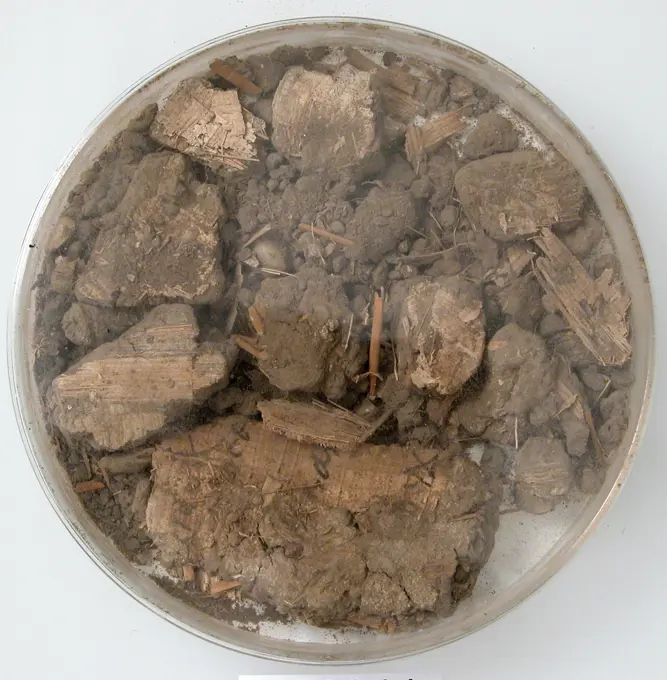
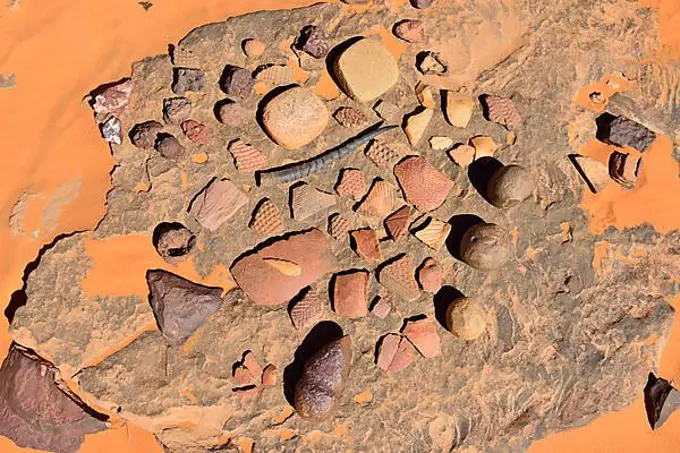
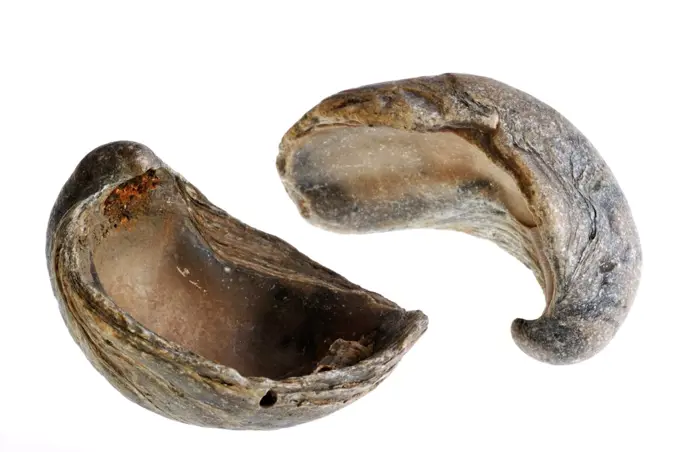
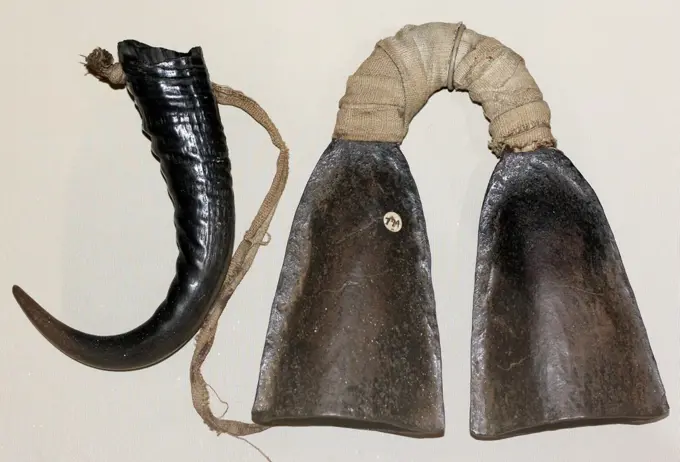
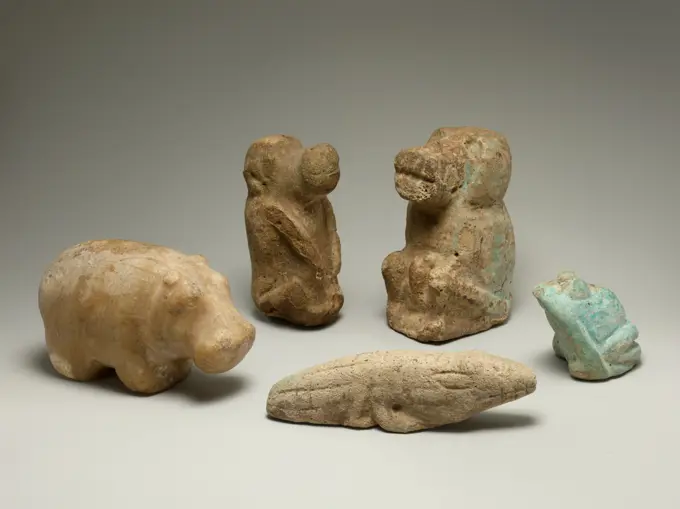
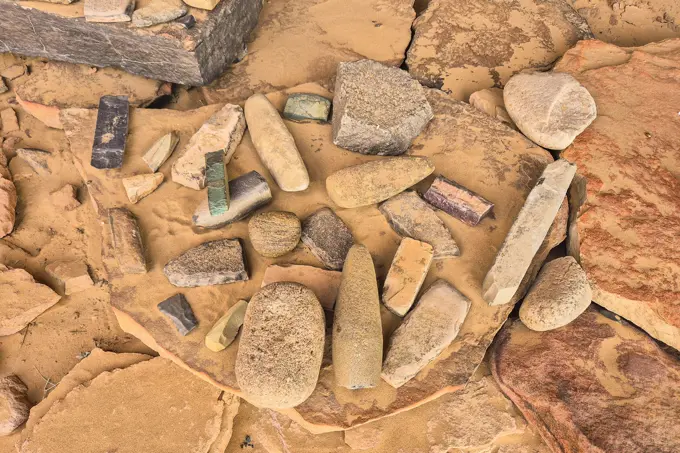
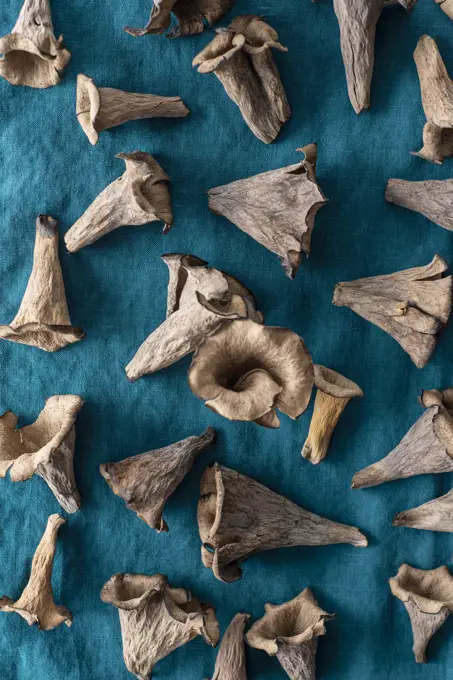
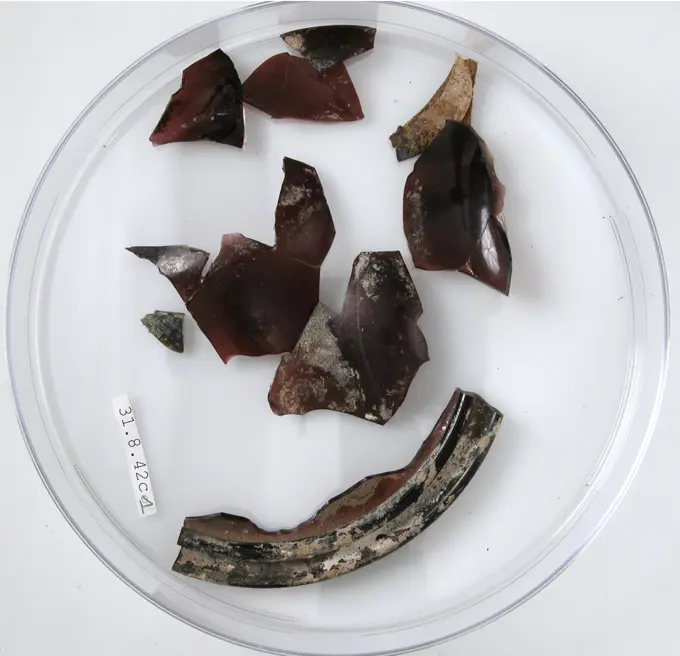
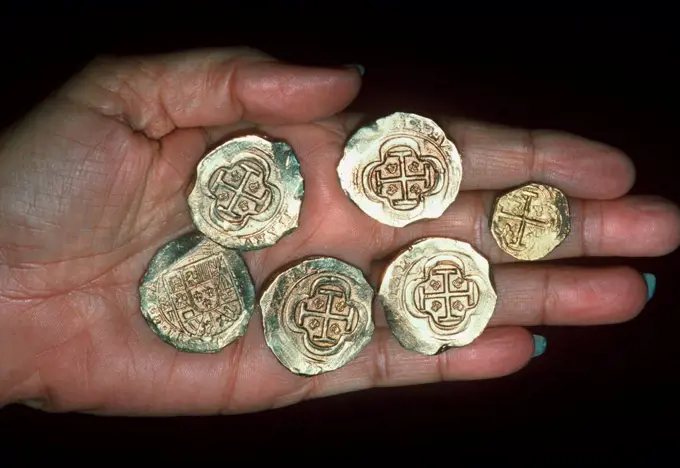
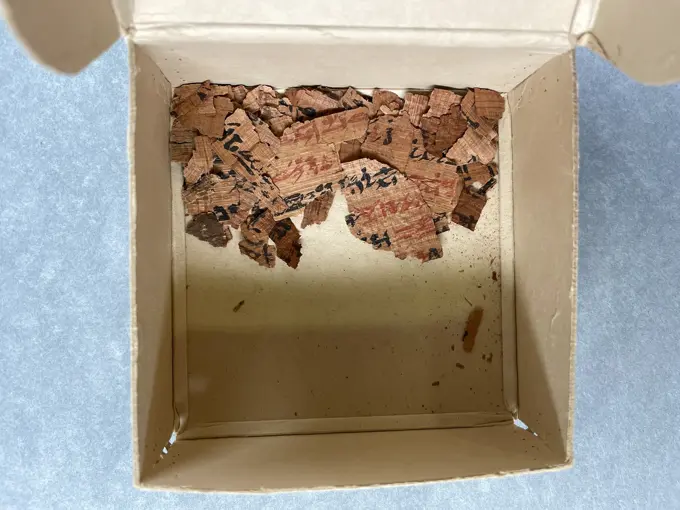
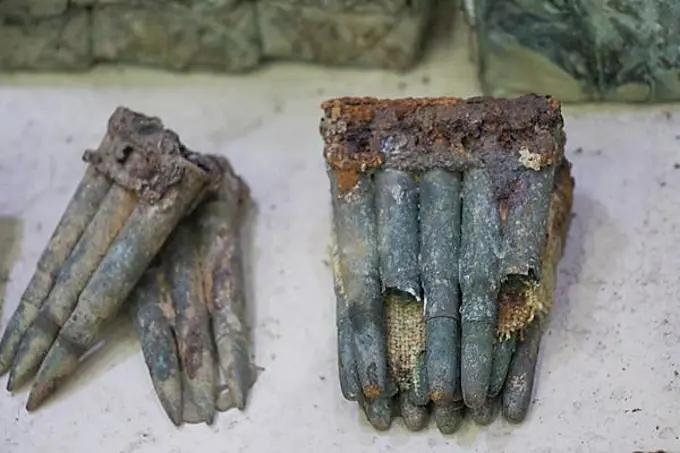
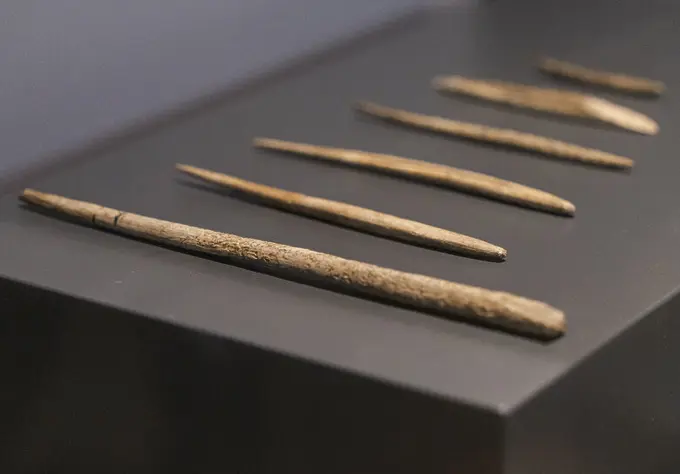
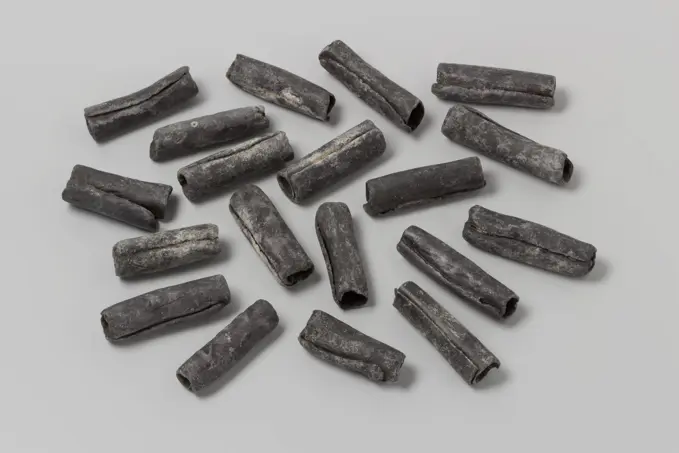
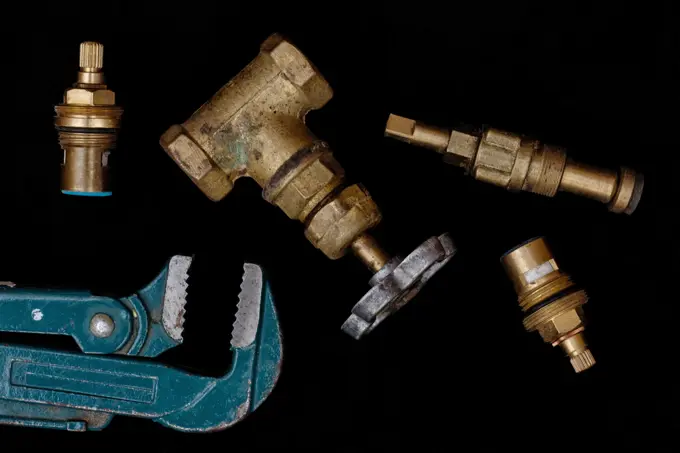
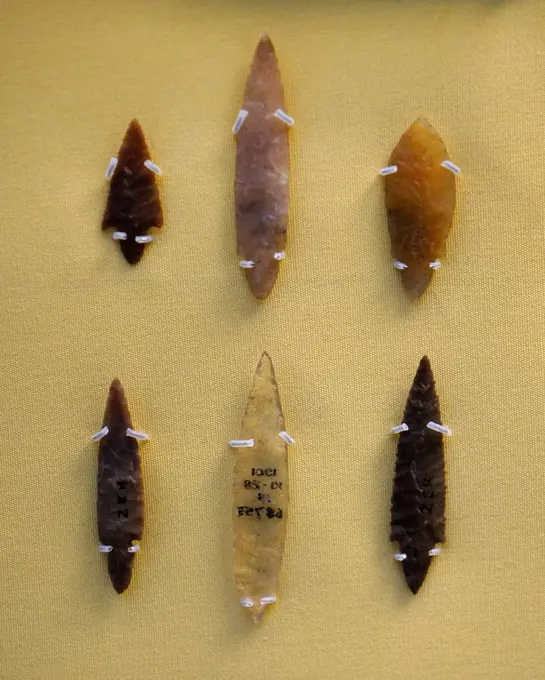
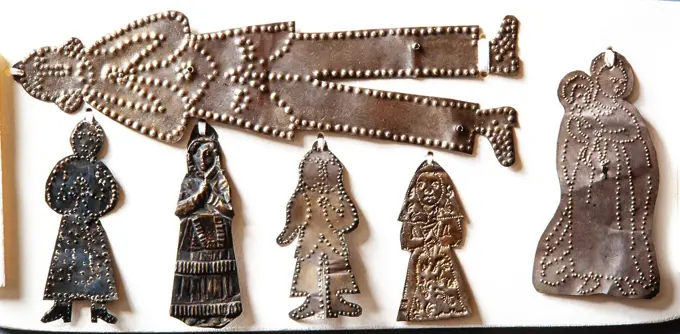
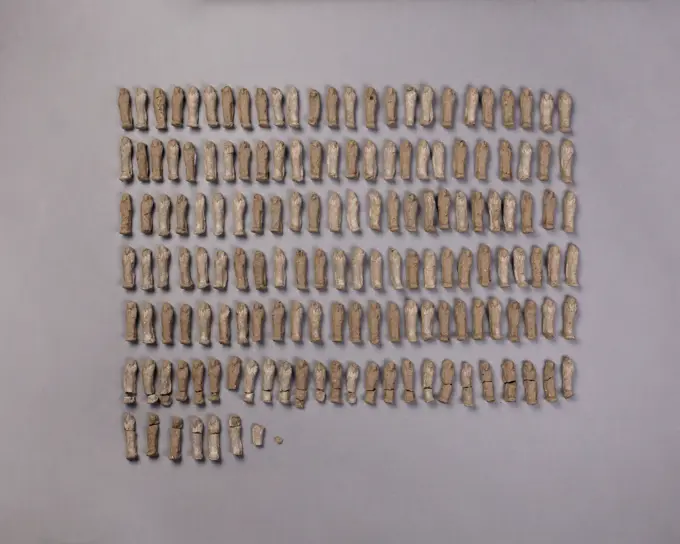
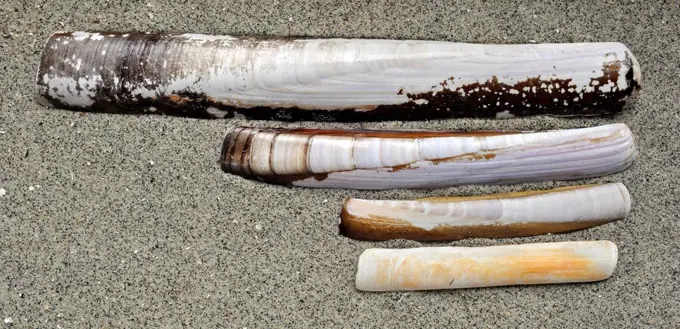
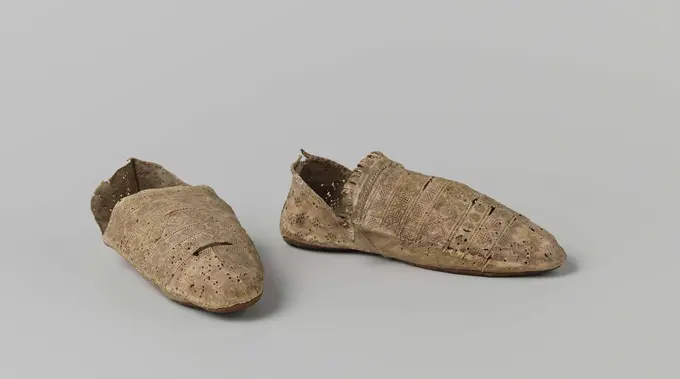
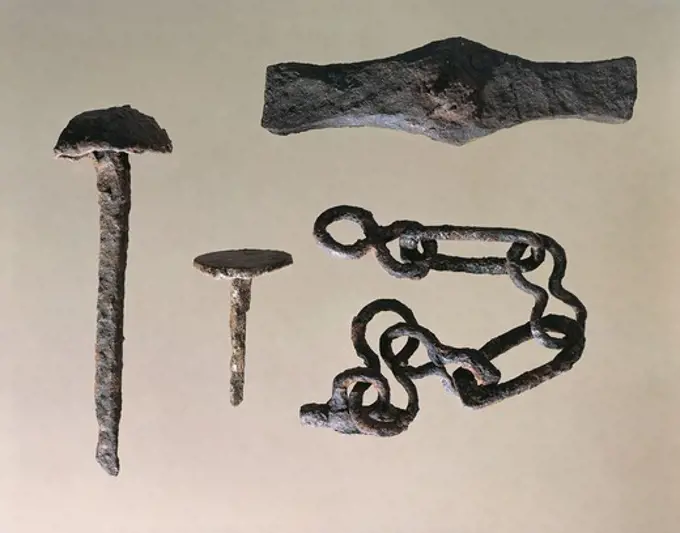
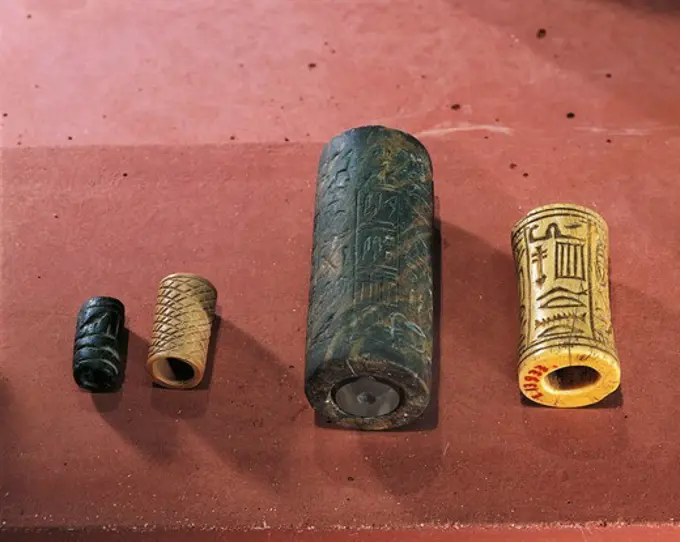
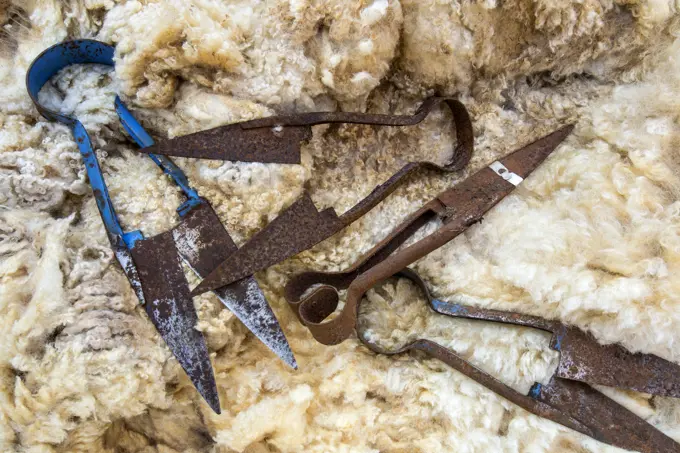
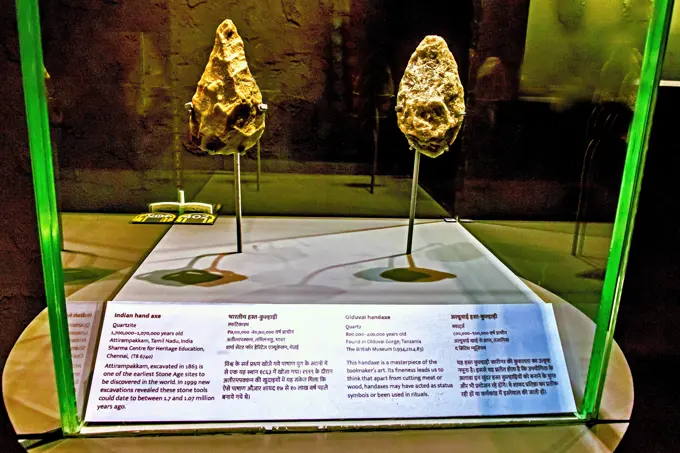
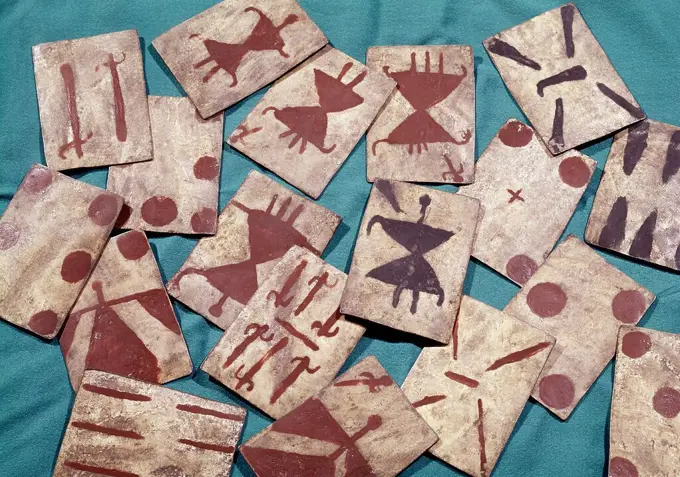
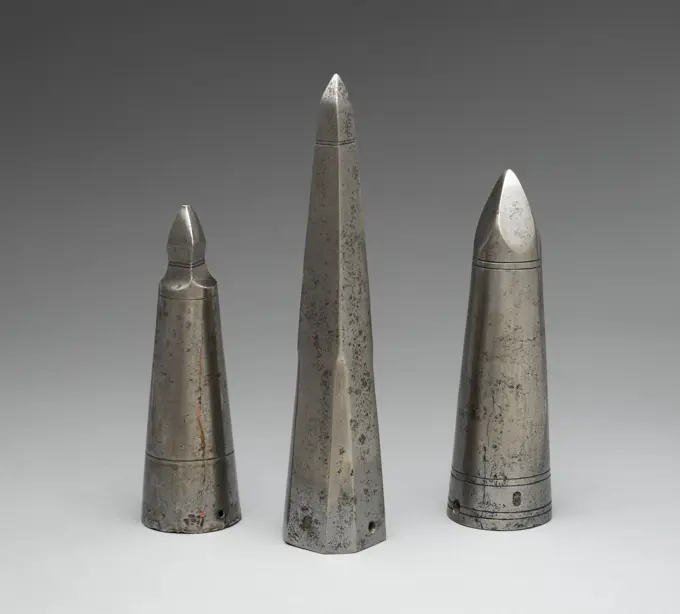
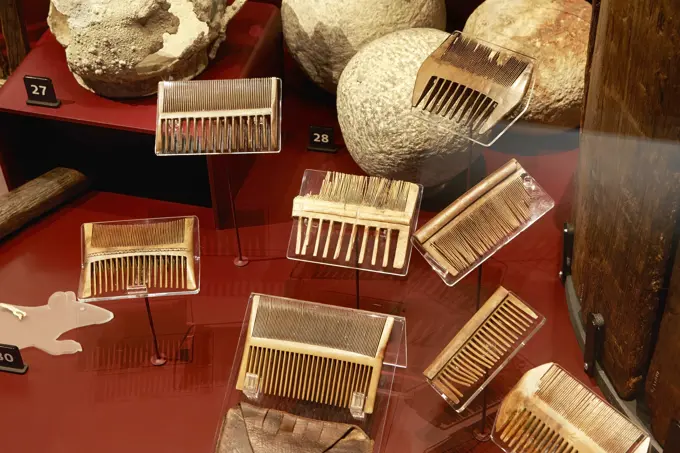
Shards of Martavanen from V.O.C. ship De 'Witte Leeuw', Anonymous, Before 1613  Shards of Martavanen from V.O.C. ship De 'Witte Leeuw'. southeast Asia porcelain. stoneware   Sint-HelenaForm of money box in concretion from the wreck of the East India Flying Heart. The print of one of the money boxes can be seen on the concretion. A fragment rope is also enclosed. That is why it is therefore saved. It has fallen apart in approx. 9 pieces.Decorative batter from the wreck of the East Indies Hollandia, Anonymous, 1700 - in or Before 1743  Fitting, decorative fitting or fragment; fragm id. NG 1980-27H1749, squashed, eroded; id. NG 1980-27H1051, eroded. Netherlands lead (metal)   SecondWood fragments from the wreck of the East Indians 'tieverer' t Vliegend Hart, 1700 - 1735 in 1735 fragment The 13 different excerpts, which cannot be attributed shape or orpinable function, are probably of softwood (fires or pine) and are gray -brown in color. One fragment shows pole worm holes.  wood (plant material)Parts of a Belts. England. Date: 1501-1600. Dimensions: a: 8 × 4 × 3 cmb: 15 × 4.5 × .5 cmc: 13.5 × 6 × .3 cmd: 21 × 4 × .5 cme: 42 × 4 × .5 cmf: 43.5 × 4.5 × .3 cm. Leather. Origin: England. Museum: The Chicago Art Institute, Chicago, USA.Button from the wreck of the East Indians' t Vliegend Hart ,, 1700 - 1735 button One or two knots of wood. Middelburg wood (plant material)Quadruped, before 1500, 1/2 x 1 7/16 x 5/16 in. (1.27 x 3.65 x 0.79 cm), Ivory, United States, 15th centuryBird, before 1500, 11/16 x 2 x 3/4 in. (1.75 x 5.08 x 1.91 cm), Ivory, United States, 15th centuryBird, before 1500, 9/16 x 1 1/4 x 5/8 in. (1.43 x 3.18 x 1.59 cm), Ivory, United States, 15th centuryFragment of Mail. Culture: probably European. Dimensions: 2 x 2 3/4 in. (5 x 7 cm). Date: before 1271. Museum: Metropolitan Museum of Art, New York, USA.Wooden fragments from the wreck of the East India. The flying heart. The 13 different fragments are probably made of needle wood (fires or pine). They are gray-brown in color.Flake -Loden role from the wreck of the East Indiesman 't flying heart. To tubularly loden pictures. Black-gray in color. Roll or lead.Reindeer antler harpoons. 9500 BC. Paleolithic. New Zealand. National Museum of Denmark. Copenhagen. Denmark.Bracelet fragments. Culture: Cypriot. Dimensions: Other (A): 1 7/8 x 1 11/16 x 1/4 in. (4.8 x 4.3 x 0.7 cm)Other (B.): 13/16 x 15/16 x 1/16 in. (2 x 2.3 x 0.2 cm)Other (C.): 3/4 x 1/16 x 1/16 in. (1.9 x 0.2 x 0.2 cm)Other (D.): 7/16 x 11/16 x 1/16 in. (1.1 x 1.8 x 0.1 cm)Other (E.): 2 1/4 x 1 5/8 x 1/8 in. (5.8 x 4.2 x 0.3 cm)Other (F.): 1 3/4 x 1 5/8 x 5/16 in. (4.5 x 4.2 x 0.8 cm)Other (G): 3/4 x 1 5/8 x 1/16 in. (1.9 x 4.1 x 0.2 cm)Other (H.): 1 5/16 x 1 5/8 x 5/16 in. (3.3 x 4.1 x 0.8 cm). Museum: Metropolitan Museum of Art, New York, USA.Bracelet fragments Cypriot. Bracelet fragments 242707Stocking -Mousterian flint tool, Middle Paleolithic, from La Placard, France.Terracotta fragments of a kylix (drinking cup) second quarter of the 5th century B.C. Greek, Attic Interior, top of head of youth and lower legs of a youth playing aulos, above aulos KALOS, retr.; one fragment has part of a basket; another has part of a pillow and drapery; Obverse, under the handle, top right corner of an altar; door with meat hanging from it; part of the lower body of a draped youth to left, wearing a himation, holding a branch in his right hand; lower drapery of a figure and part of a column base; youth with himation to left, with his raised right arm bent; under the handle, a louterion resting on a base; Reverse, tree with cloak draped over one of the branches; bearded man wearing himation, with shield and spear, helmet in field, upright spear, right arm and shoulder of figure; From the exterior: fragment with drapery and tablet with silhouette form; fragment with a silhouette tripod; fragment with drapery and part of a round shield; fragment with drapery and pA hand-forged nail from different perspectives on a white background A hand-forged nail from different perspectives on a white background Copyright: xZoonar.com/BorisxZerwannx 11825479Collection of blades from the Indus Valley Civilisation at Mohenjo-Daro, Pakistan. The Indus Valley Civilisation was a Bronze Age culture, (33001300 BCE; mature period 26001900 BCE) mainly in the north-western regions of South Asia, extending from what today is northeast Afghanistan to Pakistan and northwest IndiaGlass fragments made of wine bottles from the wreck of the East Indies' t Vliegend Hart ,, 1700 - 1735 in 1735 fragment Three glass shards of the neck of a green wine bottle with loose cork and copper wire. Fifteen shards of the bottom and belly of wine bottles.  cork (bark).Collection of flints 1898, Middle EastExcerpts of pipe heads and pipes from the wreck of the East Indians' t Vliegend Hart, WS, 1728 - 1735  Four heads of earthen Goudse pipes: three heel brand crowned WS (one of which with a piece of stem) that are blue and white in color. And one head with heel brand crowned 67 that is yellowish. Twelve pieces of stem. Gouda pipe clayAsh, bud (Fraxinus excelsior), budsFragment of the carton;  indefinite (0-00-00-0-00-00);Gladius Hispaniensis, Azucarera, Alfaro, 3rd-1st centuries BC, Museum of Romanization, Calahorra, La Rioja, Spain, Europe.fragments of Roman puzzle, Monographic Museum of Pollentia, Alcudia, Mallorca, Balearic Islands, Spain.Necklace or shell bracelet; Unknown Night -Tamanian workshop; approx. 2600 2350 BC ; Early period D Azira III (-2600-00-00--2350-00-00);Shards of earthenware from the wreck of the East Indies Hollandia, Anonymous, 1700 - in or Before 1743  Shards of red -baking earthenware with and without glaze. Westerwald earthenware. glaze   SecondOnderdelen klisteerspuit uit het wrak van de Oost-Indiëvaarder Hollandia. Tools and instruments, medical, enema syringe; (3)fragm of needles, broken, corroded: straight-angled tube fragm, tapering, one flanged end internally threaded: fragm of straight tube, tapering.Scherven van kist bottles from v.O.c.-ship the 'white lion'. Shards of casket bottles from v.O.c.-ship the 'white lion', from green glass. Concretion, coral-like attack and brown attack.Papyri Fragments and Mud 7th century Coptic. Papyri Fragments and Mud. Coptic. 7th century. Papyrus, ink, and mud. Made in Thebes, Byzantine Egypt. PapyrusCINNAMONPrehistory, Spain. Stone and bone idols. From Almizaraque.Greek Art. Greece. Iron tools of everyday use from the sanctuary of Olympia. Archaeological Museum of Olympia.Fragments of peat from the wreck of the East India "t flying heart. Nine dark brown chunks peat and seven light brown chunks peat. They were probably originally two whole blocks of peat. These peat blocks were used to stow money bags in a cash box. Peat.Polished flint spear pointPottery shards showing typical Zhizo period ( circa AD 900-1000) decorations. Pieces on left and centre show fine and course incesions while piece on right has pattern omade using a finger nail.Collected at Mmamagwa iron and stone age site. Collected at Mmamagwa iron and stone age site. This area has been occupied but both iron age and stone age people for about the last 50 000 years. Mashatu Game Reserve. Nothern Tuli Game Reserve. Botswana.Red-Figure Volute Krater Fragment (part of 77.AE.11). Kleophrades Painter (Greek (Attic), active 505 - 475 B.C.)Collection of historic, neolithic artefacts, Tassili n´Ajjer National Park, Sahara desert, Algeria, AfricaDevil's toenail fossils (Gryphaea dilatata) shot on white background, a species of Jurassic oyster, Gryphaeidae marine bivalve mollusc found in Vaches Noires, Normandy, FranceAnthropomorphic bone idols, 3000-2500 BC, come from the Carenque necropolis and Samarra beach, Portugal, Huelva Museum, Huelva, Andalusia, Spain.The atumpan are the principal 'talking' drums of the Akan people. They are played in pairs thrughout the funeral ceremony. There is a female and male drum, the latter has a lower, deeper tone.Fragment, 1127-1279, 2-1/2 x 1-1/2 in., glazed pottery, China, 12th-13th centuryBaboon amulet ca. 3100-2900 B.C. Early Dynastic Period. Baboon amulet 570866Selection of objects from the En Gedi hoard. Found wrapped in a woven mat in a cave above Nahal Mishmar in the Judean Desert, over 6,500-5,500 years ago. It is thought that the objects belong to the En Gedi sanctuary about 12km away. Made from copper, ivory and stone.Amulets in the shape of a demon's mask. From Iran, 15th-13th century, originally deep blue glass.Terracotta fragments of kylikes (drinking cups) 5th century B.C. Greek, Attic Right halves of five kylix handles; glaze is worn on some of the handles; one handle has a repair hole. Terracotta fragments of kylikes (drinking cups) 676729Around the Dead Sea Specimens of salt from Jebel Usdum 1900, Salt Specimens, The Dead Sea - bordering Israel, the West Bank and Jordan - is a salt lake whose banks are more than 400m below sea levelDisposable plates made from leaves which were used at a wedding ceremoney. Pushkar, Rajasthan. INDIACalzado (sandalias) y utensilios (cestos) del Neolítico fabricados con esparto. Cueva de los Murciélagos, Granada.Group of tools used to weave. First, bone tablets. Found in the Tomb of the Ship of Oseberg, Norway. 9th century. Viking Ship Museum. Oslo. Norway.Hopi awls, pointed instruments used for piercing holes, were important tools in the manufacture of basketry and leather artifacs, Made from bone and dark woodAfrica, West Africa, Ghana, Yikpabongo. Close-up shot of ancient Yikpabongo fetish object.Fragment European or Middle Eastern ca. 1150-ca. 1250Fragment European or Middle Eastern ca. 1150-ca. 1250 View more. Fragment. European or Middle Eastern. ca. 1150-ca. 1250. Glass, ceramic. Glass-VesselsFragment European or Middle Eastern ca. 1150-ca. 1250 View more. Fragment. European or Middle Eastern. ca. 1150-ca. 1250. Glass, ceramic. Glass-VesselsFragment European or Middle Eastern ca. 1150-ca. 1250 View more. Fragment. European or Middle Eastern. ca. 1150-ca. 1250. Glass, ceramic. Glass-VesselsMauritania. Agrour Rock Art SiteVilnius. Cathedral interior of the royal crypt; Bułhak, Jan (1876-1950); 1931 (1931-00-00-1931-00-00);Handle for rope for lowering coffin ca. 1070-945 B.C. Third Intermediate Period Discovered in the pit of MMA 60, this is one of three wooden rods with rounded ends, slightly larger at the ends than in the middle. This stick and 25.3.178 seem to have made a pair; 25.3.176 is slightly shorter. These rods may have been used as handles on ropes by the ancient undertakers to lower the inner coffins into the outer coffins, or for lowering an entire set of coffins into place.. Handle for rope for lowering coffin. ca. 1070-945 B.C.. Pine wood. Third Intermediate Period. From Egypt, Upper Egypt, Thebes, Deir el-Bahri, Tomb MMA 60, Pit, MMA excavations, 1923-24. Dynasty 21Fragments Pipe stems from the wreck of the East Indians Hollandia, Anonymous, 1700 - in Or Before 1743  Pipe, stem; fragments. Netherlands pipe clay   SecondTel Deweir, Lachish, Closer view of skulls in tomb 120. Remains of over 1000 humans had been thrown in to this XVIII dyn. chamber about 701 B.C. 1936, Israel, LachishFreshly foraged black trumpet mushrooms spread out on linen towelGlass Fragments 4th century Coptic. Glass Fragments 479148Doubloons recovered from the shipwreck ""Las Maravillas""Snakebite Papyrus Snakebite Papyrus, 6th-4th century B.C.E. Papyrus, ink, a: Glass: 15 13/16 x 27 5/8 in. (40.2 x 70.2 cm).   Egyptian, Classical, Ancient Near Eastern Art 6th-4th century B.C.E.Cartridges of rusty bullet ammunition from the dardanelles warassegayas, Altamira, Santillana del mar, Museum of prehistory and archeology (MUPAC), Santander, Cantabria, Spain.Lead Role from the wreck of the East Indies' t Vliegend Hart ,, 1700 - 1735 lead Tubes rolled plates. Black-gray to silver gray in color. One is marked. Roll of Lead. Middelburg lead (metal)Glass Fragments 4th century Coptic. Glass Fragments 479149Faucets, valve, pipe wrench to repair water supply system. Plumbing tools on black background. Faucets, valve, pipe wrench to repair water supply system. Plumbing tools on black background. Copyright: xZoonar.com/AlexeyxPopovx 18355651Fragments of Romanesque decorative stuccoes, after restoration, verso, basilica of Santa Maria Maggiore, Lomello, Lombardy. Italy, 11th century.Pieces of historic pottery, Tadrart, Tassili n'Ajjer National Park, Unesco World Heritage Site, Algeria, Sahara, North Africa, AfricaCimonia imperialis from KentCollection of flint and rock crystal arrowheads and a flint knife, from the Tomb of Narmer, in Emm el-Qa'ab. Dated 31st Century BCClay oil lamps, Museo Nacional de Arte Romano, national museum of Roman art, Merida, Extremadura, Spain, EuropeUK, England, Somerset, Weston-Super-Mare, Weston-Super-Mare Museum, Display of Prehistoric Flint Axe and ArrowheadsStack of bound building materialsFragments of Romanesque decorative stuccoes, after restoration, recto, basilica of Santa Maria Maggiore, Lomello, Lombardy. Italy, 11th century.Exvoto de latón procedente de Mallorca. Museu Català de les Arts i Tradicions Populars.Fragments of Romanesque decorative stuccoes, after restoration, recto, basilica of Santa Maria Maggiore, Lomello, Lombardy. Italy, 11th century.Six christmas strobiles close-up isolated on whiteShabtis of Ankhshepenwepet ca. 712-664 B.C. Late Period The burial of Ankhshepenwepet included two small wooden shabti boxes with vaulted ends and flat lids (see 25.3.206.1a, b and 25.3.207.1a, b). A total of 371 mummiform shabtis are divided between the two boxes, with 157 in this box and 214 in the other.The shabtis are small and crudely made in one-sided molds, but would have functioned, like other more elaborate examples (see 86.1.22), to carry out manual labor on behalf of the deceased if she were to be called upon to work in the afterlife. All are of the same basic shape and have no distinguishing characteristics, in contrast to other assemblages in which some shabtis are shown as workers (carrying agricultural tools) and the others as overseers (holding whips). However, most of them may still have meant to represent workers, perhaps one for each day of the year, and the others to stand in as overseers.. Shabtis of Ankhshepenwepet. ca. 712-664 B.C.. Mud. Late Period. From Egypt, Collection of Solenidae shells: Pod razor / Common Razorfish (Ensis siliqua), Sword Razor (Ensis arcuatus), Atlantic Jackknife (Ensis directus), European Razor Clam / Grooved Razor Shell (Solen marginatus). North Sea coast, Belgium, February.Platte schoen van geiten()leer met versierd voorblad waarin rozetten, ruiten en wafelpatronen zijn gestanst.Flat entry shoe. Model: consisting of three parts: the cover page, heel and a single sole. The cover page and heel are of goats () Learn that is tanned with alum white. The sole is tanned with Ocher 'on its sovers'. The sole is stitches and thick rope on the upper sewn. Decoration: The long cover page is divided into six horizontal tires, in which albning rosettes, windows and waffle patterns are die. The nose is unfromed and only has one narrow, incised vertical edge. The cover page ends on the instep with an unset, scrolled double strip of leather, which forms a kind of loops. The two shoes are missing. The heel, which consists of two quarters, is decorated with an incised scatteredotive.France, Vertillum, Instruments used for iron work: hammer and nailsCopper, native element.Four cylindrical sealsEgyptian dice. Artist: UnknownTraditional Blade Shears -  Sheep shearing is the process by which the woollen fleece of a sheep is cut off. The person who removes the fleece is called a shearer. Typically each adult sheep is shorn once each year.Stone age antique stone tools, CSMVS Museum, Mumbai, Maharashtra, India, Asia India Copyright: xDuttagupta/DinodiaxPhotox -BARAJA CHILENA - SIGLO XVIII - CUERO/PIGMENTO - ESTILO MAPUCHE. Location: MUSEO DE AMERICA-COLECCION. MADRID. SPANIEN.Anatomical study of human skin and nail. Print maker: Jan l'Admiral (mentioned on object). Dating: 1737. Place: Amsterdam. Measurements: h 117 mm × w 146 mm. Museum: Rijksmuseum, Amsterdam.Lance Head for the Joust of War ca. 1475-1540 German This pointed lance head was intended for the Scharfrennen or similar jousts fought with sharp lances.. Lance Head for the Joust of War. German. ca. 1475-1540. Steel. Shafted WeaponsThe Mary Rose Museum, Portsmouth, United Kingdom. Architect: Wilkinson Eyre Architects, 2013. Authentic artefacts in display cases.Necklace probably 19th century Oceanic This collection of largely ethnographic jewelry includes examples from cultures in South America, North America, Europe, Asia, and Africa and dates from the Pre-Columbian period to the twentieth century. Owned by renowned art collector and fashion enthusiast Muriel Kallis Newman, the collection represents her knowledge and appreciation of a wide range of jewelry design and making traditions. Numerous items in her collection are composite artifacts made from various cultures and time periods reappropriated as modern jewelry creations by or for Muriel. It is important to note that Newman wore many of the pieces in the collection, interpreting them to suit and express her own singular, often avant-garde style.. Necklace 141493Man's hand with rubber seeds, Manaus, State of Amazonas, Brazil, South AmericaSkeins of yarn, Medium: linen, Six skeins of yarn in various shades of green. Yarn purchased from a Scottish supplier and dyed by members of the Society., ca. 1910, appliances & tools, Skeins of yarn