Historical Artifacts

Images of medieval armor pieces, cutlery cases, and antique slippers representing historical craftsmanship and styles from various time periods.

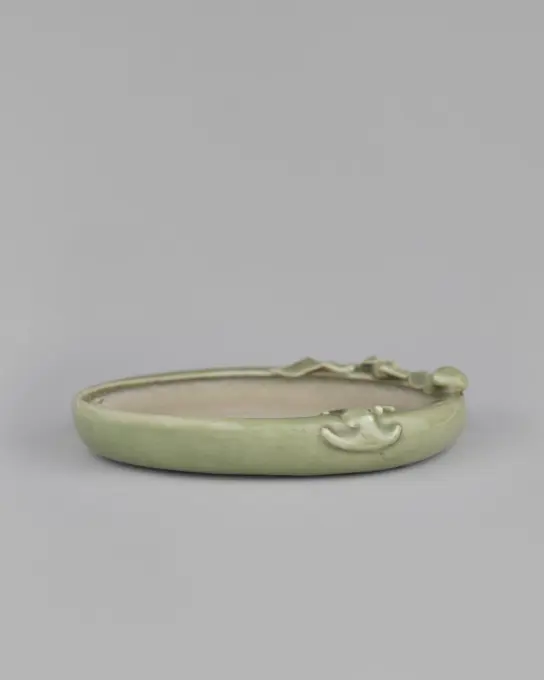
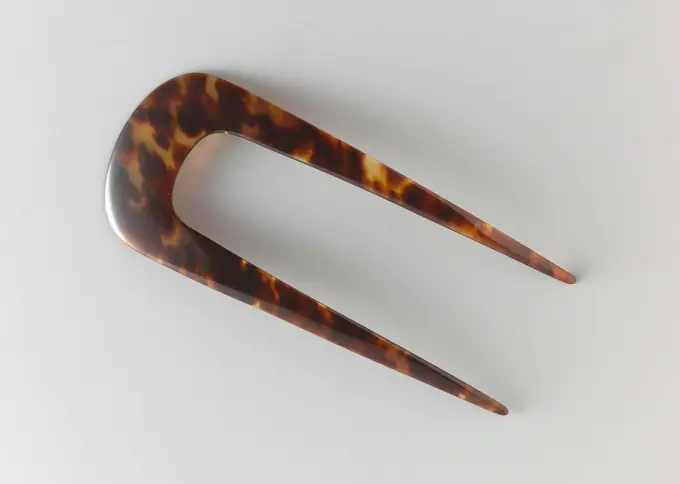
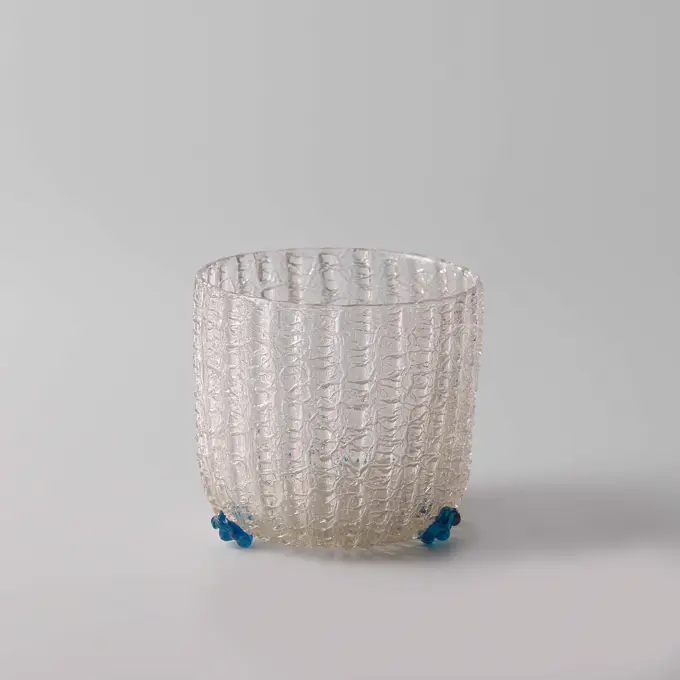
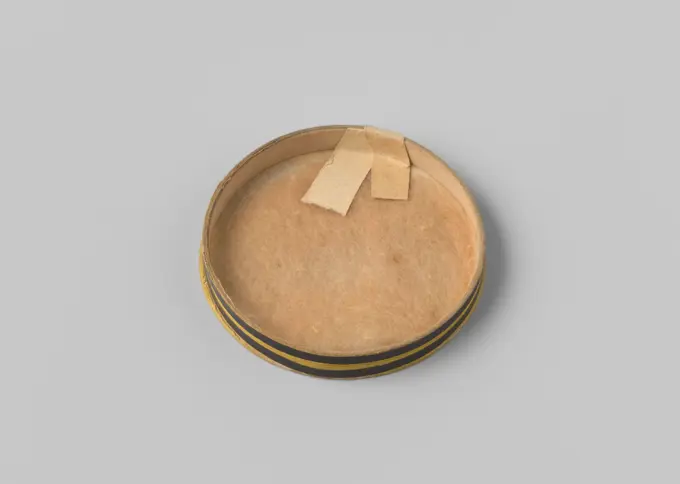
Oval hat box of cardboard, covered with beige rip paper, Caroline Reboux, c. 1934 - c. 1960 Oval hat box of cardboard, covered with beige rip paper. With loose lid stricks of cotton. On the box a label with the name and address of the fashionist Caroline Reboux in Paris. Paris Box: Cardboard. upholstery: paper. Striklint: Cotton (textile) Oval hat box of cardboard, covered with beige rip paper. With loose lid stricks of cotton. On the box a label with the name and address of the fashionist Caroline Reboux in Paris. Paris Box: Cardboard. upholstery: paper. Striklint: Cotton (textile)
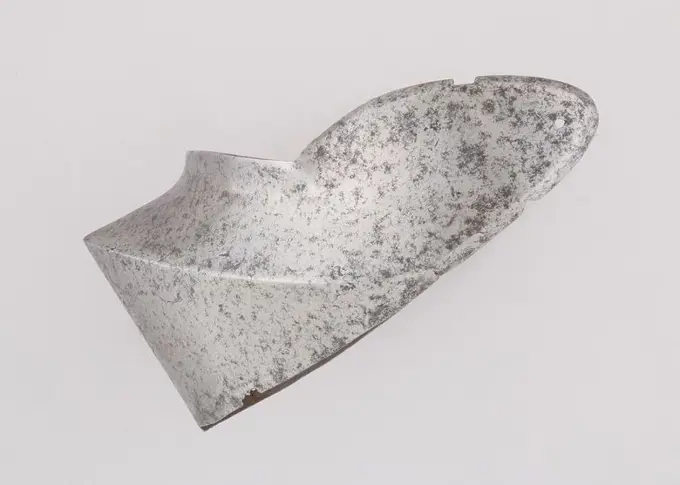
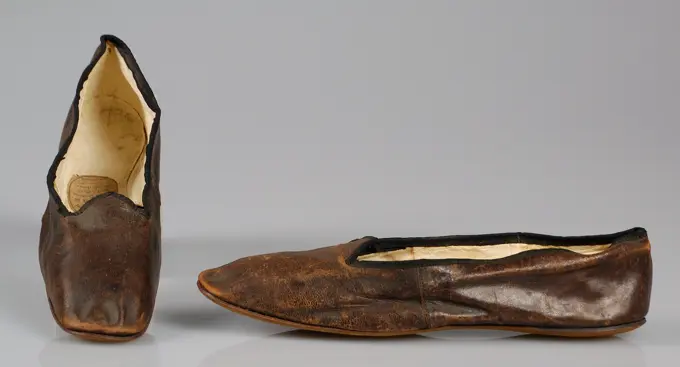
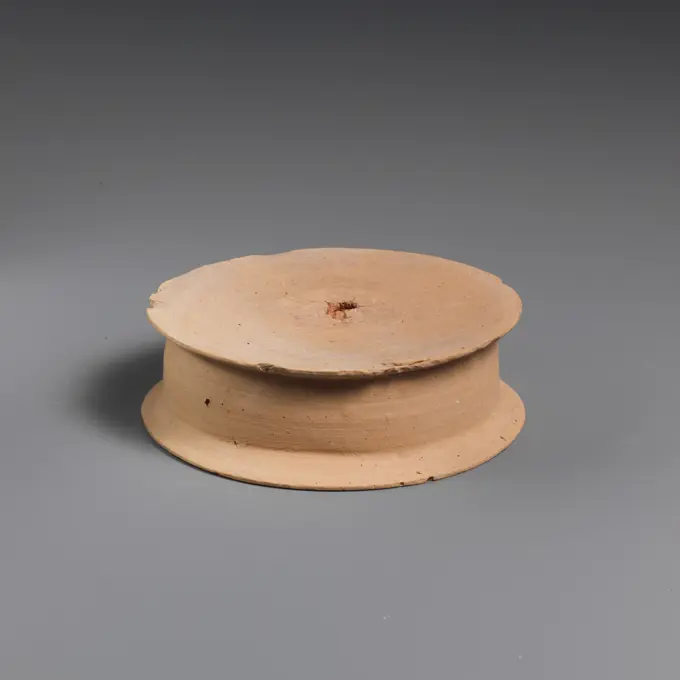
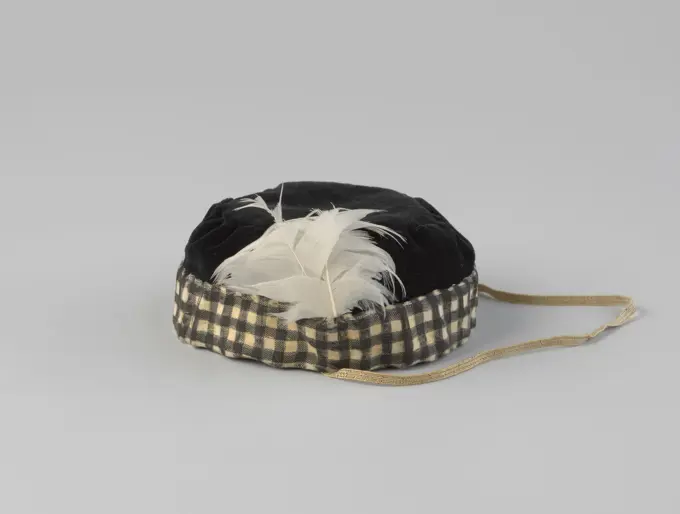
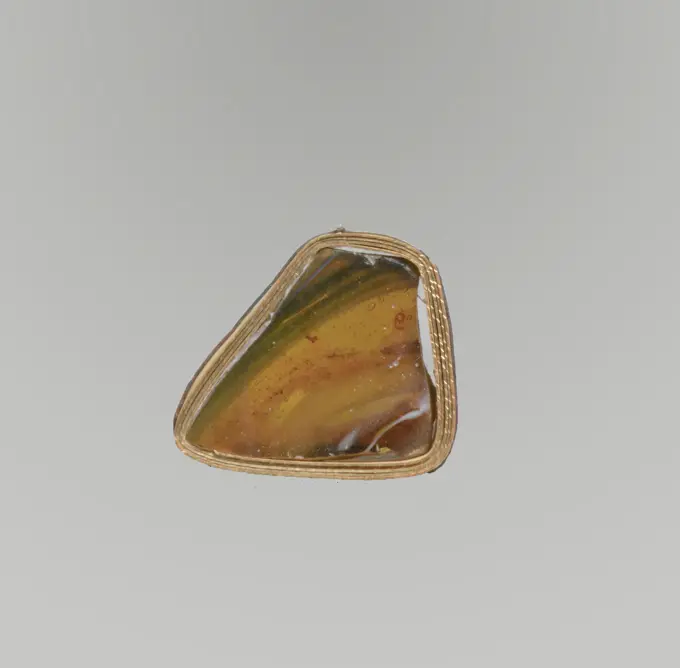
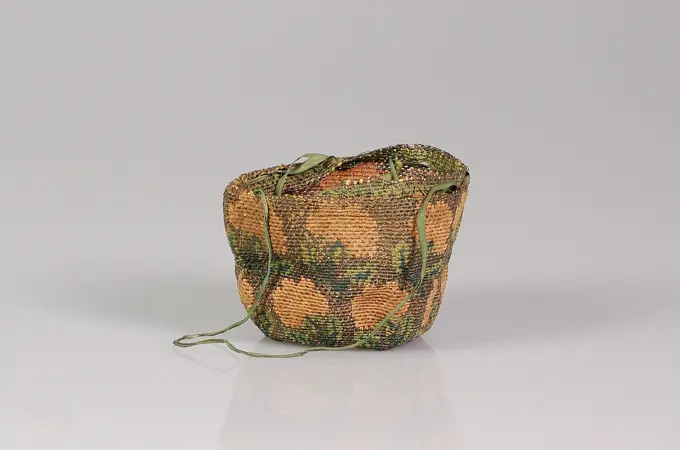
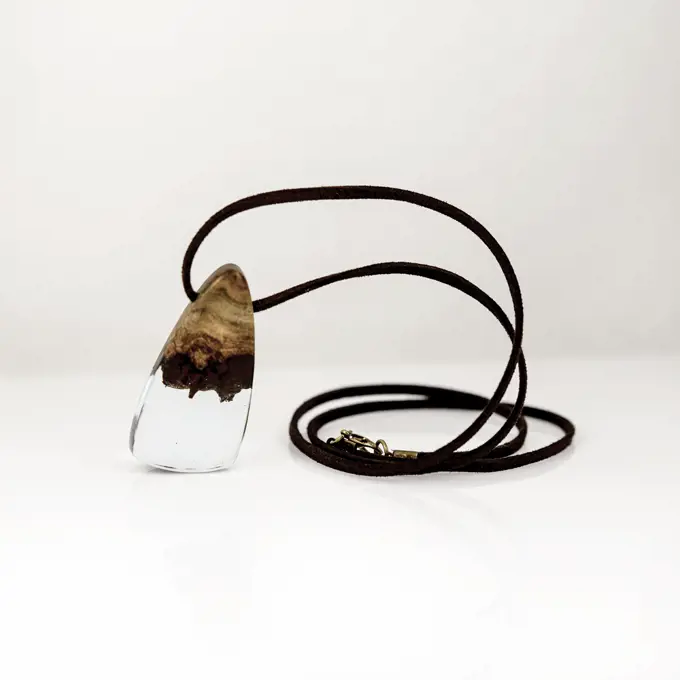
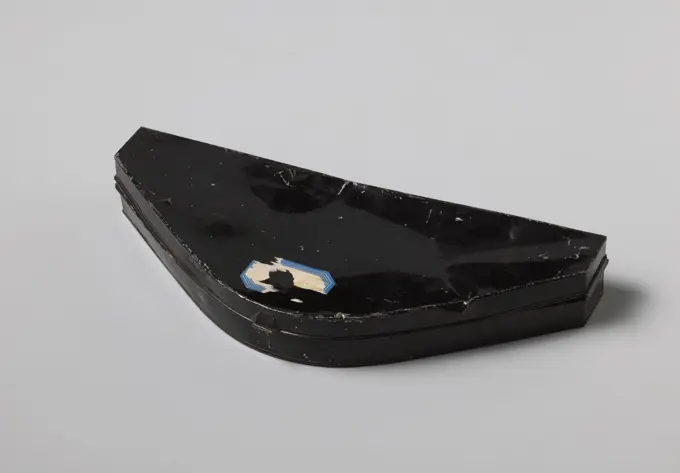
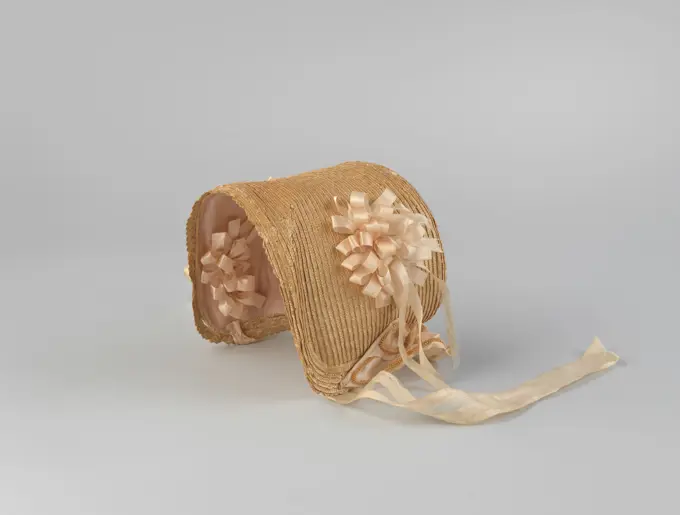
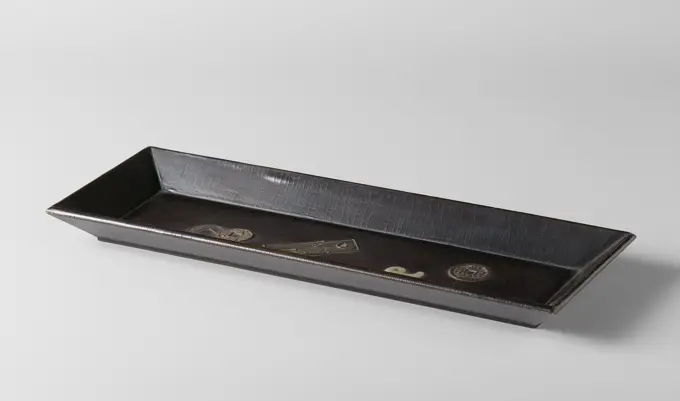
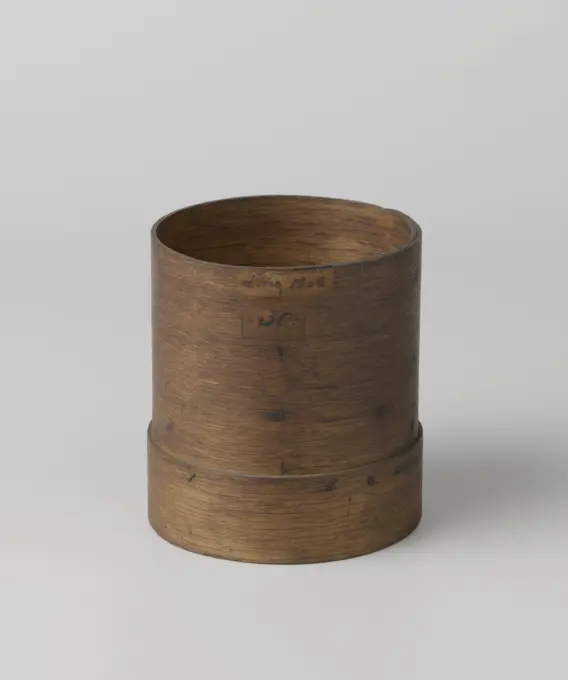
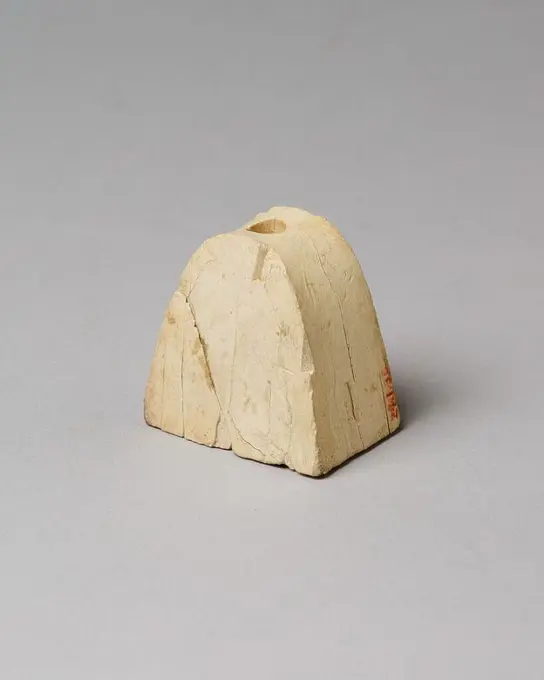
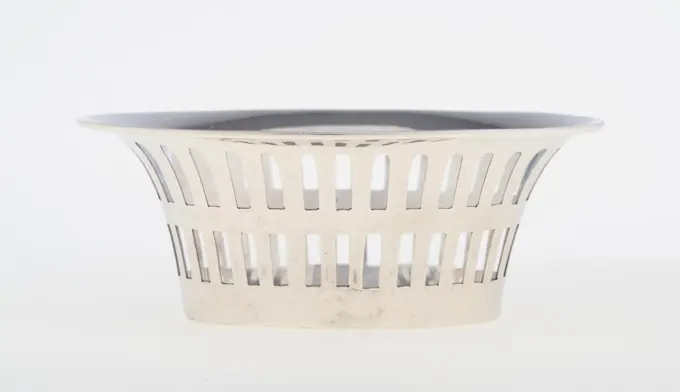
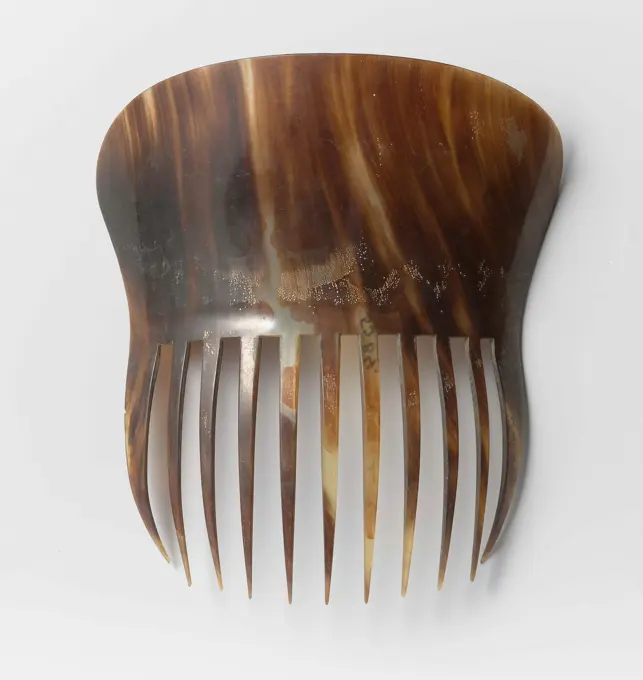
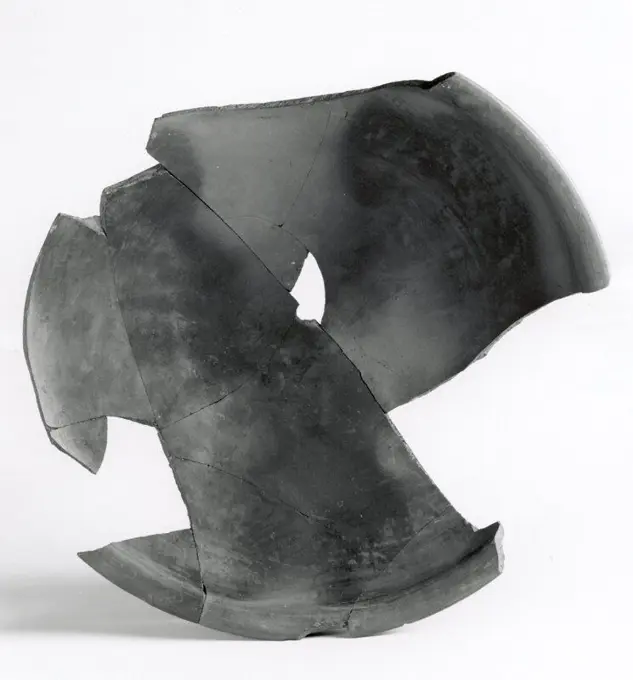
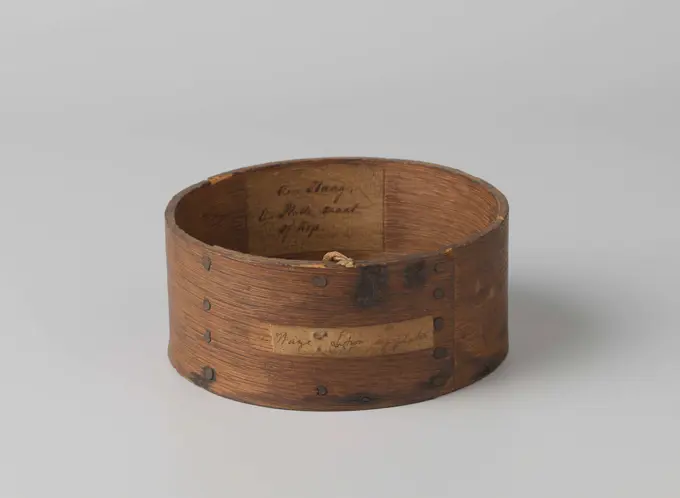
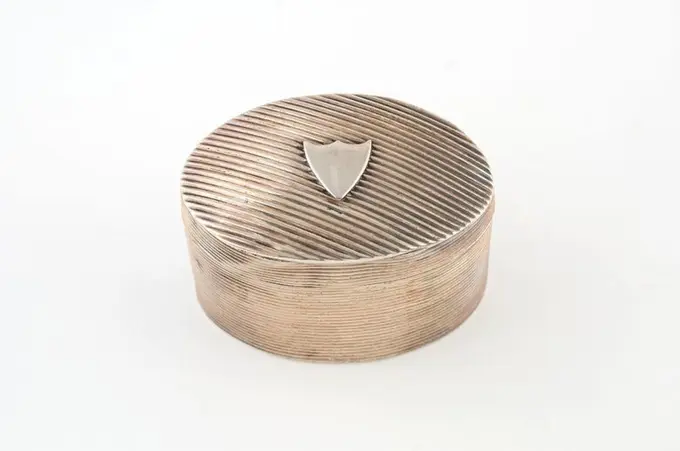
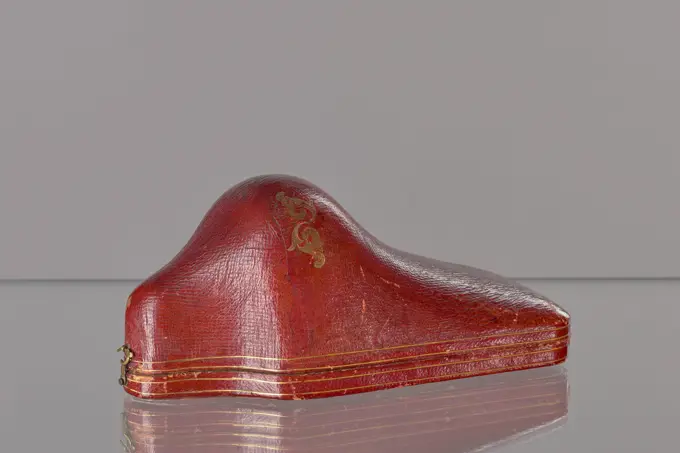
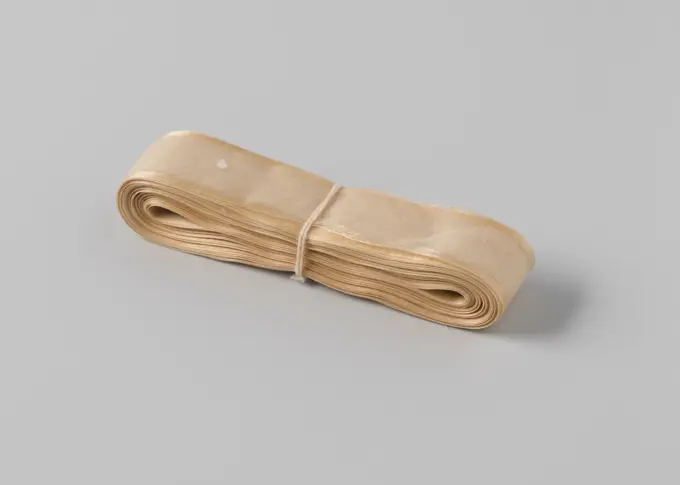
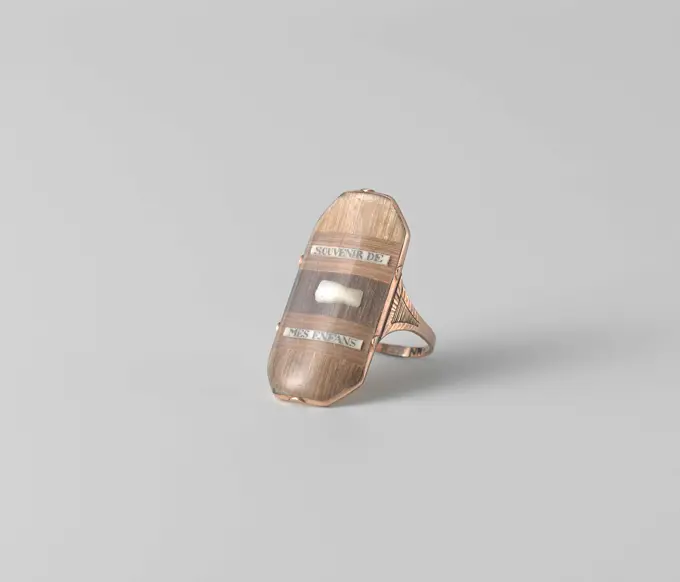
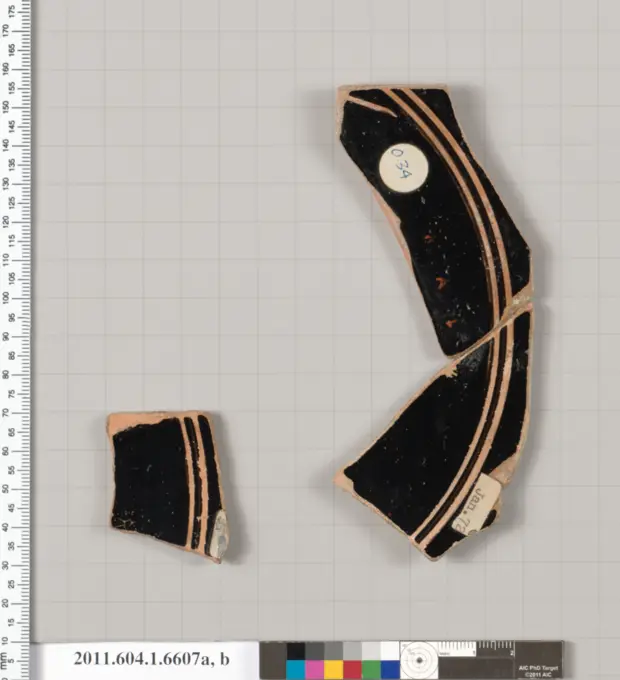
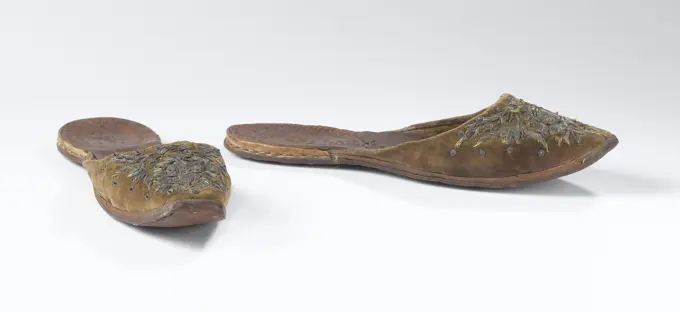
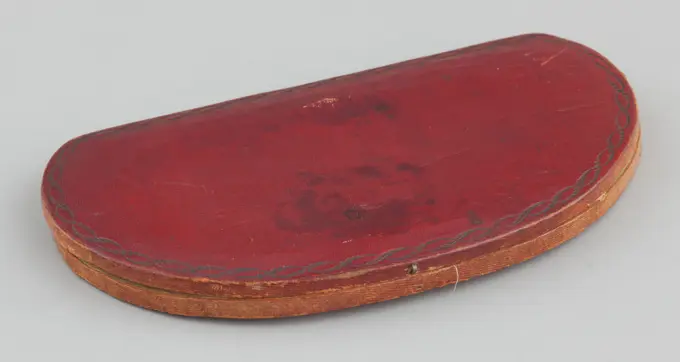
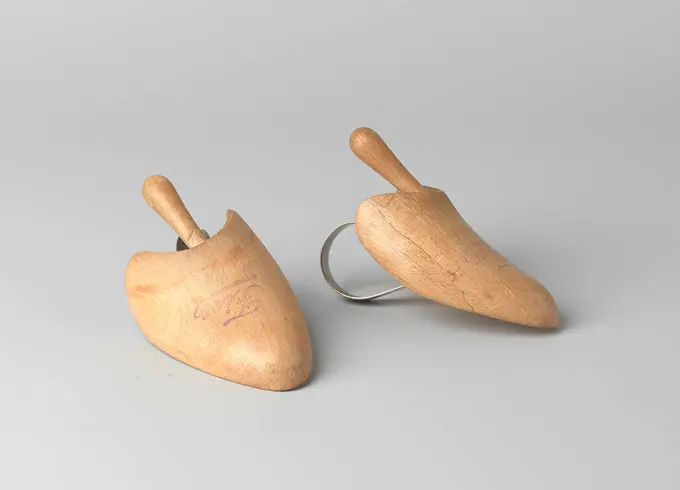
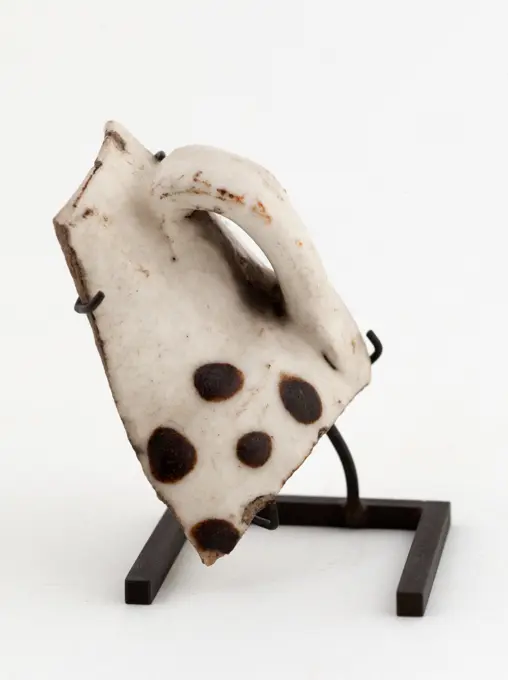
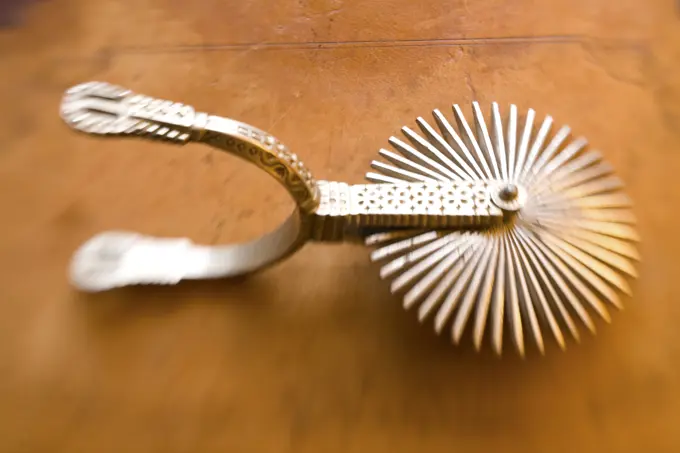
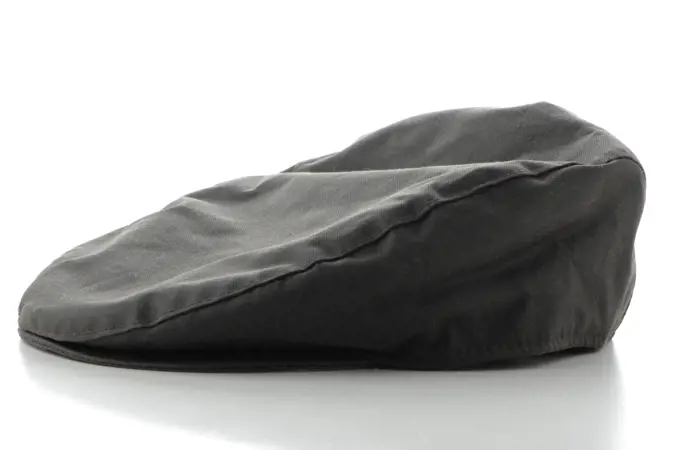
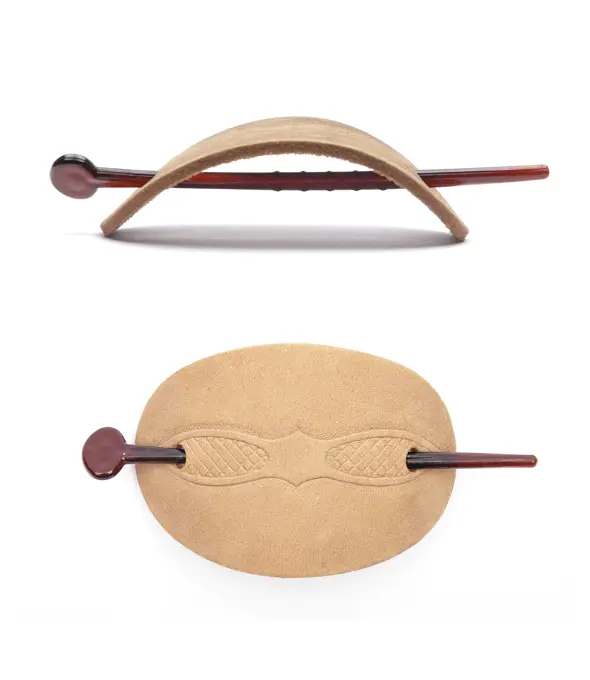
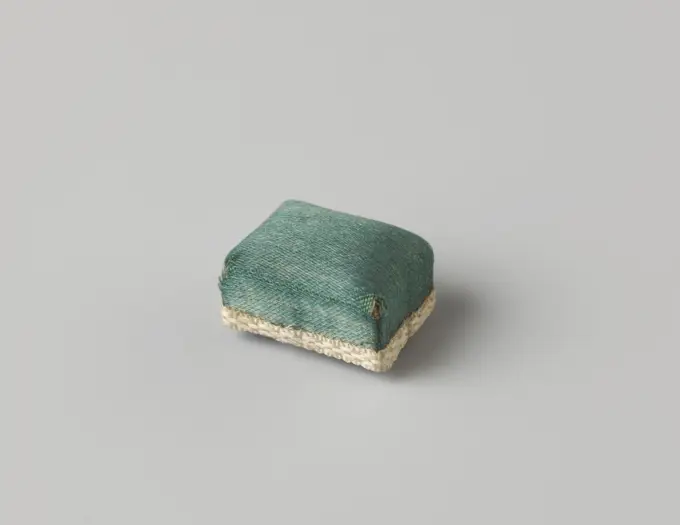
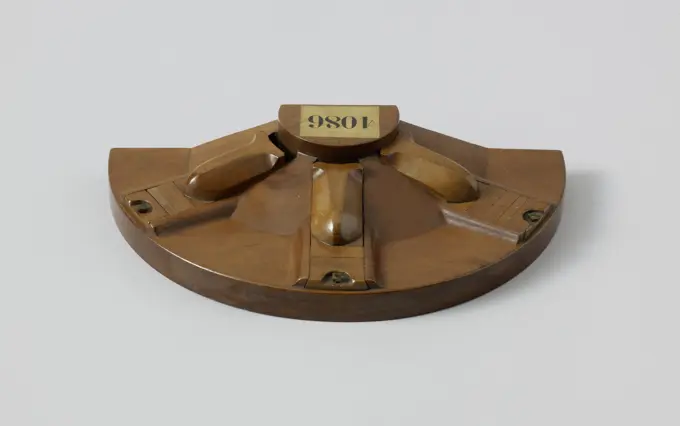
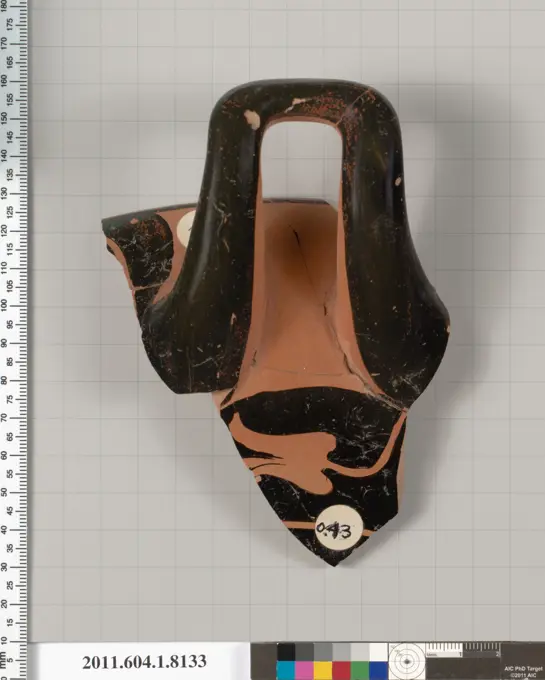
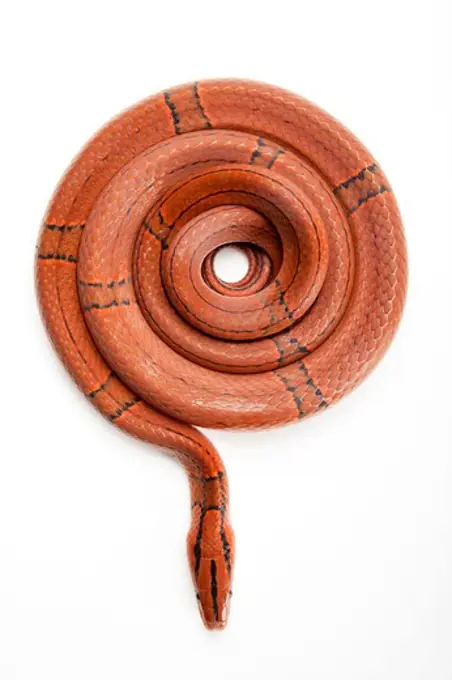
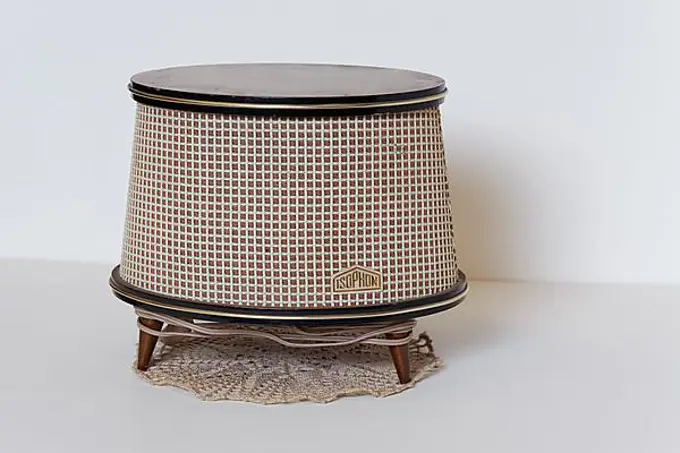
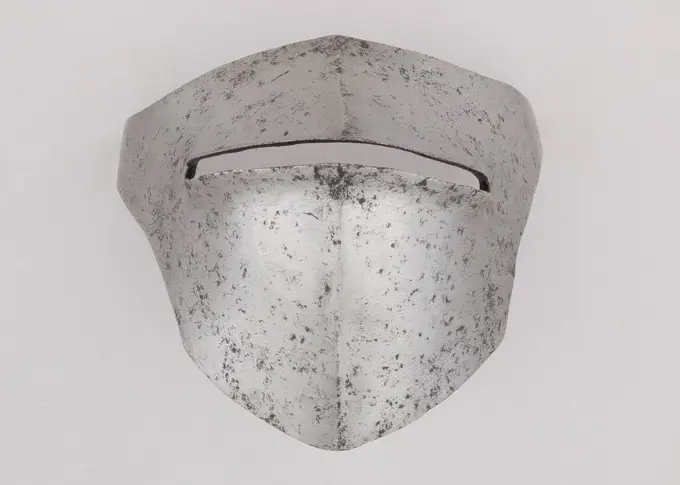
Visor for a Bascinet. Culture: Italian. Dimensions: H. 6 1/2 in. (16.5 cm); W. 7 3/4 in. (19.7 cm); D. 7 in. (17.8 cm); Wt. 1 lb. 0.3 oz. (462.1 g). Date: ca. 1400. Museum: Metropolitan Museum of Art, New York, USA.Cutlery foal for twelve -part cutlery, c. 1730 - c. 1735 Cutlery foal, hemisphere with scalloped edge, covered with leather and lined with red velvet. The Foedraal offers space for twelve radial -specific couverts. On a silver plate on the outside an engraved weapon with two crossed rake above a hilly landscape, possibly from the Wietzendorff family (Wittgendorf) from Hanover. Germany leather. velvet (fabric weave) Cutlery foal, hemisphere with scalloped edge, covered with leather and lined with red velvet. The Foedraal offers space for twelve radial -specific couverts. On a silver plate on the outside an engraved weapon with two crossed rake above a hilly landscape, possibly from the Wietzendorff family (Wittgendorf) from Hanover. Germany leather. velvet (fabric weave)Visor for an Armet. Culture: Italian. Dimensions: H. 6 in. (15.2 cm); W. 8 1/2 in. (21.6 cm); D. 8 1/2 in. (21.6 cm); Wt. 1 lb. 10.4 oz. (748.4 g). Date: ca. 1475. Museum: Metropolitan Museum of Art, New York, USA.Slippers 1845-65 Marsh. Slippers 168930Oval hat box of cardboard, covered with beige rip paper, Caroline Reboux, c. 1934 - c. 1960 Oval hat box of cardboard, covered with beige rip paper. With loose lid stricks of cotton. On the box a label with the name and address of the fashionist Caroline Reboux in Paris. Paris Box: Cardboard. upholstery: paper. Striklint: Cotton (textile) Oval hat box of cardboard, covered with beige rip paper. With loose lid stricks of cotton. On the box a label with the name and address of the fashionist Caroline Reboux in Paris. Paris Box: Cardboard. upholstery: paper. Striklint: Cotton (textile)Evening slippers 1845-65 J. Petit French. Evening slippers 168924Pilow cushion, blue and white striped, lined with a green cord, anonymous, c. 1750 A peluwe cushion of blue white striped fabric (white linen, blue cotton) filled with down, omboard with a green silk cord in a loose piece. Amsterdam (possibly) linen (material). cotton (textile). silk. down (feathers material) A peluwe cushion of blue white striped fabric (white linen, blue cotton) filled with down, omboard with a green silk cord in a loose piece. Amsterdam (possibly) linen (material). cotton (textile). silk. down (feathers material)A pair of porridge bowls - Porringers; Wakely & Wheeler Ltd (London; company Z Otnicz; Fl. 1791-1958); 1904/05 (1904-00-00-1905-00-00);Terracotta statuette base 3rd century B.C. Greek, South Italian, Tarentine For statuette.. Terracotta statuette base. Greek, South Italian, Tarentine. 3rd century B.C.. Terracotta. Hellenistic. Terracottas. Hair comb of turtle, U-shaped with rounded back.Hat with chicken springs, anonymous Hat with black velvet ball and black and white checkered silk edge. With white chicken springs.  velvet (fabric weave). silk. Hat with black velvet ball and black and white checkered silk edge. With white chicken springs.  velvet (fabric weave). silk.Cup (common name). Porcelain, Céladon. Cernuschi Museum, Asia Museum of Asia in the city of Paris.Glass mosaic ribbed bowl fragment late 1st century B.C.-early 1st century A.D. Roman Body fragment.Translucent honey brown, blue, purple, and opaque white.Part of side.Mosaic pattern formed from sections of a single cane in brown ground with white and blue threads in swirling lines with fine purple streaks; on exterior, part of a single tapering rib.Many bubbles; polished exterior; pitting of surface bubbles; dulling, pitting, and creamy weathering on interior and edges.. Glass mosaic ribbed bowl fragment. Roman. late 1st century B.C.-early 1st century A.D.. Glass; cast and tooled. Early Imperial. GlassPresenteerblad van hout, anonymous, c. 1912 Presentation sheet of Donker Hout Netherlands wood (plant material) Presentation sheet of Donker Hout Netherlands wood (plant material)Pouch fourth quarter 17th century Eastern European. Pouch 169625Handmade necklace made of resin and olive treesTin drum belonging to the stab by ambassador A.H.J. Lovink, firm Noyen, c. 1948  Tins of drum from outside black lacquered for stab belonging to the office of Ambassador A.H.J. Lovink. The Hague tin plate   OttawaPoppel 1830 - c. 1840 Poppel pig hat from Beige Tafzijde, edge lined with arranged strips of blue silk. A tuft of loops on both sides. At the bottom of the edge a voalns with two ramps. This edge has a coarse mesh toppings. Ribbons to tie. Around the ball remains of a siege or lining. In the Bol hatmakers gauze. Together with Poppeluifelhoed BK-1983-68-A in a hat box (BK-1983-68-C). Netherlands taffeta Poppel pig hat from Beige Tafzijde, edge lined with arranged strips of blue silk. A tuft of loops on both sides. At the bottom of the edge a voalns with two ramps. This edge has a coarse mesh toppings. Ribbons to tie. Around the ball remains of a siege or lining. In the Bol hatmakers gauze. Together with Poppeluifelhoed BK-1983-68-A in a hat box (BK-1983-68-C). Netherlands taffetaElongated bowl of covered wood, anonymous, 1800 - 1900 Decorated with Chinese coins and a Magatama. Equipped with a non -authentic seal from Ritsuo. Japan wood (plant material). lacquer (coating) Decorated with Chinese coins and a Magatama. Equipped with a non -authentic seal from Ritsuo. Japan wood (plant material). lacquer (coating)Box belonging to high hat of s.j.p. Kruger. The oval box is made of cardboard, covered with paper on which a wood grain is printed, two labels on the bottom and a black heating cord. Inscription; Inside on soil: s.j.p. Kruger. / State President. On the box: Factory State Railways. / General Expedition Company / Van Gend & Loos / H. Colignon & Cie van .... to Hilversum / Via .... signed; Inside on the bottom: Cooper, Box & Co / Limited.Miniature canoe -Content measure of 1 liter, Anonymous, c. 1825  Spans contents of 1 liter. Netherlands wood (plant material)   NetherlandsTrack, consisting of a U-shaped belt from copper, with a rod with gear, 1913 Spoor, consisting of a U-shaped belt from copper, with a rod with gear. Delft (possibly) whole: Copper (Metal)   Delft Spoor, consisting of a U-shaped belt from copper, with a rod with gear. Delft (possibly) whole: Copper (Metal)   DelftMatchsafe (probably USA); molded vulcanite; 4.4 x 4 x 1.2 cm (1 3/4 x 1 9/16 x 1/2 in. ). Hair comb of imitation turtle, U-shaped with smooth, rounded back.Cup of ice glass. Cup of ice glass, with inserted bottom. Slightly curved body with vertical optically blown ribs, standing on three blue bram budsBatter from the wreck of the East Indiesman Hollandia. Fittings, bands and bracing, flat; Straight flat strip, fold-over Rim at Both ENDS.. Rounded rectangular tsuba with elevated edge; On both sides in Iroe-Taka-Zogan dragonflies flying above a stream.GrainwareBowl.  Designer Charles H. McCrea, American, 1909-1971  Maker: Plastic Productions Co., American, 1948-1971Lluis Ventós / "Moai", 2006, Sculpture, 17 x 62,5 x 22 cm.Glass striped mosaic bowl fragment late 1st century B.C.-early 1st century A.D. Roman Rim fragment.Translucent blue layered with white, turquoise blue layered with yellow appearing green, purple, opaque white, yellow, with colorless glass.Applied coil rim with rounded, vertical lip; convex curving side, tapering downward. Rim in colorless glass with double spiral yellow threads; body decorated with vertical bands slanting slightly from top right to bottom left, forming a pattern: colorless with double spiral yellow threads, blue, green with single spiral purple thread, white, colorless with double spiral yellow threads, purple with white stripe, colorless with double spiral yellow threads, and white.Many pinprick bubbles; exterior polished, with slight surface pitting; dulling and iridescent weathering on interior and edges.. Glass striped mosaic bowl fragment. Roman. late 1st century B.C.-early 1st century A.D.. Glass; cast. Early Imperial. GlassMiser's Purse (France), early 19th century; silk, metal; L: 30 cm (11 13/16 in.)Match Holder, 1850-1900. Pinto Collection - Purchased from Edward H Pinto, 1965.. The Tyrolean region of Switzerland and Austria specialised in producing small wooden trinkets which were mostly sold as souvenirs to tourists. The popularity of Cook's tours in the 1850s opened up the Alpine region of central Europe and had a powerful effect on local woodworking industries. The quality of woodworking varied greatly. This example of match holder carved in the shape of a child's boot shows a considerable degree of accuracy in its detail and, although it would not have belonged to the luxury end of the market, it demonstrates the carver's great pride in his work.Collar 1880-84 American. Collar 92156Papyrus burnisher. Dimensions: h. 3.3 cm (1 5/16 in); w. 3.4 cm (1 5/16 in). Dynasty: Dynasty 12. Reign: reign of Senwosret III. Date: ca. 1981-1802 B.C.. Museum: Metropolitan Museum of Art, New York, USA.Oval box of chip, covered on the outside with imitation wood paper and on the inside with marble paper, anonymous, c. 1800 - c. 1899 Oval box of chip consisting of flat lid (A) and deep box (B), covered on the outside with imitation wood paper and on the inside with marble paper. Netherlands wood (plant material). paper marbled paper Oval box of chip consisting of flat lid (A) and deep box (B), covered on the outside with imitation wood paper and on the inside with marble paper. Netherlands wood (plant material). paper marbled paperCorsetted Female Torso Matchsafe; brass; 4 x 3.5 x 2 cm (1 9/16 x 1 3/8 x 13/16 in. )chopsticks on a standBasket;  1920-1931 (1920-00-00-1931-00-00);Glass monochrome bowl fragment 1st half of 1st century A.D. Roman Opaque jade green.Curving side, tapering downward.Two parallel (horizontal) wheel-cut grooves, one broader than the other.Polished exterior and top edge, with weathering in grooves; pitting of surface bubbles; dulling and creamy iridescent weathering on interior and three edges.. Glass monochrome bowl fragment. Roman. 1st half of 1st century A.D.. Glass; cast and cut. Early Imperial, Julio-Claudian. Glass. Hair comb of turtle with unmarmed curved back, 11 teeth.Shallow bowl ca. 1st century B.C.-1st century A.D. Parthian This shallow bowl with an everted rim has been reconstructed from several sherds. It is made of a red clay, using a potters wheel. It was excavated at Shahr-i Qumis in northern Iran, which has been identified as the ancient city of Hecatompylos, established by the Parthians as their capital by about 200 B.C. In Greek Hecatompylos means ‘a hundred gates, suggesting that the city was quite large. Indeed, the modern archaeological site includes several mounds, only a few of which have been excavated, and a vast area covered with potsherds. This vessel was found in a large building at Site V, which has been tentatively identified as an elite residence. This building was completely filled with dirt sometime in the late 1st century B.C. or early 1st century A.D., perhaps when the Parthian capital was moved elsewhere and the citys elite residents left with it. It was most likely a drinking vessel, probably for wine. Indeed, clay b1 cup. Chips size 1 cup, marked and v.z.v. Labels and label on a ribbon.Roman podium  white for cosmetic product on background granite white. 3d renderingSponge Box. Netherlands. Date: 1827. Dimensions: 3.8 x 4.5 cm (1 1/2 x 1 3/4 in.). Silver. Origin: Netherlands. Museum: The Chicago Art Institute, Chicago, USA.Netsuke with Decoration of Insect 19th century Japan. Netsuke with Decoration of Insect. Japan. 19th century. Wood and metal (Monju type). Edo (1615-1868) or Meiji period (1868-1912). NetsukeLeather case from a home dot;  around 1840 (1835-00-00-1845-00-00);Sugar basin from a coffee and tea service, c. 1930, Unknown Italian, 5 x 4 x 4 in. (12.7 x 10.16 x 10.16 cm), Silver, Italy, Art DecoCircular box with a cover Dobion nephritic BI disk;  1. PO. 18th century (1736-00-00-1796-00-00);Jagniątkowski, Magdalena and Władysław - collection, gift (provenance), BI drive, toiletries, Puzdra, Chinese artSeal stamp and counter -stamp stamp with coat of arms of Cornelis Lampsins, Anonymous, 1671 stamp. box Large round silver stamp with a hollow foot. On stamping area show of crowned weapon (whale: Cornelis Lampsins), worn by 2 sheep, each with a staff with cross -bearing with a pennant, the left with inscription CI, the right. Behind the weapon ranks with fruits. Renewal between large and small pearl edge. Small octagonal counter -seal stamp with hollow base, handle missing, crowned weapon with whale. Turned round ivory box with profiled screw lid. Inscription + brands. Netherlands (possibly) silver (metal). ivory forging / striking (metalworking)  Tobagoempty paper round brown tag on a rope, black background, sales conceptClose up of present box on white backgroundMokugyo (Gong) with Dragon Heads Matchsafe; Japan; copper; 6.7 x 4.3 x 1.6 cm (2 5/8 x 1 11/16 x 5/8 in. )Snuff box of gold, oval with straight walls. On the front and rear a engraved pumpkin branch with fruit and four leaves. Oval snuff box of gold, with straight walls. The top of the lid and bottom of the bottom are engraved. A pumpkin branch with a fruit and 4 leaves is engraved on the front and rear of the box.Hair comb made of turtle with unadorned bent back, anonymous, c. 1800 - c. 1825 Hair comb made of turtle with unadorned curved back, 11 teeth. Netherlands (possibly) . sawing / filing / polishing Hair comb made of turtle with unadorned curved back, 11 teeth. Netherlands (possibly) . sawing / filing / polishingMiniature house with euro coins on white backgroundLila Gaas ribbon, c. 1900 - c. 1915 Lila gauze ribbon. Nijmegenfrance silk. Lila gauze ribbon. Nijmegenfrance silk.Women's shoe of dark blue calf leather with dark blue lace and horizontal inserted narrow tires on the forefoot, c. 1935 - c. 1940 Ladies shoe from Donkerl blue calf leather with dark blue lace from Ripszijde. Model: rounded pointed nose, one piece of leather leaf. Closure in the middle of the instep through two rows with five lace holes with a dark blue lace. A blue bead is attached to the ends of the lace. The front of the heel runs straight down in a rounded angle. The side and back of the heel is slightly tailored and covered with dark blue calf leather. Brown leather behind with six nails stuck to the heel and brown leather sole. Shoe lined with black leather. The tongue is lined with cream -colored felt. The heel is reinforced with a T-shaped piece of leather. The insole is made of black leather. Decoration: The forefoot is decorated with horizontal inserted narrow tires. Vertical from the lacing to the tip of the foot runs a dark ball of tire calf leather. On the heel from the hRibbon of cream -colored mesh of 15 meters, c. 1900 - c. 1915 Ribbon of cream -colored mesh for 15 meters. Nijmegenfrance silk. Ribbon of cream -colored mesh for 15 meters. Nijmegenfrance silk.Sugar bowl of earthenware, E.J. Birch Black Basalt. With lid., Edmund John Birch, c. 1790 - c. 1810 Cup -shaped sugar bowl with pottery lid, black basalt. The pot has a lid with a button in the shape of a sitting woman with her left arm resting on a barrel. The lower half of the pot is ribbed and above that is an image in relief of allegorical women and musician children. The pot is marked. Hanley earthenware Cup -shaped sugar bowl with pottery lid, black basalt. The pot has a lid with a button in the shape of a sitting woman with her left arm resting on a barrel. The lower half of the pot is ribbed and above that is an image in relief of allegorical women and musician children. The pot is marked. Hanley earthenware. Hair comb of imitation turtle with high-standing smooth back. With fourteen teeth that differ in length.With inscription, 'souvenir the knife enfants'. Gold ring. On top of a rectangular decoration of three types of hair and a milk tooth behind glass. Inscription: 'Souvenir the knife ENFANS'.Terracotta fragments of a kylix (drinking cup) 490-480 B.C. Greek, Attic Interior, part of an inscription, KALOS; a second smaller fragment, has part of another inscription, ATH…; Exterior of larger fragment depicts the calf and heel of a male to left; lower legs of a male to left; part of a round shield, seen from the inside; a second fragment depicts the knee and calf of a male to right. Terracotta fragments of a kylix (drinking cup) 709798ETUI that belonged to George Sand. Paris, Museum of Romantic Life. 34998-20 Writer, Etui, frenchMount; bronze, giltMiser's purse, Medium: silk, metal Technique: netting Label: netted silk with metal beads and rings, Small oblong netted bag with a side opening and two gold rings which slide to reveal the opening. Oblong patterns of green, red, and white; gold pendants at each end in acorn shape., Europe, 1810-30, costume & accessories, Miser's purseLadies' Mill of Carmine Rood velvet, decorated with silver thread and forcing, anonymous, c. 1825 - c. 1875 Ladiesmill, made of carmine red velvet, decorated with silver thread and forcons. Model: Without heels and with narrow tutiting forefoot, ending in a square nose. Feeded with leather with punched decoration at the heel site. The Netherlands, second or third quarter of the 19th century. West-Europa whole: Leather. Nose: velvet (fabric weave). Decoration: Silver thread Ladiesmill, made of carmine red velvet, decorated with silver thread and forcons. Model: Without heels and with narrow tutiting forefoot, ending in a square nose. Feeded with leather with punched decoration at the heel site. The Netherlands, second or third quarter of the 19th century. West-Europa whole: Leather. Nose: velvet (fabric weave). Decoration: Silver threadBamboo flower basket by Sugita Jozan on display inside the Kyoto State Guest House, Kyoto, Japan. During the Edo period (1603 - 1868) a Garden House and multiple mansions of aristocrats stood in the north-eastern part such as of the Yanagihara family and Kushige family. The Kyoto Imperial Palace is in the northern part of Kyoto-Gyoen National Garden. It was constructed in 1331 and the Emperors lived there until 1869. There are also Sento Imperial Palace gardens. In 1994, to commemorate the twelve-hundredth (1200th) anniversary of the establishment of the ancient capital of Heian-kyo there was growing momentum toward building a Japanese-style guest house in Kyoto. In October 1994, approval was obtained from the Cabinet of Japan for "the construction of a guest house facility.Comb or diadem, anonymous, c. 1820 - c. 1830 Hair comb of gilded copper with a decoration of each other bonding volutes above which wine red, faceted grenades. Model: The comb has 35 straight teeth. The frame is slightly bent and consists of a scaly border above which a narrow row of small, wine red beads inlaid in gilded copper. Above each other, volutes of each other, which are awarded by 33 Facet Grenates. Netherlands whole: copper (metal). Decoration: Garnet (Mineral). Beads: Glass. Gold Leaf forging / sawing / grinding / polishing Hair comb of gilded copper with a decoration of each other bonding volutes above which wine red, faceted grenades. Model: The comb has 35 straight teeth. The frame is slightly bent and consists of a scaly border above which a narrow row of small, wine red beads inlaid in gilded copper. Above each other, volutes of each other, which are awarded by 33 Facet Grenates. Netherlands whole: copper (metal). Decoration: Garnet (Mineral). Beads: Glass. Gold Leaf fCzarka with two handles;  Ok. PO. 20th century (1946-00-00-1955-00-00);CaseWomen's shoe made of dark blue calfskin with dark blue lace and horizontal snotted narrow tires on the forefoot. Ladies shoe made of darkl blue calfskin with dark blue lace of rips silk. Model: rounded spitce nose, leaves from one piece leather. Closure in the middle of the instep through two rows of five fat agents with a dark blue lace. A blue bead is attached to the ends of the lace. The front of the heel runs straight down in a rounded corner. The side and back of the heel is slightly fitted and covered with dark blue calf leather. Brown leather rear flap with six nails to the heel fired and brown leather sole. Shoe lined with black leather. The tongue is lined with cream-colored felt. The heel is reinforced with a T-shaped piece of roughly leather. The insole is made of black leather. Decoration: The forefoot is decorated with horizontal absolute narrow tires. Vertical of the lacing to the tip of the foot runs a dark bald band calf leather. On the heel from the heel to the shaft bStirrups 15th century or later. Stirrups 445009Fire basket, round, with rectangular hood. The fire basket has a high round shape with rectangular open "cap structure", made of round and ground wicks.Sword Guard (Tsuba). Culture: Japanese. Dimensions: H. 2 13/16 in. (7.1 cm); W. 2 11/16 in. (6.8 cm); thickness 3/16 in. (0.5 cm); Wt. 3.5 oz. (99.2 g). Date: ca. 1615-1868. Museum: Metropolitan Museum of Art, New York, USA.Tesson ". Ceramics. China, Song. Paris dynasty, Cernuschi museum. 72685-17 Anse, Chinese, Ceramic art, Song dynasty, piece, brown weight, base, TessonRoll with cream silk satin ribbon, c. 1925 Roll with cream silk satin ribbon. Nijmegenmaker: France silk Roll with cream silk satin ribbon. Nijmegenmaker: France silkSash, ChinaHacienda Zuleta, Zuleta, Ecuador.Calendar, 1400 - 1500 calendar Parchment calendar consisting of thirteen in three -folded sheets, held together by a copper band and equipped with a copper handle. Each leaf has a yellow and green colored medallion with inscription on the outside. Inscription 1st magazine unreadable. On the inside, among other things, a circular schedule, probably for calculating variable ecclesiastical holidays. 2nd leaf: Tabula. Furthermore 3rd to 13th page: January-Novembris. Majuskels in gold leaf and blue. Data, took saints in red ink  copper (metal). parchment (animal material). ink cutting / striking (metalworking) / engraving / drawingGrey stylish cap on white background.. Crib of braided silver wire with four handles. The crib is on two massive donations. The crib has four handles and it has been marked: stk. = Haarlem, jrl. = B (1784), mt. = Foot 139 and a tilt.Pear wood candy shape in the form of a horse, anonymous, 1800 - 1900 Pear wood candy shape in the form of a horse. Netherlands pear (wood) Pear wood candy shape in the form of a horse. Netherlands pear (wood)Sword-Hilt Collar and Pommel (Fuchigashira) 19th century Japanese A fuchigashira is a pair of matching sword fittings comprising the fuchi (collar at the base of the grip of the sword hilt) and kashira (pommel cap at the end of a sword hilt).. Sword-Hilt Collar and Pommel (Fuchigashira). Japanese. 19th century. Iron, copper-silver alloy (shibuichi), gold, copper. Sword Furniture-Fuchi-KashiraTravel bag and a key. 1880.Haarspangen auf weißem Hintergrund - Barrettes on white background Haarspangen auf weißem Hintergrund - Barrettes on white background Copyright: xZoonar.com/lantapixx 13099223Terracotta rim fragment of a kylix (drinking cup) 520-500 B.C. Attributed to the Manner of the Epeleios Painter Interior, part of wreathed column krater; four letters of an inscription; Exterior, rear of horse and part of right hind leg and tail; helmeted warrior with round shield over left arm, wearing greaves, with head turned back over right shoulder and right hand on hip, with back in three-quarter view, striding left; handle with handle patch; helmeted warrior with round shield in left hand, wearing greaves, holding the lead line of the horse in front of him, in his right hand. Terracotta rim fragment of a kylix (drinking cup) 692111Pin cushion, covered with green-blue silk, trimmed with white tire, anonymous, c. 1750 Pin cushion covered with green-blue silk (satin) and trimmed with white silk strap. The pillow is filled with her. Amsterdam (possibly) silk. Pin cushion covered with green-blue silk (satin) and trimmed with white silk strap. The pillow is filled with her. Amsterdam (possibly) silk.Reinforce for the Left Cowter for Use in the Tilt. Northern Italian. Date: 1540-1580. Dimensions: H 26.67 cm (10 1/2 in.); W 26.67 cm (10 1/2 in.); D 17.78 cm (7 in.). Steel. Origin: Northern Italy. Museum: The Chicago Art Institute, Chicago, USA.Model of a Chain Flange or A Capstan, Rijkswerf Hellevoetsluis (Possibly), 1860 demonstration model Model of the half foot of a capstan with adjustable chain cable holder edge for different sizes of chain. The three piles that grab the schalmen of the chain can be pushed in a slot to and of the king and secured with movable inserts. This edge was intended especially for Brown-Harfield spilling. model maker: Hellevoetsluis (possibly)after design by: United Kingdom wood (plant material). brass (alloy)Box Horning with a bronze medal, Francois Ignace Baetes, 1889 box Round cardboard box, yellow with two black stripes. The inside is padded, lid is missing. Antwerp cardboard   AntwerpTerracotta fragment of a kylix (drinking cup) late 6th century B.C./early 5th century B.C. Greek, Attic Exterior, complete handle, with handle patch preserved to rim; below, a lotus flower. Terracotta fragment of a kylix (drinking cup). Greek, Attic. late 6th century B.C./early 5th century B.C.. Terracotta; red-figure. Archaic. VasesMitten Gauntlet Armorer Missaglia workshop Italian late 15th century The gauntlet of mitten type is constructed of four plates held together by dome-headed iron rivets (modern) and comprises a long pointed cuff plate with sharp medial ridge, the edge turned over outward and flattened, with lining rivets below; a single metacarpal plate extended at one side to accomodate the thumb (the thumb plates are lost); and two plates covering the fingers, embossed slightly to accomodate the knuckles, the lowermost plate pointed and fitted with lining rivets. This gauntlet would originally have been fitted with a leather glove (perhaps covered with mail or thin plates of steel to protect the exposed ends of the fingers) sewn to the lining straps. Stamped at the base of the cuff plate on the inner side just above the thumb are three armorer's marks: (above) the letters MY beneath a crown, and (below) the letter M beneath a split cross, twice repeated.The marks on this gauntlet identify it as a prodMiniature Round Basket, 20th century, 1/4 x 3/8 x 3/8 in. (0.64 x 0.95 x 0.95 cm), Natural plant fiber, United States, 20th century, In the early 1900s, many Euro-American women traveling through the Southwest region of the United States became infatuated with miniature Native American baskets, and some became avid collectors. Native women basket makers responded to this demand by creating ever-smaller baskets, utilizing the same harvesting, processing, and coiling techniques as those for personal use. Creating tightly woven, tiny baskets in an expanding range of designs and styles for their new clientele required the same levels of expertise and knowledgebut perhaps even more dexterity and skill.Seal ring with gothic letters, anonymous, c. 1000 - c. 1900 Ring with oval seal stamp where there are a few letters in mirror script in a pearl edge. A few crossed scratches on either side of the stamp on the ring.  copper (metal) engraving Ring with oval seal stamp where there are a few letters in mirror script in a pearl edge. A few crossed scratches on either side of the stamp on the ring.  copper (metal) engravingElaphe porphyracea nigrofasciata, Snake, ReptileDecorative table-top secondary speaker from 1958, Isophon brand, Radio Museum Duisburg, North Rhine-Westphalia, Germany, EuropeEVENTAIL. Sowing pattern of stylized flowers. Paper, ivory, bamboo. Paris, Carnavalet museum. EVENTAIL: sowing of stylized flowers Fashion accessory, EventailKruitfles, anonymous, 1600 - 1699  Ring -shaped ivory powder bottle.  ivory. copper (metal)Pearl necklace against gradient background