Historical Artifacts

A collection of various historical artifacts, including pottery, architectural friezes, and clay objects, showcasing ancient craftsmanship and cultural significance.
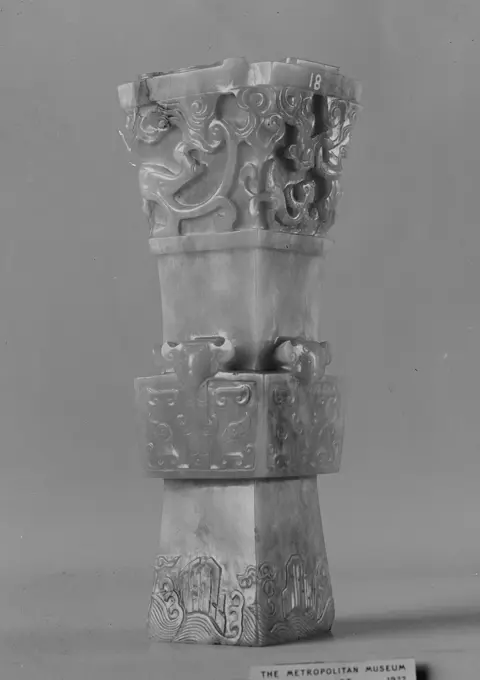
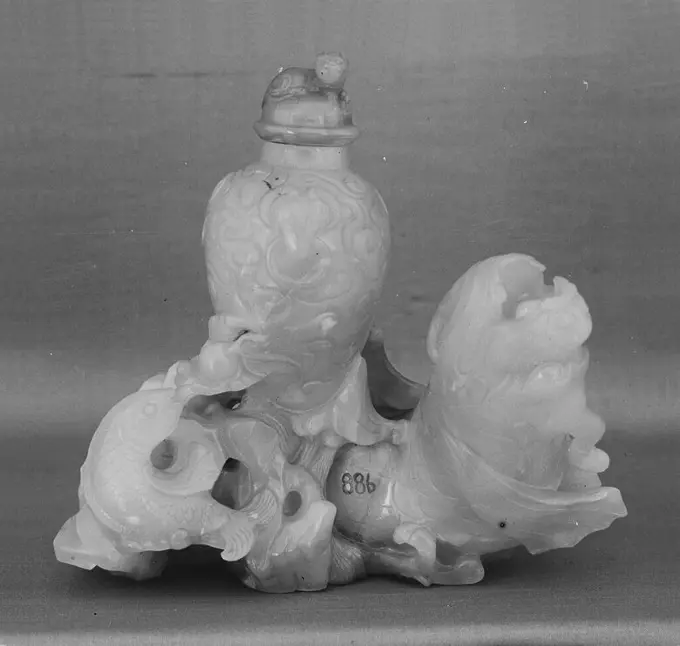
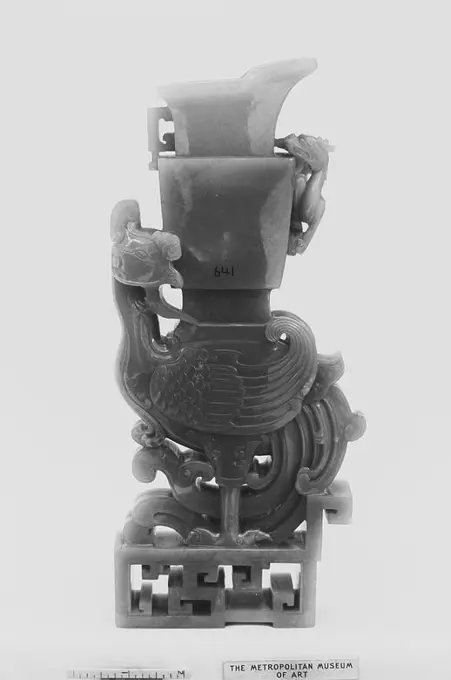
Vase China. Vase. China. Nephrite. Qing dynasty (1644-1911), Qianlong period (1736-95). Jade
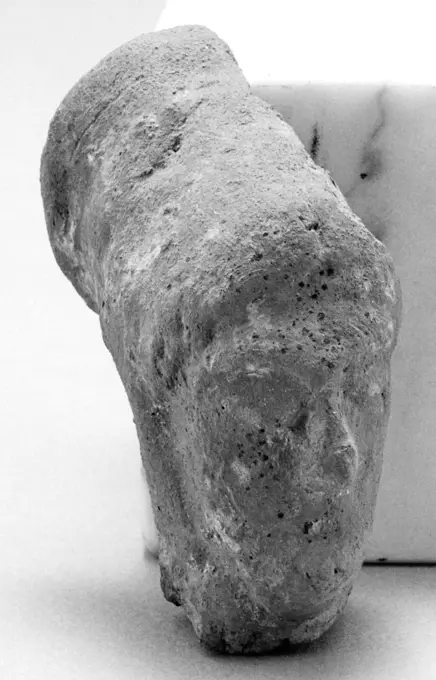
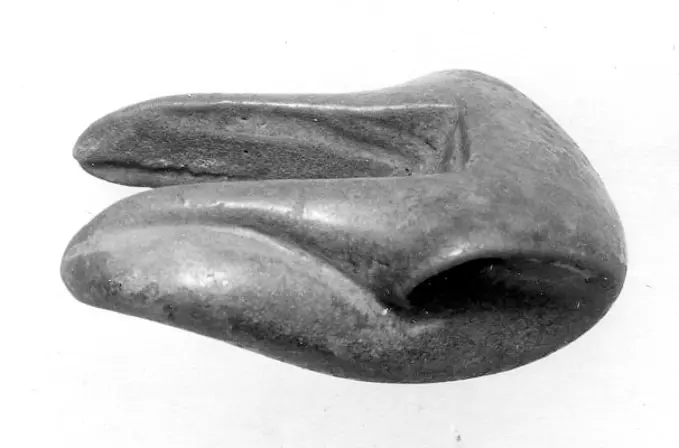
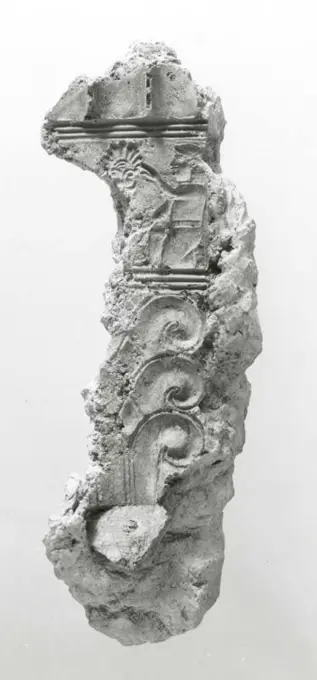
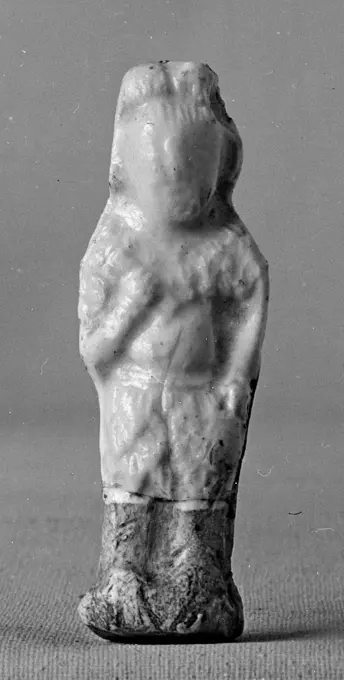
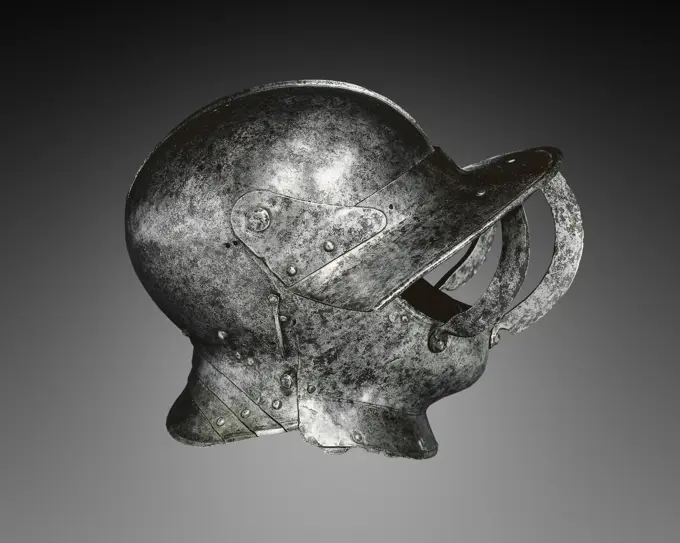
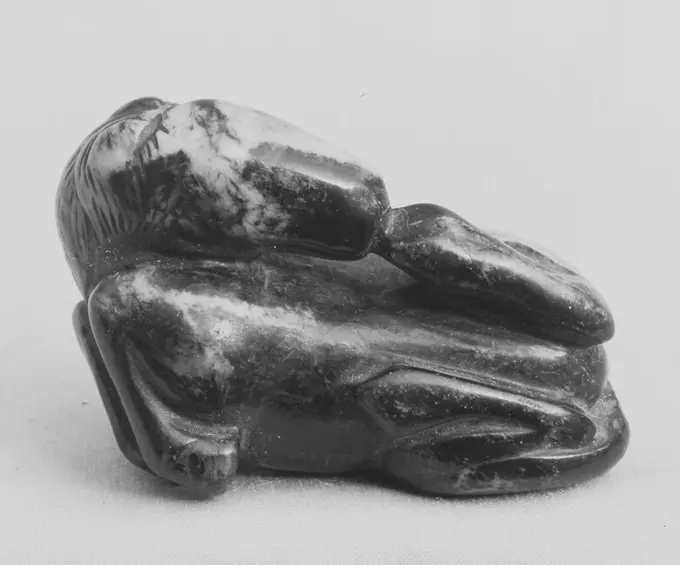
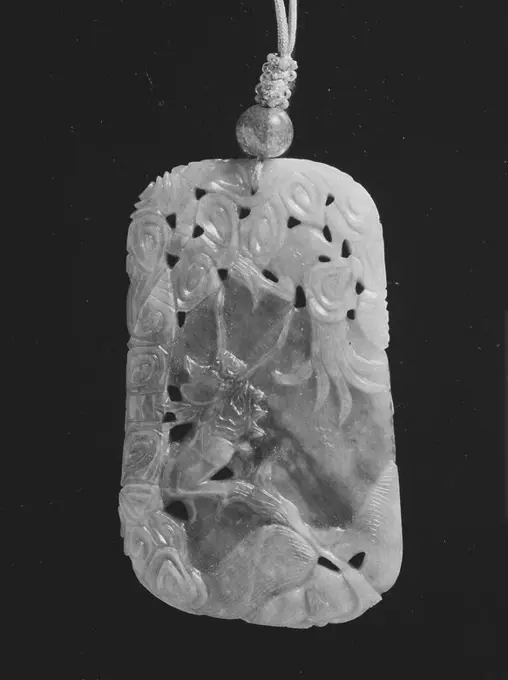
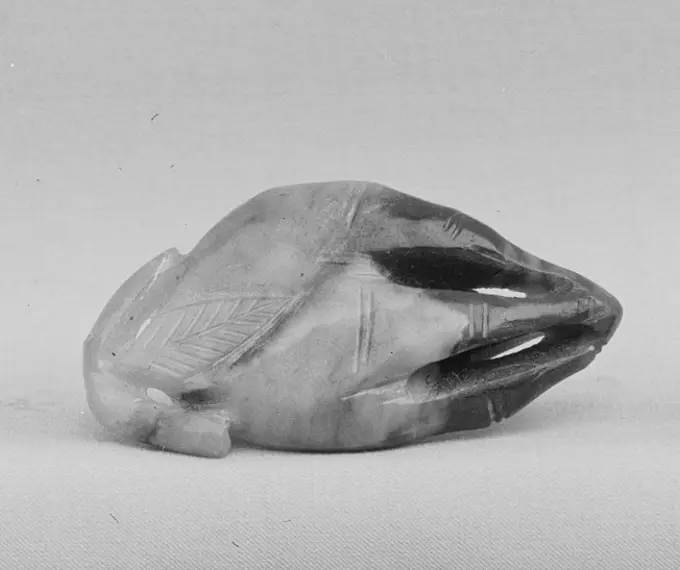
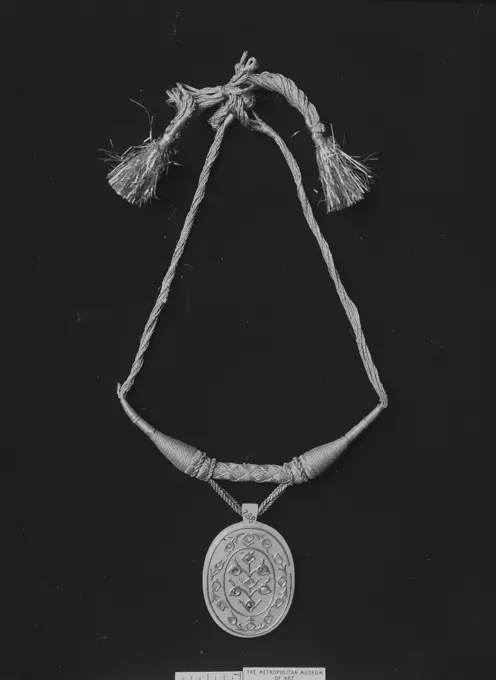
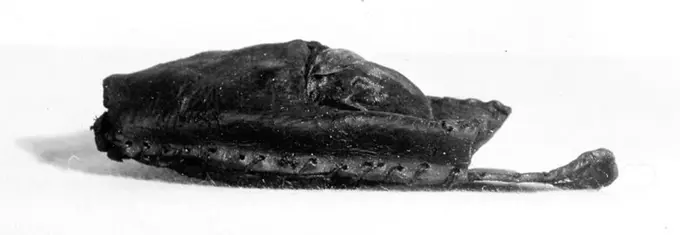
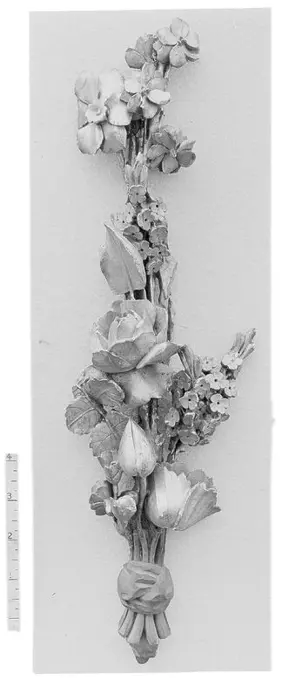
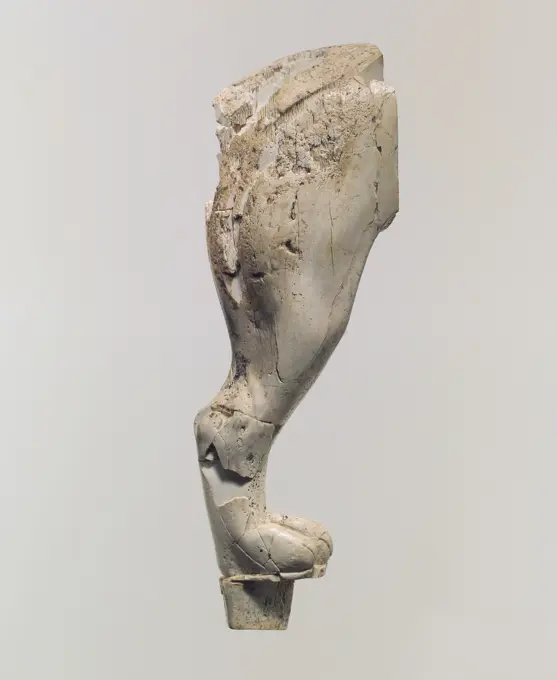
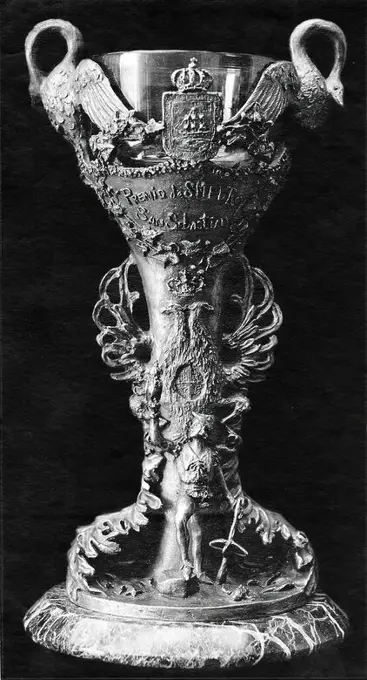
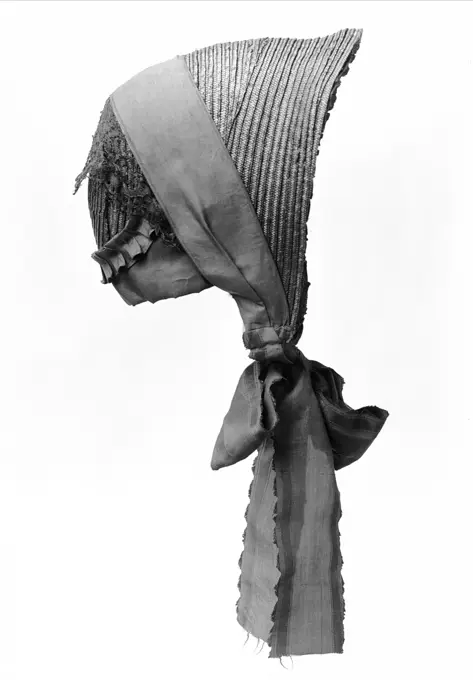
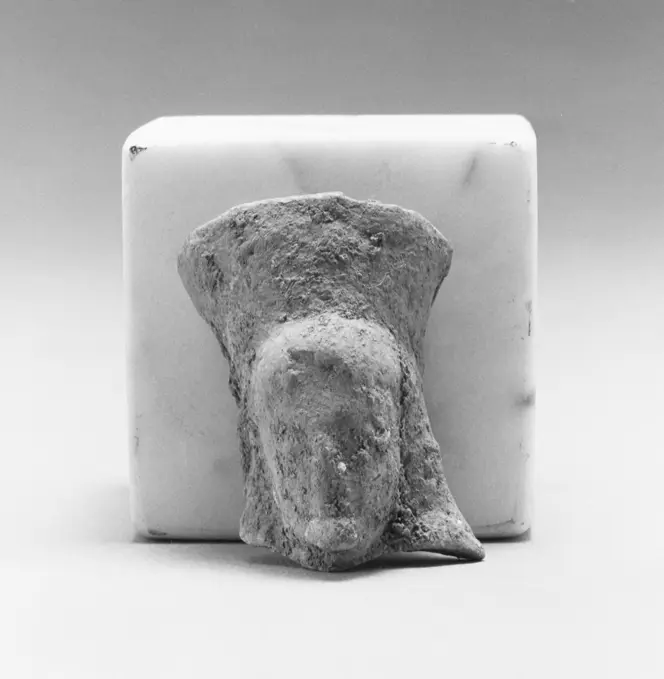
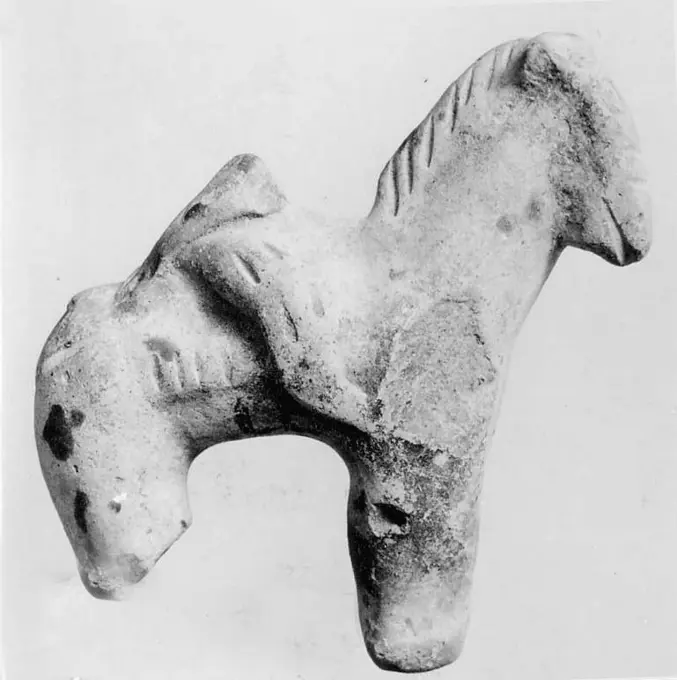
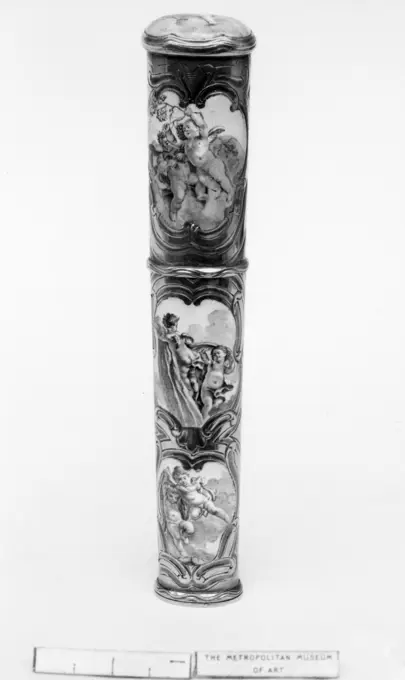
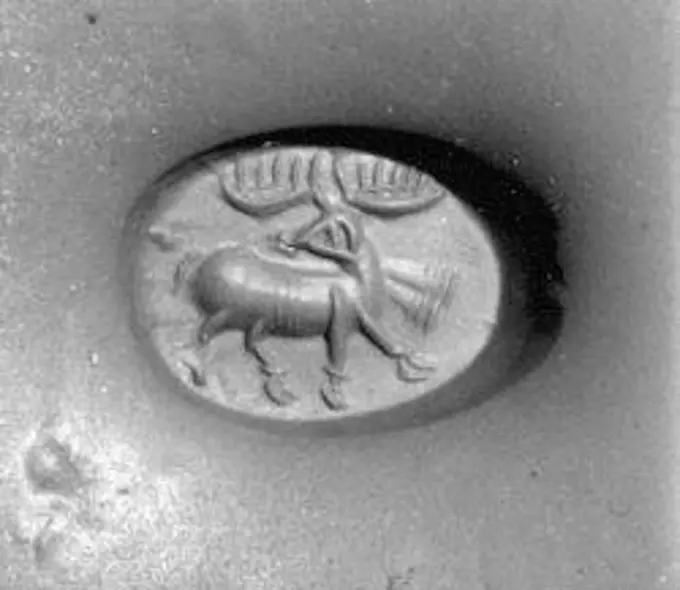
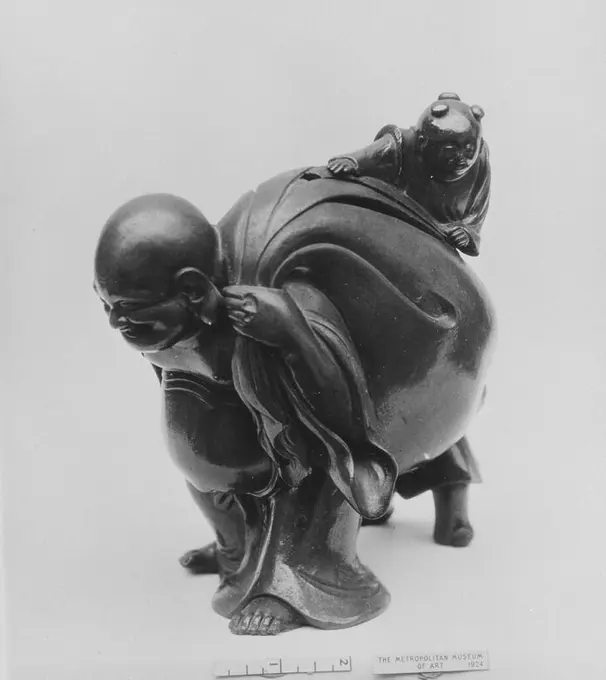
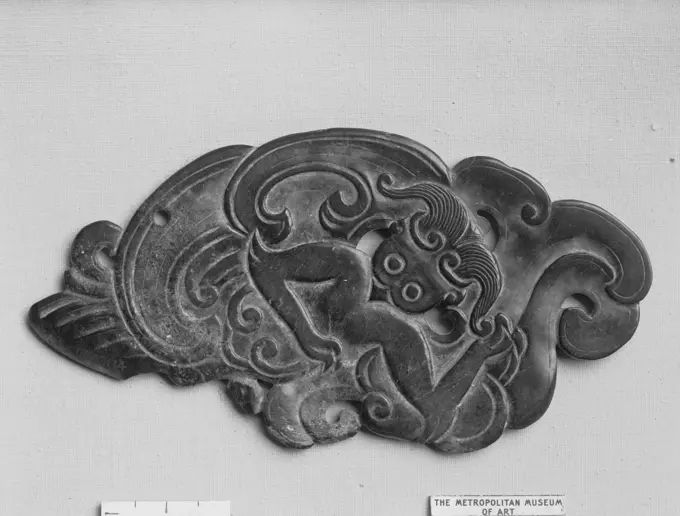
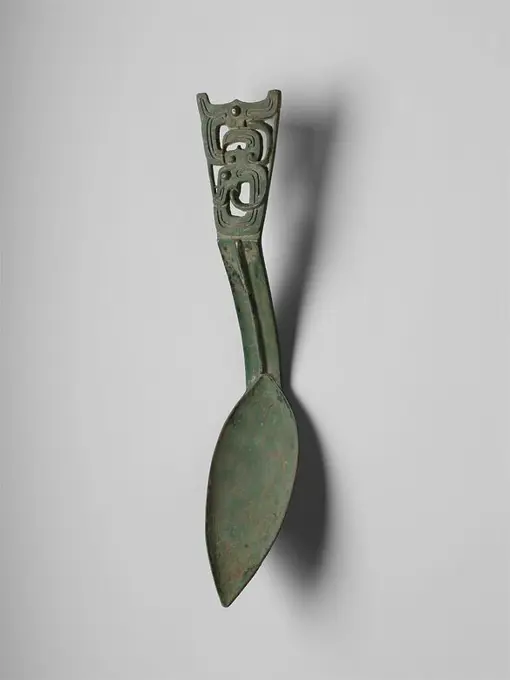
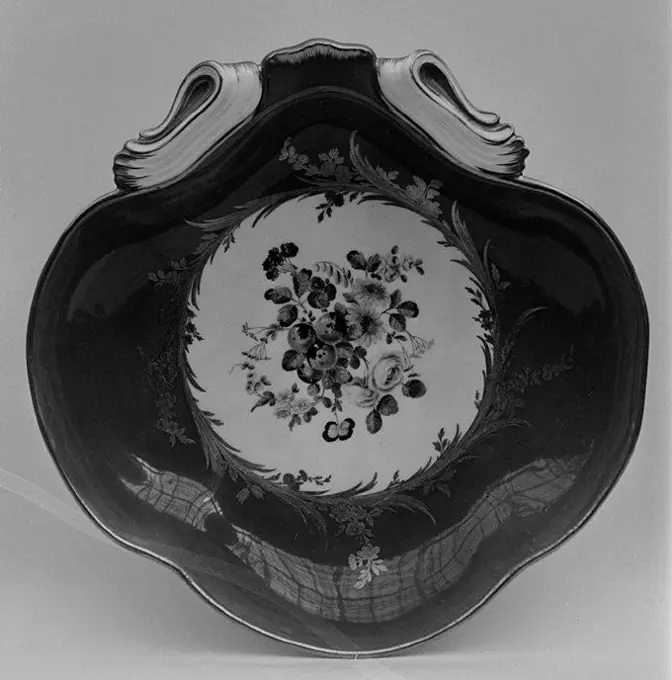
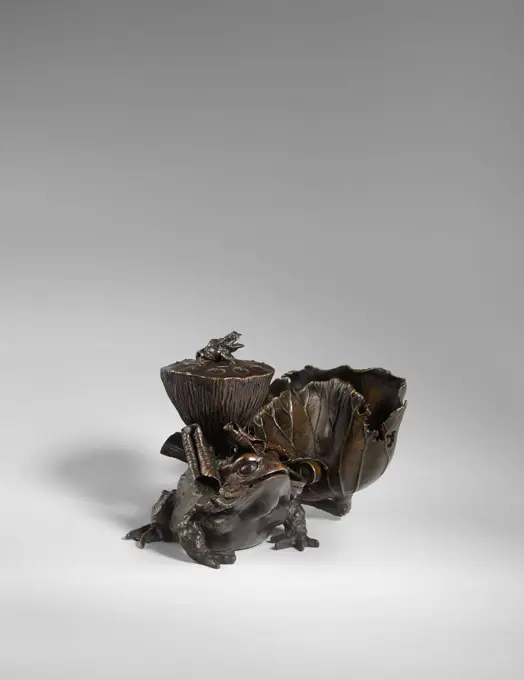
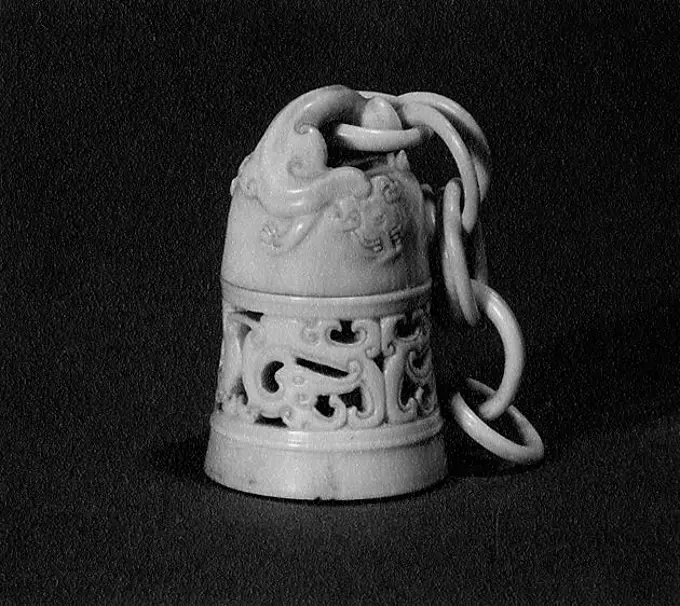
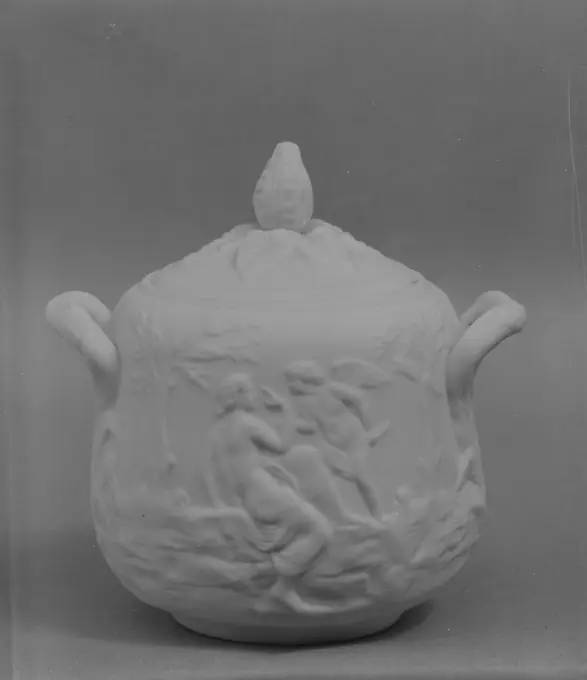
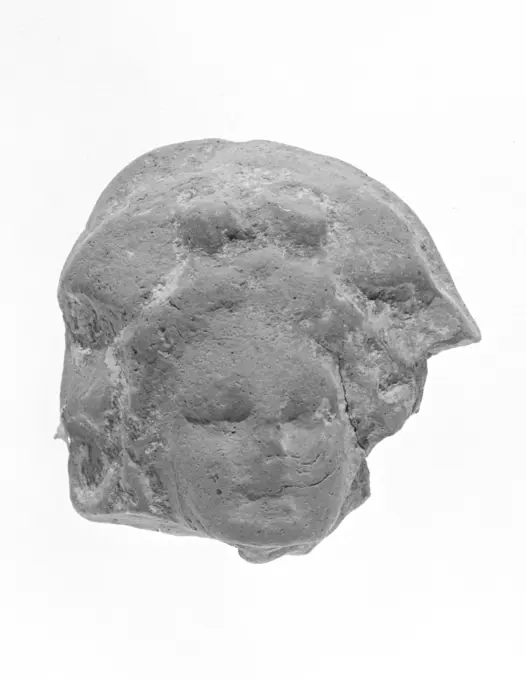
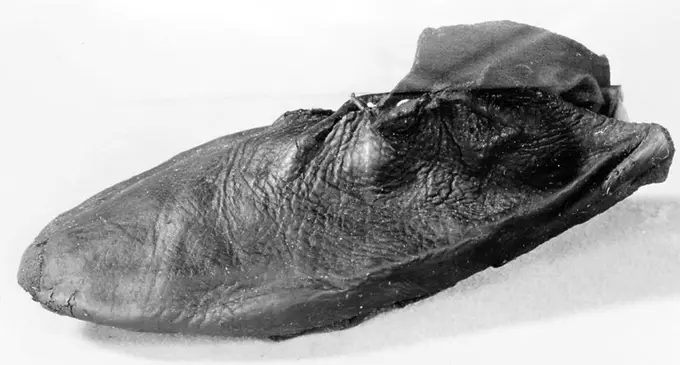
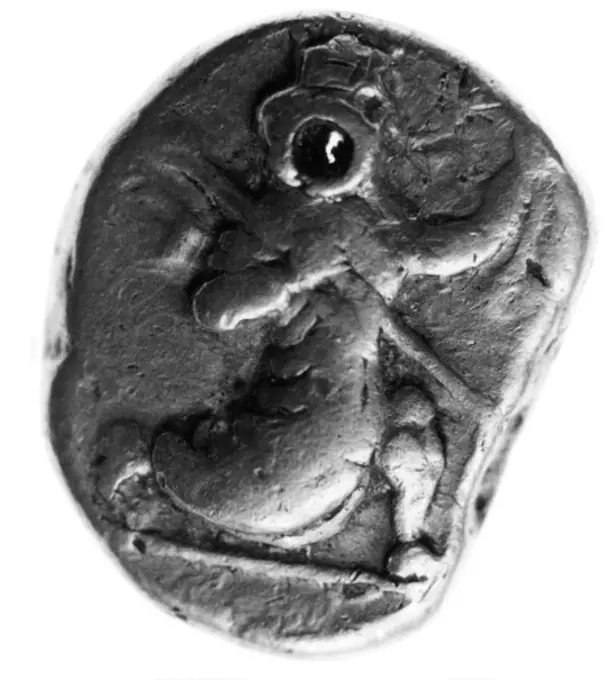
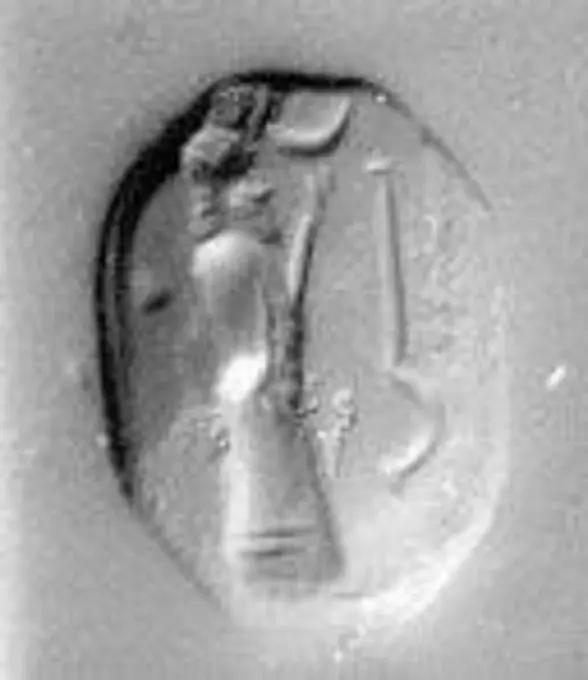
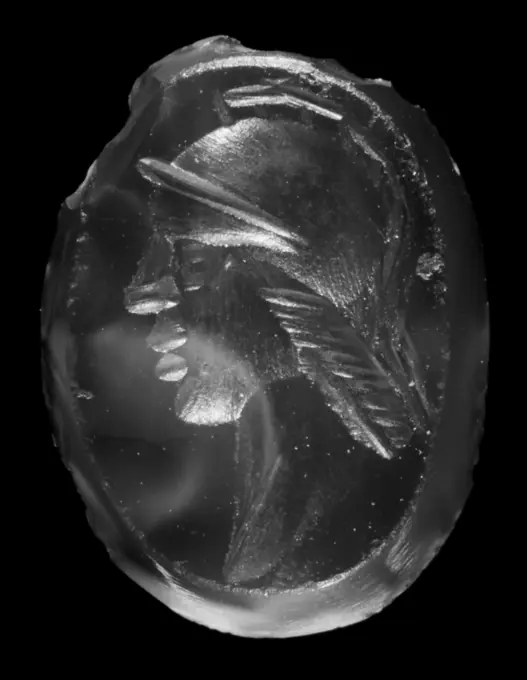
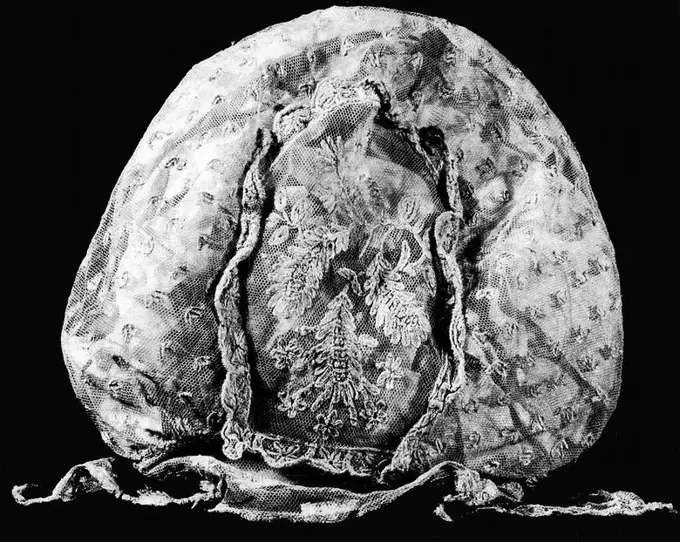
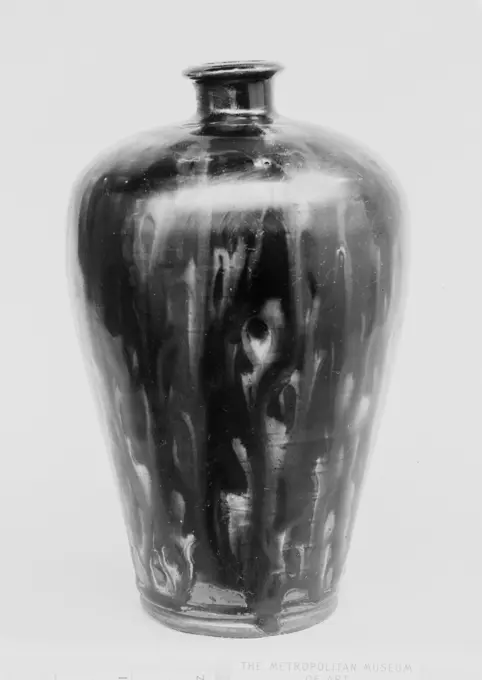
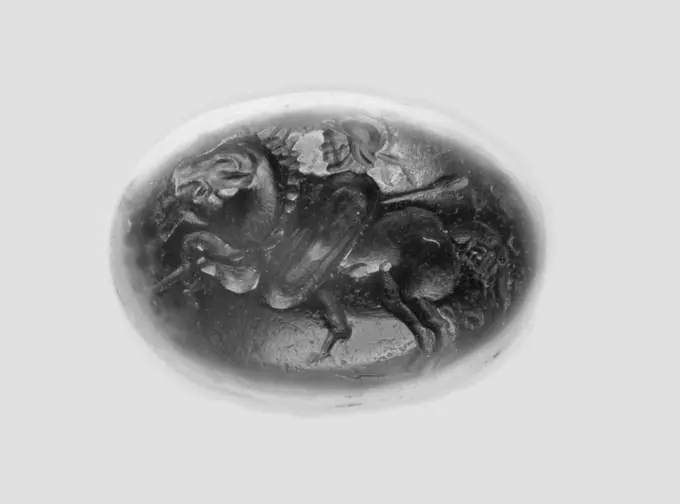
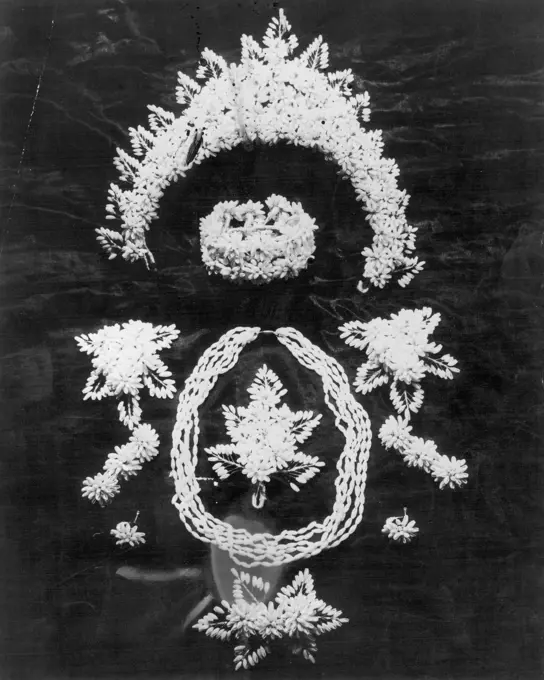
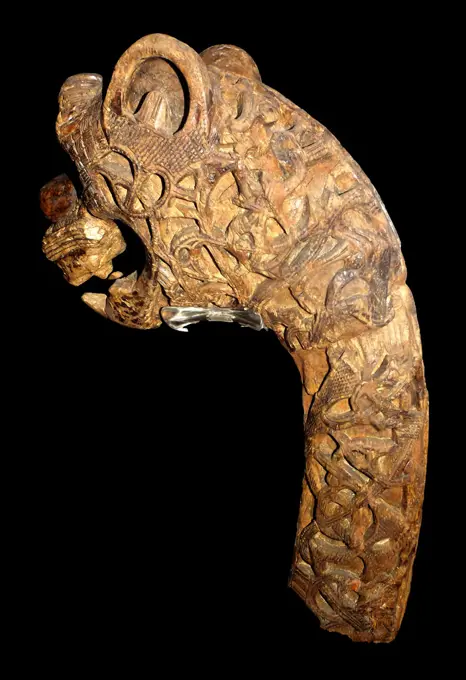
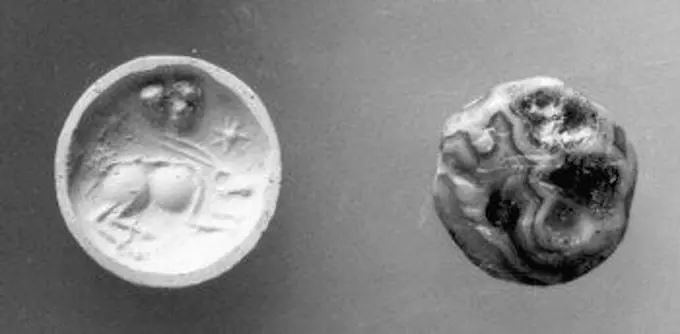
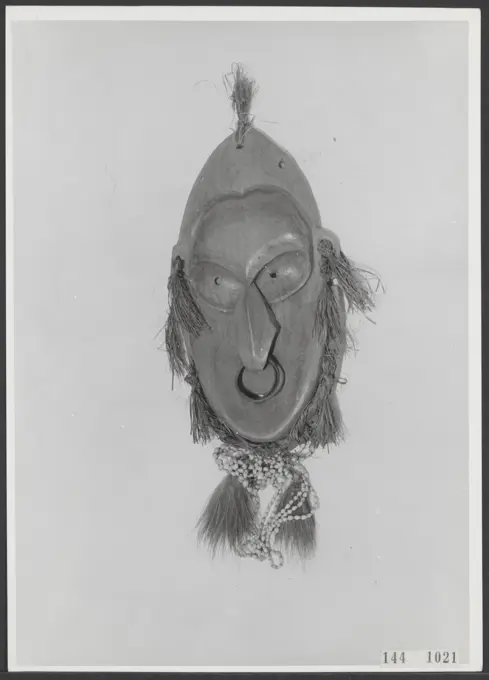
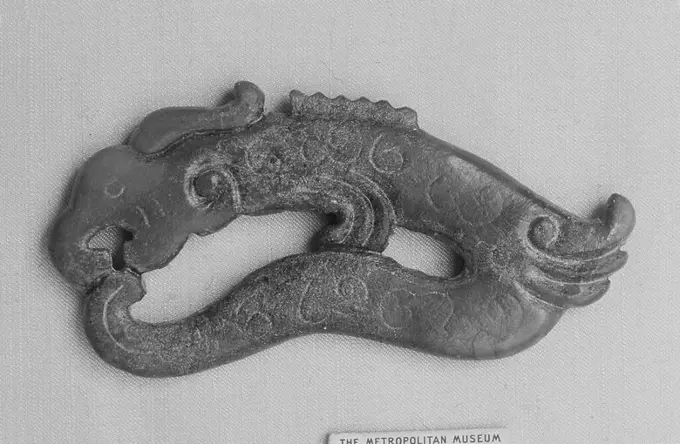
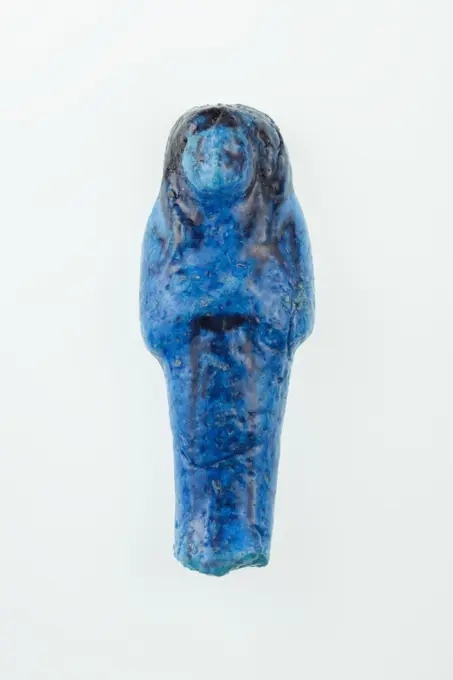
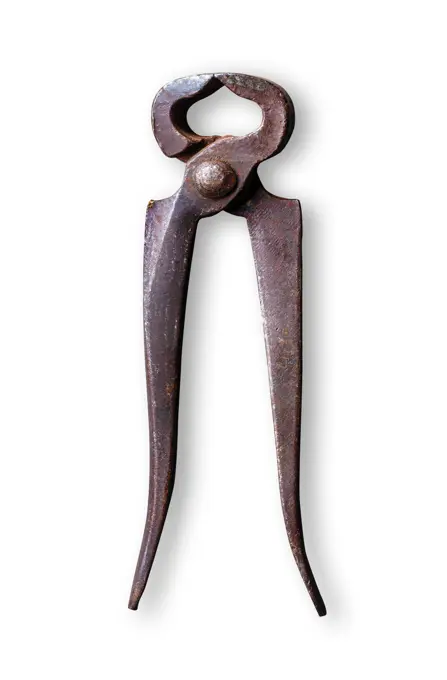
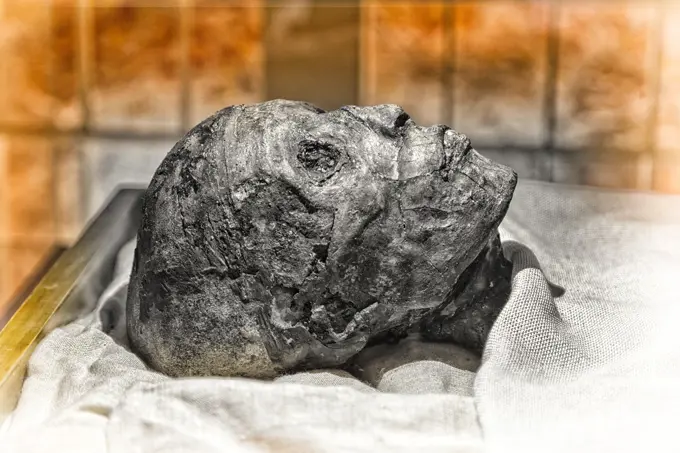
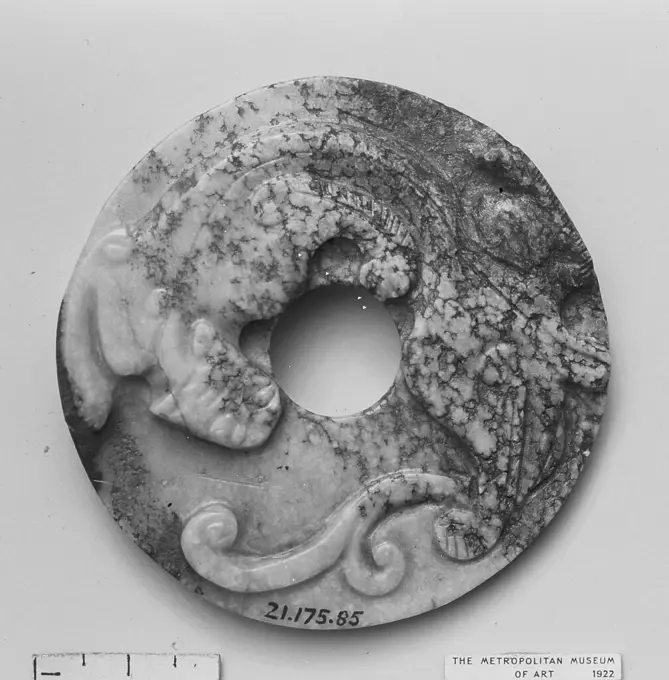
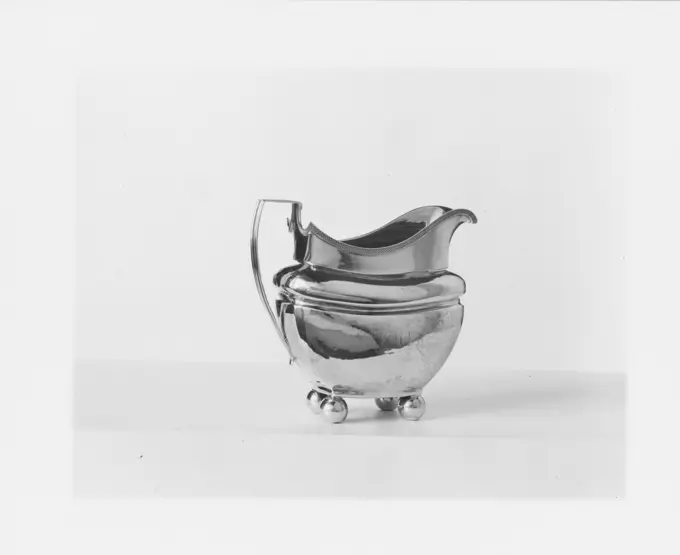
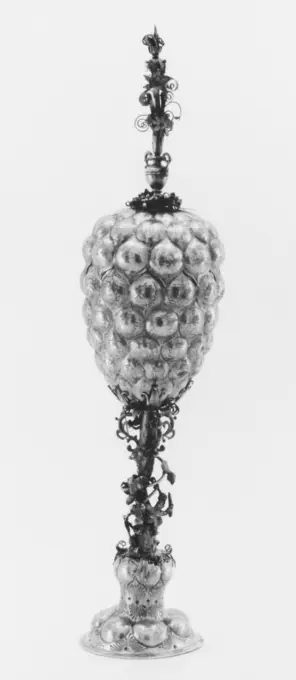
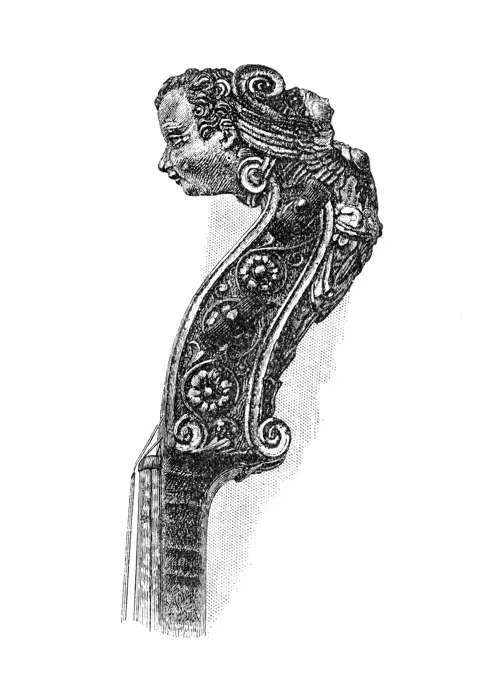
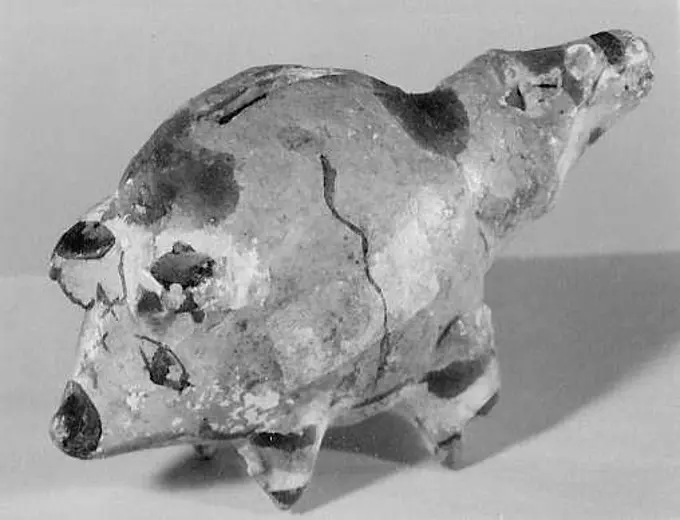
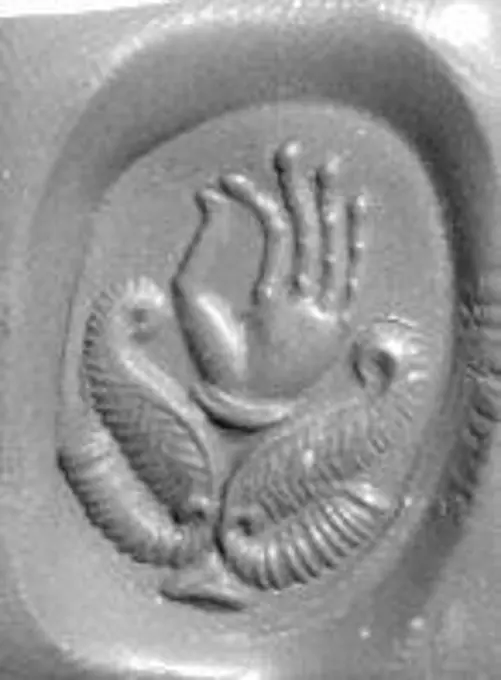
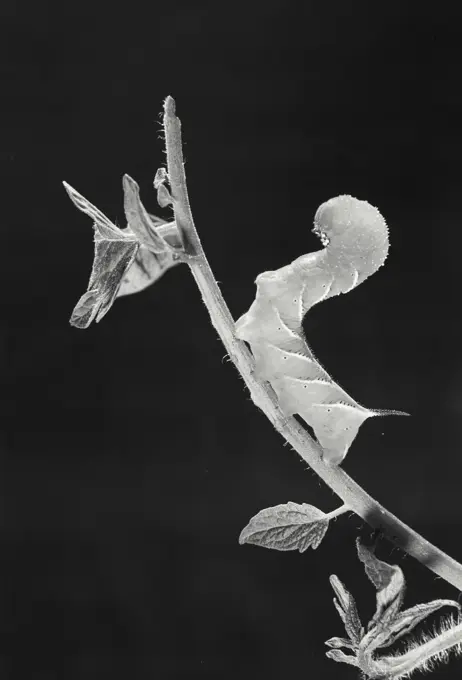
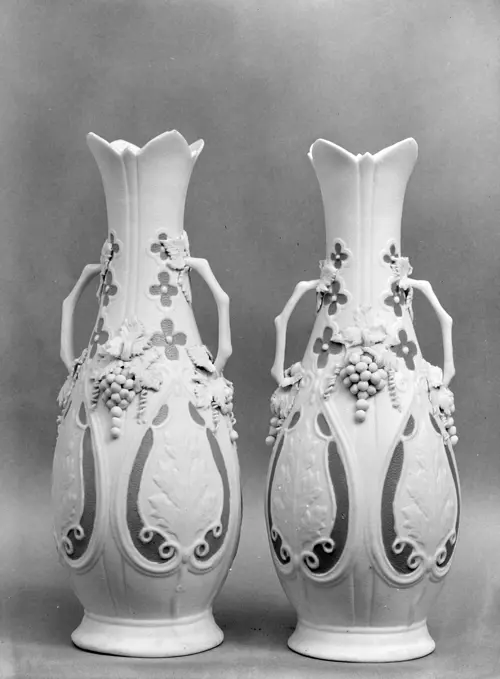
Cattle Bell 1707 Swiss. Cattle Bell 502029Female Head. UnknownCobra head for architectural frieze ca. 1550-1295 B.C. New Kingdom. Cobra head for architectural frieze 554772Ladle 1850-70 () Haida. Ladle. Haida. 1850-70 (). Horn. Canada, British Columbia. Bone/Ivory-ImplementsMud impression of ivory handle 54.117.3 ca. 8th century B.C. Assyrian. Mud impression of ivory handle 54.117.3 324325Head with Bow Knot. UnknownJug. UnknownMale Head. UnknownFragment of a Sculpture: Foot. UnknownVase China. Vase. China. Nephrite. Qing dynasty (1644-1911), Qianlong period (1736-95). JadeBreastplate; South Italy; about 480 B.C; Bronze; 29 × 40 × 25 cm (11 7,16 × 15 3,4 × 9 13,16 in.)Minature standing figure 11th-12th century China. Minature standing figure. China. 11th-12th century. Stoneware with white glaze. Song dynasty (960-1279). Tomb PotteryClose Helmet (Burgonet), early 1500s. Italy, Milan (), early 16th Century. Steel; overall: 34.3 x 25.7 x 22.2 cm (13 1/2 x 10 1/8 x 8 3/4 in.).Ornament. Culture: China. Dimensions: Diam. 2 1/2 in. (6.4 cm). Museum: Metropolitan Museum of Art, New York, USA.Girdle pendant. Culture: China. Dimensions: H. 1 1/2 in. (3.8 cm); W. 2 in. (5.1 cm); D. 1 1/8 in. (2.9 cm). Museum: Metropolitan Museum of Art, New York, USA.Pendant. Culture: China. Dimensions: L. 3 1/8 in. (7.9 cm); W. 1 7/8 in. (4.8 cm). Date: 20th century. Museum: Metropolitan Museum of Art, New York, USA.Girdle ornament China. Girdle ornament 43065Jewelled Pendant 19th century India. Jewelled Pendant. India. 19th century. Nephrite, white with very faint grayish tint. JadeToe of a Shoe. England. Date: 1501-1600. Dimensions: 14 × 6.5 × 3 cm (5 1/2 × 2 9/16 × 1 3/16 in.). Leather. Origin: England. Museum: The Chicago Art Institute, Chicago, USA.Garland (part of a set). Culture: French. Dimensions: Overall: 13 1/4 × 5 in. (33.7 × 12.7 cm). Date: 18th century. Museum: Metropolitan Museum of Art, New York, USA.Armor of Fernando Álvarez de Toledo and Pimentel, Ferdinandus Toletanus Dux Albanus (Piedrahita, October 29, 1507 - Tomar, December 11, 1582), called the Grand Duke of Alba and "the Great", was a noble, military, diplomat Castilian, III Duke of Alba de Tormes, IV Marquis de Coria, III Earl of Salvatierra de Tormes, II Earl of Piedrahita and VIII Lord of Valdecorneja, Great of Spain and Knight of the Insigne Order of the Golden Fleece. He was the most important of the representatives of the House of Toledo or House of Álvarez de Toledo. History of Philip II of Spain. Old engraving published inFurniture support carved in the round with a lion's hind leg ca. 9th-8th century B.C. Assyrian This piece is carved into the shape of a lions right hind leg. It was found in a large storeroom at Fort Shalmaneser, a royal building at Nimrud that was probably used to store booty and tribute collected by the Assyrians while on military campaign. The leg muscles are softly rendered and the three claws are individually articulated in low relief. A dowel hole that pierces the inner paw and the trapezoidal tenon on which this leg stands suggest that this piece was fitted into a frame, likely as part of a piece of furniture. The inner side of the leg is flat and the upper portion is square-cut with two large, poorly preserved mortises at either side of the thickest area, likely to secure it to the piece of wooden furniture to which it originally belonged. For example, sphinx thrones, a type of ceremonial chair flanked by sphinxes likely influenced by Egyptian palanquins, are depicted in Phoen03/01/1917. Pigeon shooting in Madrid. Cup Donated by Mr. Luis Perinat and won by Mr. Luis Herrero.Hat. The Nordic Museum's object, invoice 113649. NordicLazio Roma Rome SS. Giovanni e Paolo, Museum33. Hutzel, Max 1960-1990 Medieval: Ceramic fragments, sculptural fragments, fresco fragments, inscribed tomb markers. Houses one of the best collections of Malagan medieval ceramics for casting wall monuments, copies of which are housed in campanile. Specific Location: Museum Antiquities: Ceramic fragments, sculptural fragments, architectural fragments Object Notes: Basilica has separate record and is filed separately. German-born photographer and scholar Max Hutzel (1911-1988) photographed in Italy from the early 1960s until his death. The result of this project, referred to by Hutzel as Foto Arte Minore, is thorough documentation of art historical development in Italy up to the 18th century, including objects of the Etruscans and the Romans, as well as early Medieval, Romanesque, Gothic, Renaissance and Baroque monuments. Images are organized by geographic region in Italy, then by province, city, site complex and monument.Gloves 17th century British. Gloves 122096Snuff Bottle China. Snuff Bottle 41705Female Head. UnknownFragment of a Horse early 12th century Central Asia. Fragment of a Horse. Central Asia. early 12th century. Earthenware. SculptureRoman toy soldier isolated on a white backgroundOrnament plaque 3rd-4th century China. Ornament plaque. China. 3rd-4th century. Gilt bronze. Six Dynasties (220-589). MetalworkÉtui third quarter 18th century French In eighteenth-century Europe, Paris led the production of high-quality luxury goods. Parisian goldsmiths made a wide range of small, personal articles such as snuffboxes; étuis to hold sealing wax, tweezers, or utensils for sewing; souvenirs, which contained thin ivory tablets for note taking; and shuttles for knotting lace. Gold snuffboxes and boxes decorated with portrait miniatures were prized and frequently given as royal gifts, often to ambassadors or members of the court in lieu of cash payments for their services. Coveted and admired, these boxes were produced from a variety of materials. The best were skillfully made of gold and embellished with diamonds, enameled decoration, lacquer, and other luxurious materials. By the middle of the century, the taking of snuff had become an entrenched social ritual, and the snuffbox, too, had become an important social prop. Snuffboxes were considered highly fashionable accessories, with some merchantsStamp seal ca. 3rd-7th century A.D. Sasanian. Stamp seal. Sasanian. ca. 3rd-7th century A.D.. Agate. Sasanian. Iran or MesopotamiaJar with cover. Culture: China. Dimensions: H. 5 in. (12.7 cm); L. 5 3/8 in. (13.7 cm). Date: 18th century. Museum: Metropolitan Museum of Art, New York, USA.Balustrade fragment. Culture: French. Dimensions: Height: 11 1/2 in. (29.2 cm). Date: late 17th-early 18th century. Museum: Metropolitan Museum of Art, New York, USA.Censer with cover. Culture: Japan. Dimensions: H. 8 in. (20.3 cm); L. 9 11/16 in. (24.6 cm). Date: 1750. Museum: Metropolitan Museum of Art, New York, USA.Fish Figurine 20th century Japan. Fish Figurine. Japan. 20th century. Bronze. MetalworkOrnament: Love Token China. Ornament: Love Token. China. Jade. Han dynasty (206 B.C.-A.D. 220). JadeSpoon (Bi). Culture: China. Dimensions: W. 2 1/2 in. (6.4 cm); L. 12 3/4 in. (32.4 cm); Wt. 1 lb. (0.5 kg). Date: late 9th-early 8th century B.C.. Museum: Metropolitan Museum of Art, New York, USA.Figurine Fragment. UnknownFruit dish (part of a service) Manufactory Sèvres Manufactory French Decorator Guillaume Noël French 1771Censer (kôro). Yoshimichi, authorLazio Viterbo Viterbo Museo Civico03. Hutzel, Max 1960-1990 Views of paintings (Middle Ages through 18th c.), frescoes, a tabernacle, coffin, sculpture reliefs, portal fragments, busts, sculpture, tapestry found in the Pinacoteca, Second floor gallery and Second floor cloister sequences. Antiquities: Many views of Etruscan and Roman fragments, sculpture, sarcophagi, pottery, masks, jewelry and other objects found in the Storeroom sequence (inventory numbers on back of prints), and the Cloister, Second floor Cloister, Valle Giulia, Sala Romana and Sala Etrusca sequences. General Notes: There are eight separate numerical sequences for this location. The cloister as an architectural structure, rather than museum site, is documented in the record and file for S. Maria della Verita, Cloister, all views of which are stored in Medieval core collection. Five views from the Museo Civico Second floor cloister sequence are stored in Medieval. German-born photographer and scholar Max Hutzel (1911-Flat Dish early 19th century Japan. Flat Dish. Japan. early 19th century. Pottery with glaze. Edo period (1615-1868). CeramicsSeal 18th century China. Seal 41957Stamp seal (bifacial scaraboid) with animals 12th - 7th century B.C. Syro-Anatolian-Levantine. Stamp seal (bifacial scaraboid) with animals. Syro-Anatolian-Levantine. 12th - 7th century B.C.. Greenstone. Iron Age I-II. Northern Syria or southeastern AnatoliaSugar Bowl 1830-70 American. Sugar Bowl. American. 1830-70. Parian porcelain. Probably made in Bennington, Vermont, United StatesFemale Head Fragment. UnknownShoe (Toe). England. Date: 1501-1600. Dimensions: 20 × 9 × 8 cm (7 7/8 × 3 1/2 × 3 1/8 in.). Leather. Origin: England. Museum: The Chicago Art Institute, Chicago, USA.Statuette of a woman votary, 5 . Culture: Greek, Laconian. Dimensions: Height: 1 3/16 in. (3 cm). Date: ca. 700-500 B.C.. Museum: Metropolitan Museum of Art, New York, USA.Jar early 18th century China. Jar. China. early 18th century. Porcelain painted in underglaze cobalt blue (Jingdezhen ware). Qing dynasty (1644-1911). Ceramicsmoney / finances, coins, ancient world, Persia, daric, gold, 5th - 4th century BC, obverse,Stamp seal (octagonal pyramid) with cultic scene late 8th - 6th century B.C. Assyro-Babylonian. Stamp seal (octagonal pyramid) with cultic scene. Assyro-Babylonian. late 8th - 6th century B.C.. Flawed Carnelian (Quartz). Neo-Assyrian / Neo-Babylonian. MesopotamiaJaguar Sleeping modeled late 1830s, cast probably before 1847 Antoine-Louis Barye French In 1838 Barye obtained a commercial patent for casting small bronzes, and by 1845 he had formed a partnership with the entrepreneur Emile Martin for the purpose of producing small bronzes in quantity for middle-class collectors. Barye soon began to market his bronzes with the aid of a series of catalogues that permitted the purchaser to order from a variety of models. The earliest catalogue was published in 1844. The catalogue of 1847 stated that each bronze would be numbered and punch marked, but the marking system was quickly abandoned, perhaps because of its very success. After Barye's death, the models were bought by a number of founders, some of whom continued to use them for many years.. Jaguar Sleeping 198640Engraved Gem. UnknownCap. Possibly United States. Date: 1825-1850. Dimensions: 30.4 x 21 cm (12 x 8 1/4 in.). Cotton, machine-made twist net; embroidered with cotton and linen in chain stitches (tambour work). Origin: United States. Museum: The Chicago Art Institute, Chicago, USA.Bottle 18th century Japan. Bottle. Japan. 18th century. Clay covered with an overglaze (Seto ware). Edo period (1615-1868). CeramicsEngraved Gem. UnknownCampania Caserta Capua Museo Campano97. Hutzel, Max 1960-1990 Medieval: Byzantine architectural fragments; parchment fragments with miniatures (12th century) from Montecassino; painted wooden crucifix (13th century); Carolingian crucifixes; Bishop's miter (11th century) of gold and silver damask; fresco (13th century). Post-medieval: Architecture (15th century). Formerly the Palazzo Antignano. Unusual Catalan/Moorish-style portal; Paintings on panel and canvas (15th-18th centuries); marble intarsia (16th century); marble sculpture: busts of Christ and Mary (17th century); sculpture of saints in marble and in wood (15th century); painted and gilded sculpture in wood; marble grave sculpture (16th century); sarcophagus with allegorical carvings; gold reliquary "Rosa d'Oro"; crucifix made of elephant tusk Specific Location: Pianterreno Antiquities: Italic sculpture (seated women holding babies); inscription. Photo campaign #1: 533 photos. Roman relief and sculpture; cinerary urns; Greek anGlass Fragment 16th century French. Glass Fragment. French. 16th century. Colorless glass. Glass-StainedGumuri late 19th century Saudi Arabian. Gumuri. Saudi Arabian. late 19th century. Wood, parchment, hide. Saudi Arabia. Chordophone-Lute-plucked-unfrettedJewels Of Shells Worn By The Duchess Of WindsorLovely costume Jewelry made by the killed hands of native Bahamians has become exceedingly popular among fashionable society at Nassau, Bahamas, largely as the result of the favor bestowed upon it by the Duchess of Windsor.Shown here are the delicate tiara, earrings, bracelet, necklace, brooch, pins, clasps and lapel spray which are often worn by the Duchess of Windsor at social and government functions and which have set the fashion at the popular island-resort. April 29, 1941.Excavation of Oseberg Viking age ship discovered in a large burial mound at the Oseberg farm near Tønsberg in Vestfold County, Norway began in 1903. The Oseberg ship dated from 834 AD, was pulled ashore and used as a burial ship for the two ladies. That site also contained numerous richly decorated objects in wood. The characteristic motif of the style is gripping beasts. The gripping beast motif is what clearly distinguishes the early Viking art from the styles that preceded it.Carinated lentoid seal ca. 14th century B.C. (). Carinated lentoid seal. ca. 14th century B.C. (). Agate, banded gray white. Late Cypriot (). Cyprus ()Information office and radio broadcaster Dutch New Guinea. Wooden mask from Australian New Guinea. October 1957. New GuineaGirdle pendant. Culture: China. Dimensions: H. 1 3/8 in. (3.5 cm); W. 2 3/4 in. (7 cm); D. 3/16 in. (.5 cm). Museum: Metropolitan Museum of Art, New York, USA.Linen Shirt, Presumably Worn by Henry Casimir I during the Siege of a Fort at Hulst in 1640, anonymous, in or before 1640  White linen shirt, presumably worn by Hendrik Casimir I during the storming of a fort near Hulst. With a small bond on the collar and on the cuffs. Full of blood stains, completely torn and half digested. Netherlands linen (material)   HollyWorker Shabti of Nauny ca. 1050 B.C. Third Intermediate Period See 30.3.28.1a, b. Worker Shabti of Nauny. ca. 1050 B.C.. Faience. Third Intermediate Period. From Egypt, Upper Egypt, Thebes, Deir el-Bahri, Tomb of Meritamun (TT 358, MMA 65), first corridor, burial of Nauny, MMA excavations, 1928-29. Dynasty 21Iron vintage design elementzange,zangen ** pliers,nipper,nippers ktn-jxtLazio Viterbo Viterbo Museo Civico16. Hutzel, Max 1960-1990 Views of paintings (Middle Ages through 18th c.), frescoes, a tabernacle, coffin, sculpture reliefs, portal fragments, busts, sculpture, tapestry found in the Pinacoteca, Second floor gallery and Second floor cloister sequences. Antiquities: Many views of Etruscan and Roman fragments, sculpture, sarcophagi, pottery, masks, jewelry and other objects found in the Storeroom sequence (inventory numbers on back of prints), and the Cloister, Second floor Cloister, Valle Giulia, Sala Romana and Sala Etrusca sequences. General Notes: There are eight separate numerical sequences for this location. The cloister as an architectural structure, rather than museum site, is documented in the record and file for S. Maria della Verita, Cloister, all views of which are stored in Medieval core collection. Five views from the Museo Civico Second floor cloister sequence are stored in Medieval. German-born photographer and scholar Max Hutzel (1911-Stone objects 1898, Middle EastKing Tuts mummy at the tomb of Tutankhamun in Valley of the Kings; EgyptThoth amulet ca. 2110-2030 B.C. Old Kingdom-First Intermediate Period. Thoth amulet. ca. 2110-2030 B.C.. Ivory. Old Kingdom-First Intermediate Period. From Egypt. Dynasty 8-11Vase 1830-70 American. Vase. American. 1830-70. Parian porcelain. Probably made in Bennington, Vermont, United StatesWater Dropper with a Leaf Spray Design 20th century Korea. Water Dropper with a Leaf Spray Design. Korea. 20th century. Porcelain with underglaze cobalt and copper. Joseon dynasty (1392-1910). CeramicsOrnament 19th century Japan. Ornament 54295Vase. Culture: China. Dimensions: H. 23 in. (58.4 cm). Museum: Metropolitan Museum of Art, New York, USA.Bottle, votive 304-30 B.C. Ptolemaic Period. Bottle, votive. 304-30 B.C.. Silver. Ptolemaic Period. From EgyptFragment of a Draped Female Figurine. UnknownBead ca. late 8th millennium B.C.. Bead 327141Disk. Culture: China. Dimensions: Diam. 3 in. (7.6 cm). Museum: Metropolitan Museum of Art, New York, USA.Squared Food Vessel with Stem ca. 1610-1630s Japan These piece from a set of five dishes would be used during the kaiseki stage of the tea ceremony to hold a small portion of food.. Squared Food Vessel with Stem 44933Chessmen (32) Chinese late 19th centuryPeacock (one of a pair) 1720-30 Meissen Manufactory German. Peacock (one of a pair) 203036Native American Piegan fringed leather Medicine bag. By Edward Curtis 1868-1952, photographer 1910Creamer ca. 1810 Garret Forbes. Creamer. American. ca. 1810. Silver. Made in New York, New York, United StatesPineapple cup with cover (Hanap) 17th century Caspar Beutmüller the Younger. Pineapple cup with cover (Hanap) 202512Anefo photo collection. Statuette of bayens. February 3, 1972Set of four shoes 18th century French. Set of four shoes. French. 18th century. Gilt bronze. Metalwork-Gilt BronzeVase. Culture: China. Dimensions: H. 10 7/16 in. (26.5 cm); W. 4 7/16 in. (11.2 cm); D. 1 3/8 in. (3.5 cm). Museum: Metropolitan Museum of Art, New York, USA.Neck and scroll of Ole Bulls Gaspar Di Salo violin. Neck and scroll of Ole Bulls Gaspar Di Salo violin. Originally published January 1881 in Harpers New Monthly Magazine. Copyright: xZoonar.com/J.xSandvikx 3636736Pottery Whistle and Rattle mid 19th-late 19th century Mexican. Pottery Whistle and Rattle. Mexican. mid 19th-late 19th century. Polychrome. Mexico. Aerophone and Idiophone-flue blown / vessel rattleStamp seal ca. 3rd-7th century A.D. Sasanian. Stamp seal. Sasanian. ca. 3rd-7th century A.D.. Chalcedony, yellow. Sasanian. Iran or MesopotamiaPhotograph of fruit arranged in an artistic shell with a child figure as the base, captured by Eduard Valenta using interference color photography.Watch ca. 1730-50 Watchmaker: Gridin. Watch. French, Paris. ca. 1730-50. Metal, enamel. HorologyVintage Photograph. Tomato horn worm on branch.Vase 1830-70 American Named in reference to the ancient marble quarry on the Greek island of Parros, parian has higher proportion of feldspar than conventional porcelain, resulting in a vitrified biscuit body that resembles white statuary marble. Stylish and affordable, parian statuary and hollowware were extremely popular household ornaments in the mid-nineteenth century. This vessel and its mate (47.90.24) was likely made by the United States Pottery Company, which exhibited parian to great acclaim at the 1853 Crystal Palace Exhibition in New York.. Vase. American. 1830-70. Parian porcelain. Probably made in Bennington, Vermont, United StatesMortuary Mask of Khaemwaset 1069 B.C.Kyogen mask 18th century Japan. Kyogen mask 60223